Arts & Entertainment
Radio host blames Megyn Kelly’s ratings on gay, liberal men
Root says the political commentator’s new audience doesn’t appreciate her looks
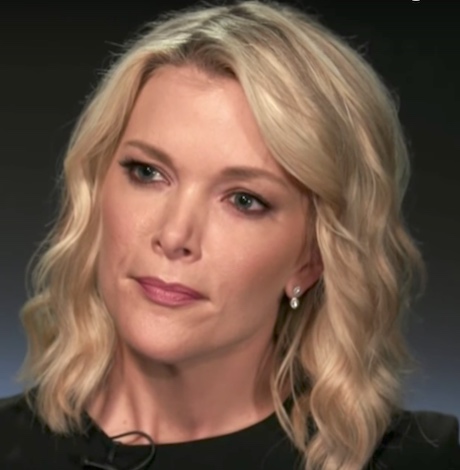
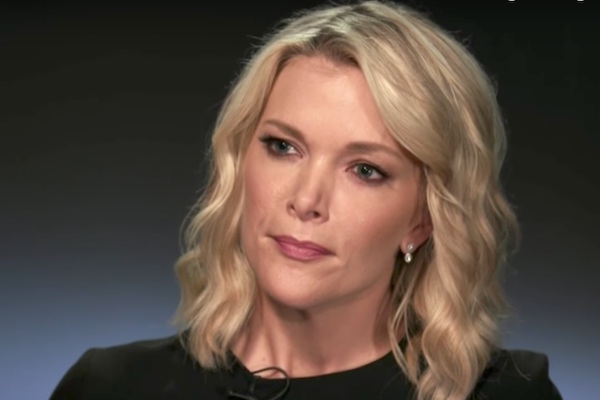
(Screenshot via YouTube.)
Conservative radio host Wayne Allyn Root believes the reason Megyn Kelly’s Sunday primetime newsmagazine show is taking a ratings nose dive is because liberal men are “all gay.”
Right Wing Watch reports that Root fired off that Kelly’s downfall on NBC is because she lost the Republican male audience from FOX News.
“She’s got great legs,” Root says. “She’s a hot babe and no one gives a crap about her. You know why? Because a hot babe on Fox News, Republican men loved her; take her off Fox News, now the whole world knows what she is. Republican men like me, I wouldn’t tune in. Screw Megyn Kelly.”
“Outside of Fox News, you have no support,” Root went on. “You had the hottest show in the country, my friend, and what did you do? You spit in our face. Now you’re done… we’re never going to give you the time of day, Megyn Kelly. Who’s left? Liberal women won’t like you because you’re coming from Fox News and liberal men, well, they’re all gay or they don’t appreciate pretty women.”
Root added that liberal men didn’t have their priorities straight when watching Kelly’s show. Instead of focusing on her looks they are “too busy worrying about the poor.”
“Real men like beautiful women,” Root continued. “Liberal men? You could walk into a room and they wouldn’t even notice. They’re too busy worrying about the poor. They don’t care about beautiful legs, they don’t care about your beautiful face and your blonde hair and your tight skirt. They don’t care.”
Listen to his rant below.
History
Julius’ Bar ‘sip-in’ laid groundwork for Stonewall
Tuesday marked 60 years since four gay activists held protest
While Stonewall is widely considered the birthplace of the modern LGBTQ rights movement in the U.S., a lesser-known protest inside a Greenwich Village bar three years earlier helped lay critical groundwork for what would follow.
Tuesday marked 60 years since the Julius’ Bar “sip in.”
On April 21, 1966, four gay rights activists — Dick Leitsch, Craig Rodwell, John Timmons, and later Randy Wicker — walked into Julius’ Bar and staged what would become known as a “sip-in” to challenge state liquor regulations on serving alcoholic beverages to gay men — with a drink.
Modeled after the sit-ins that challenged racial segregation across the American South, the protest was designed to confront discriminatory practices targeting LGBTQ patrons in public spaces.
At the time, the Mattachine Society — one of the country’s earliest gay rights groups — was actively pushing back against policies enforced by the New York State Liquor Authority. One of those policies could have resulted in the loss of liquor licenses for serving known or suspected gay men and lesbians. The participants had visited multiple establishments, openly identified themselves as homosexual, and requested a drink — with the anticipation of being denied.
Their final stop was Julius’, where reporters and a photographer had gathered to document the moment. When Leitsch declared their identity, the bartender covered their glasses and refused service, reportedly saying, “I think it’s against the law.” The next day, the New York Times ran a story with the headline, “3 Deviates Invite Exclusion by Bars,” cementing the moment in the public record.
Though initially framed with disrespect — the term “sip-in” itself was coined as a play on civil rights protests — the action marked a turning point. It brought national attention to the systemic discrimination LGBTQ people faced and helped catalyze changes in how liquor laws were enforced. In the years that followed, the protest contributed to the emergence of licensed, more openly gay-friendly bars, which became central social and organizing spaces for LGBTQ communities.
The Washington Blade originally covered when the bar was officially added to the National Park Service’s National Register of Historic Places in 2016.
Today, historians and advocates increasingly recognize the “sip-in” as a key pre-Stonewall milestone. According to the New York City LGBTQ Historic Sites Project, the protest not only increased visibility of the early LGBTQ rights movement but also exposed widespread surveillance and entrapment tactics used against the community.
Marking the 60th anniversary of the event, commemorations have taken place in New York and across the country. Reflecting on its enduring legacy, Amanda Davis, executive director of the NYC LGBTQ Historic Sites Project, spoke about the event.
“Julius’ Bar is a place you can visit and viscerally connect with history,” said Davis. “We’re thrilled to have solidarity locations across the country join us in commemorating the ‘sip-in’’s 60th anniversary and the queer community’s First Amendment right to peaceably assemble.”
For current stewards of the historic bar, the responsibility of preserving that legacy remains front of mind.
“It’s a privilege and a responsibility to be the steward of a place so important to American and LGBTQ history,” said current owner of Julius’ Bar, Helen Buford. “The events of the 1966 Sip-In here at Julius’ resonated across the country and inspired countless others to stand proud for their rights.”
The timing couldn’t have come at a more important moment, Kymn Goldstein, executive director of the June L. Mazer Lesbian Archives, explained.
“At a time when our community faces renewed challenges, coming together in resilience and solidarity reminds us of the power in our collective resistance,” Goldstein said.
The American Civil Liberties Union, an organization dedicated to defending rights and liberties guaranteed by the Constitution, is currently tracking 519 anti-LGBTQ bills across the U.S. The majority are targeted at restricting transgender rights — particularly related to gender-affirming care, sports participation, and the use of public bathrooms.
Some additional groups and bars that held their own “sip-in” as solidarity events to uplift this historic milestone are from across the country include:
Alice Austen House at Steiny’s Pub, Staten Island, N.Y.
Bellows Falls Pride Committee at PK’s Irish Pub, Bellows Falls, Vt.
Brick Road Coffee, Mesa, Ariz.
Brick Road Coffee, Tempe, Ariz.
Dick Leitsch’s Family at Old Louisville Brewery, Louisville, Ky.
The Faerie Playhouse & LGBT+ Archives Project of Louisiana at Le Cabaret, New Orleans
Harlem Pride & John Reddick at L’Artista Italian Kitchen & Bar, New York
JOYR!DE KiKi at Loafers Cocktail Bar, New York
Matthew Lawrence & Jason Tranchida / Headmaster at Deadbeats Bar, Providence, R.I.
Mazer Lesbian Archives at Alana’s Coffee, Los Angeles
New Hope Celebrates at The Club Room, New Hope, Pa.
Queer Memory Project at the University of Evansville Multicultural Student Commons / Ridgway University Center, Evansville, Ind.
Sandy Jack’s Bar, Brooklyn, N.Y.
St. Louis LGBT History Project at Just John Club, St. Louis
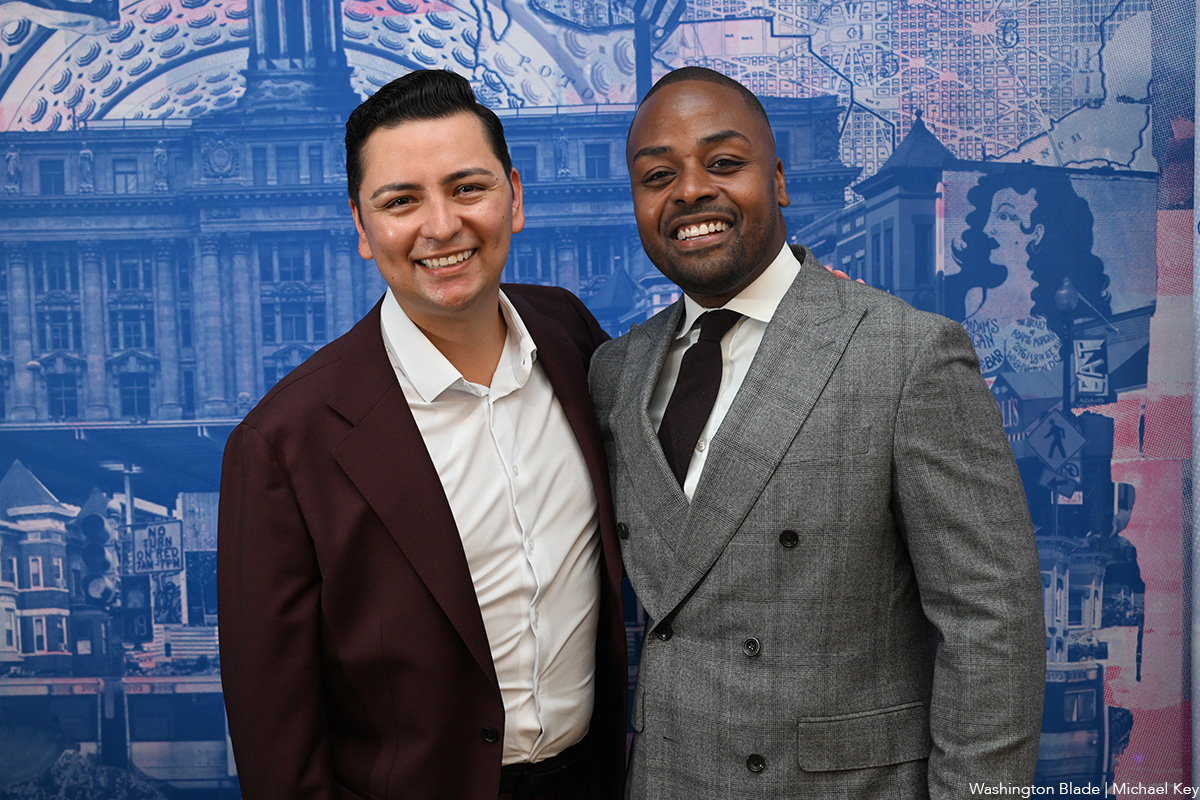
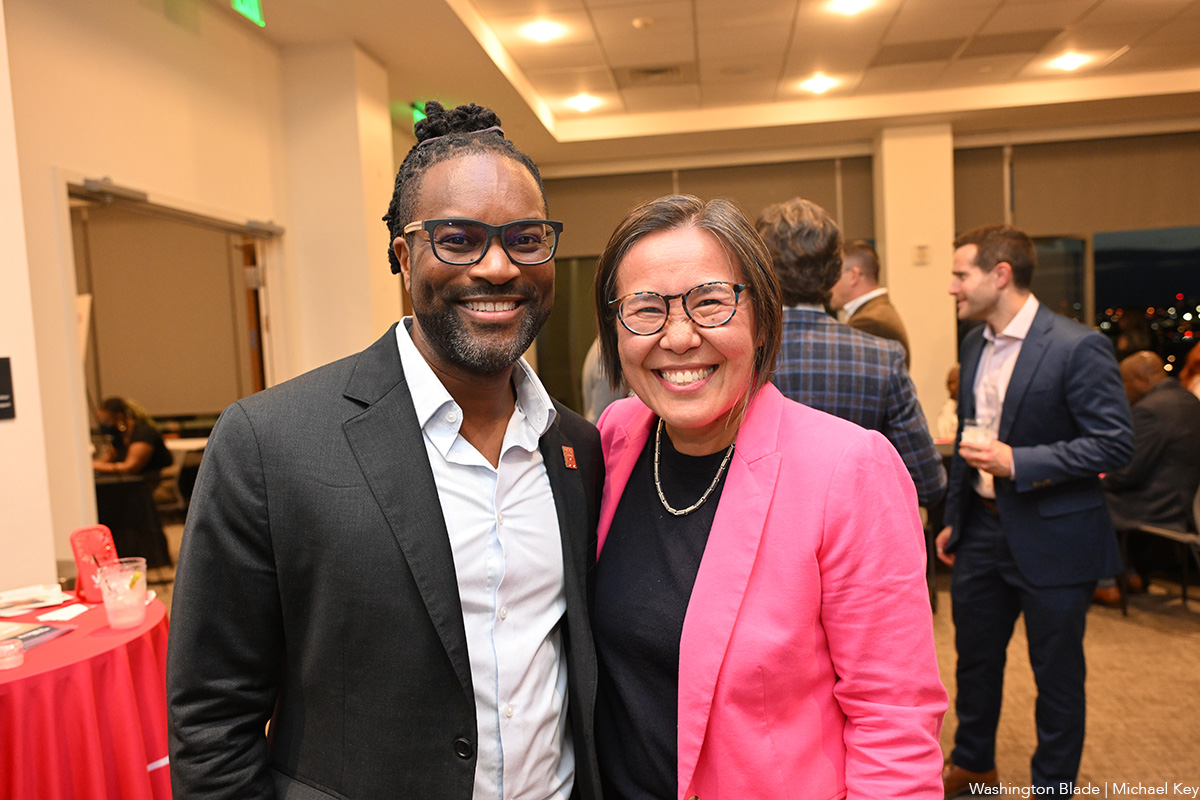
The LGBTQ+ Victory Fund National Champagne Brunch was held at Salamander Washington DC on Sunday, April 19. Gov. Andy Beshear (D-Ky.) was presented with the Allyship Award.
(Washington Blade photos by Michael Key)


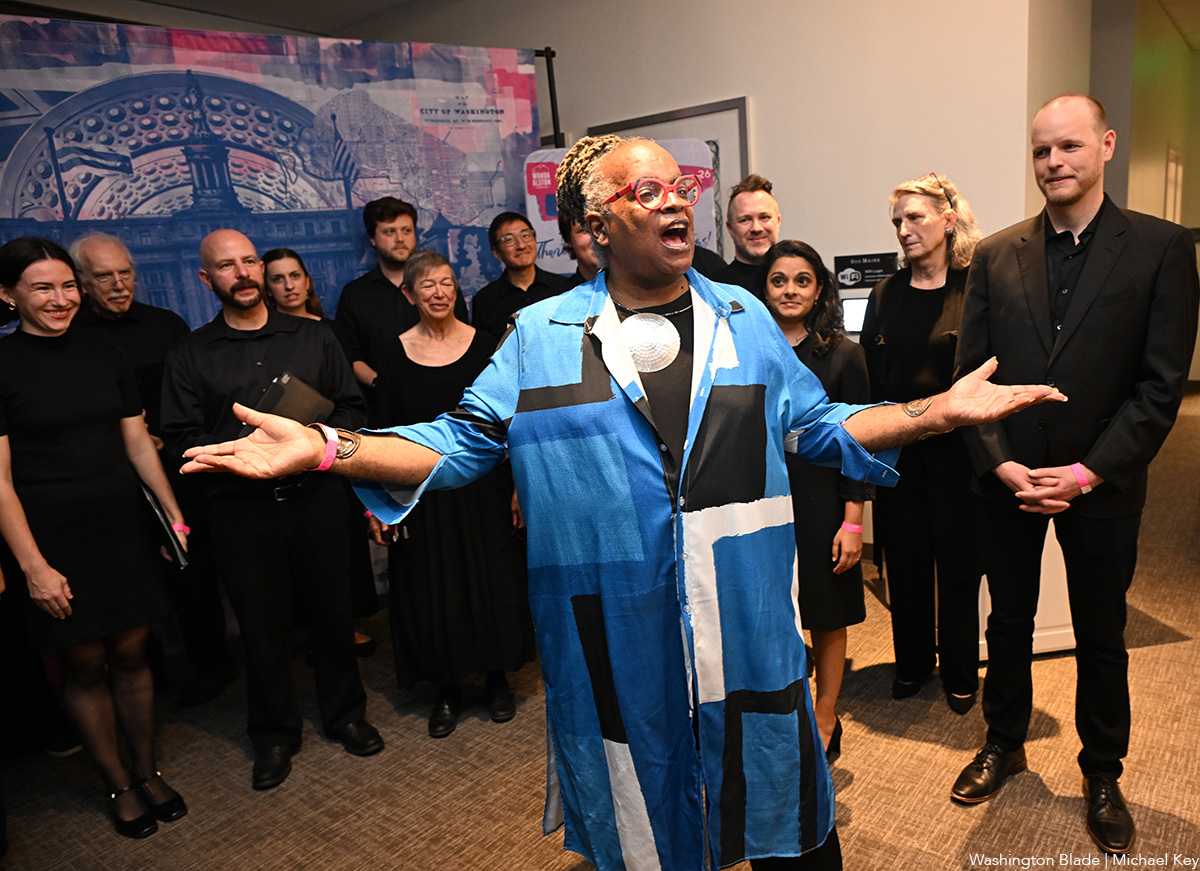
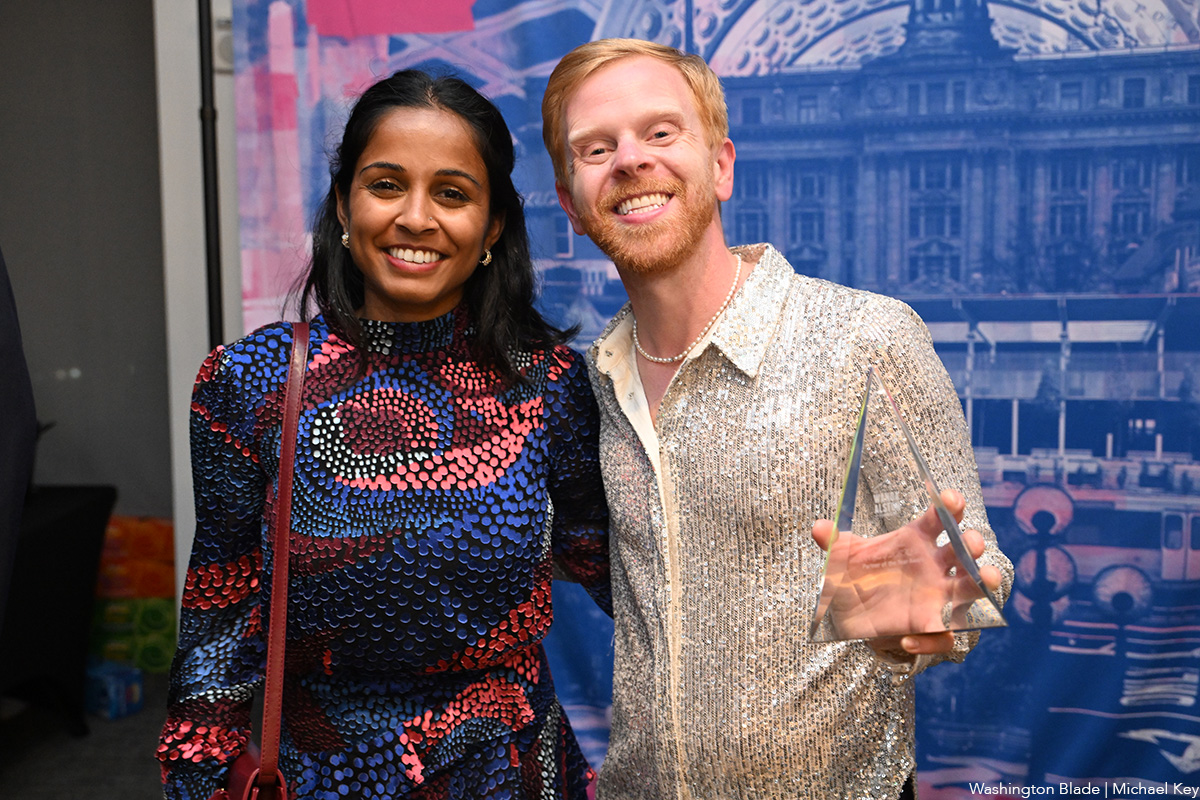
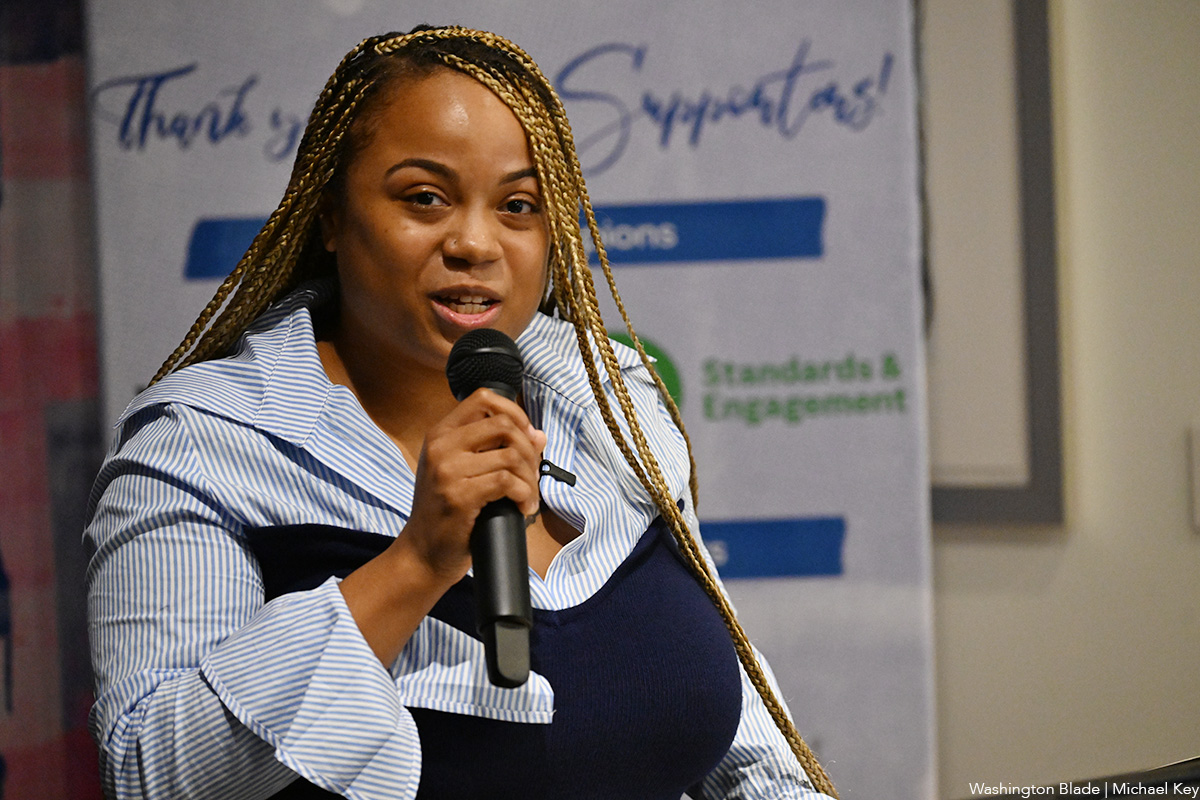
The umbrella LGBTQ sports organization Team D.C. held its annual Night of Champions Gala at the Georgetown Marriott on Saturday, April 18. Team D.C. presented scholarships to local student athletes and presented awards to Adam Peck, Manuel Montelongo (a.k.a. Mari Con Carne), Dr. Sara Varghai, Dan Martin and the Centaur Motorcycle Club. Sean Bartel was posthumously honored with the Most Valuable Person Award.
(Washington Blade photos by Michael Key)