Books
New book explores impact of family secrets
Her father was hiding his sexual orientation
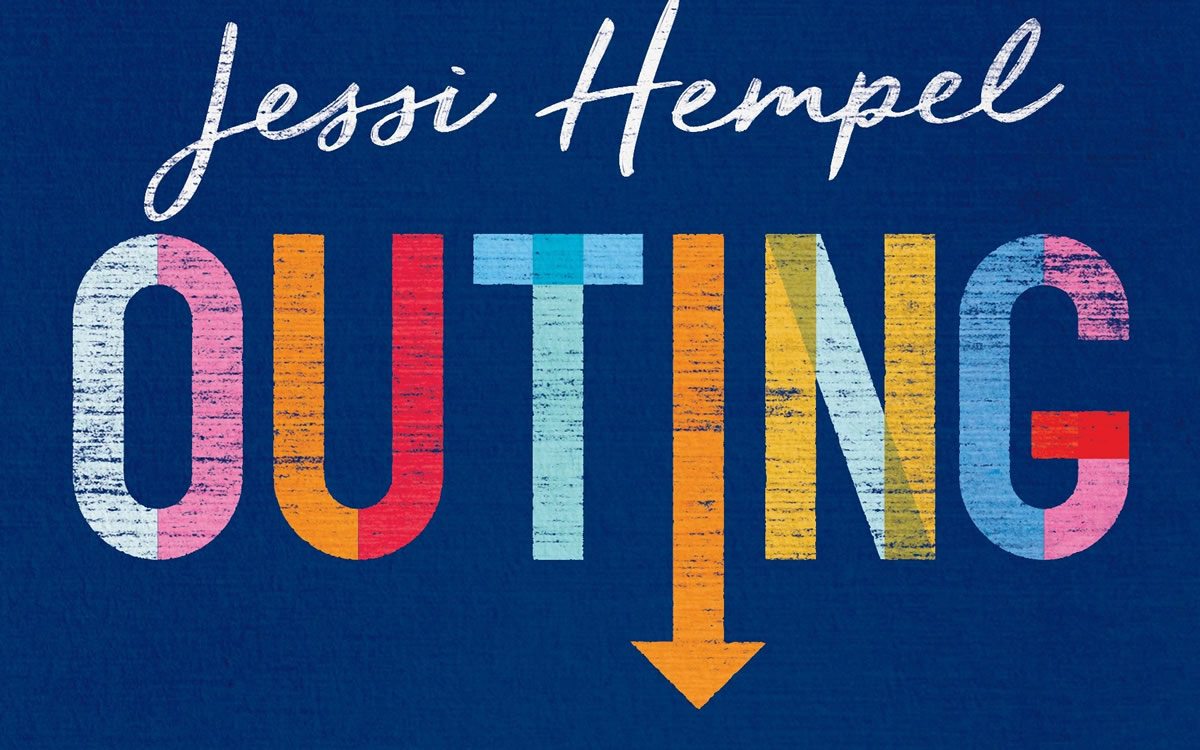
‘The Family Outing: A Memoir’
By Jessi Hempel
c. 2022, HarperOne
$27.99/320 pages
Don’t tell the children.
For most families in America in the last century, that was the maxim to live by: the kids are on a need-to-know basis and since they’re kids, they don’t need to know. And so what did you miss? Did you know about familial philanthropy, rebellion, embarrassment, poverty? As in the new memoir, “The Family Outing” by Jessi Hempel, did secrets between parent and child run both ways?
“What happened to me?”
That’s the big question Jessi Hampel had after many therapy sessions to rid herself of a recurring nightmare. She had plenty of good memories. Her recollection of growing up in a secure family with two siblings was sharp, wasn’t it?
She thought so – until she started what she called “The Project.”
With permission from her parents and siblings, Hempel set up Skype and Zoom sessions and did one-on-one interviews with her family, to try to understand why her parents divorced, why her brother kept mostly to himself, how the family dynamics went awry, why her sister kept her distance, and how secrets messed everything up.
Hempel’s father had an inkling as a young man that he was gay, but his own father counseled him to hide it. When he met the woman who would eventually be his wife, he was delighted to become a husband and father, as long as he could sustain it.
Years before, Hempel’s mother was your typical 1960s teenager with a job at a local store, a crush on a slightly older co-worker and, coincidentally, a serial killer loose near her Michigan neighborhood. Just after the killer was caught, she realized that the co-worker she’d innocently flirted with might’ve been the killer’s accomplice.
For nearly the rest of her life, she watched her back.
One secret, one we-don’t-discuss-it, and a young-adult Hempel was holding something close herself. What else didn’t she know? Why did she and her siblings feel the need for distance? She was trying to figure things out when the family imploded.
Ever had a dream that won’t stop visiting every night? That’s where author Jessi Hempel starts this memoir, and it’s the perfect launching point for “The Family Outing.”
Just prepare yourself. The next step has Hempel telling her mother’s tale for which, at the risk of being a spoiler, you’ll want to leave the lights on. This account will leave readers good and well hooked, and ready for the rest of what turns out to be quite a detective story.
And yet, it’s a ways away from the Sherlockian. Readers know what’s ahead, we know the score before we get there, but the entwining of five separate lives in a fact-finding mission makes this book feel as though it has a surprise at every turn.
Sometimes, it’s a good surprise. Sometimes, it’s a bad one.
A happily minimized amount of profanity and a total lack of overtness make “The Family Outing” a book you can share with almost anyone, adult, or ally. Read it, and you’ll be wanting to tell everyone.
The Blade may receive commissions from qualifying purchases made via this post.




Books
In ‘The Lost Brontë,’ a complicated lie can lead to danger
New book features sweetly romantic girl-meets-girl twist
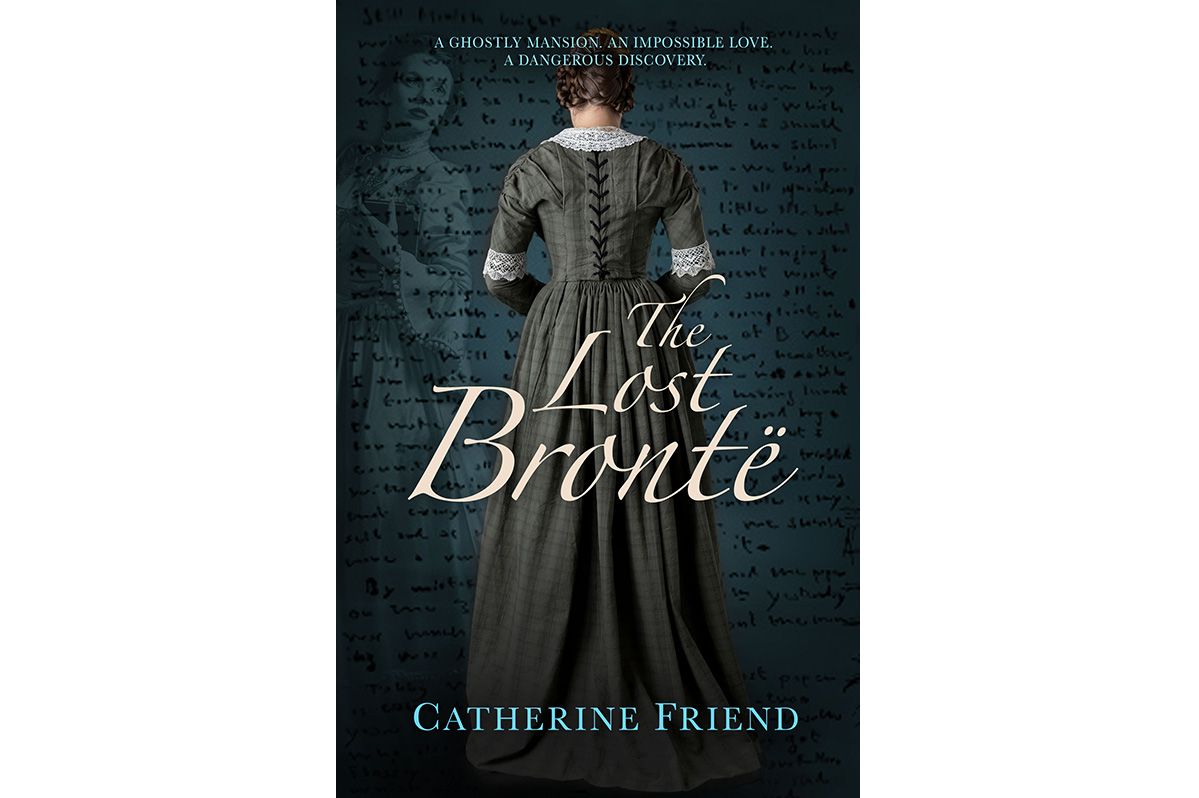
‘The Lost Brontë’
By Catherine Friend
c.2026, Bywater Books
$22.95/335 pages
Mom always said to tell the truth.
One lie leads to another and another and you have to remember them all until pretty soon, you’re caught. Fibs are hard, mistruths are messy, even little white social lies can destroy trust. Worst of all, as in the new novel, “The Lost Brontë” by Catherine Friend, a complicated lie can lead to danger.

Though Lilianne Loxley was very young when she lost her parents, she understood that her uncle didn’t really want her. As time passed, though, Lily made herself useful to Uncle, writing and signing letters for him and she became a good companion, helping him with his collection of Brontë memorabilia. Uncle was a keen enthusiast.
She had no idea that his obsession was out of control and he was deeply in arrears. The day Lily learned of his debt was the day she learned that he’d agreed to send her to his debtor’s home to work off the money owed.
It was so sudden. One minute, Lily was at Loxley House, happy and loved by Uncle’s staff … and five hours later, she was at Crag Thorn Manor, home of Lord Bexton, who informed her that she’d be working on his ledgers – work that seemed routine, but Lily tackled it.
Uncle always did say she was headstrong.
But would headstrong be enough to survive, when she was restricted from most of the Manor, when she was forced to dine with Brexton and his slimy friend, or – the worst! – when Brexton told Lily that her next task was to forge a letter from Emily Brontë? And then an entire manuscript?
Lily struggled to do what was right. She had to get Uncle out of debt but this last order horrified her. Did she dare refuse Brexton’s orders and commit a crime? It was unthinkable!
The only brightness in the whole situation was Wren, the ladies’ maid assigned to Lily’s room. Wren was adorable with freckles and the sweetest smile. But with everything else happening at Crag Thorn Manner, could Lily act upon her feelings?
This time of year, you may come to crave dark, spooky stories, and “The Last Brontë” fits those needs perfectly with its Gothic deliciousness. Think: Daphne du Maurier-type, stormy-night squirms with a dangerously chaste, sweetly romantic girl-meets-girl twist for fun.
If it’s been awhile since you’ve read a Gothic novel, you’re in for a nice reminder of why you love them here. You can almost tick off the must-haves: a novel like this is nothing without a foreboding stone manor with damp walls; stone steps to a dank basement; a mysterious portrait; and a nearby bog, and author Catherine Friend gives readers every one of them. You’d be disappointed if there was no ghost, wouldn’t you? Ha. You can practically feel the cold blow through the attic, right? Yeah, it’s that kind of book.
If you’re a fan of the Brontës, you’ll like this novel. If you love Gothic mysteries or Victorian romances, ditto. “The Lost Brontë” is good, no lie.
The Blade may receive commissions from qualifying purchases made via this post.
Books
Eliot Glazer’s new book an engaging collection of essays
From growing up gay to turning down ‘Queer Eye’
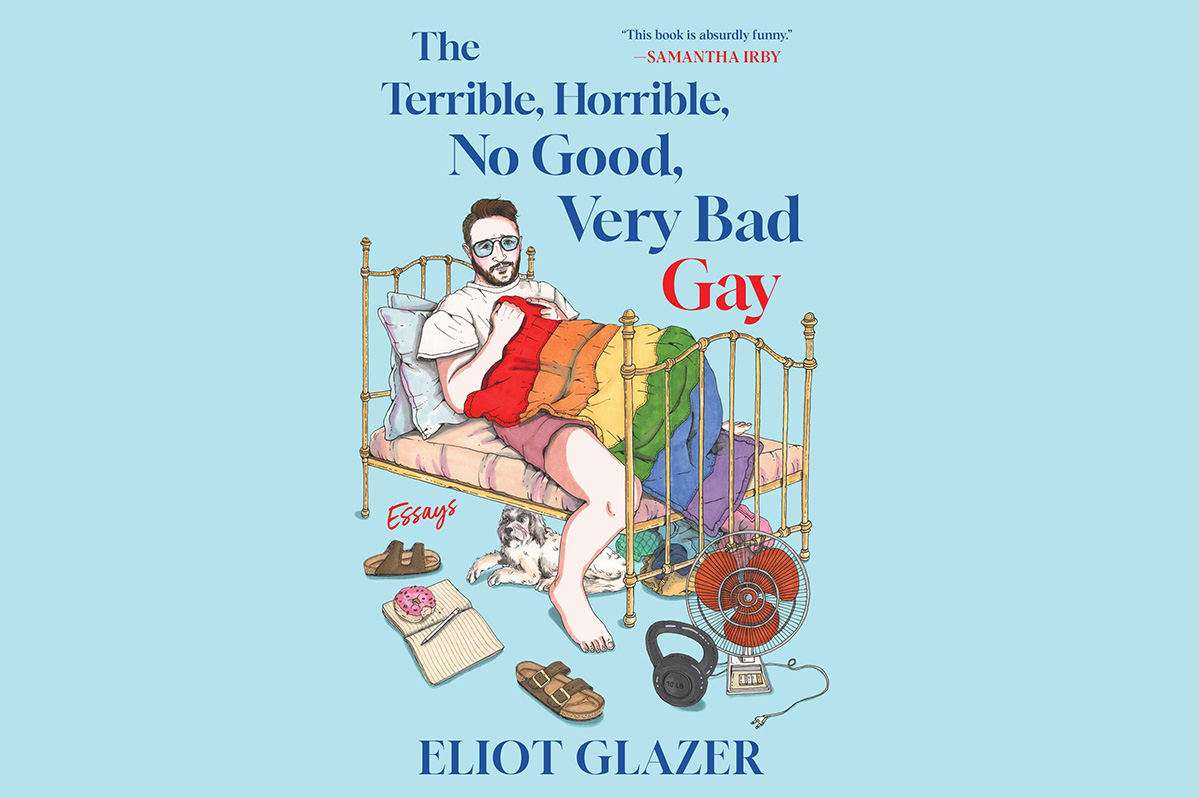
“The Terrible, Horrible, No Good, Very Bad Gay: Essays”
By Eliot Glazer
c.2026, Gallery Books
$28.99/240 pages
You try and you try.
Once, twice, you go back at that thorny issue, the dream you have, the punchline that’s not hitting quite right. Sometimes, time is all you need to make it better, or a new approach, or a second look. And then there are days when you actually get things right, as in “The Terrible, Horrible, No Good, Very Bad Gay” by Eliot Glazer, and it’s all good.
Throughout his life, Eliot Glazer has made mistakes. And it’s OK, everybody trips and falls now and then. In his case, though, he’s perfectly willing to document his failures, foibles, and whoopsies in this book.
He writes of his mother, Sandi, “a Queens-born balabosta” who wouldn’t tolerate laziness in herself or Glazer. He found work as soon as he was legally able to do so, and he had many jobs throughout high school. He was a gardener, ice cream scooper, camp counselor, golf caddy, chocolatier, telemarketer, and video store clerk. The one that fit him best, however, was working at Talbots, a department store for older women, where he found his people.
Even with all those jobs, he was a theater kid in his time off, little though it was. Back then, he was just a boy growing up on Long Island but swagger was important, so swagger he did. He still appreciates a good Broadway show, even the silliest ones.
Glazer says that he had just recently come out when gayness exploded on TV with “Will & Grace” and “Queer Eye for the Straight Guy,” with which he was obsessed. It helped him feel not othered, he says. Producers of the reboot asked him to be a second-generation Eye, but Glazer turned them down, though he thinks he’d have been good at it.
The show helped him with love of décor. His unexpected advisory skills came naturally, through age and wisdom and learning that wild partying isn’t really so much fun.
As for finding love, well, that’s a long, boy-meets-boy-meets-boy story…
So you’re looking for something to easily pick up and put down, something that speaks to your inner impatience? You’ll find that in “The Terrible, Horrible, No Good, Very Bad Gay,” a book that’s practically meant for you to skip around and you don’t have to read everything.
Essays can be like that, which is nice, even refreshing. Author Eliot Glazer is entertaining enough to make things work, engaging enough to keep it moving, and funny enough to make you want more of what he has to say. He’s open with his life and, despite his fame, his writing isn’t lofty; you can expect stories that’ll make you snort and ones with spice, but also some surprisingly tender moments that soften this book in a way that’s just right.
Readers who want a quick, mostly light book to finish will find something appealing in this collection of essays. If you don’t mind a bit of non-linearity and you need a laugh, “The Terrible, Horrible, No Good, Very Bad Gay.” is worth a try.
The Blade may receive commissions from qualifying purchases made via this post.
Books
Curl up with a good book this fall
New releases include mysteries, biographies, religion, and more
The fall books season offers lots of options so curl up and get ready to read.
FICTION
For the mystery fan who likes a sprinkle of thriller, look for “The Longest Death” by Kevin Jagernauth (Soho Crime, December). Richard Cobson hates his small town, he’s bored and desperate to get away. Stealing from his employer is the only thing that makes life bearable. That all changes when Marlon Montgomery comes to town and the two fall in love because if one guy can steal so easily, what can two do?
If you like graphic novels, try the “Tripping Over You” trilogy by Suzana Harcum and Owena White. Milo and Liam are finally able to be open about their relationship, no more hiding their love. They’re living together now, but can it last? “Tripping Over You Book 3” (First Second Books) is in stores in early November.
Also try “Diana: The Punk Singer Who Ripped Through Time” by Nate Powell (Abrams ComicArts, October). It’s about a young woman who’s trying desperately to escape her past, until a mysterious murder sidetracks her plans.
So you say you’re a romantic at heart? Then look for “Unspeakable Things: A Novel” by Elizabeth Hand (Little, Brown & Company, October). It’s a story set in the 1920s, when two young women arrive in the English Countryside to a dark and ancient manor. But, of course, nothing in a Gothic novel is easy, right? And you’ll love this tale.
NONFICTION
So this upcoming year is going to be one of exploration, right? Then look for “Free Love: Adventures in Marriage and Polyamory” by Michelle Tea (HarperOne, November). It’s a well-researched, personal, and interesting look at the lives of polyamorous couples and what it’s like to live what used to be called an “alternative” lifestyle.
If “fall” says “biography” to you, then look for “Showbiz! My Life as a Middle-Aged Man” by Murray Hill (Gallery Books, October). For decades, Hill has been making audiences laugh with his signature humor, but getting laughs hides his past all too well. He grew up in an abusive family and learning to hone his talents took some ingenuity. If you’re not a Hill fan yet, you will be, once you read this book.
For the reader who’s searching for a spiritual place, “Reading the Bible Through Queer Eyes: Good News for LGBTQ+ People from Genesis to Revelation” by podcasters Brian G. Murphy and Shannon T.L. Kearns (HarperOne, December) might help. Here, the authors look deeply at Scripture to find the queerness that’s there, proving to readers that the Word is not always what it seems.
Young readers may want to check out “Bitter Pill: Randy Shilts and the Dawn of the HIV/AIDS Epidemic” by Clement Xavier, illustrated by Heloise Cochois, foreword by Michael Lee (Abrams ComicArts, November). It’s a highly researched true story of activist Shilts, but also of Harvey Milk, and the earliest days of the AIDS crisis, when gay men needed a loud voice to advocate for them.
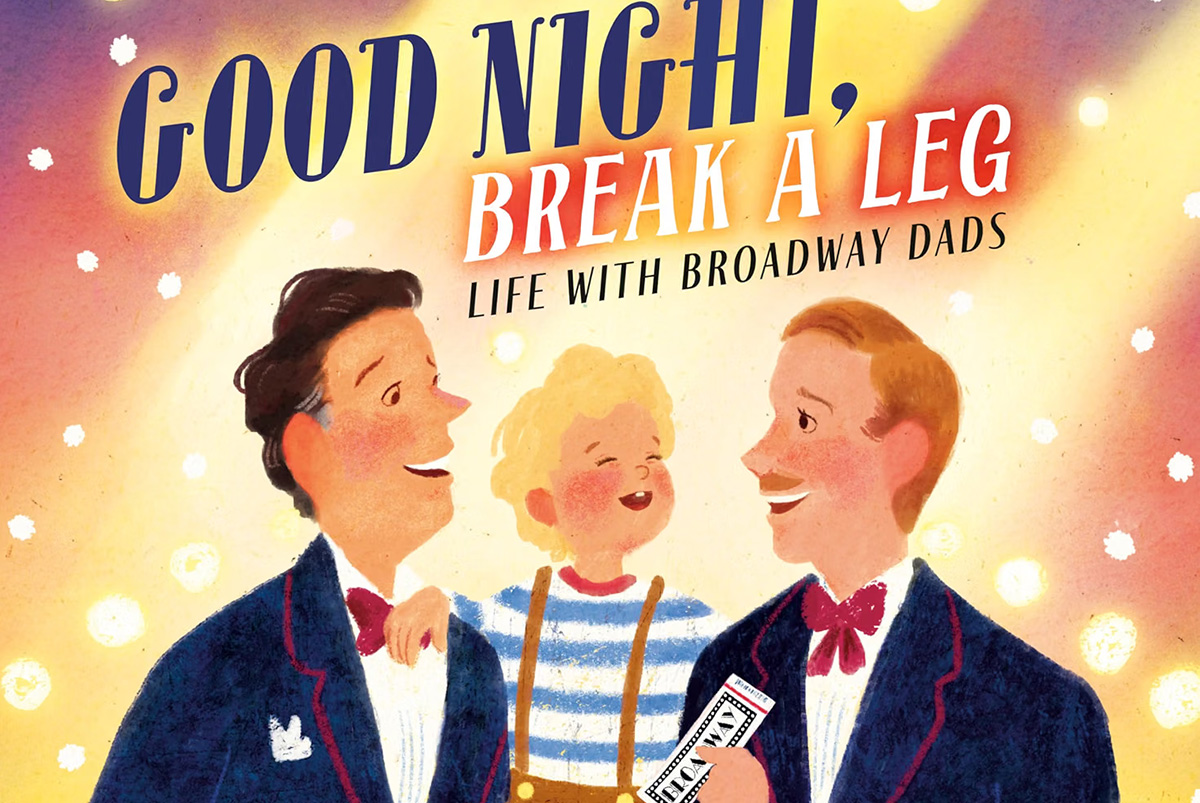
And finally, if you want a fun book for your kids or a child you love, look for “Good Night, Break a Leg: Life with Broadway Dads” by Bret Shuford, illustrated by Elena Hager (Penguin Workshop). What do parents do when they go to work? A little boy learns that his dads have very special jobs by day – and by night! It’s a cute book for kids, but a special tale for lovers of Broadway.
Be aware that publication dates change, titles change, books can be canceled, and your librarian or favorite bookseller can help you find what you need. Season’s readings!

Center Arts Gallery celebration, auction to take place on Oct. 17

Comings & Goings

‘Hidden in Plain Sight:’ The story of Odessa Madre

‘Governments that attack LGBTQ+ rights learn from each other’

Horror genre has evolved into space to explore queer identity

ICC unseals arrest warrants for Taliban officials accused of persecuting LGBTQ people, women

Physician: addiction doesn’t always look the way you think it does

Calendar: October 9-15

Solidarity beyond the parade: the actual cost of Pride

Essential queer horror classics for Halloween
-

 Afghanistan4 days ago
ICC unseals arrest warrants for Taliban officials accused of persecuting LGBTQ people, women
-
District of Columbia4 days ago
Physician: addiction doesn’t always look the way you think it does
-
Calendar4 days ago
Calendar: October 9-15
-
Opinions3 days ago
Solidarity beyond the parade: the actual cost of Pride