Africa
Mauritius hosts Pan Africa ILGA conference
Jessica Stern, Victor Madrigal-Borloz among speakers
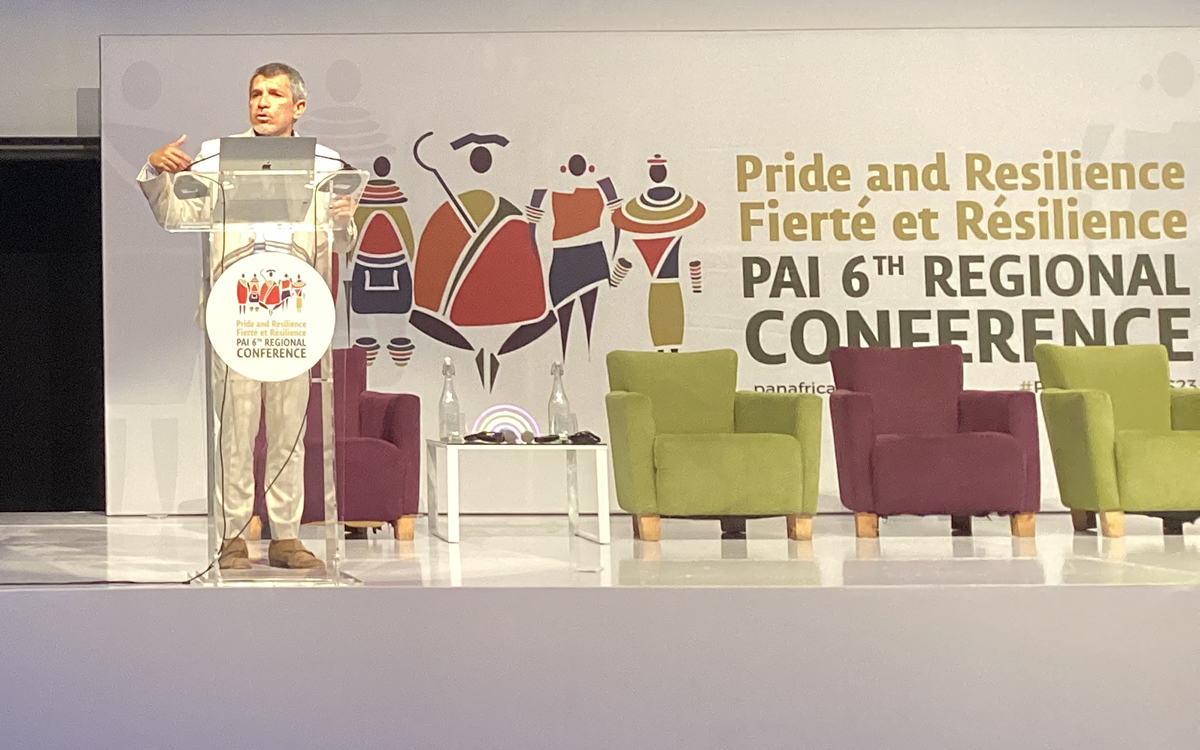
Upwards of 400 activists and organizations from around the world attended the Pan Africa ILGA conference that took place this week in Mauritius.
The conference, which took place at the Ravenala Attitude Hotel | Solitude, focused on the vitality of Pride and resilience amid an environment where LGBTQ and intersex rights remain under threat. The conference also sought to promote LGBTQ and intersex rights in Africa and highlight the severity of homophobia and transphobia on the continent.
The World Bank Group estimates the economic cost of homophobia and transphobia on the continent amounts to $14 billion a year due to lost productivity, health care and education.
Despite the harrowing experiences some of the delegates shared, the conference highlighted some of the positive strides that some African countries have undertaken to combat homophobia and transphobia. Angola, Botswana, Mozambique and Seychelles are among the nations that have decriminalized consensual same-sex sexual relations over the last few years. (Homosexuality remains criminalized in Mauritius.)
“Five years ago I spoke at the Pan Africa ILGA conference in Botswana,” said Victor Madrigal-Borloz, the outgoing U.N. independent expert on LGBTQ issues. “This week I had the honor of addressing the conference on the decolonization of law, mores and language and the great strengths of our movement going forward. Great to see these African gatherings bookend my mandate.”
Doctor Phyll Opoku-Gyimah, a British LGBTQ and intersex activist who was also in attendance, said she learned a lot at the conference and urged activists to remain resolute.
“Steve Letsike (director of Access Chapter Two, a South Africa-based LGBTQ and intersex rights organization) gave an opening speech, which was powerful, moving and a direct call to action for donors, partners to keep on working in unity with each other as the urgency is very real in Africa, Victor Madrigal-Borloz also gave a brilliant account of his mandate as it comes to an end in October, and we thank him for all that he has done in fulfilling this mandate,” said Opoku-Gyimah. “My African queer siblings, comrades, friends who are on the front lines organizing, mobilizing, and movement building, continue to take my breath away, it certainly feels like home when I am around such a chosen family, many of whom I have not seen in such a long time, my experience is humbling.”
Collectif Arc-en-Ciel, a Mauritian LGBTQ and intersex rights group that co-organized the conference, commended the event for offering a unique platform to explore and engage in discussions that enhance LGBTQ and intersex rights on the African continent. Outgoing Pan Africa ILGA Chair Barbra Wangare charged everyone to keep working on dismantling all form of ignorance, prejudice and intolerance until a safer society is achieved.
Omar Van Reenen of Equal Namibia also urged young people to protect the rights of the LGBTQ and intersex community.
“Queer youth are the key to emancipation across Africa. We are the epitome of what a born-free Africa looks and feels like,” said Van Reenen. “Until liberation rings, it is African queer youth who will carry the baton to a more equal Africa. By 2030, African youth will be 42 percent of global youth. We are tomorrow’s stewards of democracy and protectorates of constitutionalism. We are queerly African and proud. We are queer and we are here.”
Jessica Stern, the special U.S. envoy for the promotion of LGBTQ and intersex rights abroad, and U.S. Agency for International Development Senior LGBTQI+ Coordinator Jay Gilliam and USAID LGBTQI+ Inclusive Development Advisor Ryan Kaminski are among those who also attended the conference.
Ugandan President Yoweri Museveni on May 29 signed his Anti-Homosexuality Act, which contains a death penalty provision for “aggravated homosexuality.”
U.N. High Commissioner for Human Rights Volker Türk on Friday announced his office in Kampala, the Ugandan capital, will close after the government did not “renew the Host Country Agreement.” Türk said an office in the city of Gulu shut down on June 30 and offices in Kampala and the town of Moroto will close on Saturday.
“Türk warned against retrogression from Uganda’s commitments under the international human rights treaties it has ratified, including in the passage of the deeply discriminatory and harmful anti-homosexuality law, that is already having a negative impact on Ugandans,” said the U.N. High Commissioner for Human Rights press release.




State Department
Report: US to withhold HIV aid to Zambia unless mineral access expanded
New York Times obtained Secretary of State Marco Rubio memo
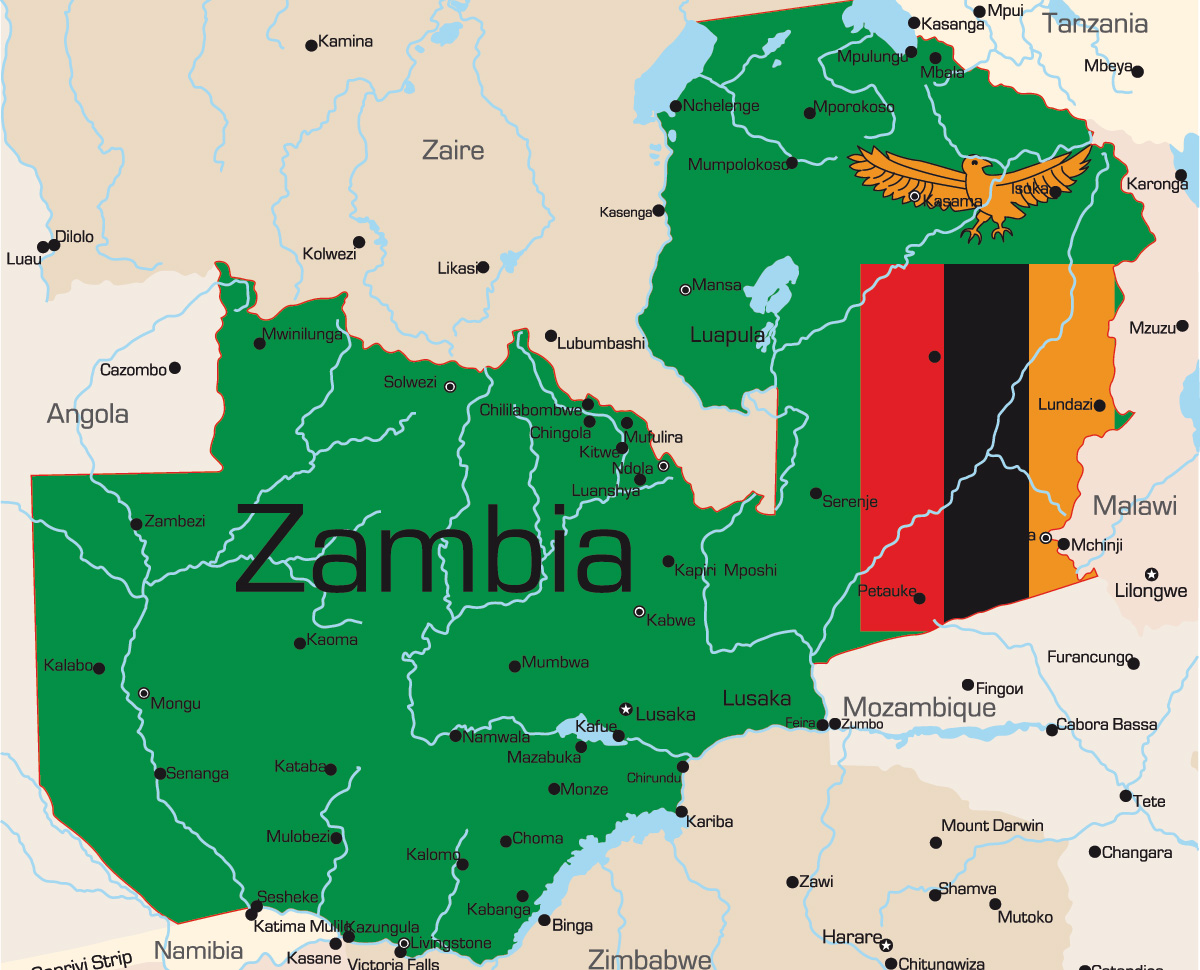
The State Department is reportedly considering withholding assistance for Zambians with HIV unless the country’s government allows the U.S. to access more of its minerals.
The New York Times on Monday reported Secretary of State Marco Rubio in a memo to State Department’s Bureau of African Affairs staffers wrote the U.S. “will only secure our priorities by demonstrating willingness to publicly take support away from Zambia on a massive scale.” The newspaper said it obtained a copy of the letter.
Zambia is a country in southern Africa that borders Tanzania, Malawi, Mozambique, Zimbabwe, Botswana, Namibia, Angola, and the Democratic Republic of Congo.
The Times notes upwards of 1.3 million Zambians receive daily HIV medications through PEPFAR. The newspaper reported Rubio in his memo said the Trump-Vance administration could “significantly cut assistance” as soon as May.
“Reports of (the) State Department withholding lifesaving HIV treatment in return for mining concessions in Zambia does not make us safer, stronger, or more prosperous,” said U.S. Sen. Jeanne Shaheen (D-N.H.), the ranking member of the Senate Foreign Relations Committee, on Tuesday. “Monetizing innocent people’s lives further undermines U.S. global leadership and is just plain wrong.”
The Washington Blade has reached out to the State Department for comment.
Zambia received breakthrough HIV prevention drug through PEPFAR
Rubio on Jan. 28, 2025, issued a waiver that allowed PEPFAR and other “life-saving humanitarian assistance” programs to continue to operate during a freeze on nearly all U.S. foreign aid spending. HIV/AIDS service providers around the world with whom the Blade has spoken say PEPFAR cuts and the loss of funding from the U.S. Agency for International Development, which officially closed on July 1, 2025, has severely impacted their work.
The State Department last September announced PEPFAR will distribute lenacapavir in countries with high prevalence rates. Zambia two months later received the first doses of the breakthrough HIV prevention drug.
Kenya and Uganda are among the African countries have signed health agreements with the U.S. since the Trump-Vance administration took office.
The Times notes the countries that signed these agreements pledged to increase health spending. The Blade last month reported LGBTQ rights groups have questioned whether these agreements will lead to further exclusion and government-sanctioned discrimination based on sexual orientation and gender identity.
Botswana
The rule of law, not the rule of religion
Bonolo Selelo and Tsholofelo Kumile are challenging the Botswana Marriage Act

Botswana was in a whole frenzy as religious and traditional fundamentalists kept mixing religion and constitutional law as if it were harmless. It is not. One is a private matter of belief between you and God, while the other is the framework that protects and governs us all. When these two systems get fused, the result is rarely justice. It results in discrimination.
The ongoing case brought by Bonolo Selelo and Tsholofelo Kumile challenging provisions of the Botswana Marriage Act has reignited a familiar debate in Botswana. Some commentators insist that marriage equality violates religious values and therefore should not be recognized by law. It is a predictable argument. It is also fundamentally incompatible with constitutional governance.
Botswana is not a Christian state. It is a constitutional democracy governed by the Constitution of Botswana. That distinction matters. In a constitutional democracy, laws are interpreted in accordance with constitutional principles such as equality, dignity, protection, inclusion and the rule of law, rather than the doctrinal beliefs of any particular religion.
Religion has no place in constitutional law and democracy
The central problem with religious arguments in constitutional disputes is simple in that they divide, they other, they contest equality and they are personal. Constitutional law by contrast, must apply equally to everyone.
Botswana’s Constitution guarantees fundamental rights and freedoms under Sections 3 and 15, including protection from discrimination and the right to equal protection of the law. These provisions are not conditional on religious approval. They exist precisely to protect minorities from the preferences or prejudices of the majority.
Legal experts, such as Anneke Meerkotter, in her policy brief in Defense of Constitutional Morality, point out that constitutional rights function as a safeguard against majoritarian morality. If rights depended on whether the majority approved of a minority’s identity or relationships, they would not be rights at all. They would merely be privileges.
This principle has already been affirmed in Botswana’s jurisprudence. In the landmark decision of Letsweletse Motshidiemang v Attorney General, the High Court held that criminalizing consensual same-sex relations violated constitutional protections of liberty, dignity, privacy, and equality. This judgment noted that constitutional interpretation must evolve with society and must be guided by human dignity and equality. The court emphasized that the Constitution protects all citizens, including those whose identities, expressions or relationships may be unpopular. That ruling was later upheld by the Court of Appeal of Botswana in 2021, reinforcing the principle that constitutional rights cannot be restricted on grounds of moral disapproval alone. These decisions were not theological pronouncements. They were legal determinations grounded in constitutional principles.
The danger of religious majoritarianism
When religion is used to justify legal restrictions, the result is what constitutional scholars call “majoritarian moralism.” It allows the dominant religious interpretation in society to dictate the rights of everyone else. That approach is fundamentally incompatible with constitutional democracy. Botswana is religiously diverse. While Christianity is the majority faith, there are also Muslims, Hindus, traditional spiritual communities, Sikh and people who practice no religion at all. If the law were to follow the doctrines of one religious group, which interpretation would it adopt? Christianity alone contains dozens of denominations with different views on love, equality, marriage, sexuality, and gender. The moment the state begins to legislate on the basis of religious doctrine, it implicitly privileges one belief system over others. That undermines both religious freedom and constitutional equality. Ironically, keeping religion separate from constitutional law is what protects religious freedom in the first place.
Judicial independence is the cornerstone of Botswana’s governance system
The current case involving Bonolo Selelo and Tsholofelo Kumile is before the judiciary, where it belongs. Courts exist to interpret the Constitution and determine whether legislation complies with constitutional rights. Political and religious lobbying, as well as public outrage, must not influence that process.
Judicial independence is the cornerstone of Botswana’s governance system. According to the International Commission of Jurists, judicial independence ensures that courts can make decisions based on law and evidence rather than political or social pressure.
When governments, political, religious, or traditional actors attempt to interfere in constitutional litigation, they weaken the rule of law. Botswana has historically prided itself on having one of the most stable constitutional systems in Africa. The judiciary has played a critical role in safeguarding rights and maintaining legal certainty. The decriminalization case demonstrated this. Despite strong public debate and political sensitivity, the courts assessed the law according to constitutional principles rather than moral panic. The same standard must apply in the current marriage equality case.
This article was first published in the Botswana Gazette, Midweek Sun, and Botswana Guardian newspapers and has been edited for the Washington Blade.
Bradley Fortuin is a consultant at the Southern Africa Litigation Center and a social justice activist.
Cameroon
Gay Cameroonian immigrant will be freed from ICE detention — for now
Ludovic Mbock’s homeland criminalizes homosexuality
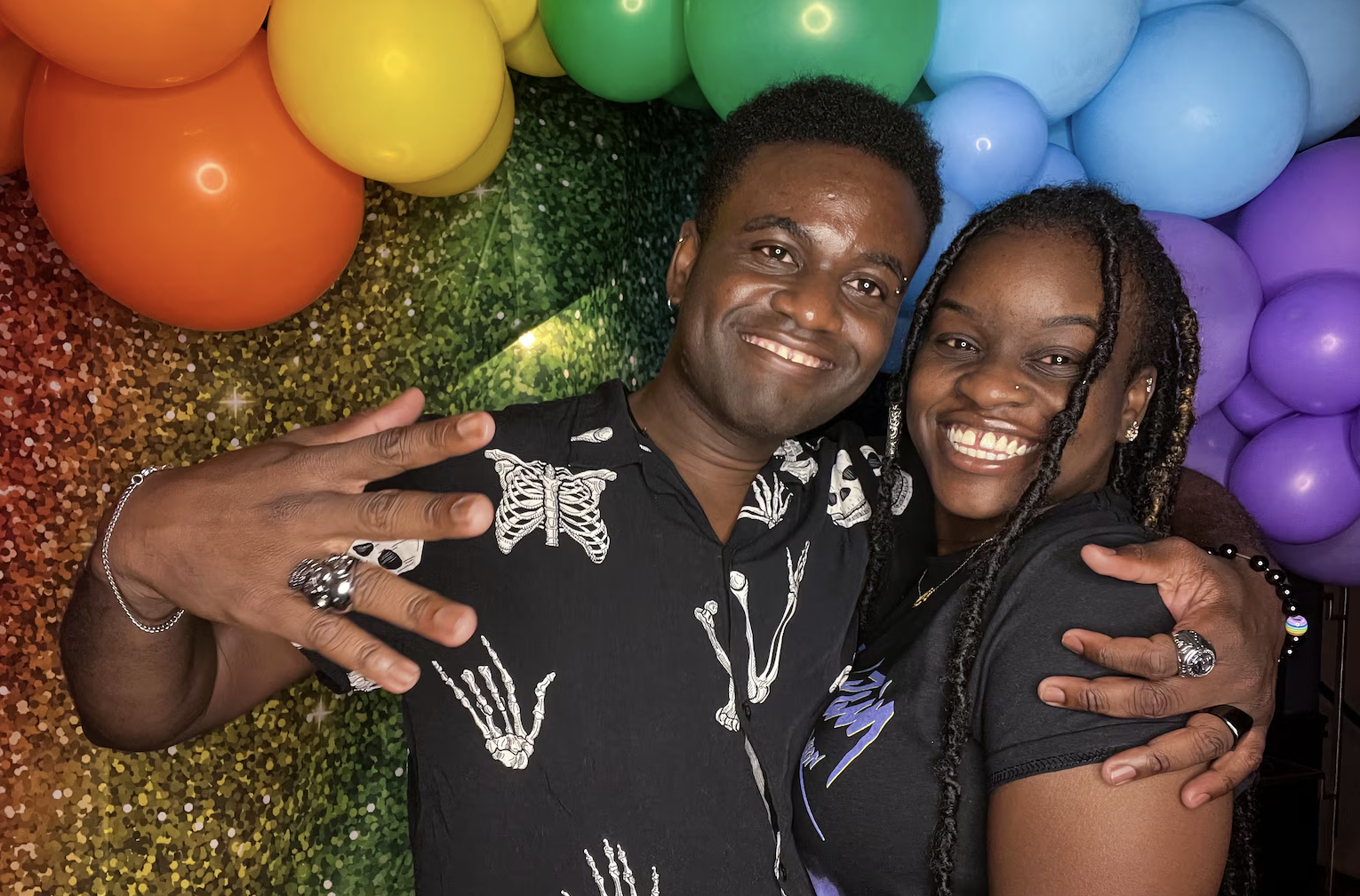
By ANTONIO PLANAS | An immigration judge on Friday issued a $4,000 bond for a Cameroonian immigrant and regional gaming champion held in federal immigration detention for the past three weeks.
The ruling will allow Ludovic Mbock, of Oxon Hill, to return to Maryland from a Georgia facility this weekend, his family and attorney said.
“Realistically, by tomorrow. Hopefully, by today,” said Mbock’s attorney, Edward Neufville. “We are one step closer to getting Ludovic justice.”
The rest of this article can be found on the Baltimore Banner’s website.

Markwayne Mullin confirmed as next DHS secretary

Gay man murdered in Va.

Trans Day of Visibility events planned

Virginia General Assembly’s 2026 legislative session ends

Polish court rules country must recognize same-sex marriages from EU states

Queer American in Israel discusses Iran war’s impact

‘How We Survived’ panel set for March 25

Calendar: March 21-26

Small is beautiful: subcompact SUVs