Baltimore
Power Plant Live! opens Club 4, its first LGBTQ bar
Ryan Butler, known by his drag persona Brooklyn Heights, helped launch venue
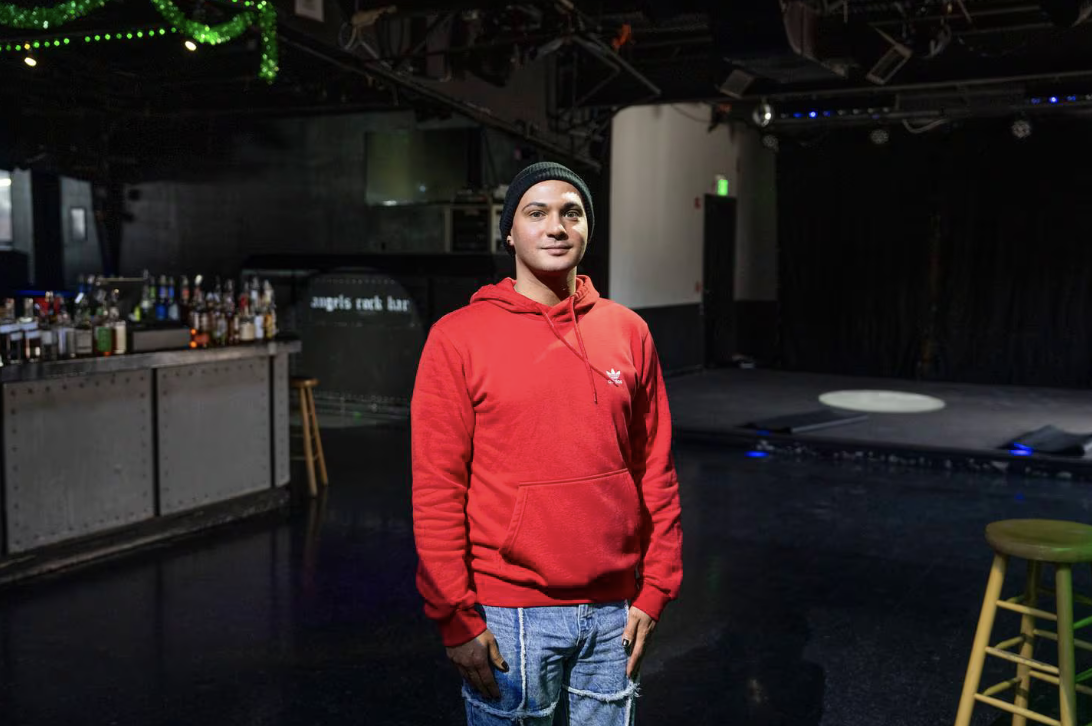
BY JOHN-JOHN WILLIAMS IV | Ryan Butler wanted a place where all members of the LGBTQ community could enjoy drag, drinks and fellowship in a safe space. He found it by the Inner Harbor.
Butler jumped at the opportunity to help open Club 4, the first LGBTQ-themed bar to occupy the popular Power Plant Live! venue.
The rest of this article can be read on the Baltimore Banner’s website.
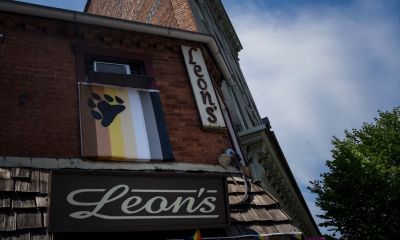




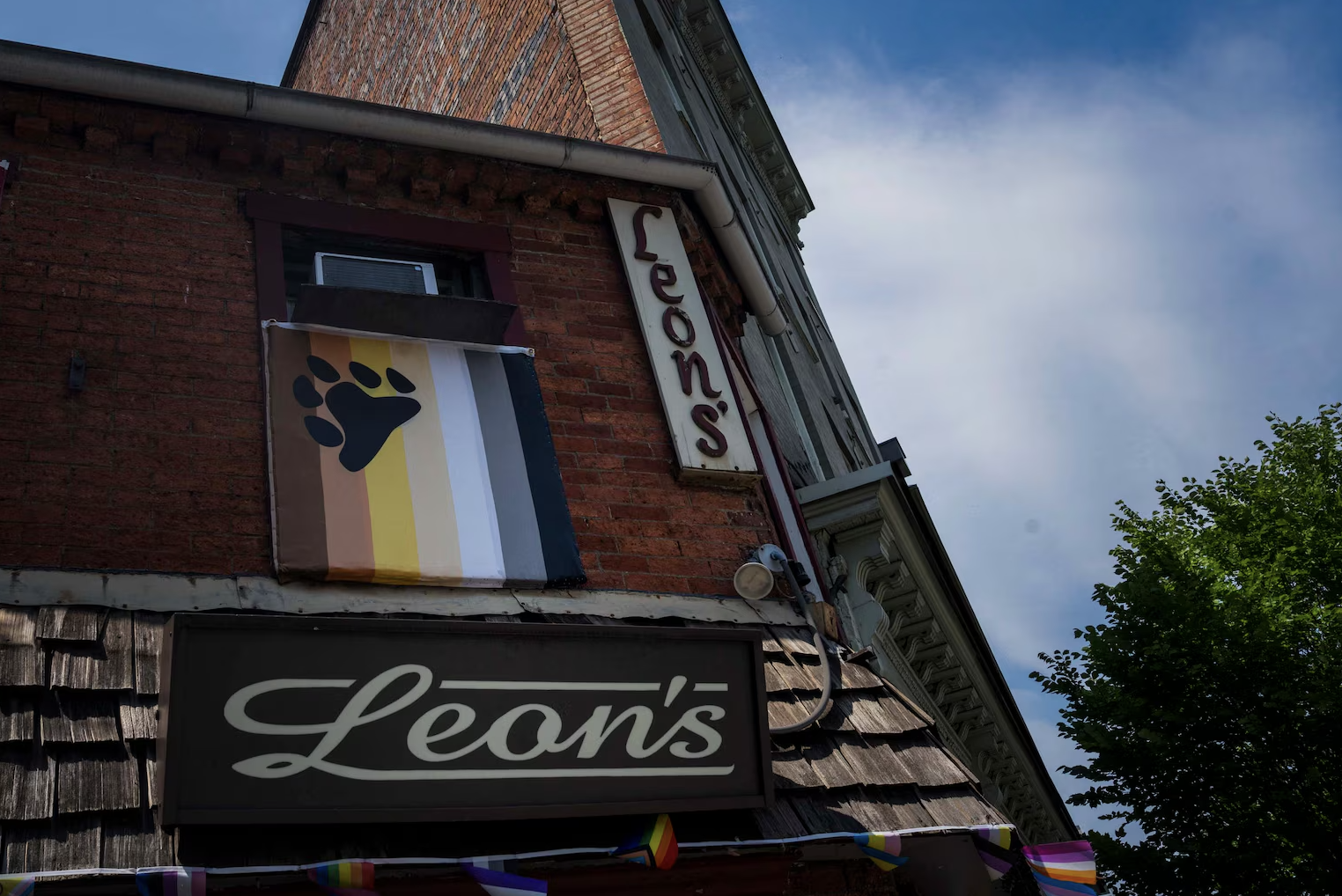
By JOHN-JOHN WILLIAMS IV | Those legendary heavy-handed pours, spirited karaoke and trivia nights, and groan-worthy wall-to-wall patrons on packed nights are back!
Leon’s will live to see another day.
Baltimore’s oldest gay bar, which opened in the 1950s, closed in July following the death of its owner, Ron Singer.
The rest of this article can be read on the Baltimore Banner’s website.
Baltimore
Charles Bowers, former owner of Baltimore gay bar the Hippo, dies
Prominent activist died at his Mount Vernon home
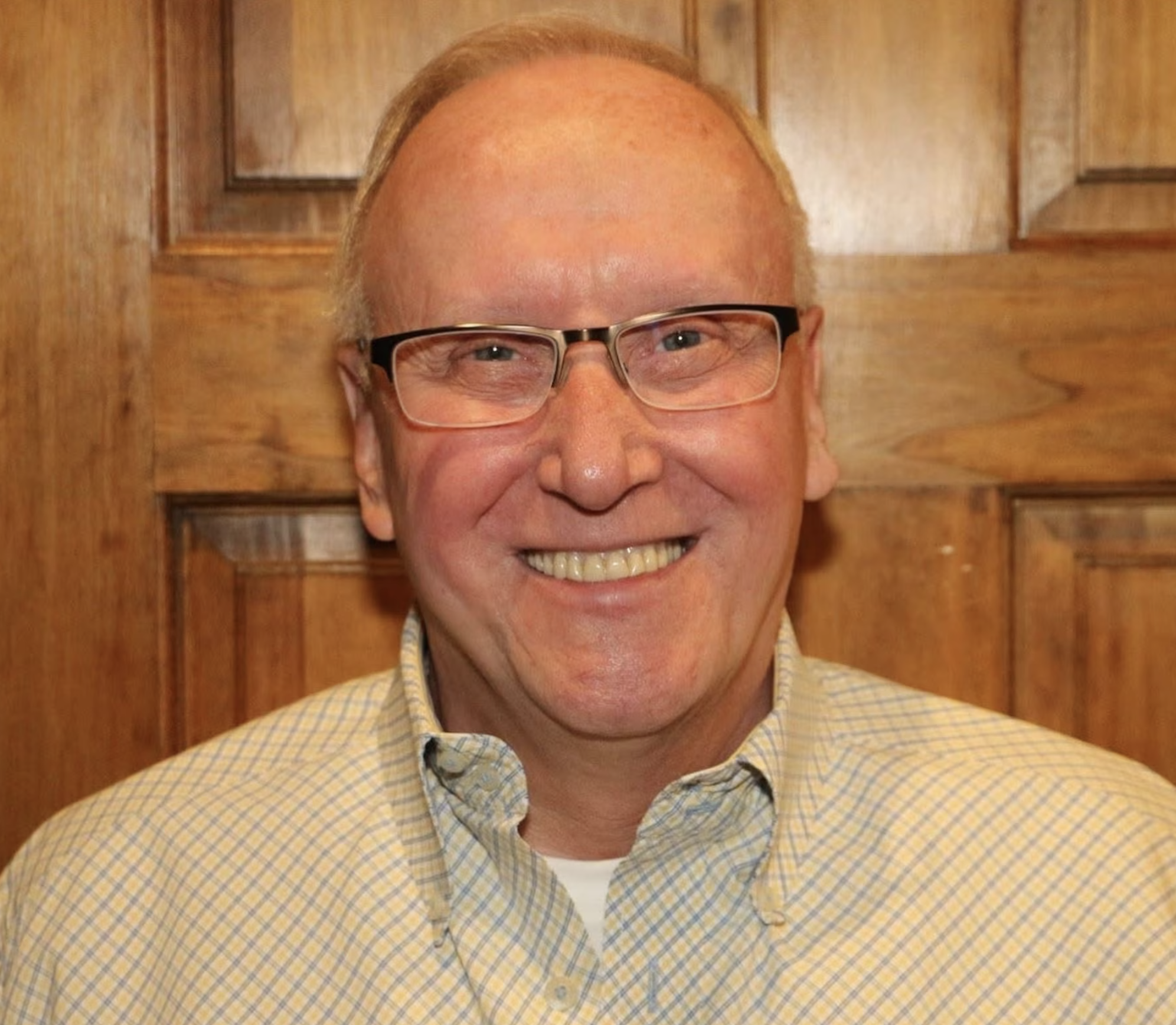
By WESLEY CASE | Charles “Chuck” Bowers, former owner of the storied Baltimore gay club the Hippo and a prominent advocate for Maryland’s LGBTQ community, died Tuesday. He was 81.
Bowers turned the Mount Vernon club — located at the corner of North Charles and West Eager streets — into a judgment-free refuge for queer and straight locals looking to find and express their authentic selves on a packed dance floor.
“He truly tried to make the Hippo a place for everybody — a safe space,” said an emotional Rik Newton-Treadway, who befriended his “mentor” Bowers at the club in 1979.
Bowers, of Mount Vernon, died Tuesday evening in Baltimore of natural causes, said his niece, Cathy Bowers.
The rest of this article can be read on the Baltimore Banner’s website.
Baltimore
Transgender woman killed in Barclay community mourned by friends, advocates
Sophie Lee shot to death on Friday morning

By DARREONNA DAVIS | Denise Johnson imagined spending Sunday with her daughter, Sophie Lee, eating crabs at the park. Instead, she stood on a Barclay street corner Sunday evening surrounded by nearly 100 people who came to remember her daughter, a transgender woman who was fatally shot there Friday.
The 27-year-old woman was found in the 2400 block of North Calvert Street around 1:15 a.m. Friday, Baltimore Police said in a news release.
Lindsey Eldridge, a police department spokesperson, said it’s unclear if her identity had anything to do with her death and the investigation is ongoing.
The rest of this article can be read on the Baltimore Banner’s website.

Bowser, Office of LGBTQ Affairs announce LGBTQ+ History Month events

PHOTOS: Winchester Pride

Evan Low is not the leader the Victory Fund needs at this moment

Transgender woman elected to Brazilian Chamber of Deputies

Lula, Flávio Bolsonaro to face off in second round of Brazilian presidential election

Gay Va. couple hopeful voters will enshrine marriage equality in state constitution

LGBTQ community must vote in big numbers

Victory Fund board investigates former staffers’ allegations against CEO Evan Low

The right to be an ordinary transgender man

Calif. governor signs 6 pro-LGBTQ bills, vetoes 1
-

 Virginia5 days ago
Gay Va. couple hopeful voters will enshrine marriage equality in state constitution
-
Opinions4 days ago
LGBTQ community must vote in big numbers
-
LGBTQ Non-Profit Organizations5 days ago
Victory Fund board investigates former staffers’ allegations against CEO Evan Low
-
Opinions4 days ago
The right to be an ordinary transgender man