Baltimore
Baltimore Pride plans to ‘take action’ in annual Pride festival
‘None of us should be sitting back and waiting for someone to come and save us’

As Baltimore Pride celebrates 50 years of LGBTQ history in their “50 Shades of Pride” events from June 9-15, they’re focused on mobilizing and taking action.
“When we think back to the history of Baltimore Pride, it is one of the most central pride movements of LGBT and black liberation, and so this year will be very different,” FreeState Justice Advocacy, Policy, and Partnerships Director Ronnie Taylor said. “In a time where federally, we are under attack and dealing with so much, I think this will be a really amazing way for our federal, state, and local individuals to be able to come together and be amongst the community we serve.”
Taylor said she’s excited to be part of the events leading up to the Baltimore Pride Parade that showcase the LGBTQ community. She said celebrating 50 years of history is a way for her to pay homage to her “transcestors” and ancestors who fought hard in Baltimore and Maryland to ensure equality for all.
“For me, personally, acknowledging, and celebrating 50 Years of Baltimore pride is monumental,” Taylor said. “And knowing that we’ve only taken two years off based on COVID-19 mandates to be able to come together … is going to be really monumental.”
For Taylor, one of her personal goals for the “50 Shades of Pride” celebration in upcoming years is to have a summit or conference where Pride is not just acknowledged, but talked about regarding policies and safety agendas.
“We need to be able to have a space to talk about legislation, and we need to be able to have a space for all to feel like (the LGBTQ community) is included in their decision-making process on the federal, state, and city-wide level,” Taylor said. “And so this will be a way for our elected officials to be able to come together and hear from community members.”
Taylor added that mobilization and activation in the community are needed now more than ever.
“We see it on a federal level. We are not protected right now in what we have,” Taylor said. “All we have is each other. And you know, none of us should be sitting back and waiting for someone to come and save us, as we are the saviors of ourselves.”
Taylor said having a space to “break bread” and party in the streets to celebrate Pride is amazing, but Pride organizations’ initiatives go beyond that.
FreeState Justice and the Pride Center of Maryland have created a trans advocacy care initiative that will be released and marketed to engage with community members throughout Baltimore’s Pride festival, according to Taylor.
“We have to stop moving in cycles,” Taylor said. “(When) we’re talking about community work and mobilization and activation … we wouldn’t be here with it without it being for each other. Overall, collectively, let’s do the work and get it done.”




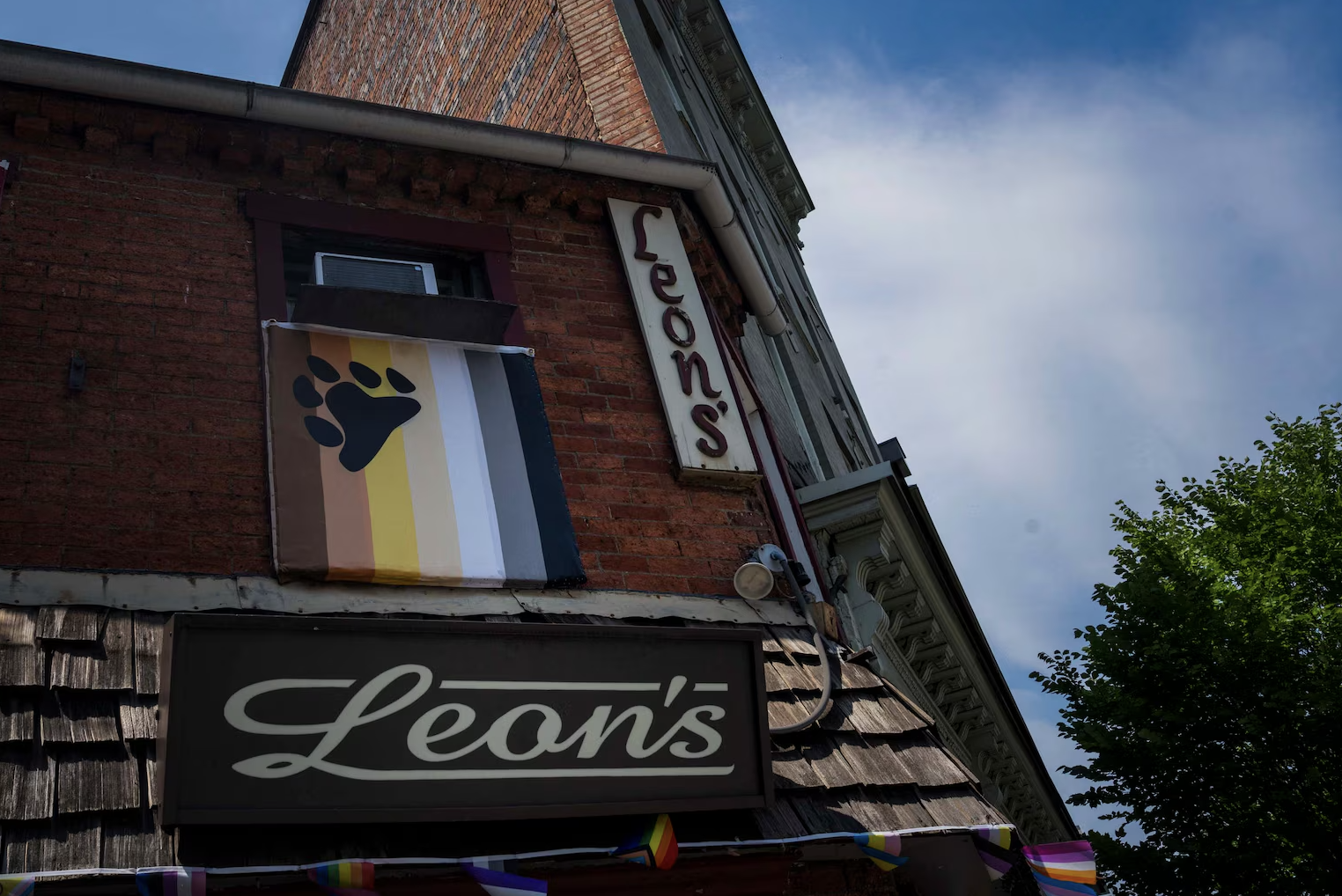
By JOHN-JOHN WILLIAMS IV | Those legendary heavy-handed pours, spirited karaoke and trivia nights, and groan-worthy wall-to-wall patrons on packed nights are back!
Leon’s will live to see another day.
Baltimore’s oldest gay bar, which opened in the 1950s, closed in July following the death of its owner, Ron Singer.
The rest of this article can be read on the Baltimore Banner’s website.
Baltimore
Charles Bowers, former owner of Baltimore gay bar the Hippo, dies
Prominent activist died at his Mount Vernon home
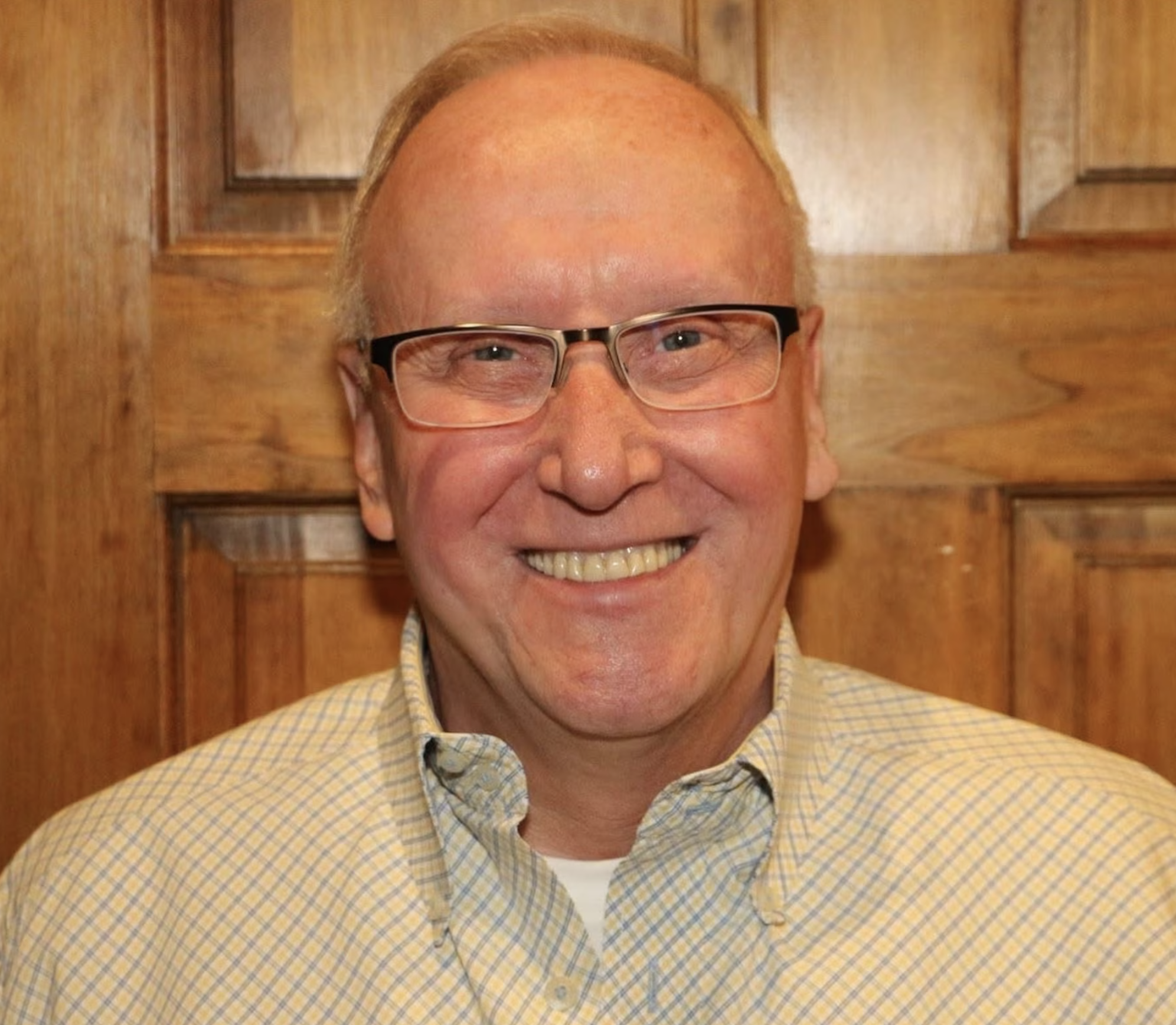
By WESLEY CASE | Charles “Chuck” Bowers, former owner of the storied Baltimore gay club the Hippo and a prominent advocate for Maryland’s LGBTQ community, died Tuesday. He was 81.
Bowers turned the Mount Vernon club — located at the corner of North Charles and West Eager streets — into a judgment-free refuge for queer and straight locals looking to find and express their authentic selves on a packed dance floor.
“He truly tried to make the Hippo a place for everybody — a safe space,” said an emotional Rik Newton-Treadway, who befriended his “mentor” Bowers at the club in 1979.
Bowers, of Mount Vernon, died Tuesday evening in Baltimore of natural causes, said his niece, Cathy Bowers.
The rest of this article can be read on the Baltimore Banner’s website.
Baltimore
Transgender woman killed in Barclay community mourned by friends, advocates
Sophie Lee shot to death on Friday morning

By DARREONNA DAVIS | Denise Johnson imagined spending Sunday with her daughter, Sophie Lee, eating crabs at the park. Instead, she stood on a Barclay street corner Sunday evening surrounded by nearly 100 people who came to remember her daughter, a transgender woman who was fatally shot there Friday.
The 27-year-old woman was found in the 2400 block of North Calvert Street around 1:15 a.m. Friday, Baltimore Police said in a news release.
Lindsey Eldridge, a police department spokesperson, said it’s unclear if her identity had anything to do with her death and the investigation is ongoing.
The rest of this article can be read on the Baltimore Banner’s website.

Bowser, Office of LGBTQ Affairs announce LGBTQ+ History Month events

PHOTOS: Winchester Pride

Evan Low is not the leader the Victory Fund needs at this moment

Transgender woman elected to Brazilian Chamber of Deputies

Lula, Flávio Bolsonaro to face off in second round of Brazilian presidential election

Vote now! Best Of LGBTQ DC readers’ choice awards

Gay Va. couple hopeful voters will enshrine marriage equality in state constitution

Victory Fund board investigates former staffers’ allegations against CEO Evan Low

LGBTQ community must vote in big numbers

Calif. governor signs 6 pro-LGBTQ bills, vetoes 1
-

 Arts & Entertainment5 days ago
Vote now! Best Of LGBTQ DC readers’ choice awards
-
Virginia4 days ago
Gay Va. couple hopeful voters will enshrine marriage equality in state constitution
-
LGBTQ Non-Profit Organizations4 days ago
Victory Fund board investigates former staffers’ allegations against CEO Evan Low
-
Opinions4 days ago
LGBTQ community must vote in big numbers