District of Columbia
Activists fight to protect LGBTQ services in D.C. budget
LGBT Budget Coalition leading effort
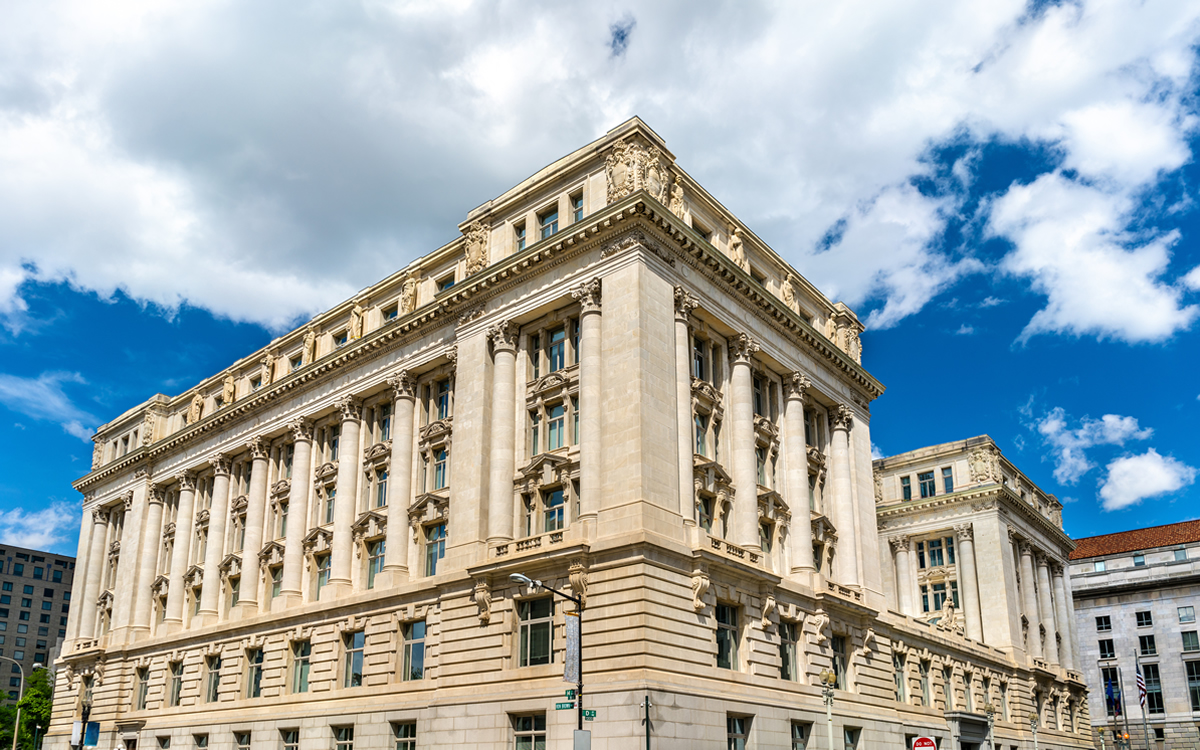
As temperatures rise in Washington, so does the pressure on the D.C. government to pass a budget for the 2026 financial year.
The Washington Blade followed up with Heidi Ellis, coordinator of the DC LGBT Budget Coalition, to discuss progress made — and the steps still needed — to ensure Washington’s LGBTQ community remains a priority for the D.C. Council and Mayor Muriel Bowser’s office.
Asked about the current state of the budget, Ellis was clear: the dust hasn’t settled. The process is still unfolding. Still, she shared that the overall city budget has been cut.
“There was a large cut in the mayor’s budget for Financial Year 2026 — over a million dollars,” Ellis said. “We took a hit of over $6 million in this in the city due to the federal funding cuts.”
According to Ellis, the cuts are due in large part to declining local tax revenue and a Republican-controlled federal government that has shown little support for LGBTQ-specific funding.
“The biggest challenge is the city is in a different place financially,” Ellis said. “The city’s CFO has now had two years plus in a row of forecasts of lower revenue for the city in general, and then we had congressional interference when they cut a billion dollars out of our budget — that still has not been resolved on the federal level. That happened during the continuing resolution on the Hill to pass like their spending bill, which has not been resolved. The mayor had to essentially cut a billion dollars out of the FY 25 budget to make it balanced. That was huge, and then the city is looking at lower revenue over the next couple of years.”
Although the entire city faces challenges, Ellis said the intersectional needs of LGBTQ residents — especially those who are Black, brown, low-income, or otherwise marginalized — demand specific, equitable funding.
“Whatever issues the city has, whether it be housing instability, food insecurity, safety issues, they are always exacerbated when you think about it through the lens of queer people — specifically Black and brown queer folks and folks that are low to no income,” she said. “So the folks that are living at the margins of our community are always going to feel whatever is happening 10 times more. And this administration has brought in a lot of consternation and fear to the city.”
Still, despite the broader financial setbacks, there have been some “wins.”
Ellis named five of the 12 sitting council members who have stepped up to support the goals outlined by the LGBT Budget Coalition: Council Members Matthew Frumin, Christina Henderson, Brianne Nadeau, Zachary Parker, and Robert C. White, Jr.
Each of these members has offered support through their committee work — addressing areas from healthcare to homelessness.
Parker, the council’s only gay member, helped fight for expanded funding for the youth homelessness continuum. A 2024 study found that 40 percent of unhoused youth in D.C. identify as LGBTQ.
Frumin has advocated for additional funds for transgender workforce programs, the youth homelessness continuum, and the D.C. Department of Human Services, which provides critical support for low-income residents.
Henderson backed the LGBT Budget Coalition’s healthcare and HIV-related goals by pushing for expanded hours at the D.C. Health and Wellness Center.
“She’s actually recommending now that they be open on one week night and then two Saturdays a month,” Ellis said. “That’s a huge win, because that allows for more people to access that care.”
Nadeau championed continued funding for the Mayor’s Office of LGBTQ Affairs, which provides $1 million annually in grants to LGBTQ organizations. White advocated for sustaining support for trans workforce programs like Project LEAP, which connects gender-diverse residents with job coaches and employers to build long-term economic stability.
“So far I would say we’ve gotten about four out of the seven to eight things we asked for fulfilled,” Ellis explained. “We were able to get a good chunk of that back to restore some services — like permanent supportive housing and extended transitional housing.”
Ellis emphasized that the LGBT Budget Coalition’s success stems in part from community engagement and platforms like the Blade.
“We launched the letter writing campaign back in April that generated thousands of letters that went directly to the mayor and the council. It was literally folks just signing up and saying, ‘We support this,’ and it automatically created letters. It was a major organizing tool.”
“We did an op-ed in the Blade that ran both in the print and in the online version — that got a lot of traction. Our coalition members have been pushing out what the needs are through their social media and have been testifying before the council through the oversight hearings and the budget hearings. And remember — we just had WorldPride. We reminded them [council members], you all are coming out and waving the flag and taking photo ops for our community, you can’t do that in one breath and then take away our funding.”
Still, critical needs remain unmet — particularly around HIV healthcare funding.
“The HIV funding just continues to close the gap,” Ellis said. “That’s the one that it’s such a big gap that even with the great work of Council Member Henderson is not enough. She even highlighted in her committee report that she’s asking for the Committee of the Whole, which is the whole council, to supplement some of that funding — understanding just how much of a loss we took. The gap is still wide and needs additional funding.”
Beyond HIV-related services, Ellis noted several key areas that still require urgent attention in the final version of the budget. Among them: restoring the D.C. Emergency Rental Assistance Program, which provides housing stability for the city’s most vulnerable; reforming the Tenant Opportunity to Purchase Act to better support tenant-led housing solutions; and restoring funding for LGBTQ mental health services, which have faced significant cuts in recent years.
The coalition is also pushing for the continued support of LGBTQ+ services administered through the Mayor’s Office of LGBTQ Affairs, including a $450,000 allocation for the Violence Prevention and Response Team initiative. In addition, Ellis emphasized the need for full enforcement of the city’s Language Access Act — and for its expansion to ensure Americans with Disabilities Act compliance, making D.C. services more inclusive for all residents.
Ellis acknowledged the political climate may feel daunting, but pointed to the resilience of the LGBTQ community — both historically and today.
“It’s just a constant reminder that we have been here before,” Ellis said. “We had the Lavender Scare. We had Stonewall. We had the AIDS epidemic. This community has gone through peril, and it continues around me how resilient we are — and actually not just resilient for the sake of being resilient, but that we actually build. We don’t just survive, but we build. I would say that the city has taken a hit, and we’re all trying to figure out how best to move forward and not lose our values.”
She added that while the LGBT Budget Coalition is united in its platform, it does not claim to speak for every LGBTQ person in D.C.
“The coalition is a voice that is united because we wanted to make sure we walk in lockstep, but we do not represent all of the LGBTQ community. We know there’s many factions. We are multifaceted as a community, but we do have a wide range of folks represented in our coalition, and we do our best to advocate with a wider lens and also make sure that we’re thinking about the most marginalized folks in our community. I just wanted to clarify where we enter this process, and I would just say that we’re going to continue to fight. It’s Pride month. It’s crazy that we’re going back to some of these original arguments around humanity, and whether we’re worth this dollar amount, but that’s where we are. But we’re not giving up. So I would just encourage everybody not to give up and get involved where they can get involved.”
When asked how individuals can support the LGBT Budget Coalition’s goals, Ellis had a clear answer: speak up.
“I would just argue for folks to email their council members and call their council members to show up. Just letting them know that you support funding of key services for LGBTQ folks. You don’t have to be part of our coalition to do that. These issues intersect; housing is an issue for all, healthcare is an issue for all. We’re just asking for it to be equitable.”


District of Columbia
D.C. Council approves increased funding for Mayor’s Office of LGBTQ Affairs
Increase attached to 2027 budget bill

The D.C. Council on July 14 gave final approval for the city’s fiscal year 2027 budget that includes an amendment calling for increasing the number and size of funding grants that the Mayor’s Office of LGBTQ Affairs provides for local organizations providing services for the LGBTQ community.
The amendment, called the “LGBTQ Community Grant Amendment Act of 2026,” was introduced earlier this year by D.C. Council member Zachary Parker (D-Ward 5), the Council’s only gay member.
The D.C. LGBTQ Budget Coalition called the Parker amendment “a historic measure that establishes the District’s most sustainable model for a vehicle for investing in LGBTQ communities.”
The Council approved the version of the FY 2027 budget bill with the attached Parker amendment in its first of two required votes on June 9. Shortly after voting unanimously to give final approval of an earlier version of the two-part budget measure on July 7 that includes the Parker amendment, the Council sent the bill to Mayor Muriel Bowser for her signature.
Bowser has expressed strong opposition to several provisions in the $22 billion budget measure passed by the Council that are unrelated to the Parker amendment regarding the Office of LGBTQ Affairs. The mayor has yet to say whether she will sign, veto, or choose not to sign the bill.
The latter option would allow the bill to become law if Congress does not choose to overturn it during its required 30-day legislative review period for all D.C. bills. Political observers believe the Council will vote to override a veto if Bowser chooses to veto the bill.
When contacted by the Washington Blade on July 22 to determine where the mayor stands on the budget bill, mayoral spokesperson Daniel Gleick said only, there was “no update on the budget just yet.”
Among other things, the Parker amendment calls for the Mayor’s Office of LGBTQ Affairs to issue a $980,000 grant in FY 2027 to a private, nonprofit organization in partnership with the office “for the purpose of supporting programs that promote the welfare of the lesbian, gay, bisexual, transgender, and questioning community.”
It would allocate $680,000 of that funding total from existing funds from the city’s community affairs grants program and calls for $200,000 in newly appropriated funds.
It says the organization selected would also initiate its own fundraising effort to expand the amount of funds beyond the amount the office would provide, enabling it to provide larger grants to a greater number of local LGBTQ organizations.
“The legislation arrives at a critical moment, as LGBTQ-serving organizations face unprecedented uncertainty,” the D.C. Budget Coalition said in its comment on the Parker amendment. “Growing demand for services is colliding with shrinking resources, federal attacks on LGBTQ programs, and ongoing threats to local funding streams,” the coalition’s statement says.
In what some observers have called a highly controversial action; the budget bill approved by the Council reverses and restores millions of dollars in budget cuts proposed by Bowser in the budget she submitted to the Council earlier this year.
Among other things, the Council’s budget preserves the current level of funding for housing vouchers, childcare, paid family leave, and other programs slated to be cut in the mayor’s proposed budget, according to a report by the Washington Post.
Bowser points out that the Council approved budget bill calls for using $150 million from the city’s reserve fund, which she and others have said could put the city in jeopardy in future years. The mayor has said the cuts were needed to prevent a major funding shortfall brought about by the action by Republicans in Congress to cut the city’s budget by over a billion dollars.
District of Columbia
Is the Metro safe for riders?
WMATA says crime dropped 37 percent on system in 2025

I was inside Benning Road train station in April waiting for my train with two friends on the way to school. It usually took me 25-30 minutes to get from Benning Road Station to school at Congress Heights. As I waited for the train, I kept noticing that every train that got to five minutes away would disappear from the Metro screen before it got to my stop.
I found out from one of my friends that a Metro work vehicle had crashed into a train at Metro Center and that all trains were now delayed. While my friends were able to call their family to pick them up, I had no such luxury. The train was my only option. It took me more than an hour to get to school. I missed my first period because of it and had to make up my work later in the day. I was marked absent because when a student misses one class, they’re marked absent for the day and an email is sent to their parents. I felt irritated knowing that I had to deal with all of these problems that weren’t even my fault due to an incident that happened on a different side of town.
The incident at Metro Center isn’t the only incident that I have experienced on the subway. I have experienced kids fighting and almost pushing me on the tracks, massive delays because a woman was passed out on the train and Metro police pulling out their assault rifles and arresting someone in the station, which caused people to panic and start running.
I later learned the crash that led to me being late to school caused 11 injuries to people who were on the train, according to media reports. And the Metro has experienced other dangerous incidents this year. A man was beaten so badly on Cinco de Mayo that he needed staples in his head and another man was beaten to death by a stranger at the Addison Road station.
However, I’ve never experienced any incident that has led to me getting hurt, nor actually seen anyone get hurt.
So, is the Metro safe?
Metro experienced the lowest crime rate in its history in 2025, the Washington Metropolitan Area Transit Authority said. The crime rate decreased by 37 percent in 2025 compared to 2024.
Last year, the Metro Transit Police Department increased enforcement efforts department-wide by more than 25 percent, Metro said. WMATA said it is in the process of installing upgraded video systems on our 6000 and 7000-series rail cars, which make up most of the cars in the system. This new camera system allows for live video access to rail cars from Metro’s Integrated Command and Communications Center.
Asked if he felt unsafe using the Metro, Dr. Aruna Rajam, a teacher at Bard High School Early College DC and George Washington University, recalled being on the train with a man who was smoking weed and yelling.
“It didn’t turn physically violent, but it was alarming and made me feel like the situation could go sideways quickly,” said Rajam, who takes the train to both of his jobs, traveling day and night.
Incidents like these are what make Rajam feel unsafe occasionally when he is riding the subway at night: “Late at night — like my 8:45 ride from Foggy Bottom to Springfield — it’s a different atmosphere.”
Jayden Payne, a rising sophomore at Bard, worries even more.
“There was a man who seemed intoxicated, moving around his phone, pretending it was a gun-all up in ladies’ faces,” he said in an interview.
When asked if he would recommend the subway to others, he gave a firm “no” due to all of the incidents that he has heard about that have happened on the Metro.
Erin Bray, who graduated from Bard in June, recalled an incident when a man brought a gun on the train when she was on it. Asked if she felt safe on the subway, Bray said: “No, because there’s not enough security and people keep bringing [weapons] on there.”
Metro said it launched a Safety Risk Reduction Plan to improve riders’ safety and employs several other safety tactics, including Safe Passage patrols to help students in D.C. get to and from school safely.
While all of the people interviewed said that they saw or experienced an uncomfortable incident, Metro said it is increasing its security and safety protocols.
WMATA data coincides with what one of my interviewees said about his experience on Metro.
“I feel safer now than I felt riding the Metro today than I did 10 years ago,” Dr. Samuel Slattery, a social science teacher at Bard High School Early College, said.
He spoke of his experience with the Southeastern Pennsylvania Transportation Authority subway in Philadelphia in comparison: “… That’s what an unsafe train system feels like,” Slattery said.
The week before he was interviewed in May, Slattery said he was on SEPTA and there was a woman “eating beans off the floor of the train,” a homeless man “passed out in the middle of the train,” and a mentally ill woman yelling in his and other passengers’ faces that, “‘Jesus was watching her’ and the rest of us were in contact with demons.” This incident agitated Slattery so much that he said, “Screw this” to his friend and decided to pay extra for an Uber.
Metro riders who want to report an incident or safety concern can call Metro Transit Police (MTPD) at 202-961-2121 or text MYMTPD (696783). Metro also posts a daily Crime Blotter on its website where the public can see the calls MTPD responded to on a given day. The Crime Blotter can be found here: https://www.wmata.com/about/transit-police/crime-stats.cfm
Christian Jennings, a 2026 graduate of Bard High School Early College DC, is a rising freshman at North Carolina State University, where he plans to major in nuclear engineering. He worked with journalist-instructors at Youthcast Media Group on this article.
District of Columbia
Wanda Alston Foundation announces passing of founding executive director Brian Watson
D.C. activist praised as “passionate advocate” for homeless LGBTQ youth
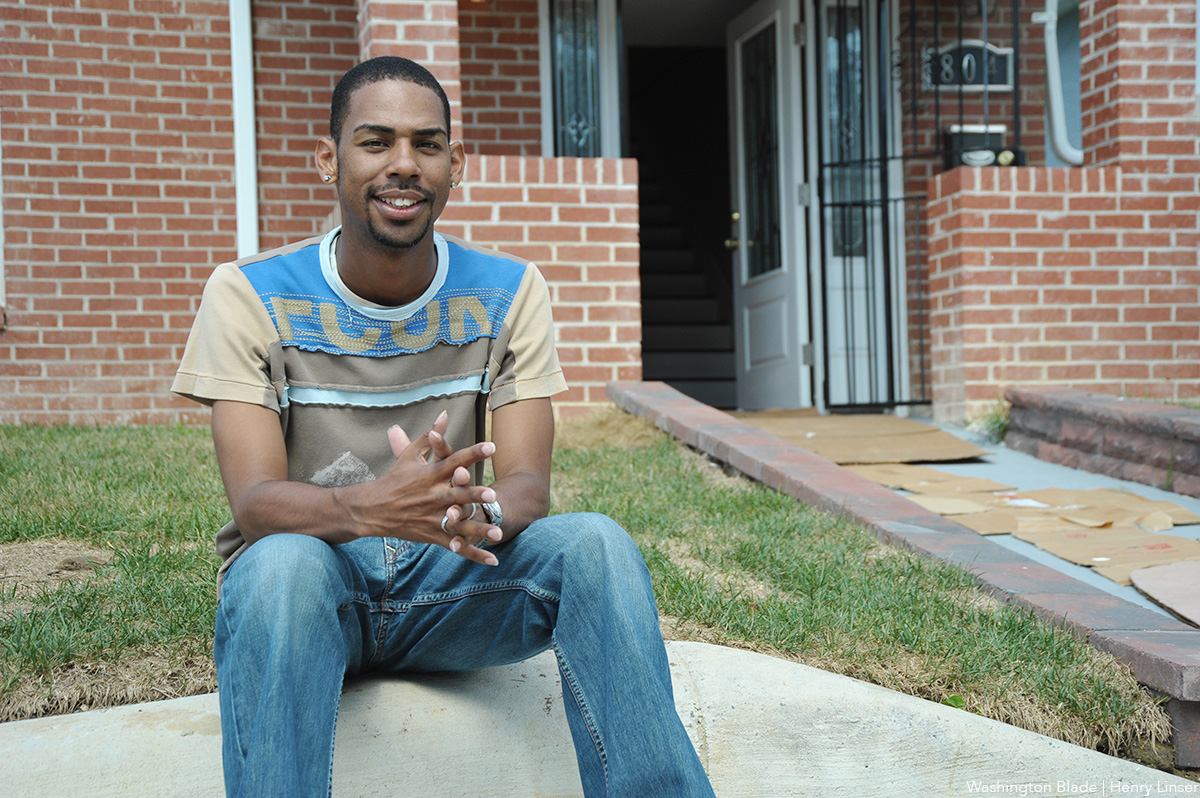
The Wanda Alston Foundation, which provides housing and support services for homeless LGBTQ youth in the D.C. metro area, announced on July 20 that its founding executive director, Brian Watson, has passed away.
In a statement the Alston Foundation called Watson “one of Washington, D.C.,’s most passionate advocates for LGBTQ+ youth experiencing homelessness.”
Neither the statement nor others who knew Watson have disclosed the cause of death or his age. Longtime LGBTQ community activist Rayceen Pendarvis said she heard only that Watson’s passing followed “a long time illness.”
“The origins of the Wanda Alston Foundation can be traced to a meeting convened by then-Mayor Anthony Williams at the request of Wanda Alston, the Mayor’s Director of LGBTQ Affairs,” the statement says.
“During that meeting, Brian spoke powerfully about the growing crisis of homelessness among LGBTQ+ youth in the District of Columbia and the urgent need for dedicated housing and support services,” it says. “His advocacy helped crystalize a vision that every young person deserves a safe place to call home.”
The statement points out that following Alston’s untimely death, Watson joined other community leaders “to transform that vision into reality by establishing the Wanda Alston Foundation in her memory.”
It says that today the Alston Foundation “proudly carries forward the mission Brian helped create by providing emergency and transitional housing, counseling, workforce development, life-skills training, and other supportive services that empower LGBTQ+ youth to achieve stability, independence, and hope for the future.”
Watson’s LinkedIn page says he served as executive director of the Alston Foundation from July 2013 to March 2014. The Washington Blade reported in April 2014 that the Alston Foundation announced in a March 11, 2014, statement that Watson had resigned to “pursue other opportunities.”
His LinkedIn page shows he worked for or with in a supporting role three local nonprofit organizations since leaving the Alston Foundation, including serving from February 2019 to November 2019 as a Methamphetamine Services Specialist for the D.C. group HIPS, which provides services for drug users and sex workers.
According to his LinkedIn page, from October 2014 to “present,” he also served as Chief Innovation Officer for the Propel Foundation, Inc., which he described as a “501c3 nonprofit organization founded in D.C. that works to strengthen nonprofit organizations through fiscal sponsorship and capacity building.”
A Facebook posting by his brother, Vidale Watson, says his family will be making arrangements for a memorial service and will share the date, time, and location once the details have been finalized.
“There are no words to describe the heartbreak our family is feeling,” Vidale Watson wrote. “While we are grateful for every prayer, kind word, and act of support we’ve received over the past week, this loss is still incredibly fresh.”

Buttigieg indicates he may run for president in 2028

Remembering Elliot Leonard, generous visionary who helped LGBTQ communities thrive

My evening with Madonna

PHOTOS: Petal Release Party

Madonna headlines World Pride Music Festival in Amsterdam

PHOTOS: Lambda Legal in the Pines

Calendar: July 31-August 6

Taiwan’s government has failed to update process to change gender markers on ID documents

Come showcase your singing, poetry talent