Cuba
Cuba under pressure and without answers
Cubans talk about survival, not geopolitics
Tensions between the U.S. and Cuba are rising again. This is not new, but the current moment feels different. Recent measures from Washington aim to further restrict the Cuban government’s financial channels, limit its sources of revenue, and apply pressure to key sectors of the economy. This is not symbolic. It is a deliberate policy.
From the U.S. perspective, the message is clear. The goal is to force change that has not happened in more than six decades. There is also a domestic political dimension, shaped by sectors of the Cuban exile community that have long demanded a tougher stance. All of this is part of the landscape.
But that is only one side.
On the Cuban side, the response follows a familiar script. The government speaks of external aggression, economic warfare, and a tightening embargo. Each new measure becomes an opportunity to reinforce that narrative and close ranks. There is no room for public self-criticism. The blame always points outward.
Meanwhile, life on the island follows a different logic.
The energy crisis Cuba is facing today did not begin with these recent measures. It has been building for years. The electrical system is deteriorated, poorly maintained, and increasingly unreliable. Blackouts are not new. What has changed is how severe and how constant they have become.
For years, oil entered Cuba, especially from Venezuela. There were supply agreements. There were resources. And yet, the daily life of ordinary Cubans did not improve. Electricity remained unstable. Fuel was rationed. Transportation was still a daily struggle.
So the question is not new.
If the oil was there, why didn’t anything change?
Where did those resources go?
Where is the money that was generated?
Today, restrictions on oil are often presented as the main cause of the current crisis. They are not. They make an already fragile situation worse, but they do not fully explain it.
There is a deeper, longer story that cannot be ignored.
The same applies to Cuba’s international medical missions.
For years, they were presented as acts of solidarity. And in many cases, they were. Cuban doctors worked in difficult conditions, saving lives and supporting health systems abroad. That is real.
But they also functioned as one of the Cuban state’s main sources of income.
Many of these professionals did not receive the full salary for their work. A significant portion was retained by the government. In some cases, they had little or no control over the money they generated.
And there is a harsher reality.
If a doctor chose not to return to Cuba, that income often did not reach their family. It was withheld.
Today, several countries are reevaluating or canceling these agreements. Once again, the official response is to point outward. But the same question remains.
Is this the loss of international cooperation, or the collapse of a system built on control over its own professionals?
Inside Cuba, the conversation sounds very different.
People are not speaking in geopolitical terms. They are talking about survival. About getting through the day. About blackouts, food shortages, transportation problems, and a life that keeps getting harder.
Some see the new U.S. measures as a form of pressure that could lead to change. Not because they want more hardship, but because they feel the system does not change on its own. There is a deep sense of stagnation.
But that sense of expectation exists alongside a harsh reality.
Sanctions do not hit decision-makers first. They hit ordinary people. The ones standing in line. The ones losing food during power outages. The ones who cannot move because there is no fuel.
That is the contradiction.
The Cuban government calls for international solidarity. And it receives it. Countries send aid. Organizations mobilize. Public voices defend the island.
But another question is also present.
Does that aid actually reach the people?
The lack of transparency in how resources are distributed is part of the problem. Because this is not only about what enters the country, but about what actually reaches those who need it.
Reducing Cuba’s reality to a dispute between two governments avoids the core issue.
There are shared responsibilities, but they are not equal.
The U.S. exerts external pressure with real economic consequences. That cannot be denied. But inside Cuba, there is a system that has had decades to reform, to respond, to open, and it has not done so.
That part cannot continue to be ignored.
I write this as a Cuban. From what I lived. From what I know. From the people who are still there trying to make it through each day.
Because at the end of the day, beyond what governments say or decide, the reality is something else.
Cuba today is under more pressure, yes. But it has also spent years carrying problems that no one has seriously confronted.
And as long as that remains the case, it does not matter what comes from outside. The problem is still inside.




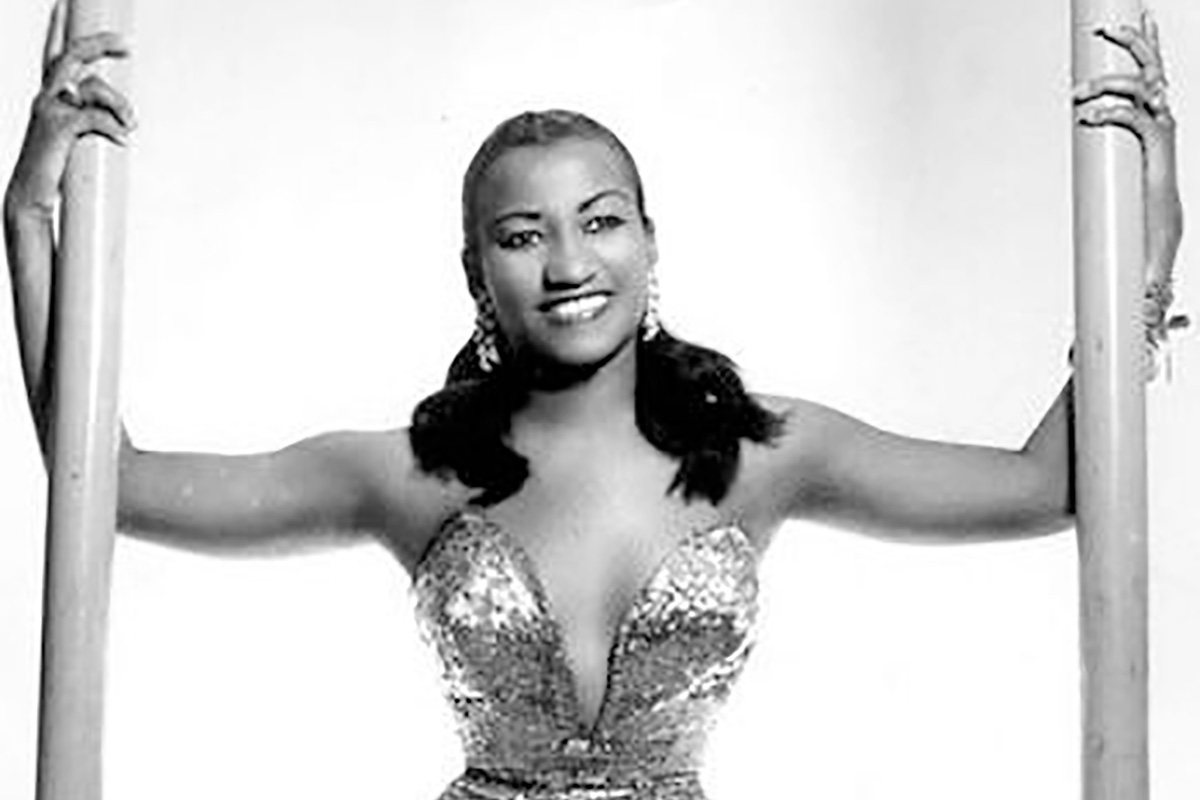
Hace un siglo nació en Cuba una mujer que transformó el mapa sonoro del mundo. Celia Cruz fue más que una cantante: fue una embajadora de la alegría, una voz que rompió muros, y un símbolo de identidad para generaciones enteras que encontraron en su grito de ¡Azúcar! una manera de resistir y de celebrar la vida.
Desde sus inicios en Las Mulatas de Fuego hasta su consagración con La Sonora Matancera, su voz se volvió sinónimo de fiesta, de nostalgia y de dignidad. Con su risa grande y su presencia arrolladora, Celia enseñó que el arte no solo entretiene: sana, consuela y redime. “Mi voz quiere volar, quiere atravesar…” cantaba, y lo hizo. Atravesó océanos, dictaduras, fronteras y lenguas. Voló desde La Habana hasta Nueva York, desde el Caribe hasta los escenarios del mundo entero, llevando consigo el eco de una isla que amó hasta el último suspiro.
En los años 90, cuando la crisis de los balseros desgarraba el corazón de Cuba, Celia regresó a su tierra. Lo hizo cantando en la Base Naval de Guantánamo, suelo cubano bajo control estadounidense. Allí, frente a hombres, mujeres y niños que habían huido del dolor, su voz se alzó como un himno de esperanza. No fue una visita política: fue un regreso espiritual. Fue su manera de besar la tierra que la vio nacer, de cantar por quienes no podían hacerlo y de abrazar a su pueblo con el poder de su música. En ese escenario, cuando pronunció “Por si acaso no regreso…”, el aire se llenó de lágrimas y tambor.
Decir Celia Cruz es hablar de Cuba, incluso cuando Cuba no podía pronunciar su nombre. En cada salsa, guaracha o rumba, vibraba el latido de una patria que vivía en su garganta. Fue nominada a trece Premios Grammy y seis Latin Grammy, de los cuales ganó cinco, y recibió doctorados honoris causa de universidades como Yale y Florida. Pero más allá de los premios, su verdadero reconocimiento fue el amor del pueblo que la hizo inmortal.
Y es que Celia no cantaba solo para divertir: cantaba para levantar el espíritu. “Oh, no hay que llorar, porque la vida es un carnaval…”, nos dejó como legado, recordándonos que el dolor también puede bailarse, que las lágrimas pueden convertirse en tambor, y que mientras exista un poco de música en el alma, habrá esperanza.
El 16 de julio de 2003, Celia se despidió del mundo desde su hogar en Fort Lee, Nueva Jersey, pero su voz no se apagó. Viajó primero a Miami para recibir el homenaje de su gente del exilio y reposa finalmente en el Bronx, donde los suyos le llevan flores y canciones. Sin embargo, la verdad es que nunca se fue: Celia Cruz sigue viviendo en cada fiesta, en cada radio, en cada rincón donde suena una clave y alguien grita ¡Azúcar!
Celia fue más que una reina. Fue un puente entre lo que fuimos y lo que soñamos ser. Nos enseñó que se puede triunfar sin olvidar las raíces, que se puede cantar sin perder la fe, y que la alegría también es una forma de resistencia. Su voz no solo atravesó el tiempo: lo conquistó.
Porque donde hubo Celia, hubo luz. Donde hubo Celia, hubo vida. Y mientras el mundo siga bailando al compás de su “carnaval”, la Reina seguirá reinando… por siempre.
Cuba
Marytriny, la emperatriz del transformismo
Miami celebrará figura querida el 5 de septiembre, su cumpleaños
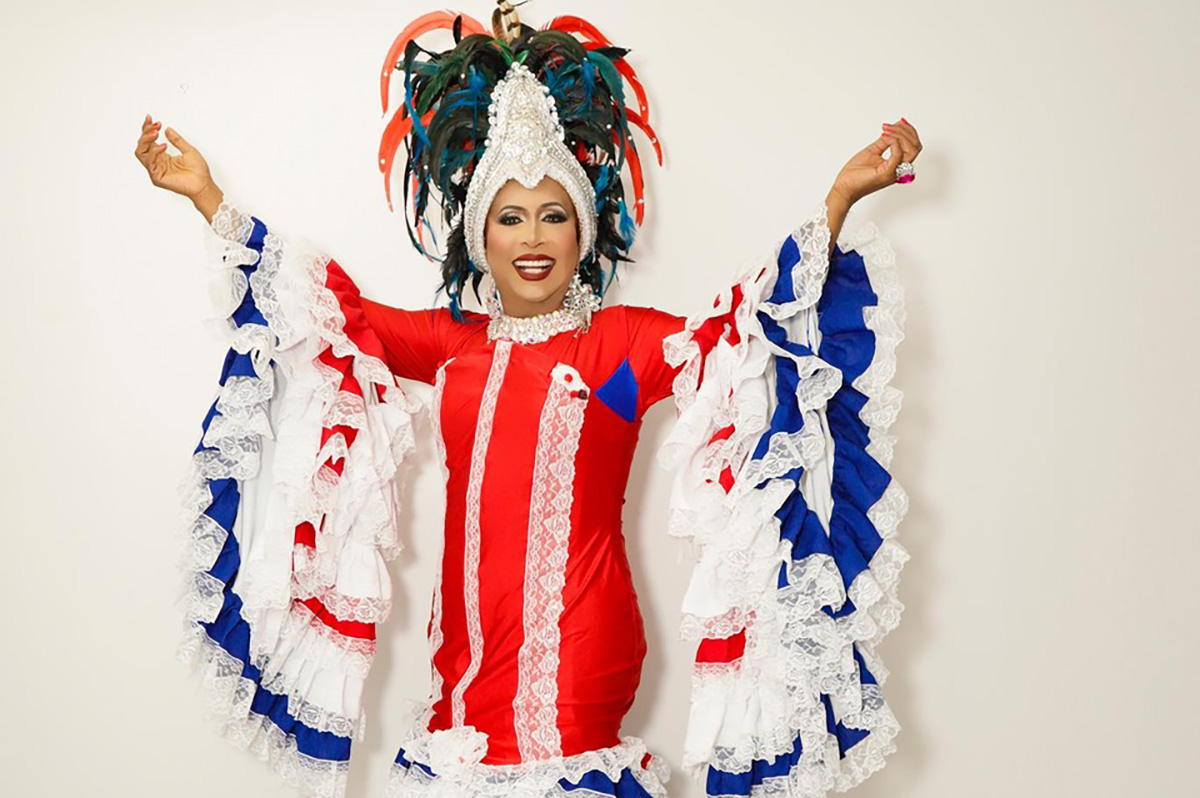
El próximo 5 de septiembre, el arte del transformismo en Miami celebra a una de sus figuras más queridas: Alexis Fernández, conocido en el escenario como Marytriny, la emperatriz del transformismo. Su cumpleaños no es solo una fecha en el calendario: es un recordatorio de que la vida, cuando se vive con entrega y disciplina, se convierte en celebración colectiva. Su historia es testimonio, es lucha y es inspiración.
Marytriny nunca actuó en Cuba en sus inicios, pues su personaje nació en Miami, tierra de libertad. No fue hasta el 2014 cuando, por primera vez, tuvo la oportunidad de presentarse en la isla, como si el destino hubiera conspirado a su favor. Alexis viajó entonces a Cuba en medio de un momento político marcado por el acercamiento entre Barack Obama y La Habana. Su madre estaba enferma y aquel viaje coincidió con una invitación del maestro Raúl de la Rosa al Teatro América.
Al finalizar el espectáculo, en el que Marytriny dio vida a la Guarachera de Cuba, la queridísima Celia Cruz, uno de los directivos del teatro se le acercó y le comentó que su interpretación se sintió como si la misma Celia se hubiera presentado en ese escenario. Vale recordar que, desde su salida en 1960, Celia Cruz nunca volvió a Cuba, salvo durante la crisis de los balseros, cuando cantó a los cubanos que permanecían en la Base Naval de Guantánamo.
En esa ocasión única, Marytriny encarnó a Celia como un acto de rebeldía y de búsqueda personal. Fue la primera y única vez que subió a un escenario en la isla, llevando consigo la fuerza de un arte que en Cuba había sido prohibido y silenciado.
Desde sus primeros pasos en Azúcar Night Club en Miami, Marytriny se convirtió en referencia cultural, ícono de comunidad y símbolo de resistencia. Y aquí surge la primera pregunta: ¿Cómo recuerdas esos primeros pasos en Miami, cuando Marytriny empezaba a nacer bajo las luces de la libertad?
La respuesta de Marytriny refleja la autenticidad de su camino.
“Los primeros momentos fueron duros… era todo desconocido para mí, encontrando un espacio para conectar con un público nuevo. Pero entregué toda mi cubanía, alegría y nostalgia de llegar a un país multicultural como esta ciudad de Miami. Fui yo, auténtico, y de pronto la magia de las risas y el aplauso. Fue como un amor a primera vista entre el público y yo. Ya son 26 años y ese amor a lo que hago sigue igual… la gente lo necesita y agradece. Surge el amor incondicional de este arte”.
La disciplina y la entrega lo llevaron más allá del cabaret.
En Telemundo protagonizó la serie “Decisiones”. En América TV formó parte de la novela de larga duración “La Flor de Hialeah”. También trabajó en el cine y en documentales, entre ellos producciones que narraron la vida de Celia Cruz, confirmando que su talento no conoce fronteras. Y entonces aparece la segunda pregunta: ¿Qué significó para ti abrirte paso en la televisión y el cine, y cómo lograste llevar el espíritu de Marytriny más allá de los escenarios nocturnos?
Su voz, firme y reveladora, responde:
“A medida que fue creciendo mi personaje de Marytriny, su voz fue más fuerte, auténtica y llena de verdades silenciadas. Es la voz de muchos que no saben cuál es el camino para encontrar sus libertades y, sobre todo, a quererse y a liberarse de los prejuicios para recuperar esa libertad que nos arrancaron. Difícil hacerlo desde mi personaje… a pesar del tiempo sigue siendo difícil, sobre todo por muchos conservadores que nos siguen atacando. Pero aquí estamos”.
En 2023, la vida lo enfrentó con un reto inesperado: un diagnóstico de cáncer de próstata. Con la transparencia que lo caracteriza, Alexis lo compartió públicamente. Su comunidad respondió con amor y solidaridad, acompañándolo en cada paso. Tras la cirugía, una rosa blanca en su casa se convirtió en símbolo de fe y renacimiento.
En 2024, dio un paso determinante al participar en “Ser Trans”, una producción de TV Martí que expuso la transfobia en Cuba y recuperó las voces que por décadas habían sido silenciadas. Ese mismo año, la obra fue reconocida con un Suncoast Regional Emmy, un galardón que se convirtió en algo más que un premio: fue la constatación de que esas historias tenían un valor innegable y que ya no podían ser relegadas al silencio.
Y entonces llega la tercera pregunta: ¿Qué aprendiste de ti mismo durante la enfermedad y qué mensaje de esperanza quieres dejar a quienes luchan con sus propias batallas?
Marytriny responde con la fuerza de quien ha vencido la tormenta:
“La vida te pone pruebas duras, pero Dios escoge sus guerreros. Esta enfermedad me sirvió para cambiar mi vida y mi forma de pensar, y para ayudar a otros a tomar conciencia, encontrar la fe y dejar un legado de amor. Tolerancia y disciplina son el camino para lograrlo todo… Por eso digo ¡gracias!, y amor con amor se paga”.
Aunque aún faltan algunos días para la celebración de su cumpleaños, desde ya queremos comenzar a celebrar la vida de Alexis Fernández, un artista con más de dos décadas de trayectoria, mentor, voz y presencia de comunidad. Cada vez que Marytriny aparece en escena, no vemos solo a un personaje: vemos a un hombre que convirtió su arte en un canto de libertad, en una afirmación de identidad y en un motivo de orgullo para quienes lo rodean.
El próximo 5 de septiembre, cuando sople las velas, su cumpleaños no pertenecerá solo a él, sino también a todos los que alguna vez rieron, lloraron o se reconocieron en Marytriny. Porque su vida no es solo espectáculo: es un acto de amor y de resistencia. Y cuando caiga el telón, quedará claro que hemos sido testigos de algo más grande que un show: la vida misma de una emperatriz que brilla más que las estrellas.
Cuba
Cuban lawmakers simplify process for trans people to change IDs
Activists who criticize government harassed, detained
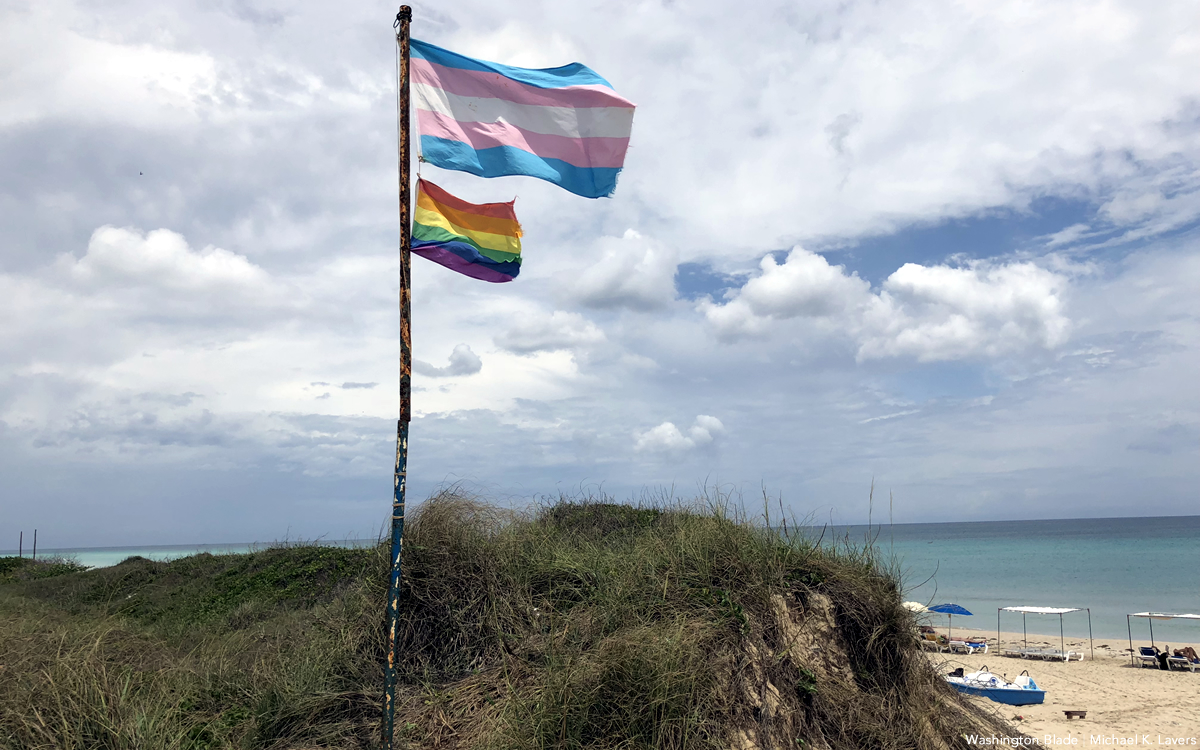
Cuban lawmakers earlier this month approved an amendment to the country’s Civil Registry Law that will allow transgender people to legally change the gender marker on their ID documents without surgery.
Francisco Rodríguez Cruz, an activist and journalist who works with the National Center for Sexual Education that Mariela Castro, the daughter of former Cuban President Raúl Castro, directs, in a Facebook post noted the National Assembly on July 18 unanimously approved several amendments to the Civil Registry Law that contain “important guarantees and rights for trans and intersex people in Cuba, and in general for all of our LGBTI citizenry.”
“The new law establishes as rights and obligations under the civil registry the principle of equality under the law without discrimination based on sexual orientation and gender identity, among other grounds, established in the 2019 constitution,” wrote Rodríguez.
The 2019 constitution that Cubans overwhelmingly approved in a referendum did not include marriage rights for same-sex couples. Cubans in a 2022 referendum endorsed a new family code that paved the way for marriage equality on the Communist island.
Rodríguez notes the revised Civil Registry Law, among other things, opens the doors for the legal recognition of parents who are the same sex and trans and intersex children.
“Cuba advances towards equality,” said the International Lesbian, Gay, Bisexual, Trans, and Intersex Association for Latin America and the Caribbean (ILGALAC) in response to the vote.
Argentina, Uruguay, Germany, and Malta are among the countries that allow trans people to legally change their name and gender without surgery.
Cuba’s national health care system has offered free sex-reassignment surgery since 2008, but activists who are critical of Mariela Castro and CENESEX have said access to these procedures is limited. Mariela Castro, who is also a member of the National Assembly, in 2013 voted against a measure to add sexual orientation to Cuba’s labor code because it did not include gender identity.
The Cuban constitution bans discrimination based on sexual orientation and gender identity, among other factors. Authorities, however, routinely harass and detain activists who publicly criticize the government.
Authorities in 2021 arrested Brenda Díaz, a trans woman with HIV who participated in an anti-government protest in Artemisa Province.
A Havana court sentenced her to 14 years in prison. Independent journalists reported authorities “forced” Díaz to serve her sentence in a men’s prison. Authorities in January released her after the Vatican helped broker a deal in which then-President Joe Biden agreed to delist Cuba as a state sponsor of terrorism. (The Trump-Vance administration restored the designation shortly after it took office.)
The Cuban government in 2019 refused to allow this reporter to enter the country to cover International Day Against Homophobia, Transphobia and Biphobia events. Authorities detained him at Havana’s José Martí International Airport for several hours before they allowed him to board a flight back to the U.S.

Cuba under pressure and without answers

Police mental health struggles gain growing attention

Man faces first S.C. ‘hate intimidation’ charge

Trump budget would codify expanded global gag rule

D.C. is the place for the Democratic Socialists of America

VIDEO: Gay journalist detained for booing Trumps at ‘Chicago’ opening night

Pam Bondi ousted as attorney general

JD Vance to travel to Hungary next week

Mayor Bowser signs bill requiring insurers to cover PrEP

Belarusian lawmakers approve bill to crackdown on LGBTQ rights
-

 The White House5 days ago
VIDEO: Gay journalist detained for booing Trumps at ‘Chicago’ opening night
-
The White House5 days ago
Pam Bondi ousted as attorney general
-
Hungary5 days ago
JD Vance to travel to Hungary next week
-
District of Columbia5 days ago
Mayor Bowser signs bill requiring insurers to cover PrEP