Arts & Entertainment
Grammy noms 2016: Swift, Lamar come out on top
Winners to be announced in Feb.
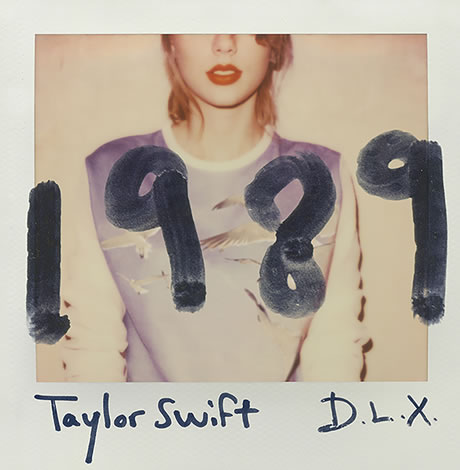
Taylor Swift’s “1989” earned seven Grammy nominations. (Photo courtesy Big Machine)
Grammy nominations for the 58th annual Grammy awards were released today.
Kendrick Lamar received 11 nominations, the most of any artist, including Album of the Year, “To Pimp a Butterfly” and Song of the Year, “Alright.”
Taylor Swift followed with seven nominations for her smash-hit album “1989.” Swift’s “Blank Space” was nominated for Best Pop Solo Performance, Record of the Year and Song of the Year.
Swift and Lamar also nabbed a joint-nomination for Best Pop Duo/Group Performance for their collaboration on “Bad Blood.” The Weeknd tied with Swift for seven nominations for his album “Beauty Behind the Madness.”
R&B/hip-hop group the Internet, fronted by lesbian lead singer Syd Tha Kyd, also received a nomination for Best Urban Contemporary Album for its latest release “Ego Death.”
The 2016 Grammys will air on Feb. 15. For a complete list of nominees, visit grammy.com.
Best New Artist
Courtney Barnett
James Bay
Sam Hunt
Tori Kelly
Meghan Trainor
Record of the Year
“Really Love,” D’Angelo & The Vanguard
“Uptown Funk,” Mark Ronson featuring Bruno Mars
“Thinking Out Loud,” Ed Sheehan
“Can’t Feel My Face,” The Weeknd
“Blank Space,” Taylor Swift
Song of the Year
“Alright,” Kendrick Lamar
“Blank Space,” Taylor Swift
“Girl Crush,” Little Big Town
“See You Again,” Wiz Khalifa featuring Charlie Puth
“Thinking Out Loud,” Ed Sheeran
Album of the Year
“Sound & Color,” Alabama Shakes
“To Pimp A Butterfly,” Kendrick Lamar
“Traveller,” Chris Stapleton
“1989,” Taylor Swift
“Beauty Behind The Madness,” The Weeknd
Best Pop Solo Performance
“Heartbeat Song,” Kelly Clarkson
“Love Me Like You Do,” Ellie Goulding
“Thinking Out Loud,” Ed Sheeran
“Blank Space,” Taylor Swift
“Can’t Feel My Face,” The Weeknd
Best Pop Duo/Group Performance
“Ship To Wreck,” Florence + The Machine
“Sugar,” Maroon 5
“Uptown Funk,” Mark Ronson featuring Bruno Mars
“Bad Blood,” Taylor Swift featuring Kendrick Lamar
“See You Again,” Wiz Khalifa featuring Charlie Puth
Best Pop Vocal Album
“Piece By Piece,” Kelly Clarkson
“How Big, How Blue, How Beautiful,” Florence + The Machine
“Uptown Special,” Mark Ronson
“1989,” Taylor Swift
“Before This World,” James Taylor
Best Rock Performance
“We’re All We Need,” Above & Beyond Featuring Zoë Johnston
“Go,” The Chemical Brothers
“Never Catch Me,” Flying Lotus Featuring Kendrick Lamar
“Runaway (U & I),” Galantis
“Where Are Ü Now,” Skrillex And Diplo With Justin Bieber
Best R&B Performance
“If I Don’t Have You,” Tamar Braxton
“Rise Up,” Andra Day
“Breathing Underwater,” Hiatus Kaiyote
“Planes,” Jeremih Featuring J. Cole
“Earned It (Fifty Shades Of Grey),” The Weeknd
Best Rap Performance
“Apparently,” J. Cole
“Back To Back,” Drake
“Trap Queen,” Fetty Was
“Alright,” Kendrick Lamar
“Truffle Butter,” Nicki Minaj featuring Drake & Lil Wayne
“All Day,” Kanye West featuring Theophilus London, Allan Kingdom & Paul McCartney
Best Country Album
“Montebello,” Sam Hunt
“Pain Killer,” Little Big Town
“The Blade,” Ashley Monroe
“Pageant Material,” Kacey Musgraves
“Traveller,” Chris Stapleton


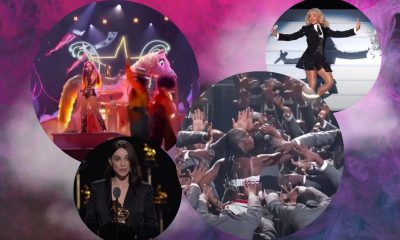




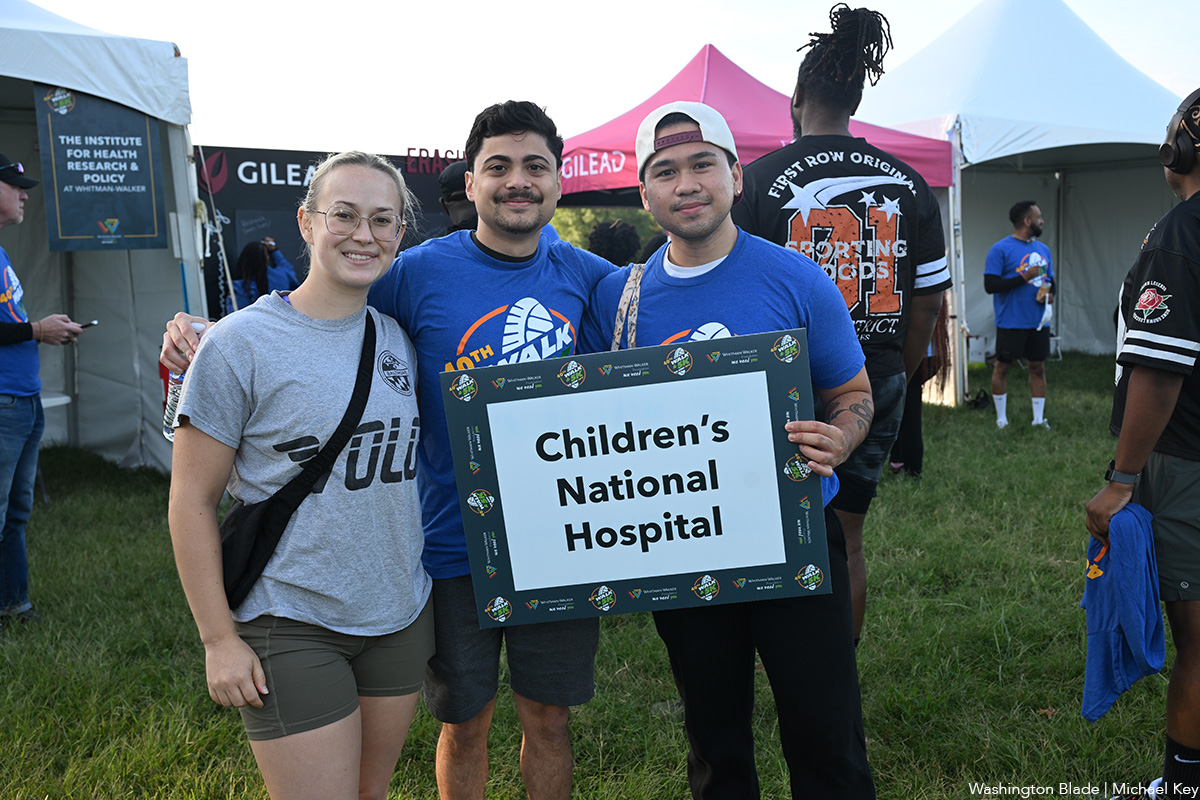
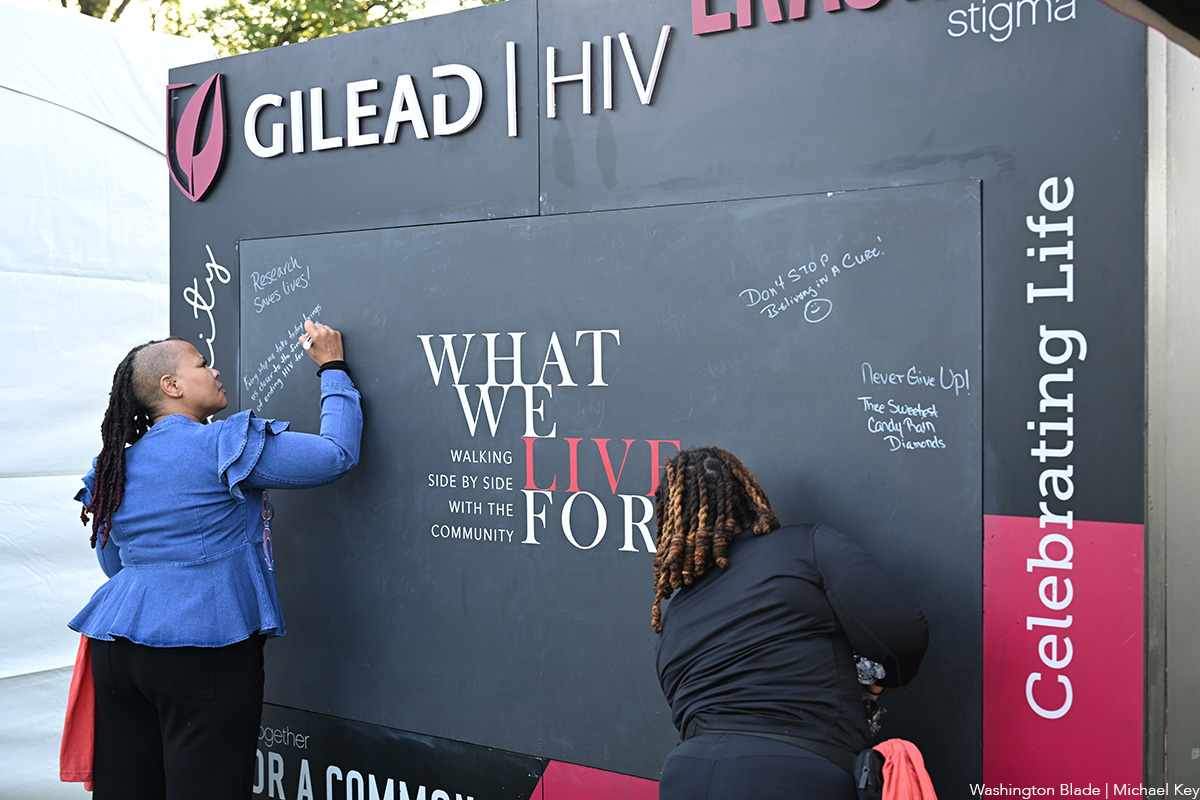
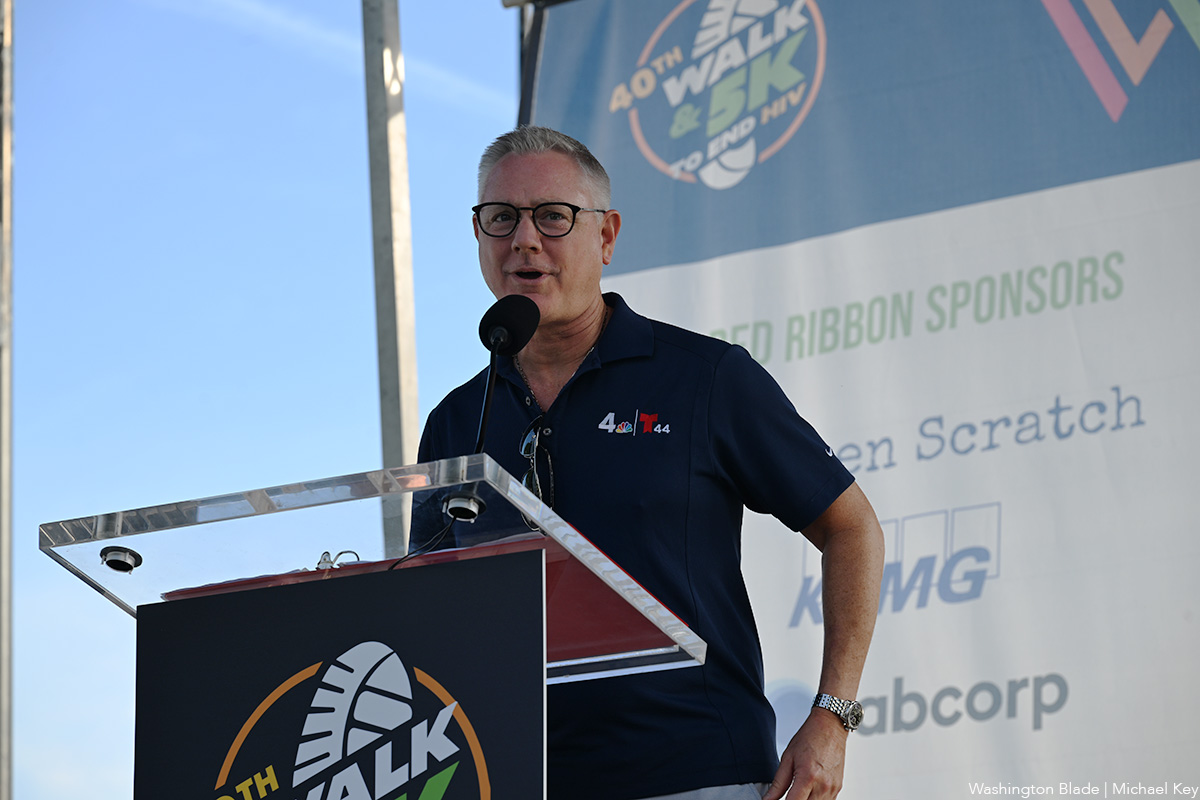
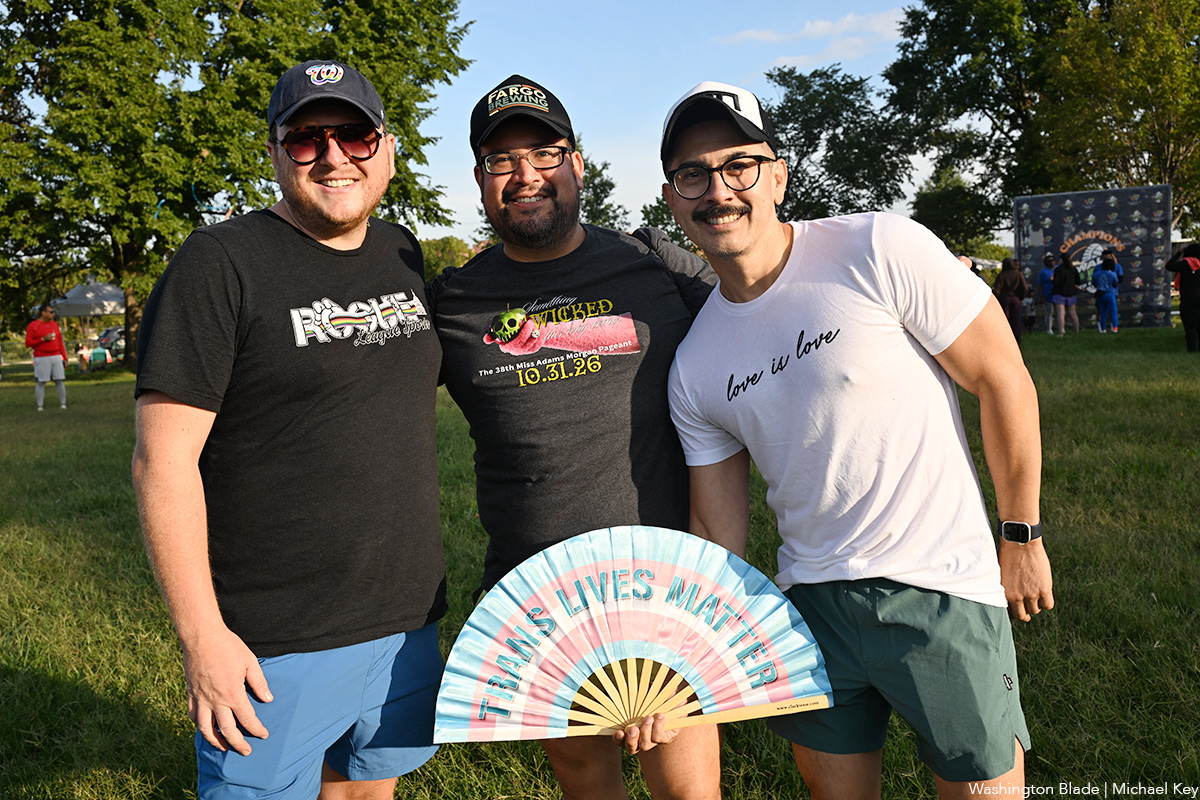
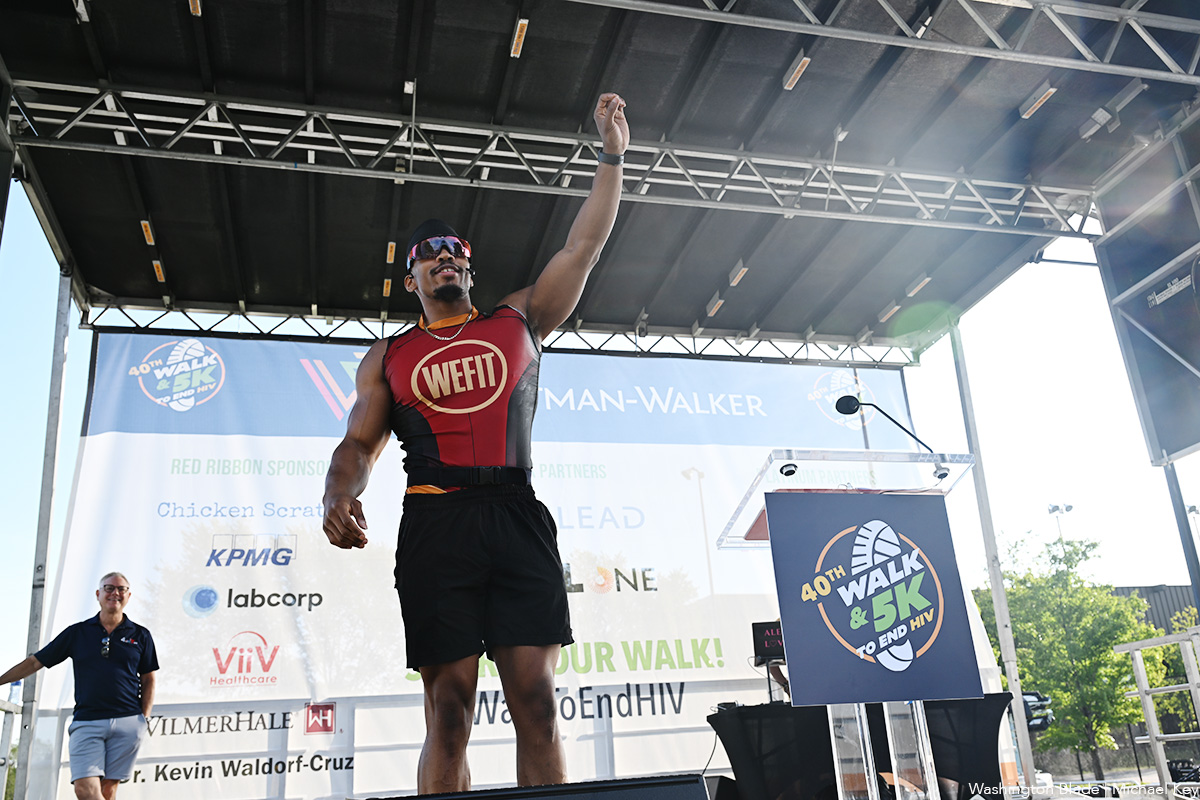
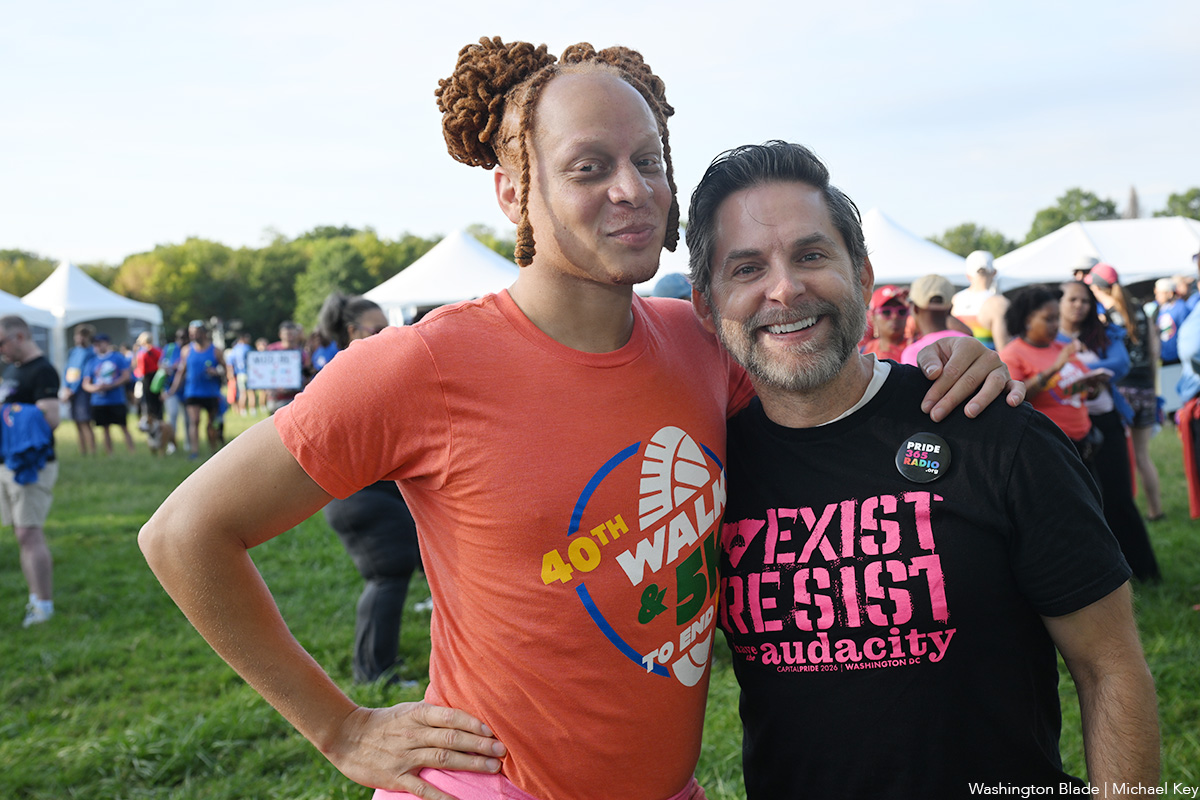
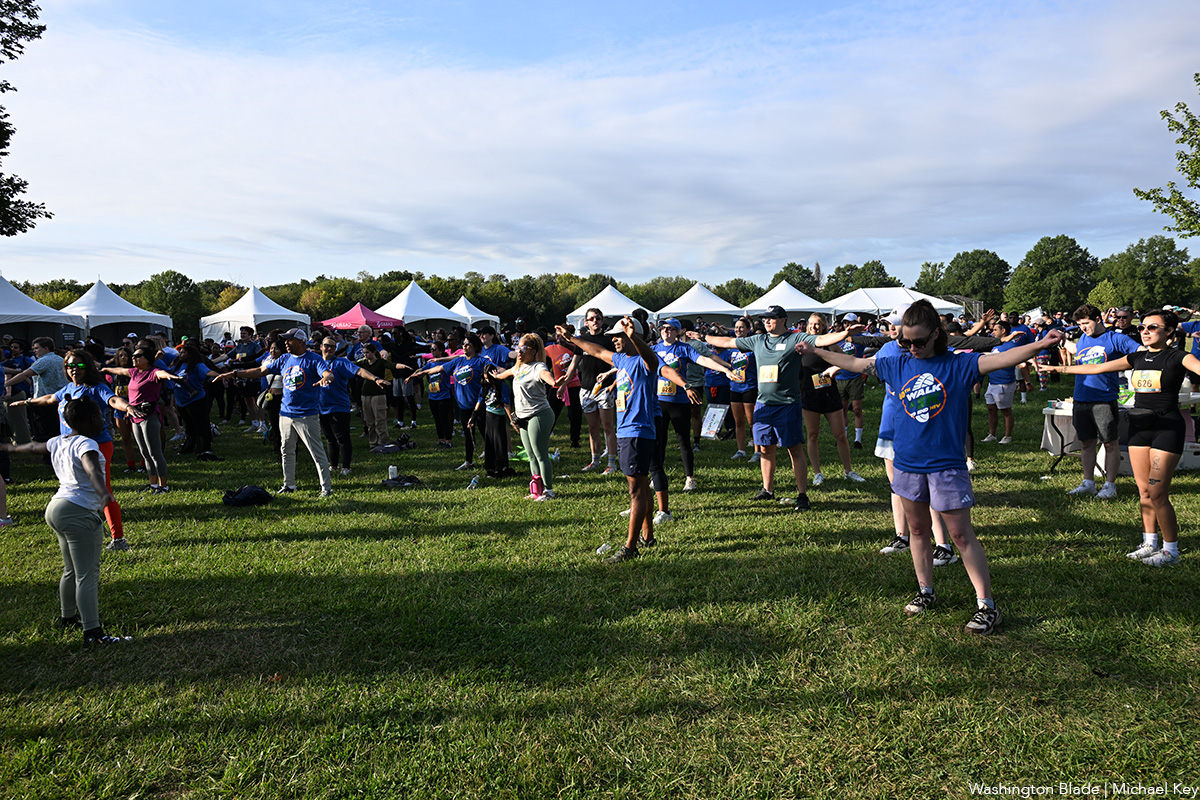
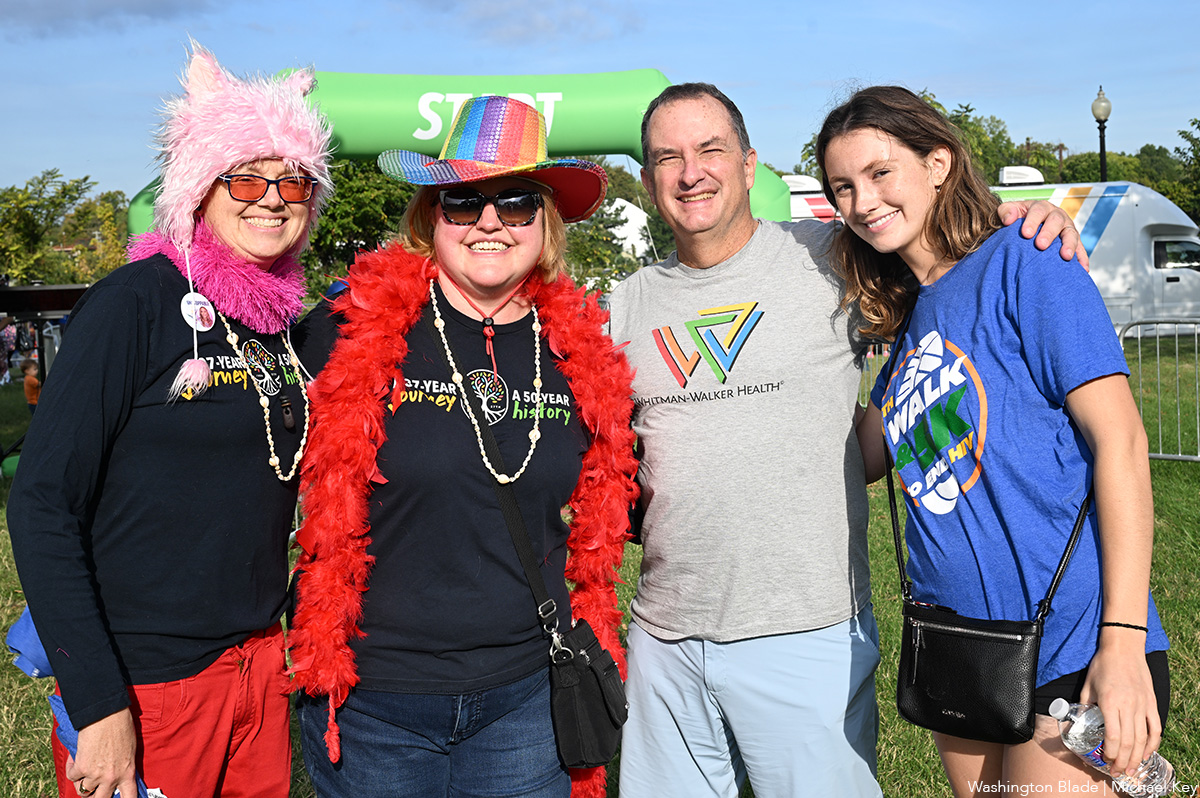
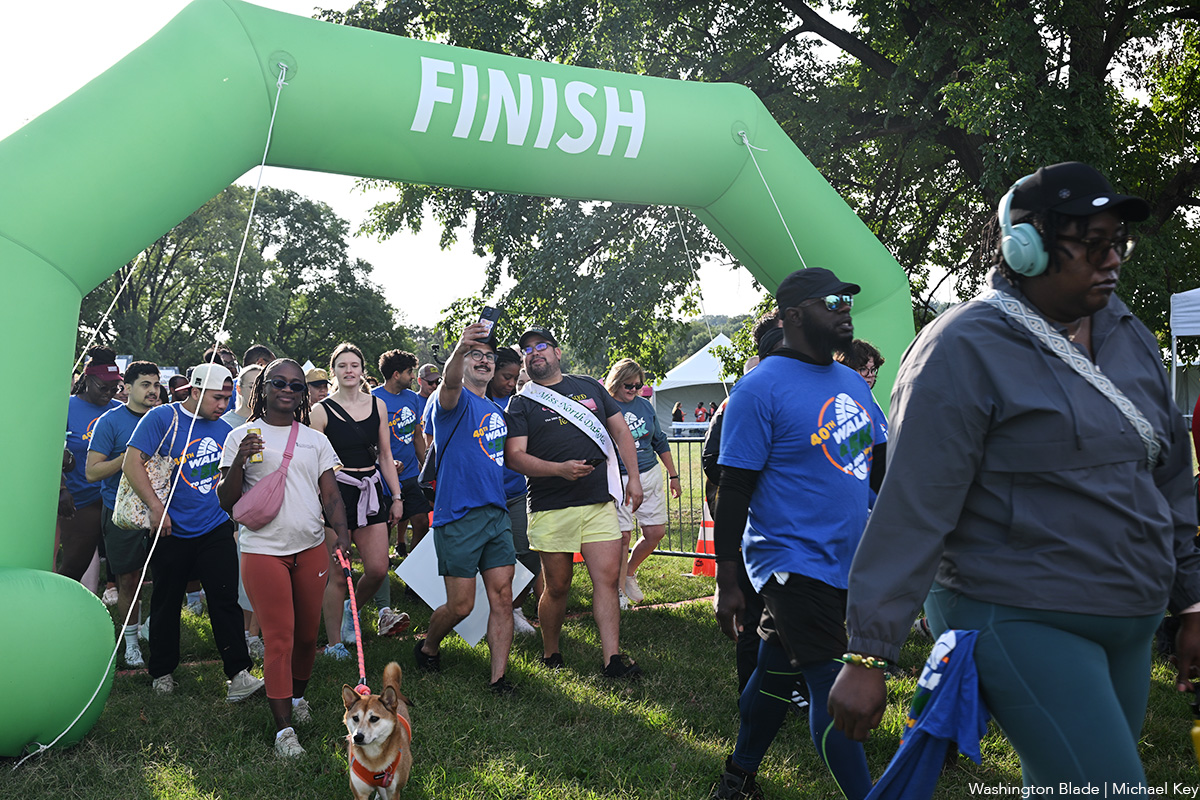
Whitman-Walker Health held the 40th annual Walk and 5K to End HIV at Anacostia Park on Saturday, Sept. 19.
(Washington Blade photos by Michael Key)

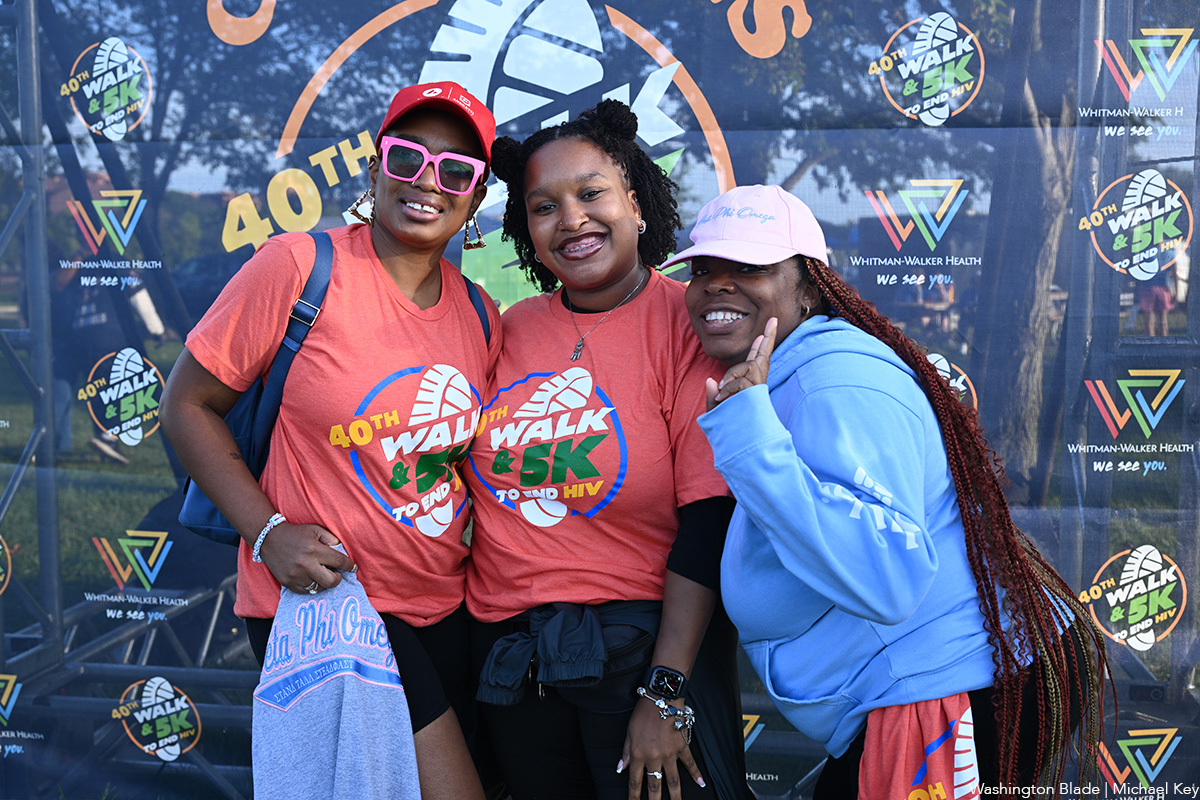
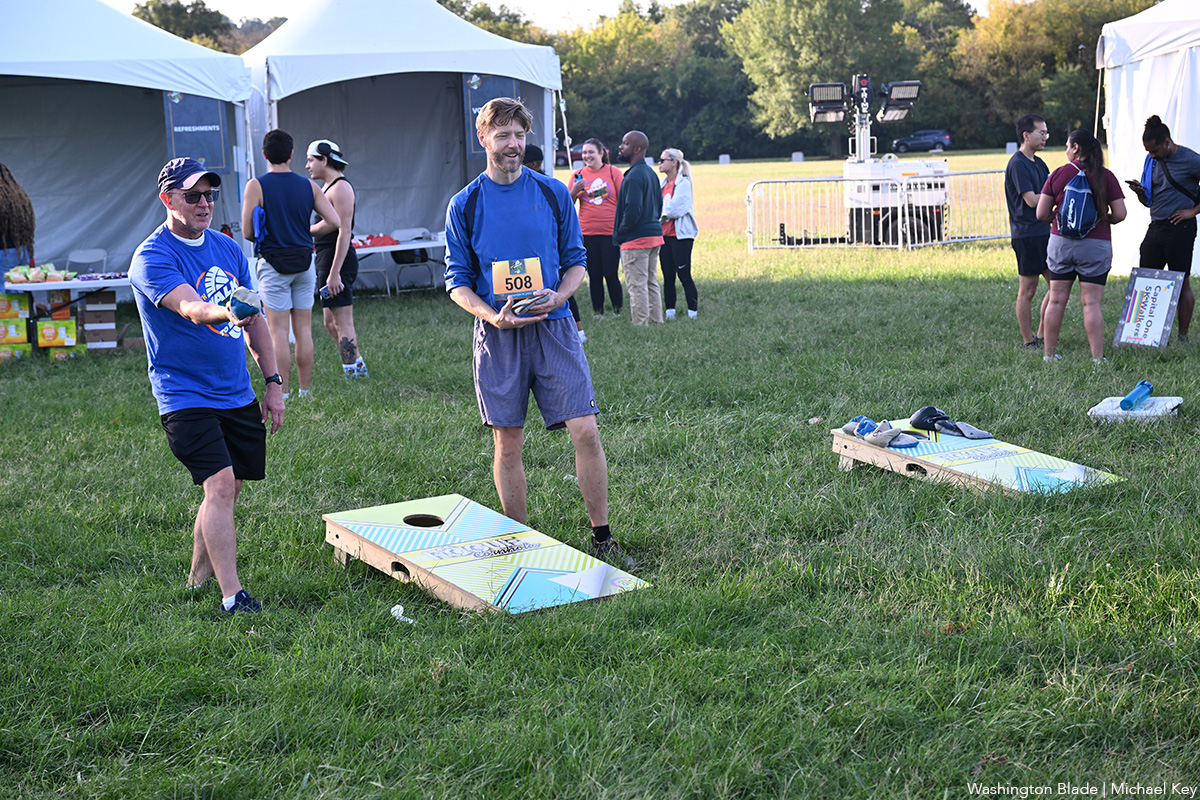
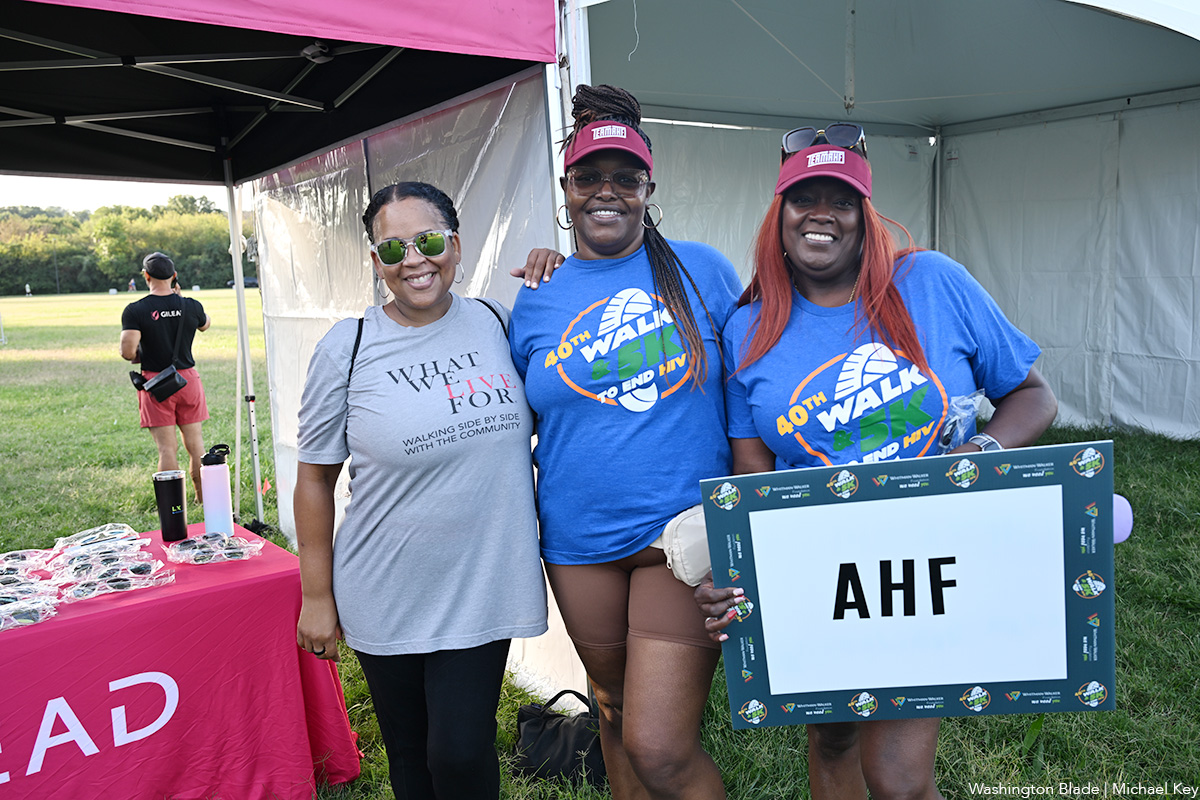
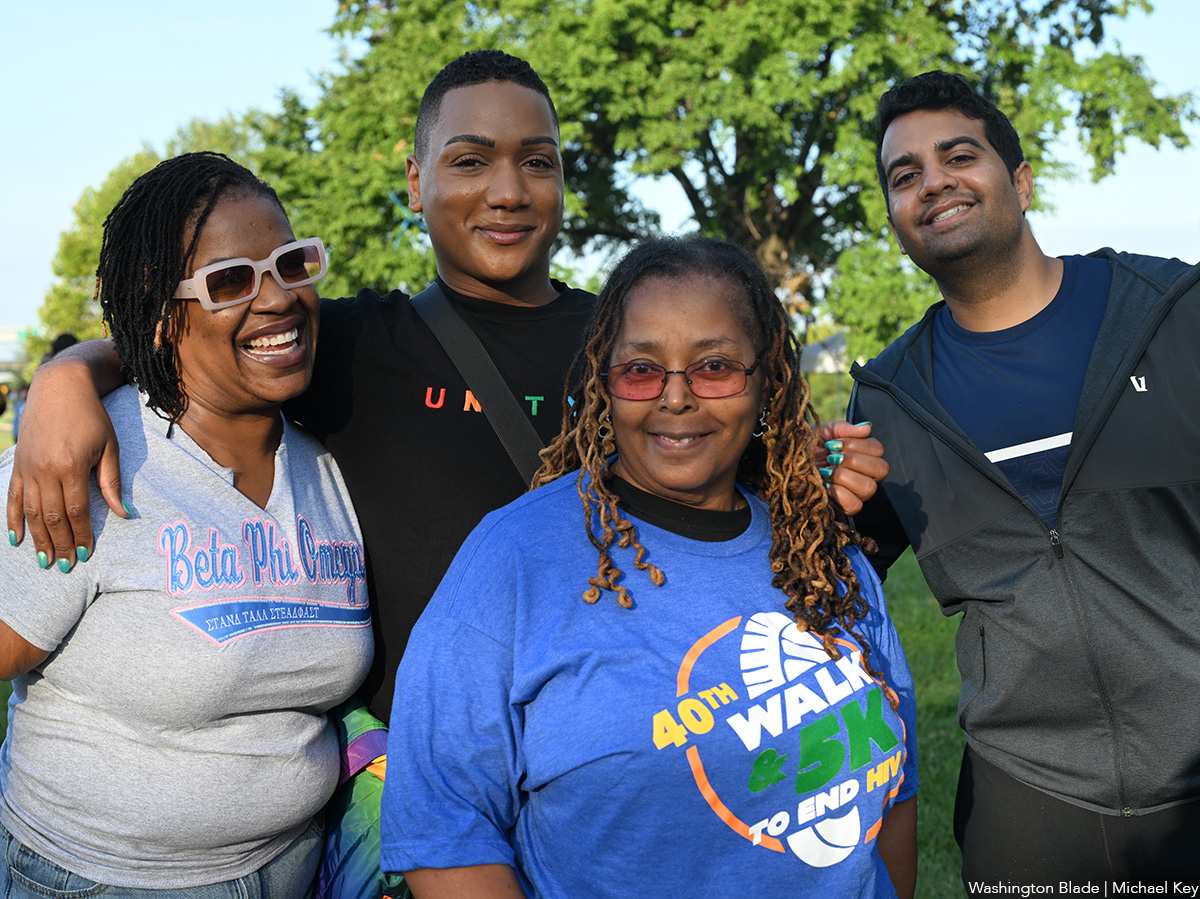

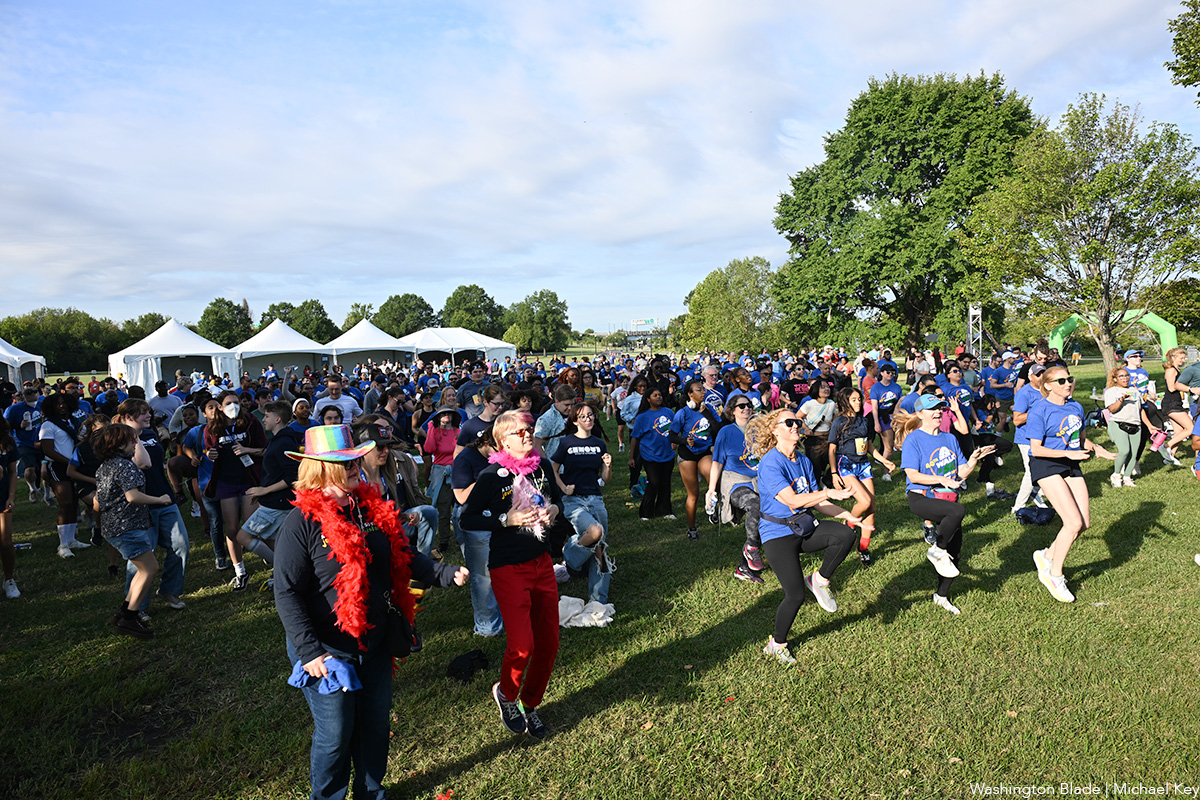
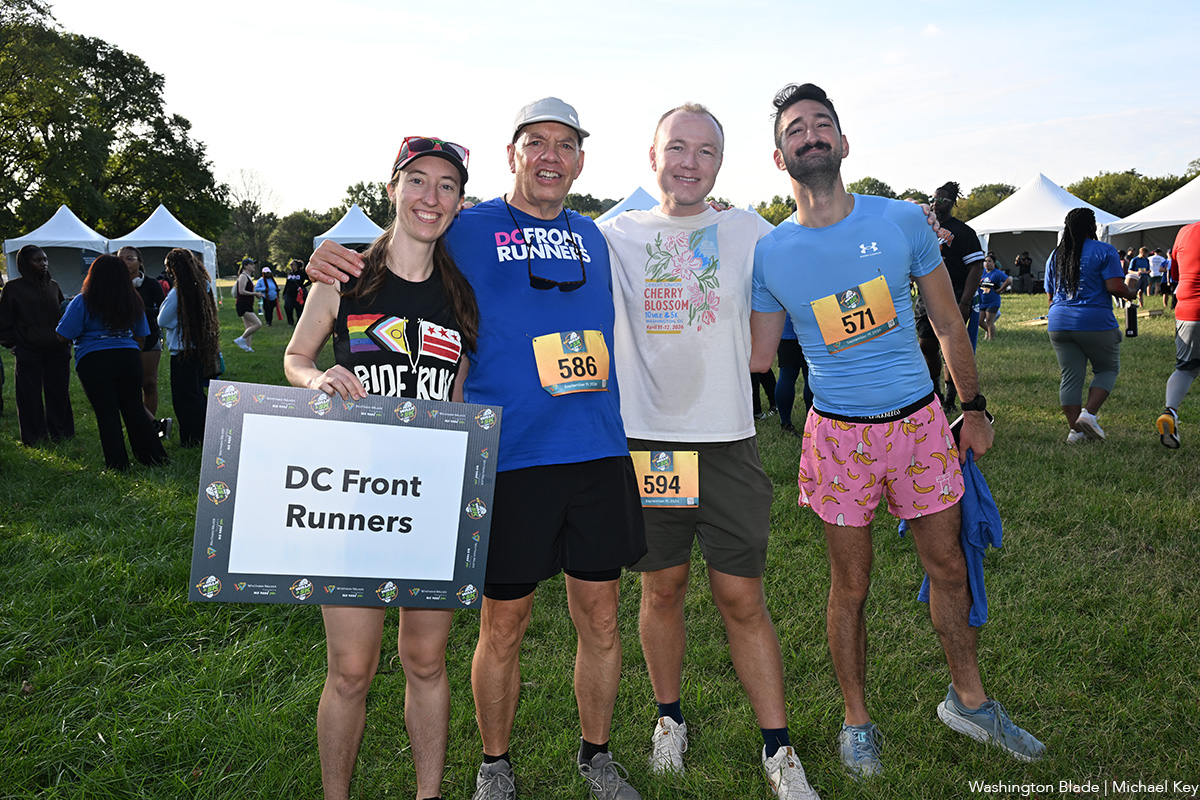
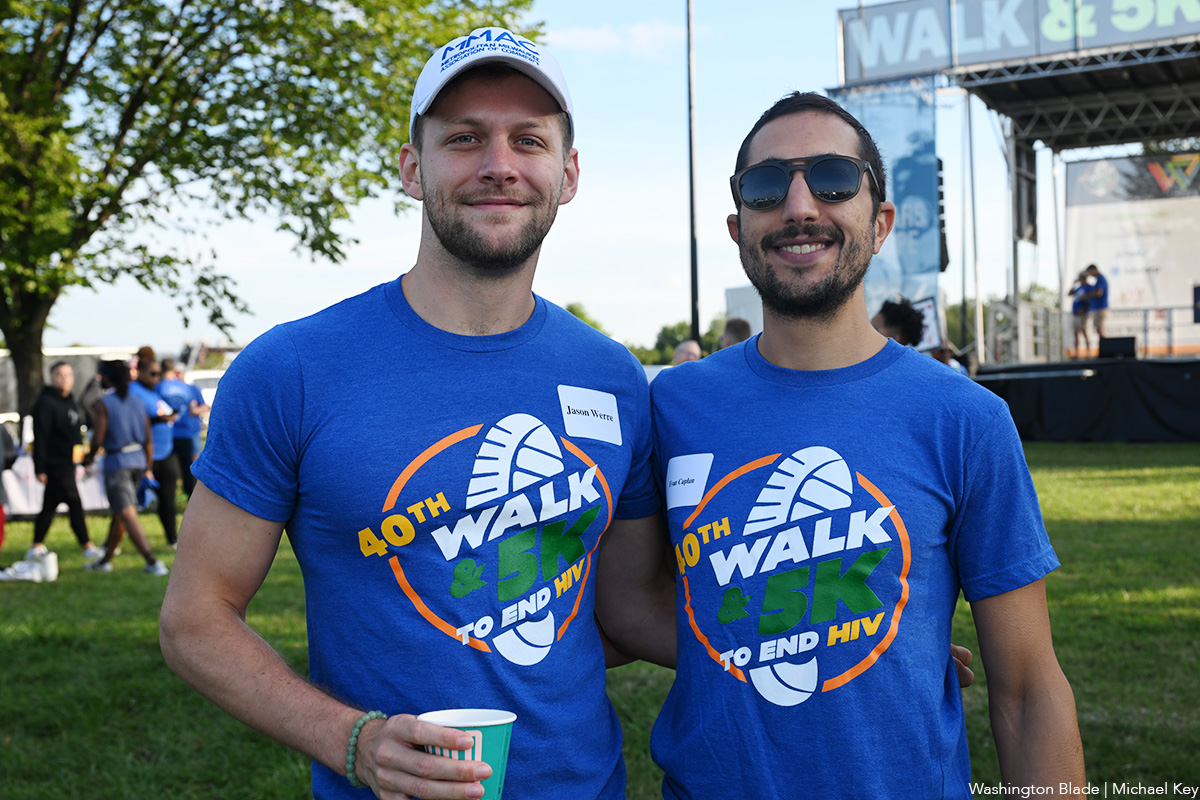
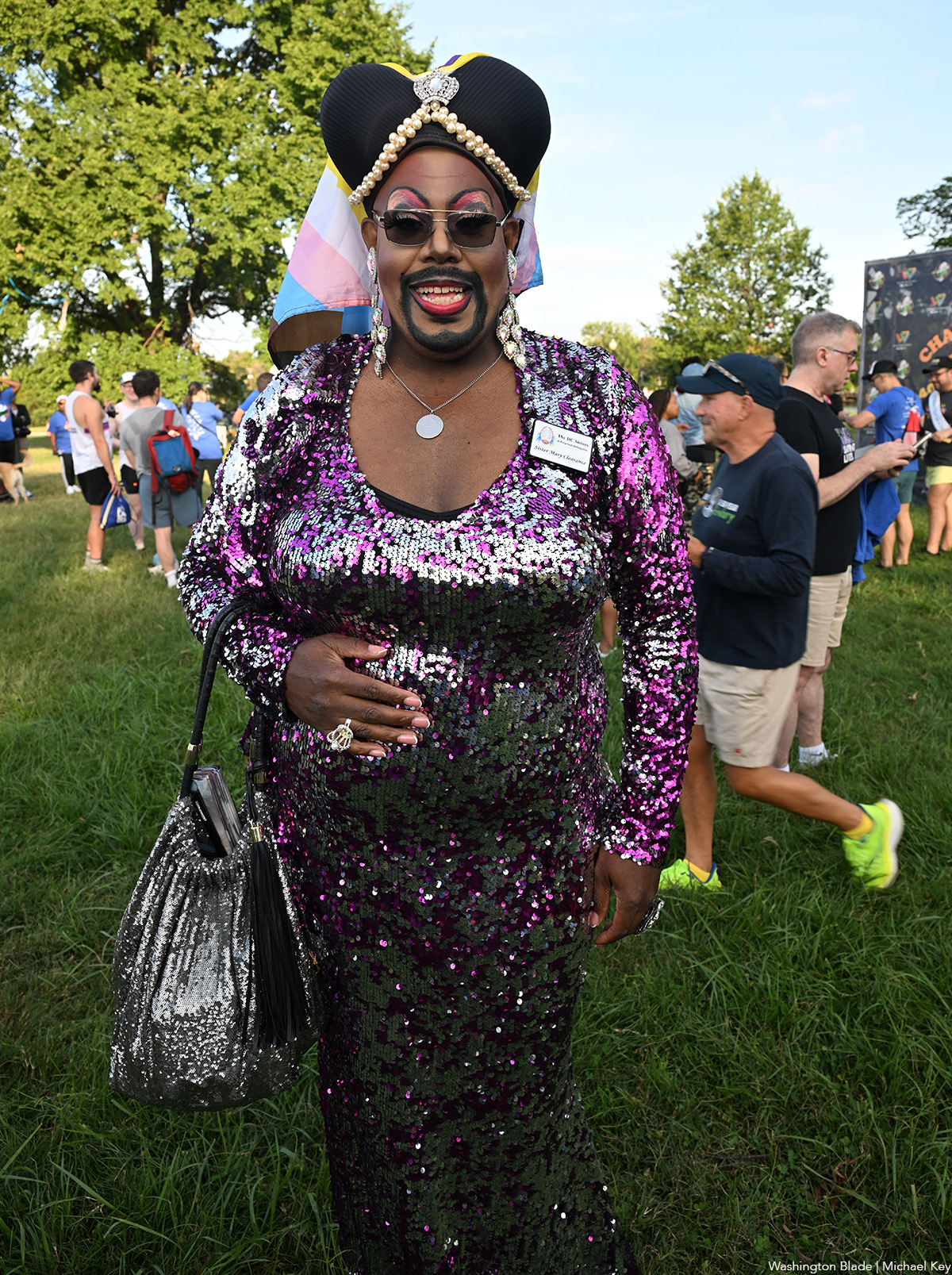
Photos
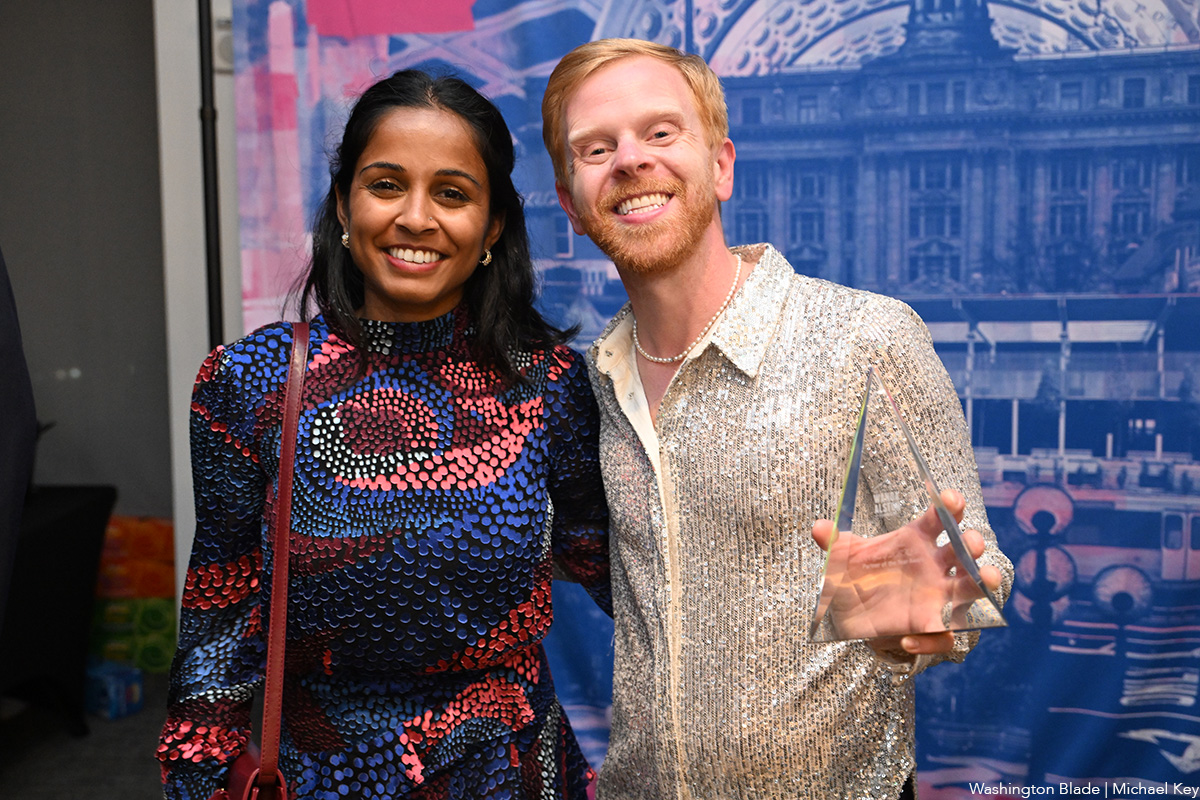
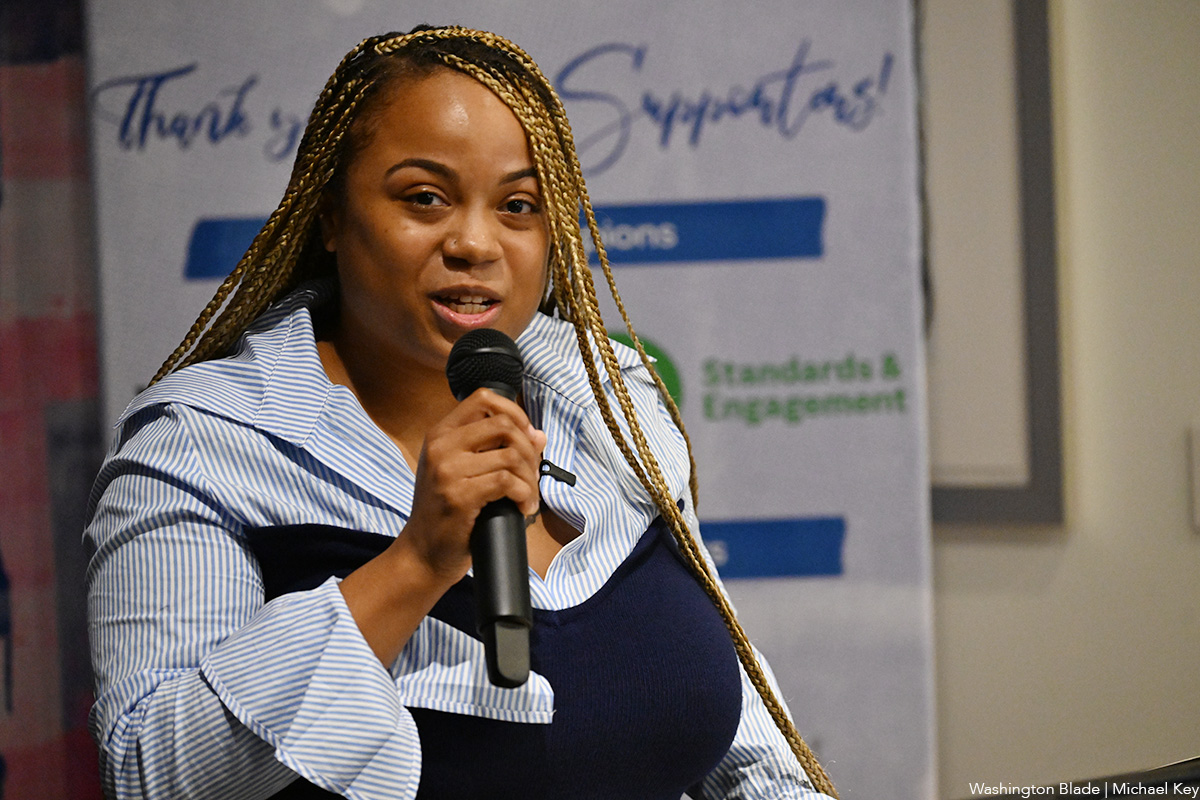
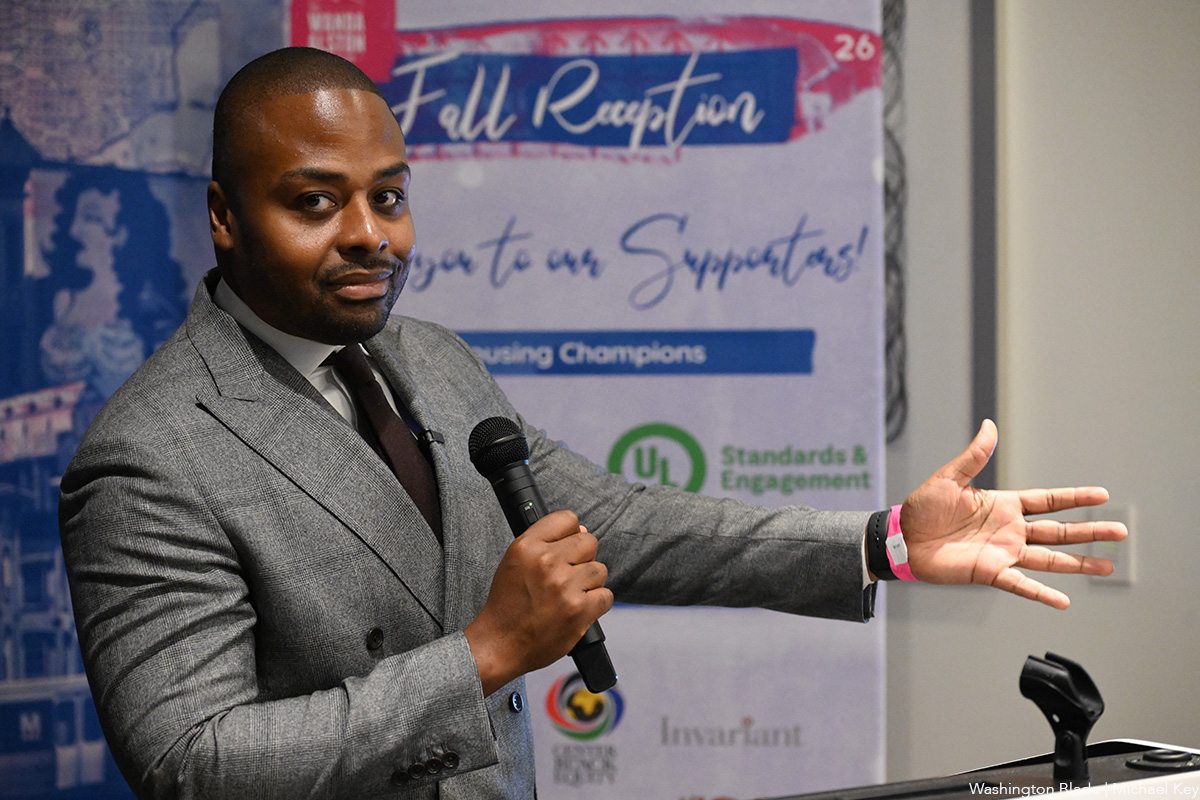
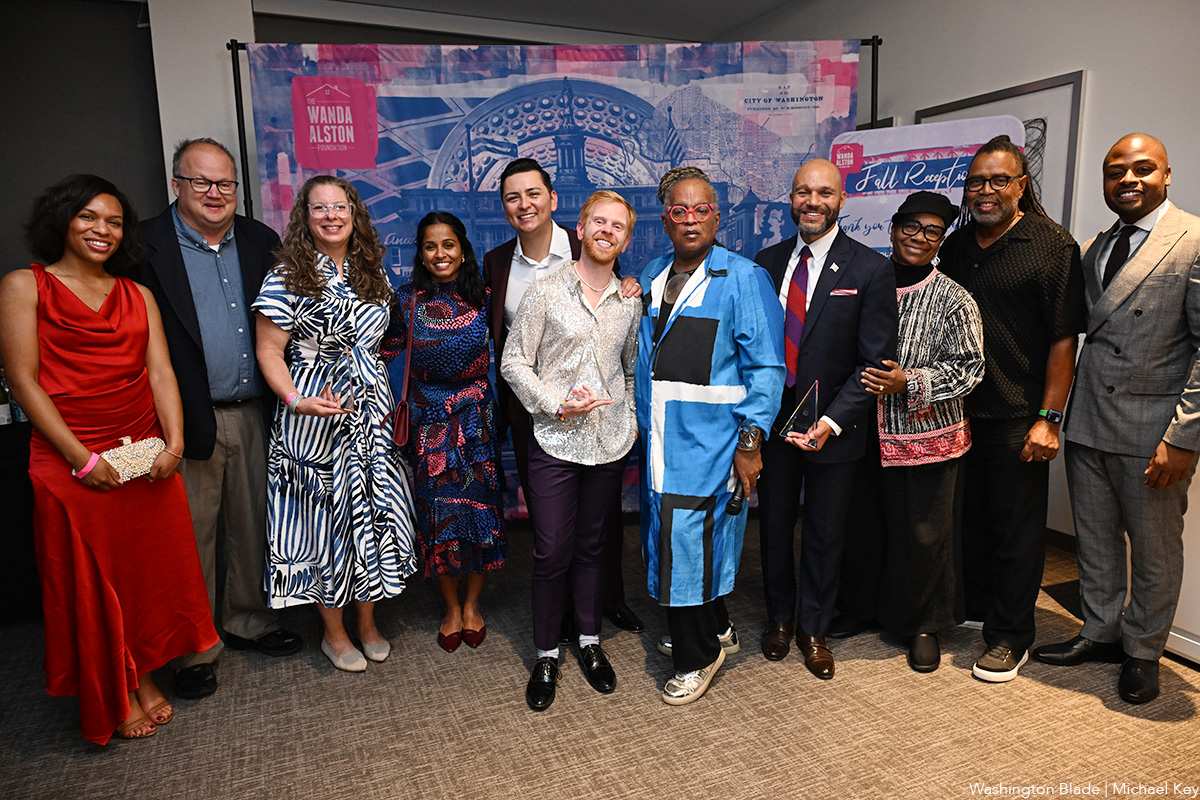
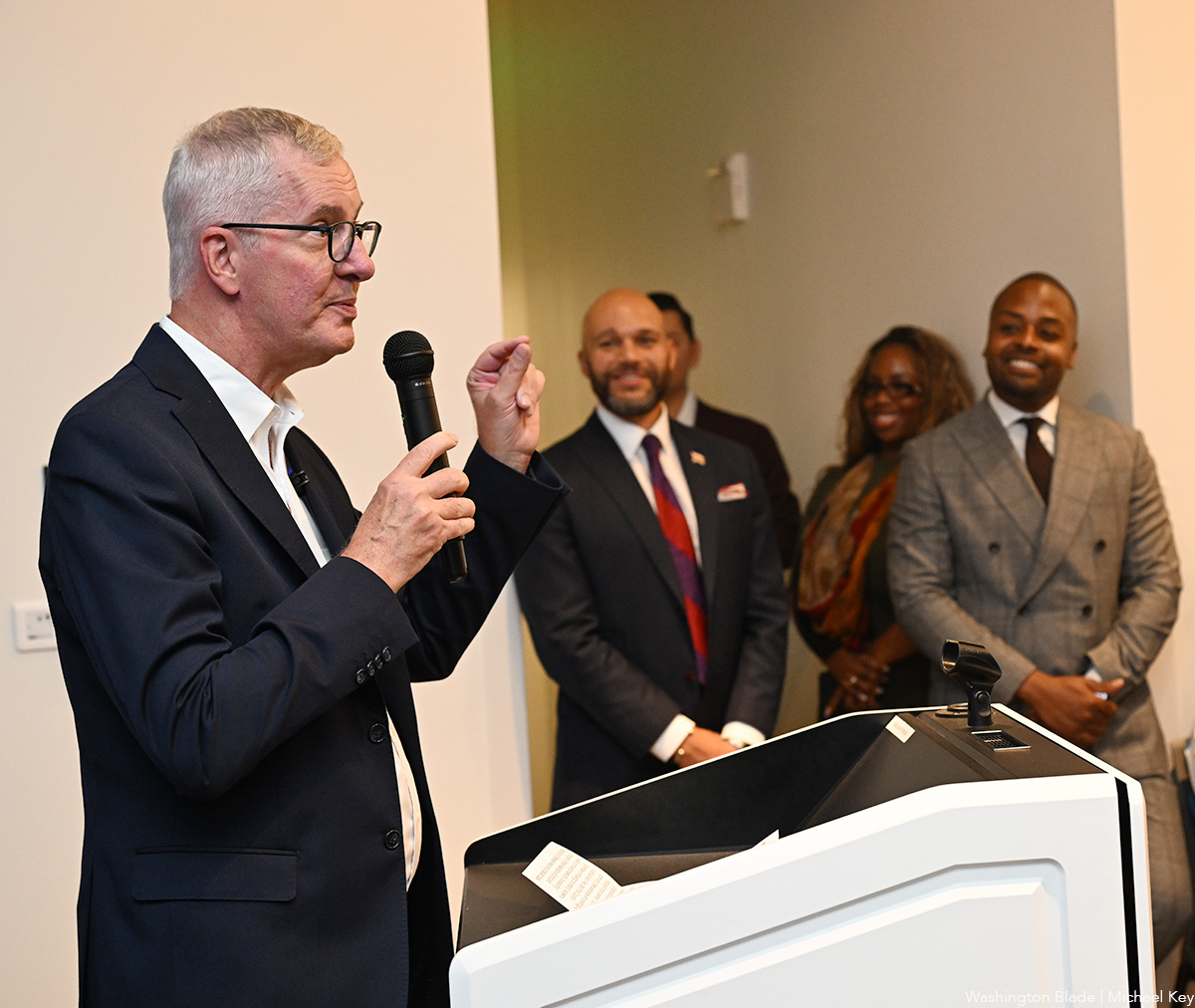
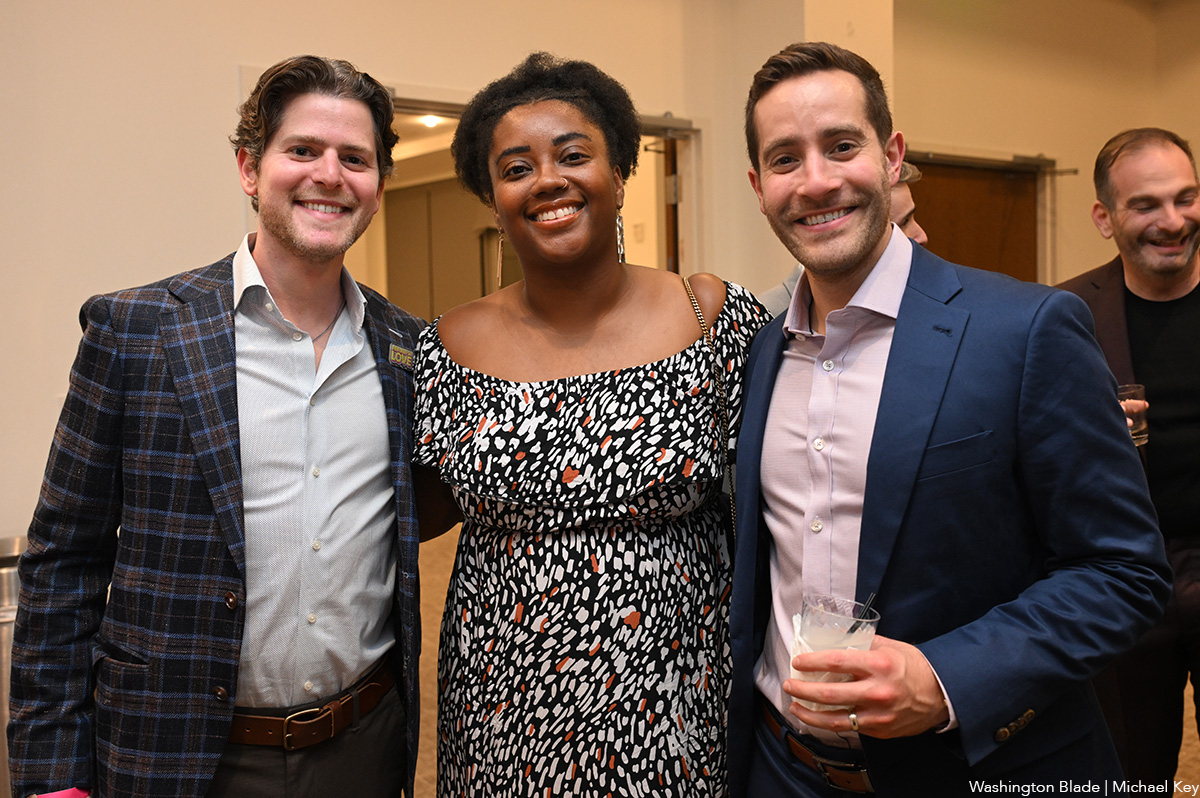
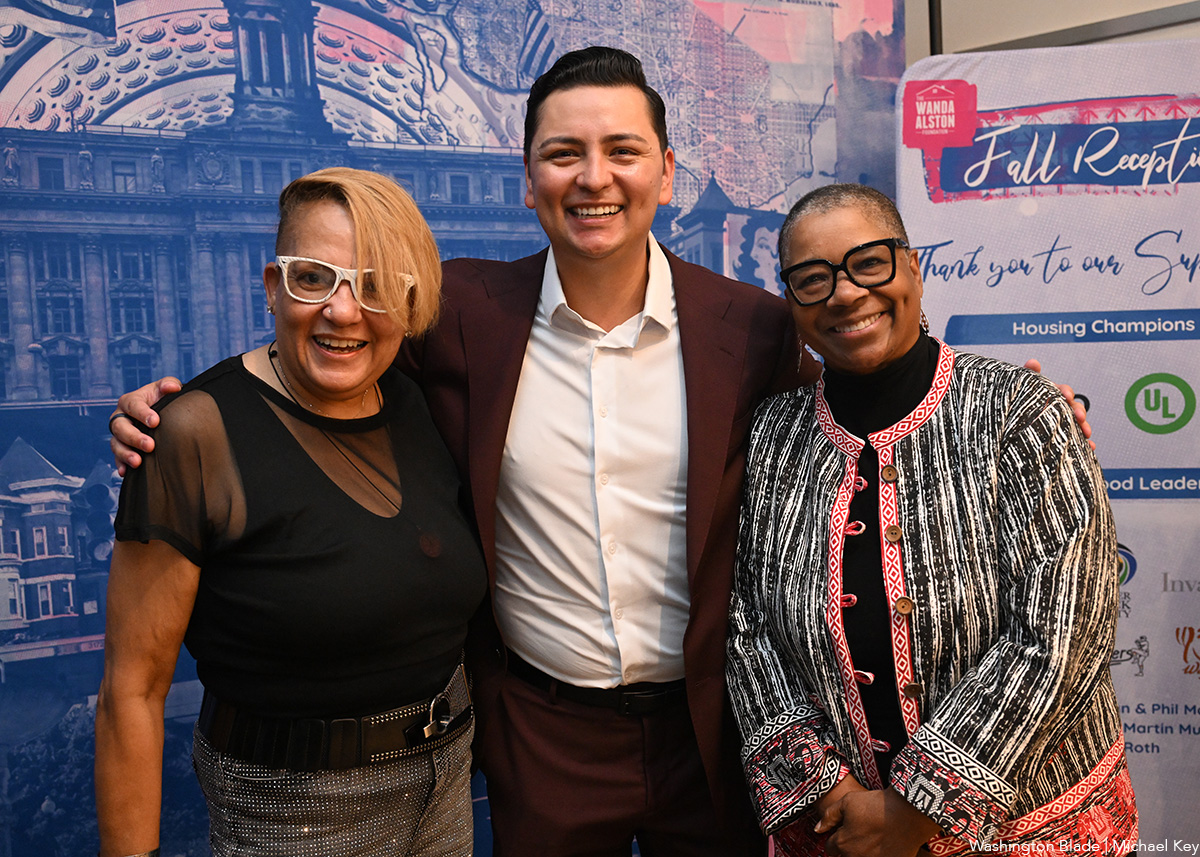
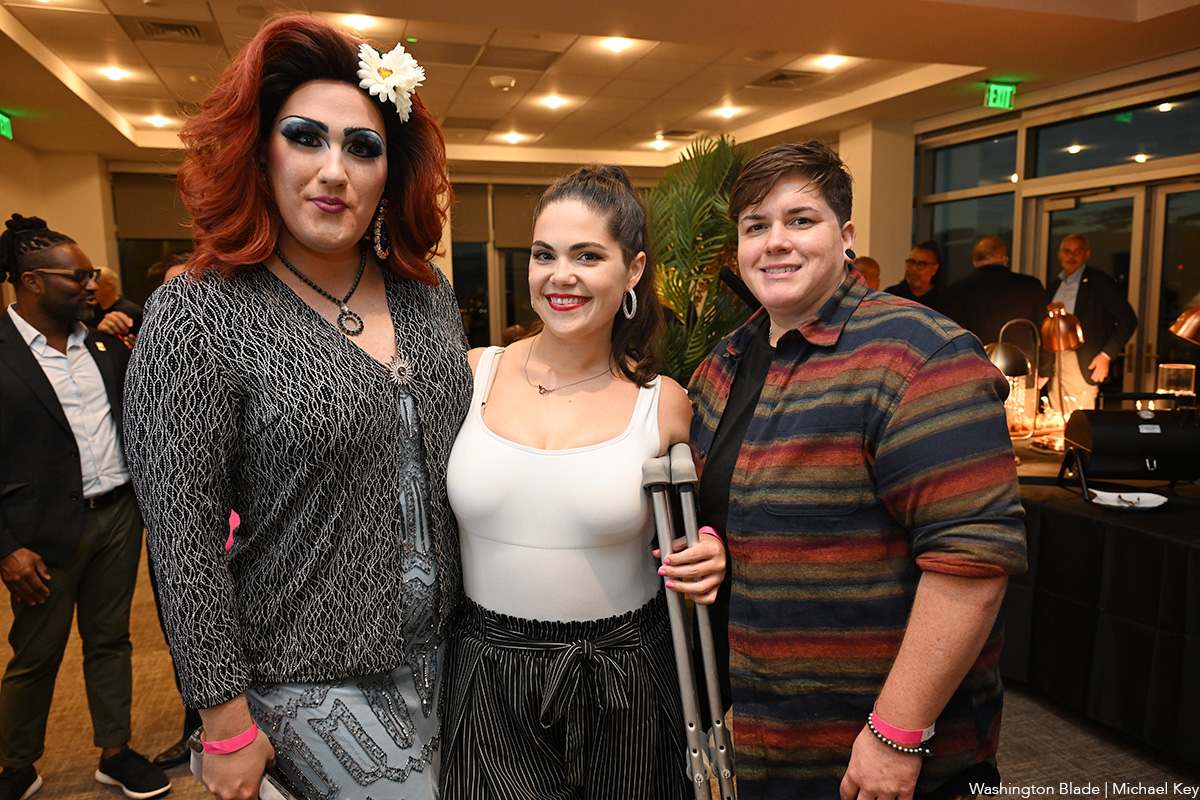
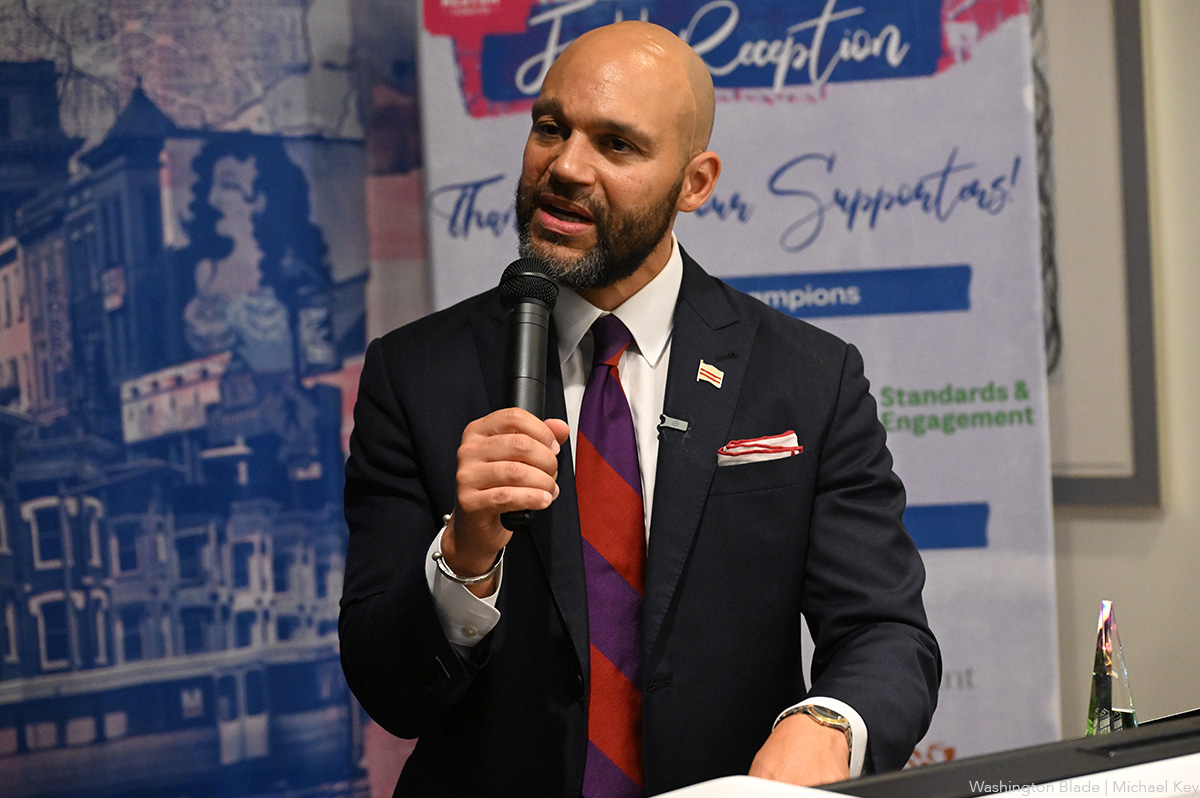
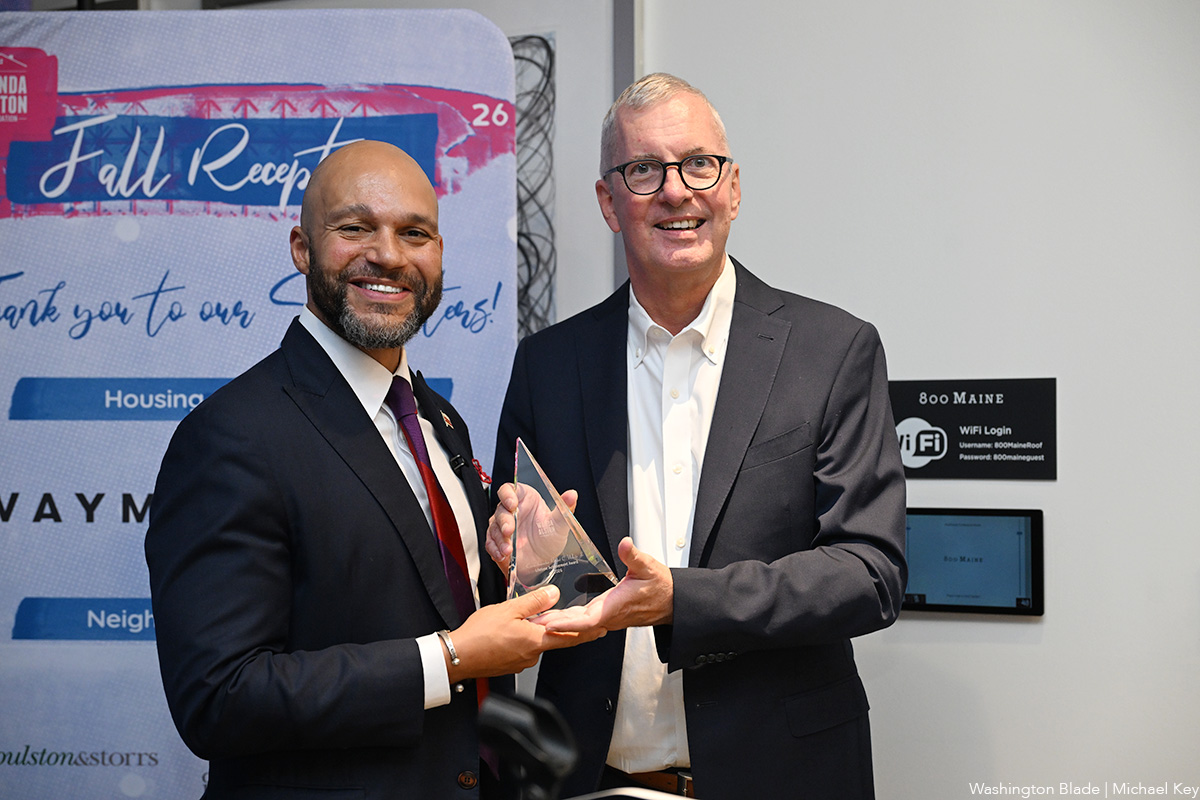
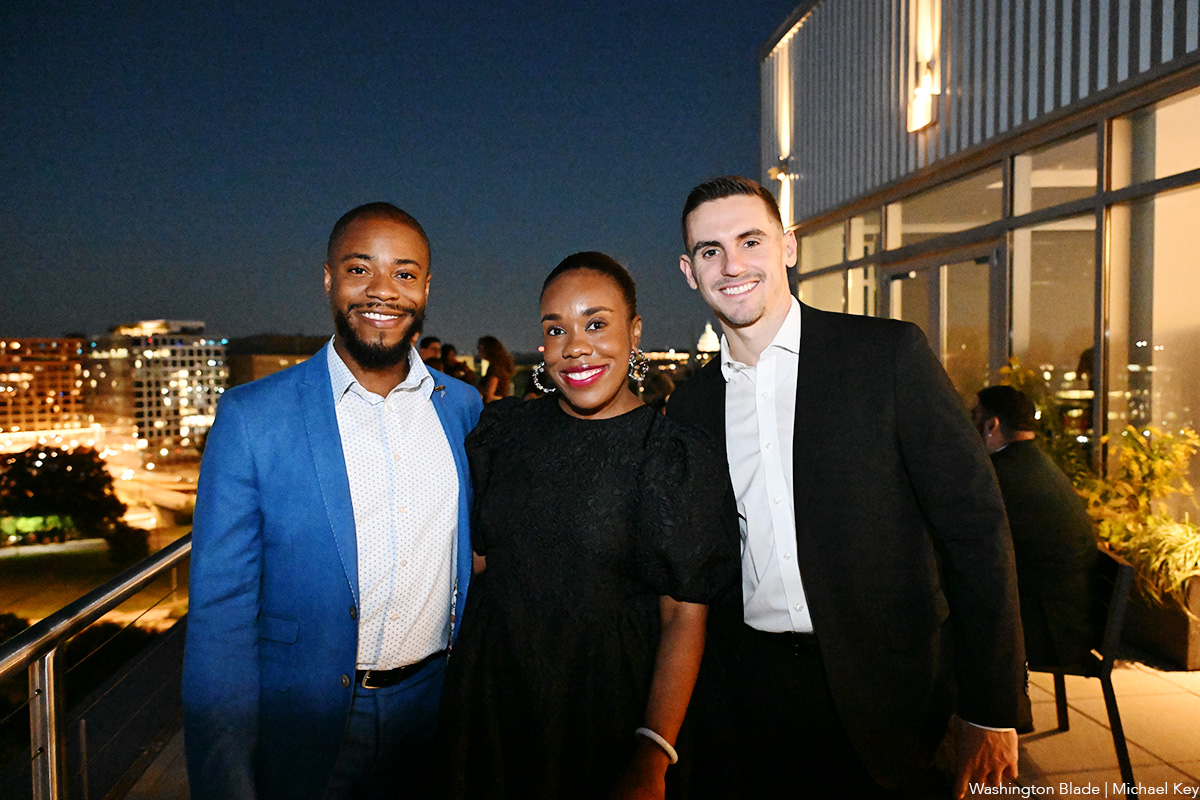
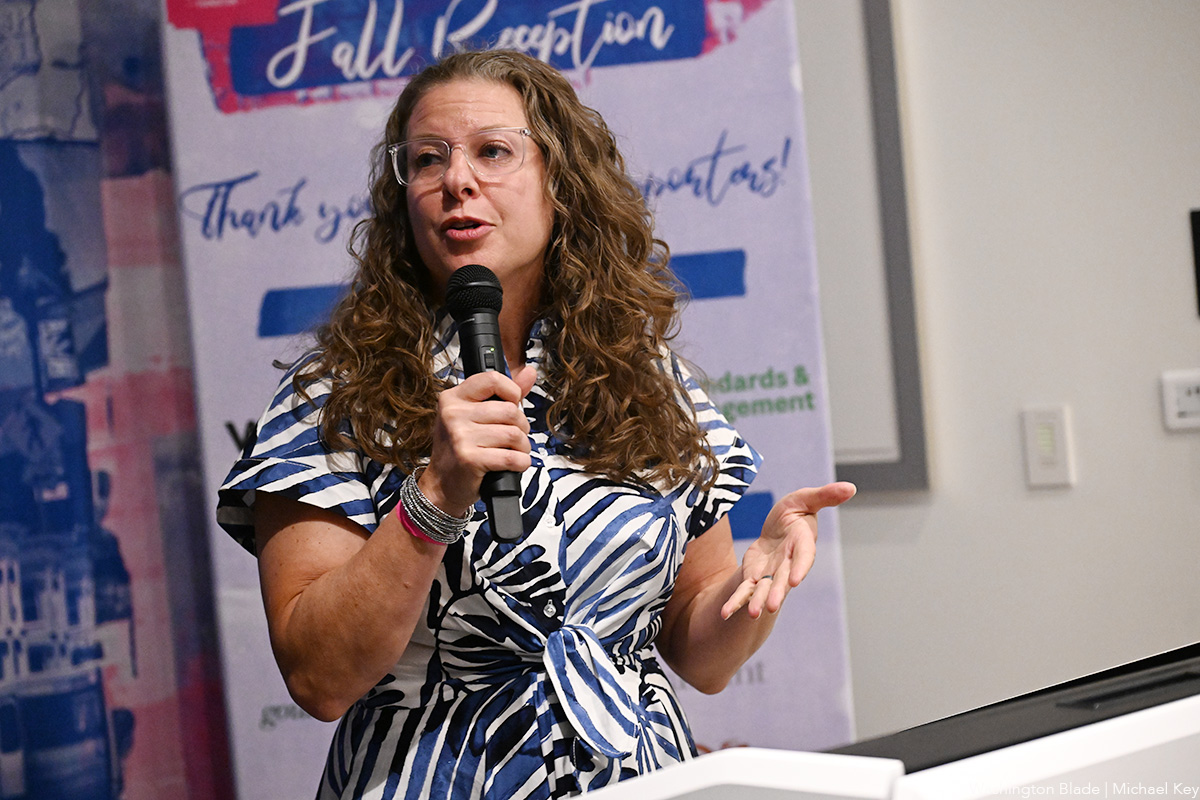
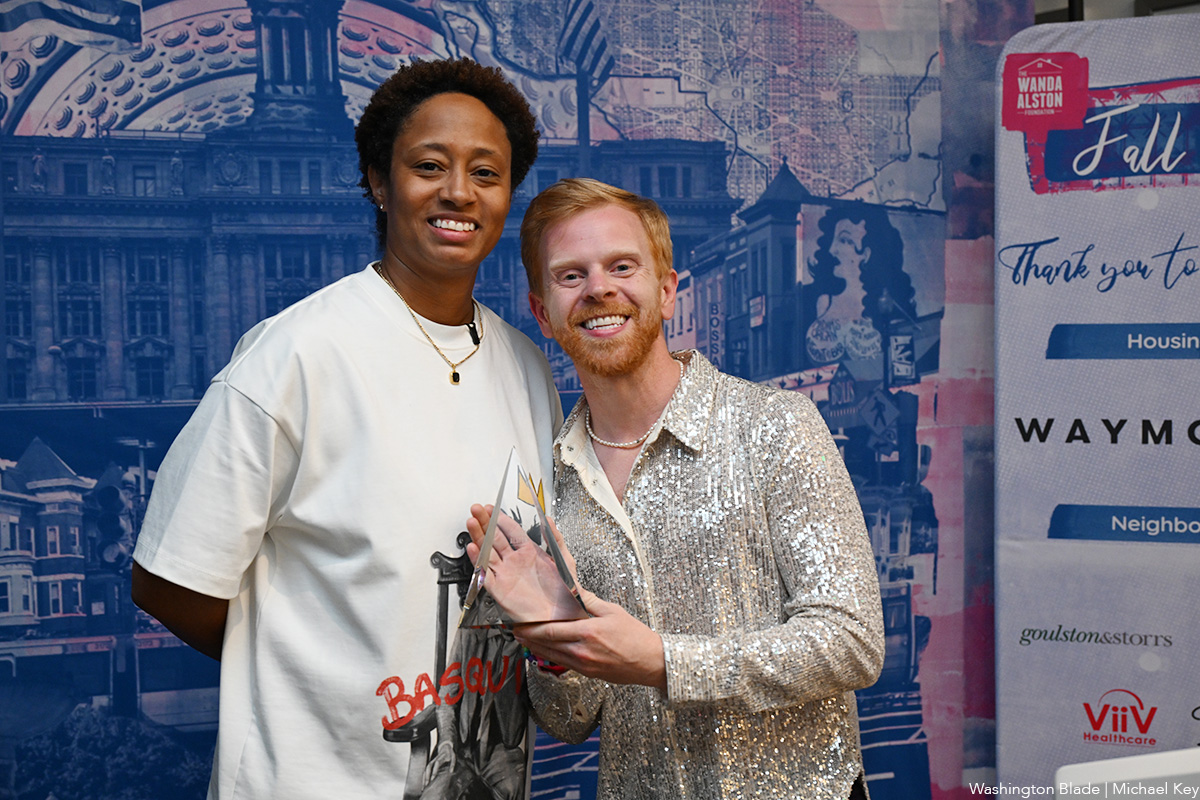
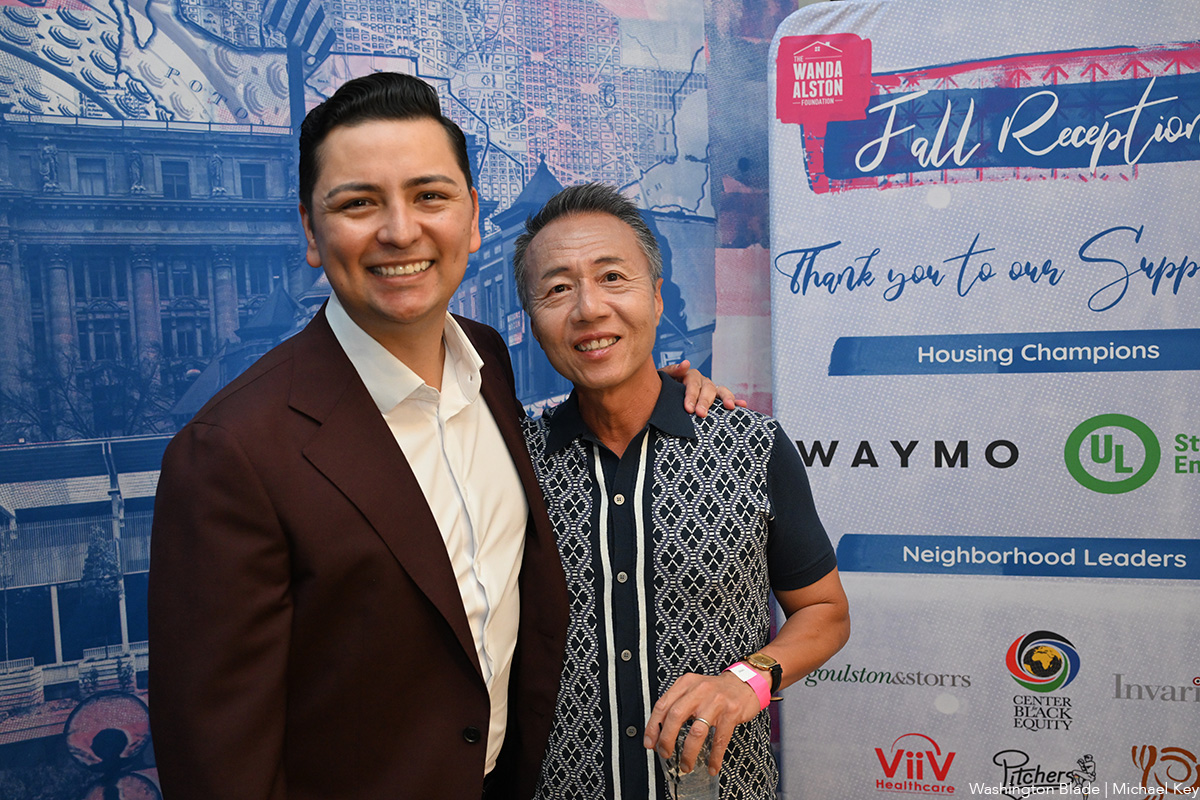
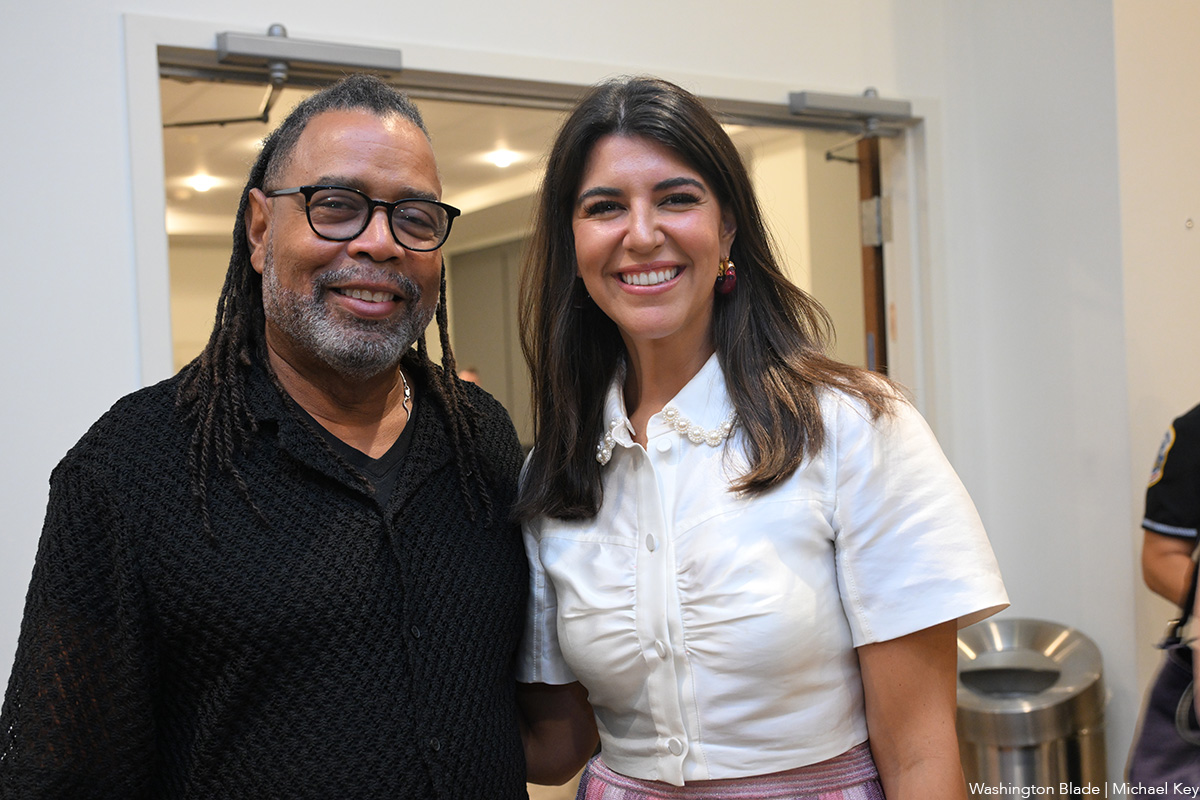
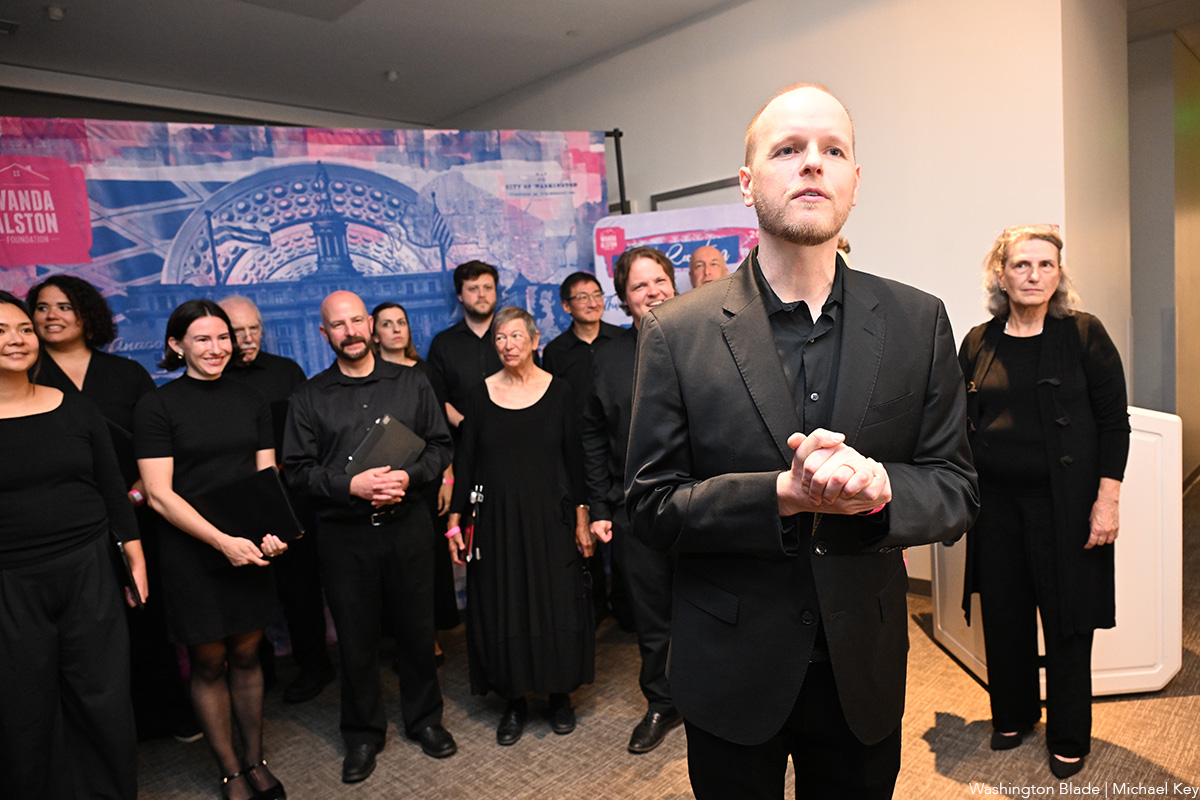
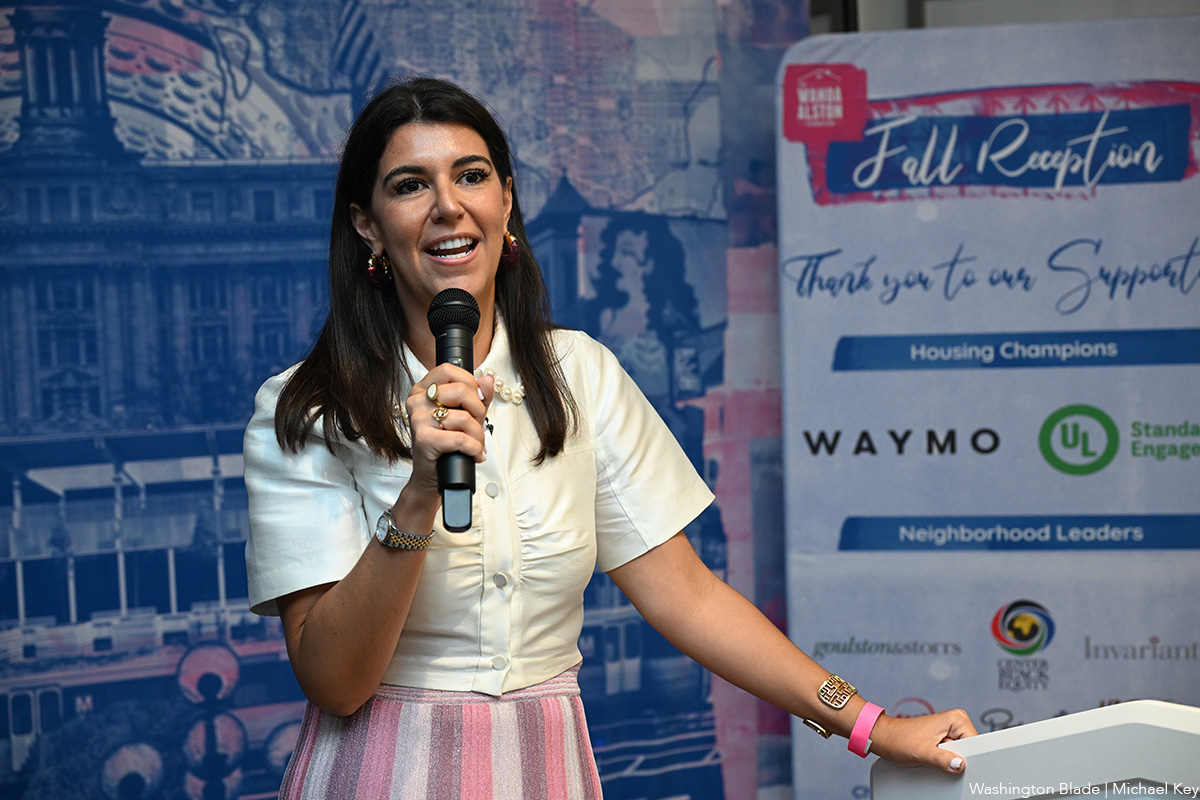
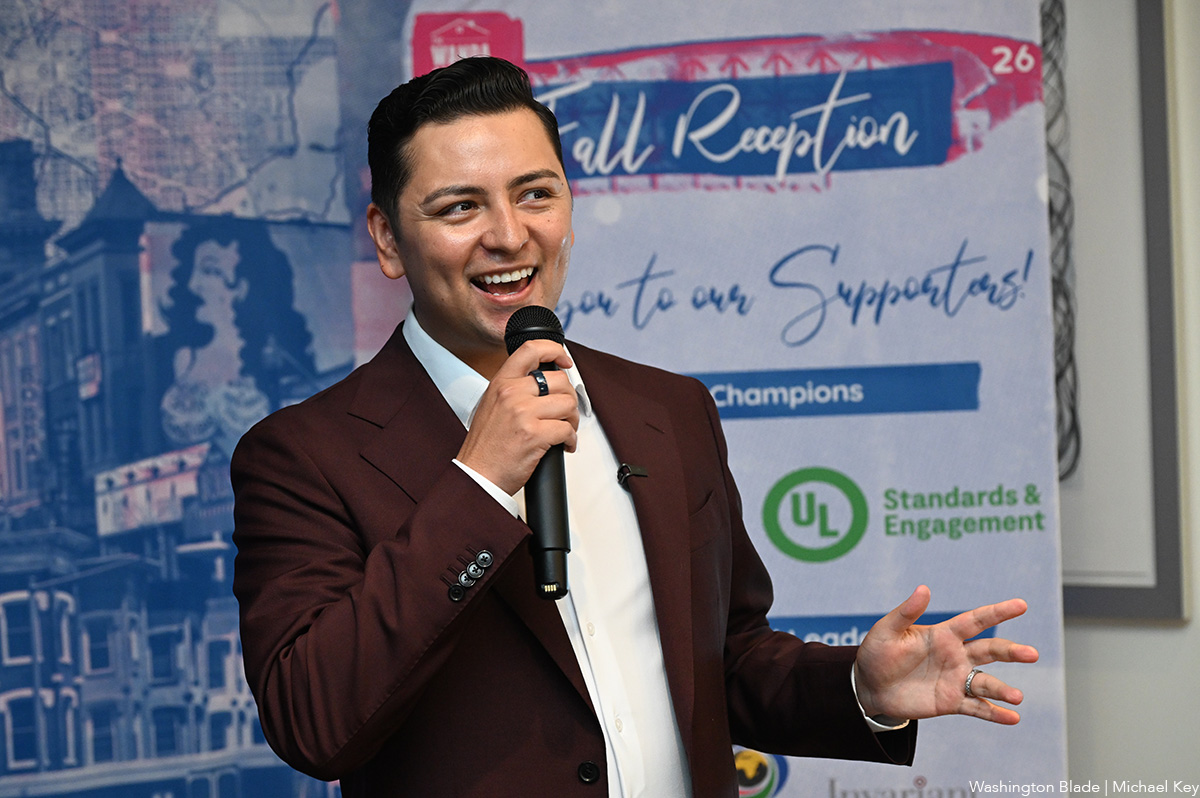
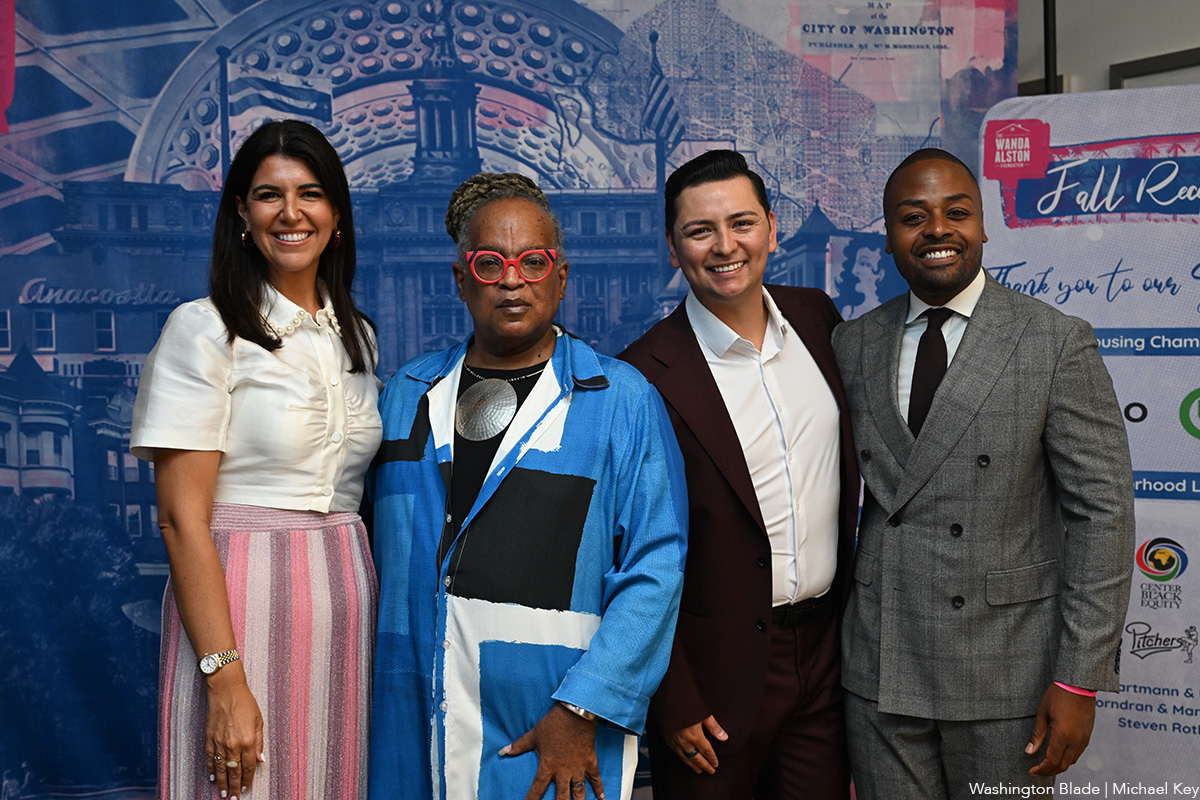
PHOTOS: Wanda Alston Foundation Fall Reception
LGBTQ youth services organization honors Robert White, Japer Bowles, Washington Capitals
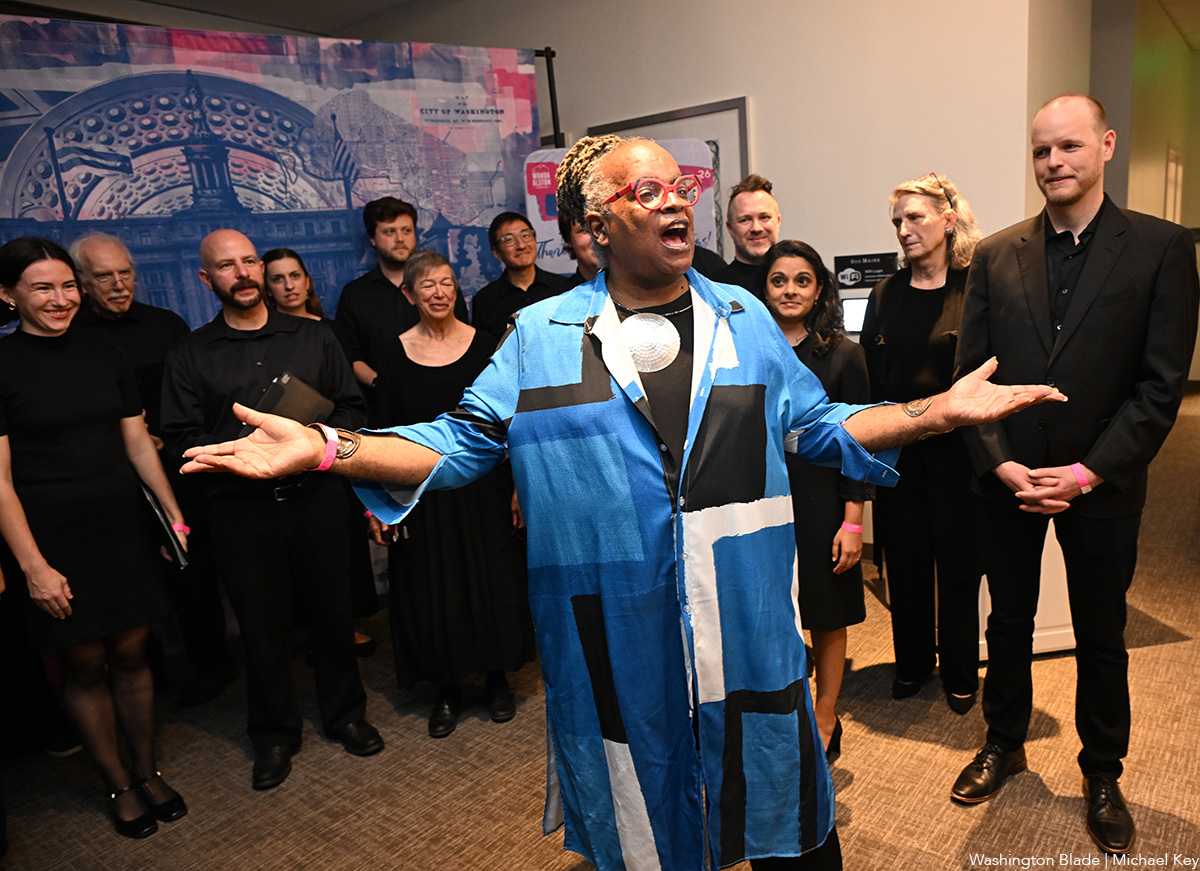
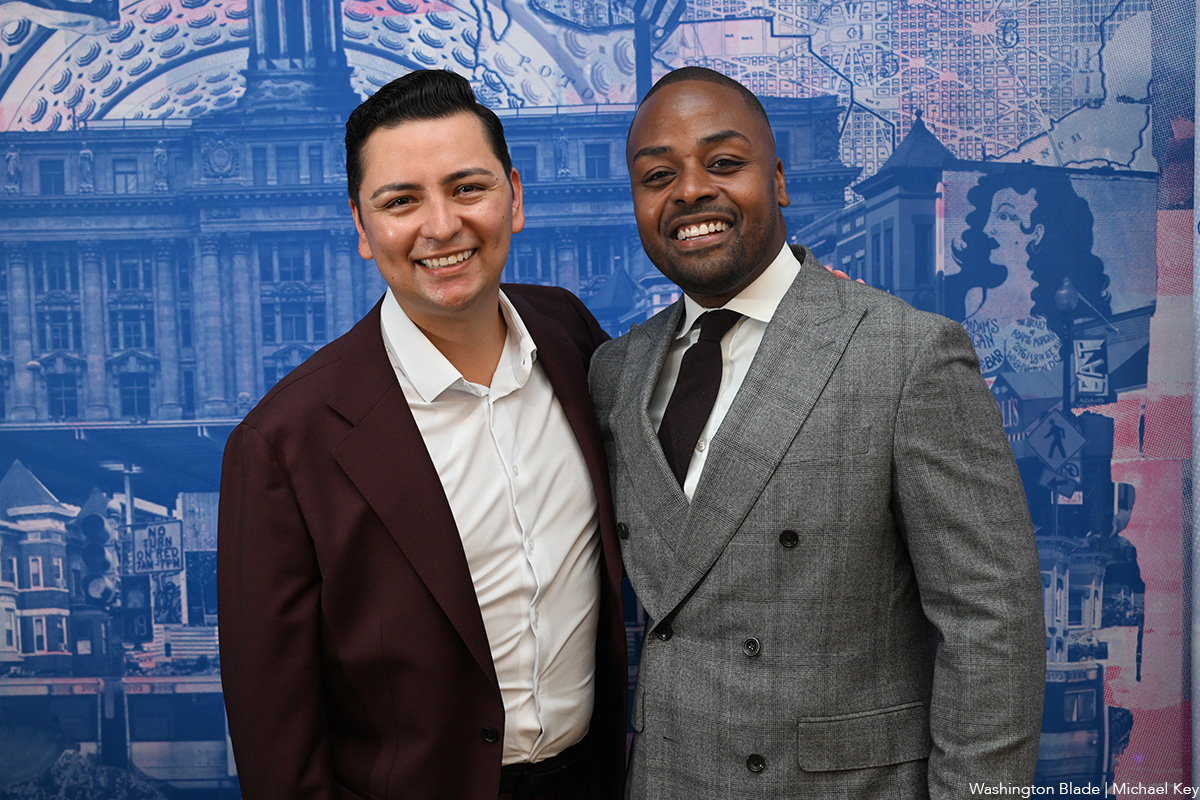
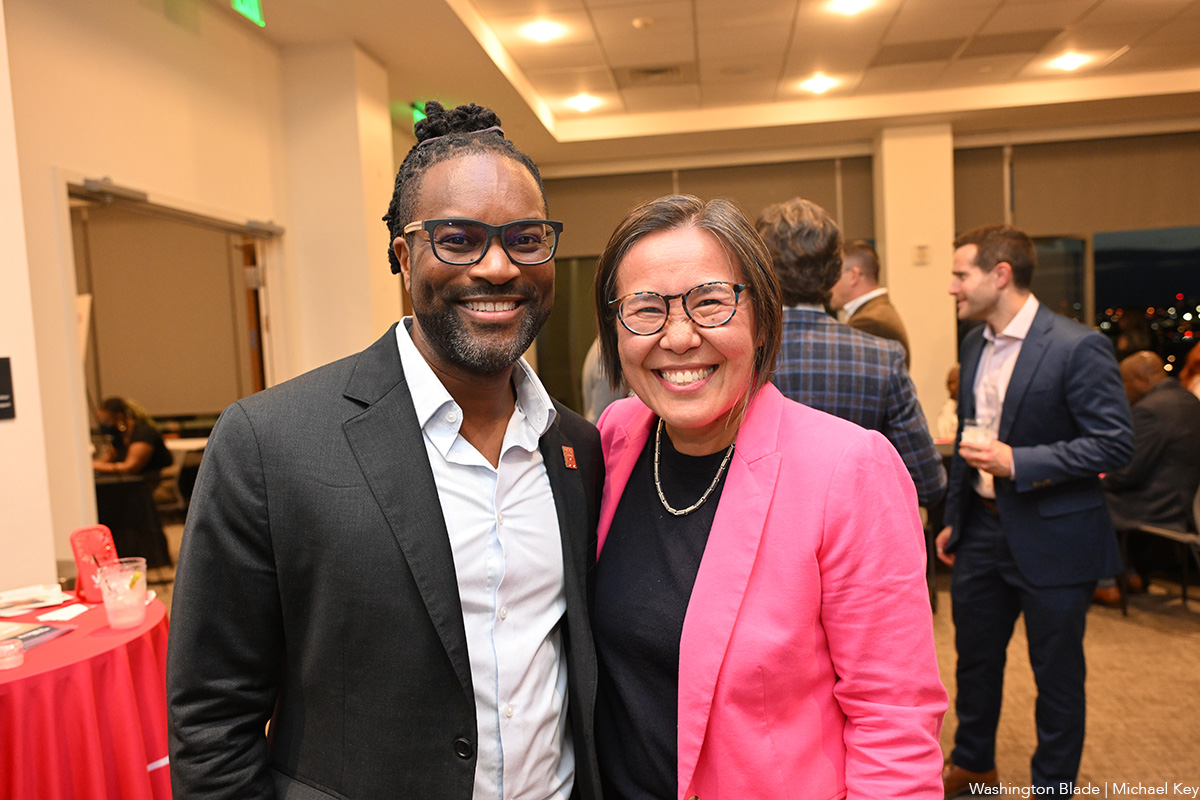
The Wanda Alston Foundation held its Fall Reception at the Penthouse Rooftop at The Wharf on Friday, Sept. 18. Honorees included D.C. Councilmember Robert White, Director of the Mayor’s Office of LGBTQ+ Affairs Japer Bowles, and the Washington Capitals. Rayceen Pendarvis served as the emcee and entertainment was provided by the Thomas Circle Singers.
(Washington Blade photos by Michael Key)
Books
Curl up with a good book this fall
New releases include mysteries, biographies, religion, and more
The fall books season offers lots of options so curl up and get ready to read.
FICTION
For the mystery fan who likes a sprinkle of thriller, look for “The Longest Death” by Kevin Jagernauth (Soho Crime, December). Richard Cobson hates his small town, he’s bored and desperate to get away. Stealing from his employer is the only thing that makes life bearable. That all changes when Marlon Montgomery comes to town and the two fall in love because if one guy can steal so easily, what can two do?
If you like graphic novels, try the “Tripping Over You” trilogy by Suzana Harcum and Owena White. Milo and Liam are finally able to be open about their relationship, no more hiding their love. They’re living together now, but can it last? “Tripping Over You Book 3” (First Second Books) is in stores in early November.
Also try “Diana: The Punk Singer Who Ripped Through Time” by Nate Powell (Abrams ComicArts, October). It’s about a young woman who’s trying desperately to escape her past, until a mysterious murder sidetracks her plans.
So you say you’re a romantic at heart? Then look for “Unspeakable Things: A Novel” by Elizabeth Hand (Little, Brown & Company, October). It’s a story set in the 1920s, when two young women arrive in the English Countryside to a dark and ancient manor. But, of course, nothing in a Gothic novel is easy, right? And you’ll love this tale.
NONFICTION
So this upcoming year is going to be one of exploration, right? Then look for “Free Love: Adventures in Marriage and Polyamory” by Michelle Tea (HarperOne, November). It’s a well-researched, personal, and interesting look at the lives of polyamorous couples and what it’s like to live what used to be called an “alternative” lifestyle.
If “fall” says “biography” to you, then look for “Showbiz! My Life as a Middle-Aged Man” by Murray Hill (Gallery Books, October). For decades, Hill has been making audiences laugh with his signature humor, but getting laughs hides his past all too well. He grew up in an abusive family and learning to hone his talents took some ingenuity. If you’re not a Hill fan yet, you will be, once you read this book.
For the reader who’s searching for a spiritual place, “Reading the Bible Through Queer Eyes: Good News for LGBTQ+ People from Genesis to Revelation” by podcasters Brian G. Murphy and Shannon T.L. Kearns (HarperOne, December) might help. Here, the authors look deeply at Scripture to find the queerness that’s there, proving to readers that the Word is not always what it seems.
Young readers may want to check out “Bitter Pill: Randy Shilts and the Dawn of the HIV/AIDS Epidemic” by Clement Xavier, illustrated by Heloise Cochois, foreword by Michael Lee (Abrams ComicArts, November). It’s a highly researched true story of activist Shilts, but also of Harvey Milk, and the earliest days of the AIDS crisis, when gay men needed a loud voice to advocate for them.
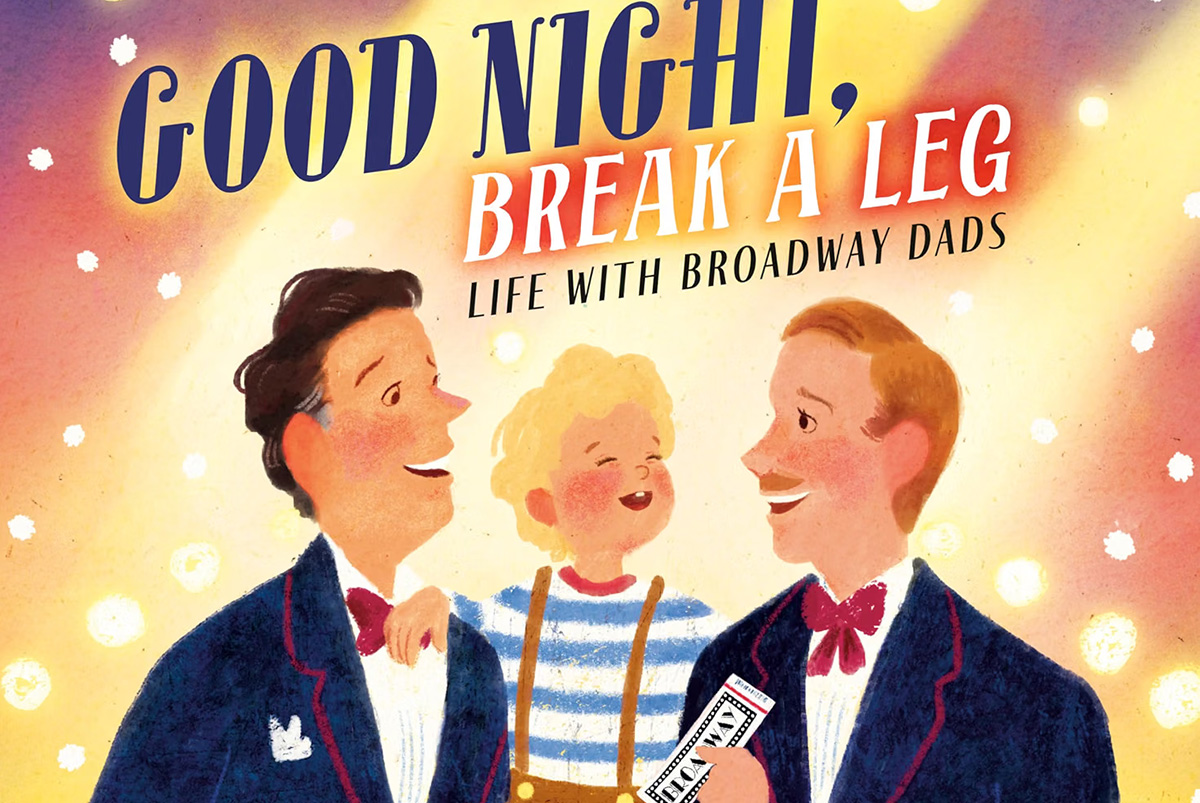
And finally, if you want a fun book for your kids or a child you love, look for “Good Night, Break a Leg: Life with Broadway Dads” by Bret Shuford, illustrated by Elena Hager (Penguin Workshop). What do parents do when they go to work? A little boy learns that his dads have very special jobs by day – and by night! It’s a cute book for kids, but a special tale for lovers of Broadway.
Be aware that publication dates change, titles change, books can be canceled, and your librarian or favorite bookseller can help you find what you need. Season’s readings!

PHOTOS: Walk and 5K to End HIV

PHOTOS: Wanda Alston Foundation Fall Reception

Moving presents a chance to ‘clean house’

EV ecstacy: BMW iX3, Rivian R2

Curl up with a good book this fall

Trump’s Cabinet: Dumb, dumber, dumbest, and evil

More than 150 people detained outside Istanbul courthouse

Virginia Anti-Violence Project struggles to fill federal funding gaps

Gay man sues Delaware AG for not prosecuting partner in domestic violence case

D.C.’s fall theater season is already well underway
-

 Opinions5 days ago
Trump’s Cabinet: Dumb, dumber, dumbest, and evil
-
Turkey5 days ago
More than 150 people detained outside Istanbul courthouse
-
Virginia5 days ago
Virginia Anti-Violence Project struggles to fill federal funding gaps
-
Delaware5 days ago
Gay man sues Delaware AG for not prosecuting partner in domestic violence case