Arts & Entertainment
Nicki Minaj criticized for ‘homophobic’ lyrics on new album
The rapper accuses Young Thug of wearing dresses, uses the term ‘sissies’
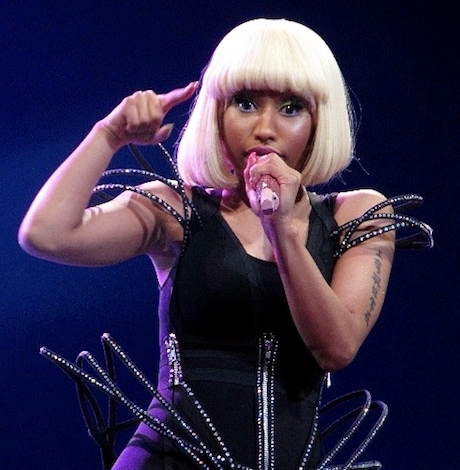

Nicki Minaj (Photo via Wikimedia Commons)
Nicki Minaj dropped her highly anticipated fourth studio album “Queen” on Friday but the album’s release came with some controversy.
On the track “Barbie Dreams,” Minaj gives a list of all the men she’s rejected including Drake, 50 Cent and DJ Khaled. She also mentions Young Thug and says the reason it didn’t work out is because the rapper likes to wear dresses.
“Used to fuck with Young Thug / I ain’t addressing this shit / caught him in my dressing room / stealing dresses and shit / I used to give this ni**a with a lisp testers and shit / how you want the pu-thy? / can’t say s’s and shit,” Minaj raps.
In another song called “Majesty,” featuring Eminem and Labrinth, she includes the lyric “Who want it with Nicki now? / I smoke ‘em like hippies now / they see me say ‘Yippie’ now / home runnin’ like Griffey now / they switchin’ like sissies now / you n***as is iffy now.”
Minaj has made a reference to “sissies” before. On her 2008 track “Dead Wrong” she rapped: “First they love you / then they switch / yeah, they switch like faggots / that’s why I keep the llamas in Gabbana’s fabrics.”
The lyrics ruined the hype of Minaj’s album for some fans who took to Twitter to blast the rapper.
I was about to buy @NickiMinaj’s album #Queen until I heard her track with Eminem where she says “They switching like sissies now” – sweetie, the LGBT community are the majority of your fanbase and got you to where you are. Casual homophobia in 2018? You’re over sis. #QueenRadio
— Queer Updates (@QueerUpdates) August 10, 2018
Nicki Minaj is acting very Nicki Garbaj. Homophobic lyrics on top of her questionable actions…wow.
— cara cavalli ? (@thecaracavalli) August 10, 2018
Now that she has a new record out just a casual reminder that Nicki Minaj uses casual homophobia and transphobia in lyrics, slut shames others, has appropriated other cultures that aren’t her own, and is taking a pedophile on tour with her. She’s cancelled.
— Mikaela Jane Palermo (@mikaelajpalermo) August 11, 2018
@NICKIMINAJ you have fans across the world who are lgbtq and who are persecuted for being themselves. And on your platform you use homophobic language? When queer folks are the ones on here defending you the hardest? Im lost Onika #QueenRadio
— Drew Kyle (@ImDrewKyle) August 10, 2018
@NikkiMinaj really tasteless. Homophobic comments. LGBTQ community have made you who you are. Watch that support fall….quickly.
— JB (@AyresNYC) August 14, 2018
I know I’m going to be in the minority, but Barbie Dreams is offensive. The homophobia, fat shaming, ableism, femmephobia, and shit is annoying. I actually can do without all that. I need Nicki Minaj to grow up.
— alanna del slay. ? (@alannagabby) August 10, 2018
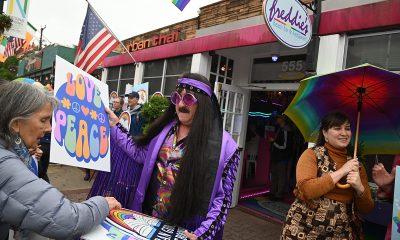

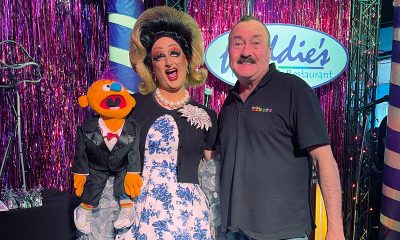



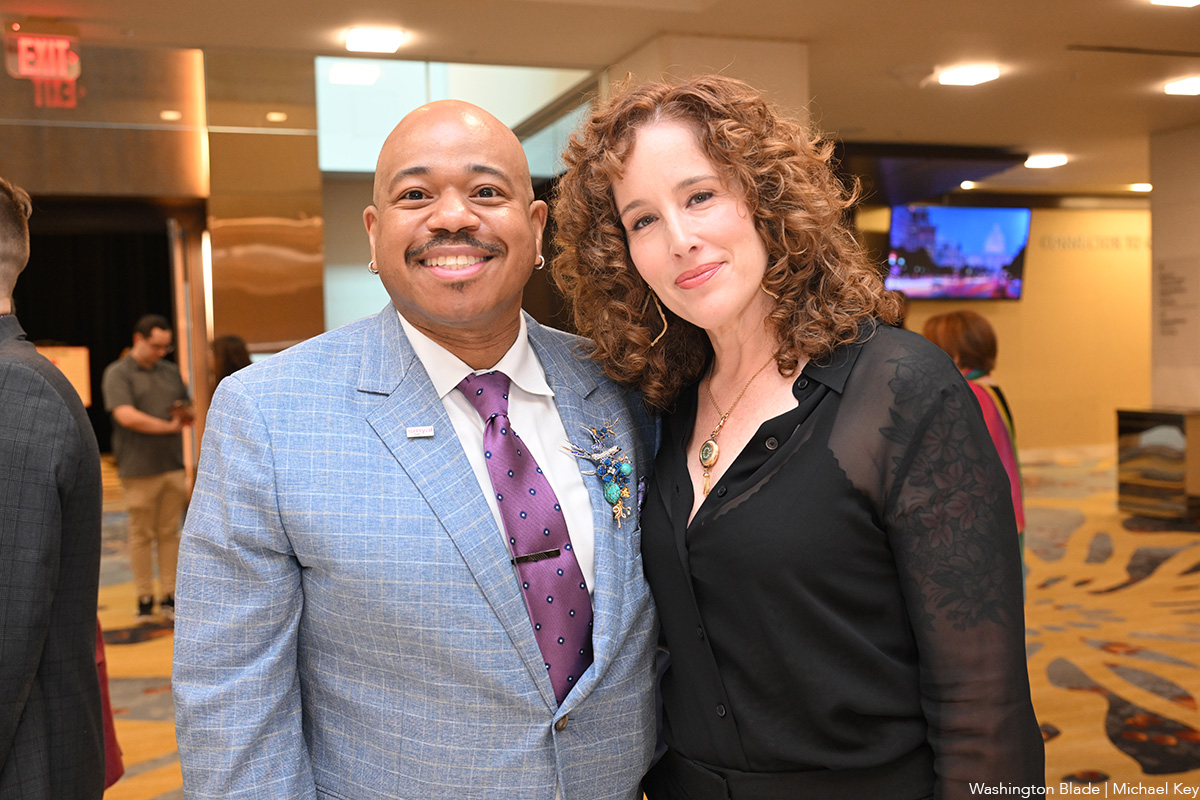
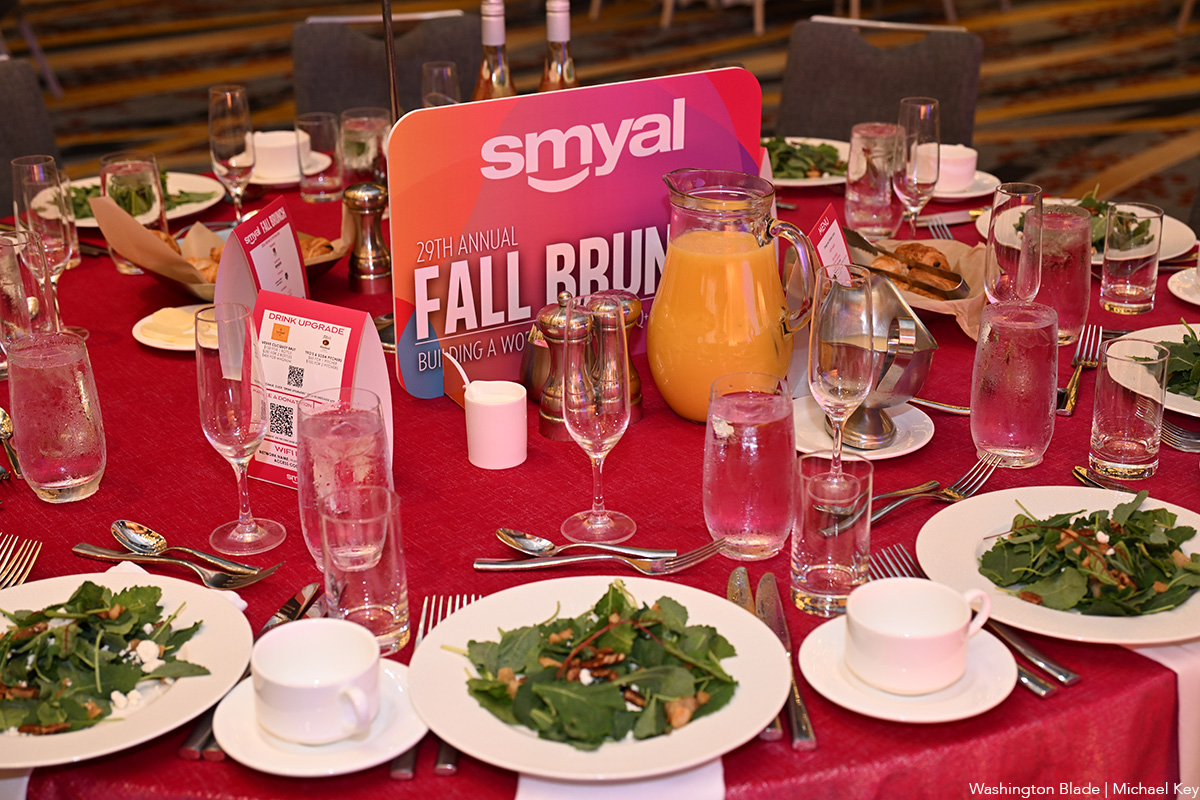
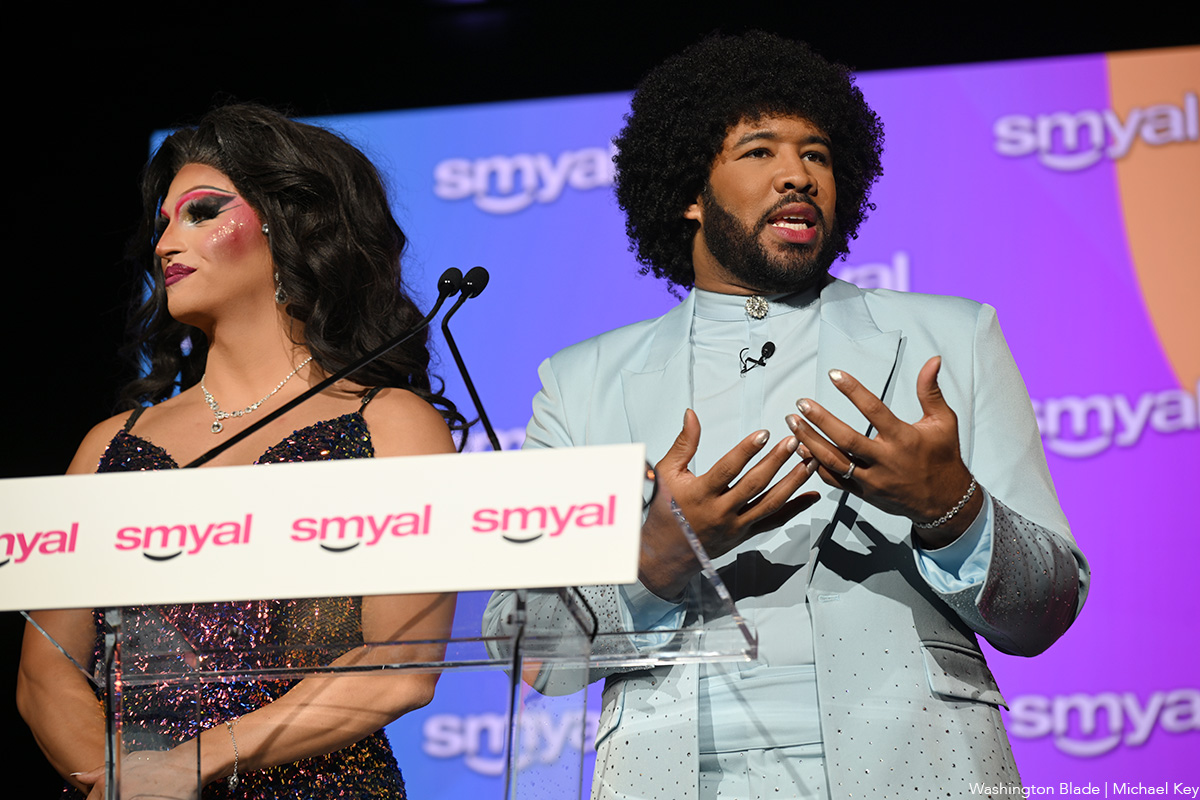
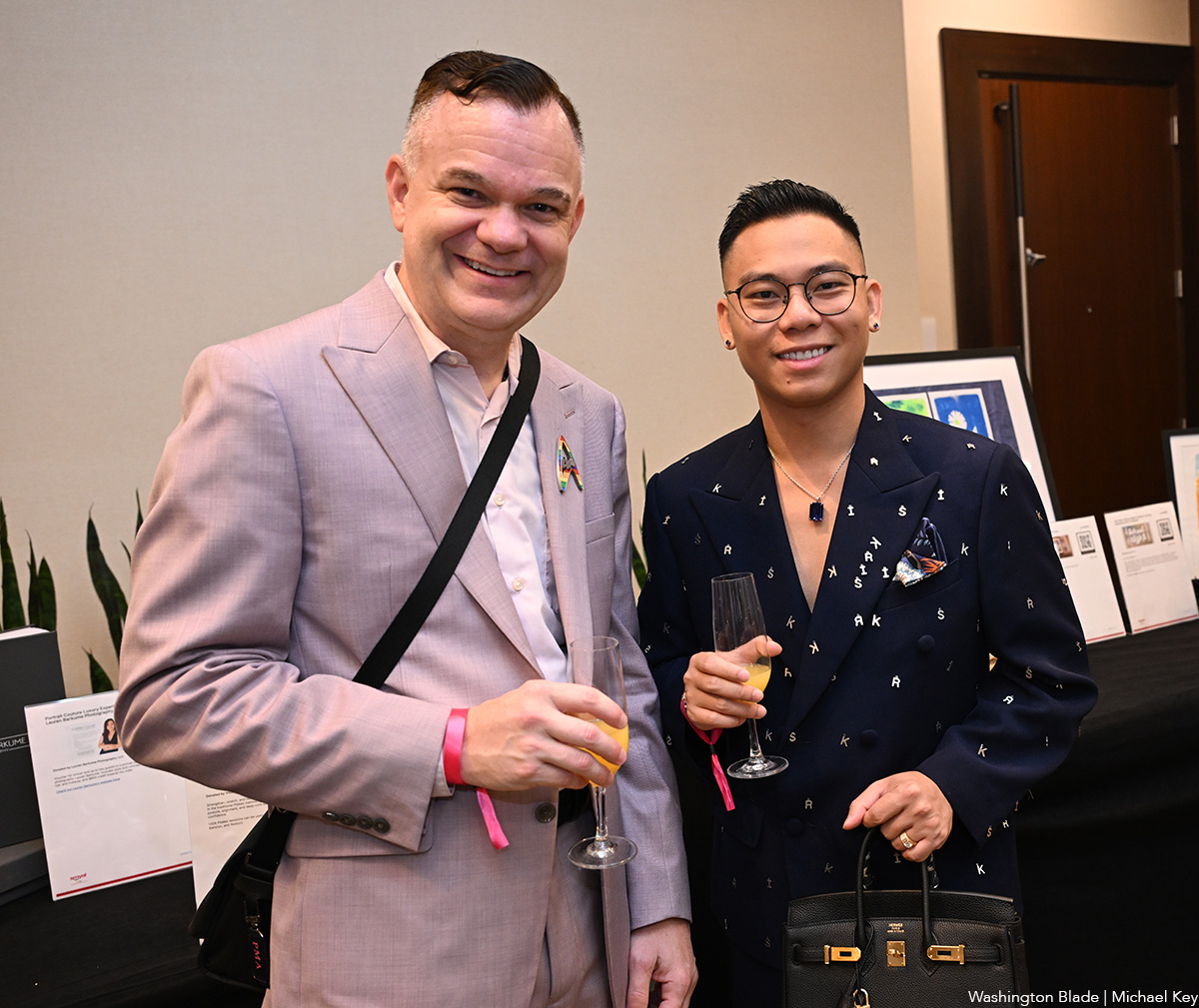
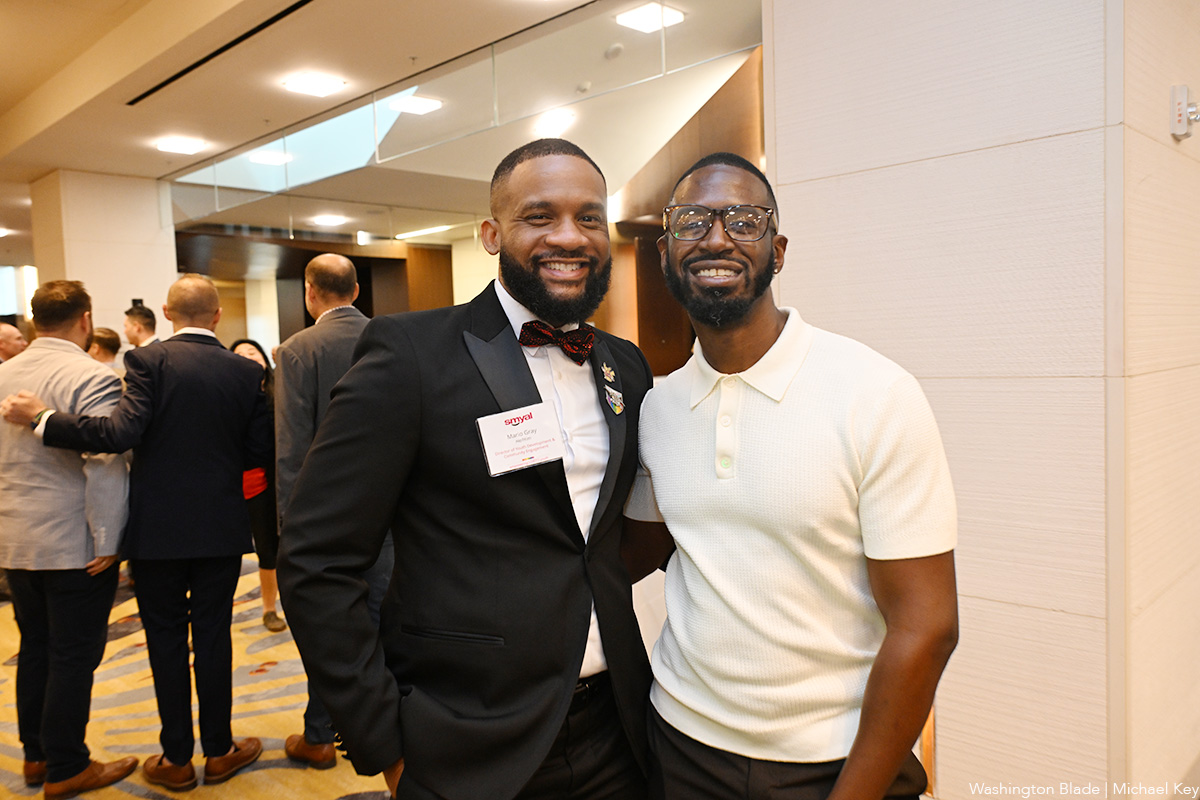
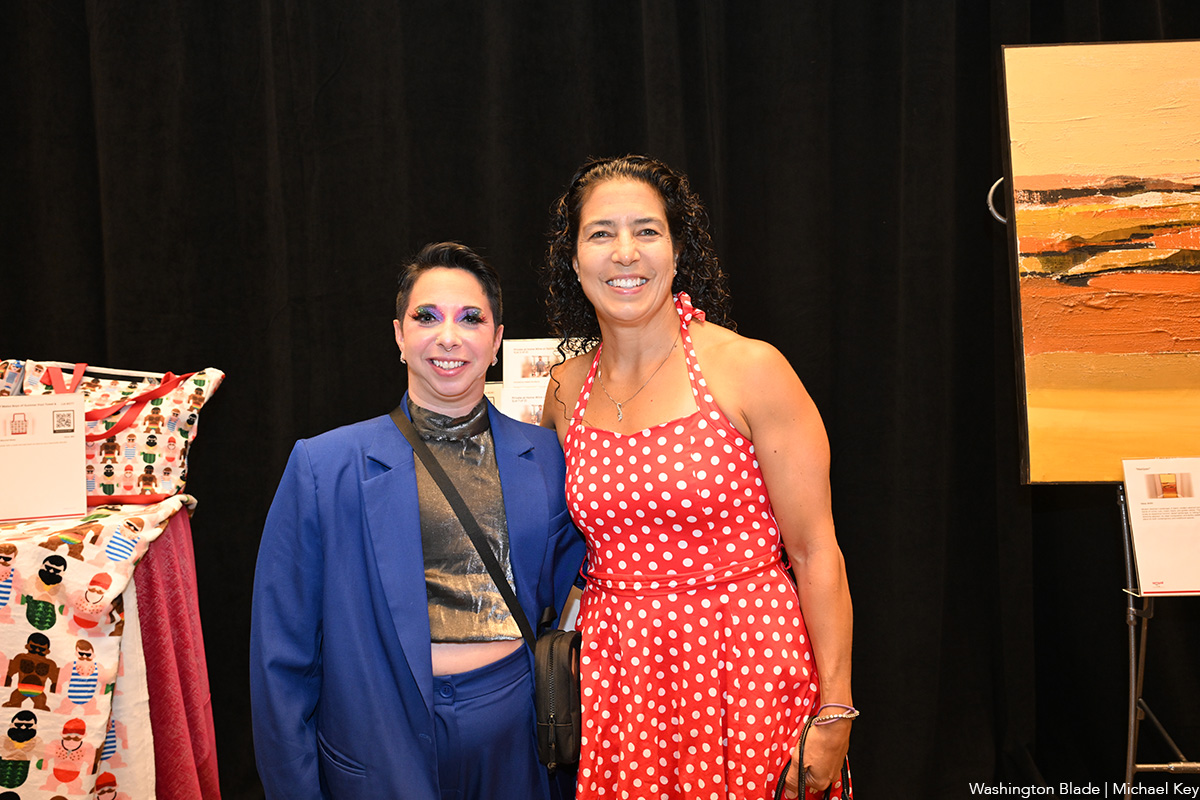
The 29th annual SMYAL Fall Brunch was held at the Marriott Marquis on Sunday, Sept. 13.
(Washington Blade photos by Michael Key)







Books
Dolly Parton biography puts her hardships into context
‘Ain’t Nobody’s Fool’ a highly researched tome not to be missed
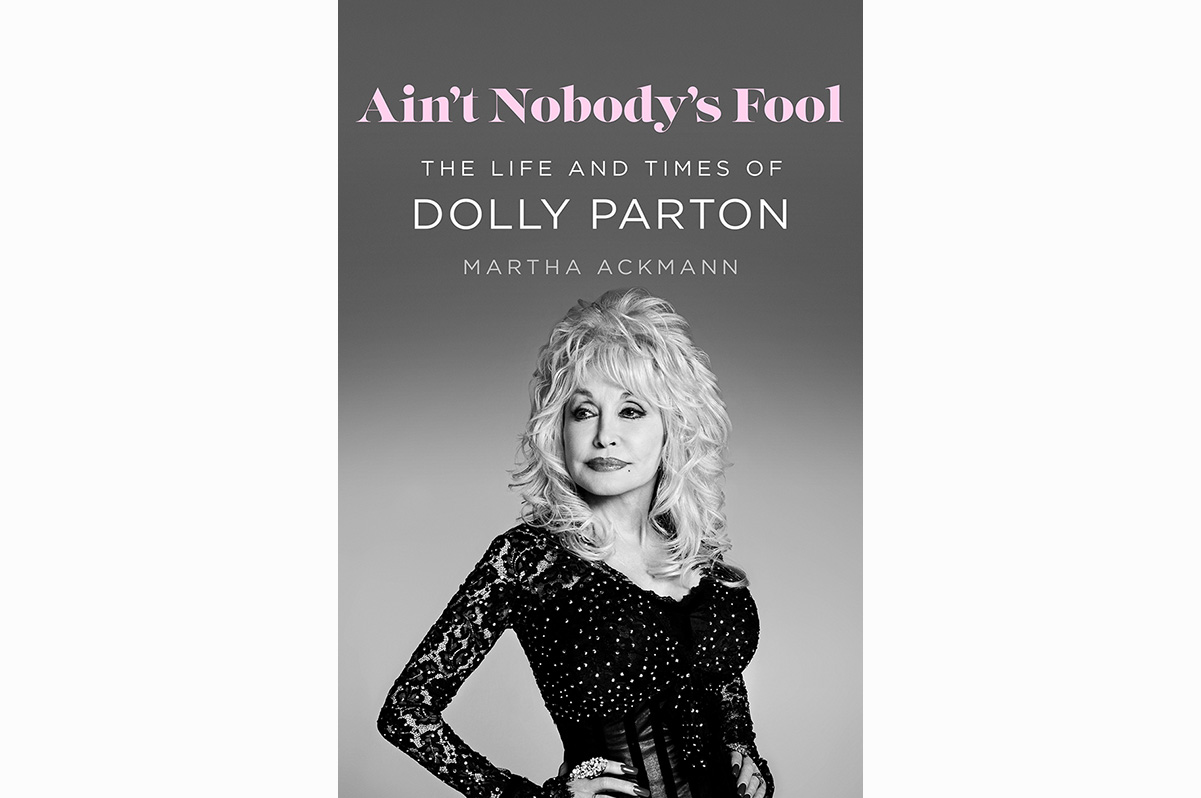
‘Ain’t Nobody’s Fool: The Life and Times of Dolly Parton’
By Martha Ackmann
c.2026, St. Martin’s Press
$30/304 pages
Not too bright.
That’s what people once thought about you. Your language didn’t conform, you had your own sense of style, and you were ignorant about modern things and places and foods. But you were no dummy. You were different, and you had a secret: as in the new biography, “Ain’t Nobody’s Fool: The Life and Times of Dolly Parton” by Martha Ackmann, you knew exactly where you were going.

When Avie Lee Owens and Lee Parton first married, they had the very basics: “two knives, two forks, two spoons, a skillet, a butcher knife, and an old iron kettle.” He was 17; she was 15. Babies came quick. The fourth one was named Dolly, after two great-aunts.
Almost from the time she could walk, Dolly sang. Before she was old enough to attend school, she wrote poetry, and she’d begun to notice rhythms and beats she could make with her fingers. As a schoolchild, she created her own musical instruments out of scraps, and she was eager to perform whenever anyone asked her – and they asked often, because Dolly Parton was a nice girl, and her sense of humor conveyed a warmth that drew people in.
Growing up in the Tennessee mountains, Parton was independent, shunning marriage and child-raising, instead focusing on a dream of being a star. By the time she was in high school, she’d had a regular gig on local television but she recognized that there were few opportunities for fame in the mountains, so she left for Nashville the day after high school graduation, with the snickers of naysayers ringing in her ears.
She stayed with an aunt and uncle there, and she beat the streets, dined on grocery store samples to get by, and missed her family and friends. And they worried about her, but they knew nothing would derail her plans. They knew Dolly would be fine.
As a friend said, “’She had her head on pretty good.’”
Chances are that if you’ve listened to music any time in the last 60 years, you’ve heard Dolly Parton through her words or her music or both. Now you need to learn more about her, and “Ain’t Nobody’s Fool” is where to do it.
Here’s a biography that grabs you on the first page with the tiniest bit of family tree, but not so much that you get bored with it. Author Martha Ackmann writes about Dolly Parton’s early life, putting hardships and experiences in context, both personally and historically. There are name-drops, but not overly so, as Ackmann takes you through Parton’s career, her heartbreaks, her marriage, and her years with Porter Wagoner, in detail but not dramatically embellished or outrageously told. It’s a biography that’s just right, sourced well and written with a fresh take that, like its subject, tells a good story.
Fans, of course, will want this highly researched book but music lovers of any age or type will eat it up. That means you, so use up that Christmas gift certificate. “Ain’t Nobody’s Fool” just shines.
The Blade may receive commissions from qualifying purchases made via this post.
Movies
‘Thelma and Louise’ remains landmark of unspoken queer rebellion
Celebrating iconic film 35 years after its release
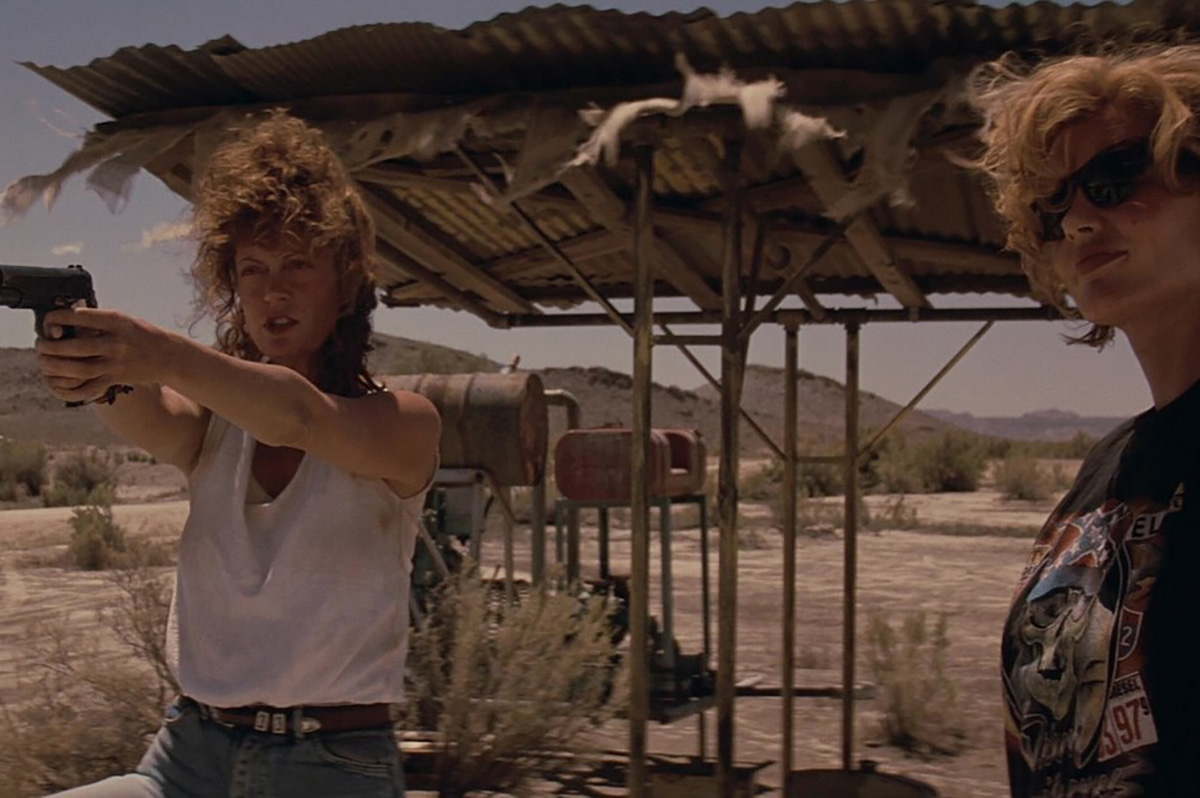
Hard as it is to believe for those who were around when it happened, “Thelma and Louise” celebrates the 35th anniversary of its release this year.
Deeply popular with both critics and audiences at the time, its reputation continues to ride high; it’s a movie that manages to exist within a nexus of intersecting genres – the “buddy picture”, the “crime thriller,” the “action adventure,” the” “western,” the “neo-noir” – by blending them seamlessly into a crowd-pleasing wild ride of a story, all while delivering a powerful feminist message of outrage, defiance, and empowerment.
And no, “Thelma and Louise” is not a “queer movie” – but it feels like one.
That’s partly because It exists within another genre, too: “lesbian noir,” which blossomed in its wake with films like “Bound” (1996) and has re-emerged in recent films like “Love Lies Bleeding” (2024) and “Honey, Don’t” (2025) – but that also stretches back across decades into the days of old Hollywood, when coded queer characters were a regular fixture in the seedy film noir classics of their time, never overtly identified as such but obvious to spot for anyone savvy enough to read the subtext. That’s why “Thelma and Louise” resonated (and continues to resonate) with lesbian and bisexual audiences who see themselves reflected in its two lead characters, even if there is nothing queer about their relationship — on the surface at least.
Of course, that can be a sore subject; subtext might seem like a “cop-out” for those who long for more open representation for LGBTQ people on the screen – but it’s everything when it comes to recognizing the queerness of older movies (and a lot of newer ones, too), and just because something is not explicitly stated, that doesn’t mean it’s being hidden. After all, most good stories rely on the transcendent power of nuance, which always relies on subtext to shine through. And if any movie relies upon subtext, “Thelma and Louise” is certainly one of them. In its masterfully crafted narrative of a weekend “girl’s trip” that goes horribly wrong, a lot of the most important information is left unspoken.
Take Thelma (Geena Davis), to start with: a naive young housewife whose husband Darryl (Christopher McDonald) treats her like a possession, she blithely ignores his mediocrity and disregards – or at least, pretends to – his repressive tactics to control her, choosing instead to live in a tenuous illusion of “traditional” marriage dynamics; yet when her bestie Louise (Susan Sarandon) offers her a chance to escape for a weekend, she jumps at it – even if she has to skip the part where she asks his permission.
Louise (Susan Sarandon), a bit older and a lot more worldly, is a waitress who spends her days fending off the insults and advances of her male customers at the diner where she works; she sees Thelma’s situation clearly, and hopes that a temporary respite from Darryl will help her recognize the dead-end reality of her marriage. We understand this immediately, even though a direct word is never said about it, and she’s right, of course. They’ve barely even gotten on the road before Thelma’s longing for attention from someone other than her inadequate husband – a honky-tonk Lothario (Timothy Carhart) she meets in a roadhouse where they stop for drinks on the way out of town – leads to an attempted rape that is only prevented when Louise shoots the predator dead in the parking lot.
That killing is the catalyst that turns them into fugitives; as Louise rightly understands, there’s no evidence of sexual assault, just a dead body and a pair of runaway women, and the letter of the law is not on their side. But in truth, that fatal shot is fired not to save Thelma, who has already been freed from her would-be rapist’s clutches when it happens, but because Louise has traumatic memories – and a chip on her shoulder – over something that “happened in Texas,” years before. We never find out what it was that happened, and we don’t need to; our imaginations tell us all we need to know, just as we know that the killing, while it may have been cold-blooded murder, is a justifiable homicide all the same.
There’s more of that subtextual nuance throughout, from the perversely inspiring motivations of hitchhiking hustler J.D. (Brad Pitt, in the sex-on-a-stick performance that launched him on his trajectory to stardom), who takes advantage of Thelma’s gullibility to rob the heroines even as he teaches her the tactics that will soon launch them on their fateful ride-or-die fugitive adventure; to the self-serving “chivalry” of Louise’s erstwhile boyfriend (Michael Madsen) as he casts himself as the “martyr” in letting her go. And yes, even to the benignly sublimated patriarchal programming that drives police investigator Hal Slocumb (Harvey Keitel in an uncharacteristically empathetic role) to act as the would-be savior of these two “fallen” women, though they want no part of his well-meaning attempts to “rescue” them from the consequences of their choices. And when the two fugitives terrorize a piggish trucker (Marco St. John) before blowing up his big-rig tanker, nobody says – or needs to say – why it feels to them like the right thing to do; it simply IS the right thing, and we, as the audience, know it. What we have seen up to that point has placed us firmly on Thelma and Louise’s side already, and we’re as ready to watch the puerile patriarchy burn as they are.
None of this is spoken aloud, nor is it even alluded to, but it comes through, nonetheless. Chalk it up, if you like, to the power of cinema, especially in the hands of a versatile, stylish, and seasoned director like Ridley Scott, to communicate what is inherently beyond the power of words.
Thelma and Louise may not be “a couple,” but we can’t help but notice as their clothing evolves from frilly-femme to “butch” utilitarianism along the way, or how their connection to the men in their lives easily dissolves without fanfare. And by the time we reach the movie’s thrilling denouement, when all they have left is their commitment to simply stand up against all the things that have kept them feeling incomplete, unfulfilled, and unacceptable, it’s an achingly familiar feeling for any queer viewer who has experienced the same.
We all know what happens, so it’s no spoiler to say that, when they drive off into oblivion in the Grand Canyon, they choose freedom over life itself – and when they head over that cliff, fully embracing their fate as a feminist iteration of the Bonnie and Clyde brand of “noble” outlaws, they seal their fate with a kiss.
At that point, no explanation is needed. Their love for each other transcends anything they’ve felt with the inadequate men in their lives; and in that final freeze-frame moment, when they drive off the cliff and sail into oblivion, we like to think that their car – like Danny Zuko’s at the end of “Grease” – simply flies away into the bliss of an endless summer, and you can’t get any queerer than that.

Dozens detained after Turkish authorities raid LGBTQ groups, businesses

PHOTOS: SMYAL Fall Brunch

Dolly Parton biography puts her hardships into context

‘Thelma and Louise’ remains landmark of unspoken queer rebellion

Comings & Goings

Nominate your favorites for the Blade’s 25th annual Best Of LGBTQ DC Awards

PHOTOS: SUNFESTIVAL

Gloria Steinem’s life of substance and consequence

How Dolly became a folk saint for Appalachian queers