World
Irish constitutional commission backs same-sex marriage
79 percent of 100 members supported recommendation, 2014 referendum possible
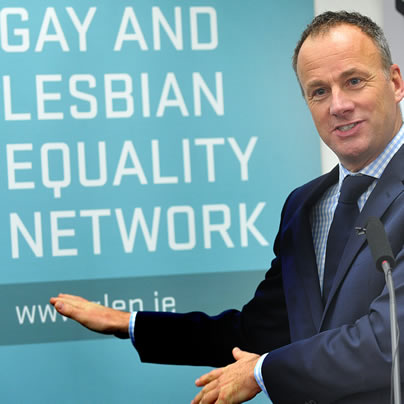
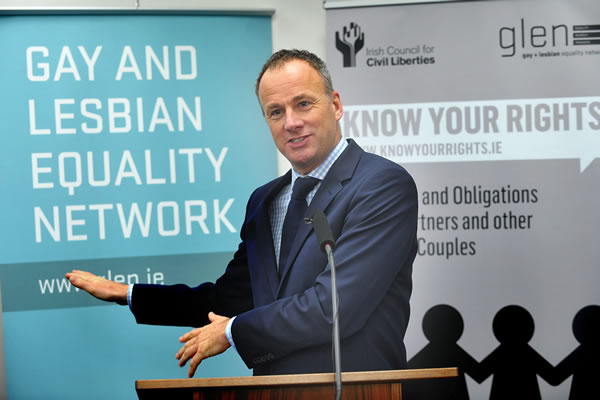
Gay and Lesbian Equality Network (GLEN) Director Brian Sheehan. (Photo courtesy of Brian Sheehan)
Seventy-nine percent of the Constitutional Convention’s 100 members supported the recommendation to amend the country’s constitution on which they voted at the end of a two day meeting at a Dublin hotel. Eighty-one percent of them also recommended the government expand adoption and other rights to gay and lesbian couples and protections to their children that are not included under the country’s civil partnership law that took effect in 2011.
“We are delighted with today’s result at the Constitutional Convention on the issue of same-sex marriage,” Marriage Equality Director Moninne Griffith said in a statement. Her group worked with the Gay and Lesbian Equality Network and the Irish Council for Civil Liberties to urge commission members to support the issue. “This proves that Ireland is ready for equality for same-sex couples and wants equal access to civil marriage for loving committed lesbian and gay couples.”
The Irish Catholic Bishops Conference, which argued against same-sex marriage alongside the Evangelical Alliance of Ireland and the Order of the Knights of Columbanus, criticized the vote.
“While the result of the Constitutional Convention is disappointing, only the people of Ireland can amend the constitution,” a spokesperson told the Irish Times. “The Catholic Church will continue to promote and seek protection for the uniqueness of marriage between a woman and a man, the nature of which best serves children and our society.”
The convention’s recommendation comes 20 years after the Irish government decriminalized homosexuality.
Ireland in 1996 began to grant asylum to refugees on grounds they suffered anti-gay persecution in their countries of origin. Laws that banned discrimination based on sexual orientation in employment and public accommodation took effect in 1998 and 2000 respectively.
Ireland’s High Court in 2006 declined to hear the case of a lesbian couple who wanted the government to recognize their Canadian marriage. They subsequently appealed the ruling to the country’s Supreme Court.
Irish overwhelmingly back same-sex marriage
Recent polls show roughly 75 percent of the Irish people now support the extension of marriage rights to gays and lesbians.
GLEN Director Brian Sheehan noted to the Washington Blade during an interview from Dublin on Sunday a number of factors have contributed to this increased support. These include the decriminalization of homosexuality in the country, the Catholic Church’s diminished influence in Ireland over the last two decades, and former Irish President Mary McAleese and President Obama’s public support of same-sex marriage.
Sheehan also pointed out more than 1,000 couples have thus far taken advantage of Ireland’s civil partnership law. He noted newspapers across the country have featured what he described as “really positive stories” about these celebrations.
“The vision of lesbian and gay people has radically altered,” Sheehan told the Blade. “I’m not by any means trying to say that [the movement for LGBT rights is] over, but we have come a long way in a very, very short period of time.”
The convention approved the recommendation to extend marriage rights to same-sex couples in the Irish constitution two days after the French Senate approved a bill that would allow gay and lesbian couples to tie the knot and adopt children.
Iceland, Norway, Sweden, Denmark, the Netherlands, Belgium, Spain and Portugal are among the countries in which same-sex couples can legally marry. The British House of Commons in February approved a bill that would allow nuptials for gays and lesbians in England and Wales.
The Scottish Parliament is expected to consider a similar measure later this year.
The Irish government will announce within the next four months whether a same-sex marriage referendum will take place.
Sheehan said he expects it would occur next year.
“It is seen as the next step in a remarkable journey,” he said in response to the Blade’s question about how the Irish people feel about the potential same-sex marriage referendum. “Referendums in Ireland are complex for very many reasons and we may be in the position of having a referendum. But rather than a referendum to remove something, this is a referendum to enable something.”



World
Report: 90 percent of LGBTQ groups around the world have lost funding since 2025
Trump-Vance administration cut US support after it took office

A new report that Outright International released on Thursday notes 90 percent of LGBTQ and intersex rights groups around the world have lost funding since January 2025.
The New York-based global advocacy group surveyed 229 LGBTQ and intersex rights groups in 94 countries.
Forty-nine percent of the organizations that responded said they have lost more than half of their total budget since January 2025 — 75 percent of the groups said they lost more than a quarter of their total funding.
“For nearly half of the respondents, the cuts removed most of the resources that sustained the organization,” reads the report.
When asked which funders “had reduced, suspended, or withdrawn support,” more than half of the responding groups “pointed to a source tied to the United States government, including USAID (U.S. Agency for International Development), the President’s Emergency Plan for AIDS Relief (PEPFAR), and the Department of State.”
“No other funder came close,” notes the report.
‘What was initially framed as a temporary freeze has become a structural disruption’
The Trump-Vance administration froze nearly all U.S. foreign aid shortly after it took office on Jan. 20, 2025.
Secretary of State Marco Rubio in March 2025 announced 83 percent of USAID contacts had been cancelled, and the State Department would administer the remaining programs. USAID officially shut down on July 1, 2025.
Rubio issued a waiver that allowed PEPFAR and other “life-saving humanitarian assistance” programs to continue to operate during the funding freeze. The Washington Blade has previously reported PEPFAR-funded programs in Kenya and other African countries have been forced to suspend services and even shut down because of gaps in U.S. funding.
(Washington Blade video by Michael K. Lavers)
The Outright International report notes the State Department under the Trump-Vance administration “terminated the programs of the Global Equality Fund, the public-private partnership it launched in 2011 with allied governments, companies, and foundations, which distributed more than $100 million in its first decade to LGBTIQ organizations and human rights defenders in over 100 countries.” The Trump-Vance administration, among other things, has withdrawn the U.S. from the U.N. LGBTI Core Group, a group of U.N. member states that have pledged to support LGBTQ and intersex rights.
Outright International Executive Director Maria Sjödin in an op-ed the Blade published on Jan. 28, 2026, wrote the global LGBTQ and intersex rights movement since January 2025 lost more than $125 million — or 30 percent of its total annual funding.
“What was initially framed as a temporary freeze has become a structural disruption,” notes the Outright International report. “The effects have cascaded far beyond U.S. government funding: corporate, institutional, and philanthropic donors have also shifted, stalled, or quietly withdrawn, often without public scrutiny.”
“The broader environment in which LGBTIQ movements operate has continued to deteriorate — with democratic backsliding, anti-NGO legislation, rising violence, coordinated legislative attacks on trans and intersex people’s rights, and emboldened anti-rights actors filling the space left by the retreat of U.S. global leadership.”
The report contains specific examples that include:
• Iraqi lawmakers in 2024 passed a law that criminalized consensual same-sex sexual relations and transgender people. Funding cuts forced IraQueer, an Iraqi advocacy group, to stop offering safety and security trainings and workshops to activists and LGBTQ rights organizations in the country.
• An intersex-led organization in West Africa can no longer maintain office space or pay its staff.
• An Ecuadorian group that operated a community center for a decade was “forced to close” it on Feb. 1, 2026. “It has been a true loss for the LGBTIQ+ communities in our city and the country as a whole, as we were a model of self-management and resistance in one of Ecuador’s most conservative cities,” said the group in the report.
• An “LGBTIQ-led refugee organization” in Uganda “has lost the emergency relocation support that once moved people facing immediate violence to safer locations.”
• An advocacy group in Ukraine that lost funding said it was “forced to stop paying some of our specialists and reduce our hours for handling inquiries … We used to be able to respond promptly to requests and support people throughout the entire process of resolving their issues, whereas now we are forced to limit ourselves to one-time consultations or refuse assistance altogether due to a lack of resources.”
• The Tonga Leitis Association in the report said a lack of funding has forced it to reduce “the number of activities the organization can run and erodes the prevention infrastructure behind” the country’s low HIV rate.
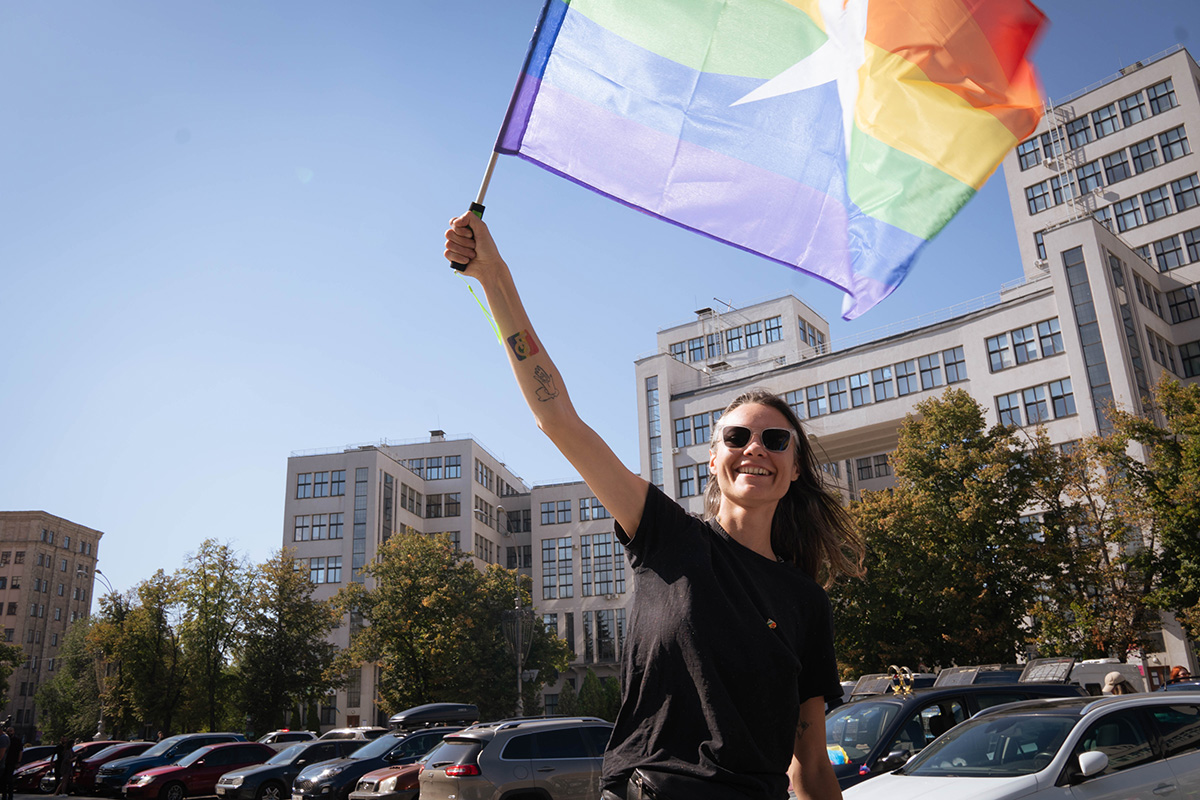
The Outright International report notes “global LGBTIQ funding had begun to fall even before the current U.S. administration took office.”
It further cites statistics from the Human Rights Funders Network that project “rights-focused development assistance will fall by between” $1.4-$1.9 billion a year by 2026, “with movements for LGBTIQ people’s rights and gender equality among the hardest it.”
“At the same time, LGBTIQ organizations have not stood still,” reads the Outright International report. “They have continued to resist, adapt, and serve their communities under extraordinary pressure, often absorbing the costs of these funding shocks in ways that remain largely invisible.”
“This report is an effort to make those costs — and that resilience — visible,” it adds.
United Kingdom
Grindr settles UK lawsuit over claims it shared users’ personal information
Plaintiffs allege gay hookup company disclosed HIV status to third parties
Grindr has agreed to pay £26 million ($35.24 million) to settle a lawsuit in the UK over allegations it shared users’ HIV status and other personal information with third parties.
The BBC on Monday reported a lawsuit was filed in the High Court of England and Wales in 2024. A class action lawsuit with more than 11,000 plaintiffs was later filed in the U.S.
Grindr in a U.S. Security and Exchange Commission filing notes the California-headquartered company as part of the settlement it reached on Sept. 2 will pay £13.0 million ($17.62 million) “to the counterparties” by Dec. 31, 2026, and another £13.0 million ($17.62 million) by March 31, 2027.
“As previously disclosed, in April 2025, Grindr Inc. and Grindr LLC, its indirect and wholly-owned operating subsidiary (collectively, ‘Grindr’), were served with proceedings in the High Court of England and Wales, which proceedings were originally issued in April 2024, brought on behalf of UK Grindr users from a period up to early 2020 alleging violations of UK privacy laws,” reads the U.S. Security and Exchange Commission filing.
“On Sept. 2, 2026, Grindr resolved the above-described UK group action related to historical data practices before 2020, when Grindr was owned and controlled by the Chinese conglomerate Kunlun,” it continues. “The settlement includes no findings or admission of liability. While Grindr disputes the allegations, it recognizes and acknowledges the distress and loss of trust expressed by some of its UK users regarding that pre-2020 period.”
The filing further notes Grindr in 2020 “was sold to new owners and appointed new management” and in 2022 became a publicly listed company on the New York Stock Exchange.
“Since 2020 Grindr has overhauled its privacy program with a keen focus on the unique needs of its community,” reads the filing. “Grindr is and remains a safe space for users, committed to transparency, user control, and responsible data practices.”
A Grindr spokesperson in the UK on Tuesday referred the Washington Blade to the filing for comment on the settlement.
El Salvador
Mujer trans salvadoreña es encontrada sin vida
La muerte de Yoisi Villalta vuelve a poner sobre la mesa la violencia
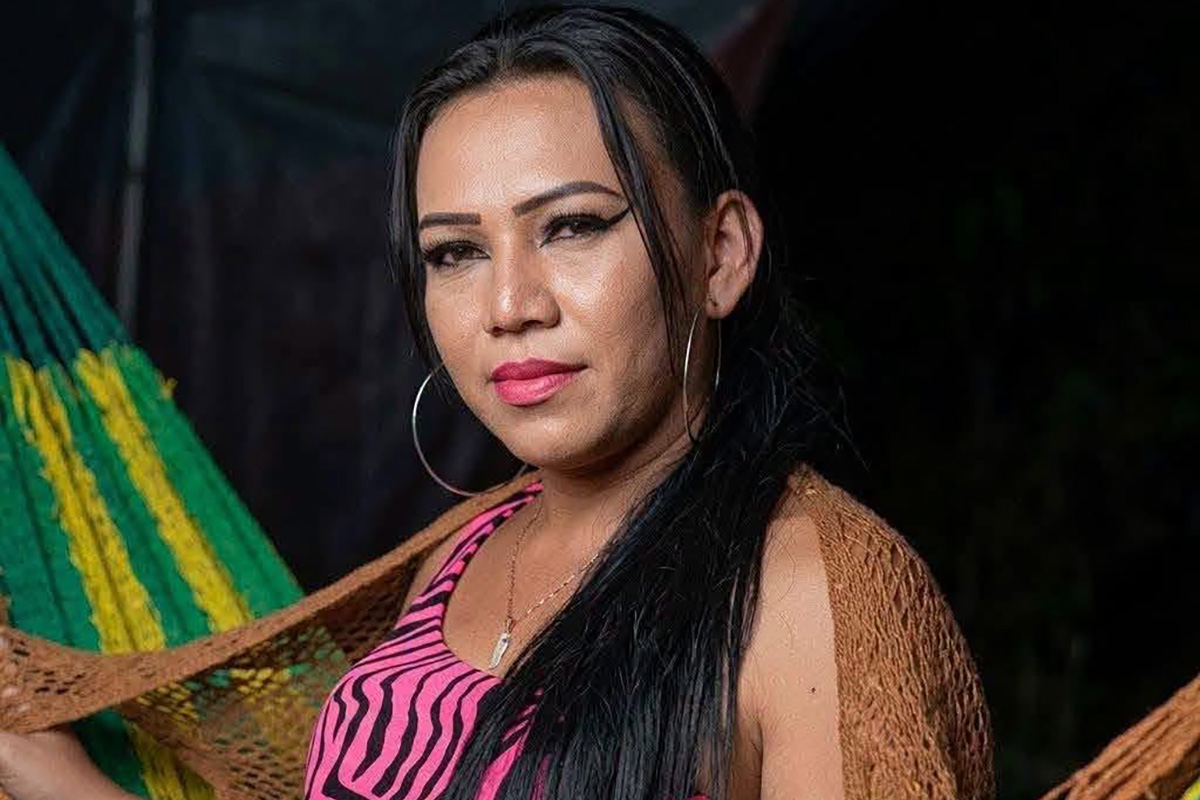
SANTA ANA, El Salvador — La muerte de Yoisi Villalta, mujer trans y vendedora de tortas en Texistepeque, Santa Ana Norte, ha vuelto a colocar en el centro del debate una realidad que durante años ha acompañado a la población LGBTQ en El Salvador: la violencia no termina con una agresión o con una muerte. También puede manifestarse en la manera en que una persona es buscada, nombrada, registrada, despedida y recordada.
Villalta fue reportada como desaparecida por su familia a finales de agosto de 2026. Días después, medios de comunicación y plataformas digitales informaron sobre el hallazgo de su cuerpo sin vida. Un reporte publicado el 5 de septiembre señala que el cuerpo fue localizado en Tacuba, Ahuachapán, ocho días después de su desaparición, mientras que la Policía Nacional Civil no había confirmado hasta entonces la causa de muerte ni clasificado oficialmente el caso como homicidio intencionado.
La precisión es importante; hasta el momento no debe afirmarse como un hecho que Yoisi haya sido víctima de un crimen de odio o de un homicidio motivado por su identidad de género, mientras no exista una investigación oficial que determine las circunstancias y causa de su muerte. Lo que sí existe es una profunda preocupación expresada por organizaciones de la sociedad civil y por personas de la comunidad LGBTQ, especialmente ante el contexto de violencia y discriminación que históricamente han enfrentado las mujeres trans en El Salvador.
Una mujer detrás de una noticia
Antes de convertirse en noticia, Villalta tenía una vida. Era una mujer trans que trabajaba como vendedora de tortas en Texistepeque. Desde su negocio desarrollaba una actividad cotidiana para ganarse la vida, pero también había convertido aquel espacio en una expresión de solidaridad con su comunidad.
De acuerdo con la información difundida por organizaciones LGBTQ, Villalta compartía alimentos con las brigadas de salud sexual que realizaban jornadas en la zona. Esa faceta de su vida permite verla más allá de las circunstancias de su muerte: como una mujer trabajadora, solidaria y vinculada a acciones comunitarias.
La Federación Salvadoreña LGBTI pidió precisamente que su memoria fuera abordada desde esa perspectiva. En el mensaje difundido tras conocerse su muerte, la organización llamó a recordarla por “su vida, su trabajo, su generosidad, y sobre todo desde su nombre”, y pidió que su historia no fuera reducida al morbo.
Ese llamado resulta especialmente importante en tiempos en que las redes sociales pueden convertir una tragedia humana en una sucesión de comentarios, fotografías, especulaciones y publicaciones hechas sin sensibilidad. Una persona fallecida no deja de tener dignidad.
Y una mujer trans no deja de ser mujer porque haya muerto.
El derecho a ser nombrada
Uno de los aspectos que más indignación ha provocado en torno al caso es el tratamiento de la identidad de Villalta durante la búsqueda. Organizaciones y personas cercanas han denunciado que durante el proceso de búsqueda se utilizó el nombre que aparece en su Documento Único de Identidad (DUI), en lugar del nombre con el que Villalta vivía y era reconocida socialmente.
Este aspecto no es meramente una cuestión semántica. Para las personas trans, el nombre puede representar una parte fundamental de su identidad y de la manera en que construyen su vida frente a la sociedad. Ser reconocidas por el nombre con el que se identifican constituye también una forma de respeto.
En el caso de Villalta, la Federación Salvadoreña LGBTI expresó que negar el nombre y la identidad de una persona trans también constituye una forma de violencia. La situación adquiere una dimensión todavía más compleja en El Salvador, donde continúa sin existir un mecanismo legal general que permita a las personas trans modificar su nombre y marcador de género en sus documentos de identidad conforme a su identidad de género.
Así, una persona puede construir durante años una vida social, familiar, laboral y comunitaria con un nombre determinado y, sin embargo, encontrarse ante instituciones que continúan identificándola exclusivamente mediante los datos registrales que no corresponden a la identidad con la que vive. El caso de Villalta vuelve a evidenciar esa tensión entre la identidad vivida y el reconocimiento institucional.
Un problema que va más allá de un solo caso
El caso de Villalta ocurre en un país donde las organizaciones de derechos humanos han advertido durante años sobre la violencia y discriminación que afectan a la población LGBTQ. La información disponible también muestra un problema relacionado con la documentación de estos hechos.
Organizaciones defensoras de derechos humanos han cuestionado la ausencia o insuficiencia de registros públicos actualizados y desagregados que permitan conocer con precisión cuántos delitos violentos afectan a personas LGBTQ y cuántos de ellos tienen como posible motivación la orientación sexual, identidad o expresión de género. La falta de información no significa necesariamente ausencia de violencia. Por el contrario, puede hacerla más difícil de identificar.
Un crimen que no registra la identidad de género de la víctima, o que no investiga adecuadamente una posible motivación relacionada con prejuicios, termina incorporándose estadísticamente como un hecho aislado, sin permitir comprender patrones. Ese problema tampoco es exclusivo de El Salvador. Sin embargo, en el país constituye una preocupación recurrente para las organizaciones que documentan vulneraciones contra personas LGBTQ.
301 denuncias en 2025
Un indicador permite dimensionar que el problema trasciende los homicidios. El Informe 2025 sobre las vulneraciones de los derechos humanos de las personas LGBTQ en El Salvador, elaborado por el Observatorio de Derechos Humanos LGBTIQ+ de ASPIDH con apoyo de Hivos y Arcus Foundation, registró 301 denuncias de vulneraciones de derechos entre el 1 de enero y el 22 de septiembre de 2025. La Comisión Interamericana de Derechos Humanos también recogió estos datos en su informe anual.
Según esa información, las mujeres trans representaron el 53,5 por ciento de las víctimas registradas y los hombres gays el 26,6 por ciento. El informe también señaló como principales presuntos responsables a cuerpos uniformados, entre ellos la Policía Nacional Civil, los cuerpos de agentes municipales y militares desplegados bajo el régimen de excepción.
Estos datos deben leerse con cautela: se trata de denuncias de vulneraciones de derechos, no de una cifra de homicidios ni de todos los casos ocurridos en el país.
Pero muestran algo importante: la violencia contra las personas LGBTQ no puede analizarse exclusivamente desde los asesinatos. También existe violencia en la discriminación, en el acceso a servicios, en el trato institucional, en la familia, en el trabajo, en los espacios públicos y en la imposibilidad de ejercer plenamente derechos fundamentales.
El precedente de Zashy Zuley
La historia reciente de El Salvador ofrece antecedentes que ayudan a comprender por qué el caso de Villalta genera preocupación. En abril de 2021 fue asesinada en San Miguel Zashy Zuley del Cid, una mujer trans y activista vinculada al trabajo comunitario de personas LGBTQ.
ACNUR condenó entonces su asesinato y señaló que Zuley había sido previamente desplazada de su hogar debido a amenazas. La agencia de Naciones Unidas explicó que trabajaba junto con COMCAVIS TRANS para apoyarla en un proceso de emprendimiento y medios de vida.
Su muerte también puso en evidencia otra forma de violencia: después de morir, hubo dificultades para que su identidad de género fuera respetada durante sus honras fúnebres. Medios que documentaron el caso señalaron que fue sepultada con una expresión masculina y que existieron obstáculos para la participación de personas LGBTQ cercanas a ella.
El caso de Zuley se convirtió así en un símbolo de una problemática que tiene dos dimensiones: la violencia contra el cuerpo y la violencia contra la identidad.
Más de cinco años después, la muerte de Villalta vuelve a colocar ambas preocupaciones en la conversación pública.
¿Dónde están los datos oficiales?
Una de las preguntas que surgen nuevamente es cuántos casos de violencia contra personas LGBTQ han ocurrido en los últimos años y cuántos han sido investigados considerando una posible motivación por prejuicio.
La ausencia de información pública reciente y desagregada dificulta responder.
Esta falta de datos no solo afecta a las organizaciones defensoras de derechos humanos. También afecta a las instituciones encargadas de diseñar políticas públicas, prevenir la violencia y garantizar justicia.
Si no sabemos cuántos casos existen, dónde ocurren, quiénes son las víctimas, qué tipos de violencia se presentan y qué resultados tienen las investigaciones, resulta mucho más difícil diseñar respuestas adecuadas. La documentación independiente adquiere entonces un papel fundamental, aunque nunca debería sustituir la obligación del Estado de generar estadísticas confiables y transparentes.
El desafío de no olvidar
El caso de Villalta vuelve a plantear una pregunta incómoda para El Salvador:
¿Qué ese está haciendo para que las personas LGBTQ puedan vivir y morir con dignidad? La respuesta no puede depender únicamente de las organizaciones LGBTQ, de las familias o de las comunidades.
Requiere instituciones que registren adecuadamente los hechos, investigaciones que determinen responsabilidades, y de acuerdo con activistas de sociedad civil, también “se necesita un Estado que cree y promueva políticas de prevención y que reconozca la identidad de las personas diversas, formación de funcionarios y una sociedad que comprenda que la diversidad no disminuye el valor de ninguna persona”. Por ahora, las circunstancias de la muerte de Yoisi dejan muchas dudas en lo sucedido y no corresponde afirmar que se trató de un crimen de odio sin una determinación oficial de una investigación que no existió.

‘Thelma and Louise’ remains landmark of unspoken queer rebellion

Comings & Goings

LGBTQ Military Happy Hour set for Sept. 15

Calendar: September 11-17

Multi-billion-dollar 9/11 Victim Compensation Fund to continue until 2090

Iceland implements gender-neutral blood donor rules

Anti-science, anti-LGBTQ movements go hand in hand

Everton Blair makes history as first openly gay congressman from Ga.

Chris Pappas wins NH Democratic Senate primary

Mujer trans salvadoreña es encontrada sin vida
-

 Iceland5 days ago
Iceland implements gender-neutral blood donor rules
-
Commentary5 days ago
Anti-science, anti-LGBTQ movements go hand in hand
-
Georgia5 days ago
Everton Blair makes history as first openly gay congressman from Ga.
-
2026 Midterm Elections4 days ago
Chris Pappas wins NH Democratic Senate primary