Arts & Entertainment
U.S. cities think outside the box for Pride 2020 amidst pandemic
Most cities planning some virtual component; some have bumped to fall
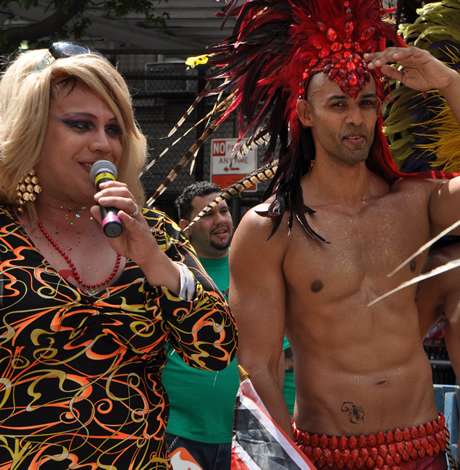
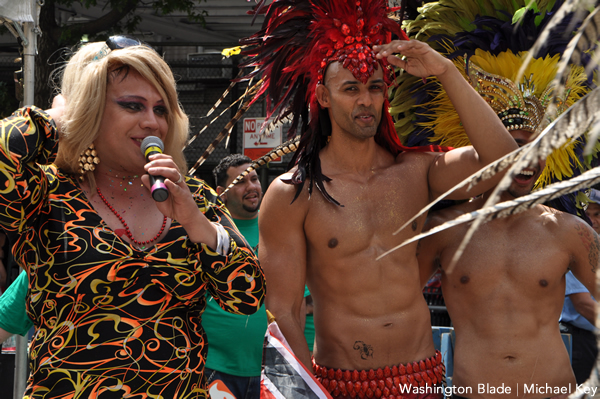
Pride festivals around the U.S. have been moved to virtual platforms, postponed or canceled altogether due to the coronavirus and social distancing requirements. Because many events are being moved online, LGBT people and allies now have the option to attend Pride events all over the country.
Some organizations have opted for an extensive list of events for the entire month of June — such as Houston, Seattle and Los Angeles — while others have postponed the festivities or completely canceled events for the year, like Phoenix and Philadelphia.
New York City: The “NYC Pride Special Broadcast Event” is Sunday, June 28, from noon-2 p.m. EST. This broadcast on ABC7 will feature performances by Janelle Monáe, Deborah Cox, Billy Porter, Luísa Sonza and others. The grand marshals of this year’s NYC Pride include writer and producer Dan Levy, The Ali Forney Center and LGBT activists Yanzi Peng and Victoria Cruz. This year, NYC Pride “is committed to saluting front-line workers.” For more information, visit nycpride.org.
Los Angeles: The “L.A. Pride 50th Anniversary Celebration” is Saturday, June 13, from 7:30-9 p.m. PST to be broadcast on ABC7, iHeartRadio social platforms and local radio stations. iHeart Radio will also broadcast daily episodes throughout June featuring LGBT artists and activists and other Pride-related programming.
iHeartRadio Los Angeles and the L.A. Pride association will also launch the “L.A. Pridecast” podcast in June, which will cover LGBT topics and feature a different member of the Los Angeles LGBT community each episode. Learn more about L.A. Pride at lapride.org.
San Francisco: The “S.F. Pride 2020 Online Celebration” will be held on Saturday, June 27 from 1-9 p.m., and Sunday, June 28 from 2-7 p.m. PST. The virtual event will include performances from celebrities, speeches from LGBT activists, DJ sets and drag performances. Learn more at sfpride.org.
Phoenix: The “40th Annual Phoenix Pride Festival” has been delayed to be celebrated in-person on Nov. 7-8. The festival is expected to have 150 entertainment performances and over 300 exhibitors displaying food, shopping and community resources. Learn more at phoenixpride.org.
Dallas: The “Dallas Pride 2020” board of directors has announced the event is going virtual and programming and dates are to be determined. Learn more at dallaspride.org.
Houston: The “2020 Houston LGBT+ Pride Celebration” in-person events have been moved to fall with dates to be announced. But there are several virtual events throughout the month of June, such as a Pride film festival on June 20 at noon, the “Rights of Human” conference with breakout sessions and presentations focused on transgender rights, immigration rights and more, “Pride Stars,” an LGBT talent competition and many other digital functions. Learn more at pridehouston.org.
Philadelphia: “Philly Pride” organizers have canceled the PrideDay Parade and Festival, and no virtual events have been scheduled. “OutFest,” an LGBT film festival scheduled for Sunday, Oct. 11, is still tentative. Learn more at phillygaypride.org.
Chicago: The Northalsted Business Alliance will host “Boystown’s Virtual Chicago Pride Fest” on June 20-21 from 7-9 p.m. CST streaming on the platform Twitch. The event will feature a lineup of entertainment and speeches from LGBT activists. The event is free but will be accepting donations benefitting the Center on Halsted, an LGBT community center, and Howard Brown Health, and LGBT health services center. Learn more at northalsted.com/pridefest.
Seattle: Seattle Pride has a series of events planned throughout June, like Pride book clubs in partnership with the Museum of Pop Culture and “Sans Bar Where You Are” hosted by DRY Soda & Sans Bar on June 19 at 5 p.m. PST on Facebook Live featuring drag queen karaoke and a panel discussion on the issues of sobriety in the LGBT community. There are also events for a younger crowd: “Youth Pink Prom & Pride 2020” hosted by Lambert House on Saturday, June 27 from 5-11 p.m. is specifically for ages 13-22 on the gaming platforms Minecraft Java Edition and Discord. Learn more at seattlepride.org.
“Trans Pride Seattle” organizers have scheduled virtual events for June 26-28, featuring live performances, workshops and film screenings with more details to be announced. Learn more at transprideseattle.org.
Portland: Portland Pride has scheduled virtual events throughout June. The Portland Pride Virtual Festival will take place on Saturday, June 13 from 4-6:30 p.m, featuring performances from local artists, speeches from elected officials and local LGBT organizations. Organizers will stream a recording of the 1999 Portland Pride Parade on Sunday, June 14 from 11 a.m.-1 p.m in “Parade Like it’s 1999!” Other events include karaoke events and performances from local drag queens. Learn more at portlandpride.org.




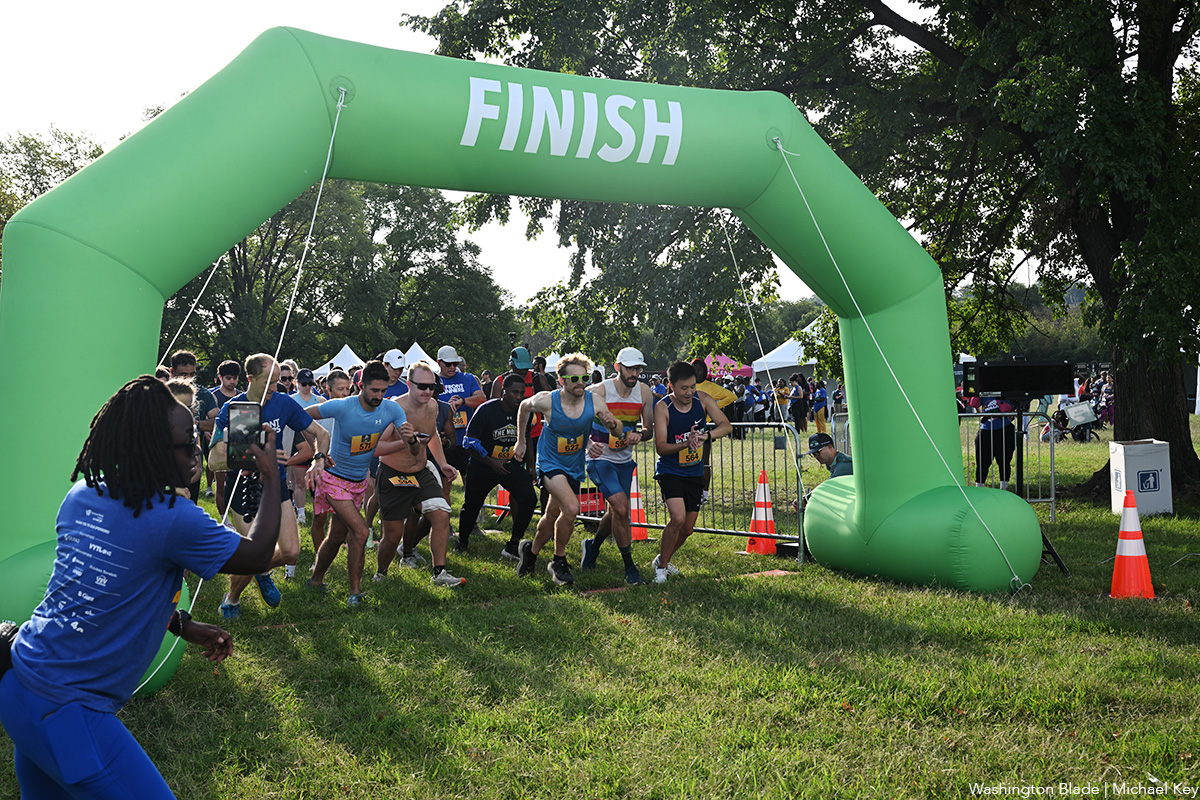
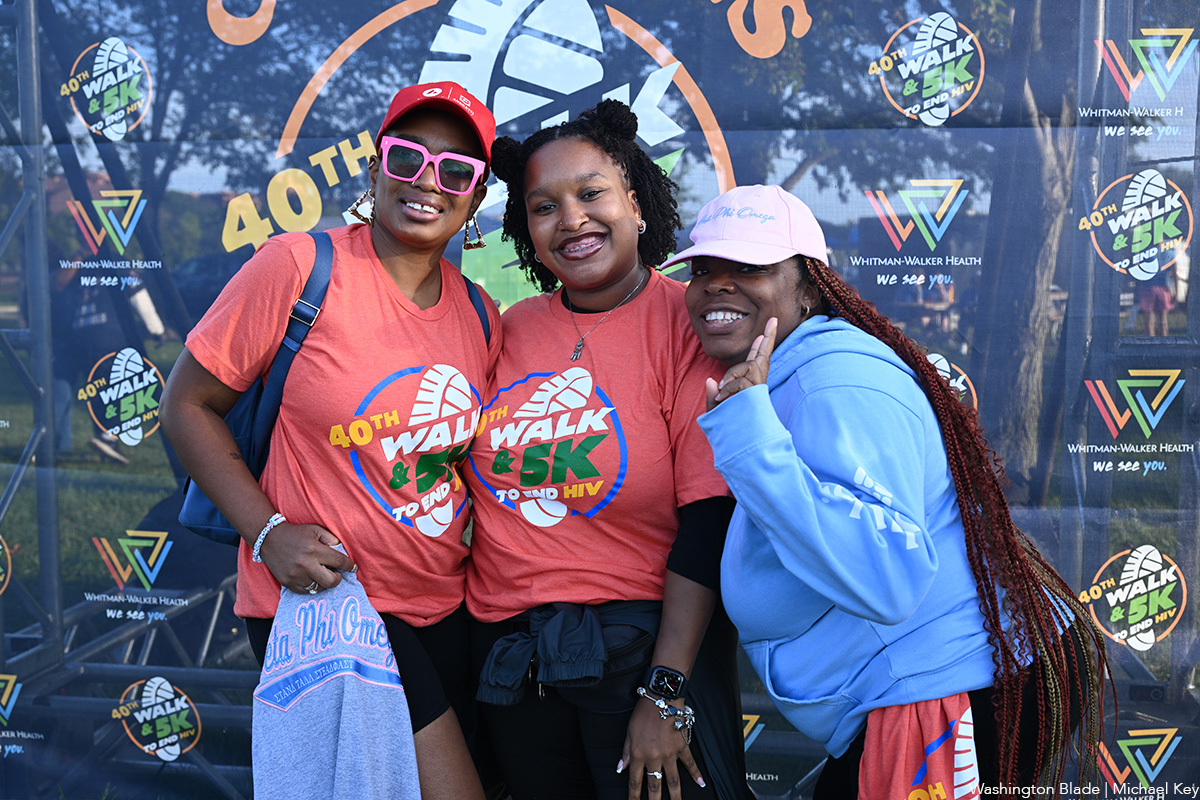
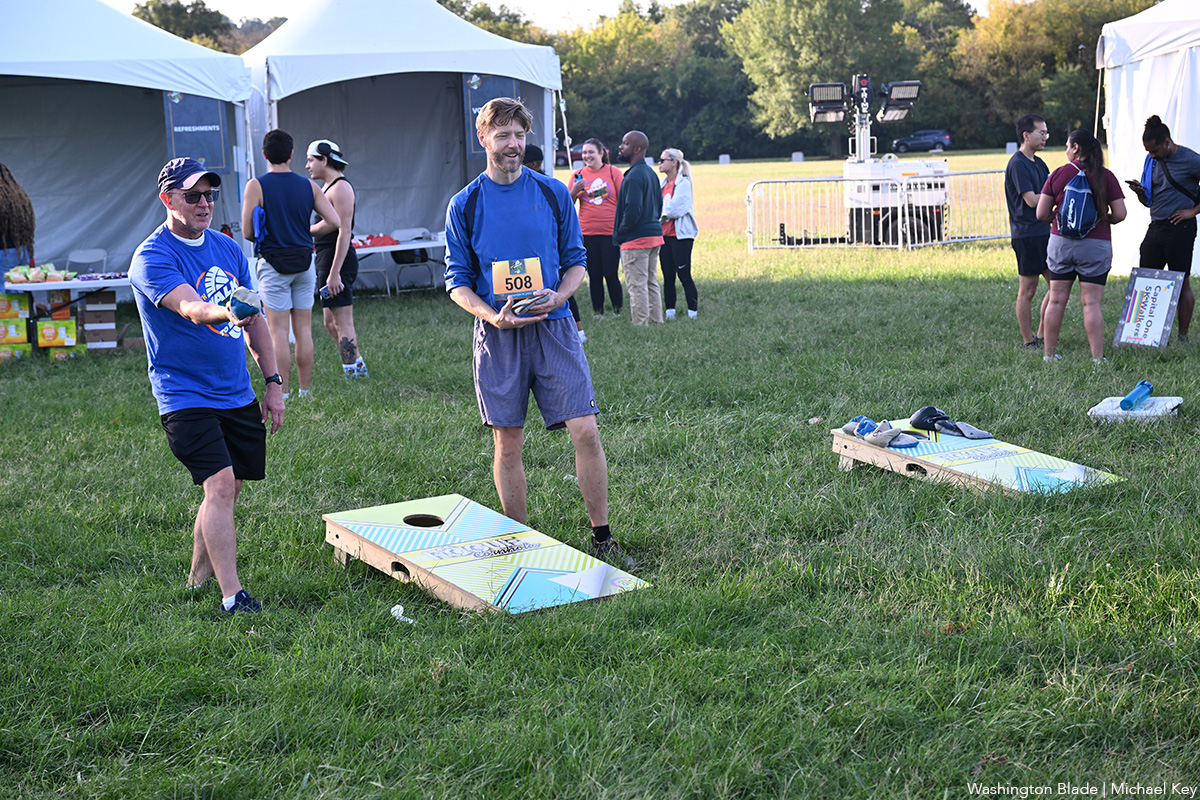
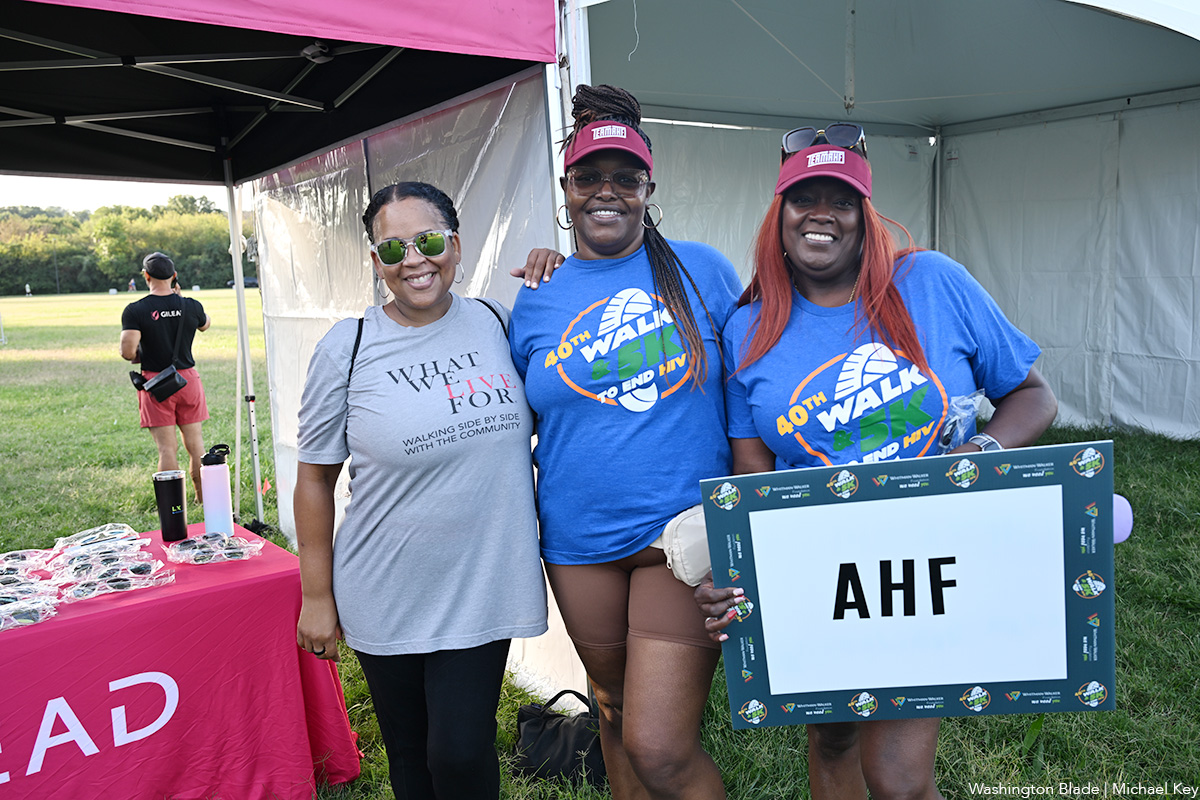
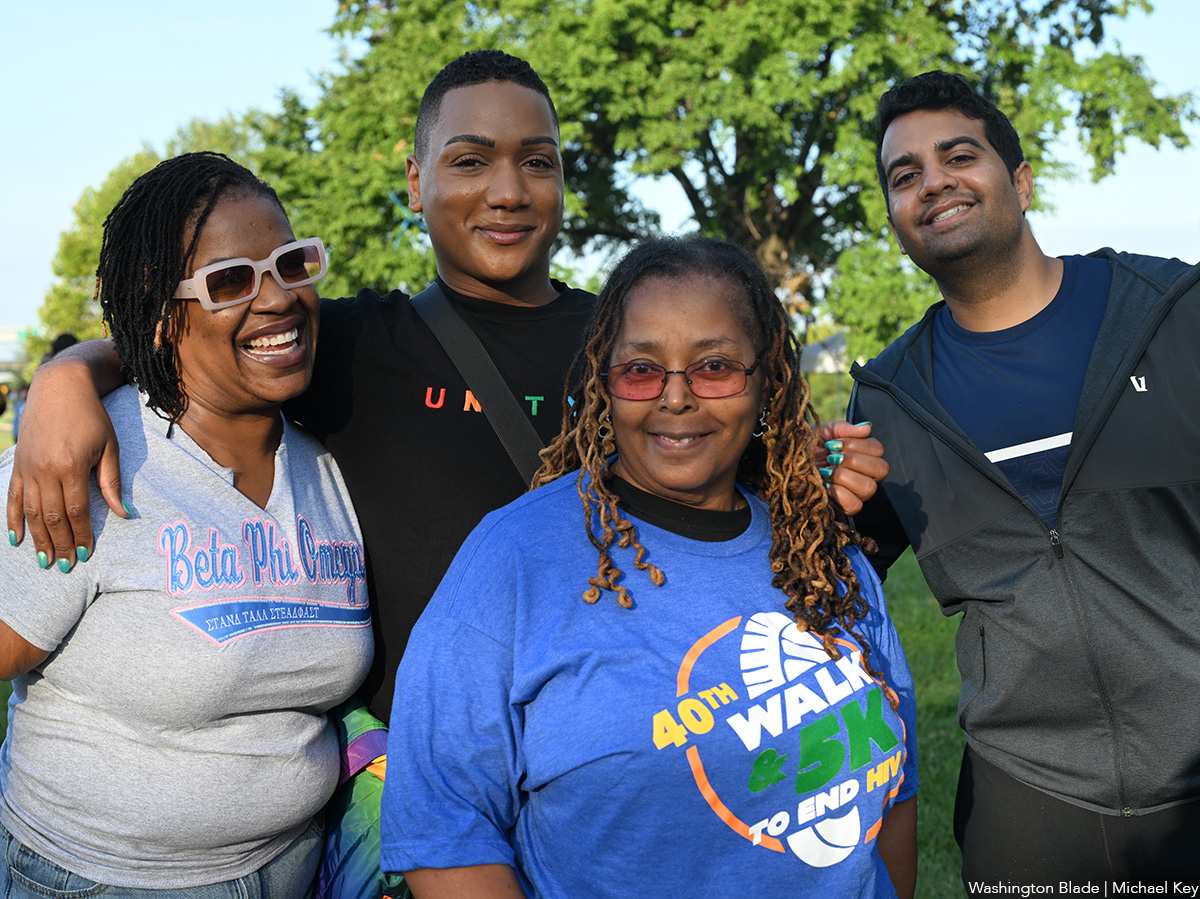
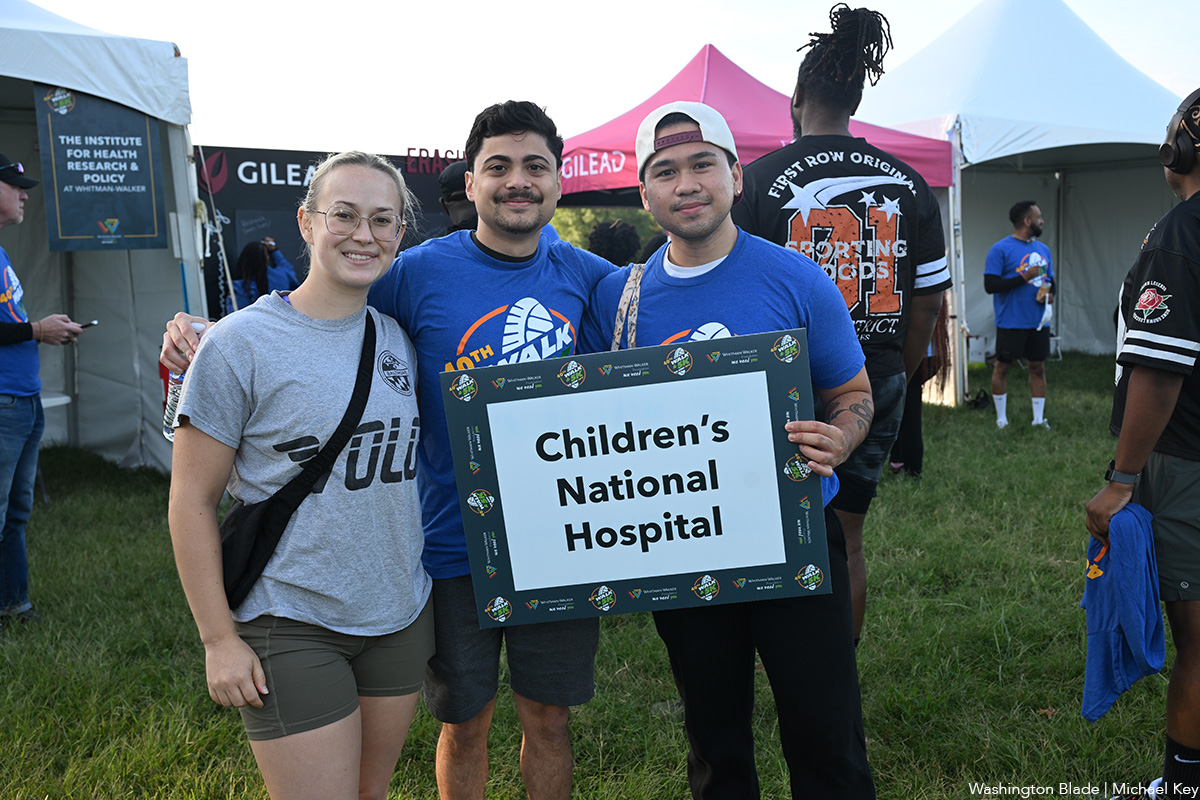
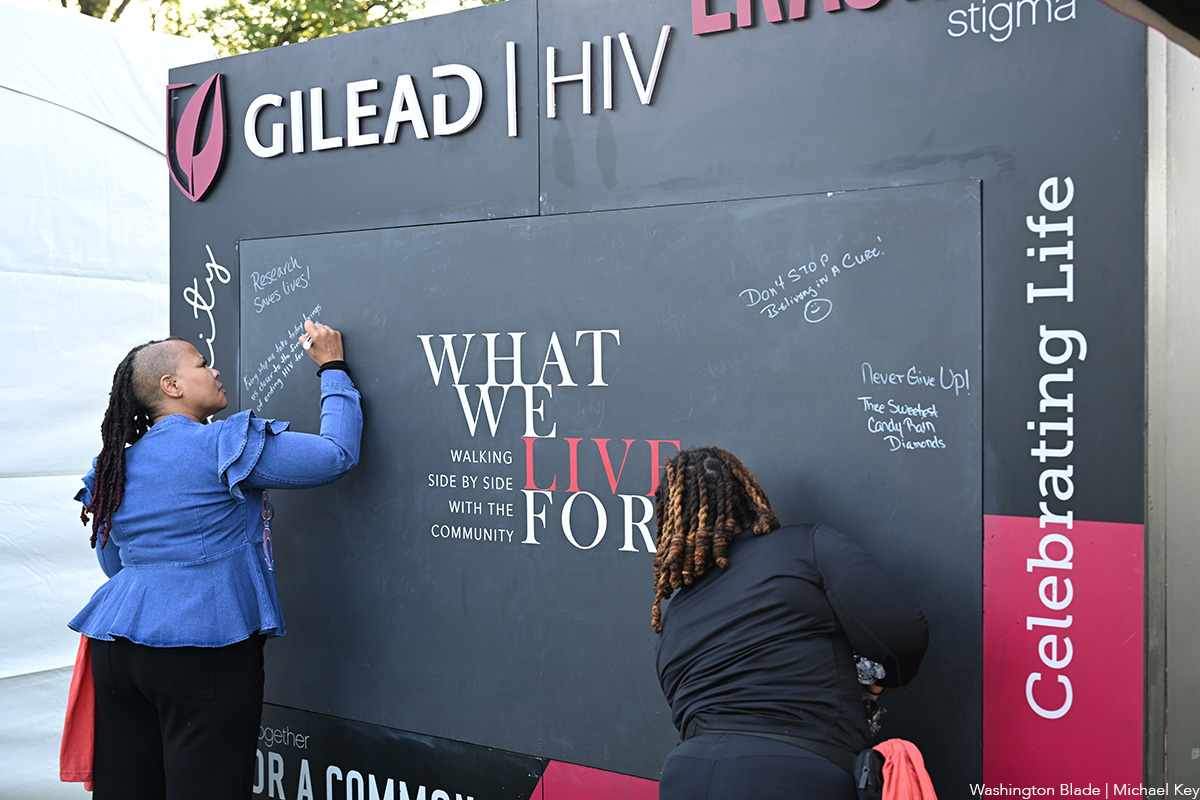
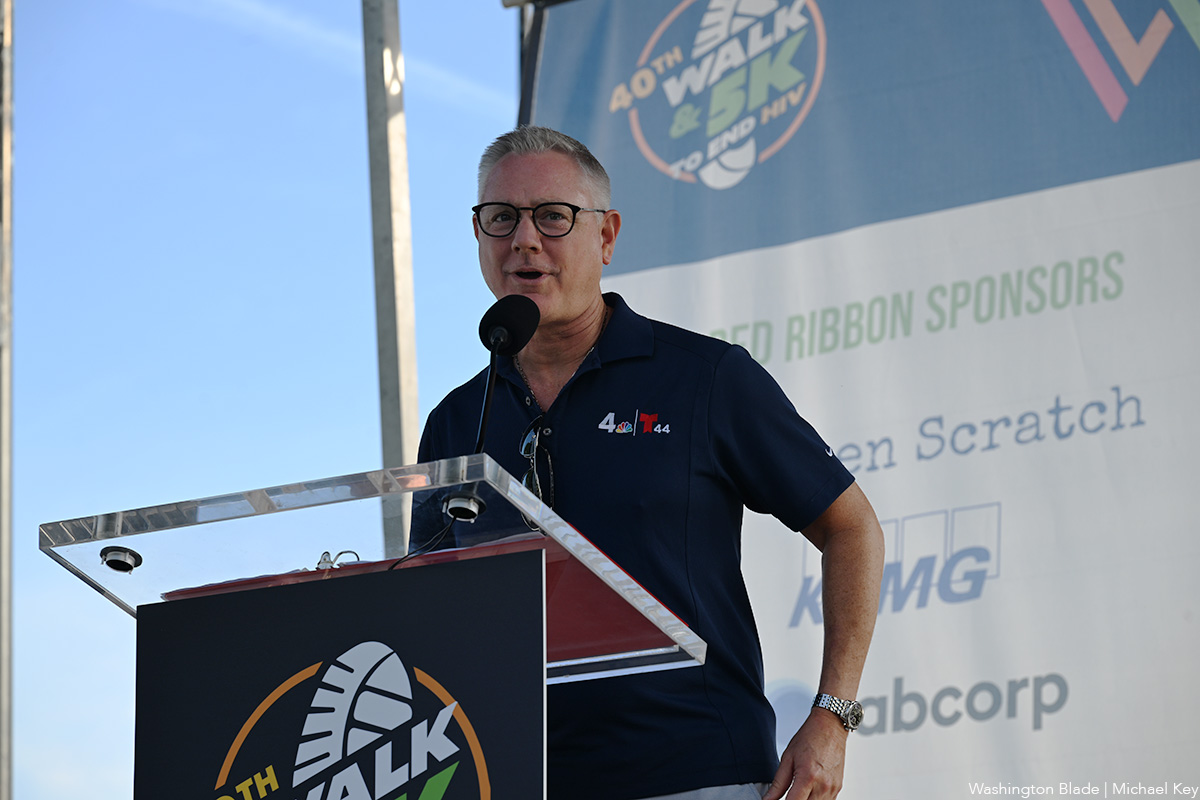
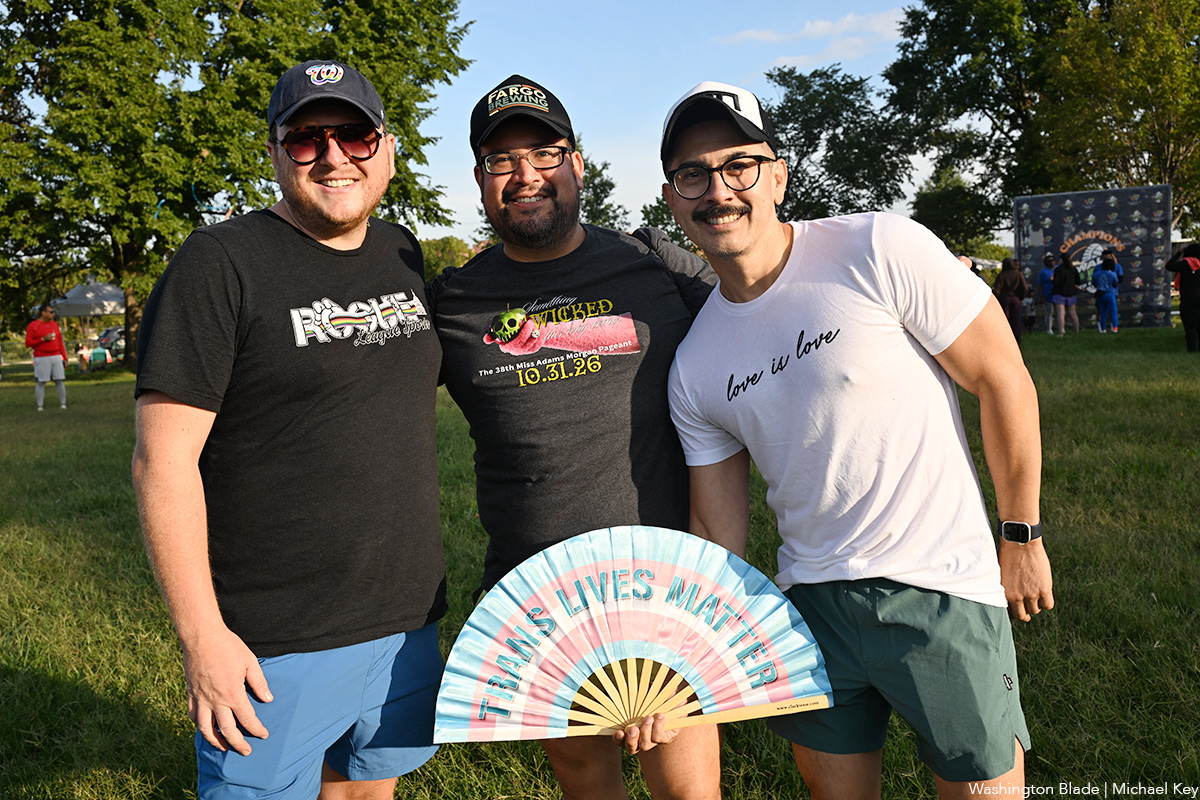
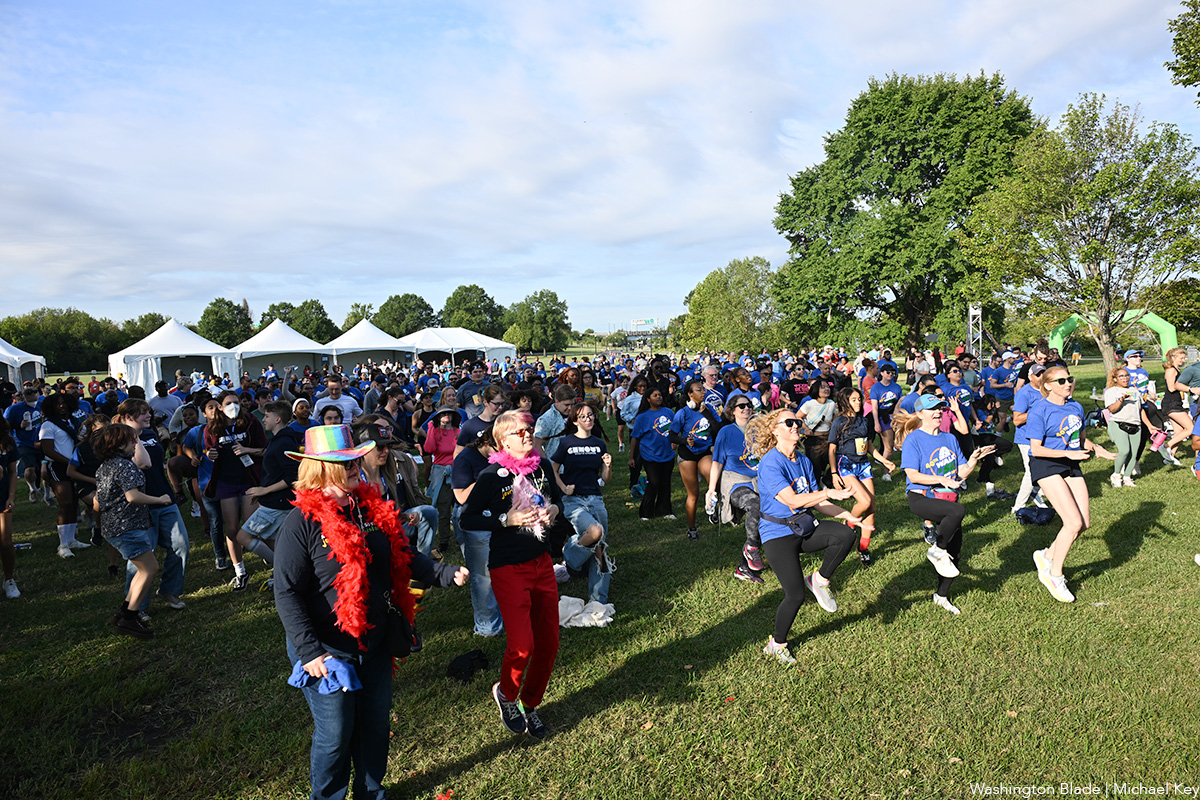
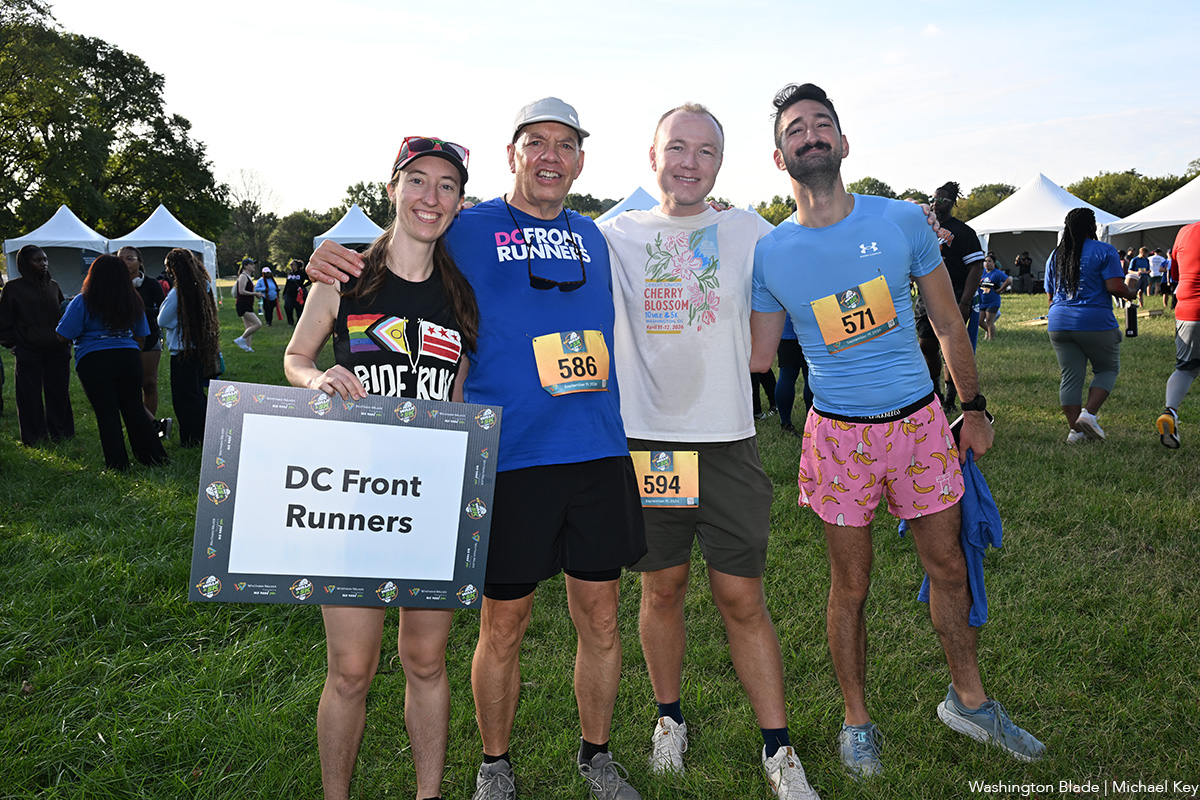
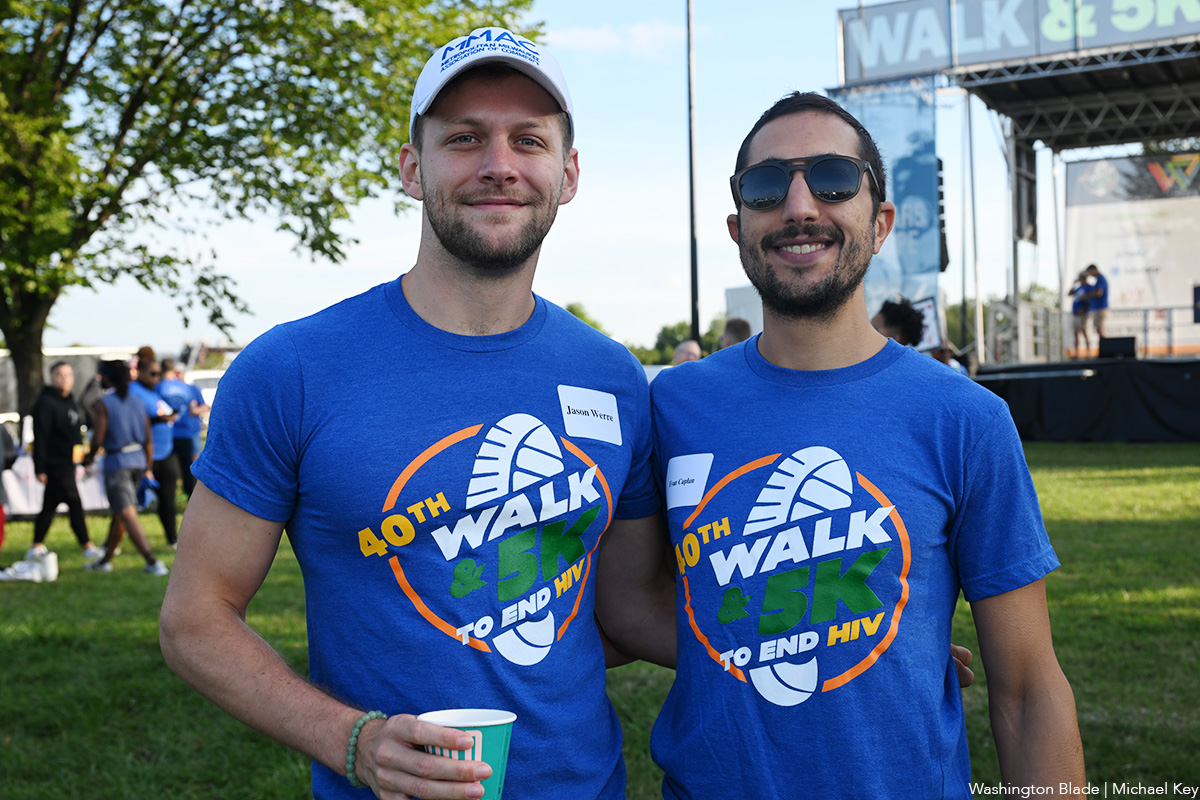
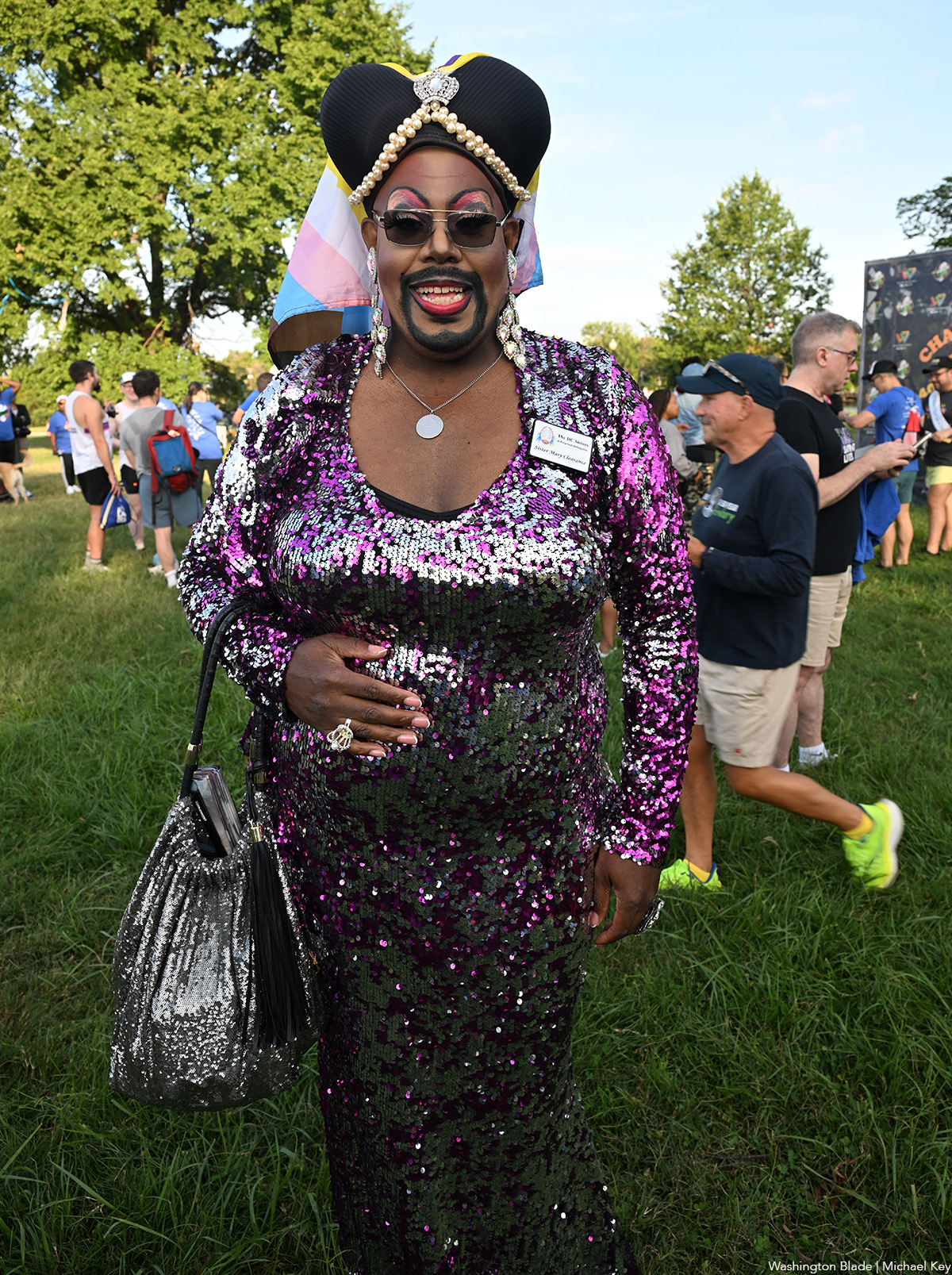
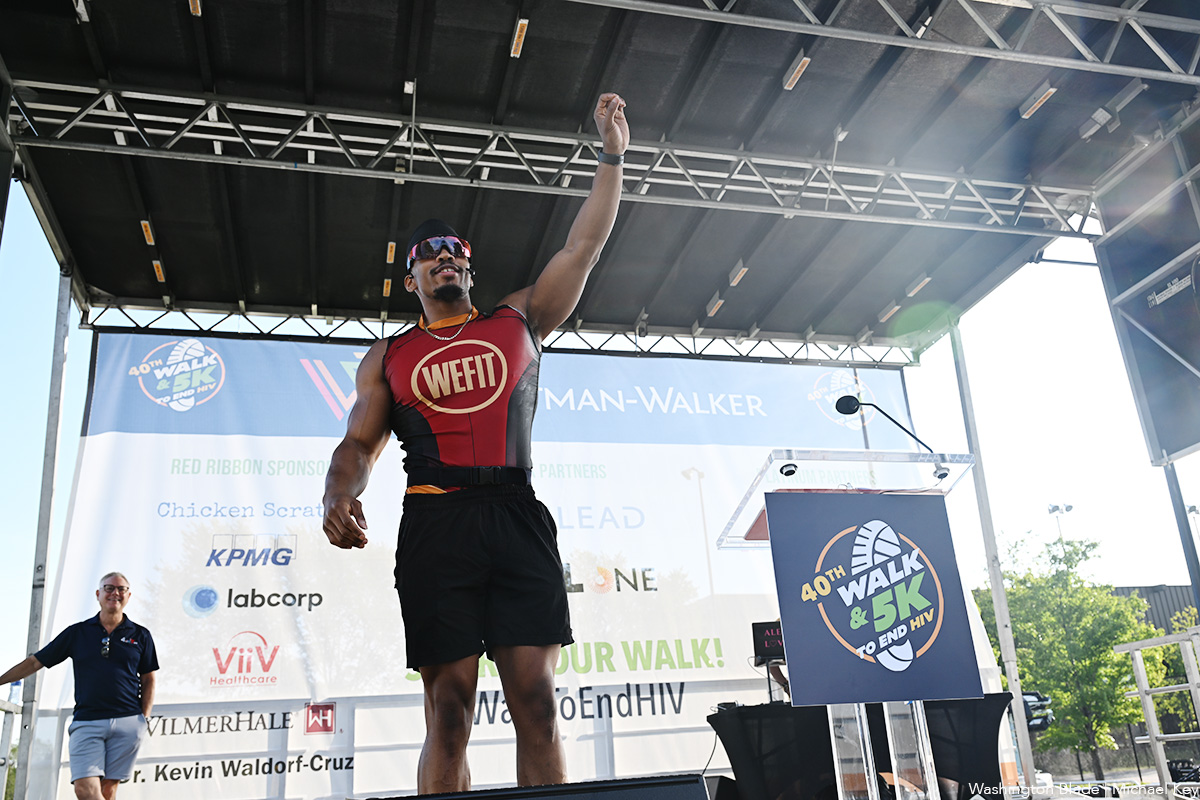
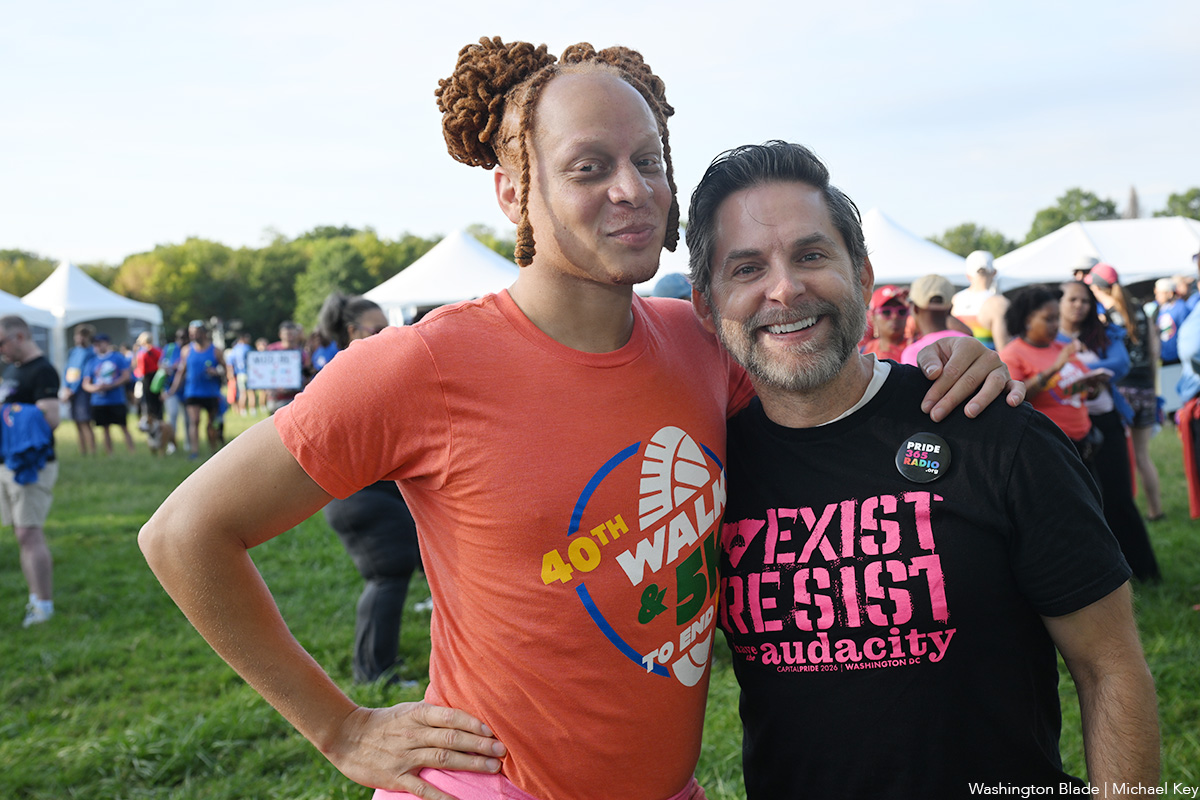
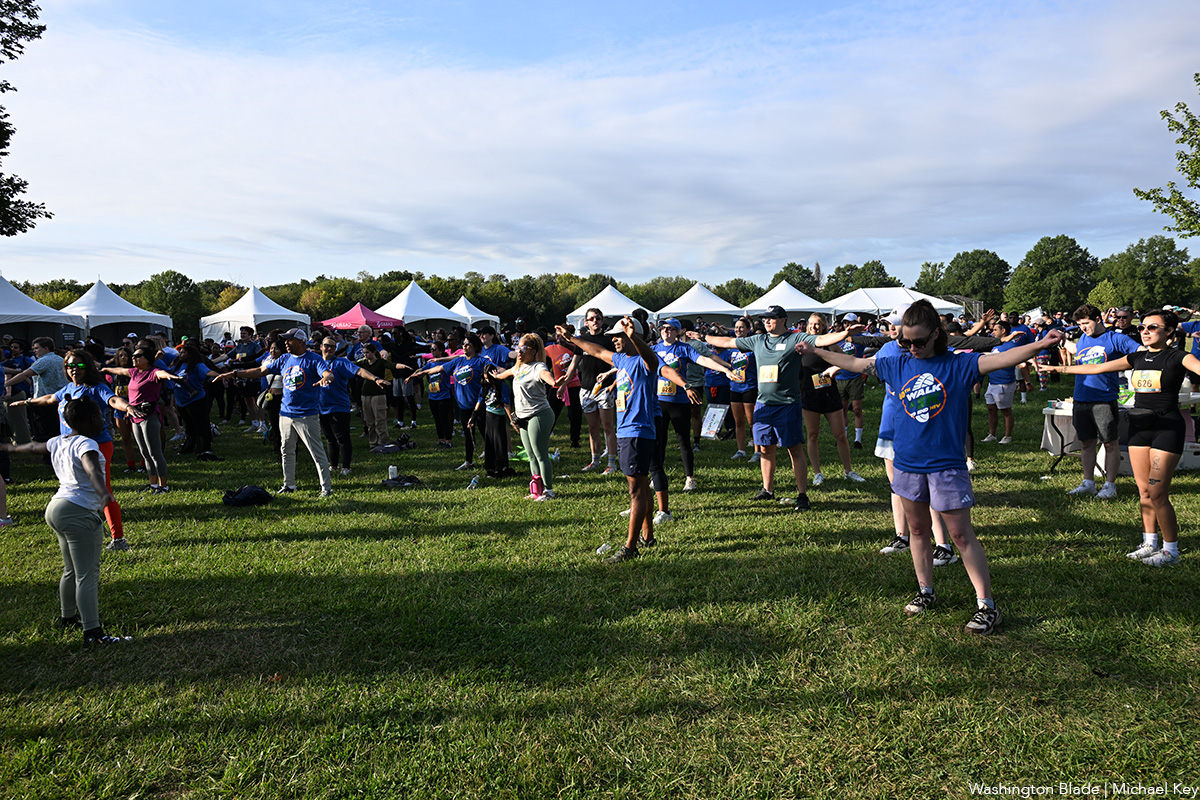
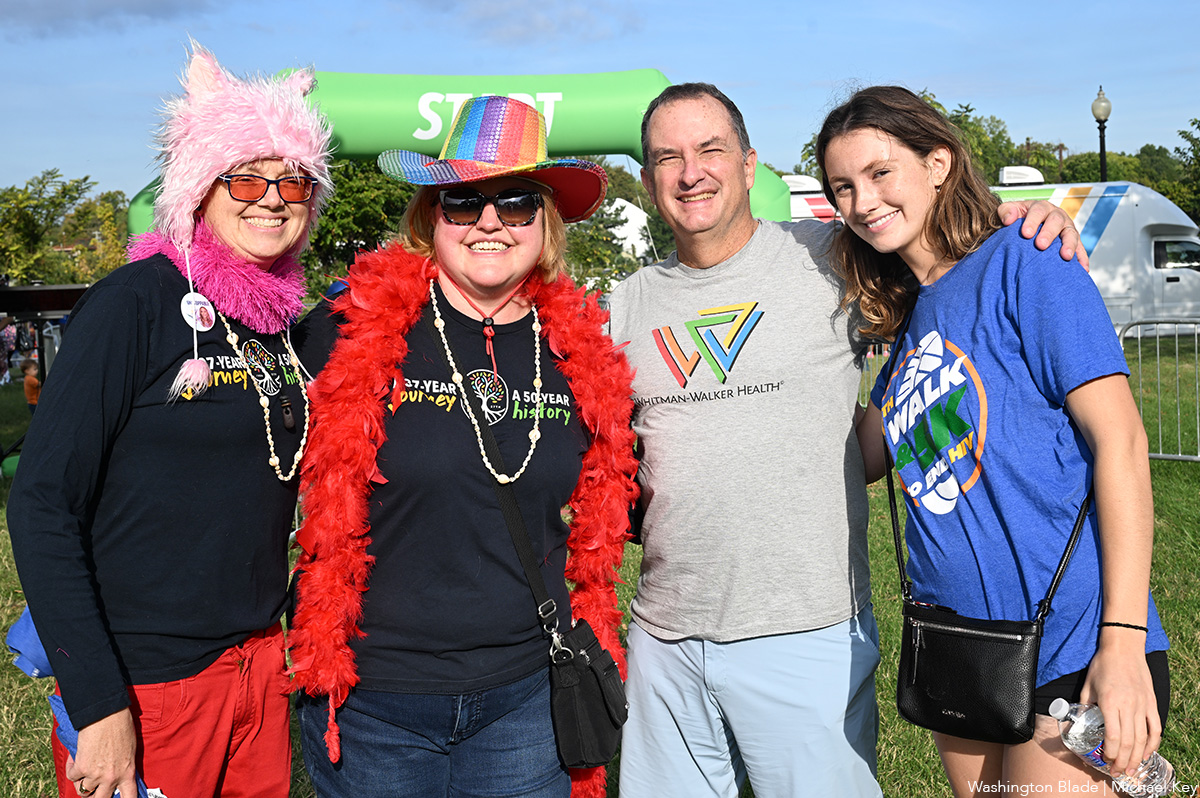
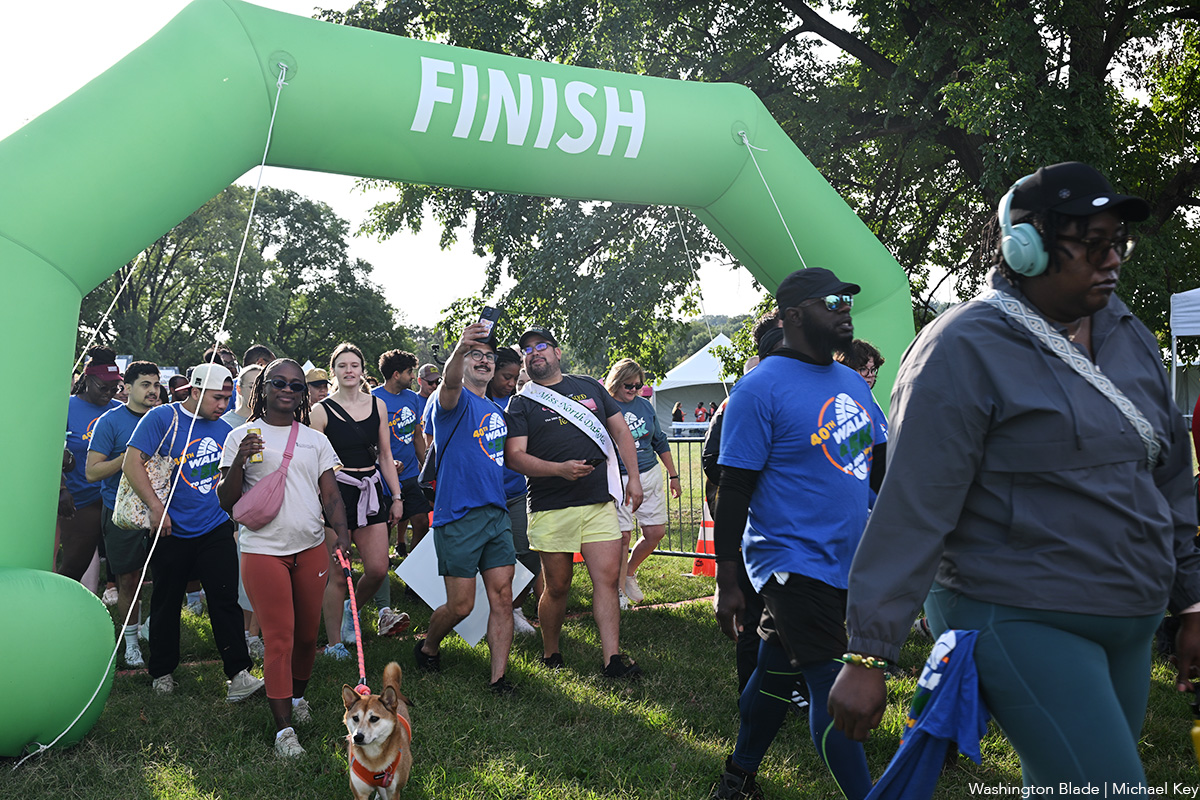
Whitman-Walker Health held the 40th annual Walk and 5K to End HIV at Anacostia Park on Saturday, Sept. 19.
(Washington Blade photos by Michael Key)


Photos
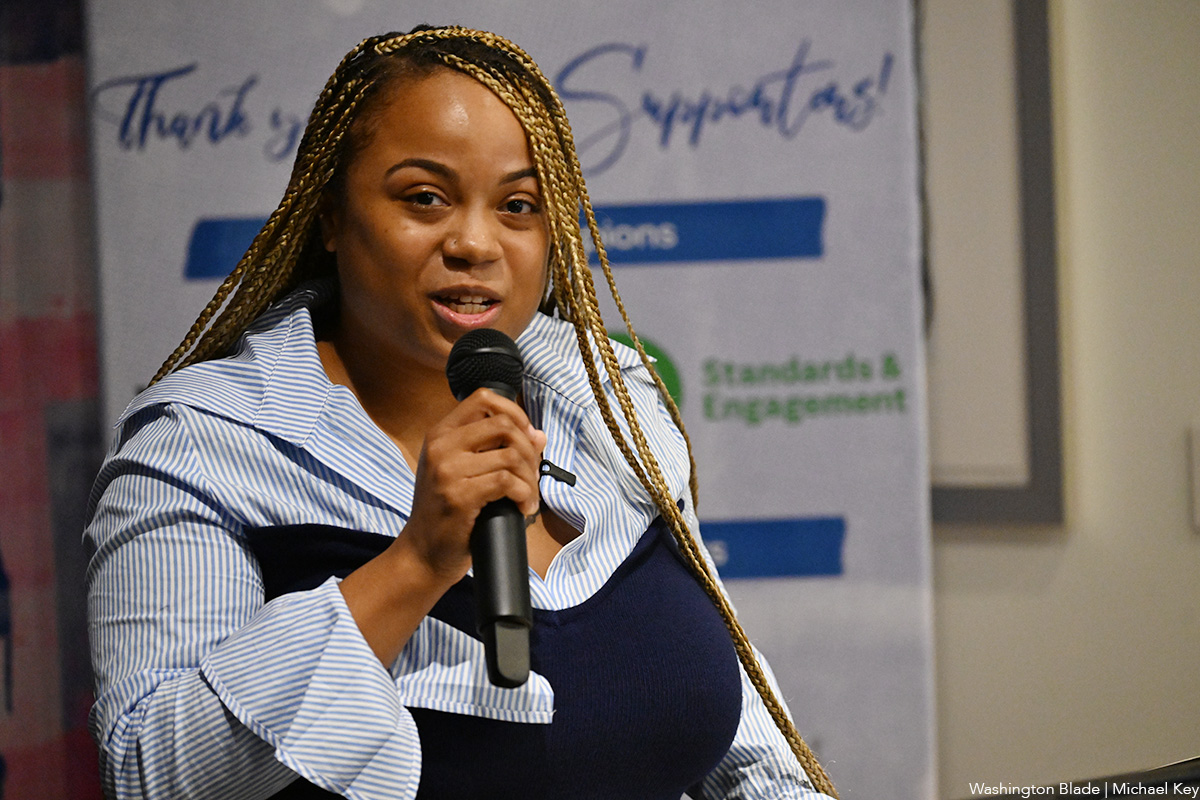
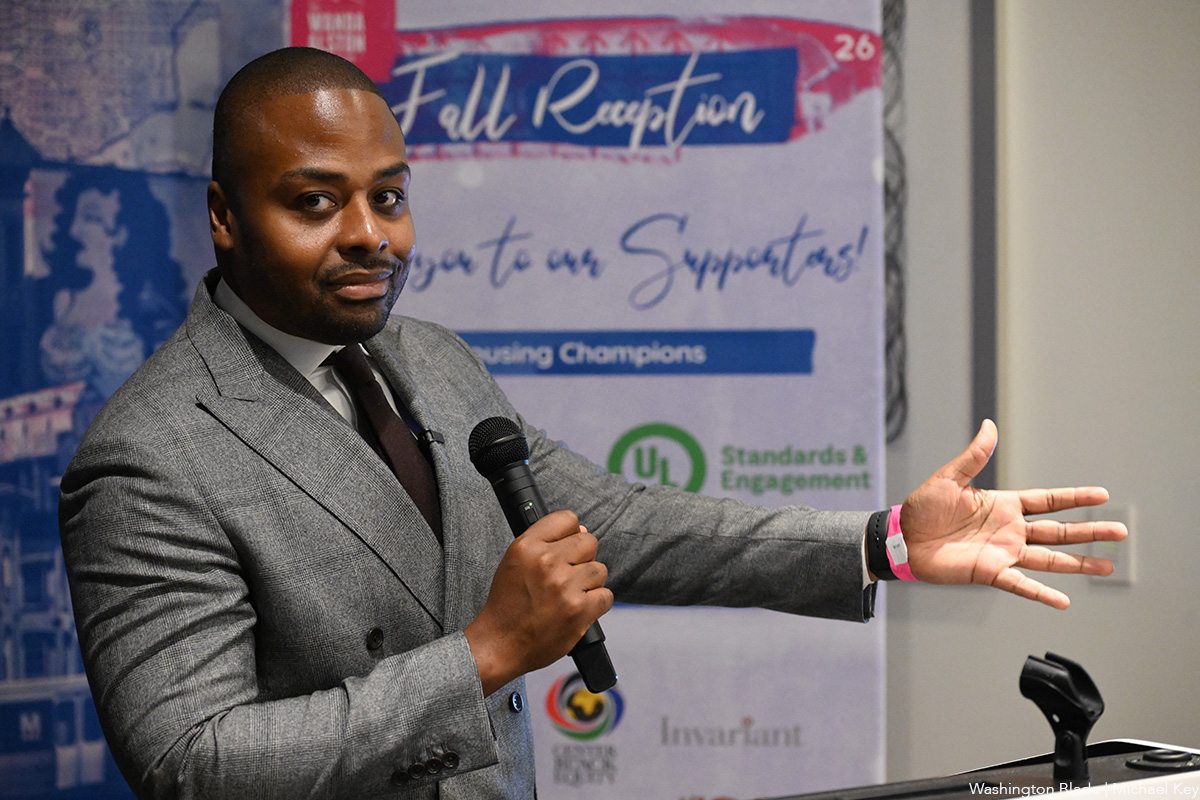
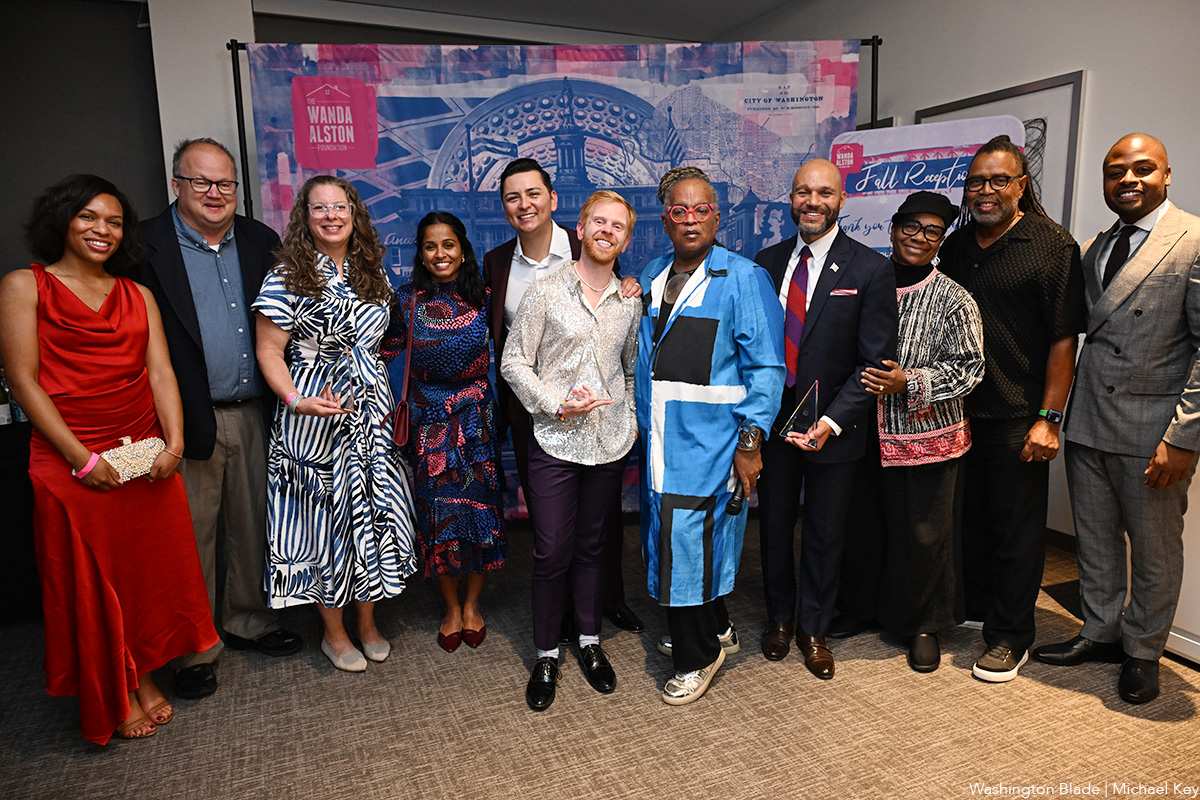
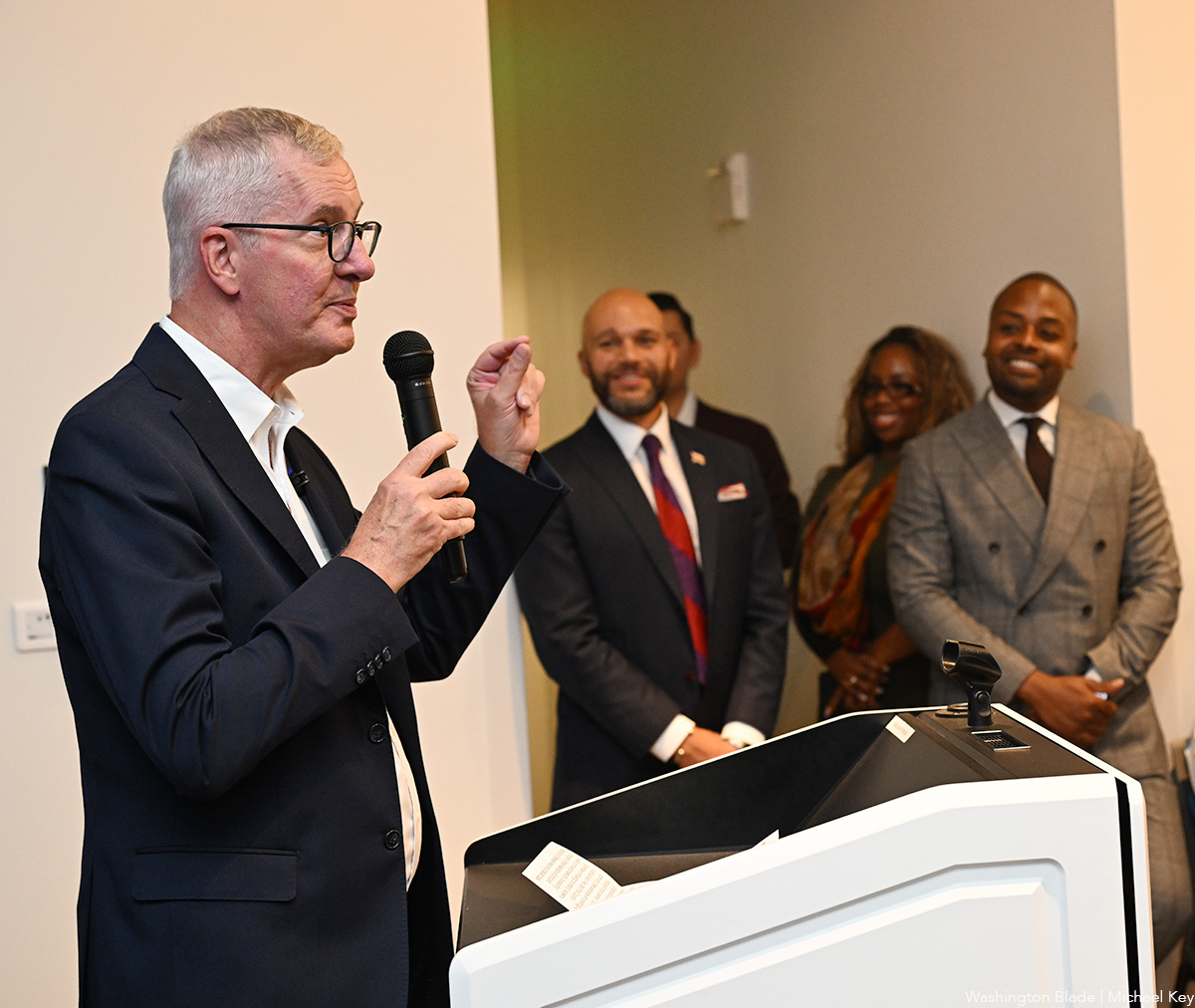
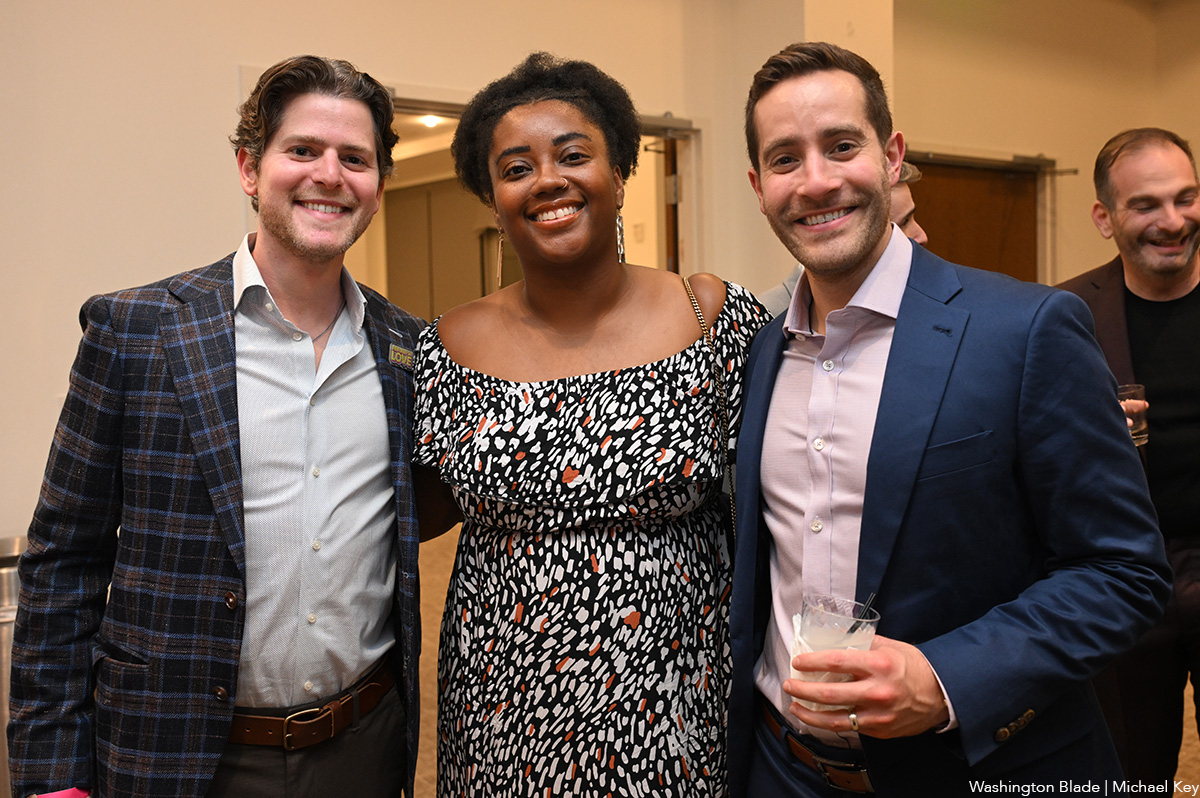
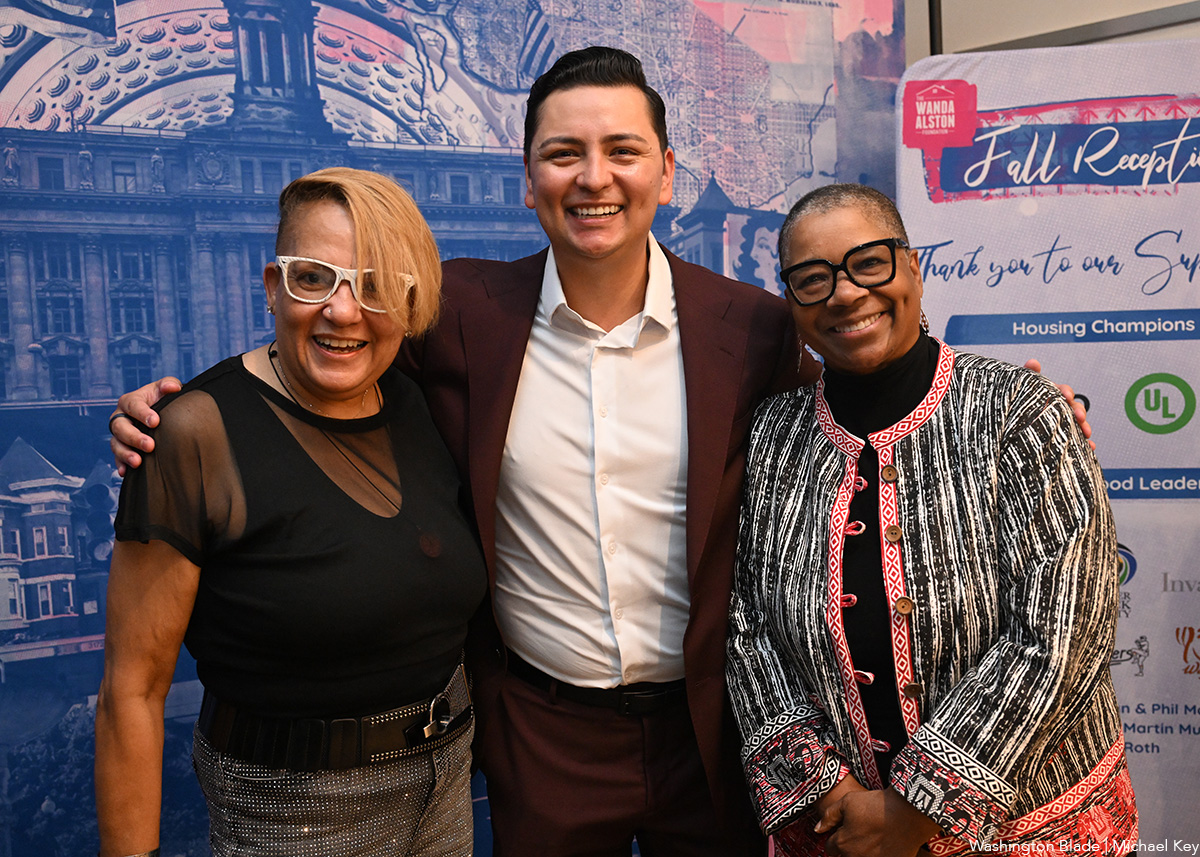
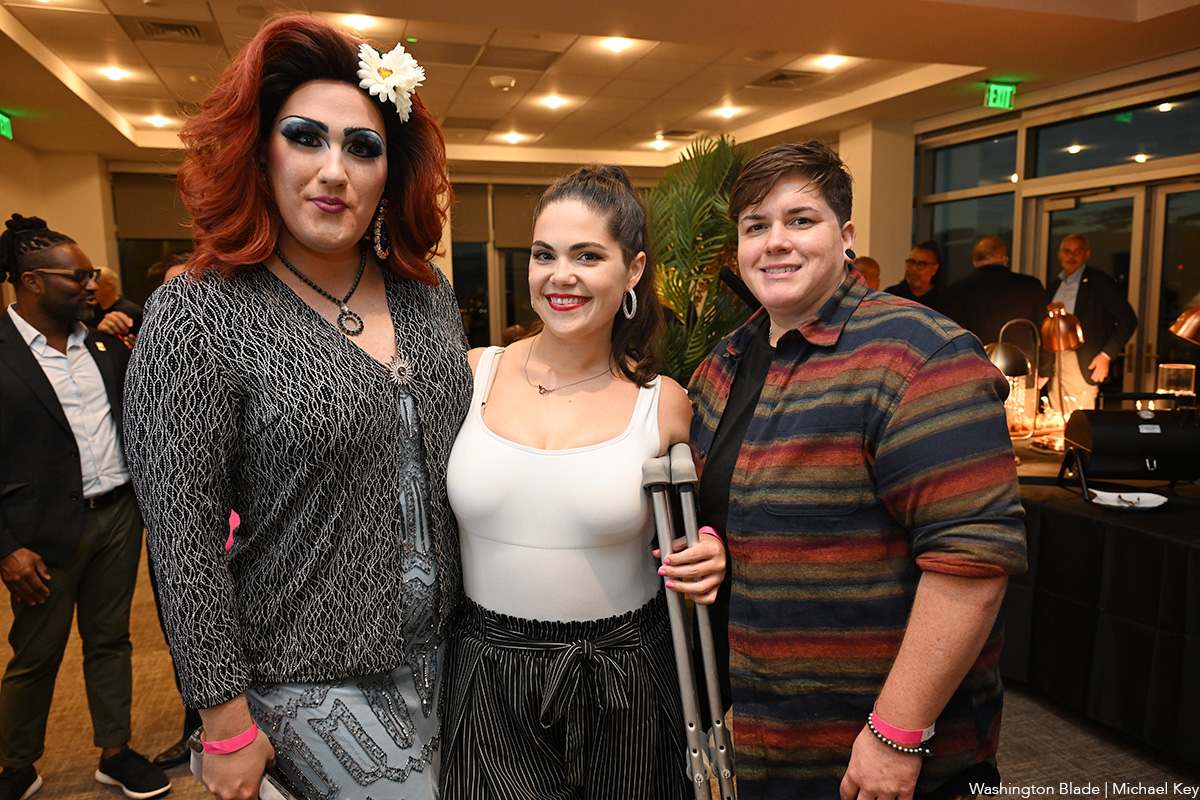
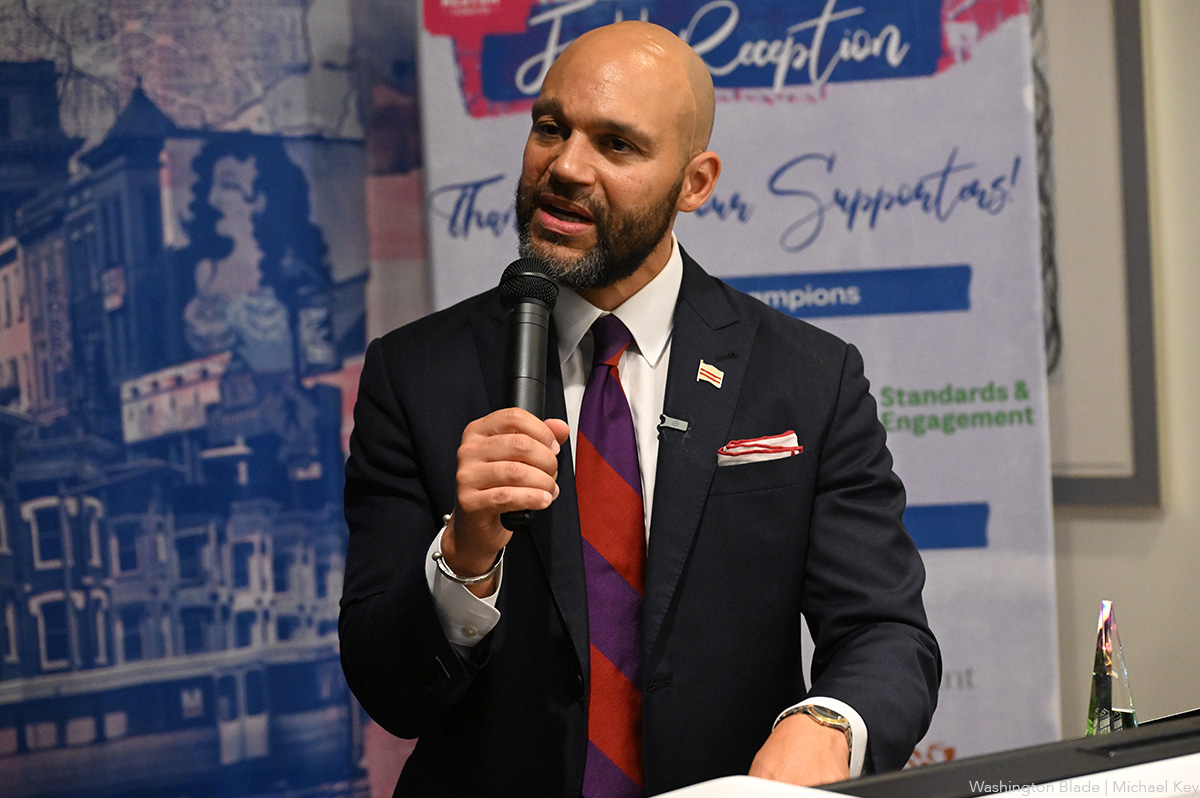
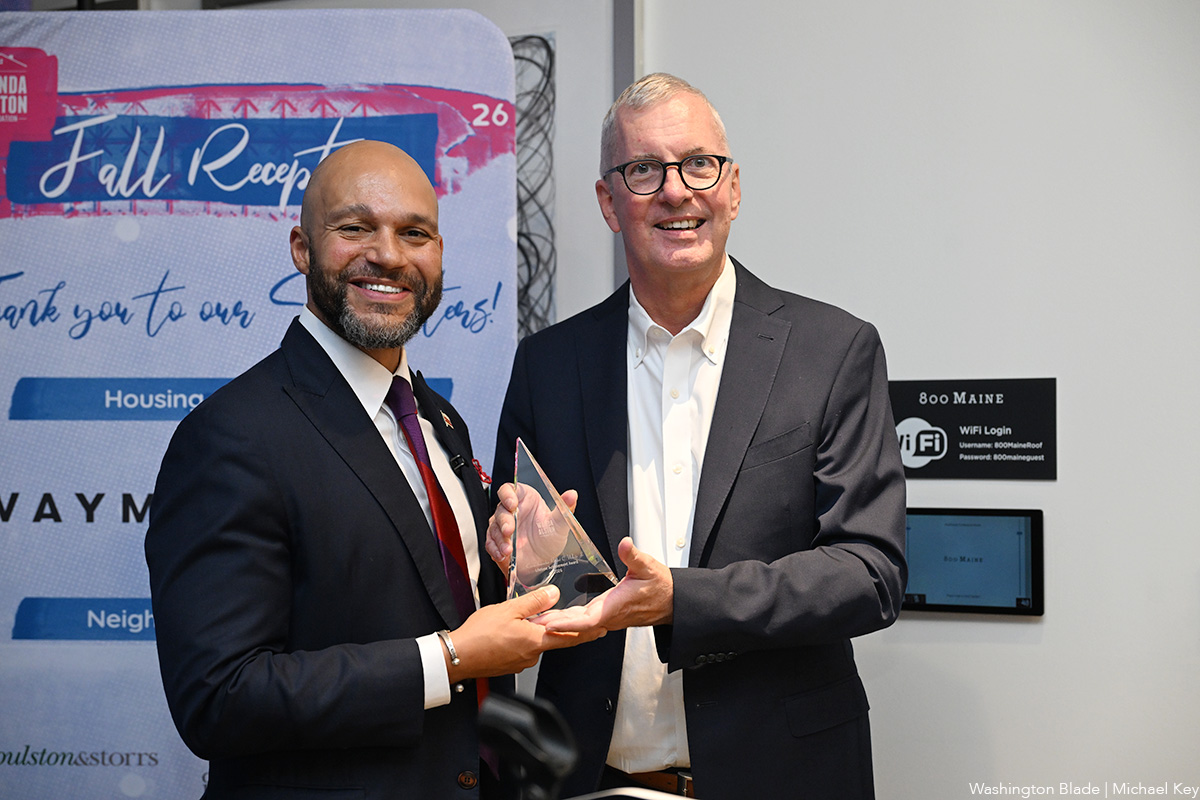
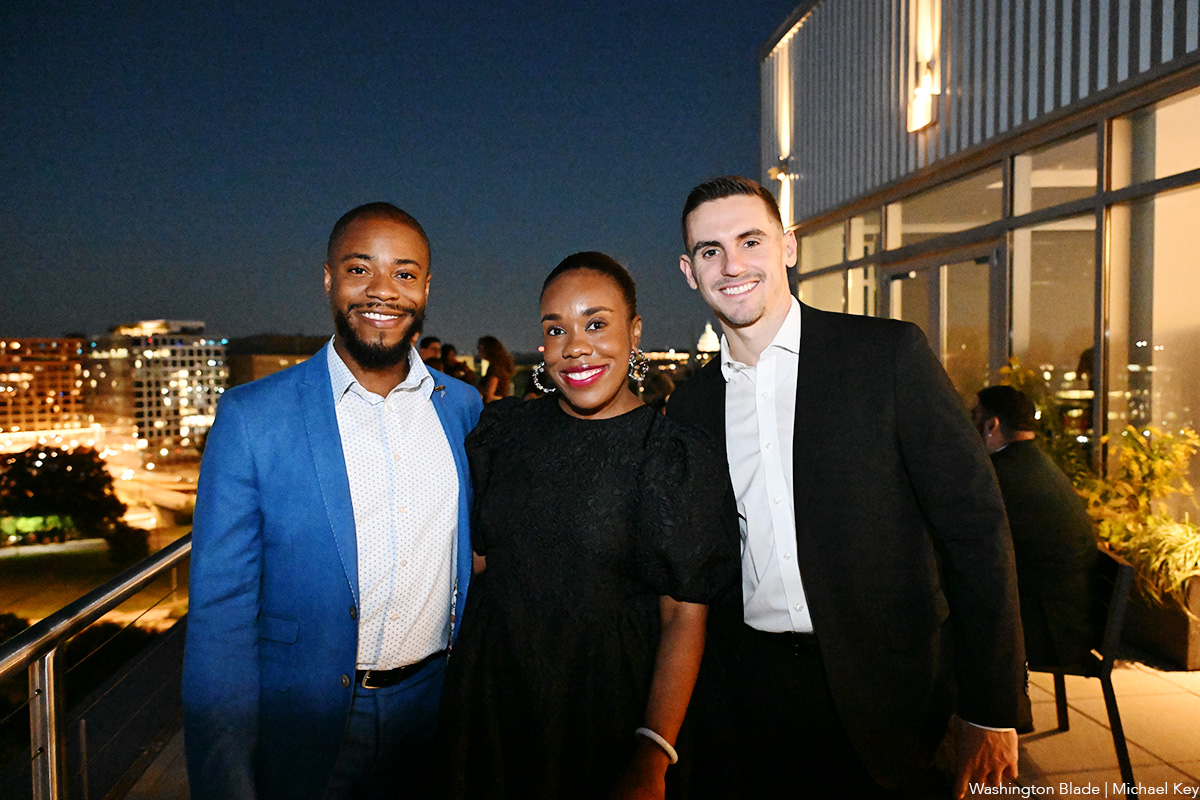
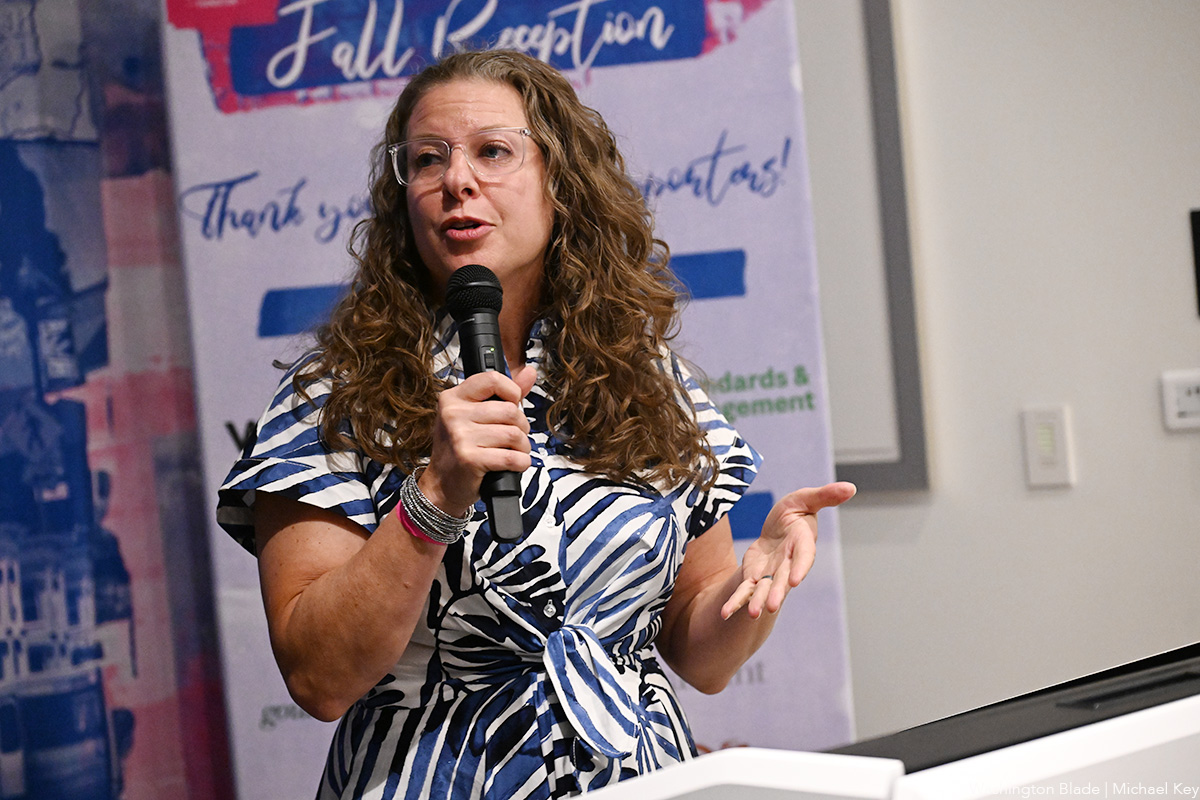
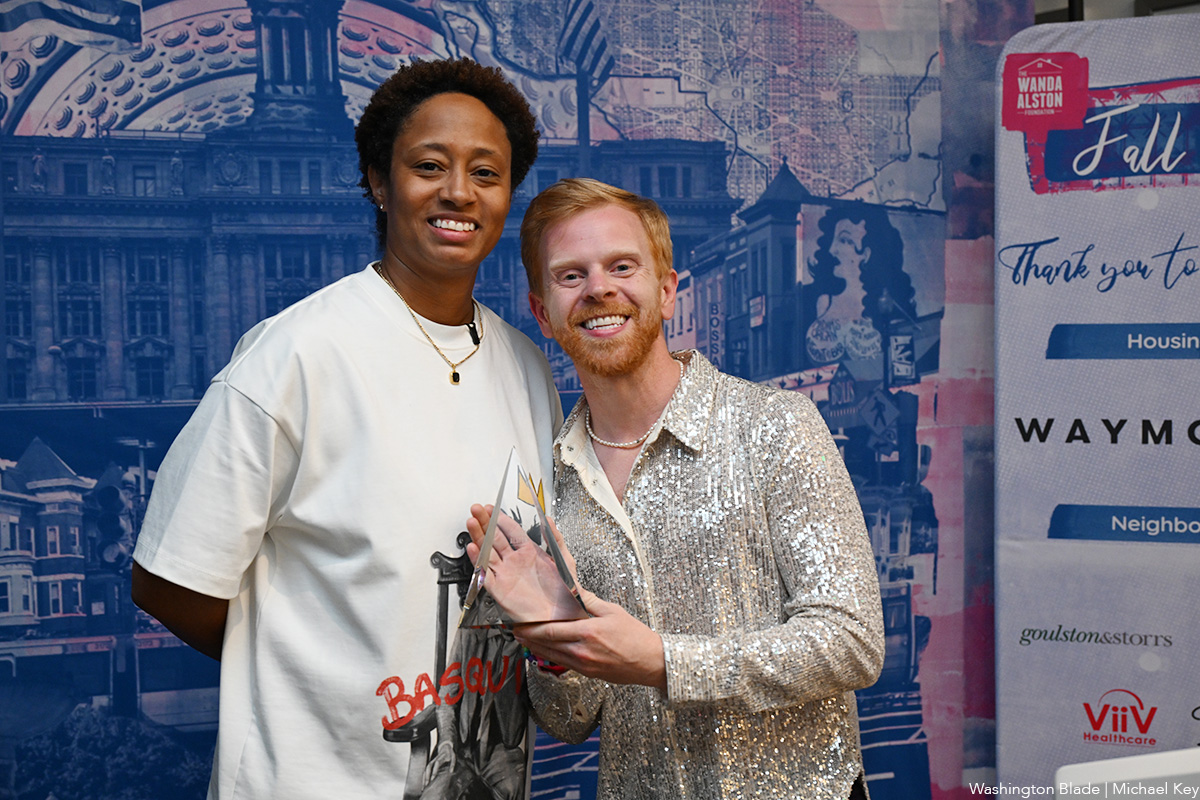
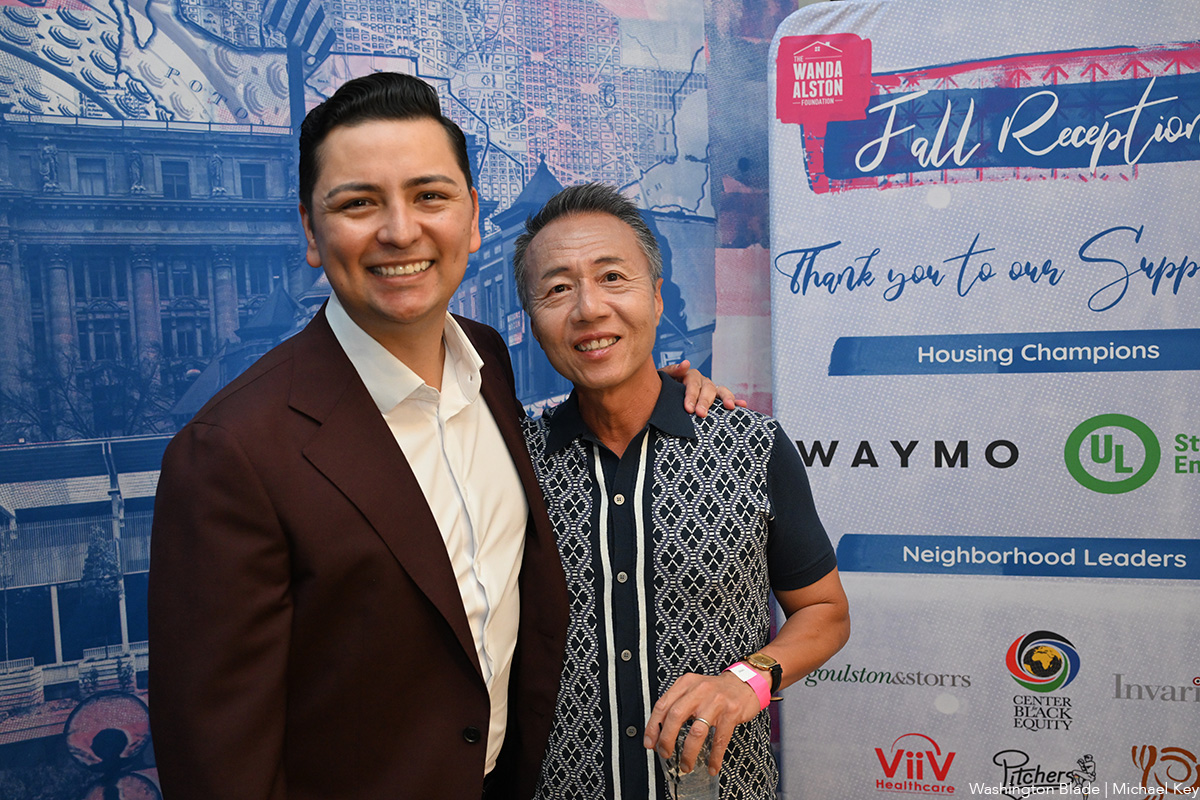
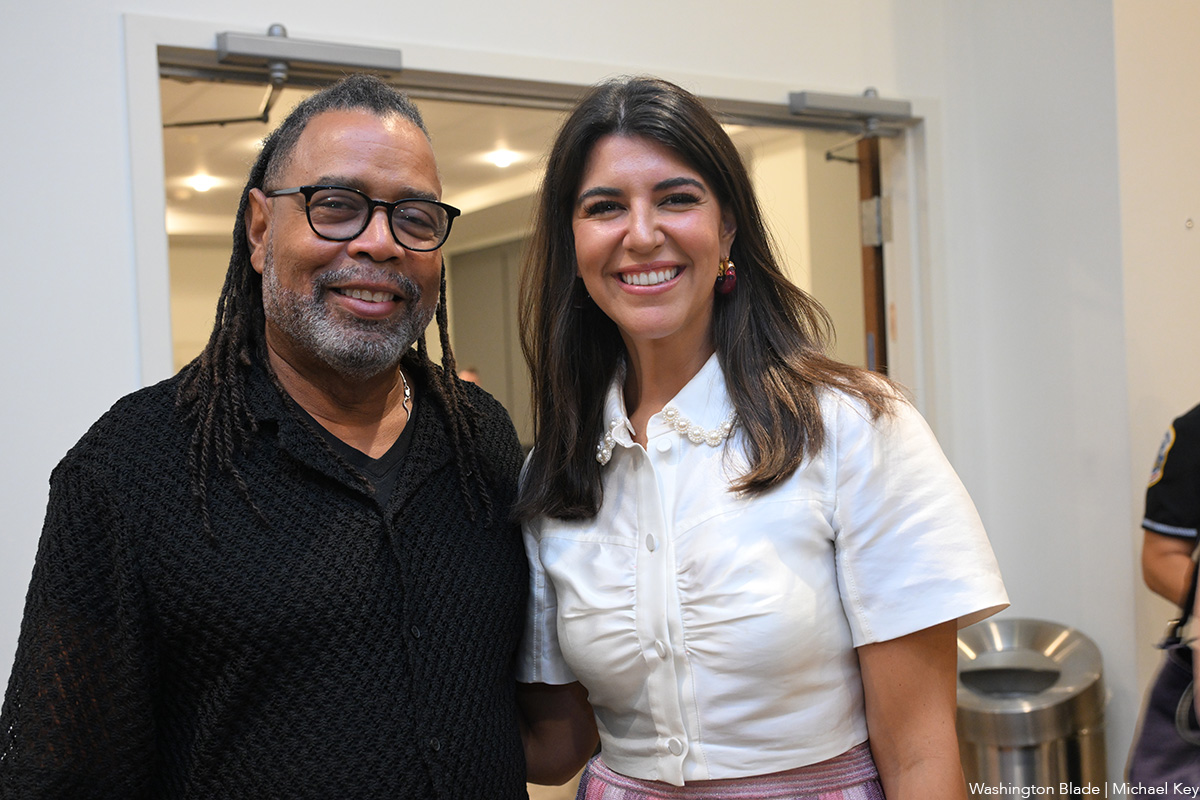
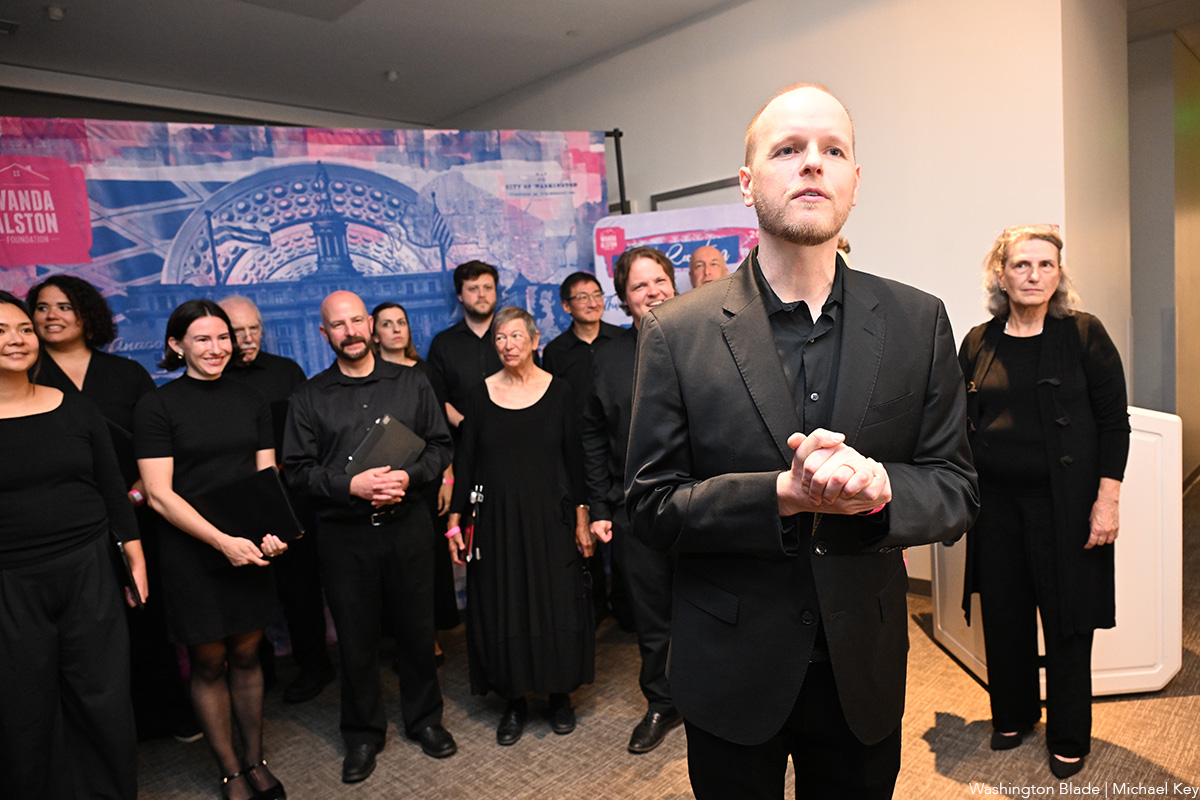
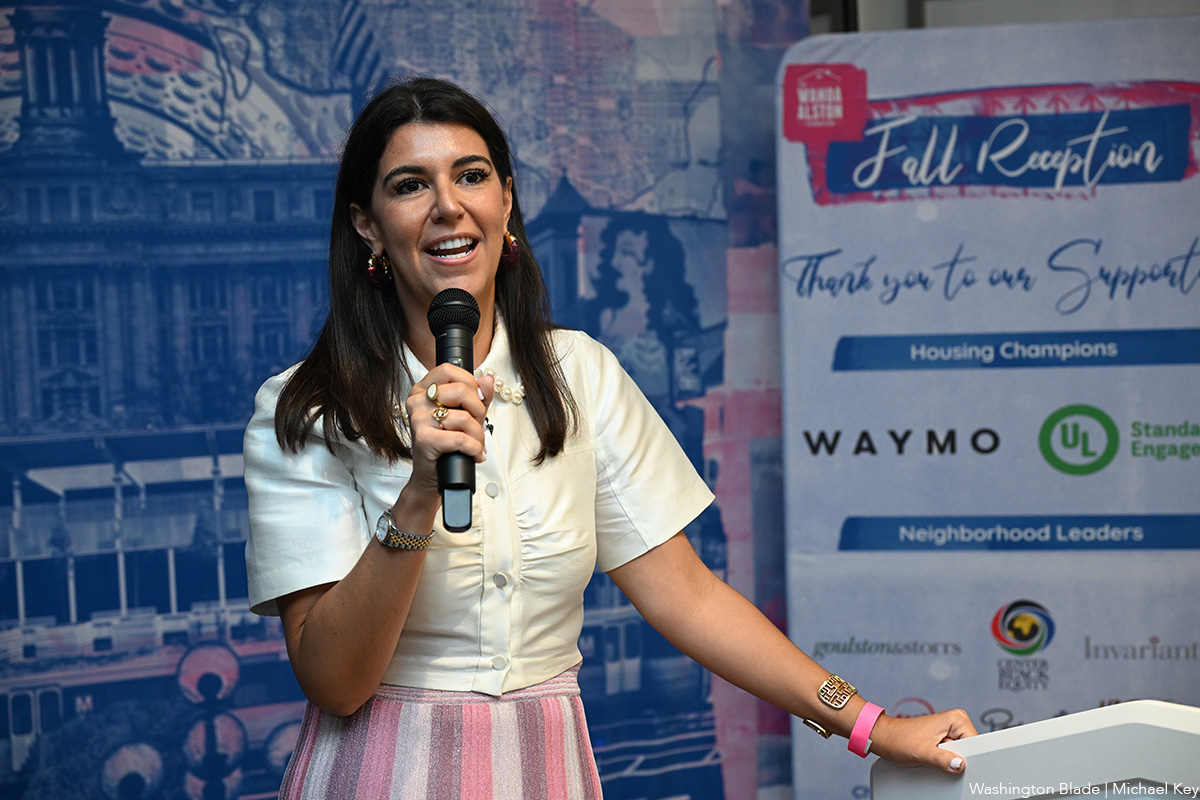
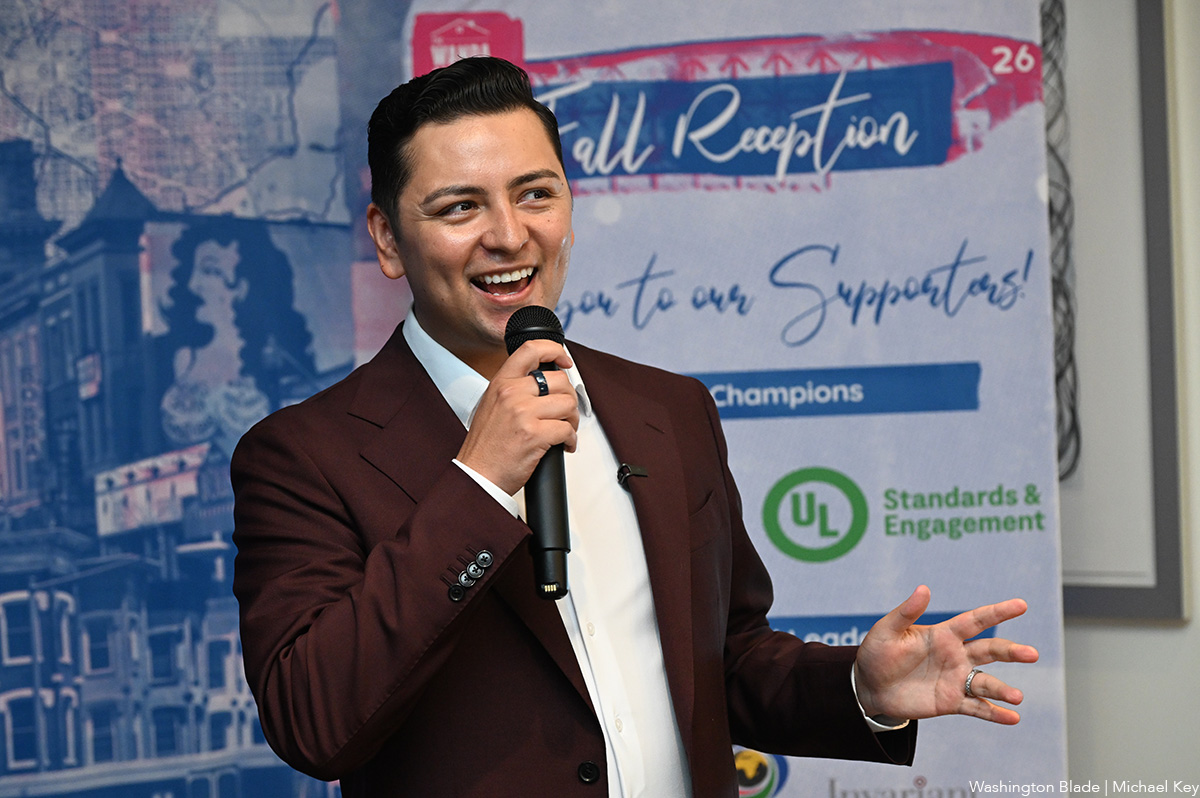
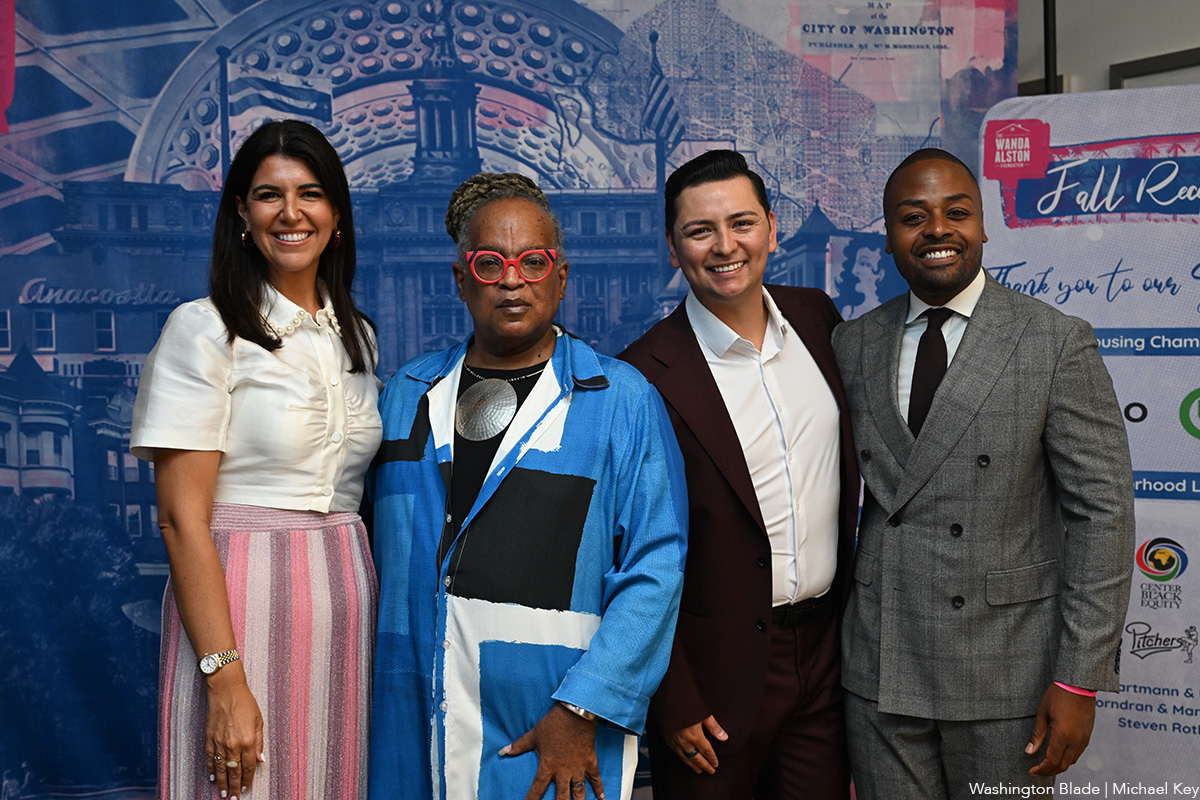
PHOTOS: Wanda Alston Foundation Fall Reception
LGBTQ youth services organization honors Robert White, Japer Bowles, Washington Capitals
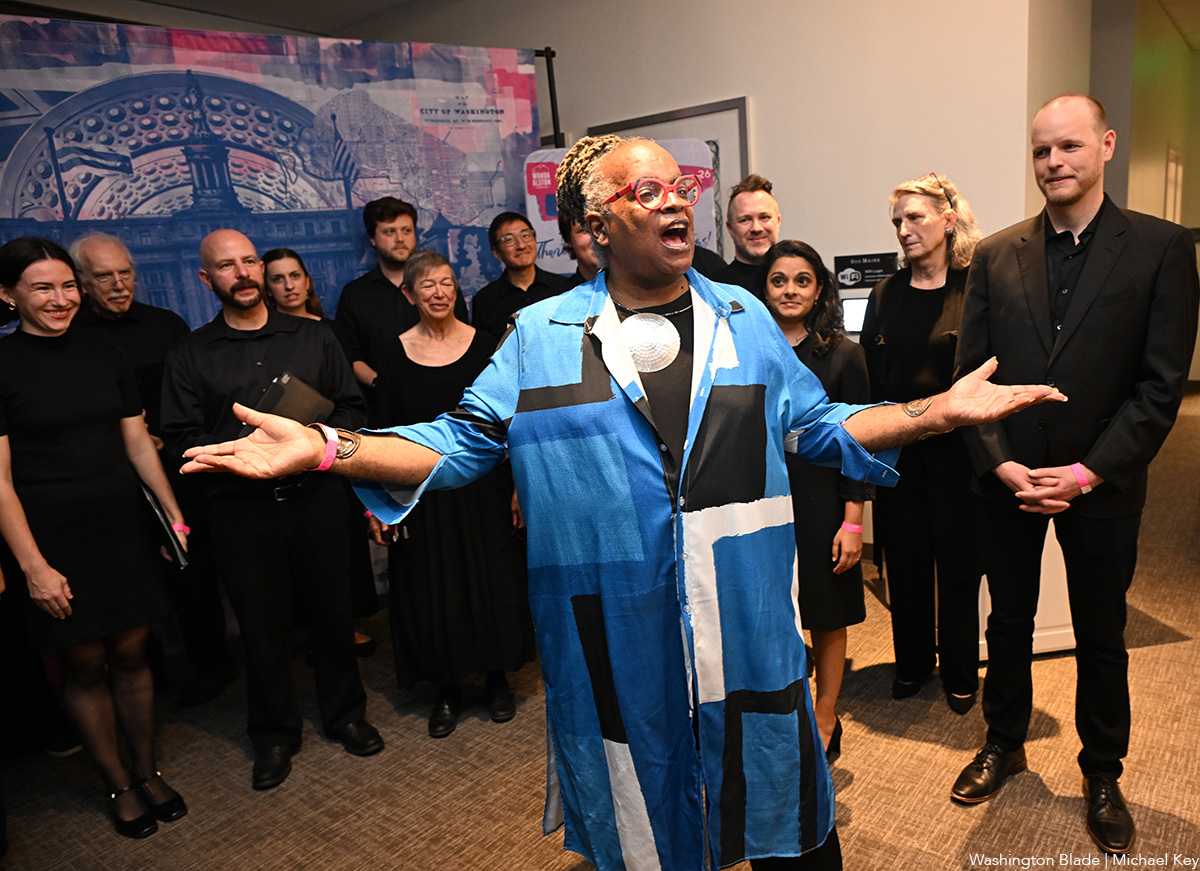
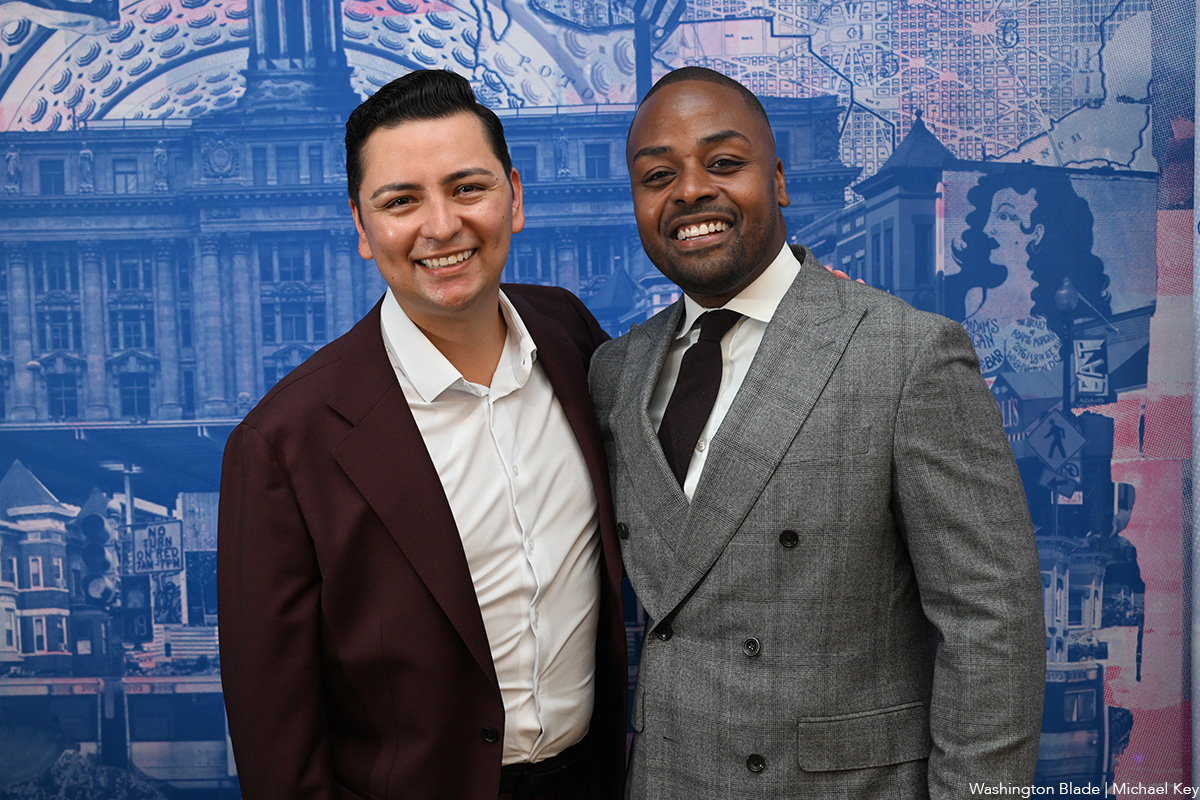
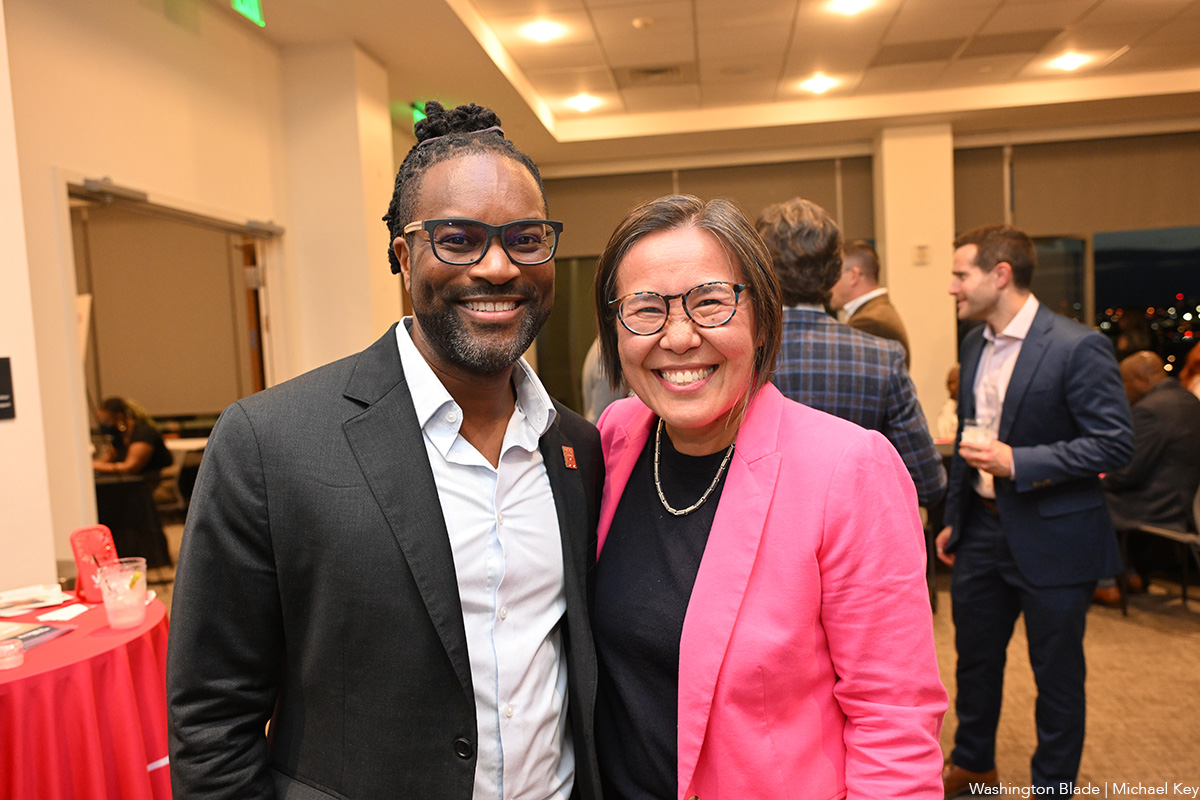
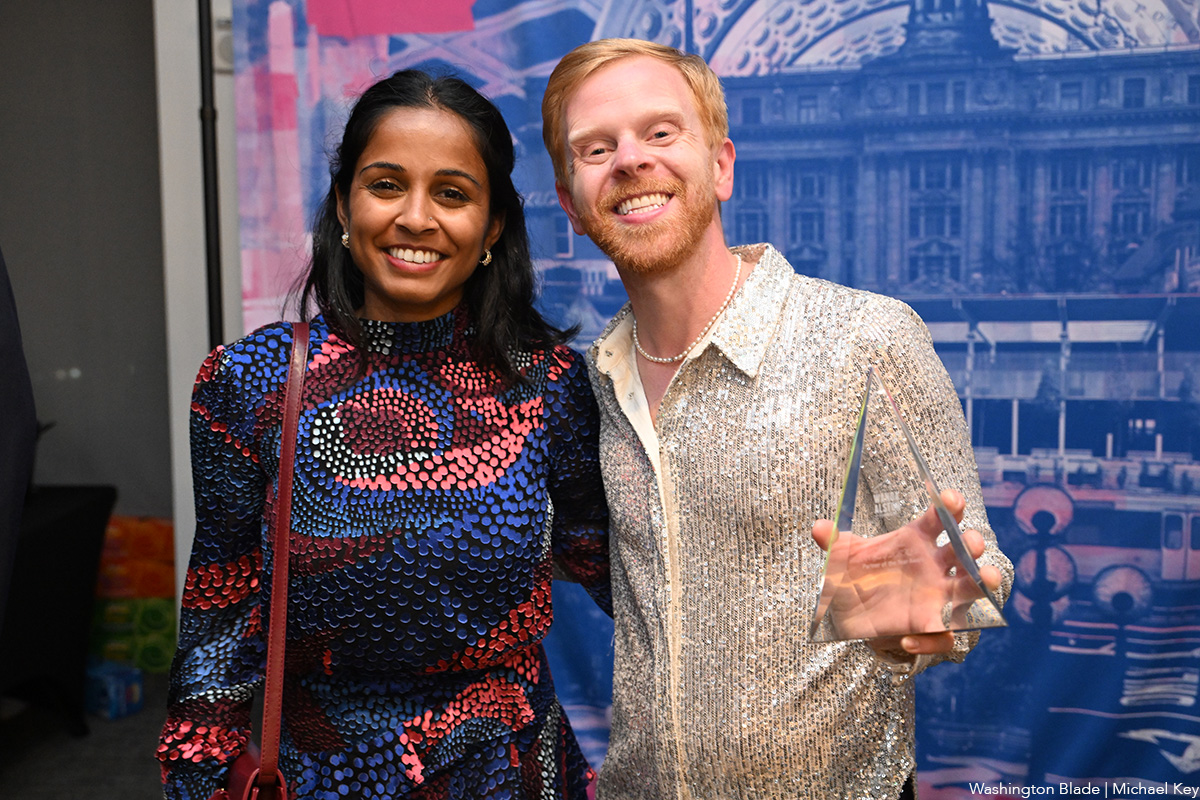
The Wanda Alston Foundation held its Fall Reception at the Penthouse Rooftop at The Wharf on Friday, Sept. 18. Honorees included D.C. Councilmember Robert White, Director of the Mayor’s Office of LGBTQ+ Affairs Japer Bowles, and the Washington Capitals. Rayceen Pendarvis served as the emcee and entertainment was provided by the Thomas Circle Singers.
(Washington Blade photos by Michael Key)
Books
Curl up with a good book this fall
New releases include mysteries, biographies, religion, and more
The fall books season offers lots of options so curl up and get ready to read.
FICTION
For the mystery fan who likes a sprinkle of thriller, look for “The Longest Death” by Kevin Jagernauth (Soho Crime, December). Richard Cobson hates his small town, he’s bored and desperate to get away. Stealing from his employer is the only thing that makes life bearable. That all changes when Marlon Montgomery comes to town and the two fall in love because if one guy can steal so easily, what can two do?
If you like graphic novels, try the “Tripping Over You” trilogy by Suzana Harcum and Owena White. Milo and Liam are finally able to be open about their relationship, no more hiding their love. They’re living together now, but can it last? “Tripping Over You Book 3” (First Second Books) is in stores in early November.
Also try “Diana: The Punk Singer Who Ripped Through Time” by Nate Powell (Abrams ComicArts, October). It’s about a young woman who’s trying desperately to escape her past, until a mysterious murder sidetracks her plans.
So you say you’re a romantic at heart? Then look for “Unspeakable Things: A Novel” by Elizabeth Hand (Little, Brown & Company, October). It’s a story set in the 1920s, when two young women arrive in the English Countryside to a dark and ancient manor. But, of course, nothing in a Gothic novel is easy, right? And you’ll love this tale.
NONFICTION
So this upcoming year is going to be one of exploration, right? Then look for “Free Love: Adventures in Marriage and Polyamory” by Michelle Tea (HarperOne, November). It’s a well-researched, personal, and interesting look at the lives of polyamorous couples and what it’s like to live what used to be called an “alternative” lifestyle.
If “fall” says “biography” to you, then look for “Showbiz! My Life as a Middle-Aged Man” by Murray Hill (Gallery Books, October). For decades, Hill has been making audiences laugh with his signature humor, but getting laughs hides his past all too well. He grew up in an abusive family and learning to hone his talents took some ingenuity. If you’re not a Hill fan yet, you will be, once you read this book.
For the reader who’s searching for a spiritual place, “Reading the Bible Through Queer Eyes: Good News for LGBTQ+ People from Genesis to Revelation” by podcasters Brian G. Murphy and Shannon T.L. Kearns (HarperOne, December) might help. Here, the authors look deeply at Scripture to find the queerness that’s there, proving to readers that the Word is not always what it seems.
Young readers may want to check out “Bitter Pill: Randy Shilts and the Dawn of the HIV/AIDS Epidemic” by Clement Xavier, illustrated by Heloise Cochois, foreword by Michael Lee (Abrams ComicArts, November). It’s a highly researched true story of activist Shilts, but also of Harvey Milk, and the earliest days of the AIDS crisis, when gay men needed a loud voice to advocate for them.
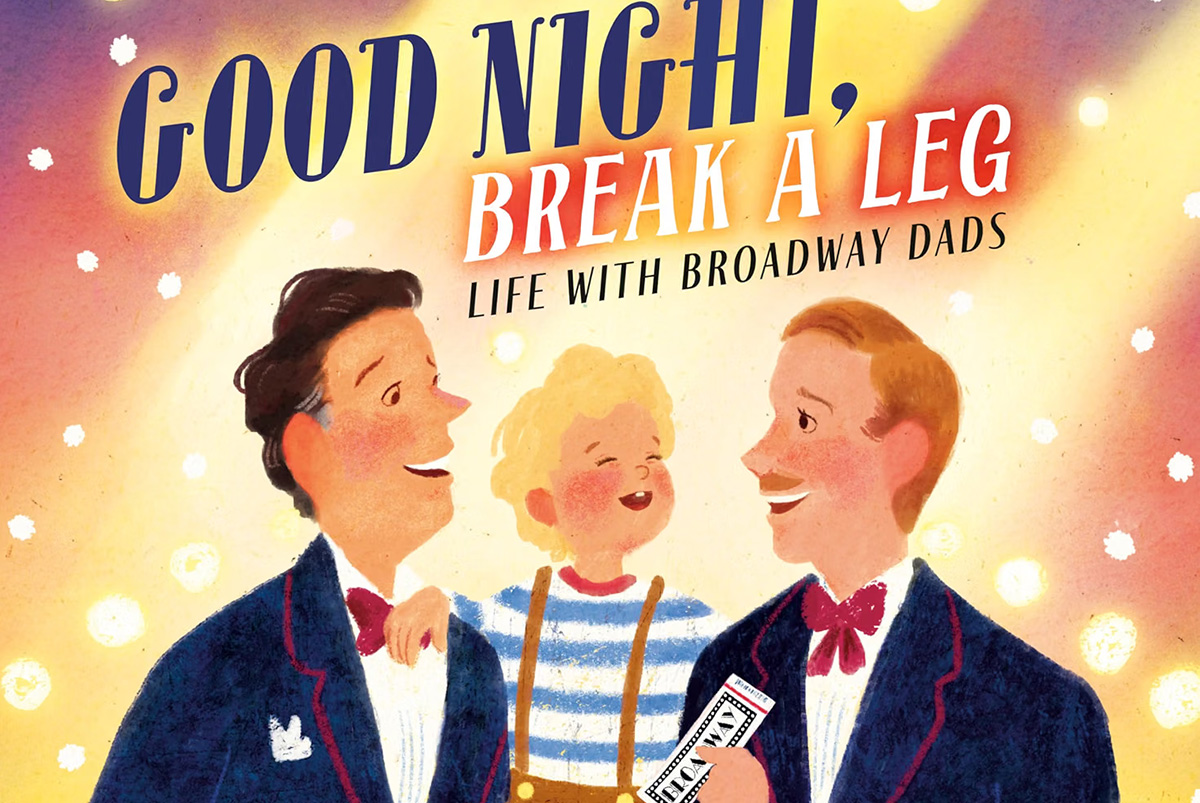
And finally, if you want a fun book for your kids or a child you love, look for “Good Night, Break a Leg: Life with Broadway Dads” by Bret Shuford, illustrated by Elena Hager (Penguin Workshop). What do parents do when they go to work? A little boy learns that his dads have very special jobs by day – and by night! It’s a cute book for kids, but a special tale for lovers of Broadway.
Be aware that publication dates change, titles change, books can be canceled, and your librarian or favorite bookseller can help you find what you need. Season’s readings!

PHOTOS: Walk and 5K to End HIV

PHOTOS: Wanda Alston Foundation Fall Reception

Moving presents a chance to ‘clean house’

EV ecstacy: BMW iX3, Rivian R2

Curl up with a good book this fall

Trump’s Cabinet: Dumb, dumber, dumbest, and evil

More than 150 people detained outside Istanbul courthouse

Virginia Anti-Violence Project struggles to fill federal funding gaps

Gay man sues Delaware AG for not prosecuting partner in domestic violence case

D.C.’s fall theater season is already well underway
-

 Opinions4 days ago
Trump’s Cabinet: Dumb, dumber, dumbest, and evil
-
Turkey5 days ago
More than 150 people detained outside Istanbul courthouse
-
Virginia5 days ago
Virginia Anti-Violence Project struggles to fill federal funding gaps
-
Delaware5 days ago
Gay man sues Delaware AG for not prosecuting partner in domestic violence case