News
Tenth Circuit won’t stay Utah same-sex marriages
Appeals court won’t give state officials another chance to refile
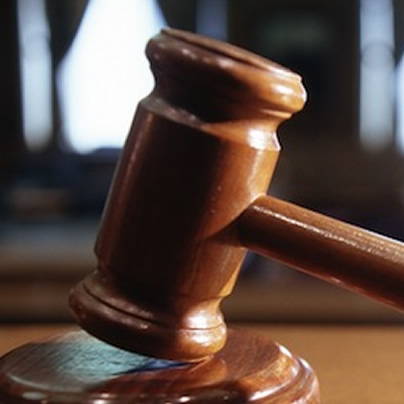

The Tenth Circuit Court of Appeals denied a stay on Utah same-sex marriages (image via wikimedia).
Two judges on the U.S. Tenth Circuit Court of Appeals denied a stay Tuesday on the same-sex marriages underway in Utah in the wake of a district court decision overturning the state’s ban on marriage equality.
In the two-page order, U.S. District Judge Jerome Holmes, an appointee of President George W. Bush, and U.S. District Judge Robert Bacharach, an Obama appointee, also agreed to consider the merits of the case on appeal on an expedited basis.
“Having considered the district court’s decision and the parties’ arguments concerning the stay factors, we conclude that a stay is not warranted,” the decision states. “Accordingly, we deny Defendants-Appellants’ emergency motions for a stay pending appeal and for a temporary stay. In addition, we direct expedited consideration of this appeal.”
In determining whether to grant a stay in a case, the judges write that the likelihood of success on appeal and the threat of irreparable harm are the “most critical” considerations and they “require more than a mere possibility of success and irreparable harm, respectively.”
Unlike the first two denials this week for an emergency stay, the judges don’t give state officials another chance to refile their request, meaning the Tenth Circuit has delivered its final word on the issue. The two judges who denied the stay are the same two judges would denied the stays earlier this week.
But same-sex marriage seeking to marry in Utah aren’t out of the woods yet. State officials — Gov. Gary Herbert and Attorney General Sean Reyes — can file a request for a stay before the U.S. Supreme Court. The request would go to U.S. Associate Justice Sonia Sotomayor, who could refer the issue to the entire court.
According to local TV affiliate Fox 13, Reyes intends to take that route and file a request for a stay before the U.S. Supreme Court.
URGENT: #Utah AG's Office confirms to @fox13now it will ask U.S. Supreme Court Justice Sotomayor for an emergency stay. #Amendment3 #utpol
— Ben Winslow (@BenWinslow) December 25, 2013



National
New data shows record-high LGBTQ population amid Trump attacks
12% of adults — 25.6 million people — identify as part of the community
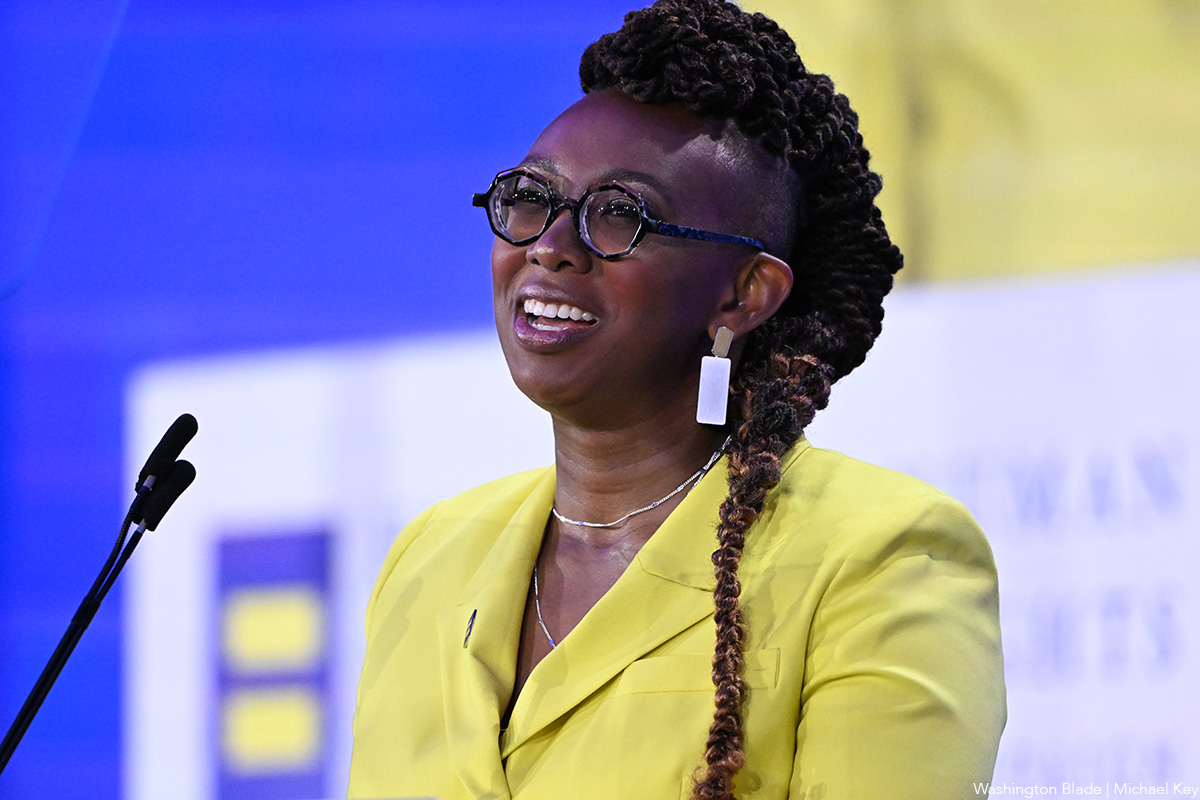
The Human Rights Campaign Foundation (HRC Foundation), the public education, research, and policy arm of the Human Rights Campaign, the largest LGBTQ+ advocacy group in the United States, has released new data showing that there are more LGBTQ+ identifying people than ever before, just as the Trump administration continues efforts to minimize LGBTQ+ rights and visibility.
The data, released late last week, includes a multitude of updated population estimates for LGBTQ+ identifying people in the United States. It shows that a record-high 12% of U.S. adults — roughly 25.6 million people — identify as lesbian, gay, bisexual, transgender, or gender diverse.
The numbers were drawn from more than 2.4 million responses to the U.S. Census Bureau’s Household Pulse Survey collected between 2021 and 2024. The Household Pulse Survey is one of the last major federal data sources to include a gender identity measure before the Trump administration removed sexual orientation and gender identity questions from roughly 360 federal data collections.
HRC President Kelley Robinson spoke about the data, emphasizing that it shows not only that the LGBTQ+ community is bigger than the Trump administration would have Americans believe, but that LGBTQ+ Americans continue to be targeted for no reason other than being different.
“LGBTQ+ Americans are everywhere. There are 25 million of us across the country, and we now have critical mass in almost every state in the nation,” Robinson said in a statement. “We’re not a niche constituency, and no campaign, brand, or employer can afford to treat us like one.”
The survey also collected other important information about LGBTQ+ Americans.
40: The number of states with an LGBTQ+ population greater than 10%, plus the District of Columbia. This includes electoral battleground states such as Arizona (13.34%), Georgia (11.46%), Michigan (10.95%), New Hampshire (11.88%), North Carolina (10.56%), Ohio (11.29%), Pennsylvania (11.14%), and Texas (12.54%).
25.6 million: Number of U.S. adults who identify as LGBTQ+.
12% : Percentage of the adult population who identify as LGBTQ+.
More than half of all LGBTQ+ adults (53.8%) are between 18 and 34 — a signal of sustained, long-term growth in political and economic power as this generation ages into peak spending and voting years.
Other recent studies show that nearly 30% of the adult Gen Z population identifies as LGBTQ+.
The data also shows growing diversity across the community. Hispanic adults make up a larger share of the LGBTQ+ population (18%) than of non-LGBTQ+ adults (13%). Black adults make up a smaller share, about 9%, compared to 12%, reinforcing that LGBTQ+ identity cuts across every racial and ethnic community.
Bisexual+ people are the largest group, at over 7% of all U.S. adults.
Tari Hanneman, HRC Foundation’s senior director of research and education, spoke about how the White House’s recent decision to remove LGBTQ-specific data questions from federal surveys undermines the purpose of federal data collection: to collect data that accurately reflects the U.S. population, regardless of political ideology.
“Reliable data are essential for understanding who lives in this country and what our communities need to thrive,” Hanneman said. “Removing sexual orientation and gender identity questions from surveys like the one used for this analysis introduces significant gaps in this understanding. These findings show that LGBTQ+ people are a substantial and growing segment of the population, underscoring the need for our continued inclusion in data collection efforts.”
The data also included key demographics about the age of LGBTQ+ people, showing that younger Americans are increasingly more likely to identify as LGBTQ+, while overall, all age groups saw an increase in people self-identifying as LGBTQ+ in the data.
More than half of LGBTQ+ adults (approximately 54%) are younger than 35, compared with about 22% of non-LGBTQ+ adults. Adults ages 25–34 constitute roughly one-third of the LGBTQ+ adult population.
The data also shows a similar generational pattern within age groups. Nearly 32% of adults ages 18–24 and 22% of adults ages 25–34 identify as LGBTQ+, compared with approximately 12% of adults ages 35–44 and less than 8% of each older age group.
The data also included statistics on the education levels of LGBTQ+ Americans, indicating that they are more likely to have some college education or an associate degree than their non-LGBTQ+ peers.
LGBTQ+ adults are more likely (34.57%) to have an associate degree or some college experience and less likely to have only a high school education or less, or a graduate degree.
According to a report from the Williams Institute, a research organization dedicated to collecting and explaining data on LGBTQ+ people and related policy, during the first year of the second Trump administration, approximately 360 federal data collections removed at least one sexual orientation or gender identity measure, including 338 that removed gender identity measures and at least 60 that removed sexual orientation measures.
The Williams Institute, along with HRC, asserts that these changes diminish the federal government’s capacity to measure LGBTQ+ populations and understand their experiences and needs — something that should be detrimental to federal data collection and assessment, regardless of what political ideology one subscribes to.
In 2024, the Census Bureau conducted a large-scale test of questions on sexual orientation and gender identity for possible inclusion in the American Community Survey, the nation’s primary source of detailed demographic data. The test involved nearly half a million households, but the Bureau has not released the promised reports and datasets showing how those questions performed. In September 2025 Democracy Forward filed a Freedom of Information Act lawsuit seeking their release, alleging that the Census Bureau had unlawfully withheld the records.
The HRC Foundation also provided information about the methodology used to produce its estimates. The data uses weighted surveys conducted through its Community Insights research program. Community Insights is an opt-in research panel rather than a probability sample of the U.S. population; demographic benchmarks are used to adjust survey data so that respondents more closely reflect the broader LGBTQ+ adult population.
The HRC Foundation selected the Household Pulse Survey due to its large sample size, national probability-based design, detailed demographic data, separate measures for sexual orientation and gender identity, and availability of public-use survey weights.
The analysis includes 37 rounds of the U.S. Census Bureau’s Household Pulse Survey conducted between 2021 and 2024, yielding 2,452,769 responses before exclusions for missing or imputed data.
HRC’s estimate of 12.03% is based on the Census Bureau’s self-administered Household Pulse Survey, while Gallup’s most recent estimate of 9% is based on telephone interviews and a different approach to measuring LGBTQ+ identity.
HRC has suggested that self-administered surveys may offer greater privacy when people answer sensitive questions, which may contribute to differences in disclosure.
The analysis classifies respondents as lesbian or gay, bisexual+, transgender, or gender-expansive. The bisexual+ category includes respondents who selected bisexual as well as those who selected another sexual identity not represented by the available categories. The transgender or gender-expansive classification is determined using respondents’ reported sex assigned at birth and current gender identity.
The move to remove LGBTQ+ people from federal data collection is just one of many things the Trump-Vance administration has taken to minimize — if not hide — LGBTQ+ people in the country.
From the anti-transgender military executive order, which attempted to bar new recruits and remove transgender military members already serving, signed in January 2025, to attempts to prohibit gender-affirming medical care in federal health care programs and all but destroy gender-affirming care for minors, the administration has pursued a series of policies affecting LGBTQ+ Americans.
The administration has also attempted to make biological sex the only definition of gender on federal paperwork, rolled back DEI programs across the federal government, and taken other steps affecting how LGBTQ+ people are represented and recognized in federal policy and data collection.
Canada
Monument to LGBTQ Canadians officially unveiled
Thunderhead honors those who suffered government-sanctioned discrimination
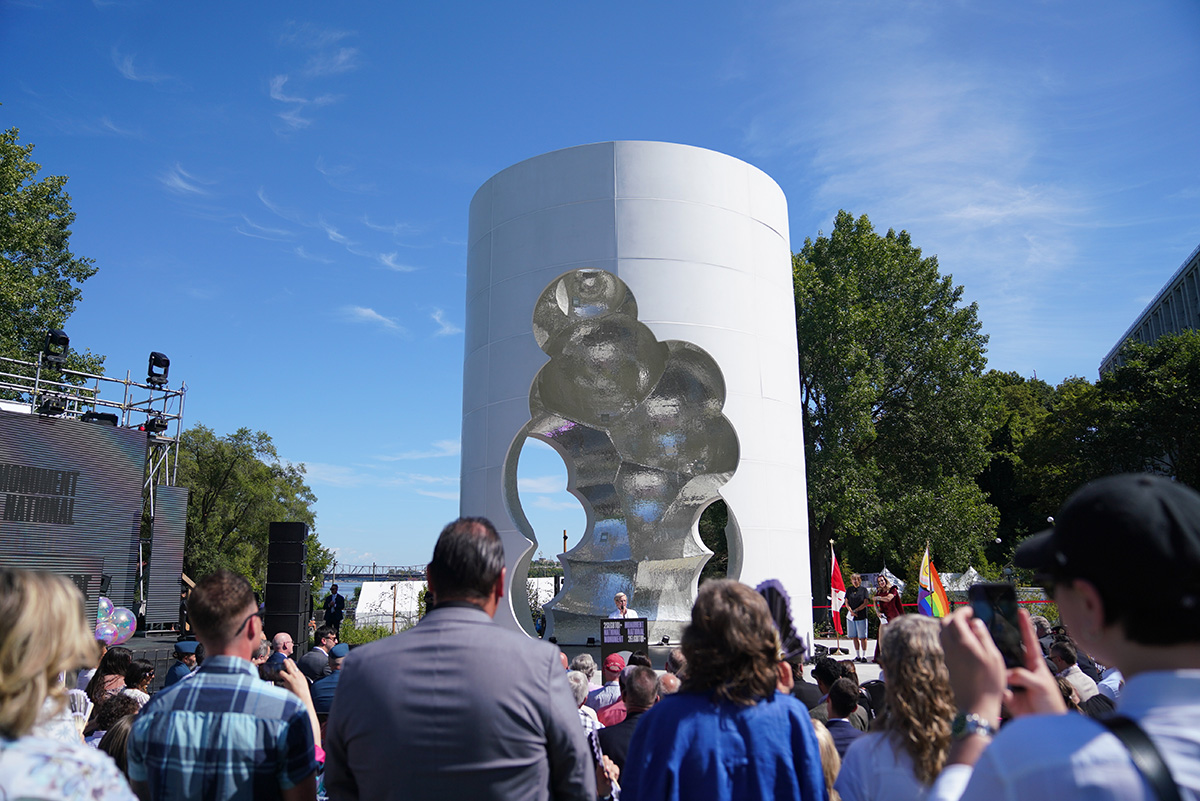
A monument that pays tribute to LGBTQ Canadians who suffered government-sanctioned persecution and discrimination officially opened in Ottawa on Aug. 21.
Former Prime Minister Justin Trudeau, Governor General Louise Arbour, and Women and Gender Equality Minister Rechie Valdez are among those who attended the ceremony.
A Canadian government press release notes Thunderhead, which is located on Parliament Hill, “recognizes the historic discrimination faced by 2SLGBTQI+ (two-spirit, lesbian, gay, bisexual, trans, queer, intersex, plus) people in Canada, including during the LGBT (lesbiennes, gaies, bisexuelles, trans) Purge.”
(French and English are Canada’s official languages.)
Trudeau in 2017 formally apologized to Canadians who suffered persecution and discrimination under the country’s anti-LGBTQ laws — including those convicted of “gross indecency” before Canada decriminalized consensual same-sex sexual relations — and policies. Trudeau also formally apologized to those who were fired from the Royal Canadian Mounted Police and the country’s military and civil service from the 1950s to the mid-1990s because of their sexual orientation or gender identity.
The Canadian government later settled a class action lawsuit that LGBT Purge victims filed.
The settlement funded the monument.
The Canadian government’s press release notes an “all Canadian team” from Winnipeg, Manitoba, designed it. The monument is also located on the Anishinabe Algonquin Nation’s traditional territory.
“It celebrates the resilience and achievements of those who fought for equality, educates visitors, and inspires the change still needed so that everyone can openly love who they love and express and identify themselves as they choose,” reads the press release.
“Thunderhead stands as a tribute to the lives, stories, and contributions of 2SLGBTQI+ people across Canada,” said Prime Minister Mark Carney on Facebook. “It’s reminder of the discrimination too many endured — and honors those who fought to build a country where everyone can live freely, safely, and with dignity.”
Baltimore
The fight to save one of Baltimore’s last gay bars
Leon’s closed in July after its owner’s death
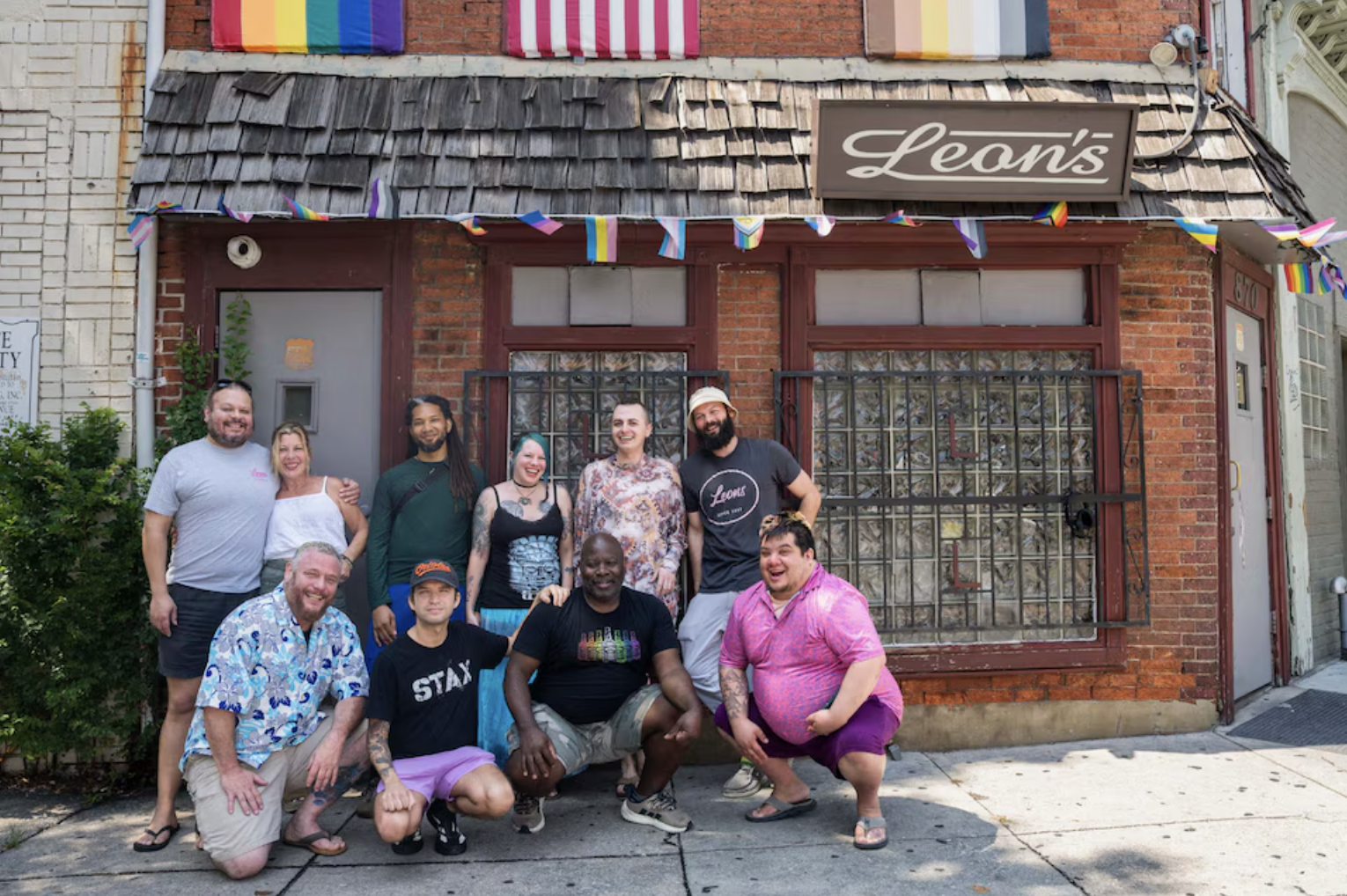
By JULIE SCHARPER and WESLEY CASE | Soon after Jim Becker came out as gay in 1967, he ducked into a Mount Vernon bar called Leon’s.
In the dark, smoky bar, men used pseudonyms for fear of being outed, as homosexual acts were illegal in Maryland. Bartenders, wary of vice squad raids, would blow a whistle if couples leaned in for a kiss.
But to Becker, arriving at Leon’s was a kind of homecoming. He could explore his identity, connect with other gay men and build community in the anxious years before the 1969 Stonewall uprising, a pivotal moment in the LGBTQ rights movement.
The rest of this article can be read on the Baltimore Banner’s website.

New data shows record-high LGBTQ population amid Trump attacks

Dolly Parton dies at 80

Monument to LGBTQ Canadians officially unveiled

The fight to save one of Baltimore’s last gay bars

When home becomes a journey: migration, memory, and the African diaspora

Not all trans people are the same

UPDATE: Impulse Group’s ‘PrEP Pool Party’ cancelled

Queer team brings girl power to fully baked ‘The Wrong Girls’

Comings & Goings