Maryland
Two new gay Md. delegates outline agenda
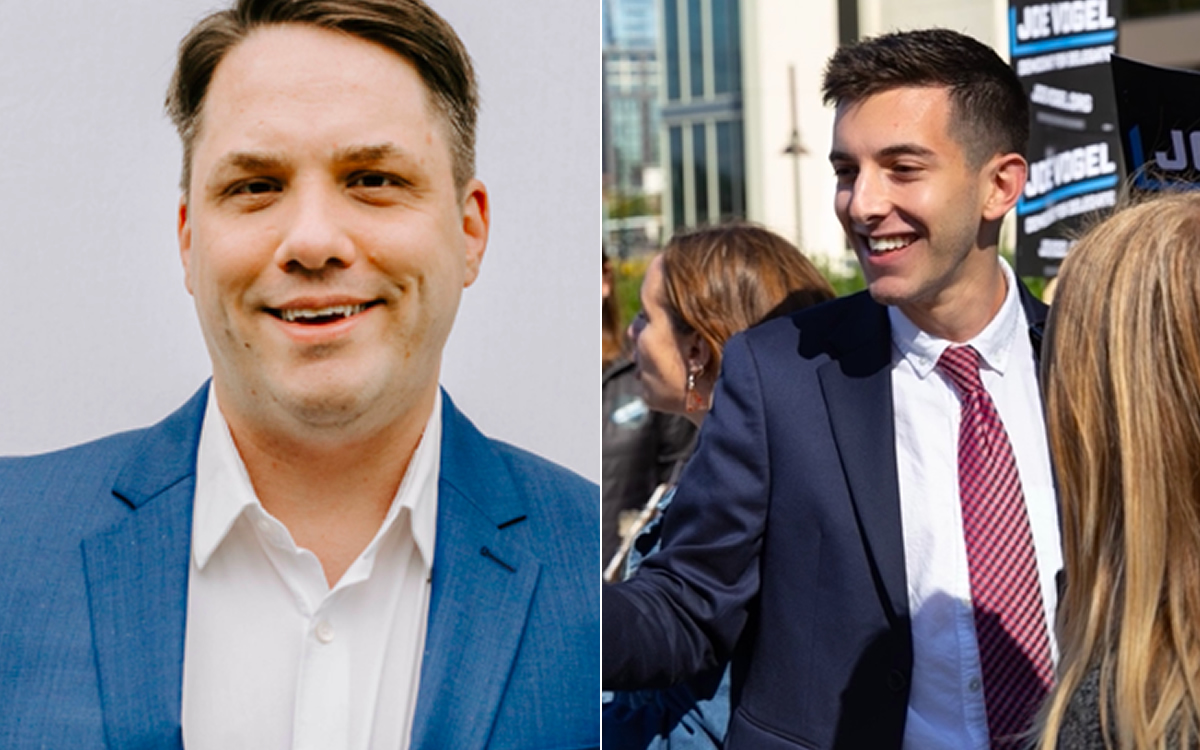
The two openly gay men who were elected to the Maryland House of Delegates last week spoke with the Washington Blade about their campaigns and what they plan to do once they’re in office.
State Del.-elect Joseph Vogel will represent District 17 in Montgomery County. He said he is ready to bring a new direction to Annapolis.
“In this campaign, we listened,” Vogel said. “Now I’m bringing their voices to Annapolis and gonna fight for the issues that are most important to the folks here in my district.”
Vogel attended community events, held house parties and even went door to door to understand what his voters wanted out of him.
One of his most memorable moments from the campaign came after his election.
He was immediately overwhelmed with messages from people across all of Maryland and across the U.S., saying how much his election means to them. Having an openly gay Latino elected official — Vogel was born in Uruguay and came to Maryland with his family when he was 3-years-old — has brought representation into politics that hasn’t previously been there.
“I think now people are really excited and really hopeful about my time in office, I’m just committed to making sure that I don’t let them down and that I work hard and really fight the good fight,” Vogel said.
Now that he’s been elected to office, Vogel’s agenda includes addressing mental health issues in school, especially the lack of mental health professionals. He also hopes to address climate change.
Vogel hopes that, along with the issues he’s tackling first, he leaves office as a delegate who was known to be accessible and approachable.
“I’m going to fight for you, no matter your age. I’m going to fight for you, no matter your sexuality,” he said. “I’m going to fight for you regardless of your race, religion, ethnicities, where you live. I’m in this to fight for our entire community.”
Kris Fair is first openly gay lawmaker from Western Md.
State Del.-elect Kris Fair has had a long career in the world of politics and nonprofits, including as executive director of Frederick Center, an advocacy and support organization for LGBTQ people. His campaign to represent District 3 in Frederick County proved successful.
This victory did not come without hard work.
Fair knocked on 11,500 doors with now state Sen.-elect Karen Lewis Young during the primaries and then turned around to hit another 5,000-6,000 once the general election campaign began.
“There are so many people that are at the door that are just like ‘I feel so disconnected from the process, I feel like there’s nobody here to represent me,’” Fair told the Blade. “So instead of shoving the issues down and trying to force them to tell me whether or not they’re going to vote for me, which is an incredibly awkward 30 seconds, instead of just trying we tried to open up dialogue and we had an incredible response rate.”
Fair did not have the same response to his sexual orientation as Vogel.
While Vogel saw the conversation around it as an addition to his campaign, Fair’s sexual orientation became a major talking point during his conversations with parents about the Frederick County Board of Education. Discussing things like the LGBTQ-specific curriculum with which that parents have an issue became a big pill for Fair to swallow because he had to repeatedly hear attacks against his sexual orientation.
Luckily, not all moments on Fair’s campaign were as solemn.
Returning from an LGBTQ conference in Dallas, Fair sat next to an Indian man on the plane and began to talk with him. He learned this stranger’s life story: He was in the U.S. on a work visa and was visiting his sister in Frederick.
Fair offered the man a ride once they landed.
“His sister heard that and said, ‘You’re about to get in some psycho’s car’ and my husband heard that and said, ‘You’re about to put a psycho in your car,’” Fair said.
Arriving at his new friend’s home, Fair unknowingly walked into a 60th birthday celebration for the man’s grandfather. He was invited inside. After standing around and chatting for some time, he really started to understand how much he was missing by not having constant communication or conversations with his voters, he never had the opportunity to create the vulnerability or break down the walls.
Moving past elections, Fair is ready to tackle hard issues like having a comprehensive constituent service system, giving citizens access to government funded entities like the DMV and help these people get what they need. He also hopes to implement an output treatment model in Maryland, giving those struggling with mental health issues an option to remove themselves from their current home and move into a treatment center.



Maryland
Md. groups receive state grants to fight hate crimes
Pride Center of Maryland among recipients
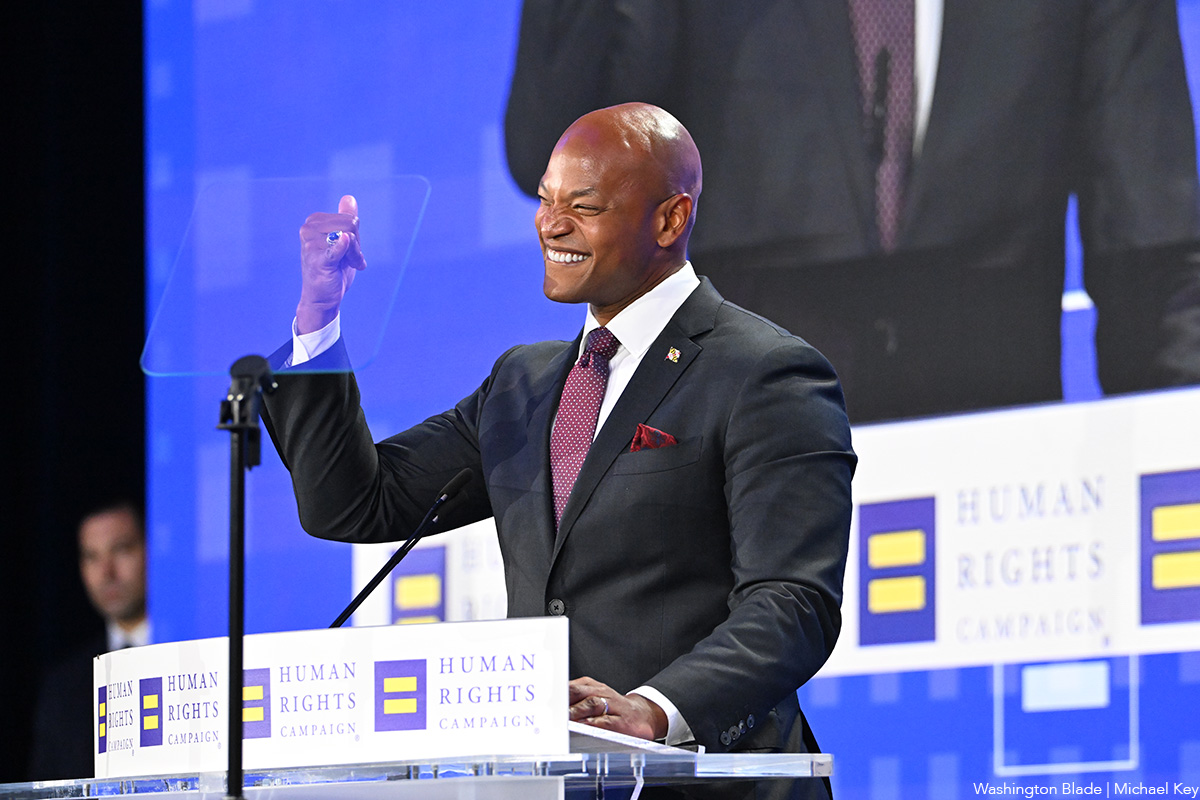
Maryland Gov. Wes Moore and the Governor’s Office of Crime Prevention and Policy are awarding a total of $10 million in grants in the 2027 fiscal year to nonprofit organizations that work to prevent hate crimes in the state.
The funds will be used to support those who feel targeted or discriminated against because of their race, religion, sexual orientation, gender identity, or disability status.
The Pride Center of Maryland is among the recipients. Churches, synagogues, mosques, and LGBTQ organizations are all eligible to receive grants
“The safety and security of all Marylanders is my top priority, so we are drawing a hard line because we have no tolerance for hate,” said Moore, according to media reports. “We are committed to protecting and ensuring safe and sacred spaces stay that way by investing in non-profit organizations, houses of worship, and community centers to protect and honor every community that makes our state so diverse and special.”
“Protection Against Hate Crime funding has strengthened the Pride Center of Maryland’s ability to protect, educate, and support the communities we serve … at a time of heightened concern associated with the Trump administration’s anti-LGBTQ/SGL (same-gender-loving) policies and pressures,” Pride Center of Maryland CEO Cleo Manago said. “PAHC funding helps us do more than improve physical security — it strengthens our community’s knowledge, preparedness, connection to resources, and ability to respond to hate with greater awareness and support.”
Maryland’s hate crimes law includes both sexual orientation and gender identity. The state’s nondiscrimination statute is also LGBTQ-inclusive.
Maryland
Anne Arundel schools now need parent permission to call trans students by preferred names
Conservative groups challenged system’s policy
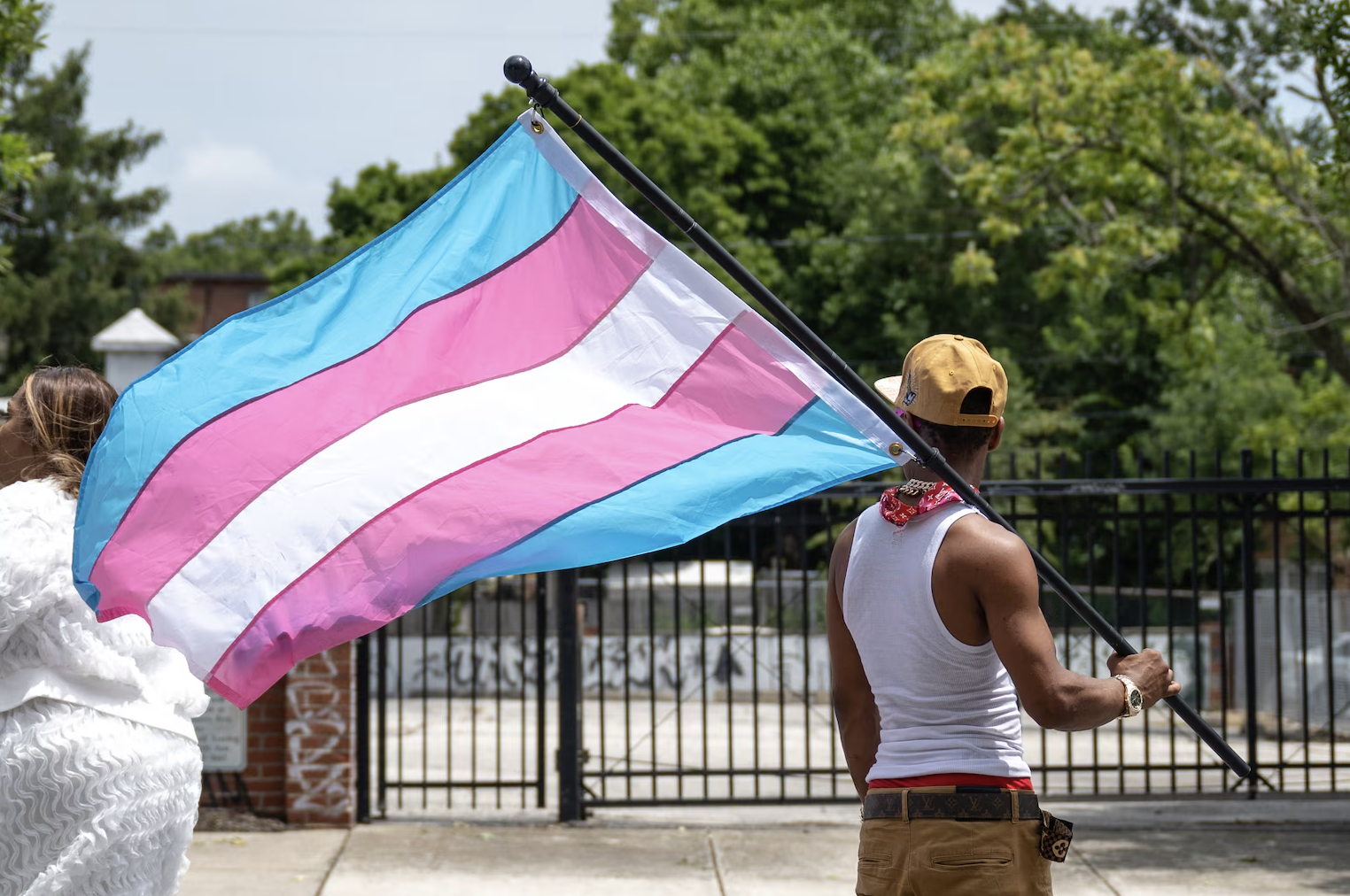
By JESSICA CALEFATI | Anne Arundel County Public Schools staff cannot use transgender students’ preferred names if their parents oppose it, according to an internal document reviewed by the Banner, a change that comes after conservative groups challenged the school system’s approach to gender identity.
Teachers union president Kristina Korona told members in an Aug. 20 email that the new guidance undermines district policy on acceptance and inclusivity and “will begin harming affected students immediately.”
Previously, the district didn’t require parental permission to use a high school student’s chosen name and pronouns corresponding to their gender identity, the internal document says. Now it does. The change comes as parents challenge the suburban school system’s gender identity policy and regulation in court and the Trump-Vance administration threatens the district’s funding.
The rest of this article can be found on the Baltimore Banner’s website.
Maryland
Girlfriends charged with Silver Spring murder to go on trial in 2027
Prosecutors charged both women with killing mother of one of them
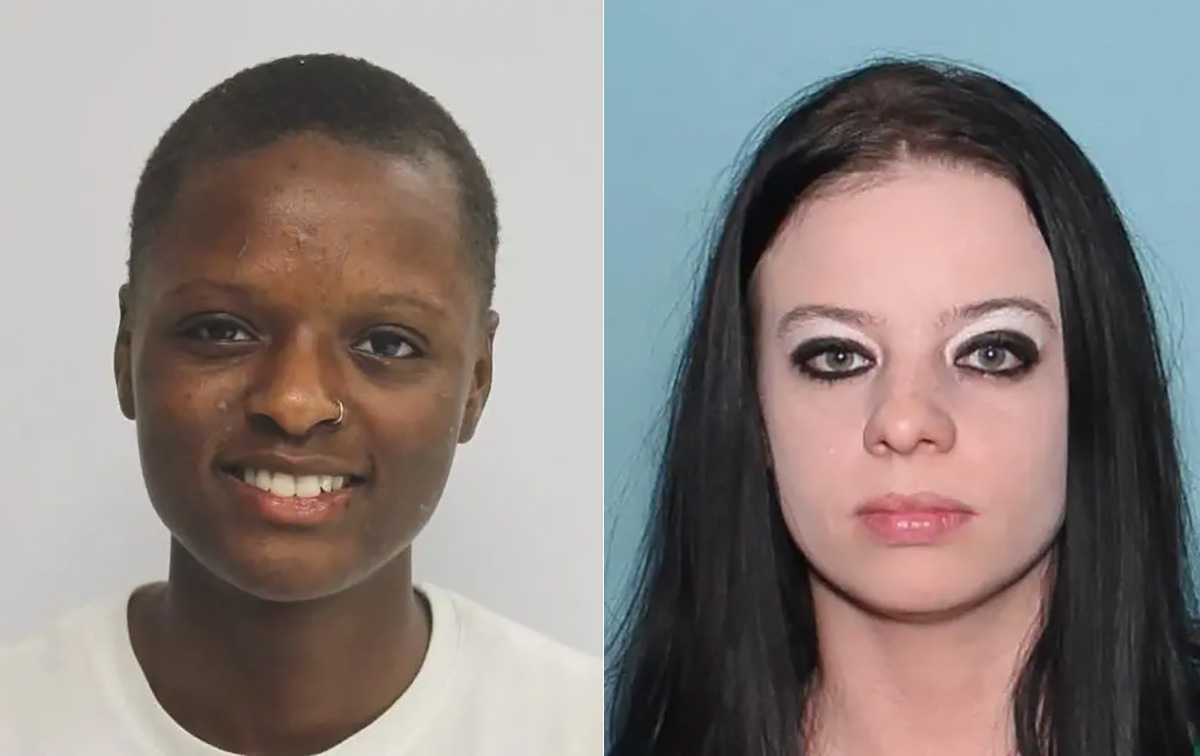
Two women identified as a couple who are charged with the May 22, 2026, murder of the mother one of them in her Silver Spring home and who were arrested three weeks later in Ohio are scheduled to go on trial for murder April 19, 2027.
According to online records filed with Montgomery County Circuit Court in Rockville, Vanessa Tjongarero-Henderson, 29, of Clarksburg, Md., and Samantha Raebel, 36, of Phoenix are being held without bond in the Montgomery County Correctional Facility until the time of their trial.
Statements from Montgomery County police show the two women were arrested June 10 in Genoa, Ohio, after fleeing from the scene of the murder in Silver Spring. Police statements and court records show they were extradited back to Maryland in July, where prosecutors with the Montgomery County State’s Attorney’s Office obtained indictments against them for murder.
Earlier statements from Montgomery County police say their investigation into the murder led to their decision to initially charge the two women with first-degree murder for the death of Hilde Henderson, 67, who was Tjongarero-Henderson’s mother.
“Through the course of the investigation, detectives identified Henderson’s daughter, Vanessa Tjongarero-Henderson, and Vanessa’s girlfriend, Raebel, as the suspects,” one of the police statements says. It says police obtained arrest warrants for both women and launched a nationwide search seeking help from the public in in locating them.
One of the police statements says an autopsy determined the cause of Hilde Henderson’s death was blunt-force trauma injuries brought about by a murder. Police and the State’s Attorney’s Office, which is prosecuting the case, have yet to disclose whether they have determined a motive for the murder.
Court records show that prior to the start of the April 19, 2027, trial a “motion” hearing was scheduled for Oct. 30, 2026, a pre-trail conference was scheduled for Feb. 12, 2027, and another motion hearing and a status hearing were scheduled for March 12, 2027.
Court records also show that Tjongarero-Henderson is being represented by attorneys with the Montgomery County court system’s public defender service. The records show that Raebel initially had been represented by a public defender service attorney, but updated records show Aug. 14 is listed as the “removal date” for that attorney.
The docket shows that on Aug. 20, two new attorneys with the prominent D.C. law firm of Covington & Burling made their official appearance as her attorneys in the murder case. One of them, Daniel Solomon, told the Washington Blade in response to an inquiry that the defense has no comment at this time on the case.
He confirmed that Covington & Burling is representing Raebel on a no-cost, pro bono bass.
The office of the Montgomery County public defender service didn’t immediately respond to a phone message from the Blade asking for a comment on the Tjongarero-Henderson case.

PHOTOS: SUNFESTIVAL

Gloria Steinem’s life of substance and consequence

Nominate your favorites for the Blade’s 25th annual Best Of LGBTQ DC Awards

Grindr settles UK lawsuit over claims it shared users’ personal information

Md. groups receive state grants to fight hate crimes

‘Here the Whole Time’ delivers queer coming-of-age comedy

Blade Foundation to host fundraiser in Rehoboth on Sept. 12

Actress takes on bisexual ‘Ma’ Rainey in new Round House production

New book examines fashionista Audrey Smaltz’s fabulous life

Iceland implements gender-neutral blood donor rules
-

 Movies3 days ago
‘Here the Whole Time’ delivers queer coming-of-age comedy
-
Out & About2 days ago
Blade Foundation to host fundraiser in Rehoboth on Sept. 12
-
Theater2 days ago
Actress takes on bisexual ‘Ma’ Rainey in new Round House production
-
Books2 days ago
New book examines fashionista Audrey Smaltz’s fabulous life