Maryland
Wes Moore sworn in as first Black Md. governor
‘I care deeply about the LGBTQ+ community’
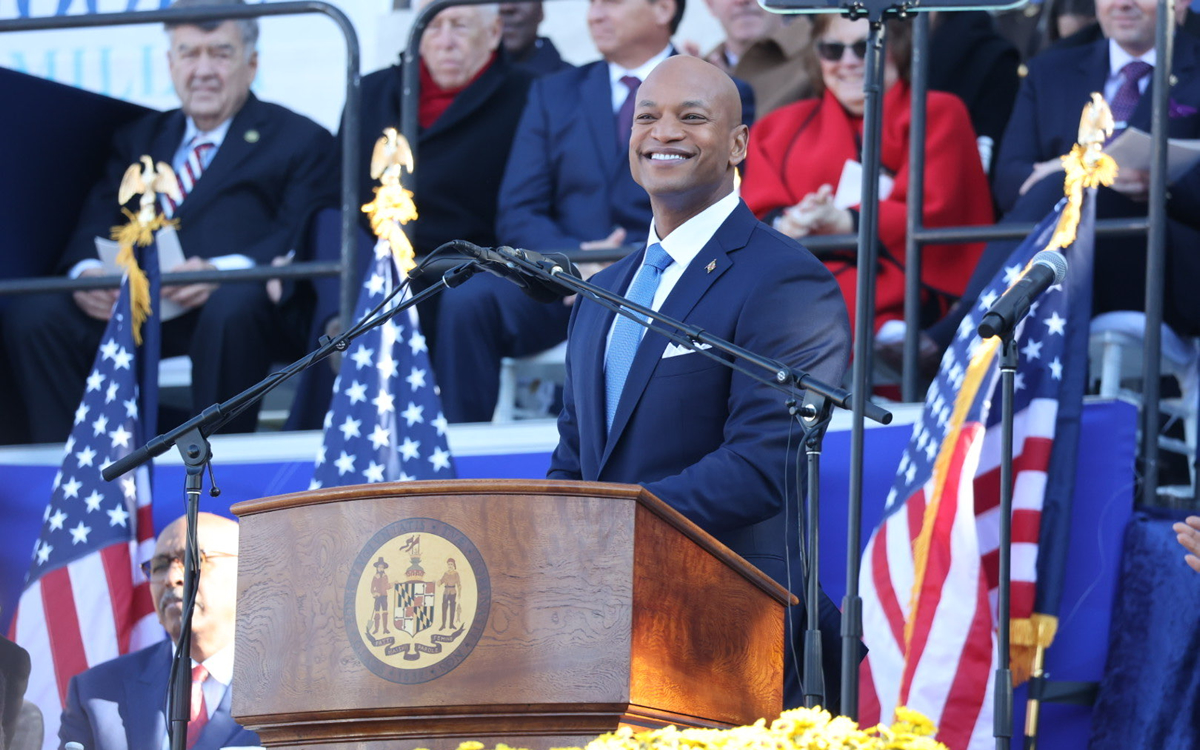
Maryland Gov. Wes Moore on Wednesday was sworn into office.
Moore, who defeated then-state Del. Dan Cox (R-Frederick County) last November, is Maryland’s first Black governor. Lieutenant Gov. Aruna Miller is the first woman of South Asian descent elected lieutenant governor in the country.
Moore and Miller will succeed Republicans Larry Hogan and Boyd Rutherford respectively. Oprah Winfrey is among those who attended Wednesday’s inauguration that took place at the State Capitol in Annapolis.
“In the state of Maryland, anything is possible,” said Moore in his inaugural speech. “Today is a celebration of our collective future.”
Gay man to head of Md. Department of Veterans Affairs
Moore during a pre-election interview with the Washington Blade expressed his support for LGBTQ rights.
“I care deeply about the LGBTQ+ community,” he said. “And we’re always going to fight to ensure that Maryland is a state that is open and welcome to all, regardless of who you are, regardless of who you love.”
Moore told the Blade that he will enforce the Inclusive Schools Act that, among other things, bans discrimination based on sexual orientation and gender identity in Maryland’s public schools. Moore in his inaugural speech specifically mentioned the need to protect the state’s LGBTQ students.
Moore last October told the Blade he will urge lawmakers to support the Trans Health Equity Act, which would expand coverage of gender-affirming health care for transgender Marylanders under the state’s Medicaid program.
Moore has appointed Anthony Woods, an openly gay U.S. Army veteran who was discharged under ‘Don’t Ask, Don’t Tell’ in 2008, as head of the Maryland Department of Veterans Affairs.
“The thing that people will see is that this is not just a new thing to me,” Moore told the Blade. “We have a track record on working on these issues, whether it is the work I did on the repeal of ‘Don’t Ask, Don’t Tell,’ whether it is the work I did when I was running one of the largest poverty-fighting organizations in the country, and supporting organizations that were supporting LGBTQ plus homeless youth.”



Maryland
Anne Arundel schools updates gender identity regulation following Trump administration threats
District facing federal lawsuit, White House threats over guidelines
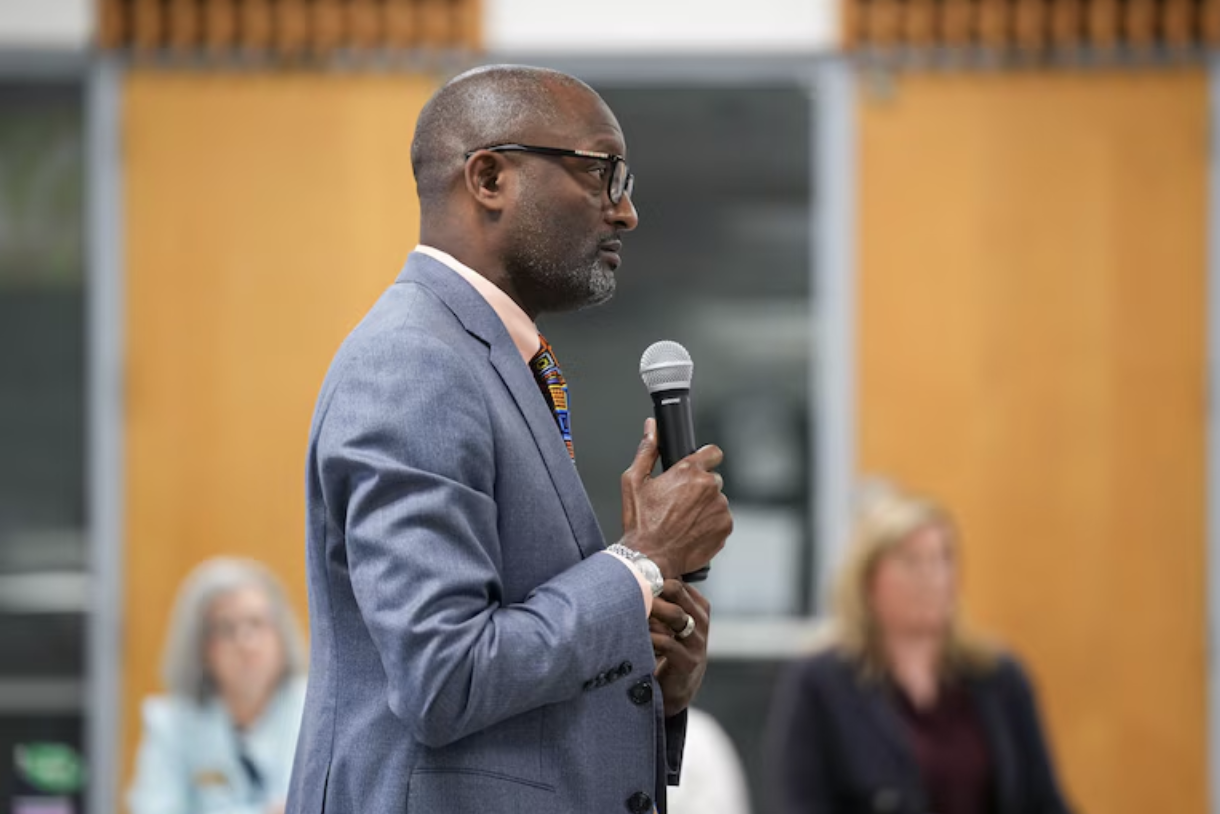
By JESSICA CALEFATI | Under pressure from the Trump-Vance administration, Anne Arundel County Public Schools Supt. Mark Bedell announced Wednesday the district had updated a regulation intended to protect transgender students’ right to be called by their chosen name.
The revised language makes clear that district rules on gender identity do not block parents’ rights under the Family Educational Rights and Privacy Act as the federal government alleged last month, and that a student’s gender identity will not be treated as confidential medical information.
“No policy, guideline, or practice may limit or otherwise interfere with parental rights under FERPA,” Bedell wrote in a Wednesday letter to the community. “This includes any information maintained in education records that relates to gender identity, transgender status, sexual orientation, preferred name, or preferred pronouns.”
The rest of this article can be read on the Baltimore Banner’s website.
Maryland
Advocates for trans students urge Md. to fight White House threats
Four school districts under federal investigation
By JESSICA CALEFATI | Allies of transgender children are urging state education officials to fight back against the Trump-Vance administration, which has threatened to punish a growing number of Maryland school districts over local policies that affirm students’ gender identities.
The advocates testified Tuesday morning before the Maryland State Board of Education — one day after the U.S. Education and Justice departments alleged that Anne Arundel County’s school system violated federal student privacy law by withholding a student’s gender identity from their parents. A spokesperson for the district said Monday legal counsel had not yet reviewed the claims and that the district had no further comment.
School districts in Prince George’s, Montgomery, and Frederick Counties were already under investigation for allegedly violating Title IX, the civil rights law that prohibits sex-based discrimination. The federal government last month threatened to revoke funding from the districts because they allow trans students to use restrooms and locker rooms that align with their identities.
The rest of this article can be read on the Baltimore Banner’s website.
Maryland
White House threatens Anne Arundel schools over gender identity policy
District faces possible legal action or loss of federal funding
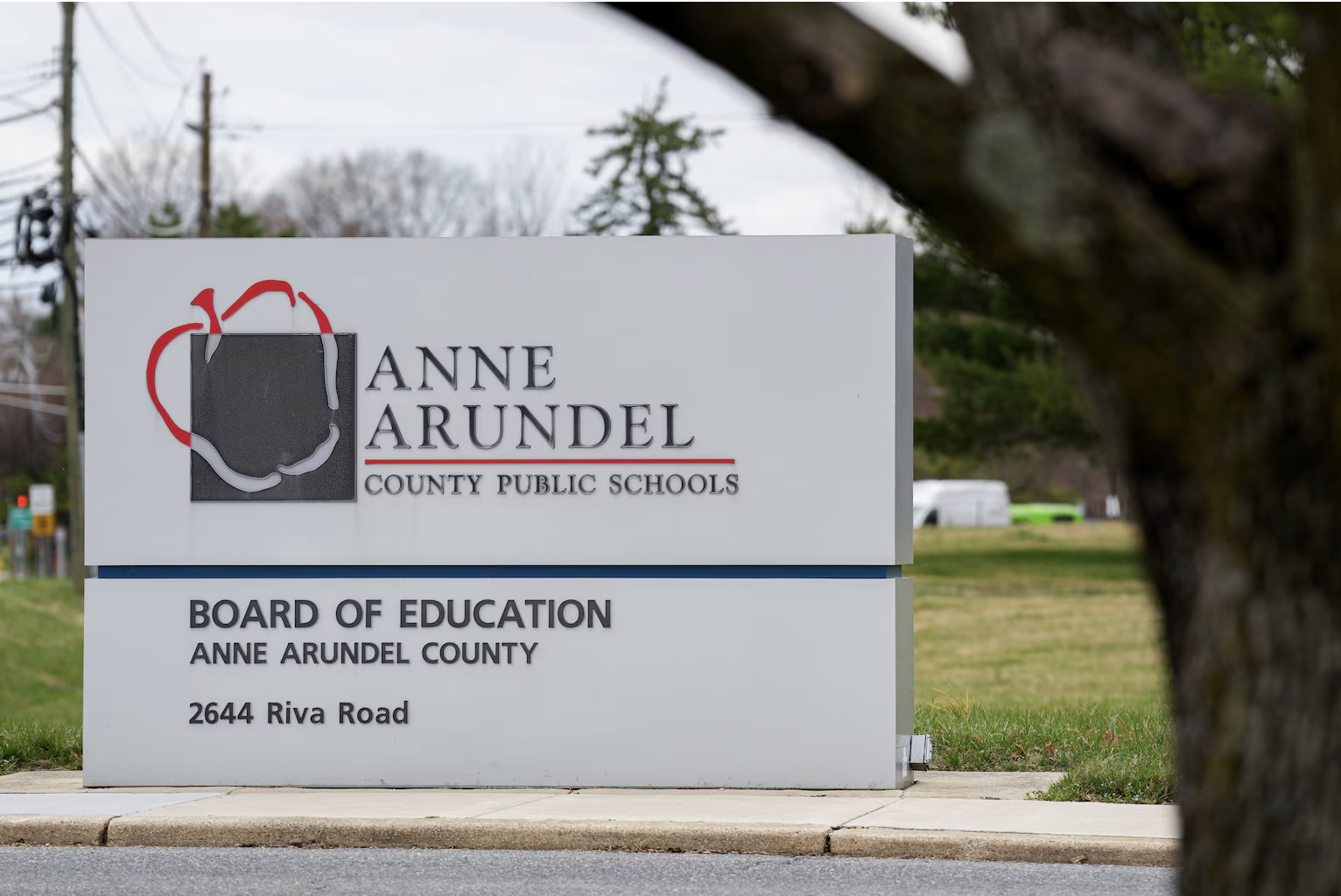
By JESSICA CALEFATI | The Trump-Vance administration on Monday threatened to punish Anne Arundel County’s school system with legal action or the loss of federal funding for allegedly withholding information about a student’s gender identity and transition from the child’s parents.
The U.S. Education and Justice Departments together determined that the suburban Maryland district treats students’ gender identities as confidential medical information that cannot be shared with parents, in violation of federal student privacy law, according to a news release. A federal lawsuit filed against the district earlier this month made similar claims.
“As a mother and a grandmother, it is unconscionable that any school district would hide the most sensitive information about children in their care from their own parents,” U.S. Secretary of Education Linda McMahon said in a statement. “This is not only an affront to basic moral principles, but also to parents’ rights under federal law.”
The rest of this article can be read on the Baltimore Banner’s website.

Log Cabin Republicans remove transgender rights from mission

Not all trans people are the same

Queer team brings girl power to fully baked ‘The Wrong Girls’

Democrat Maureen ‘Mo’ Madden takes on longtime GOP stronghold in Delaware’s 38th

Comings & Goings

PHOTOS: Nellie’s Drag Brunch

Russian LGBTQ rights group to shut down

Winsome Earle-Sears ‘Life and Marriage Tour’ to include Northern Va. stops

White House targets gender-affirming care funding, states fight back