Arts & Entertainment
Baltimore’s state-of-the-art arena highlights spring arts scene
Lizzo, Janet, Bruce, Joan Jett and more to christen renovated space
For years, Baltimore missed out on performances by big-name musicians, comedians and others because it didn’t have a 14,000-seat arena capable of attracting them, but not anymore.
Starting in April, more than a dozen acts will be coming to town when the CFG Bank Arena at 201 West Baltimore St. — formerly known as the Royal Farms Arena — reopens following a $200-$250 million renovation designed to turn it into a state-of-the-art sports and entertainment venue.
The arena’s reopening after more than a year of construction is one of the highlights of the spring arts season in Baltimore, along with new exhibits at the Baltimore Museum of Art; new shows at the Hippodrome and Lyric; a new book festival, a John Waters book signing and other events around town.
On April 7, Bruce Springsteen and The E Street Band will be the first performers to appear at the CFG Bank Arena, a concert that’s being billed as opening night for the refurbished and rebranded hall.
The Boss will be followed by: Eagles Hotel California Tour, April 8; Straight Jokes No Chaser, April 14; Jeff Dunham Still Not Canceled, April 15; Adam Sandler, April 21; New Edition: Legacy Tour with Keith Sweat, Guy and Special Guest Tank, April 22; Monster Jam, April 28 to 30; AEW Dynamite, May 3; Lizzo, May 9; Janet Jackson: Together Again with Special Guest Ludacris, May 13; Anita Baker: The Songstress with the Legendary Babyface, May 14; blink-182 Tour 2023, May 26; Stars on Ice, June 2; Bryan Adams: So Happy It Hurts 2023 with Joan Jett and The Blackhearts, June 6, and Dude Perfect PandaMonium, June 25.
Performances scheduled for later in 2023: Chris Stapleton’s All-American Road Show; Thomas Rhett, Lionel Richie and Earth, Wind & Fire, and Kiss – the End of the Road Tour. The CFG Bank Arena website is cfgbankarena.com.
Owned by the City of Baltimore, the arena opened in 1962 as the Baltimore Civic Center and later was renamed the 1st Mariner Arena (2003 to 2013) and the Royal Farms Arena (2014 to 2022). It was one of the first places The Beatles appeared during their augural trip to America in 1964, and Martin Luther King Jr. spoke there in 1966. The Baltimore Bullets and Baltimore Clippers played there for many years.
As the arena grew older, city officials contemplated constructing a replacement elsewhere but couldn’t decide on a location. They eventually opted to keep the existing venue and bring in a new management team to upgrade it to be competitive with other East Coast arenas. The decision was part of a larger effort to revitalize the west side of downtown Baltimore, where a new building for the city’s historic Lexington Market recently opened several blocks away.
The CFG Bank Arena team is led by the Oak View Group of Los Angeles, in association with Thirty Five Ventures, the investment company of NBA player Kevin Durant and his business partner, Rich Kleiman, and recording artist Pharrell Williams. The Oak View Group team funded the improvements in return for rights to manage and lease the facility, and it’s offering seat leases as part of the ticketing options.
Renovation work began in early 2022 and included a revamped seating configuration; new concourses, restrooms, and concessions areas; updated mechanical systems and a redesigned exterior. The refurbished arena had a test run last month, when Baltimore hosted the Central Intercollegiate Athletic Association’s Men’s and Women’s Basketball Tournaments, but there was still more work to finish. Starting in April, managers say, all the renovations will be complete and it will be ready for the entertainers.
Visual arts events
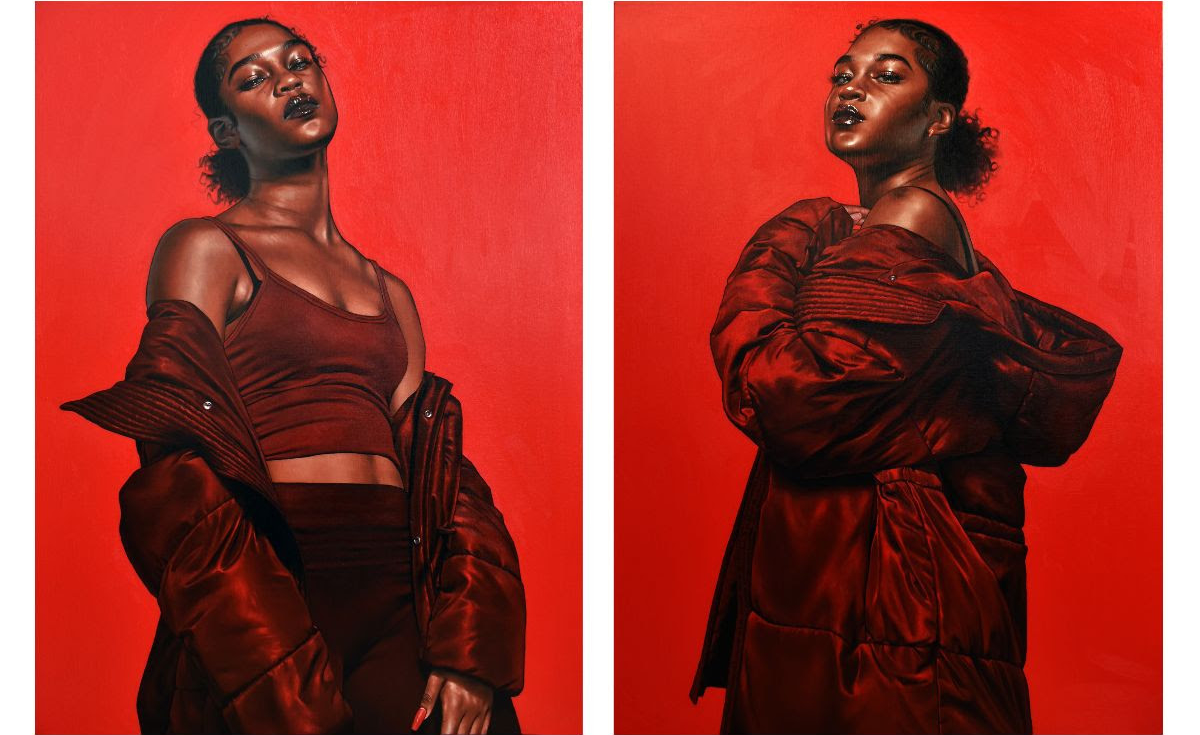
Baltimore Museum of Art, 10 Art Museum Drive (artbma.org): From April 5 to July 16, the BMA will present “The Culture: Hip Hop and Contemporary Art in the 21st Century.” Coinciding with the 50th anniversary of the emergence of hip hop in the 1970s, the exhibit will examine the global phenomenon of hip hop and its impact on music, fashion, technology and the visual and performing arts.
More than 90 works of art and fashion, including many by LGBTQ artists, will show the many ways hip hop has influenced contemporary society. According to the BMA, queer artists with work in the exhibit include: Lauren Halsey; Rashaad Newsome; Mark Bradford; Julie Mehretu; Dapper Dan; Telfar Clemens; Tschabalala Self; Amani Lewis; John Edmonds; Nina Chanel Abney; Jonathan Lyndon Chase; Caitlin Cherry; Devan Shimoyama; Texas Isaiah; Shabez Jamal; Eric N. Mack and Rozeal. Non-cisgender artists include Isaiah, Chase, Lewis and Jamal.
The exhibit is co-organized by the BMA and the Saint Louis Art Museum. One of the curators is Asma Naeem, the BMA’s new Dorothy Wagner Wallis Director. Other curators include Gamynne Guillotte, the BMA’s chief education officer, and Hannah Klemm and Andrea Purnell, from the Saint Louis museum.
Also opening at the BMA this spring: “Histories Collide: Jackie Milad x Fred Wilson x Nekisha Durrett,” April 26, 2023 to March 17, 2024: New works by Milad and Durrent in dialogue with Wilson’s Artemis/Bast (1992); “Martha Jackson Jarvis: What the Trees Have Seen,” May 7 to October 1, 2023, featuring mixed media works by Jarvis that imaginatively trace a free Black militiaman’s journey from Virginia to South Carolina in the American Revolution; “Recasting Colonialism: Michelle Erickson Ceramics,” May 7 to October 1, 2023; “The Matter of Bark Cloth,” May 7 to October 1, 2023, and “Wild Forms: Fauve Woodcuts,” May 14 to October 15, 2023.
American Visionary Art Museum, 800 Key Highway: The main exhibit is “ABUNDANCE: Too Much, Too Little, Just Right” (Championing good, honest work from the hand and the heart), curated by Gage Branda. Also: AVAM’s Logan Visionary Conference 2023, March 19, 2 p.m. to 4 p.m.; Kinetic Sculpture Race, May 6.
Walters Art Museum: 600 North Charles St. (thewalters.org): “Quiet Beauty: The Watercolors of Leon Bonvin,” opened in February; “Arts of the Medieval Mediterranean,” is ongoing, and “Across Asia: Arts of Asia and the Islamic World,” a new installation of the museum’s Asian and Islamic collections, opens April 23.
The Peale, 225 Holliday St. (thepeale.org): “Compensation for Loss” exhibition, March 19 to April 30, and Submersive Productions Performances: Katalepsis, March 24 to April 30.
Maryland Center for History and Culture, 610 Park Avenue (mdhistory.org): “Claire/McCardell,” an exhibit about Claire McCardell, an influential designer of women’s clothing from the 1930s to the 1950s and beyond; “Discover Maryland;” “The Unfinished Revolution: Maryland in the Wars for Independence,” and “Passion and Purpose: Voices of Maryland’s Civil Rights Activists.”
Baltimore Museum of Industry, 1415 Key Highway (thebmi.org): “Fire & Shadow: The Rise and Fall of Bethlehem Steel,” documenting the 125-history of the Sparrows Point steel mill.
B&O Railroad Museum, 901 West Pratt Street (borail.org): New permanent exhibit: “Freedom Seekers on the B&O Railroad.”
Waverly Book Festival (waverlymainstreet.org): A new book festival organized to replace the Baltimore Book Festival, 32nd and Barclay streets and other locations, April 28 to 30.
John Waters at Atomic Books, 3620 Falls Road (atomicbooks.com): As part of a book tour for the release of the paperback version of his novel, “Liarmouth: A Feel Bad Romance,” writer and filmmaker John Waters will sign books on May 12 starting at 7 p.m.
Performing arts events
Hippodrome Theatre, 12 South Eutaw St., (Baltimore.broadway.com): Spring shows include: To Kill A Mockingbird, March 14 to 19; Respect – Aretha Franklin Tribute, March 23; Aziza, March 25; Lewis Black, April 2; Hadestown, April 12 to 22; Rock From The Heart, April 22; Shen Yun Performing Arts, April 28-30; Dino Ranch Live, May 6; Six the Musical, May 9 to 14, and Frozen, June 7 to 18.
The Lyric Baltimore, 140 West Mount Royal Ave., (lyric.baltimore.com): Royal Comedy 2023: Sommore, Bruce Bruce, Lavell Crawford and Special K, March 18; Hits! The Musical, March 19; Killer Queen, March 25; Bored Teacher Comedy Hour, March 31; Good Friday: Carl Thomas, Lyfe Jennings and Christopher Williams, April 7; Brit Floyd, April 15; Soul Marathon: Bloodstone, April 22; Yes Epics & Classics featuring Jon Anderson and The Band Geeks, May 6; Fortune Feimster, May 19; Boz Scaggs, May 20; Puscifer, June 1; John Mellencamp, June 2; Kansas – The Band, June 3; Luis Angel, June 4; Bad Friends Podcast: Andrew Santino and Bobby Lee, June 16; Stephen Sharer, June 17, and Les Claypool’s Fearless Flying Frog Brigade and W.I.T.C.H.
Creative Alliance, 3134 Eastern Ave. (creativealliance.org): The High & Wides with Hannah Lee Thompson, March 31; 2023 Marquee Ball, April 22; Alison Crockett Presents Echoes of an Era: The Jazz Sides of Chaka Kahn, April 28, Ngaiire, May 5; Brandee Younger, June 22, and Madison McFerrin, June 23.
Baltimore Center Stage, 700 North Calvert St., (centerstage.org): Tiny Beautiful Things, March 9 to April 2.
Everyman Theatre, 315 West Fayette St. (everymantheatre.org): The Sound Inside, March 7 to April 2; Harvey, April 25 to May 21, and The World Goes Round, June 6 to July 2.
Arena Players, 801 McCulloh Street (arenaplayersinc.com): Open Admissions and When Men Reduce as Women Do, March 17, 18, 19, 24, 25, 26, 31 and April 1 and 3; Sizwe Banzi is Dead, April 21, 22, 23, 28, 29, 30, May 5, 6, and 7, and Nina, May 26, 27, 28, June 2, 3, 4, 9, 10, 11, 16, 17 and 18.
Live! Casino Hotel Maryland, 7002 Arundel Mills Circle, Hanover, Md., (maryland.livecasinohotel.com): Patti LaBelle, March 10; Air Supply, March 11; Hoops Fest Watch Parties, March 14; Lovers in the Night Spring Concert, March 19; Mixed Martial Arts: Shogun Fights, March 25; Jerry Seinfeld, May 19, and Kevin Hart, June 11.
Baltimore Soundstage, 124 Market Place, presents the Hell in the Harbor Festival over the Memorial Day weekend, May 27 and 28. Its complete spring lineup for March to June, with dozens of acts, is on its website, Baltimoresoundstage.com.




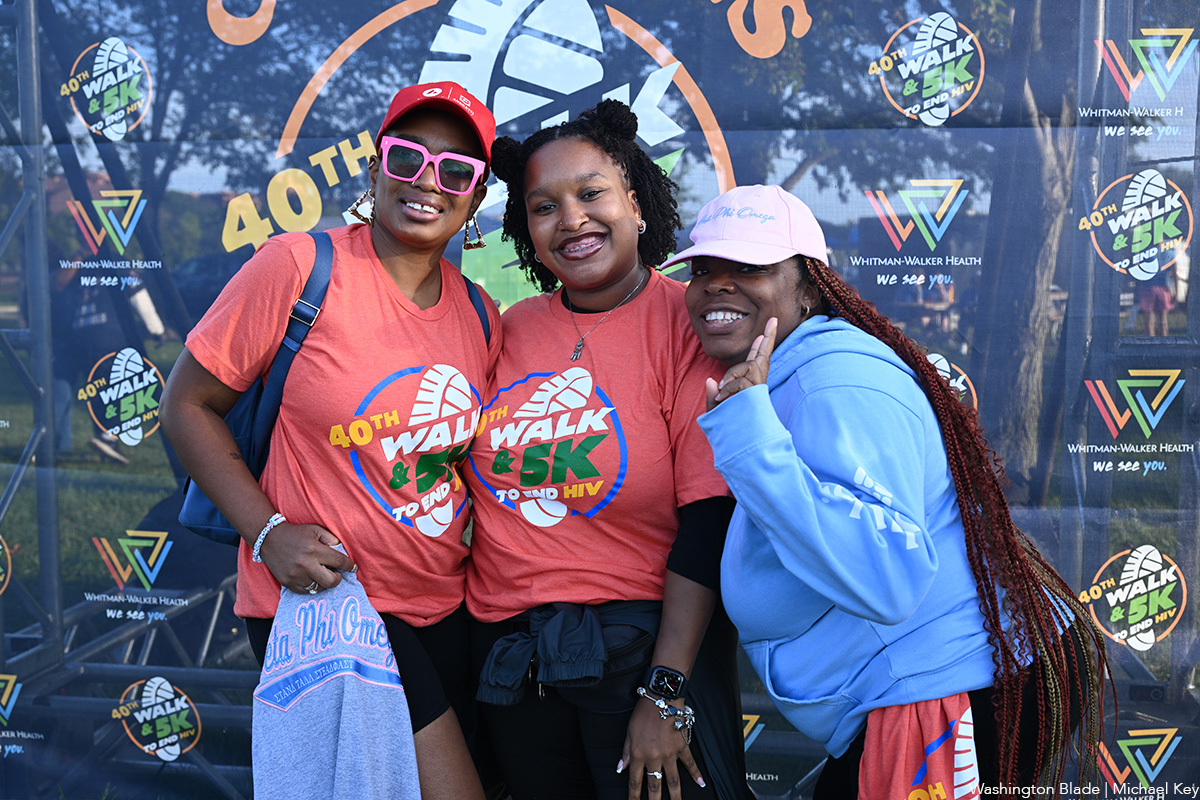
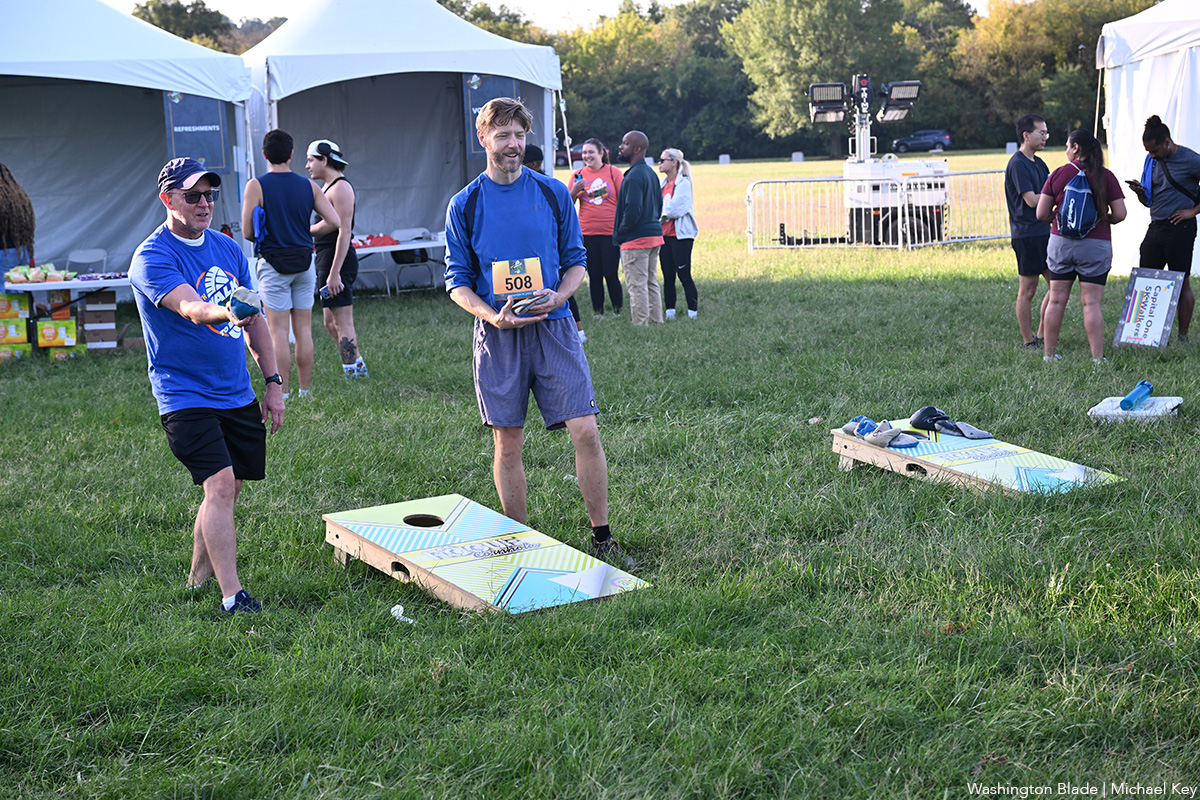
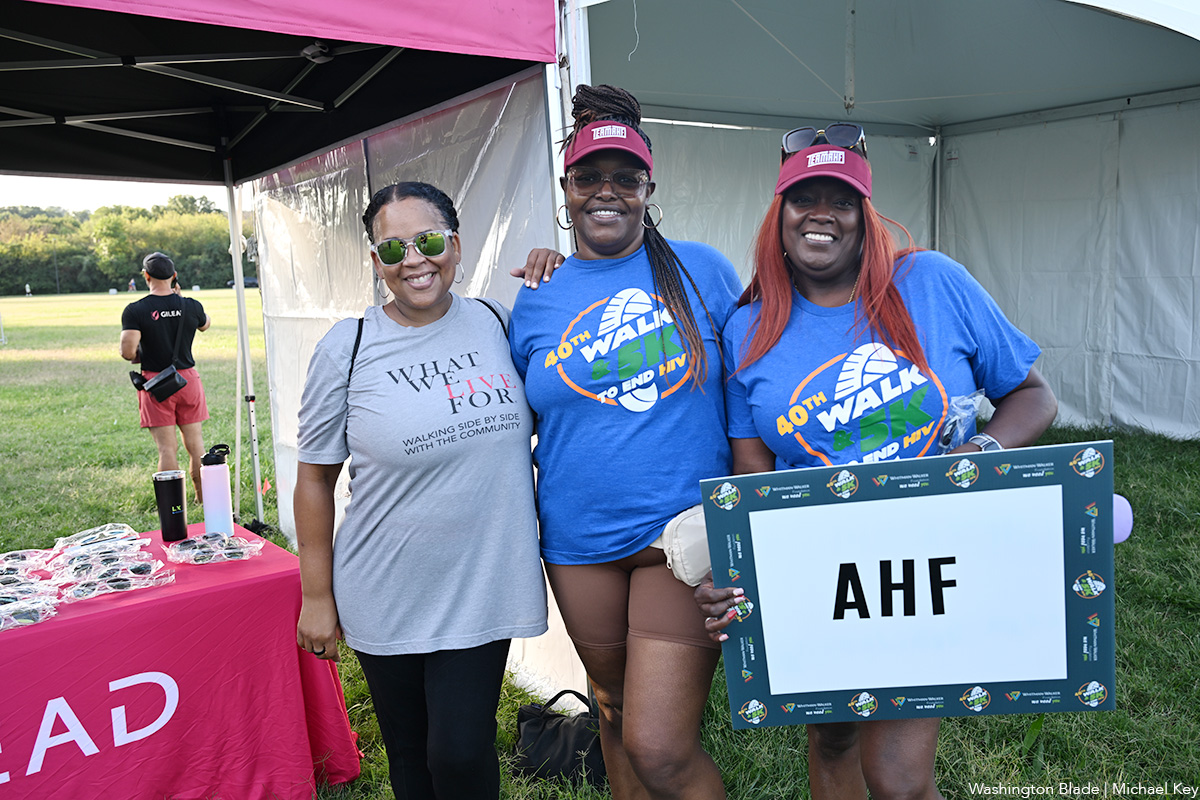
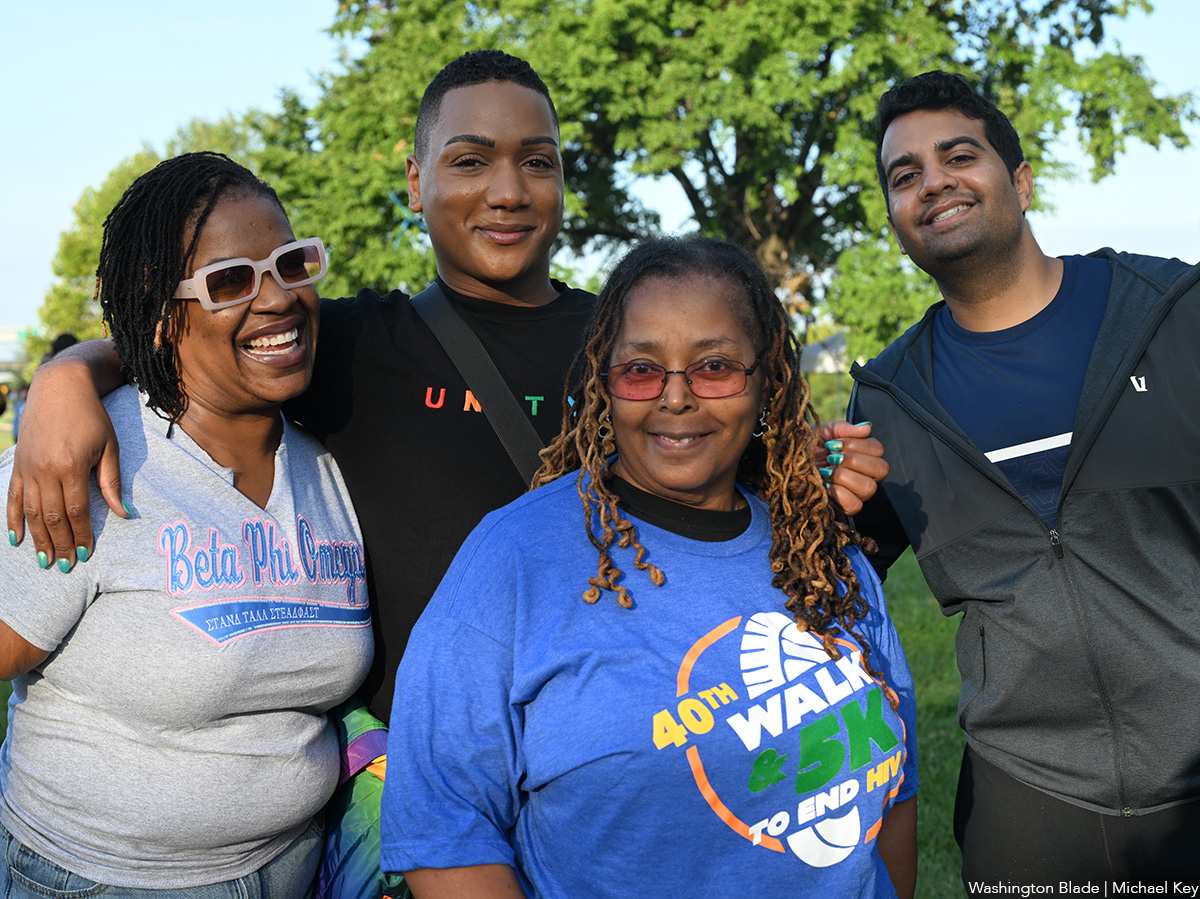
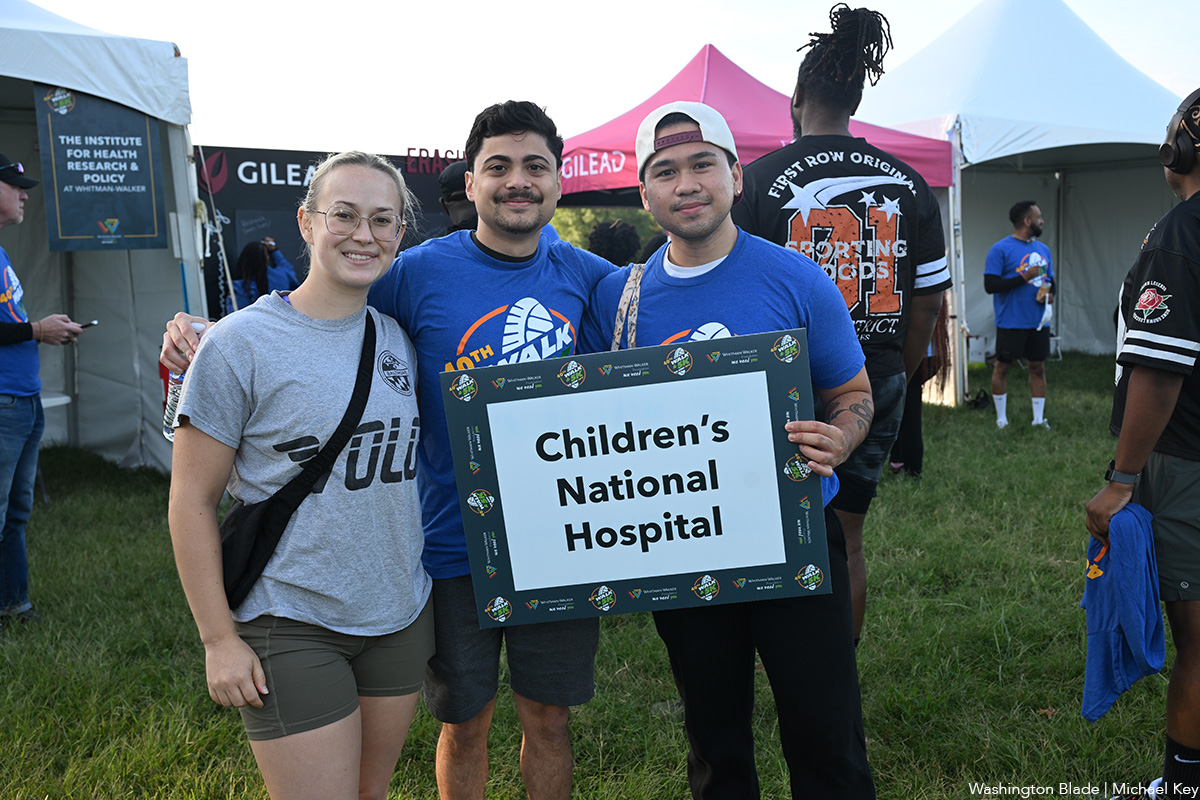
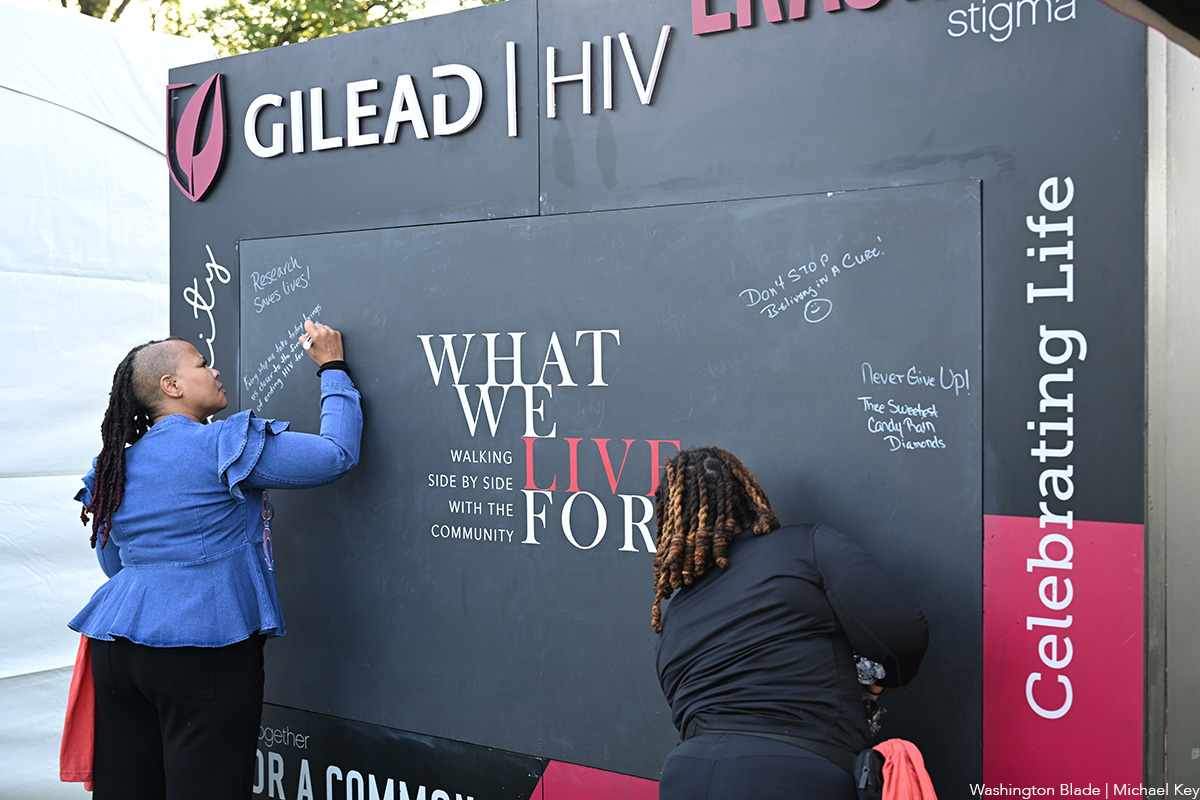
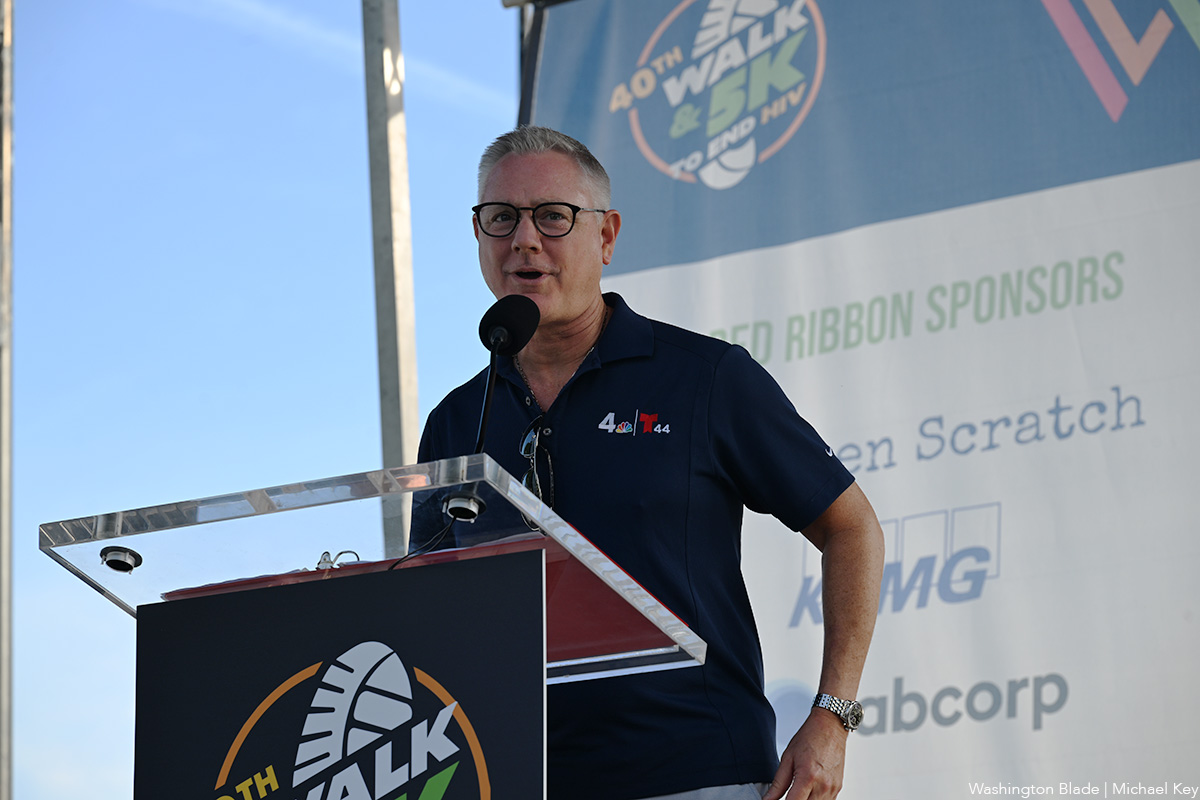
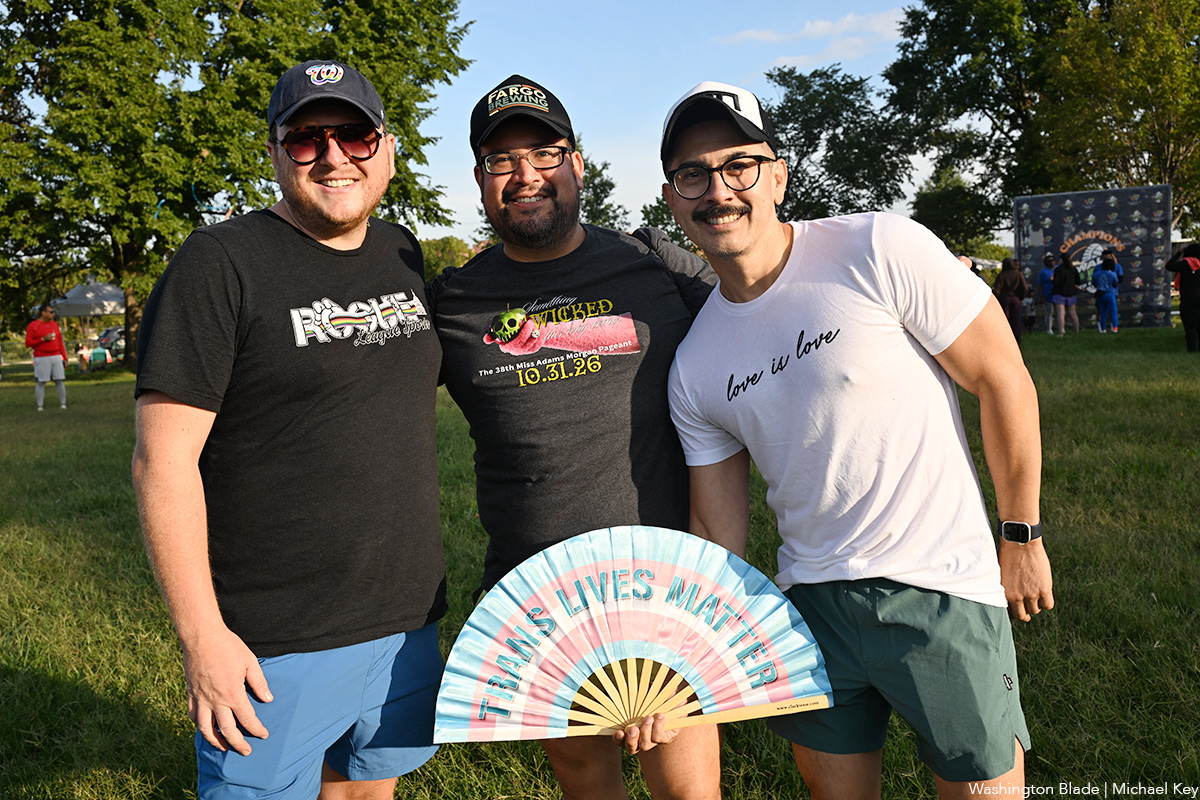
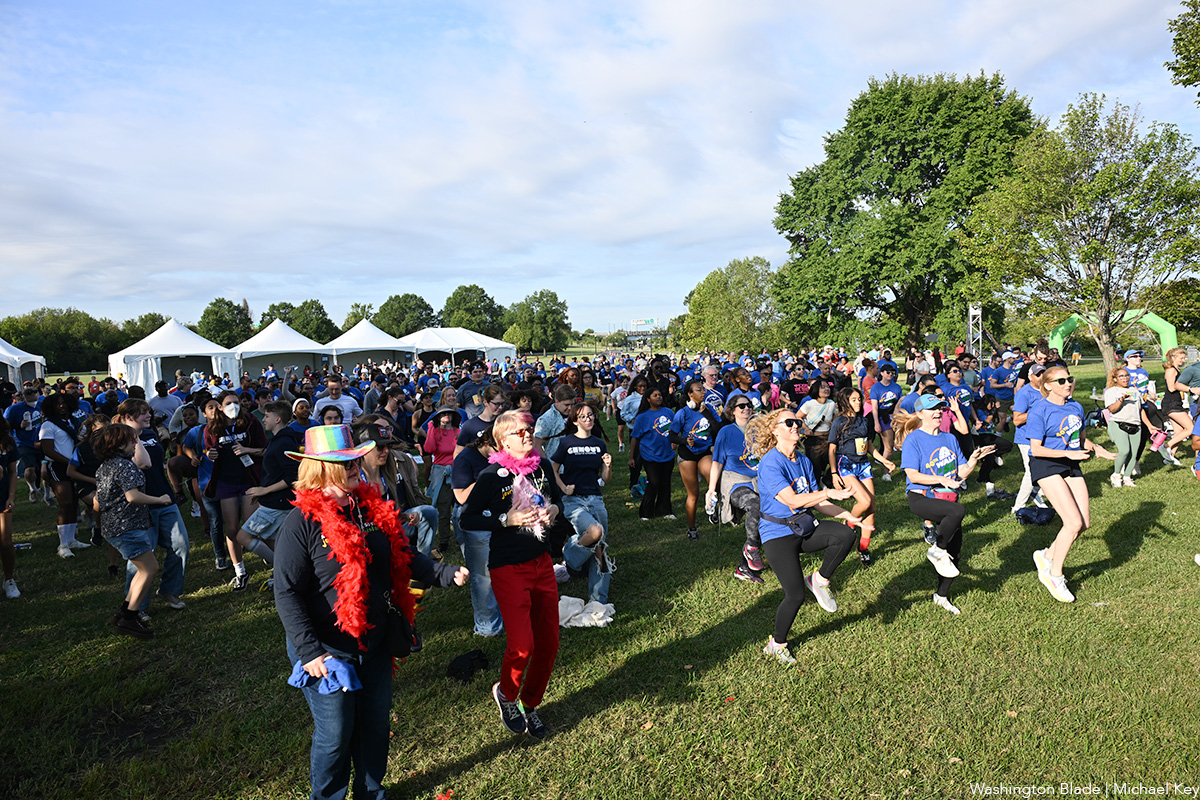
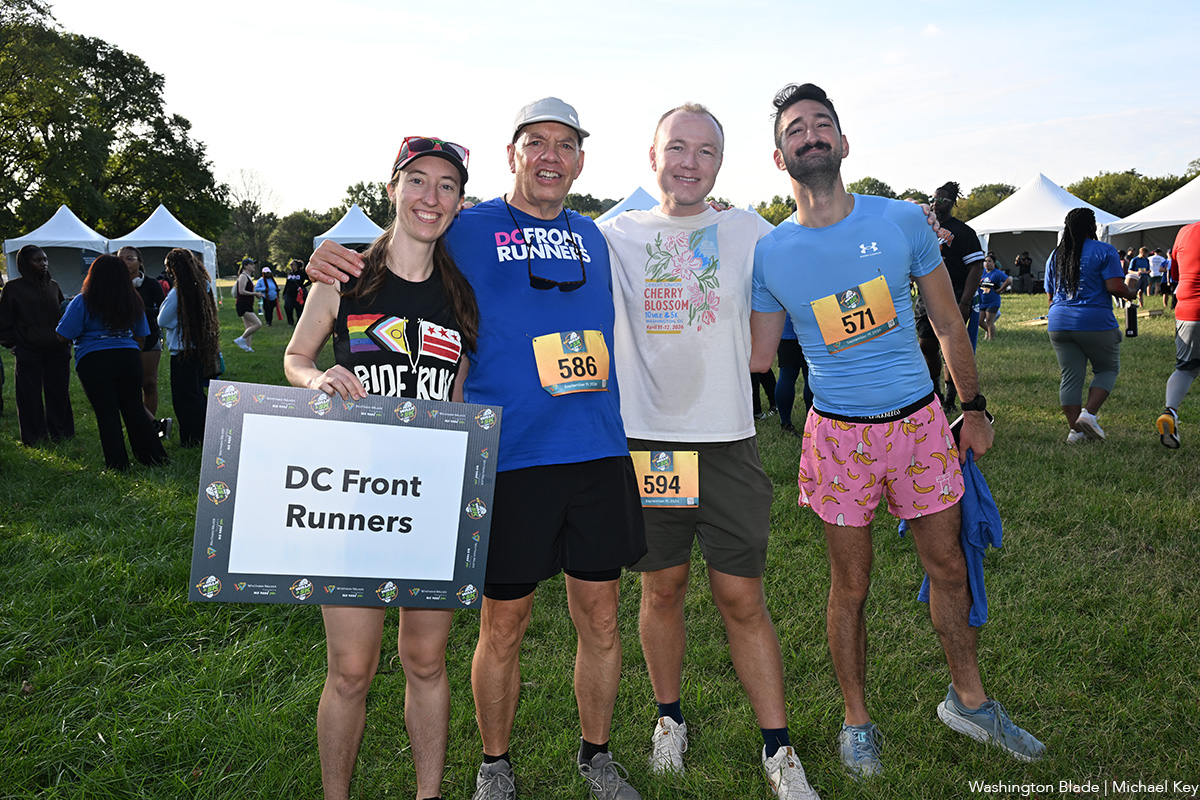
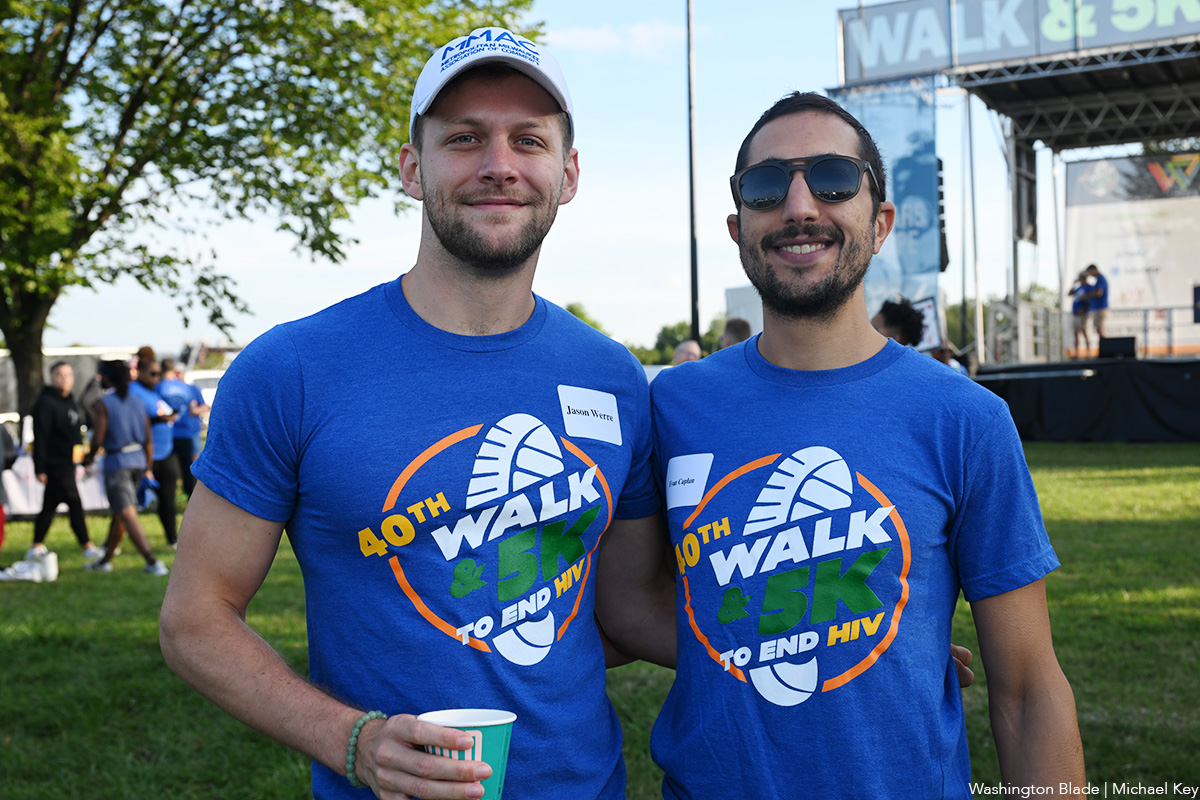
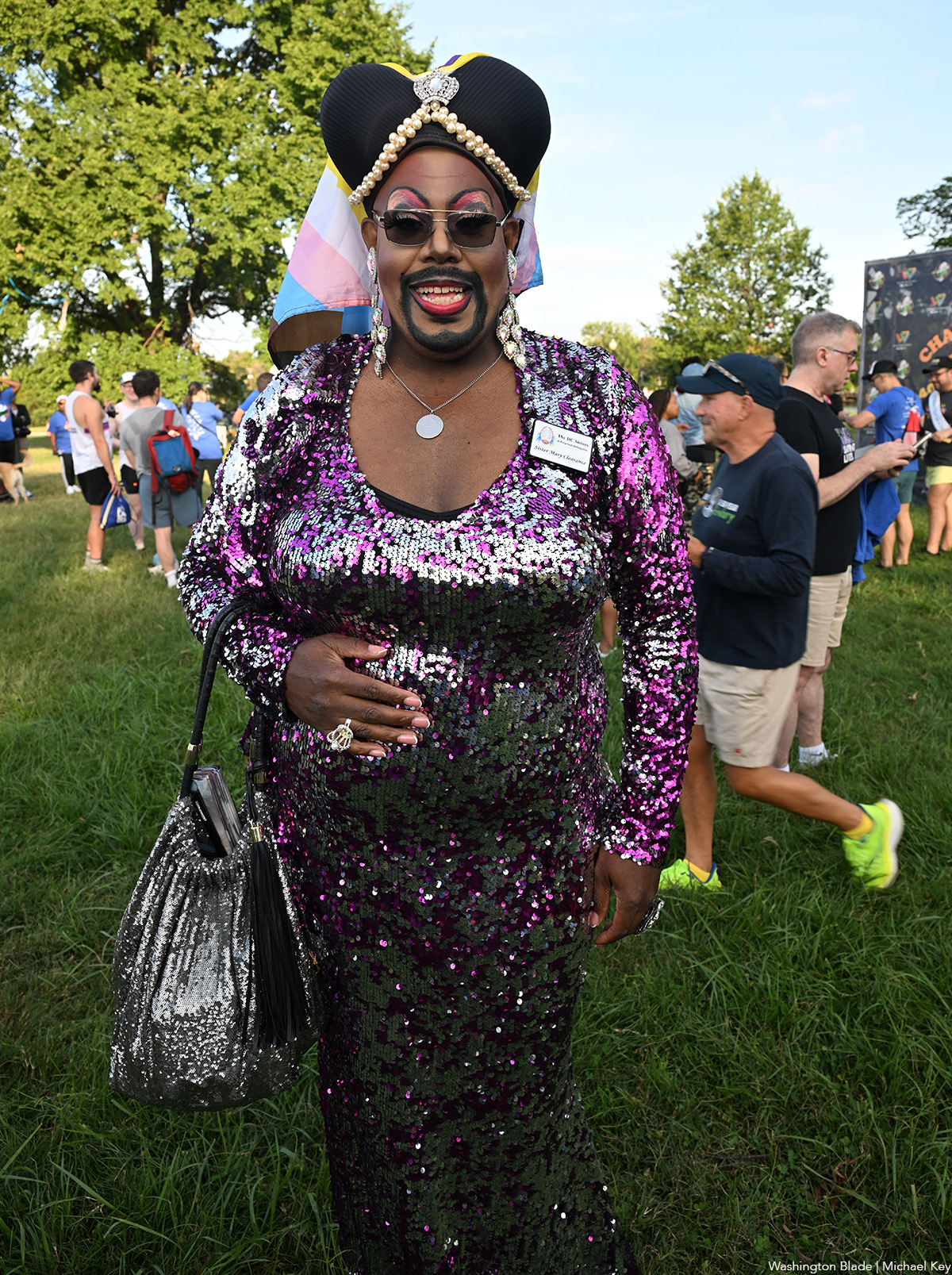
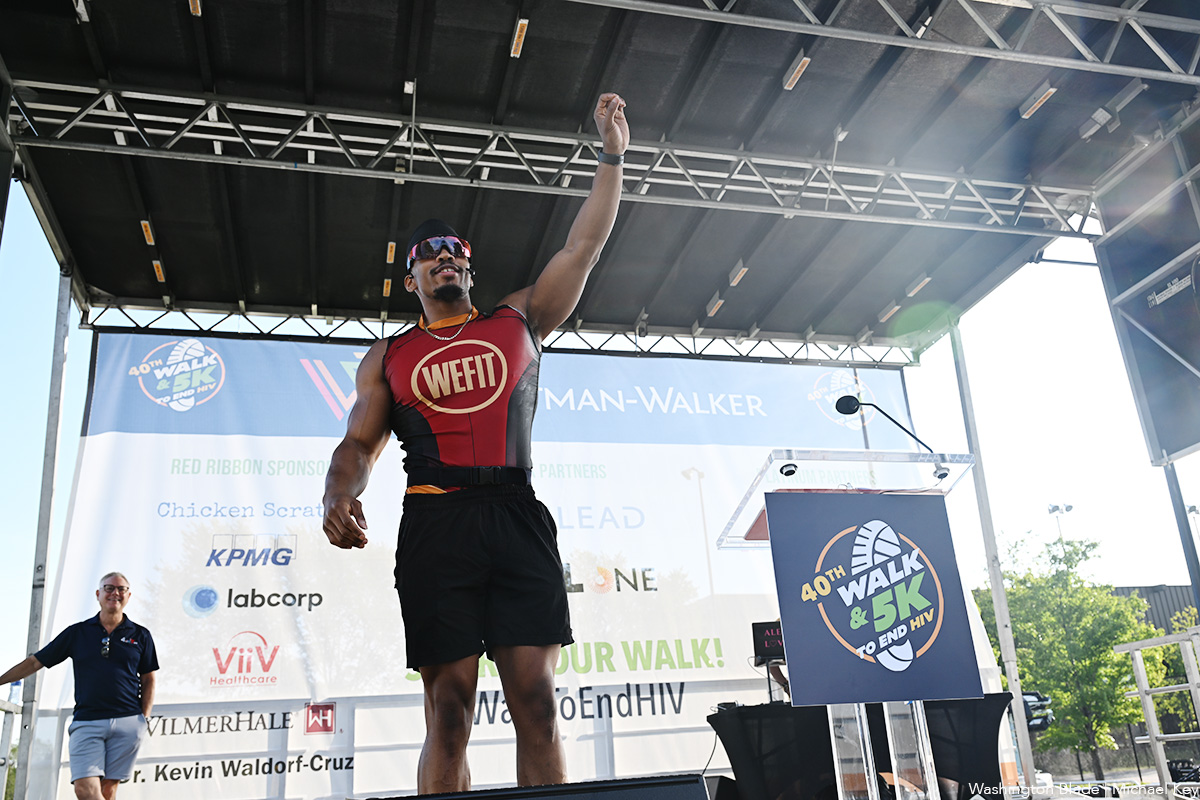
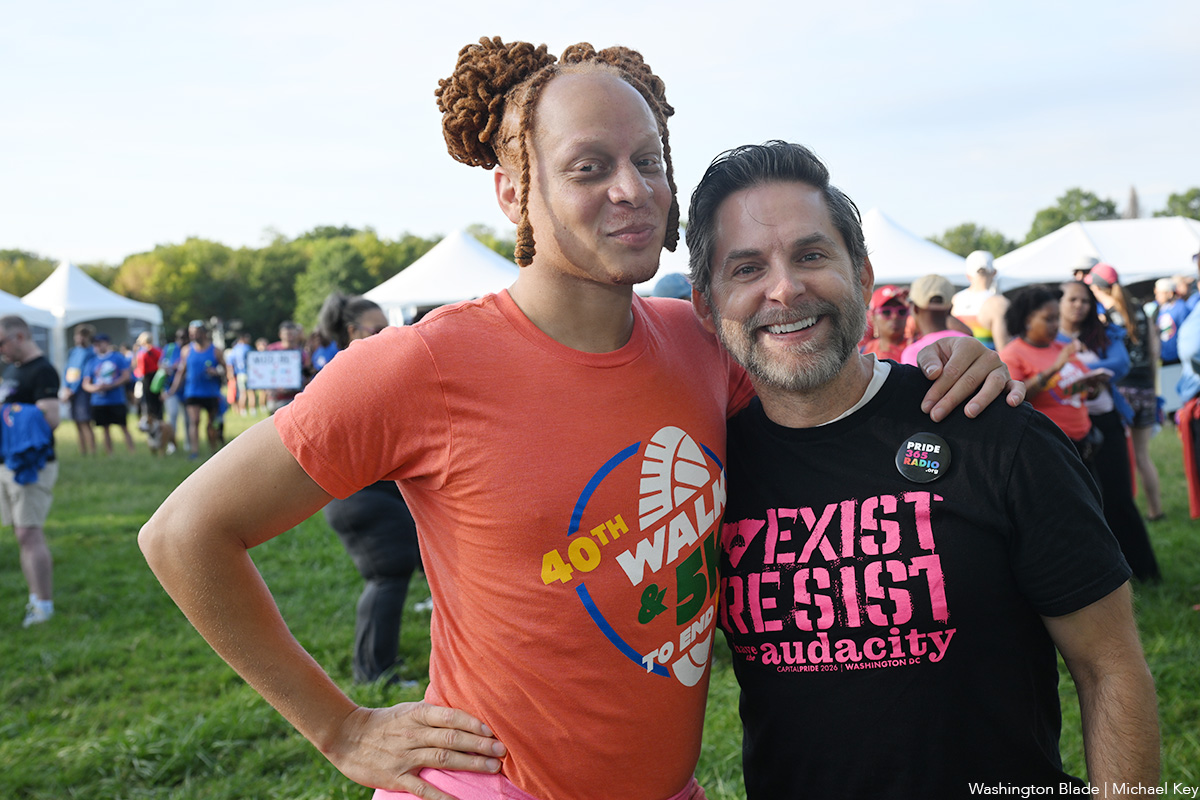
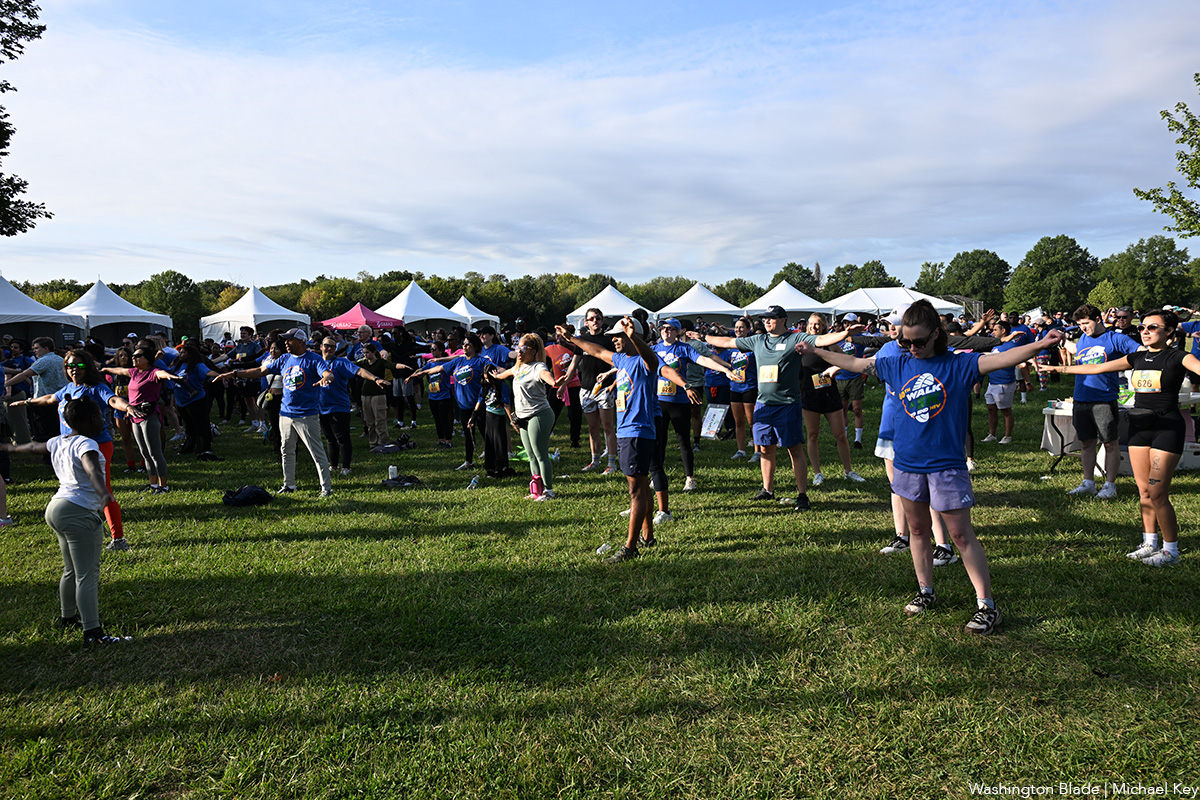
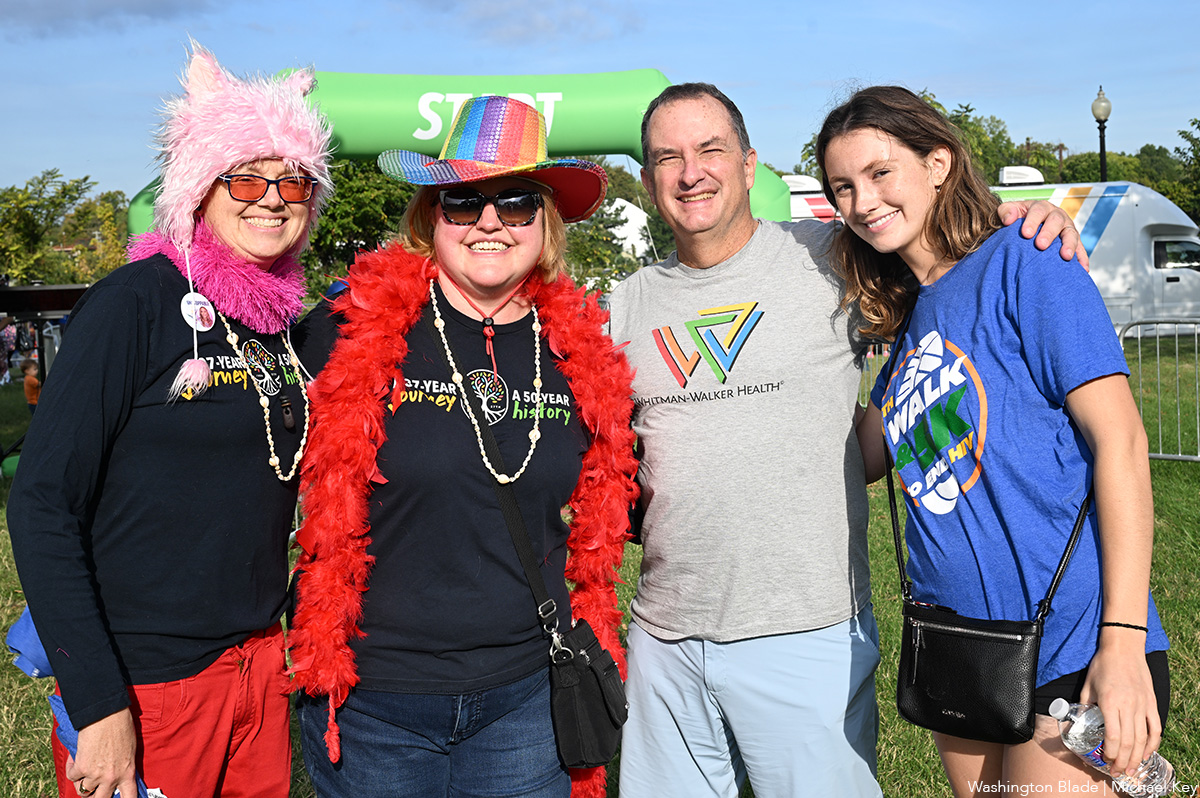
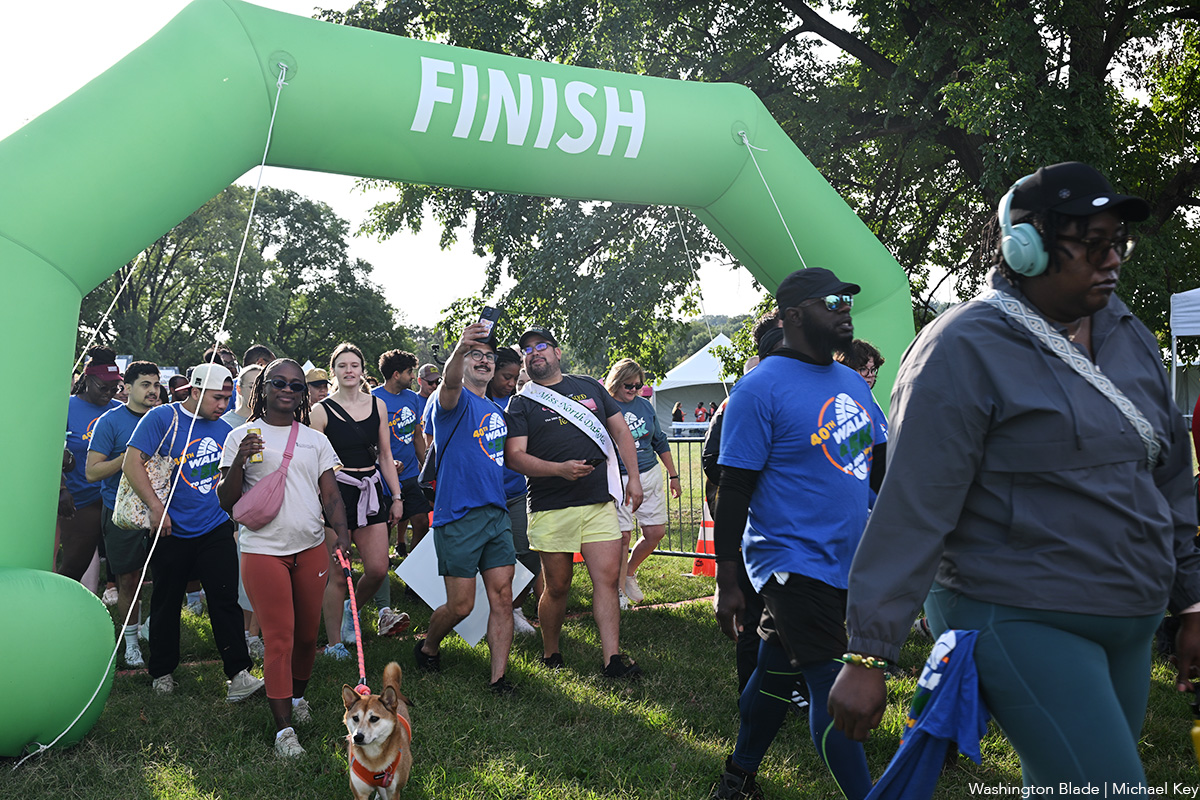
Whitman-Walker Health held the 40th annual Walk and 5K to End HIV at Anacostia Park on Saturday, Sept. 19.
(Washington Blade photos by Michael Key)


Photos
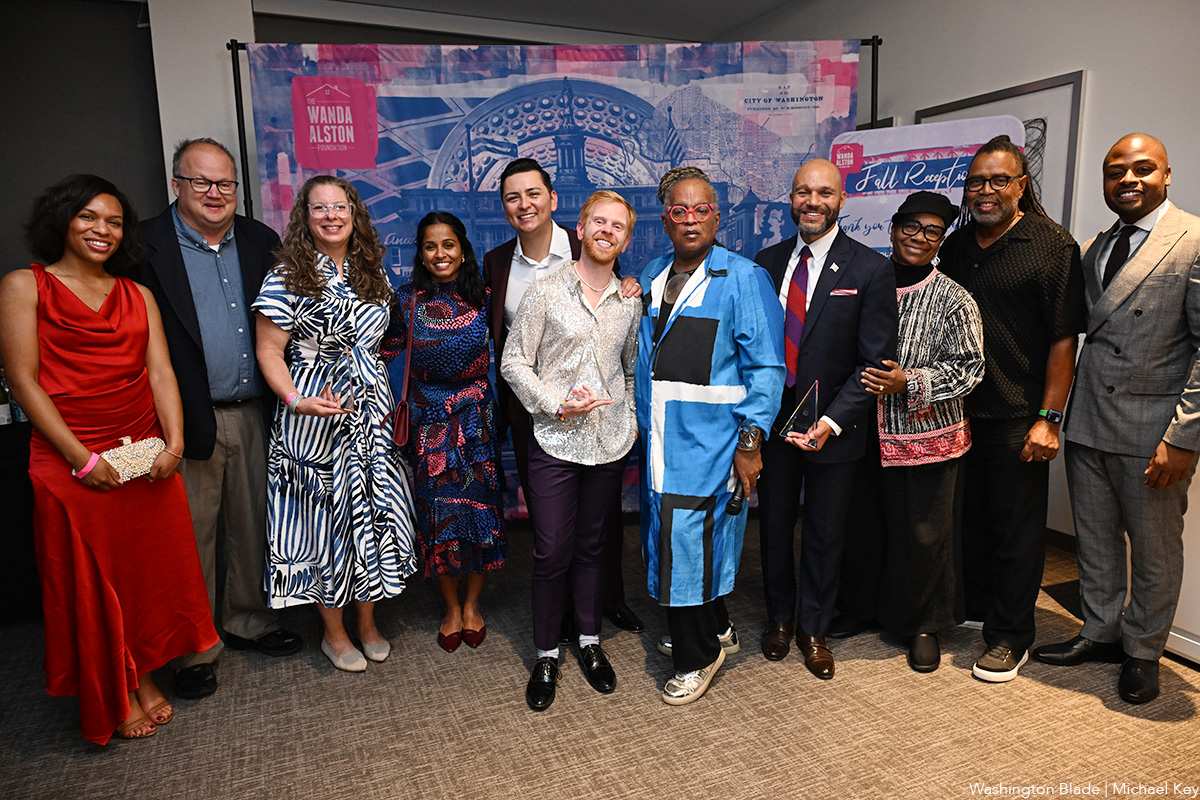
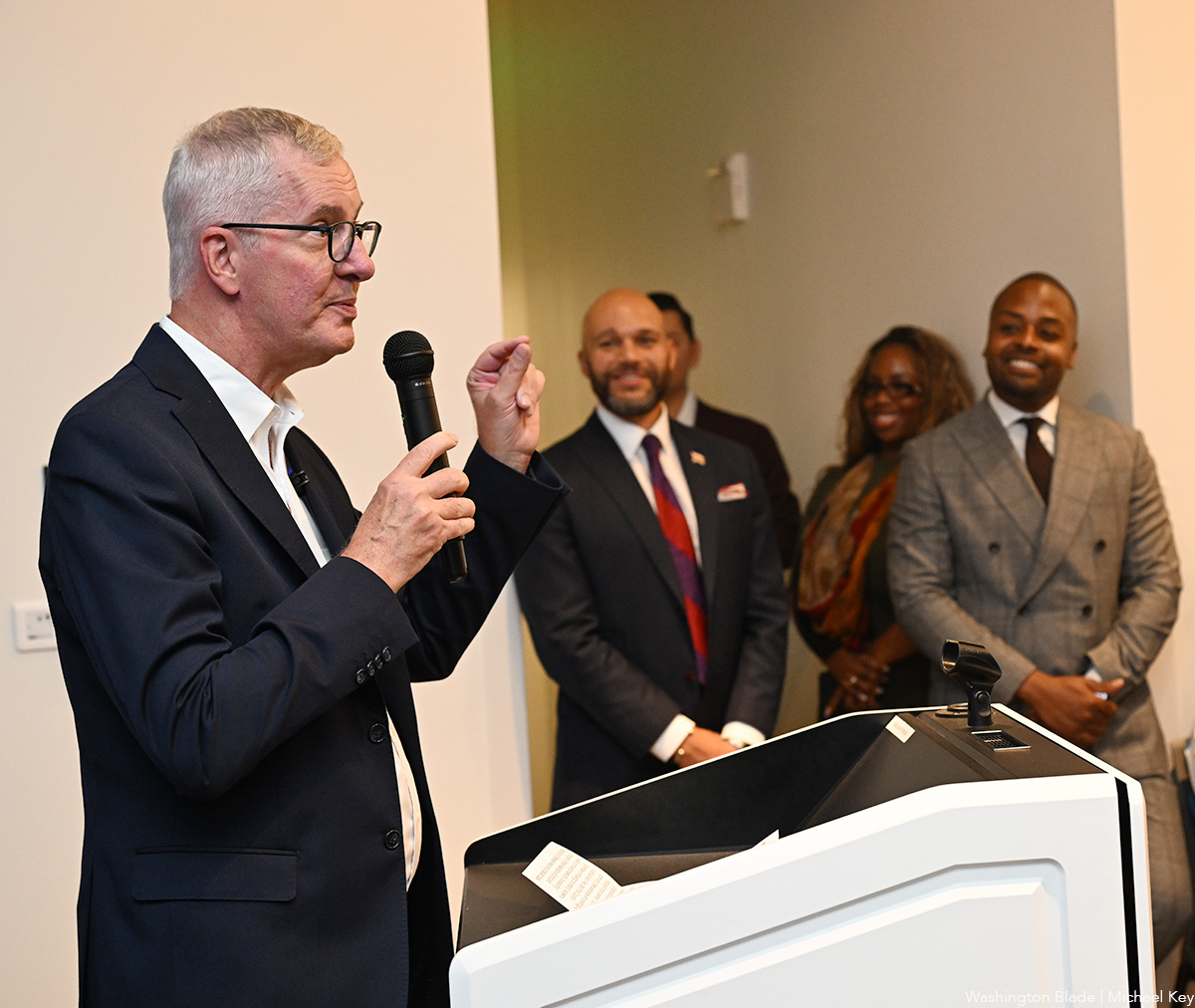
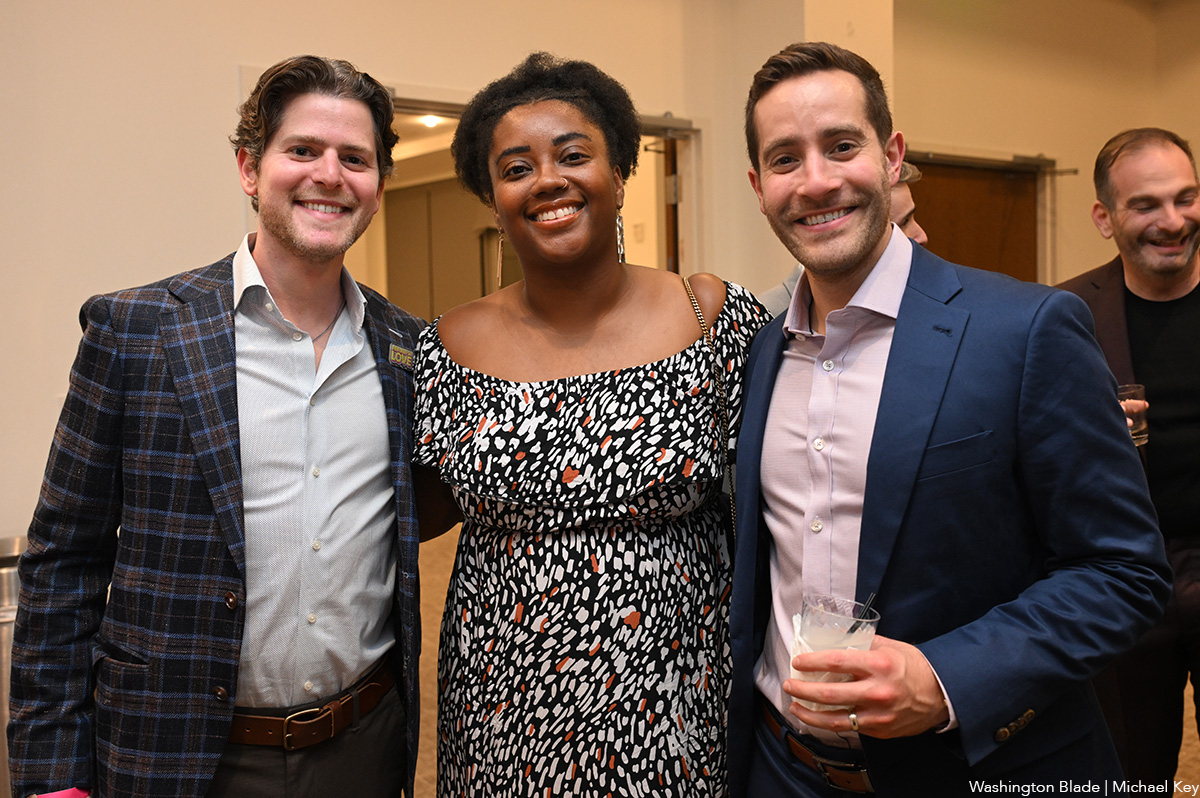
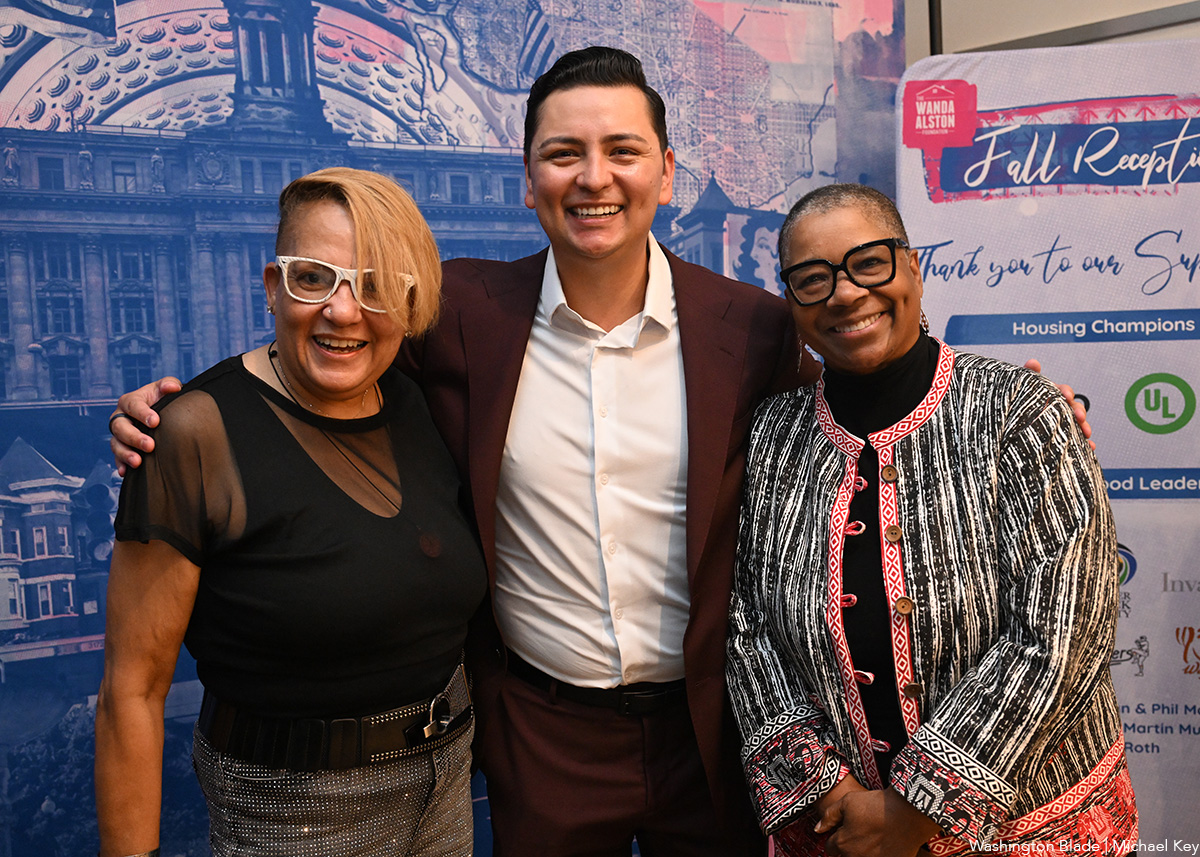
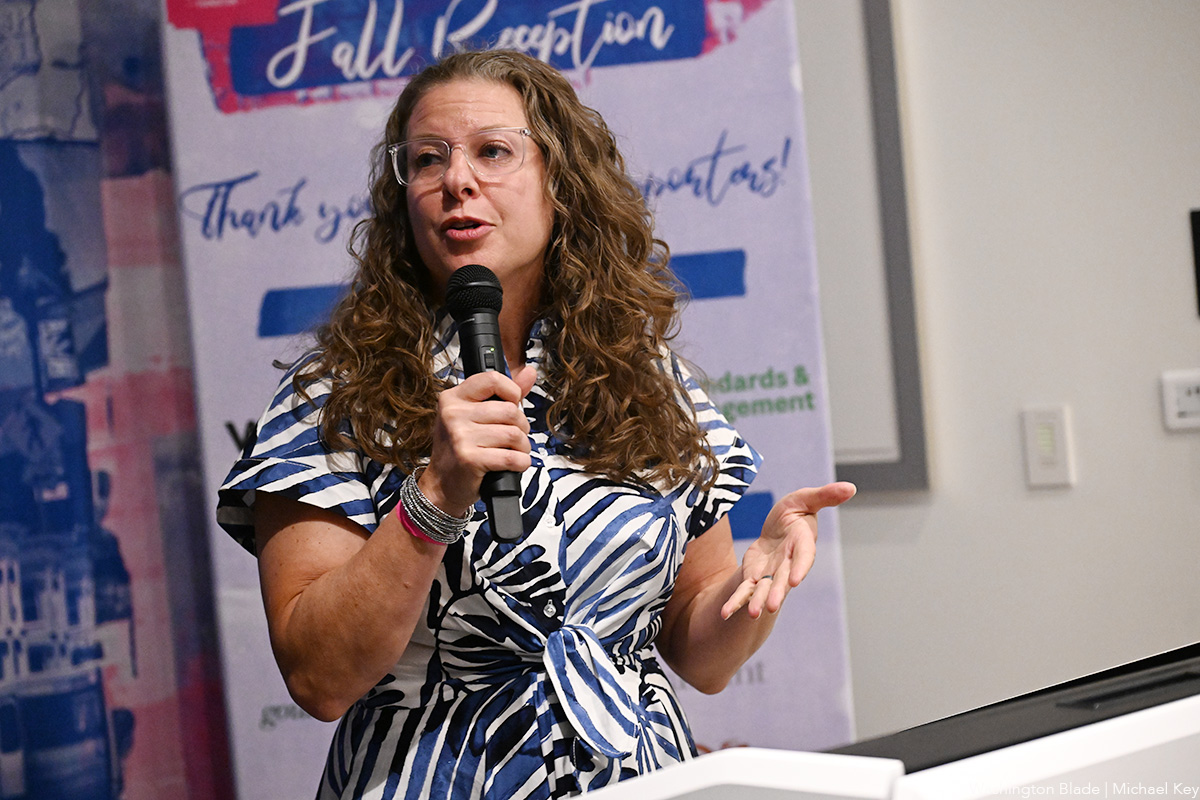
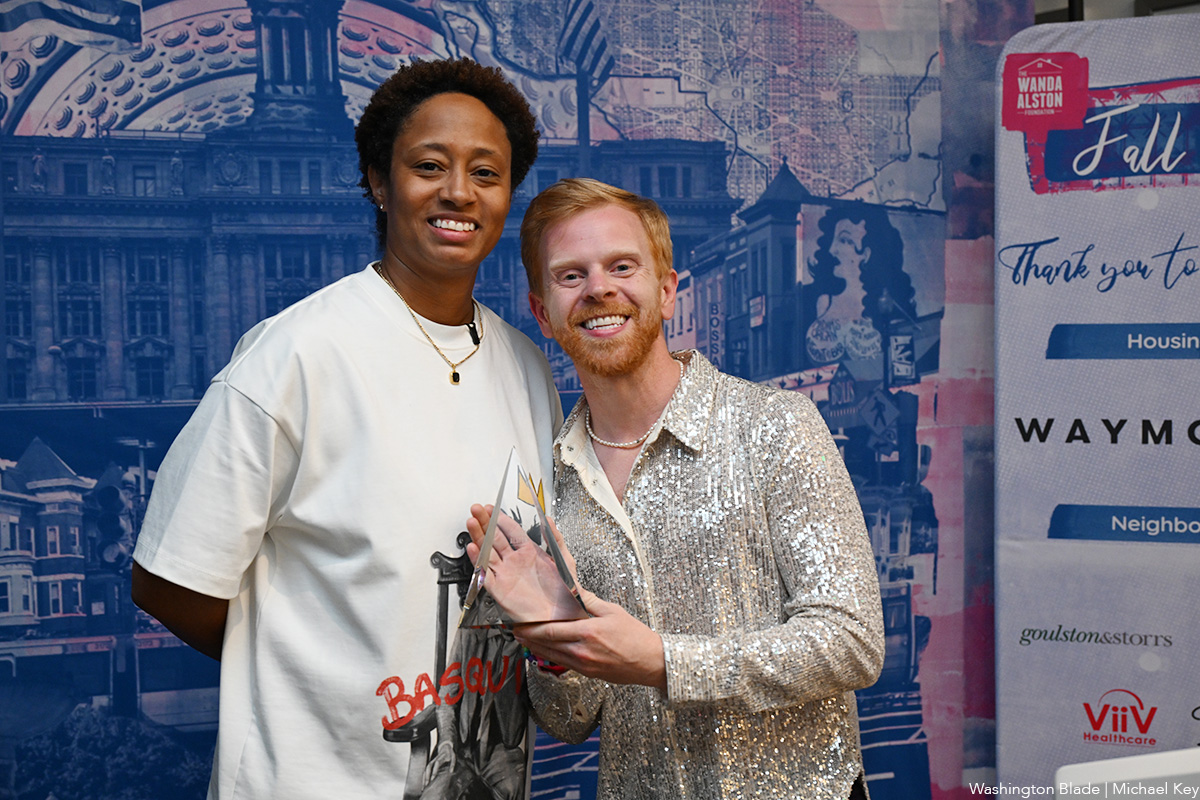
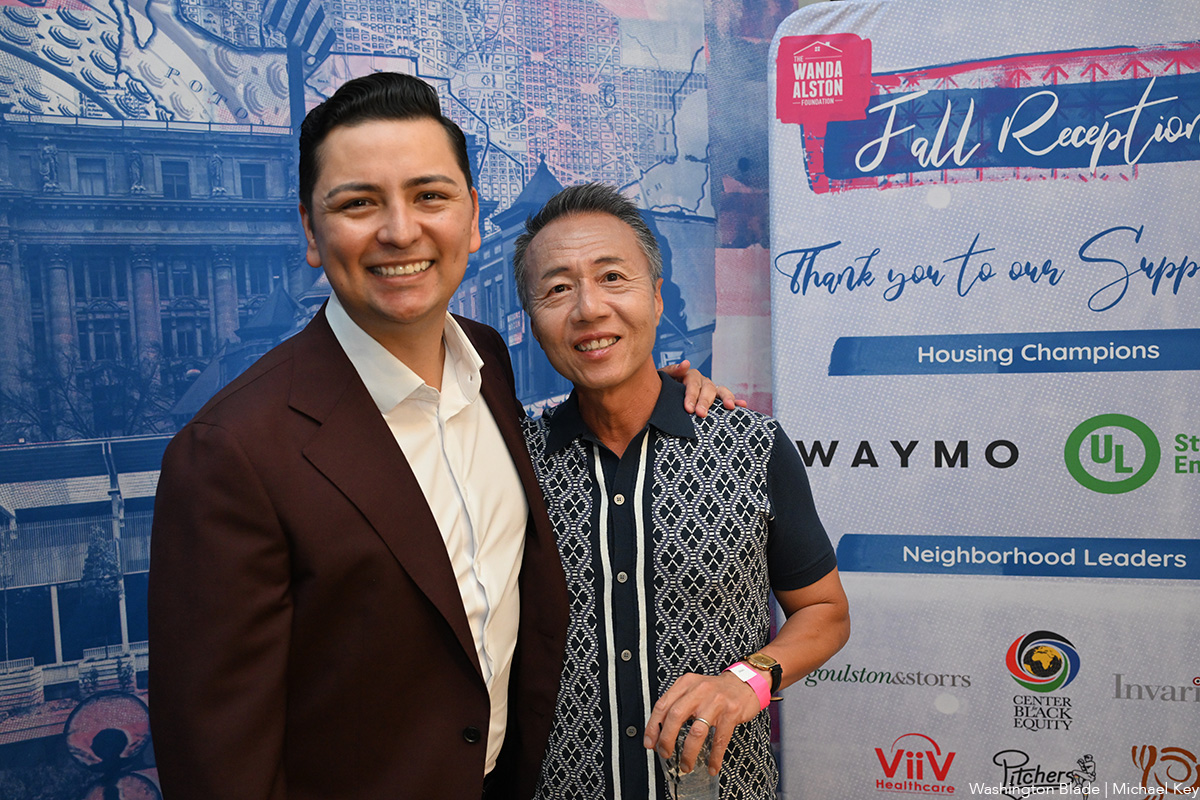
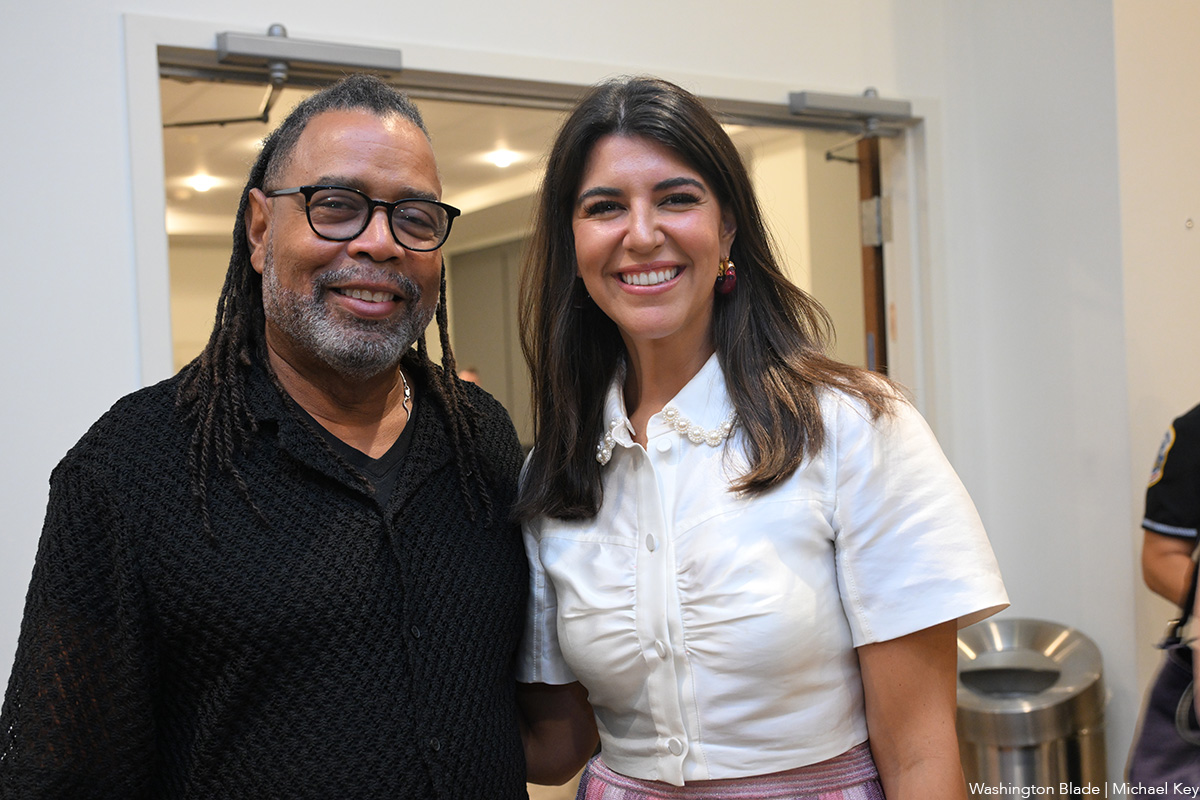
PHOTOS: Wanda Alston Foundation Fall Reception
LGBTQ youth services organization honors Robert White, Japer Bowles, Washington Capitals
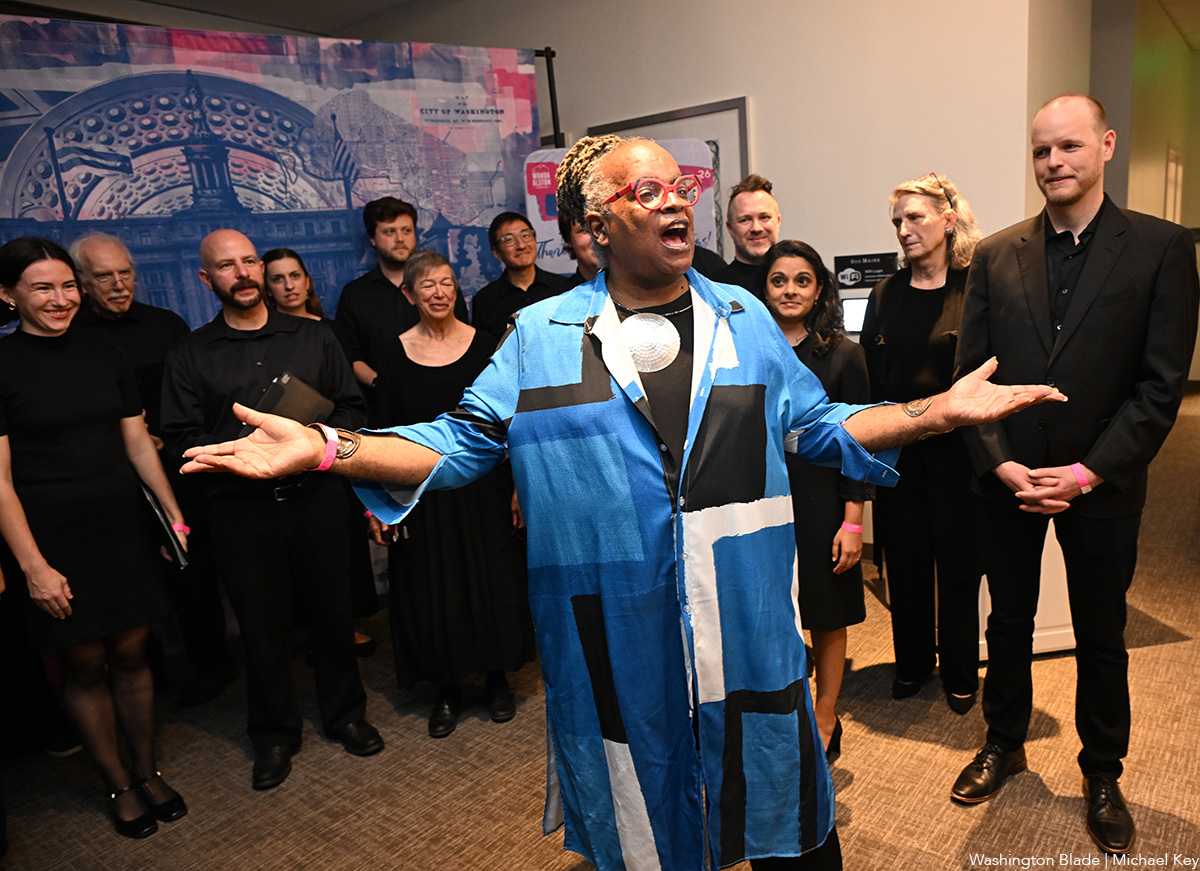
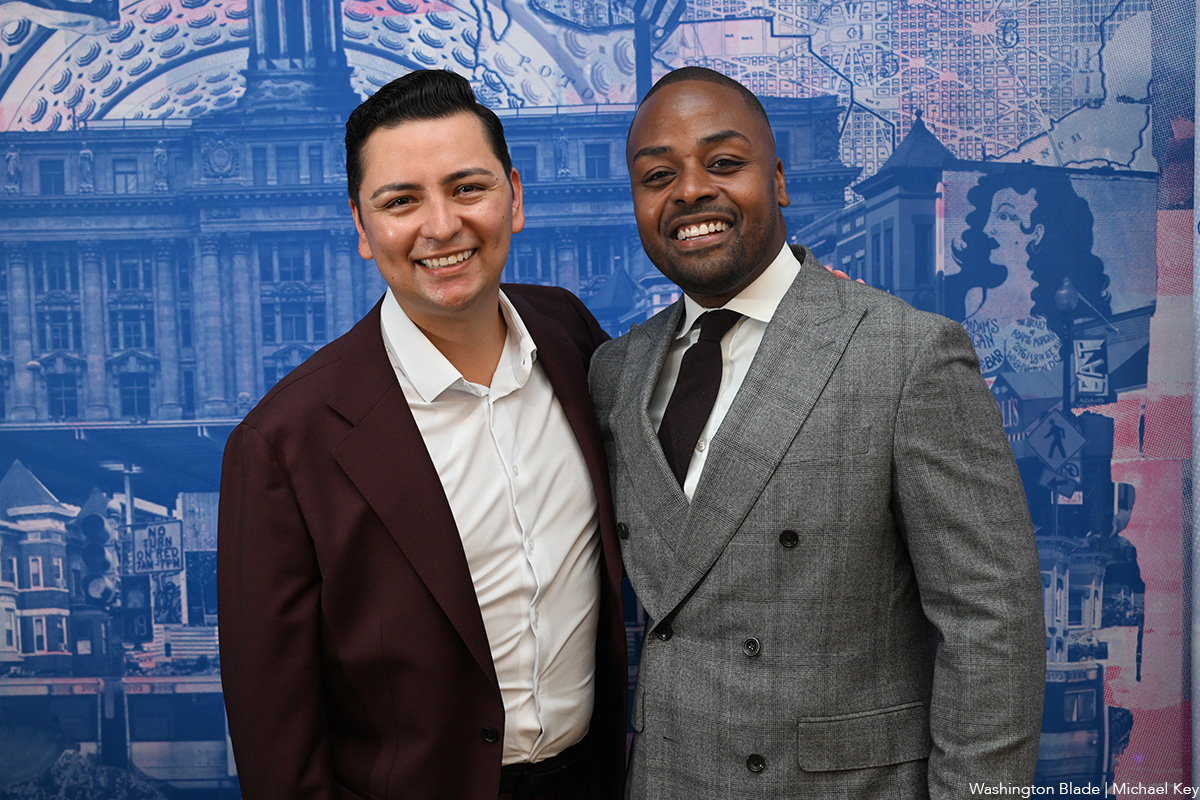
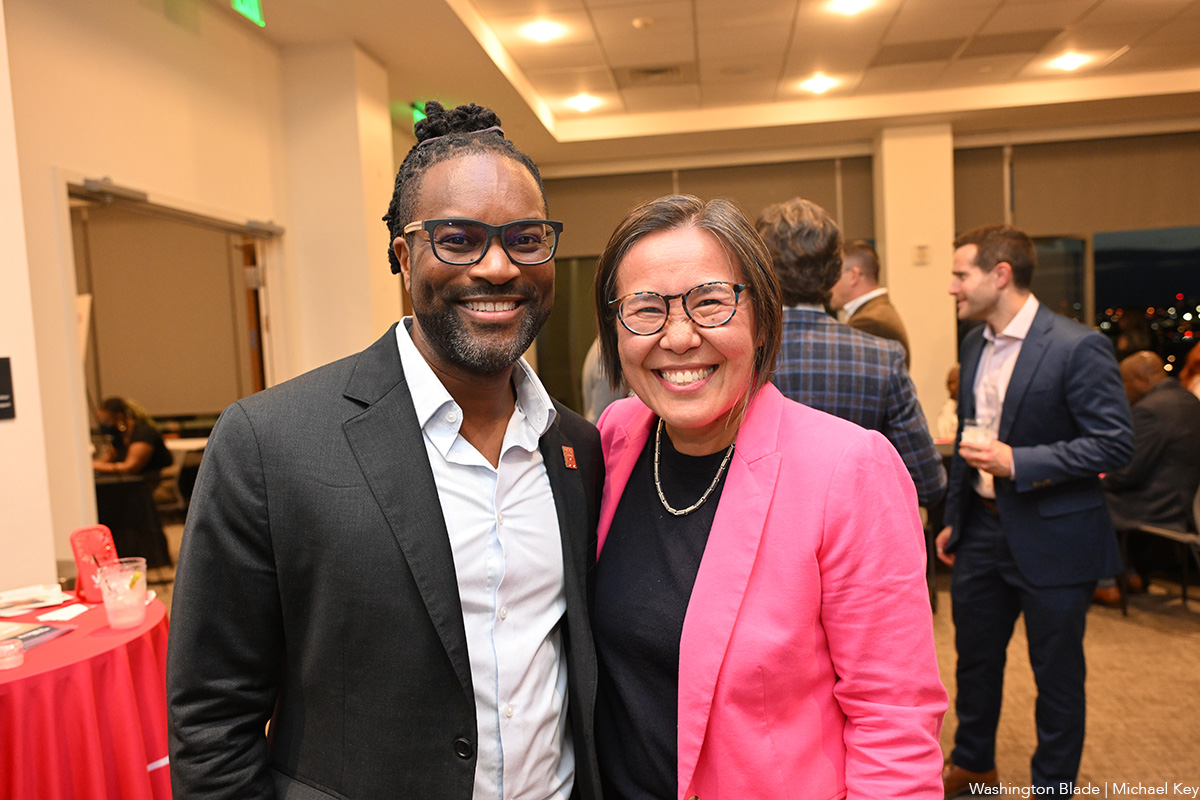
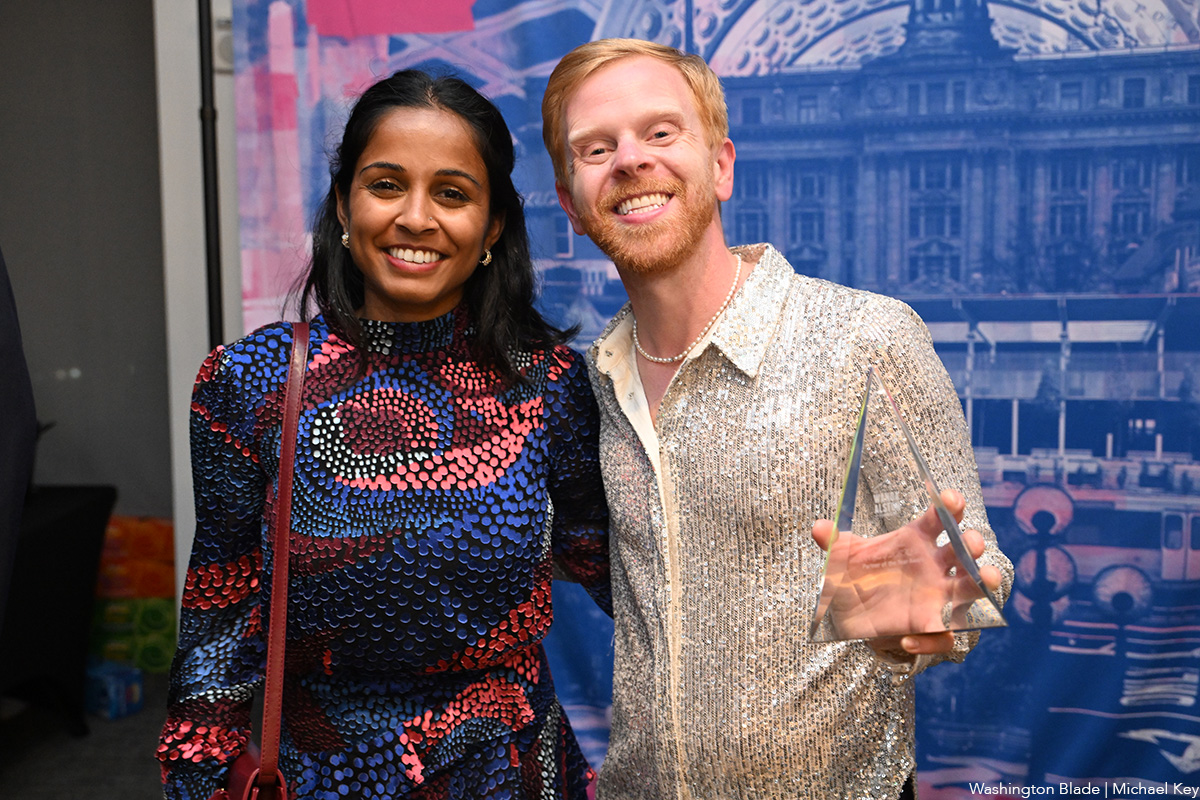
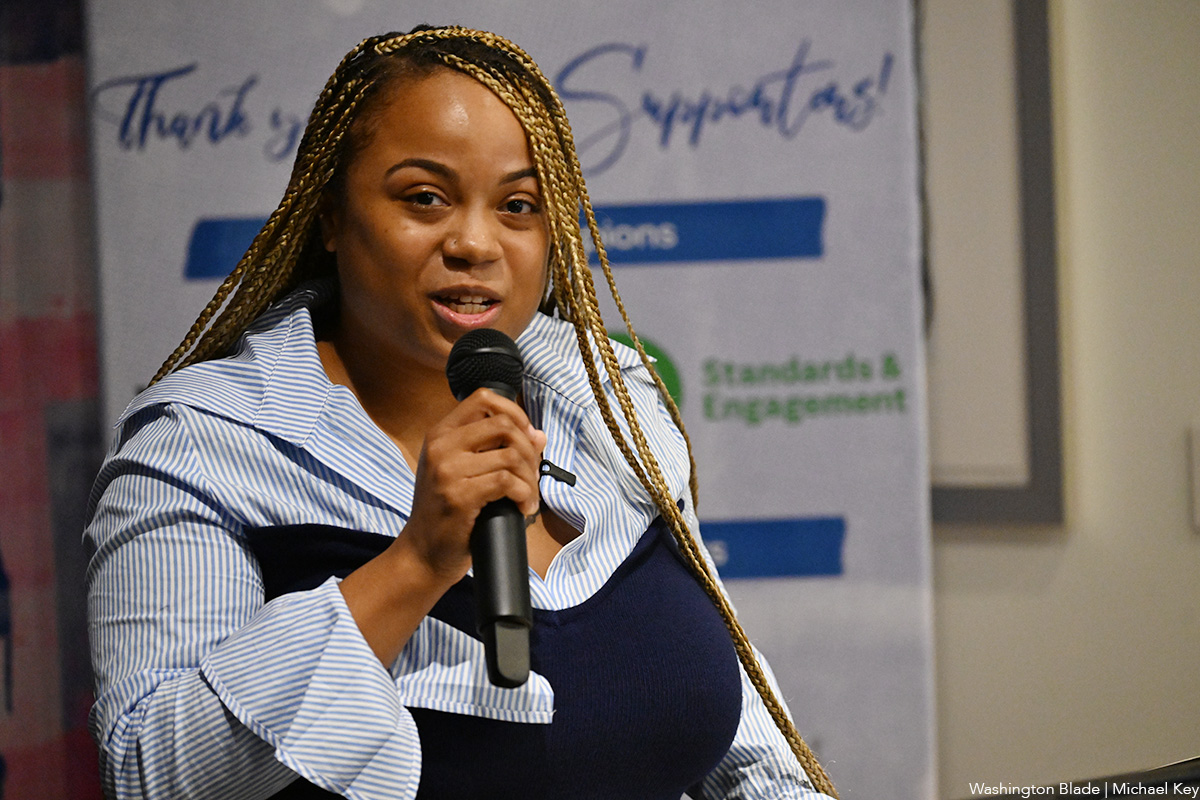
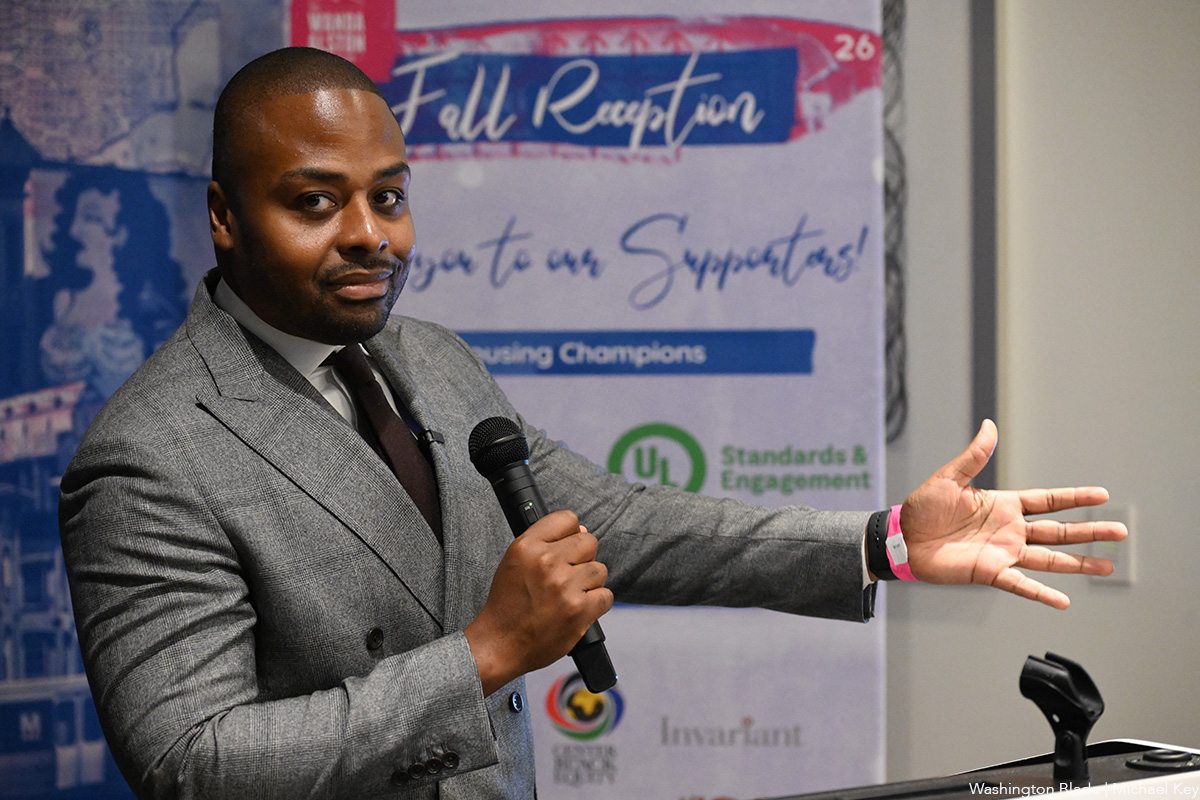
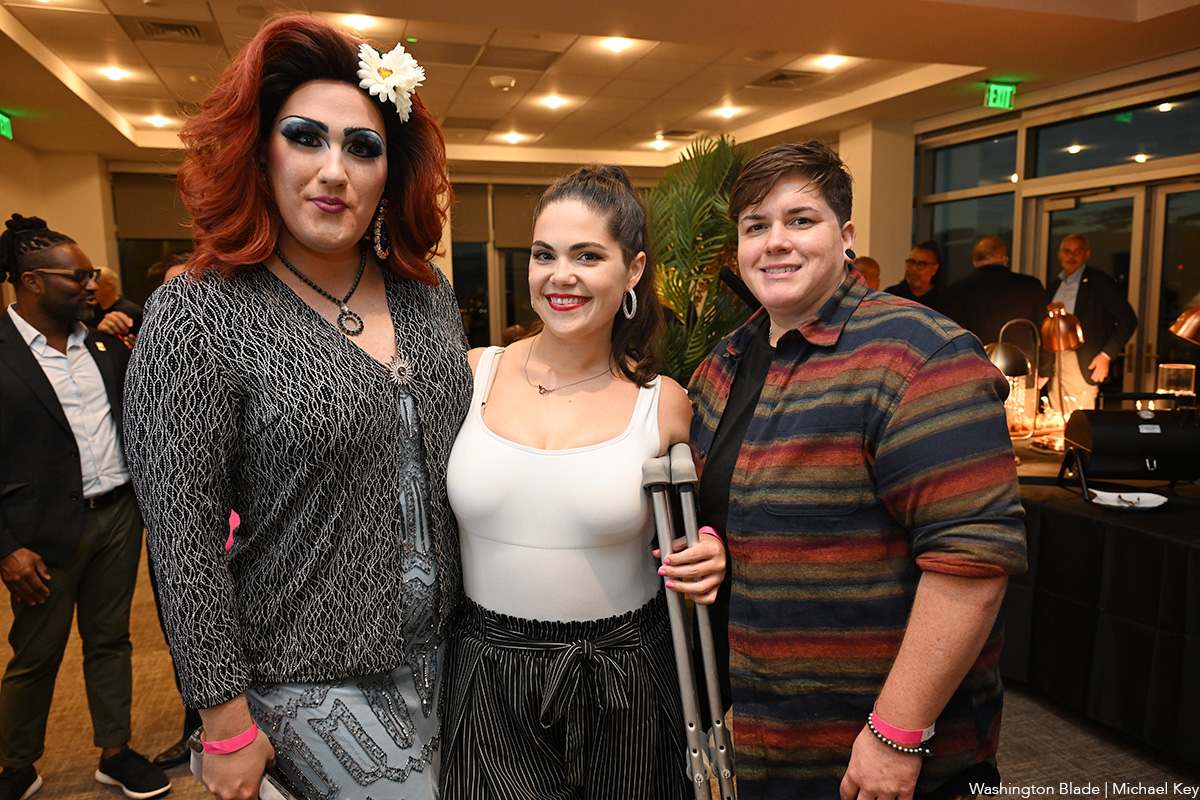
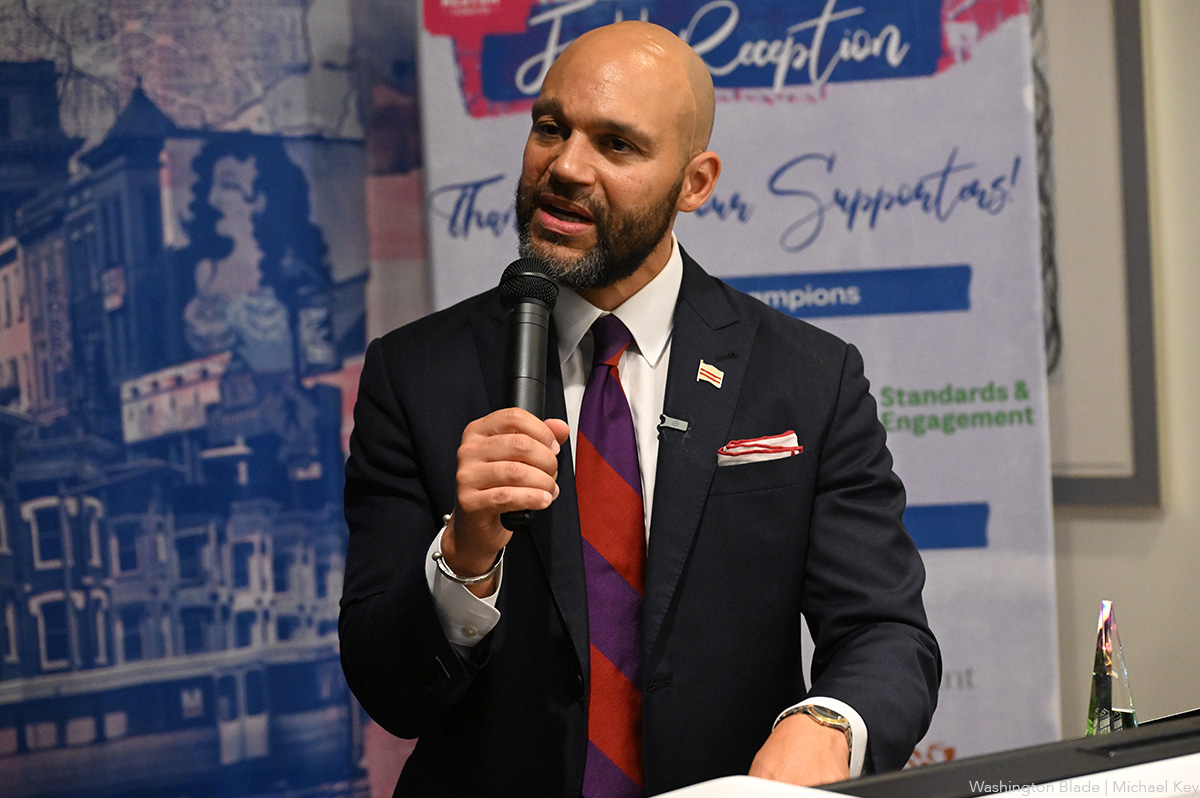
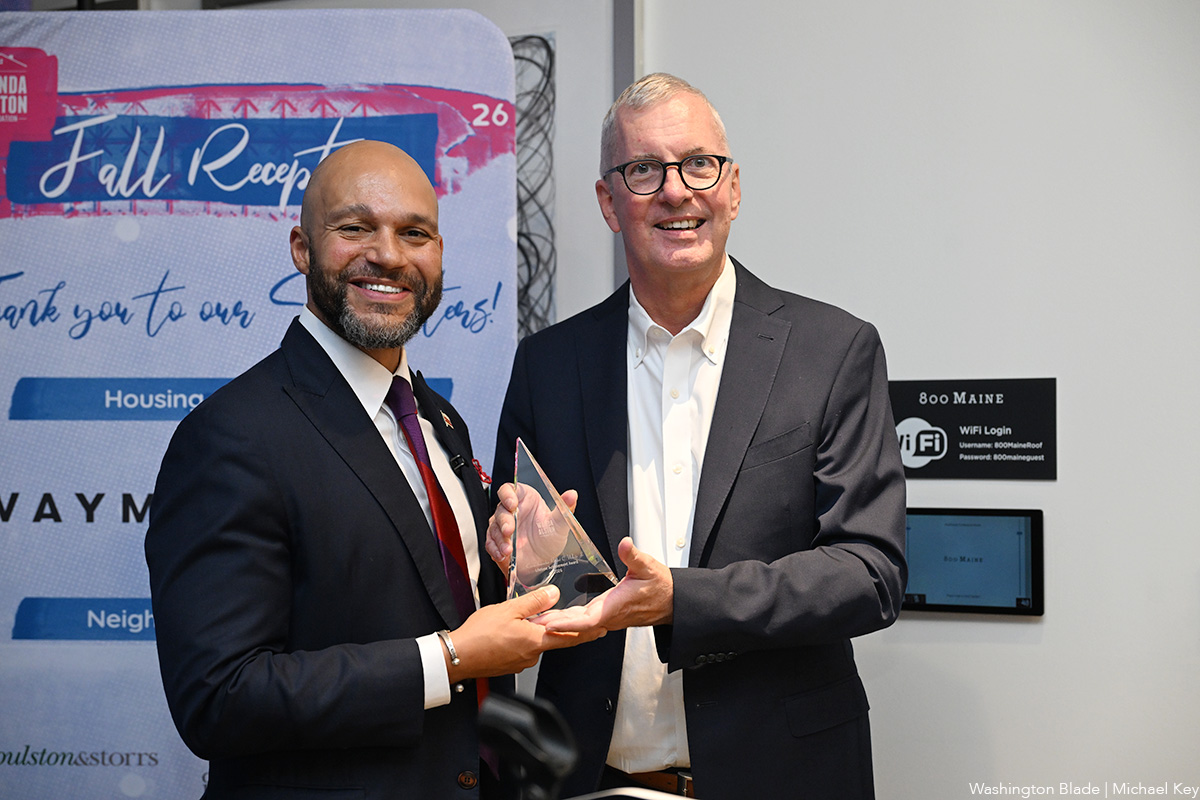
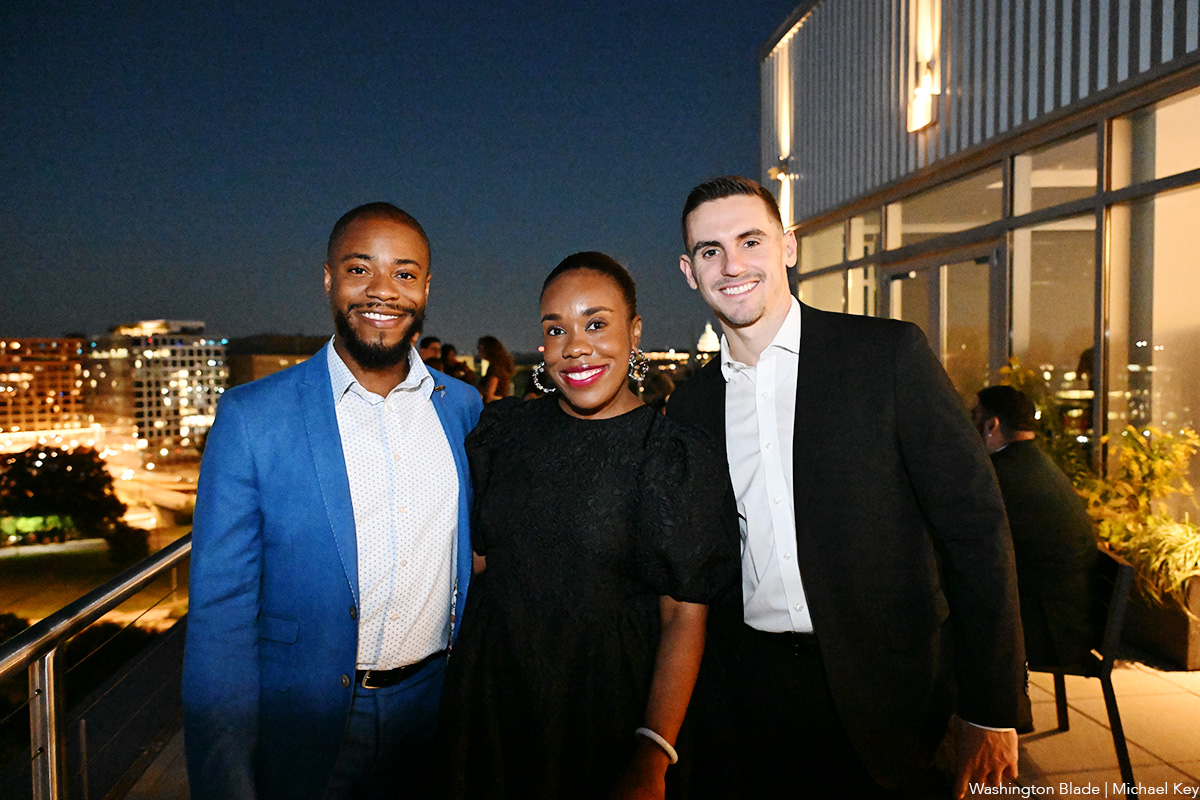
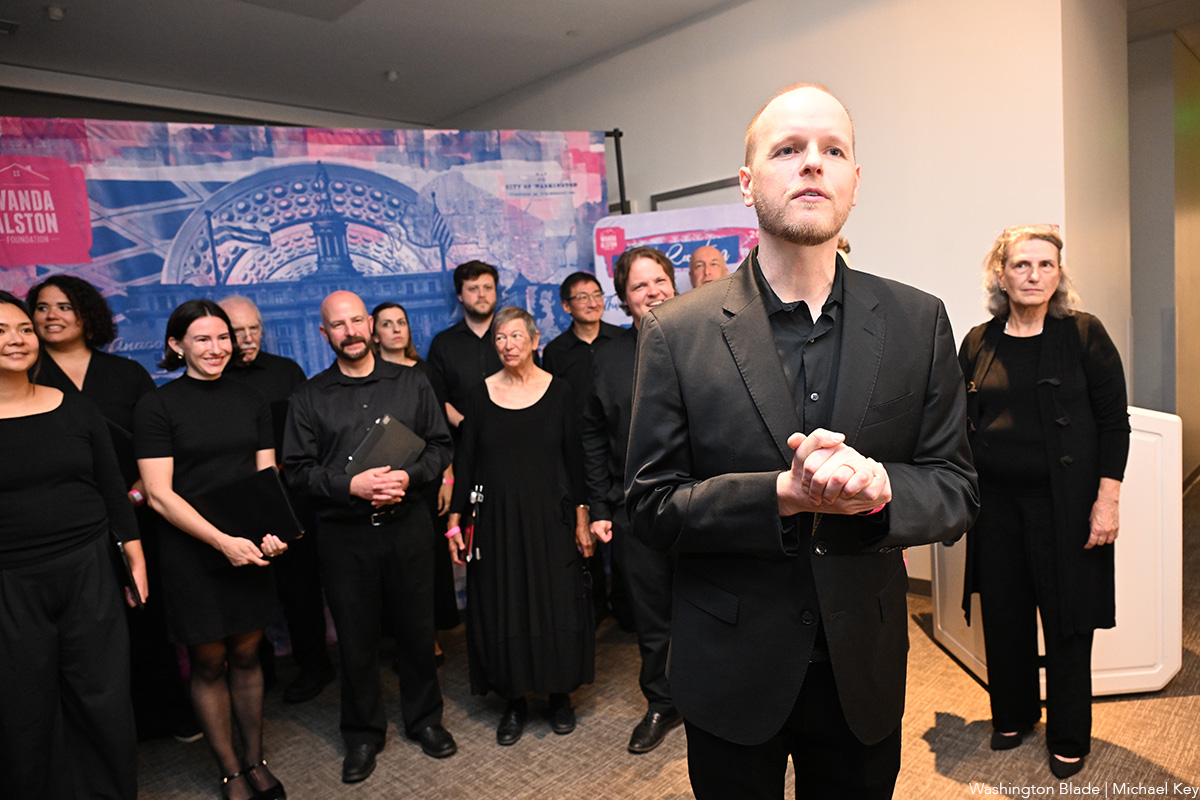
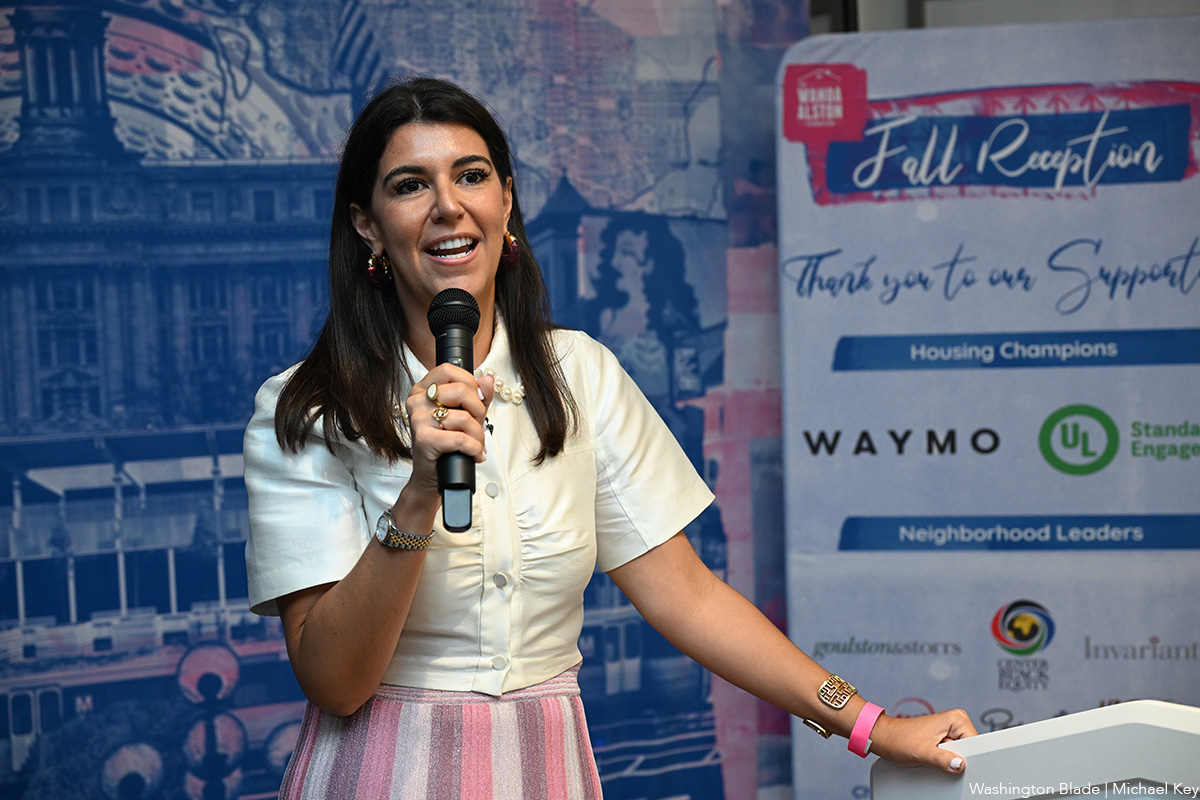
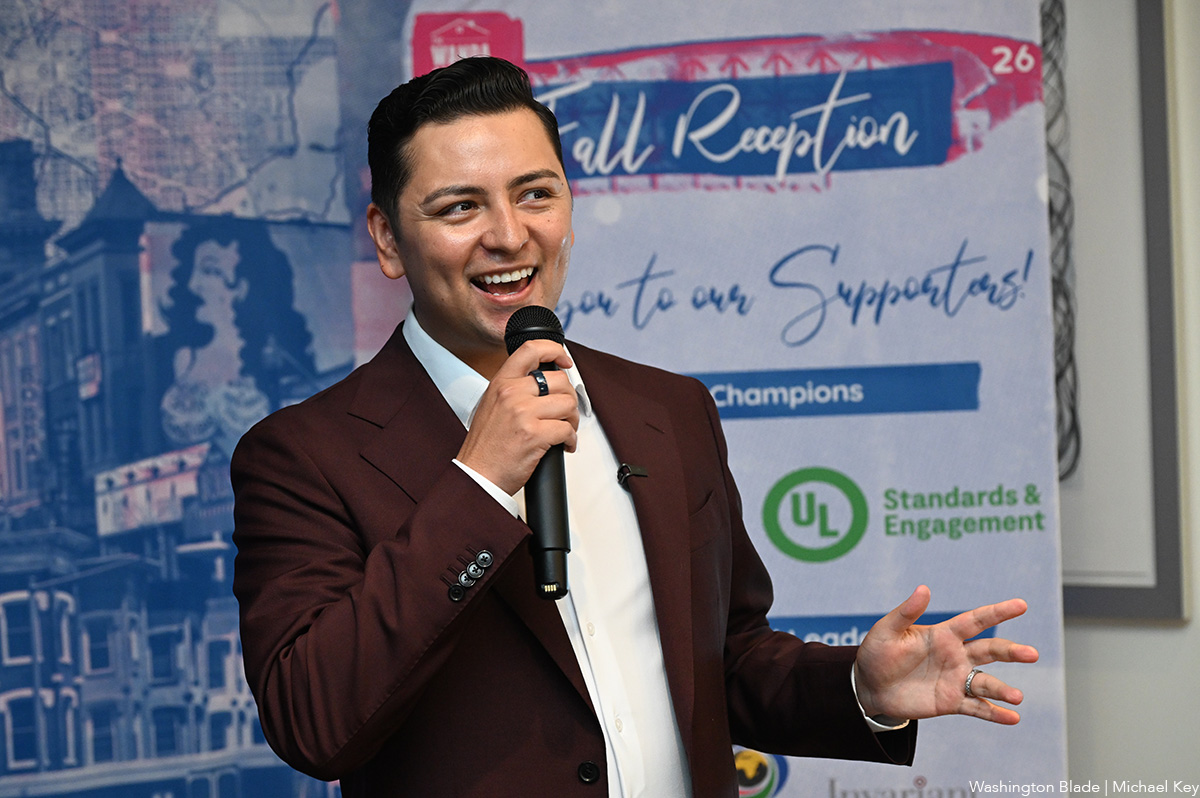
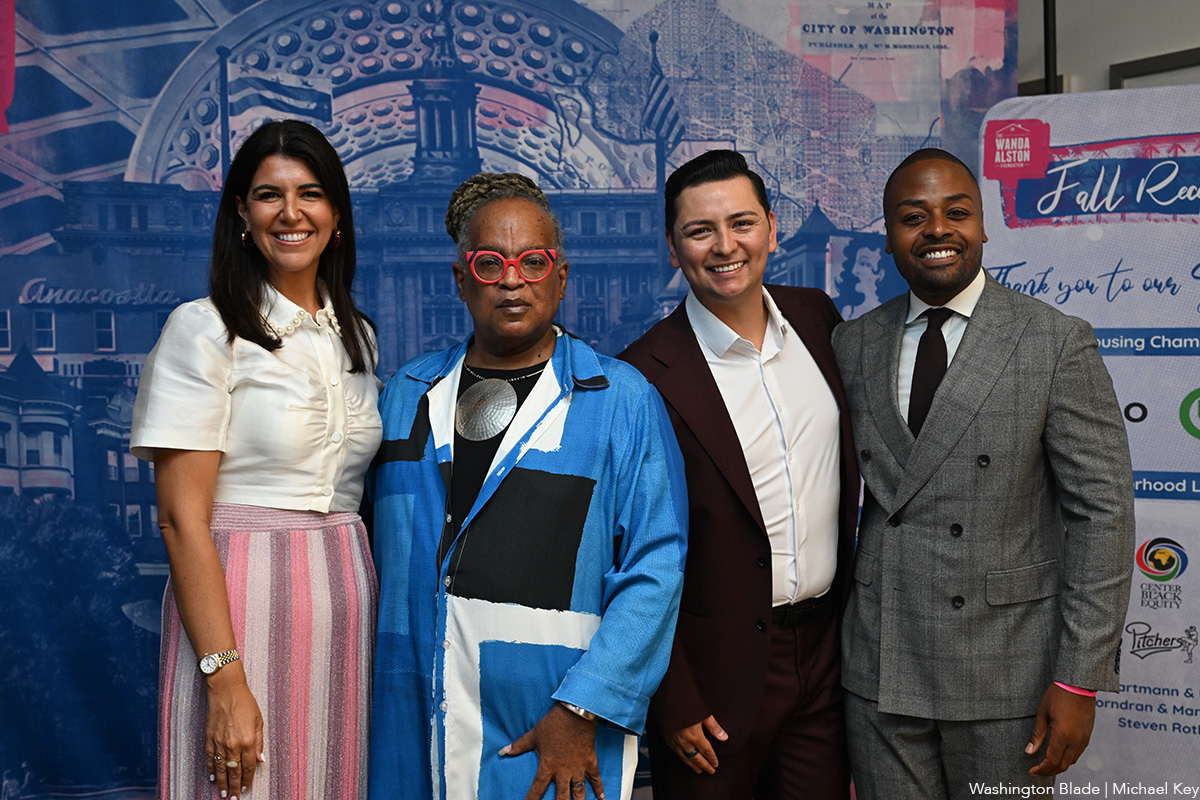
The Wanda Alston Foundation held its Fall Reception at the Penthouse Rooftop at The Wharf on Friday, Sept. 18. Honorees included D.C. Councilmember Robert White, Director of the Mayor’s Office of LGBTQ+ Affairs Japer Bowles, and the Washington Capitals. Rayceen Pendarvis served as the emcee and entertainment was provided by the Thomas Circle Singers.
(Washington Blade photos by Michael Key)
Books
Curl up with a good book this fall
New releases include mysteries, biographies, religion, and more
The fall books season offers lots of options so curl up and get ready to read.
FICTION
For the mystery fan who likes a sprinkle of thriller, look for “The Longest Death” by Kevin Jagernauth (Soho Crime, December). Richard Cobson hates his small town, he’s bored and desperate to get away. Stealing from his employer is the only thing that makes life bearable. That all changes when Marlon Montgomery comes to town and the two fall in love because if one guy can steal so easily, what can two do?
If you like graphic novels, try the “Tripping Over You” trilogy by Suzana Harcum and Owena White. Milo and Liam are finally able to be open about their relationship, no more hiding their love. They’re living together now, but can it last? “Tripping Over You Book 3” (First Second Books) is in stores in early November.
Also try “Diana: The Punk Singer Who Ripped Through Time” by Nate Powell (Abrams ComicArts, October). It’s about a young woman who’s trying desperately to escape her past, until a mysterious murder sidetracks her plans.
So you say you’re a romantic at heart? Then look for “Unspeakable Things: A Novel” by Elizabeth Hand (Little, Brown & Company, October). It’s a story set in the 1920s, when two young women arrive in the English Countryside to a dark and ancient manor. But, of course, nothing in a Gothic novel is easy, right? And you’ll love this tale.
NONFICTION
So this upcoming year is going to be one of exploration, right? Then look for “Free Love: Adventures in Marriage and Polyamory” by Michelle Tea (HarperOne, November). It’s a well-researched, personal, and interesting look at the lives of polyamorous couples and what it’s like to live what used to be called an “alternative” lifestyle.
If “fall” says “biography” to you, then look for “Showbiz! My Life as a Middle-Aged Man” by Murray Hill (Gallery Books, October). For decades, Hill has been making audiences laugh with his signature humor, but getting laughs hides his past all too well. He grew up in an abusive family and learning to hone his talents took some ingenuity. If you’re not a Hill fan yet, you will be, once you read this book.
For the reader who’s searching for a spiritual place, “Reading the Bible Through Queer Eyes: Good News for LGBTQ+ People from Genesis to Revelation” by podcasters Brian G. Murphy and Shannon T.L. Kearns (HarperOne, December) might help. Here, the authors look deeply at Scripture to find the queerness that’s there, proving to readers that the Word is not always what it seems.
Young readers may want to check out “Bitter Pill: Randy Shilts and the Dawn of the HIV/AIDS Epidemic” by Clement Xavier, illustrated by Heloise Cochois, foreword by Michael Lee (Abrams ComicArts, November). It’s a highly researched true story of activist Shilts, but also of Harvey Milk, and the earliest days of the AIDS crisis, when gay men needed a loud voice to advocate for them.
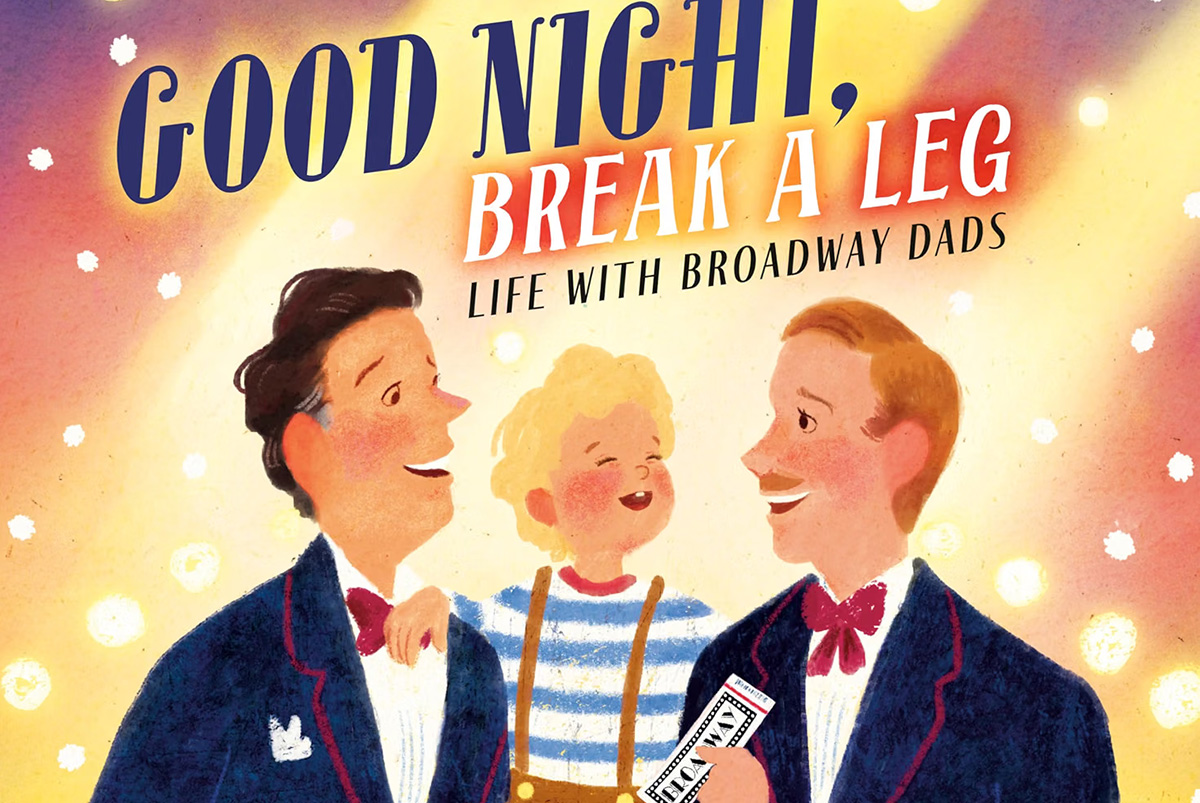
And finally, if you want a fun book for your kids or a child you love, look for “Good Night, Break a Leg: Life with Broadway Dads” by Bret Shuford, illustrated by Elena Hager (Penguin Workshop). What do parents do when they go to work? A little boy learns that his dads have very special jobs by day – and by night! It’s a cute book for kids, but a special tale for lovers of Broadway.
Be aware that publication dates change, titles change, books can be canceled, and your librarian or favorite bookseller can help you find what you need. Season’s readings!

PHOTOS: Walk and 5K to End HIV

PHOTOS: Wanda Alston Foundation Fall Reception

Moving presents a chance to ‘clean house’

EV ecstacy: BMW iX3, Rivian R2

Curl up with a good book this fall

Trump’s Cabinet: Dumb, dumber, dumbest, and evil

More than 150 people detained outside Istanbul courthouse

Gay man sues Delaware AG for not prosecuting partner in domestic violence case

D.C.’s fall theater season is already well underway

Gun reform is an LGBTQ rights issue
-

 Opinions5 days ago
Trump’s Cabinet: Dumb, dumber, dumbest, and evil
-
Turkey5 days ago
More than 150 people detained outside Istanbul courthouse
-
Delaware5 days ago
Gay man sues Delaware AG for not prosecuting partner in domestic violence case
-
Theater5 days ago
D.C.’s fall theater season is already well underway