District of Columbia
LGBTQ budget advocates fight for D.C. resources in a tough fiscal year
‘Trying to preserve life-saving services’ amid $1 billion cut
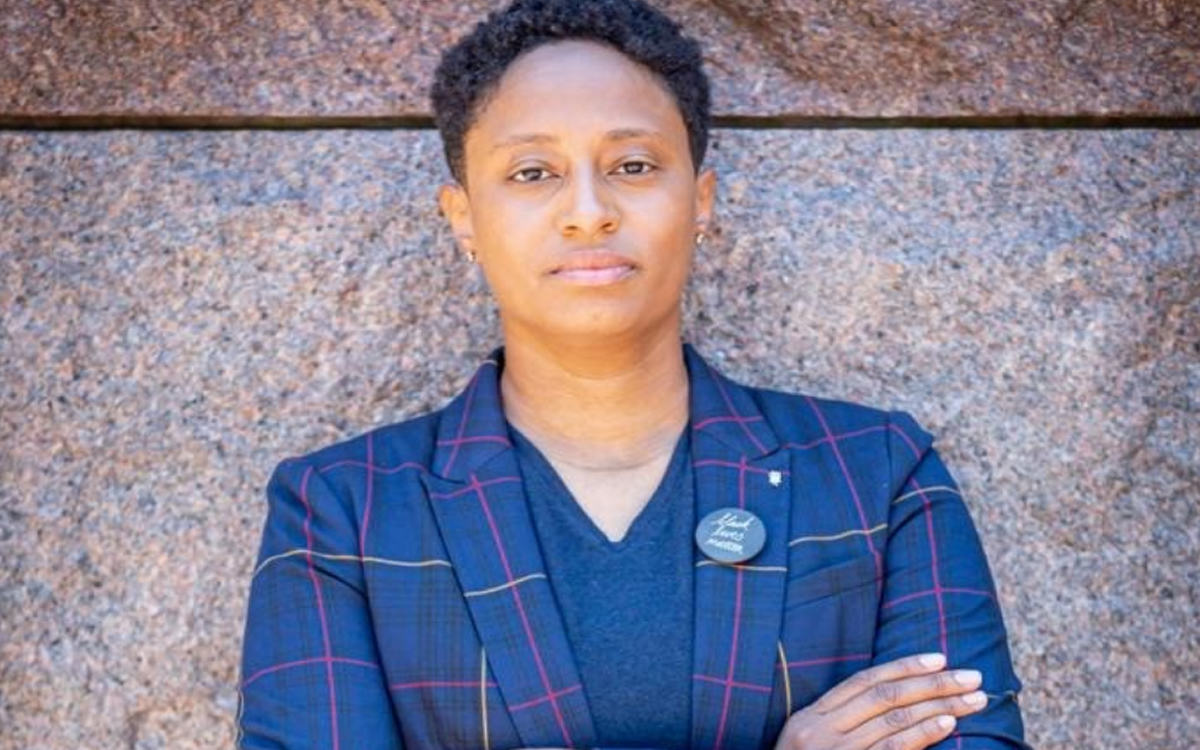
The months and days leading up to June are especially busy for LGBTQ Washingtonians. For one group, the DC LGBT Budget Coalition, which works year-round to ensure LGBTQ residents are represented and financially supported by the D.C. government, this time of year is their Super Bowl. Beginning in April, the D.C. Council and Mayor’s Office hold budget hearings for the next fiscal year.
With D.C.’s budget now under review, the Washington Blade spoke with Heidi Ellis, coordinator of the DC LGBT Budget Coalition, about the group’s top priorities and their push to ensure continued support for queer communities.
“The LGBTQ Budget Coalition was founded in 2020 at the height of the pandemic, as a way for the community to work together to advocate for key funding and policy changes,” Ellis said. “We recognized we were stronger together. A lot of groups are often pitted against each other for resources and dollars. This coalition was founded out of a need for unity. Since then, we’ve successfully advocated for more than $20 million in dedicated LGBTQ investments.”
In addition to coordinating the coalition, Ellis is the founder and CEO of HME Consulting & Advocacy, a firm that helps build coalitions and advance policy initiatives that address intersectional issues in the LGBTQ community. One of its most powerful tools, she explained, is direct outreach through community surveys.
“We actually do community surveys to see what people need and what’s top of mind,” Ellis said. “Of course, we also pay attention to the broader political landscape — like the current threats to HIV funding. That helps us prioritize.”
Because the coalition is comprised of more than 20 organizations across various sectors —healthcare, housing, community organizing — Ellis said its diversity enables it to connect grassroots needs to potential policy solutions.
“Our coalition includes service providers, community groups, health and housing advocates-folks who are deeply plugged into what’s happening on the ground,” she said. “They help determine our direction. We know we don’t represent every queer person in D.C., but our coalition reflects a wide range of identities and experiences.”
The insights gathered through those surveys ultimately inform the coalition’s annual budget proposal, which is submitted to the Council and mayor.
“That’s how we got to our FY26 priorities,” she said. “This year, more than ever, we’re fighting to protect what we’ve already secured — funding and policies we’ve had to fight for in the past. We know there’s concern around this budget.”
One of the challenges this year is that the D.C. government’s operating budget and some of its legislation must be approved by Congress. With a projected decline in tax revenue and a Republican-controlled Congress that has historically opposed LGBTQ funding, the Coalition has had to think strategically.
“Even before the situation on the Hill, the CFO projected lower revenue,” Ellis said. “That meant cuts to social programs were already coming. And now, with the $1 billion slashed from D.C.’s budget due to the continuing resolution, we’re not only fighting for D.C.’s budget and autonomy, but also trying to preserve life-saving services. Our message is simple: Don’t forget about queer people.”
This year’s proposal doesn’t include specific dollar figures. Instead, the Coalition outlines five funding priority areas: Healthcare, Employment & Economic Equity, Housing, Safety & Community Support, and Civil Rights.
Why no exact amounts? Ellis said it’s because not all solutions are financial.
“Some of our asks don’t require new funding. Others build on existing programs-we’re asking whether the current use of funds is the most effective. We’re also proposing policy changes that wouldn’t cost extra but could make a real difference. It’s about using what we have better,” she said.
When drafting the proposal, the Coalition tries to prioritize those with the most pressing and intersecting needs.
“Our perspective is: If we advocate for the most vulnerable, others benefit too,” Ellis said. “Take LGBTQ seniors. Some may have done well in life but now face housing insecurity or struggle to access affordable healthcare. Many in our coalition are elders who fought on the frontlines during the AIDS epidemic. They bring critical historical context and remind us that Black and brown communities bore the brunt of that crisis.”
“I love our coalition because it keeps us accountable to the moment,” she added. “If we center those most marginalized, we can make an impact that lifts everyone.”
In addition to healthcare and housing, safety remains a top concern. The Coalition has fought to maintain funding for the Violence Prevention and Response Team (VPART), a city-supported group that includes MPD, community-based organizations, and the Mayor’s Office of LGBTQ Affairs. VPART responds to crimes affecting the LGBTQ community and connects victims to legal, healthcare, and housing services.
“We’ve pushed to make VPART more proactive, not just reactive,” Ellis said. “The funding we’ve secured has helped survivors get the support they need. Cutting that funding now would undo progress we’re just beginning to see.”
At the end of the day, Ellis emphasized that this process is about far more than spreadsheets.
“A budget is a moral document,” she said. “If we’re not represented, you’re telling us our lives don’t matter at a time when we need protection the most. When people can’t get food, medicine, housing — that has a devastating impact. These are vital services.”
The DC LGBT Budget Coalition is urging residents to support a letter-writing campaign to D.C. Council members and the mayor. You can send a letter here: https://actionnetwork.org/letters/fully-fund-dcs-lgbtq-communities
Read the full FY26 budget proposal here: https://drive.google.com/file/d/1bTrENnc4ZazJTO6LPrQ3lZkF02QNIIf1/view


District of Columbia
Hands Off the Arts to form ‘human chain’ around Kennedy Center
Drag performer Tara Hoot among event organizers
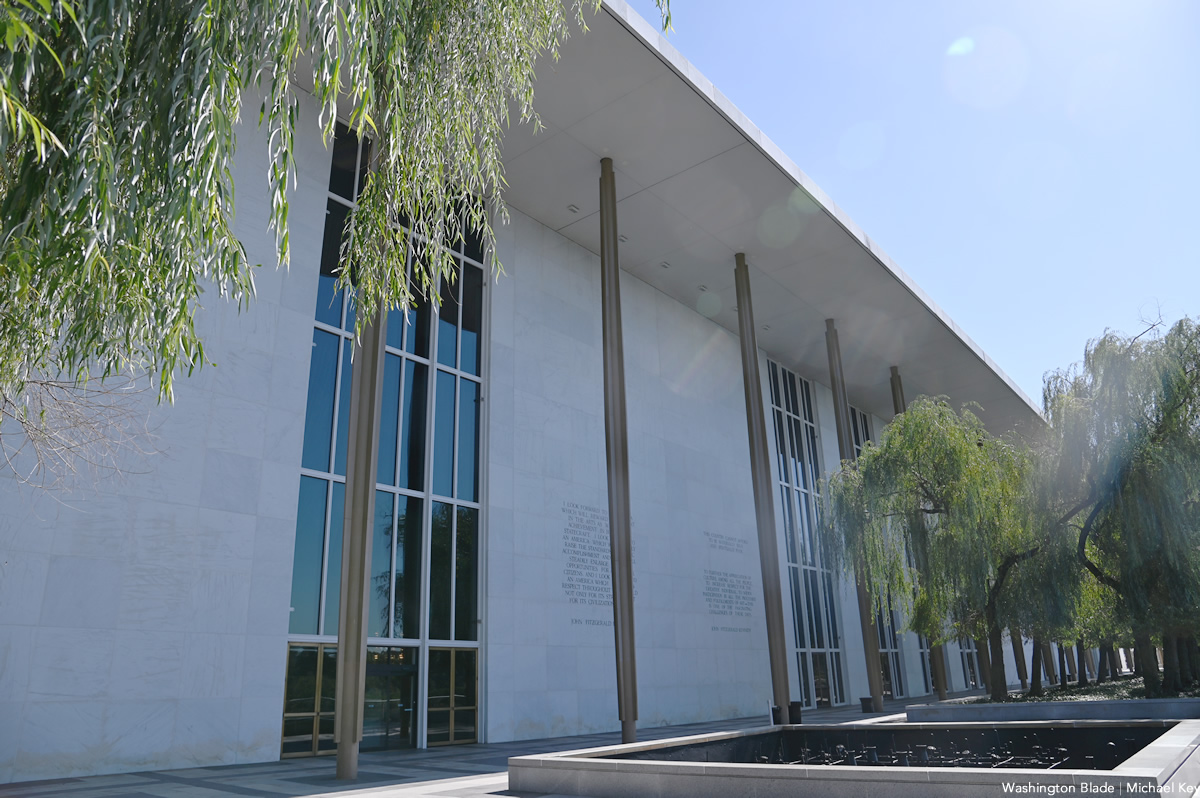
An organization called Hands Off the Arts has announced it is holding a protest on Friday, Sept. 18, in which between 400 and 800 participants are expected to create a “human chain” around the Kennedy Center to voice their strong objection to President Donald Trump’s call for possibly demolishing the Kennedy Center.
“Hands Off the Arts is organizing a rally Sept. 18 against the president’s defacing of JFK’s memorial, his removal and censorship of art, and the threat to demolish the center if he can’t remake the site in his image,” a statement released by the group says.
The statement says the event will start with a rally at 6:30 p.m. on the Kennedy Center steps and culminate with a “human chain” around the building. “There will be musical performances, testimonials from current and former employees, along with other special guest speakers,” it says
A separate announcement by the group says longtime D.C. drag performer Tara Hoot, who has performed at the Kennedy Center in past years, was among the organizers of the Sept. 18 protest.
The planned protest follows Trump’s decision last year to use his authority to replace the existing members of the Kennedy Center’s board of directors with new members loyal to him. Over the objection of longtime Kennedy Center supporters, the Trump-appointed board changed the name of the center, at Trump’s request, from the John F. Kennedy Memorial Center for the Performing Arts to the Donald J. Trump and the John F. Kennedy Center for the Performing Arts.
But following the threat of legal action by opponents who pointed out that the name change could not be legally made unless approved by Congress, the name change was cancelled, with Trump saying he would take steps to restore it later.
The Washington Post, meanwhile, reports in a Sept. 13 news story that because of negative publicity related to Trump’s actions, the Kennedy Center was facing “fiscal collapse” and possible bankruptcy and could be forced to shut down as early as this week.
According to the Post report, a 57-page document presented to the Kennedy Center’s board of trustees says the center was facing a financial and structural building crisis, with the recent collapse of part of the building’s inside ceiling, indicating the building was unsafe for employees and the public. Among other things, the document says the Kennedy Center may not be able to make payroll or pay for routine maintenance “within a matter of weeks,” the Post reports.
Some LGBTQ advocates were among those who joined others in boycotting the Kennedy Center to express their objections to Trump’s actions, including a statement by Trump that he objected to the Kennedy Center’s practice of hosting drag performances.
The Gay Men’s Chorus of Washington has been among the LGBTQ performing arts groups and artists that have performed at the Kennedy Center.
“With the future still very much uncertain, now more than ever, the Center needs you to stand up for freedom of expression and against authoritarian overreach into arts and culture institutions,” the Hands Off the Arts group says in its announcement of the Hands Around the Kennedy Center protest.
“You have the opportunity to make a difference — show up with Hands Off the Arts and show your power as part of Hands Around the Kennedy Center,” it says.
A spokesperson for the Kennedy Center couldn’t immediately be reached for comment.
District of Columbia
Blade welcomes fall intern
Alexis McLean is student at University of North Florida
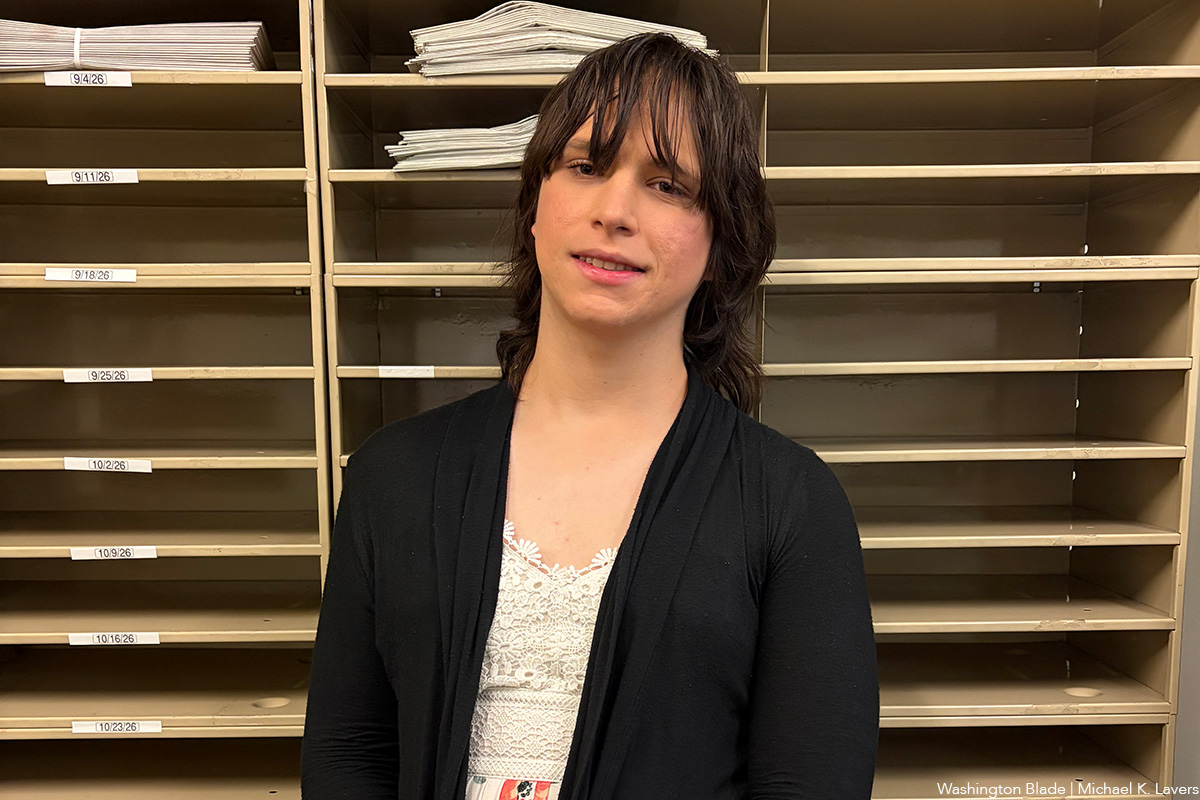
The Washington Blade this week welcomed Alexis McLean as its fall intern.
Alexis is studying political science at the University of North Florida in Jacksonville, Fla. She is interning with the Blade as part of a continued partnership with the Washington Center.
“I am looking forward to spending my time in the fall with the Washington Blade, as this is a new experience for me,” said Alexis. “I have not experienced any journalist jobs in the past so this would be my first time, and I am excited to better my writing and communications skills with this internship.”
Alexis’s internship with the Blade ends in early December.
District of Columbia
‘People don’t see me. They see a trend’
New popularity of all things Asian warps view of multiple cultures
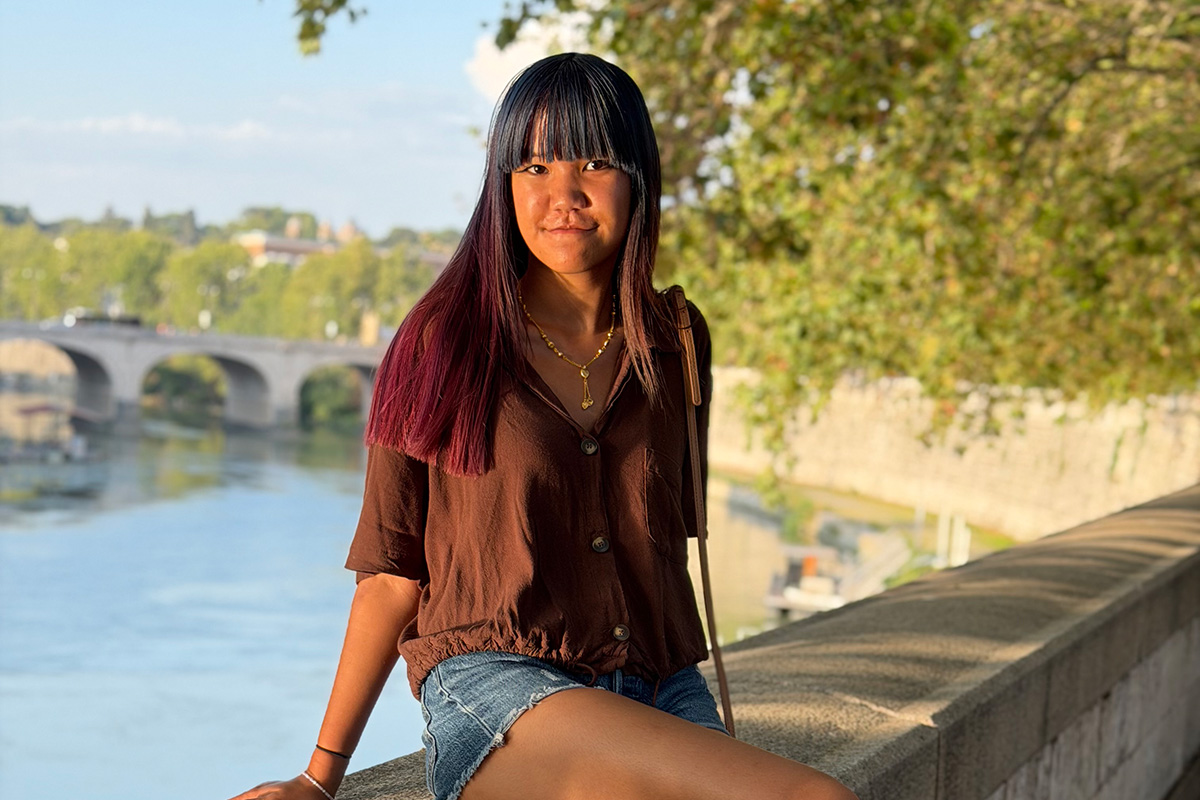
As I was growing up, my parents often shared stories about how they were bullied when they were my age, just for being Asian. My mom is Cambodian and my dad is “Wasian,” Chinese and white. Students teased them for their looks, their homemade lunches, and treated their traditional holidays as jokes.
I once asked my mom when I was little if she could pack me dumpling leftovers for lunch. “Yes,” she said with a surprised look, adding, “I would have never wanted to bring dumplings to school when I was your age because I would always get bullied for them. I’m glad times have changed.”
At the time, I was confused. Whenever I brought a homemade Asian dish to school for lunch, I was happy to hear intriguing and curious questions from the other kids. It felt good to have my meal be popular and different from the Lunchables everyone else had.
Though times have changed, racism still continues. It just has a new face. Today, social media pretends to flatter our cultures in an insincere way trying to gain popularity just for clicks. Think anything from K-pop to Japan’s surge in international tourism. Even Starbucks has added drinks with the flavor of ube yam, native to the Philippines, onto its menu.
I feel that now when people see me, they don’t see me, they see a trend.
For years, Asian people have been portrayed as foreign or exotic. The new embrace of foods and fashion at first felt good. Asians have never been represented as much as they’ve deserved.
But this new popularity warps what non-Asians see. Instead of the blunt and direct racism my parents faced, everything now is a gray area, more discreetly hidden behind some TikTok video. It actually normalizes racism and stereotypes.
Whitewashing my culture
As a 15-year-old Asian American who lives in D.C., I’ve always been one of the few Asian kids in school; my high school today counts less than 2 percent of students as being of Asian descent. I remember always being called “that one Asian girl” or some slur a kid learned from their parents. Every time I search for something related to Asian culture, such as a recipe or maybe a holiday, it’s always the same thing: some white person whitewashing my culture.
Social media is the main culprit, of course. I realized this when I entered high school and got a phone and was introduced to the internet. That is when I realized how messed up the new stereotypes around Asians are.
One pattern I started to notice was people wanting to be Asian just because it was popular. It was hurtful, patronizing, and annoying. They made assumptions about our race and then only found us “cool” because we were trending. How can people go from hating us or finding us weird, to then only liking us because we’re popular?
There was a trend going around on TikTok called “race change to another” or RCTA. It is this trend of people manifesting certain physical traits to change their appearance in order to change races. According to journalist Emi Tran, writing then as an intern for NBC Digital, the trend started when a white woman wanted to be Japanese. The woman began posting TikTok videos of herself wishing for different features such as monolids. Tran wrote in that 2023 article that “the overwhelming majority of the RCTA community wants to be East Asian.”
People also look up to K-pop culture, idolizing the pop groups pulled together by big entertainment companies. Most people expect all Koreans to be K-pop fans. Korean friends are asked about K-pop all the time even though they are not into the South Korean music genre.
Although I am not South Korean — I am half Cambodian and Chinese — I still get asked, almost like I’m expected, “You’re really into this group, right?” or “Can you tell me how to pronounce this member’s name?”
I was asked even worse questions during COVID-19. Suddenly, discrimination and violence were increasing specifically toward Asians everywhere. Suddenly, almost everyone was blaming Chinese people for spreading and causing COVID-19.
I remember going to school for one of the last times before quarantine had started and hearing kids whisper, “Oh, she’s going to give us the Coronavirus.” President Donald Trump had publicly posted his opinions about the situation on social media, blaming China for the pandemic, even calling it the “Chinese Virus” or the “Wuhan Virus.” According to NPR, anti-Asian hate crimes in U.S. cities surged 149 percent that year.
The topic of Asians in the media has always been complicated. One moment people can hate us for being weird and different and the next we’re suddenly popular and cool for the same reasons.
I feel conflicted on whether I should feel happy that we’re being represented or angry that it’s all for the wrong reason and has the wrong effects.
Lily Brugman is a sophomore at Benjamin Banneker Academic High School, one of Youthcast Media Group’s journalism class partners. She worked with YMG volunteer and Professor Emerita in journalism at American University Amy Eisman on this piece.

Advocate, Out parent company adds Trump supporter to board, prompting outrage

78th annual Emmy Awards recapped

Indonesia’s top Muslim clerical body proposes criminalizing LGBTQ people, advocacy

Hands Off the Arts to form ‘human chain’ around Kennedy Center

LGBTQ issues, attacks on Democrats dominate unusual RNC midterm convention

Multi-billion-dollar 9/11 Victim Compensation Fund to continue until 2090

LGBTQ Military Happy Hour set for Sept. 15

Calendar: September 11-17

Comings & Goings