a&e features
Project GLOW celebrates LGBTQ acts
D.C.’s electronic music festival set for May 30-31
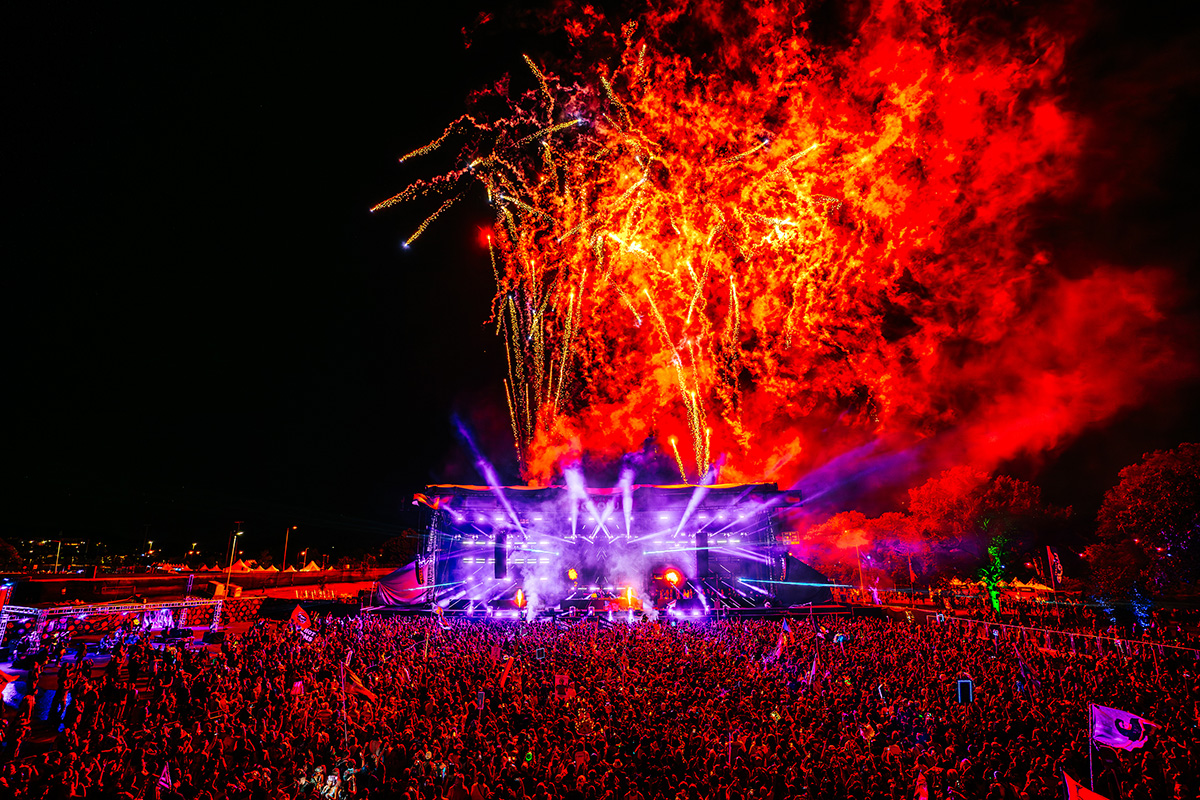
Aging RFK Stadium has come down, but the RFK grounds are still getting lit up. Welcome back to the stage Project GLOW, D.C.’s homegrown electronic festival, on May 30-31. Back for its fifth year on these musically inclined acres, Project GLOW returns with an even more diverse lineup, and one that continues to celebrate LGBTQ antecedents, attendees, and acts.
Project GLOW 2026 headliners include house and techno star Mau P, progressive house legend Eric Prydz, hard-techno favorite Sara Landry, and bass acts Excision b2b Sullivan King, among the lineup of trance, bass, house, techno, dubstep, and others for the fifth anniversary year.
President & CEO Pete Kalamoutsos — born and raised in D.C. — founded Club GLOW in 1999. In 2020, GLOW entered into a partnership with global entertainment company Insomniac Events to produce live events like Project GLOW, which kicked off in 2022.
As in past years, Project GLOW not only makes space, but is intentionally inclusive of the LGBTQ community, one of its most dedicated fan bases. The festival’s LGBTQ-focused Secret Garden stage blooms again — a more intimate dance area that stands on the strength of DJs and musicians who draw from the LGBTQ community. D.C.’s LGBTQ nightlife mastermind Ed Bailey is the creative mind behind Secret Garden again. He joined Project GLOW in 2023.
“Kalamoustos says that “he’s proud of his partnership with Ed Bailey, along with Capital Pride and [nightlife producer] Jake Resnikow. It’s amazing to collaborate with Bailey at the Secret Garden stage, especially after the curated lineup we worked on at Pride last year.”
The Secret Garden will be a bit different from other stages: Eternal (“At the Eternal stage, time stands still. Lose yourself in the dance of past, present, and future, surrendering to the eternal rhythm of the universe”) and Pulse (“Feel the rhythm of the beat pulse through your veins as the heartbeat of the crowd synchronizes into one. Here, every moment vibrates with life as it guides you through a new dimension of euphoria”). The Secret Garden stage is in the round, surrounded by 16 shipping containers. The containers play canvas to muralists from around the world, who are coming in to paint them in a vibrant garden-style vibe. “We gave this stage some extra love with this layout,” K says, “ we finally cracked the code.”
K says that this will be the biggest lineup yet for the Secret Garden, featuring Nicole Moudaber b2b Chasewest, Riordan b2b Bullet Tooth, Ranger Trucco, Cassian, Eli & Fur, Cosmic Gate and Hayla. The stage is also the largest yet, featuring an expanded dance floor and 360-degree viewing.
Across all stages, K says that his goal for the fifth anniversary is “More art and fan interactive experience, more like a festival, strive to be like a Tomorrowland, as budget grows to add more experience.” Last year’s Project GLOW alone drew 40,000 attendees over two days.
K, however, was not satisfied with one festival this spring. GLOW recently announced a “pop-up” one-day event. Teaming up with Black Book Records, GLOW is set to throw a first-of-its-kind dance-music takeover of Pennsylvania Avenue, N.W., headlined by electronic music star Chris Lake. Set for April 18, this euphoric block party will feature bass and vibes blocks from the White House. Organizers expect as many as 10,000 fans to attend. Beyond music, there will be food, activations, and plenty of other activities taking place around 6th St and Pennsylvania Ave NW – a location familiar to many in the LGBTQ community, as this sits squarely inside the blocks of the Capital Pride party that takes place in DC every June.
Over the past two decades, Club GLOW has produced thousands of events, from club nights to large-scale festivals including Project GLOW, Moonrise Festival, and more. Club GLOW also operates Echostage.


a&e features
Jason DePuy on coping with homophobia in ‘Big Brother’ house
First drag queen contestant on CBS show fought to stay positive
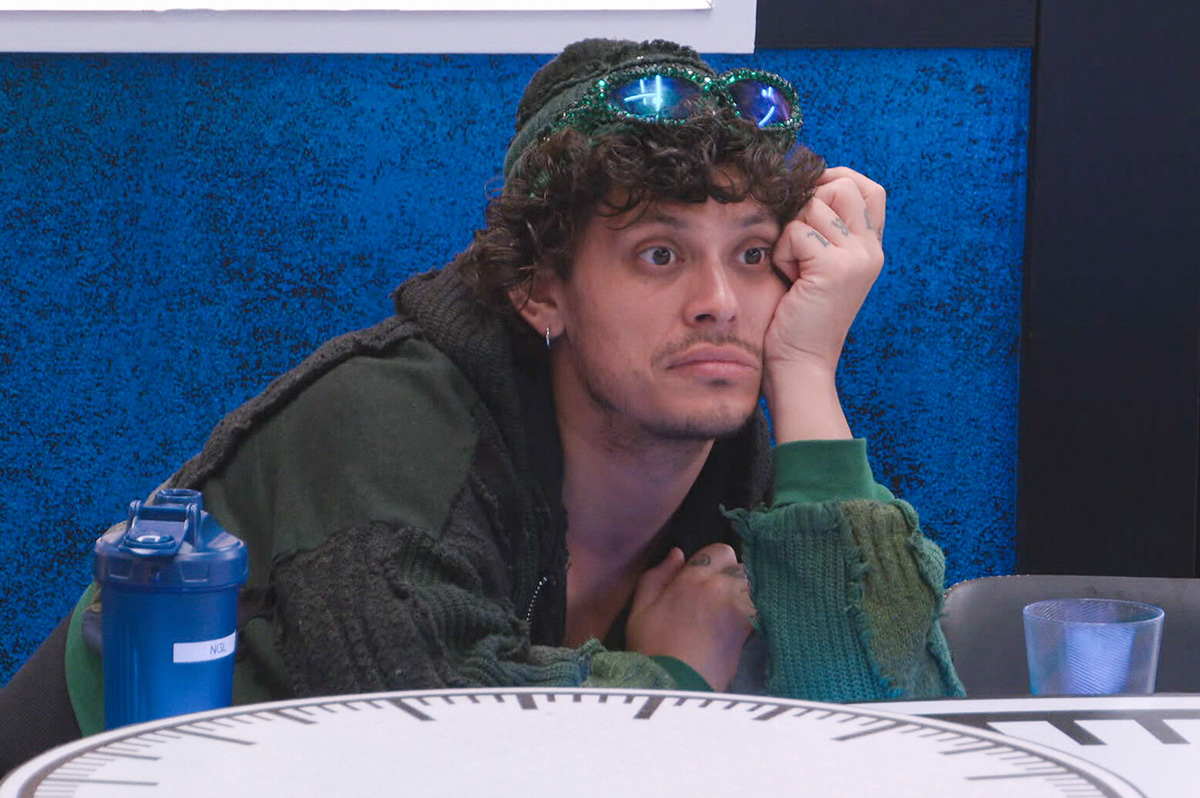
One week after Jason DePuy (known as Salina EsTitties on “RuPaul’s Drag Race”) was bullied and eventually evicted from CBS’s “Big Brother” house, the queer drag performer is still emotionally processing his feelings.
During his 24 days in the reality TV competition, DePuy often had a rough time, with fellow cast member Kamuela “Kamu” Kirk making homophobic comments and feeling isolated.
In a conversation with Head of Household Rick Devens, Kirk left viewers upset when he said, “Bro, miss me with the drag stuff. Miss me. I’m still an MMA guy, and I have an image to uphold.”
Former “Big Brother” contestant Frankie Grande called his words ‘homophobic’ and ‘gross.’ Another comment, where Kirk said he wanted to end DePuy’s career, also received strong backlash online.
Now that he is out of the house, DePuy has been shocked and deeply touched by the love from “Big Brother” fans and former contestants. We chatted with DePuy for this Blade exclusive.
“To know that my community was rallying for me outside the house was the most wonderful thing. Seeing how much people were just wanting to shower me with love was incredible. Even my friends, I went to say hi and give them a hug, and they’re like, ‘Uh, uh, come here.’ They had to hold me and let me know America was feeling for me in a way that I had no idea.”
He added: “To see that reality was just overwhelming, and I couldn’t ask for more.”
Known as a messy player in the house, DePuy often had to fight to stay positive and stand up for himself.
“No one was coming to my rescue. In real life, it’s easy to block people, but in the house, I didn’t have that luxury, so I had to find it within myself to learn how to speak up for myself in a way that wasn’t nasty or biting. I didn’t attack anyone personally, which is what I was the most proud of.”
DePuy acknowledged he has had a history of putting his foot in his mouth when it came to certain “Drag Race”moments, being in the public eye, and making a fool of himself. “I’ve learned my lessons; to see how I handled myself in the ‘Big Brother’ house was amazing.”
While DePuy has been sober for 14 and a half years and has a strong spiritual foundation, in the Big Brother house, he often felt like he couldn’t communicate what he was feeling.
“As a queer person, a person of color, a drag queen, I have to be very careful about how I move. I don’t have the luxury or privilege to just act a certain way or say a certain thing. I have to be very careful; I’m representing me. But who I am is a Latino, a person of recovery, a drag queen, a queer person in the community. I know that there’s a lot of pressure that comes with that. I felt it was safer for me to sit there and just breathe than try to do anything crazy.”
He continued: “I couldn’t speak to the personal attack that was happening in the house, because in my mind I was like, ‘no, this is a game, and I have to play it, put that aside.’”
Not only can viewers watch the episodes, but they can also watch the live feeds of what’s happening. Seeing the fans’ social media posts from people who had watched the episodes and the live feeds also contributed to DePuy realizing that his feelings of discomfort were valid.
“To know that I wasn’t delusional in those moments, that others could see what was happening, has been a lot to take in. Fans and friends let me know the comments made went beyond the game…I’m like, ‘Oh, so my instincts were correct.”
One of the most poignant moments on the live feeds occurred when DePuy was crying, alone in his room, and said how he missed his gay community.
“I really missed my friends. I missed my queer community. We’re so colorful. We’re so loud. We’re so vibrant. We speak off the cuff, and we’re very truthful and honest with how we speak, and it’s fun. We have fun lingo.”
DePuy had to censor his expressions in the house. “Because I can say one thing, but it can mean something different to straight people than it does with my queer brothers and sisters. So, there was a sense of code-switching that I had to do. I had to even put aside some of my queerness in a way sometimes to fit in.”
DePuy was thrilled to be the very first drag queen to ever be cast on the show.
“I’m honored to have been chosen. There’s a million drag queens out there, and to know that I was a contender to come in the house and not even be in drag was like a wow for me. I’m over here in Hollywood, running around these streets with a wig and heels just to make a dollar to survive, and I have to rely on drag to do that. And then to be offered this opportunity and be given the privilege to say, ‘hey, you don’t have to put on the wig for you to be valuable here,’ is just insane to me.”
Prior to his shows, DePuy has been hustling for 15 years, flipping burgers and doing drag at night.
“That has been my life these past since I was 17. So it’s been a long journey; the opportunity to do this out of drag is a very big blessing. I’m honored and grateful to be the representation of my community.”
If you missed Jason on “Big Brother: Unlocked,” the episode can be seen on CBS.com. He will be back on the show for the finale.
a&e features
Rainbows in Revolt on a mission to make LGBTQ artists’ voices heard
Rainbows in Revolt on a mission to make LGBTQ artists’ voices heard
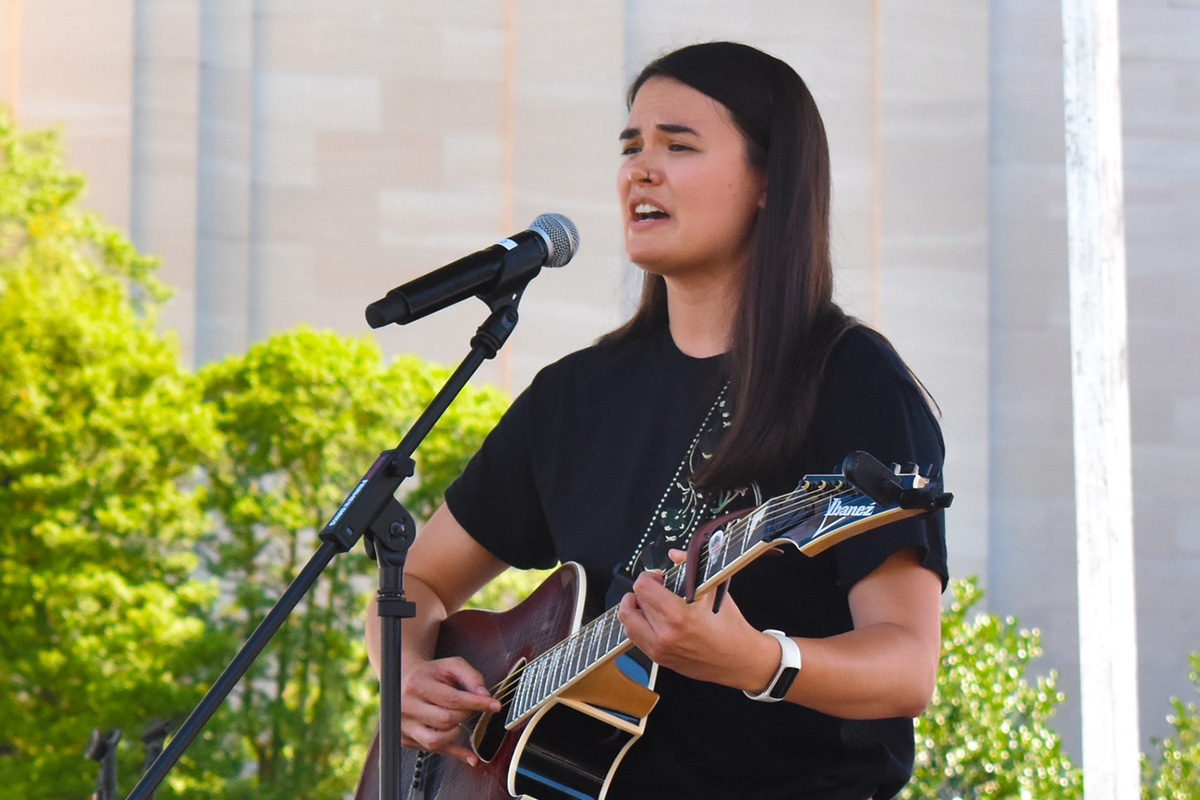
Last month’s Pride celebration in D.C. was so fun. Walking around my first Capital Pride with a $15 lemonade I was loving the madness and the color. Artists and small businesses battling banks you’ve never heard of collecting your personal information so you can spin a wheel to snag free merch. Great music blaring, people actually smiling and enjoying themselves, the “Great” American State Fair could never!
The Monument Stage was on Pennsylvania Avenue, directly in front of the National Gallery of Art and I can’t think of a better venue to see live music. How does someone get on the lineup for Pride? How do we accelerate the visibility of the most talented voices in our community to perform in places like this?
There is certainly not a talent gap, but there is a visibility gap. Chappell Roan went from playing for two people in a parking lot to owning the main stage at Coachella in one year. Whether it is shadowbanning or bias in AI, algorithms have been shown to suppress queer artists. In a digital age, how can queer people break through and show the world how talented they are?
Allison and Matt of Rainbows in Revolt are on a mission to make openly LGBTQ+ artists’ voices heard. Their goal is to find “musicians whose queerness is central to their identity as an artist,” and accelerate them to a place where they can actually reach fans.
The only time queer events seem to be in the spotlight is June, but this should be year round, according to Allison and Matt. Rainbows in Revolt wants to act as a “nucleus” for different sub-communities, finding common ground in the universal language of music.
Matt and Allison founded Rainbows as a way to make cheaper, higher quality merchandise for queer artists. While Rainbows has already pledged 20% of their profits to the LGBTQ+ community, with 10% to Whitman-Walker Health and 10% to LGBTQ+ organizations in need, this is just the beginning of the work that they do.
Rainbows “does the dirty work” that artists normally struggle to do on their own with limited resources. Interviews, artist profiles, social promotion, playlist discovery, radio outreach, and merch-funded support. This work is normally expensive, time consuming, and requires lots of different skills. Musicians don’t want to be editing clips to post online. Standup comedians don’t want to make graphics for their tour dates. They want to write more. They want to focus on their craft.
In addition to helping artists find their audience, Rainbows has built other digital tools to help queer people connect, including an interactive Safe Space Map for most major cities. It is hard to know which places are truly safe and supportive just from a simple Google search. Attitudes and actions change, and there should be a simple way for queer people to find other places that align with them. The Safe Spaces Maps are all up to date, and are tagged and filterable. Instead of relying on forums and word of mouth, Rainbows has created a centralized way to find authentic community quickly.
I had a chance to talk with Allison and Matt at Pride where Lily Erin, one of their signature artists, was performing on the Monument stage. Lily Erin is a folk singer who is familiar and forging her own path. Her bittersweet sound echoes through Acadia, and her garb mirrors the New England athletes I grew up with. Gorp Core meets streetwear. A graphic tee, hiking shorts, and creamsicle Jordans.
Her debut single, “Bus Stop,” tells a sad story about unconditional love, and the conditions that still seem to come with it. Graduating into lockdown, Erin needed a new way to connect with herself and others. Lily made “Bus Stop” without an intention to share it, but doing so was a liberation. People have been responding to her honesty around queer-ness, family, and the “ghosts which haunt us” even in the daytime.
Rainbows in Revolt has helped Lily Erin go from bars and backyards to The Monument Stage at Pride. This is a meteoric rise, and a testament to both Erin’s talent and the work of Rainbows to promote her. “A little encouragement goes a long way with early artists,” and by “planting a seed” Rainbows is already seeing their artist garden grow. Community is power, and Erin is a perfect example of how effective simple modern techniques of promotion can be.
A next step for Rainbows is putting on shows themselves. On Oct. 3, Rainbows in Revolt will host an Evening with Ray Boltz at the National City Christian Church. Boltz grew up in the Catholic Church and for many years was the soundtrack to many services, youth camps, and church groups. He was celebrated by millions until he came out in 2008. Allison remembers her community “never playing his music again.”
Rainbows in Revolt is helping him to return to the church, and proving that identity does not need to be exclusive. We live in a complicated world with complicated lines being drawn. Boltz proves that these lines don’t exist, and will be breaking down barriers to bring together communities. To Allison, “a trans woman standing next to a straight white man in church is a powerful teacher.”
The Safe Space maps bridge all types of spaces, and one of the unlikely ones is, perhaps, churches. Matt said that “BYU has only nine safe spaces around their campus and seven of them are churches.” Not all churches are anti-gay, and many times they are the only place for people to find community.
Rainbows in Revolt is just getting started bridging gaps and building community.
a&e features
Summer in the City: Free exhibits, movies, more fill D.C.’s calendar
America 250 celebrations continue
From late-night museum visits and outdoor jazz concerts to free movie screenings and America250 exhibitions, Washington’s summer calendar is packed with events that don’t charge admission. Here’s a look at some of the free activities happening across the District through September and beyond.
Museum exhibitions
The Renwick Gallery is presenting State Fairs: Growing American Craft, an exhibition that looks at unique and unconventional crafts from the 19th century to the present. It will run until Sept. 7, and admission is free.
The Arts and Industries Building, located next to the Smithsonian Castle, is presenting the exhibition Voices and Votes: Exploring Democracy Across America. The exhibition features the development of American independence and what that has meant over time, beginning with the Revolutionary War. Admission to the museum is free, and the exhibition runs until Sept. 7.
The National Gallery of Art presents Dear America, an exhibit featuring more than 100 pieces of work, including letters, photographs, and drawings that depict American landscapes and depictions of freedom. The exhibition will run until Sept. 20.
The National Museum of Women in the Arts is exhibiting Burnished: Pueblo Pottery until Sept. 27. The exhibit features pottery from the Southwest, and while most of the pottery belongs to women artists, a few also reflect those who have advocated for women.
Extending past this summer, the exhibition ¡Puro Ritmo! The Musical Journey of Salsa will be at the National Museum of the American Latino until July 2028. The exhibition shows how Afro-Cuban music has become a staple in the U.S. Admission is free.
The Martin Luther King Jr. Memorial Library will feature the exhibition District Vibes / American Pride: How DC Changed American Culture, which will highlight all of the ways D.C. has impacted American life. The exhibit will run until Sept. 27.
At the Folger Shakespeare Library, the exhibit Imagining Shakespeare: Mythmaking and Storytelling in the Regency Era will be on view through Aug. 2. All the portraits on display come from the Boydell Shakespeare Gallery in London.
The United States Botanic Garden will be open until 8 p.m. on Aug. 20 and Sept. 17, as part of America’s State Flowers: An America250 Celebration. The evenings will include live music, mocktails, ice cream, and snacks.
The National Gallery of Art Sculpture Garden will have extended hours, staying open until 8 p.m. Wednesday to Saturday until Sept. 3.
Live performances
On Aug. 7, the postgame Nationals concert series will continue with Jordan Davis performing. To see the concert, guests just need to buy tickets to the Nationals game.
Jazz in the Garden will run each Friday until Aug. 14. The event has free admission, but those interested have to enter a lottery due to the high demand for the event.
From May to October, Capital Harvest Market occurs every Wednesday from 10 a.m.-2 p.m. at the Ronald Reagan Building and International Trade Center. The market features fresh foods, crafts, and recipes for unique dishes. A full list of vendors is available on Capital Harvest’s website.
Live! Concert Series on the Plaza will feature live performances at Woodrow Wilson Plaza until Sept. 25. The performances run Monday to Friday from 12-1 p.m. Admission is free to the performances.
DowntownDC Live! at Anthem Row is running until July 30, with free performances every Thursday from 5:30 p.m. to 9:00 p.m. The final performance will feature HUE and a vintage flea market hosted by Get Flee Marketplace.
Located in Adams Morgan, AdMo Vibe will present live performances every Thursday at 6 p.m. in Kalorama Park. Guests are encouraged to check out Adams Morgan before and after shows, and it is an event for all ages.
Other events
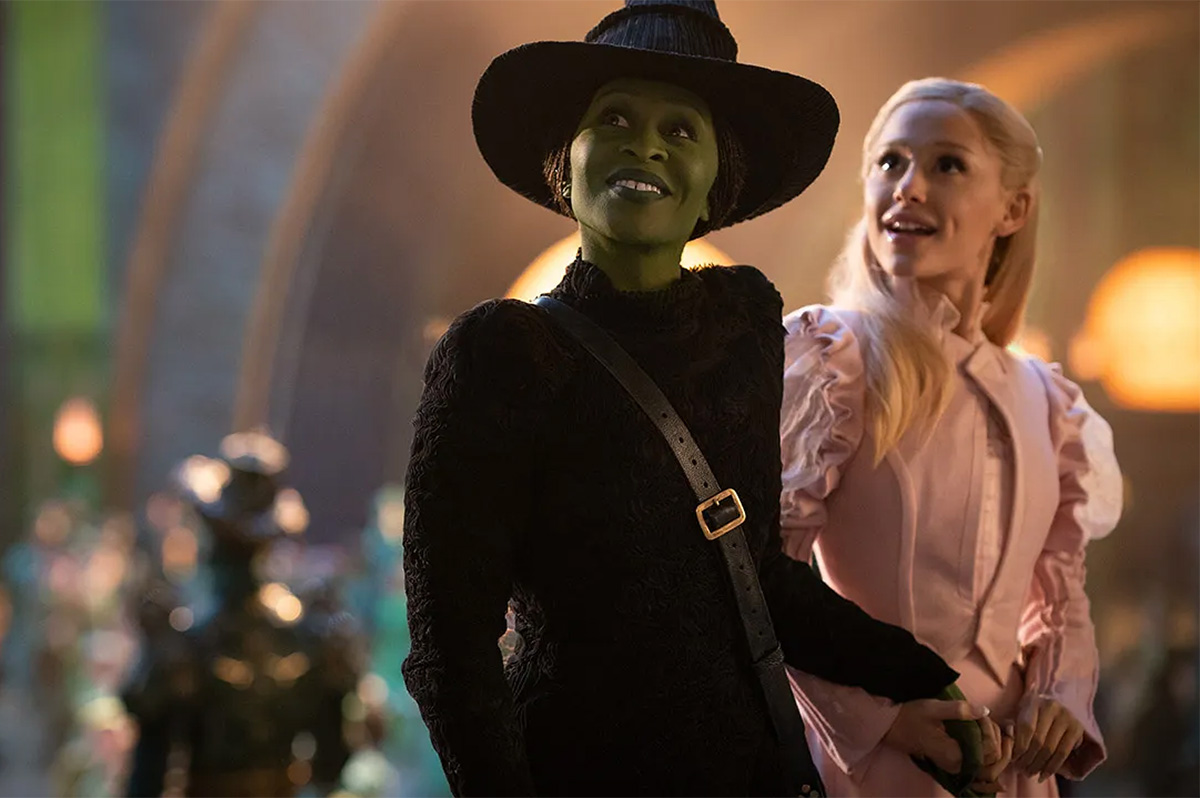
Union Market is hosting drive-in movies on Aug. 8, featuring “Monsters, Inc.”, and Sept. 12, featuring “Wicked.” On Aug. 8, the parking lot will open at 7:30 p.m., with the movie starting at 8:25 p.m. On Sept. 12, the parking lot will open at 6:35 p.m., and the movie will start at 7:30 p.m.
Sunset Cinema at the Wharf will also be available one day a month. On Aug. 12, “10 Things I Hate About You” will premiere, and on Aug. 26, “Project Hail Mary.” No tickets are necessary.
The Library of Congress will also show movies. On Aug. 6, guests are invited to watch “Apollo 13.” The movie will be shown at 8 p.m., with additional live performances beginning at 7 p.m.
For fans of Asian media, the Okaton convention will be at Walter E. Washington Convention Center from July 31-Aug. 2. Festivities will include cosplay contests, skits, live music, and panel discussions.
Washington Spirit’s season also begins in August. The Spirit is Washington’s National Women’s League, with matchups occurring between the San Diego Wave, the North Carolina Courage, the Orlando Pride, and the Bay FC.

Live music drag cabaret set for Shaw’s Tavern

Calendar: August 14-20

Comings & Goings

Beloved pastor, AIDS activist Rainey Cheeks dies at 74
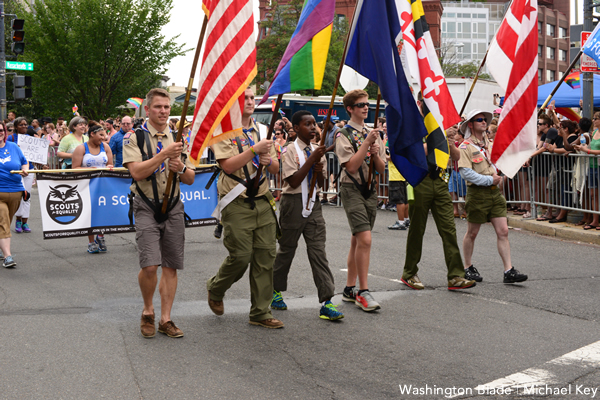
Supreme Court ruled Boy Scouts could exclude James Dale. Now he says that same rule protects LGBTQ scouts from Trump

Don’t miss summer productions at Clear Space in Rehoboth Beach

Todd Blanche’s record on LGBTQ issues comes under scrutiny as he takes over DOJ

HISTORIC: Susan Stewart elected Rehoboth’s first out mayor

2 former NBA players launch cheap anti-trans stunt to exploit WNBA rules

Same-sex couples challenges India income tax law
-

 Theater4 days ago
Don’t miss summer productions at Clear Space in Rehoboth Beach
-
Federal Government3 days ago
Todd Blanche’s record on LGBTQ issues comes under scrutiny as he takes over DOJ
-
Rehoboth Beach3 days ago
HISTORIC: Susan Stewart elected Rehoboth’s first out mayor
-
Sports3 days ago
2 former NBA players launch cheap anti-trans stunt to exploit WNBA rules