Fitness
Protein pros and cons
Not all sources of the essential nutrient are created equal

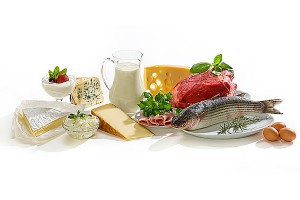 It’s amazing how much information is out there on protein consumption. And how much of it is contradictory.
Dieticians and doctors are the best sources for this topic, but there’s also lots of good information that can be helpful from other places.
Protein is one of three essential macro-nutrients crucial to proper health. The other two are carbohydrates and fat, which I will cover in subsequent columns. And until the craze of high-protein diets a few years ago, protein was often not as focused upon and was wholly misunderstood.
The traditional wisdom is that in order to gain weight (lean muscle mass) you need to consume higher amounts of protein than the norm. To lose weight some experts state that you would also need to increase protein consumption in substitution for decreasing your carbohydrate consumption. But how much is required and are there health risks that compromise the benefits?
First, let’s point out that adequate protein consumption is crucial to several bodily functions and overall health. Protein is necessary in maintaining the body’s normal growth and its muscle mass, the immune system, the heart and respiratory functions.
And protein consumption tends to satiate you, so you feel full and may help maintain a healthy weight. A 2005 study published in the American Journal of Clinical Nutrition found that increasing protein and reducing fat resulted in sustained weight loss.
So just how much protein do we need for optimal health? Madelyn Fernstrom, director of the Weight Management Center at The University of Pittsburgh Medical Center offers some basic protein consumption calculations for general health. According to Fernstrom, as a rule we need between 10-15 percent of our total calories in protein.
For a 2,000-calorie diet, the recommended dietary allowance is 50 grams of protein or 10 percent of total calories. One calorie is equal to 3 grams of protein. The other well-regarded method of protein calculation is consuming 1 gram of protein per kilogram of body weight or around .4 grams per pound. Also note that some registered dietitian’s and nutritionists recommend as much as 1 gram per pound of body weight for lean mass stimulation, i.e. healthy weight gain; where healthy weight gain referring to lean muscle mass.
Now you have methods to calculate protein intake; next you should place strong consideration into the types of protein you should consume because all proteins are not created equal.
Protein comes from a variety of sources from meat, fish and dairy to nuts, legumes, eggs and vegetables. But what makes a healthy protein-rich source? Typically, this depends on what other macro nutrient is contained with the protein and it can often be fat, particularly saturated fat — a known enemy. And while fat is also a crucial macro-nutrient, too much fat consumption, particularly saturated fat, wreaks havoc and can lead to a litany of health concerns. Animal protein tends to be the slippery slope. One must be extra prudent when consuming this type of protein making sure the animal protein does not contain too much fat.
Can we consume too much protein? Absolutely. Any macro-nutrient consumed in excess in which the body does not utilize for energy will be stored and converted to fat. Also, protein consumption in excess puts bodily systems under stress. And eating more protein and increasing total caloric intake without additional exercise “will build an equal amount of additional fat and muscle mass,” according to a study published in 1992 in the Journal of American Geriatrics Society.
Overconsumption of protein places stress on the kidneys, which then flush excess protein and can lead to significant water loss, which puts you at risk of dehydration.
It’s important for lean weight gain that protein helps convert the additional calories into muscle rather than fat and this will also stimulate your appetite and help fuel muscle growth, which in turn will increase your appetite leading to greater caloric consumption.
Another important factor to consider about protein is how it is used as an energy source and what neuro-transmitters are stimulated and their effect on energy levels. Carbohydrates are our first and preferred source for energy and carbohydrate consumption stimulates serotonin, a neuro-transmitter that provokes a calming effect. Protein, on the contrary, stimulates neuro-epinephrine an alertness chemical.
Thus, the almost immediate response to lean protein consumption is to provide energy. The immediate response to carbohydrate consumption is a relaxed state.
Miriam Nelson a WebMD journalist, says, “Whether you are an avid strength trainer, a marathon runner or just an average exerciser, a balanced diet that is rich in fruits vegetables, whole grains, lean meats, fish and complex carbohydrates is what nutritionists recommend.”
Moderation, balance and awareness of protein consumption will greatly contribute to a healthy state of being.




Fitness
NEW YEAR NEW YOU 2020: Local VIDA master trainer on trends, tips and technology at the gym
Get good technique down first; you can always add weight later
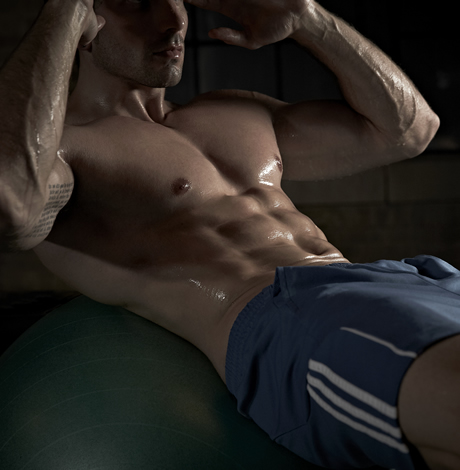
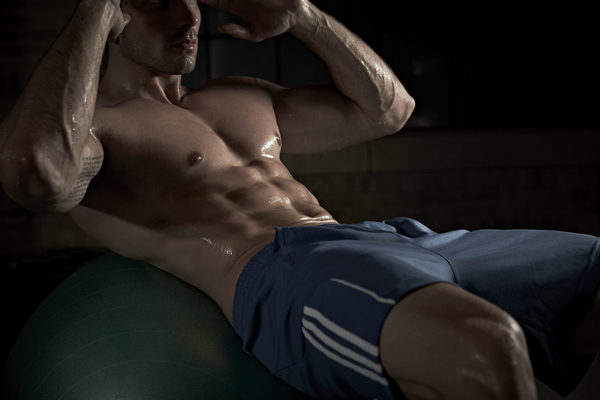
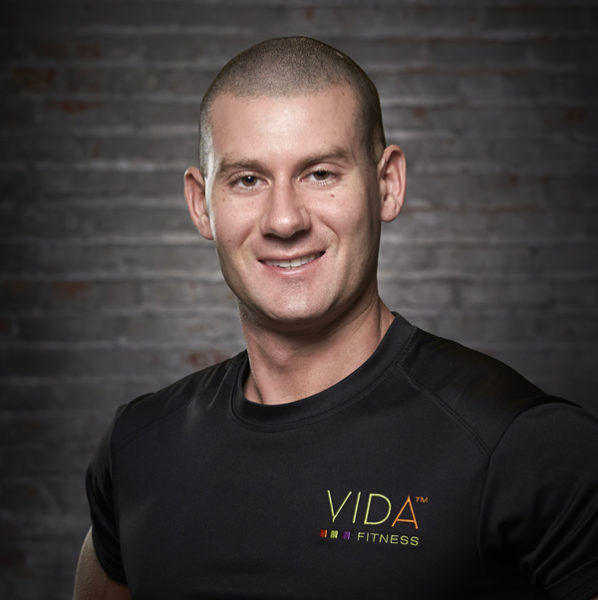
Jesse Johnson makes his living working as a master trainer at VIDA Fitness (U Street location) but he agreed to share some of his tips and advice with us for free.
The U Street location is one of five of the gay-owned chain’s D.C. locations. A sixth is slated to open this spring in Ballston (Arlington, Va.). Johnson is 33, gay and left a career in corporate staffing to join the VIDA team in 2011. He averages between 50-60 clients in mostly 30-minute sessions per week. Find out more at vidafitness.com. Free introductory classes are available this month. The offerings are listed at vidafitness.com/uniqueclasses.
Johnson’s comments have been slightly edited for length.
WASHINGTON BLADE: How much does the coaching you give your clients vary from year to year as new studies and findings are made available? And how do you know if something is just another fitness fad vs. something we should really heed?
JESSE JOHNSON: There are always going to be fitness trends, that’s a given. However before we alter what we tell our clients, we look to peer-reviewed literature. One or two studies doesn’t give much evidence — that’s not enough proof. We definitely pay attention to what is trending and we try to stay as current as possible, but we don’t incorporate it until it’s been through a more rigorous review process.
BLADE: What trends have you seen of late?
JOHNSON: In the collective big picture, there’s been a big uptick in group training. The term that’s thrown around is fitness cocktails where somebody may do a couple classes back to back, some cardio, maybe some core body work, different muscle groups — there’s been an uptick in that. And also more of what we call functional training. People want to be pain free and strong. Sure, there’s always the aesthetic benefit of lifting weights, but what people really want is to be functionally strong into their 40s, 50s, 60s and 70s.
BLADE: Anything else?
JOHNSON: I think workouts are becoming more mindful as people use technology — apps and wearable tech to be more aware of what they’re doing. From a metric-tracking standpoint, it’s easy now to tell your heart rate, number of calories burned, number of steps taken in the course of a day with Fitbit, Myzone, the Apple watch, to the apps themselves like the Peloton apps are pretty innovative and help people be more aware of what they’re doing, how frequently. There’s more mindfulness in working out. Also people see going to the gym as more of a club or social space among millennials and Gen Z. They work out with friends, it’s seen as more social, not punishment after a weekend of drinking.
BLADE: How much does the industry really change? For instance, would you say there’s anything significantly different you’re telling your clients today vs. what you might have said when you started at VIDA nine years ago?
JOHNSON: Well, knowledge has increased dramatically and a lot of it is due to the fact that this industry didn’t even exist 40-50 years ago. People didn’t have the same needs then they do now. But a lot of the basic fundamentals are the same — keep moving, stay active, eat purposeful and do things you enjoy doing. If you enjoy doing it, it’s easier to make it a habit. I’d say we take more the sniper approach today vs. the machine gun approach. We target more instead of just spraying a bunch of bullets hoping something hits.
BLADE: So often with nutrition it seems you’ll hear one thing, then five years later the exact opposite is what experts are saying: don’t eat eggs, no eggs are good. Stuff like that. Does fitness advice change that drastically as well?
JOHNSON: Not as much. A lot of it has to do with whether people are already moving or not. We don’t take them right out of the gate to a high level of intensity. We let them work up to it. But no, I can’t think of any particular exercise we were advising a few years ago we’re saying, “No, don’t do that one anymore” or anything like that.
BLADE: What do you do if you see people working out on their own using improper technique? Can you really hurt yourself with bad form, like lifting with your back and that kind of thing?
JOHNSON: Well we try to be as polite as possible. We’ll only approach someone if we thinkg they’re about to injure themselves. But knock on wood, I haven’t seen very many injuries at VIDA and I like to credit that to the large staff of personal trainers we have on the floor. There is an inherent risk to working out — you can hurt yourself, but it doesn’t happen very often.
BLADE: Is it better to stay at a weight level at which you can maintain excellent form or push yourself out of your comfort zone with heavier weight even if your form suffers a little?
JOHNSON: Numerous studies have found if you take a lighter weight and do more reps but push yourself to your failure threshold vs. doing fewer reps of a heavier weight to failure, the outcome is the same. And there’s a higher risk of injury with heavier weights. We like to focus on form and technique before we progress, especially if somebody is just joining the gym and they may not know much about resistance training. You can always add weight later.
BLADE: How many of the New Years resolution folks really stick with it? Do you see many of those same faces by March or April?
JOHNSON: Almost all my new clients stay with me for months, sometimes years. However statistically within the industry, the number is very low. The honeymoon period on average is about six weeks and it’s a shame because often you see your best results 12-16 weeks into a program. You’ll see more immediate results sooner but that’s when it starts to get really spectacular.
BLADE: How bad are the wait times for machines at VIDA? Is it pretty crazy at peak time?
JOHNSON: I’m not gonna lie, the gym is very busy and there are peak times. But the U Street location is more residential and we have between 50,000-60,000 square feet of space so there’s not a lot of wait time for many of the machines. And people tend to be pretty aware. They’ll let you work in with them.
BLADE: How gay is it?
JOHNSON: I’d say 50-60 percent of our clientele is gay.
BLADE: Some lesbians and trans folks as well?
JOHNSON: There are lesbians. I don’t personally have any trans clients but we have 30 trainers on staff so there may be some but yeah, it’s mostly gay men. Obviously everybody is welcome.
BLADE: Has that ebbed or flowed much over your years there?
JOHNSON: No, D.C. is a pretty good city to be a gay person in. I haven’t seen any major change.
Fitness
Why a personalized diet can help you achieve better results
One size fits all is not the best approach when it comes to eating and fitness
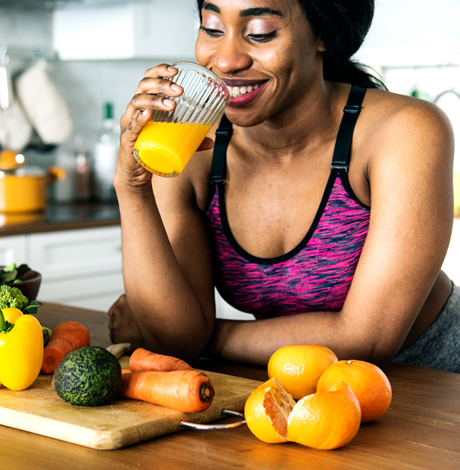
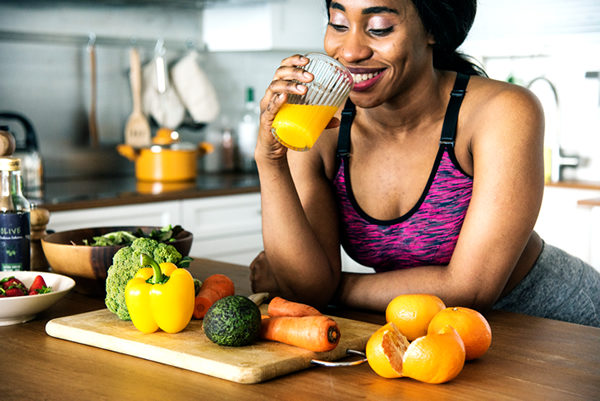
From custom-designed sneakers to tailor-made sunglasses, the trend of personalization is going head to toe, and for good reason, making its way to the world of weight loss and wellness.
Specifically, researchers have been studying two converging topics in recent years. One is the importance of body type in determining the combination of fats, carbohydrates and protein that will provide the best results for a given individual. The other is the variability of results associated with a single diet — the idea that if two people start the same diet at the same time, their results could be drastically different.
On top of that, consumer research shows that people overwhelmingly prefer personalized experiences. Sixty percent of consumers agree that personalization is essential to weight loss and overall wellness.
Here’s what to know about why personalized diets are becoming so popular and how to find the right diet for you:
The importance of body type
The places your body stores excess fat may be the single greatest predictor of health outcomes. This is the concept behind Nutrisystem’s assessment of the four most common body types: “Apple,” “Pear,” “Hourglass” and “Rectangle.”
“We’re going a bit old school here, because these categories have stood the test of time for a reason. They provide crucial information on how you respond to food intake and can help you to adjust what you eat based on your goals,” says Courtney McCormick, corporate dietitian at Nutrisystem.
Body type can also influence how macronutrients like fat, protein and carbs are processed. To fulfill your individual needs, first determine your body type, food preferences and goals, then look for a weight loss plan that takes these important factors into consideration, such as Nutrisystem.
One size does not fit all
The DIETFITS study, a large, randomized research study comparing low-fat versus low-carb dietary patterns found no difference in weight loss between them. But drilling down into the data, one can see great variability. Some dieters gained weight while others lost a lot. But it’s not always about weight outcomes, as recent research has shown that factors such as body shape may play a bigger role in the determinants of health risks than body weight alone.
For instance, a woman who is apple-shaped tends to carry her extra weight in the mid-section. She would see best results on a lower-glycemic nutrition plan that is lower in refined carbs and higher in healthy fats and protein.
“Research shows that one size does not fit all when it comes to weight loss and disease prevention,” McCormick says. “That’s why we’ve created a unique, personalized approach that’s easy to follow and designed to help participants lose weight and get healthy.”
For more insights on how to personalize your diet and maximize results, visit leaf.nutrisystem.com.
While it’s no secret that achieving one’s weight loss goals is challenging, personalizing your plan can help make things easier, ultimately providing you a greater chance of success.
Fitness
Al Roker blasts Jillian Michaels for criticizing Keto diet
The fitness trainer says the ‘personal attacks’ were ‘bizarre’
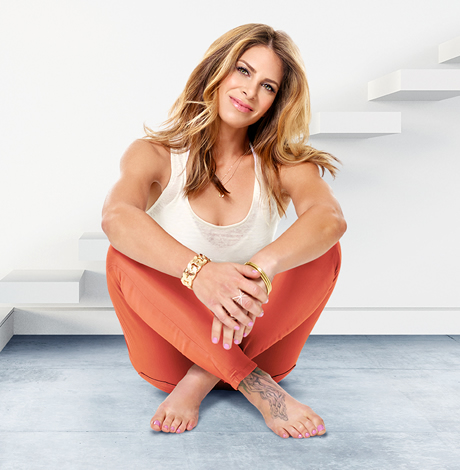
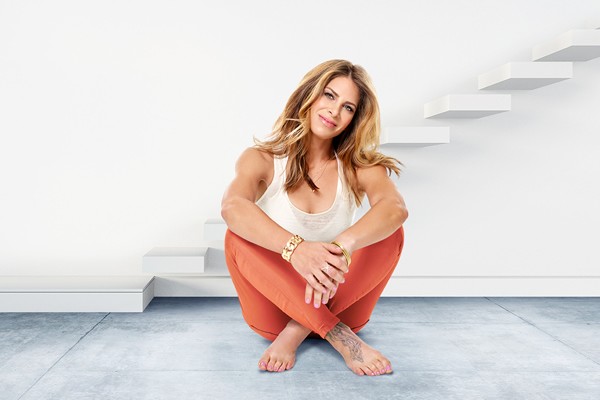
Jillian Michaels revealed she “hates” the increasingly popular Keto diet but “Today” show weatherman Al Roker slammed the fitness trainer for dissing the high-fat, low-carb diet.
Speaking with Prevention, Michaels says she doesn’t like the diet because “There’s no calorie restriction;” “You may miss out on important nutrients;” and “It could shave years off your life.”
In response, Roker, who is a fan of the diet, called out Michaels for her aggressive reputation as a fitness trainer on “The Biggest Loser” on Twitter.
“So @JillianMichaels says #Keto is a bad idea. This from a woman who promoted on camera bullying , deprivation, manipulation and more weekly in the name of weight loss. Now those sound like bad ideas,” Roker tweeted.
So @JillianMichaels says #Keto is a bad idea. This from a woman who promoted on camera bullying , deprivation, manipulation and more weekly in the name of weight loss. Now those sound like bad ideas
— Al Roker (@alroker) January 10, 2019
Roker further defended the Keto diet, which he says he has been on since Sept. 1, on “The Today Show.”
“My point is, what works for you, works for you,” Roker explains. “There’s science on both sides that says it’s not a great idea and science that says it is a good idea.”
.@alroker explains why the #keto diet works for him, "What works for you, works for you. There's science on both sides." pic.twitter.com/d05pSjIKLE
— TODAY (@TODAYshow) January 11, 2019
Michaels responded by posting a video on Twitter saying she didn’t appreciate Roker’s “personal attacks”
“It’s bizarre, it’s unnecessary, it’s beneath both of us,” Michaels said. “Read my book, ‘The 6 Keys.’ I’ve extensively researched everything in that, and nutrition is about way more than weight loss.”
. @alroker here to chat whenever pic.twitter.com/nK1bhi8kBc
— Jillian Michaels (@JillianMichaels) January 12, 2019

From Prohibition to Pride: Queering the District podcast reveals local LGBTQ history

ICC issues arrest warrants for Taliban leaders over persecution of LGBTQ people, women

LGBTQ voters divided in Ward 8 special election

#JusticiaParaKarla: una lucha por el derecho a la identidad en El Salvador

Defying trends, new LGBTQ center opens in rural Winchester, Va.

Two new documentaries highlight trans history

Celebrate the power of homeownership this Fourth of July

‘A Wrinkle in Time’ comes to Arena Stage

Lesbian feminist becomes South African MP