Arts & Entertainment
Calendar: events through Jan. 20
Events through Thursday include exhibits, concerts, plays and more
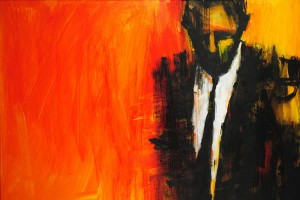
'Where Now' is part of the exhibit 'Off-Kilter' by artist Leslie Nolan on display through Jan. 30 at the newly reopened Touchstone Gallery. (Image courtesy of Touchstone)
Friday, Jan. 14
DJ Joshua and TheNewGay present “Balls!” tonight from 10 p.m. to 3 a.m. at Velvet Lounge (915 U St., N.W.) featuring the debut DJ set of Steve Scarlata. There is no cover for this event. Drink specials include $3 Natty Boh and $4 kamikazes.
Gross National Product returns with “The Sound of Palin” at Atlas Performing Arts Center (1333 H St., N.E.) tonight at 8 p.m. Tickets range from $10 to $20 and can be purchased at atlas arts.org.
Exposed Tattoo and Baller Inc., present the D.C. Tattoo Arts Expo starting today at the Crystal City Doubletree Hotel (300 Army Navy Drive) in Arlington with a VIP welcome party in the Sky Dome from 8 p.m. to 2 a.m. The expo will continue through the weekend.
The Mid Atlantic Leather Weekend starts today at the Hyatt Regency Washington on Capitol Hill (400 New Jersey Ave., N.W.). Registration will be in the ballroom level foyer from 4 to 10:30 p.m. There will be an exhibit hall from 5 to 11 p.m. The opening reception will be in the Yorktown Ballroom from 9 to 11 p.m. with a cash bar and the MAL Bar Crawl will be from 10 p.m. to 2 a.m. Events will continue through Sunday.
Women in their Twenties will be meeting tonight at the D.C. Center (1318 U St., N.W.) from 8 to 9:30 p.m.
DJ Matheus, 5ive, Keep It Terror and Forever the Win will be at Jammin’ Java tonight at 10 p.m. Tickets are $10 and can be purchased at jamminjava.com.
Metropolitan Community Church of Washington’s fundraising team is hosting a bingo night tonight at 7 p.m. at the church (474 Ridge St., N.W.). The evening begins with four early bird games which costs $2 for four cards or $3 for eight cards. This is followed by 17 regular and special games which are packaged for as low as $25. There will be homemade refreshments available.
Saturday, Jan. 15
Jonathan Katz, co-curator of the “Hide/Seek” exhibit at the National Portrait Gallery, will be giving a lecture today at the Foundry Gallery (1314 18th St., N.W.) titled “Artistic Representation of Gay Life.” This event is free and admittance is on a first-come, first-serve basis. One of Foundry’s current exhibits is a juried show titled “Celebrate Gay Marriage.”
Blowoff, a dance party featuring gay DJs Bob Mould and Richard Morel, will be at 9:30 Club (815 V St., N.W.) tonight. Doors opens at 11:30 p.m. Attendees must be 21 or older. Tickets are $12 and can be purchased at 930.com.
Bellflur, Mobius Strip, Archivists and Southern Problems will be performing at St. Stephen’s Church (1525 Newton St., N.W.) tonight at 7 p.m. as part of “100 Shows for Haiti.” Tickets are $8 and the money raised will be split between two organizations, One Hundred for Haiti and Haitian Women for Haitian Refugees.
The Lodge (21614 National Pike) in Boonsboro, Md., hosts Rewind with DJ Jerrbear and special host, the Mirror Ball Lady tonight from 9 p.m. to 2 a.m. Best decade costume will win a cash prize. There will be a $5 cover before 11 p.m. and an $8 cover after.
Bare celebrates its second anniversary tonight at Cobalt (1639 R St., N.W.) from 9 p.m. to 3 a.m. Admission is $25 for VIP and $10 for general.
Ziegfeld’s celebrates Ella Fitzgerald’s birthday with Leather and Lace tonight with the Ladies of Illusion performing at 11:15 p.m. There’s a $5 cover before 10:30 p.m. and $10 after.
Today starts the Phillips Collection (1600 21st St., N.W.) “90 Years of New” free weekend today from 10 a.m. to 5 p.m. The kick-off event will feature special art installations, art-inspired cake designs by some of D.C.’s top pastry chefs and complimentary champagne by FoodArts. The weekend continues Sunday from 11 a.m. to 6 p.m.
The Bach Sinfonia presents its annual chamber concert featuring Cut, Wind and Wire tonight at 8 p.m. at the Cultural Arts Center (7995 Georgia Ave.) in Silver Spring. The program will include works by Francis Cuttinge, William McGibbon and others. Tickets range from $15 to $30 and can be purchased online at bachsinfonia.org or by calling 301.362.6525. There will be a free pre-concert discussion at 7:15 p.m.
Sunday, Jan. 16
Family band In Layman Terms and singer Holly Montgomery will be performing at Jammin’ Java today at 1:30 p.m. as Montgomery releases her new CD. Tickets are $10 in advance and $13 same day and can be purchased at jamminjava.com.
Lace Lounge (2214 Rhode Island Ave., N.E.) presents “The Dream,” a MLK Pride celebration tonight from 9 p.m. to 1 a.m. Cover is $5 before 10 p.m. and $10 after.
Today is the last day to see the exhibit “Side by Side: Oberlin’s Masterworks” at the Phillips collection (1600 21st St., N.W.)
This month for its Sunday School event, Pocket Gays is teaming up with WTF for the “Straightest.Sunday.Ever” at Local 16 (1602 U St., N.W.) today from 3 to 9 p.m. Aaron Riggins will be DJing from 7 to 9 p.m. There will be prizes including entrance to WTF at Town later tonight.
Monday, Jan. 17
The Starry Mountain Trio (Suzannah Park, Gideon Crevoshay and Avery Book) presents an eclectic mix of sacred and secular folk songs from the U.S., British Isles, Corsica, Republic of Georgia and honoring Martin Luther King, Jr. in song tonight at Church of the Holy City (1611 16th St., N.W.).
Tuesday, Jan. 18
Partners in Recovery will be having a facilitated discussion about addiction, recovery and relationships at the D.C. Center (1318 U St., N.W.) tonight from 7 to 8:30 p.m.
The GLBT Arts Consortium will be hosting a remembrance of Martin Luther King, Jr., tonight at 7 p.m. at the Capitol Hill Presbyterian Church. This is a free event.
Wednesday, Jan. 19
Bookmen D.C., an informal group of men interested in gay literature, meets tonight at 7:30 p.m. at the Charles Sumner School and Archives (1201 17th St., N.W.) to discuss “Persistent Voices: Poetry by Writers Lost to AIDS,” edited by David Groff and Philip Clark.” All are welcome.
The Tom Davaron Social Bridge Club will meet at 7:30 tonight at the Dignity Center, 721 8th St., S.E., (across from Marine Barracks) for social bridge. No partner is needed. Visit lambdabridge.com and click on “Social Bridge in Washington” for more information.
Thursday, Jan. 20
DJ Chris Nitti will be a special guest at this month’s Maison at Napoleon Bistro and Lounge (1847 Columbus Rd., N.W.) tonight from 9 p.m. to 2 a.m.
Cosi Restaurant (1350 Connecticut Ave.) is hosting “Let’s get cozy …” for single women tonight from 5 to 8 p.m.
Washington Project for the Arts 2011 Experimental Media Series will be at the Phillips Collection (1600 21st St., N.W.) tonight from 6:30 to 8:30 p.m. with an appearance by Paul D. Miller, also known as DJ Spooky.
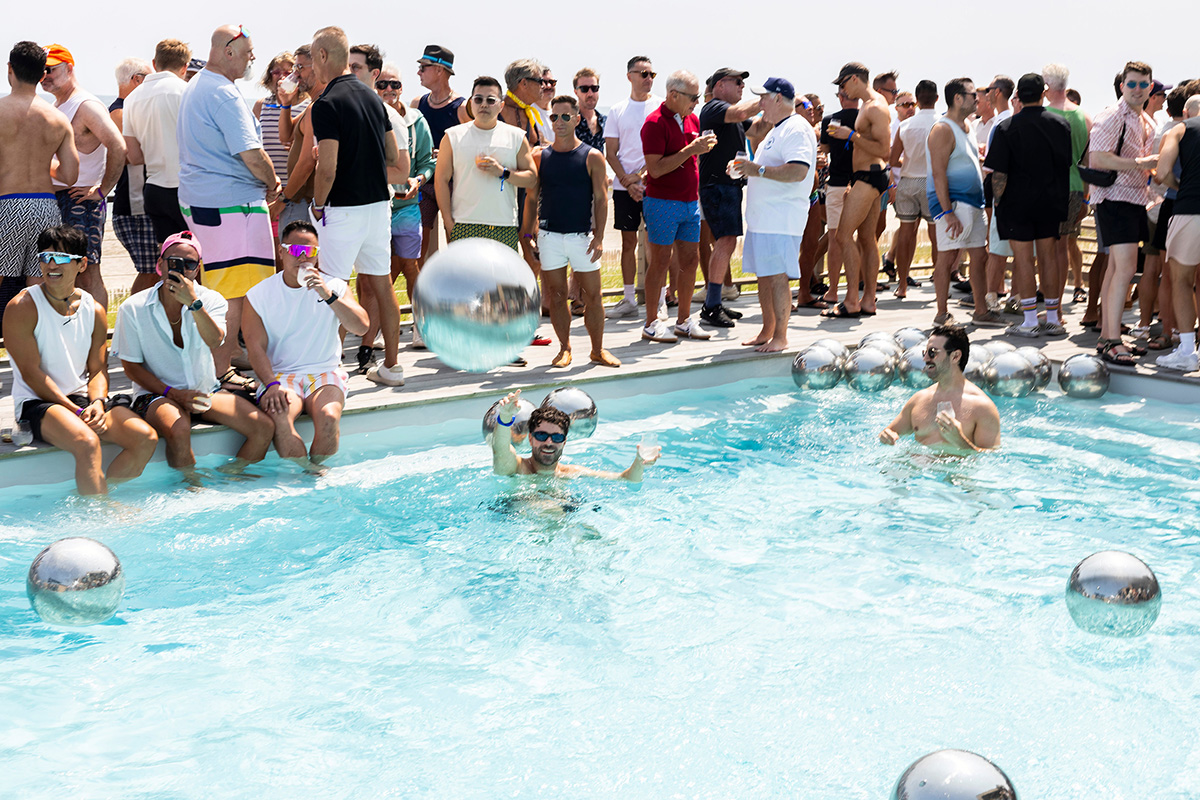
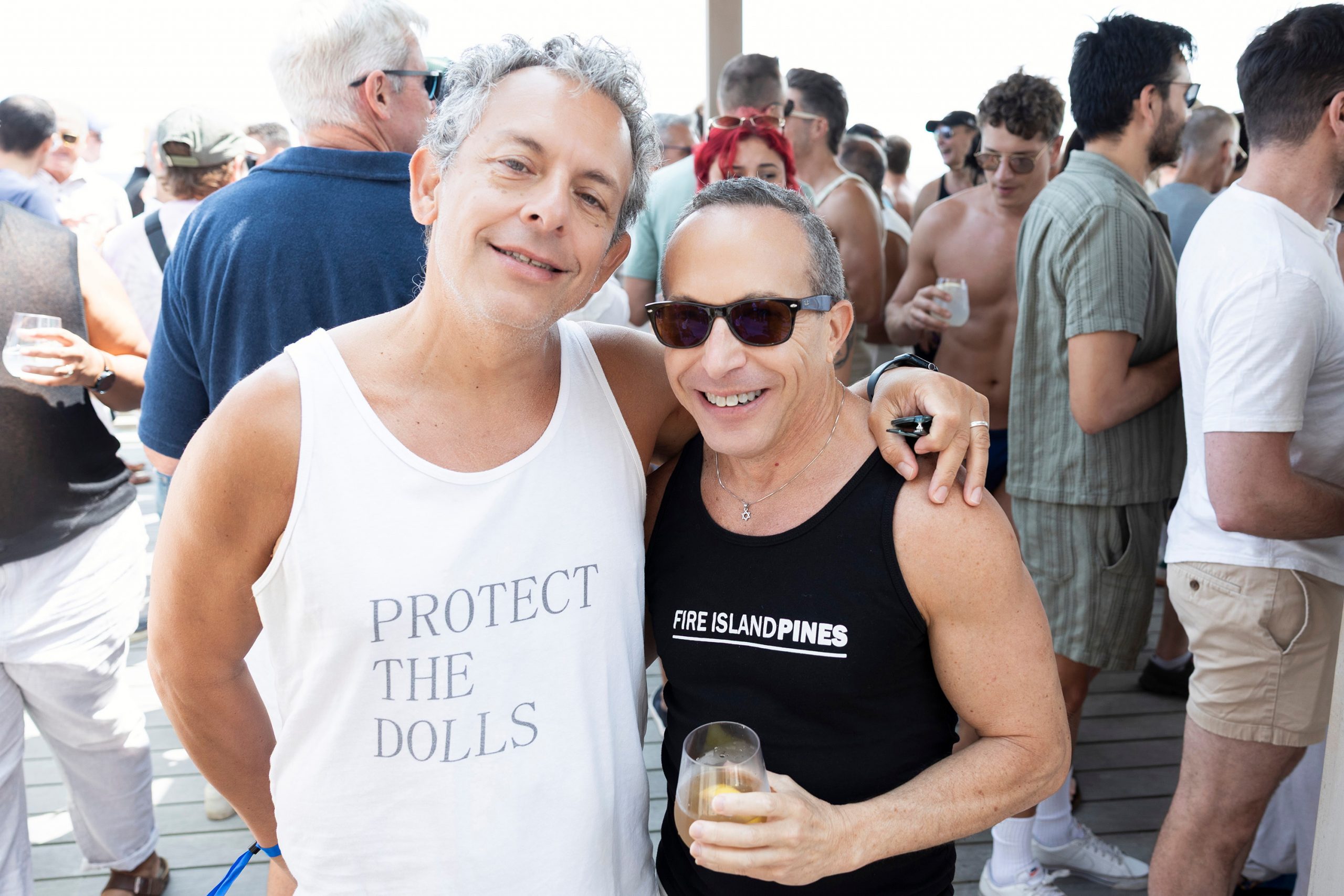
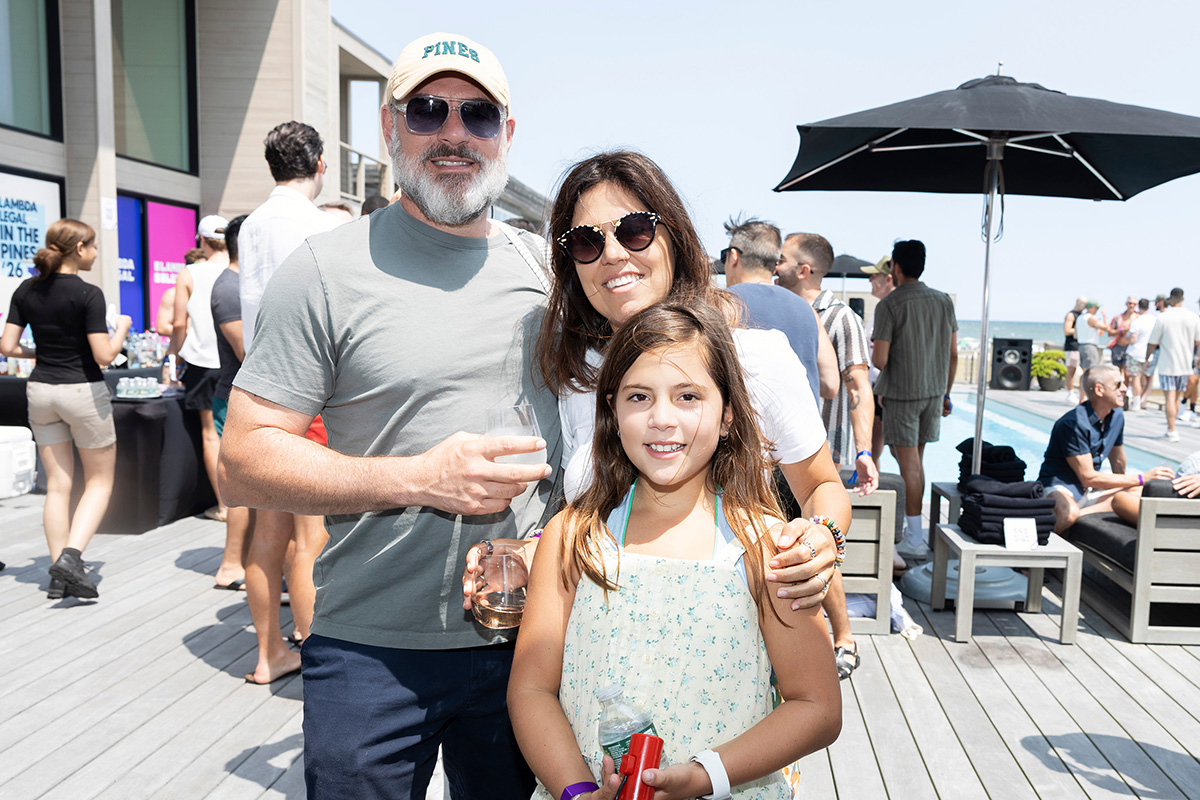
The LGBTQ organization Lambda Legal held its annual “Lambda Legal in the Pines” fundraiser on Saturday, July 25. The event was held at a house on Fire Island featured in Ryan Murphy’s 2014 HBO film, “The Normal Heart.”
Organizers say over $500,000 was raised to support Lambda Legal’s national litigation and advocacy work.
(Photos by Santiago Felipe)




Out & About
Come showcase your singing, poetry talent
Spark Social open mic night planned for Aug. 13
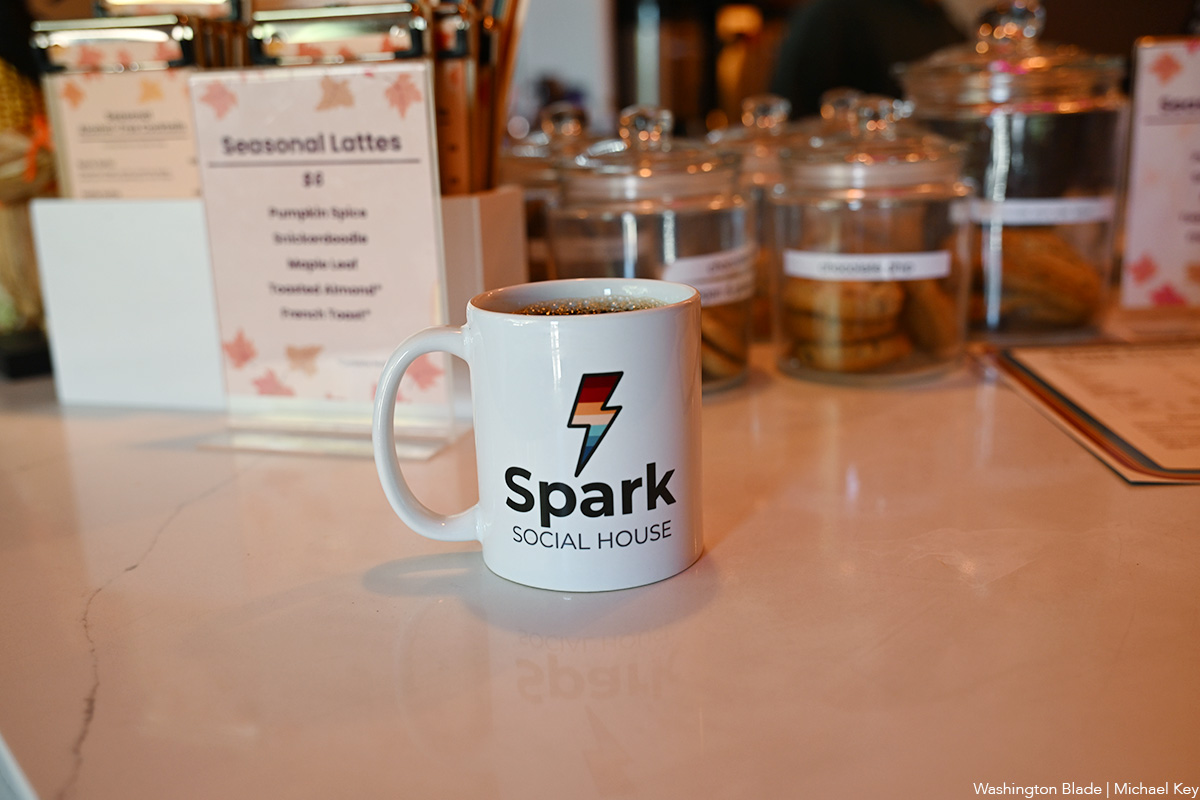
Spark Social will host “Open Mic Night” on Thursday, Aug. 13 at 8 p.m.
Get ready to share your talent or just kick back and enjoy some great performances. This event is a fun, laid-back vibe where everyone’s welcome to take the stage. Sign-ups are first-come, first-served, but you can also DM Spark Social on Instagram to reserve a performance spot. Whether you’re a singer, poet, or comedian, this is your chance to get on stage and share your art. More details are available on Eventbrite.
Friday, July 31
Go Gay DC will host “LGBTQ+ Community Happy Hour” at 7 p.m. at DIK Bar. This is a chance to relax, make new friends, and enjoy happy hour specials at this classic retro venue. Attendance is free and more details are available on Eventbrite.
Saturday, August 1
Go Gay DC will host “LGBTQ+ Community Brunch” at 11 a.m. at Freddie’s Beach Bar & Restaurant. This fun weekly event brings the DMV area LGBTQ+ community, including allies, together for delicious food and conversation. Attendance is free and more details are available on Eventbrite.
Sunday, August 2
“Black Gay Flea: Summer Kickback” will be at 12 p.m. at Wunder Garten. This is a space created to celebrate Black LGBTQ+ creatives, artists, makers, entrepreneurs, and the community that shows up for them. Come spend the afternoon shopping with local vendors, discovering new brands, supporting small businesses, and connecting with people from across the DMV. More details are on Eventbrite.
Monday, August 3
“Center Aging: Monday Coffee Klatch” will be at 10 a.m. on Zoom. This is a social hour for older LGBTQ+ adults. Guests are encouraged to bring a beverage of choice. For more information, contact Adam ([email protected]).
Tuesday, August 4
The DC Anti-Violence Project will host “Soul Centered” at 7 p.m. at Thurst Lounge. This is not a dating event in the traditional sense. It is a space to meet kindred spirits, future collaborators, mentors, friends, or maybe someone who reminds you of what’s possible. Romance may happen, but it’s not the expectation. For more details, visit DCAVP website.
Wednesday, August 5
Job Club will be at 6 p.m. on Zoom upon request. This is a weekly job support program to help job entrants and seekers, including the long-term unemployed, improve self-confidence, motivation, resilience and productivity for effective job searches and networking — allowing participants to move away from being merely “applicants” toward being “candidates.” For more information, email [email protected] or visit thedccenter.org/careers.
Center Aging Women’s Social & Discussion Group will be at 6 p.m. on Zoom. This group is a place where older LGBTQ+ women can meet and socialize with one another. To register, visit the DC LGBTQ+ Community Center’s website.
Thursday, August 6
The DC LGBTQ+ Community Center’s Fresh Produce Program will be held all day at the Center. People will be informed on Wednesday at 5 p.m. if they are picked to receive a produce box. No proof of residency or income is required. For more information, email [email protected] or call 202-682-2245.
Virtual Yoga Class will be at 7 p.m. on Zoom. This free weekly class is a combination of yoga, breath work and meditation that allows LGBTQ+ community members to continue their healing journey with somatic and mindfulness practices. For more details, visit the DC LGBTQ+ Community Center’s website.

Poland’s top court rejects recognition of same-sex marriages from other EU countries

PHOTOS: Lambda Legal in the Pines

Come showcase your singing, poetry talent

Taiwan’s government has failed to update process to change gender markers on ID documents

Calendar: July 31-August 6

Gary Sutton, known for ‘warmth and laughter,’ dies at 62

White House threatens Anne Arundel schools over gender identity policy

Officials raise troubling concerns about Rehoboth mayoral candidate Suzanne Goode

Dutch queen opens World Pride in Amsterdam

PHOTOS: Front Royal Pride
-

 Obituary5 days ago
Gary Sutton, known for ‘warmth and laughter,’ dies at 62
-
Maryland4 days ago
White House threatens Anne Arundel schools over gender identity policy
-
Rehoboth Beach3 days ago
Officials raise troubling concerns about Rehoboth mayoral candidate Suzanne Goode
-
Netherlands5 days ago
Dutch queen opens World Pride in Amsterdam