Arts & Entertainment
Calendar: Sept. 28
Parties, concerts, exhibits and more through Oct. 4
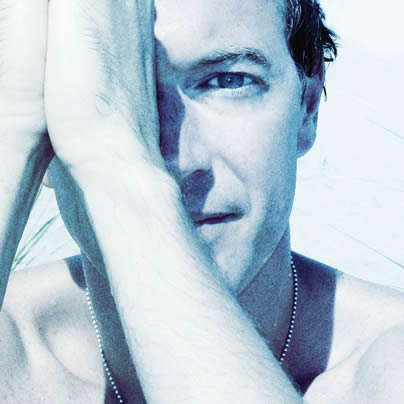
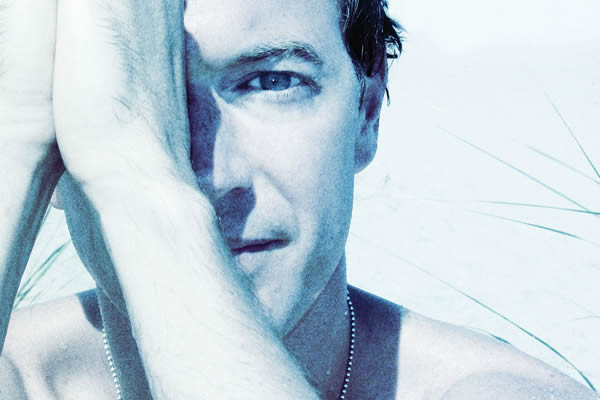
Stewart Lewis (photo courtesy Stewart Lewis)
TODAY
The National Gay HIV/AIDS Awareness Day Conference and reception are both held today. The Conference occurs from 8:30 a.m.-4 p.m. at Barbara Jordan Conference Center: Kaiser Family Foundation (1330 G St. NW), while the Reception will take place at 5:30-7:30 p.m. at Number Nine (1435 P St. NW).
Arena Stage begins its “One Night with Janis Joplin” show tonight at the Kreeger Theater (1101 6th St. SW) at Arena Stage. The show continues through Nov. 4. For more information, visit arenastage.org.
Thank GLAAD It’s Friday, a networking event for young LGBT professionals, is tonight from 7-9 p.m. at the Penthouse (1612 U Street, NW). This is part of a national series offered by the Gay & Lesbian Alliance Against Defamation. Visit glaad.org for details.
Local gay singer/songwriter Stewart Lewis plays from 6-8:30 p.m. tonight at Beacon Bar & Grill (1615 Rhode Island Ave. NW) on its rooftop Sky Bar area. No cover. More information at stewartlewis.com.
The National Gay Men’s HIV/AIDS Awareness Day events continue today with a conference today from 8:30 a.m. ti 4:30 p.m. at the Barbara Jordan Conference Center at the Kaiser Family Foundation (1330 G Street NW). A reception follows from 5:30-7:30 at Number Nine (1435 P Street NW). This is a National Association of People with AIDS event. Details are at napwa.org.
Saturday, Sept. 29
The Green Festival Eco Fashion Showcase is set today from 1-4 p.m. at the Walter E. Washington Convention Center (801 Mount Vernon Place NW). For more information, visit greenfestivals.org.
DJ Cottontail will be making his East Coast debut at Town (2009 8th St. NW) tonight at 10:30. There is an $8 cover charge from 10-11 p.m. and a $12 cover charge after 11 p.m. For details, visit towndc.org.
Biometric palm prints, known as “next generation identification” for this FBI-developed ID database, are being offered free today as part of a child safety program at Don Beyer Volvo (1231 West Broad Street, Falls Church, Va.) today from 9:30 a.m. to 2 p.m. and Sunday from noon to 4 p.m. Parents can have the palm prints, fingerprints, a color digital photo and a child safety journal — all free — on a disc. These are the only copies that are kept — prints and photos are not made part of a database. These are provided for parents whose children go missing. Organizers say about 40 percent of prints left are palm prints so having these on file can be an added resource in helping police find missing children. Visit lifeprintevent.com to RSVP.
Opera in the Outfield is today at Nationals Park with a free simulcast of Mozart’s “Don Giovanni.” Gates open at 5 p.m. Opera starts at 7. Details are at operaintheoutfield.org.
The D.C. Eagle (639 New York Ave.) is having a yard sale today from noon to 4 p.m. prior to its moving to a new location. Details at dceagle.com.
Sunday, Sept. 30
Dignity Washington, a local LGBT Catholic group, holds its weekly Sunday Mass tonight at 6 at St. Margaret’s Church (1820 Connecticut Ave. NW). For details, visit dignitywashington.org.
Joey Arias performs with drag legend Lady Bunny today at the Speak Easy at L’Enfant Café (2000 18th Street NW) in Adams Morgan tonight at 7 and 10:30 p.m. Details at laboumbrunch.com.
Monday, Oct. 1
Cobalt (1639 R St. NW) holds its weekly Martini Monday tonight at 10. There is no cover charge and you must be 21 and older to enter. For more information, visit cobaltdc.com.
Nellie’s Sport Bar (900 U St. NW) hosts its daily Beat the Clock Happy Hour tonight starting at 5. This includes bottles of Miller Lite, and house vodka drinks. The specials are: 5-6 p.m. $2 drinks, 6-7 p.m. $3 drinks and 7-8 p.m. $4 drinks. For details, visit nelliessportsbar.com.
Tuesday, Oct. 2
Green Lantern (1335 Green Court NW) and Burgundy Crescent will team up for safer sex, during their weekly Safer Sex Kit packing session tonight from 7-10:30 p.m. Volunteers come together to pack kits and pass them out in as many bars, clubs and other venues in the D.C. area. It creates a way to make new friends in the LGBT community as well. For more information, visit burgundycrescent.org.
Treble Tuesdays are back at Mova Lounge (2204 14th St. NW) with special music of any request, all night. There will be no cover charge and $8 martini specials. For more information, visit movalounge.com.
Special Agent Galactica performs a rock show tonight at MOVA (2204 14th Street NW) from 8 to 10 p.m. She headlines there the first Tuesday of each month. Guests tonight are Thomas J and David Knight. Details at pinkhairedone.com.
Wednesday, Oct. 3
Nellie’s Sports Bar (900 U St. NW) will hold its weekly game of Smart Ass Trivia tonight at 8 and 9 p.m. Each game includes five questions per round that get progressively harder. The winning team receives $40 off of their bar tab, while second prize get $20 off their bar tab. Third prize receives $10 off. For details, visit nelliessportsbar.com.
BOGO nights at MOVA Lounge (2204 14th St. NW) are back in D.C. tonight from 5-close, everything is two for one. There is no cover charge and all of the specialty drinks can be found on their site. DJ Neekola will be spinning all night. For more information, visit movalounge.com.
The Tom Davoren Social Bridge Club, an LGBT group, meets tonight at 7:30 p.m. at the Dignity Center (721 8th Street, S.E.) across from the Marine Barracks for social bridge. No partner needed. Click on “social bridge in Washington DC” at lambdabridge.com for more information.
Bookmen D.C., an informal gay men’s literature group, meets tonight at 7:30 p.m. to discuss “The Unreal Life of Sergei Nabokov” by Paul Russell. The discussion will take place at Tenleytown Library (4450 Wisconsin Ave. NW). Visit bookmendc.blogspot.com for details.
Thursday, Oct. 4
The Rainbow History Project Pioneer Reception and Exhibit is tonight from 6:30-8:30 p.m. at the Thurgood Marshall Community Center (1816 12th Street NW). This year’s honorees are Robert Alfandre, Colevia Carter, Keith Monroe, Paulette Goodman, Jose Gutierrez, Susan Hester, Len Hirsch, Robert Miailovich, Bob Summersgill and Jessica Xavier. Now in its 12th year, the Rainbow History Project is dedicated to preserving LGBT history for the D.C. area. For more information, e-mail to [email protected] or call 202-431-9139. More information is at rainbowhistory.org.
The Adah Rose Gallery (3766 Howard Ave. Kensington, Md,) will showcase Thomas Drymon and Julie Wolsztynski works beginning today through early November. Drymon’s series “End of Empire” started his D.C.-based work in 2007.Wolsztynski’s series “New York Poetry” is a series of films. For more details, visit adahrosegallery.com.
Howard Theatre (620 T St. NW) hosts Peaches and DJ Extravaganza tonight at 9 p.m. The Toronto-born Peaches is known for her sexually progressive lyrics, rock and electro sound and bold performances. Her first single, “Fuck the Pain Away” is still circulating in the indie, fashion and queer circles. For details, visit howardtheatre.com.
Out & About
Equality Chamber hosts Pride in Business Expo and Profits & Pours
Entrepreneurs, business leaders, professionals to meet at Mayor’s Office of LGBTQ Affairs

The Equality Chamber of Commerce is bringing together LGBTQ+ entrepreneurs, business leaders, professionals, advocates, and community partners on Thursday, Oct. 15 at 2:30 p.m. at the D.C. Mayor’s Office for LGBTQ Affairs (899 N. Capitol Street, NE).
This is an afternoon and evening focused on one essential question: How do we build businesses and a business community that can thrive? The Pride in Business Expo and Profits & Pours with Stephanie will create a powerful forum for connection, practical knowledge, and economic opportunity at the Mayor’s Office of LGBTQ Affairs. The Pride in Business Expo, taking place from 4-7 p.m., brings the region’s LGBTQ+ business community together to showcase businesses, build relationships, discover resources, and create new opportunities.
Out & About
Learn more about Virginia’s queer history
‘The Remarkable Visibility of Hannah Nokes’ event scheduled for Wednesday
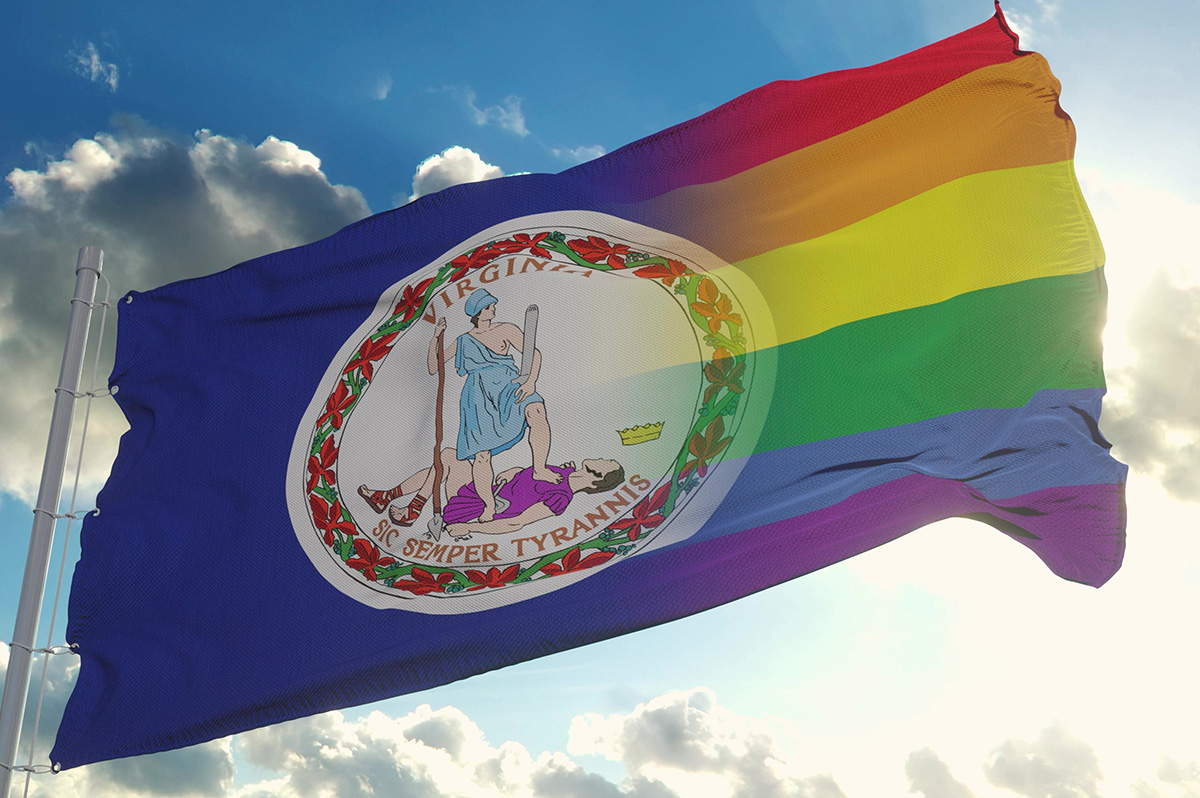
Queer Virginia Contributor Amy Bertsch will host “The Remarkable Visibility of Hannah Nokes” on Wednesday, Oct. 14 at 6 p.m. at Sprouse Rare Book Room inside the Kate Waller Barrett Branch Library (717 Queen St., Alexandria, Va.).
Amy will share the story of Hannah Nokes, an African-American transgender woman who made headlines in 1933 when she testified in a high-profile murder trial. Learn about Nokes’s life, her place in history, and the broader social context of her remarkable story. Her story is among those featured in the book “Queer Virginia: New Stories in the Old Dominion.”
Register at the Alexandria Library website.
Out & About
Annapolis Pride arrives this weekend
Sixth annual LGBTQ celebration held in Maryland capital
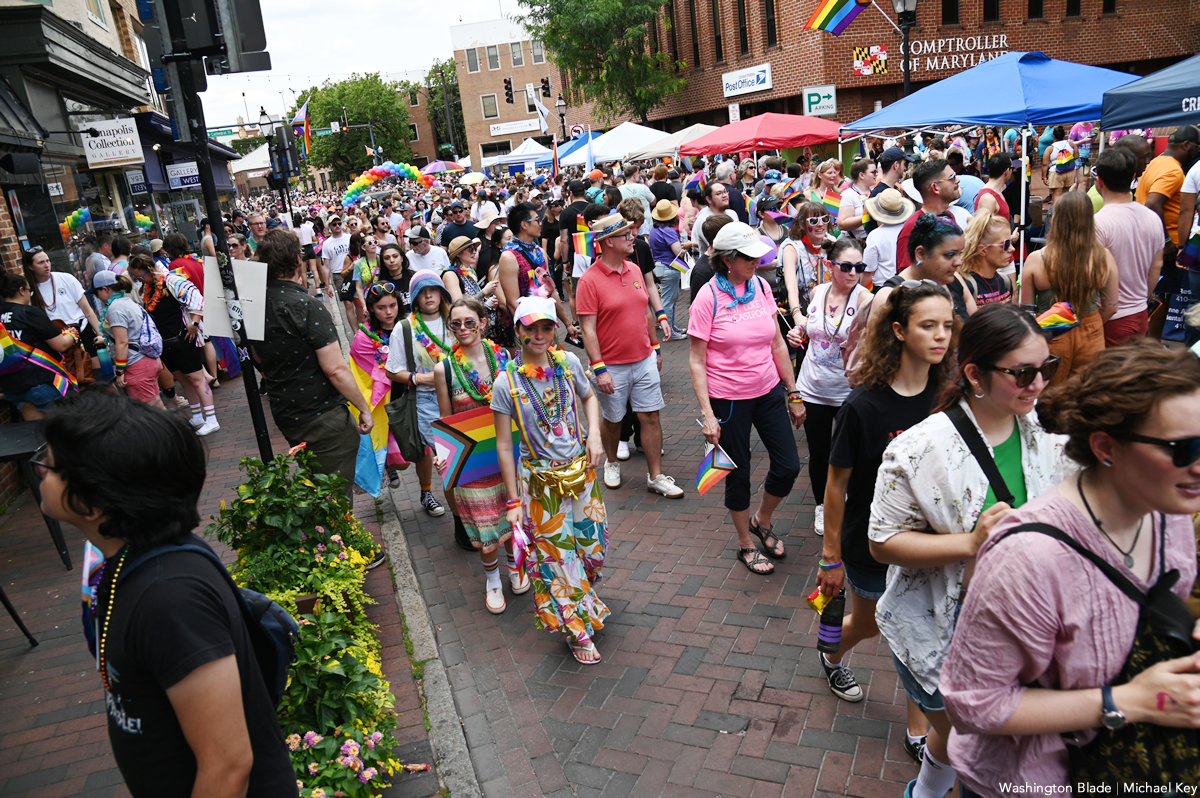
The Sixth Annual Annapolis Pride Parade and Festival will be held on Saturday, Oct. 3 at 11 a.m. on the streets adjacent to St. John’s College.
The theme of this year’s Annapolis Pride Parade and Festival celebration is “United in Pride, Together We Thrive!” Saturday’s parade will begin on St. John’s Street adjacent to St. John’s College, continue along Calvert Street to Northwest Street, to Church Circle, and onto West Street. The parade route then turns onto Amos Garrett Boulevard and eventually ends on Constitution Avenue near Maryland Hall.
Those with disabilities will be able to watch the parade from a special viewing porch at the Graduate Hotel at 126 West St. An Annapolis Pride volunteer will be there and available to assist.
For more details, visit the festival’s website.

Equality Chamber hosts Pride in Business Expo and Profits & Pours

Learn more about Virginia’s queer history

Annapolis Pride arrives this weekend

Calendar: October 2-8

Renee Good’s family files two federal lawsuits

529 openly LGBTQ candidates running in Brazilian election

Meet the LGBTQ candidates running for U.S. House, Senate

Ana Brnabić becomes world’s first openly lesbian head of state

Vote now! Best Of LGBTQ DC readers’ choice awards

Gay Va. couple hopeful voters will enshrine marriage equality in state constitution
-

 Brazil5 days ago
529 openly LGBTQ candidates running in Brazilian election
-
2026 Midterm Elections4 days ago
Meet the LGBTQ candidates running for U.S. House, Senate
-
Serbia4 days ago
Ana Brnabić becomes world’s first openly lesbian head of state
-
Arts & Entertainment4 days ago
Vote now! Best Of LGBTQ DC readers’ choice awards