
Arts & Entertainment
In the spirit
Region offers array of holiday entertainment
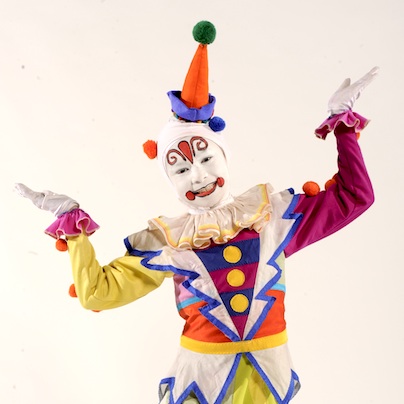
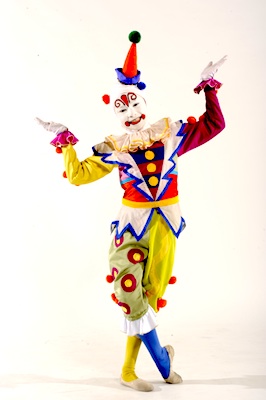
A dancer from Washington Ballet’s ‘The Nutcracker.’ (Photo by Steve Vaccariello; courtesy Washington Ballet)
The Gay Men’s Chorus of Washington presents “Winter Nights,” Nov. 30 and Dec. 1 at the Lisner Auditorium, (730 21st Street NW), featuring a pageant of glittering winter “Rockettes,” a Bollywood number and even a visit from Mrs. Claus with the song “Santa Won’t You Please Come Back.” Tickets range from $13 to $35 and can be purchased at gmcw.org.
Wolf Trap (1645 Trap Rd.) in Vienna presents its free annual holiday sing-a-long on Dec. 1, featuring Christmas carols and Hanukkah songs by choir and vocal groups and the United States Marine Band.
The Kennedy Center (2700 F St., N.W.) has several holiday performances and events coming up in December. First, Utah’s preeminent ballet company, Ballet West, brings America’ oldest complete “Nutcracker” to the center from Dec. 5-9. The beloved ballet features the Kennedy Center Opera House Orchestra and National Cathedral School Lower School Singers. Tickets range from $45-$150.
The Kennedy Center teams with National Public Radio for the annual “A Jazz Piano Christmas” on Dec. 8, featuring top jazz pianists such as Master Ellis Marsalis, Jason Moran, Geri Allen and Taylor Eigsti performing their favorite holiday songs. Tickets are $65.
Also at the Kennedy Center, the National Symphony Orchestra, conducted by Rolf Beck, will be performing Handel’s “Messiah” Dec. 20-23. Featured singers will be soprano Katherine Whyte, countertenor Anthony Roth Costanzo, tenor Sunnyboy Vincent Diadia and bass-baritone Panajotis Iconmou. Tickets range from $10 to $85.
The National Philharmonic will perform the “Messiah” on Dec. 8 and Dec. 22-23 with Stan Engebretson conducting at the Music Center at Strathmore (5301 Tuckerman Lane) in North Bethesda. Tickets range from $30 to $85.
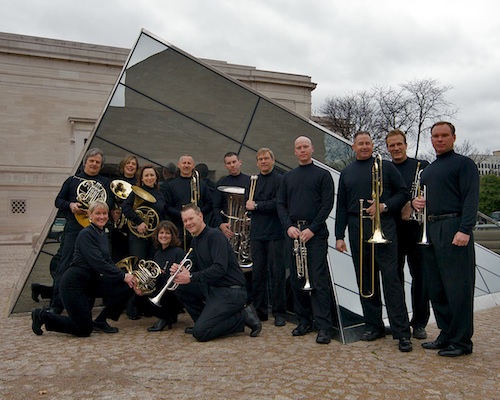
Washington Symphonic Brass (Photo courtesy the company)
On Dec. 18, the National Philharmonic’s associate Conductor Victoria Gau will lead the Washington Symphonic Brass and National Philharmonic Chorale in a holiday concert at the Music Center. The critically acclaimed 17-member brass and percussion ensemble will ring in the holidays with arrangements of holiday favorites, including a medley by WSB Director Phil Snedecor called “Christmas Memories,” an arrangement by Tony DiLorenzo of “’Twas the Night Before Christmas” and an exuberant version of Beethoven’s “Ode to Joy” with the National Philharmonic Chorale. Tickets range from $28 to $48.
The National Philharmonic Singers, under the direction of conductors Stan Engebretson and Victoria Gau, will present a free holiday concert on Dec. 15 at Christ Episcopal Church (107 South Washington St.) in Rockville. The concert will feature famous carols, including the “Hallelujah Chorus,” Benjamin Britten’s “A Ceremony of Carols” with harp and “The Blessed Son of God from Hodie” by Ralph Vaughan Williams. Other highlights include music from various periods, with a special audience sing along.
Washington Ballet welcomes the holiday season by presenting “The Nutcracker” Nov. 30 through Dec. 23 at the historic Warner Theatre (3515 Wisconsin Ave, NW). Septime Webre’s critically acclaimed ballet transports audiences back in time to historic Washington in a one-of-a-kind production set in 1882 Georgetown and starring George Washington as the heroic Nutcracker, King George III as the villainous Rat King, Anacostia Indians, frontiersmen and many other all-American delights. Tickets range from $34-$99.
The Baltimore Symphony Orchestra performs its “Holiday Pops Celebration” from Dec. 12-16 at the Music Center at Strathmore under the baton of Robert Bernhardt. Daniel Narducci serves as host and guest vocalist. Tickets range from $25-$85.
For those looking for some non-traditional entertainment, they won’t be disappointed.
Town (2009 8th St. NW) will present “A Nightmare Before Xmas” with Sharon Needles, a drag queen famous for winning “RuPaul’s Drag Race,” on Dec. 15. The club will also feature DJ Summer Camp (aka Shea Van Horn in a fabulously slutty dress). The night begins at 10 p.m., but a private meet-and-greet cocktail party is available with Needles for $50. A limited amount of tickets are available at groovetickets.com.
Coyaba Dance Theater (3225 8th St NE) welcomes the young performers of the Coyaba Dance Academy and special guests Soul in Motion and Cheick Hamala Diabaté for its annual multi-generational Kwanzaa Celebration Dec. 14-16. The performance includes traditional dance and drumming. Tickets begin at $22.
Gay filmmaker John Waters will offer his take on the holiday season with his show “A John Waters Christmas” playing the Birchmere (3701 Mount Vernon Ave.) in Alexandria on Dec. 10. Delving into his passion for lunatic exploitation Christmas movies and the unhealthy urge to remake all his own films into seasonal children’s classics, “The Pope of Trash” will give you a Joyeaux Noel like no other. Tickets are $49.50.
Also at the Birchmere, The Four Bitchin Babes, combining humor with music, will be presenting its “Jingle Babes” celebration Dec.14-15. The four women play their own guitars, bass, piano, Irish Bodhran, mandolin and ukulele as they entertain for the holidays. Tickets are $35.
Looking for a little theater this holiday season? There are plenty of offerings to whet any theatrical appetite.
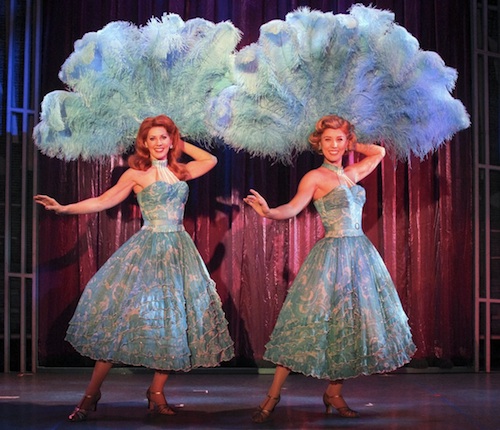
‘White Christmas.’ (Photo courtesy the Kennedy Center)
The Kennedy Center will stage Irving Berlin’s “White Christmas,” based on the popular movie, in its Opera House from Dec. 11 to Jan. 6. Tickets start at $25.
The National Theatre (1321 Pennsylvania Ave. NW) stages Cameron Mackintosh’s new 25th anniversary production of “Les Misérables” from Dec. 13-30. The new production features glorious new staging and spectacular reimagined scenery inspired by the paintings of Victor Hugo. Ticket prices start at $40.
The Olney Theater (2001 Olney-Sandy Spring Rd.) in Olney is bringing back storyteller Paul Morella in a one-man performance of “A Christmas Carol: A Ghost Story of Christmas.” Tickets for all shows at Olney start at $26 and can be purchased by calling the box office at 301-924-3400.
Olney will also stage Rodgers and Hammerstein’s classic musical “Cinderella” from now until Dec. 30. The musical includes memorable songs such as “In My Own Little Corner,” “Impossible” and “Ten Minutes Ago.” Tickets are $26-$54.
The BlackRock Center for the Arts (12901 Town Commons Drive) in Germantown is getting into the holiday spirit with a theatrical performance of “A Charlie Brown Christmas” on Dec. 8 and “It’s a Wonderful Life” on Dec. 15. Tickets range from $15-$29.
BlackRock also hosts “A Ceremony of Carols,” with the National Philharmonic Singers and harpist Rebecca Smith on Dec. 16. Tickets are $23-$25 and can be purchased at blackrockcenter.org.
Signature Theatre (4200 Campbell Ave.) in Arlington will present “Holiday Guys,” a two-man cabaret starring three-time Tony Award nominee and Signature favorite Marc Kudisch and Astaire Award nominee Jeffry Denman. The non-traditional holiday show is complete with song, dance and silliness and will play Dec. 11-16.
Back by popular demand to Signature is the festive series “Holiday Follies,” featuring a wonderful wintry line-up of special guest performers, along with a host of Signature’s closest friends and artists. Performances are scheduled from Dec. 18-23. Tickets for both Signature shows are $41.
Whether a fan of jazz, pop or classical, music lovers can get their fix all holiday season.
The Bohemian Caverns Jazz Orchestra (2001 Eleventh Street NW) performs its holiday concert, “A Bohemian Christmas,” featuring holiday classics from the libraries of Claude Thornhill, Count Basie, Stan Kenton and the entire Duke Ellington/Billy Strayhorn adaptation of “The Nutcracker Suite” on Dec. 10. Tickets are $10.
On Dec.8, Saxophonist Tim Warfield returns to Bohemian Caverns to host his annual Jazzy Christmas Show. Tickets are $25.
Saxophone extraordinaire Dave Koz, who’s openly gay, is celebrating his 15th annual “Dave Koz and Friends Christmas Concert” at the Music Center at Strathmore (5301 Tuckerman Lane) in North Bethesda on Dec. 3. Special guests include David Benoit, Javier Colon and Sheila E. The concert begins at 8 p.m. and tickets range from $38 to $72.
The Christ Church Episcopal (118 N. Washington St.) in Alexandria is presenting “A Festival of Nine Lessons and Carols” on Dec. 2 at 5 p.m. The Christ Church Choir, the Canterbury Choir, the Cherub Choir, guest organist Daniel Aune and a brass quintet will join to offer music for the Advent season. A wine-and-cheese reception will follow the free performance.
DC Swing!, with its new conductor, Matt Leonhardt, will perform a holiday benefit gala with live holiday music, hors d’oeuvres and a cash bar on Dec. 15th, at Nage Bistro (1600 Rhode Island Ave NW), from 7-10 p.m. The LGBT-friendly group is part of D.C. Different Drummers. Tickets start at $30.
Metropolitan Community Church of Washington (474 Ridge St. NW), D.C.’s largest mostly gay church, presents its annual Christmas concert “Christmas Miracles” Nov. 30 and Dec. 1 at 7:30 both nights. The church will also offer a special Christmas concert and community dinner on Dec. 7 and a family Christmas concert on Dec. 8. Visit mccdc.com for more information.
The Philadelphia Brass Quintet will perform a world premier-commissioned work for Candlelight Concert Society’s 40th anniversary on Nov. 24 at the Horowitz Performing Arts Center, Smith Theatre, on the campus of Howard Community College (10901 Little Patuxent Parkway) in Columbia. The concert features an array of classical and contemporary music by Susato, Bach, Durufle, Ewazn, Weill, Elgar, Lichtenberger, Van Heusen and Duke Ellington. Tickets range from $12-$30.




Photos
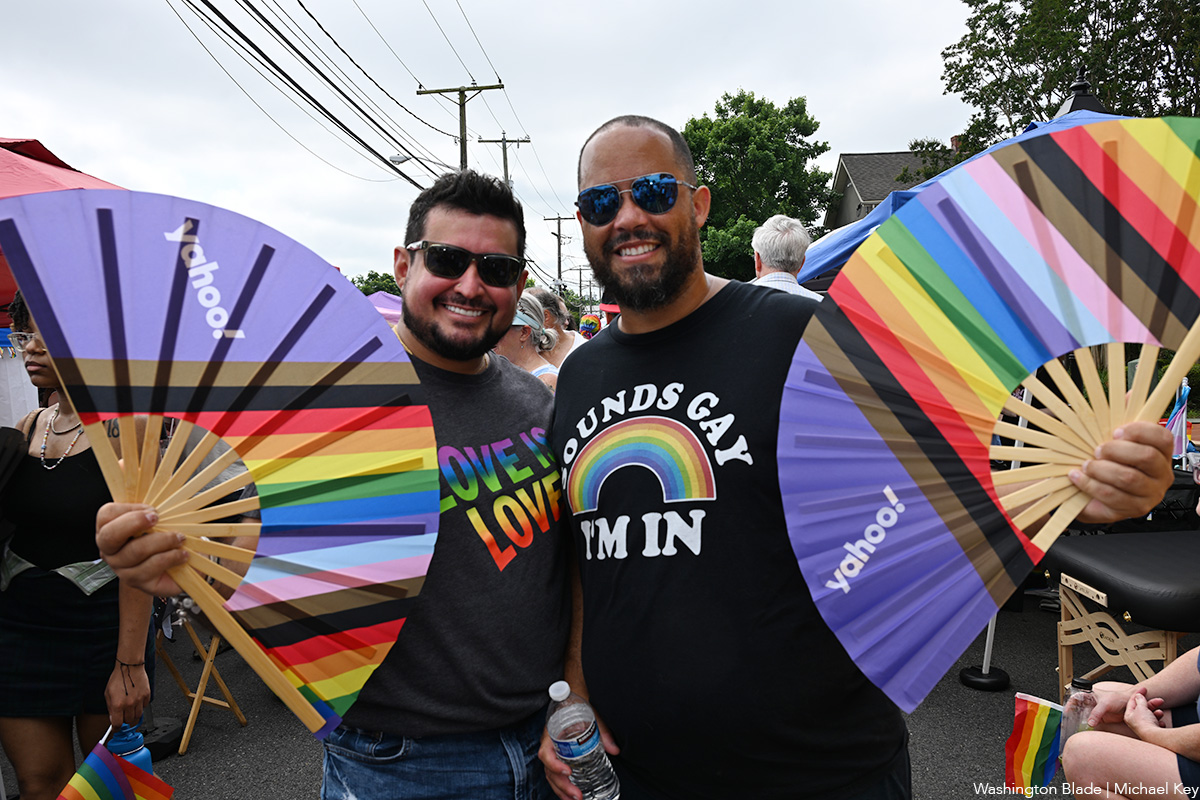
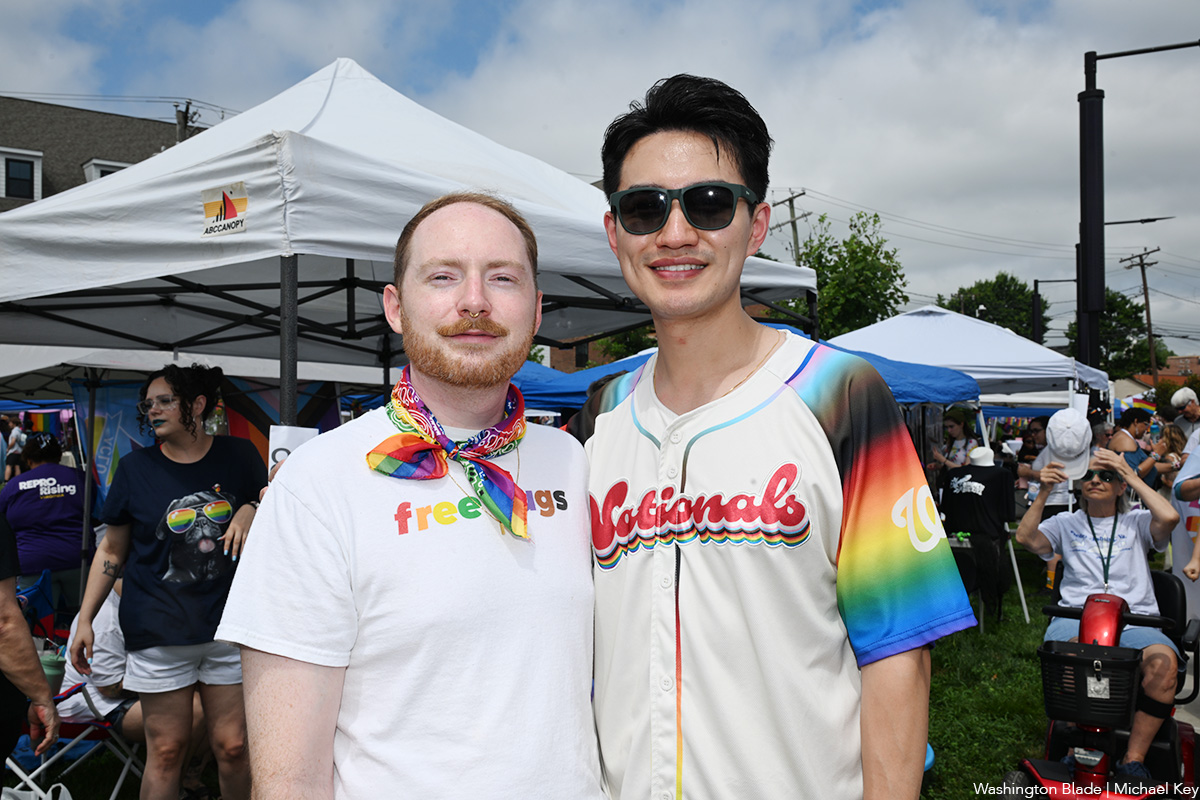
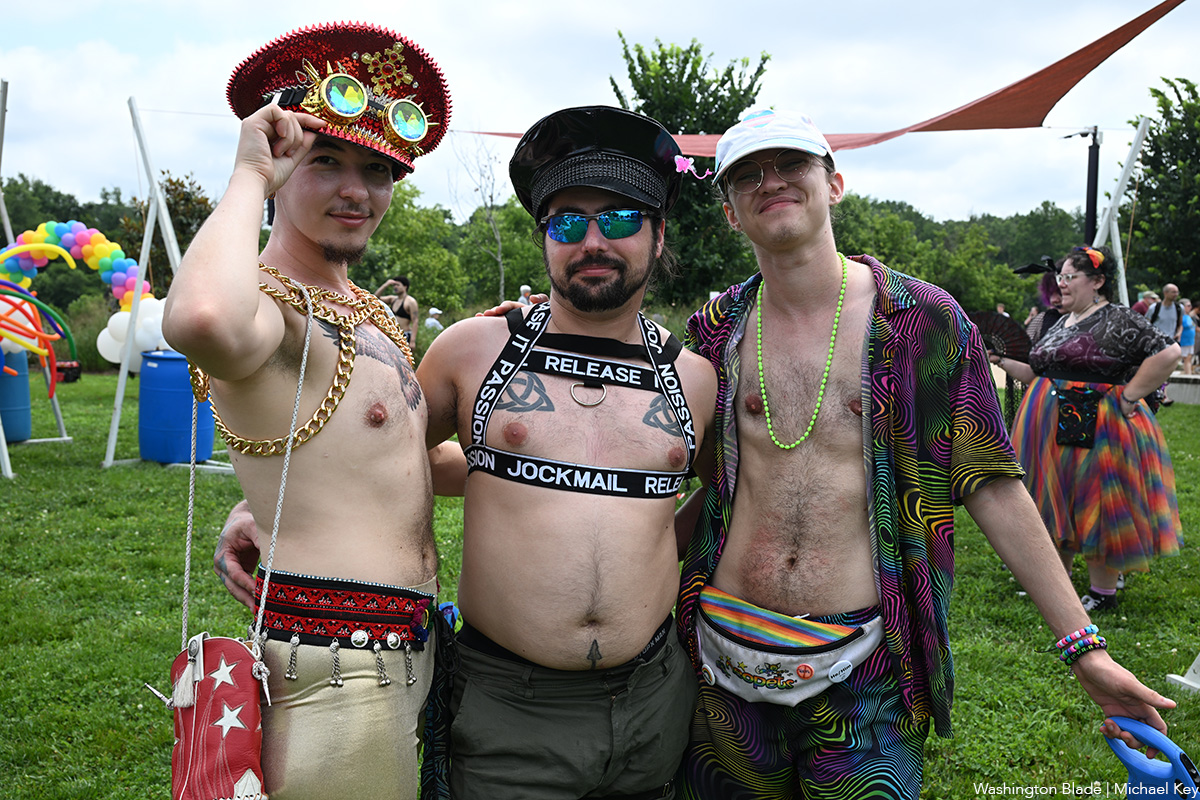
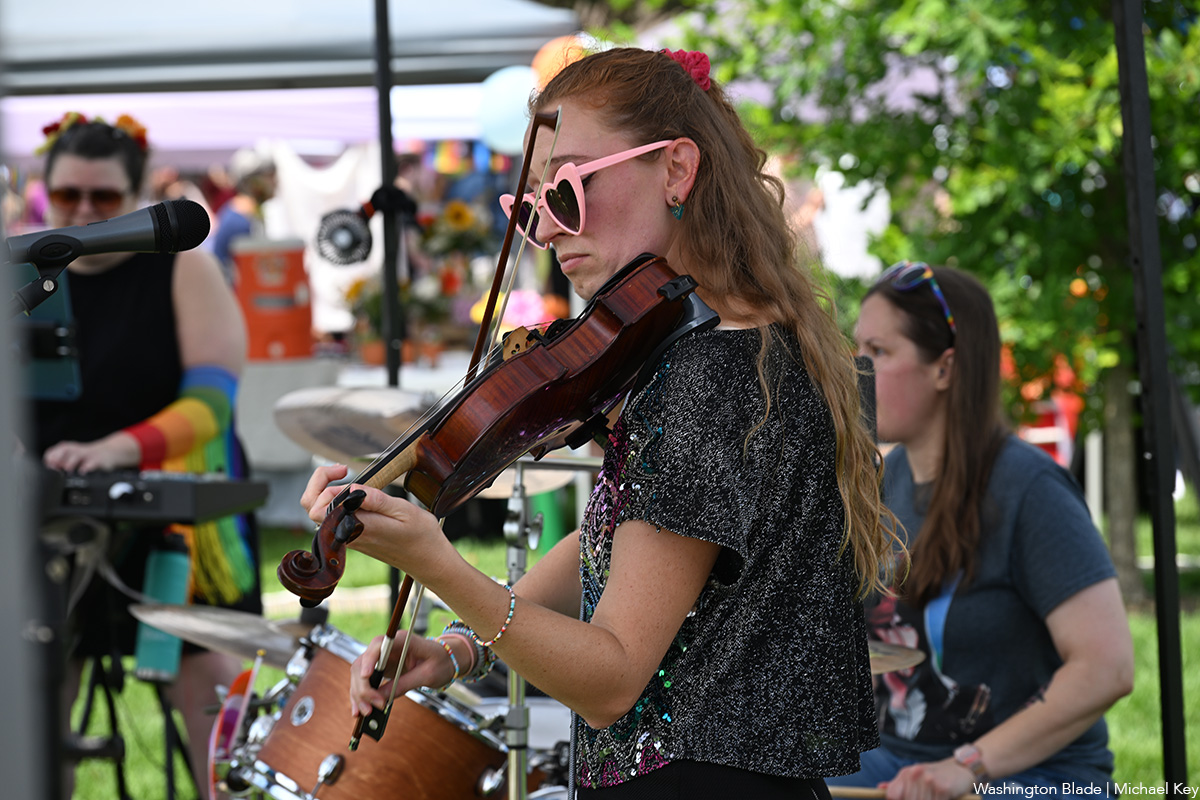
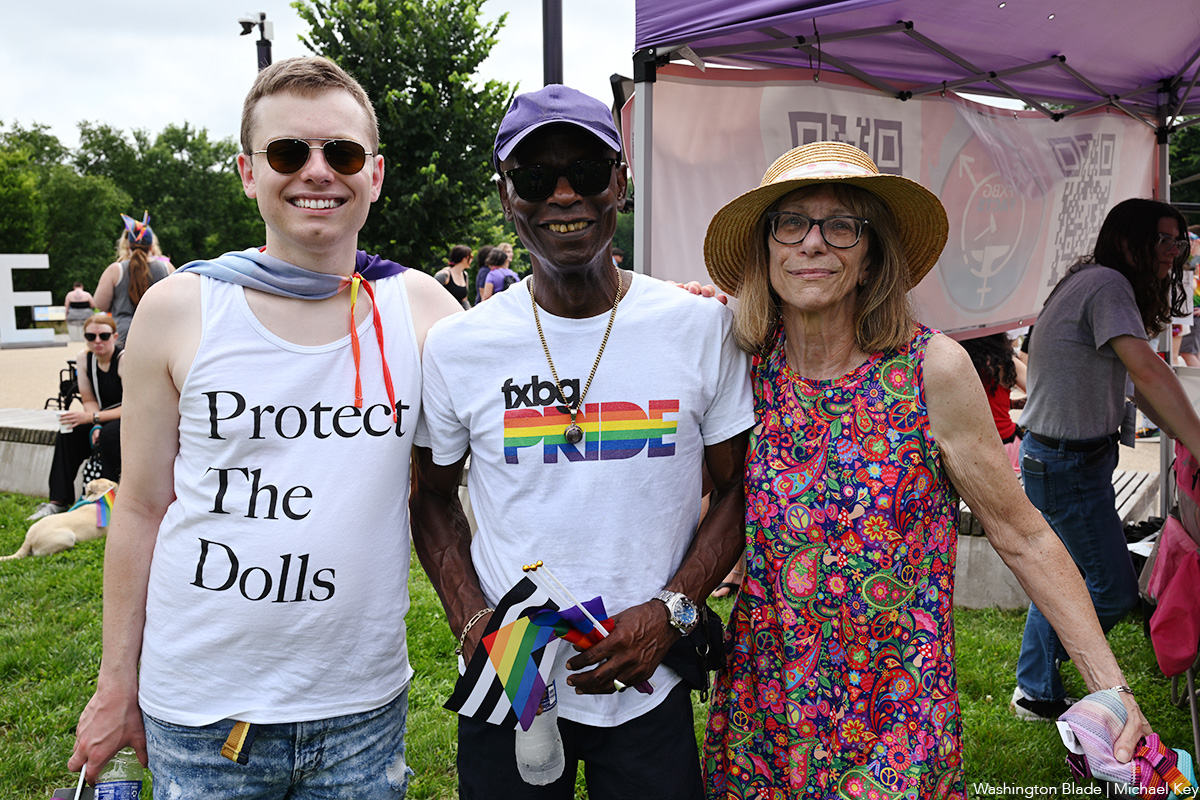
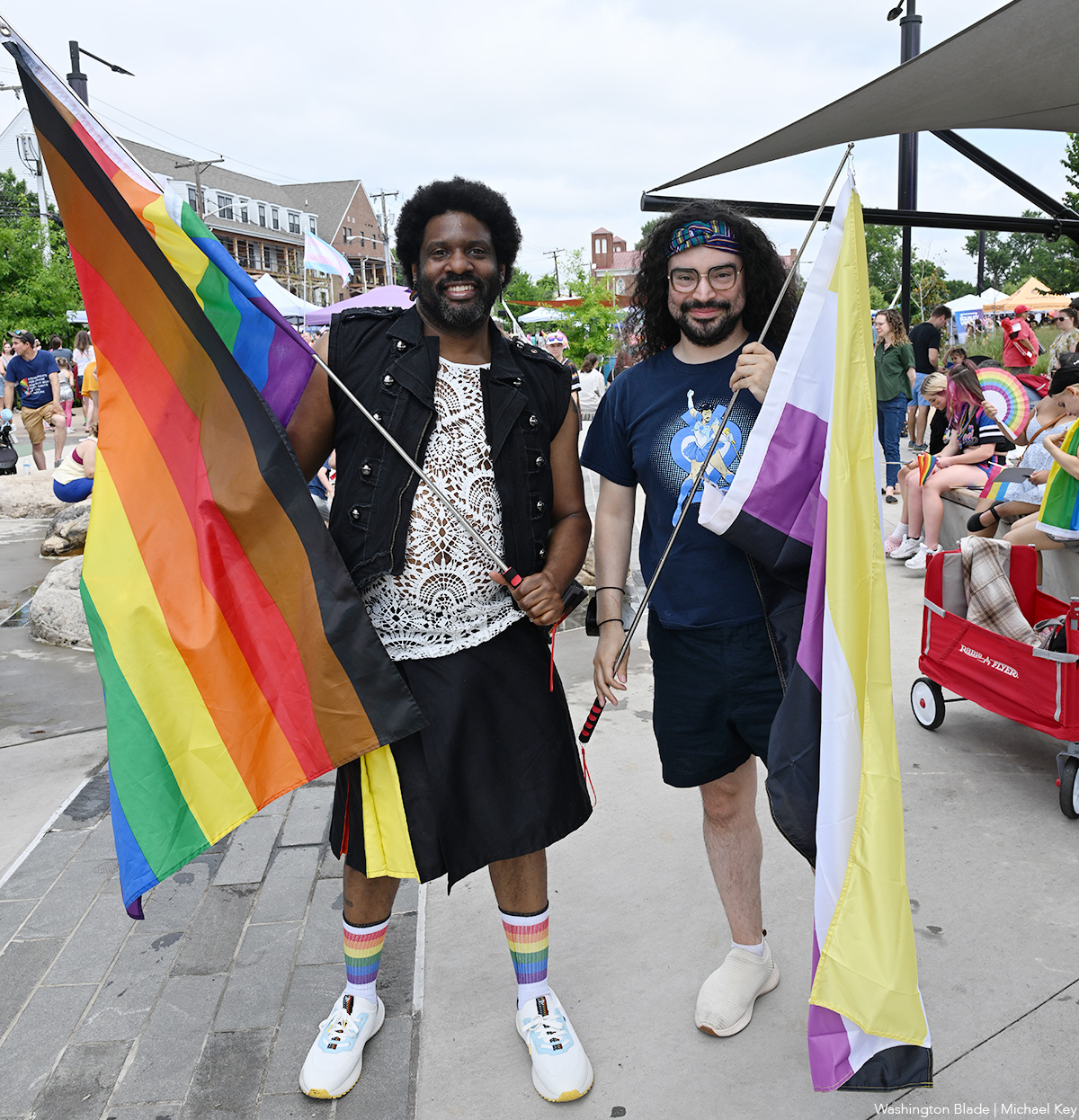
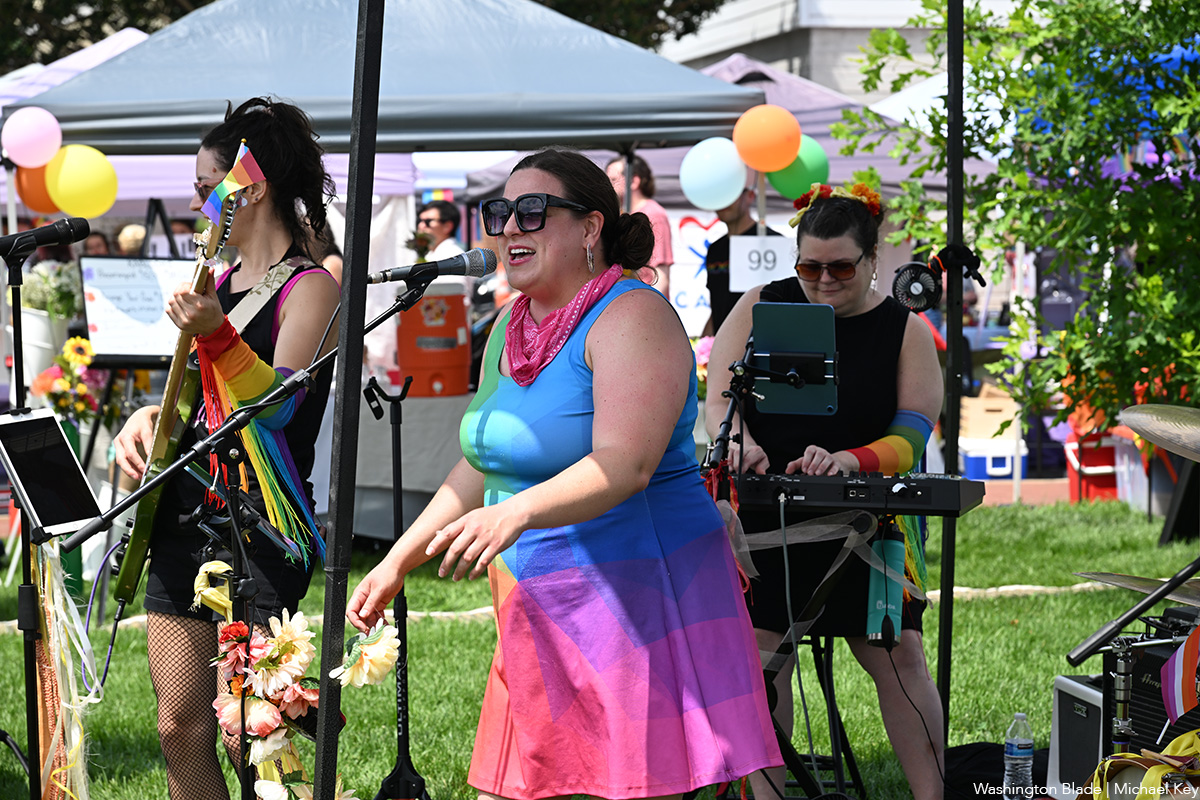
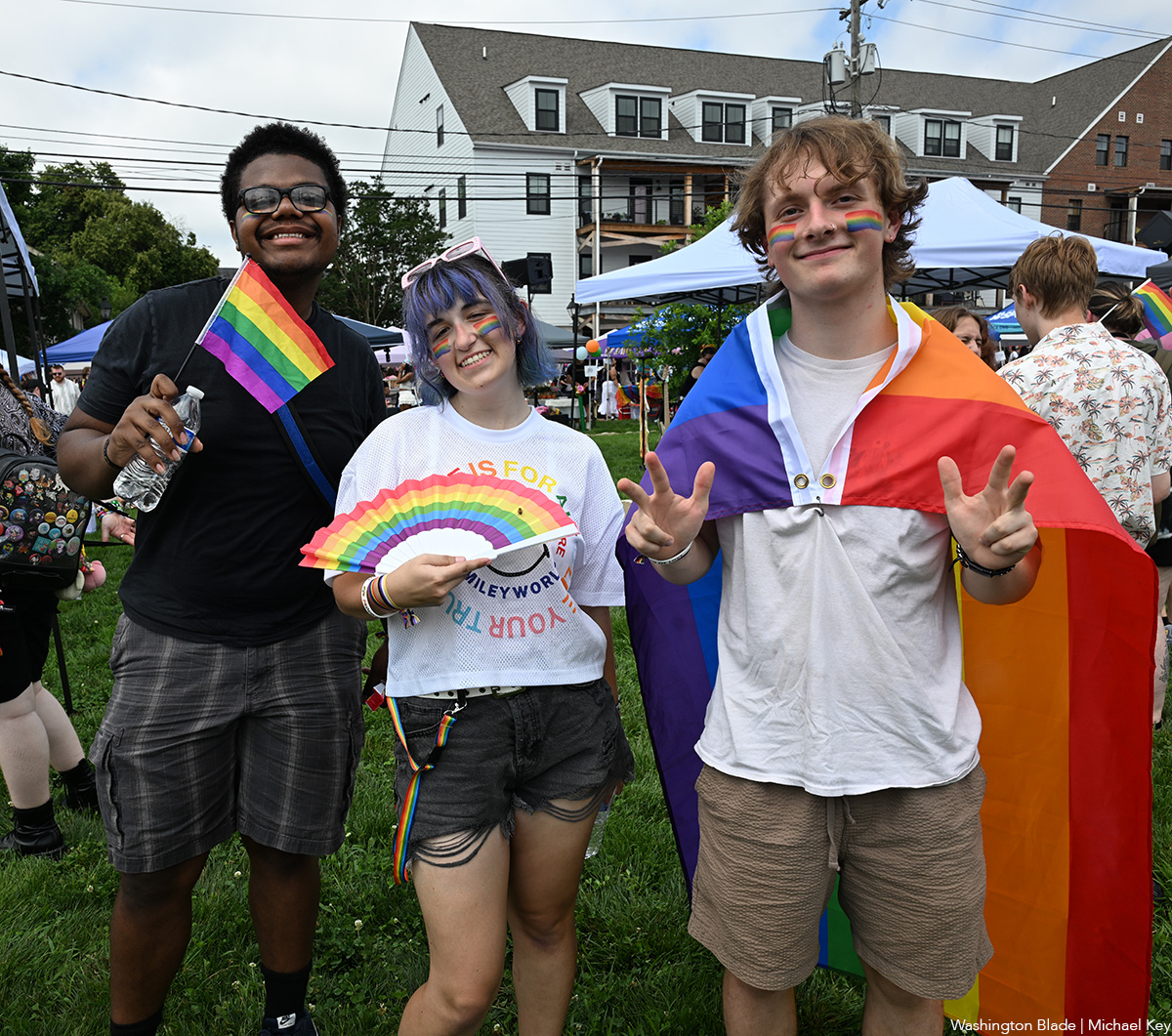
PHOTOS: Montgomery County Pride in the Plaza
LGBTQ celebration held in downtown Silver Spring
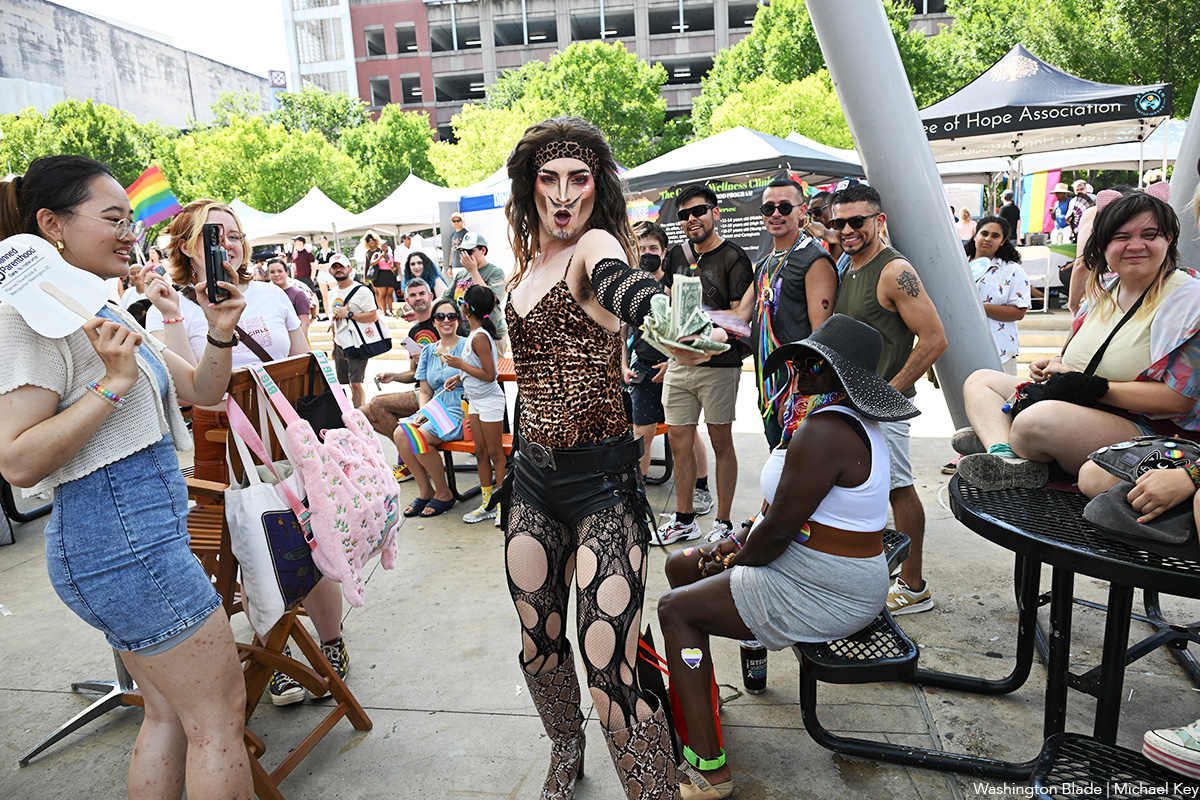
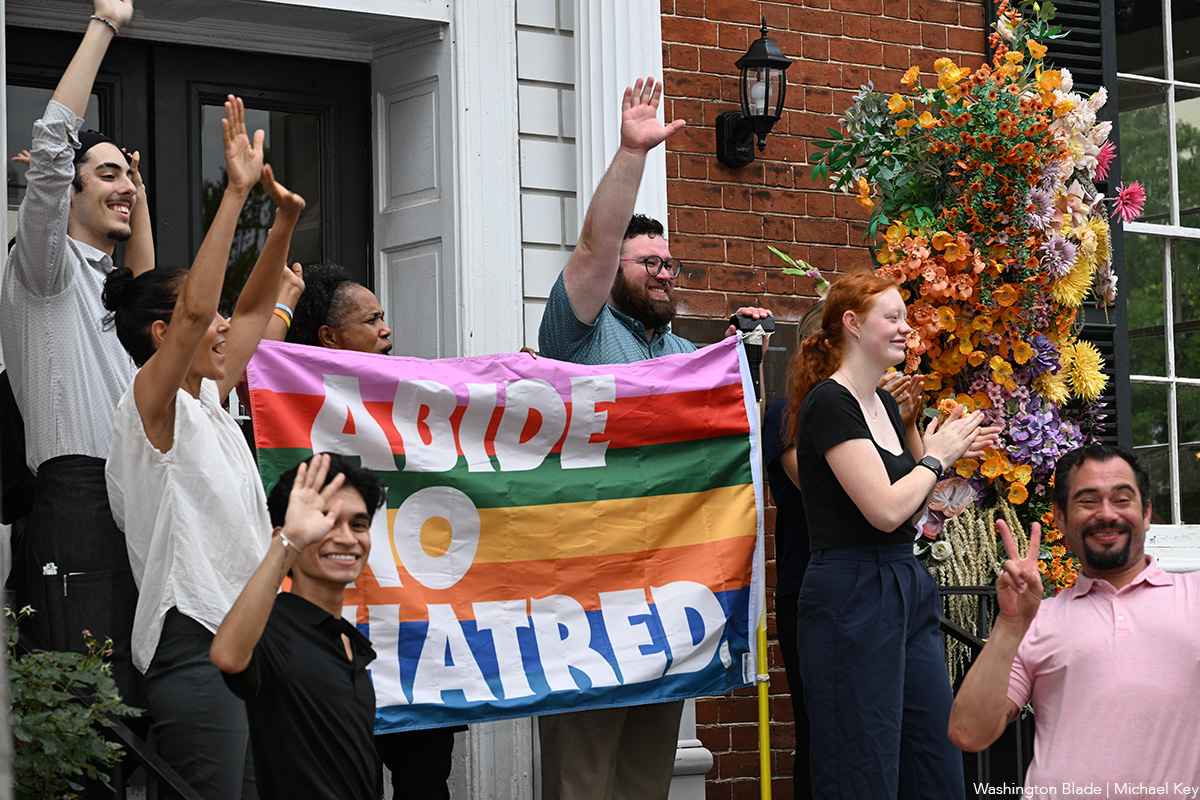
Montgomery County Pride in the Plaza was held on Sunday, June 29 at Veterans Plaza in Silver Spring, Md.
(Washington Blade photos by Michael Key)
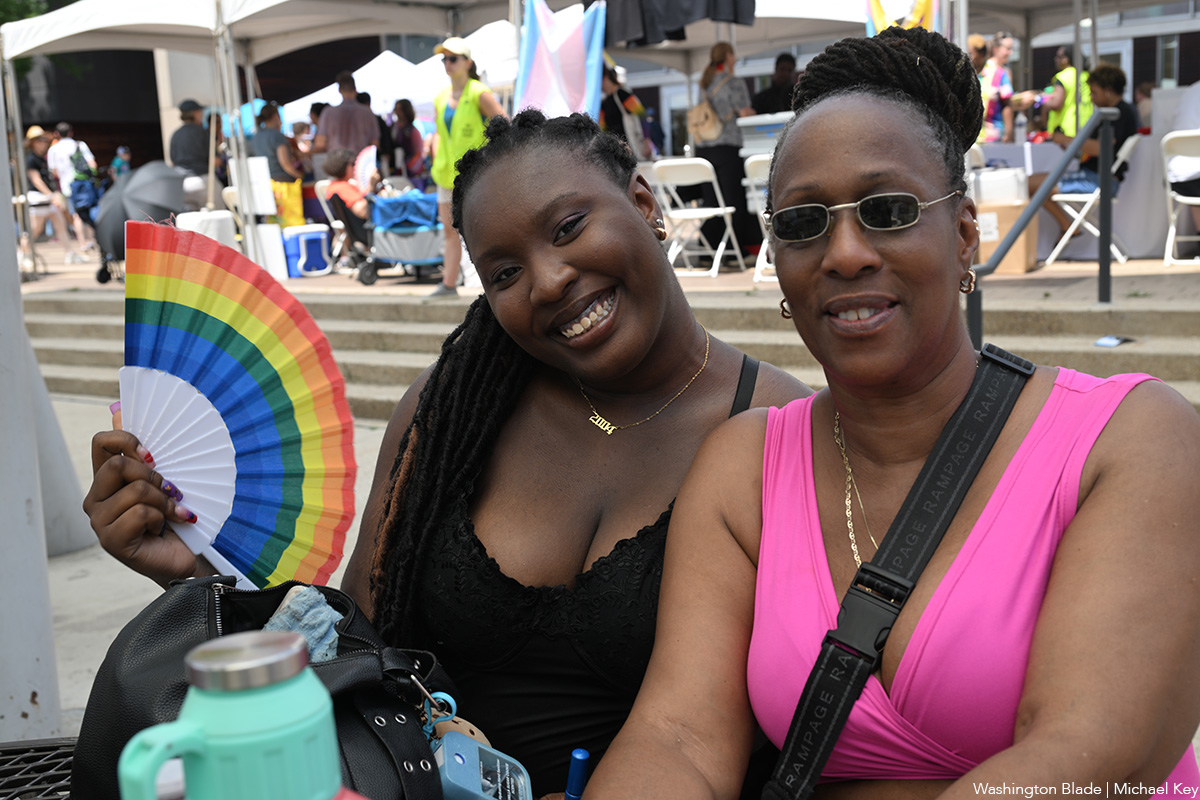
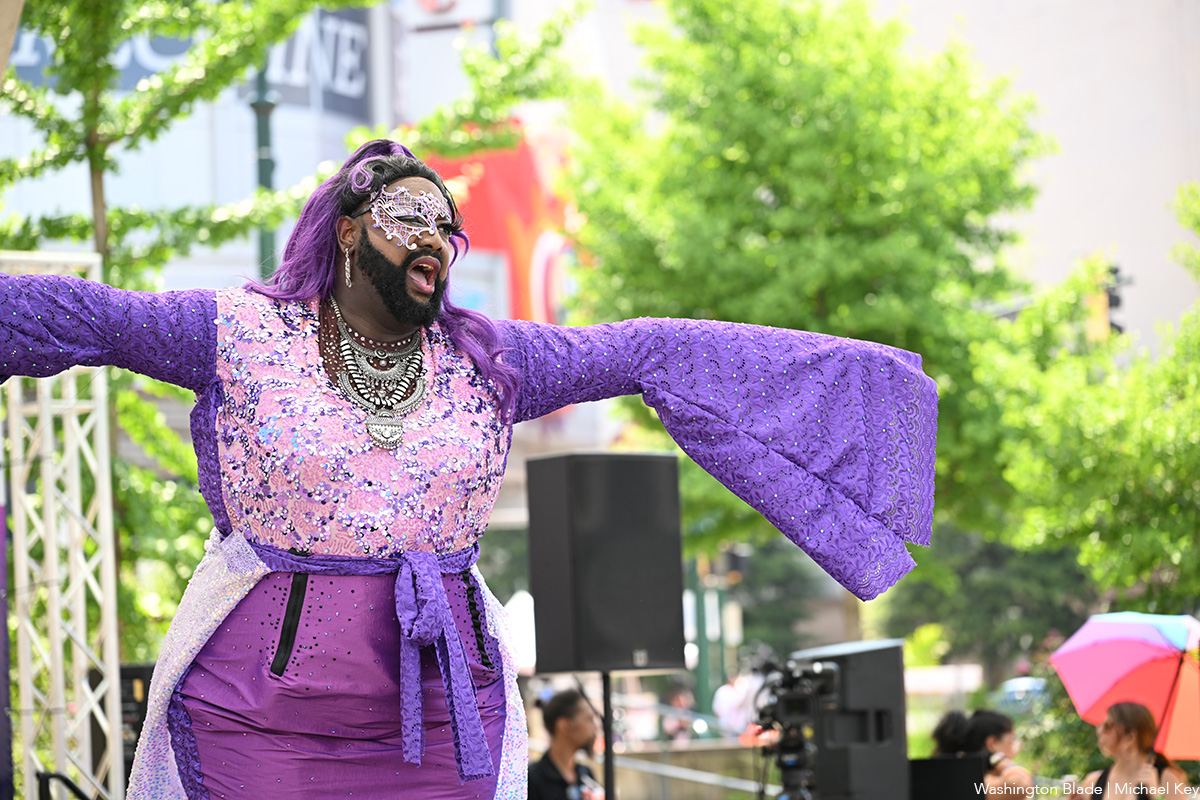
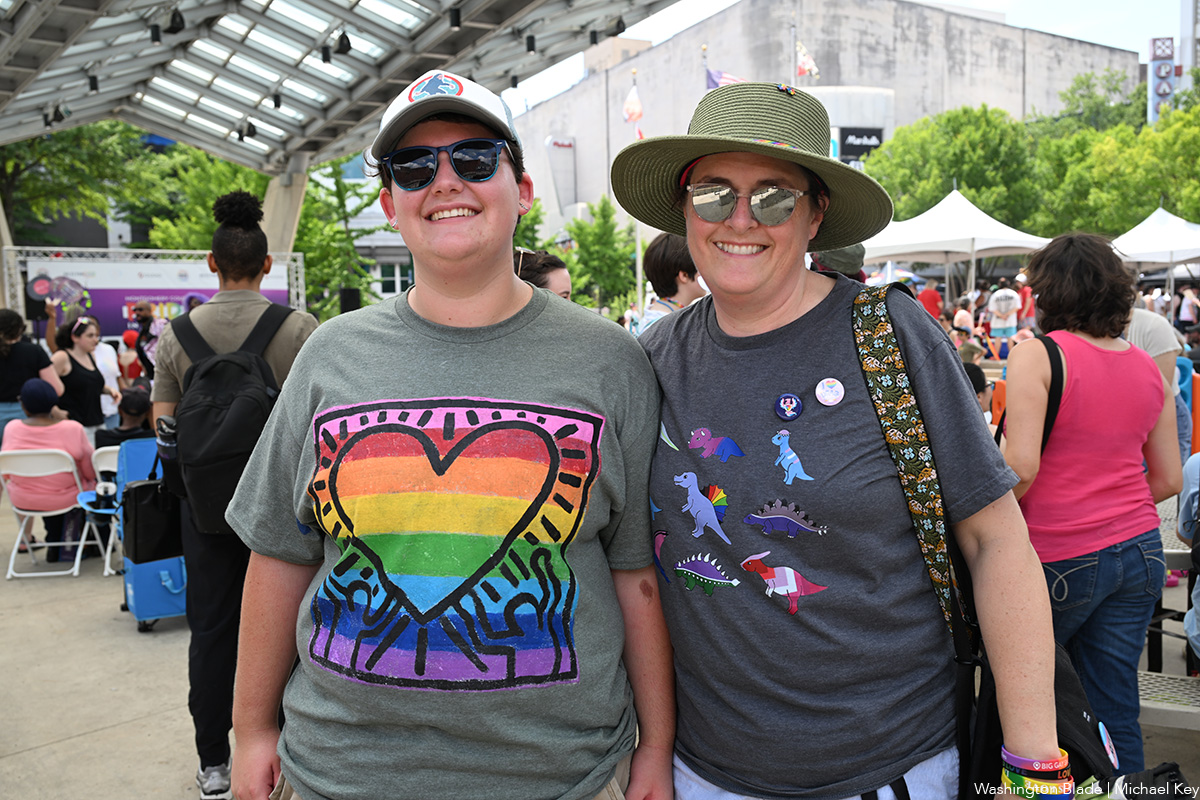
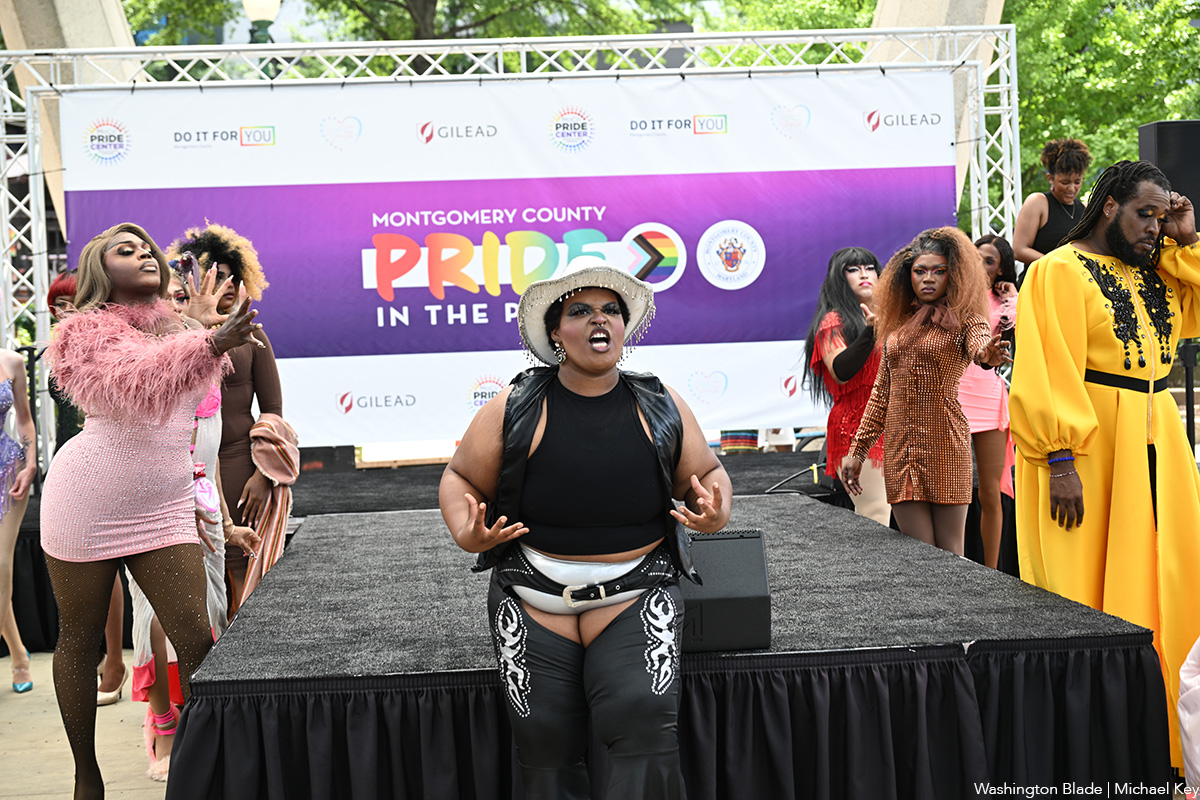
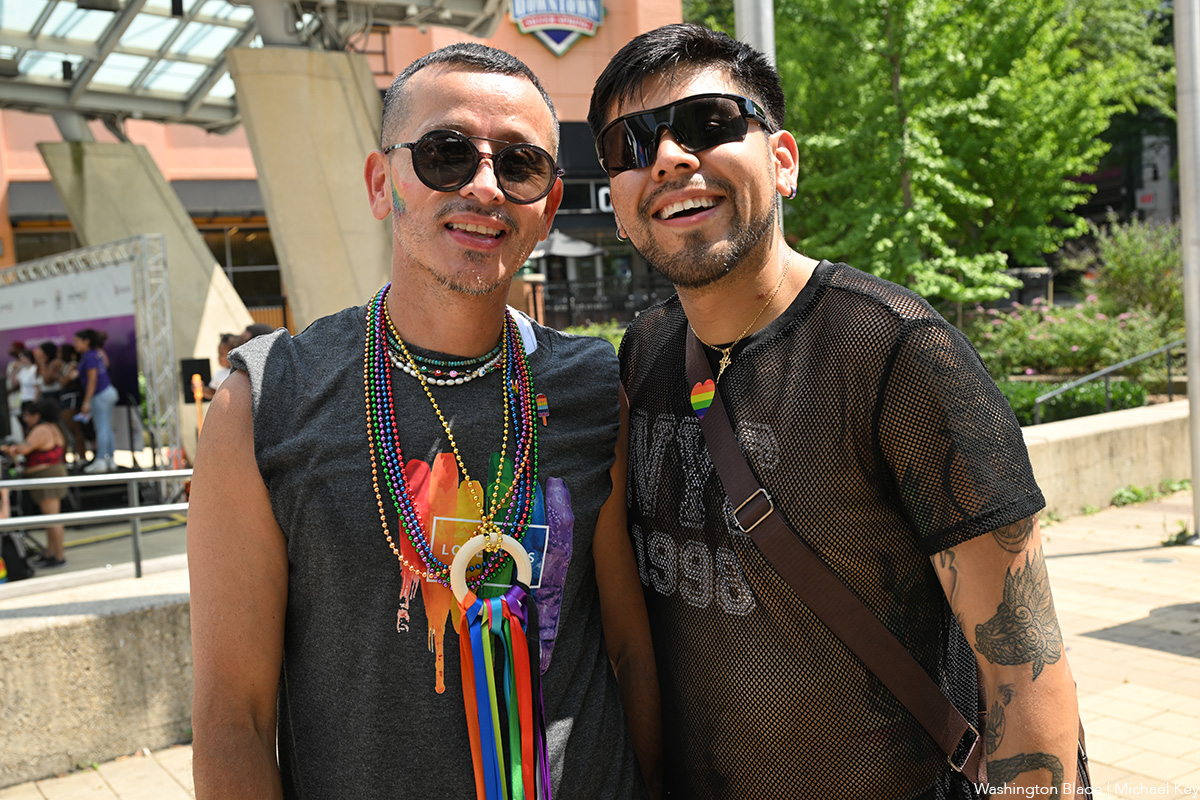
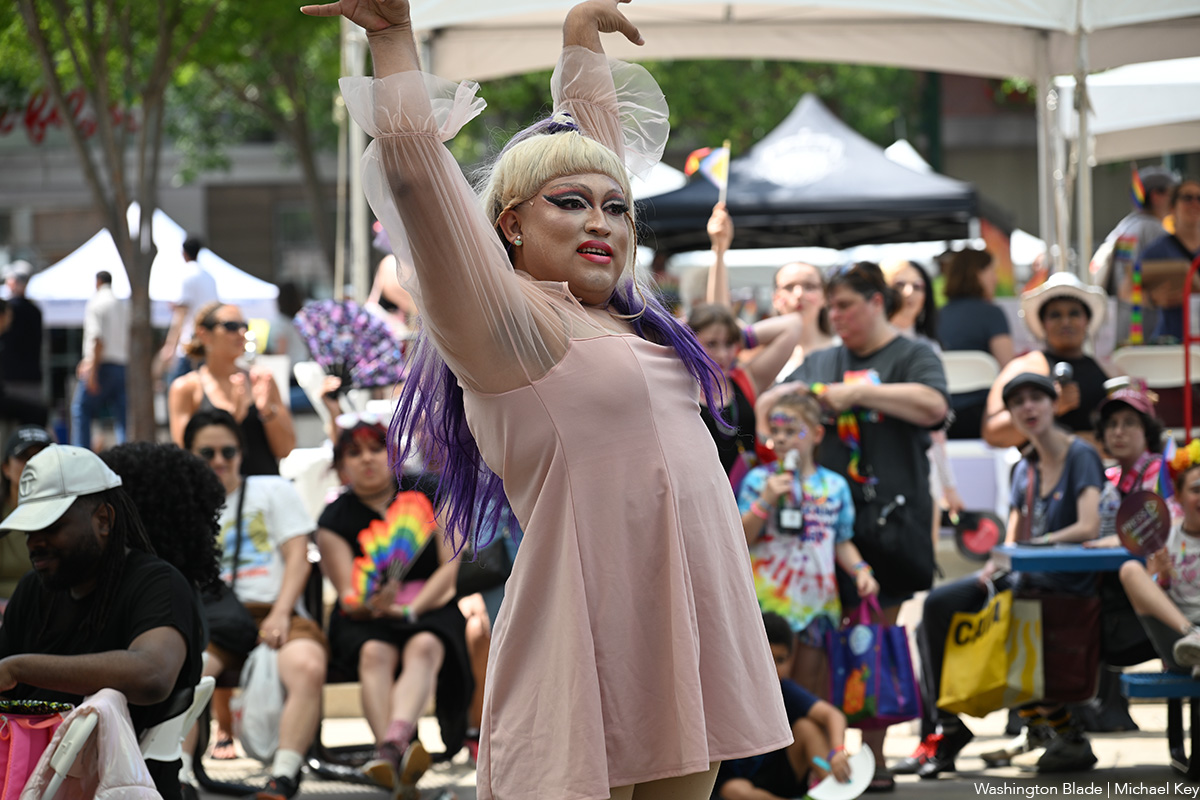
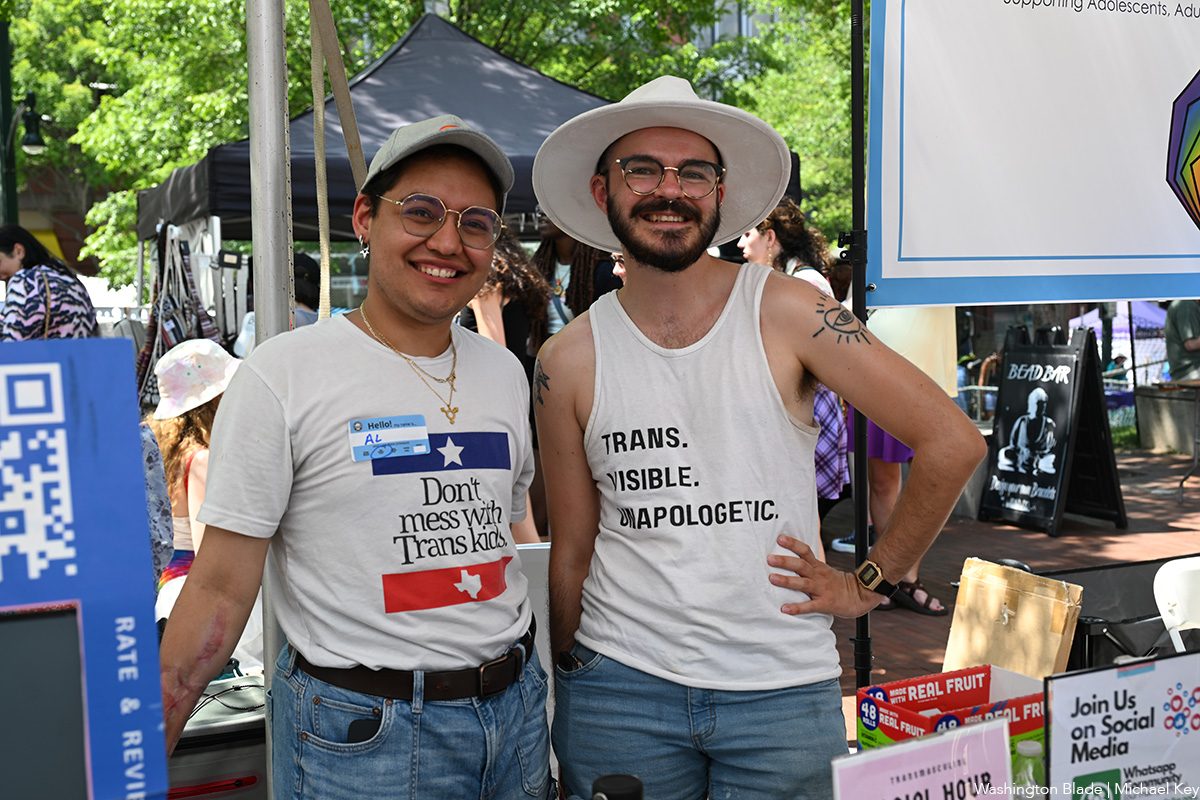
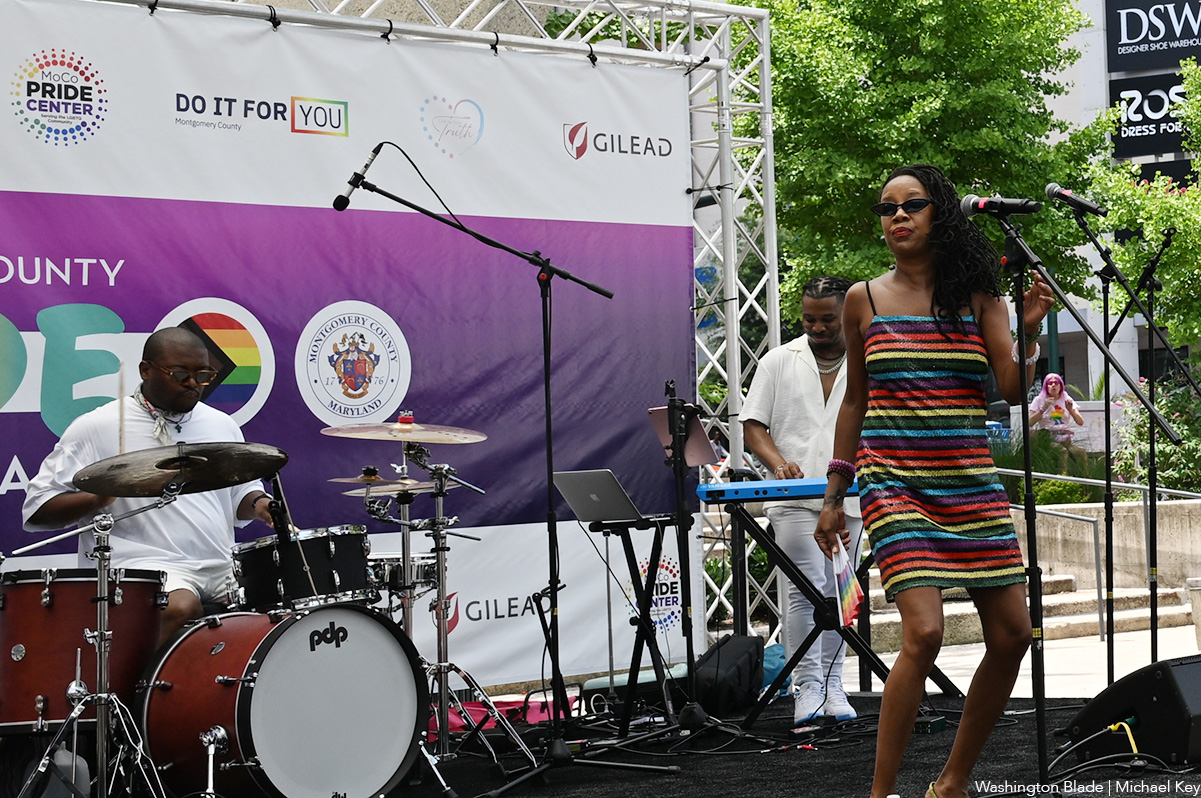
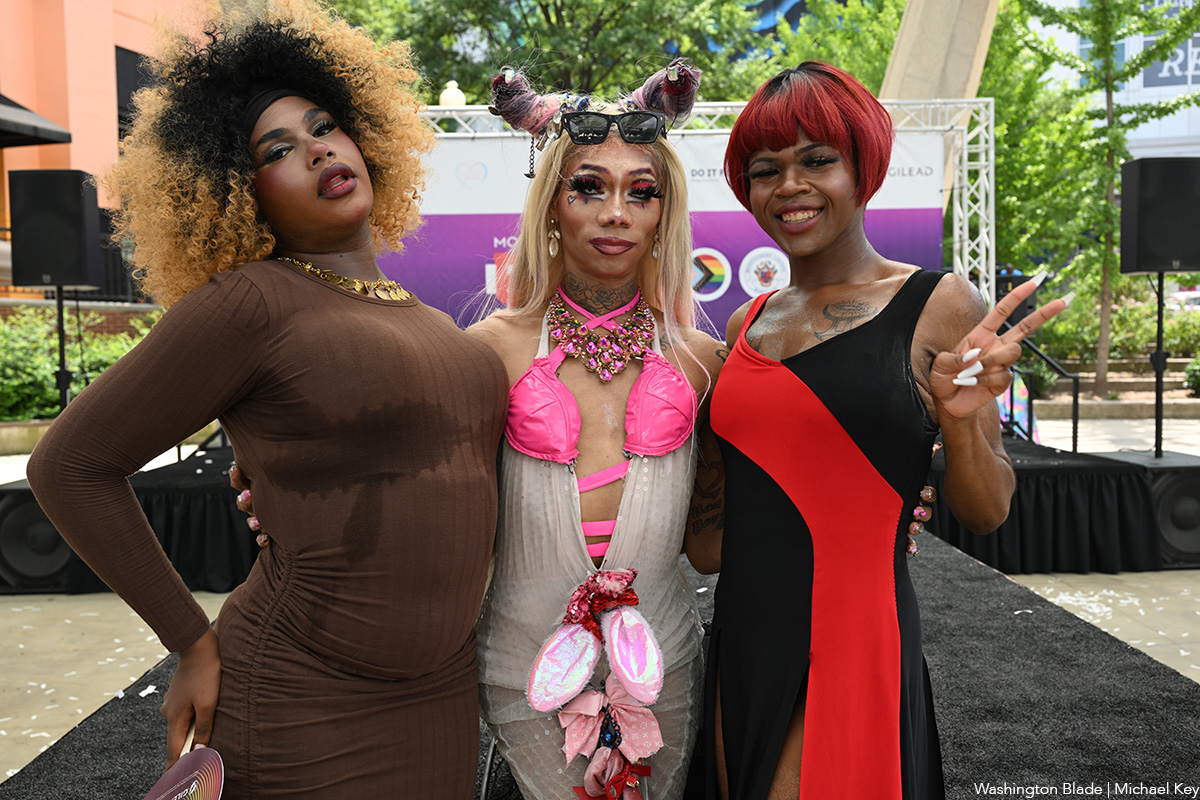
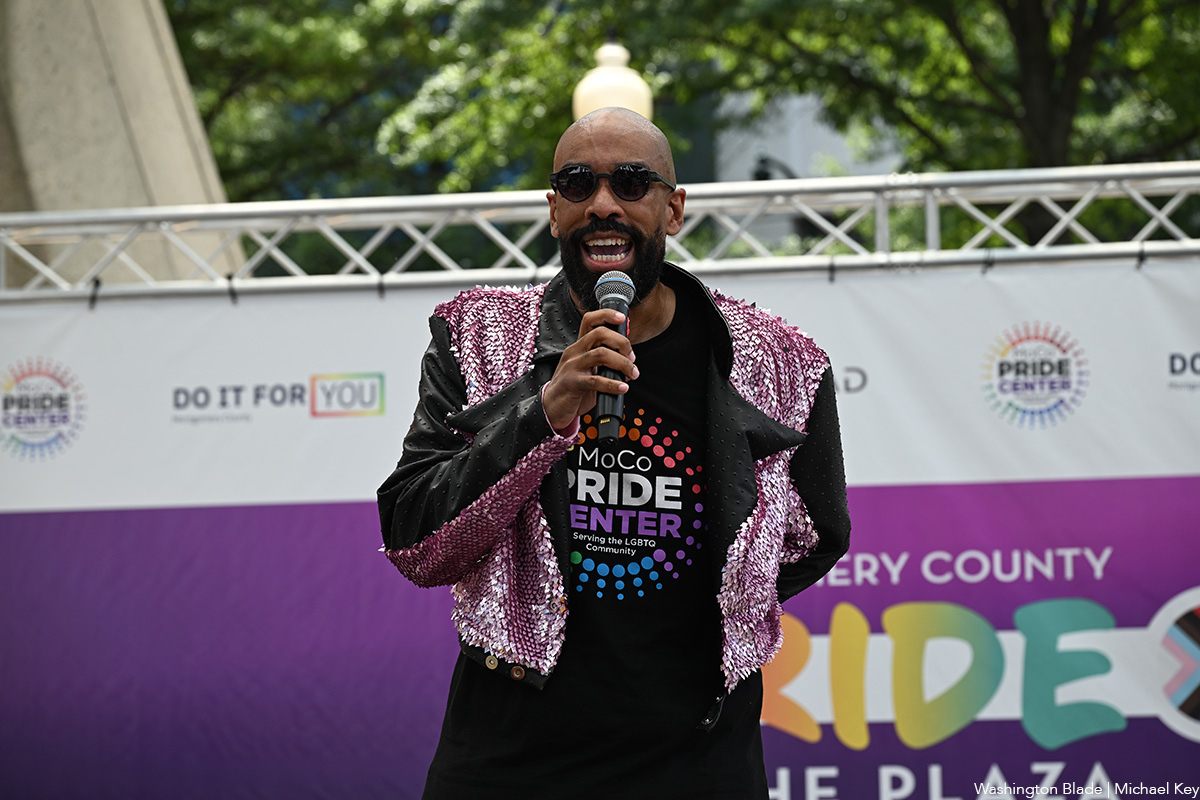
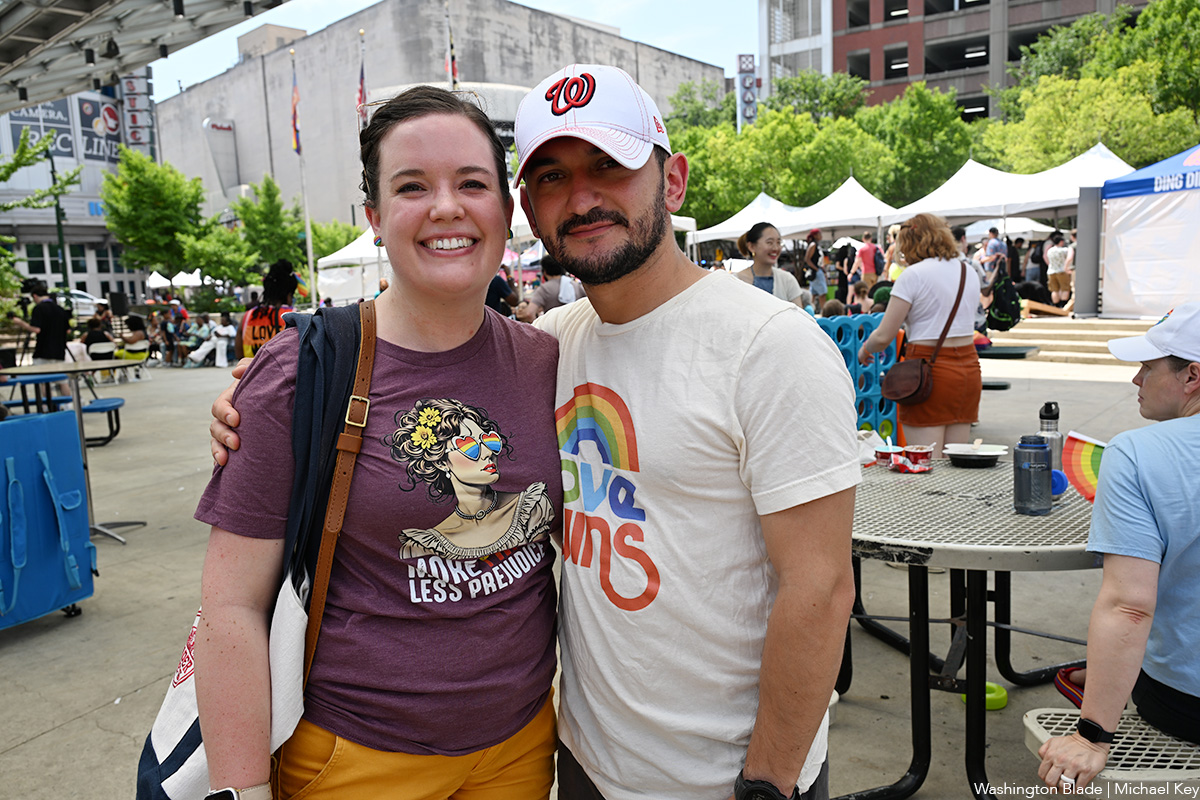
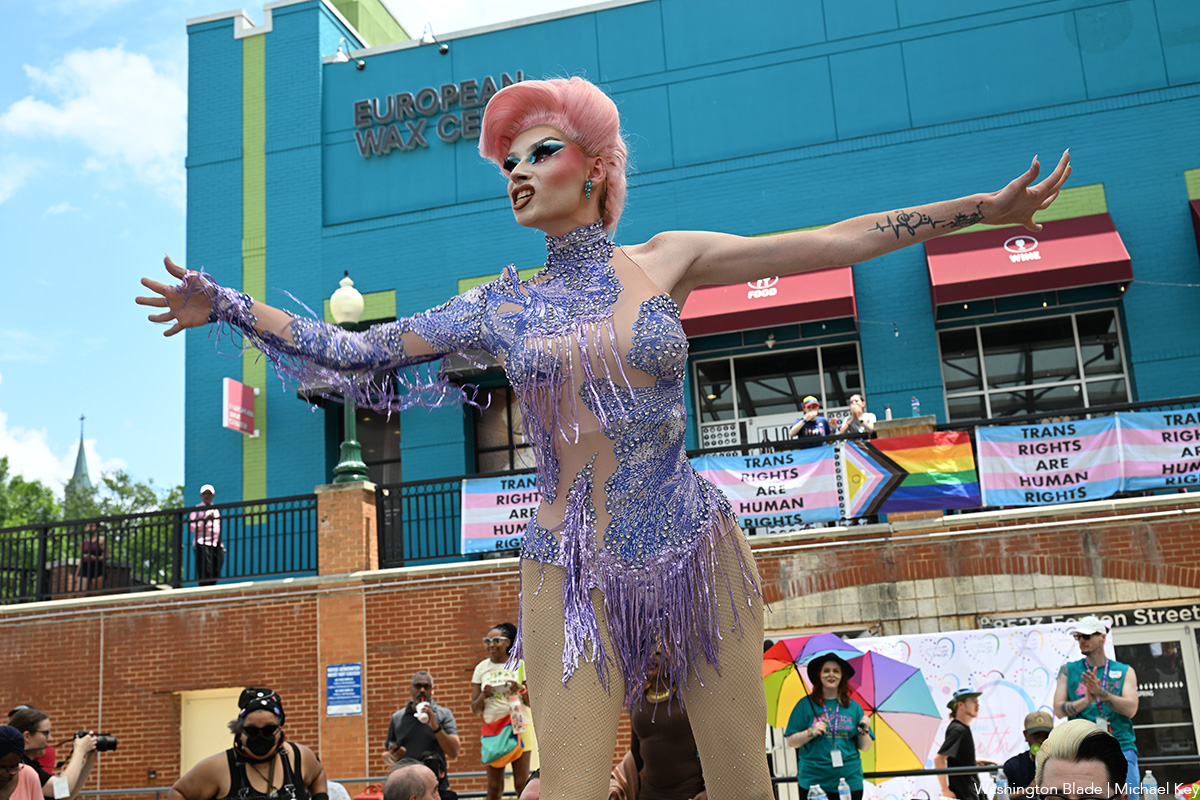
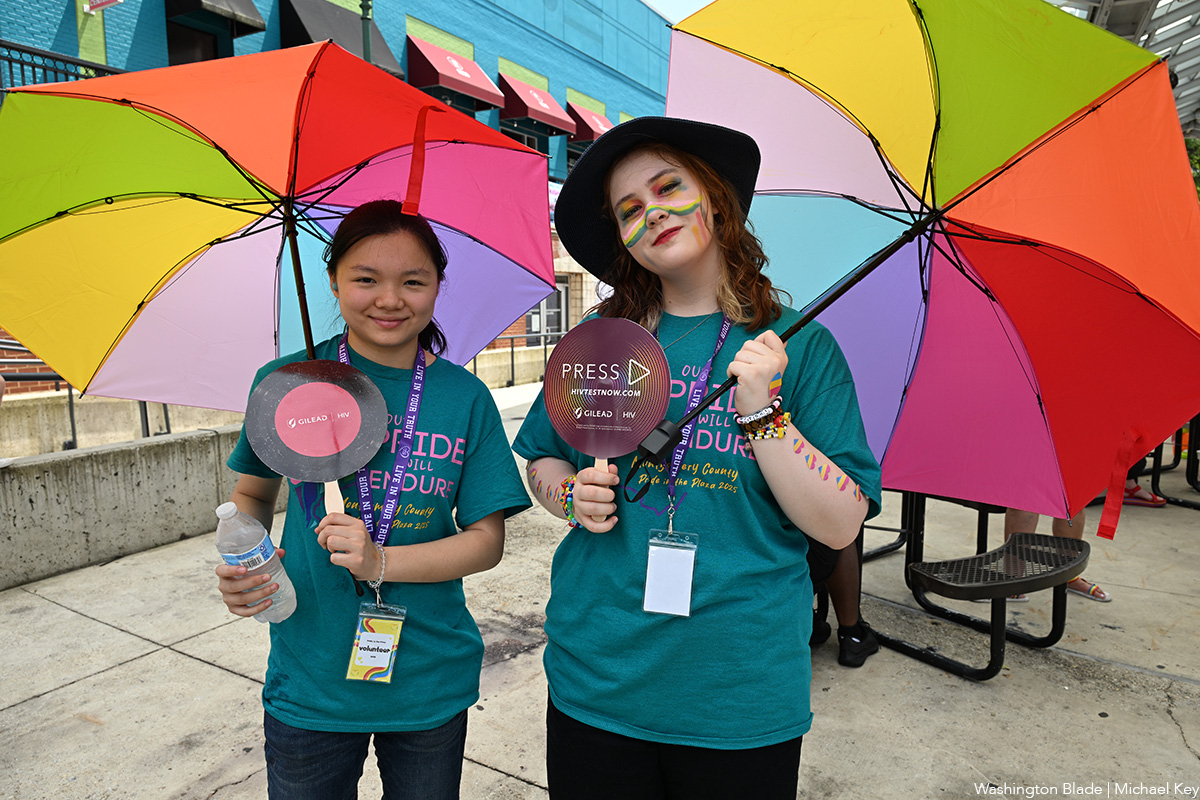
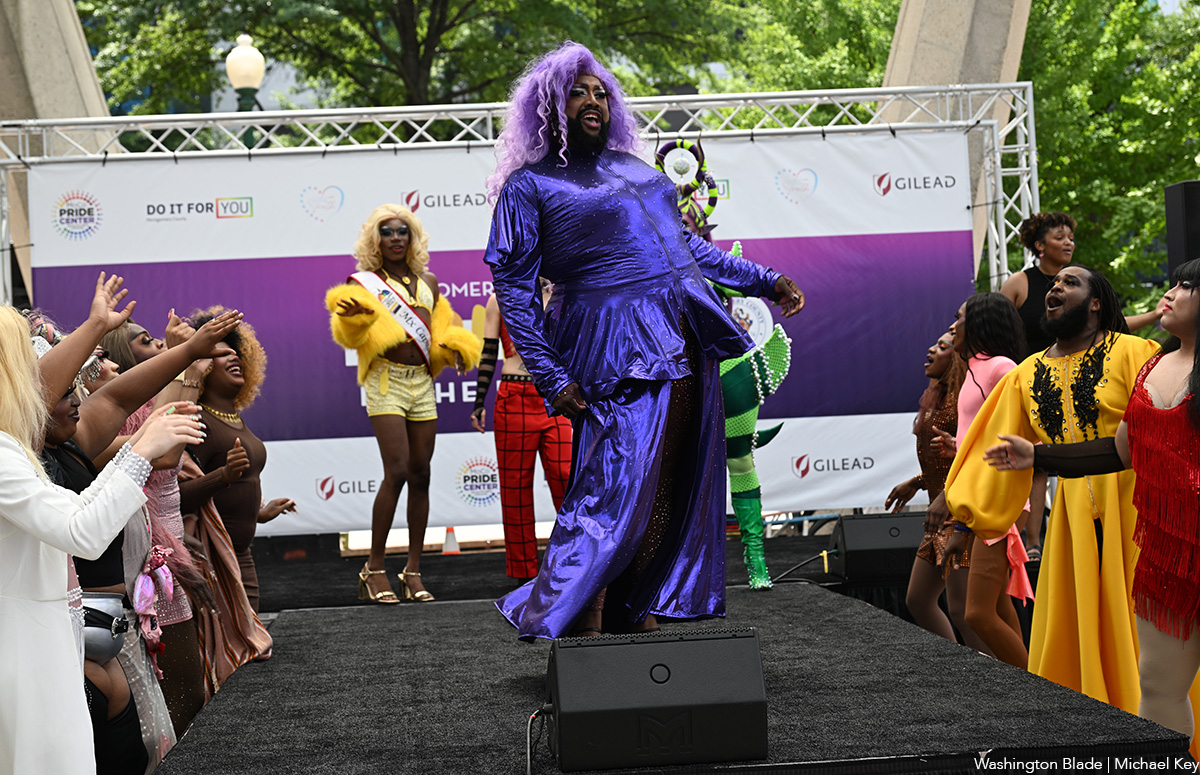
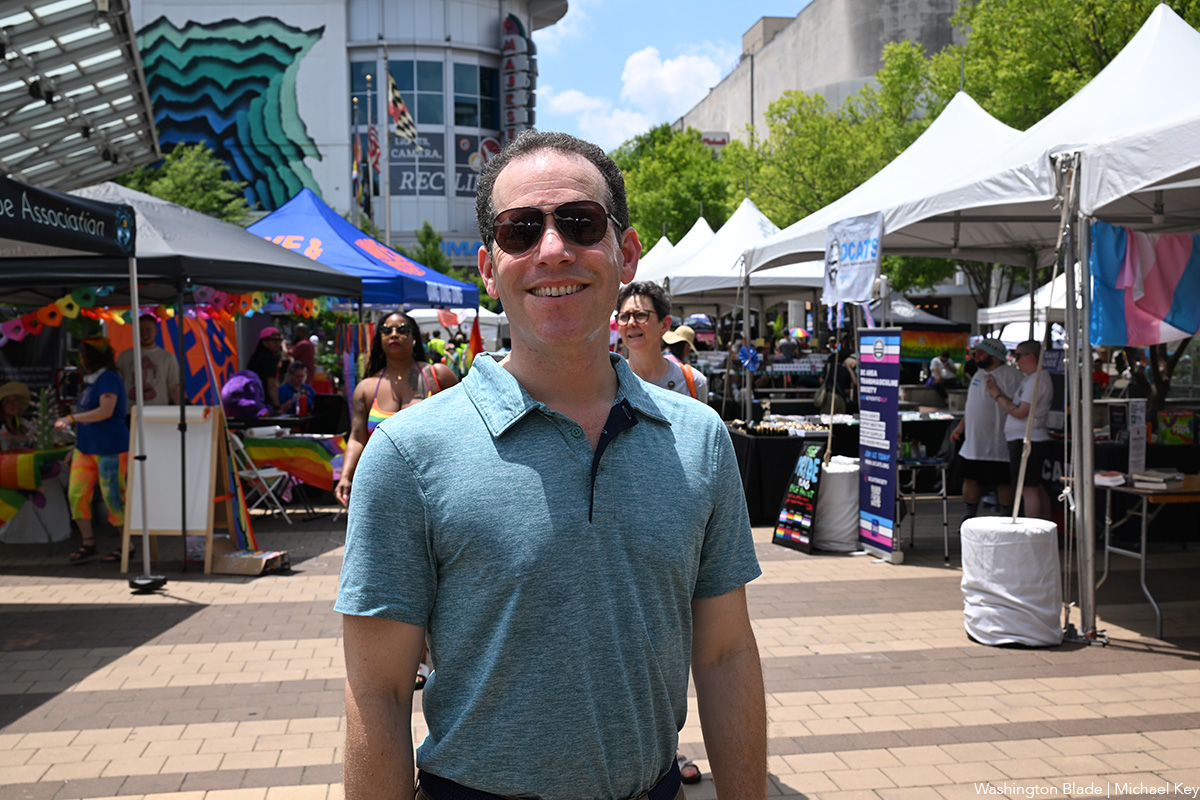
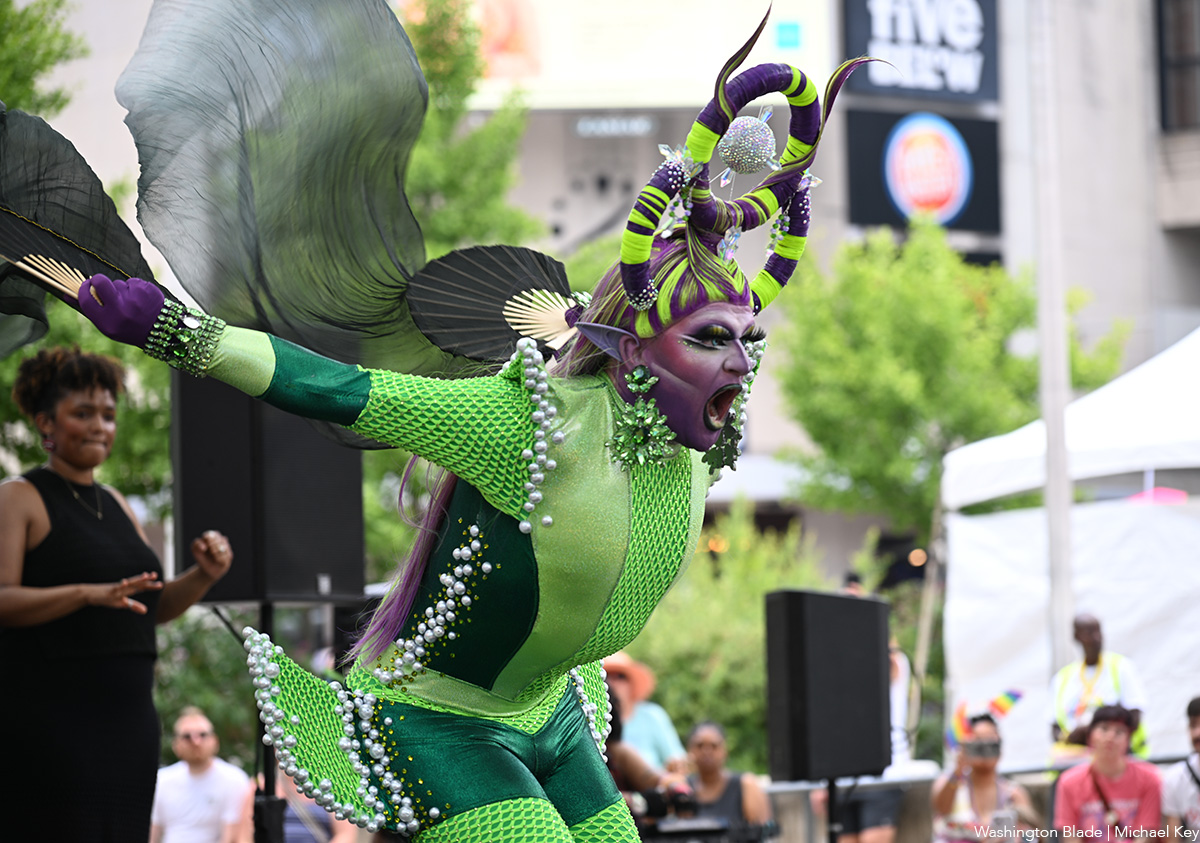

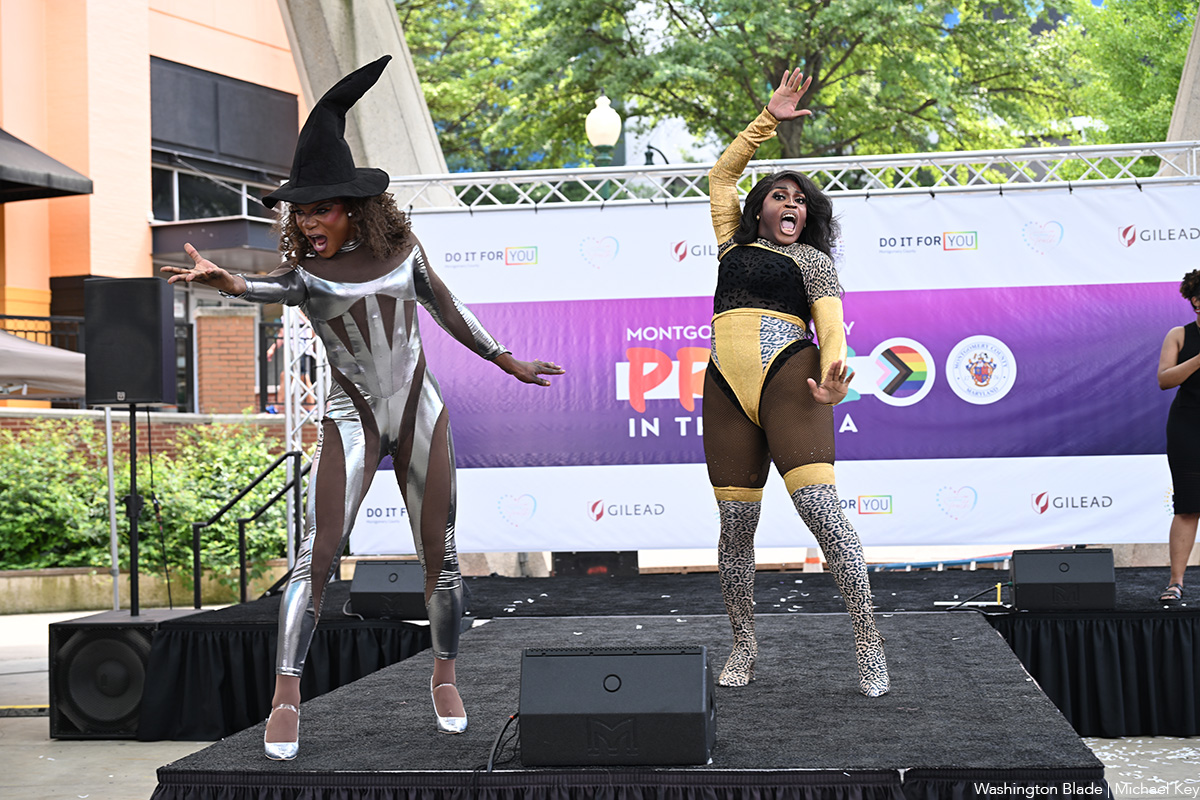
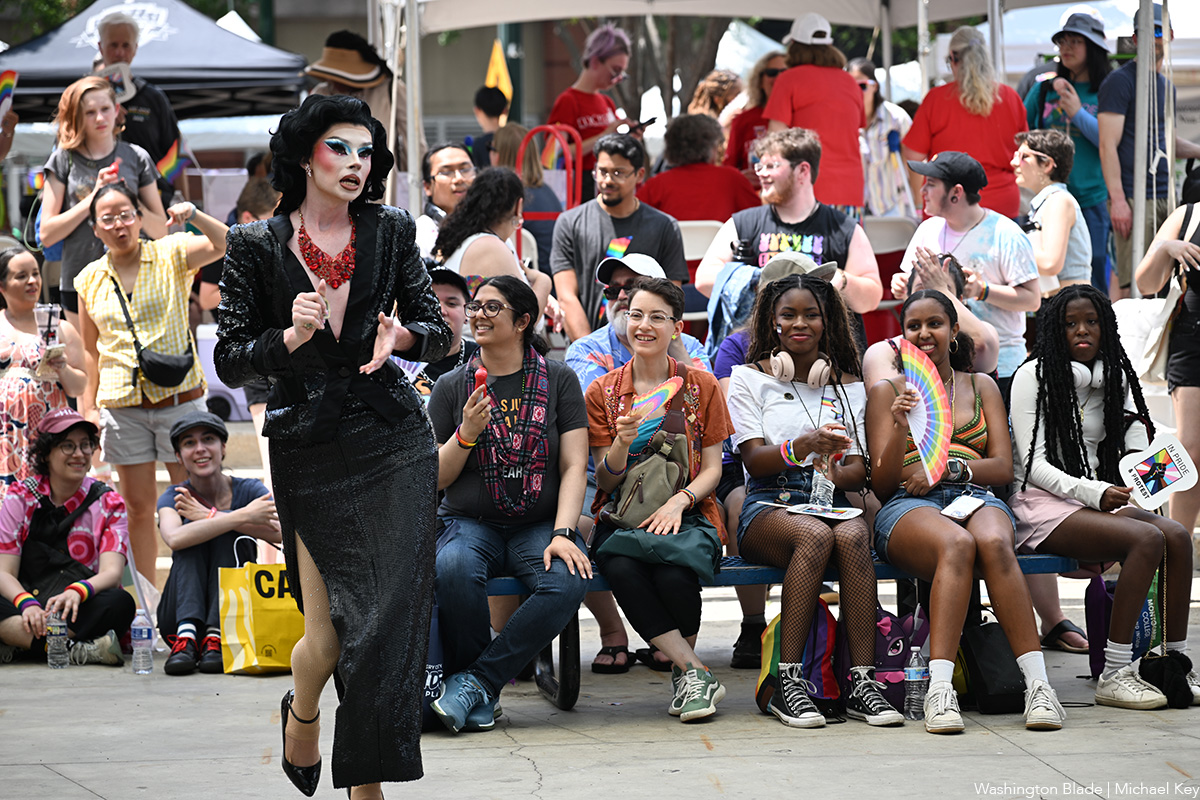
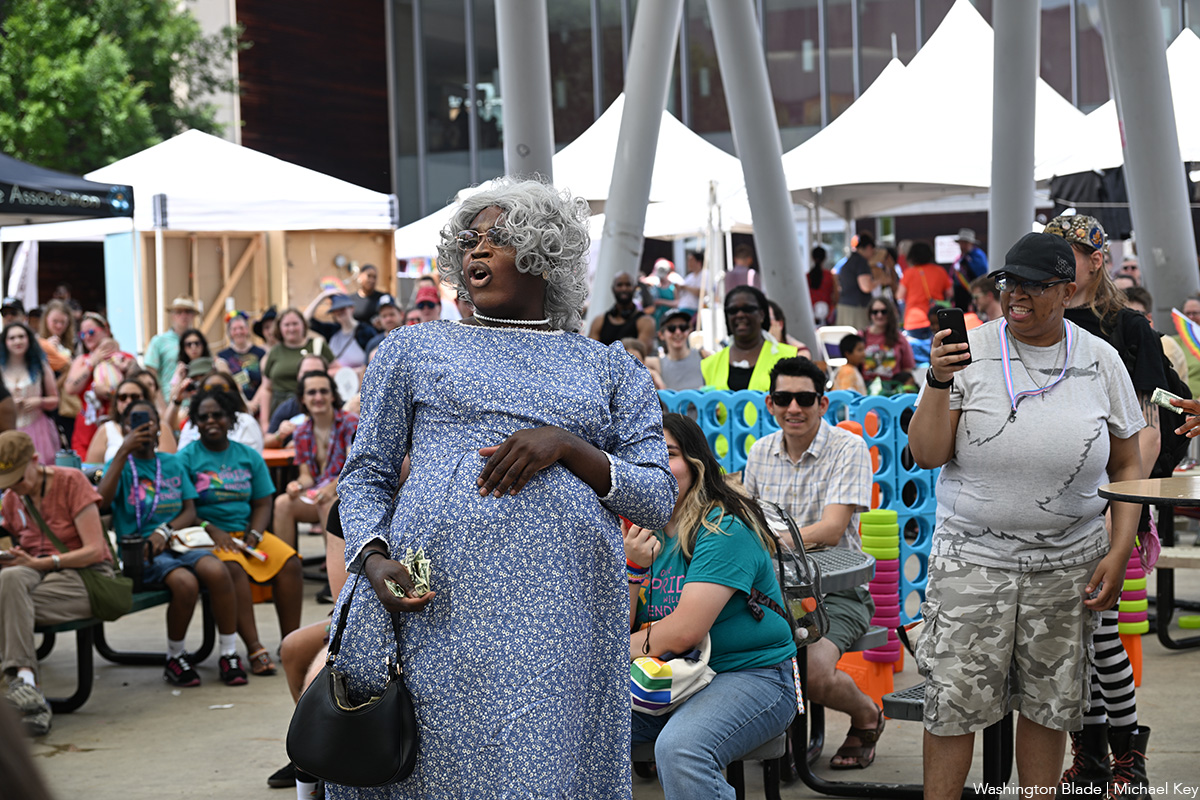

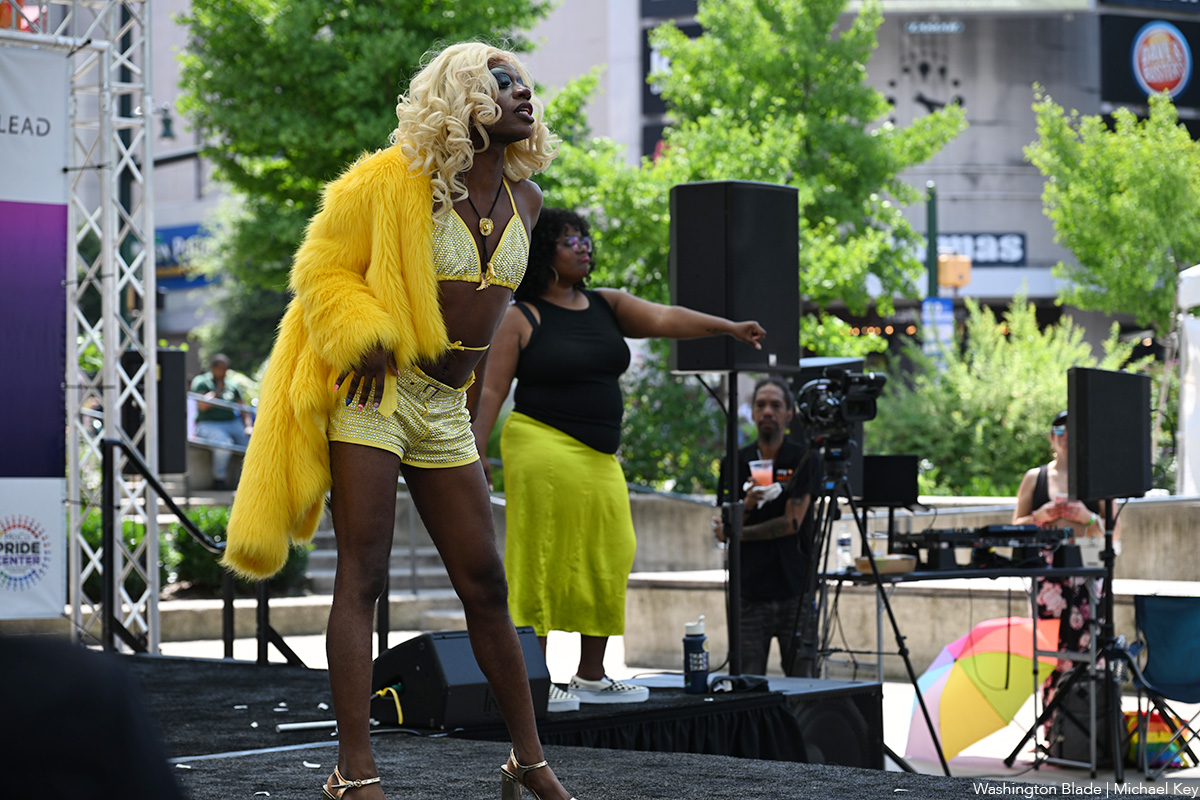
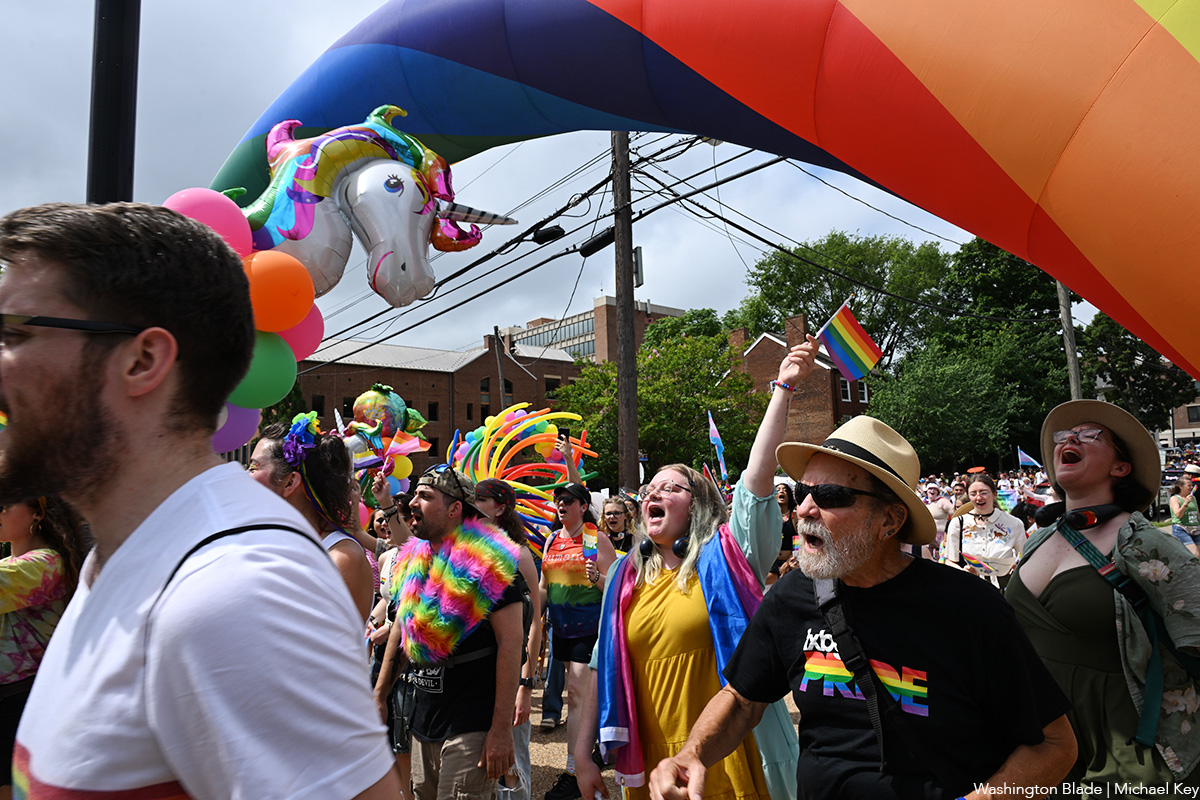
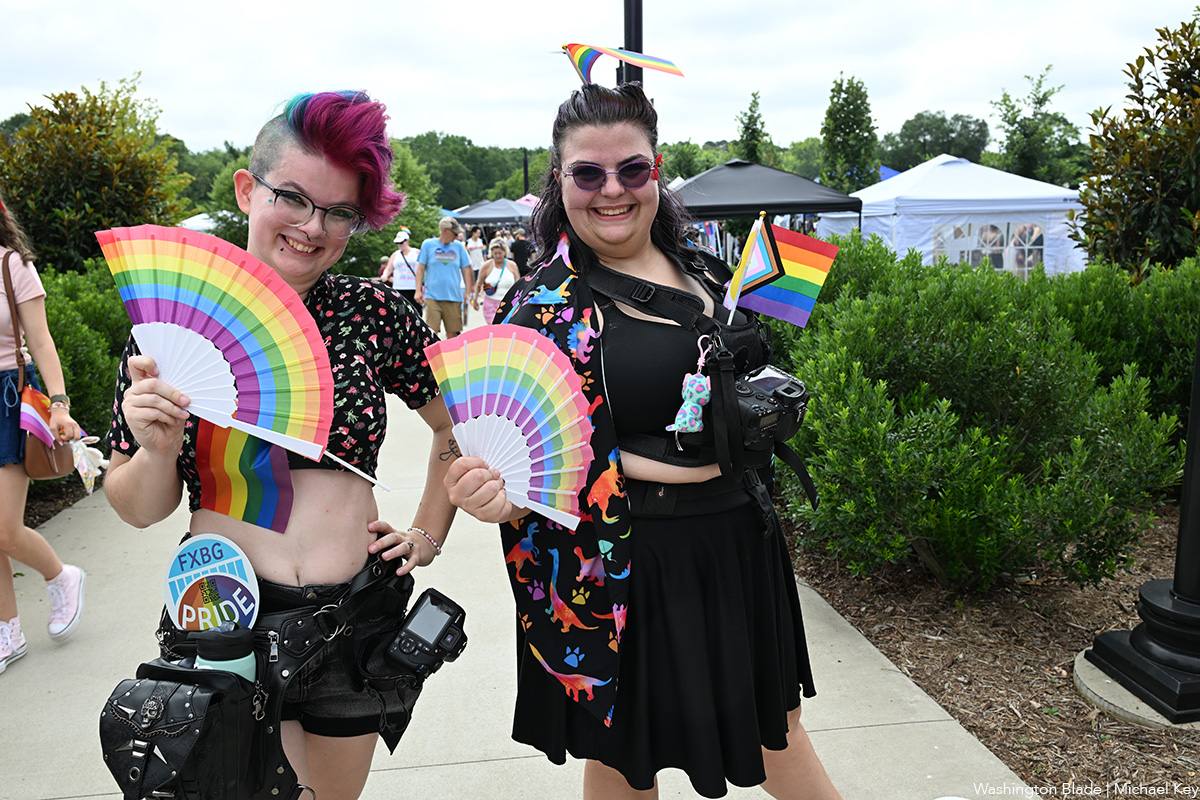
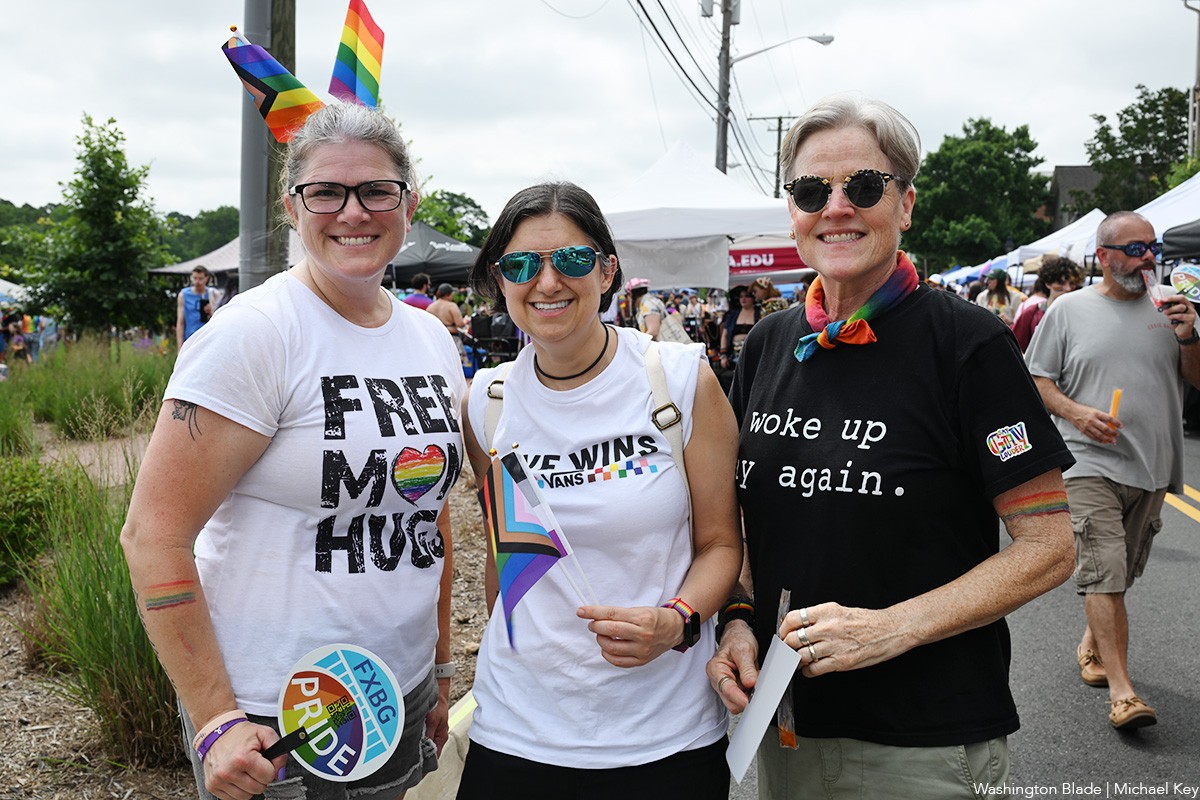
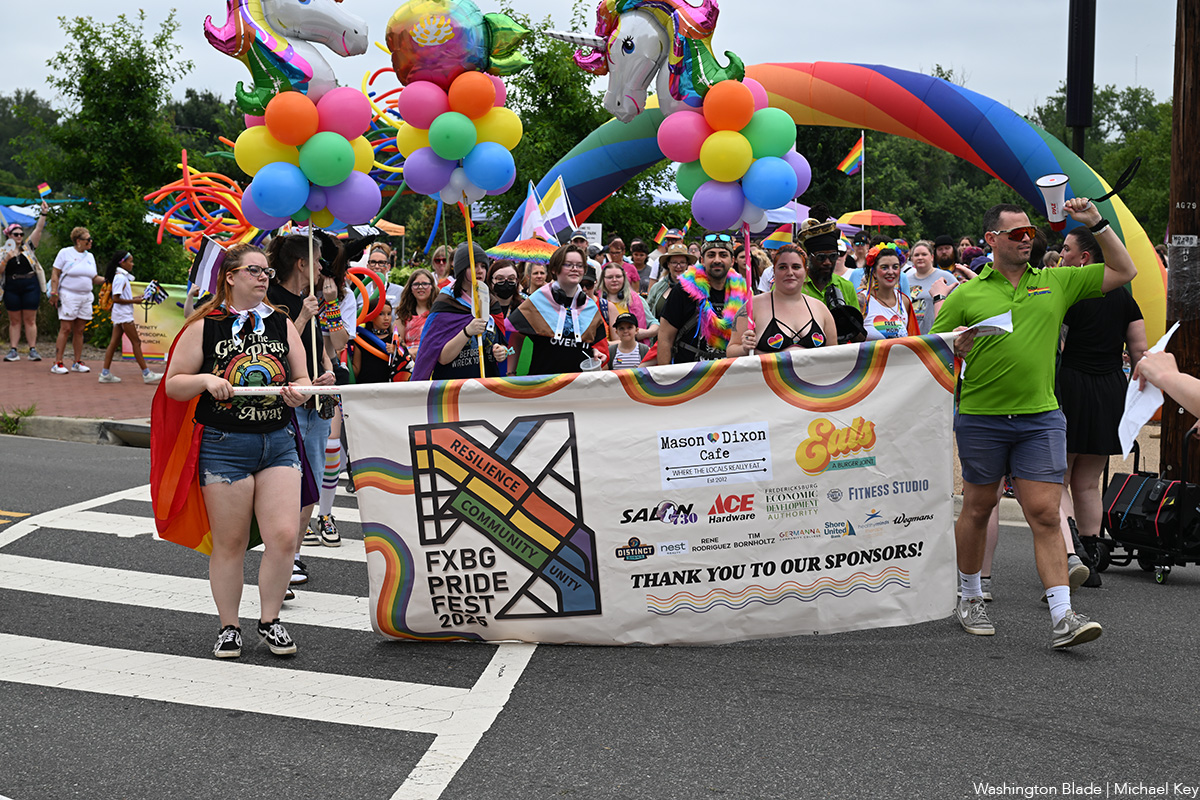
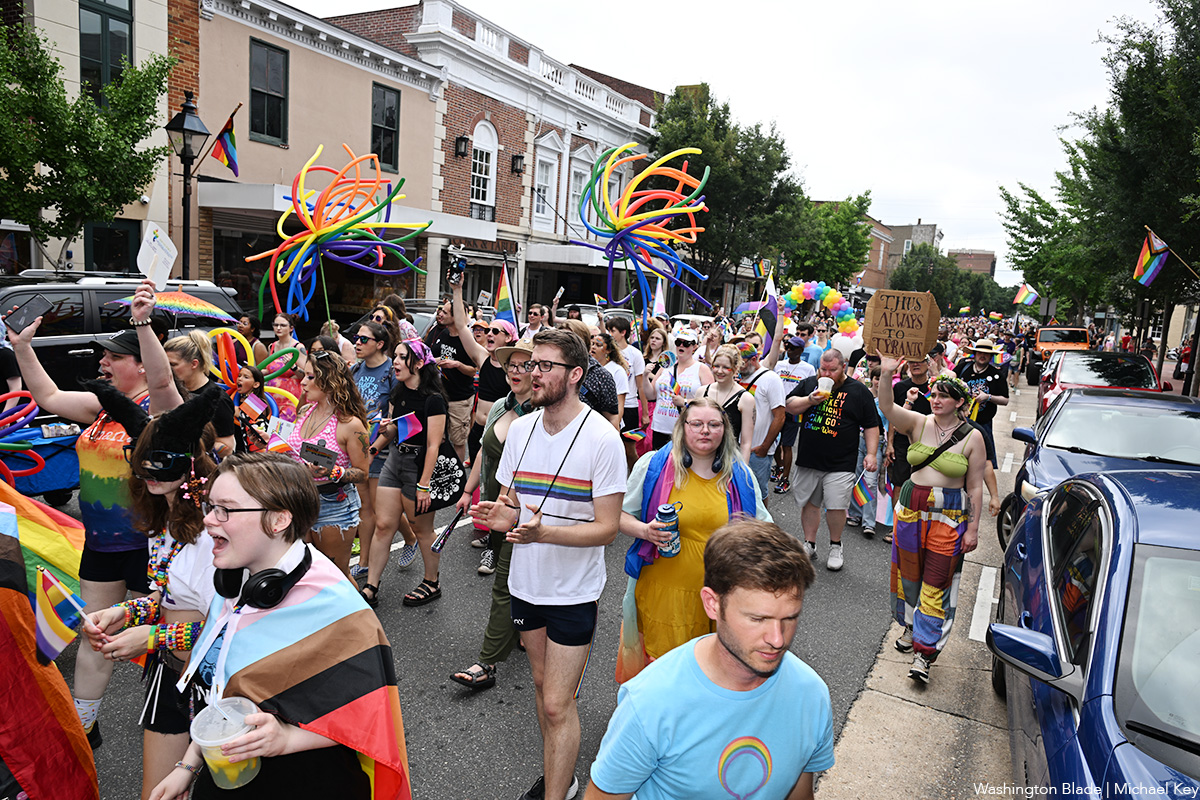
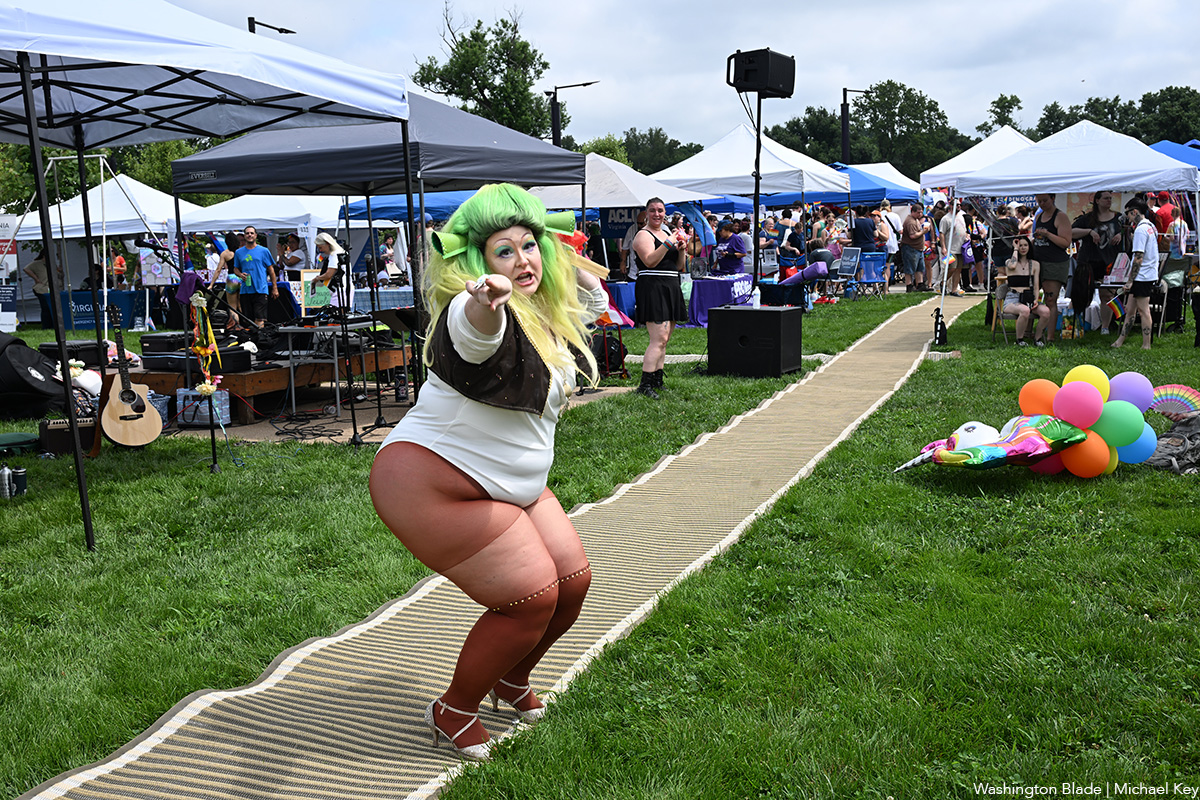
The fifth annual Fredericksburg Pride march and festival was held on Saturday, June 28. A march through the streets of downtown Fredericksburg, Va. was followed by a festival at Riverfront Park.
(Washington Blade photos by Michael Key)





India
Anaya Bangar challenges ban on trans women in female cricket teams
Former Indian cricketer Sanjay Bangar’s daughter has received support
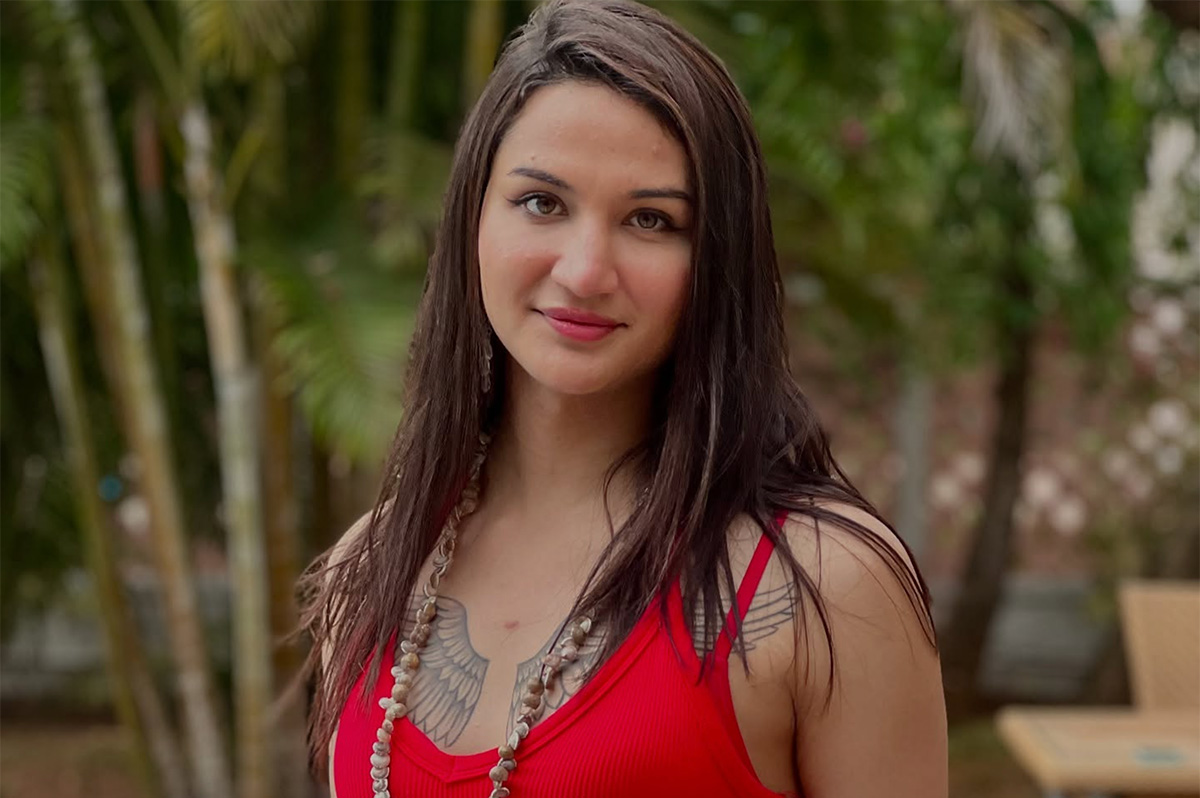
Anaya Bangar, the daughter of former Indian cricketer Sanjay Bangar, has partnered with the Manchester Metropolitan University Institute of Sport in the U.K. to assess her physiological profile following her gender-affirming surgery and undergoing hormone replacement therapy.
From January to March 2025, the 23-year-old underwent an eight-week research project that measured her glucose levels, oxygen uptake, muscle mass, strength, and endurance after extensive training.
The results, shared via Instagram, revealed her metrics align with those of cisgender female athletes, positioning her as eligible for women’s cricket under current scientific standards. Bangar’s findings challenge the International Cricket Council’s 2023 ban on transgender athletes in women’s cricket, prompting her to call for a science-based dialogue with the Board of Control for Cricket in India and the ICC to reform policies for transgender inclusion.
“I am talking with scientific evidence in my hand,” Bangar said in an interview posted to her Instagram page. “So, I hope, this makes an impact and I will be hoping to BCCI and ICC talking with me and discussing this further.”
On Nov. 21, 2023, the ICC enacted a controversial policy barring trans women from international women’s cricket. Finalized after a board meeting in Ahmedabad, India, the regulation prohibits any trans player who has experienced male puberty from competing, irrespective of gender-affirming surgery or hormone therapy. Developed through a 9-month consultation led by the ICC’s Medical Advisory Committee, the rule aims to safeguard the “integrity, safety, and fairness” of women’s cricket but has drawn criticism for excluding athletes like Canada’s Danielle McGahey, the first trans woman to play internationally. The policy, which allows domestic boards to set their own rules, is slated for review by November 2025.
Bangar shared a document on social media verifying her participation in a physiological study at the Manchester Metropolitan University Institute of Sport, conducted from Jan. 20 to March 3, 2025, focused on cricket performance. The report confirmed that her vital metrics — including haemoglobin, blood glucose, peak power, and mean power — aligned with those of cisgender female athletes. Initially, her fasting blood glucose measured 6.1 mmol/L, slightly above the typical non-diabetic range of 4.0–5.9 mmol/L, but subsequent tests showed it normalized, reinforcing the study’s findings that her physical profile meets female athletic standards.
“I am submitting this to the BCCI and ICC, with full transparency and hope,” said Bangar. “My only intention is to start a conversation based on facts not fear. To build space, not divide it.”
In a letter to the BCCI and the ICC, Bangar emphasized her test results from the Manchester Metropolitan University study. She explained that the research aimed to assess how hormone therapy had influenced her strength, stamina, haemoglobin, glucose levels, and overall performance, benchmarked directly against cisgender female athletic standards.
Bangar’s letter to the BCCI and the ICC clarified the Manchester study was not intended as a political statement but as a catalyst for a science-driven dialogue on fairness and inclusion in cricket. She emphasized the importance of prioritizing empirical data over assumptions to shape equitable policies for trans athletes in the sport.
Bangar urged the BCCI, the world’s most influential cricket authority, to initiate a formal dialogue on trans women’s inclusion in women’s cricket, rooted in medical science, performance metrics, and ethical fairness. She called for the exploration of eligibility pathways based on sport-specific criteria, such as haemoglobin thresholds, testosterone suppression timelines, and standardized performance testing. Additionally, she advocated for collaboration with experts, athletes, and legal advisors to develop policies that balance inclusivity with competitive integrity.
“I am releasing my report and story publicly not for sympathy, but for truth. Because inclusion does not mean ignoring fairness, it means measuring it, transparently and responsibly,” said Bangar in a letter to the BCCI. “I would deeply appreciate the opportunity to meet with you or a representative of the BCCI or ICC to present my findings, discuss possible policy pathways, and work towards a future where every athlete is evaluated based on real data, not outdated perceptions.”
Before her transition, Bangar competed for Islam Gymkhana in Mumbai and Hinckley Cricket Club in the U.K., showcasing her talent in domestic cricket circuits. Her father, Sanjay Bangar, was a dependable all-rounder for the Indian national cricket team from 2001 to 2004, playing 12 test matches and 15 One Day Internationals. He later served as a batting coach for the Indian team from 2014 to 2019, contributing to its strategic development.
Cricket in India is a cultural phenomenon, commanding a fanbase of more than 1 billion, with more than 80 percent of global cricket viewership originating from the country.
The International Cricket Council, the sport’s governing body, oversees 12 full member nations and more than 90 associate members, with the U.S. recently gaining associate member status in 2019 and co-hosting the 2024 ICC Men’s T20 World Cup. The BCCI generated approximately $2.25 billion in revenue in the 2023–24 financial year, primarily from the Indian Premier League, bilateral series, and ICC revenue sharing. The ICC earns over $3 billion from media rights in India alone for the 2024–27 cycle, contributing nearly 90 percent of its global media rights revenue, with the BCCI receiving 38.5 percent of the ICC’s annual earnings, approximately $231 million per year.
Women’s cricket in India enjoys a growing fanbase, with over 300 million viewers for the Women’s Premier League in 2024, making it a significant driver of the sport’s global popularity. The International Cricket Council oversees women’s cricket in 12 full member nations and over 90 associate members, with the U.S. fielding a women’s team since gaining associate status in 2019 and competing in ICC events like the 2024 Women’s T20 World Cup qualifiers. The BCCI invests heavily in women’s cricket, allocating approximately $60 million annually to the WPL and domestic programs in 2024–25, while contributing to the ICC’s $20 million budget for women’s cricket development globally. India’s media market for women’s cricket, including WPL broadcasting rights, generated $120 million in 2024, accounting for over 50 percent of the ICC’s women’s cricket media revenue.
“As a woman, I feel when someone says that they are women, then they are, be trans or cis. A trans woman is definitely the same as a cis woman emotionally and in vitals, and specially, when someone is on hormone replacement therapy. Stopping Anaya Bangar from playing is discrimination and violation of her rights. It is really sad and painful that every transwoman need to fight and prove their identity everywhere,” said Indrani Chakraborty, an LGBTQ rights activist and a mother of a trans woman. “If ICC and BCCI is stopping her from playing for being transgender, then I will say this to be their lack of awareness and of course the social mindsets which deny acceptance.”
Chakraborty told the Blade that Bangar is an asset, no matter what. She said that the women’s cricket team will only benefit by participation, but the discriminating policies are the hindrance.
“Actually the transgender community face such discrimination in every sphere. In spite of being potent, they face rejection. This is highly inhuman. These attitudes is regressive and will never let to prosper. Are we really in 2025?,” said Chakraborty. “We, our mindset and the society are the issues. We, as a whole, need to get aware and have to come together for getting justice for Anaya. If today, we remain silent, the entire community will be oppressed. Proper knowledge of gender issues need to be understood.”
The BCCI and the International Cricket Council have not responded to the Blade’s repeated requests for comment.

UPenn erases Lia Thomas’s records as part of settlement with White House

House Democrats oppose Bessent’s removal of SOGI from discrimination complaint forms

Protests, demands for rights define Pride month in Latin America

PHOTOS: Montgomery County Pride in the Plaza

Walkinshaw wins Democratic primary in Va. 11th Congressional District

Supreme Court upholds ACA rule that makes PrEP, other preventative care free

Supreme Court rules parents must have option to opt children out of LGBTQ-specific lessons

‘White Lotus,’ ‘Severance,’ ‘Andor’ lead Dorian TV Awards noms

Berkshire Choral to commemorate Matthew Shepard’s life

We can’t afford Medicaid cuts in fight against HIV
-
 U.S. Supreme Court4 days ago
Supreme Court upholds ACA rule that makes PrEP, other preventative care free
-
 U.S. Supreme Court4 days ago
Supreme Court rules parents must have option to opt children out of LGBTQ-specific lessons
-
 Television5 days ago
‘White Lotus,’ ‘Severance,’ ‘Andor’ lead Dorian TV Awards noms
-
 Music & Concerts5 days ago
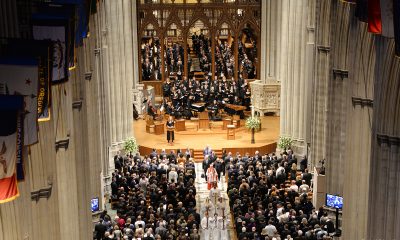
Berkshire Choral to commemorate Matthew Shepard’s life