Arts & Entertainment
Ultimate guide to gay gift giving
Everything from cool techie innovations to gay-friendly spirit makers

By MIKEY ROX
Sony Action Cam

Sony Action Cam
Anyone who’s ever ruined a smartphone trying to document their extreme adventures will covet the Sony Action Cam, a tiny, lightweight video camera to capture all those freefalls, high climbs and daring underwater dives. The Action Cam features Sony’s signature SteadyShot image stabilization technology, Exmor R CMOS image sensor and an ultra-wide angle Carl Zeiss Tessar lens. The AS15 model (about $70 more than the base AS10 model) even offers Wi-Fi connectivity so you can upload and share your videos on the web — right after you catch your breath. ($199; store.sony.com)
Keelan Rouge
Treat your beau to handcrafted accessories from Keelan Rouge, the eponymous label of an up-and-coming 26-year-old gay designer from Chicago, which features upcycled men’s and women’s wallets, cardholders and flasks decked out with whimsical fabrics from vintage neckties, scarves, skirts and other dapper designs. ($26-$58; keelanrogue.com)

Skora Running Shoes
Skora Running Shoes
Stay stylish while you sweat out your frustrations with Skora, the ultimate multipurpose running shoe. Two styles are available (Form and Base) with the latter featuring a stretch-mesh sockfit with an innovative adjustable X-strap system, elastic heel strap, reflective details and stitch-down construction with an Ortholite sockliner. Skora’s are super lightweight — you won’t even know you have them on — to encourage natural movement and performance. ($110-$185; skorarunning.com)
GrubKit
Grub Kit
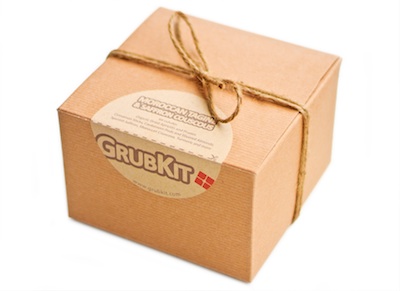
Veteran chefs and kitchen newbies alike will enjoy GrubKit, gourmet food kits that contain the precise amount of pre-measured ingredients and an accompanying recipe to create not-so-common culinary delights any night of the week. Most of the current kits have an Asian flair (Mongolian Beef and Cashew Chicken, for instance) and you’ll need to provide a few fresh items (eggs don’t fare so well in the mail, it seems). There are also sweet kits for your friends who like to save room for dessert, which include a healthy banana muffin kit and a holiday cookie box with recipes for confections from around the world. ($19-$29; grubkit.com)
Snuza Trio

Snuza Trio
As more and more of our LGBT friends bring babies home, we’re left scrambling to find the perfect present for the adorable new parents.
Bear in mind that the practical route is always the way to go in these situations — they do not need another fruit basket — which makes the Snuza Trio mobile baby monitor system the ideal gift for gay moms and dads.
Snuza Trio includes the cordless Snuza Hero Mobile Baby Movement Monitor that clips directly to baby’s diaper and activates an alarm if anything goes awry in the middle of the night; a night-vision camera that can be aimed into the crib and a built-in microphone to record sounds; and a lightweight, portable audio-video monitor with a 2.4-inch LCD screen that functions to a range of 450 feet from the camera and crib. The system also includes three lullaby tunes to help everyone in the family catch a few Zs before the 3 a.m. screaming begins. ($299; snuza.info)
Moscot Eyewear
Moscot Eyewear
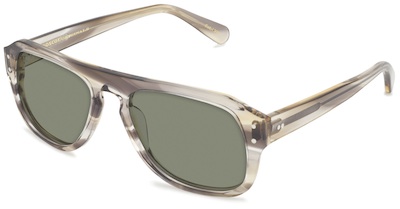
You’ll need a pair of stylish shades to shield your eyes from snow blindness when you hit the slopes this winter, and Moscot is where it’s at. Based on designs from the manufacturer’s archives, the Originals Collection features a variety of vintage-inspired frames constructed of real glass lenses and traditional hardware, and come in an array of colors that hark back to decades past. The aviator-style Sechel, available in Straw with G-15 lenses, are fashion forward yet functional to protect your pupils from the harmful UV rays above and below. ($225-$255; moscot.com)
Gillette Fusion ProGlide Styler
Gillette products
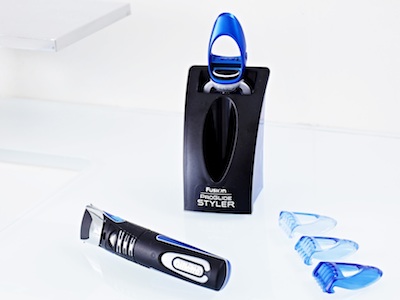
Transform your moisturized mug into a well-groomed work of art with the Gillette Fusion ProGilde Styler, a three-in-one tool designed for men with a penchant for stylish facial hair. Whether you prefer a thin chinstrap, bushy muttons or a simple goatee, the ProGlide Styler helps scruffy men master their put-together look with effortless maneuverability in and out of the shower. This gift-ready set includes the Power Trimmer fitted with Fusion ProGlide Power Blades, charging base, Microcomb, and a Precision Edging Blade. It’s perfectly safe for staying svelte below the belt, too. ($19.99; gillette.com)
PlayStation Vita
Avid gamers never have to stop playing their favorite titles thanks to the cross-platform Wi-Fi/3G connectivity of PlayStation Vita, the latest handheld innovation from Sony. What you start playing on your home-based PS3 console you can resume on Vita while you’re out and about with this palm-sized device that fits perfectly in a jacket pocket or backpack.
Vita supports a wide variety of games, including “Madden” and “Uncharterd: Golden Abyss,” and games available on both PS3 and Vita only need to purchased once to be played on both devices. Vita also offers GPS, video and music playback, and is compatible with apps from Netflix, Skype, Facebook, Twitter and more. ($240-$299; us.playstation.com/psvita)
Awkward Family Photos
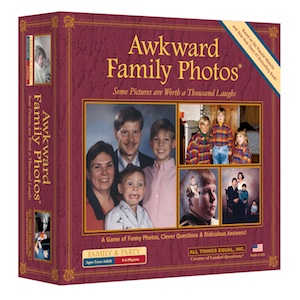 Based on the cringe-worthy-but-totally-relatable website of the same name, the Awkward Family Photos board game combines classic and never-before-seen photos with probing, make-you-squirm questions for a game night full of laughter and creative discussion. Definitely a better alternative than mom passing around those embarrassing, bare-ass baby pictures during dessert. ($24.99; familyandpartygames.com)
Brookstone HDMI Pocket Project
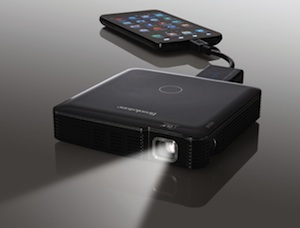
Brookstone HDMI Pocket Project
Turn any blank wall into an impromptu movie screening with the HDMI Pocket Projector from Brookstone. With more than two hours of battery life and built-in audio, mobile cinephiles can transform their Apple, Android and Windows smartphones and tablets into a crisp, high-definition viewing experience that rivals that of your local multiplex.
This micro Pocket Projector includes a three-foot HDMI cable, a Micro HDMI adapter and a Mini HDMI adapter, and projects an image with a 16:9 aspect ratio, which will make that annual viewing of “National Lampoon’s Christmas Vacation” bigger and better than ever before. ($299; brookstone.com)
Mango Passport
 For those on your list planning a big trip abroad or who simply want to expand their horizons at home, Mango Passport makes it easy to learn a foreign language on multiple platforms, including a computer, MP3 player or smartphone. Available in 16 languages and 12 ESLs, each Mango lesson incorporates interactive tools and rich imagery that eliminates boredom and keeps users engaged. Building a solid foundation on more than monotonous vocabulary memorization, Mango Passport — which includes three “journeys” for each language — teaches practical speaking skills and cultural insights while gradually instilling the confidence to start great conversations. Like with the pool boy. ($176; mangolanguages.com)
Cuisinart Smart Stick
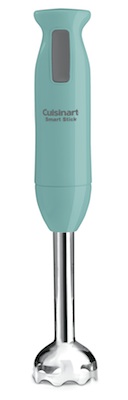
Cuisinart Smart Stick
Preserve precious countertop real estate with the Cuisinart Smart Stick, the versatile hand blender that goes from pot to pitcher, bowl to beaker with ease. A powerful 200-watt motor spins into action with a simple one-touch control so home cooks can blend drinks, emulsify dressings, puree soups and froth up festive hot chocolate without dirtying up many-piece bigger blenders that require more work than they’re worth. ($40; buydig.com)
Pain D’Avignon Bread of the Month Club
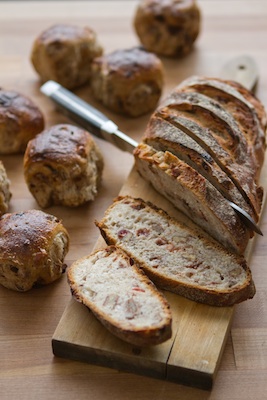
Pain D’Avignon Bread of the Month Club
Carb lovers will jump for joy every few weeks with Pain D’Avignon’s Bread of the Month Club, which includes monthly deliveries of seasonally thoughtful baked goods and accompaniments, like white French boules and garlic-herb croutons in January and hot dog buns and house-made potato chips in July. Three- to 12-month subscriptions from the celebrated Massachusetts-based bakery are available. ($150-$500; paindavignon.com/botm)
HOLIDAY SPIRITS
flipflop Rum
Give yourself a temporary reprieve from the winter weather with flipflop, a quadruple-distilled Caribbean rum made from high-quality sugar cane. To sweeten the season even more, flipflop will donate a portion of the proceeds from each bottle purchased to Soles4Souls, a charitable organization that provides shoes to barefoot, orphaned children around the world. ($14; flipfloprum.com)
Boozy Brunch: The Quintessential Guide to Daytime Drinking
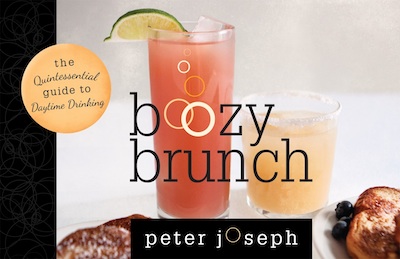
Boozy Brunch: The Quintessential Guide to Daytime Drinking
Invite the oohs and aahs of your overnight guests as you test your culinary skills with more than a hundred drink recipes and 25 food pairings in Peter Joseph’s “Boozy Brunch: The Quintessential Guide to Daytime Drinking.” This picture-heavy entertaining guide features a slew of mouthwatering brunch-inspired alternatives and jazzy variations to champagne-based, coffee-based or fruit or vegetable juice-based cocktails. ($16.95; rowman.com)
Tequila Partida
Make your rendition of “Feliz Navidad” more authentic with Tequila Partida, the 100 percent blue agave spirit better for sipping than shots. Available in four marques — Blanco, Reposado, Añejo, and Elegante — Partida’s hand-harvested, clean taste is recognized the world over. ($50-$350; partidatequila.com)
Absolut Tune
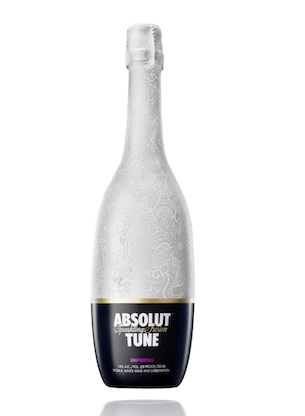
Absolut Tune
Add a splash of panache to your holiday breakfast with Absolut Tune, Absolut Vodka’s newest fusion of sparkling white wine and premium vodka. Wrapped in festive packaging and corked for added sophistication, Absolut Tune works just as well washing down pumpkin French toast as it does as a host/hostess gift with a kick. ($31.99; absolut.com)
Rabbit Wine Chilling Carafe
Big, bulky chillers are no match for the ingenious and space-friendly Rabbit Wine Chilling Carafe, an aesthetically pleasing glass bottle that holds an entire regular-size bottle of vino kept cold by a chemical-free stainless-steel ice chamber. ($49.95; kitchencouture.com)
Mumm Napa 2007 Blanc de Blanc
This sparkling wine made of 90 percent Chardonnay grapes and a touch of Pinot Gris hails from Napa Valley, which since the 1960s has rivaled the viticulture regions of France, Italy, Portugal and Spain. Thanks in part to its complexity, the Mumm Napa 2077 Blanc de Blanc recently receive a 91-point rating from Wine Spectator. ($38; mummnapa.com)
Patron XO Café Dark Cocoa
Trade your Irish coffee in for a Mexican version with Patrón XO Cafe Dark Cocoa, a combination of Patrón Silver tequila and light essences of fresh-roasted java and premium chocolate. Decidedly dry — not sweet like many other coffee liqueurs — Patrón XO Cafe Dark Cocoa is distilled at 60 proof, which you’ll appreciate when the in-laws blow in with the blizzard. ($24.99; patrongift.com)
Vinamor
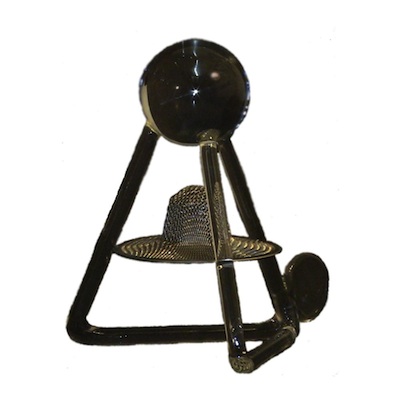
Vinamor
Fans of ABC’s hit show “Shark Tank” may recognize the Vinamor, an unusual glass wine aerator that brings out the best of your bottle in an instant. In addition to softening tannins and allowing flavors to flourish, Vinamor also assists in measuring the perfect wine pour, helping to deter overpouring (or underpouring!) for all you lushes out there. The Vinamor can also conveniently move from one wine glass to another, aerating several glasses of wine per table. Need another incentive to buy a Vinamor? Inventor Gary DeJohn has pledged to donate $7 from the sale of each device sold to The Trevor Project when you use code LGBT at checkout. ($39.95; vinamor.com)
Effen Vodka
What’s in a name? For super-premium vodka Effen, which means smooth, even and balanced in Dutch, it’s the commitment to a clean, crisp taste delivered in a smartly designed package. Available in regular, cucumber and black cherry flavors, this 100 percent premium wheat, 80-proof vodka is a surefire way to get your party guests rockin’ around the Christmas tree. ($29.99; effenvodka.com)
Pisco Portón
It takes 18 pounds of grapes to make one bottle of Pisco Portón, the quintessential South American spirit that contains notes of cinnamon, orange blossom and citrus. Sourced from vineyards irrigated by glacial river from the Andes Mountains, Pisco is at its best when served neat and paired with a piece of dark chocolate. ($40; piscoporton.com)
Bytox
Get into the holiday spirits without suffering a splitting headache this New Year’s Eve. Bytox — specially formulated for hangover prevention — is a 100 percent all-natural adhesive patch that pumps the vitamins and nutrients you lose from drinking back into your body. Ideally, the patch should be applied at least 45 minutes before alcohol consumption begins and removed no less than eight hours after last call. Although there’s still no cure for whiskey dick, this is a decent compromise. ($14.99/5-pack; bytox.com)
Mikey Rox is an award-winning journalist and blogger who lives in New York City with his husband and their two dogs. Follow him on Twitter @mikeyrox.

a&e features
Ryan Murphy’s ‘Monster’ vilifies the lesbian
Netflix show promotes stereotype that queer women are dangerous
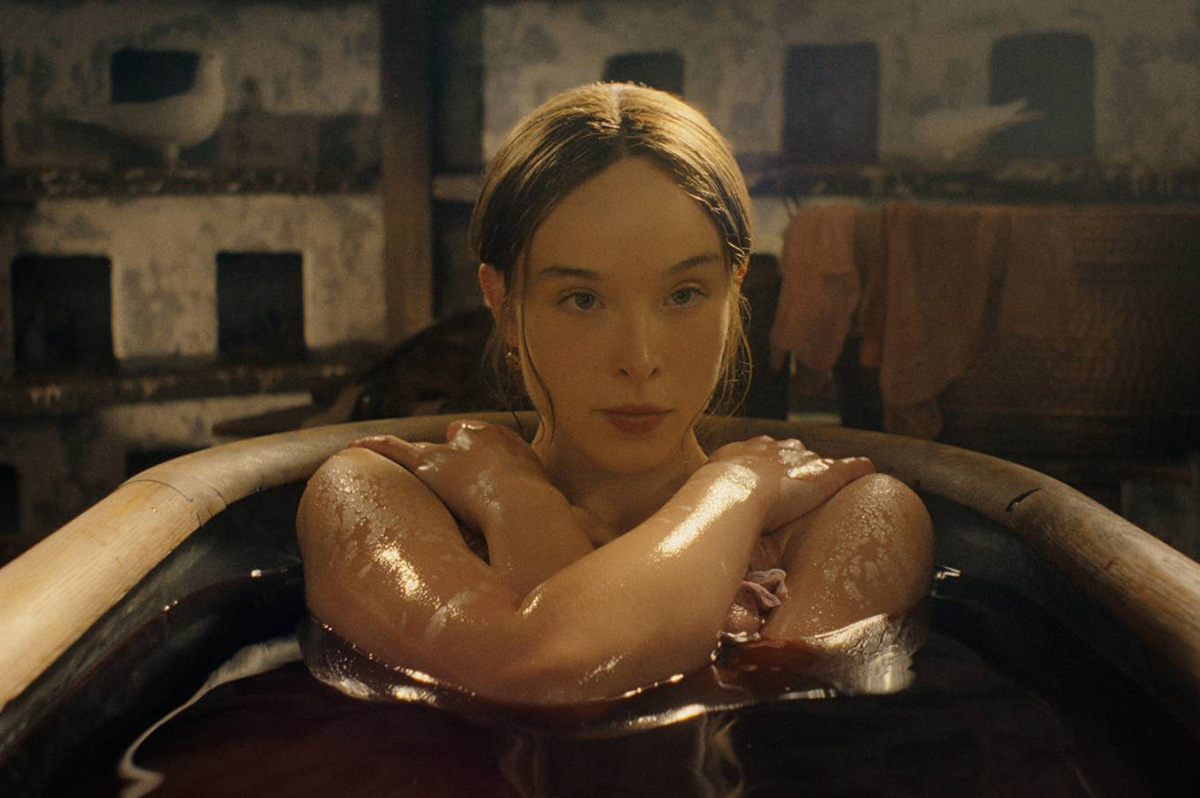
Ryan Murphy’s “Monster: The Lizzie Borden Story” just premiered on Netflix and became the most watched show on the platform. Murphy and his series are deeply controversial. The past three seasons have focused on convicted killers Jeffrey Dahmer, Lyle and Erik Menendez, and Ed Gein, and have garnered considerable criticism for sensationalizing real-life trauma, exploiting victims for entertainment, and glorifying the perpetrators.
But his newest season centers on Lizzie Borden, the white, affluent Massachusetts woman still referenced today in nursery rhymes who was never convicted of killing her parents Andrew and Abby Borden. As with Murphy’s other seasons, the show plays fast-and-loose with real-life history, instead turning a real-life crime into a psychosexual spectacle.
In real life, Lizzie was found not guilty by an all-male jury in the highly publicized 1892 trial, largely due to a lack of evidence including blood on her clothing and a murder weapon. Her initial statement contradicted her later testimony but her defense team argued that the morphine a doctor repeatedly gave her likely caused her confusion. But despite the fact that Lizzie was acquitted in court, she was ostracized by her community during her life and has been branded a murderer ever since.
Murphy’s highly fictionalized retelling of Lizzie’s story leans into this accusation not only that Lizzie murdered her father and stepmother with an axe but that she was successful in covering it up with the help of the maid Bridget Sullivan. Murphy not only concocts a sapphic relationship between Lizzie and Bridget, pinning the idea of killing Lizzie’s parents on the widely traveled woman who dyes her hair and is repeatedly called a lesbophobic slur by Lizzie’s stepmother, but also portrays Lizzie as an inspiration to Aileen Carol Wuornos, a woman who killed seven men who solicited sex and was also in a relationship with a woman.
Further, Murphy’s retelling creates a false ending to Lizzie’s story. While in real life, Lizzie and her sister Emma buy a house called “Maplecroft” and live there for the rest of their lives, Murphy instead imagines Bridget returning sporadically for romantic rendezvous with Lizzie and eventually moving back in with her and marching together for women’s right to vote. In real life, Bridget left town immediately after providing testimony and lived in Montana until she died.
Lesbophobia is at the heart of this retelling of Borden’s story. Despite the fact that Murphy depicts Lizzie and Bridget having sex and possibly getting married or at least promising themselves to one another wearing flower crowns, there is no evidence that Lizzie and Bridget had any romantic or sexual relationship. If they did have a relationship, it would likely have been hidden and any evidence destroyed, but records show that Lizzie herself refused to call Bridget by her real name, instead referring to her as “Maggie,” the name of their previous maid. It was only Lizzie’s stepmother Abby who called Bridget her real name. In Murphy’s retelling, it’s Lizzie’s stepmother Abby who refuses to learn or use Bridget’s actual name and treats her with disdain along with her stepdaughter.
Some people online argue that we are witnessing Lizzie’s story retold through Wuornos’s perspective, so adding in elements of child abuse and sapphic relationships would make sense, but there is no record that Wuornos ever visited Lizzie Borden’s home, or that she was inspired by Borden throughout her life. Instead, Murphy and his co-creator Ian Brennan use (or I would say exploit) Wuornos as a thematic device to make broad stereotypes about female rage across generations. In doing so, they conflate two real-life examples of violence to sapphic individuals.
Depicting a lesbian relationship in this way is not progress, nor is it fruitful representation today. As sapphic shows are increasingly cut and cancelled, Murphy’s inclusion just reinforces the lesbophobic and sexist stereotype that lesbians and queer women are “dangerous” to straight women and abet or incite violence against men and a family unit. At a time when anti-LGBTQ+ legislation and real-world violence and murder of LGBTQ+ people, especially queer and trans people of color, is exploding, stories that frame murder of a family unit as germinating from a sapphic relationship feed into far right narratives.
They further the myth popularized by far right leaders (including those in the highest echelons of government) that LGBTQ+ people are dangerous, a threat to heterosexual norms and family life, despite the data showing that children of same-sex parents have above average health and well-being according to research by the University of Melbourne.
Today, many LGBTQ+ people feel they have to be (or are forced to be) idealized versions of themselves in order to stave off anti-LGBTQ+ stigma, policing and violence. These “acceptable” behaviors and appearances are rooted not only in cisgender, heterosexual norms but also white supremacy, colonialism, xenophobia, and ableism. It is respectability politics that tell us how we can and should behave (including those perpetuating in the wider LGBTQ+ community) and push LGBTQ+ people to assimilate into a society governed by queerphobic normativity.
I hope it’s clear that I’m not trying to argue that we cannot and should not have shows that depict queer women who kill, or at the very least queer women who are unethical or morally complex. We need these depictions because they ask difficult questions and they reference how some LGBTQ+ people can be and are unethical. In fact, several public LGBTQ+ figures are associated with employee abuse and exploitation, ableism, and fat phobia.
But when Lizzie’s sapphic identity is invented to drive the story along, arguably to generate interest (especially straight men’s interest) in this spectacle of historical slop, it’s not a story that invites discourse and dimensionality, it’s one that collapses Lizzie, Wuornos, and queer women’s identities and relationships to plot devices. It objectifies and fetishizes queer women, arguably committing violence against not only Lizzie but also Wuornos.
And when there is so little representation of sapphic relationships on mainstream television or streaming platforms, it makes this the vast majority of representation that queer girls and women will see of themselves first, and that the straight public will see. Historians will know that Murphy’s depiction of Lizzie’s life is wrong, but many viewers will not and may not go digging for the truth.
Why not focus on the stories of bisexual, lesbian, and queer women who really existed, shared their identities (sometimes covertly, sometimes not), and had long-term partners? In fact, “Boston marriages” were common in this time period and referred to women living together when sexual and romantic relationships between women were illegal, partially because penal systems didn’t know how women could have sex with one another and didn’t want to put the idea in “impressionable” women’s minds. Why not focus on these stories instead of creating a fictionalized account? We have always existed; we do not need to invent relationships.
Murphy’s depiction of Lizzie Borden is deeply problematic. Lesbophobia is not the only issue at the heart of Murphy’s drama, but it merits a broader discussion about how mainstream media routinely hurt queer women and is part of perpetuating queerphobic violence, and what we all lose in the process.
Arts & Entertainment
Vote now! Best Of LGBTQ DC readers’ choice awards
Halloween party set for Oct. 22 to celebrate the winners
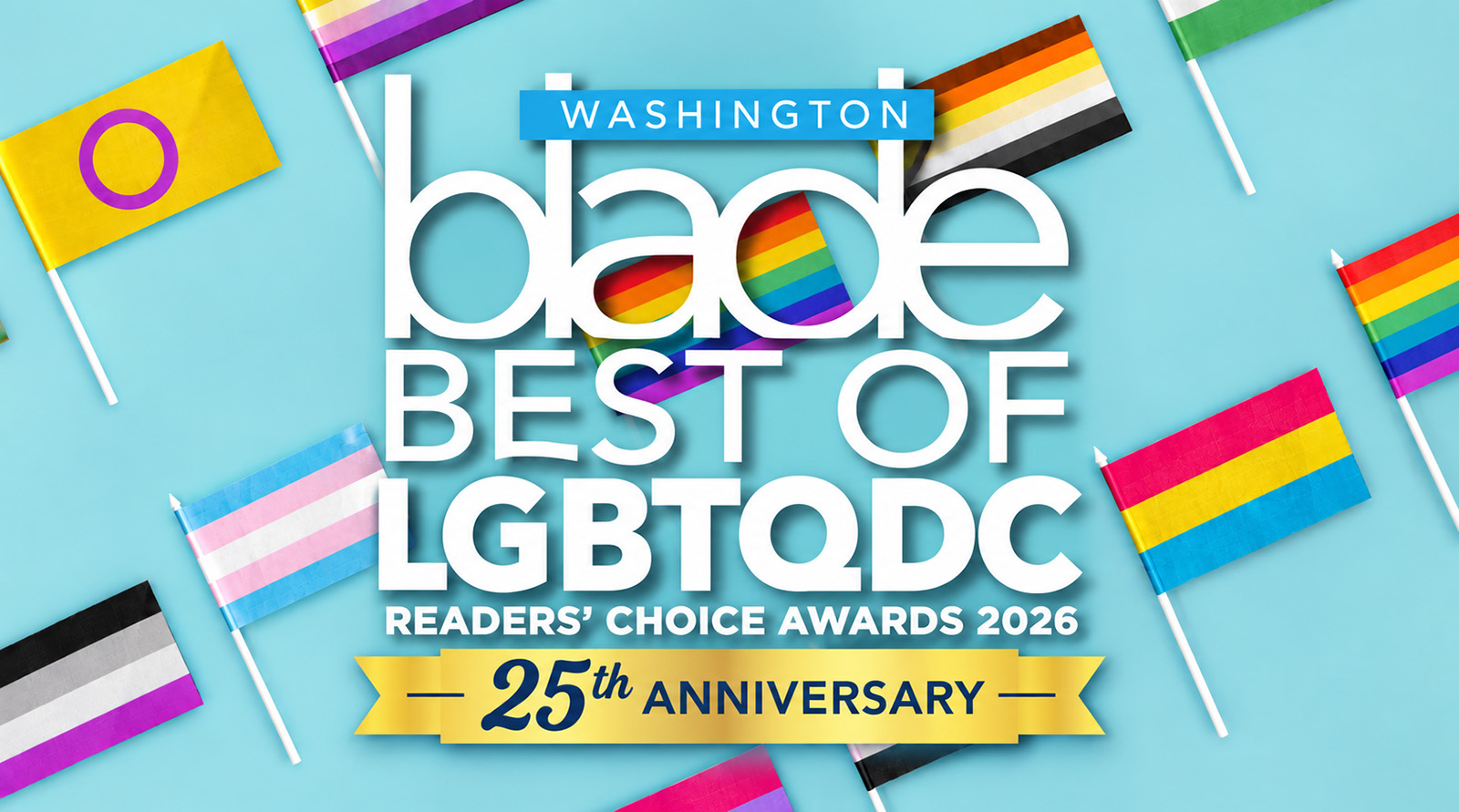
The Blade is excited to celebrate the 25th anniversary of our Best Of LGBTQ DC awards this year. We’re pulling out all the stops for our annual party with celebrity emcee Ashley Darby and acclaimed DJ Michael Navarro. The party is set for Oct. 22 at Longview Gallery with pop-up performances, cocktail and food tastings, open bar, and a Halloween costume contest with the theme, “Murder on the Dancefloor.”
But first, you have to vote. You nominated and now we have our finalists for the 2026 Best of LGBTQ DC Awards.
Vote for your favorites through Oct. 8.
We’ll honor the winners at the Best of LGBTQ DC Awards Party on Thursday, Oct. 22, and showcase them in our special issue released Friday, Oct. 23.
Bars & Parties
Lesbian Bar Project co-founder: purity politics could destroy our remaining spaces
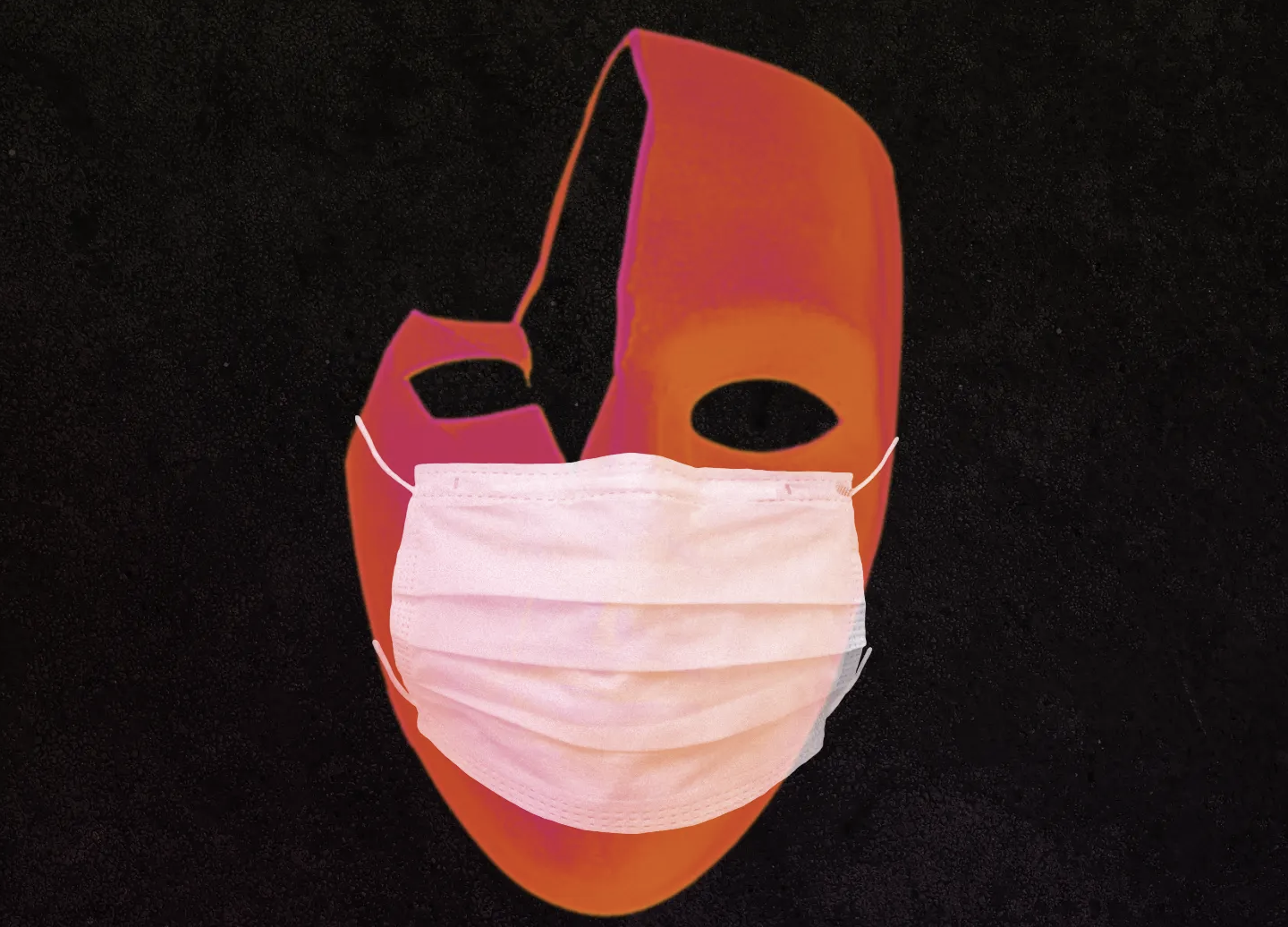
Last Ditch’s decision to lift its mask requirement for one night a week has sparked intra-queer controversy
Uncloseted Media published this story on Sept. 29
By ERICA ROSE and THE LESBIAN BAR PROJECT | As a professional lesbian and Massachusetts native, I’ve recently been asked by a lot of folks what I think about the saga unfolding at Last Ditch. The now-viral story, first reported by the Boston Globe, centers on a Western Massachusetts lesbian bar that lifted its mask requirement for one night a week to help drum up business.
The decision ignited an intra-queer controversy that has been feasted on by media outlets across the political spectrum — from the New York Post to LGBTQ Nation — and is even reportedly being eyed for a Hollywood adaptation. Apparently nothing is more entertaining than a bunch of lesbians and queers fighting with each other over KN-95s.
What has been lost in all of the chatter and media coverage is the very real possibility that Last Ditch, which just opened in April 2025, will have to close its doors. The venue’s one remaining founder, Jackie Matellian, revealed in a community Zoom meeting that she’s working four jobs, is now solely responsible for the bar’s $50,000 business loan and is struggling to keep up with the bills. So as we laugh about the controversy’s similarity to a “Portlandia” skit and how one of the bar’s founders left to enroll in clown school, we forget that yet another lesbian bar is facing an existential crisis — and this time the call is coming from inside the house.
In 2020, my friend Elina Street and I created The Lesbian Bar Project, an Emmy-, Webby- and GLAAD Media Award-winning docuseries and initiative that tells the stories of lesbian queer bars around the world. We were moved to act because at the time there were only an estimated 16 lesbian bars in the United States, and the pandemic threatened to bring that number down even further.
There are now more sapphic bars than there were just before the pandemic — about 36 of them in total — but this is down from approximately 200 in 1980. Maybe that doesn’t mean much to you, but for the millions of sapphics living in the U.S., this number is calamitous.
As the world laughs at lesbians and sapphics, I want to take a second and tell you what I feel when I walk into one of these bars, which are all unique and irreplaceable in their own way: I feel seen.
Sometimes I think Cubbyhole in New York City’s West Village neighborhood knew I was gay before I did. When I walked in there for the first time, before I was even out, I was transfixed by the colorful array of tchotchkes hanging from the ceiling and how the women standing next to me were completely unafraid to express their desire for one another. I knew the minute I was ready to come out, I had a home. I also felt the joy of a new couple falling in love at Seattle’s Wildrose, the quiet confidence of a short king lining up her shot at the pool table at Ginger’s in Brooklyn and the kick of cayenne pepper in Julie Mabry’s crawfish at Houston’s Pearl Bar.
Lesbian bars don’t just serve lesbians; they serve queer folks across the spectrum, including bisexual, pansexual and trans people. As Elina and I traveled across the U.S. and Europe and to parts of Latin America to document the bar owners, staff and patrons that make up the ecosystems of these spaces, we also became uniquely acquainted with the factors that threaten their existence: gentrification, wage gaps, sexism, environmental disasters, gun violence, rising insurance premiums and political administrations working to annihilate queer people and their families.
Lesbian bar owners, like all leaders and entrepreneurs, are imperfect. There have been significant issues over the years at lesbian bars: employee harassment, racism, lack of accessibility, sexual assault and transphobia. All bar owners should be held accountable and should listen to their communities to evolve into safer and more equitable spaces. I also acknowledge my privilege: I am able-bodied, white, cis and from a family system that loves me for who I am. Not everyone has that.
Queer people, especially trans and bisexual people, are suffering from disproportionately high levels of depression, and our mental health system isn’t equipped to support them. Immunocompromised people and long COVID are real, and many of my friends are suffering to this day. The people with the least safety net are often the ones for whom a bar closing costs the most. And yet, as we’re seeing with Last Ditch, the queer community often lashes out at each other. It’s also the mainstream media taking the internal conflict and making a mockery out of it, distracting from the real possibility that this bar could close due to financial pressures. A bar that many people loved and needed is facing extinction. Perhaps it’s safer to dissent with one another than with the larger forces trying to eradicate us, but in doing so, we risk destroying the few spaces we have left.
Due to the constraints of purity politics — some in good faith, some not so much — lesbian bar owners, almost all of whom are queer women themselves, are forced to be everything for everyone, similarly to how women are forced to be everything for everyone. By asking these bars to uphold impossible standards — standards very few other third spaces are asked to consider — we all end up losing.
I want to move as a community toward dialogue, compassionate dissent and collaboration to make our spaces better with the goal of keeping them OPEN and thriving, rather than destroying them from the inside with expectations that are arguably unattainable.
While I have your attention — for this fleeting second of the news cycle — may I urge us to spearhead a way to keep these small businesses afloat without attacking our own community along the way? Bar owners are left with an impasse: They want to be community-centered, but they also have to make money to keep their doors open. Sometimes they might make business decisions that don’t work for everyone — and that’s partly because different patrons have different priorities and want different things — but these owners deserve the opportunity for productive dialogue. We have to work with them and with each other to keep our spaces open, to keep them growing.
Lesbian bars raised me into the queer woman I am today. One thing I think about as I reflect on the six years of work we’ve done to document these spaces is that shared, unspoken language I have with a stranger the moment we both walk into one of these bars: the nod, the ease, the not having to explain ourselves. I don’t want to lose that, and neither should you.

House Democrats urge White House to confront Turkish government over anti-LGBTQ crackdown

988 restores crisis services for LGBTQ youth

To school to homeschool to school again

Ryan Murphy’s ‘Monster’ vilifies the lesbian

The right to be an ordinary transgender man

PHOTOS: HRC National Dinner

What’s frightening is also funny in ‘Venus’

I’m 66, he’s 27. Is it love or am I being played?

The LGBTQ real estate map is being redrawn