News
Rep. Forbes under fire for opposing gay GOP candidates
Backlash over congressman’s anti-gay ‘crusade’


Rep. Randy Forbes (R-Va.) has expressed concerns over Republican money going to support gay congressional candidates. (Photo public domain)
Gay Republican groups are criticizing Rep. Randy Forbes (R-Va.) over his reported comments that gay congressional candidates should not receive money from the Republican Party to run for office.
The groups were responding to an article published late Thursday in Politico, which cited a half-dozen anonymous sources as saying Forbes has undertaken “a lengthy crusade” to convince the National Republican Congressional Committee to drop support for gay Republican candidates.
Gregory Angelo, executive director of the Log Cabin Republicans, said Forbes’ position indicates he wants to relegate Republicans to minority status in the U.S. House.
“You either want Republicans to win, or you don’t — it’s as simple as that,” Angelo said. “Apparently, Congressman Forbes does not. Thankfully, the real GOP leaders in the House know how to pick winners, and their money is on Richard Tisei and Carl DeMaio.”
Among the gay Republican congressional candidates cited by Politico are Massachusetts Republican Richard Tisei, who narrowly lost in his challenge to unseat Rep. John Tierney (D-Mass.) last year and is considering a rematch, as well as Carl DeMaio, who’s seeking to represent the San Diego area in the House.
Another gay candidate seeking to carry the Republican banner in a bid for a congressional seat not mentioned in the Politico piece is Dan Innis, a University of New Hampshire administrator in a same-sex marriage who’s seeking to unseat Rep. Carol Shea-Porter (D-N.H.).
In a statement provided to the Blade, DeMaio said he focused on winning his congressional race and not the comments from the Virginia politician.
“Under Mr. Forbes, San Diegans are not focused on sexual orientation,” DeMaio said. “To the contrary, I’m winning this district because San Diegans are looking for fresh leadership in Washington to reform wasteful government spending, revitalize the economy and hold government programs accountable.”
Tisei didn’t immediately respond to the Washington Blade’s request for comment, and Innis couldn’t be reached.
Ross Hemminger, co-director of GOProud, said Forbes’ behavior is “disappointing.”
“This type of rhetoric is symptomatic of someone who does not understand the importance of being a team player,” Hemminger said. “Our party cannot win elections by appealing to the lowest common denominator amongst the minority of American voters. This type of rhetoric embarrasses Republicans everywhere, and it is not helpful.”
U.S. House Speaker John Boehner (R-Ohio) was succinct when asked about the issue during his news conference on Thursday.
In response to a question about whether Republican money should go to gay congressional candidates, Boehner replied, “I do.”
Drew Hammill, a spokesperson for House Minority Leader Nancy Pelosi (D-Calif.), accused Boehner of being disingenuous in his answer and took the opportunity to bash gay Republican candidates as well as the speaker’s failure to bring up the Employment Non-Discrimination Act for a vote.
“LGBT Americans are more interested in passing ENDA and expanding freedom and equality in our country than Speaker Boehner’s insincere efforts to marry himself to extreme gay Republican candidates,” Hammill said.
Forbes, who scored “0” in the Human Rights Campaign’s most recent congressional scorecard, is known for his anti-LGBT record in Congress.
According to the Southern Poverty Law Center, the Virginia Republican has supported the anti-gay American Family Association and was set to headline one of its fundraisers before canceling at the last minute.
Forbes is among the 59 sponsors of a proposed U.S. constitutional amendment in the House that would ban same-sex marriage throughout the country. As ThinkProgress notes, Forbes spoke out against ENDA on the House floor in 2007, saying the LGBT anti-bias bill will lead “activist judges to redefine the institution of marriage.”
In the Politico piece, Forbes is quoted as saying he believes Republican leaders can “do whatever they want to do” in terms of giving money to congressional candidates, but is concerned about House members being asked to contribute to the campaigns.
“There would be a different situation if they tried to force other members to give money,” Forbes said.
As Politico notes, the NRCC is partially funded by collecting tens of millions of dollars from House Republicans, who pay dues to the organization.
NRCC Chair Rep. Greg Walden (R-Ore.) was quoted as saying in Politico that the policy of his organization is to contribute money to Republican candidates — even if they identify as gay.
“Our decisions on the Republican nominees we support will not be based on race, gender or sexual orientation but will be based on the strength of their candidacy and their ability to defeat Democrats,” Walden said.
News is breaking now over Forbes’ objections to gay congressional candidates, according to Politico, amid speculation over who’ll replace Rep. Buck McKeon (R-Calif.) as chair of the House Armed Services Committee after his expected retirement next year.
Forbes has been mentioned as a possible successor, but McKeon’s chief of staff has reportedly said his boss expects Rep. Mac Thornberry (R-Texas) to be the next chair.
“Throwing solid conservative contenders under the bus in a cynical and hopeless attempt to gain a chairmanship is beyond the pale,” Angelo said. “Congressman Forbes would do more to help his image by supporting efforts to grow the Republican House majority rather than undermine it.”





Ecuador
Caso Karlina: Una sentencia histórica contra las terapias de «conversión»
Karlina Quiroz, una mujer trans de Chone, fue internada contra su voluntad
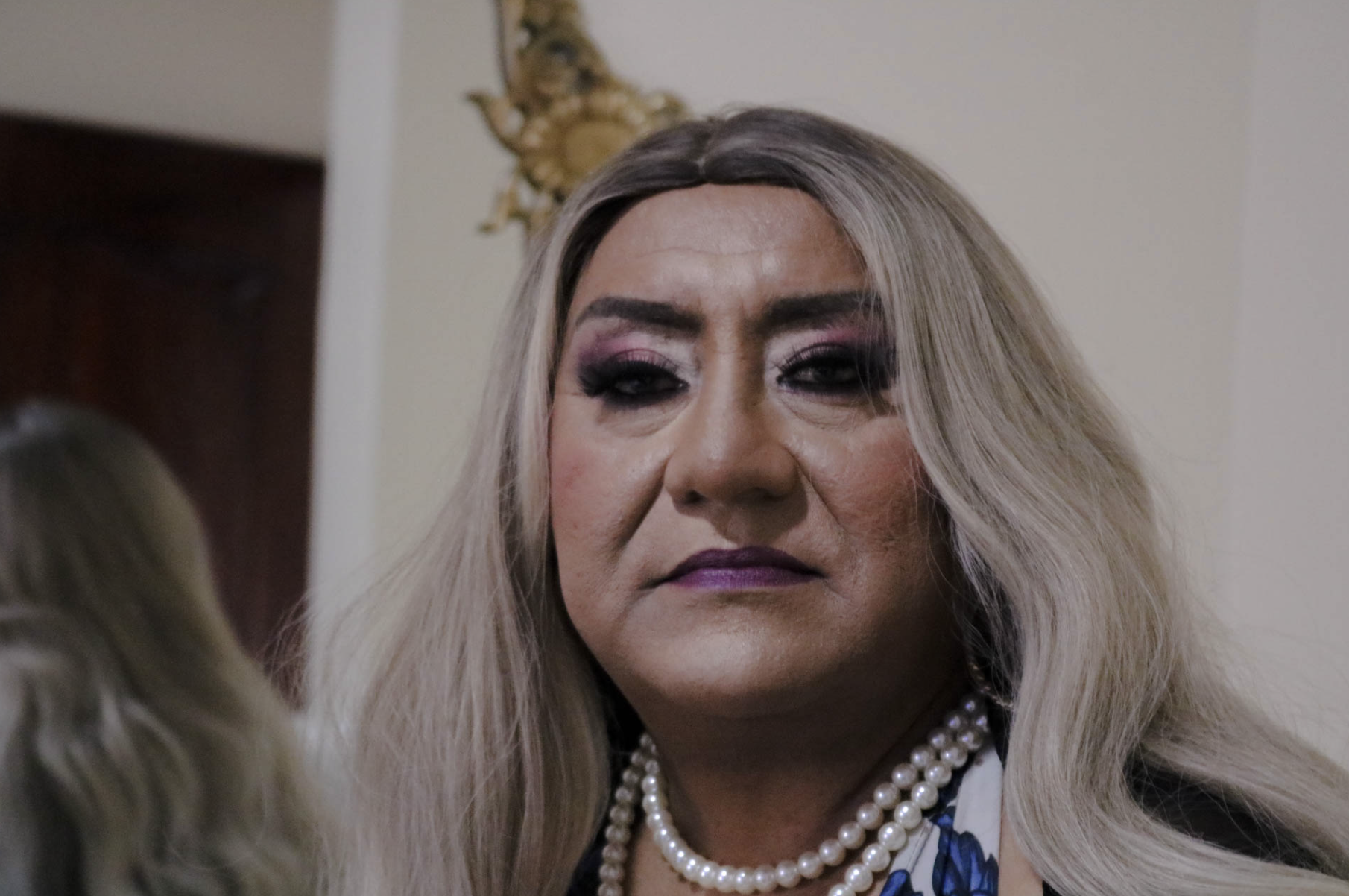
La última vez que Karlina Quiroz, una mujer trans de 57 años, salió sola a la calle en Chone, terminó encerrada contra su voluntad en un centro de rehabilitación donde intentaron “corregir” su identidad de género mediante humillaciones, amenazas y agresiones.
Han pasado cinco años desde ese episodio, ocurrido en 2021; y el 11 de septiembre de 2026 Karlina por fin obtuvo justicia.
La Fiscalía informó, el 14 de septiembre, que el Tribunal de Garantías Penales de Chone sentenció a seis personas por actos de odio contra Karlina, al ser víctima de violencia basada en su identidad de género.
Entre los seis sentenciados están sus dos hermanos, que —según la denuncia de Karlina— ordenaron su encierro a este centro.
El caso de Karlina refleja el odio y la violencia hacia personas trans en Ecuador y vuelve a poner bajo la lupa la existencia de centros conocidos como clínicas de “deshomosexualización” o espacios de “terapias de conversión”.
De acuerdo con la denuncia presentada por Karlina, en julio de 2021 fue interceptada por varios hombres y trasladada contra su voluntad a un centro para el tratamiento de adicciones ubicado en Chone, Manabí, en la vía a Pedernales. Allí permaneció retenida y sometida a tratos degradantes, violencia psicológica y agresiones físicas.
Según su testimonio, durante el encierro recibió insultos relacionados con su identidad de género y amenazas orientadas a “modificarla”.
Karlina denunció, además, que esta no habría sido la primera vez. Según su relato, en 2019 permaneció aproximadamente tres meses internada de manera forzada en otro centro de rehabilitación, también ubicado en la vía a Pedernales, en Chone. Durante ese período habría sido sometida a dinámicas similares de aislamiento, control y presiones dirigidas a modificar su identidad y expresión de género.
Según información de la Fiscalía, en septiembre de 2021, como parte de las diligencias investigativas, se allanó el centro clandestino en Chone. Allí se recabaron indicios relacionados con el internamiento forzoso de Karlina durante tres meses.
Con esos y otros elementos de convicción obtenidos durante la investigación, la Fiscalía inició un proceso penal contra las seis personas, quienes fueron luego llamadas a juicio.
El proceso, explicó Karlina, incluyó los dos casos: el de 2019 y 2021. “El crimen se investigó desde que comenzó la primera gota de sangre”, señaló Karlina, en alusión a la violencia física que sufrió en su primer encierro.
De los seis sentenciados, tres fueron condenados como autores directos a cuatro años de pena privativa de libertad. Se trata de los dos hermanos de Karlina y un sobrino, por ordenar su encierro al centro de adicciones.
Los otros tres recibieron una pena de dos años, como cómplices.
De acuerdo con Karlina, uno de ellos es el director del primer centro al que fue ingresada contra su voluntad en 2019 por tres meses, y los otros dos son quienes la interceptaron la segunda ocasión, en julio de 2021, para llevarla al centro. Ella los señala como “capturadores” de las personas que son recluidas en los centros.
“Cuando recibí la noticia (el viernes 11 de septiembre durante la audiencia de juzgamiento) no podía creerlo. Las piernas me temblaron y las lágrimas se me salieron. Estoy tranquila y satisfecha”, señaló Karlina en una llamada telefónica.
Para Pedro Gutiérrez, abogado especialista en derechos humanos, la sentencia es importante no solo por reconocer un delito de odio, sino también por las características de los hechos: el ingreso (por orden de sus hermanos) a un centro de “deshomosexualización” en el que se cometen actos de tortura y violencia física.
Durante la audiencia, constó el testimonio de Karlina. La Fiscalía también presentó el informe de reconocimiento del lugar de los hechos, la inspección ocular técnica, el levantamiento de evidencias y los testimonios de personas que confirmaron que los actos de violencia por perjuicio hacia su identidad de género fueron ejecutados de manera reiterada por los ahora sentenciados.
El caso volvió a poner la atención sobre las llamadas terapias de conversión en Ecuador, prácticas ampliamente cuestionadas por organismos internacionales de derechos humanos y señaladas como formas de tortura o violencia psicológica. Aunque el Estado ecuatoriano ha realizado operativos y clausuras de algunos centros en los últimos años, organizaciones sociales sostienen que estos espacios continúan funcionando de manera clandestina o bajo otras denominaciones.
La legislación ecuatoriana penaliza los actos de tortura con la intención de modificar la orientación sexual o identidad de género, pero no existe una sanción contra los centros que ofrecen las denominadas terapias de conversión.
En 2020, la Asamblea aprobó el Código Orgánico de Salud y una de sus disposiciones fue prohibir expresamente este tipo de terapias, pero fue vetado totalmente por el expresidente Lenín Moreno en medio de una campaña de sectores antiderechos.
La sentencia también dispuso, como reparación integral a favor de Karlina, tratamiento psicológico e indemnizaciones por daños materiales e inmateriales.
Gutiérrez considera que la reparación para Karlina es limitada, pues -por ejemplo- no hay llamados de atención al Ministerio de Salud o disculpas públicas a la víctima.
“Mi nombre es Ariel Karlina Zambrano, soy una mujer trans de Chone, Manabí. Desde niña supe que quería ser mujer, quería ser bonita, libre. Pero mi familia nunca lo aceptó. Mis hermanos y mi padre, profundamente machistas, me maltrataban constantemente”, contó Karlina en un testimonio en 2025 que recogió el Comité Permanente por la Defensa de los Derechos Humanos (CDH).
Para activistas y defensores de derechos humanos, el caso de Karlina evidencia además un patrón de violencia que suele permanecer oculto dentro de círculos familiares, religiosos y comunitarios. En muchos casos, explican, los internamientos forzados son promovidos bajo la idea de “corregir” orientaciones sexuales o identidades de género consideradas inaceptables.
Karlina intentó vivir en Chone, creyendo que con la denuncia y las medidas cautelares estaba a salvo, pero su hermano le pagaba a personas para que la acosaran, según su relato. Por ello, tuvo que esconderse por meses.
Las personas trans en Ecuador enfrentan altos niveles de discriminación, violencia y exclusión social, especialmente fuera de las grandes ciudades. Según la Encuesta Nacional sobre las Condiciones de Vida de la Población LGBTI+ del INEC, el 53,5 por ciento de las personas LGBTQ mayores de 18 años en el país ha sufrido algún tipo de discriminación o violencia a lo largo de su vida, siendo el entorno familiar uno de los principales espacios de agresión.
En materia de violencia letal, organizaciones como Asociación Silueta X y el Observatorio Runa Sipiy documentaron 30 asesinatos de personas LGBTQ y transfemicidios en Ecuador durante 2025. De esos casos, alrededor del 70 por ciento corresponden a mujeres trans, lo que las posiciona como el grupo más expuesto a crímenes de odio y violencia extrema.
Diversas organizaciones de derechos humanos han advertido además sobre la persistencia de centros de “deshomosexualización” o internamientos forzosos, prácticas denunciadas desde hace más de una década en Ecuador pese a prohibiciones estatales y operativos de control insuficientes.
El caso de Karlina pone a prueba algo más grande que una sentencia individual: si Ecuador está dispuesto o no a reconocer que estas prácticas siguen existiendo y que la violencia contra personas LGBTQ continúa ocurriendo, muchas veces con la complicidad o el silencio de sus propios entornos familiares.
“Con mi caso, debe quedar un precedente. Debemos luchar contra el odio que podemos encontrarlo dentro de nuestras propias familias. Por nuestra libertad y derechos, debemos luchar”, indicó Karlina.
Netherlands
Dutch prime minister visits Stonewall Inn
Rob Jetten is the Netherlands’ first openly gay prime minister
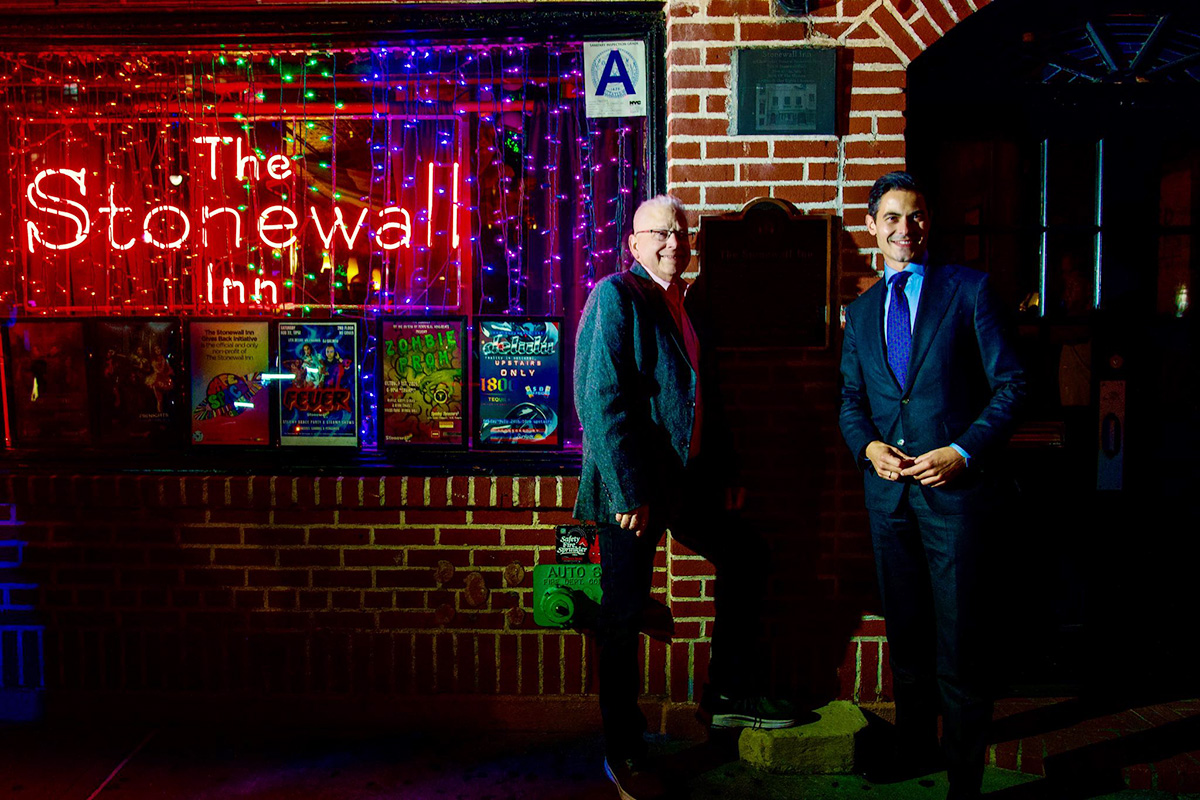
Dutch Prime Minister Rob Jetten on Monday visited the Stonewall Inn in New York.
“The Stonewall Inn is not just a gay bar in New York, but the place where in 1969 riots took place as a reaction to years of discrimination and police violence,” wrote Jetten on X. “This is seen as the starting point of the global LGBTIQ+ emancipation and activism. Nowadays, the bar is a national monument, dedicated to the LGBTIQ+ rights movement.”
“For me, it is impressive and moving to be here tonight. And also fitting, because the defense of human rights is an important part of our foreign policy,” he added. “The Netherlands stands alongside the Stonewall Inn community when it comes to everyone’s right to live openly, safely, and with pride, no matter who you are or who you love.”
De Stonewall Inn is niet zomaar een gay bar in New York, maar de plaats waar in 1969 rellen plaatsvonden als reactie op jarenlange discriminatie en geweld van de politie. Dit wordt gezien als startpunt van de wereldwijde lhbtiq+-emancipatie en activisme. Tegenwoordig is de bar… pic.twitter.com/hJmFYjF91Z
— Rob Jetten (@MinPres) September 23, 2026
Jetten in February became the Netherlands’s first openly gay prime minister.
He opened last month’s World Pride Human Rights Conference in Amsterdam. Jetten also participated in a panel with former Irish Prime Minister Leo Varadkar, former San Marino Captain Regent Paolo Rondelli, and other current and former heads of government who are gay or lesbian.
Jetten is scheduled to speak to the U.N. General Assembly on Thursday.
District of Columbia
Capital Pride chair resigns from board after just 10 months
Anna Jinkerson ‘taking step back to move forward’

Anna Jinkerson, who has served as chair of D.C.’s Capital Pride Alliance Board of Directors for the past 10 months and has served on the board for the past four years, confirmed she is resigning from the board effective Sept. 30.
Capital Pride Alliance serves as the lead organizer of D.C.’s annual LGBTQ Pride events.
“I am taking a step back to move forward and plan to stay engaged in the community,” Jinkerson told the Washington Blade in a statement. “Serving as a volunteer leader during a period of transition following World Pride was both an honor and a challenge,” she said.
“Throughout my tenure, I focused on strengthening accountability, improving communications, supporting staff and volunteers, and helping position the organization for long-term success,” she told the Blade in her statement. “Meaningful organizational progress requires collaboration, dedication, and a shared commitment to serving the community, and I am proud of the work accomplished during this period.”
In February of this year, during Jinkerson’s tenure on the board, Capital Pride announced it had expanded the size of its board from 12 to 25 members.
Around that same time one of the existing board members, transgender activist Taylor Lianne Chandler, announced in a letter to fellow board members that the Blade obtained from an anonymous sender that she was resigning from the board. Among her reasons for resigning, she said in the letter, was the board’s failure to address “sexual misconduct” within the Capital Pride organization.
In the letter, which she confirmed for the Blade was authentic, Chandler said she and other board members raised “credible concerns” of alleged sexual misconduct within the Capital Pride organization and the board chose not to adequately respond to those concerns.
Chandler told the Blade a Capital Pride investigation identified an individual implicated in a “pattern” of sexual harassment related behavior, but said she was bound by a Non-Disclosure Agreement that applied to all board members and she could not provide further details.
When the Blade contacted Capital Pride for comment on Chandler’s allegations, Jinkerson responded with a statement saying Capital Pride was addressing her concerns.
“When concerns are brought to CPA, we act quickly and appropriately to address them,” Jinkerson said. “As we continue to grow our organization, we’re proactively strengthening the policies and procedures that shape our systems, our infrastructure, and the support we provide to our team and partners,” she said.
In her statement to the Blade this week commenting on her planned resignation from the Capital Pride board, Jinkerson appeared to refer to the concern raised by Chandler.
“I am proud to have advocated for sexual harassment training, supported staff and volunteers when concerns were raised, engaged community leaders in important conversations, and helped advance practices that strengthen safety, transparency, and accountability,” she said.
“As I step away from board service, I do so with gratitude for the opportunity to serve and with confidence in the organization’s future,” she added. “I am taking a step back to move forward, and I look forward to remaining actively engaged in our community and continuing to support efforts that advance equality, belonging, and pride for all.”

Caso Karlina: Una sentencia histórica contra las terapias de «conversión»

Washington Blade responds to concerns over White House pool duties

Young people should know history of the fight for human rights

Dutch prime minister visits Stonewall Inn

Clavicular charged in alleged rape of teenage influencer

Over 2,000 turn out for Hands Around the Kennedy Center protest

PHOTOS: Wanda Alston Foundation Fall Reception

PHOTOS: Walk and 5K to End HIV

What LGBTQ veterans are building after ‘Don’t Ask, Don’t Tell’