Arts & Entertainment
Best of Gay D.C. 2016: DINING
Blade readers voted for their dining favorites
 Best Asian Restaurant
Beau Thai
“Delicious, fresh, authentic Thai food in inviting atmosphere.” Also won this category in 2015.
3162 Mount Pleasant St., N.W.
1550 7th St., N.W., Unit A (Shaw)
Runner-up: Rice
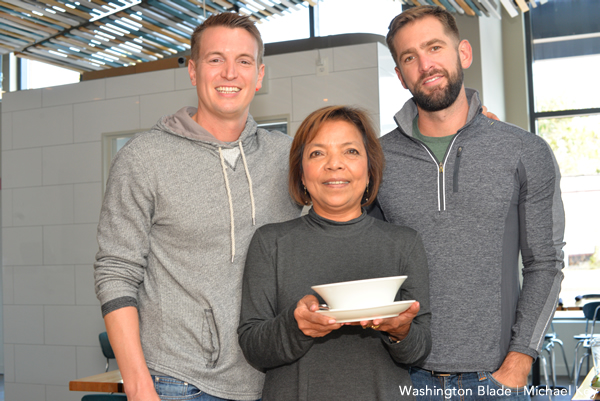
Owners, from left, Ralph Brabham, Aschara Vigsittaboot and Drew Porterfield meet at the Shaw location of Beau Thai. (Washington Blade photo by Michael Key)
Best Boozy Brunch
Level One
Brunch is served a la carte each Saturday and Sunday from 11 a.m.-4 p.m.
1639 R St., N.W.
Runner-up: Freddie’s Beach Bar
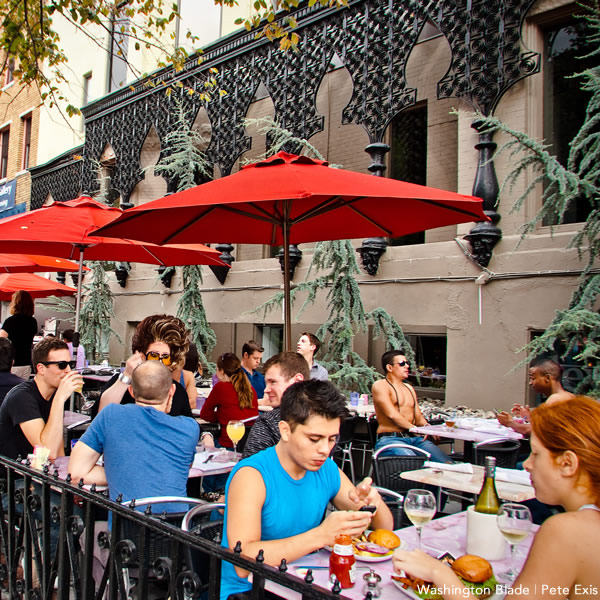
Level One (Blade photo by Pete Exis)
Best Local Brewery/Distillery
DC Brau
“Popular craft brewery offering free tours and tastings.” Also won this category in 2015.
3178-B Bladensburg Rd. NE
Runner-up: Right Proper Brewing Company
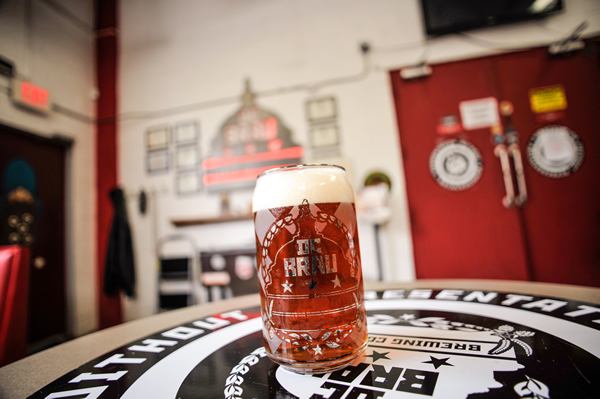
DC Brau (Photo by Steph Harding Photo)
Best Burger
Duke’s Grocery
Runner-up: Tasty Burger
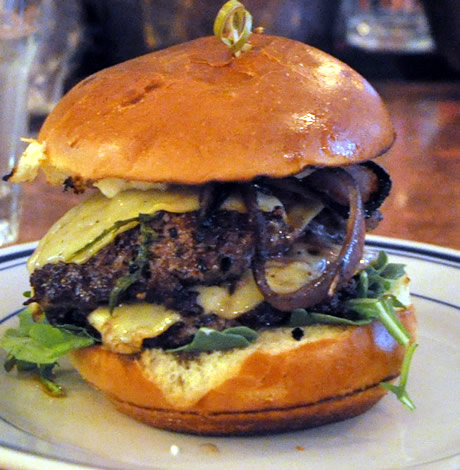
Let there be no mistake, despite the ever-changing menu at Duke’s Grocery, the Proper Burger reigns supreme. Whether you eat it to stop a hangover before it starts or indulge in it when said hangover has taken hold, it’s an artery-clogging melange of Creekstone Farms Angus beef (now that we’re on a Michelin kick in D.C., it’s the same beef you’ll often find in Michelin-starred restaurants) topped with smoky gouda and both a garlicky aioli and a Thai sweet chili sauce. Add a duck egg and housemade chicken liver paté when those two beef patties are just not enough protein, or pile on extra pickles and rocket if you’ve got your mom’s voice in your ear reminding you that you really need to eat more veggies. And some of us can’t resist adding a side of the truffle mac ’n’ cheese. Just sayin.’ (Kristen Hartke)
Duke’s Grocery
1513 17th St. NW
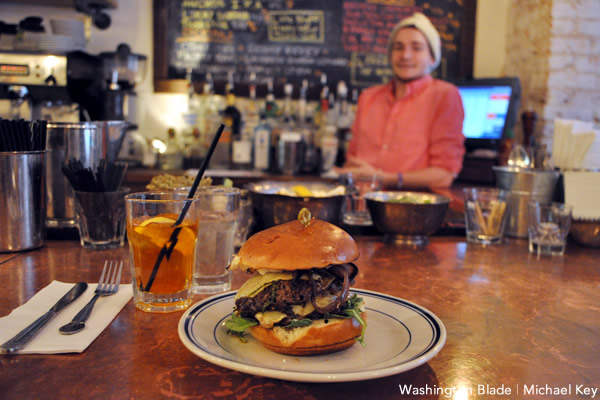
Duke’s Grocery (Washington Blade photo by Michael Key)
Best Caterer
Old Blue BBQ
“Full-service catering company specializing in regional flavors, southern specialties and homemade favorites.” Also won this category in 2015.
4580 Eisenhower Ave., Alexandria, Va.
Runner-up: Mason Dixie Biscuit Co.
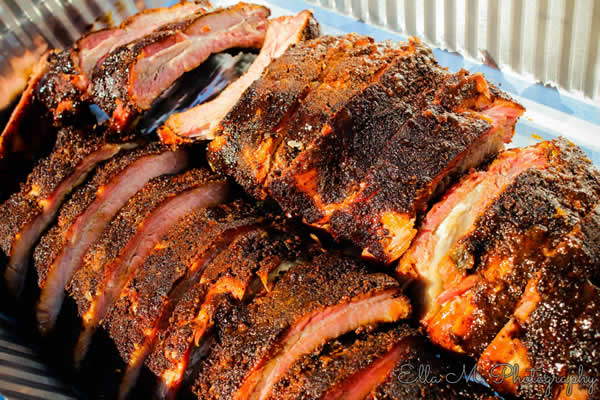
Old Blue BBQ (Photo by Ella M. Photography)
Best Cheap Eats
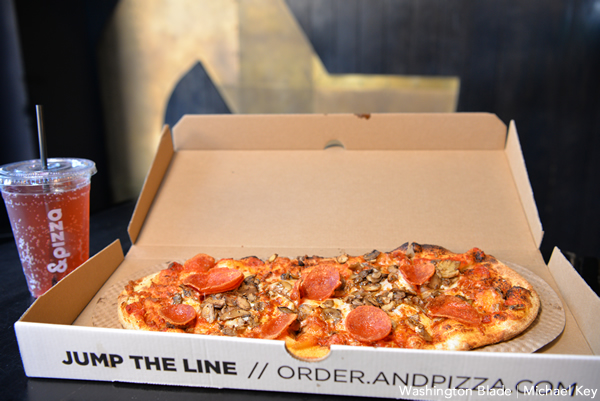
&pizza
1215 Connecticut Ave., N.W.
1250 U St., N.W.
1400 K St., N.W.
Runner-up: Amsterdam Falafel
 Best Chef
Tyonne Johns
Runner-up: Alex Levin, Osteria Morini
The last meal that caterer and chef Tyonne Johns served was salmon and jerk chicken, macaroni and cheese and rice pilaf, at the wedding reception for a close friend on Aug. 6. An openly gay chef, her life was senselessly ended that night when an employee of the Chantilly, Va., park where the wedding was held argued with Johns over some folding chairs and stabbed her to death. It’s a tragic footnote on the life of a woman whose brother was murdered 10 years earlier; she is particularly remembered by her friends for her commitment to supporting LGBT events, programs and entrepreneurs, and using her business as a way to provide new opportunities for aspiring chefs. (Kristen Hartke)
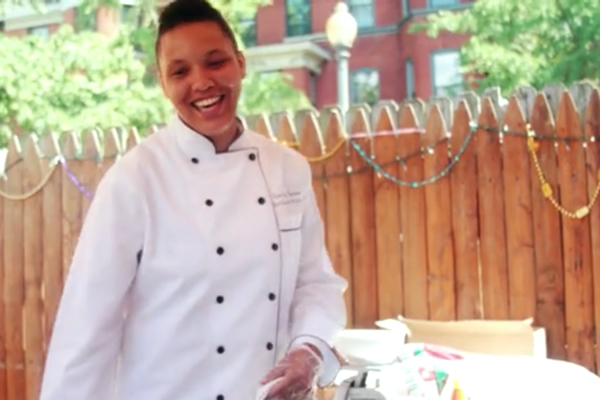
Tyonne Johns (Image courtesy Vimeo)
Best Coffee Shop
Compass Coffee
Runner-up: Tryst
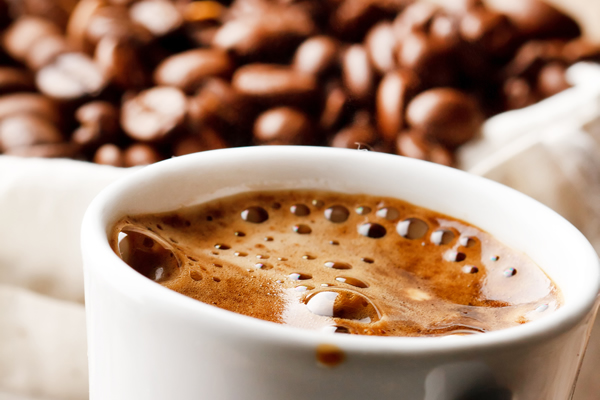
OK, so, yeah, Compass makes good coffee. The nitro cold brew, a process by which the grounds are steeped in cold water and then infused with nitrogen, results in a creamy, rich brew that almost mimics the texture of a protein shake, so we can fool ourselves into thinking that it makes a good liquid breakfast after spin class. But we’re kind of into the tea, too, which Compass co-owners Michael Haft and Harrison Suarez decided to custom blend in-house when they couldn’t find a tea that complemented their coffee program. Look for the Raspberry Rose Petal, a floral caffeine-free blend, or the bergamot-tinged Lavender Earl Grey. For chai lovers, don’t miss out on the housemade masala chai, a spicy blend of black tea with ginger, black pepper, cardamom, allspice, anise and licorice. (Kristen Hartke)
Compass Coffee
1335 7th St., N.W.
 Best Date Restaurant
Floriana
“Intimate, white-tableclothed bistro offering lasagna and other Italian classics with weekly specials.”
1602 17th St., N.W.
Runner-up: Busboys and Poets
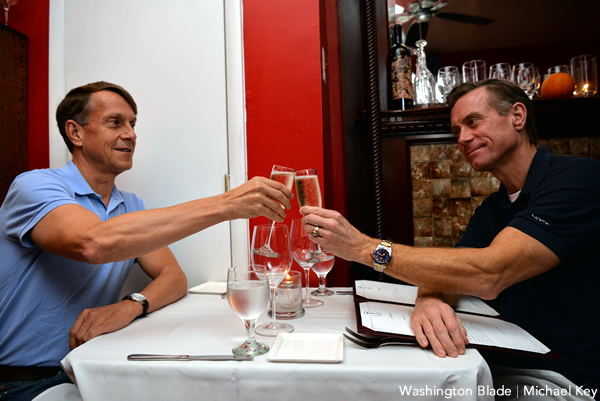
Floriana (Washington Blade photo by Michael Key)
Best Dessert
Baked & Wired
“Family-owned coffee shop and bakery in Georgetown with baked goods made in small batches with the finest ingredients.”
1052 Thomas Jefferson St., N.W.
Runner-up: Grassroots Gourmet
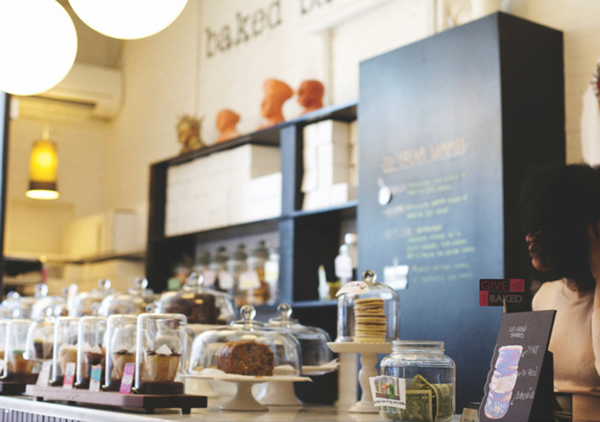
Baked and Wired (Photo courtesy Baked and Wired)
Best Ethiopian Restaurant
Dukem Ethiopian Restaurant
Runner-up: Ethiopic
Whenever people ask me for a restaurant recommendation in D.C., I invariably send them to Dukem, and here’s why: it’s authentic, it’s cheap and it tells a real story about our city. With the largest Ethiopian community outside of Ethiopia, eating Ethiopian food in D.C. is akin to eating pizza in New York. It’s also a communal meal, where everyone at the table shares in the dishes, eating literally off the same plate, and omnivores and vegetarians can all walk away perfectly satisfied. For meat eaters, the signature doro wat, a dish of slow-cooked chicken and hard-boiled eggs spiced with berbere, a blend of several spices including chili pepper, ginger, basil, nigella and fenugreek, is tender and saucy, while the vegetarian combination platters are piled with spicy lentils, savory braised cabbage and collards, and shiro, a peppery stew of powdered legumes like chick peas or broad beans. Utensils won’t be on hand, so order extra injera, the spongy sour bread used to scoop up the food. Dukem also won this category in 2015. (Kristen Hartke)
Dukem
1114-1118 U St., N.W.
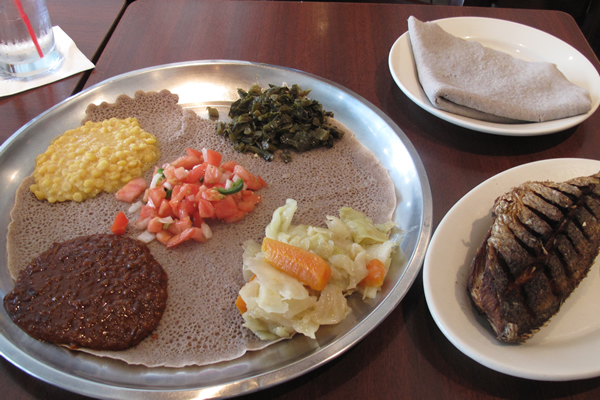
Dukem (Photo by trotnort; courtesy Flickr)
Best Farmer’s Market
Eastern Market
Runner-up: Dupont Circle FRESHFARM Market
Oh, Eastern Market. Sometimes it’s exciting to visit other farmer’s markets in search of new freshly baked gluten-free cookies or odd varieties of winter squash, but Eastern Market, which also won this category last year, never disappoints — solid, reliable, always there when you need it. While it’s true that the same vendors have been there for decades, it’s also true that Eastern Market serves a real function to the community, because people actually shop there for their groceries, not just for novelty items. Inside the market, which is open every day except Monday, you’ll find most of the items on your list, from freshly butchered meats to loaves of cinnamon raisin bread to vegan kimchi. If there is a cheese you’re looking for, Bowers Dairy has nearly everything on hand, no special ordering required, and D.C.’s very own condiment, mumbo sauce, is available in both regular and spicy flavors at Market Poultry. If you’ve always wanted to eat at Market Lunch, take a tip from the locals and head over there for breakfast or lunch during the week so you don’t have to wait in line. (Kristen Hartke)
Eastern Market
225 7th St., S.E.
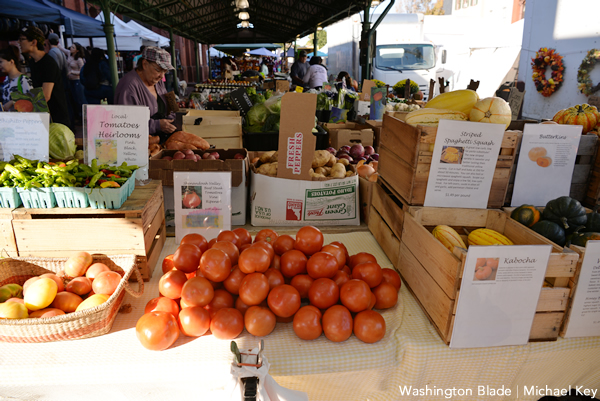
Eastern Market (Washington Blade photo by Michael Key)
Best Food Truck
Red Hook Lobster Pound
Brings freshest Maine lobsters to D.C. Also won this category in 2015.
Find out where the truck is on Twitter: @LobstertruckDC
Runner-up: Captain Cookie & the Milk Man
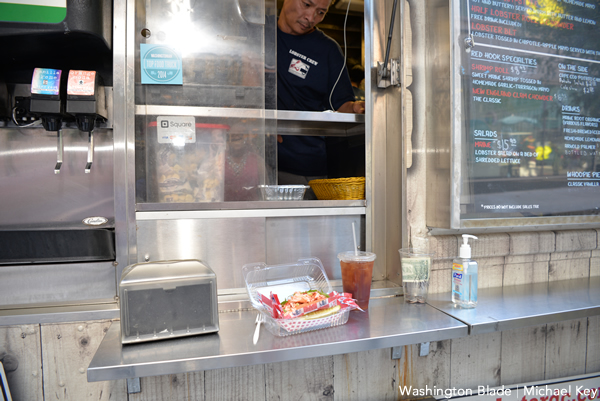
Red Hook Lobster Pound (Washington Blade photo by Michael Key)
Best French Restaurant
Le Diplomate
“Bustling brasserie serves classic French fare and drinks.” Also won this category in 2015.
1601 14th St., N.W.
Runner-up: Bistrot Du Coin
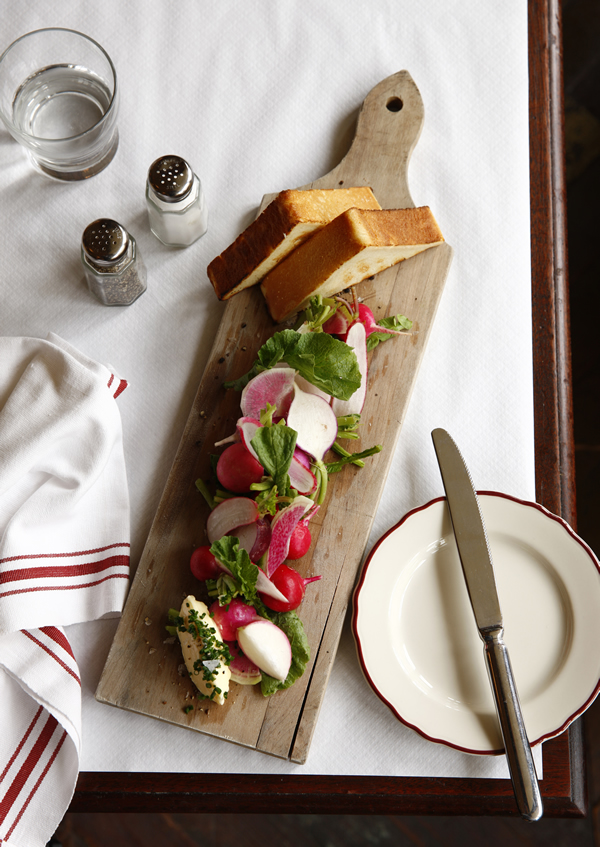
Le Diplomate (Photo by Jason Varney; courtesy ThreeLockharts PR)
Best Indian Restaurant
Rasika
Modern Indian food; famous for its crispy spinach. Also won this category in 2015.
633 D St., N.W.
1190 New Hampshire Ave., N.W.
Runner-up: Indigo
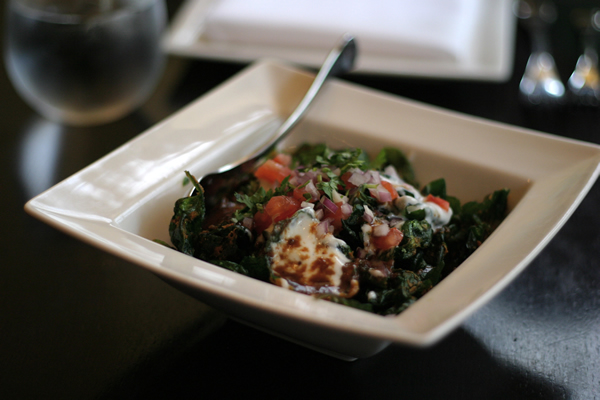
Rasika (Photo by David Liu; courtesy Flickr)
Best Italian Restaurant
Red Hen
“Italian-influenced American restaurant located in historic Bloomingdale with wood-fired fare set in an airy, rustic-industrial space with open kitchen and bar.”
1822 1st St., N.W.
Runner-up: Floriana
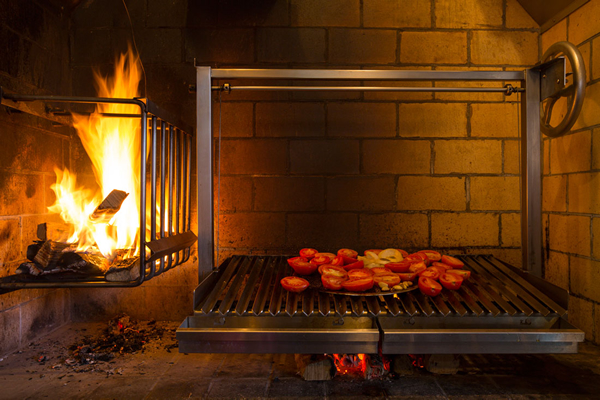
The Red Hen (Photo courtesy of The Red Hen)
Best Pizza
Matchbox
“Brick-oven pizza and contemporary dining.”
713 H St., N.W.
521 8th St., S.E.
1901 14th St., N.W.
Runner-up: Pizzeria Paradiso
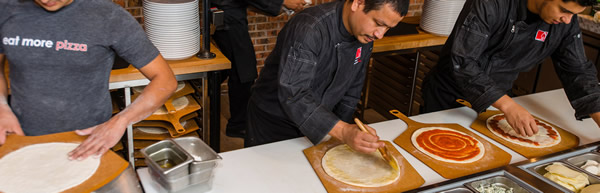
Matchbox (Photo courtesy of Matchbox)
Restaurant You’d Wait in Line For
Rose’s Luxury
“Eclectic New American tapas with menu crafted in cozy, converted townhouse with an upstairs lounge.”
717 8th St., S.E.
Runner-up: Little Serow
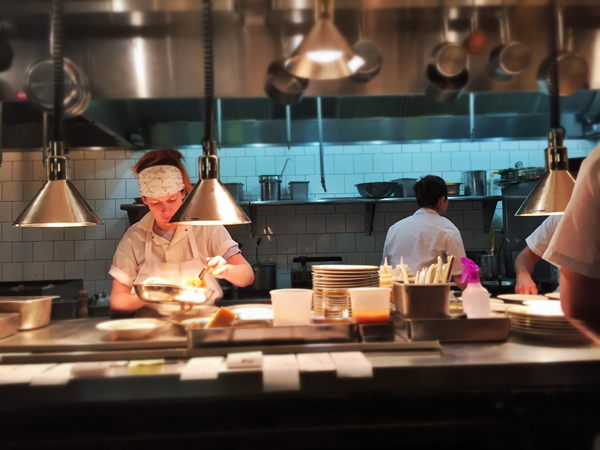
Rose’s Luxury (Photo by T. Tseng; courtesy Flickr)
Best Rehoboth Restaurant
Dos Locos
“Spacious Mexican restaurant with vast menu including seafood, stone grills and margaritas.” Also won this category in 2015.
208 Rehoboth Ave.
Rehoboth Beach, Del.
Runner-up: Blue Moon
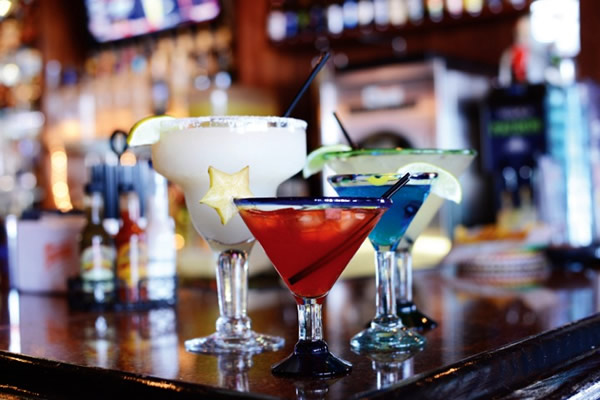
Dos Locos (Photo courtesy Dos Locos)
Best Sandwich
Carving Room
“Hip joint with a patio serving cured and carved meat sandwiches, craft beers and innovative cocktails.”
300 Massachusetts Ave., N.W.
Runner-up: Taylor Gourmet
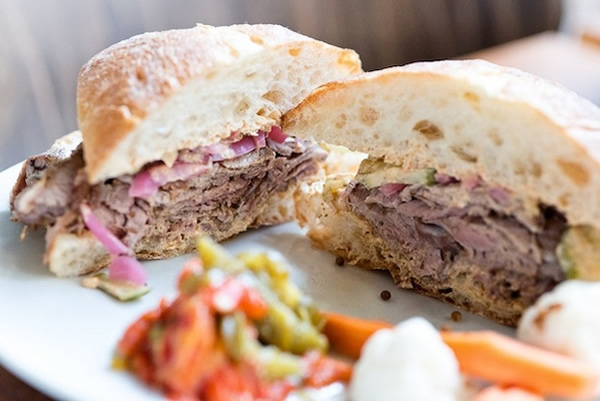
Carving Room (Photo courtesy Carving Room)
Best Seafood Restaurant
Hank’s Oyster Bar
Perennial lesbian-owned favorite. Also won this category in 2015.
1624 Q St., N.W.
1026 King St., Alexandria, Va.
633 Pennsylvania Ave., S.E.
Runner-up: Black Salt
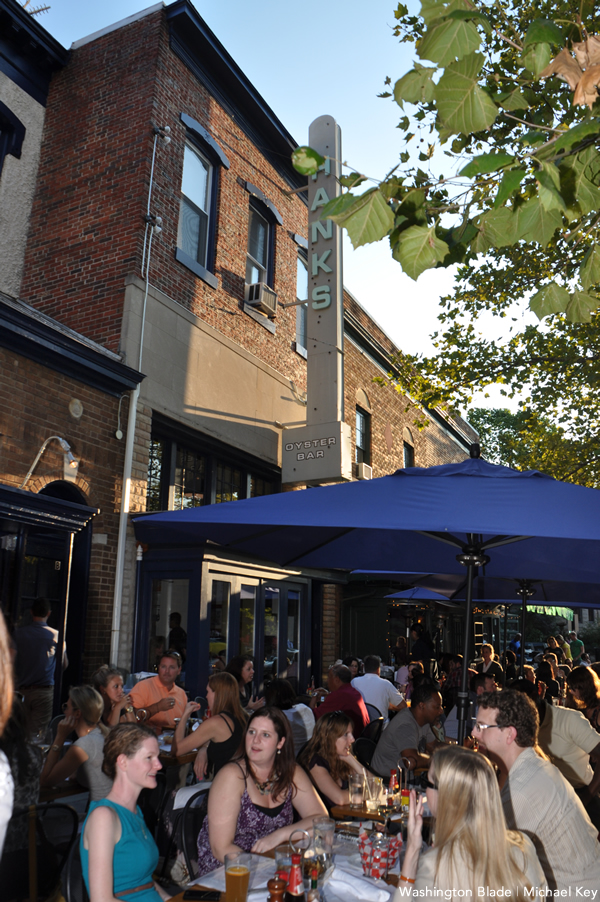
Hank’s Oyster Bar (Washington Blade file photo by Michael Key)
Best Steak Restaurant
Claudia’s Steakhouse
“Chic, high-gloss steakhouse supplements its beef offerings with Latin-style dishes and sides.”
1501 K St., N.W.
Runner-up: Annie’s Paramount Steakhouse
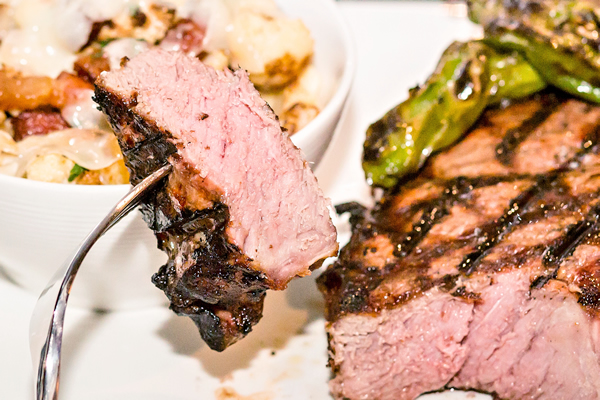
Claudia’s Steakhouse (Photo courtesy Claudia’s)
Best Sushi
Sushi Taro
“High-end sushi spot with chef’s choice dinners, bento-box lunch specials, sake and sho-chu.”
1503 17th St., N.W.
Runner-up: The Hamilton
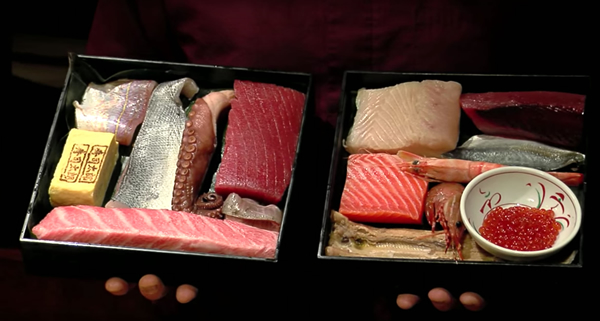
Sushi Taro (Image courtesy Sushi Taro on YouTube)
Best Wine Bar
Barcelona
Shareable tapas and inspired wine and cocktail list. Also won this category in 2015.
1622 14th St., N.W.
3310 Wisconsin Ave., N.W.
Runner-up: Dito’s Bar at Floriana
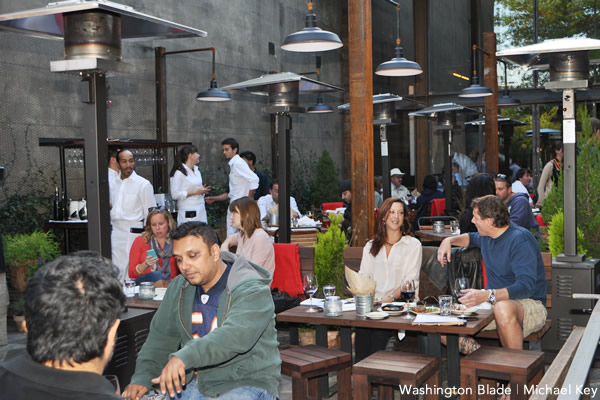
Barcelona (Washington Blade photo by Michael Key)
Best Virginia Winery
Breaux Vineyards
Runner-up: Fox Meadow Winery
With an impressive array of awards, Breaux Vineyards is typically at the top of the list of Virginia wineries worth checking out, and it’s just 45 minutes from D.C. in Loudoun County, making it a great destination for a lazy Sunday afternoon. Of course, you’ll also find it well-represented in stores and restaurants across the city, from Glen’s Garden Market to Jack Rose Dining Saloon. Look for the Cabernet Franc, a peppery palate-pleaser with long notes of blackberry on the finish. (Kristen Hartke)
Breaux Vineyards
36888 Breaux Vineyards Lane, Purcellville, Va.
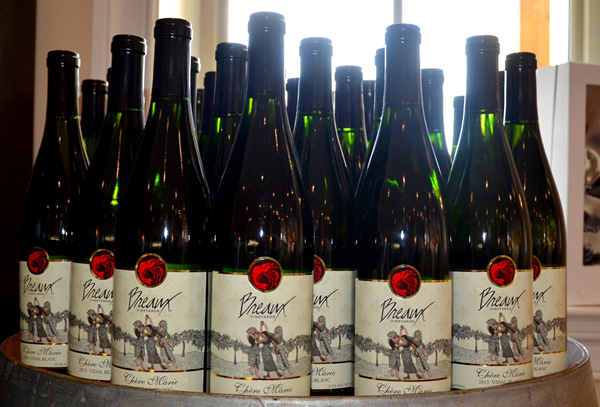
Breaux Vineyards (Photo courtesy Breaux)
To see winners in other categories in the Washington Blade’s Best of Gay D.C. 2016 Awards, click here.


Arts & Entertainment
Vote now! Best Of LGBTQ DC readers’ choice awards
Halloween party set for Oct. 22 to celebrate the winners
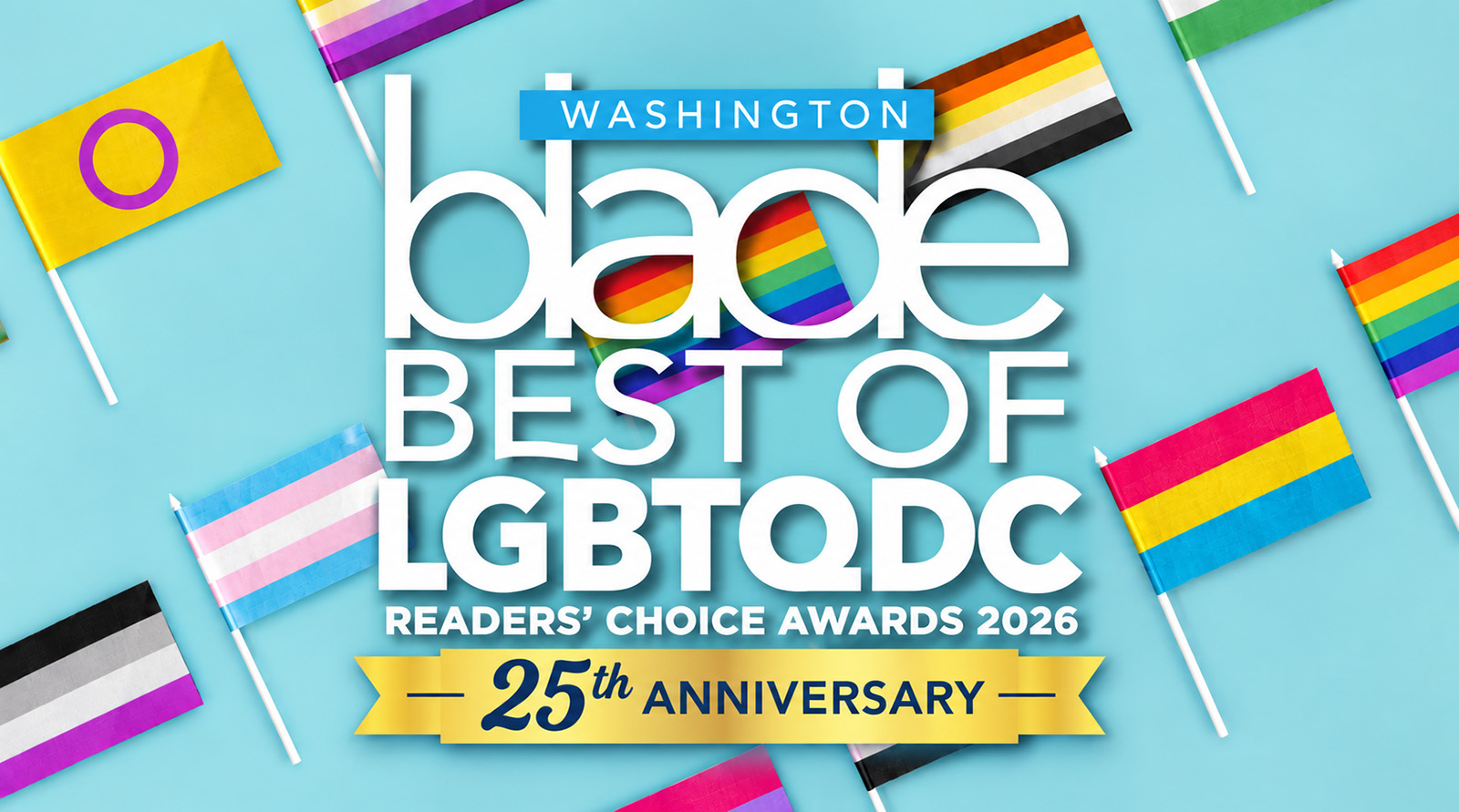
The Blade is excited to celebrate the 25th anniversary of our Best Of LGBTQ DC awards this year. We’re pulling out all the stops for our annual party with celebrity emcee Ashley Darby and acclaimed DJ Michael Navarro. The party is set for Oct. 22 at Longview Gallery with pop-up performances, cocktail and food tastings, open bar, and a Halloween costume contest with the theme, “Murder on the Dancefloor.”
But first, you have to vote. You nominated and now we have our finalists for the 2026 Best of LGBTQ DC Awards.
Vote for your favorites through Oct. 8.
We’ll honor the winners at the Best of LGBTQ DC Awards Party on Thursday, Oct. 22, and showcase them in our special issue released Friday, Oct. 23.
Bars & Parties
Lesbian Bar Project co-founder: purity politics could destroy our remaining spaces
Last Ditch’s decision to lift its mask requirement for one night a week has sparked intra-queer controversy
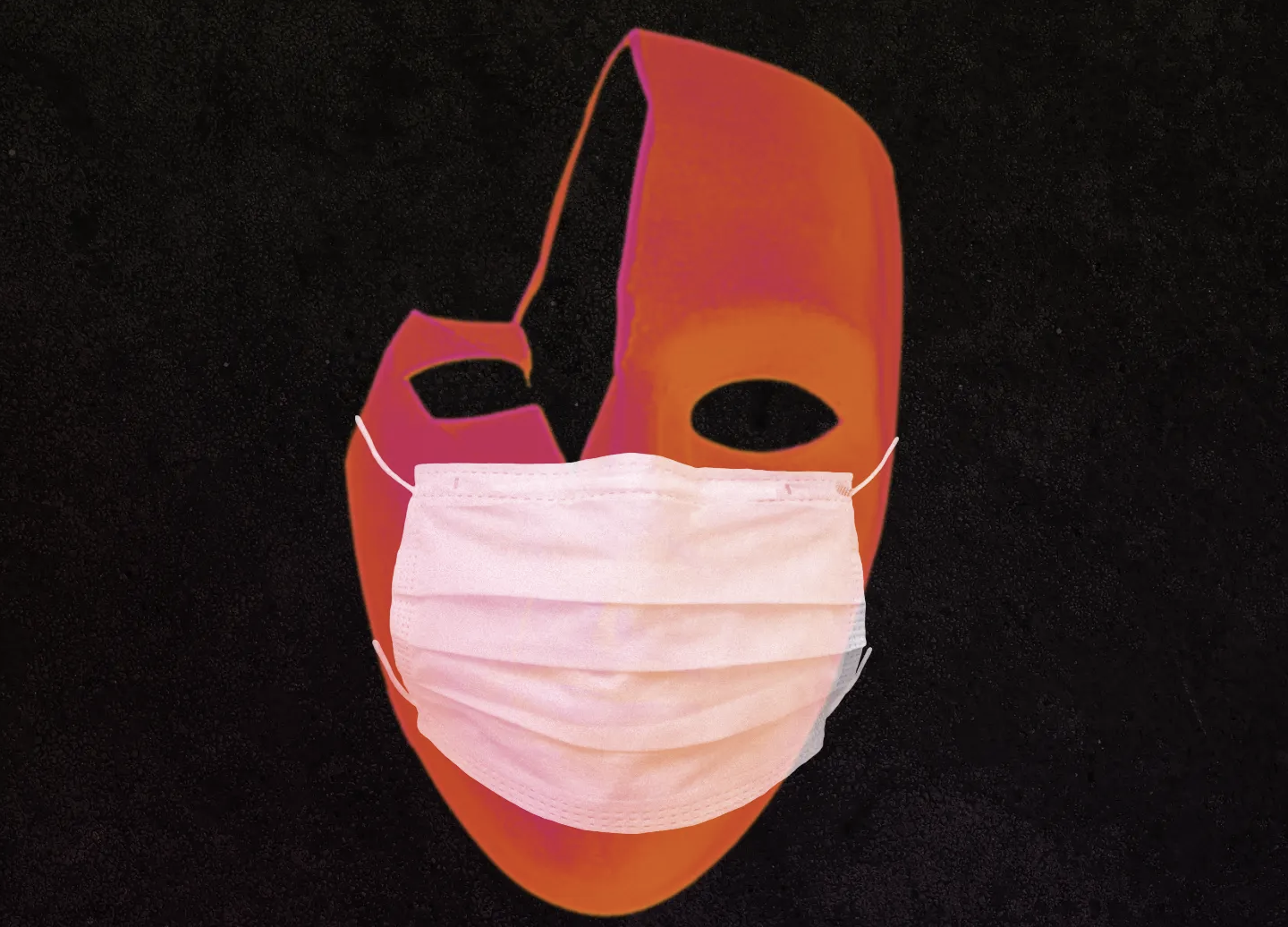
Uncloseted Media published this story on Sept. 29
By ERICA ROSE and THE LESBIAN BAR PROJECT | As a professional lesbian and Massachusetts native, I’ve recently been asked by a lot of folks what I think about the saga unfolding at Last Ditch. The now-viral story, first reported by the Boston Globe, centers on a Western Massachusetts lesbian bar that lifted its mask requirement for one night a week to help drum up business.
The decision ignited an intra-queer controversy that has been feasted on by media outlets across the political spectrum — from the New York Post to LGBTQ Nation — and is even reportedly being eyed for a Hollywood adaptation. Apparently nothing is more entertaining than a bunch of lesbians and queers fighting with each other over KN-95s.
What has been lost in all of the chatter and media coverage is the very real possibility that Last Ditch, which just opened in April 2025, will have to close its doors. The venue’s one remaining founder, Jackie Matellian, revealed in a community Zoom meeting that she’s working four jobs, is now solely responsible for the bar’s $50,000 business loan and is struggling to keep up with the bills. So as we laugh about the controversy’s similarity to a “Portlandia” skit and how one of the bar’s founders left to enroll in clown school, we forget that yet another lesbian bar is facing an existential crisis — and this time the call is coming from inside the house.
In 2020, my friend Elina Street and I created The Lesbian Bar Project, an Emmy-, Webby- and GLAAD Media Award-winning docuseries and initiative that tells the stories of lesbian queer bars around the world. We were moved to act because at the time there were only an estimated 16 lesbian bars in the United States, and the pandemic threatened to bring that number down even further.
There are now more sapphic bars than there were just before the pandemic — about 36 of them in total — but this is down from approximately 200 in 1980. Maybe that doesn’t mean much to you, but for the millions of sapphics living in the U.S., this number is calamitous.
As the world laughs at lesbians and sapphics, I want to take a second and tell you what I feel when I walk into one of these bars, which are all unique and irreplaceable in their own way: I feel seen.
Sometimes I think Cubbyhole in New York City’s West Village neighborhood knew I was gay before I did. When I walked in there for the first time, before I was even out, I was transfixed by the colorful array of tchotchkes hanging from the ceiling and how the women standing next to me were completely unafraid to express their desire for one another. I knew the minute I was ready to come out, I had a home. I also felt the joy of a new couple falling in love at Seattle’s Wildrose, the quiet confidence of a short king lining up her shot at the pool table at Ginger’s in Brooklyn and the kick of cayenne pepper in Julie Mabry’s crawfish at Houston’s Pearl Bar.
Lesbian bars don’t just serve lesbians; they serve queer folks across the spectrum, including bisexual, pansexual and trans people. As Elina and I traveled across the U.S. and Europe and to parts of Latin America to document the bar owners, staff and patrons that make up the ecosystems of these spaces, we also became uniquely acquainted with the factors that threaten their existence: gentrification, wage gaps, sexism, environmental disasters, gun violence, rising insurance premiums and political administrations working to annihilate queer people and their families.
Lesbian bar owners, like all leaders and entrepreneurs, are imperfect. There have been significant issues over the years at lesbian bars: employee harassment, racism, lack of accessibility, sexual assault and transphobia. All bar owners should be held accountable and should listen to their communities to evolve into safer and more equitable spaces. I also acknowledge my privilege: I am able-bodied, white, cis and from a family system that loves me for who I am. Not everyone has that.
Queer people, especially trans and bisexual people, are suffering from disproportionately high levels of depression, and our mental health system isn’t equipped to support them. Immunocompromised people and long COVID are real, and many of my friends are suffering to this day. The people with the least safety net are often the ones for whom a bar closing costs the most. And yet, as we’re seeing with Last Ditch, the queer community often lashes out at each other. It’s also the mainstream media taking the internal conflict and making a mockery out of it, distracting from the real possibility that this bar could close due to financial pressures. A bar that many people loved and needed is facing extinction. Perhaps it’s safer to dissent with one another than with the larger forces trying to eradicate us, but in doing so, we risk destroying the few spaces we have left.
Due to the constraints of purity politics — some in good faith, some not so much — lesbian bar owners, almost all of whom are queer women themselves, are forced to be everything for everyone, similarly to how women are forced to be everything for everyone. By asking these bars to uphold impossible standards — standards very few other third spaces are asked to consider — we all end up losing.
I want to move as a community toward dialogue, compassionate dissent and collaboration to make our spaces better with the goal of keeping them OPEN and thriving, rather than destroying them from the inside with expectations that are arguably unattainable.
While I have your attention — for this fleeting second of the news cycle — may I urge us to spearhead a way to keep these small businesses afloat without attacking our own community along the way? Bar owners are left with an impasse: They want to be community-centered, but they also have to make money to keep their doors open. Sometimes they might make business decisions that don’t work for everyone — and that’s partly because different patrons have different priorities and want different things — but these owners deserve the opportunity for productive dialogue. We have to work with them and with each other to keep our spaces open, to keep them growing.
Lesbian bars raised me into the queer woman I am today. One thing I think about as I reflect on the six years of work we’ve done to document these spaces is that shared, unspoken language I have with a stranger the moment we both walk into one of these bars: the nod, the ease, the not having to explain ourselves. I don’t want to lose that, and neither should you.
Celebrity News
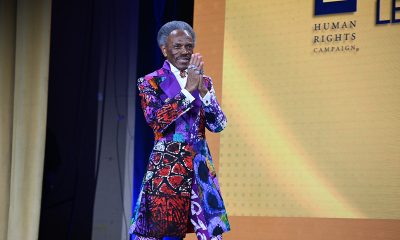
Debbie Allen shares on loss, love, and the power of speaking out
Actress directed groundbreaking ‘A Different World’ episode about HIV
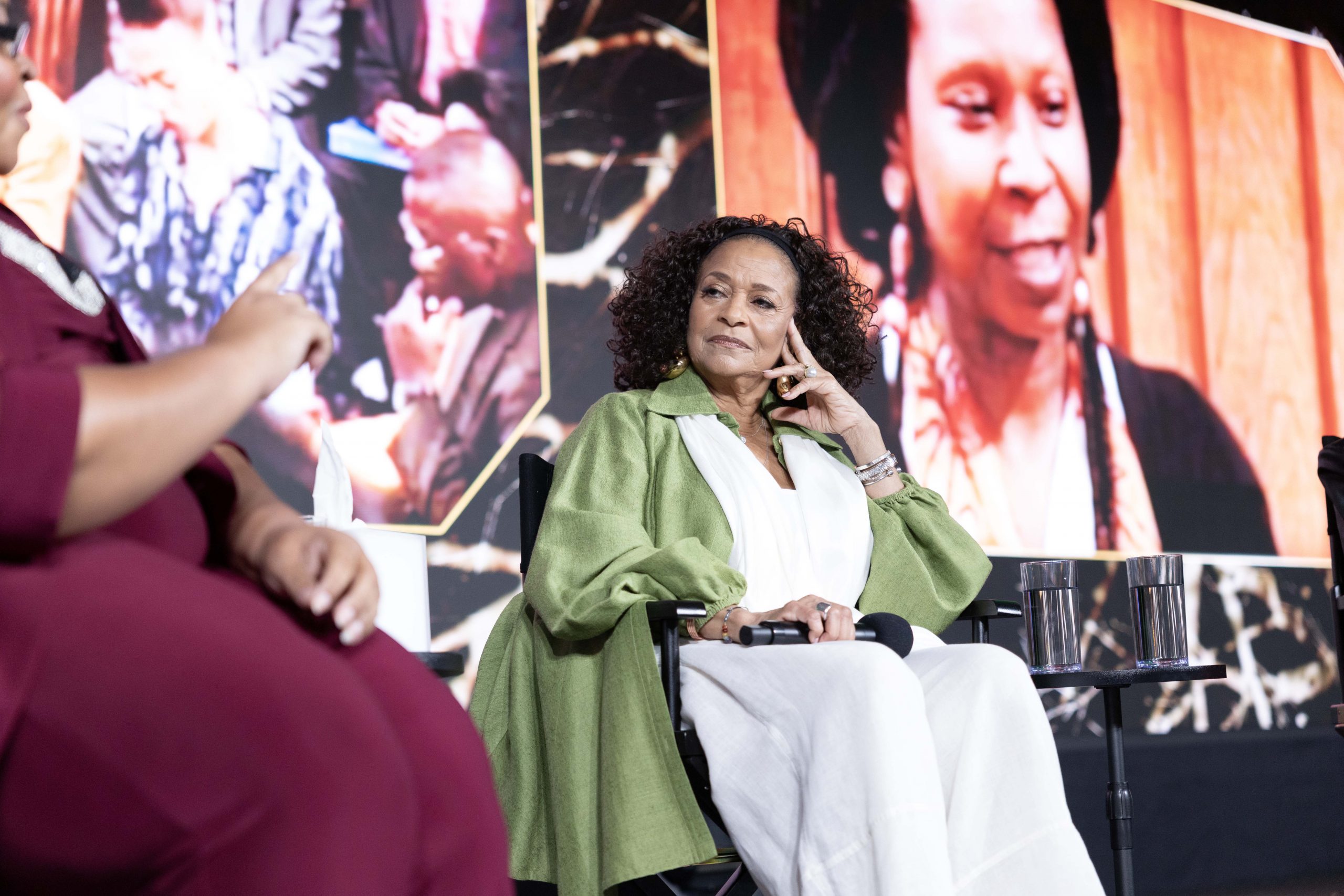
For somebody like Debbie Allen, HIV advocacy lies at the heart of their life and career. In the 1980s, at a time when HIV/AIDS devastated the performing arts community, Allen witnessed friends, performers, directors, and choreographers alike disappear. This experience turned her personal grief into a decades-long commitment to advocacy. From directing a landmark “A Different World” episode about HIV at a time when even just saying the word on television could make networks sweat, to continuing her work today, Allen has continuously utilized the biggest stage available to her to ensure that the conversation stays alive.
Now the conversation has changed from four decades ago, yet Allen believes it still needs to get louder. Medical advances have transformed HIV from the crisis it was into a manageable condition for many folks. Yet stigma, social challenges, and the significant need for mental, emotional, and community support still persist. In our conversation, Allen opens up about the losses that influenced her activism, the power of media and the arts to change public perceptions, and why “whole health” means looking beyond the virus to the full human person living with it. Her message is simple and solid — no one should have to navigate HIV alone.
You have stood alongside the HIV community for four decades, and counting. When you look back to the start of that journey, what first got you involved and what has kept you connected and dedicated for all of this time?
My fight against HIV began in the ‘80s, when the epidemic devastated the performing arts community, and I lost my entire world — my friends, dancers, directors, and choreographers. That profound grief fueled my mission to use my voice for advocacy — from directing the groundbreaking HIV episode on “A Different World” to fight stigma to standing on stages today to continue to raise awareness.
This is a mission that continues to stay near and dear to my heart so that all people impacted by HIV — whether they are living with HIV or supporting someone living with HIV — have the resources and support they deserve.
How have those experiences with your own personal losses due to HIV impacted the way you understand the virus?
If we look back to 40 years ago, HIV impacted an entire generation. We experienced incredible loss and heartache that I will never forget. This experience made me realize how vulnerable we are as humans and how much support we truly need in our healthcare journeys. And while incredible progress has been made, I also understand so much more needs to be done — from combating stigma, providing additional resources, and ensuring ongoing support for people who are living with HIV today.
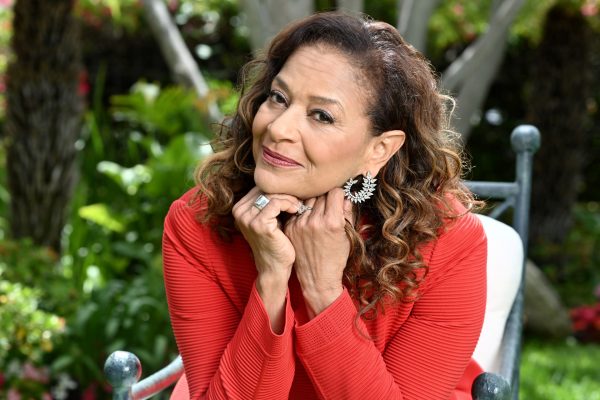
You’ve built an extraordinary career as a dancer, choreographer, director, producer, actor, educator, and advocate. How has each part of your career influenced the others? What have you learned about leadership from working with artists and performers?
Being a dancer, choreographer, director, producer, actor, and educator has helped shape the person I am today. Each experience has inspired another. What unifies each role is my ability to lead and learn from everyone I’m working with. It’s also these opportunities that have afforded me an incredible platform for my advocacy efforts. I strive to bring leadership approaches from my various stages — in a very literal sense — to a national stage as I support a variety of initiatives, such as HIV awareness.
The medical landscape around HIV has evolved dramatically since you first began your advocacy. What is one thing you wish younger folks understood about what the first years of the epidemic were really like?
Thanks to medical advancements, we can now look at so much more than HIV status and this is a tremendous step forward. As someone who has always believed in the power of mind, body, and spirit, I want today’s generation to understand that people living with HIV need integrated support for their mental, emotional, physical, and social well-being because all these elements are deeply connected.
We need to broaden the discussion around HIV management, and that’s why I’m proud to work with Merck on “Your Hive of Whole Health,” which addresses factors such as managing one’s mental wellness, co-occurring conditions, social drivers, and other life challenges.
Your Hive of Whole Health is built around the idea that health doesn’t happen in isolation. What does “whole health” mean to you in your own life?
Health doesn’t happen in isolation. People living with HIV need comprehensive support systems around them — whether that’s family, chosen family, neighbors, community or religious leaders, or care team members; they are a part of the whole health journey.
To me, whole health means looking beyond the virus to truly understand the unique challenges that people face so they have the full support they need. Having supported loved ones on their health journeys and managing my own well-being, I know that comprehensive support is key.
That’s the beauty of “Your Hive of Whole Health.” In fact, the idea behind the program is simple. Just as a hive depends on the strength of many bees working together, people living with HIV often rely on a network of support that includes healthcare providers, advocates, family, friends, and peers. “Your Hive of Whole Health” provides tools and resources to help individuals build and strengthen those connections.
For someone living with HIV, what kinds of support beyond medical treatment do you think can make the most significant difference in their lives?
As people are living longer with HIV and managing additional health conditions, like high blood pressure, high cholesterol, and diabetes, having the right support system in place can play an increasingly important role.
Understanding these other conditions, as well as navigating social challenges and other life challenges such as not having access to affordable or healthy food, not having support from family or friends, struggling with stable housing, or facing misconceptions about HIV is critical. It’s awareness, understanding, and a “Hive” of support that can make a difference.
People can go to HiveofWholeHealth.com to learn more, access resources, and build their own Hive.
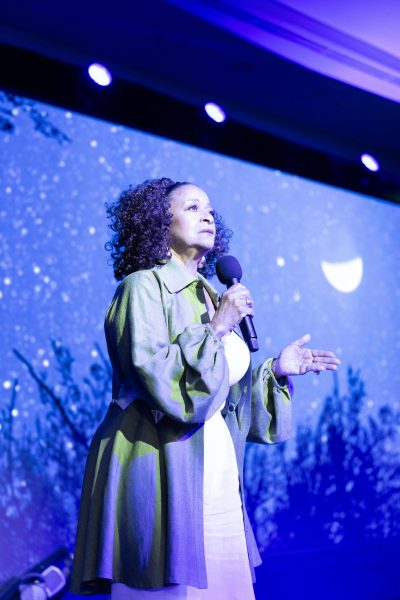
Many folks tend to talk about the HIV epidemic as if it is something of the past. What do you think we risk losing when we stop talking about HIV and the people whose lives have been affected by it?
This journey began for all of us in a time of intense fear, isolation, and crisis. As I reflect back to the early ‘90s, it was an honor to create the first network television show on “A Different World” to address the epidemic at a time when people were afraid to even say the word. The network and advertisers were very hesitant about talking about HIV on TV in this way at that time. It really hadn’t been done before. But I stood my ground and pushed forward. As a result, we were able to bring the epidemic into living rooms, confronting fear, stigma, and misinformation. It changed the conversation, especially in Black communities, where the impact was deeply felt. It also spotlighted how HIV impacted women, which was not formally recognized by health agencies until years later.
Today, we can truly celebrate the united and unbreakable spirit of 45 years of the HIV movement and champion a new era of whole health. But there is still so much more to be done. We must continue shining a light on issues that matter most. We must spotlight these across all forms of entertainment, media, and digital storytelling to drive awareness, understanding, and support. That’s why programs like Merck’s “Your Hive of Whole Health” are so important — we keep the community and their needs at the center and provide much-needed support.
If nothing else, what is one message you’d like for our readers to take away from this interview?
I want people living with HIV and the community around them to know they are not alone. There’s a whole community of support — a Hive — that can help them on their journeys with HIV.
Go to HiveofWholeHealth.com to learn more about the emotional, physical, social, and mental aspects of living with HIV. Build that Hive around you because whole health is better together.

Vote now! Best Of LGBTQ DC readers’ choice awards

Meet the LGBTQ candidates running for U.S. House, Senate

Ana Brnabić becomes world’s first openly lesbian head of state

529 openly LGBTQ candidates running in Brazilian election