Arts & Entertainment
‘The Favourite’ leads LGBT-inclusive Oscar noms
‘A Star is Born’ follows close behind
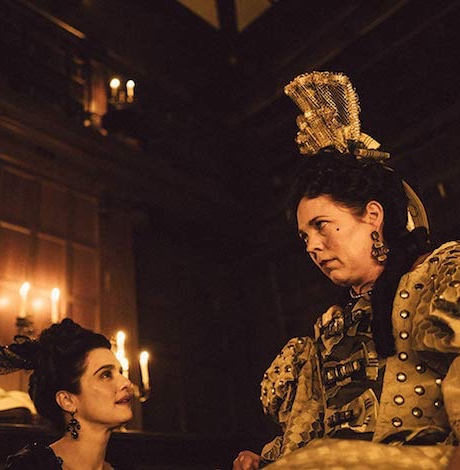
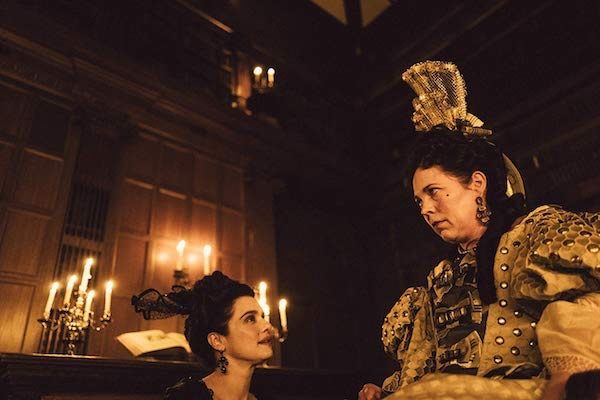
The 91st Academy Awards announced the nominees for its class of 2019 with “The Favourite” and “Roma” tying for the most recognition with 10 nominations each.
“The Favourite” earned nominations for its three lead actresses with Olivia Colman scoring a Best Actress nomination for portraying Queen Anne and Emma Stone and Rachel Weisz receiving Best Supporting Actress nominations.
“A Star is Born” came in an overall close second pulling in eight nominations including Best Picture, Best Actress and Best Original Song nominations for Lady Gaga and a Best Actor and Best Adapted Screenplay nomination for Bradley Cooper.
Other LGBT-inclusive nominations include the Queen biopic “Bohemian Rhapsody,” which became the highest grossing music biopic of all time upon its release last year.
Melissa McCarthy was nominated for her role as lesbian writer Lee Israel in “Can You Ever Forgive Me?” and Richard E. Grant received a Best Supporting Actor nomination for playing her gay friend Jack Hock.
LGBT nominees on the list were Jeff Whitty for co-writing “Can You Ever Forgive Me?,” filmmakers Rob Epstein and Jeffrey Friedman for their Netflix documentary “End Game,” Marc Shaiman and Scott Wittman for writing the original song “The Place Where Lost Things Go” from “Mary Poppins Returns” and Shaiman for Original Score for “Mary Poppins Returns.” The LGBT-inclusive film”Marguerite,” which tells the story of a nurse and an aging woman’s friendship, was also nominated for Live Action Short.
The Academy also finally gave some overdue credit to acting veterans Regina King and Sam Elliot with their first nominations. King was nominated for Best Supporting Actress for her role in the James Baldwin adaptation “If Beale Street Could Talk.” Elliot received a nom for Best Supporting Actor for “A Star is Born.”
Notable snubs in this year’s Academy Awards crop were a Best Director nomination for Cooper for his directorial debut in “A Star is Born” and Timothée Chalamet for Best Supporting Actor in the drug addiction-fueled drama “Beautiful Boy.”
Two film nominations were also historical film moments. Netflix received its first Oscar nomination for “Roma” and “Black Panther,” which earned seven nominations, became the first Marvel film to be nominated for Best Picture.
The Academy Awards air on Sunday, Feb. 24 at 8 p.m. on ABC.
Check out the complete list of nominees below.
Best Picture
“Black Panther”
“BlacKkKlansman”
“Bohemian Rhapsody”
“The Favourite”
“Green Book”
“Roma”
“A Star Is Born”
“Vice”
Best Actor
Christian Bale – “Vice”
Bradley Cooper –”A Star Is Born”
Willem Dafoe – “At Eternity’s Gate”
Rami Malek – “Bohemian Rhapsody”
Viggo Mortensen – “Green Book”
Best Actress
Yalitza Aparicio – “Roma”
Glenn Close – “The Wife”
Olivia Colman – “The Favourite”
Lady Gaga – “A Star Is Born”
Melissa McCarthy – “Can You Ever Forgive Me?”
Best Director
Spike Lee – “BlacKkKlansman”
Pawel Pawlikowski – “Cold War”
Yorgos Lanthimos – “The Favourite”
Alfonso Cuarón – “Roma”
Adam McKay – “Vice”
Best Supporting Actor
Mahershala Ali – “Green Book”
Adam Driver – “BlacKkKlansman”
Sam Elliott – “A Star Is Born”
Richard E. Grant – “Can You Ever Forgive Me?”
Sam Rockwell – “Vice”
Best Supporting Actress
Amy Adams – “Vice”
Marina de Tavira – “Roma”
Regina King – “If Beale Street Could Talk”
Emma Stone – “The Favourite”
Rachel Weisz – “The Favourite”
Best Adapted Screenplay
Joel Coen and Ethan Coen – “The Ballad of Buster Scruggs”
Charlie Wachtel, David Rabinowitz, Kevin Willmott
Nicole Holofcener and Jeff Whitty – “Can You Ever Forgive Me?”
Barry Jenkins – “If Beale Street Could Talk”
Eric Roth, Bradley Cooper
Best Original Screenplay
Deborah Davis and Tony McNamara – “The Favourite”
Paul Schrader – “First Reformed”
Nick Vallelonga, Brian Currie
Alfonso Cuarón – “Roma”
Adam McKay – “Vice”
Best Cinematography
Łukasz Żal – “Cold War”
Robbie Ryan – “The Favourite”
Caleb Deschanel – “Never Look Away”
Alfonso Cuarón – “Roma”
Matthew Libatique – “A Star Is Born”
Best Documentary Feature
“Free Solo”
“Hale County This Morning, This Evening”
“Minding the Gap”
“Of Fathers and Sons”
“RBG”
Best Animated Film
“Incredibles 2”
“Isle of Dogs”
“Mirai”
“Ralph Breaks the Internet”
“Spider-Man: Into the Spider-Verse”
Best Foreign Language Film
“Capernaum” (Lebanon)
“Cold War” (Poland)
“Never Look Away” (Germany)
“Roma” (Mexico)
“Shoplifters” (Japan)
Best Documentary Short Subject
” Black Sheep”
“End Game”
“Lifeboat”
“A Night at the Garden”
“Period. End Of Sentence”
Best Animated Short Film
“Animal Behaviour”
“Bao”
“Late Afternoon”
“One Small Step”
“Weekends”
Best Live Action Short Film
“Detainment”
“Fauve”
“Marguerite”
“Mother”
“Skin”
Best Original Song
“All the Stars” from “Black Panther,” Kendrick Lamar, SZA
“I’ll Fight” from “RBG,” Diane Warren
“The Place Where Lost Things Go” from “Mary Poppins Returns,” Marc Shaiman, Scott Wittman
“Shallow” from “A Star Is Born,” Lady Gaga, Mark Ronson, Anthony Rossomando, Andrew Wyatt and Benjamin Rice
“When A Cowboy Trades His Spurs For Wings” from “The Ballad of Buster Scruggs,” David Rawlings
Best Original Score
Ludwig Goransson – “Black Panther”
Terence Blanchard – “BlacKkKlansman”
Nicholas Britell – “If Beale Street Could Talk”
Alexandre Desplat – “Isle of Dogs”
Marc Shaiman – “Mary Poppins Returns”
Best Production Design
“Black Panther”
“The Favourite”
“First Man”
“Mary Poppins Returns”
“Roma”
Best Costume Design
“The Ballad of Buster Scruggs”
“Black Panther”
“The Favourite”
“Mary Poppins Returns”
“Mary Queen of Scots”
Best Film Editing
“BlacKkKlansman”
“Bohemian Rhapsody”
“The Favourite”
“Green Book”
“Vice”
Best Visual Effects
“Avengers: Infinity War”
“Christopher Robin”
“First Man”
“Ready Player One”
“Solo: A Star Wars Story”
Best Makeup and Hairstyling
“Border”
“Mary Queen of Scots”
“Vice”
Best Sound Editing
“Black Panther”
“Bohemian Rhapsody”
“First Man”
“A Quiet Place”
“Roma”
Best Sound Mixing
“Black Panther”
“Bohemian Rhapsody”
“First Man”
“Roma”
“A Star Is Born”




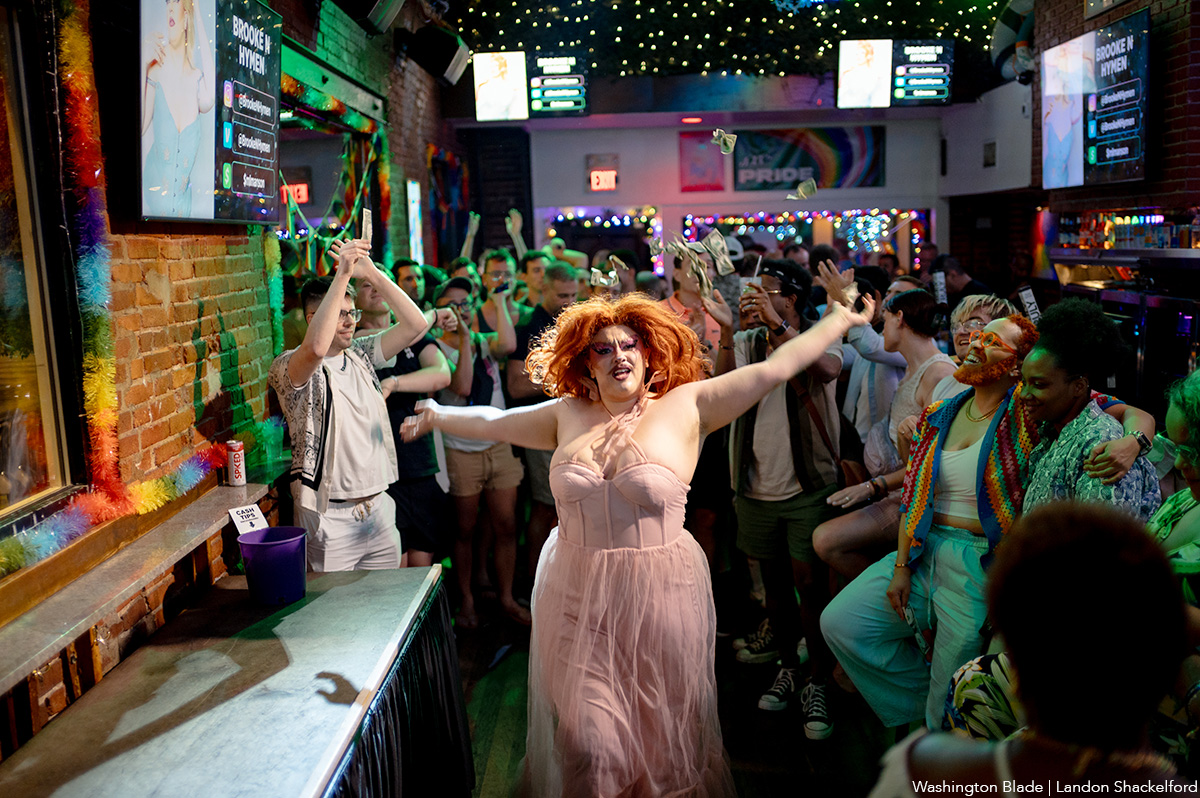
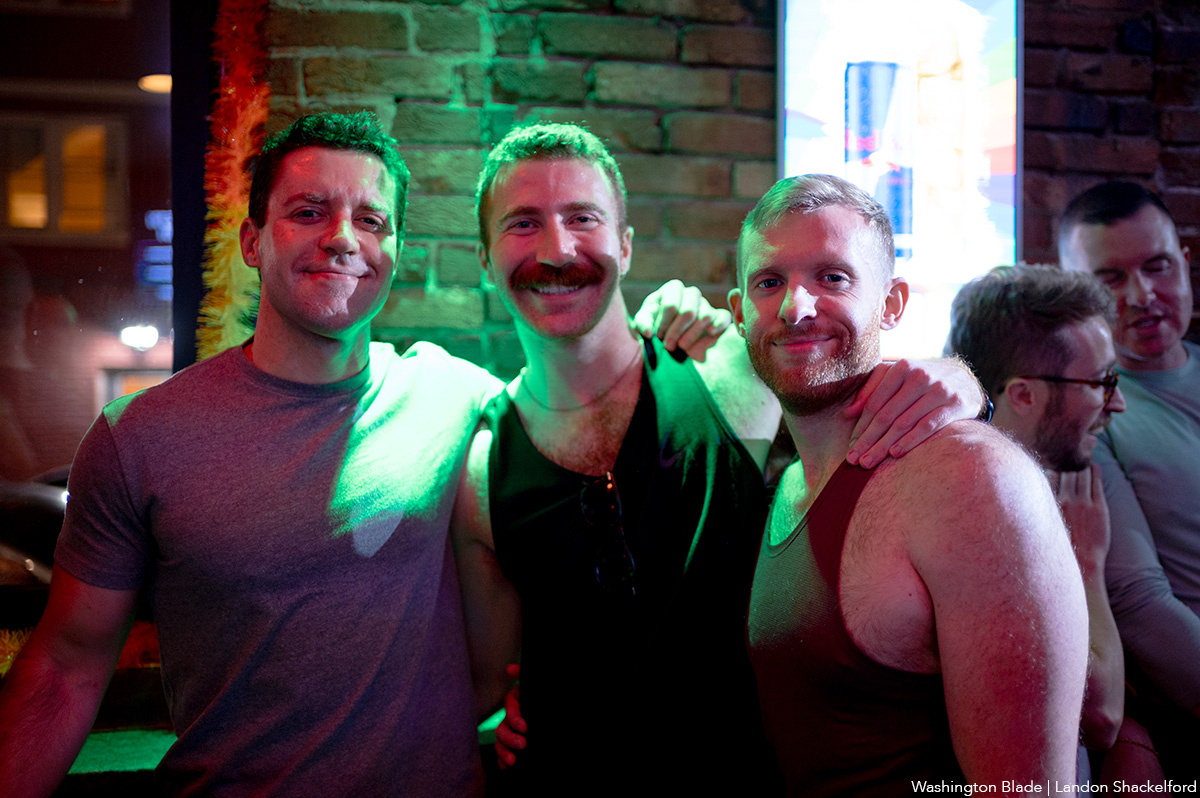
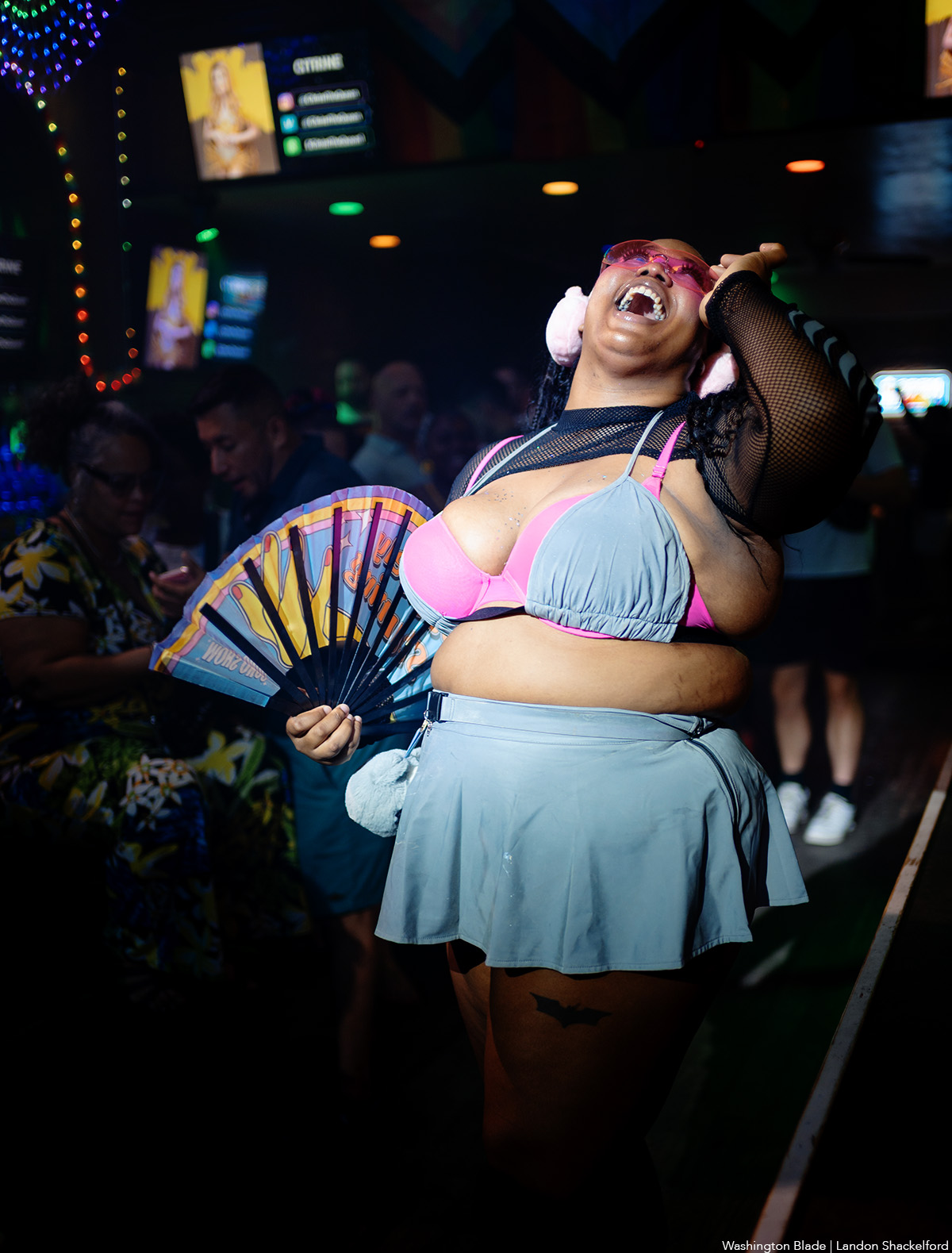
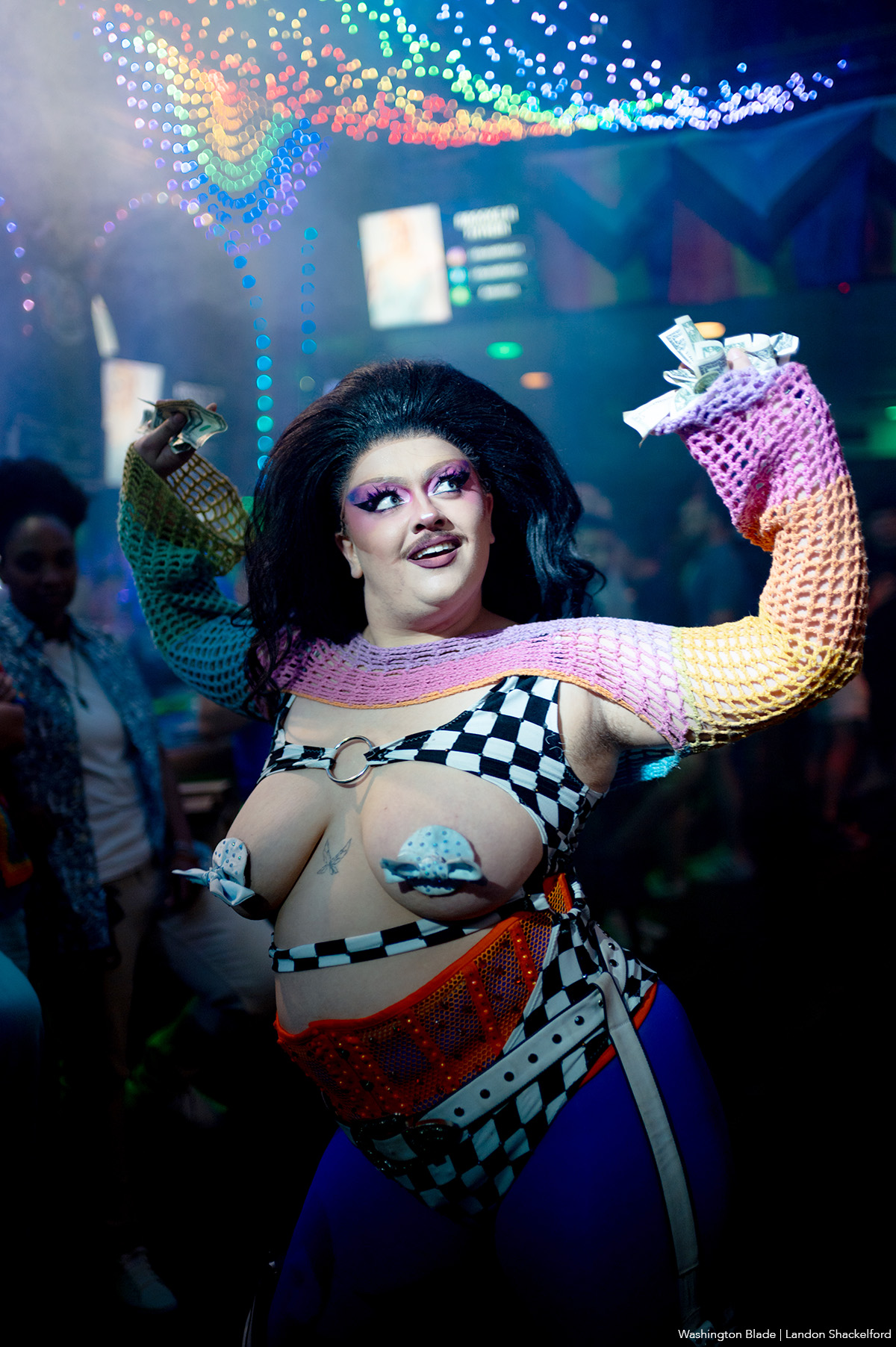
JR.’s Bar held a “RuPaul’s Drag Race: All Stars” watch party followed by a live drag show on Friday, July 17. The Vitamin C weekly drag show was hosted by Citrine with performers Brooke N Hyman and Rosie Beret.
(Washington Blade photos by Landon Shackelford)

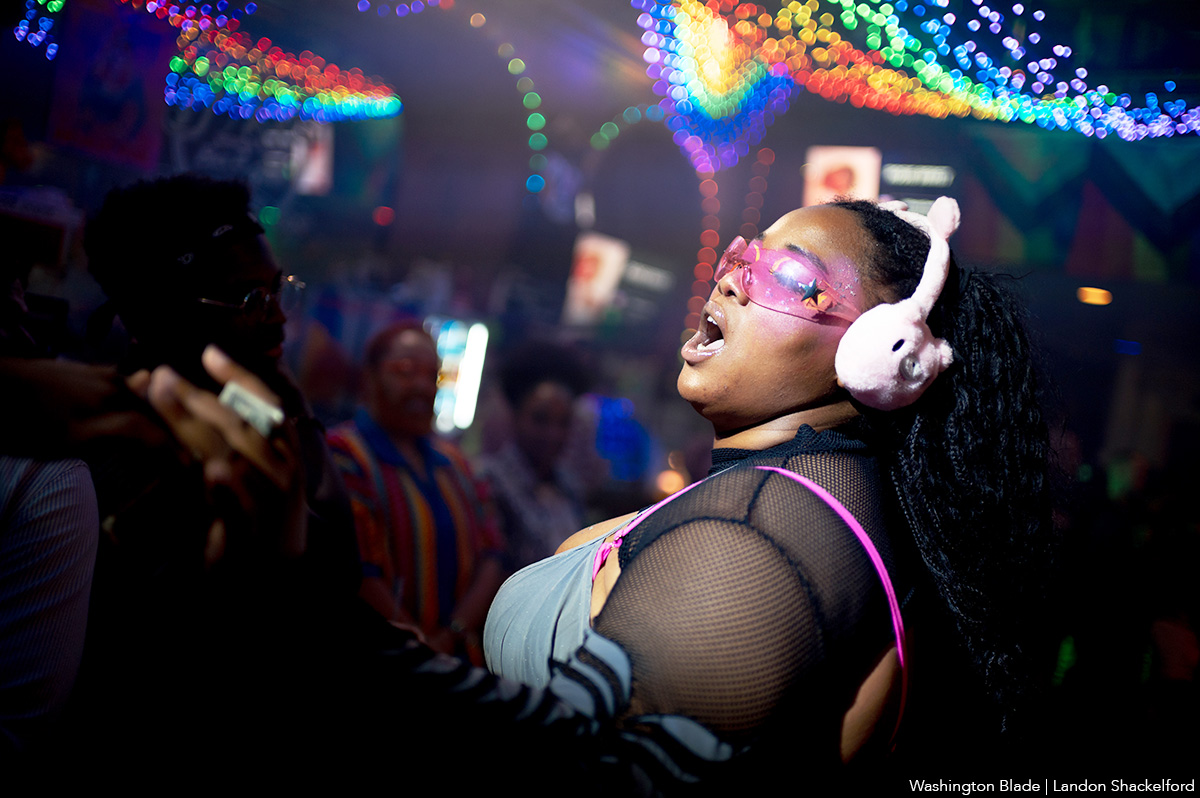

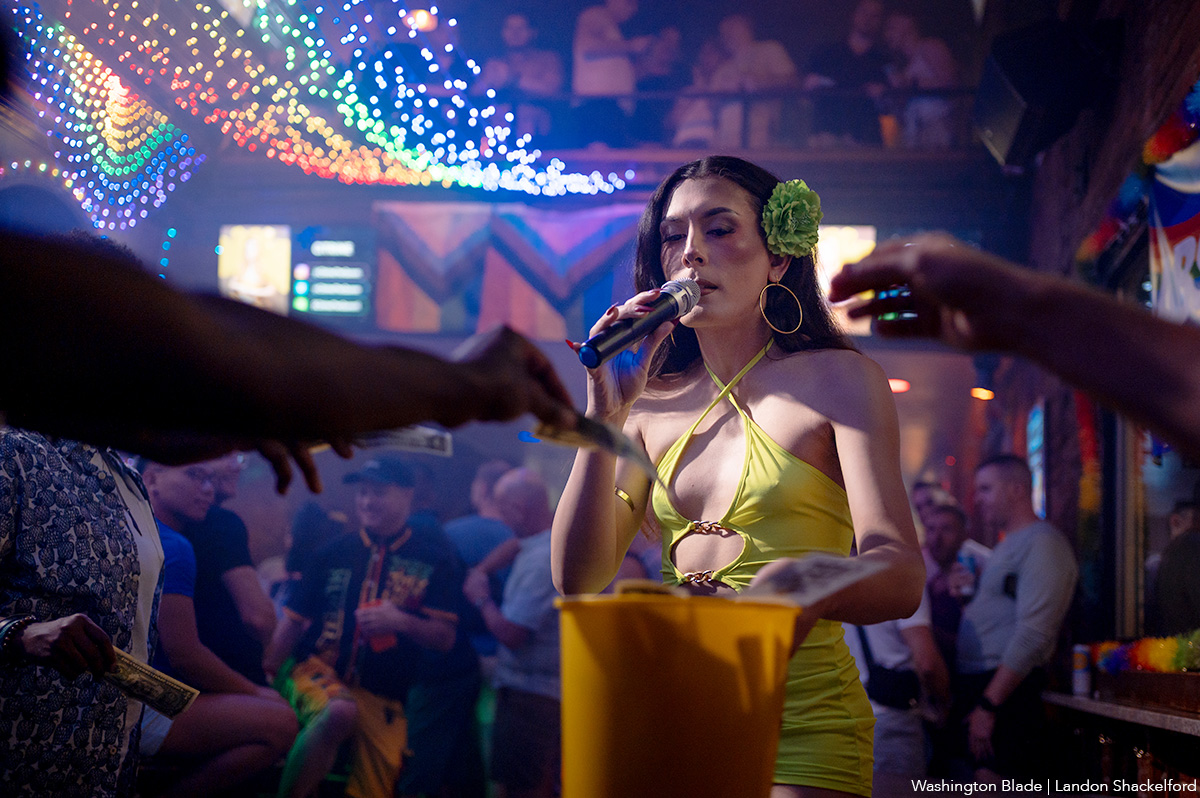

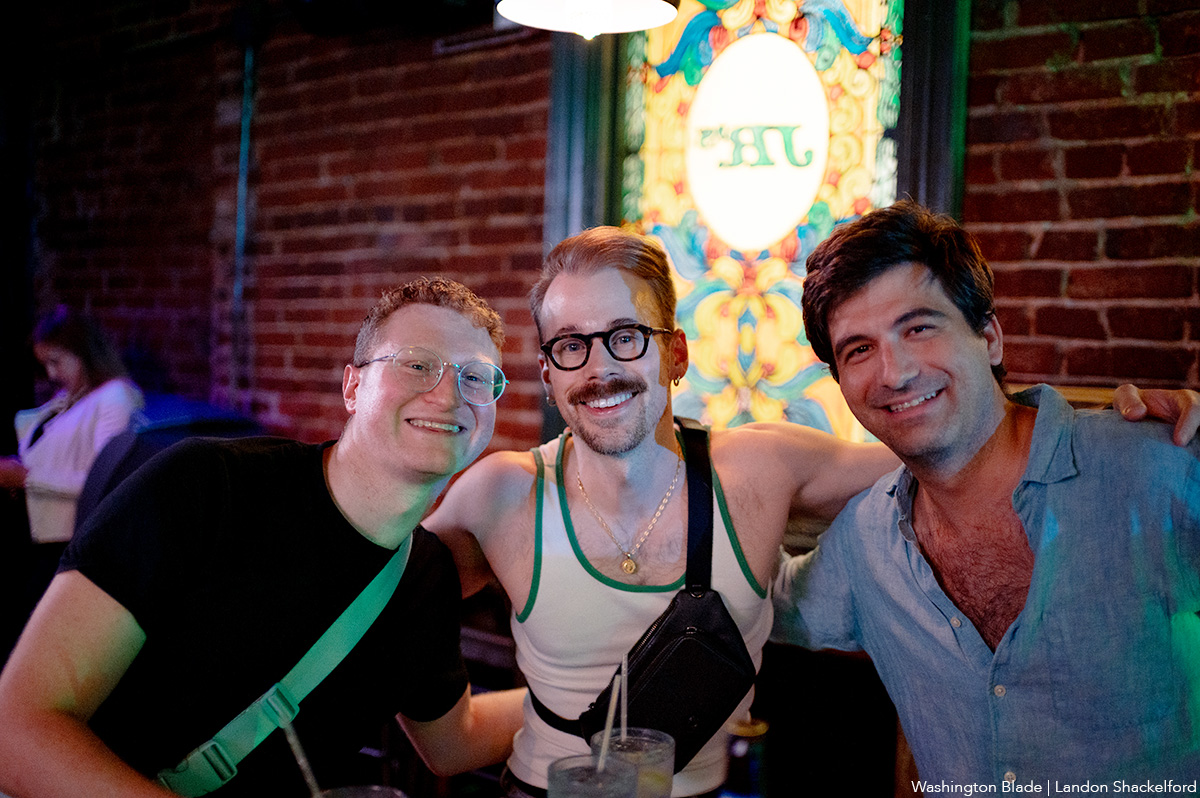

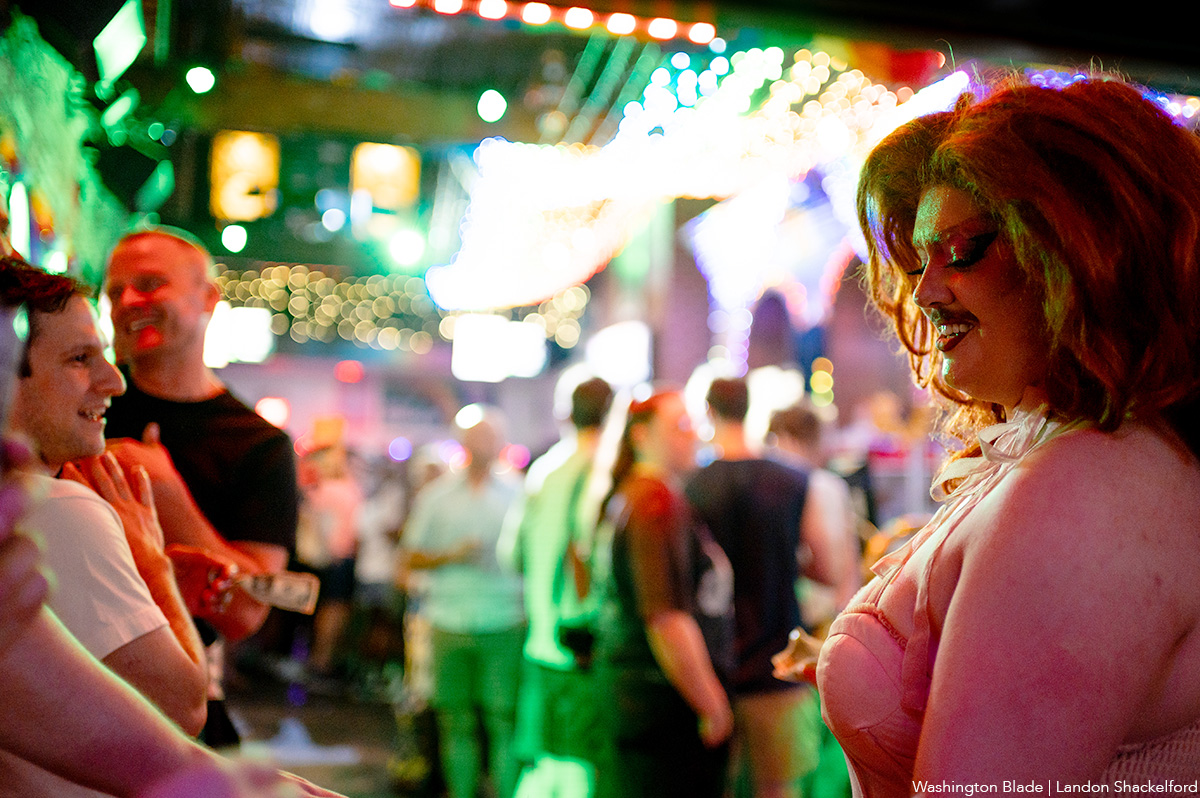
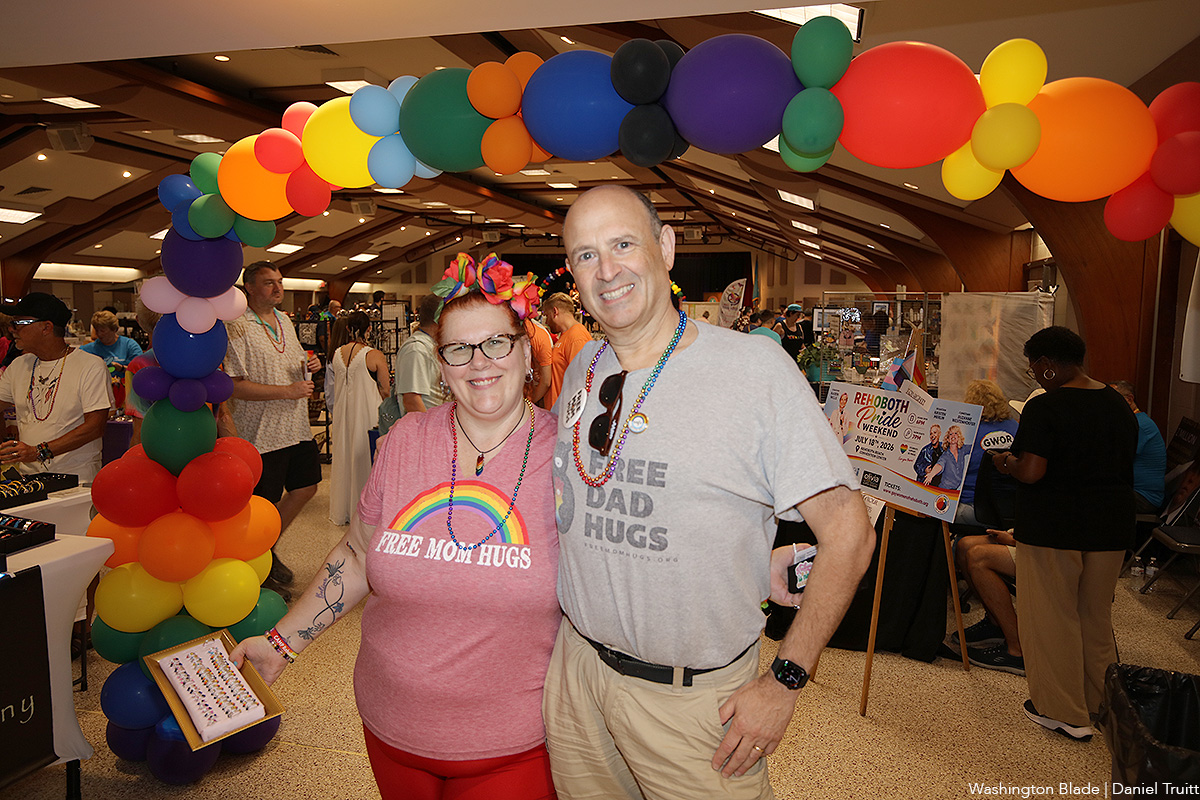
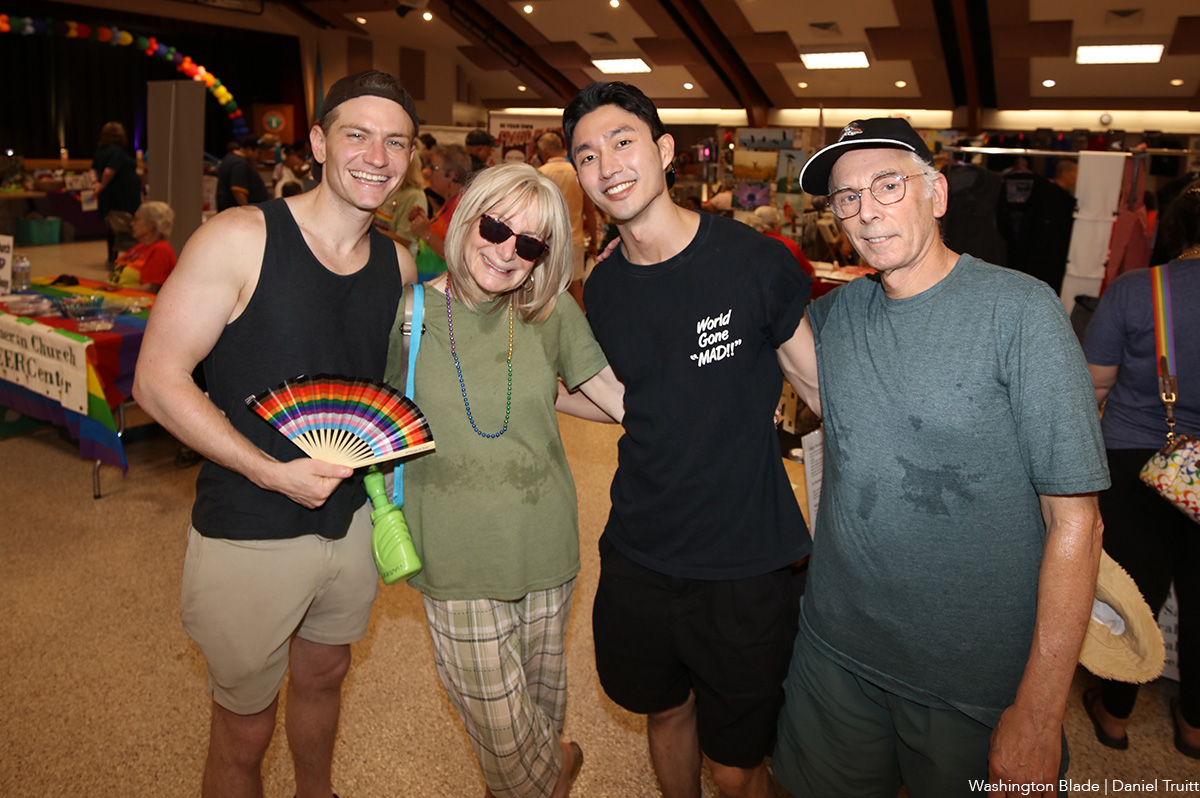
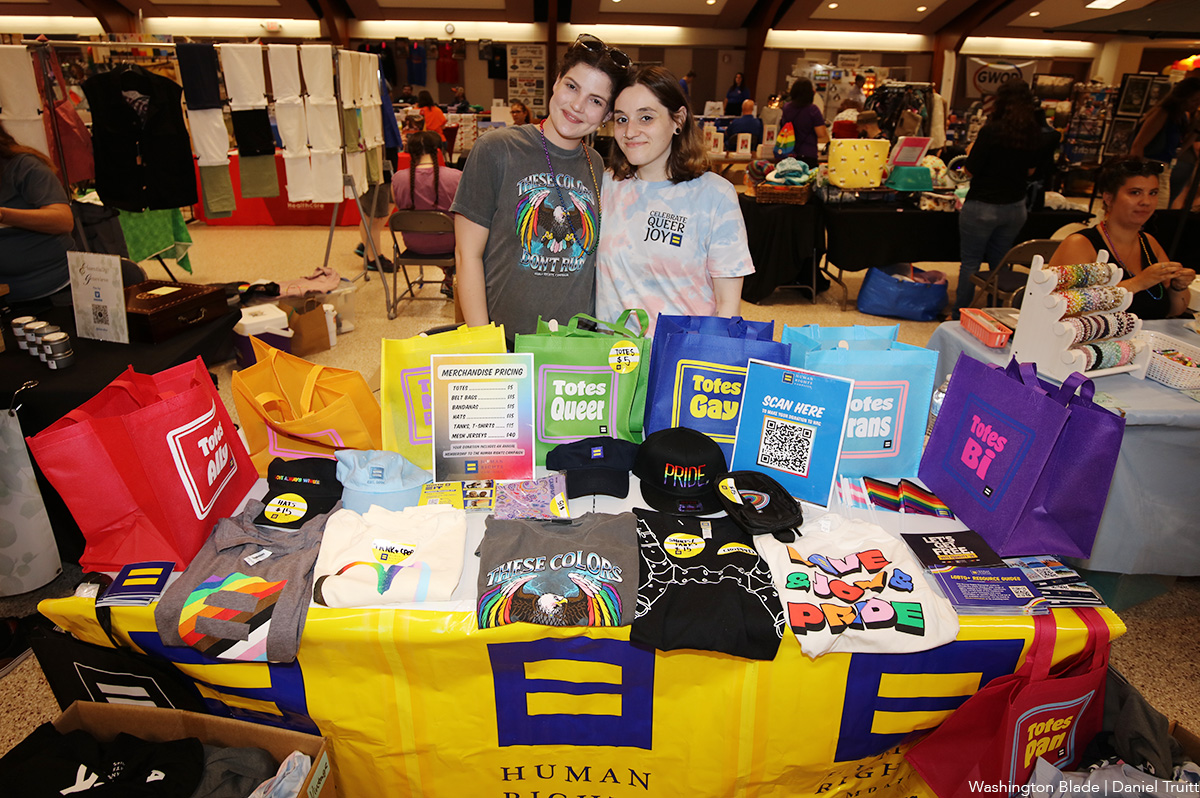
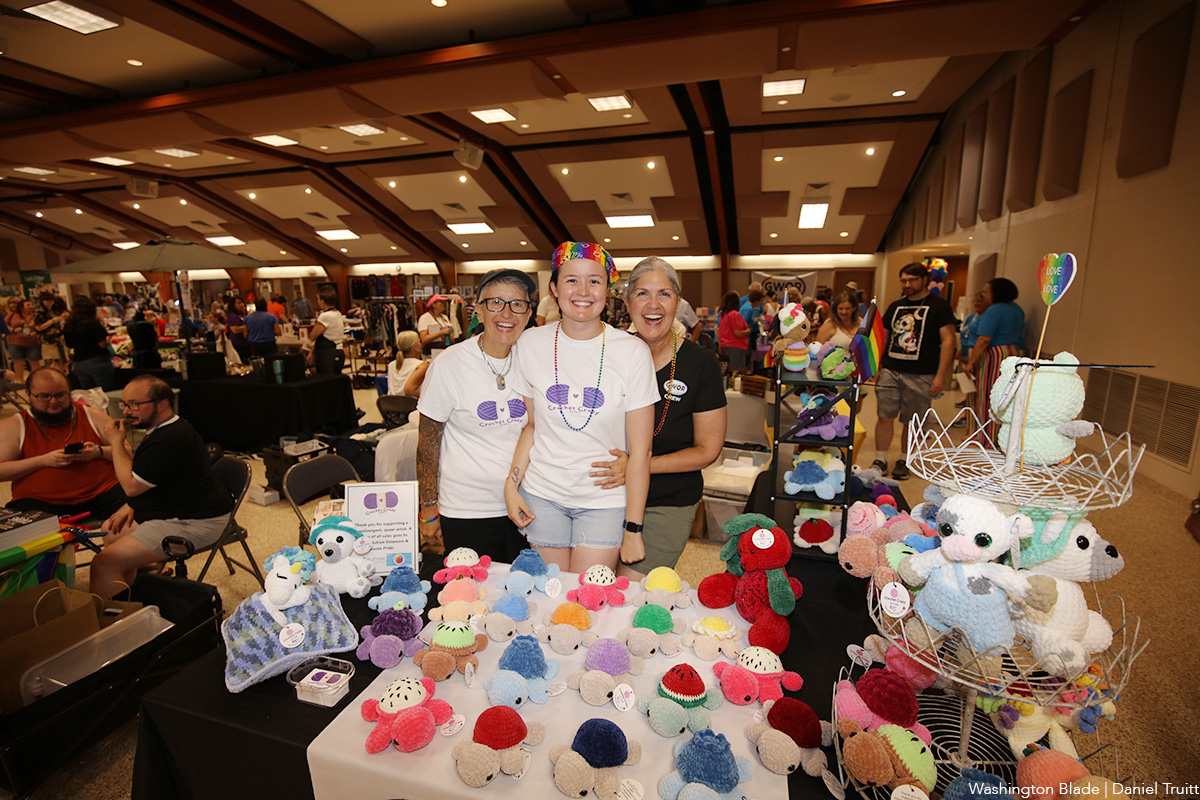
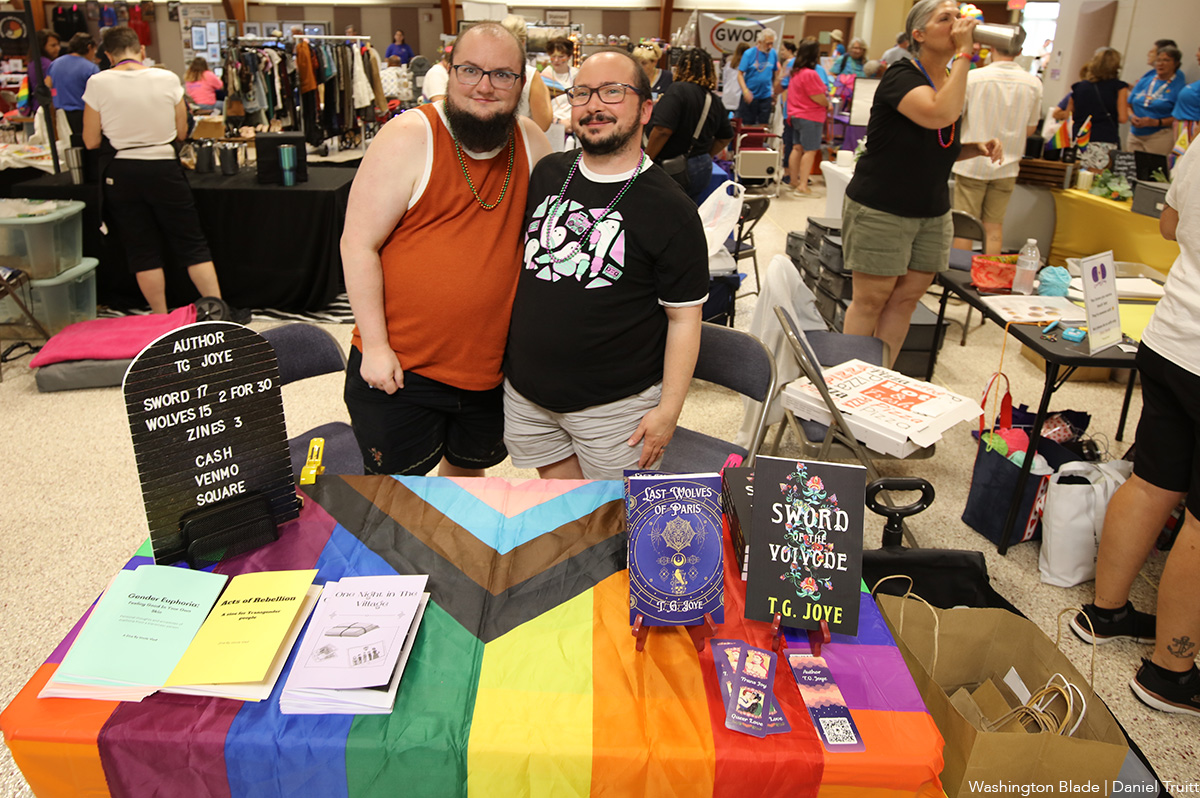
The 2026 Rehoboth Beach Pride Festival was held at the Rehoboth Beach Convention Center on Saturday, July 18.
(Washington Blade photos by Daniel Truitt)






Books
Liza’s book a tale that’s better than most celebrity memoirs
‘Kids, Wait Till You Hear This!’ dishes on marriages, heartbreak

‘Kids, Wait Till You Hear This! My Memoir’
By Liza Minnelli, as told to Michael Feinstein
c.2026, Grand Central
$36/ 421 pages
Twenty feet In front of you, and you can’t see a thing.
Even the closest faces are in shadow – lit, but not quite enough for you to see for sure what the people there are thinking. Still, you can hear them, their gasps, their laughter, and applause. Such is life, on-stage. Now read “Kids, Wait Till You Hear This! My Memoir” by Liza Minnelli, as told to Michael Feinstein, and read about it beyond the spotlight.

Almost from the moment she was born, Liza Minnelli was famous.
It was inevitable: her mother was Judy Garland. Her father was director Vincente Minnelli. Her godparents were Hollywood glitterati, her neighbors were famous, her playmates would be famous someday, too.
But her life wasn’t all starlight and happiness.
She made her stage debut as a toddler. She became her “mother’s caretaker” at age 13.
At 16, she had a growing career of her own – one that her mother tried to stop. But, she says, “In her own way, Mama was wonderful to me. Try understanding – she was my mother, not a movie star…. I knew her as the person who loved me and always would.”
At 19, Minnelli was working, happy, and madly in love with the man who’d become her first husband, and life was wonderful – until she came home one day to find him in their bed with another man. Before they were divorced, she lost her beloved mother, and became “engaged” to two other men simultaneously, neither of which made it to the altar with her.
She married her second husband, the son of one of her mother’s former co-stars, in 1974 but her love affairs and addictions led to a second divorce.
Her third husband was a stage manager.
She doesn’t have much good to say about her fourth, and last, husband.
Overall, she says, “You gotta play the comedy for all it’s worth and leave ‘em laughing. Even when your heart is breaking.”
Are you expecting bluntness, sass, or attitude here? Good, because that’s what you get inside “Kids, Wait Till You Hear This!” It’s strong on honesty and don’t-give-a-flip. It’s wonderfully edited, so it moves fast. It’s eye-opening and funny and a pleasant surprise for a first, and only (so far), memoir.
Even better, author Liza Minnelli (with best friend, Michael Feinstein) is really quite candid and nicely gossipy, starting from the beginning. There are some Hollywood folks, in fact, who are feeling edgy because of what’s inside this book and the secrets spilled. Minnelli and Feinstein seemed to have fun telling her story, and they comfortably lure readers in.
That’s not to say that it’s all a cabaret. Minnelli tells about her addictions and recoveries, her marriages and why she wed two gay men, and the losses she endured, including miscarriages, deaths, and broken relationships. The bad balances well with the good for a tale that’s several notches above most celebrity memoirs. “Kids, Wait Till You Hear This!” is, in fact, a real joy to read, a genuine bright spot.
The Blade may receive commissions from qualifying purchases made via this post.

PHOTOS: Vitamin C at JR.’s

PHOTOS: Rehoboth Beach Pride Festival

Liza’s book a tale that’s better than most celebrity memoirs

Hot hatchbacks: Honda Civic, Subaru Impreza

When buying a home, it’s decisions, decisions, decisions

Expected India Supreme Court ruling could shape future LGBTQ rights cases

Celebrate Pride in Rehoboth Beach this weekend

Christa Tichy hopes to preserve LGBTQ representation in Md. House of Delegates

Advocacy groups join Venezuela earthquake relief efforts

Rehoboth’s Aqua to celebrate 20th anniversary Sunday
-

 India4 days ago
Expected India Supreme Court ruling could shape future LGBTQ rights cases
-
Rehoboth Beach4 days ago
Celebrate Pride in Rehoboth Beach this weekend
-
Maryland4 days ago
Christa Tichy hopes to preserve LGBTQ representation in Md. House of Delegates
-
Venezuela4 days ago
Advocacy groups join Venezuela earthquake relief efforts