Arts & Entertainment
Live ‘Netflix Is a Joke’ Fest to include LGBTQ comedy night
Netflix is getting ready to step off your screens and onto a live stage, and it’s bringing a host of your favorite LGBTQ talent with it.
Don’t panic – Netflix isn’t going off the air. The company announced on Monday that it will present the first ever Netflix Is a Joke Fest, a live comedy festival inspired by the streaming giant’s popular YouTube channel, in Los Angeles this spring.
It’s the first time Netflix has ventured into the business of live events, and, in keeping with the content provider’s brand, it looks like the watchword is variety. There’s something for everyone in the line-up, which will perform from April 27 – May 3 across twenty different venues in LA, including iconic spots like the Hollywood Bowl, the Greek Theatre, and the Hollywood Palladium. Among the big names scheduled to participate are stars like Dave Chappelle, Chris Rock, David Letterman, Amy Schumer, and Chelsea Handler; even “Grace and Frankie” stars Jane Fonda and Lily Tomlin will be on hand, to host a special evening of all-female comics.
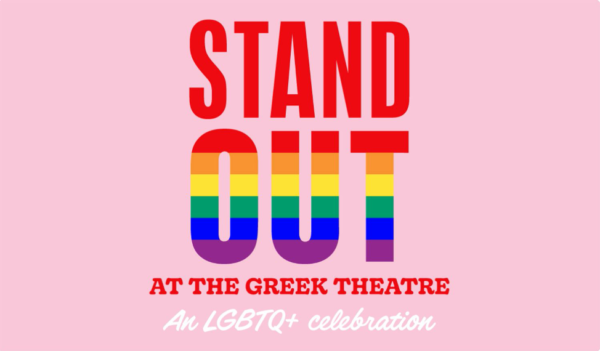
Another of the fest’s event’s that will be of particular interest to LGBTQ comedy fans is Stand Out: An LGBTQ+ Celebration, a stand-up showcase featuring a massive list of out and proud queer performers.
Alan Carr, Hannah Gadsby, Margaret Cho, Rosie O’Donnell, Sandra Bernhard, and Wanda Sykes are scheduled as the evening’s headliners, but there’s also a slew of additional talent on hand: Bianca Del Rio, Fortune Feimster, Gina Yashere, Guy Branum, James Adomian, Joel Kim Booster, Judy Gold, Lea DeLaria, Mae Martin, Marsha Warfield, Matteo Lane, Patti Harrison, Rhea Butcher, Sam Jay, Scott Thompson, Solomon Georgio, and Trixie Mattel – all of these be featured, with Demi Lovato, Graham Norton, and Ruby Rose included among the presenters.
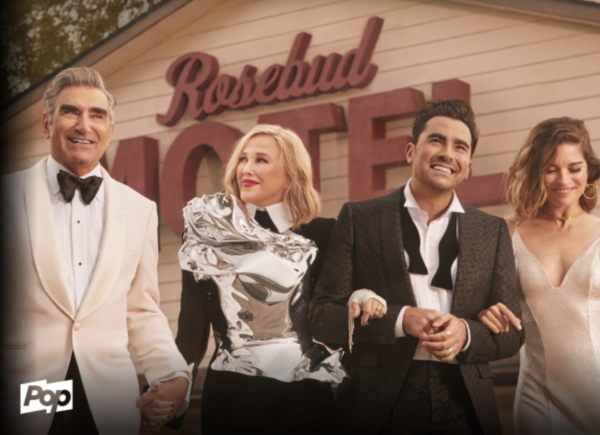
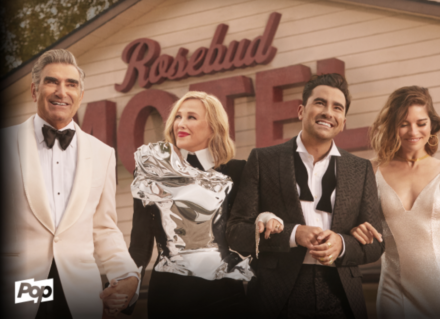
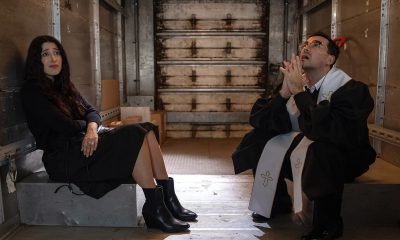
On top of all that, the evening will also include a visit from the cast of a groundbreaking LGBTQ fan-favorite TV show, as “Schitt’s Creek: The Farewell Tour” brings the Rose family themselves (or at least, the beloved comedic giants who play them) onstage to “present a live and interactive evening that gives fans an insider’s look into the making of the series.”
According to Netflix, the evening of queer comedy will be “an unforgettable and unprecedented stand-up event… With special celebrity guests and surprise musical performances, you’re not gonna wanna miss this once in a lifetime show.”
Stand Out: An LGBTQ+ Celebration is set to happen on May 1 at the Greek Theatre in LA – but don’t let your FOMO get the best of you if you can’t be there. The show is scheduled to be taped and will presumably be available for streaming on the network at a later date.
The Netflix Is a Joke Fest itself runs April 27 – May 3, with tickets going on sale March 6.



a&e features
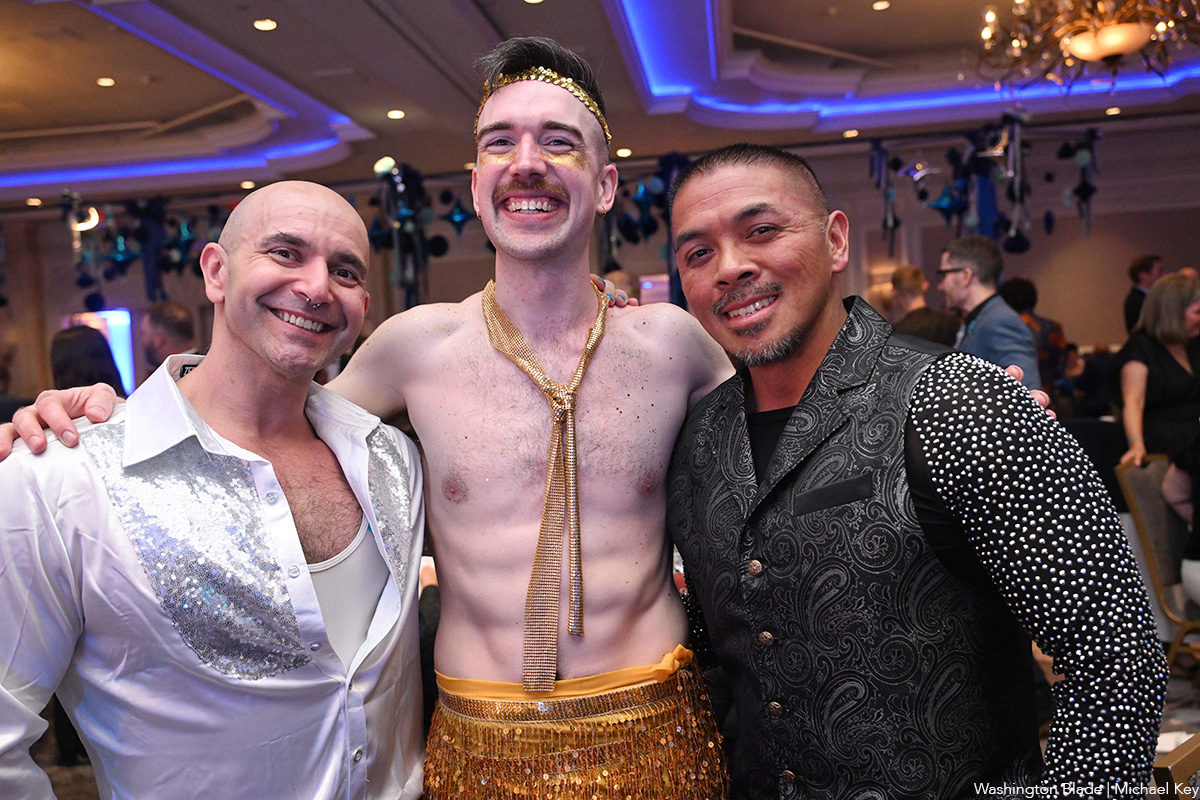
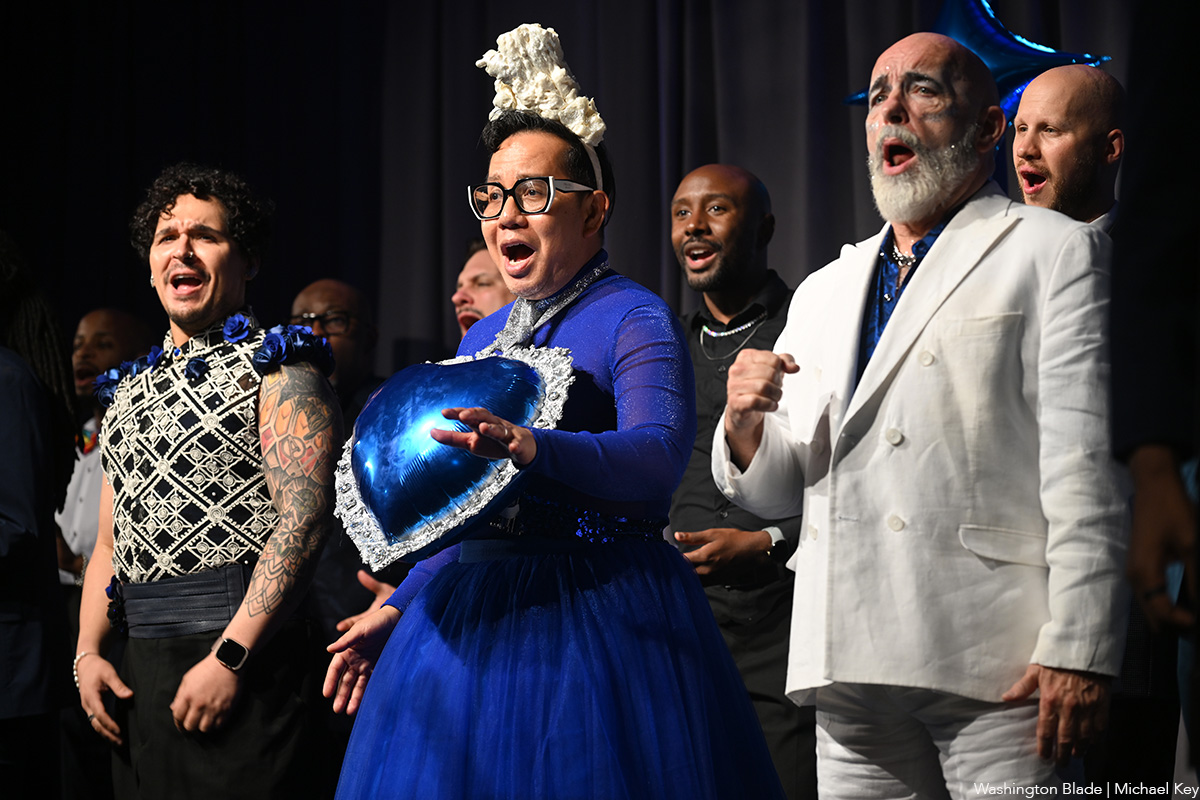
Gay Men’s Chorus celebrates 45 years at annual gala
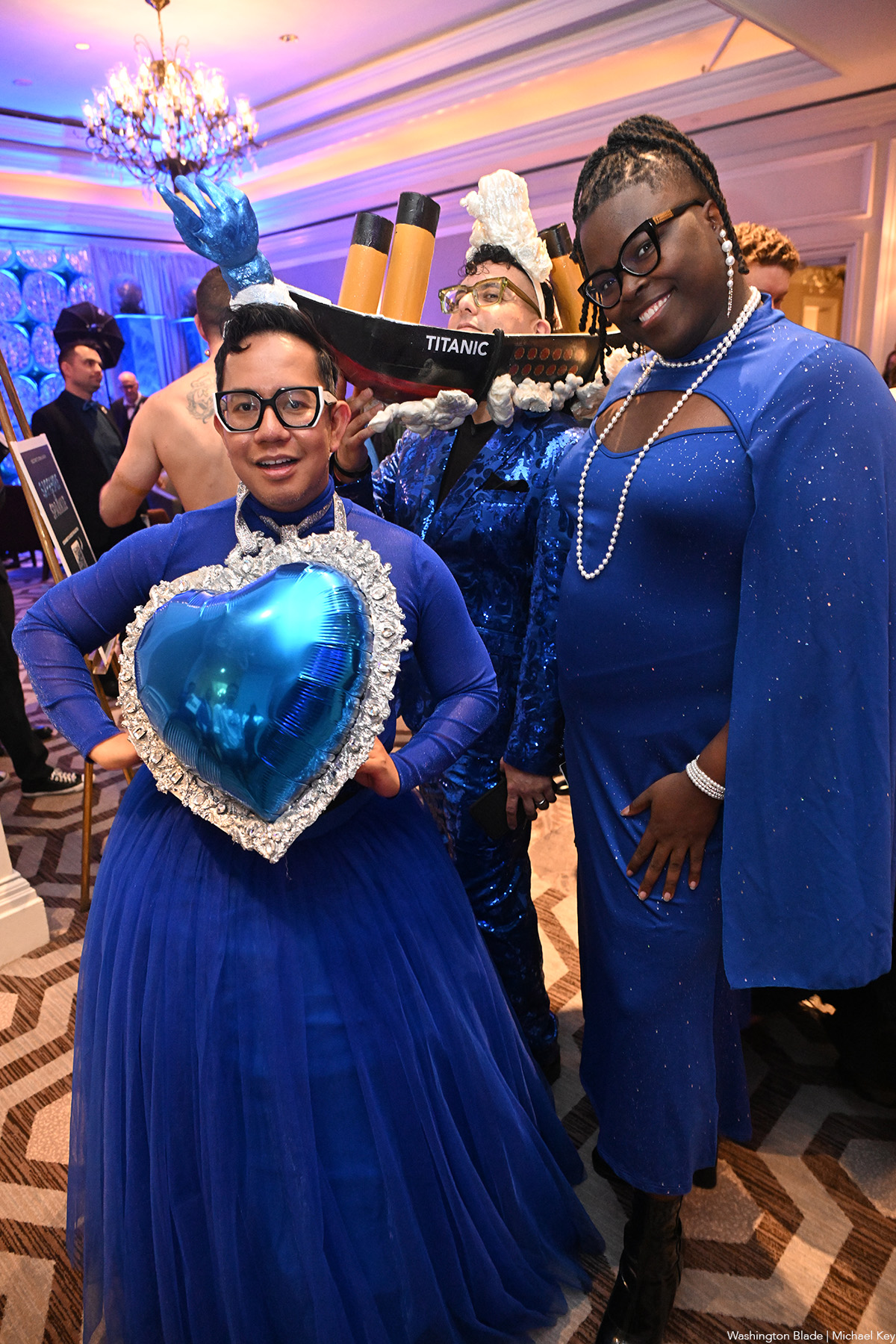
‘Sapphire & Sparkle’ Spring Affair held at the Ritz Carlton
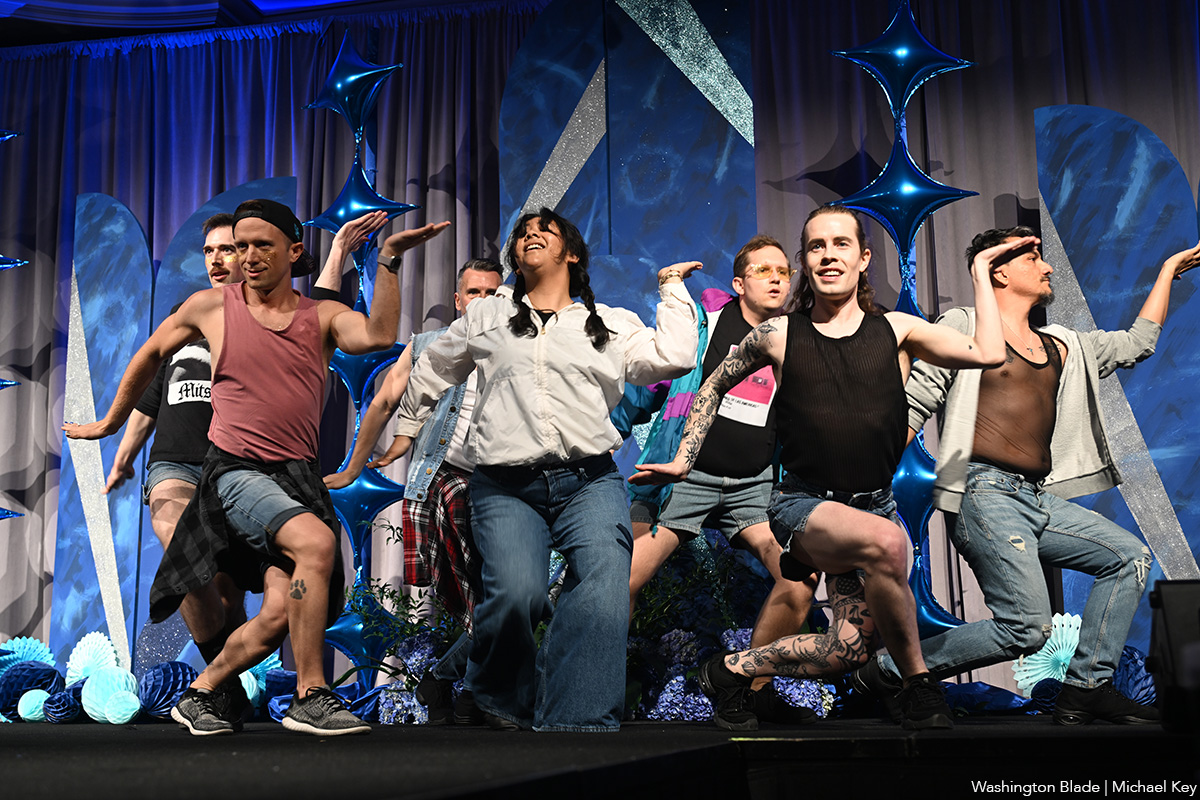
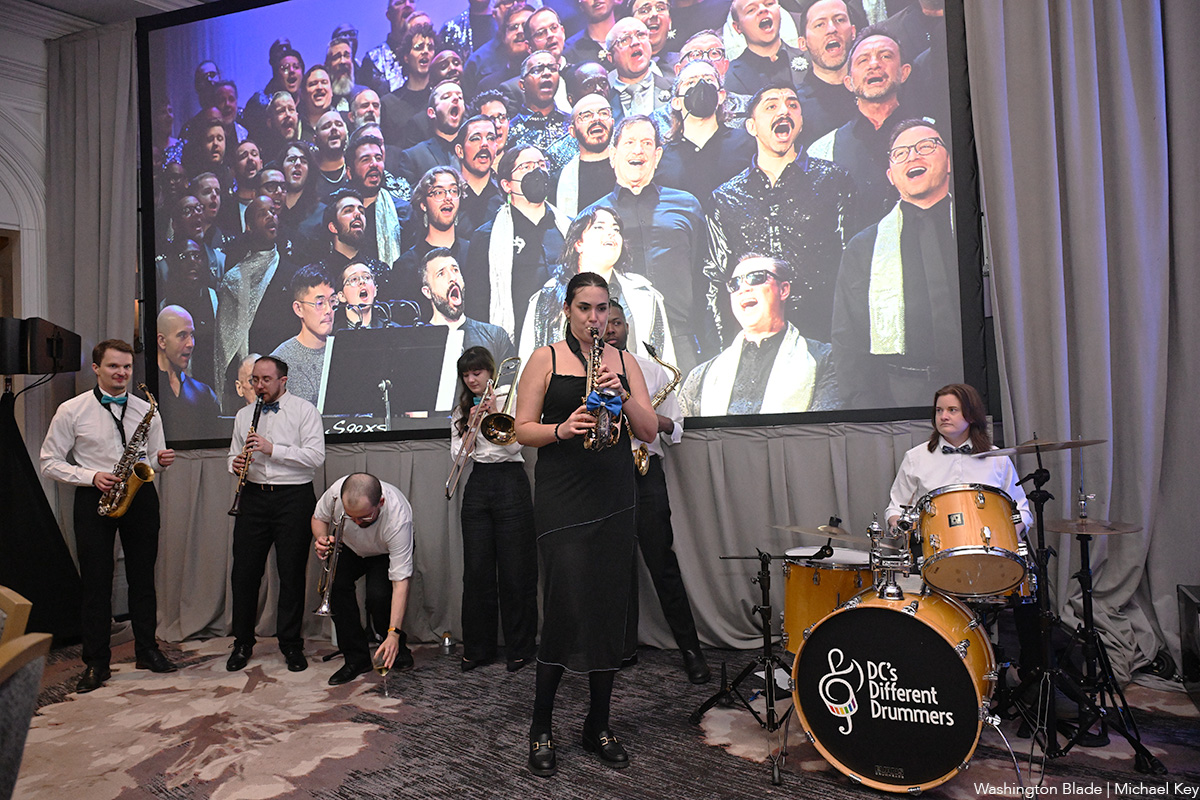
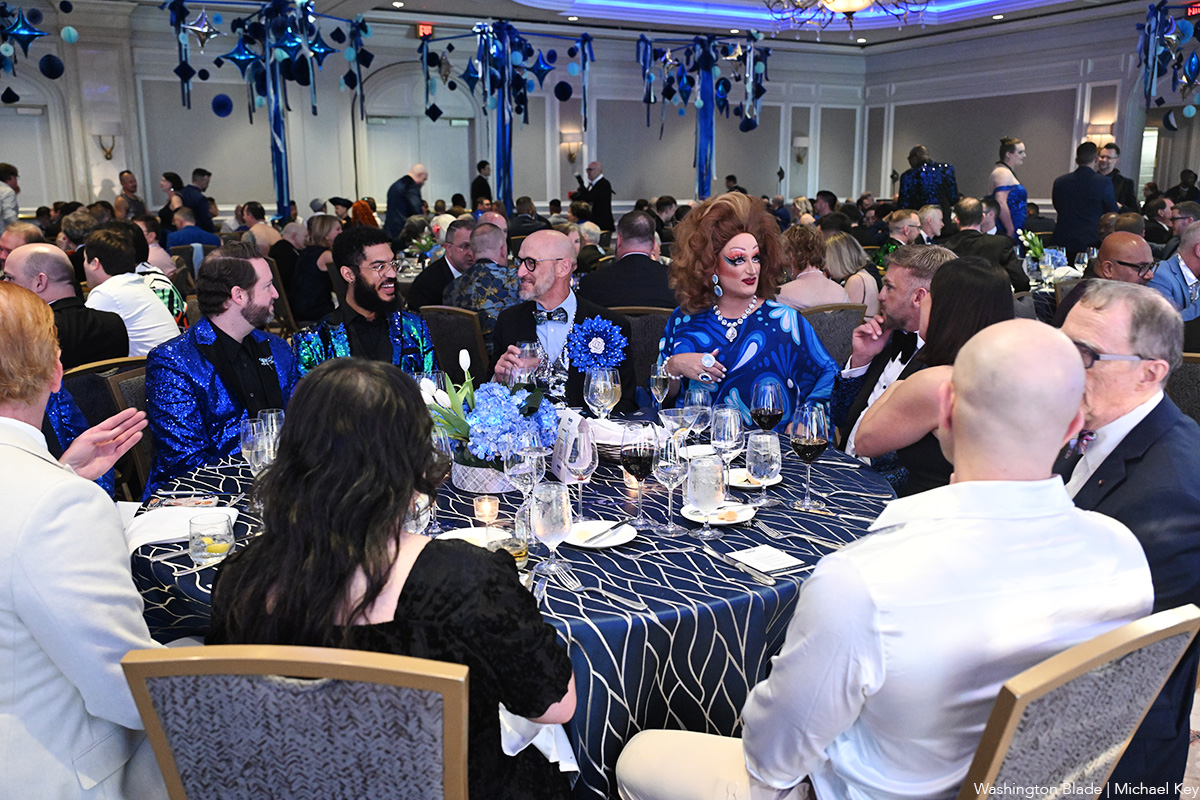
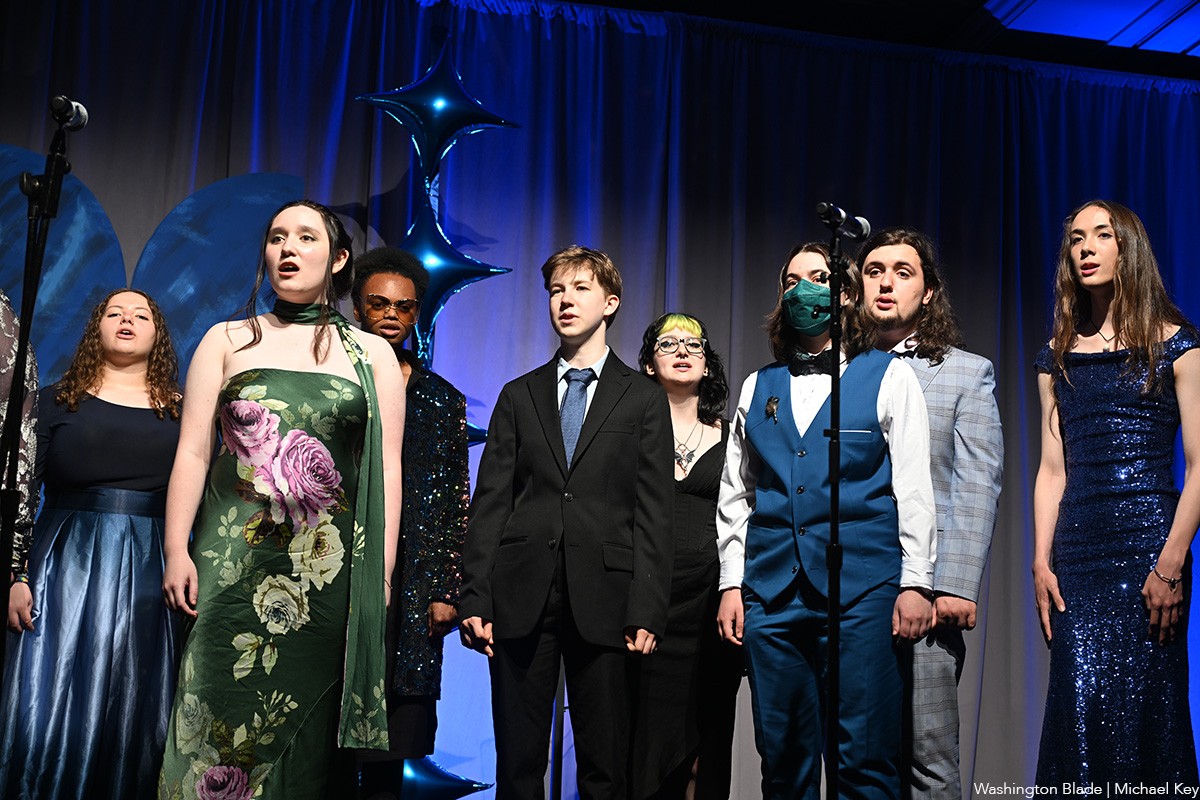
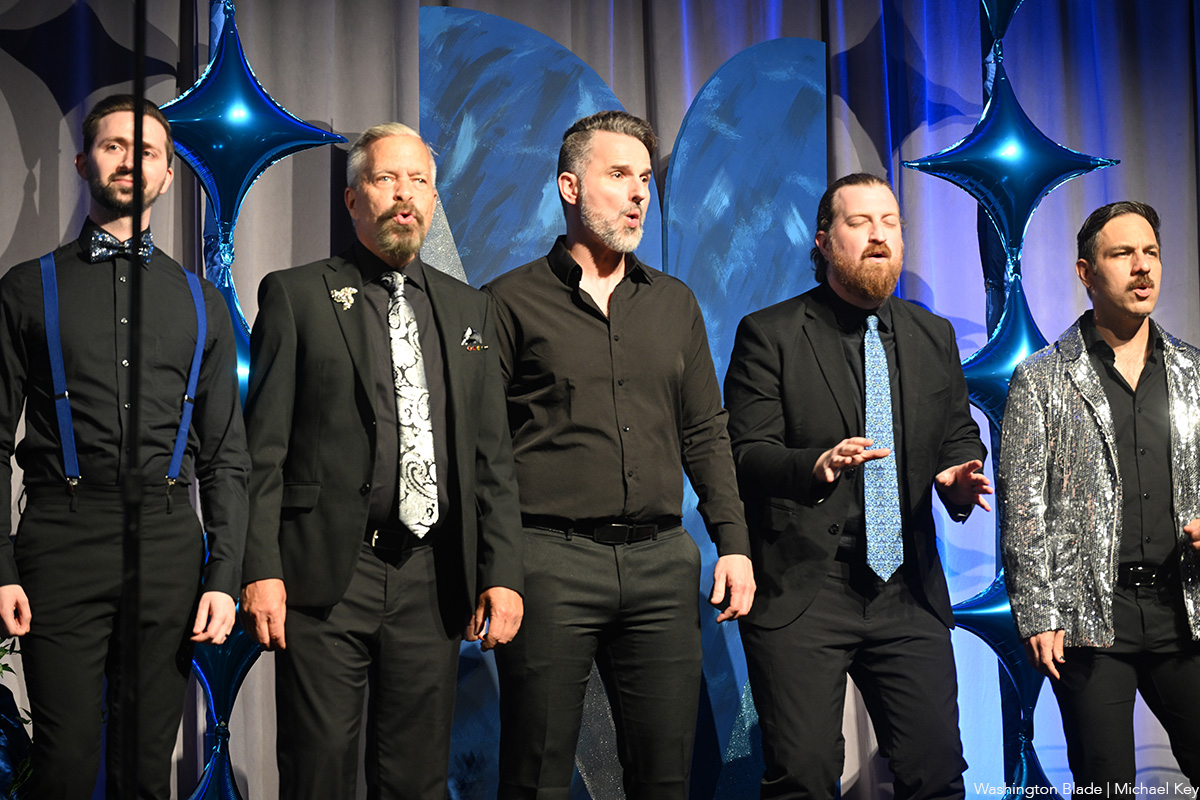
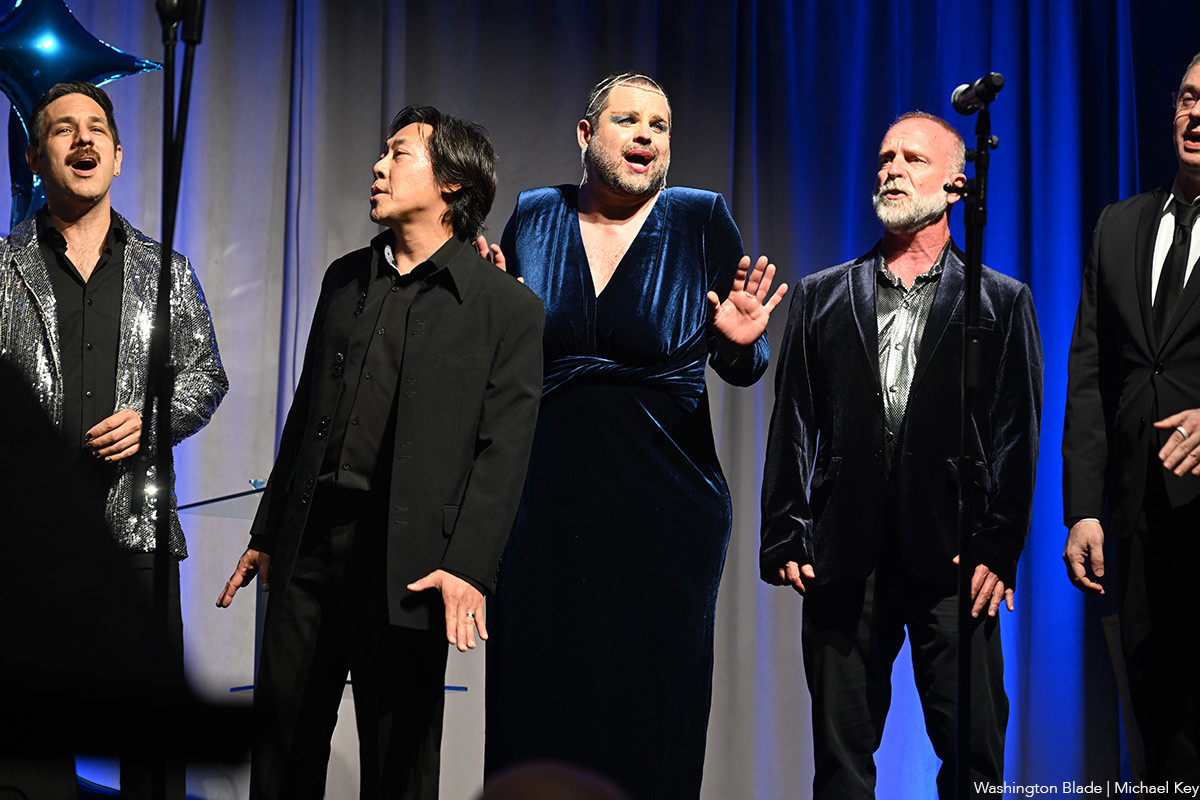
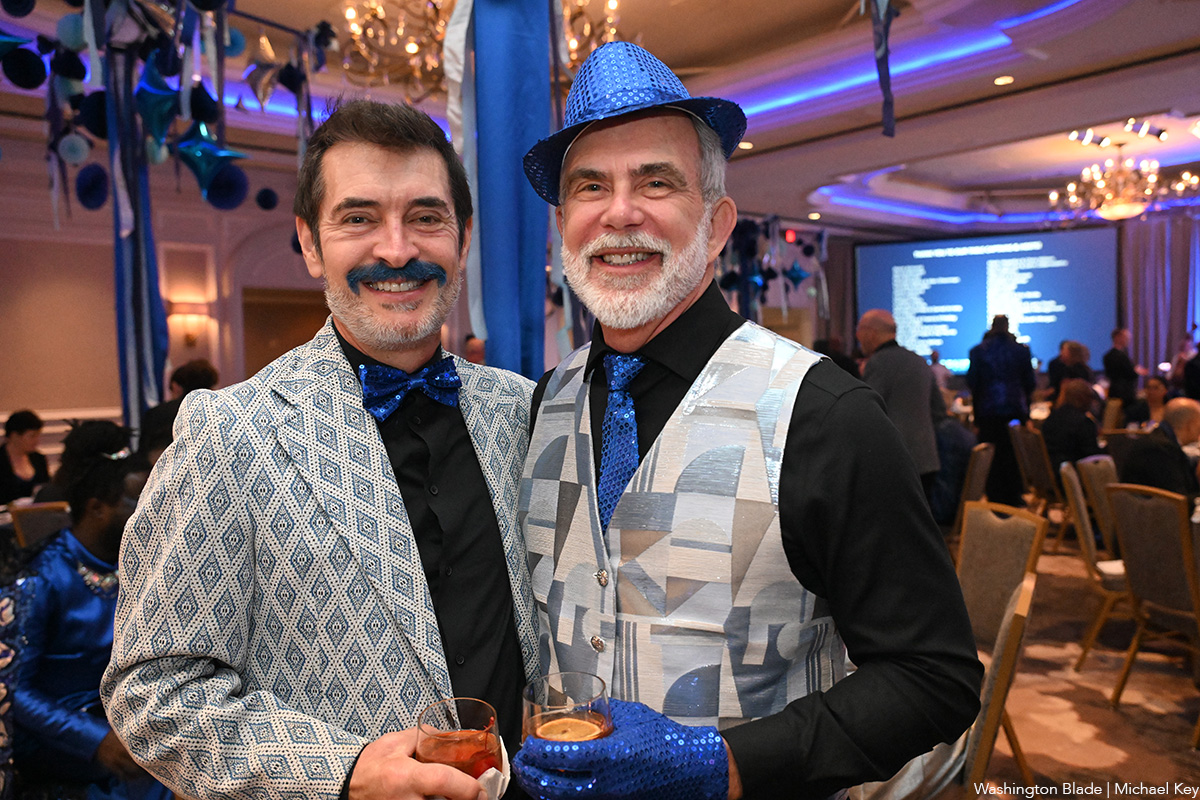
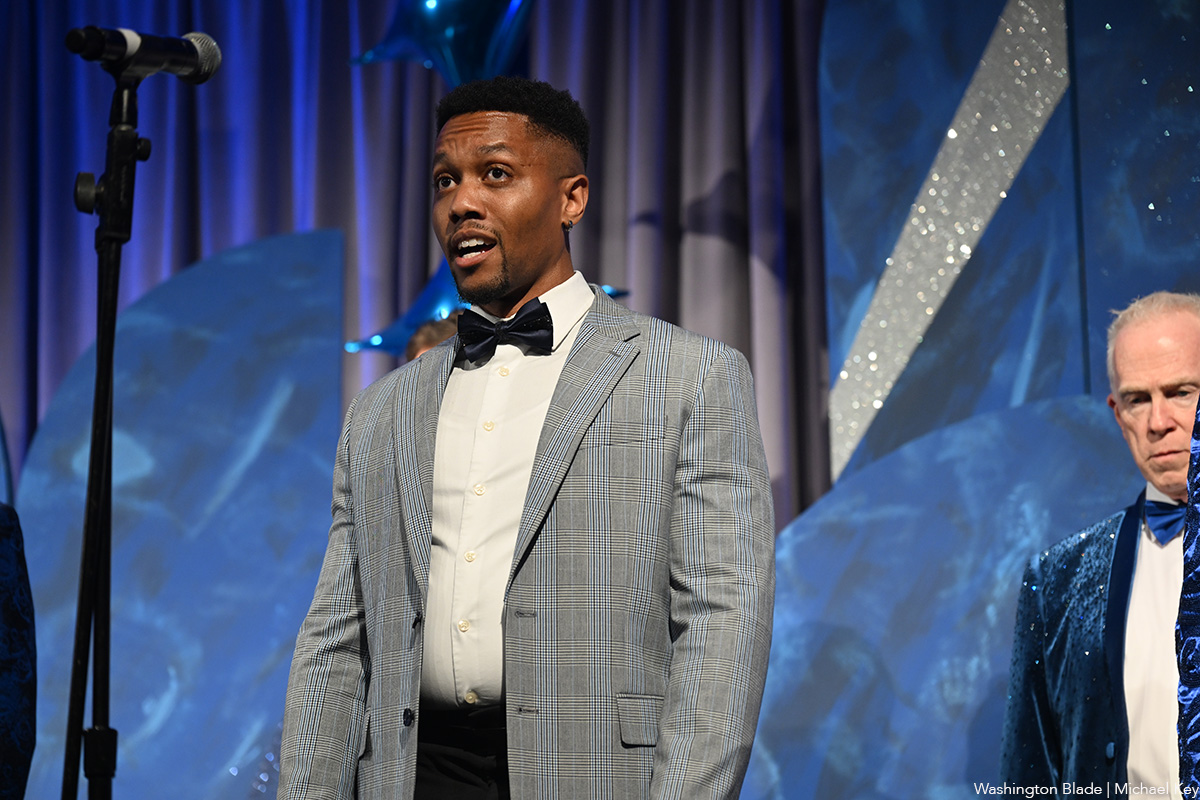
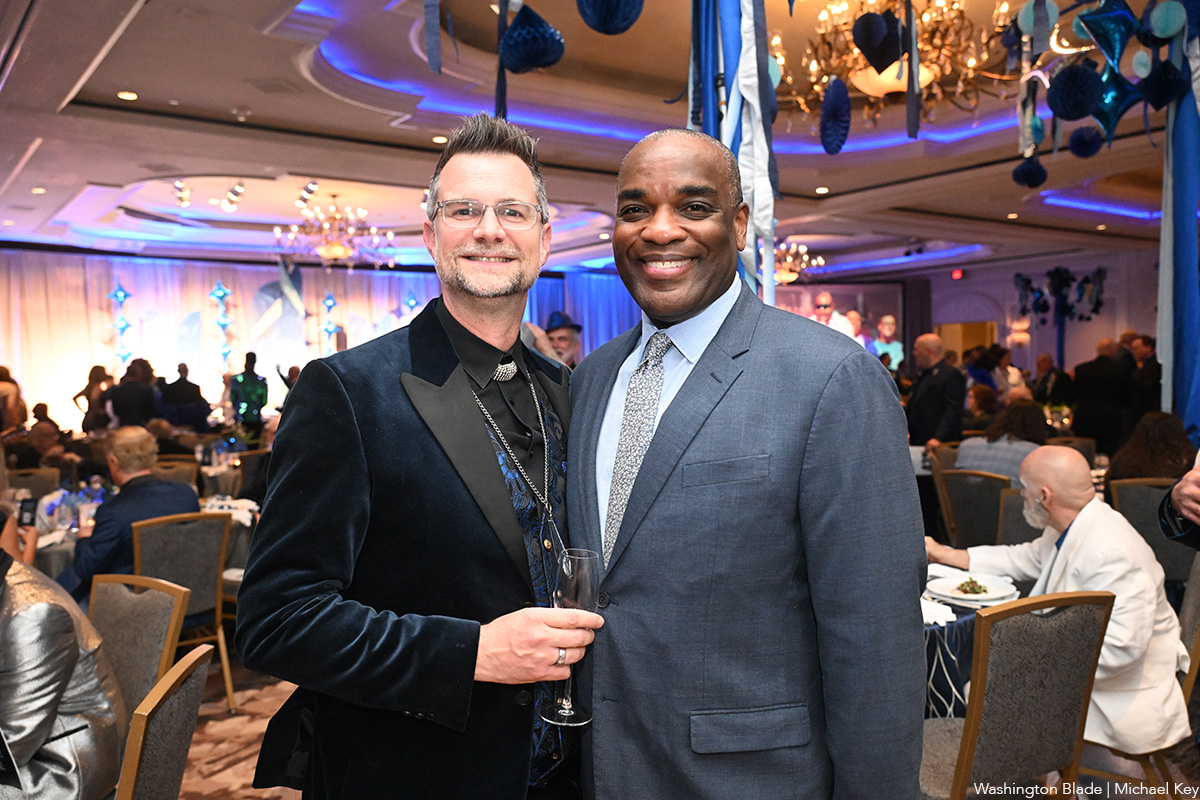
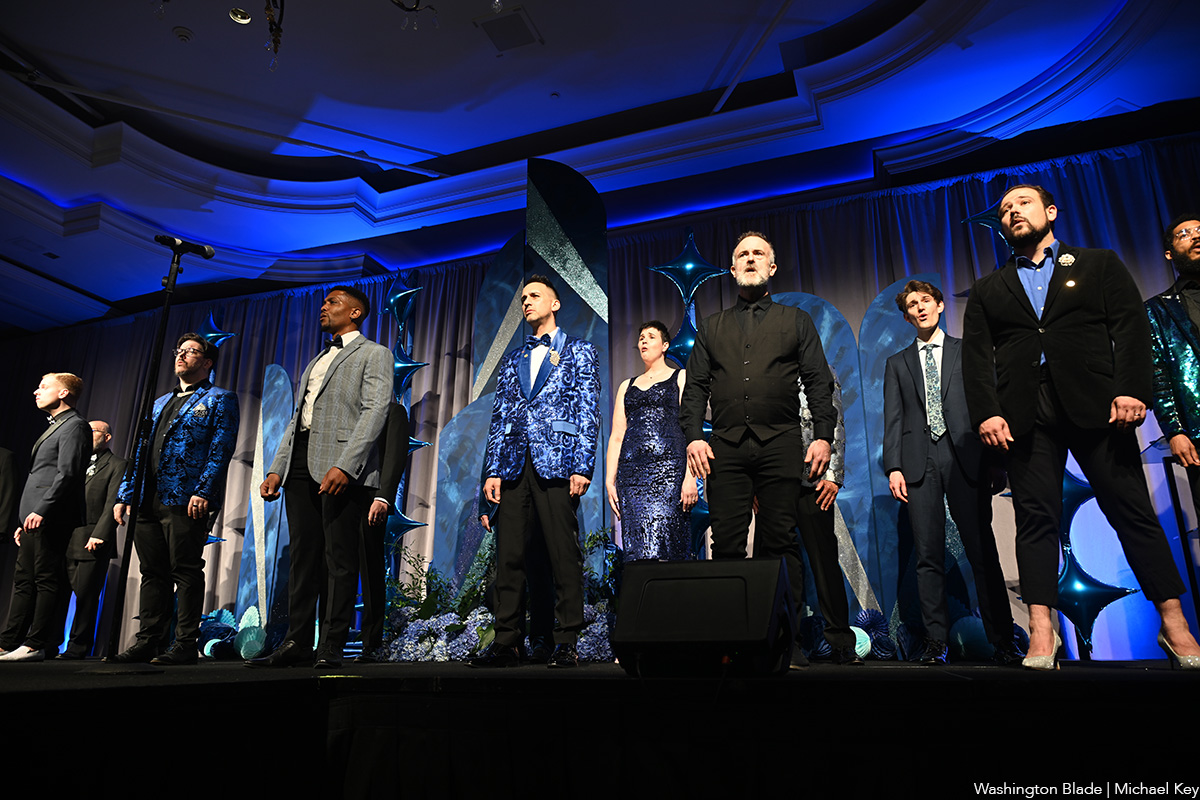
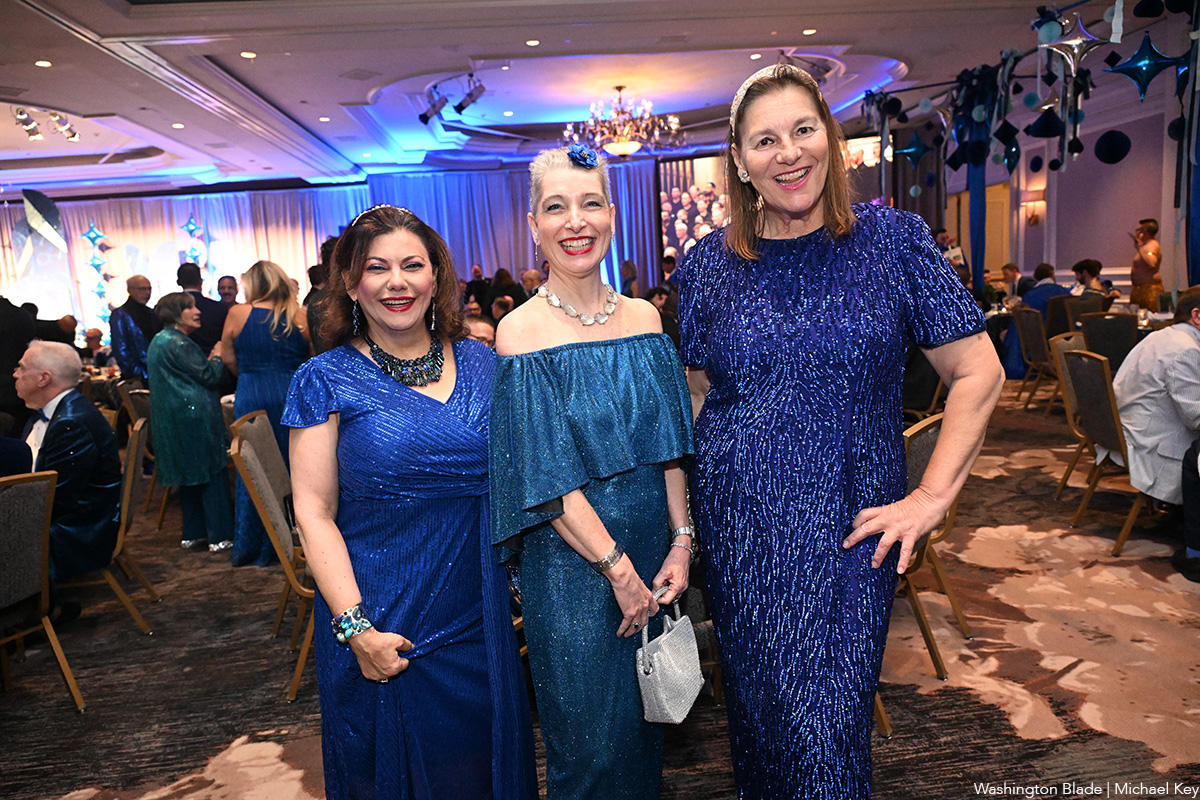
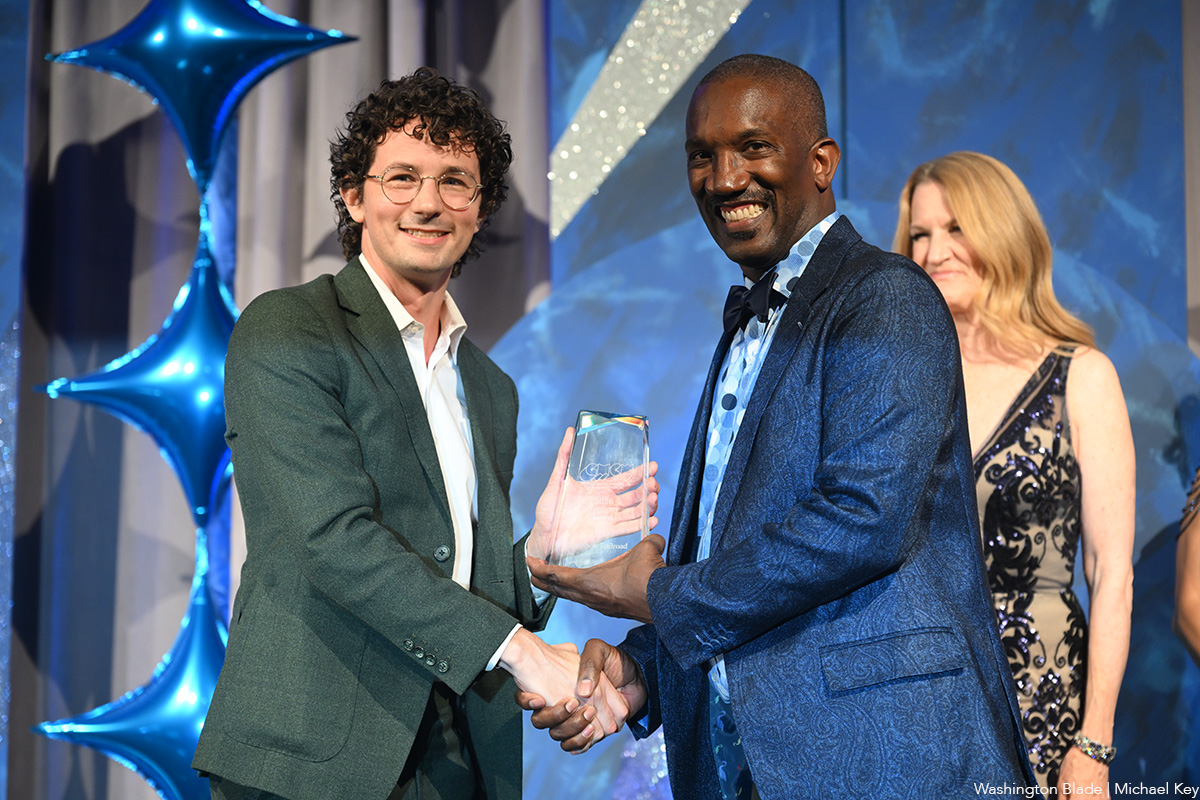
The Gay Men’s Chorus of Washington held the annual Spring Affair gala at the Ritz Carlton Washington, D.C. on Saturday. The theme for this year’s fete was “Sapphire & Sparkle.” The chorus celebrated 45 years in D.C. with musical performances, food, entertainment, and an awards ceremony.
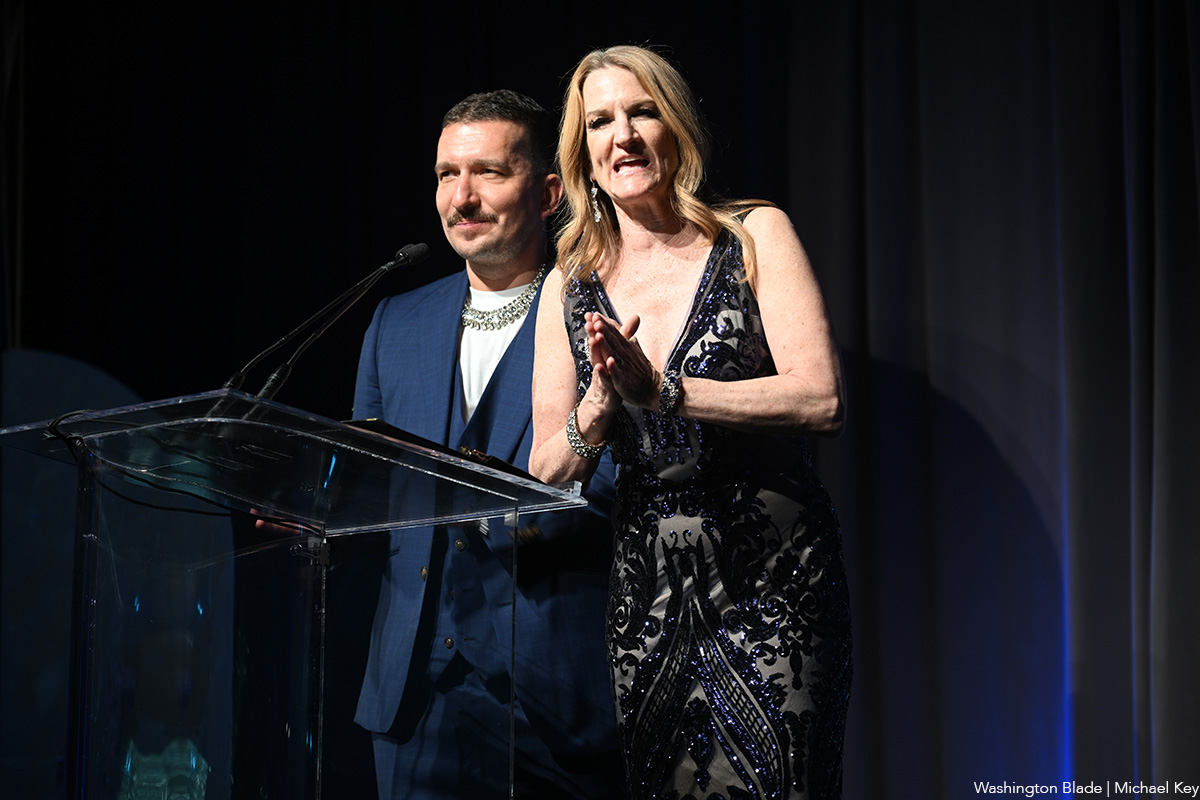
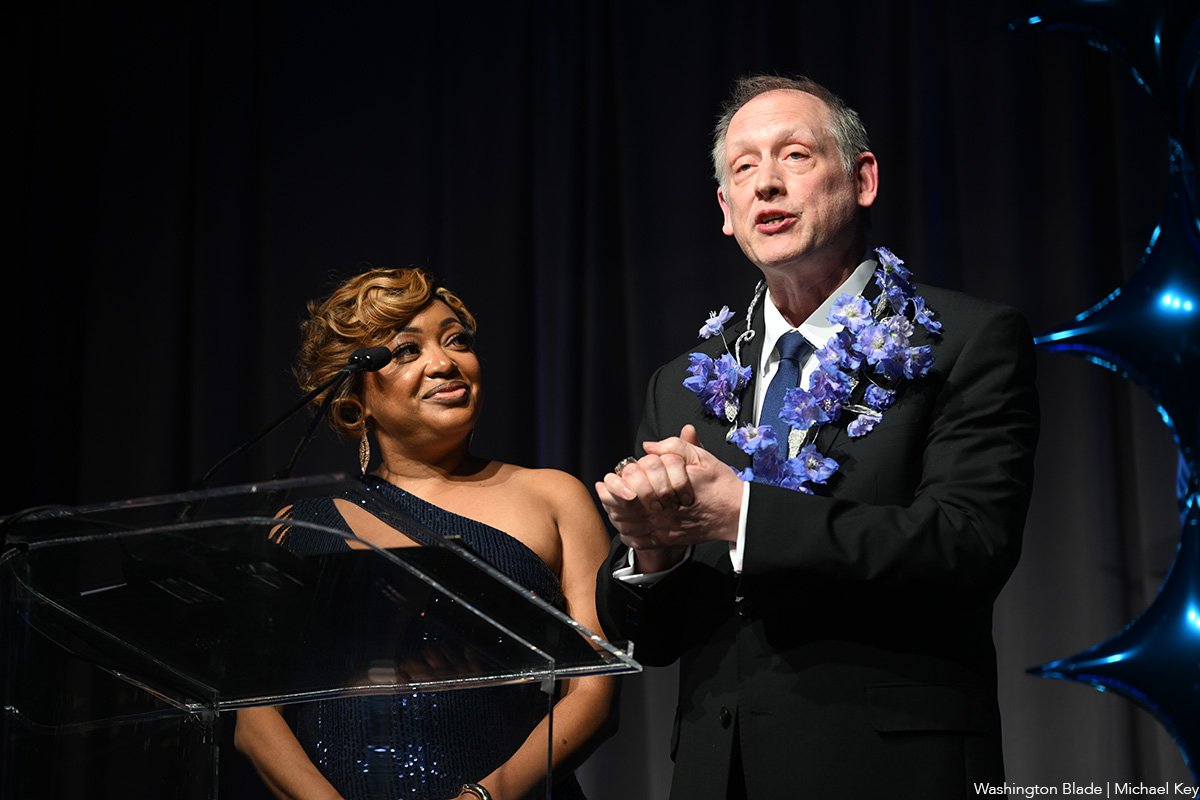
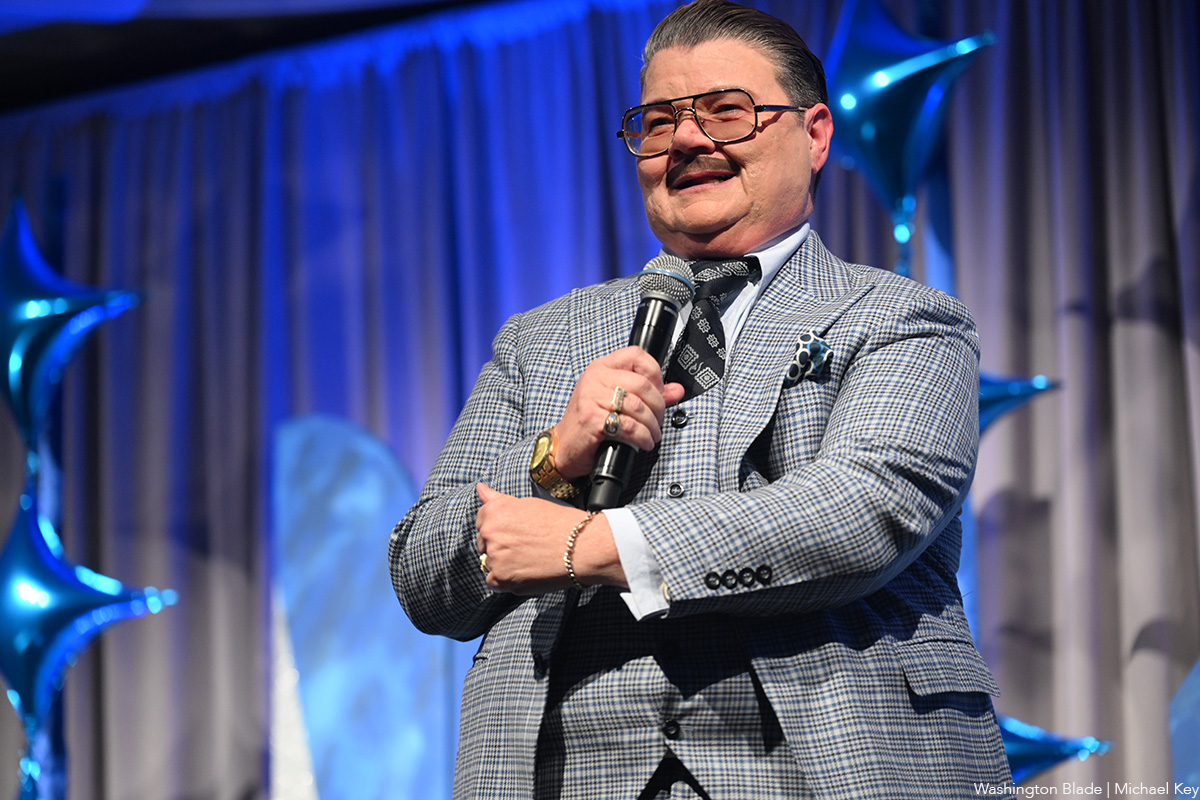
Gay Men’s Chorus of Washington Executive Director Justin Fyala and Artistic Director Thea Kano gave welcoming speeches. Opening remarks were delivered by Spring Affair co-chairs Tracy Barlow and Tomeika Bowden. Uproariously funny comedian Murray Hill performed a stand-up set and served as the emcee.
There were performances by Gay Men’s Chorus of Washington groups Potomac Fever, 17th Street Dance, the Rock Creek Singers, Seasons of Love, and the GenOUT Youth Chorus.
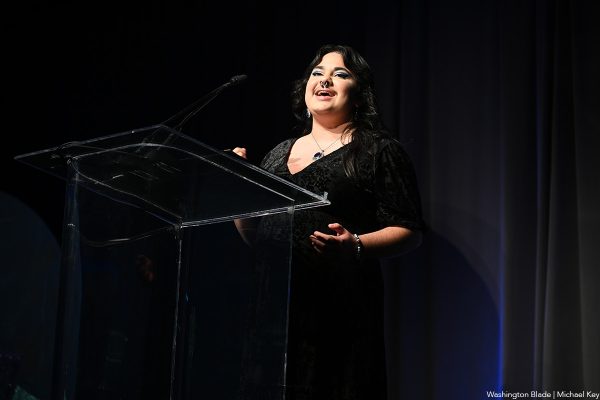
Anjali Murthy, a member of the chorus and a graduate of the GenOUT Youth Chorus, addressed the attendees of the gala.
“The LGBTQ+ community isn’t bound by blood ties: we are brought together by shared experience,” Murthy said. “Being Gen Z, I grew up with Ellen [DeGeneres] telling me through the TV screen that it gets better: that one day, it’ll all be okay. The sentiment isn’t wrong, but it’s passive. What I’ve learned from GMCW is that our future is something we practice together. It exists because people like you continue to show up for it, to believe in the possibilities of what we’re still becoming”
The event concluded with the presentation of the annual Harmony Awards. This year’s awardees included local drag artist and activist Tara Hoot, the human rights organization Rainbow Railroad as well as Rocky Mountain Arts Association Executive Director, Dr. Chipper Dean.
(Washington Blade photos and videos by Michael Key)
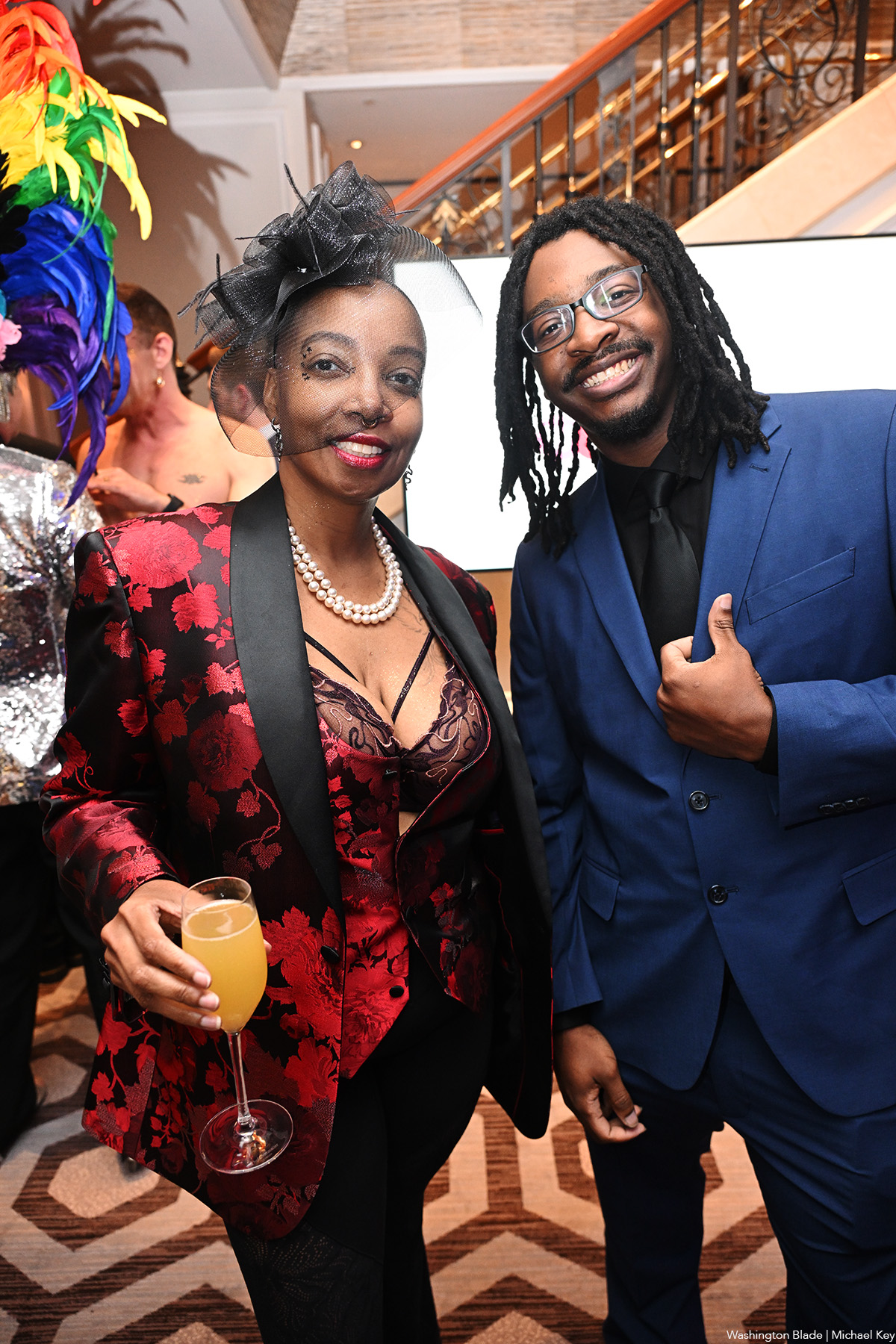











Equality Prince William Pride was held at the Harris Pavilion in Manassas, Va. on Saturday, May 16.
(Washington Blade photos by Landon Shackelford)


Photos
PHOTOS: Blade Summer Kickoff Party
Ashley Biden accepts award for Beau Biden at annual Rehoboth fundraiser

The 19th annual Blade Foundation Summer Kickoff Party was held on Friday, May 15 at Diego’s in Rehoboth Beach, Del. An award presentation was held for former Delaware Attorney General Beau Biden. Ashley Biden accepted the award on her brother’s behalf and gave remarks. Other speakers included Delaware state Rep. Claire Snyder-Hall, CAMP Rehoboth Executive Director Dr. Robin Brennan and Washington Blade Editor Kevin Naff. The event was a fundraiser for the Steve Elkins Memorial Fellowship in Journalism.
(Washington Blade photos by Daniel Truitt)


Iran war causes condom shortage in India

U.S. attorney nominee confirmed despite anti-LGBTQ history, no trial experience

Vt. lawmaker equates transgender identity with bestiality

Gay Men’s Chorus celebrates 45 years at annual gala

BREAKING NEWS: Barney Frank dies at 86

Disillusioned about democracy? Think of it as a community garden

Honey, have we been priced out of gay paradise?

IDAHOBiT a reminder we all must stand up against transphobia

PHOTOS: Blade Summer Kickoff Party