Arts & Entertainment
SPRING ARTS 2020: Galleries galore
David Amoroso, Delita Martin, Volkmar Wentzel among artists in current exhibitions
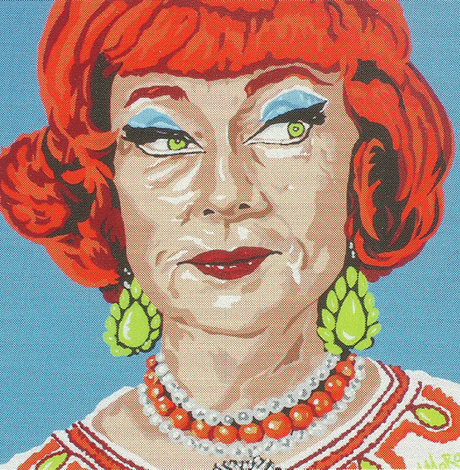
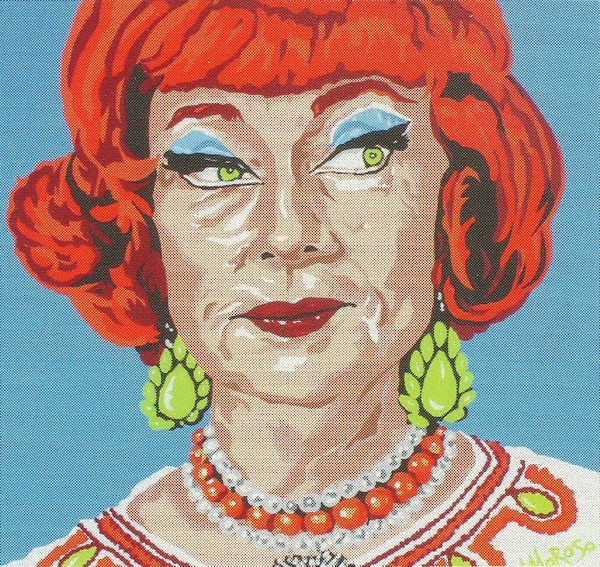
Local gay artist David Amoroso pays homage to ’70s TV with his exhibit “Raised by TV” at Artists & Makers Studios (11810 Parklawn Dr., Rockville, Md.) featuring paintings of Agnes Moorehead (“Bewitched”), Florence Henderson (“The Brady Bunch”), Fred Rogers (“Mister Rogers’ Neighborhood”), Bea Arthur (“Maude”), the cast of “The Jeffersons,” the cast of “Charlie’s Angels,” Carol Burnett, Jean Stapleton (“All in the Family”), Mary Tyler Moore and more. The exhibit runs through March 26. Amoroso also displays his work in the back room at Miss Pixie’s.
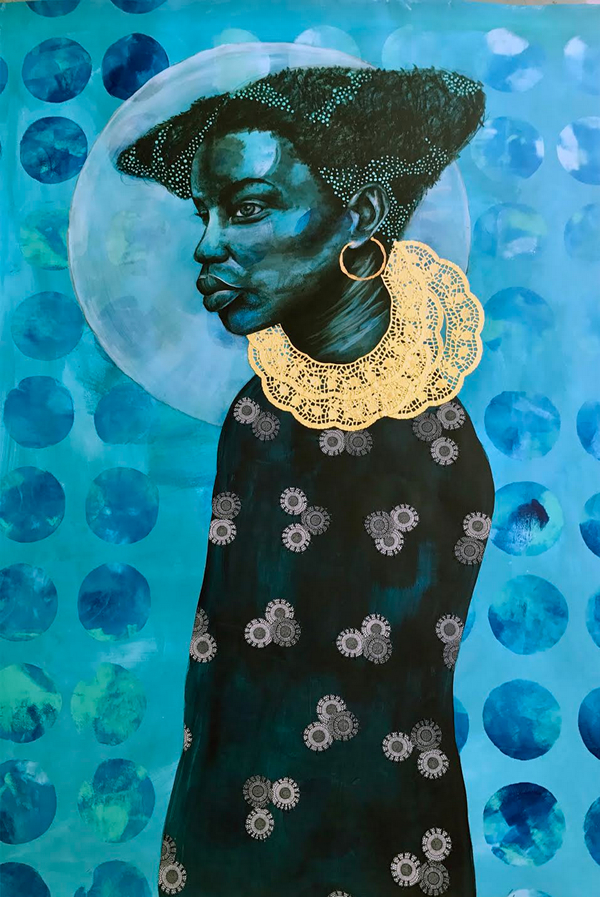
The Teresa Lozano Long Gallery of the National Museum of Women in the Arts (1250 New York Ave., N.W.) displays “Delita Martin: Calling Down the Spirits” through April 19. This exhibit contains seven large prints of black individuals, which Martin created and decorated using a variety of means in order to “create a new iconography for African Americans based on African tradition, personal recollections and physical materials.” Admission is $10 for adults, with discounts for students and seniors. Members and those 18 and under enter free.
The American University Museum at the Katzen Art Center (4400 Massachusetts Ave., N.W.) exhibits both the paintings of late AU Professor Emeritus Robert Franklin Gates (in a showing titled “Paint What You See”) and the work of late National Geographic photographer Volkmar Wentzel through May 24. The AU Museum is open to the public and admission is free.
The National Gallery of Art (6th and Constitution Ave., N.W.) hosts “True to Nature: Open-Air Painting in Europe, 1780–1870” through May 3 in the inner tier of the ground floor of its West Building. This exhibit features around 100 oil sketches of landscapes across Europe, created by artists among the likes of Jean-Baptiste-Camille Corot, John Constable, Simon Denis, Jules Coignet and André Giroux. Admission is free.
CulturalDC presents “Rendition” by Zoë Charlton at CulturalDC’s Mobile Art Gallery in Union Market (5th and Neal St., N.E.) through March 22. According to CulturalDC, this collection of sculptures and assorted artwork “addresses cultural identity, race, commodity and cultural tokenism.” Admission is free.
The Phillips Collection (1600 21st St., N.W.) showcases “Moira Dryer: Back in Business” through April 19, describing the assortment of paintings and sculptures as “the first comprehensive museum exhibition to consider the early work of Moira Dryer.” Admission to this exhibit and other ticketed exhibits is $12 for adults, with discounts for students and seniors. Museum members and those 18 and under enter free.
Zenith Gallery’s Upper Northwest Gallery (1429 Iris St., N.W.) displays “Carl Alexander: The Last Washington Color School Painter” through March 21, on which day a closing reception will be held from 2-6 p.m. Alexander studied under famous artist Morris Louis as an early member of the Washington Color School movement, which went on to become world-renowned. Admission is free.
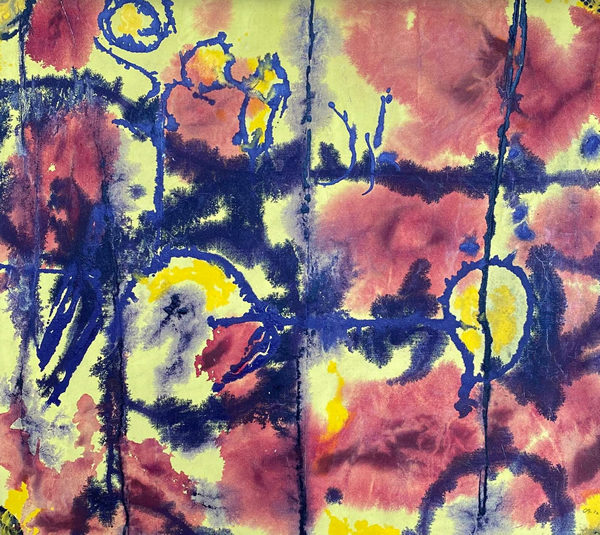
Hillwood Museum (4155 Linnean Ave., N.W.) exhibits “Natural Beauties: Exquisite Works of Minerals and Gems” through June 7. The items presented in this showing “are crafted from materials like jade, agate, onyx, rock crystal, amethyst, jasper, malachite and lapis lazuli.” Suggested donation is $18 for adults, with lesser amounts requested of seniors, college students and children ages 6-18. Children under 6 and Hillwood members are not asked to donate.
The National Gallery of Art (6th and Constitution Ave., N.W.) hosts “Raphael and His Circle” through June 14 in Gallery 22 on the ground floor of its West Building. The gallery celebrates the 500th anniversary of the artistic great’s death with a display of 25 artworks, including four drawings and five paintings by Raphael himself. Admission is free.
The Smithsonian American Art Museum’s Renwick Gallery (17th and Pennsylvania Ave., N.W.) presents “Hearts of Our People: Native Women Artists” through May 17. The Renwick Gallery refers to this exhibit — a collection of more than 80 artworks crafted through varied means throughout history — as “the first major thematic show to explore the artistic achievements of Native women.” Admission is free.
The Textile Museum at the George Washington University Museum (701 21st St., N.W.) showcases “Delight in Discovery: The Global Collections of Lloyd Cotsen” through July 5. Cotsen “assembled thousands of textile fragments, garments and other artworks that reflected his admiration for indigenous cultures and vanishing artistic traditions,” with the intent “to create opportunities for a wider audience to appreciate 3,000 years of human creativity.” Suggested donation is $8 for adults. Museum members, children and current GW students, faculty and staff are not asked to donate.
ARTECHOUSE (1238 Maryland Ave., S.W.) displays “Hanami: Beyond the Blooms” through May 25. According to ARTECHOUSE, in this exhibit, “hand-made ink illustrations by Yuko Shimizu are transformed digitally to follow vibrant cherry blossom flowers on an exciting and interactive journey through land, sea and air” — just in time for cherry blossom season. Admission is $20 for adults with discounts for students, seniors, military members, children and tickets purchased online.
After being closed to the public for almost four months to allow for repairs, the National Building Museum (401 F St., N.W.) reopens today with “The Architects’ Photographer,” which will be exhibited through March, 2021. According to the National Building Museum, this showcase will both feature the work of professional architectural photographer Alan Karchmer and examine “the practice of architectural photography writ large.”
Transformer (1404 P St., N.W.) hosts “Which yesterday is tomorrow?” by Dahlia Elsayed and Andrew Demirjian from March 14-April 25. According to Transformer, this exhibit “reimagines the Silk Road caravanserai as a potential site for the exchange of ideas and culture,” taking over the interior of Transformer with its furnishings, soundtrack and aromas in the process. An opening reception will be held from 5-8 p.m. on Saturday, March 14.
The Kreeger Museum (2401 Foxhall Rd., N.W.) presents “Objects from the Studio: The Sculptor’s Process” from March 17-May 23, describing it as a showing that “brings together maquettes, sketches and other objects from sculptors’ studios to explore how outdoor sculptures are made, focusing on works from The Kreeger Museum’s Sculpture Garden.” The “suggested donation” is $10 for adults, with less requested of students, seniors and military members. Members are not asked to donate.
The Smithsonian American Art Museum (8th and F St., N.W.) showcases “Alexander von Humboldt and the United States: Art, Nature and Culture” from March 20-Aug. 16. This exhibit is the first to examine the impact that Humboldt, a famous Prussian explorer, had on “the visual arts, sciences, literature, politics and exploration” between 1804-1903. Admission is free.
The National Gallery of Art (6th and Constitution Ave., N.W.) displays the work of Lynda Benglis from March 22-Jan. 24, 2021. It displays 33 works made between 1966-2003 revealing “how Benglis has forged new forms by constantly exploring different techniques, materials and mediums.” Admission is free.
The Arthur M. Sackler Gallery (1050 Independence Ave., S.W.) exhibits “Meeting Tessai: Modern Japanese Art from the Cowles Collection” from March 28-Aug. 2, describing this showcase as “the first one held at a major museum in the United States in more than 50 years to explore the significance of pan-East Asian influences — a pertinent topic in today’s interconnected world — through the work of Tessai and modern Japanese painting.” Admission is free.
The Smithsonian American Art Museum’s Renwick Gallery (17th and Pennsylvania Ave., N.W.) is suspending “1.8 Renwick,” an installation by Janet Echelman, from the ceiling of the Rubenstein Grand Salon from April 3-Aug. 14, 2022. This massive work consists of “knotted and braided fiber with programmable lighting and wind movement above printed textile flooring,” with a shape inspired by data gathered from the earthquake that rocked Japan on March 11, 2011. Admission is free.
Hirshhorn Museum (7th and Independence Ave., N.W.) presents “One with Eternity: Yayoi Kusama in the Hirshhorn Collection” from April 4-Sept. 20. Describing Yayoi Kusama as “a visionary artist whose revelatory practice has captivated audiences around the world,” the Hirshhorn Museum announced that this showing would “affirm Kusama’s legacy within the Museum’s collection and art history with three significant new acquisitions.” Admission is free, but due to this exhibit’s inclusion of small, enclosed spaces, same-day timed passes — available at the Hirshhorn Museum on a first-come, first-serve basis — are required for exhibit entry.
Waverly Street Gallery (4600 East-West Hwy #102, Bethesda, Md.) showcases “Visual Paradise” by Stephane Themeze from April 5-May 2, with an opening reception from 6-9 p.m. on April 10 and an artist’s reception from 1-3 p.m. on April 26. According to Waverly Street Gallery, the works in this photography exhibit encapsulate Themeze’s conviction that “there is visual pleasure to be had at almost every corner and moment of one’s daily life.” Admission is free.
Just as humans have always had meals, queer humans, too, have enjoyed meals. Yet what is it that makes “queer food” distinct?
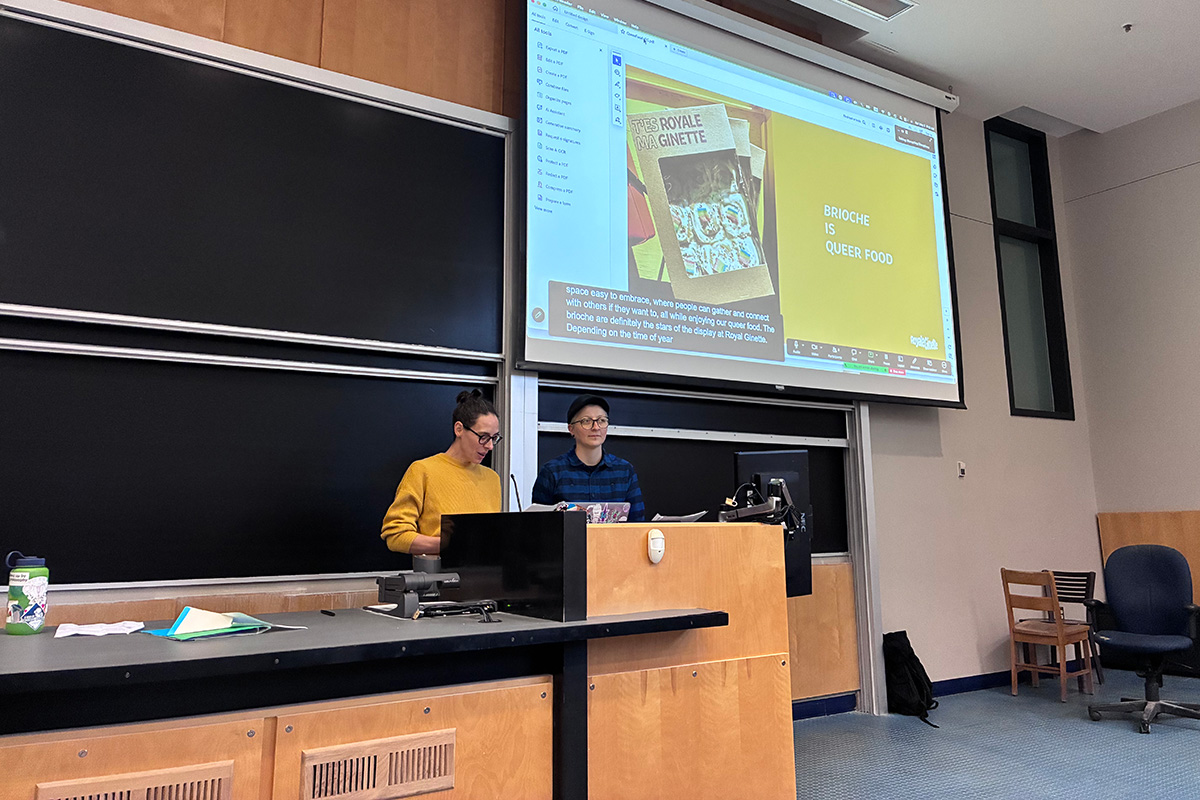
At the beginning of May in Montreal, the Queer Food Conference 2026 sought not to answer that question, but to further interrogate it. The conference united scholars, activists, artists, journalists, farmers, chefs, and other food industry professionals for three days of panels, workshops, discussions, and, yes, meals, in an inclusive, thoughtful, contemplative-yet-whimsical environment, taking a comprehensive view of the landscape of queer food.
The two organizers – Professor Alex Ketchum, at the Institute for Gender, Sexuality, and Feminist Studies of McGill University in Montreal, and Professor Megan Elias, Director of Food Studies & Gastronomy at Boston University – met in 2022 when Elias acted as a peer reviewer for Ketchum’s second book, “Ingredients for a Revolution,” a wide-ranging history of more than 230 feminist and lesbian-feminist restaurants, cafes, and coffeehouses from 1972 to the present in the US.
Elias, taken by the book and its exploration, invited Ketchum to speak at one of Elias’s courses, at which pastries were served and feminist bread making was baked into conversation. Elias floated the idea of co-organizing a queer food conference – and a hot 24 hours later, Ketchum said yes, with plans sketched out, from grants to topics to speakers. In parallel, the duo started to conceptualize “Queers at the Table,” a book based on their work (published last year).
The conference, the book, the research: their work is, in part, grounded in the question: What is queer food? True to queer theory, each has her own nuanced response as drivers of their research, challenging the traditional and looking beyond norms of food studies. Ketchum’s view is that it is grounded on food by and for the queer community, in specific histories, and especially in the labor behind the food. Elias posits that queer food is at the intersection of queerness and culinary studies, beyond gender norms and binaries, back to the societal basics of queer food as part of queer humans always having meals. “Queer food destabilizes assumptions about food, gender and sexuality, making space for a wider range of relationships to food,” she says.
The academics’ professed enthusiasm, however, rarely reached beyond small circles.
“I regularly attended big food studies conferences, but almost never saw presentations about gender identity beyond women’s roles,” says Elias about her prior work, and when her students would ask for additional literature about sexuality and food, results had been sparse. Ketchum echoed this gap: When she was in graduate studies, she received hesitation from leadership about her chosen field of study. By 2024, however, queer food as an area of study and practice had grown, whether in popular culture or well as in publishing, setting the stage for the first Queer Food Conference in 2024 in Boston. Their aim at that even was to launch the subfield of queer food studies into the mainstream, so that fellow academics, students, and those interested in the space could convene, “creating space for others to build,” says Ketchum. “People were enthusiastic.”
Once Ketchum and Elias published “Queers at the Table” in 2025 (notably, gay author John Birdsall also published a book examining queer identity through food last year, “What Is Queer Food?”), they laid the foundation for the 2026 conference in Montreal. This edition was an “embodied” conference, inclusive of various ontologies in queer food studies: theory, labor, art, taste, an interdisciplinary, expansive grounding.
Topics ranged from cookbooks and influencers to farming and land movements, bars and cafes, brewing and baking, history and sociology, writing and printmaking, healthcare and community, and centering marginalized – especially trans – voices.
Naturally, food was centered. The conference’s keynotes were not academics, but the chefs themselves who created the food with their own hands that attendees ate over the three days. “Not to disregard a pure academic space,” says Ketchum, “but to not have food in a room when we talk about food would be wild.”
Jackson Tucker, a Distinguished Graduate Fellow at the University of Delaware, said that “What I found [at the conference] was a genuinely diverse gathering: scholars who did grounded social research but also practitioners, organizers, and people who had never thought about an academic conference in their lives and didn’t need to. That mix is the soul of this whole project for me. Without the people who are out in the world doing queer food, the conference wouldn’t exist.”
Ketchum – her home being Montreal – also worked to fold in community-driven events so that attendees could get a taste of queer food in the city outside of classroom walls; for example, attendees participated in a collaborative evening pizza-making class at a queer-owned pizzeria.
The interdisciplinary nature of the conference led to sharing of research, thoughts, activities, and planning. There was a “value of bringing people together of different backgrounds, which leads to richer discussion,” she says.
Elias picked up on this theme: “I saw people bonding and connecting and believing in Queer Food Studies,” – one of the central goals that Ketchum noted, further legitimizing a nascent field. As both professors continue their research and leadership, they envision a continued layering of centering the queer experience and community through the shared value and study of food.
a&e features
Gay Men’s Chorus celebrates 45 years at annual gala
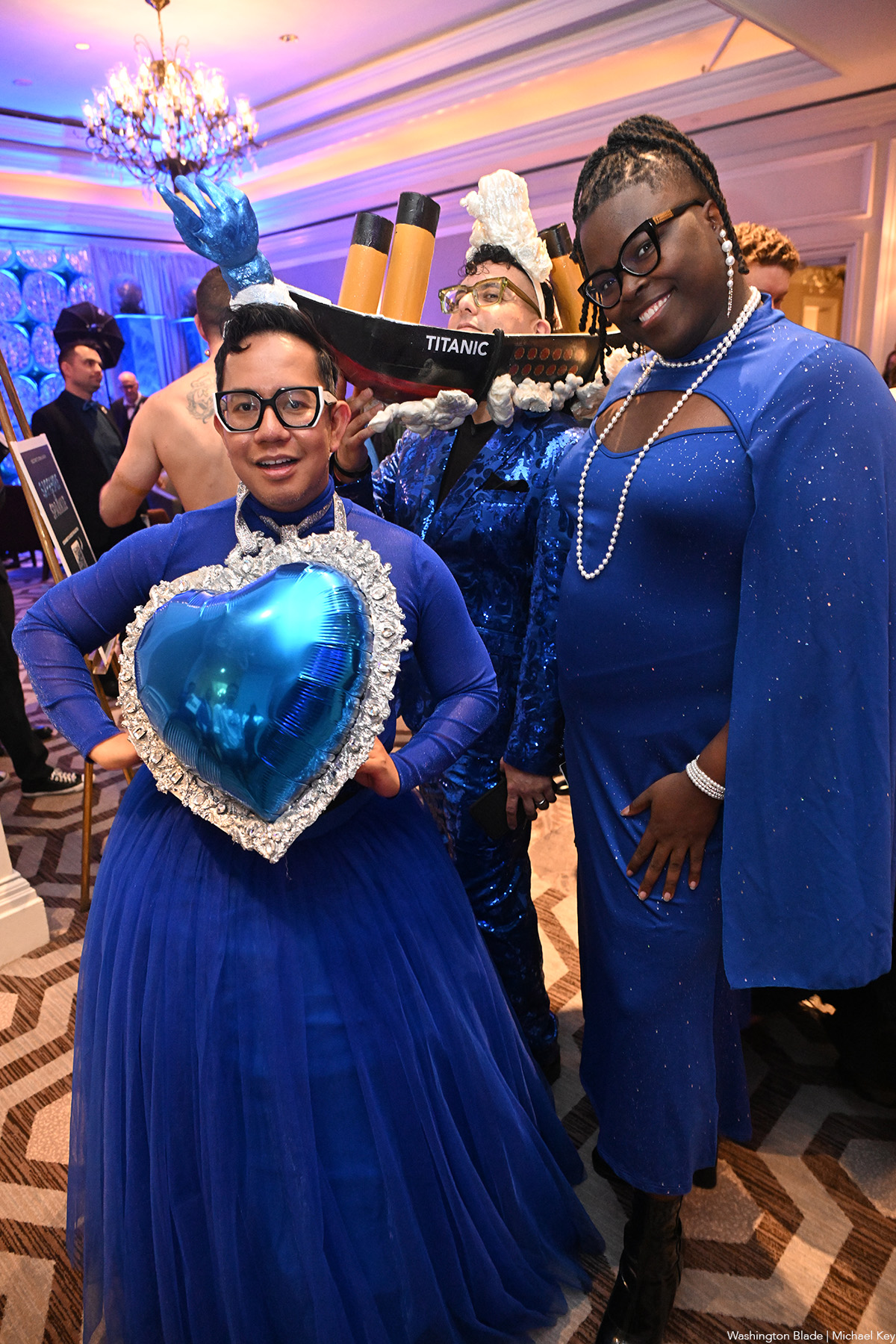
‘Sapphire & Sparkle’ Spring Affair held at the Ritz Carlton
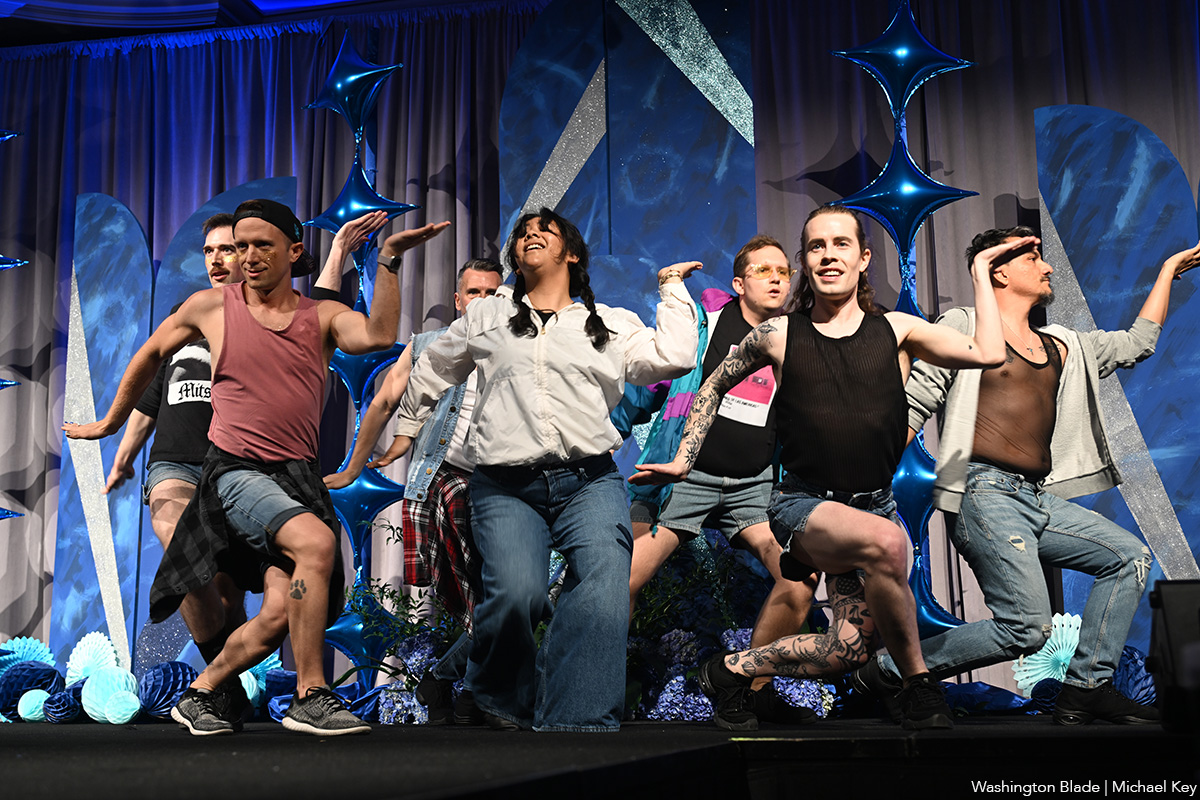
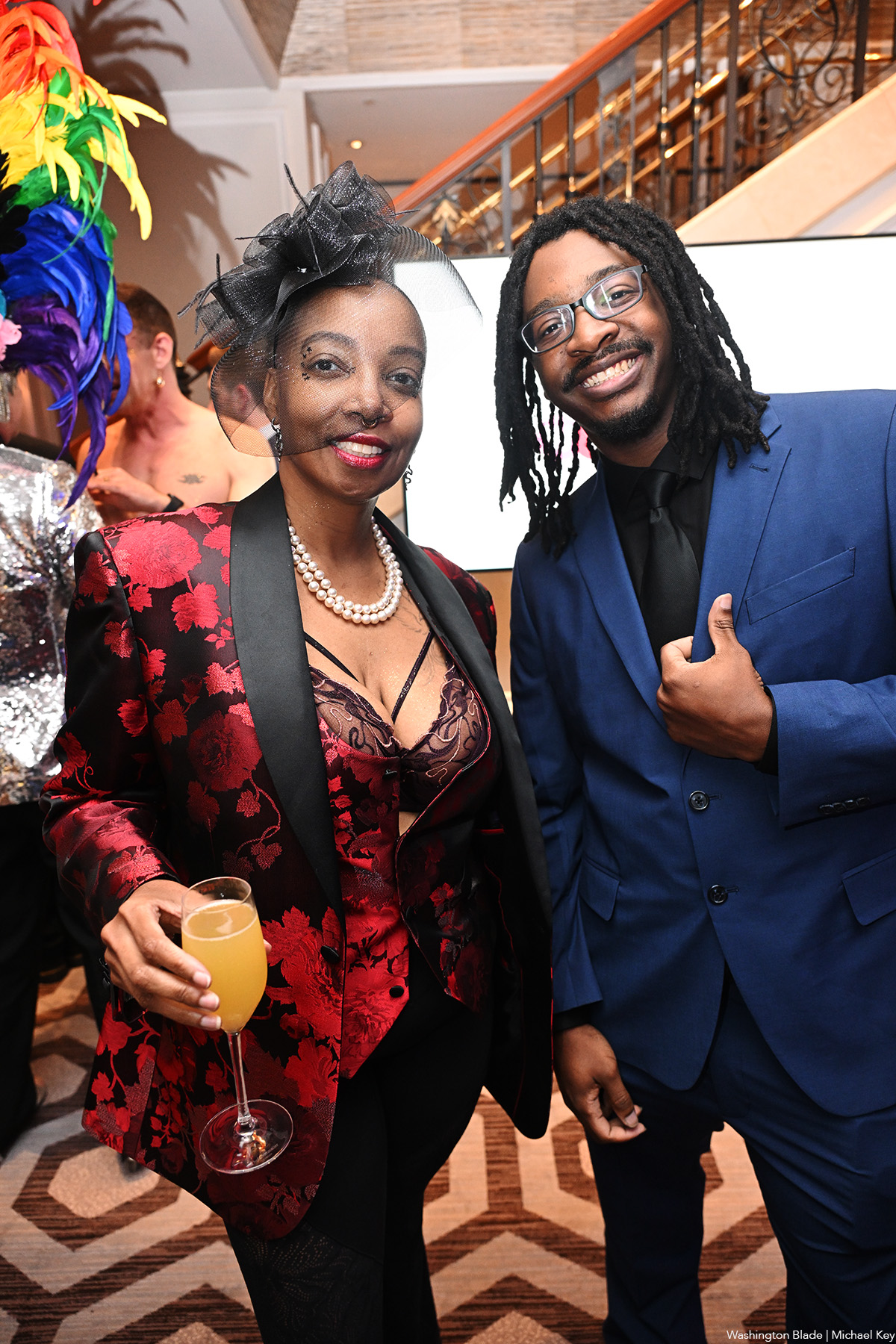
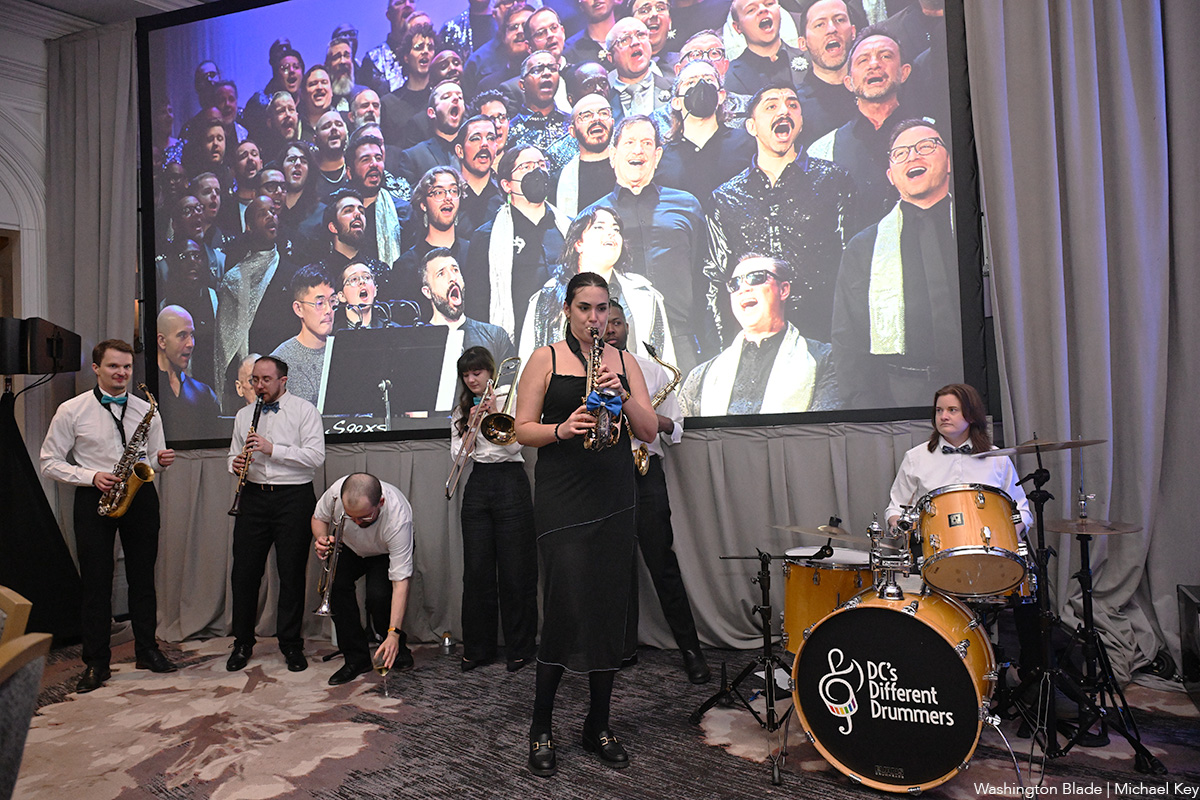
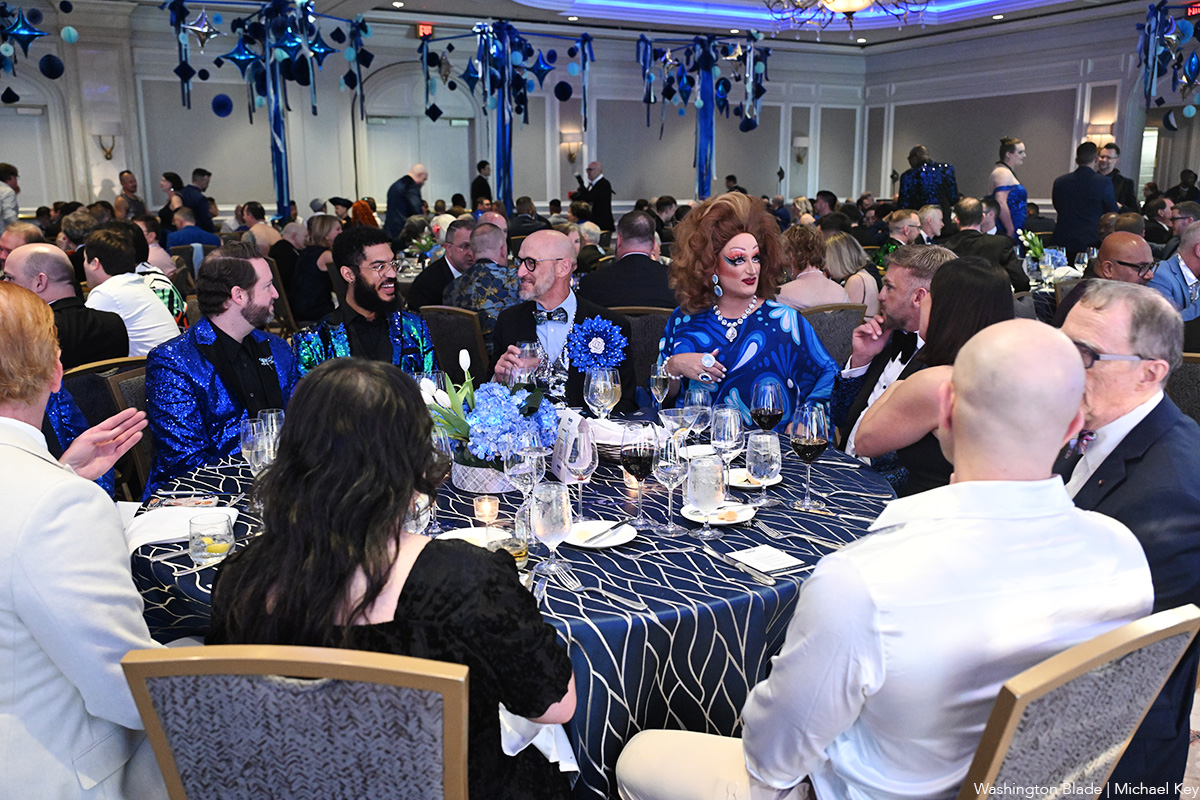
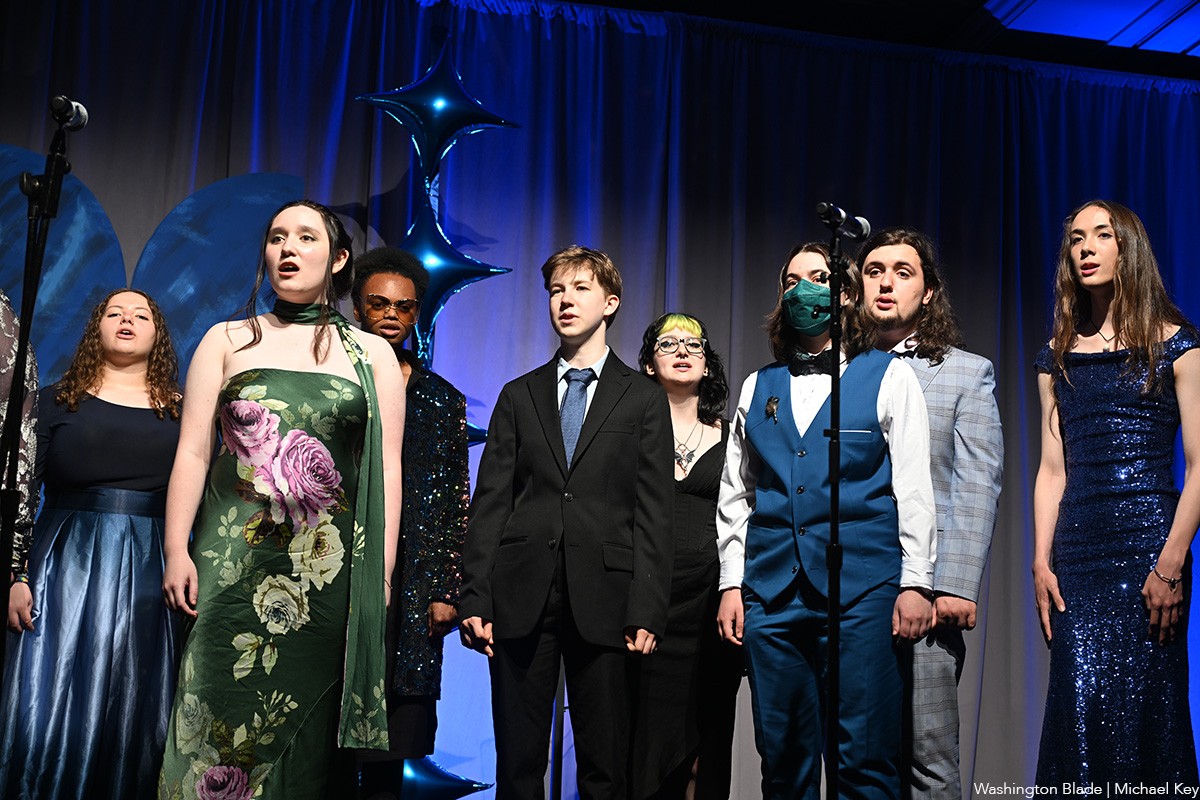
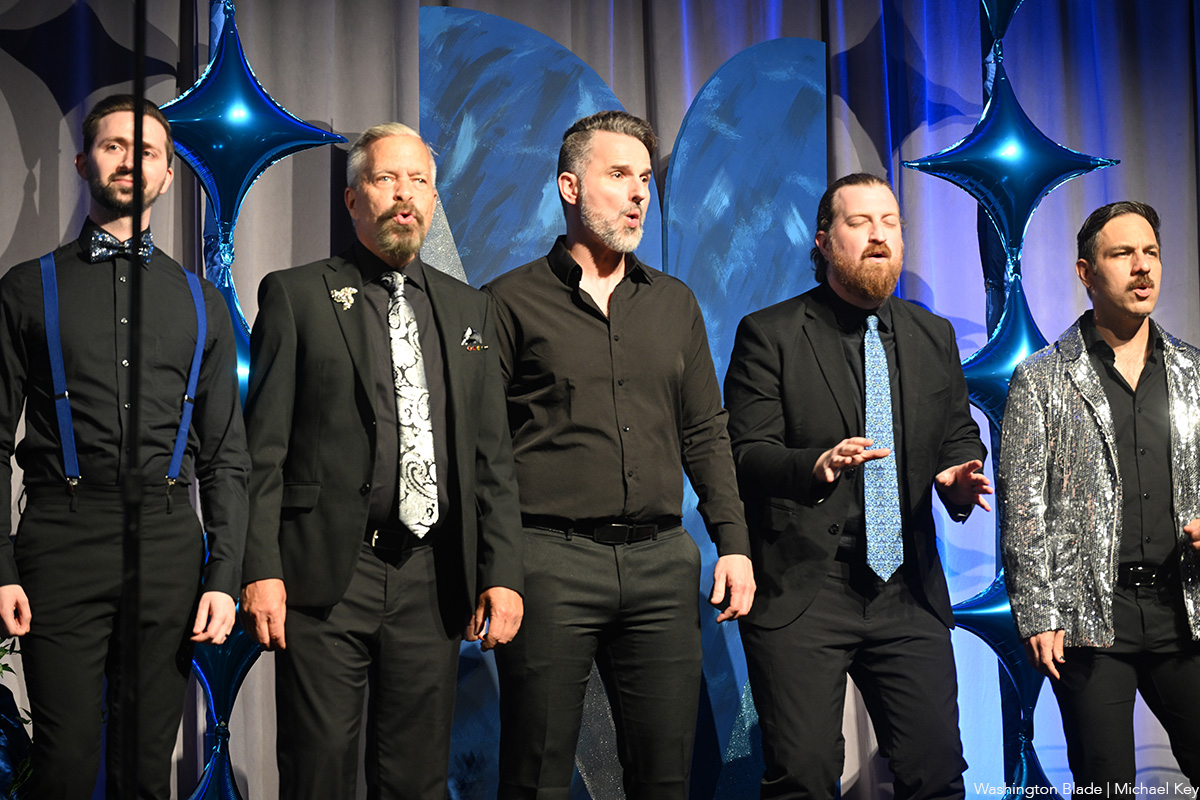
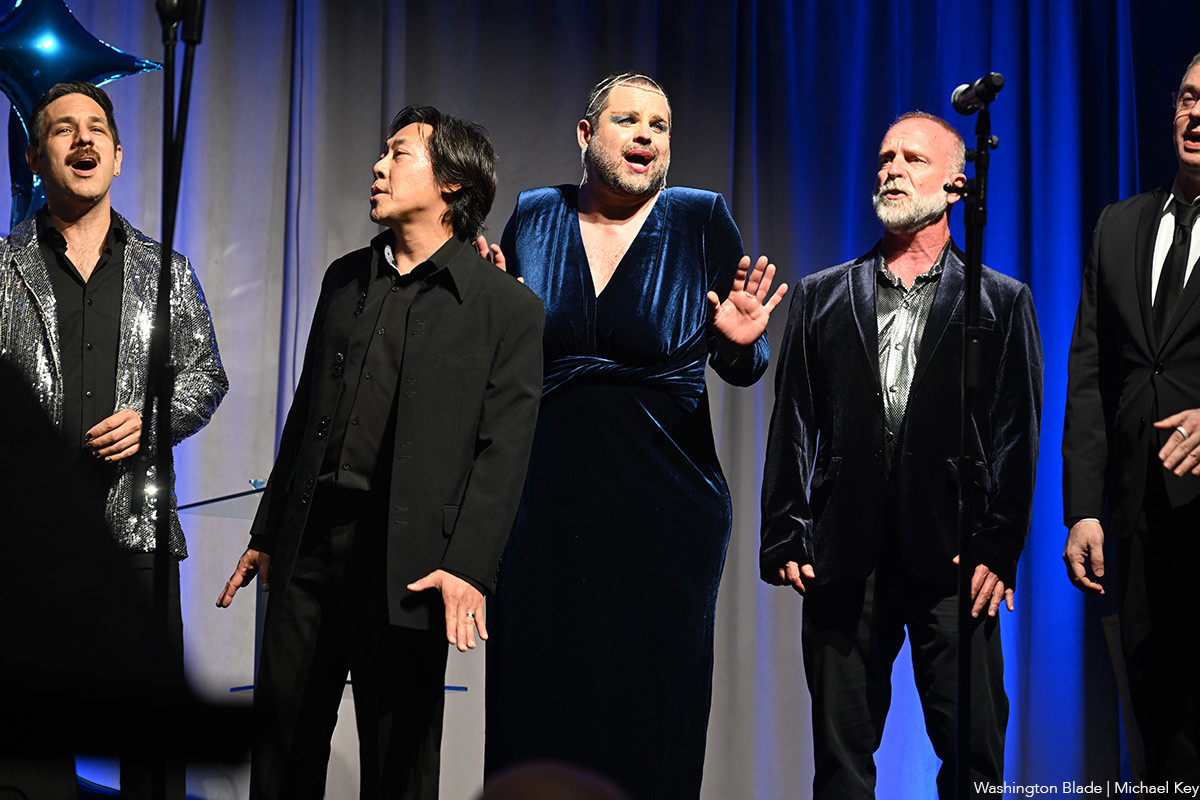
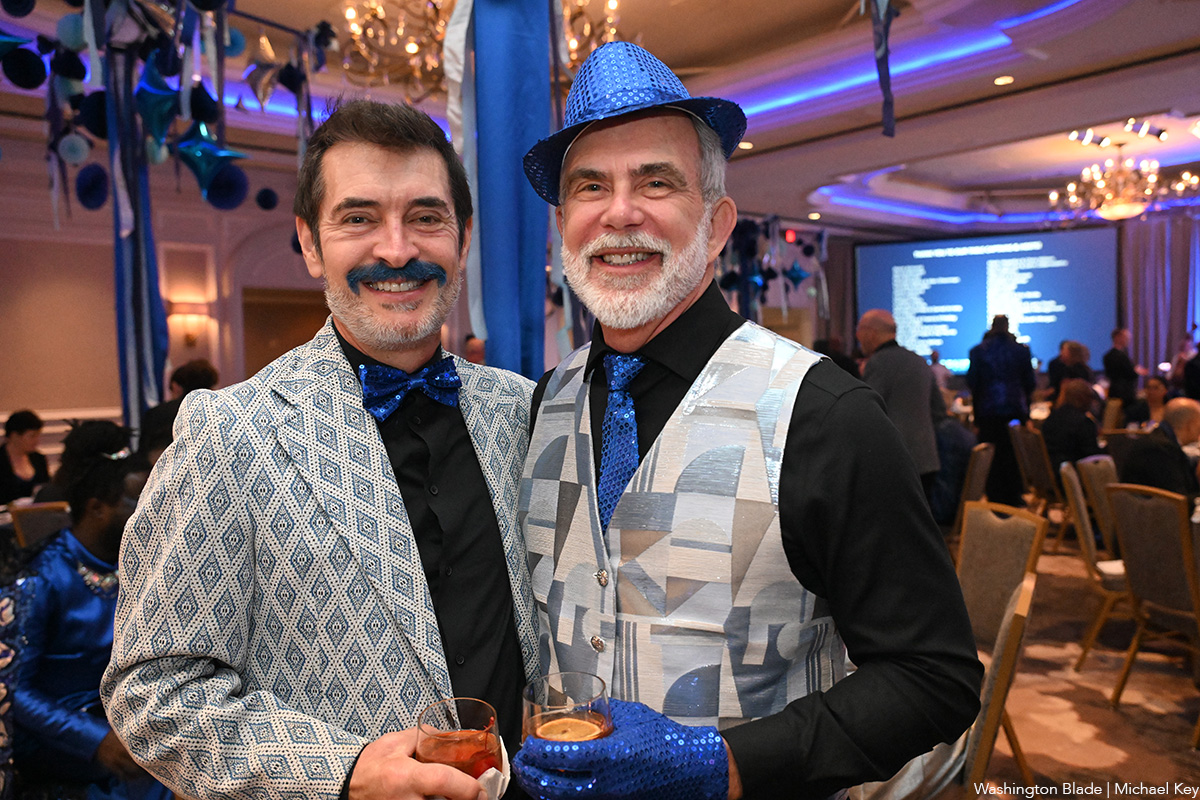
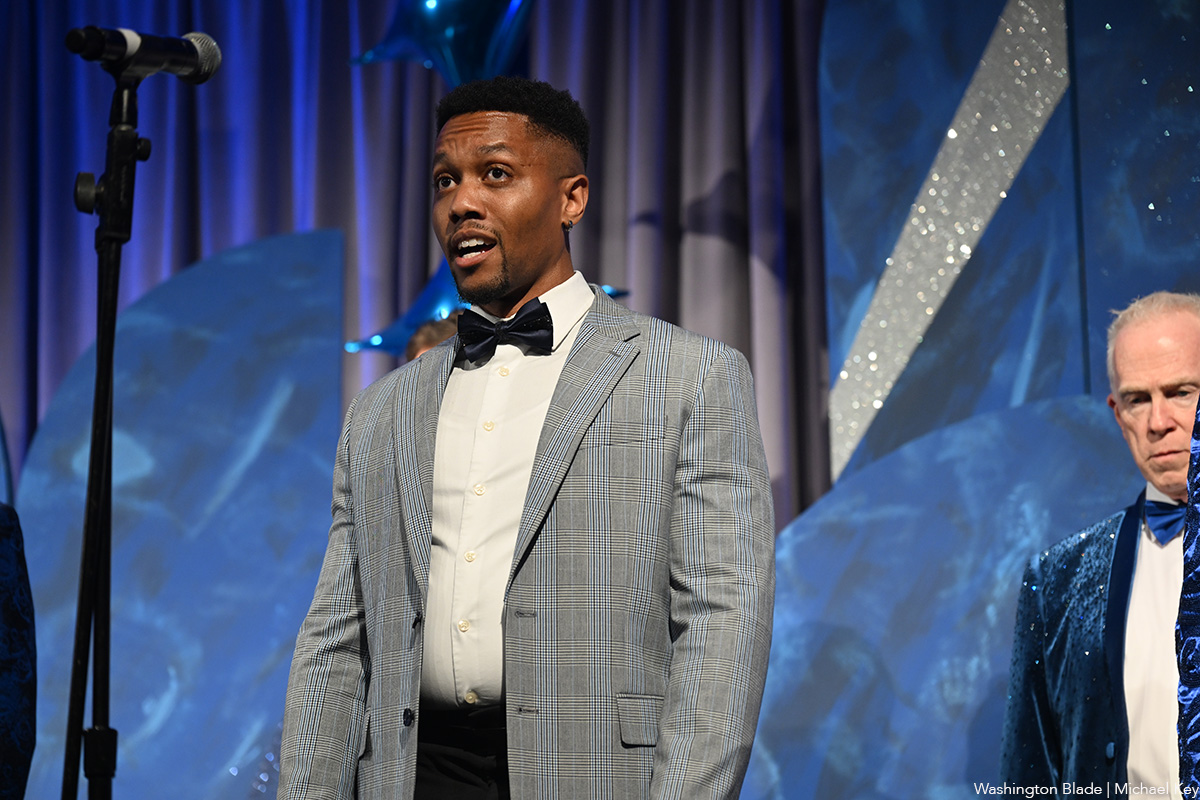
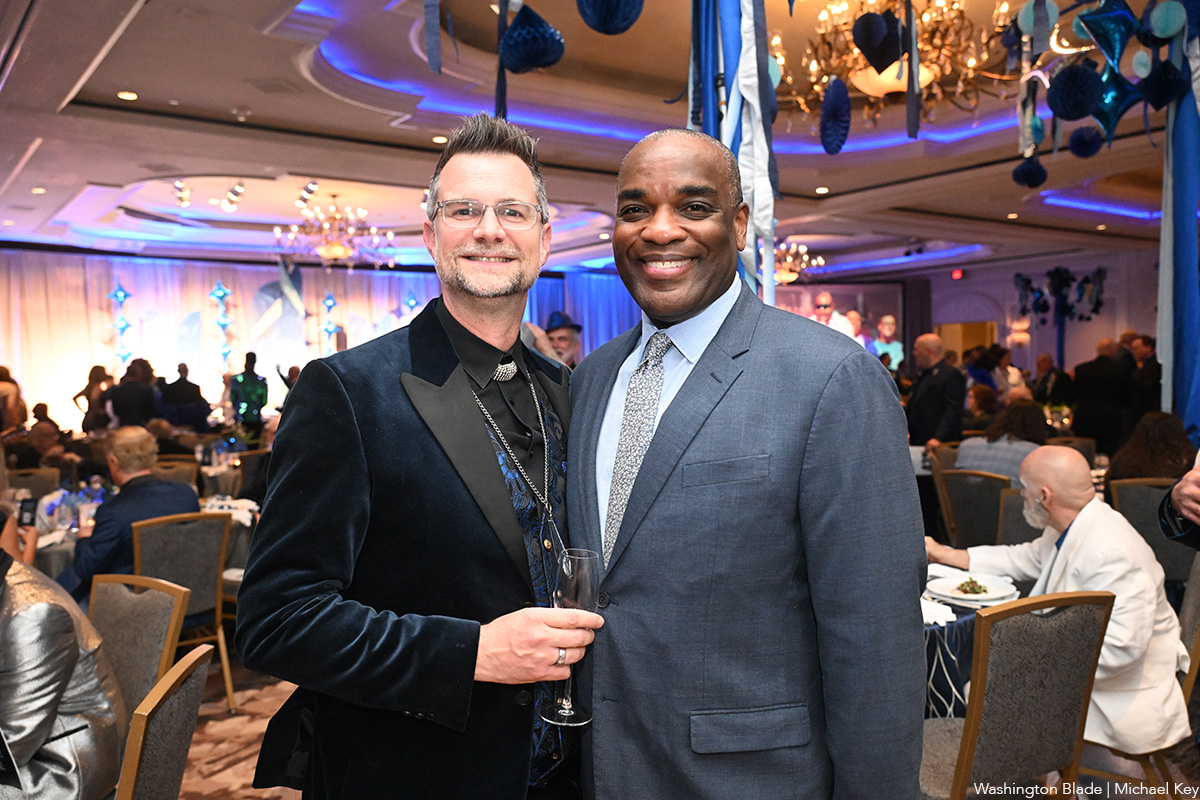
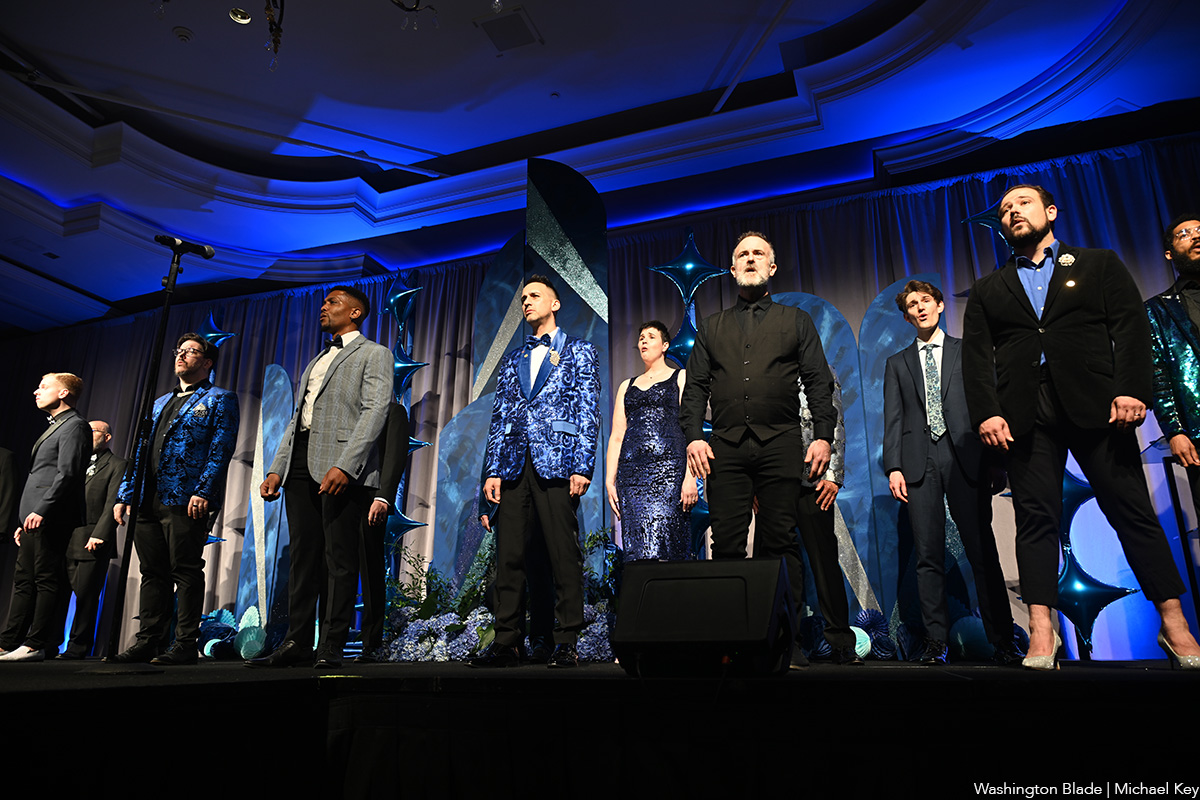
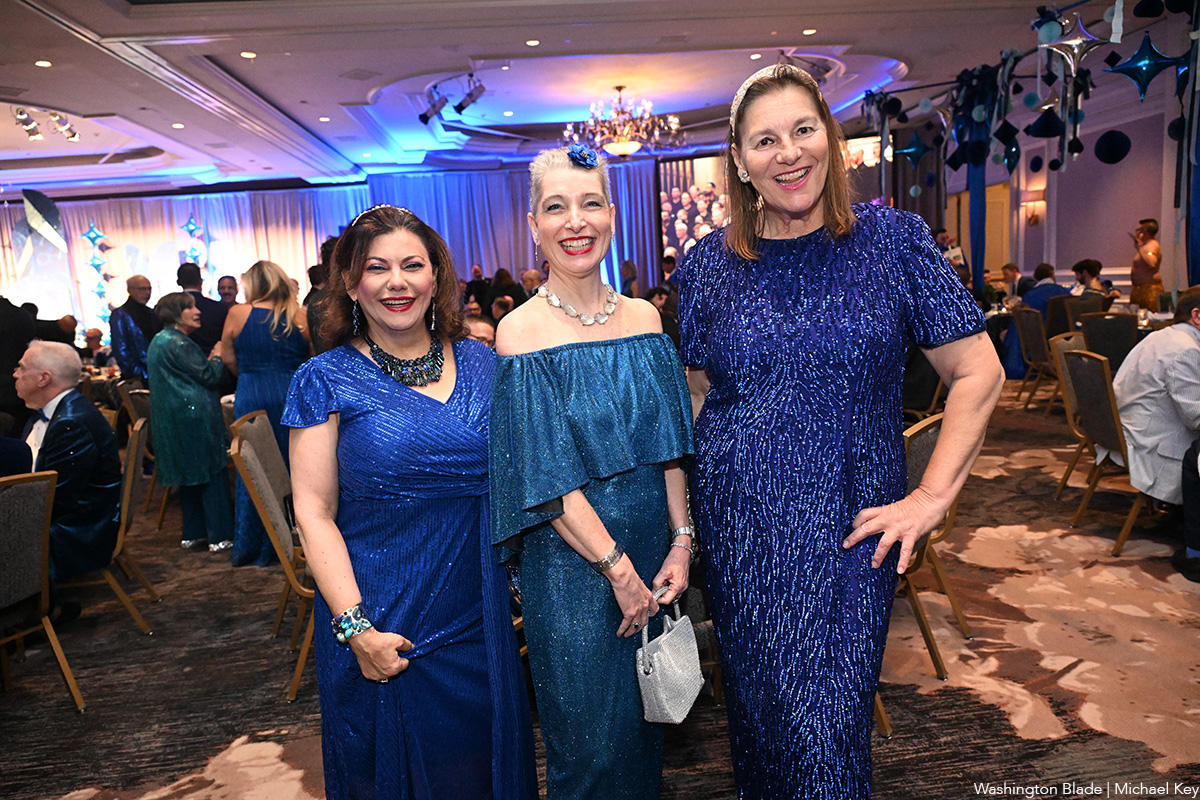
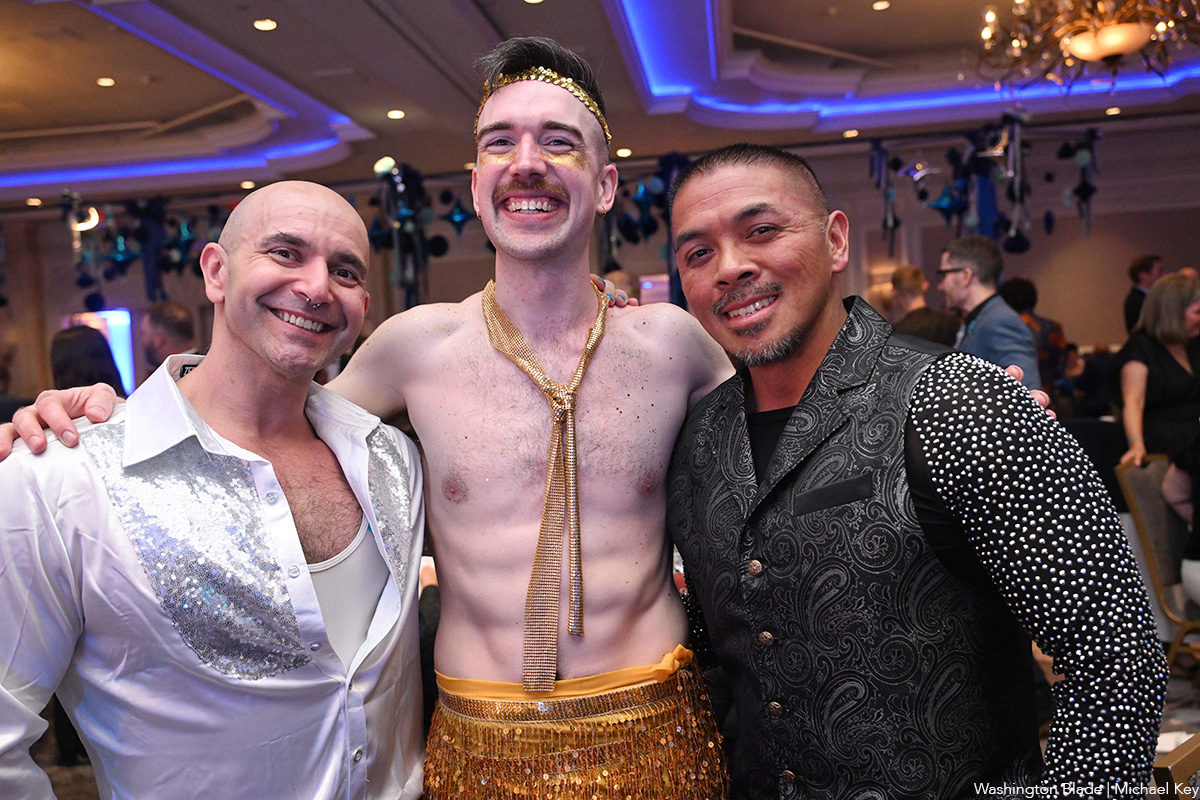
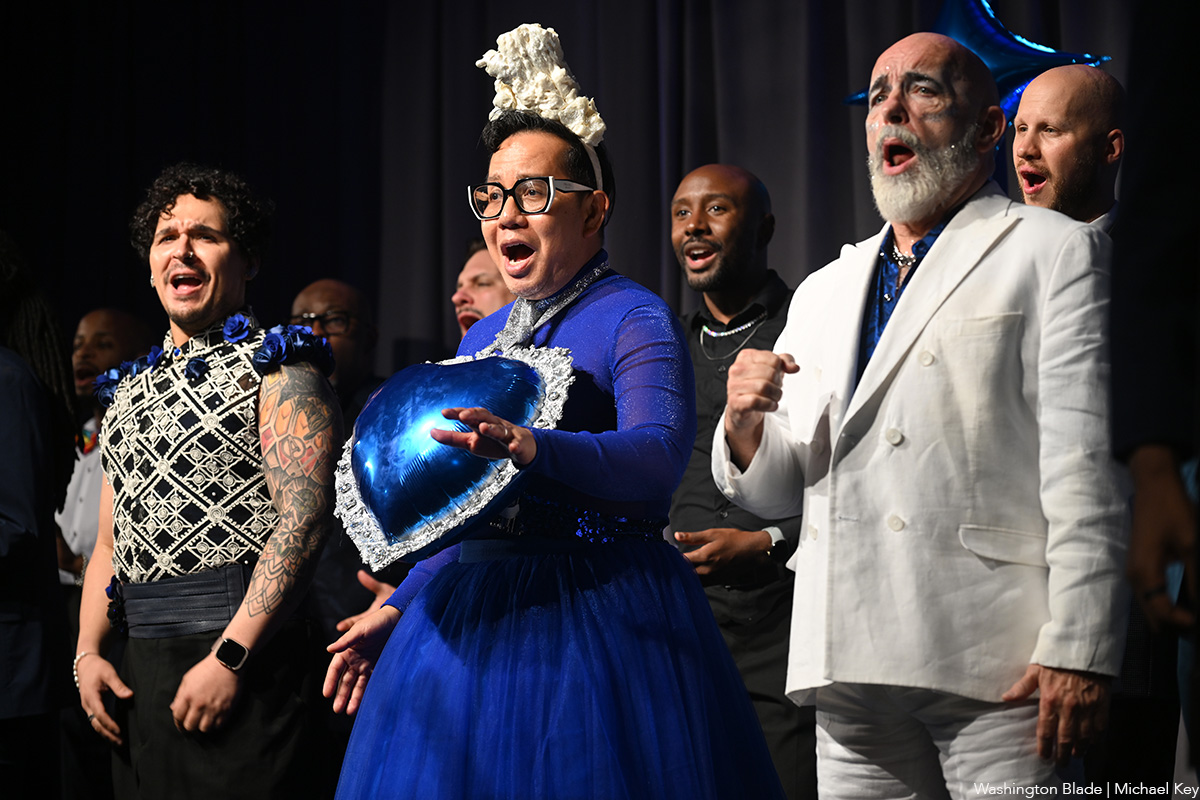
The Gay Men’s Chorus of Washington held the annual Spring Affair gala at the Ritz Carlton Washington, D.C. on Saturday. The theme for this year’s fete was “Sapphire & Sparkle.” The chorus celebrated 45 years in D.C. with musical performances, food, entertainment, and an awards ceremony.
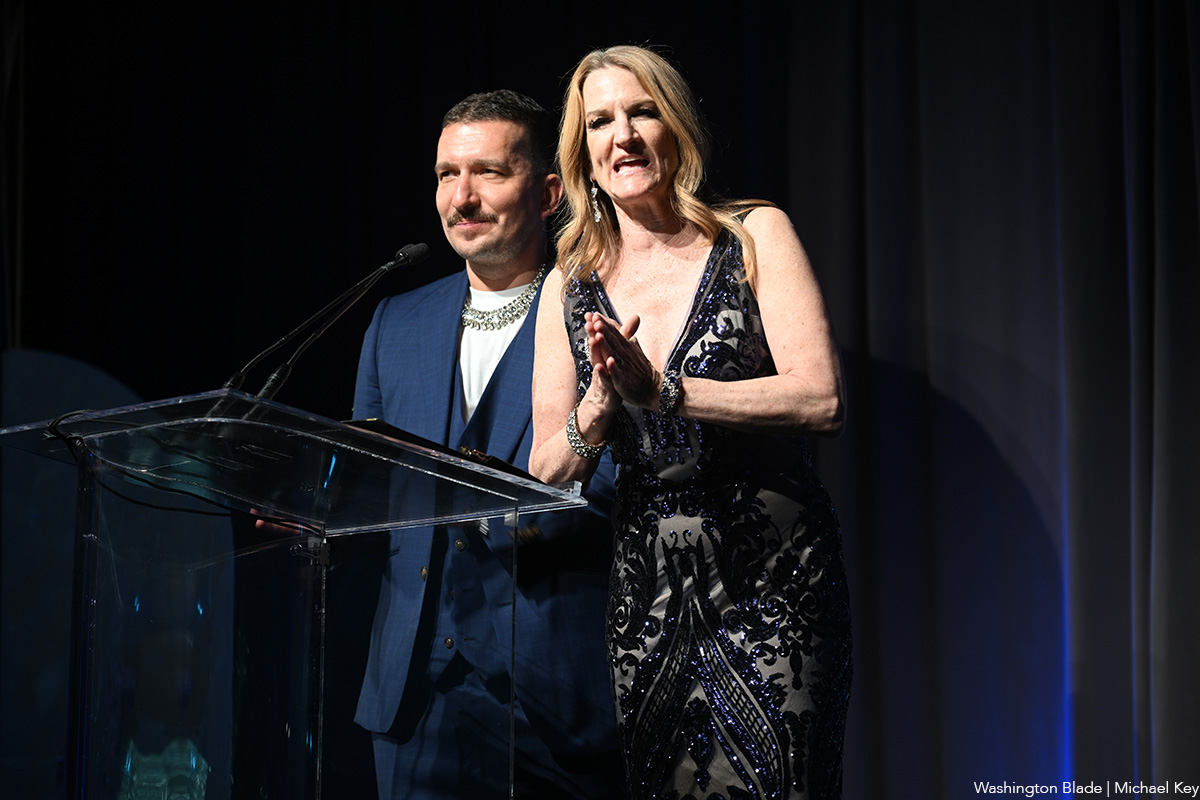
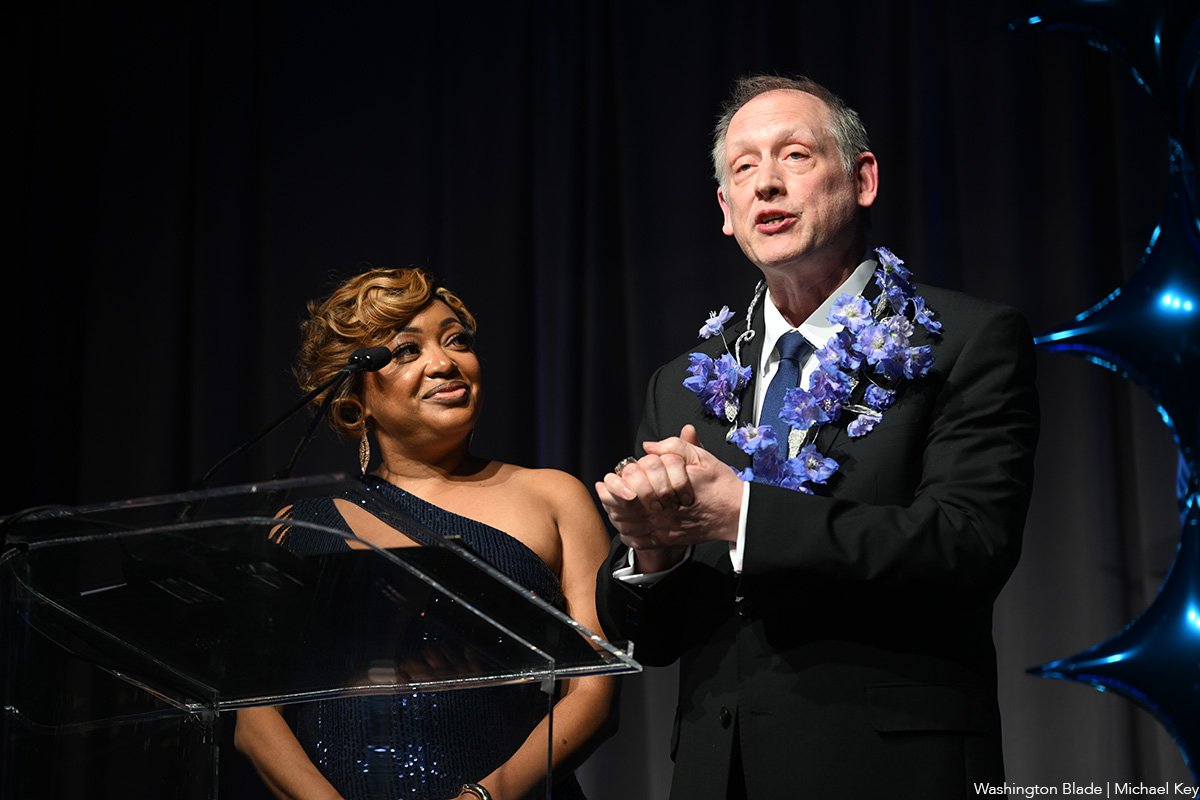
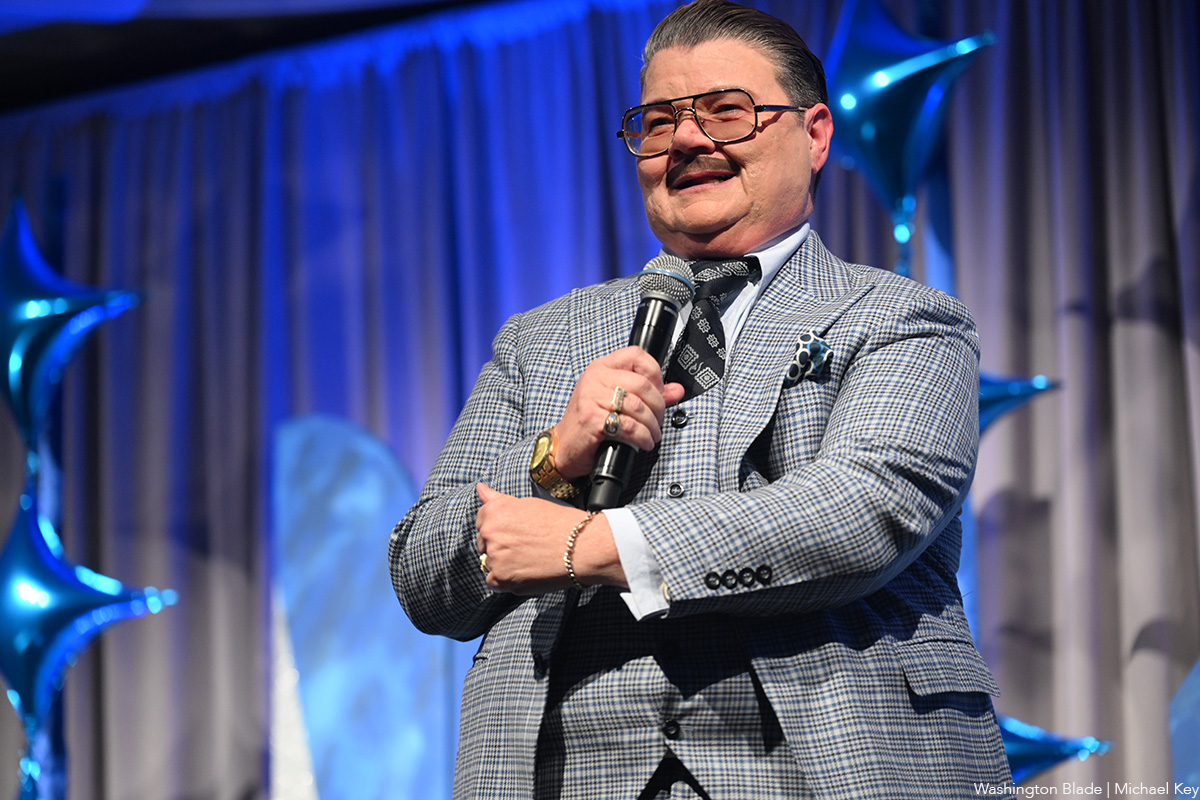
Gay Men’s Chorus of Washington Executive Director Justin Fyala and Artistic Director Thea Kano gave welcoming speeches. Opening remarks were delivered by Spring Affair co-chairs Tracy Barlow and Tomeika Bowden. Uproariously funny comedian Murray Hill performed a stand-up set and served as the emcee.
There were performances by Gay Men’s Chorus of Washington groups Potomac Fever, 17th Street Dance, the Rock Creek Singers, Seasons of Love, and the GenOUT Youth Chorus.
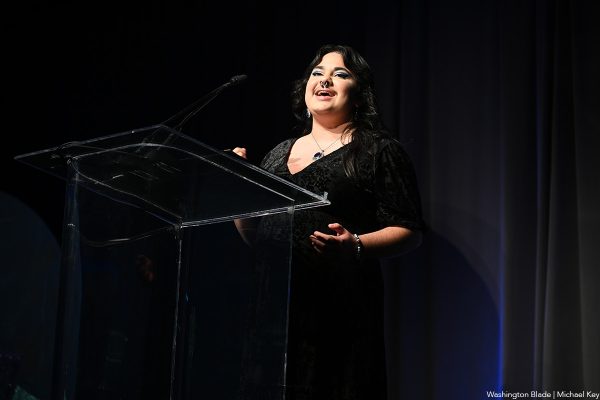
Anjali Murthy, a member of the chorus and a graduate of the GenOUT Youth Chorus, addressed the attendees of the gala.
“The LGBTQ+ community isn’t bound by blood ties: we are brought together by shared experience,” Murthy said. “Being Gen Z, I grew up with Ellen [DeGeneres] telling me through the TV screen that it gets better: that one day, it’ll all be okay. The sentiment isn’t wrong, but it’s passive. What I’ve learned from GMCW is that our future is something we practice together. It exists because people like you continue to show up for it, to believe in the possibilities of what we’re still becoming”
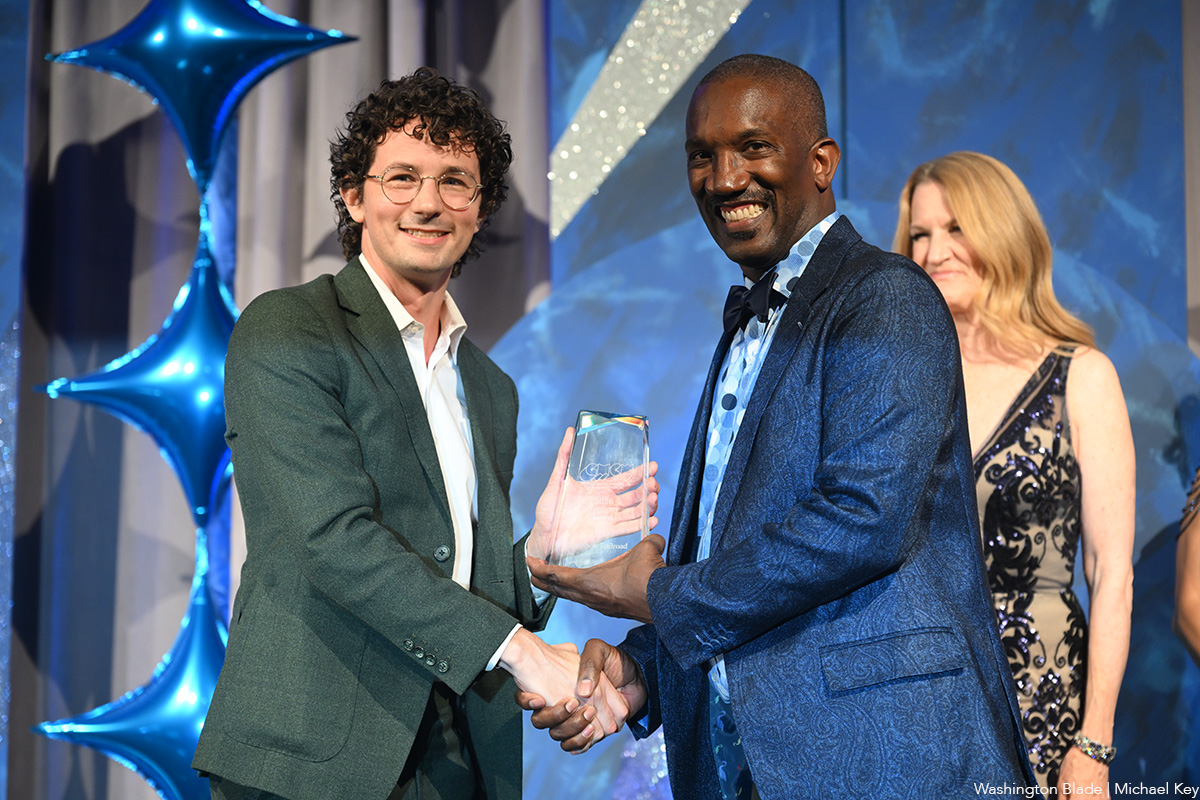
The event concluded with the presentation of the annual Harmony Awards. This year’s awardees included local drag artist and activist Tara Hoot, the human rights organization Rainbow Railroad as well as Rocky Mountain Arts Association Executive Director, Dr. Chipper Dean.
(Washington Blade photos and videos by Michael Key)











Equality Prince William Pride was held at the Harris Pavilion in Manassas, Va. on Saturday, May 16.
(Washington Blade photos by Landon Shackelford)


Elevated Living. Personalized Care.

Politicians, activists pay tribute to Barney Frank

Skipping Memorial Day crowds in Rehoboth Beach

What is queer food?