Japan
Japan should end abusive detention conditions for transgender people
Mistreatment exacerbated by ‘hostage justice’ system
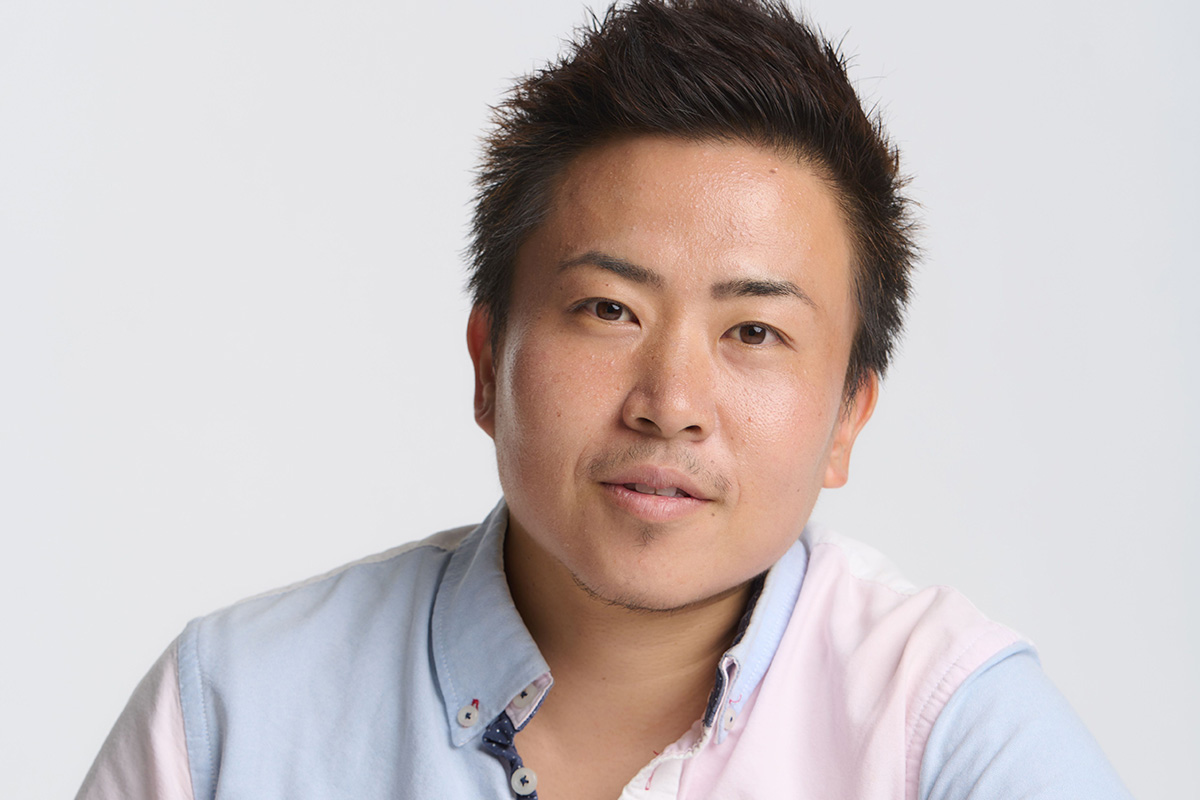
Tomoya Asanuma, a prominent transgender activist in Tokyo, faced the triple abuses of Japan’s “hostage justice” system, hostile detention conditions, and mistreatment trans people face in the absence of meaningful legal protections.
For Asanuma, March 14, 2024, was supposed to be another Thursday at work. At around 7 a.m., he woke up to the sound of someone repeatedly ringing his doorbell. Through the intercom, Asanuma saw three men wearing dark-colored clothes, this time pounding his front door. When he opened the door, the men identified themselves as police officers and showed him an arrest warrant.
This was the beginning of what Asanuma recently described to Human Rights Watch as being “difficult to put into words.” After Japanese police arrested him for sexual assault for allegedly hugging an acquaintance from behind, the authorities held him for months at a pre-trial detention center.
During this time, they mocked his transgender identity during interrogation, denied him access to medical services such as dental care, and initially denied hormone treatment until he obtained a recommendation from a doctor.
While some authorities showed a level of consideration for Asanuma, including letting him shower away from other detained men, the abusive treatment he faced led him to attempt suicide twice.
Trans people in Japan are in legal limbo. Historically, they have faced outright discrimination — including a law compelling them to be surgically sterilized for legal gender recognition — and barriers to accessing education, employment, and health care. A landmark Supreme Court decision in 2023 declared the sterilization requirement unconstitutional, but reform has stalled in parliament — leaving trans people’s basic rights in limbo.
The courts finally granted bail to Asanuma in July 2024 and found him not guilty in January 2025. But in a country with a 99.8 percent conviction rate for indicted cases, Asanuma had to live through acute fear as authorities forcibly tried to obtain a confession from him during interrogations without the presence of his lawyer.
His fears are grounded in a justice system with a well-earned reputation for abuse and arbitrariness. His experience is part of systemic treatment in Japan called “hostage justice,” under which criminal suspects are detained for prolonged periods, sometimes months or years, unless they confess to the charges. This denies them the rights to due process and a fair trial.
The authorities ultimately dropped the sexual assault allegations, but charged Asanuma with assault, which is punishable by up to two years in prison or up to a 300,000 yen fine ($2,000.) Prosecutors sought a 200,000 yen fine. Despite this, because he pleaded not guilty, a court rejected his request for bail four times and detained him for more than 100 days in pre-trial detention, punishing him disproportionately since the prosecutors did not even seek imprisonment for his alleged crime.
In Japan’s hostage justice system, authorities frequently subject suspects to harsh interrogations to coerce confessions from them during pre-indictment detention. Defense lawyers are not permitted to be present, and the questioning does not stop even when a suspect invokes their constitutional right to remain silent. Indeed, Asanuma invoked his right to remain silent, but authorities interrogated him for hours on 13 occasions.
The case of Iwao Hakamata highlights the dangers of this practice. Hakamata, a former professional boxer, was arrested on Aug. 18, 1966, for murdering a family of four. Following harsh interrogations by the police and prosecutors, he confessed nearly a month later. Based on this coerced confession, Hakamata was indicted and subsequently convicted and sentenced to death. He maintained his innocence and was eventually acquitted — 58 years after his arrest — on Sept. 26, 2024, following a retrial.
To prevent further abuses and wrongful convictions spurred by the “hostage justice” system, the Japanese government should not as a general rule deny bail to suspects in pretrial detention, and should end interrogations without legal counsel that often involve coerced confessions through manipulation and intimidation.
The Japanese government should also improve the conditions under which suspects are being held, including by ensuring adequate access to all medical services, and revising the Notice Regarding Treatment Guidelines for Detainees with Gender Identity Disorder by specifying that hormone replacement therapy and other gender-affirming medical interventions are medically necessary and should be made available to all imprisoned people who want them.
“My case is just the tip of the iceberg, as there are others who are detained much longer,” Asanuma said. “I think this experience gave me a good reason to speak up even more for the rights of suspects going forward,” he added.
Teppei Kasai is a program officer for Japan at Human Rights Watch.






Japan
Japanese Supreme Court to consider marriage equality
Japan only G7 country that does not legally recognize same-sex couples
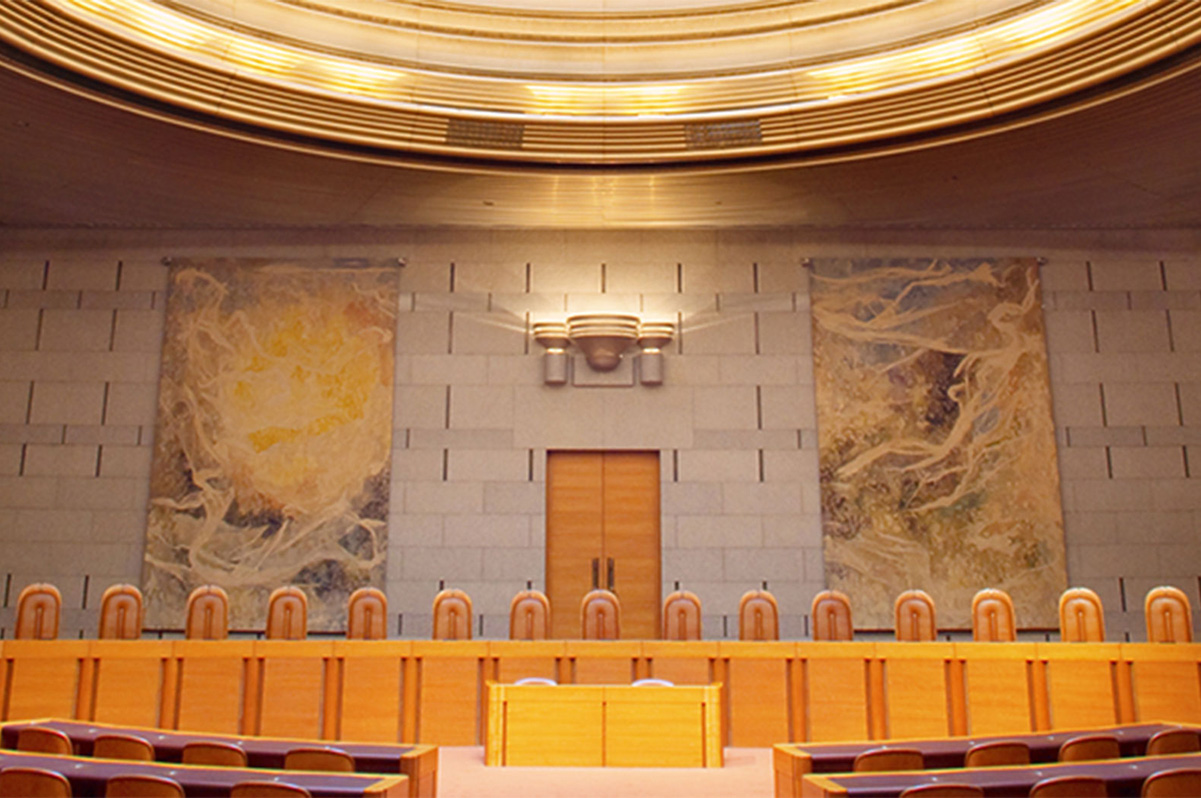
The Japanese Supreme Court on Wednesday said it will consider six marriage equality lawsuits.
NHK, the country’s public broadcaster, noted all 15 of the court’s justices will consider the case.
Japan is the only G7 country that does not legally recognize same-sex couples, despite several court rulings in recent years that found the denial of marriage benefits to gays and lesbians unconstitutional.
Tokyo High Court Judge Ayumi Higashi last November upheld Japan’s legal definition of a family as a man and a woman and their children.
Prime Minister Sanae Takaichi, who became the country’s first female head of government last October, opposes marriage rights for same-sex couples. She has also reiterated the constitution’s assertion that the family is an institution based around “the equal rights of husband and wife.”
Same-sex couples can legally marry in Taiwan, Nepal, and Thailand.
NHK reported the Supreme Court is expected to issue its ruling in early 2027.
Japan
Tokyo court upholds Japan’s same-sex marriage ban
Country is only G7 nation without legal recognition of same-sex couples

The Tokyo High Court on Nov. 28 ruled the lack of marriage rights for same-sex couples in Japan is constitutional.
The Associated Press notes Judge Ayumi Higashi upheld the legal definition of a family in Japan as a man and a woman and their children. The court also dismissed the eight plaintiffs’ demand for 1 million yen ($6,406.85) in damages.
Hiromi Hatogai, one of the plaintiffs, told reporters after the court ruled that she is “so disappointed.”
“Rather than sorrow, I’m outraged and appalled by the decision,” said Hatogai, according to the AP. “Were the judges listening to us?”
Japan remains the only G7 country without legal recognition of same-sex couples, even though several courts in recent years have ruled in favor of it.
The Sapporo District Court in 2021 ruled the denial of marriage benefits to same-sex couples violates the constitution’s equality clause. The Nagoya District Court in 2023 issued a similar ruling. The Fukuoka District Court in a separate decision said Japan’s current legal framework is unconstitutional. The Tokyo High Court in 2024 came to the same conclusion.
The Washington Blade last month noted Prime Minister Sanae Takaichi, who is Japan’s first female head of government, opposes marriage equality and has reiterated the constitution’s assertion the family is an institution based around “the equal rights of husband and wife.”
Japan
Japan’s first female prime minister reluctant to advance LGBTQ rights
Sanae Takaichi became country’s head of government last month
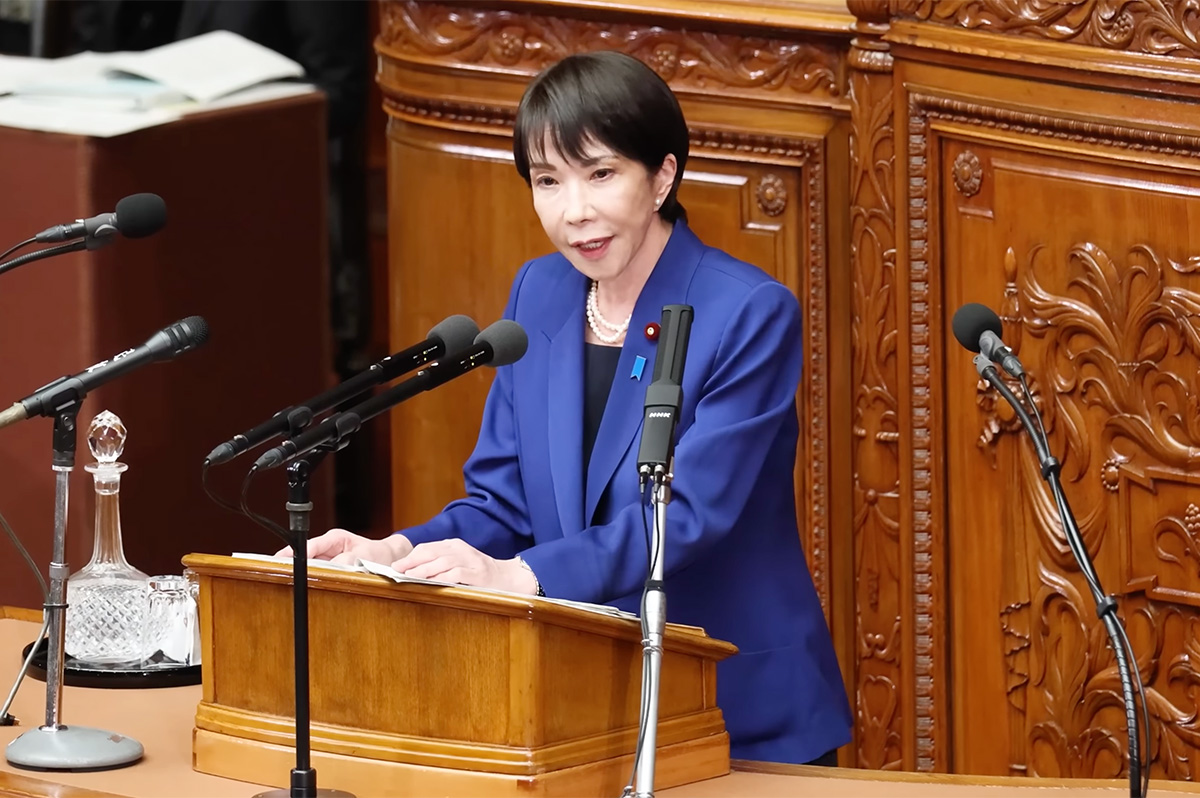
Sanae Takaichi last month became Japan’s first female prime minister after she secured the Liberal Democratic Party’s leadership and both chambers of the Diet confirmed her.
She now leads a minority government after forming a coalition with the right-leaning Japan Innovation Party, following Komeito’s decision to end its 26-year partnership with the LDP. Her rise marks a historic break in Japanese politics, but the question remains whether she will advance the rights of Japan’s LGBTQ community?
Despite the milestone her election represents, Takaichi’s record on gender issues offers little indication of progressive change.
She has long emphasized “equality of opportunity” over structural reforms and has opposed measures that include allowing married couples to use separate surnames, a policy many women say would ease workplace discrimination. During her leadership bid Takaichi pledged to elevate women’s representation in government to Nordic levels, yet she appointed only two women to her 19-member Cabinet. Takaichi has also resisted efforts to modernize the Imperial Household Law to permit female succession, reinforcing her reputation as a conservative on women’s rights.
Takaichi’s stance on LGBTQ rights has been similarly cautious.
In a 2023 Diet budget committee session, she said there should be “no prejudice against sexual orientation or gender identity,” yet described extending marriage rights to same-sex couples as an “extremely difficult issue.”
Her earlier record is consistent.
In 2021, she opposed an LGBTQ-inclusive anti-discrimination bill that members of her own party, arguing its wording was too vague.
Even after becoming LDP leader in October 2025, she reiterated her opposition to marriage equality and emphasized traditional family values. Takaichi highlighted that Article 24 defines marriage as being based on “the mutual consent of both sexes” and frames the institution around “the equal rights of husband and wife,” language she argues leaves no constitutional room for extending marriage rights to same-sex couples.
While her rhetoric avoids overt hostility, her record suggests limited appetite for the structural reforms sought by Japan’s LGBTQ community.
A series of landmark court rulings has built escalating pressure for national reform.
On March 17, 2021, the Sapporo District Court ruled that denying same-sex couples the legal benefits of marriage violated the constitution’s equality clause. In May 2023, the Nagoya District Court similarly declared the ban unconstitutional, with a subsequent decision from the Fukuoka District Court reaffirming Japan’s current legal framework clashes with constitutional equality principles.
The momentum peaked on Oct. 30, 2024, when the Tokyo High Court found the marriage ban incompatible with guarantees of equality and individual dignity.
Japan remains the only G7 country without legal recognition of same-sex couples.
Akira Nishiyama, a spokesperson for the Japan Alliance for LGBT Legislation, noted to the Washington Blade that in leadership surveys the group conducted within the LDP in 2021 and again in 2025, Takaichi offered only a cautious position on reforming Japan’s legal gender recognition law. When asked whether she supported easing the requirements under the Act on Special Cases in Handling Gender Status for Persons with Gender Identity Disorder, she responded that “multifaceted and careful discussion is necessary,” avoiding any commitment to substantive change.
Nishiyama added the legal landscape has already shifted.
In October 2023, the Supreme Court ruled that the law’s sterilization requirement for legal gender recognition is unconstitutional, and several family courts have since struck down the appearance requirement on similar grounds. She urged the Takaichi administration to act quickly by amending the statute to remove these provisions, along with other elements long criticized as human rights violations.
“[Prime Minister] Takaichi has stated that ‘careful discussion is necessary’ regarding amendments to ‘Act on Special Cases in Handling Gender Status for Persons with Gender Identity Disorder’ and the enactment of anti-discrimination laws based on Sexual Orientation and Gender Identity (SOGI),” noted Nishiyama. “However, as indicated in Candidate (at that time) Takaichi’s responses to our survey, if she considers issues related to SOGI to be human rights issues, then she has to work hard to advance legal frameworks to address these issues.”
“For example, regarding the government’s announcement that they will consider whether same-sex couples could be included or not in the 130 laws concerning common-law marriages couples, [Prime Minister] Takaichi responded to our survey that ‘the government should continue to advance its consideration,’” she added. “As per this response, the Takaichi Cabinet should continue deliberating on this matter and ensure that same-sex couples are included in each relevant law.”
Takeharu Kato, an advocate for marriage equality who spoke to the Blade in a personal capacity, urged observers not to view Takaichi’s appointment solely through a negative lens.
He acknowledged she holds deeply conservative views within the LDP and has openly opposed marriage equality, but noted several aspects of her background could leave room for movement.
“She is Japan’s first female prime minister in history. Furthermore, she does not come from a political family background but rather from an ordinary household,” said Kato. “She also has an unusual career path, having graduated from a local university and worked as a television news anchor before entering politics.”
“Additionally, while her husband is a member of the Diet, he became partially paralyzed due to a cerebral infarction, and she has been caring for him,” he further noted. “She possesses several minority attributes like these, and depending on our future efforts, there is a possibility she could change her stance on same-sex marriage. It could also be said that, as a woman navigating the conservative Liberal Democratic Party, she has deliberately emphasized conservative attitudes to appeal to her base of right-wing supporters.”
Kato stressed that “having reached the pinnacle as prime minister, it cannot be said she (Takaichi) has no potential to change.”
“We need not alter the strategy we have pursued thus far,” Kato told the Blade. “However, we believe some fine-tuning is necessary, such as refining our messaging to resonate with those holding more conservative values.”

Lula, Flávio Bolsonaro to face off in second round of Brazilian presidential election

The financial realities facing LGBTQ+ first-time buyers

‘Merrily’ is for Sondheim super fans, the uninitiated, and anyone in between

Engrossing ‘Tip Toe’ delivers tension and an ominous warning

Eliot Glazer’s new book an engaging collection of essays

Meet the LGBTQ candidates running for U.S. House, Senate

Ana Brnabić becomes world’s first openly lesbian head of state

Vote now! Best Of LGBTQ DC readers’ choice awards

Gay Va. couple hopeful voters will enshrine marriage equality in state constitution

Victory Fund board investigates former staffers’ allegations against CEO Evan Low
-

 2026 Midterm Elections5 days ago
Meet the LGBTQ candidates running for U.S. House, Senate
-
Serbia5 days ago
Ana Brnabić becomes world’s first openly lesbian head of state
-
Arts & Entertainment5 days ago
Vote now! Best Of LGBTQ DC readers’ choice awards
-
Virginia4 days ago
Gay Va. couple hopeful voters will enshrine marriage equality in state constitution