European Union
Ireland to criminalize incitement to hatred against transgender people
Justice Minister Helen McEntee has endorsed legislation
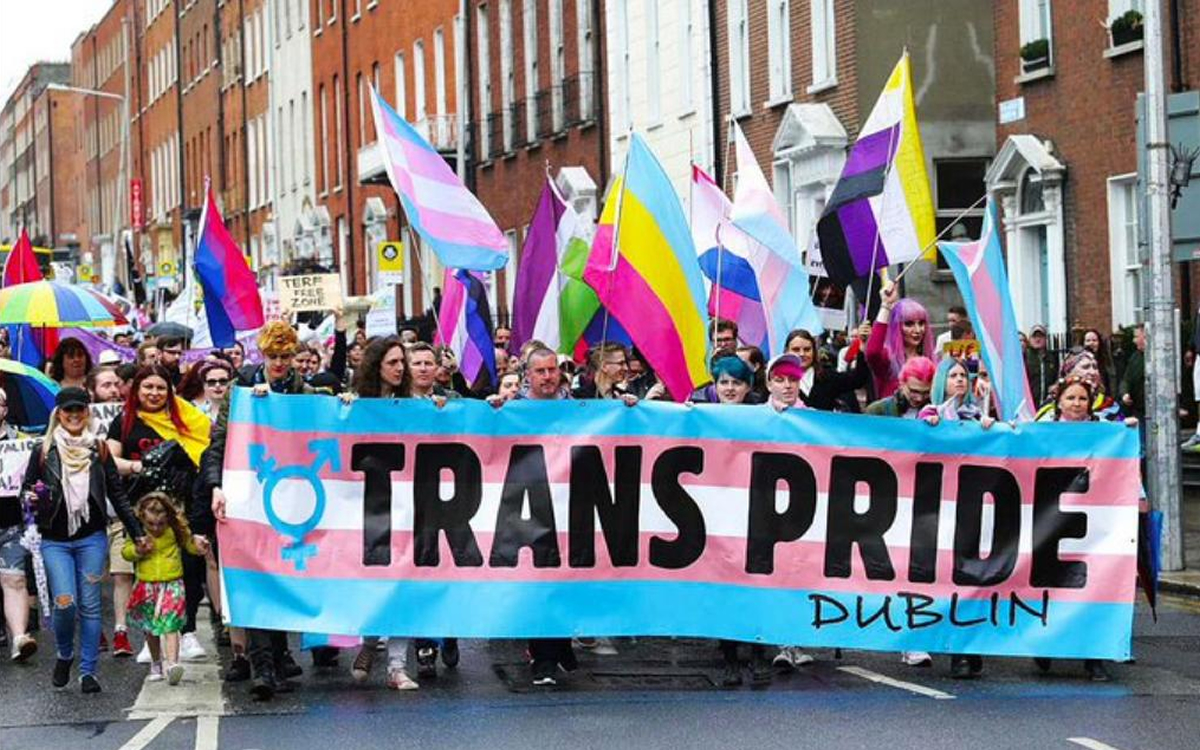
Ireland Justice Minister Helen McEntee presented the Irish government with her approval of legislation that will criminalize incitement to commit acts of hate against transgender people and people with disabilities and acts condoning, denial or gross trivialization of genocide such as the Nazi holocaust and war crimes.
The Irish Times reported that the new legislation will repeal the previous incitement to hatred laws and is intended to make prosecutions easier. However, the bar for a prosecution remains high. A defendant must have deliberately intended to incite hatred or violence against a person on account of their protected characteristic and there are defense’s for a reasonable and genuine contribution to literary, artistic, political, scientific or academic debates.
A person who seeks to incite hatred against a person or group with one of these characteristics may be guilty of an offense which could carry a penalty of up to five years in prison, the Times noted.
The Times also reported that McEntee intends to include a “demonstration test” in the bill, where guilt can be established if the perpetrator uses, for example, racial language or other evidence of hate against the victim. A demonstration test hinges on a perpetrator showing hostility towards someone with a “protected characteristic” at the time of an offence being committed.
The Cabinet was told this could include the use of hostile or prejudiced slurs, gestures, other symbols or graffiti.
The public comment period for the legislation received around 4,000 responses and the Justice Department’s staff also consulted with outside leading experts with backgrounds in hate crimes, discrimination and the LGBTQ and intersex community.






European Union
Poland’s top court rejects recognition of same-sex marriages from other EU countries
Ruling sets up potential clash with bloc

Poland’s top court this week rejected the recognition of same-sex marriages legally performed in other EU countries.
The EU Court of Justice in Luxembourg last November ruled in favor of a same-sex couple who challenged Poland’s refusal to recognize their German marriage. Poland’s Supreme Administrative Court in March reaffirmed the decision.
The couple, who lives in Poland, brought their case to Polish courts in 2019. The Supreme Administrative Court referred it to the EU Court of Justice.
The Polish government in May announced it will recognize same-sex marriages legally performed in other EU countries. Polish President Karol Nawrocki on July 17 vetoed bills that would have extended rights to same-sex couples.
The Constitutional Tribunal ruling, which it issued on July 28, was unanimous and final. It also sets up a potential clash between it and the EU Court of Justice.
European Union
European Commission says all EU countries should ban conversion therapy
Recommendation ‘an important step forward for LGBTI rights across Europe’

The European Commission on Wednesday said all European Union countries should ban so-called conversion therapy.
The recommendation comes weeks after the European Parliament voted in favor of prohibiting the widely discredited practice across the EU. More than 1.2 million people signed a campaign in support of the ban that ACT (Against Conversion Therapy) LGBT launched in 2024 through the EU’s European Citizens Initiative framework.
“We warmly welcome today’s commitment from the European Commission to a recommendation on ending conversion practices, an important step forward for LGBTI rights across Europe,” said ILGA Europe in a statement.
Seven EU countries — Belgium, Cyprus, France, Malta, Norway, Portugal, and Spain — have banned conversion therapy outright.
Greece in 2022 banned the practice for minors. German lawmakers in 2020 passed a law that prohibits conversion therapy for minors and for adults who have not consented to undergoing the widely discredited practice.
ILGA Europe said the European Commission’s recommendation “highlights how much work remains to be done.”
“Ending conversion practices cannot stop at symbolic commitments or fragmented national approaches,” stressed the advocacy group. “We need coordinated EU action, proper training for professionals, and survivor-centered support systems that recognize the serious harm these practices cause.”
“More than one million people supported the European Citizens’ Initiative calling for change,” added ILGA Europe. “The message is clear: conversion practices are not therapy or belief, they are a form of violence that Europe can and should end.”
European Union
European Parliament backs EU-wide conversion therapy ban
More than 1.2 million people backed campaign
The European Parliament on Wednesday voted in favor of banning so-called conversion therapy across the European Union.
ACT (Against Conversion Therapy) LGBT in 2024 launched a campaign in support of the ban through the EU’s European Citizens Initiative framework. More than 1.2 million people ultimately signed it.
The proposed ban had the support of 405 MEPs. The European Commission is expected to formally respond to it by May 18.
Seven EU countries — Belgium, Cyprus, France, Malta, Norway, Portugal, and Spain — have banned conversion therapy outright.
Greece in 2022 banned the practice for minors. German lawmakers in 2020 passed a law that prohibits conversion therapy for minors and for adults who have not consented to undergoing the widely discredited practice.

Center Arts Gallery celebration, auction to take place on Oct. 17

Comings & Goings

‘Hidden in Plain Sight:’ The story of Odessa Madre

‘Governments that attack LGBTQ+ rights learn from each other’

Horror genre has evolved into space to explore queer identity

ICC unseals arrest warrants for Taliban officials accused of persecuting LGBTQ people, women

Physician: addiction doesn’t always look the way you think it does

Calendar: October 9-15

Solidarity beyond the parade: the actual cost of Pride

Essential queer horror classics for Halloween
-

 Afghanistan5 days ago
ICC unseals arrest warrants for Taliban officials accused of persecuting LGBTQ people, women
-
District of Columbia4 days ago
Physician: addiction doesn’t always look the way you think it does
-
Calendar4 days ago
Calendar: October 9-15
-
Opinions4 days ago
Solidarity beyond the parade: the actual cost of Pride