European Union
The 2024 European elections: A turning point for LGBTQ rights in the EU?
Right-wing parties made electoral gains
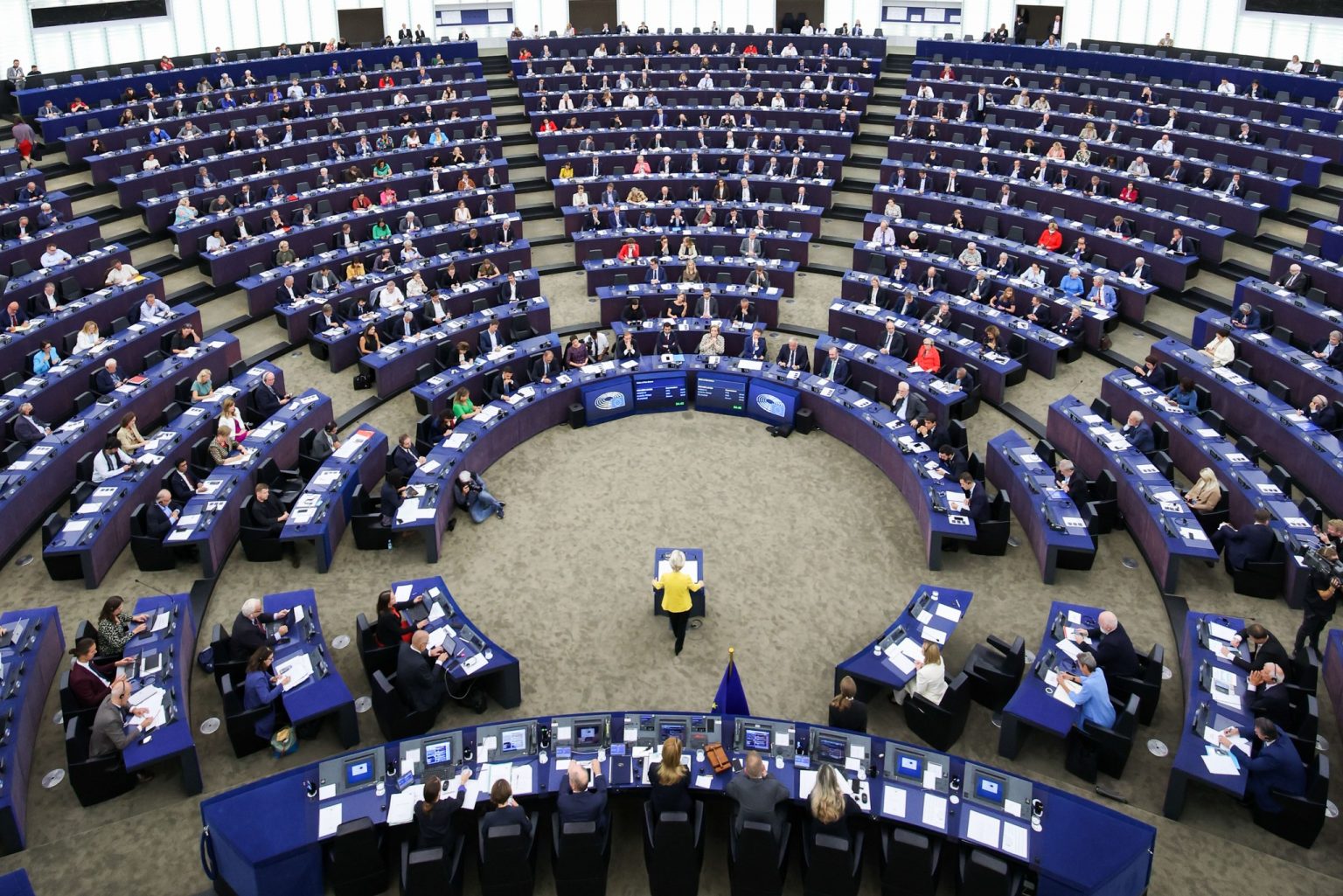
As the dust settles after the 2024 European Parliament elections, right-wing parties are gaining substantial ground and concerns about the potential impact on LGBTQ rights are growing. The projected surge in support for far-right parties, however, was not as pronounced as some had expected.
Monday morning’s estimates indicate the far-right’s presence has, however, undeniably increased.
The European Conservatives and Reformists (ECR) gained four seats, bringing their total to 73. The Identity and Democracy group saw a significant rise, gaining nine seats to reach 58. Together, these nationalist, anti-immigrant parties now hold around 130 seats, reflecting their growing influence. Marine Le Pen’s National Rally in France, which clinched over 32 percent of the vote, and the Alternative for Germany securing approximately 16 percent of the vote and becoming the country’s second-largest party, ahead of Chancellor Olaf Scholz’s Social Democrats, in particular could affect the broader political dynamics in Europe.
Despite the gains for the far-right, the mainstream conservative European People’s Party (EPP) emerged as the largest group, securing 189 seats, an increase of 13 seats. The two other centrist parties, the Progressive Alliance of Socialists and Democrats and Renew Europe, however, experienced losses that eroded the political center. S&D finished with 135 seats, losing four, while Renew Europe saw a significant reduction, finishing with 83 seats.
European Commission President Ursula von der Leyen celebrated her party’s victory and called for cooperation among centrists to ensure a “strong and effective Europe.” She emphasized the responsibility that comes with the election results, noting the need for stability amid growing support for extremist parties.
The election’s biggest losers were the Greens, who saw their support decrease by 25 percent, ending with 53 seats. The Greens, despite this setback, could still play a crucial role in supporting centrist majorities as an alternative to further-right parties.
All eyes are now on the election winners, the EPP.
Von der Leyen has indicated her readiness to work with certain parties sitting with the hard-right ECR. Initial signals from the EPP camp, however, suggest it will stay true to its traditional allies at the center. Von der Leyen has offered to work with socialists and liberals to build a “majority in the center for a strong Europe,” underscoring the importance of maintaining a united front against extremism.
The narrow margins in the new parliament could lead to issue-by-issue coalitions, especially for sensitive issues such as those related to the European Green Deal. This limited room for maneuver could see the EPP relying on partners to its right on an ad hoc basis, including for critical decisions that include ushering in a new commission president. Von der Leyen’s future hangs in the balance as she seeks re-election. National delegations within her EPP grouping and support from lawmakers of Giorgia Meloni’s Brothers of Italy party, which clinched 24 seats, will play a crucial role in her bid to secure an absolute majority of 361 MEPs.
The implications for LGBTQ rights in Europe are significant.
Far-right parties, known for their conservative social values, might push for policies that restrict LGBTQ rights, opposing marriage and adoption by same-sex couples, and challenging the legal recognition of gender identity and access to healthcare for transgender people. Such potential policy reversals represent a significant setback for the LGBTQ community.
The rising popularity of far-right ideologies also poses a risk of heightened discrimination and hate speech against LGBTQ people.
Hate-motivated violence and exclusion are likely to become more prevalent, along with more frequent and aggressive hate speech targeting the LGBTQ community. Additionally, far-right parties often promote traditional gender roles and family structures, potentially undermining the visibility and acceptance of LGBTQ identities. Nonbinary, transgender, and intersex people could face increased stigmatization.
The 16th annual Rainbow Map that ILGA-Europe publishes underscores the importance of legal protections for LGBTQ people.
Authoritarian leaders across Europe continue to use the scapegoating of LGBTQ people to divide and mobilize their electorates. Several countries, however, have demonstrated robust political will to advance and protect LGBTQ rights. Some countries — Germany, Iceland, Estonia, and Greece — have made significant strides in protecting LGBTQ rights through improvements in legislation and anti-discrimination measures. Belgium, Cyprus, Norway, and Portugal have introduced bans on conversion therapy practices.
Countries such as Italy, on the other hand, show the consequences of stalling legislative protection for LGBTQ people. Moreover, EU accession countries, including Turkey and Georgia, are actively eroding human rights and fundamental freedoms.
The Rainbow Map illustrates the stark differences in how European countries handle LGBTQ rights.
While some nations are making significant progress, others are regressing, influenced by the far-right’s growing power. Germany, Iceland, Estonia, and Greece, for example, have made noteworthy improvements in their legal frameworks to protect LGBTQ people. Germany prohibited hate crimes based on sexual orientation, gender identity, and sex characteristics, while Estonia and Greece amended their laws to allow same-sex couples to marry and adopt children.
In contrast, Italy, which has dropped in the rankings due to stalling legislative protections, exemplifies the risk of complacency that many activists in Europe fear. The far-right’s influence can quickly lead to the erosion of rights if proactive measures are not taken. The situation is even more dire in EU accession countries such as Turkey and Georgia, where LGBTQ rights are actively being rolled back.
The stakes are high as Europe moves forward from these elections.
The EU must address the rise in political hate speech and new tools of oppression that include Russia’s criminalization of the LGBTQ movement. Without strong laws and policies to protect LGBTQ people, the foundation of safety, rule of law, and democracy in Europe is at risk.
The balance of power remains delicate as the European Parliament prepares for its new term.
The first major test will be the approval of the new European Commission president, which is set for July. Von der Leyen, who narrowly won her position five years ago, will need to secure broad support among centrists while navigating the complex dynamics of the new parliament. The secret ballot process adds an additional layer of uncertainty, making her re-election far from guaranteed.
The 2024 European elections have set the stage for potentially significant changes in the legislative and social landscape of the EU. As right-wing parties gain power, the fight for LGBTQ rights becomes more crucial than ever. The next few years will be pivotal in determining whether Europe can uphold its commitment to human rights and equality or if it will see a regression influenced by nationalist, conservative ideologies.





European Union
Poland’s top court rejects recognition of same-sex marriages from other EU countries
Ruling sets up potential clash with bloc

Poland’s top court this week rejected the recognition of same-sex marriages legally performed in other EU countries.
The EU Court of Justice in Luxembourg last November ruled in favor of a same-sex couple who challenged Poland’s refusal to recognize their German marriage. Poland’s Supreme Administrative Court in March reaffirmed the decision.
The couple, who lives in Poland, brought their case to Polish courts in 2019. The Supreme Administrative Court referred it to the EU Court of Justice.
The Polish government in May announced it will recognize same-sex marriages legally performed in other EU countries. Polish President Karol Nawrocki on July 17 vetoed bills that would have extended rights to same-sex couples.
The Constitutional Tribunal ruling, which it issued on July 28, was unanimous and final. It also sets up a potential clash between it and the EU Court of Justice.
European Union
European Commission says all EU countries should ban conversion therapy
Recommendation ‘an important step forward for LGBTI rights across Europe’
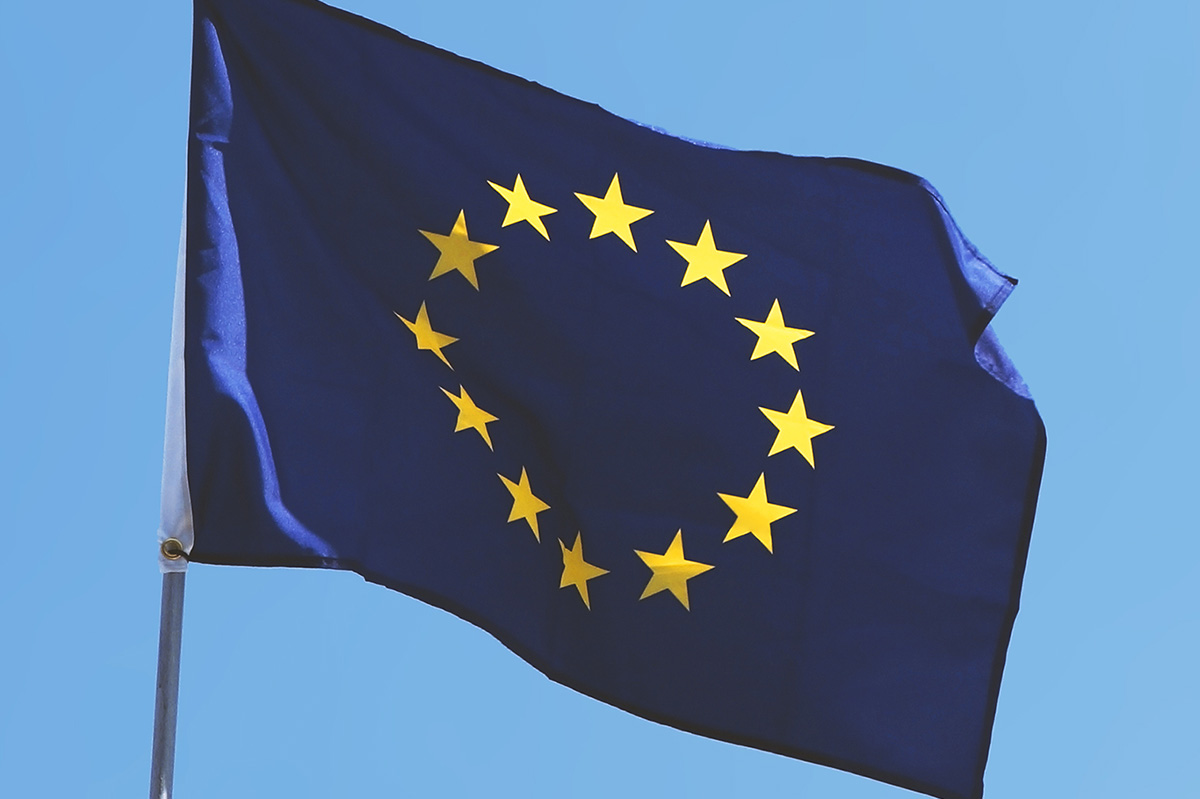
The European Commission on Wednesday said all European Union countries should ban so-called conversion therapy.
The recommendation comes weeks after the European Parliament voted in favor of prohibiting the widely discredited practice across the EU. More than 1.2 million people signed a campaign in support of the ban that ACT (Against Conversion Therapy) LGBT launched in 2024 through the EU’s European Citizens Initiative framework.
“We warmly welcome today’s commitment from the European Commission to a recommendation on ending conversion practices, an important step forward for LGBTI rights across Europe,” said ILGA Europe in a statement.
Seven EU countries — Belgium, Cyprus, France, Malta, Norway, Portugal, and Spain — have banned conversion therapy outright.
Greece in 2022 banned the practice for minors. German lawmakers in 2020 passed a law that prohibits conversion therapy for minors and for adults who have not consented to undergoing the widely discredited practice.
ILGA Europe said the European Commission’s recommendation “highlights how much work remains to be done.”
“Ending conversion practices cannot stop at symbolic commitments or fragmented national approaches,” stressed the advocacy group. “We need coordinated EU action, proper training for professionals, and survivor-centered support systems that recognize the serious harm these practices cause.”
“More than one million people supported the European Citizens’ Initiative calling for change,” added ILGA Europe. “The message is clear: conversion practices are not therapy or belief, they are a form of violence that Europe can and should end.”
European Union
European Parliament backs EU-wide conversion therapy ban
More than 1.2 million people backed campaign
The European Parliament on Wednesday voted in favor of banning so-called conversion therapy across the European Union.
ACT (Against Conversion Therapy) LGBT in 2024 launched a campaign in support of the ban through the EU’s European Citizens Initiative framework. More than 1.2 million people ultimately signed it.
The proposed ban had the support of 405 MEPs. The European Commission is expected to formally respond to it by May 18.
Seven EU countries — Belgium, Cyprus, France, Malta, Norway, Portugal, and Spain — have banned conversion therapy outright.
Greece in 2022 banned the practice for minors. German lawmakers in 2020 passed a law that prohibits conversion therapy for minors and for adults who have not consented to undergoing the widely discredited practice.

Annie Andrews denounces trans athletes after Trump targets her

On Republican Long Island, gay Democrat Chris Gallant bets on public service over politics

Report: LGBTQ exclusion costs Japanese economy billions a year

Center for Black Equity honors leaders, activists at BE. Gala

In ‘The Lost Brontë,’ a complicated lie can lead to danger

U.S. int’l trade negotiator, consultant James Bedore dies at 82

Campaign urges Virginia High School League to reverse stance on trans athletes

Trump, Netanyahu, and Putin are all war criminals

Center Arts Gallery celebrates 10 years with reception, auction

Calif. GOP gubernatorial candidate ad ‘disgusting attempt to exploit lesbian intimacy’
-

 Obituary5 days ago
U.S. int’l trade negotiator, consultant James Bedore dies at 82
-
Virginia5 days ago
Campaign urges Virginia High School League to reverse stance on trans athletes
-
Opinions5 days ago
Trump, Netanyahu, and Putin are all war criminals
-
Commentary5 days ago
Center Arts Gallery celebrates 10 years with reception, auction