Poland
Polish president vetoes same-sex relationship recognition bills
Karol Nawrocki: measures would ‘lead to the loss of the special status of marriage’
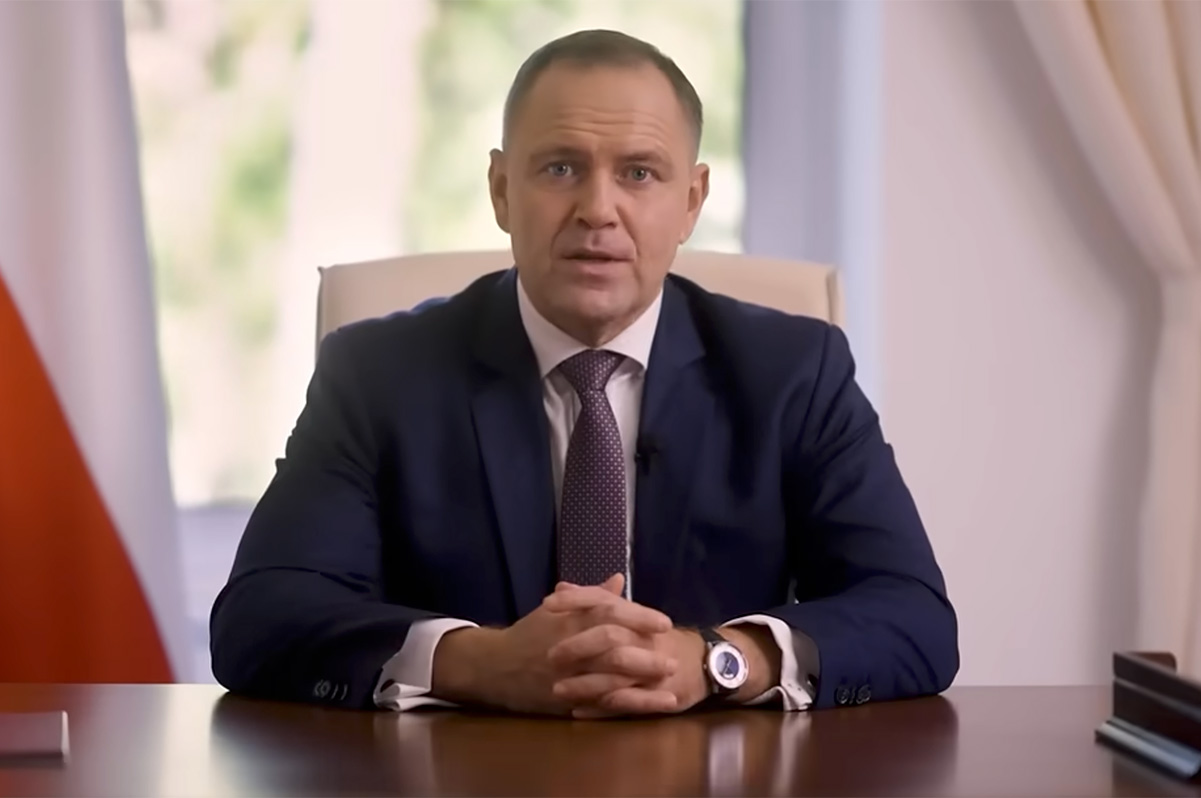
Polish President Karol Nawrocki on July 17 vetoed bills that would have extended rights to same-sex couples.
Reuters reported Nawrocki rejected two measures that would have allowed same-sex couples who live together to enter into “cohabitation contracts.” Reuters noted the bills would have allowed same-sex couples to make decisions on issues that include access to medical information, property rights, and burial.
The country’s coalition government backed the bills that MPs approved. Nawrocki, a socially conservative Catholic, in a statement said they “create a new, formalized institution of family law, equipped with a broad catalogue of rights similar to those of marriage.”
“As the guardian of the Constitution, I cannot accept a solution that would lead to the loss of the special status of marriage, defined in Article 18 of the Constitution as a union of a man and a woman under the protection and care of the Republic of Poland,” said Nawrocki, as Reuters noted.
Prime Minister Donald Tusk sharply criticized Nawrocki.
Miko Czerwiński of the Campaign Against Homophobia, a Polish LGBTQ advocacy group, in a statement noted nearly 80 percent of Poles “believe that the status of same-sex couples should be protected.”
“Once again, the voice of society has proven irrelevant to those in power,” said Czerwiński. “We are not willing to accept this. We will continue working towards full marriage equality.”
The EU Court of Justice in Luxembourg last November ruled in favor of a same-sex couple who challenged Poland’s refusal to recognize their German marriage. Poland’s Supreme Administrative Court in March reaffirmed the decision.
The couple, who lives in Poland, brought their case to Polish courts in 2019. The Supreme Administrative Court referred it to the EU Court of Justice.
The Polish government in May announced it will recognize same-sex marriages legally performed in other EU countries. Tusk, for his part, apologized to same-sex couples for the “years of rejection and humiliation” they suffered because Poland did not recognize their relationships.
“We will continue working towards full marriage equality,” said Czerwiński in response to Nawrocki’s vetoes. “We will not allow years of work by non-governmental organizations, activists, and our entire community to be wasted.”





Poland
Poland begins to legally recognize same-sex marriages from other countries
‘This is an important milestone, but it should not be the final destination’
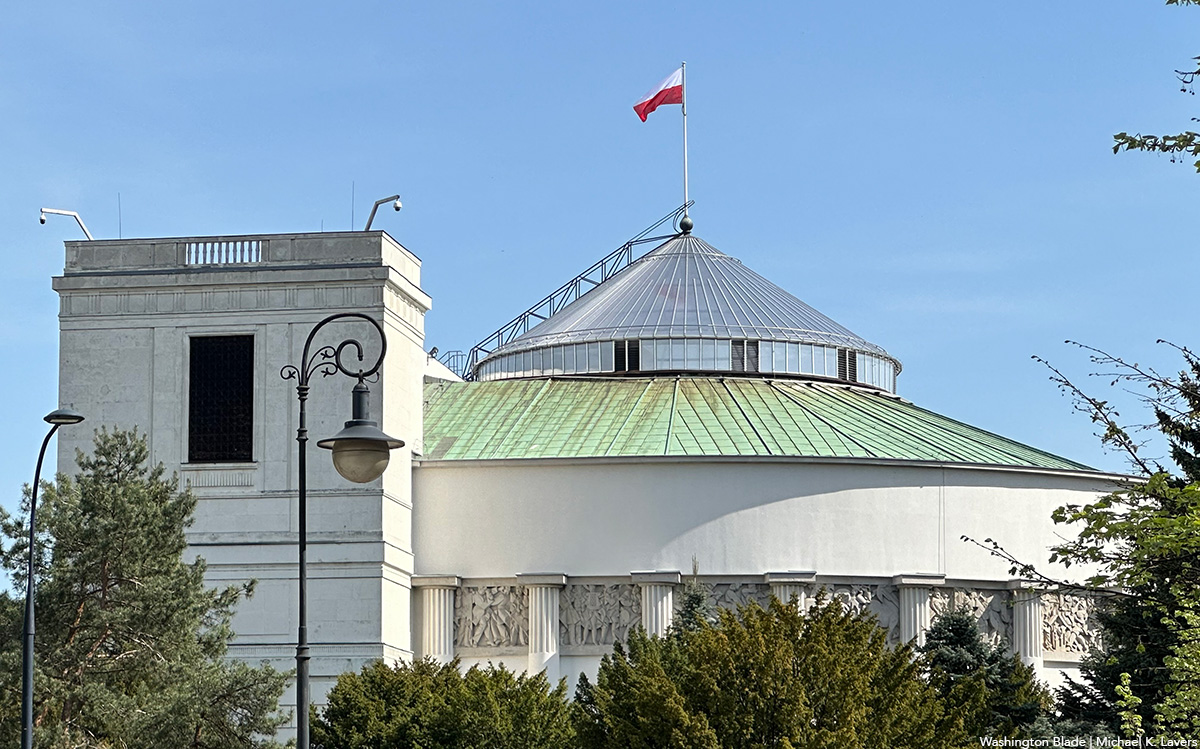
Poland has begun to recognize same-sex marriages legally performed outside the country.
TVP World, the country’s public broadcaster, reported civil registry offices began to “transcribe same-sex marriages legally” conducted outside of Poland on Aug. 22.
The EU Court of Justice in Luxembourg last November ruled in favor of a same-sex couple who challenged Poland’s refusal to recognize their German marriage. Poland’s Supreme Administrative Court in March reaffirmed the decision.
The couple, who lives in Poland, brought their case to Polish courts in 2019. The Supreme Administrative Court referred it to the EU Court of Justice.
The Polish government in May announced it will recognize same-sex marriages legally performed in other EU countries. Polish President Karol Nawrocki on July 17 vetoed bills that would have extended rights to same-sex couples.
Poland’s Constitutional Tribunal a few days later rejected the recognition of same-sex marriages legally performed in other EU countries. The Love Does Not Exclude Association, a Polish marriage equality advocacy group, in an Aug. 26 press release notes the ruling “does not prevent implementation of these new regulations” because the Constitutional Tribunal is “largely discredited” and the government considers it “to be improperly constituted.”
“This is an important milestone, but it should not be the final destination,” said Maja Heban of the Love Does Not Exclude Association. “No couple should have to cross a border to marry. Our goal is allowing loving, committed couples to marry in Poland in the first place. The law now increasingly recognizes these marriages once couples return to Poland in areas such as healthcare and social security, but significant gaps remain, mainly lack of recognition of same-sex parents which directly impacts security of their children.”
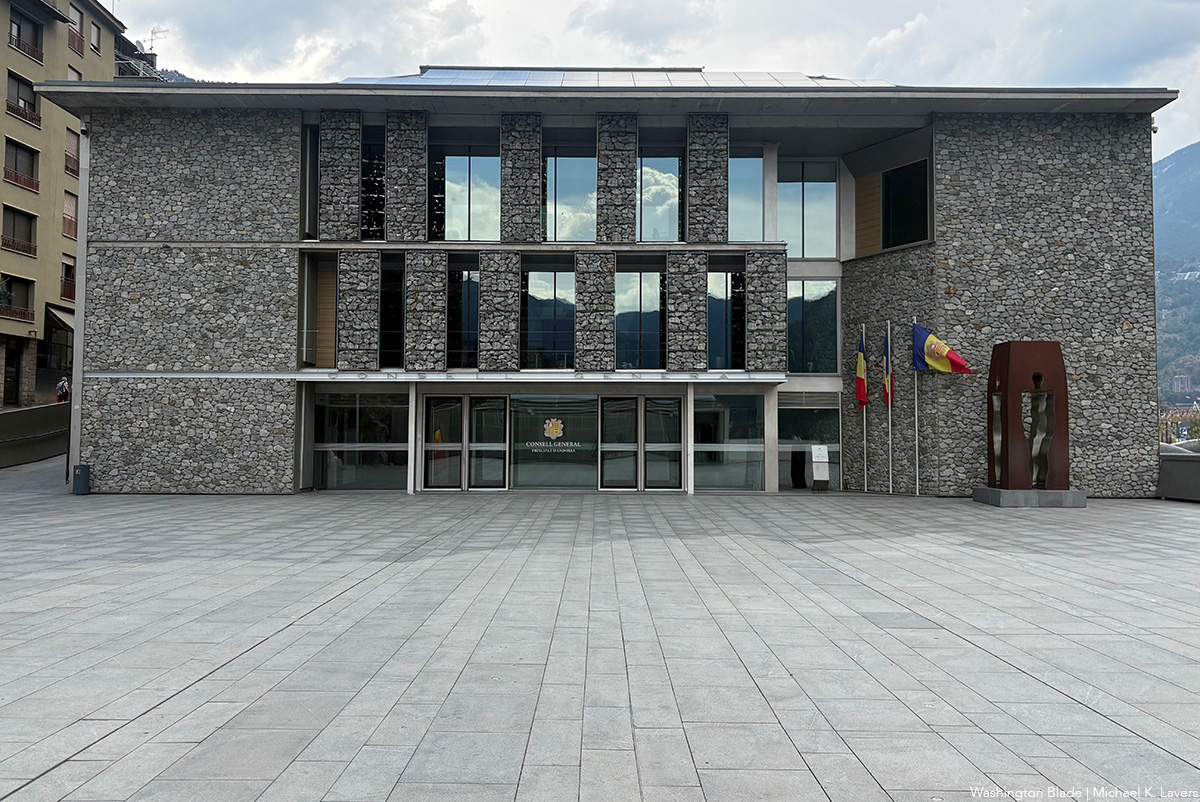
Germany, Belgium, France, Ireland, Spain, and Portugal are among the EU countries in which same-sex couples can legally marry. Andorra, whose prime minister, Xaviet Espot Zamora, is openly gay, and Switzerland are among the other European nations that have extended marriage rights to same-sex couples.
The Netherlands in 2001 became the first country in the world to extend marriage rights to same-sex couples. Activists who participated in this year’s World Pride that took place in Amsterdam earlier this summer marked this milestone.

European Union
Poland’s top court rejects recognition of same-sex marriages from other EU countries
Ruling sets up potential clash with bloc

Poland’s top court this week rejected the recognition of same-sex marriages legally performed in other EU countries.
The EU Court of Justice in Luxembourg last November ruled in favor of a same-sex couple who challenged Poland’s refusal to recognize their German marriage. Poland’s Supreme Administrative Court in March reaffirmed the decision.
The couple, who lives in Poland, brought their case to Polish courts in 2019. The Supreme Administrative Court referred it to the EU Court of Justice.
The Polish government in May announced it will recognize same-sex marriages legally performed in other EU countries. Polish President Karol Nawrocki on July 17 vetoed bills that would have extended rights to same-sex couples.
The Constitutional Tribunal ruling, which it issued on July 28, was unanimous and final. It also sets up a potential clash between it and the EU Court of Justice.
Poland
Polish government to recognize same-sex marriages from EU countries
Prime minister: recognition ‘no way a path to the possibility of adoption’
The Polish government on Tuesday said it will recognize same-sex marriages legally performed in other European Union states.
The EU Court of Justice in Luxembourg last November ruled in favor of a same-sex couple who challenged Poland’s refusal to recognize their German marriage. Poland’s Supreme Administrative Court in March reaffirmed the decision.
The couple, who lives in Poland, brought their case to Polish courts in 2019. The Supreme Administrative Court referred it to the EU Court of Justice.
Prime Minister Donald Tusk on Tuesday apologized to same-sex couples for the “years of rejection and humiliation” they suffered because Poland did not recognize their relationships.
“I hope that after the ruling of the (European Union) court and the Supreme Administrative Court, we will also find swift and necessary legislative solutions in parliament,” said Tusk, according to TVP, Poland’s public broadcaster.
Warsaw Mayor Rafał Trzaskowski, a member of Tusk’s centrist Civic Coalition party, who supports LGBTQ rights, said his city will begin to recognize same-sex marriages legally performed in other EU countries before the national government does. Tusk, for his part, said this recognition is “no way a path to the possibility of adoption.”
Any marriage recognition bill that MPs pass will go to President Karol Nawrocki, who is a socially conservative Catholic, for his signature.
“We welcome these decisions and announcements with hope,” said the Campaign Against Homophobia, a Polish LGBTQ advocacy group. “The true confirmation of these words, however, will be the signing of the aforementioned regulation and the actual certificates held in the hands of those Polish couples who were forced to fight for their dignity and justice before Polish courts.”
Karolina Gierdal, a lawyer with Lambda Warszawa, another Polish LGBTQ rights organization, criticized Tusk’s adoption comments.
“It is sad that the LGBT community is once again presented as a threat, as if society needs reassurance that adoption rights ‘won’t happen.’” she told TVP. “The reality is that children are already being raised in same-sex families in Poland, and maintaining the current legal situation means reducing the level of legal protection available to those children.”

Center Arts Gallery celebration, auction to take place on Oct. 17

Comings & Goings

‘Hidden in Plain Sight:’ The story of Odessa Madre

‘Governments that attack LGBTQ+ rights learn from each other’

Horror genre has evolved into space to explore queer identity

ICC unseals arrest warrants for Taliban officials accused of persecuting LGBTQ people, women

Physician: addiction doesn’t always look the way you think it does

Calendar: October 9-15

Solidarity beyond the parade: the actual cost of Pride

Essential queer horror classics for Halloween
-

 Afghanistan4 days ago
ICC unseals arrest warrants for Taliban officials accused of persecuting LGBTQ people, women
-
District of Columbia4 days ago
Physician: addiction doesn’t always look the way you think it does
-
Calendar4 days ago
Calendar: October 9-15
-
Opinions3 days ago
Solidarity beyond the parade: the actual cost of Pride