Real Estate
What’s all this I hear about gas stoves?
Emissions can include nitrogen dioxide, particulate matter

Have you heard? There is research that suggests a link between exposure to gas stoves and an increased risk of childhood asthma. There are reports that using gas-powered stoves releases toxic chemicals, degrading indoor air quality. And the House of Representatives recently passed a ban against regulations to limit the use of gas stoves in order to protect consumers.
What does this really mean for you, particularly if you love your gas range?
In 2019, the journal Environmental Health Perspectives found that children who were exposed to gas stove emissions in the home had an increased risk of developing asthma, particularly if they had a specific genetic variant that made them more susceptible to the effects of the emissions. Other studies have also found a link between exposure to gas stove emissions and an increased risk of respiratory problems in children, including asthma.
In January 2023, Bloomberg magazine published an article suggesting that the Consumer Product Safety Commission is ready to begin regulations of gas stoves. Also in January, the New York Times, responding to increased worries about the safety of using gas stoves, published ways to mitigate most health effects of using gas stoves and thus the lively media discussion about the danger of gas stoves was born. Or at least this research and these articles raised awareness and started controversy surrounding the facts about emissions from cooking with a gas range.
The emissions from gas stoves can include pollutants such as nitrogen dioxide and particulate matter, which can irritate the airways and lead to respiratory problems. Additionally, gas stoves can also release formaldehyde, a known carcinogen and irritant, which can be inhaled and cause health problems.
This research is still ongoing, and more studies are needed to confirm the link between gas stoves and childhood asthma. And keep in mind that gas stoves are not the only source of indoor air pollution and other factors such as smoking, pets, or cleaning products can also contribute to poor indoor air quality and childhood asthma.
The CPSC is responsible for protecting the public from unreasonable risks of injury or death associated with the use of thousands of types of consumer products under the agency’s jurisdiction. Gas stoves would fall under the purview of the CPSC, and the agency may consider proposing regulations for them if it determines that they pose an unreasonable risk to the public. If you are looking for information on any specific regulations or proposals regarding gas stoves, check the CPSC website or contact the agency directly.
The U.S. Consumer Product Safety Commission (CPSC) are not currently seeking to regulate gas stoves. This was confirmed in a tweet posted on January 9, 2023 by CPSC Commissioner Rich Trumka Jr., one of five commissioners of the (CPSC) who wrote that the agency “isn’t coming for anyone’s gas stoves.” As the article in Bloomberg points out, in reality, cooking produces emissions and harmful byproducts no matter what kind of stove is used.
The CPSC has issued safety standards for ranges, ovens, and cooktops, which include requirements for stability, labelling, and warning systems. These standards also require manufacturers to include instructions for the proper installation, use, and maintenance of their products. The CPSC has also issued a warning regarding the dangers of carbon monoxide poisoning and recommends that consumers install a CO detector in the home and have their gas appliances inspected and serviced regularly.
What steps can I take to better protect myself and others in my household?
“Ventilation is really where this discussion should be, rather than banning one particular type of technology,” said Jill Notini, vice president of communications and marketing with the Association of Home Appliance Manufacturers, a Washington-based trade group. “Banning one type of a cooking appliance is not going to address the concerns about overall indoor air quality. We may need some behavior change, we may need [people] to turn on their hoods when cooking.”
Back to the January New York Times article, they published a few simple steps you can take to mitigate most health effects of using gas stoves. Journalist Dani Blum wrote, “Despite the recent news around gas stoves, it’s important to remember that there are concrete steps you can take to reduce their risks. [Brady Seals, a manager at the environmental think tank R.M.I.] said. “I think it’s [using a gas stove] a concern, but it’s a concern that can be mitigated. It’s a concern we have solutions for.”
As Blum emphasized for Times readers, “Remember that the risk of health effects from using a gas stove is generally low, but taking these steps can help to further reduce your risk.”






Real Estate
With gas prices soaring again, a staycation is a good plan
Home can be your personal retreat and your own private resort
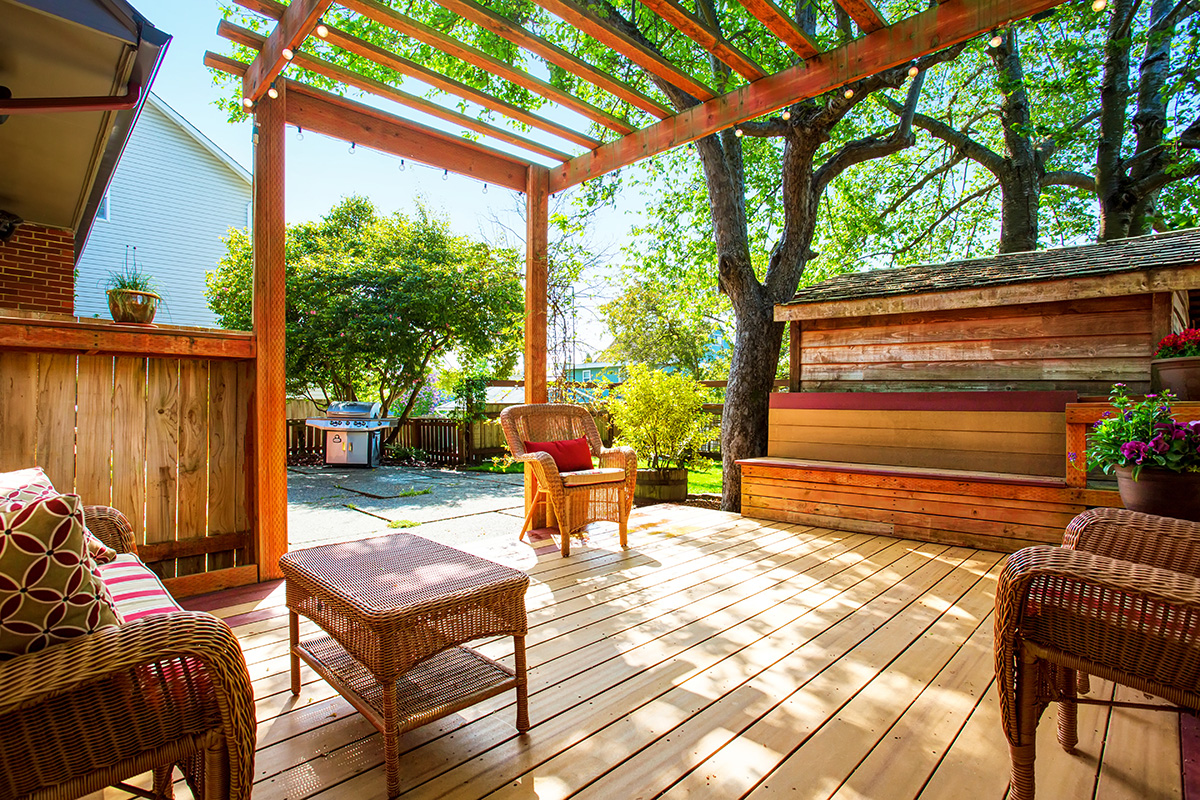
When airfare costs more than your monthly utility bill and a weekend road trip requires a second mortgage just to fill the gas tank, many homeowners are discovering an unexpected luxury: the staycation.
A staycation isn’t settling for less—it’s reaping the benefits of one of the biggest investments you can make: your home. Much more than a place to sleep, it’s your personal retreat, your gathering place and, with a little preparation, your very own private resort.
Whether you own a single-family home, a townhouse, or a condo, creating a memorable staycation starts with appreciating what made you fall in love with your property in the first place.
Start with a home refresh. Think about checking into a beautiful vacation rental. It’s spotless, organized, and inviting. You can recreate that same feeling by spending a day preparing your home before your staycation officially begins.
Clear away clutter, deep clean the bathrooms and kitchen, wash the windows, and put fresh linens on every bed – even if you’re not expecting guests. Fluff the pillows, light a favorite candle, and place fresh flowers on the table. These small touches instantly make your home feel more luxurious.
If your budget allows, hiring a professional cleaning service can be one of the best staycation perquisites you make. After all, vacation should begin the moment you wake up and not after you’ve spent the day scrubbing floors.
Treat your staycation like a real trip. Set away messages on your phone and out of office notices on your email. Skip unnecessary chores for a few days. Giving yourself permission to relax may be the most valuable part of the entire experience.
One of the greatest advantages homeowners have over travelers is private outdoor living space. Whether it’s a spacious backyard, a screened porch, a rooftop terrace, or a cozy condo balcony, these areas can become the centerpiece of your staycation.
Stringing lights and adding comfortable seating, colorful planters, and outdoor rugs can completely transform the atmosphere without spending thousands of dollars. Add a portable fire pit, a tabletop fountain, or a hammock, and suddenly your backyard starts competing with many resorts.
Host an evening cookout, organize a game night, invite neighbors over for dessert, or gather around the fire pit for conversation after sunset. These simple moments often become the memories we treasure most.
Inside, transform your family room into a home theater complete with popcorn and comfortable blankets. Turn your breakfast room into a morning coffee café. Designate a quiet reading corner where phones are prohibited. Create a spa-like bathroom with plush towels, candles, bath salts, and relaxing music.
One of the highlights of traveling is experiencing new food. Instead of dining out every night, create themed dinners inspired by your favorite destinations. Prepare homemade Italian pasta one evening, Caribbean grilled seafood another, or a backyard Texas barbecue over the weekend. For a touch of whimsy, dress the part.
Pair each meal with music and libations from the region and enjoy dinner outdoors whenever possible. Suddenly, your dining room becomes part of the vacation experience instead of just another place to eat.
Families with children can turn a staycation into an adventure by seeing their home through a child’s eyes. Set up a backyard camping experience with a tent, flashlights, and s’mores around the fire pit. Transform the living room into an indoor campground complete with sleeping bags and a movie under a blanket “fort.” Organize a backyard Olympics with relay races, water balloon tosses, scavenger hunts, or miniature golf using household items.
Encourage children to plan a family picnic in the backyard or on the patio, choose a theme for a movie marathon, or help prepare meals inspired by countries they’d like to visit someday. The goal is to create experiences your children will remember long after summer is over.
Enjoy the amenities you already pay for. Condominium communities and many planned neighborhoods offer amenities that residents often overlook.
Swimming pools, fitness centers, tennis and pickleball courts, walking trails, clubhouses, grilling stations, and community gardens are designed to enhance your lifestyle. During your staycation, make a point of exploring everything your community offers. You may discover you’ve been living beside your own private resort all along.
Real estate professionals often talk about resale value, appreciation, and return on investment. While those things certainly matter, there’s another return that’s harder to measure: the enjoyment you get from living in your home every day.
You don’t need a boarding pass to recharge. You don’t need a hotel reservation to make memories. Sometimes the perfect getaway is the one you already own.
Valerie M. Blake is a licensed Associate Broker in D.C., Maryland, and Virginia with RLAH @properties. Call or text her at 202-246-8602, email her at [email protected] or follow her on Facebook at TheRealst8ofAffairs.
Real Estate
When buying a home, it’s decisions, decisions, decisions
Keeping notes on the process makes for an informed purchase

When looking to buy a home, there are lots of details to consider. Many of my clients would come to me and say, “Joe I want to buy a place, but I haven’t decided which neighborhood to buy in.” And the struggle was real. A few clients had everything decided from the color of the hallway walls to the cabinet handles and sometimes which three square blocks they wanted to look at.
But other clients were occasionally looking at properties in areas as distinct as Union Market/NOMA, Brookland, Logan Circle, and then we would even go across the river to look at a property in Shirlington or the Van Dorn areas of Virginia, which all have their own unique flavor and characteristics.
Sometimes clients would tell me, “I only want to look in Mount Pleasant or Adams Morgan.” Or, “don’t even show me any properties west of this street or south of that street.” My job wasn’t to convince people where to live. It was to just take the parameters they set for me and find as good of a property in that zone as I could, coordinate the showings and, if necessary, offer the strategy.
One can see that buyers often had more decisions to make than a seller. From a seller’s perspective, the house was where it was, and we just had to make the best of it. But working with a buyer could mean looking at five different neighborhoods, and then being a “thought partner” to help them figure out which were the top two or three areas they had seen, and then further distilling those down into what was available and weighing those options against each other.
One house could have the dream bathroom but also be located six blocks further from a Metro stop, walkable shopping and dining, and “just too far away from my friends.” Another house could have all the neighborhood options a client was looking for, but was just not in turnkey condition, and would require an additional $30,000 of upgrades once purchased to make it into the dream home they envisioned.
One activity I often asked buyers to do was to keep an active list in their heads of the properties they liked, and to keep a running rank of the top three. I often encouraged them to bring a notebook along on the journey where they could take notes and write down questions they thought of as they looked. It was an important decision, and sometimes the largest purchase of their lives. Why not take it a little seriously, and take notes? This could often help the buyer later when they felt it was time to decide.
The point here is, keeping a notebook handy can sometimes help a person with what feels like an overwhelming process. It provides a space to explore how one feels, jot down important details to remember, and then use that to make an informed decision.
Joseph Hudson is a referral agent with RLAH. Reach him at 703-587-0597 or [email protected].
Real Estate
Under-the-radar Delaware beach towns smart buyers are targeting
There are other options if Rehoboth prices are scaring you off

Look, we love Rehoboth. We will always love Rehoboth. Queer folks have been flocking there since the 1940s, and with scores of LGBTQ-owned businesses and a Pride calendar packed tighter than the boardwalk in July, “Rehomo” earned its crown fair and square.
But let’s be honest with each other: trying to buy property there right now feels a lot like trying to get a reservation at the one good restaurant in town on a Saturday in August. Everyone wants in, inventory is tighter than your swim trunks after Labor Day brunch, and the prices have officially entered “are you kidding me” territory.
So here’s a thought: What if you didn’t fight the crowd? What if, instead, you let Rehoboth keep doing its glorious, chaotic, glitter-bomb thing and you quietly built your beach life 15 minutes away for considerably less drama and considerably more square footage? Here are four towns ready for their close-up.
Lewes: The Charming Overachiever
Lewes is what happens when a beach town actually has its life together. Historic charm, walkability, proximity to Cape Henlopen State Park, less crowding, and a strong year-round community. Unlike towns that turn into ghost towns after Labor Day, Lewes maintains a real community all year long, which is more than we can say for some situationships.
And right now, the market is practically begging you to make a move. It’s one of the most desirable and stable markets in the county — built for buyers thinking long-term, not flippers, and Sussex County overall has flipped into genuine buyer’s market territory for the first time in years. Translation: you finally get to be the one with leverage.
Bethany Beach: My Personal Pick
Full disclosure: I own in Bethany. So consider this section a little biased — and also the most honest thing I’ll tell you in this whole article.
When I drive down from D.C., I’m not looking for more of D.C. I love this city, but I also love leaving it — and yes, some of the people in it too (you know who you are, and so do I). Bethany gives me that full exhale. It’s quiet in the way that actually means something: fewer crowds, slower mornings, a soundtrack that’s mostly waves instead of nightlife. It leans hard into its “quiet resort” reputation, with low property taxes and a limited geographic footprint, and it is not the least bit sorry about it.
But quiet doesn’t mean isolated. I’ve got a genuinely excellent food scene nearby, real shopping, and a string of charming neighboring beach towns — and when I do want a taste of Rehoboth’s energy, it’s a short, easy drive away. I get to choose my dose of chaos instead of living inside it.
And here’s the part that matters most for this article: the price. If you’ve looked at Rehoboth listings and quietly closed the tab in despair, I need you to hear this — you can absolutely afford a beach house. It just doesn’t have to be in Rehoboth. Bethany’s average home value sits around $848,592, which is still real money, no question — but it buys you more house, more land, and more peace than the same budget gets you closer to the boardwalk. Bethany is welcoming too, just without Rehoboth’s decades of built-in queer institutional history — and for plenty of us, that trade-off is more than worth it.
Fenwick Island: Small Town, Big Flex
Fenwick rarely gets mentioned and, frankly, it should be insulted. It’s tiny, it’s quiet, and it has beach access without the carnival energy. The market data tends to lump it in with Bethany, where single-family oceanfront homes clear $1 million while entry-level condos start in the $600s — proof that “under-the-radar” doesn’t mean “bargain bin,” it means “fewer people fighting you for it.”
South Bethany: For the Boat Gays
Some of us want sand between our toes. Others want a private dock and a boat named something deeply unserious. South Bethany’s canal communities are built for the latter — water access on both sides, fewer crowds, and a lifestyle that says, “I have a captain’s hat and I am not afraid to wear it.”
The Math Works in Your Favor Now
Here’s the part that should really get your attention: Sussex County’s median sold price has dropped to $440,000, down 3.3% year-over-year, and buyers are routinely closing around 88 cents on the dollar compared to asking price. That’s a far cry from the unhinged bidding wars of 2021 and 2022, when overpaying was basically a competitive sport. Inventory across the county sits at nearly 2,500 active listings — the most of any county in Delaware, meaning you actually get to be picky for once. Revolutionary, we know.
And no, choosing one of these towns doesn’t mean leaving your people behind. Sussex Pride serves the entire county, not just Rehoboth proper, and CAMP Rehoboth’s resources extend well beyond town limits too. You’re not exiling yourself to the suburbs of queerness — you’re just getting a bigger kitchen, a quieter porch, and a much shorter line for the bathroom.
Add in the fact that Delaware has no estate tax and some of the lowest property taxes around, savings that genuinely add up over a retirement horizon, and the case writes itself. Rehoboth will always be the beating, sequined heart of queer beach culture in Delaware. But if you’ve been telling yourself a beach house isn’t in the cards — I’m here to tell you it absolutely is. It just might be 15 minutes south, with your own quiet porch, your own salt air, and considerably more room to breathe.
Have a real estate question or Rehoboth market tip? Reach out to [email protected] for LGBTQ-friendly real estate resources in the Rehoboth area.
Justin Noble is a Realtor licensed in D.C., Maryland, and Delaware with Monument Sotheby’s International Realty. Reach him at [email protected] or 302-897-7499.

PHOTOS: Nellie’s Drag Brunch

Remembering Barbara ‘Boo’ Price, a pioneering force in women’s music

‘Maddie’s Secret’ defies campy expectations

Bros + romance + fantasy = ‘Bromantasy.’

National tour of ‘The Notebook’ retains its tearjerking power

Will Michigan save the GOP?

Treat our political opponents as neighbors not enemies

Supreme Court ruled Boy Scouts could exclude James Dale. Now he says that same rule protects LGBTQ scouts from Trump

Beloved pastor, AIDS activist Rainey Cheeks dies at 74

Live music drag cabaret set for Shaw’s Tavern
-

 Opinions5 days ago
Will Michigan save the GOP?
-
Opinions5 days ago
Treat our political opponents as neighbors not enemies
-

 Pentagon4 days ago
Supreme Court ruled Boy Scouts could exclude James Dale. Now he says that same rule protects LGBTQ scouts from Trump
-
Obituary3 days ago
Beloved pastor, AIDS activist Rainey Cheeks dies at 74