World
Out in the World: LGBTQ news from Europe and Asia
Swedish lawmakers last week passed a sweeping gender-recognition law
IRAQ
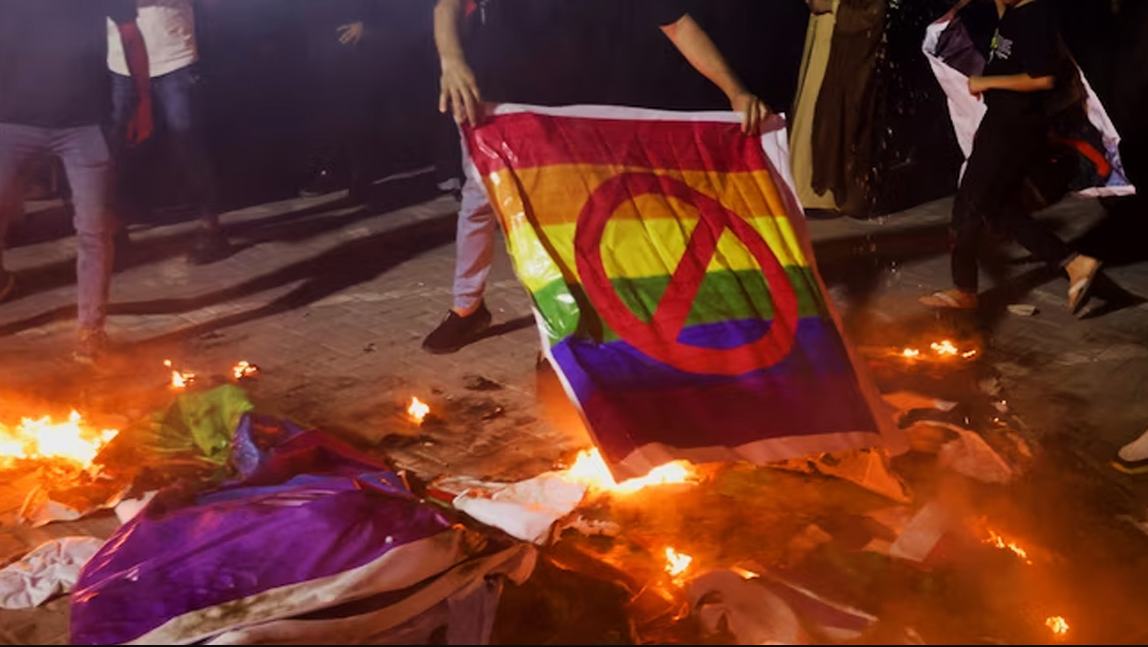
A bill is being discussed in the Iraqi parliament that would introduce the death penalty or life in prison for same-sex relations, Reuters reported this week. Western diplomats have warned Iraqi lawmakers that if passed the law could have serious consequences for Iraq’s political and economic ties.
According to Reuters the measure imposes a sentence of life imprisonment or the death penalty for anyone engaging in same-sex relations or anyone who swaps their wife with someone else’s for sexual purposes. Lawmakers postponed voting over time constraints and that some disagreements remained over proposed amendments
The law contains a provision that echoes the Russian law banning the promotion of homosexuality and violations are punishable by at least seven years in prison.
UNITED KINGDOM
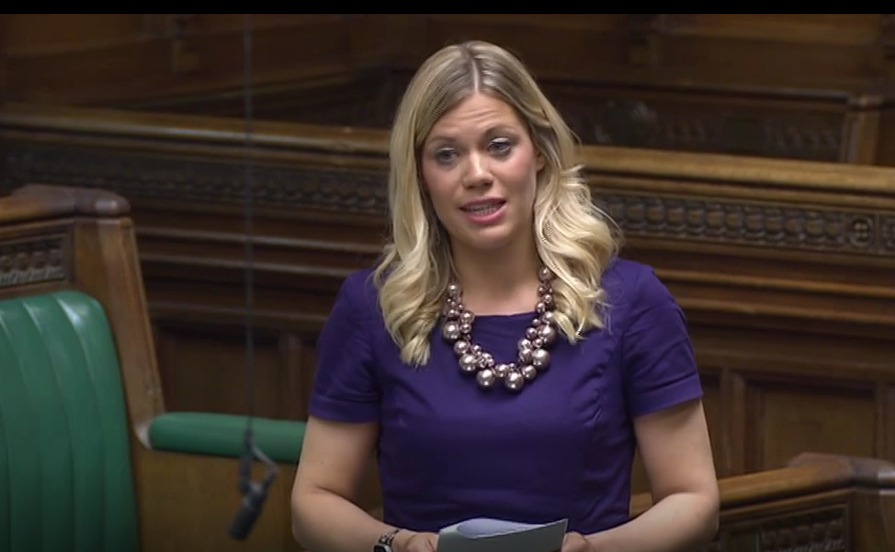
Miriam Cates, the Tory MP for Penistone and Stocksbridge in South Yorkshire, took aim this week against a proposal to set up voluntary “gender and sexual orientation alliance groups” in Scottish schools that opt in.
Speaking to GB News, Cates said: “These are children who have not been through puberty and they don’t have sexual feelings. Asking them if they are straight or gay is not only ridiculous, it is also disturbing. Why would an adult in a school be asking a small child about their sexual feelings?” She added that the scheme is “very, very worrying” and has been “dressed up to be seen as a diversity agenda, an inclusivity agenda.”
The Tory MP has a long record of anti-LGBTQ remarks and activism. In January 2023, after the government of Prime Minister Rishi Sunak announced its unprecedented decision to use a Section 35 order under the Scotland Act to prevent the Scottish bill from becoming law, addressing the House of Commons, Cates said she believed it was “absolutely right” for the Tory government to block Scotland’s gender reform law.
PinkNewsUK reported Cates then claimed the bill would make it “vastly easier for a predator to gain access to children” and alleged it would have a “chilling effect” on single-sex spaces.
PinkNewsUK also noted that the Tory MP said that this latest push to encourage schools to install gender-neutral bathrooms, and hold meetings about LGBTQ inclusion, among other initiatives in Scotland was little more than “adults with a particular ideology are pushing that ideology on children, with damaging effects.”
A Scottish government spokesperson told the Telegraph: “We are committed to doing everything we can to make Scotland the best place to grow up for LGBTQI+ young people.” The spokesperson added: “This includes funding LGBT Youth Scotland to deliver a range of projects, such as the LGBT Charter program.”
SWEDEN
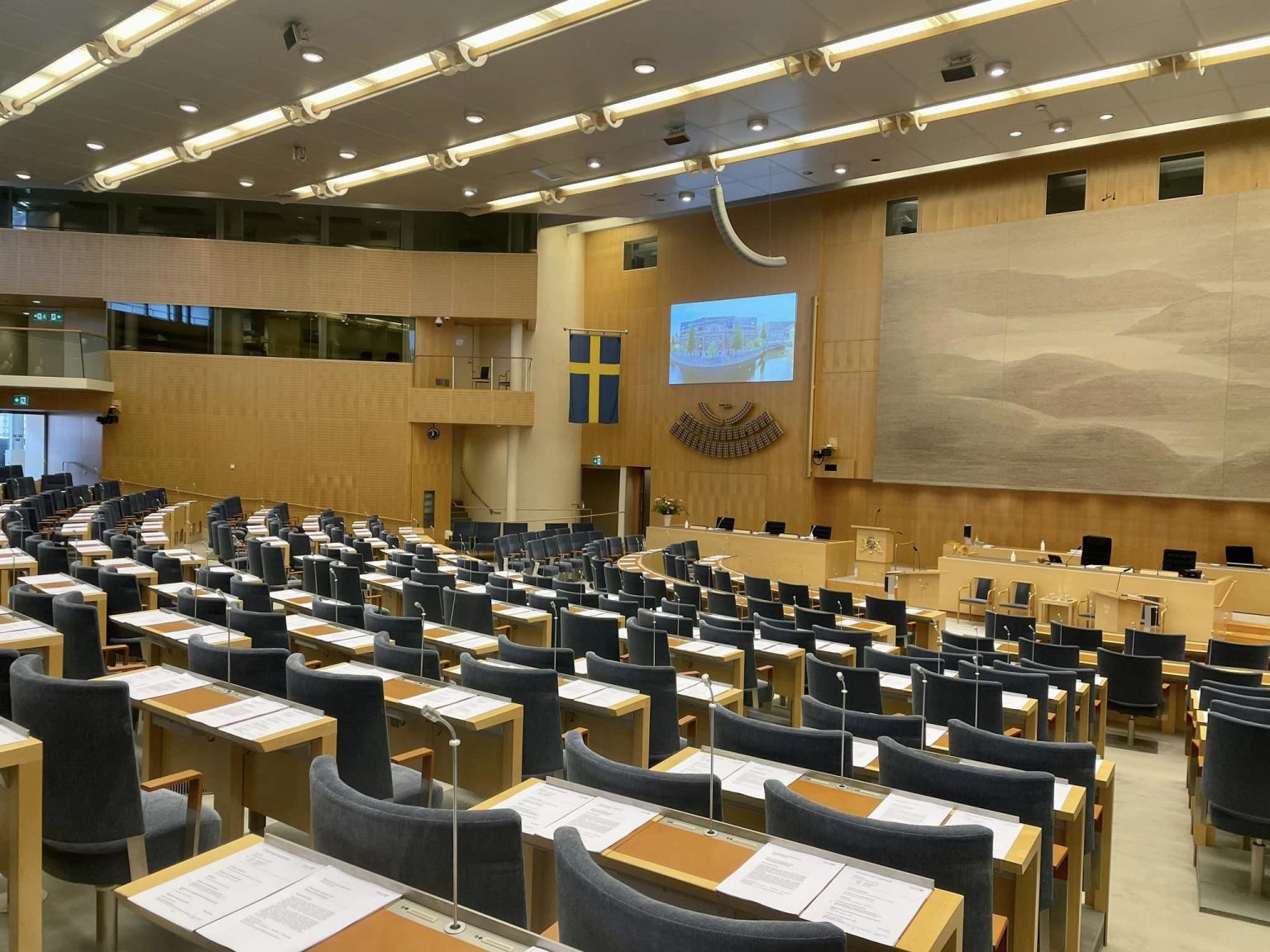
The Swedish parliament has passed a sweeping gender-recognition law that eases the process for transgender people to update their legal gender. The law also lowers the minimum age for a gender change from 18 to 16, although minors will be required to have the consent of their parents, a doctor, and the National Board of Welfare.
The Swedish Parliament adopted the law in a 234-94 vote on April 17, following six hours of tense debate. The law will come into effect next July.
The law was supported by the Moderate Party, which is the largest party in the governing coalition, as well as several opposition parties. The bill was vehemently opposed by the Christian Democrats, which are part of the coalition, and the far-right Sweden Democrats, who are in allied with but not a part of the government.
Sweden became the first modern country to allow legal gender change back in 1972, but the process to do so was derided as cumbersome and dehumanizing. Trans people would be forced to live in their gender identity for at least two years before applying, they’d have to be single or divorce their spouse, and they’d have to first undergo sex reassignment surgery and sterilization.
Roughly 800 trans Swedes are believed to have undergone sterilization under this regime before the law was changed to remove that requirement in 2013. In 2018, parliament approved a compensation scheme that awarded up to 225,000 Swedish krone (approximately $27,000) to people forced to undergo sterilization.
But other countries have since leapfrogged Sweden in recognizing trans people’s right to gender self-determination. All of the other Nordic countries — Norway, Denmark, Iceland, and Finland — allow trans people to update their legal gender by simple self-declaration, as do New Zealand, Ireland, Spain, Portugal, Chile, Argentina, Brazil, as well as many states and provinces of Canada, Mexico, and the U.S.
The new law doesn’t give trans Swedes everything they had wanted. While the application process no longer requires a doctor’s diagnosis of gender dysphoria, a consultation with a doctor or psychologist is still required. Children under 16 are also prevented from changing their legal gender, even with parental consent.
The law also maintains a ban on gender-related surgeries on minors.
Moderate Party leader Ulf Kristersson says that the bill will be a big help for trans people in Sweden, pitting the law as a reasonable compromise .
“The vast majority of people in Sweden will never notice that the law changes. But for a number of people in an often vulnerable situation, the new law can make an important difference. Everyone should be able to respect that,” Kristersson wrote in the Expressen newspaper.
Lina Axelsson Kihlblom, a trans woman and former minister of education from 2021-2022, the change will protect trans people’s security.
“For transgender people, it makes a huge difference to one’s freedom, security, future and sense of respect from society. We who are actually affected therefore really want a modernization of the law,” she wrote in Expresssen.
“I was forcibly sterilized, aged 21. I also had to wait until I was almost 24 before my legal gender was corrected. For several years, I had risked my life by having to show ID documents that did not show what others or I myself saw. Threats, hatred and fear of the uncomprehending mob were there daily. These traumas give me an ‘experience’ that I reluctantly house within me every day, even though I have passed 50. No one else should have to handle it,” Kihlblom says.
CZECH REPUBLIC

The Czech Senate ended debate on the same-sex partnership law without a vote on April 17, sending it on to President Petr Pavel, who is expected to sign it into law.
Czechia has allowed same-sex couples to enter “registered partnerships” since 2006, but these have always been seen as inferior to full marriage equality. Couples in registered partnerships were not given equal tax treatment, were not allowed to adopt children, and were not called “married” or treated as a family.
Under the new bill, “registered partnerships” will be replaced with “partnerships,” that are given all the rights of marriage except for the word “marriage,” and except for the right to jointly adopt children. The bill will come into effect in January 2025.
Going forward, couples in partnerships will have access to stepchild adoption, where one partner adopts the other’s biological child. Adopting a partner’s non-biological child will be possible but will require a court procedure.
Same-sex marriage has long been a political hot potato in Czechia. Polls consistently show the public supports same-sex marriage and adoption rights, but lawmakers are more conservative.
This partnership bill started as a same-sex marriage bill, but the lower house of parliament amended the bill to the current version when it passed it in February. There was some concern among lawmakers that there was not enough support in either house of parliament to pass full marriage equality.
There had been some hope among activists that the Senate would amend the bill to allow same-sex marriage, but that fizzled as several committees examined the bill and failed to adopt amendments.
“We were not afraid of the discussion in the Senate, it took place powerfully in the committees. But we didn’t want things that hurt people from the LGBTI+ community to be heard again,” Václav Láska, a senator from the Pirates party, told iDNES.cz. “There was a real risk that the law would fall under the table and the LGBTI+ community would get no rights at all. It’s a temporary compromise.”
The same-sex marriage advocacy group Jsme fér said the new partnerships bill maintains discrimination against gay people and their children.
“It does not give them the same rights as other citizens. It disadvantages children only according to the relational orientation of those who adopt them. Those children who want to be adopted by a same-sex couple will have to go through their own adoption twice,” said Jsme fér. “The dream goal of our journey together is still waiting for us.”
NEPAL
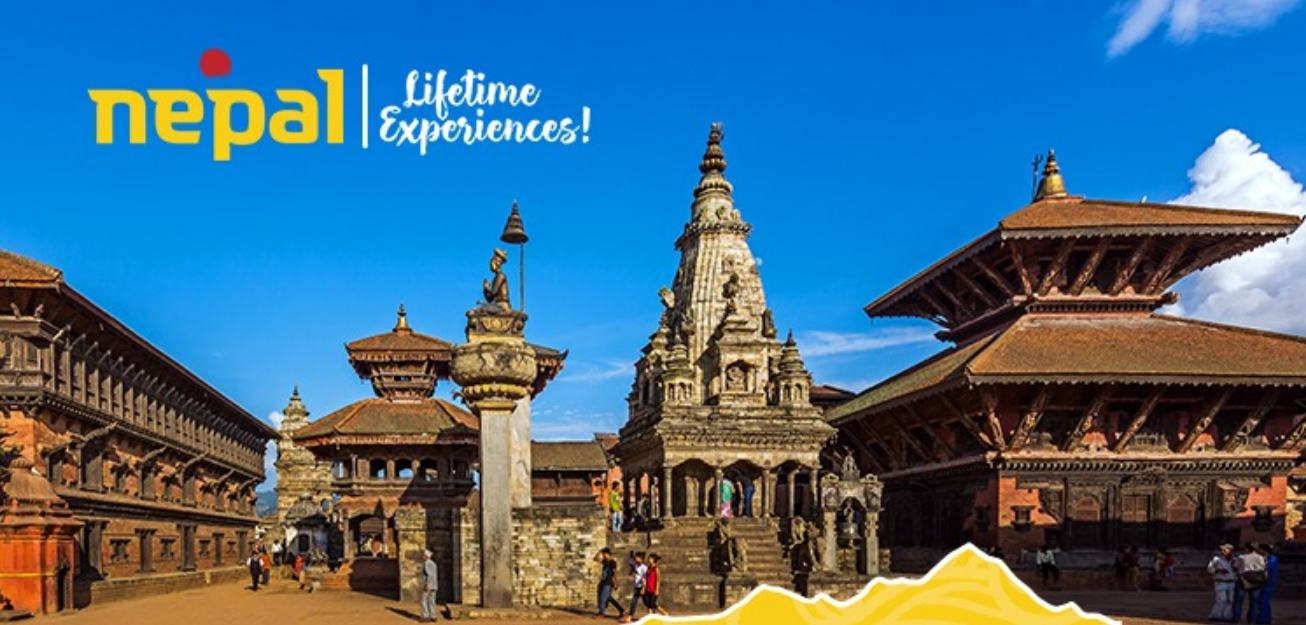
The Nepal Tourism Board hosted the country’s first-ever conference dedicated to promoting LGBTQ tourism in the Himalayan nation this weekend, in a sign of the growing acceptance of queer people as well as the growing interest in the spending power of queer tourists.
Nepal has swiftly expanded LGBTQ rights since the country decriminalized gay sex and cross-dressing in 2007 in the wake of the establishment of democratic government. Since then, the courts have ordered the government to take increasing steps to promote LGBTQ rights and inclusion, culminating in last year’s interim Supreme Court decision legalizing same-sex marriage. A final decision on same-sex marriage is expected from the Supreme Court soon.
Nepal is only the second country in Asia to legalize same-sex marriage.
For Nepal Tourism Board director Nandini Lahe-Thapa, LGBTQ tourism represents a huge opportunity for growth in the impoverished country.
“For Nepal’s tourism industry, the LGBTIQ conference is a triumph as this is one of the most important market segments that we have yet to tap,” Lahe-Thapa told the Kathmandu Post.
Lahe-Thapa hopes Nepal can leverage its position as one of only a few places in the region where LGBTQ people are tolerated and welcomed to provide a unique travel experience for queer visitors.
“People might feel uncomfortable sharing their identity and choices if the place and the people are judgmental and unfriendly. Here we have an advantage as a destination,” Lahe-Thapa says.
To build on that advantage, the Nepal Tourism Board has invested in ways to make the country more welcoming to LGBTQ travelers by training queer Nepalis to work in the hospitality industry — and particularly as trekking guides to help queer visitors access Nepal’s popular mountains. Last year, the board organized trekking guide training to 25 queer Nepalis.
There are now dozens of business across the country openly owned by members of the LGBTQ community, including bars, restaurants, hotels, and travel and tour operators, particularly in the bustling capital, Kathmandu.
Participants in the conference also noted that legal same-sex marriage presents a particular opportunity for the country.
“Businesses are opening up for the queer and that’s a good sign. We can promote Nepal as a same-sex marriage and honeymoon destination,” says Sunil Babu Pant, a former legislator who was the first openly queer lawmaker elected in Asia.
Conference attendees also pointed out that Nepal’s long history and diverse culture includes many LGBTQ-related traditions, which present a unique attraction for visitors. Nepal has important ancient festivals, temples, rituals, stories, and traditional culture recognizes six genders, all of which offer a unique experience for the queer traveller.
The queer market is frequently cited as being worth trillions of dollars annual across the globe, with LGBTQ people often seen as being more likely to spend on travel and unique experiences than most buyers.
One of the largest segments of the LGBTQ tourism market is in neighboring China, where the queer population is estimated to hold hundreds of billions of dollars in wealth. Nepal is uniquely positioned to take advantage of the Chinese market, which is only expected to grow.
“One of the things that we know from Chinese gay travelers is they are looking for places they feel safe, where they can hold hands and where they can have new experiences,” says Diane Anderson-Minshall, CEO of GO Magazine, who was one of the presenters at the conference.
NEW ZEALAND
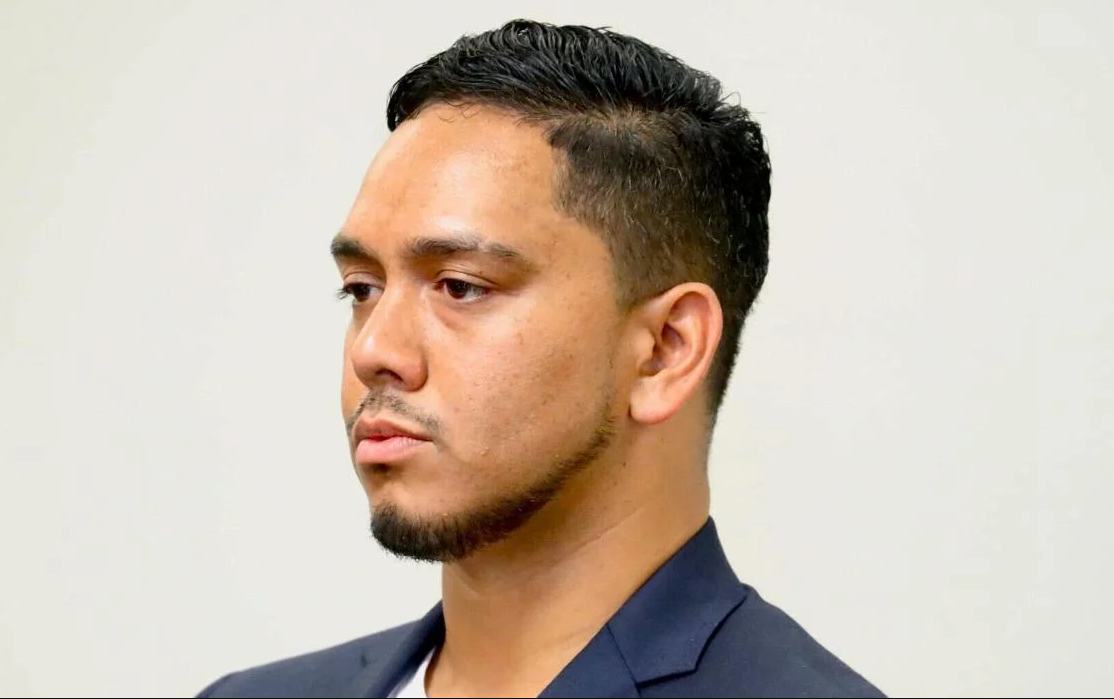
One of the men accused of defacing a Pride-flag themed crosswalk in Auckland’s central business district has pleaded guilty to the crime and was ordered to pay a huge fine in restitution, RNZ reported.
The Progress Pride Flag-themed crosswalk on Karangahape Road in the heart of Auckland’s queer neighborhood was painted over in the middle of the night on March 27, by vandals who were recorded dumping white paint over it and mopping it over the crosswalk to cover it nearly completely. Much of the white paint was subsequently washed off by rain and traffic.
Video of the vandalism was shared to the Tiktok account @aucklandcitynight00. Police quickly identified the vandals by recognizing unique markings on their truck.
It was the second rainbow crosswalk to be vandalized that week, after vandals targeted a crosswalk in Gisborne, about 300 miles southwest of Auckland, two days earlier. Police were able to apprehend several suspects in that incident.
31-year-old Ford O’Connor appeared in court April 15 to plead guilty to the Auckland vandalism and was ordered to pay NZ$16,093 (approximately $9,475) in reparations.
Both sets of vandals were affiliated with the extremist Divinity Church, a Christian cult led by Brian Tamaki with around 1,700 members, according to the latest New Zealand Census. Tamaki preaches a far-right political ideology alongside anti-LGBTQ messages.
Tamaki later told a press conference that O’Connor is married to his granddaughter. Tamaki had previously denied his Church’s involvement in the Auckland vandalism.
Tamaki has also claimed that the vandalism of the Pride crosswalks was not a hate crime, and that he supported the vandalism as an act of protest against “rainbow washing” at the taxpayer’s expense.
New Zealand does not have hate crime laws that impose stiffer penalties on hate-motivated crimes, although police do track them. The vandalism had been tracked as a hate crime.
The church has recently taken particular issue with drag queen story events at public libraries, leading at least one library to cancel an event due to security concerns raised by the threat of Divinity Church protesters.
Auckland Transport says the Pride flag crosswalk is expected to be restored within the month.






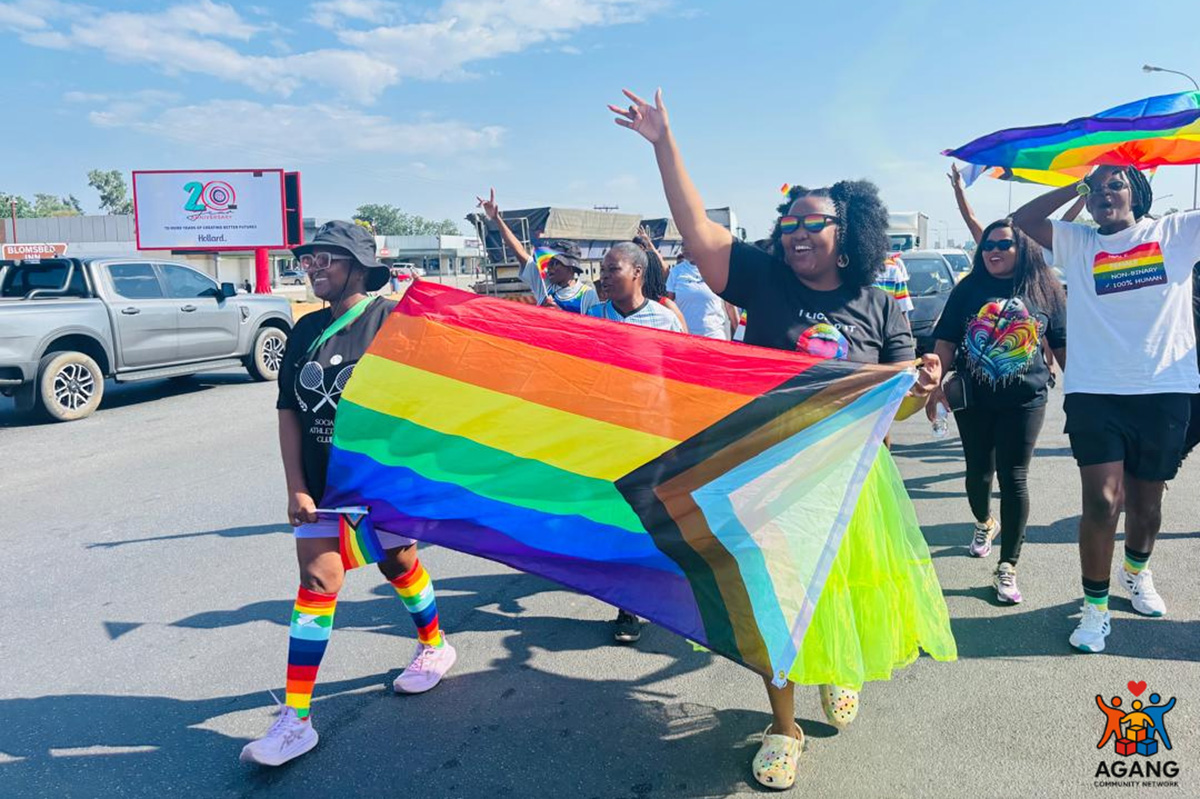
Botswana’s government has repealed a provision of its colonial-era penal code that criminalized consensual same-sex sexual relations.
The country’s High Court in 2019 struck down the provision. The Batswana government in 2022 said it would abide by the ruling after country’s Court of Appeals upheld it.
The government on March 26 announced the repeal of the penal code’s “unnatural offenses” section that specifically referenced any person who “has carnal knowledge of any person against the order of nature” and “permits any other person to have carnal knowledge of him or her against the order of nature.”
Lesbians, Gays and Bisexuals of Botswana, a Batswana advocacy group known by the acronym LEGABIBO, challenged the criminalization law with the support of the Southern Africa Litigation Center. LEGABIBO in a statement it posted to its Facebook on April 25 welcomed the repeal.
“For many, these provisions were not just words on paper — they were lived realities,” said LEGABIBO. “They affected access to healthcare, safety, employment, and the freedom to love and exist openly.”
“LEGABIBO believes that the deletion of these sections is a necessary and long-overdue step toward restoring dignity and aligning our legal framework with constitutional values of equality and human rights,” it added. “It is a clear message that LGBTIQ+ persons are not criminals, and that their lives and relationships deserve protection, not punishment.”
LEGABIBO further stressed that “while this does not erase the harm of the past, it creates space for healing, inclusion, and continued progress toward full equality.”
Cuba
Trans parent charged with kidnapping, allegedly fled to Cuba with child
Cuban authorities helped locate Rose Inessa-Ethington
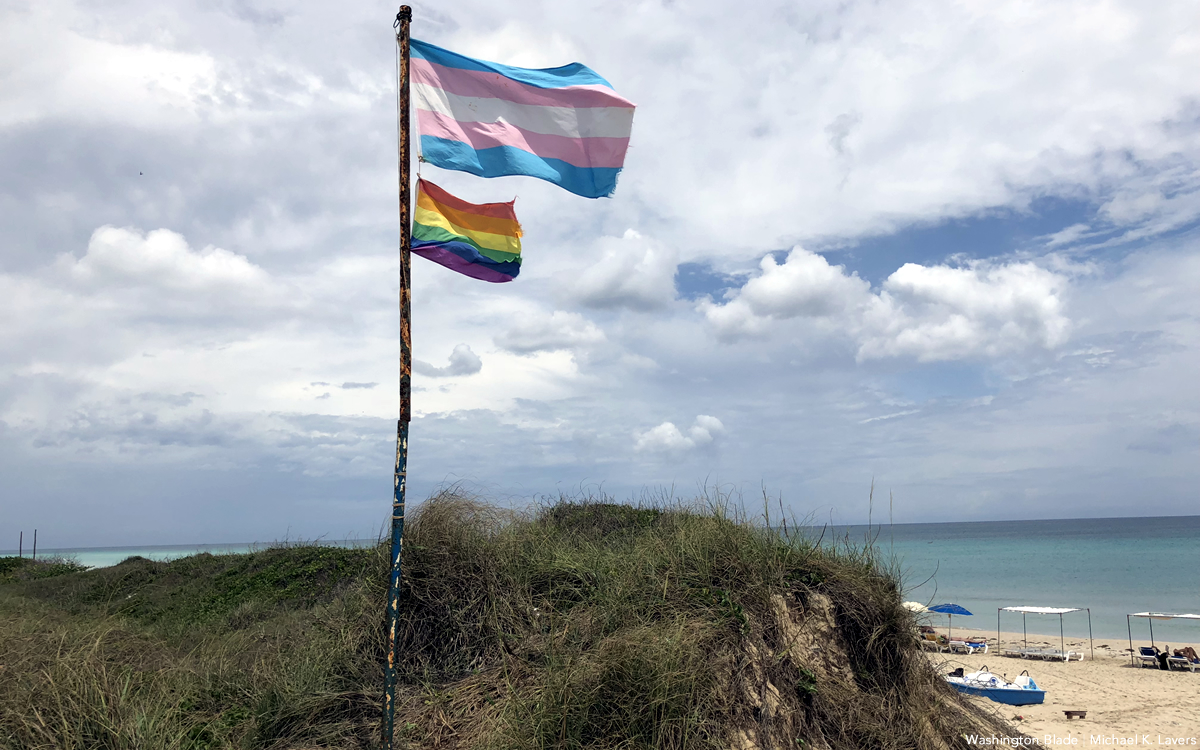
Federal authorities have charged a transgender woman with kidnapping after she allegedly fled to Cuba with her 10-year-old child.
An affidavit that Federal Bureau of Investigation Special Agent Jennifer Waterfield filed in U.S. District Court for the District of Utah on April 16 notes the child is a “biological male who identifies as a female” and “splits time living with divorced parents who share custody” in Cache County, Utah.
Waterfield notes the child on March 28 “was supposed to be traveling by car to” Calgary, Alberta, “for a planned camping trip with his transgender mother, Rose Inessa-Ethington, Rose’s partner, Blue Inessa-Ethington, and Blue’s 3-year-old child.”
The affidavit notes the group instead flew from Vancouver, British Columbia, to Mexico City on March 29. Waterfield writes the Inessa-Ethingtons and the two children then flew from Mérida, Mexico, to Havana on April 1.
The 10-year-old child called her biological mother on March 28 after they arrived in Canada. The custody agreement, according to the affidavit, required Rose Inessa-Ethington to return the child to her former spouse on April 3.
“Interviews of MV [Minor Victim] 1’s family members provided significant concerns for MV 1’s well-being, as MV 1 was born a male, however, identifies as a female child, which is largely believed to be due to manipulation by Rose Inessa-Ethington,” reads the affidavit. “Concerns exist that MV 1 was transported to Cuba for gender reassignment surgery prior to puberty.”
The affidavit indicates authorities found a note in the Inessa-Ethingtons’ home with “instruction from a mental health therapist located in Washington, D.C., including instruction to send the therapist the $10,000.00 and instructions on gender-affirming medical care for children.”
The affidavit does not identify the specific “mental health therapist” in D.C.
A Utah judge on April 13 ordered Rose Inessa-Ethington to “immediately” return the child to her former spouse. The former spouse also received sole custody.
“Your affiant believes that due to the extensive planning and preparation exhibited by both Rose Inessa-Ethington and Blue Inessa-Ethington to isolate MV 1 and take MV 1 to Havana, Cuba, without notifying or requesting permission from MV 1’s mother indicates they are likely not planning to return to the United States,” wrote Waterfield.
The affidavit notes Cuban authorities found the Inessa-Ethingtons and the child.
A press release the U.S. Attorney’s Office for the District of Utah issued notes the Inessa-Ethingtons “were deported from Cuba” on Monday “with the assistance of the FBI.”
The couple has been charged with International Parental Kidnapping. The Inessa-Ethingtons were arraigned in Richmond, Va., on Monday. The press release notes a federal court in Salt Lake City will soon handle the case.
The New York Times reported the child is now back with their biological mother.
“We are grateful to law enforcement for working swiftly to return the child to the biological mother,” said First Assistant U.S. Attorney Melissa Holyoak of the District of Utah in the press release.
The case is unfolding against the backdrop of increased tensions between Washington and Havana after U.S. forces on Jan. 3 seized now former Venezuelan President Nicolás Maduro and his wife, Cilia Flores.
President Donald Trump shortly after he took office in January 2025 issued an executive order that directed the federal government to only recognize two genders: male and female. A second White House directive banned federally-funded gender-affirming care for anyone under 19.
The U.S. Supreme Court last year in the Skrmetti decision upheld a Tennessee law that bans gender-affirming care for minors.
Cuba’s national health care system has offered free sex-reassignment surgeries since 2008.
Activists who are critical of Mariela Castro, the daughter of former President Raúl Castro who spearheads LGBTQ issues as director of Cuba’s National Center for Sexual Education, have previously told the Washington Blade that access to these procedures is limited. The Blade on Wednesday asked a contact in Havana to clarify whether Cuban law currently allows minors to undergo sex-reassignment surgery.
Australia
Australia lifts additional restrictions on LGBTQ blood donors
Gay, bisexual men, trans people in long-term monogamous relationships can now donate
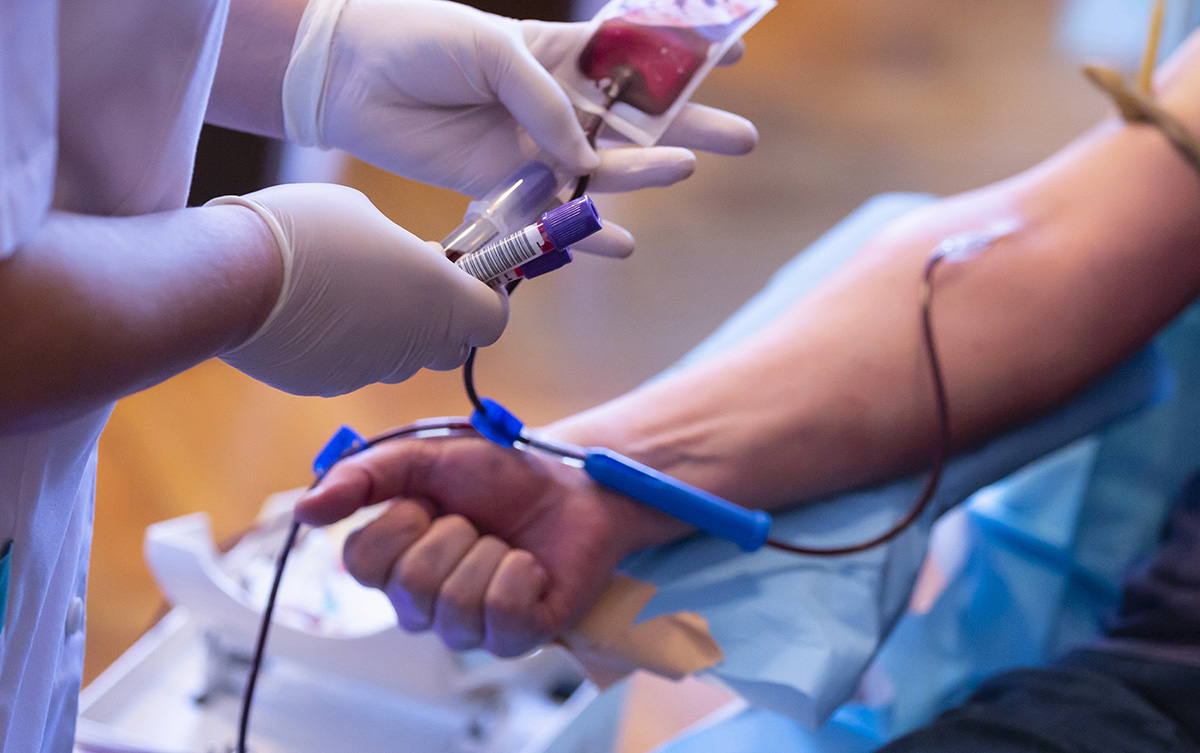
The Australian Red Cross Blood Service (Lifeblood) has lifted additional restrictions on LGBTQ people who want to donate blood.
The Star-Observer, an Australian LGBTQ newspaper, reported new Lifeblood rules that took effect on Monday will allow “gay and bisexual men and transgender people in long-term monogamous relationships to donate blood and platelets for the first time.”
The new policy defines “long-term monogamous relationships” as those that are at least six months.
All potential donors — regardless of their sexual orientation or gender identity — will answer the same questions about recent sexual activity.
“Previous donor rules prevented many people from the LGBTQIA+ community from donating blood or platelets if they’d had sex within the past three months,” said Lifeblood CEO Stephen Cornelissen in a press release that announced the new policy. “These latest changes mean many gay and bisexual men and transgender people in long-term, monogamous relationships will become eligible to donate blood or platelets for the first time.”
Lifeblood in 2025 ended its blanket ban on sexually active LGBTQ people from donating blood.
Rodney Croome, an Australian LGBTQ activist who is the spokesperson for Let Us Give, a campaign that has championed the changes, donated blood on Monday.
“After three decades of advocacy, and for the first time in my life, I was able to donate blood today,” said Croome in a Facebook post that showed him donating blood. “From today, gay men, and bisexual men and transgender women who have sex with men, are able to give blood without the traditional three month abstinence period. All donors are now asked the same questions about sex regardless of the gender of our sexual partners.”
Croome in the post said “there are still problems with the new donor regime,” but said Let Us Give will continue to work with Lifeblood.
“Those who may have not been monogamous in the recent past should not be subject to a six month wait time,” he wrote. “Three months is considered more than enough in the UK, US and Canada. It should be here too. People on PrEP and trans people also face continued barriers. Let Us Give will continue to work towards greater equity in donation.”

Rep. Sarah McBride reflects on first year in Congress amid political backlash

U.S. Attorney’s Office fails to reinstate hate crime charge in anti-gay assault

Baltimore Heritage wants Md. LGBTQ historical sites added to National Registry

Democracy Forward files FOIA request for State Department bathroom policy records

House Republicans push nationwide ‘Don’t Say Gay’ bill

Why we need to recognize and celebrate Lesbian Day of Visibility

Calendar: April 24-30

DC Center marks one year at new location

Prominent activists join ‘Living History’ panel at Freddie’s Beach Bar