Maryland
Queer candidates, allies on the ballot in Md. primary
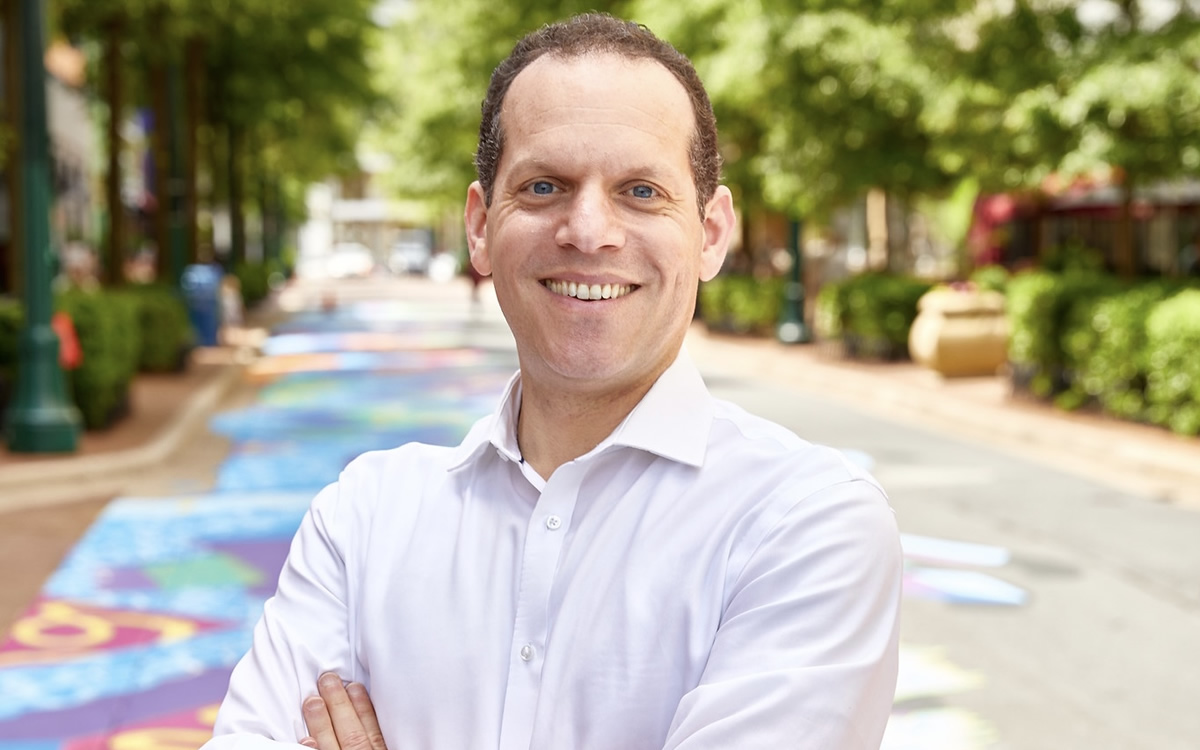
Evan Glass running to become Montgomery County Executive
Maryland voters will see LGBTQ candidates on ballots across the state when they head to the polls for the June 23 primary election.
Evan Glass, an at-large member of the Montgomery County Council, is the current frontrunner in the Montgomery County Executive race.
He made history in 2018 as the first openly gay Jewish man on the County Council. Glass is currently nearing the end of his second term as a councilmember.
During his time on the council, he passed the ICE Out Act and the Pay Equity Act. He has also been outspoken about his disapproval of AI data centers and is endorsed by the Sierra Club.
“Our community is under attack and we need local leaders who will continue fighting back against Donald Trump while embracing our beautiful diversity,” Glass said in a statement to the Washington Blade.
Josie Caballero, who is running for an at-large seat on the Montgomery County Council, would become the first transgender woman elected to office in Maryland if successful.
Alleria Stanley, who is running for the House of Delegates in District 4, could also make history. Stanley, a U.S. Army combat veteran who served in Afghanistan, would become the first trans person elected to the Maryland General Assembly if successful. She currently serves as vice president of the Transgender American Veterans Association.
Several congressional races are also drawing attention ahead of the primary.
In Maryland’s 6th Congressional District, former Congressman David Trone is challenging U.S. Rep. April McClain Delaney. Trone has previously supported LGBTQ rights legislation, including the Equality Act, during his time in Congress.
Meanwhile, voters in Maryland’s 5th Congressional District will help determine who succeeds retiring U.S. Rep. Steny Hoyer. State Del. Adrian Boafo (D-Prince George’s County), former Prince George’s County Executive Rushern Baker, former U.S. Capitol Police Officer Harry Dunn, and Quincy Bareebe are among the Democrats running for Hoyer’s seat.
During his congressional career, Hoyer supported LGBTQ rights legislation and opposed the Trump-Vance administration’s trans military ban.
His daughter, Stefany Hoyer Hemmer, in 2012 came out as a lesbian in an exclusive interview with the Blade. Maryland voters the same year approved the state’s marriage equality law in a referendum.
“I’m pleased that Stefany is adding her voice to those across Maryland and the country calling for marriage equality,” Steny Hoyer told the Blade, referring to his daughter’s decision to come out and to champion the marriage equality law. “This is about ensuring all families receive equal treatment under the law. As more people speak out, the more momentum this effort gains to give every family the dignity and respect they deserve.”
Gay, lesbian incumbents running for re-election
A number of openly gay and lesbian members of the Maryland General Assembly are seeking re-election this year.
State Del. Joe Vogel, who represents Montgomery County’s District 17, is seeking another term in office. Vogel made national headlines during his 2024 congressional campaign and has received support from LGBTQ advocacy organizations, including the Human Rights Campaign.
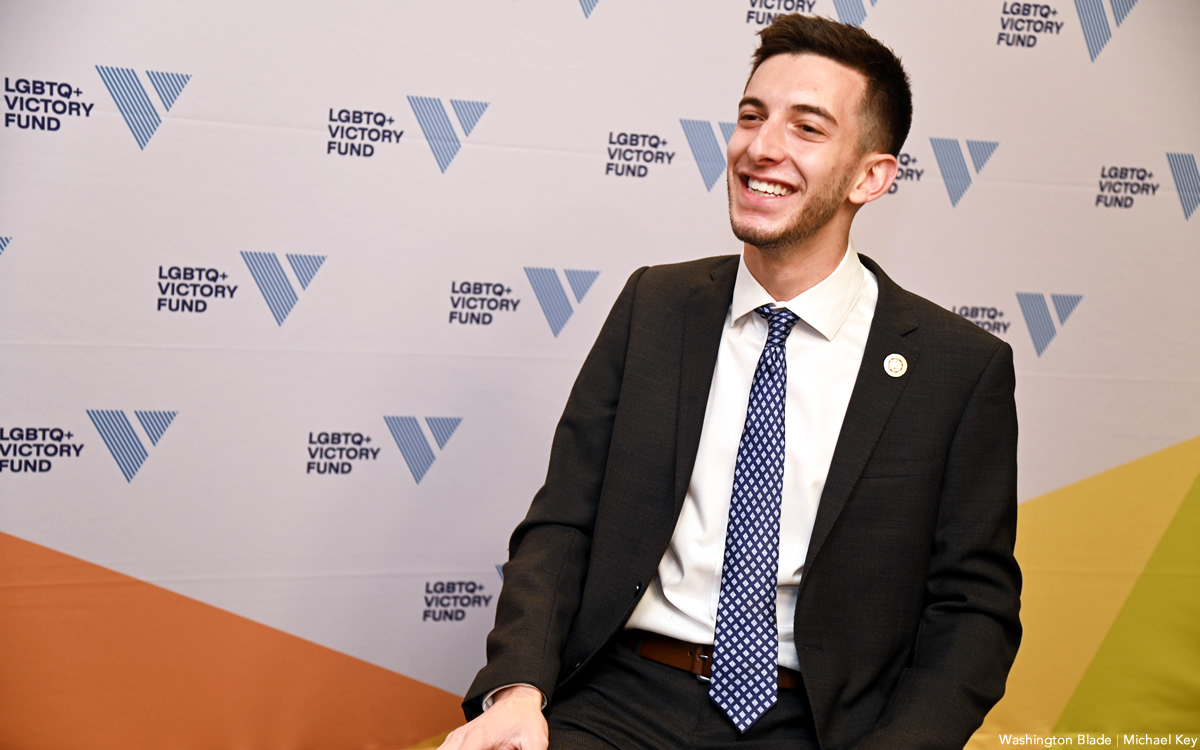
State Del. Gabriel Acevero, who represents District 39 in Montgomery County, is also seeking re-election. When he was first elected in 2018, Acevero became the first openly gay Afro-Latino elected to the General Assembly.
State Del. Anne Kaiser (D-Montgomery County), who represents District 14, is running for another term. Kaiser, who is a lesbian, was recently appointed vice chair of the House Appropriations Committee and has served in the legislature since 2003.
State Del. Kris Fair is seeking re-election in District 3 in Frederick County. Fair has been active in civil rights advocacy and has worked with organizations including Marylanders for Marriage Equality, the campaign in support of the state’s marriage equality law.
State Del. Ashanti Martinez (D-Prince George’s County), who represents District 22, is also running for re-election. Martinez has focused on issues including affordable housing, healthcare access, and support for small businesses during his time in office.
State Sen. Mary Washington (D-Baltimore County) is seeking another term for District 43. When she was first elected to the House of Delegates in 2010, Washington became Maryland’s first openly LGBTQ African American elected official.
State Del. Luke Clippinger (D-Baltimore City) is also running for re-election for Legislative District 46. Clippinger has served in the House of Delegates since 2010 and has supported legislation including marriage equality and efforts to ban the use of LGBTQ panic defenses.
Byron MacFarlane seeking re-election in Howard County
Several other LGBTQ candidates are running for local and state offices across Maryland.
Jamar Day is running for an at-large seat on the Baltimore City Board of School Commissioners. According to the LGBTQ+ Victory Fund, Day identifies as pansexual and would become the first openly gay member of the board if elected. He previously worked as a teacher and dean of students in Baltimore and Washington.
Jamie McGonnigal is running for the Prince George’s County Board of Education representing District 3. McGonnigal currently serves as president of the Hyattsville Elementary School PTA and founded the advocacy organization TalkAboutEquality.org.
Matt Menter is seeking election to represent District 41 in the House of Delegates. Menter has worked on issues related to homelessness and addiction recovery and has served on Baltimore City’s LGBTQ Commission.
Joe Toolan is running for Anne Arundel County Council’s District 6 seat. Toolan previously served as the first chair of the Maryland Commission on LGBTQIA+ Affairs and currently works with the environmental advocacy organization GreenLatinos.
Spencer Dixon is seeking a seat in the House of Delegates representing District 32 in Anne Arundel County. Dixon currently serves on the Maryland Prescription Drug Affordability Board and has worked on Democratic political campaigns in Maryland.
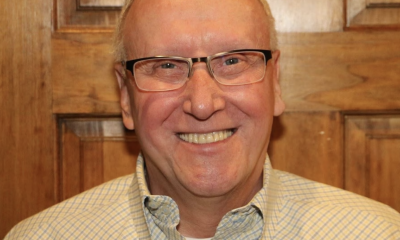
Byron Macfarlane is running for re-election as Howard County’s register of wills. When he was first elected in 2010, Macfarlane became the first openly gay person elected in Howard County.



Maryland
Md. groups receive state grants to fight hate crimes
Pride Center of Maryland among recipients
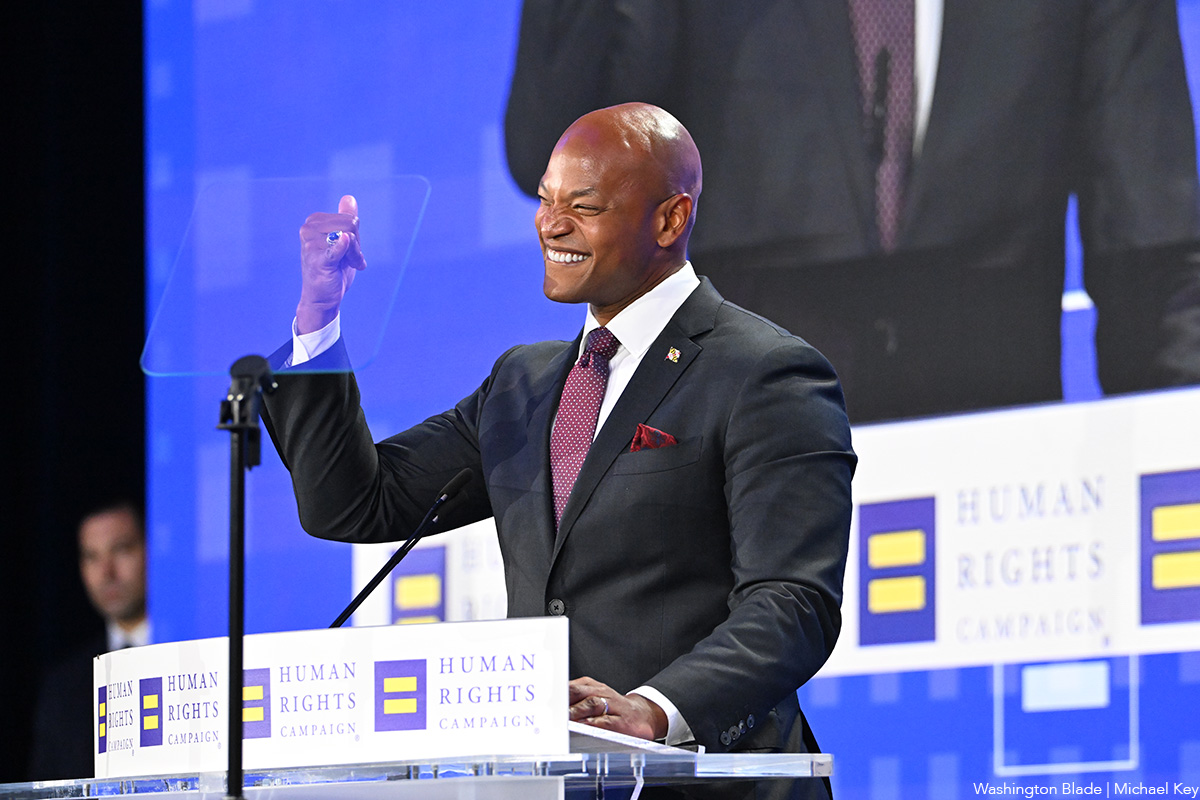
Maryland Gov. Wes Moore and the Governor’s Office of Crime Prevention and Policy are awarding a total of $10 million in grants in the 2027 fiscal year to nonprofit organizations that work to prevent hate crimes in the state.
The funds will be used to support those who feel targeted or discriminated against because of their race, religion, sexual orientation, gender identity, or disability status.
The Pride Center of Maryland is among the recipients. Churches, synagogues, mosques, and LGBTQ organizations are all eligible to receive grants
“The safety and security of all Marylanders is my top priority, so we are drawing a hard line because we have no tolerance for hate,” said Moore, according to media reports. “We are committed to protecting and ensuring safe and sacred spaces stay that way by investing in non-profit organizations, houses of worship, and community centers to protect and honor every community that makes our state so diverse and special.”
“Protection Against Hate Crime funding has strengthened the Pride Center of Maryland’s ability to protect, educate, and support the communities we serve … at a time of heightened concern associated with the Trump administration’s anti-LGBTQ/SGL (same-gender-loving) policies and pressures,” Pride Center of Maryland CEO Cleo Manago said. “PAHC funding helps us do more than improve physical security — it strengthens our community’s knowledge, preparedness, connection to resources, and ability to respond to hate with greater awareness and support.”
Maryland’s hate crimes law includes both sexual orientation and gender identity. The state’s nondiscrimination statute is also LGBTQ-inclusive.
Maryland
Anne Arundel schools now need parent permission to call trans students by preferred names
Conservative groups challenged system’s policy
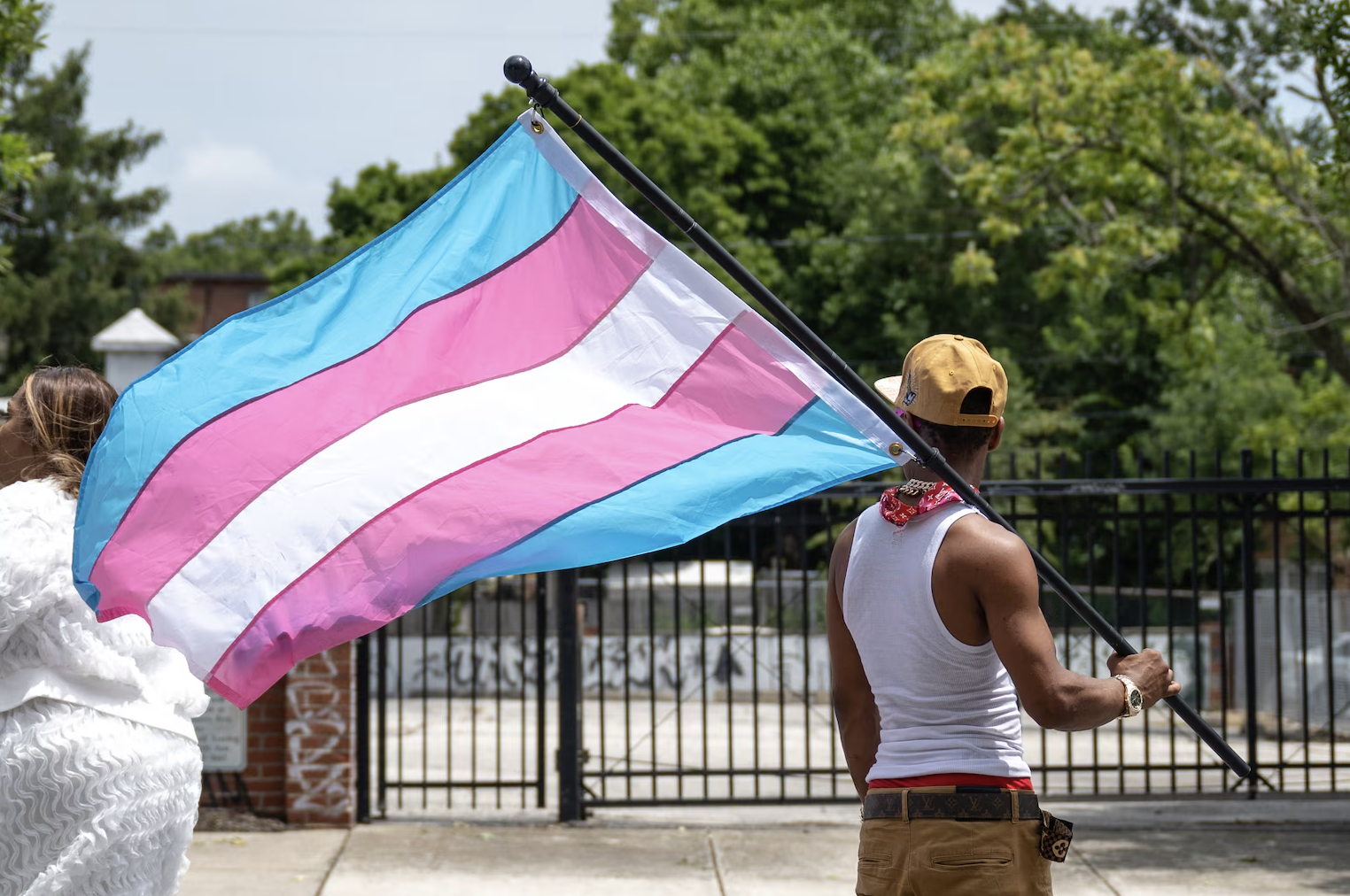
By JESSICA CALEFATI | Anne Arundel County Public Schools staff cannot use transgender students’ preferred names if their parents oppose it, according to an internal document reviewed by the Banner, a change that comes after conservative groups challenged the school system’s approach to gender identity.
Teachers union president Kristina Korona told members in an Aug. 20 email that the new guidance undermines district policy on acceptance and inclusivity and “will begin harming affected students immediately.”
Previously, the district didn’t require parental permission to use a high school student’s chosen name and pronouns corresponding to their gender identity, the internal document says. Now it does. The change comes as parents challenge the suburban school system’s gender identity policy and regulation in court and the Trump-Vance administration threatens the district’s funding.
The rest of this article can be found on the Baltimore Banner’s website.
Maryland
Girlfriends charged with Silver Spring murder to go on trial in 2027
Prosecutors charged both women with killing mother of one of them

Two women identified as a couple who are charged with the May 22, 2026, murder of the mother one of them in her Silver Spring home and who were arrested three weeks later in Ohio are scheduled to go on trial for murder April 19, 2027.
According to online records filed with Montgomery County Circuit Court in Rockville, Vanessa Tjongarero-Henderson, 29, of Clarksburg, Md., and Samantha Raebel, 36, of Phoenix are being held without bond in the Montgomery County Correctional Facility until the time of their trial.
Statements from Montgomery County police show the two women were arrested June 10 in Genoa, Ohio, after fleeing from the scene of the murder in Silver Spring. Police statements and court records show they were extradited back to Maryland in July, where prosecutors with the Montgomery County State’s Attorney’s Office obtained indictments against them for murder.
Earlier statements from Montgomery County police say their investigation into the murder led to their decision to initially charge the two women with first-degree murder for the death of Hilde Henderson, 67, who was Tjongarero-Henderson’s mother.
“Through the course of the investigation, detectives identified Henderson’s daughter, Vanessa Tjongarero-Henderson, and Vanessa’s girlfriend, Raebel, as the suspects,” one of the police statements says. It says police obtained arrest warrants for both women and launched a nationwide search seeking help from the public in in locating them.
One of the police statements says an autopsy determined the cause of Hilde Henderson’s death was blunt-force trauma injuries brought about by a murder. Police and the State’s Attorney’s Office, which is prosecuting the case, have yet to disclose whether they have determined a motive for the murder.
Court records show that prior to the start of the April 19, 2027, trial a “motion” hearing was scheduled for Oct. 30, 2026, a pre-trail conference was scheduled for Feb. 12, 2027, and another motion hearing and a status hearing were scheduled for March 12, 2027.
Court records also show that Tjongarero-Henderson is being represented by attorneys with the Montgomery County court system’s public defender service. The records show that Raebel initially had been represented by a public defender service attorney, but updated records show Aug. 14 is listed as the “removal date” for that attorney.
The docket shows that on Aug. 20, two new attorneys with the prominent D.C. law firm of Covington & Burling made their official appearance as her attorneys in the murder case. One of them, Daniel Solomon, told the Washington Blade in response to an inquiry that the defense has no comment at this time on the case.
He confirmed that Covington & Burling is representing Raebel on a no-cost, pro bono bass.
The office of the Montgomery County public defender service didn’t immediately respond to a phone message from the Blade asking for a comment on the Tjongarero-Henderson case.

Annapolis Pride arrives this weekend

Calendar: October 2-8

Renee Good’s family files two federal lawsuits

House Democrats urge White House to confront Turkish government over anti-LGBTQ crackdown

988 restores crisis services for LGBTQ youth

HRC National Dinner 2026: A night of music, activism, LGBTQ history

Dr. Fauci ‘honored to be part of’ LGBTQ history

Baltimore’s oldest gay bar to reopen this week

Education Department rolls back protections for LGBTQ students under Title IX

Debbie Allen shares on loss, love, and the power of speaking out
-

 LGBTQ Non-Profit Organizations4 days ago
HRC National Dinner 2026: A night of music, activism, LGBTQ history
-
National5 days ago
Dr. Fauci ‘honored to be part of’ LGBTQ history
-
Baltimore5 days ago
Baltimore’s oldest gay bar to reopen this week
-
Federal Government5 days ago
Education Department rolls back protections for LGBTQ students under Title IX