Arts & Entertainment
Flocking together
Gay playwright explores celebrated bird pairings

‘Birds of a Feather’
Through Aug. 7
The Hub Theatre @
The New School
9431 Silver King Court, Fairfax
703-674-3177

From left, Matt Dewberry, Jjana Valentiner, playwright Marc Acito, director Shirley Serotsky, Dan Crane and Eric Messner. (Photo by C. Stanley Photography; courtesy of Hub Theatre)
Much of gay writer Marc Acito’s work is ripped from the headlines. This applies to his National Public Radio commentaries, and it’s also true about his funny new play “Birds of a Feather” now making its world premiere at the Hub Theatre in Fairfax.
Inspired by two Manhattan stories that got a lot of press about seven years ago, the comedy focuses on gay penguins that fall in love and hatch an egg in the Central Park Zoo, and a messy-but-devoted pair of straight hawks who famously make their home high atop a tony Fifth Avenue co-op. Acito explores what he imagines to be the birds’ motivations as well as the ways in which humans react to these two feathered families.
“What most interested me about the bird stories,” says Acito by phone from his home in New York, “is that both elicited such a huge response from the public. There was a lot of anthropomorphizing going on — the hawk Pale Male was praised as a good father, and the co-op was accused of attempting to unjustly evict a lovely family. The hetero normative hawks were pretty much unanimously supported.”
On the other hand, says Acito, 45, the longtime pair-bonded male penguins Silo and Roy who together hatched an abandoned egg weren’t entirely celebrated. In fact, an award winning children’s book about the penguins’ nontraditional family “And Tango Makes Three” ranks as one of America’s most controversial books, and has been challenged or banned in numerous libraries and school districts.
When “Birds of a Feather” was first read two summers ago at JAW Playwright’s Festival in Portland, (Acito’s home from around 1990 until last year), Hub Theatre artistic director Helen Pafumi contacted Acito. She was eager to mount the show in Fairfax. “There had been controversy about the children’s book in neighboring Loudon County, and Helen thought my play was relevant to the community. Part of Hub’s mission is to facilitate conversation among different factions who live side by side.”
“Hub is a real gem waiting to be discovered,” Acito says. “I realize it might be a little out of way, but I’m hoping gay theatergoers will be willing to make the trek out of curiosity. They can attend a matinee and be back in town for happy hour. If nothing else I know my audiences.”
Staged by Shirley Serotsky, “Birds of a Feather” features a talented quartet who play the penguin and hawk couples (the aptly named Dan Crane and Matt Dewberry), a female zookeeper (Jjana Valentiner) whose best friend is gay man, a birder (Eric Messner), as well as myriad other characters including Mary Tyler Moore, Paula Zahn and a bevy of Catholic school girls.
“All the facts of the play are true, but of course I fictionalize what the birds are thinking,” Acito says. “I certainly feel qualified to write about relationships. My partner and I have been together for 25 years. And while gay relationships are unique in many ways, the fundamentals of living with a partner are the same for everyone.”
Growing up in New Jersey, Acito starred in high school musicals. He describes himself as the guy darting about in Capezio dance shoes and leg warmers. Later he dropped out of Carnegie Mellon’s drama program due to “artistic differences.”
“I thought I could act. They didn’t,” he says.
After more study, he began a professional opera career: “I played character parts — drunks and hunchbacks mostly. It was fun and I learned a lot about comedy and western history, but for me opera was a shoe that never really fit. Ultimately I decided that I needed to create art rather than recreate it onstage, so I began writing.”
He started with the gay press. Next he wrote “How I Paid for College: A Novel of Sex, Theft, Friendship and Musical Theater,” a cult novel about theater people. A successful sequel followed. When the bottom fell out of publishing, he returned to theater and relocated to New York, but this time as a writer. Currently he’s collaborating with composer Jeffrey Stock on a musical adaptation of E.M. Forster’s classic “A Room with a View” slated to premiere at the Old Globe in San Diego next spring. Buzz is good.
Today Acito is thrilled to have found new meaning in his life and career. “There’s an audience that understands my message and aesthetic, and they’re very much in the theater. This time, I feel that I’ve found the shoe that really fits.”

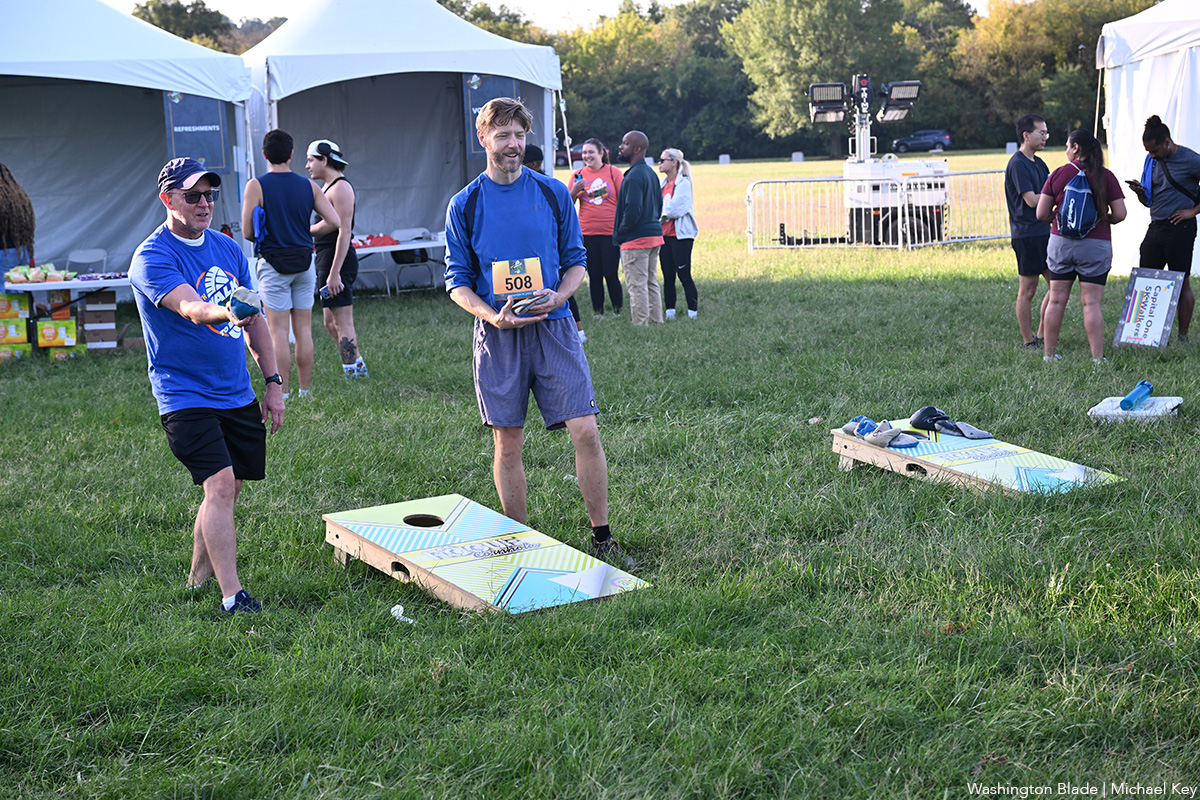
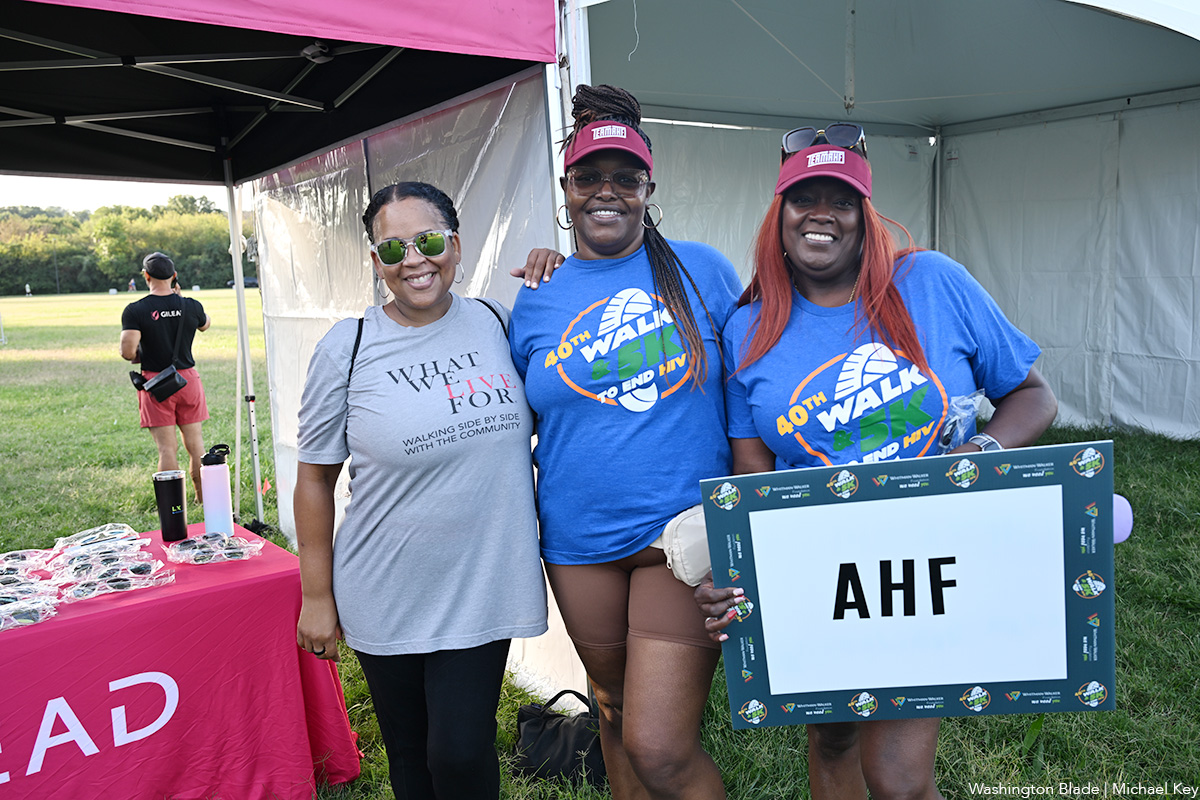
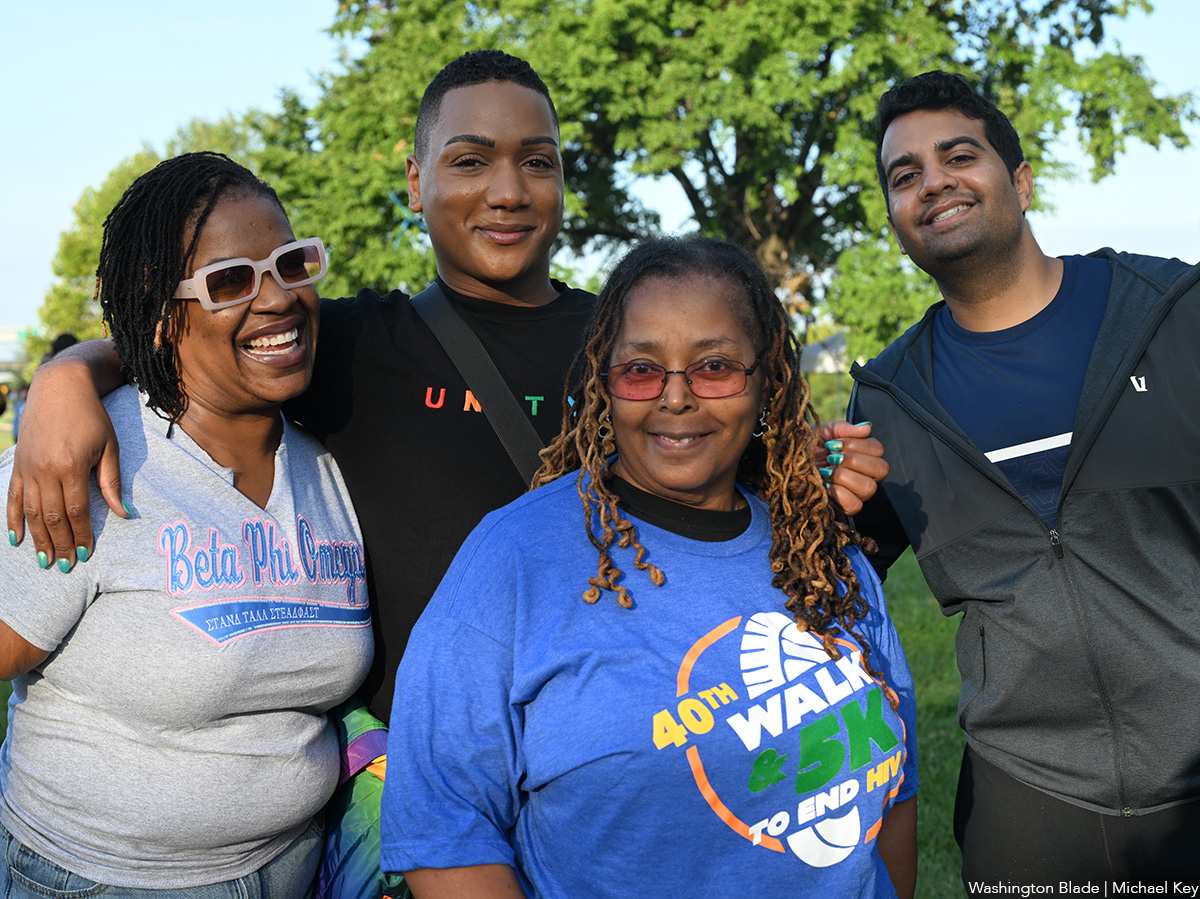
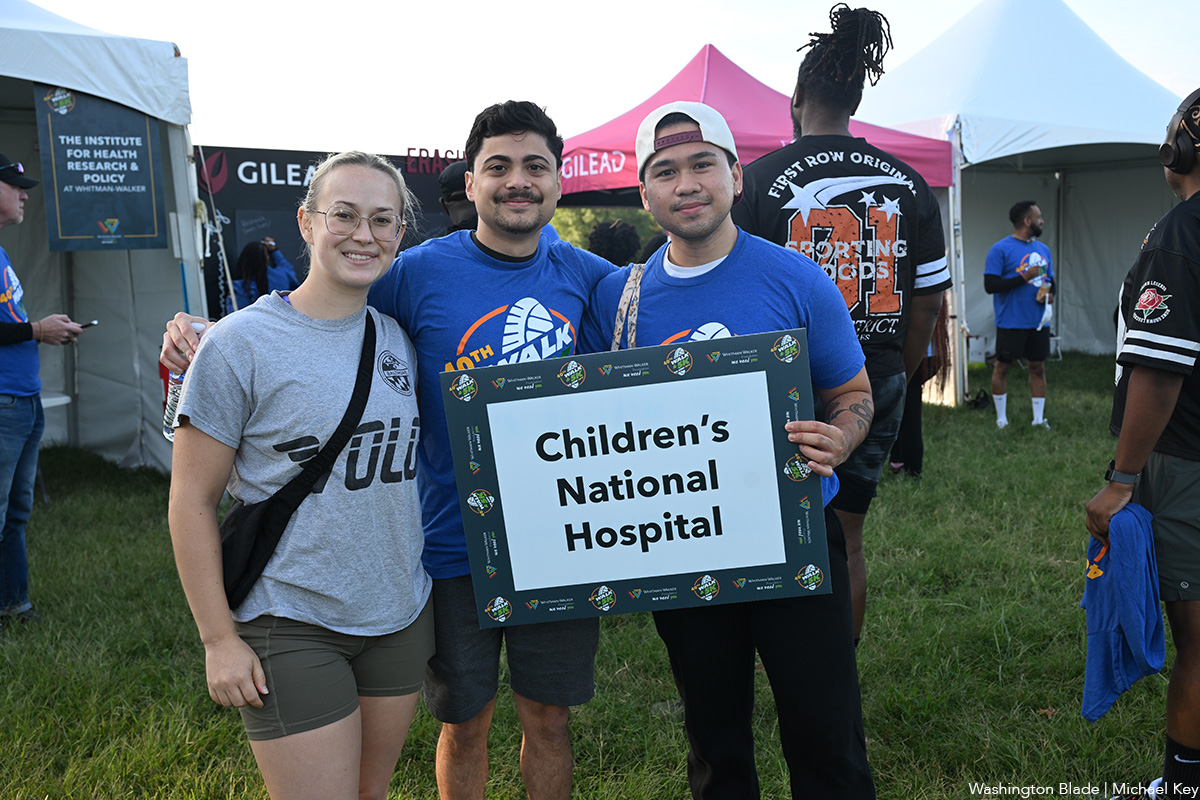
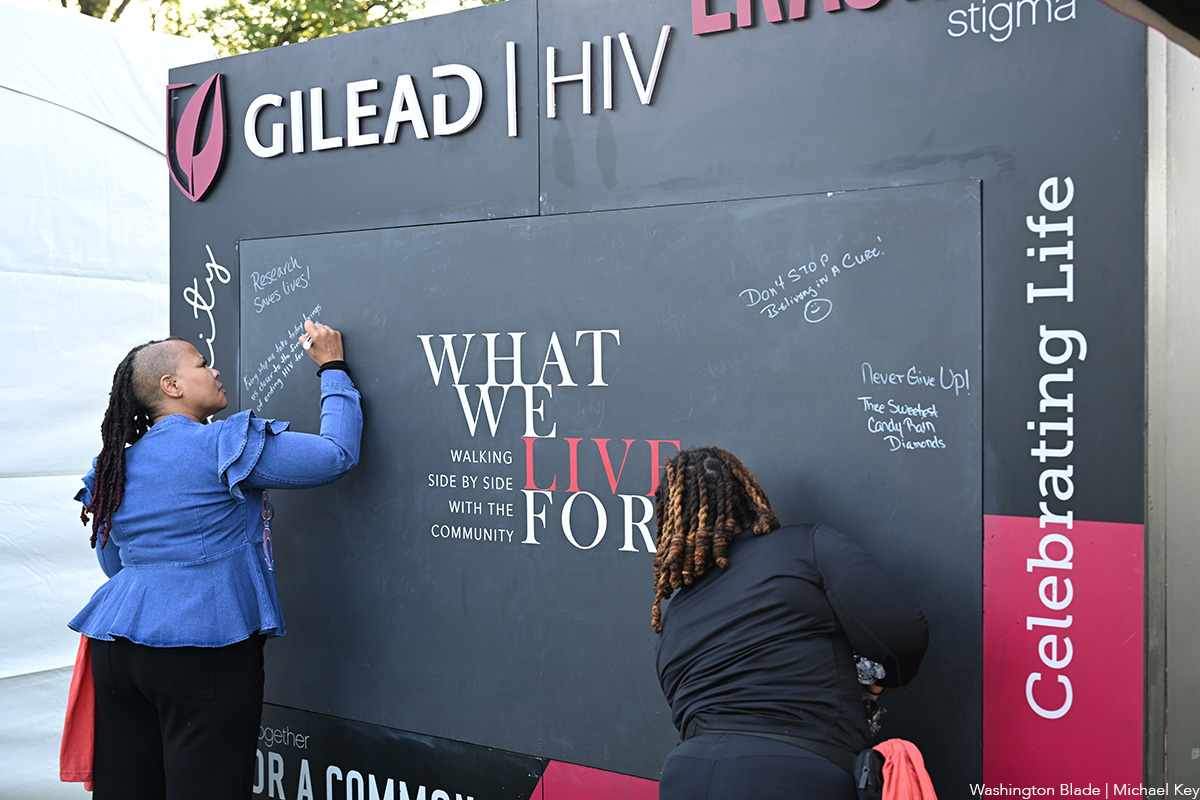
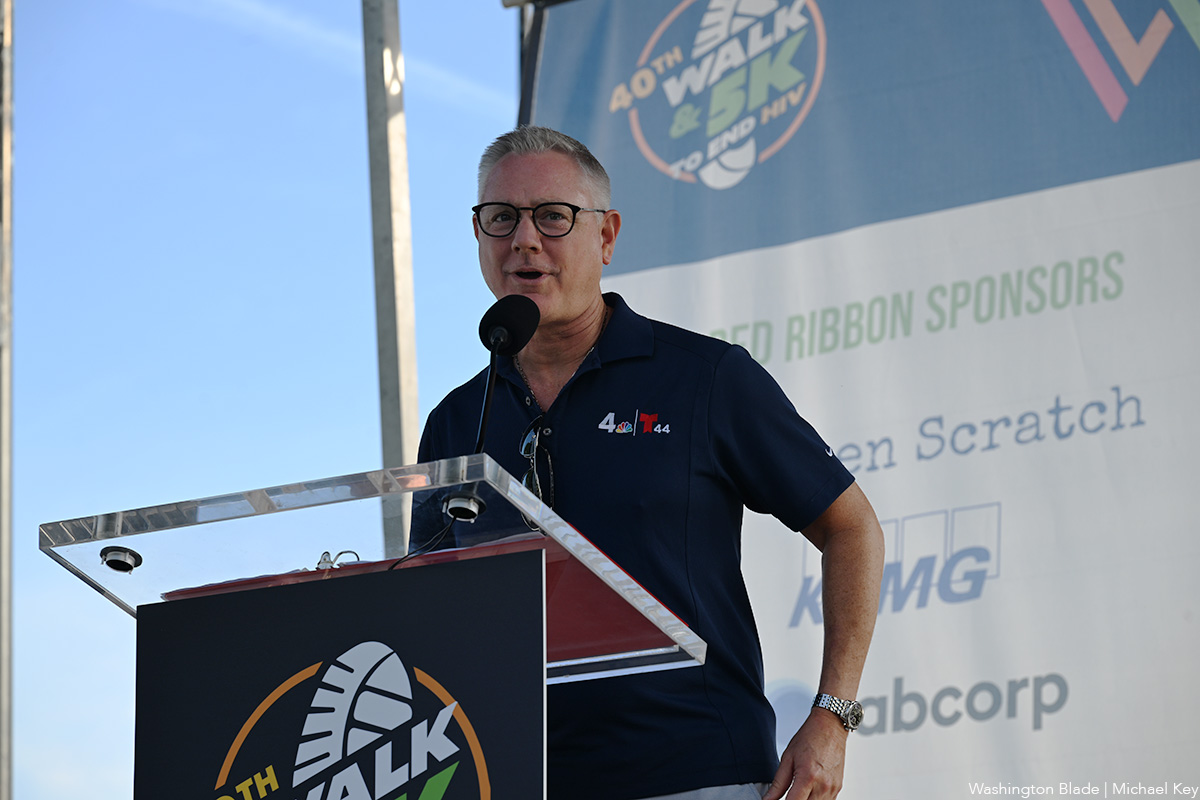
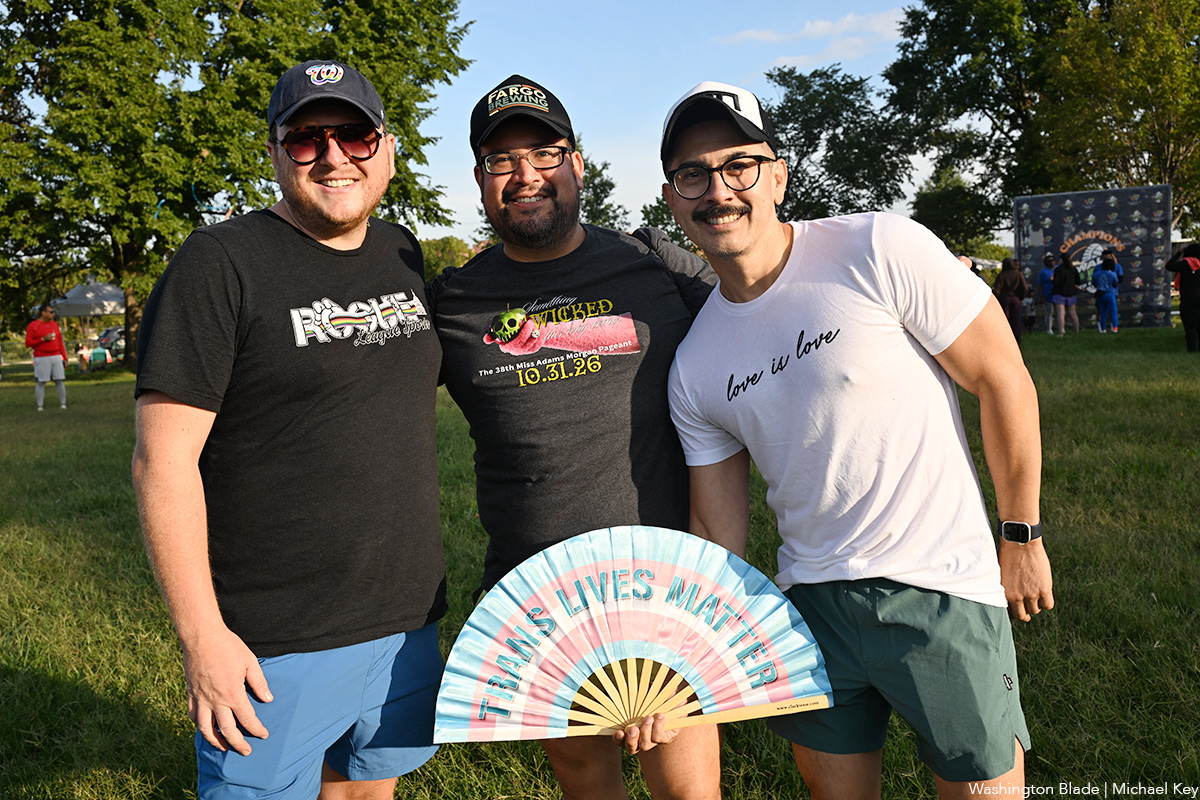
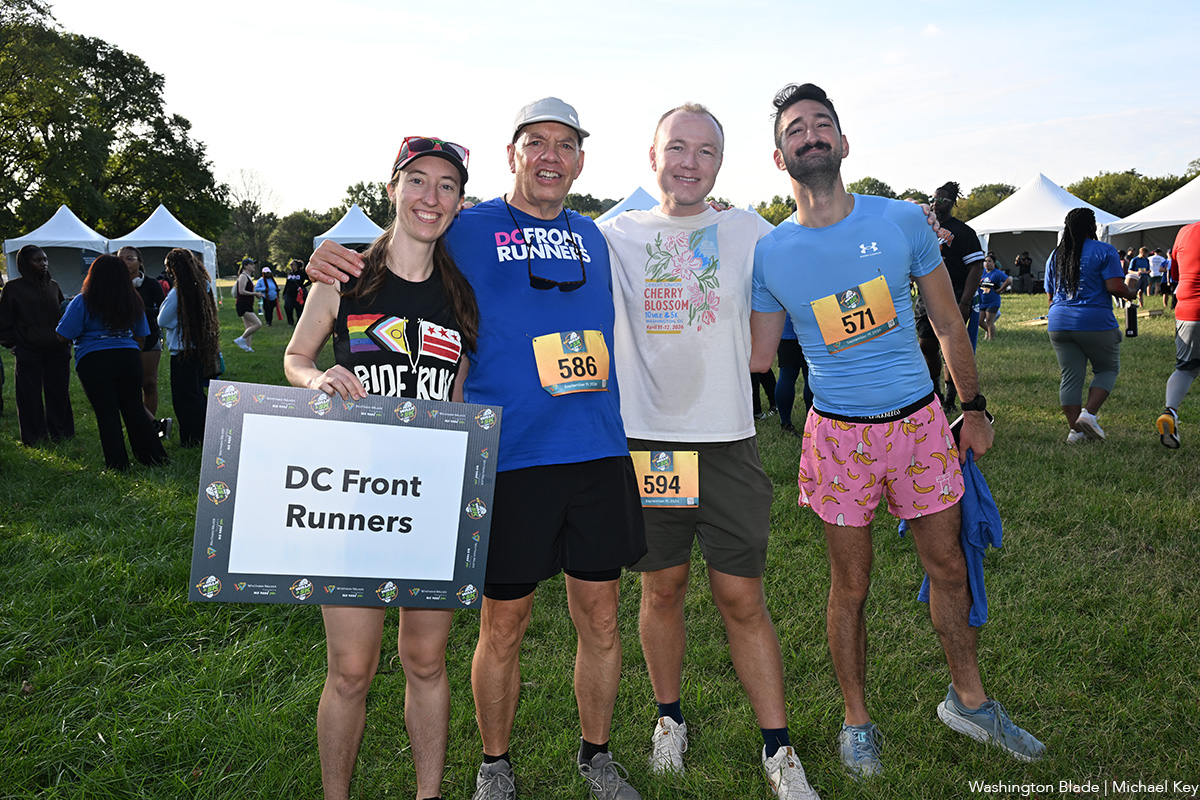
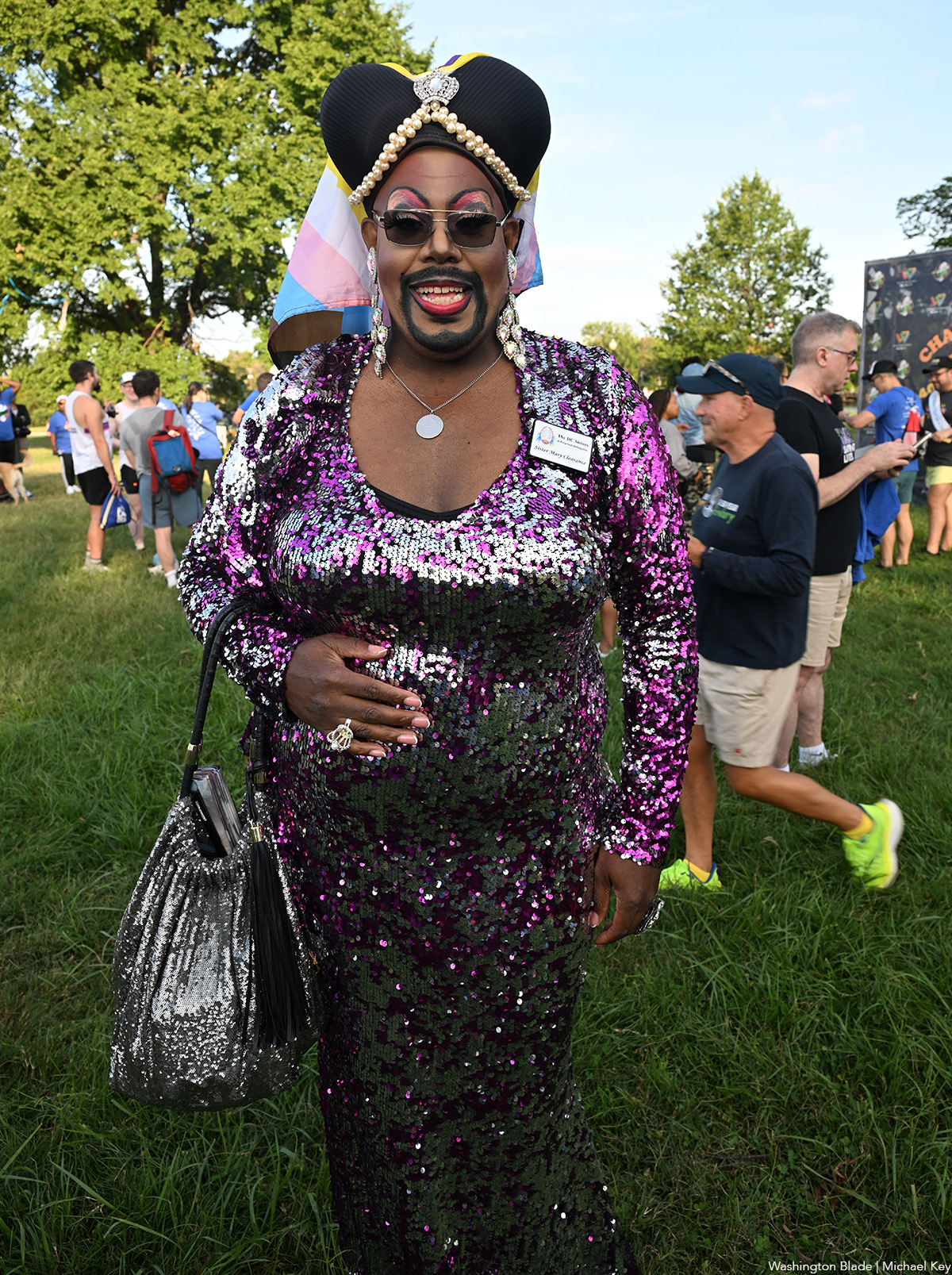
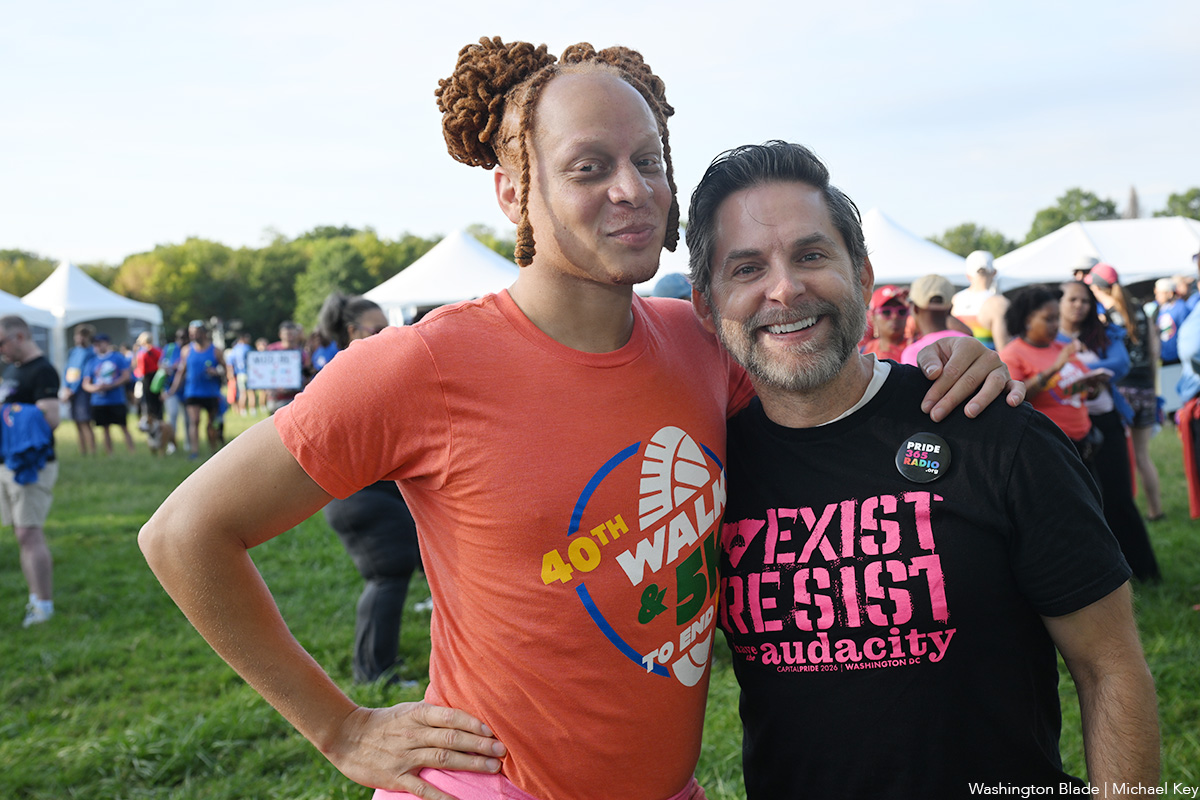
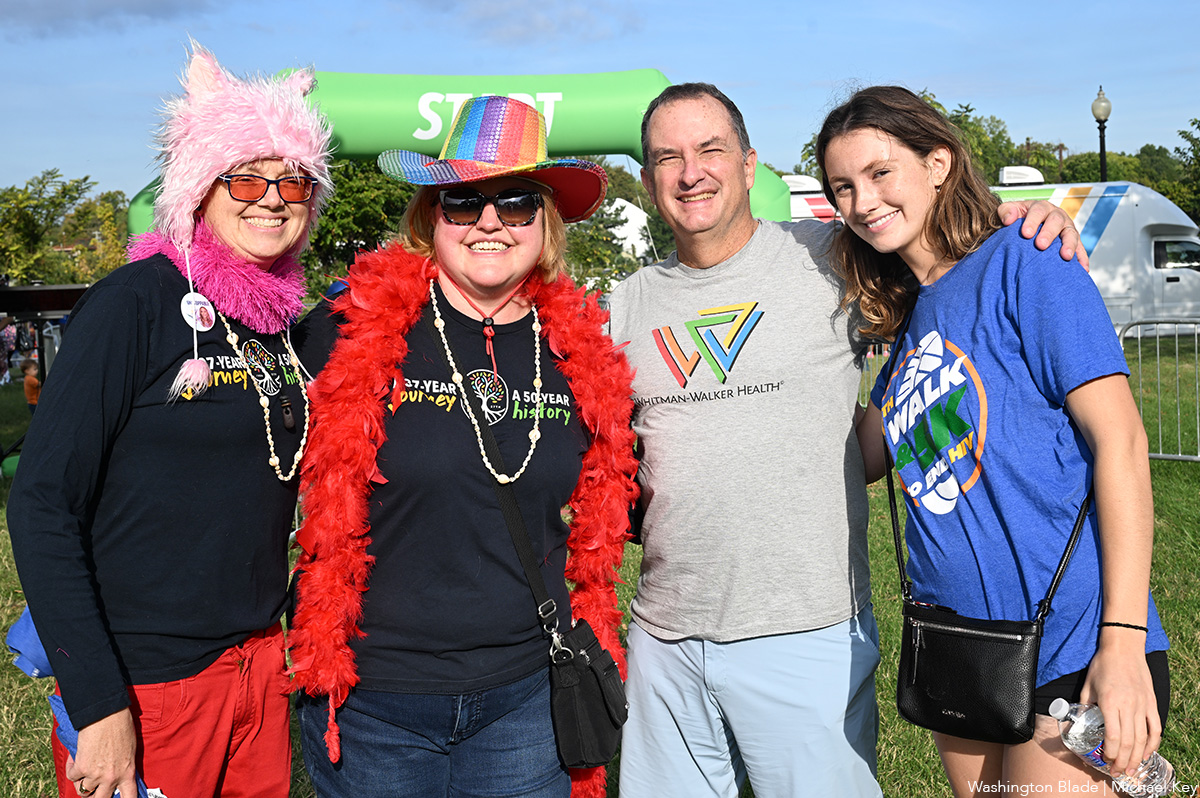
Whitman-Walker Health held the 40th annual Walk and 5K to End HIV at Anacostia Park on Saturday, Sept. 19.
(Washington Blade photos by Michael Key)








Photos
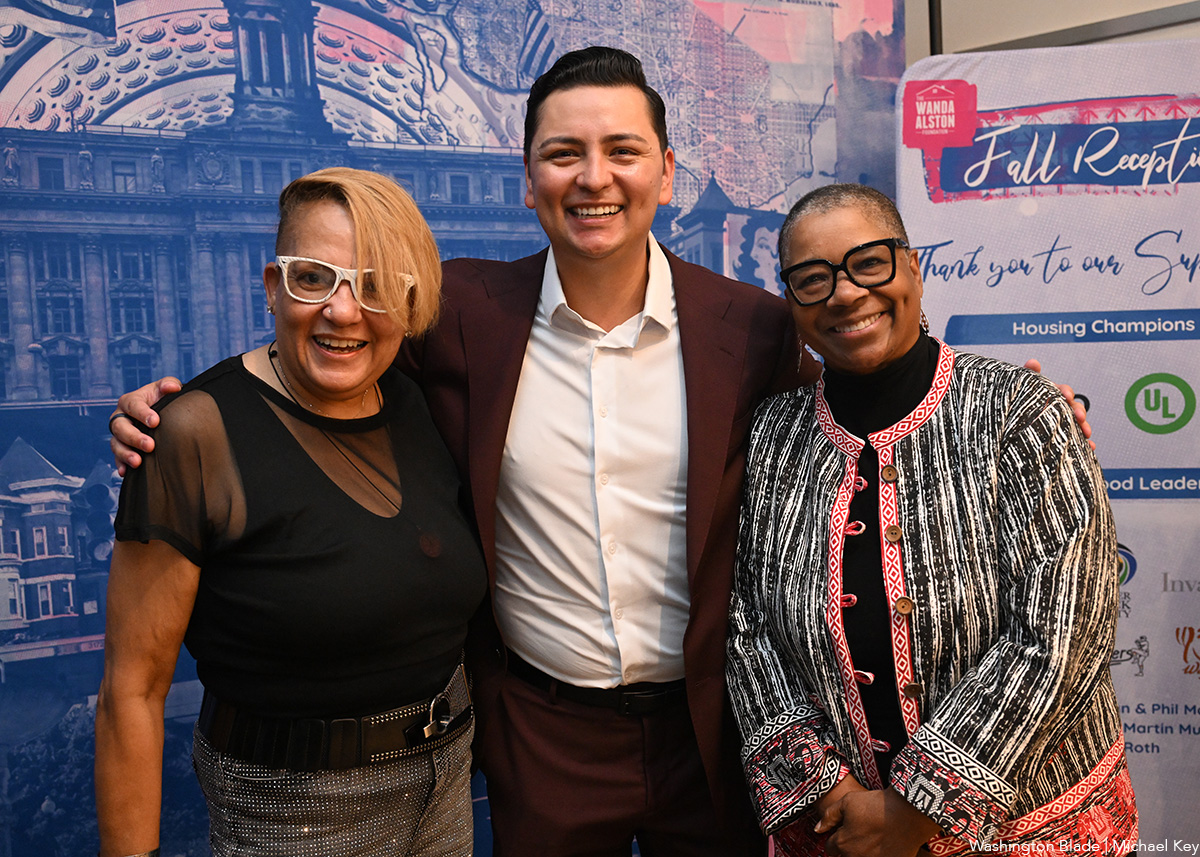
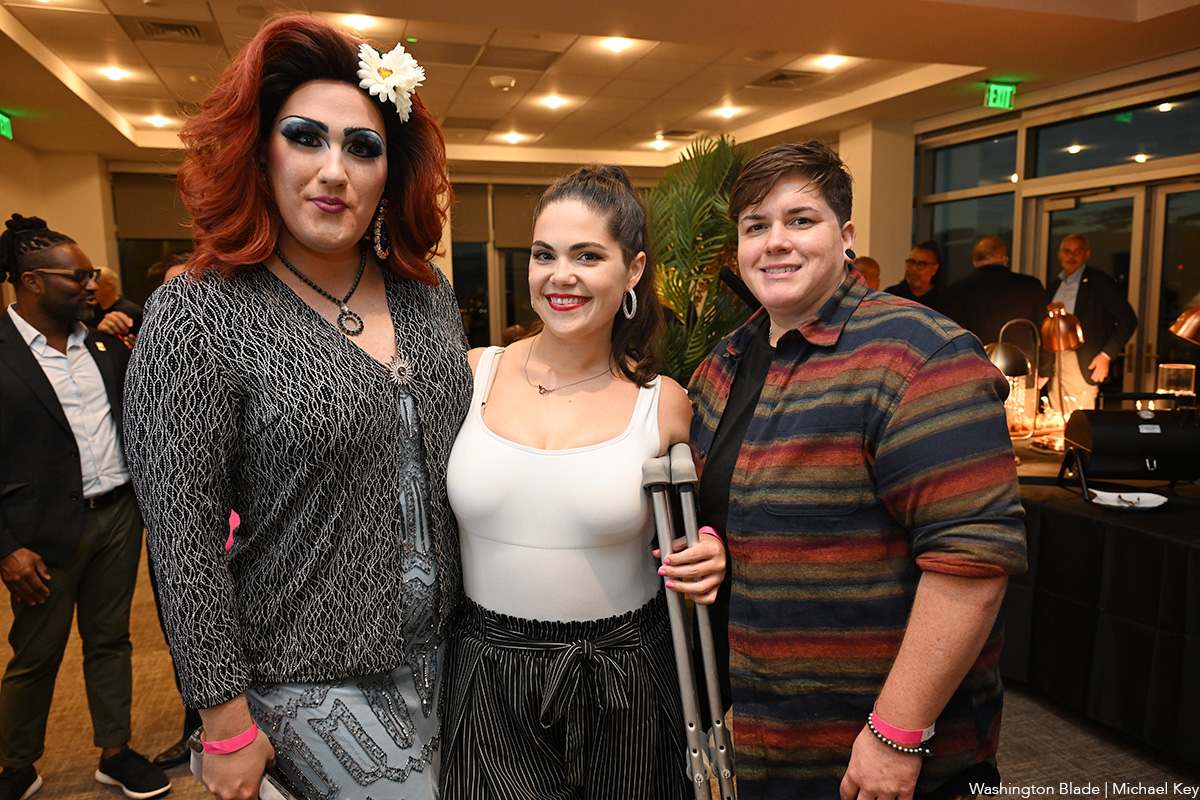
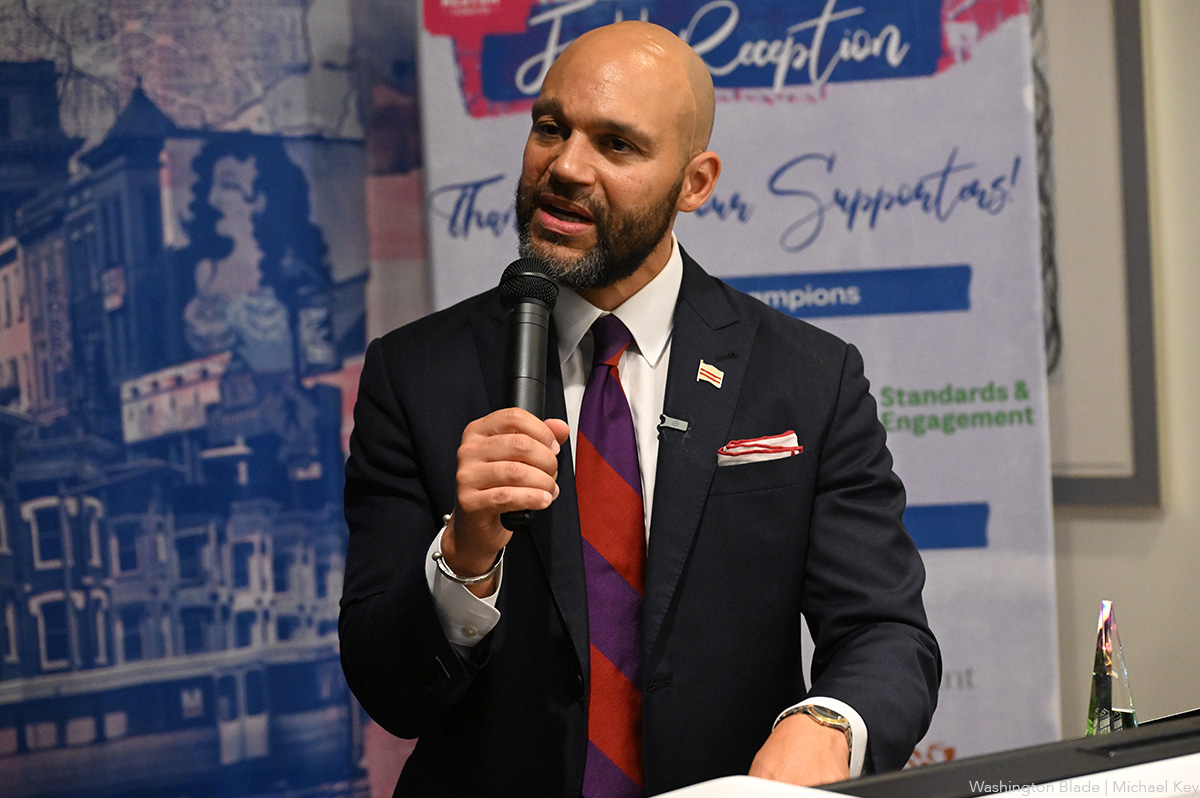
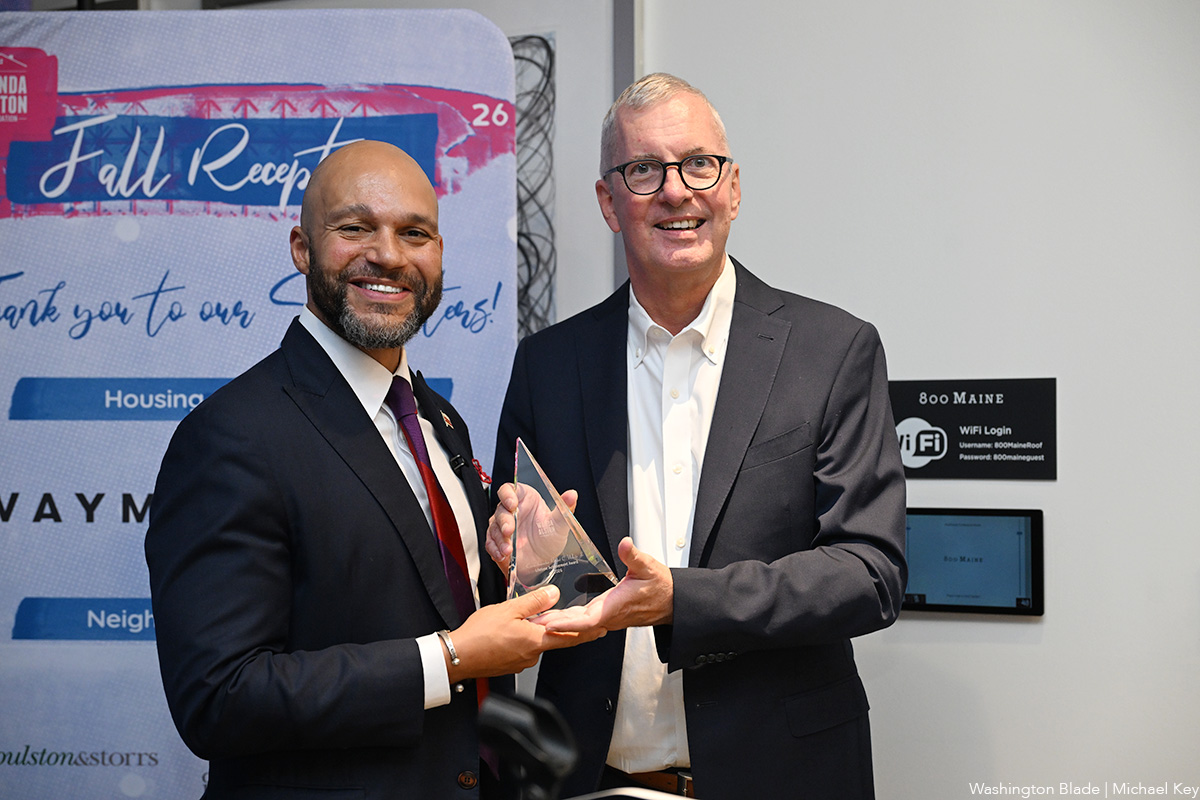
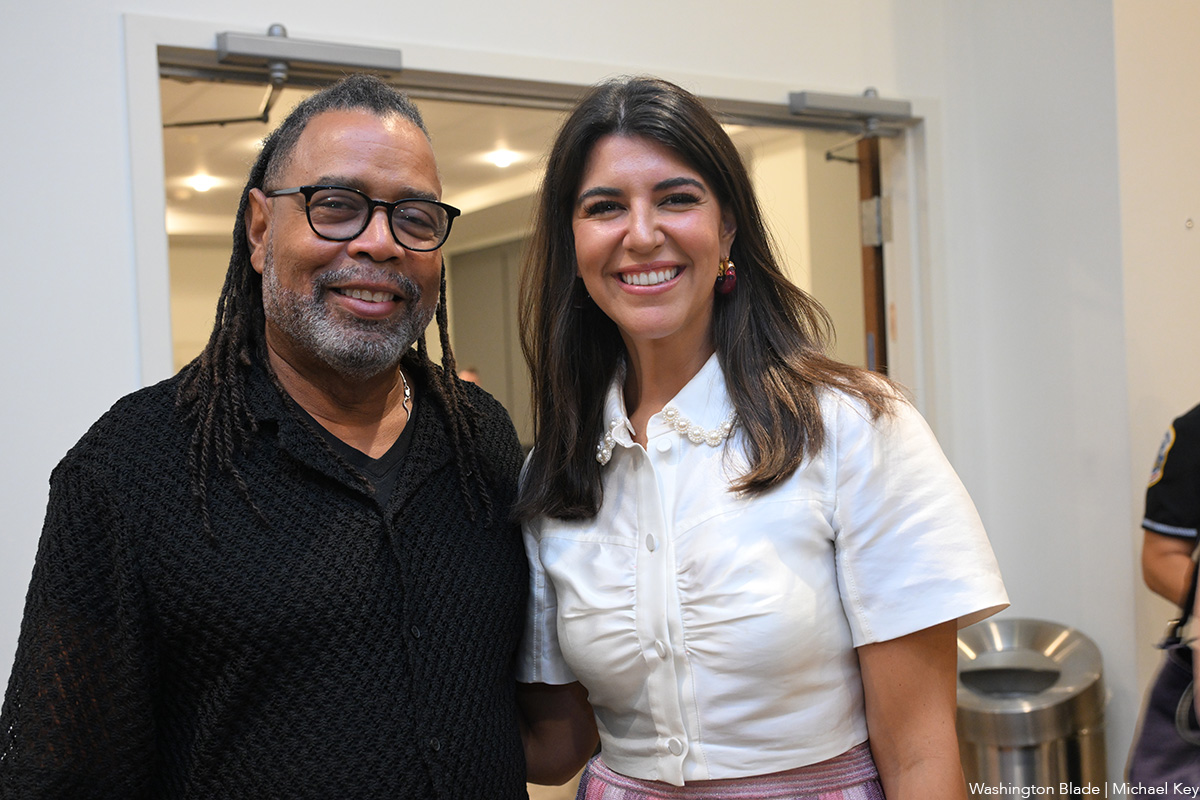
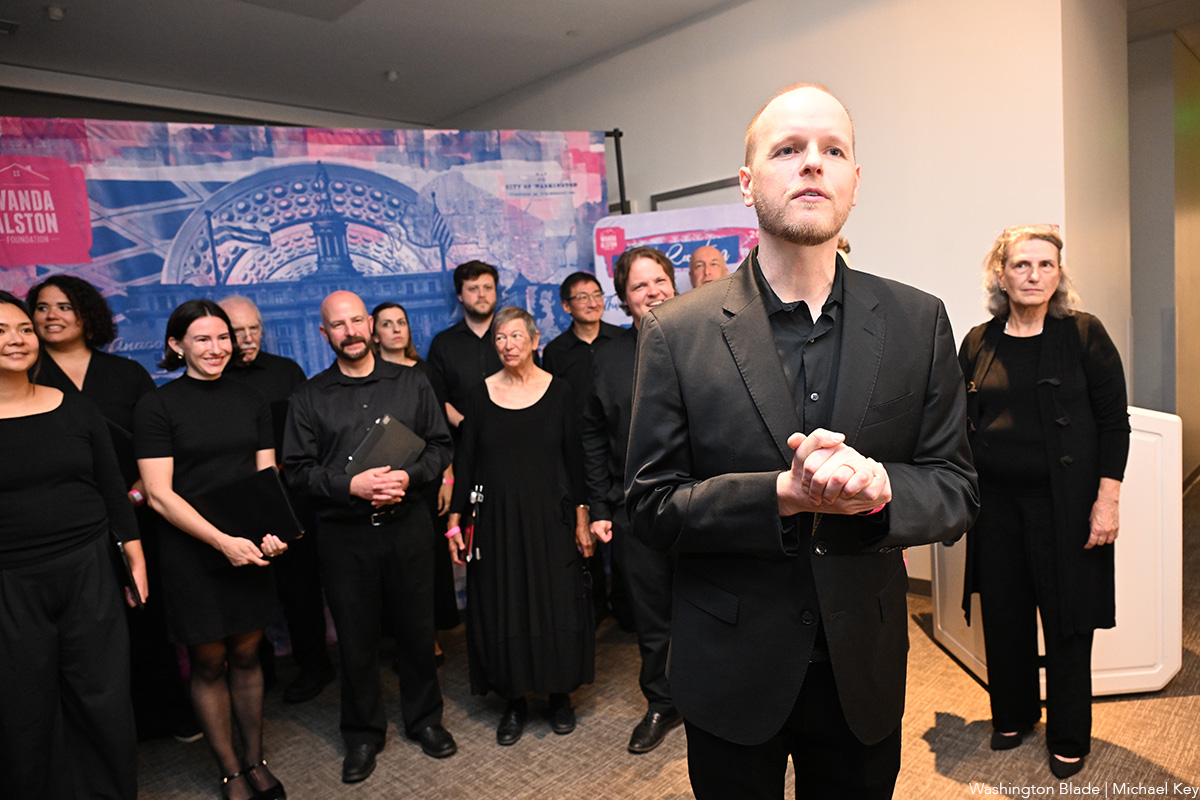
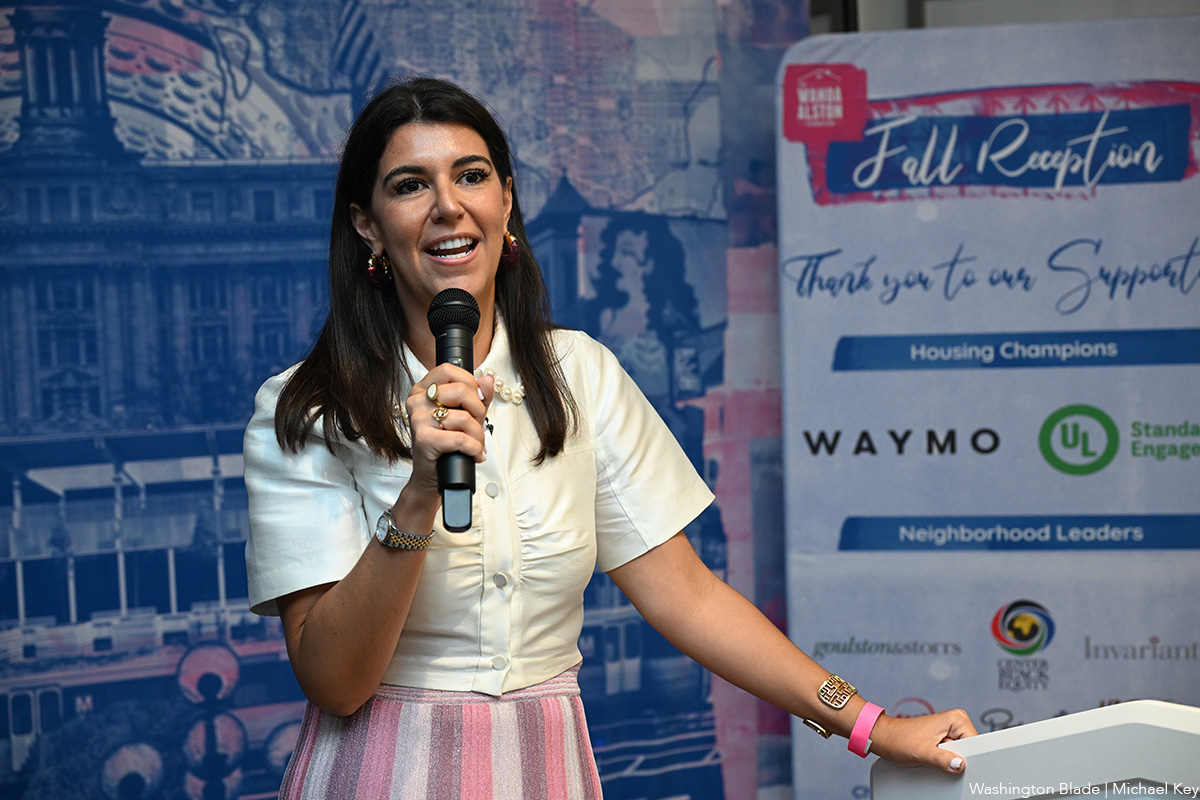
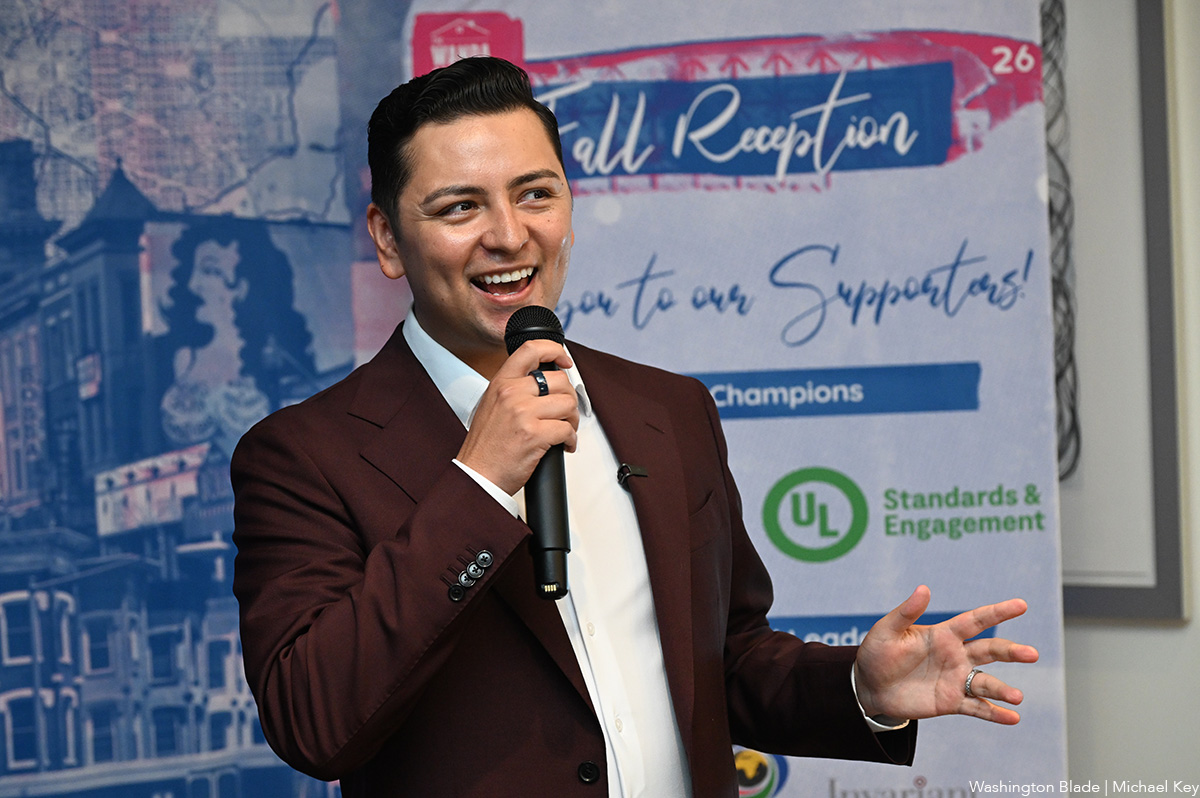
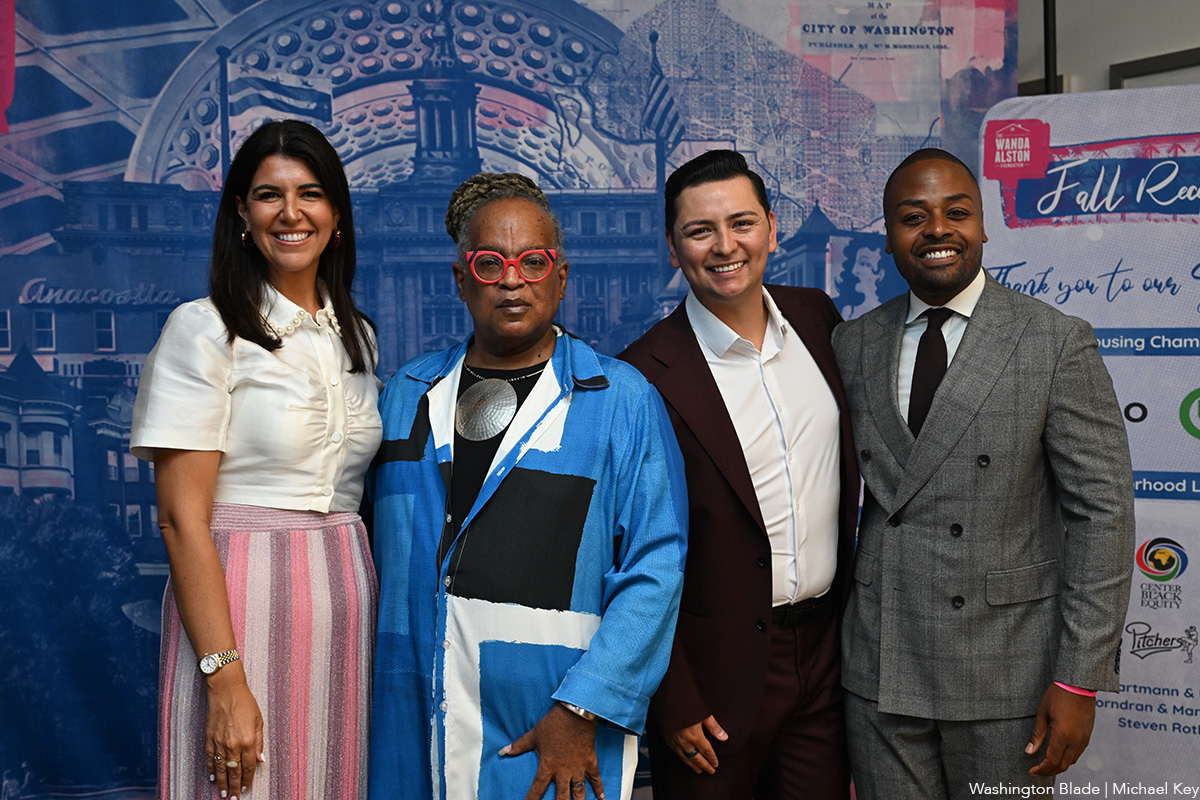
PHOTOS: Wanda Alston Foundation Fall Reception
LGBTQ youth services organization honors Robert White, Japer Bowles, Washington Capitals
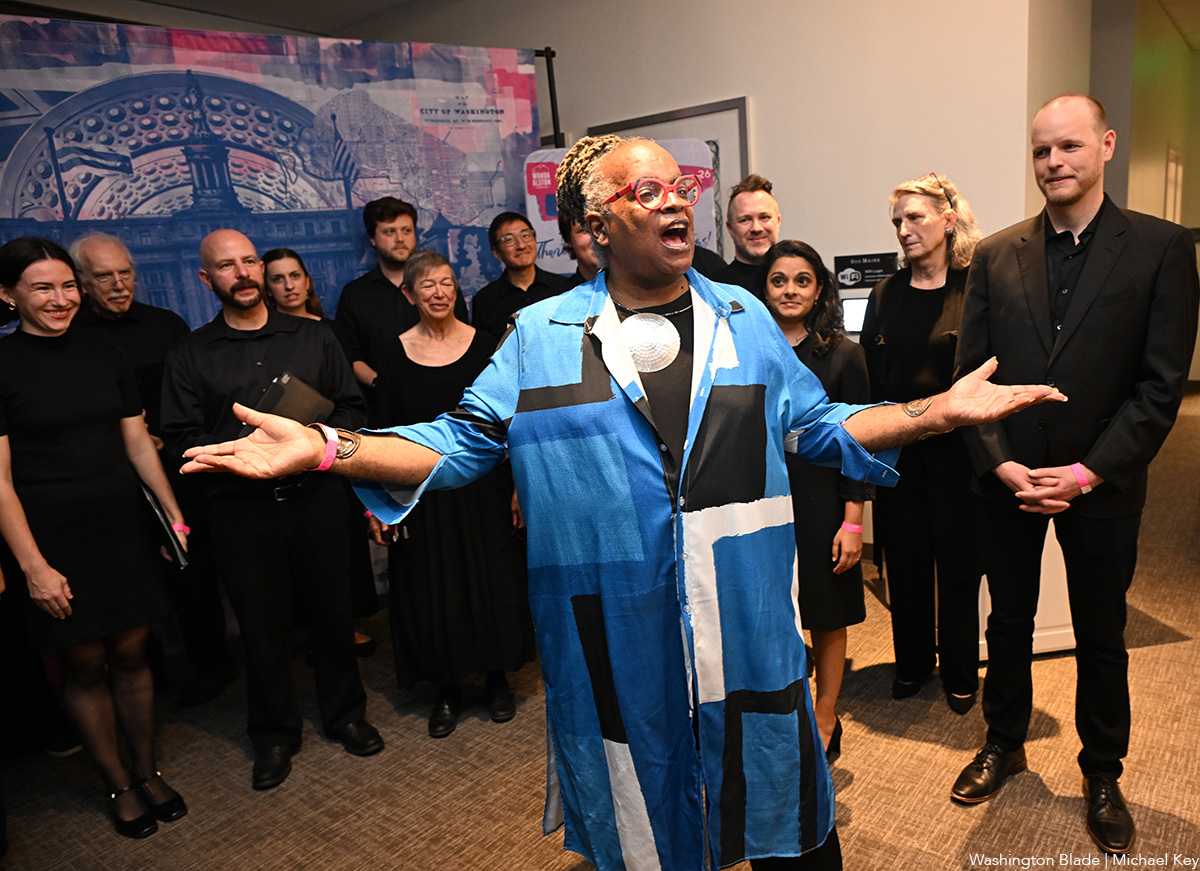
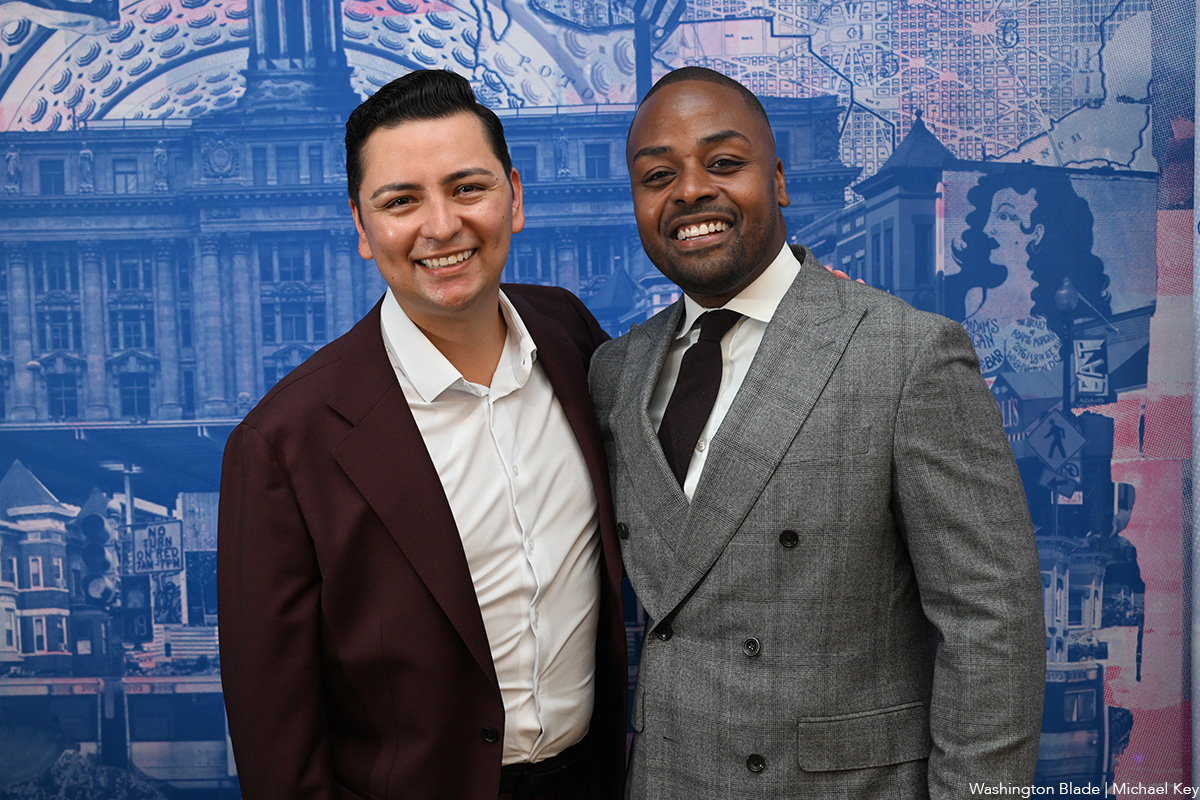
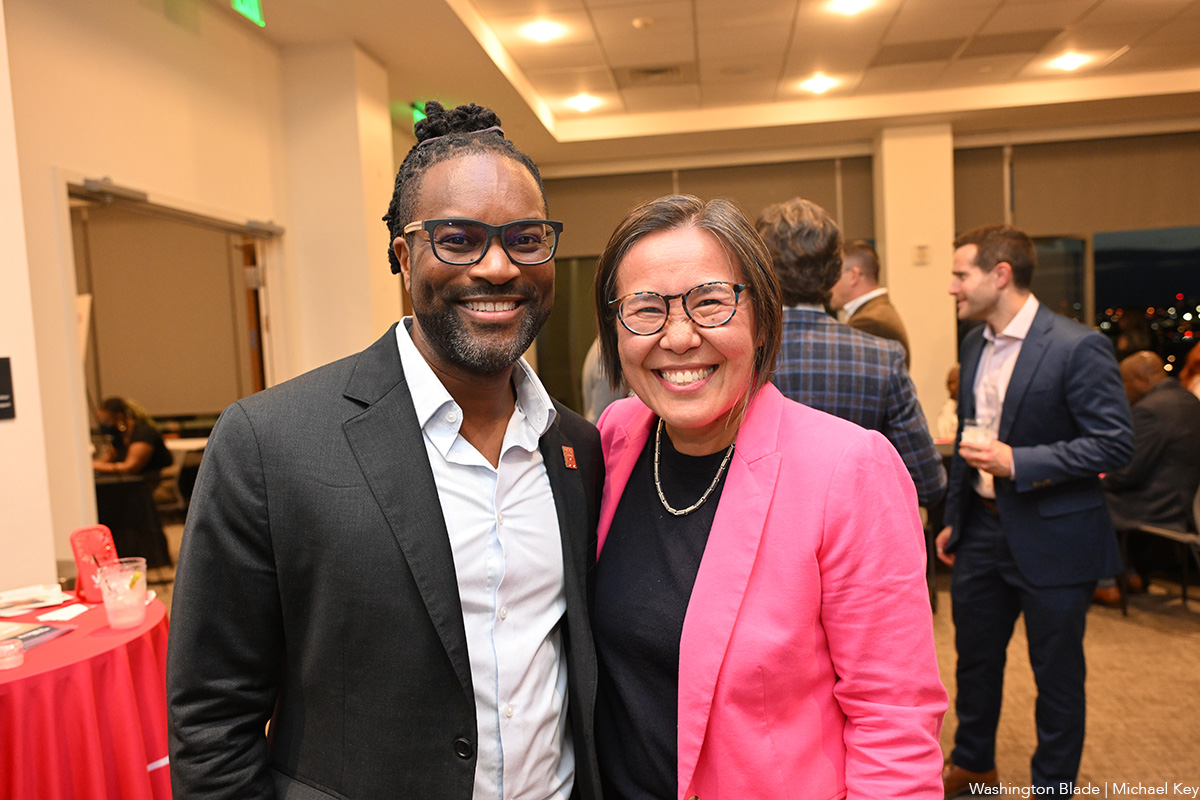
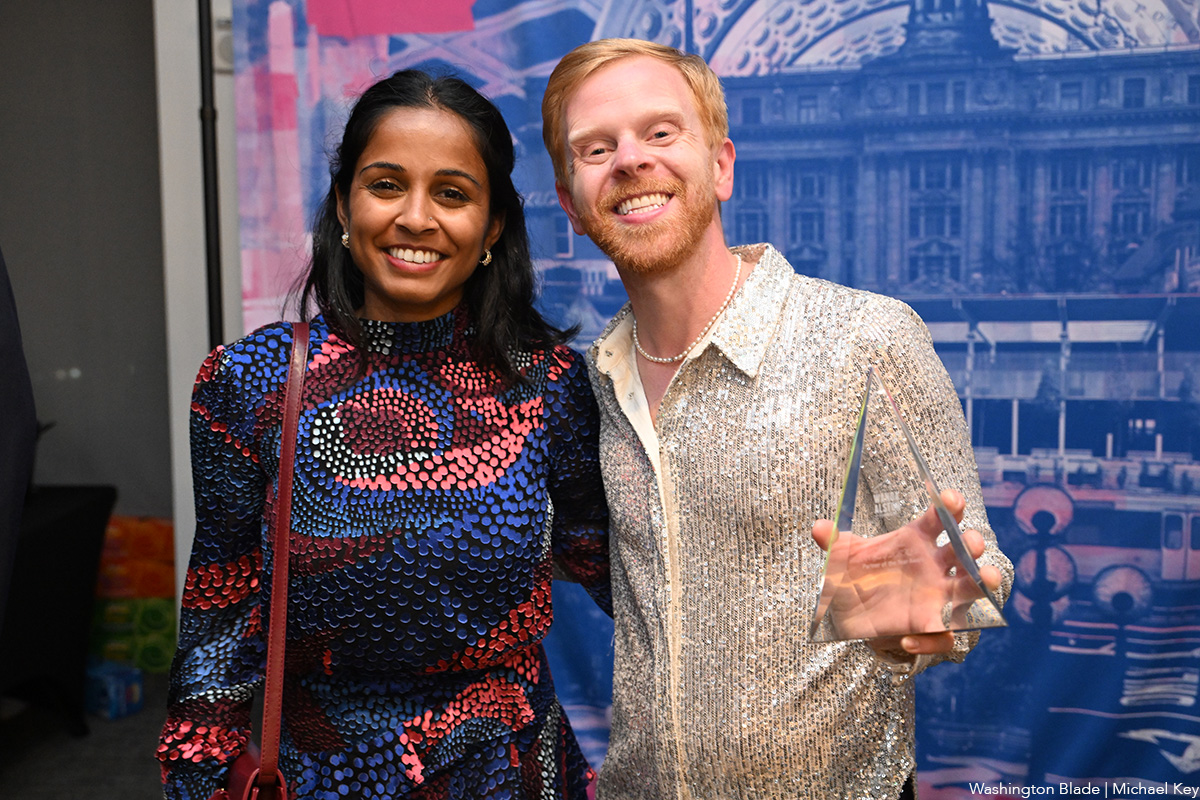
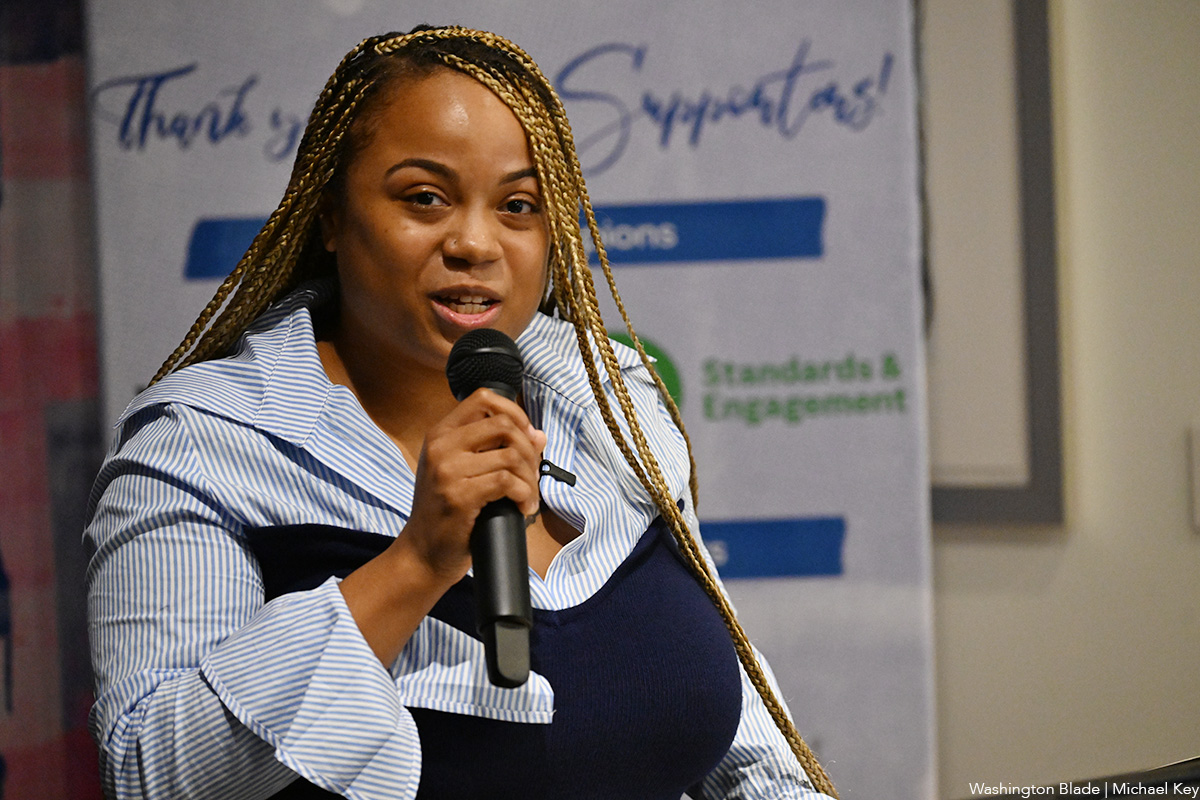
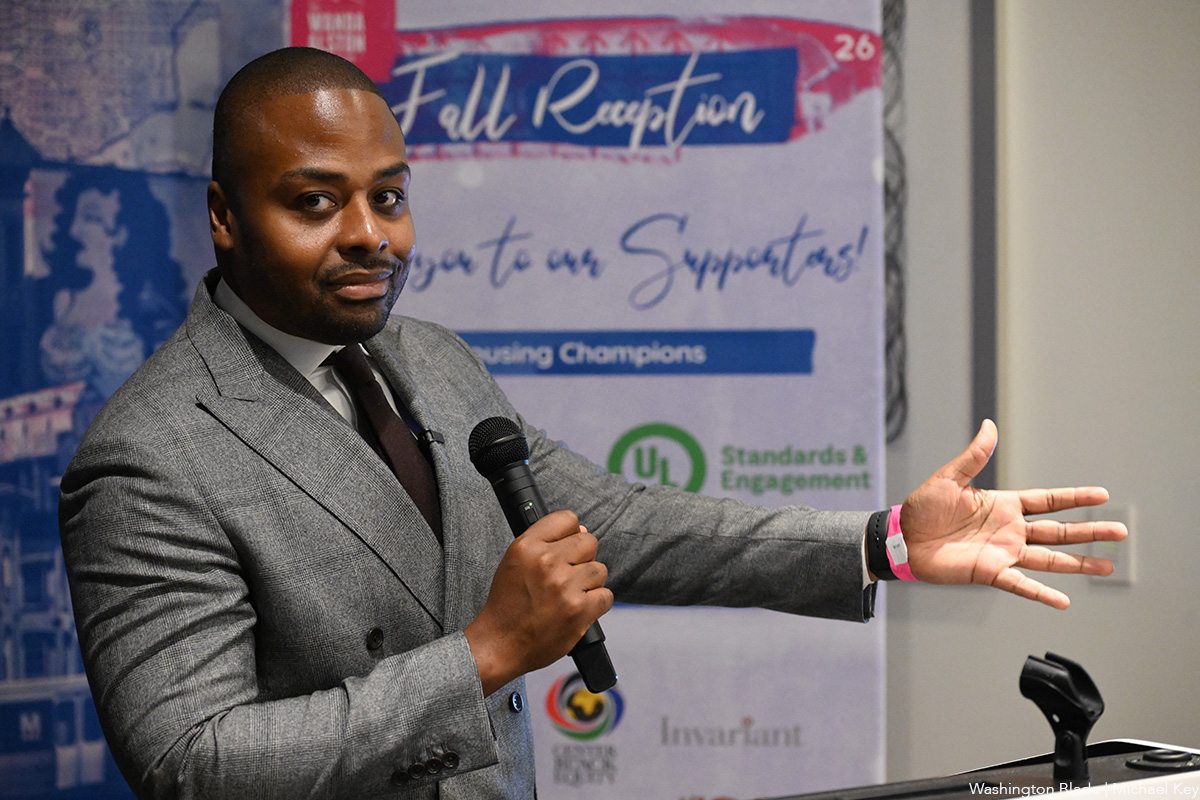
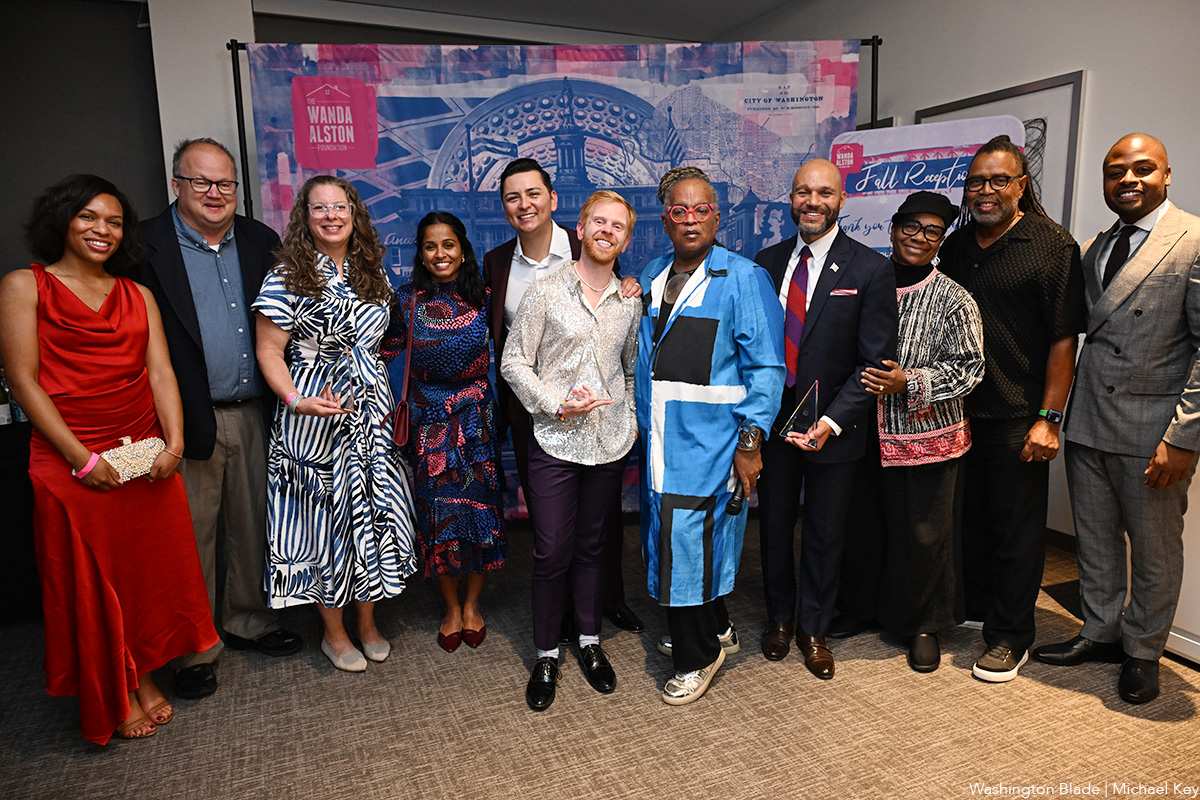
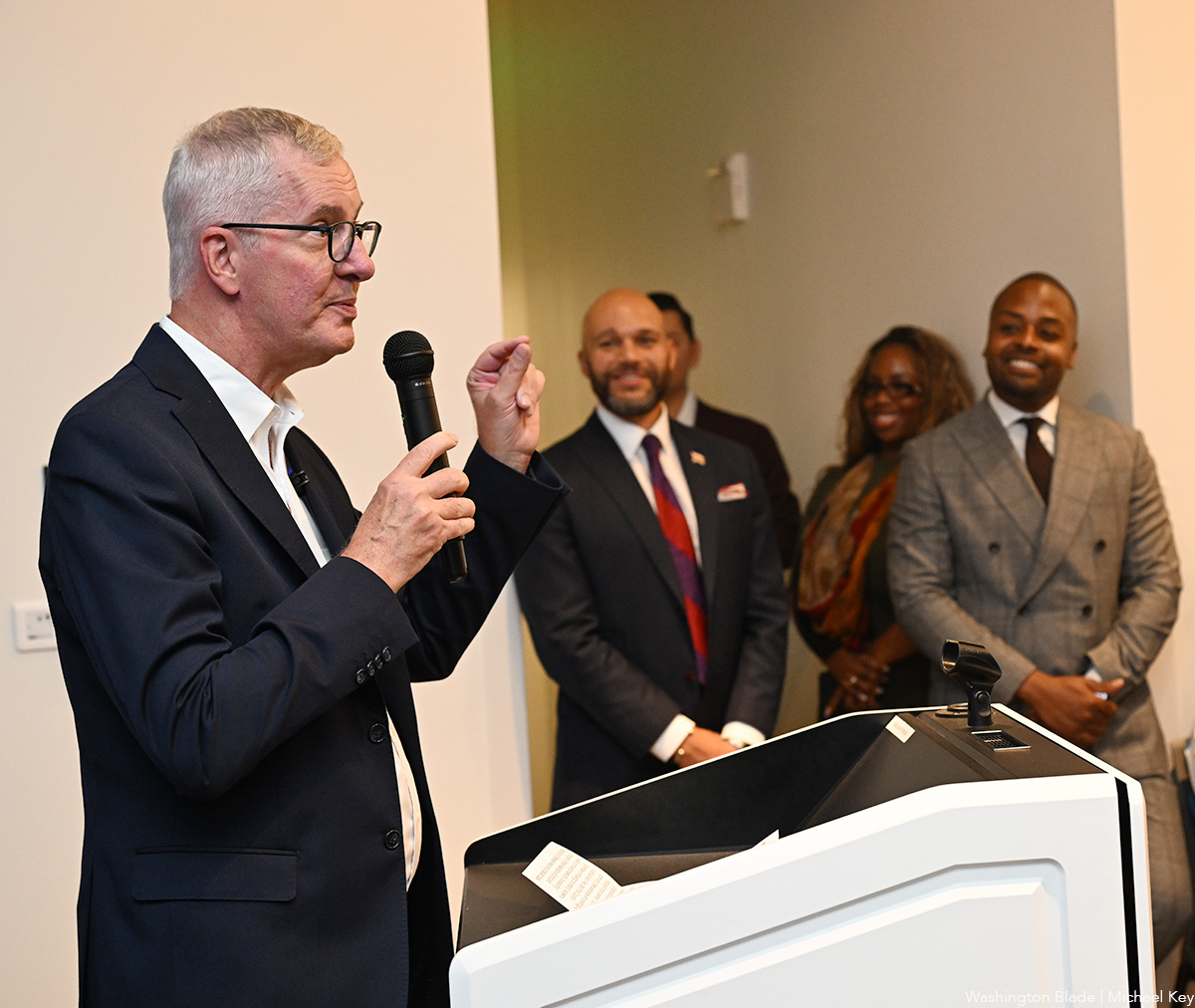
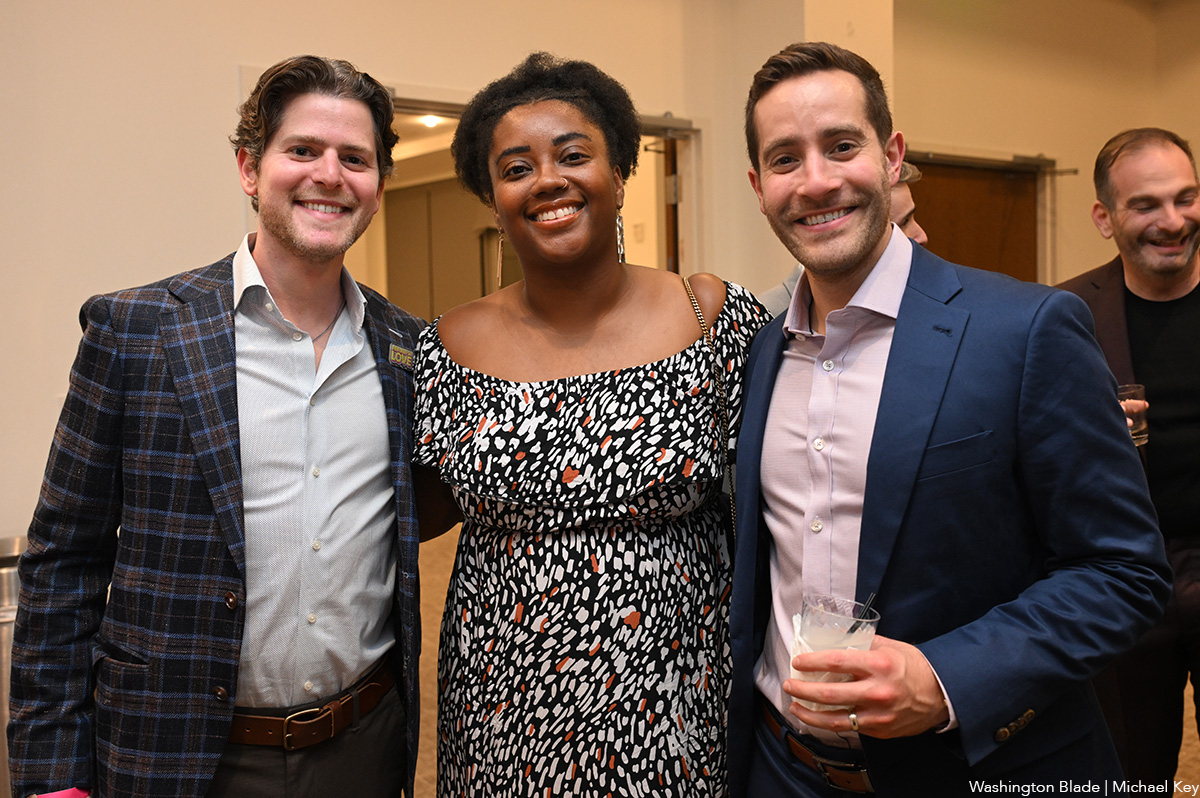
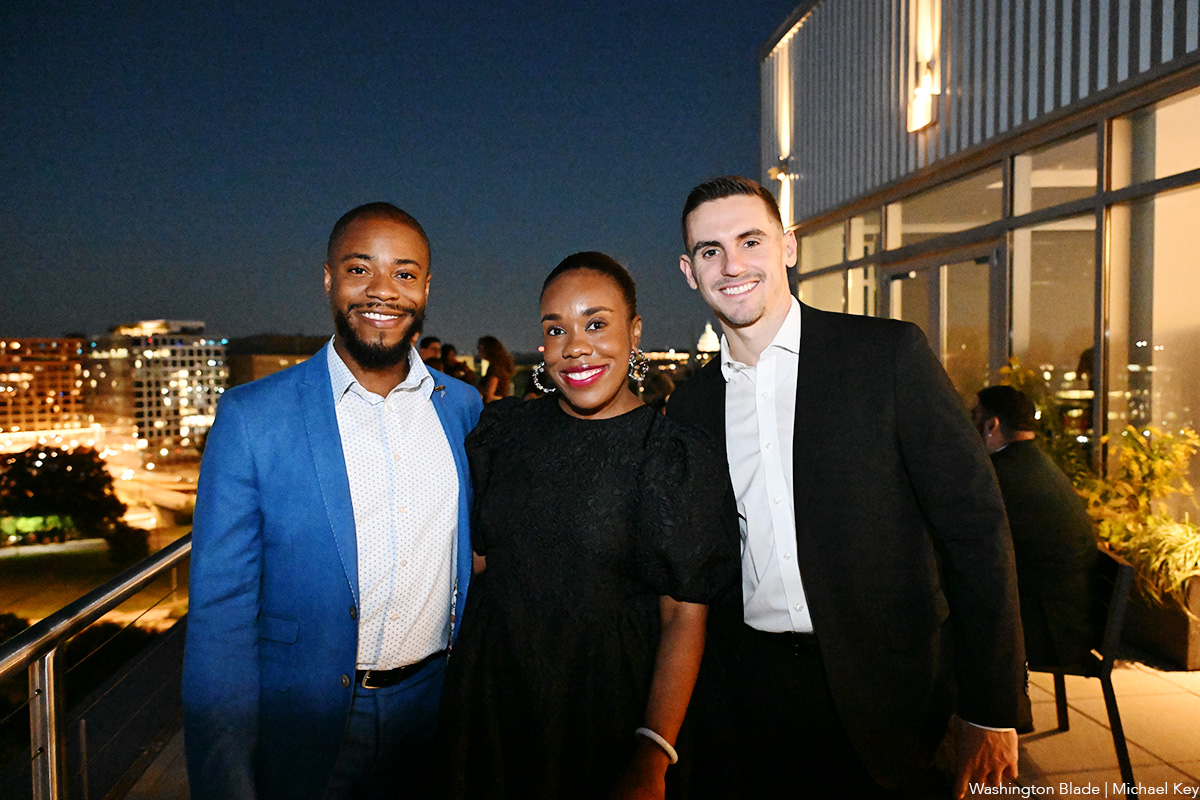
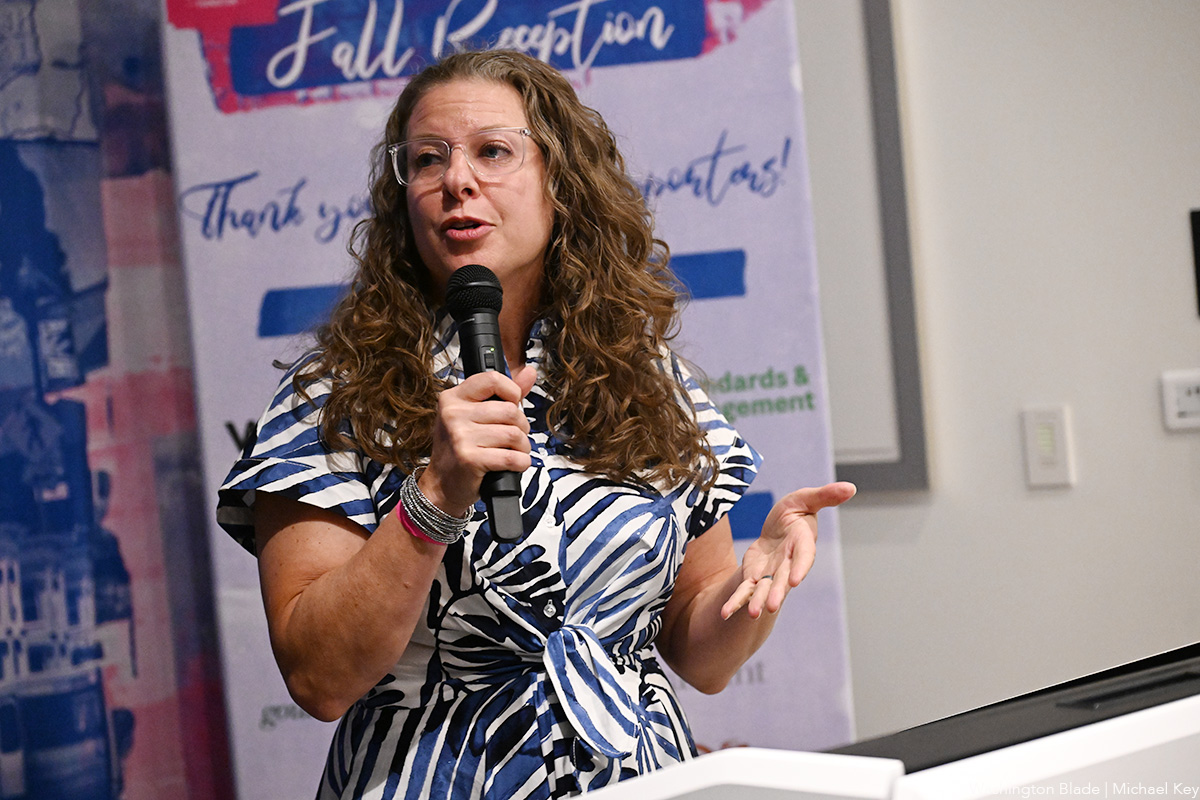
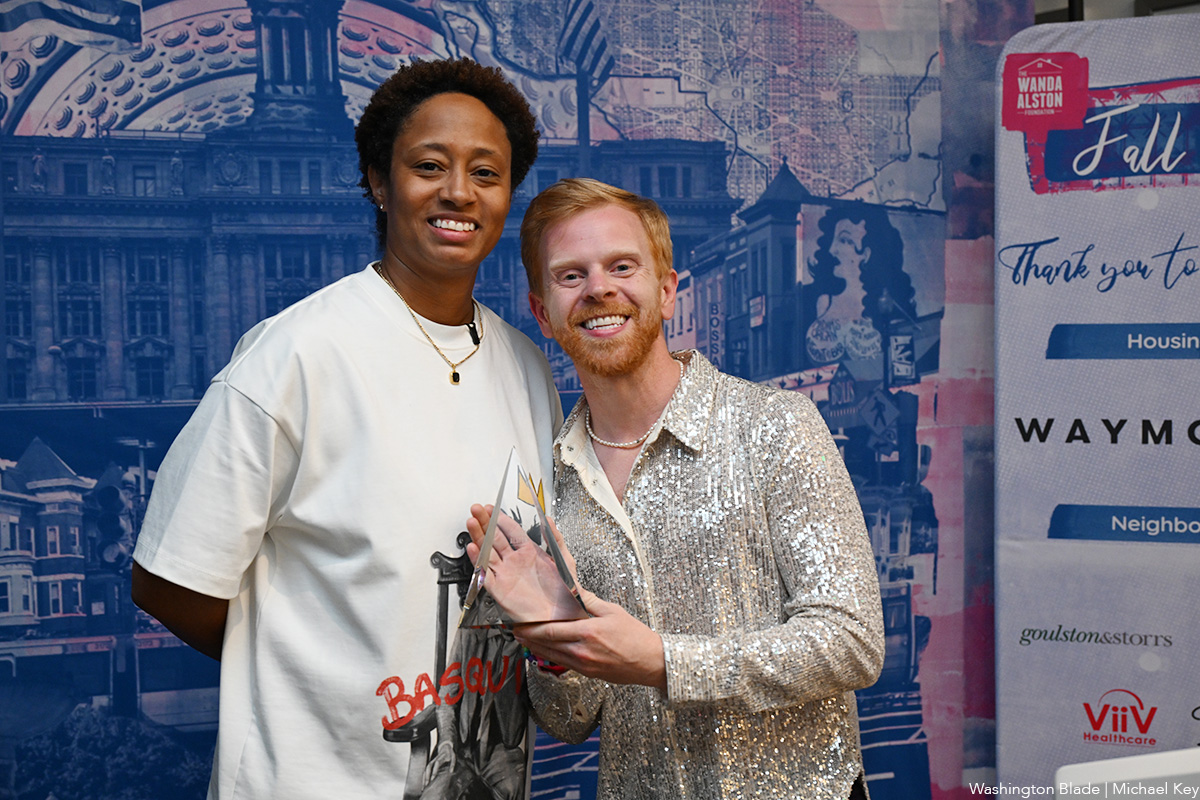
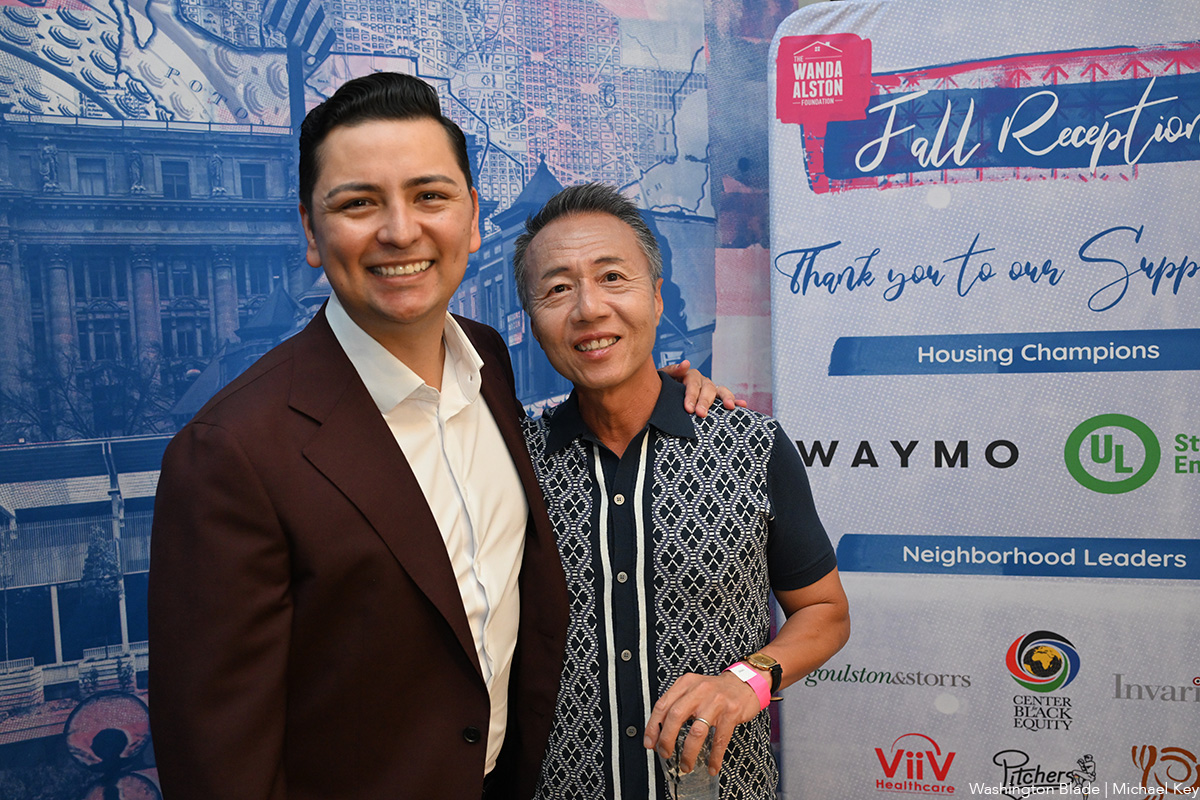
The Wanda Alston Foundation held its Fall Reception at the Penthouse Rooftop at The Wharf on Friday, Sept. 18. Honorees included D.C. Councilmember Robert White, Director of the Mayor’s Office of LGBTQ+ Affairs Japer Bowles, and the Washington Capitals. Rayceen Pendarvis served as the emcee and entertainment was provided by the Thomas Circle Singers.
(Washington Blade photos by Michael Key)
Books
Curl up with a good book this fall
New releases include mysteries, biographies, religion, and more
The fall books season offers lots of options so curl up and get ready to read.
FICTION
For the mystery fan who likes a sprinkle of thriller, look for “The Longest Death” by Kevin Jagernauth (Soho Crime, December). Richard Cobson hates his small town, he’s bored and desperate to get away. Stealing from his employer is the only thing that makes life bearable. That all changes when Marlon Montgomery comes to town and the two fall in love because if one guy can steal so easily, what can two do?
If you like graphic novels, try the “Tripping Over You” trilogy by Suzana Harcum and Owena White. Milo and Liam are finally able to be open about their relationship, no more hiding their love. They’re living together now, but can it last? “Tripping Over You Book 3” (First Second Books) is in stores in early November.
Also try “Diana: The Punk Singer Who Ripped Through Time” by Nate Powell (Abrams ComicArts, October). It’s about a young woman who’s trying desperately to escape her past, until a mysterious murder sidetracks her plans.
So you say you’re a romantic at heart? Then look for “Unspeakable Things: A Novel” by Elizabeth Hand (Little, Brown & Company, October). It’s a story set in the 1920s, when two young women arrive in the English Countryside to a dark and ancient manor. But, of course, nothing in a Gothic novel is easy, right? And you’ll love this tale.
NONFICTION
So this upcoming year is going to be one of exploration, right? Then look for “Free Love: Adventures in Marriage and Polyamory” by Michelle Tea (HarperOne, November). It’s a well-researched, personal, and interesting look at the lives of polyamorous couples and what it’s like to live what used to be called an “alternative” lifestyle.
If “fall” says “biography” to you, then look for “Showbiz! My Life as a Middle-Aged Man” by Murray Hill (Gallery Books, October). For decades, Hill has been making audiences laugh with his signature humor, but getting laughs hides his past all too well. He grew up in an abusive family and learning to hone his talents took some ingenuity. If you’re not a Hill fan yet, you will be, once you read this book.
For the reader who’s searching for a spiritual place, “Reading the Bible Through Queer Eyes: Good News for LGBTQ+ People from Genesis to Revelation” by podcasters Brian G. Murphy and Shannon T.L. Kearns (HarperOne, December) might help. Here, the authors look deeply at Scripture to find the queerness that’s there, proving to readers that the Word is not always what it seems.
Young readers may want to check out “Bitter Pill: Randy Shilts and the Dawn of the HIV/AIDS Epidemic” by Clement Xavier, illustrated by Heloise Cochois, foreword by Michael Lee (Abrams ComicArts, November). It’s a highly researched true story of activist Shilts, but also of Harvey Milk, and the earliest days of the AIDS crisis, when gay men needed a loud voice to advocate for them.
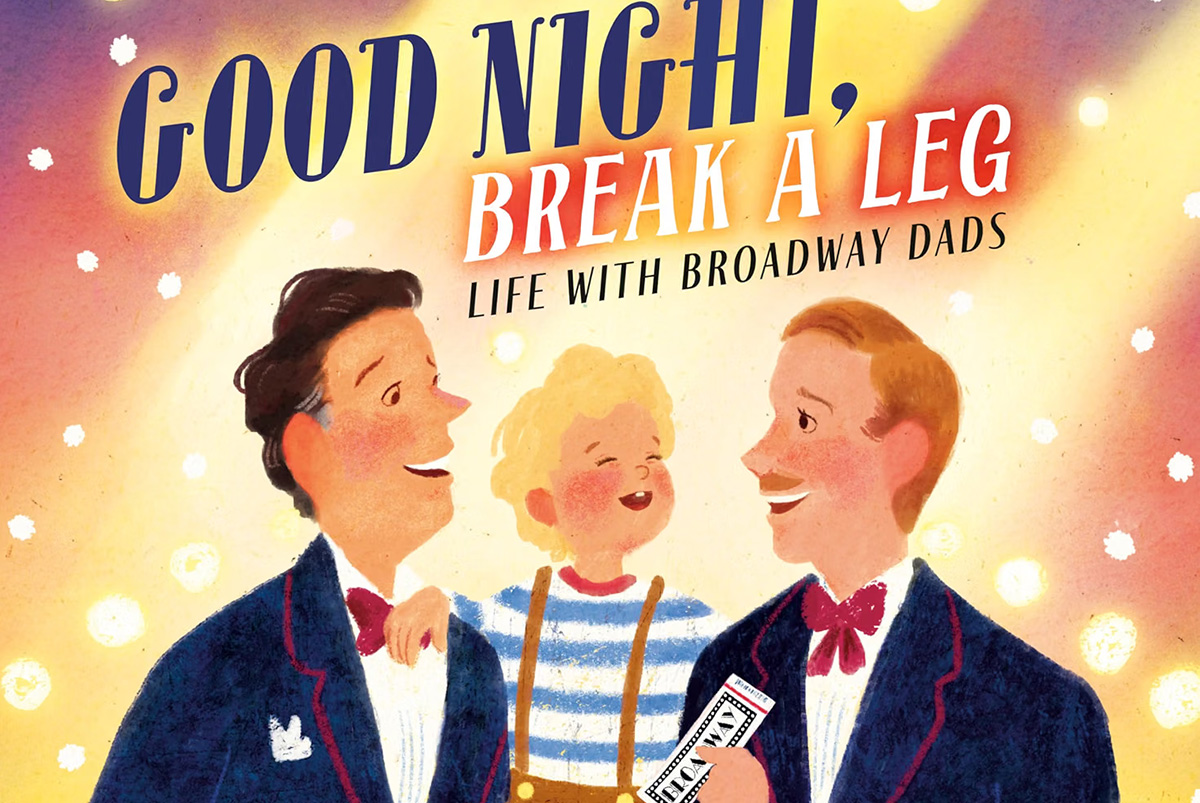
And finally, if you want a fun book for your kids or a child you love, look for “Good Night, Break a Leg: Life with Broadway Dads” by Bret Shuford, illustrated by Elena Hager (Penguin Workshop). What do parents do when they go to work? A little boy learns that his dads have very special jobs by day – and by night! It’s a cute book for kids, but a special tale for lovers of Broadway.
Be aware that publication dates change, titles change, books can be canceled, and your librarian or favorite bookseller can help you find what you need. Season’s readings!

PHOTOS: Walk and 5K to End HIV

PHOTOS: Wanda Alston Foundation Fall Reception

Moving presents a chance to ‘clean house’

EV ecstacy: BMW iX3, Rivian R2

Curl up with a good book this fall

Trump’s Cabinet: Dumb, dumber, dumbest, and evil

More than 150 people detained outside Istanbul courthouse

Virginia Anti-Violence Project struggles to fill federal funding gaps

Gay man sues Delaware AG for not prosecuting partner in domestic violence case

D.C.’s fall theater season is already well underway
-

 Opinions4 days ago
Trump’s Cabinet: Dumb, dumber, dumbest, and evil
-
Turkey5 days ago
More than 150 people detained outside Istanbul courthouse
-
Virginia5 days ago
Virginia Anti-Violence Project struggles to fill federal funding gaps
-
Delaware5 days ago
Gay man sues Delaware AG for not prosecuting partner in domestic violence case