Arts & Entertainment
Celebrities offer condolences in wake of Manchester tragedy
‘Late Late Show’ host James Corden gave heartfelt tribute to victims


An explosion at an Ariana Grande concert in Manchester, England, on May 22, 2017, has left at least 22 people dead. (Photo by Melissa Rose; courtesy Flickr)
Celebrities offered words of support on social media in wake of the explosion at an Ariana Grande concert in Manchester, England which claimed the lives of 22 people on Monday night.
broken.
from the bottom of my heart, i am so so sorry. i don’t have words.— Ariana Grande (@ArianaGrande) May 23, 2017
Tearing up imagining innocent concert goers losing their lives.. praying for everyone and all #arianators. ??????
— Demi Lovato (@ddlovato) May 22, 2017
MY PRAYERS GO OUT TO PPL OF MANCHESTER…HAD SPECIAL TIMES THERE FROM YOUTH & BEYOND
— Cher (@cher) May 22, 2017
Praying for everyone at @ArianaGrande‘s show
— KATY PERRY (@katyperry) May 22, 2017
Just woken up and seen the news. My heart and soul is broken for every single victim, and their families and friends. So painfully sad x
— Sam Smith (@samsmithworld) May 23, 2017
This story is so sad and so scary. Sending all my love to Manchester.
— Ellen DeGeneres (@TheEllenShow) May 23, 2017
My heart aches for the victims and their families in England tonight. I can’t fathom how anyone can hurt innocent children. ?
— Lance Bass (@LanceBass) May 23, 2017
Manchester, je suis avec vous… Tout mon amour / #Manchester I am with you… All my love, Céline xx… https://t.co/NvcJM5VYjz
— Celine Dion (@celinedion) May 23, 2017
So heartbroken hearing about Manchester. Such a senseless and ruthless act in a place supposed to be filled with such joy and love.
— troye sivan (@troyesivan) May 23, 2017
So much ugliness in the world. Can’t let it make us forget the beauty of love. Saddened & praying for every person affected in #Manchester??
— Jussie Smollett (@JussieSmollett) May 23, 2017
Sending light to everyone in Manchester who was at the @ArianaGrande show. I am at a loss for any more words.
— ADAM LAMBERT (@adamlambert) May 23, 2017
My heart goes out to the wonderful people of Manchester, who have suffered grievous loss of life in a terrorist attack tonight.
— Bette Midler (@BetteMidler) May 23, 2017
My thoughts and prayers are with everyone effected by this horrible attack in Manchester. My heart is broken this morning.
— Nick Jonas (@nickjonas) May 23, 2017
Artists view theatres as a sacred place. Devastated. My love to the victims’ families. My love to my baby @ArianaGrande. pic.twitter.com/ySmWaF65fl
— Kristin Chenoweth (@KChenoweth) May 23, 2017
James Corden also gave an emotional tribute to the victims during his opening monologue for “The Late Late Show” on Monday night.
“When I think of Manchester, the place that I know, I think of the spirit of the people there. And I’m telling you, a more tightknit group of people you will be hard-pressed to find. Strong, proud, caring people with community at its core. And if it was even possible, the spirit of the people of Manchester will grow even stronger this evening,” Corden says.
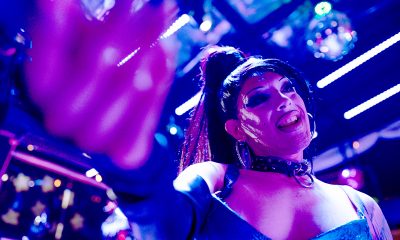





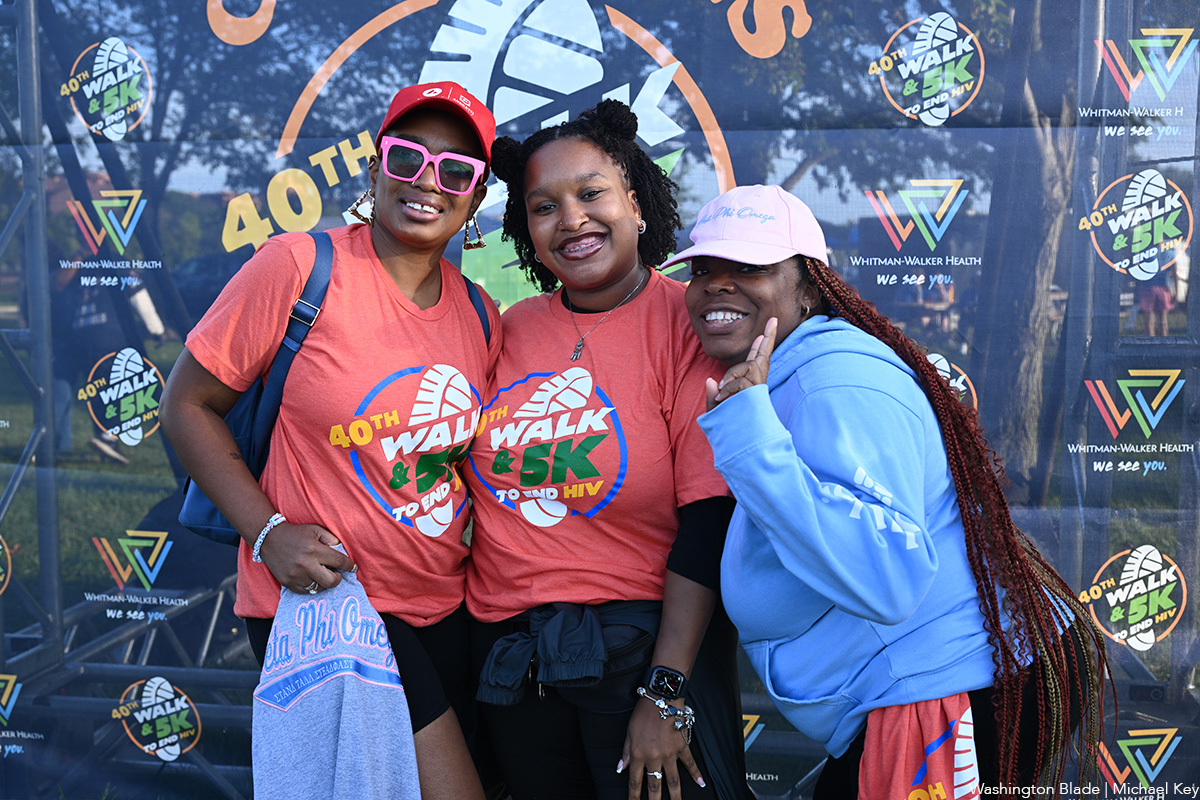
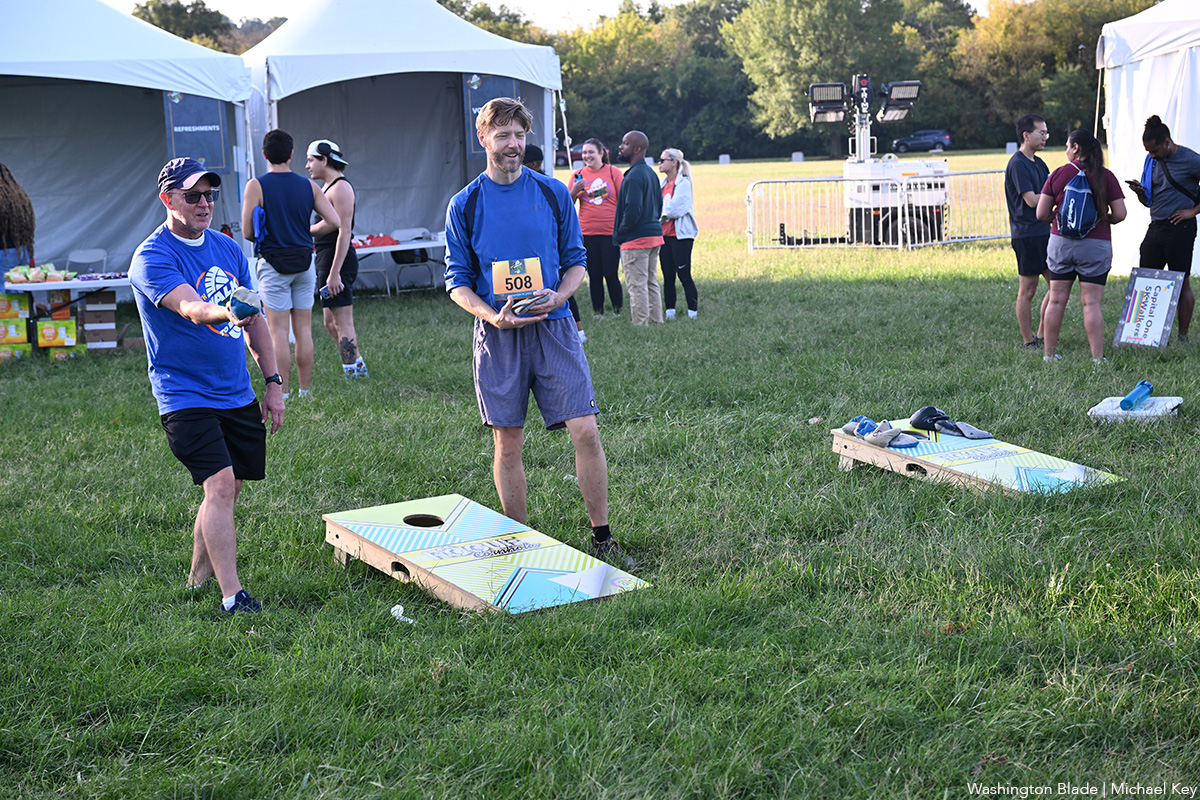
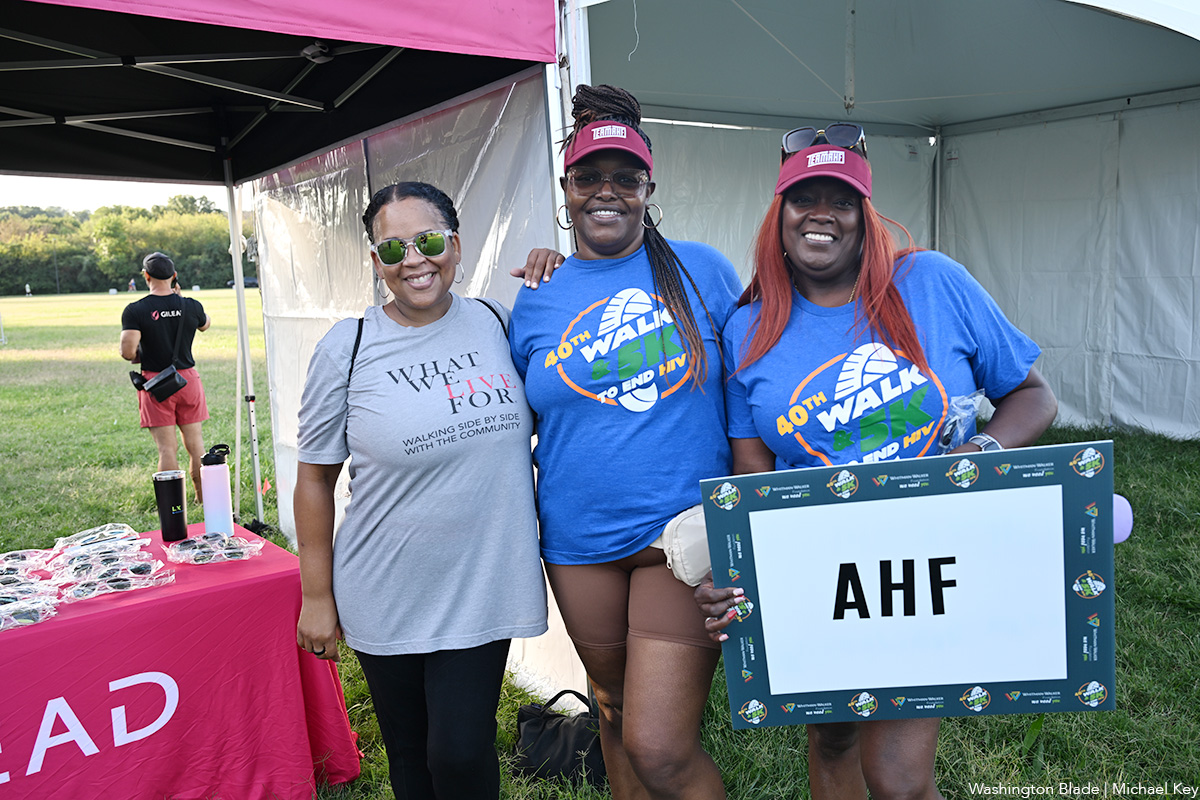
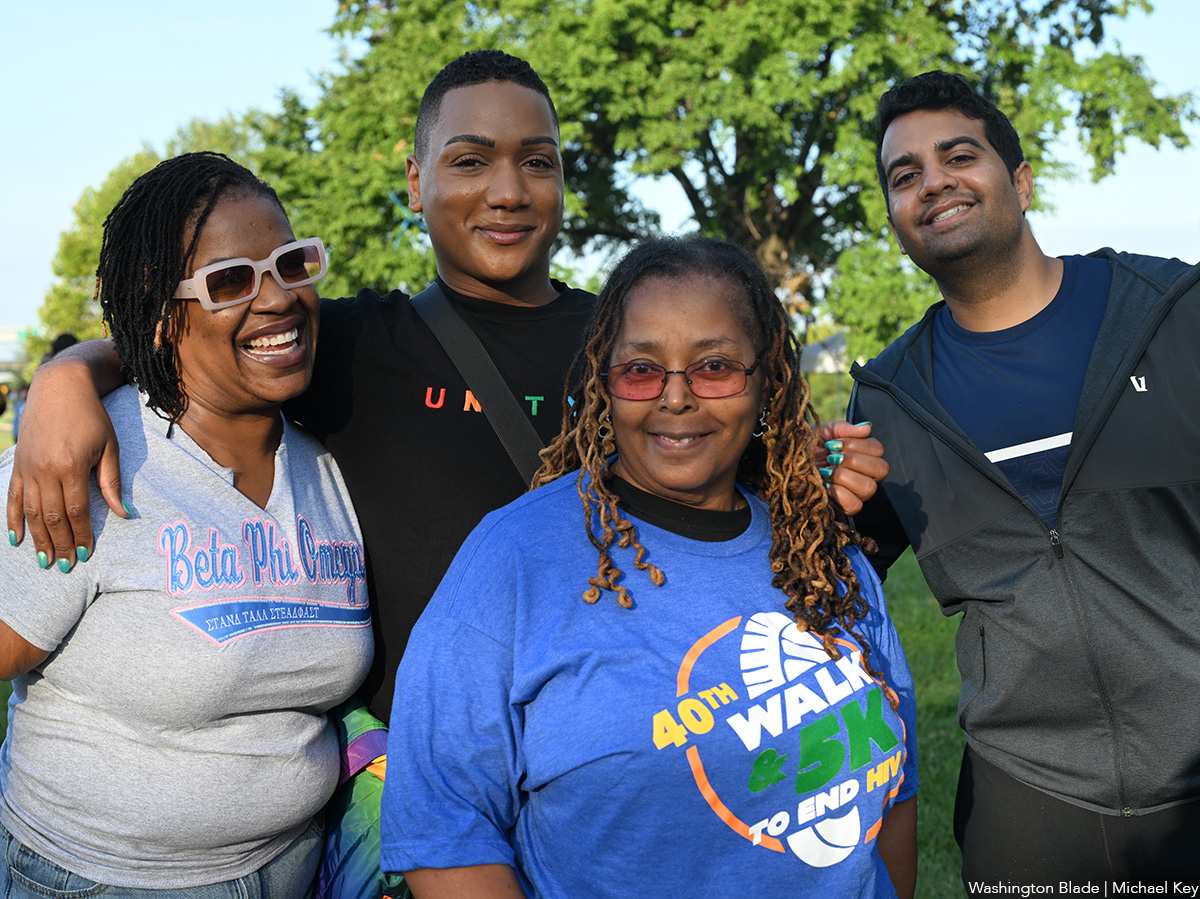
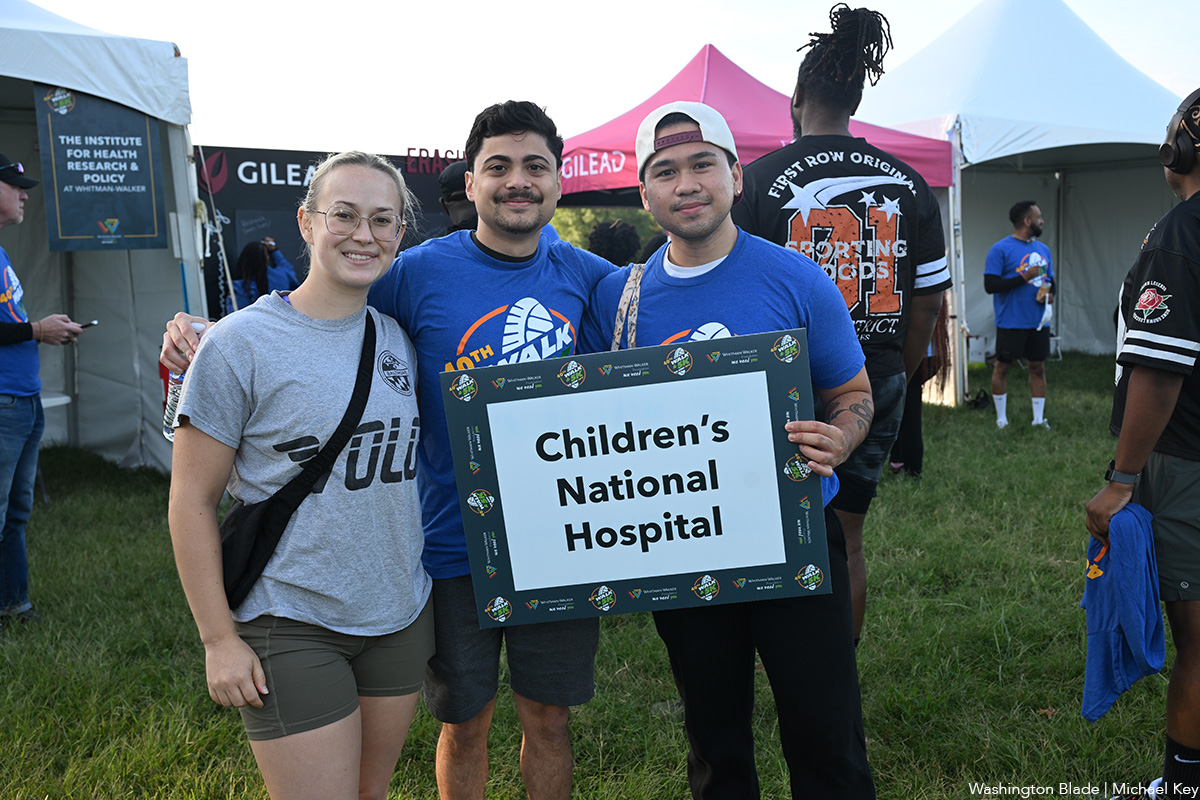
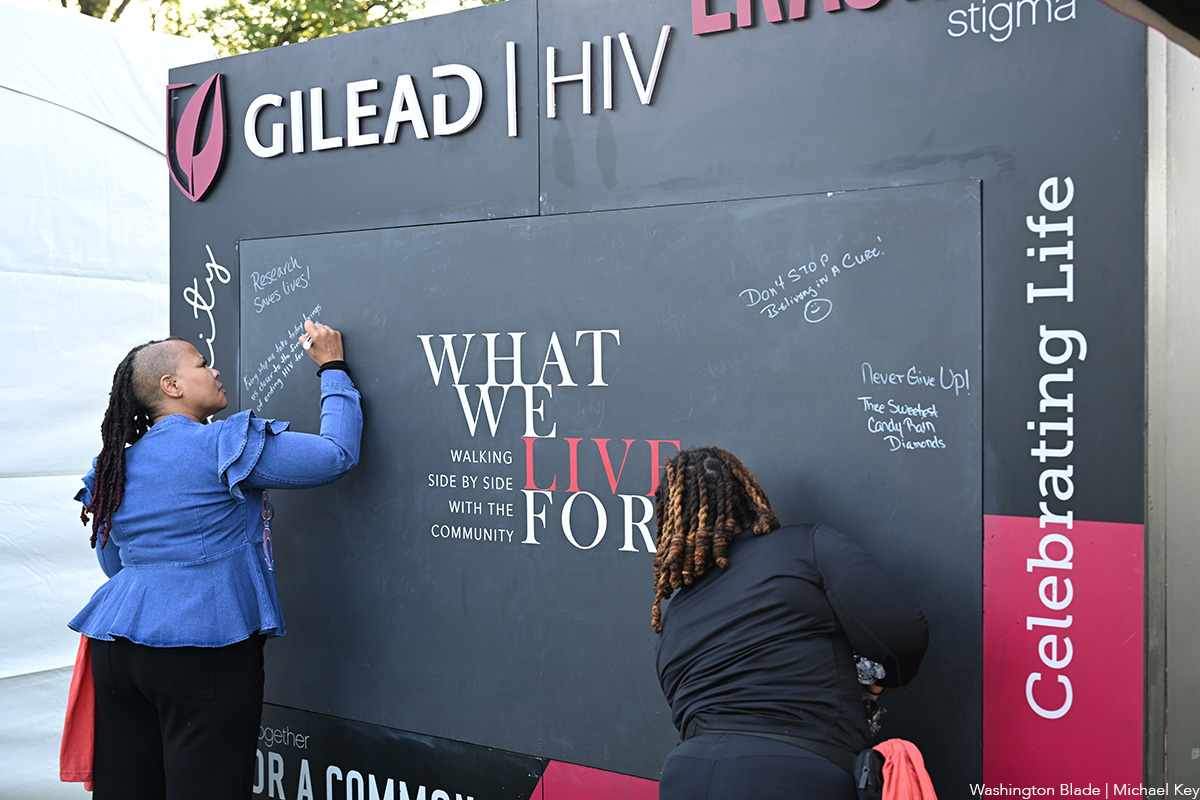
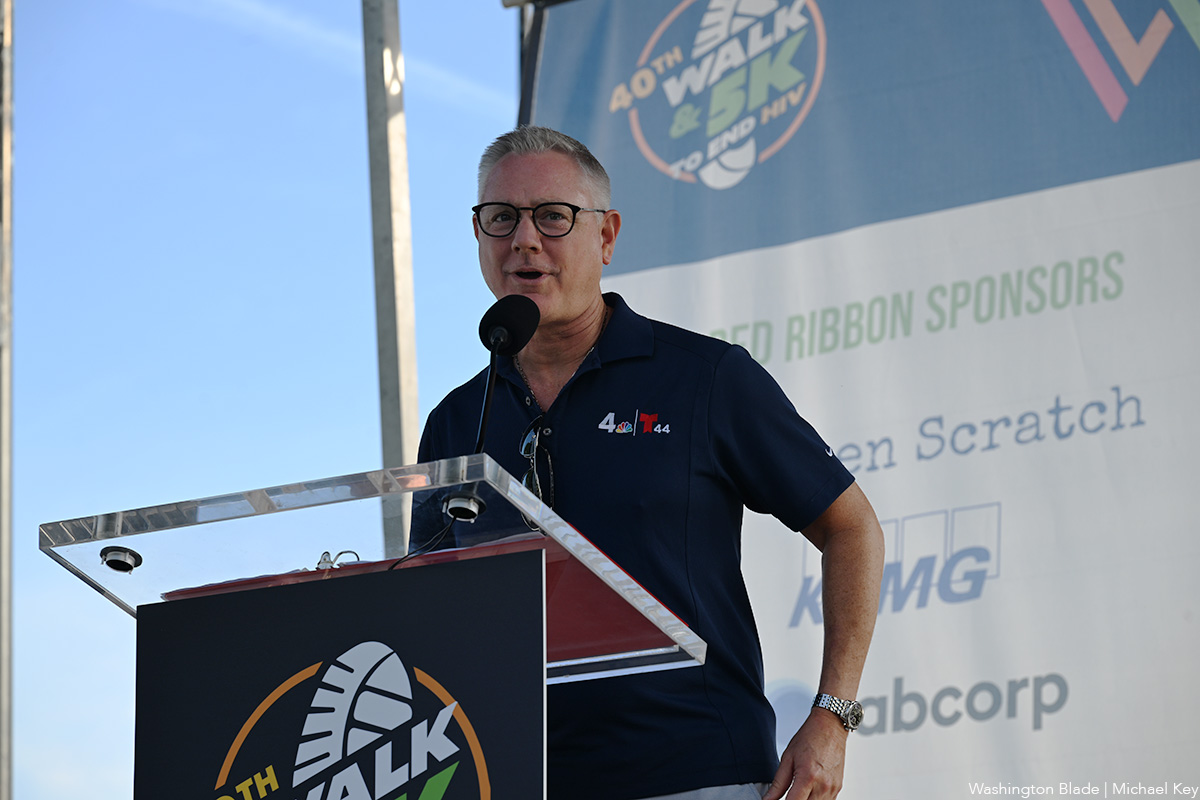
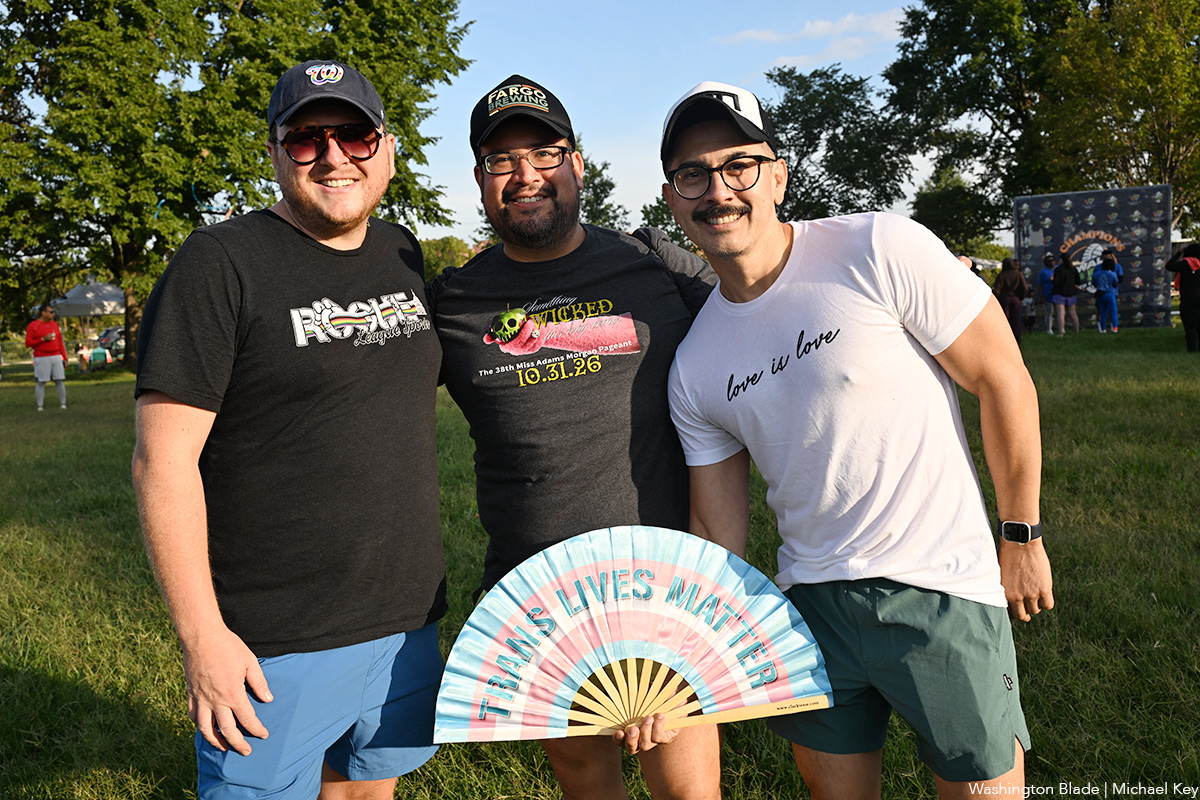
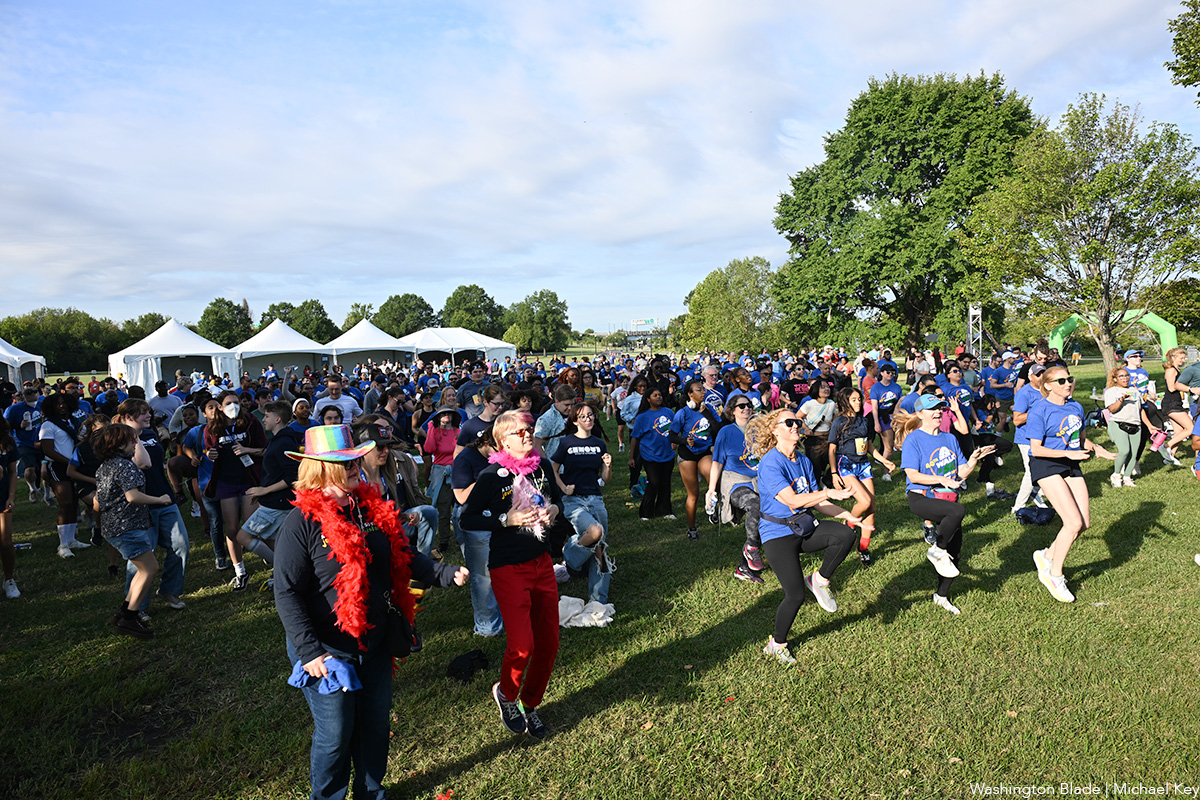
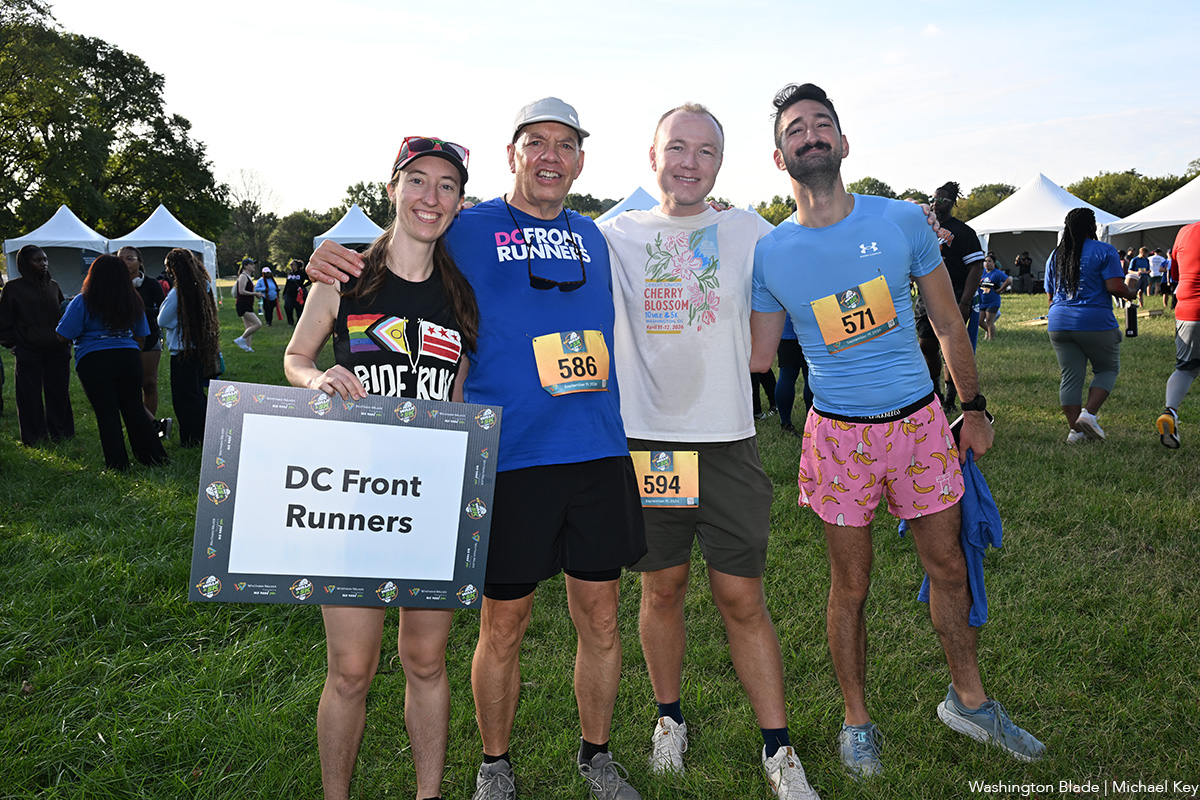
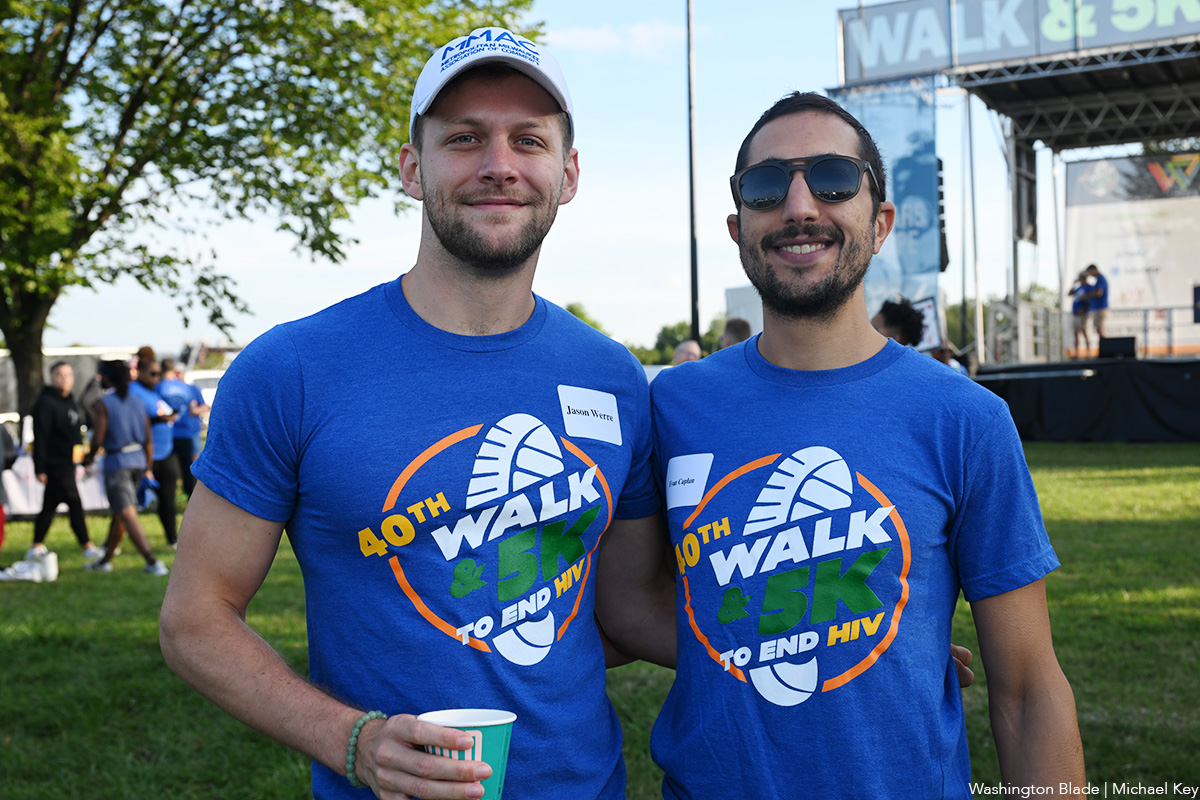
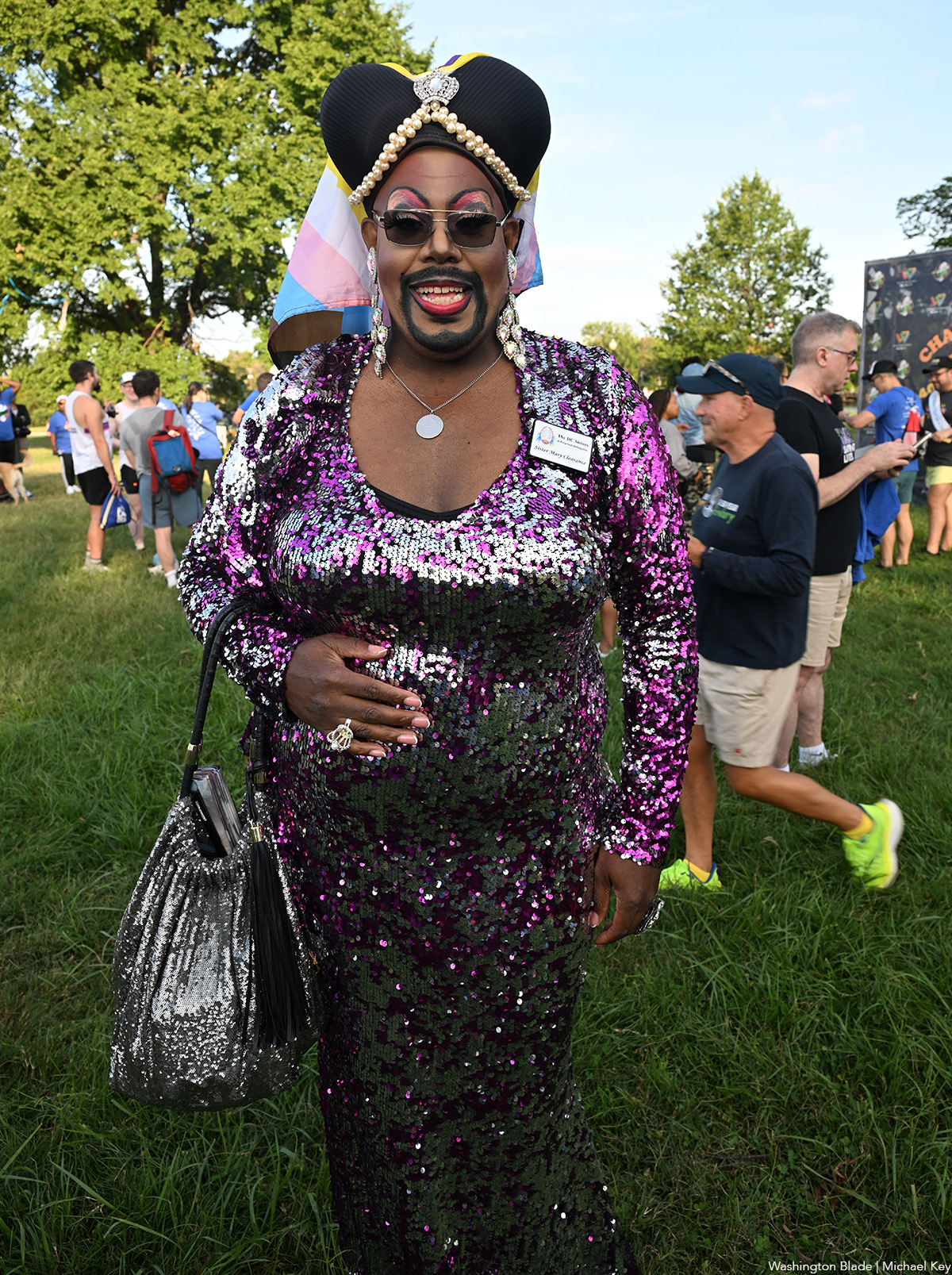
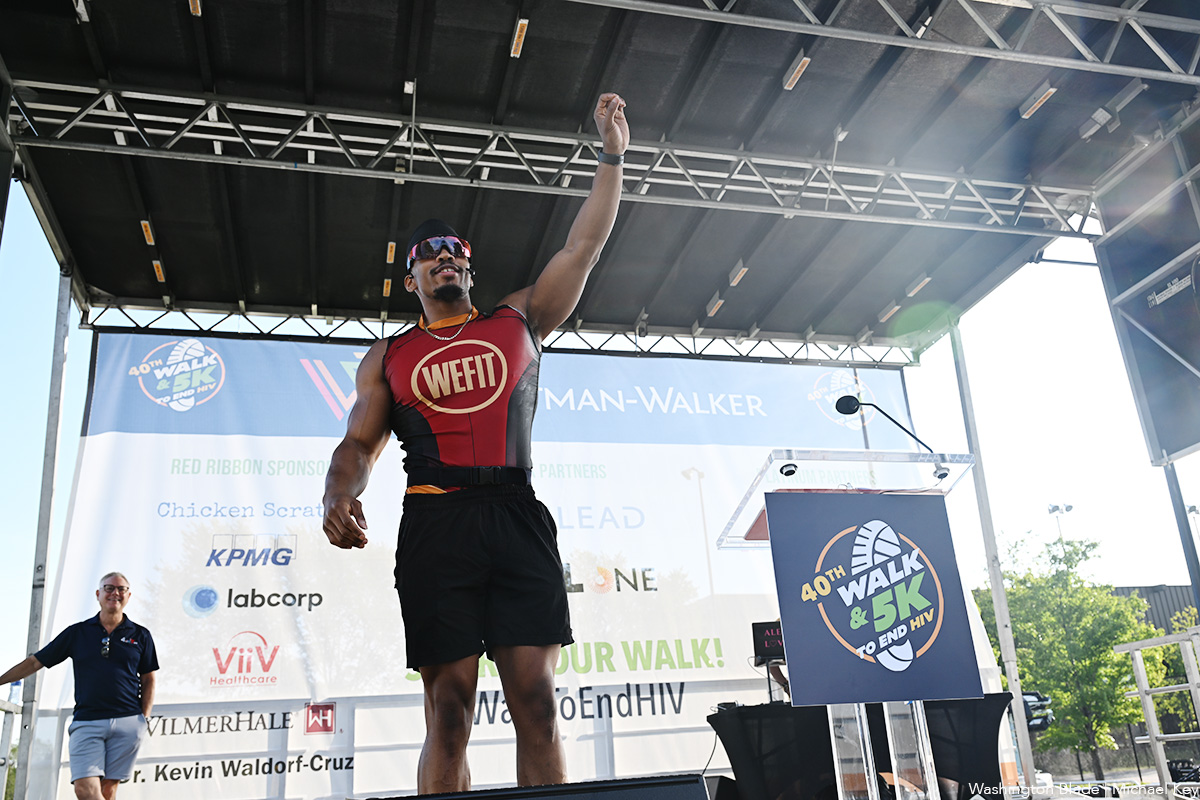
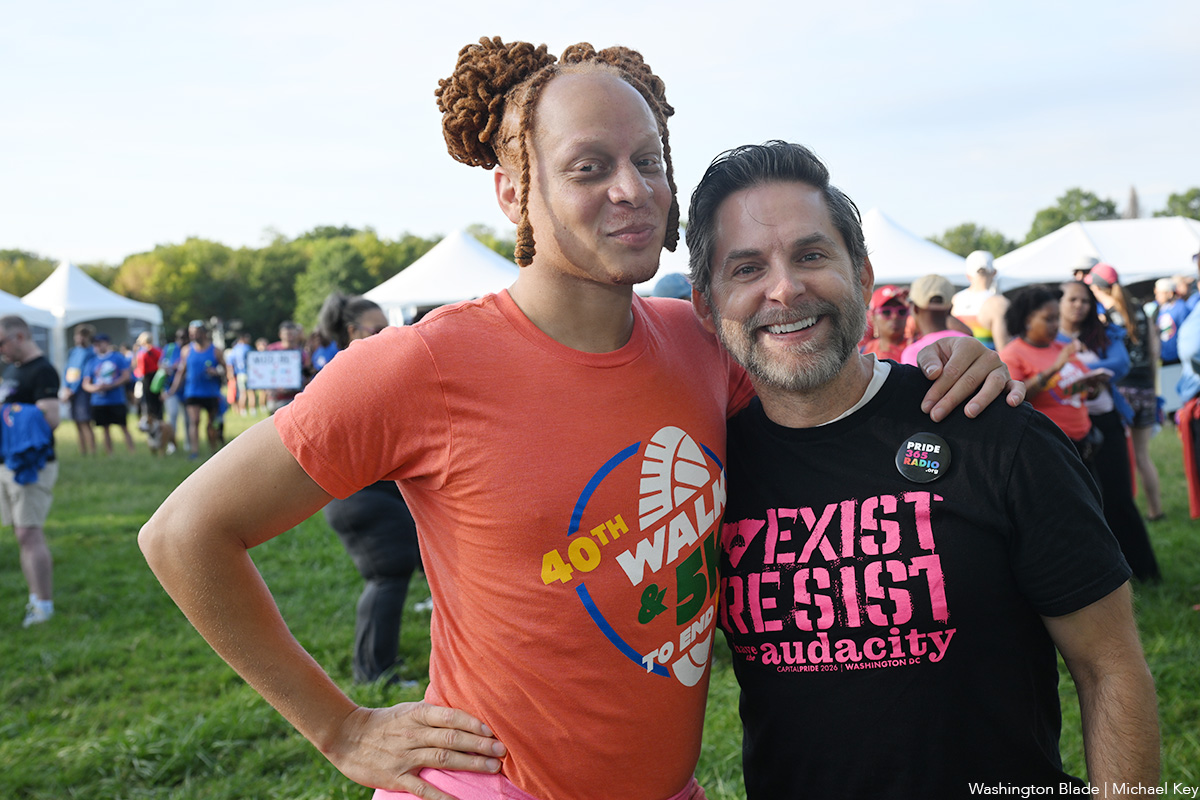
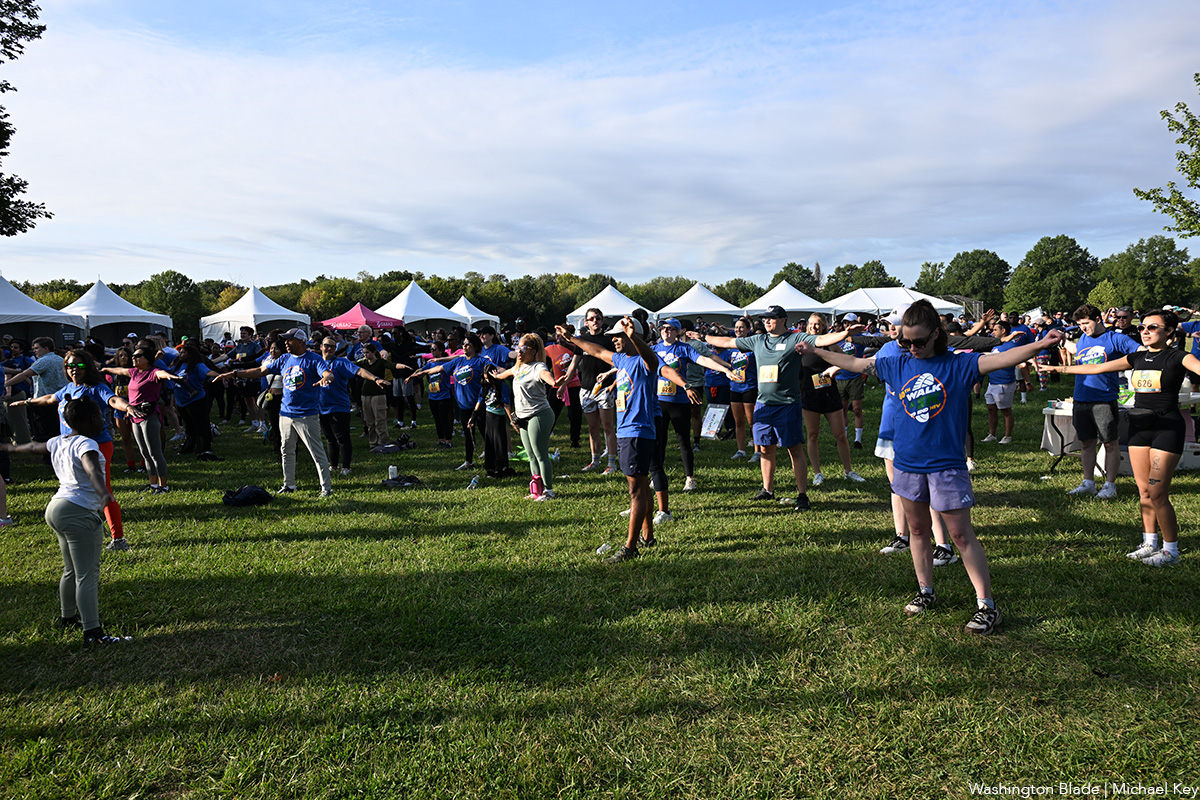
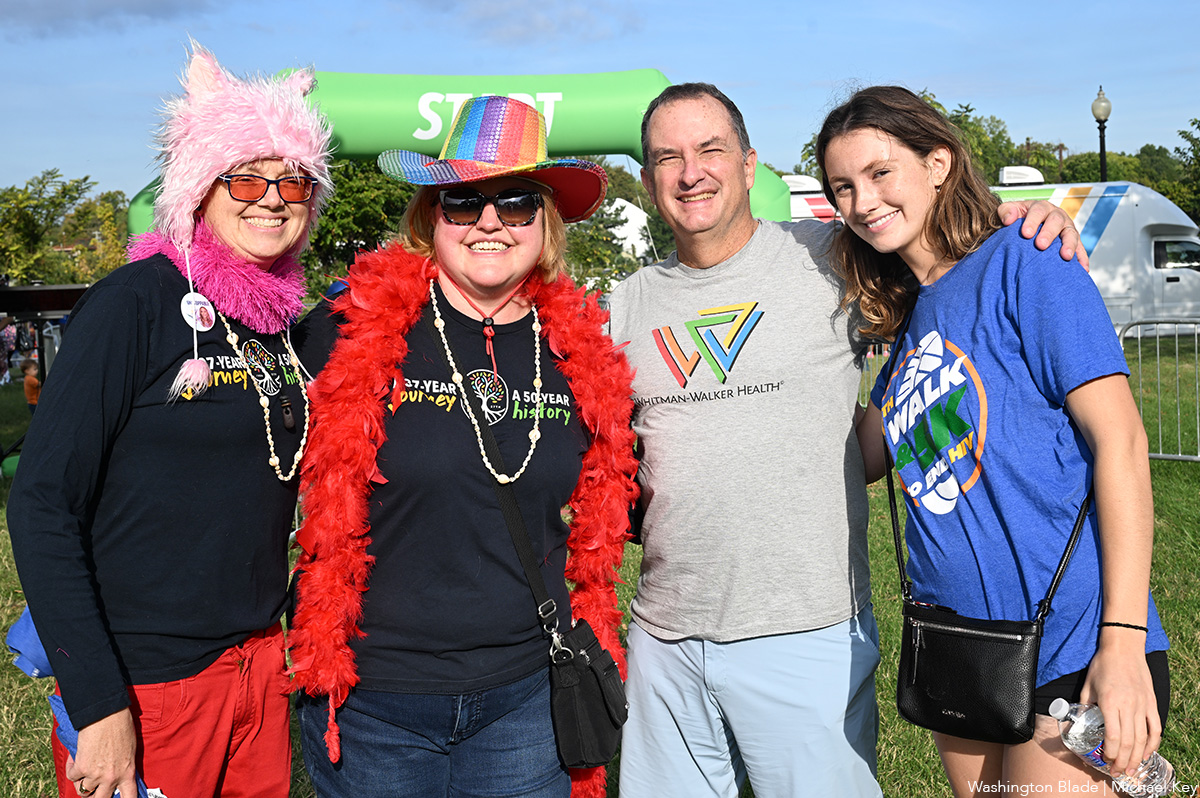
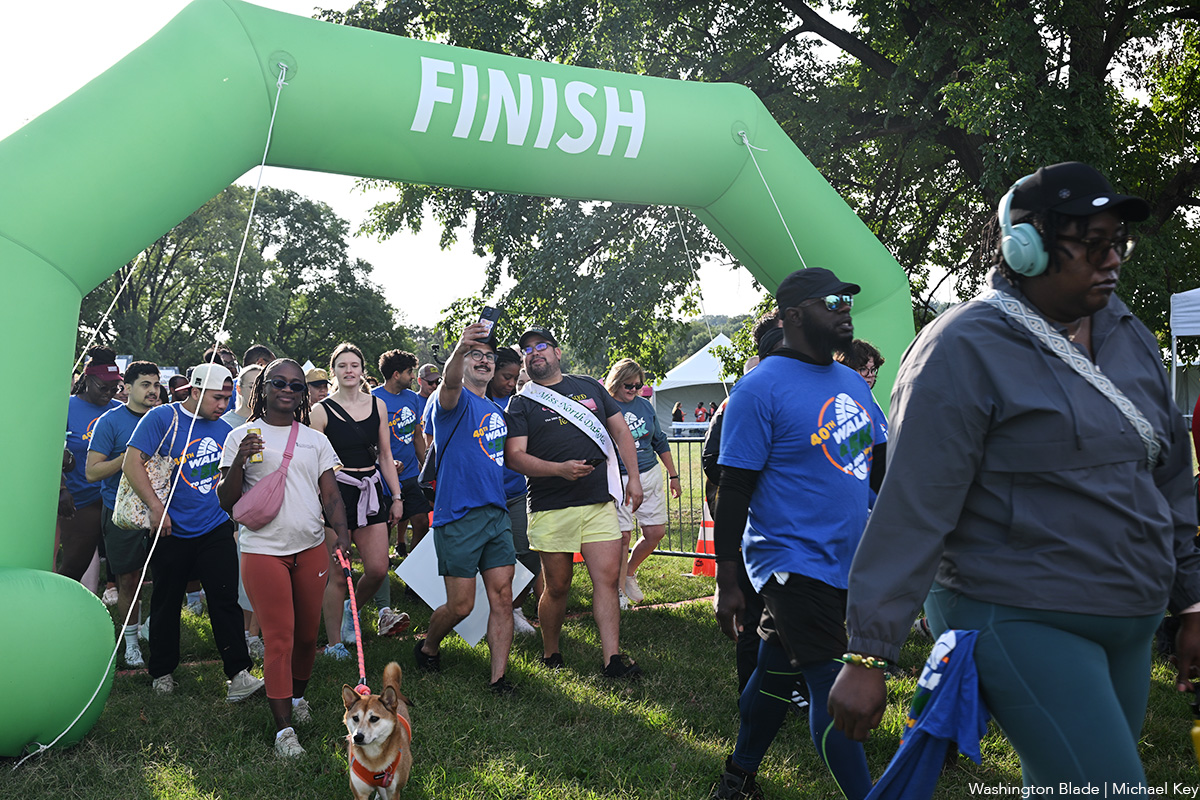
Whitman-Walker Health held the 40th annual Walk and 5K to End HIV at Anacostia Park on Saturday, Sept. 19.
(Washington Blade photos by Michael Key)


Photos
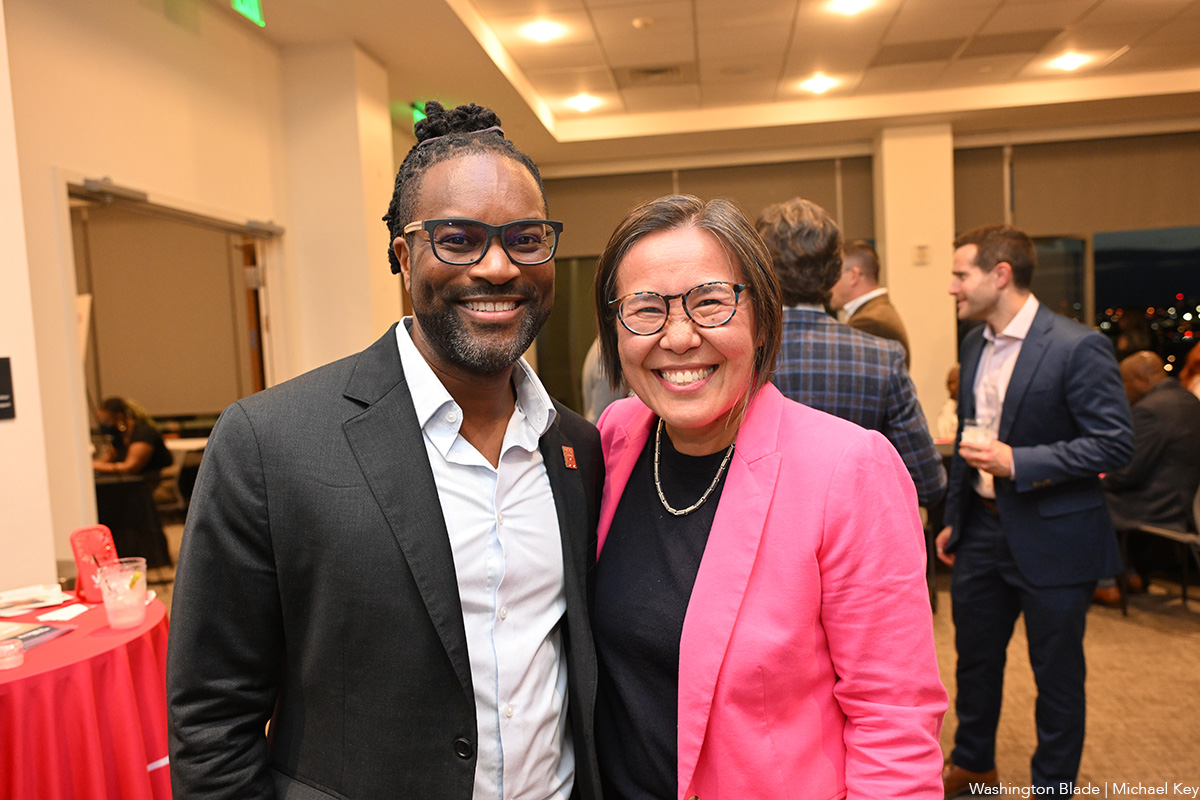
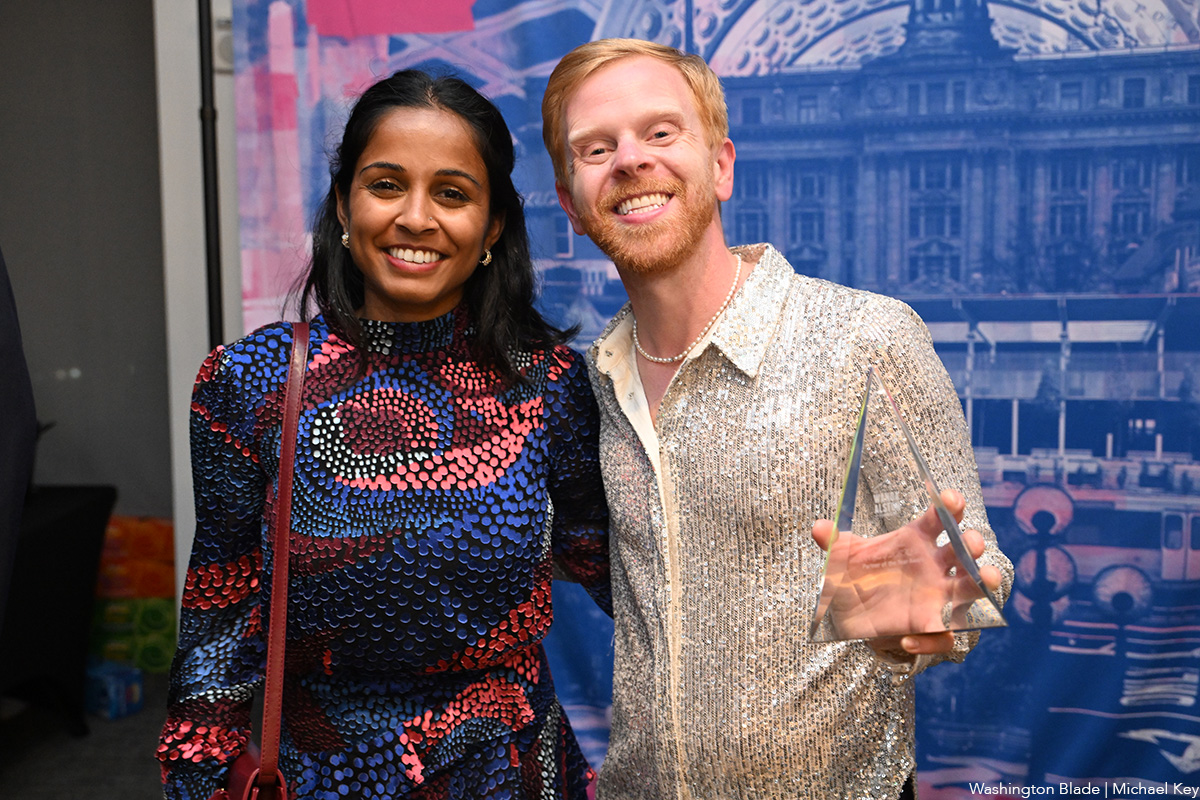
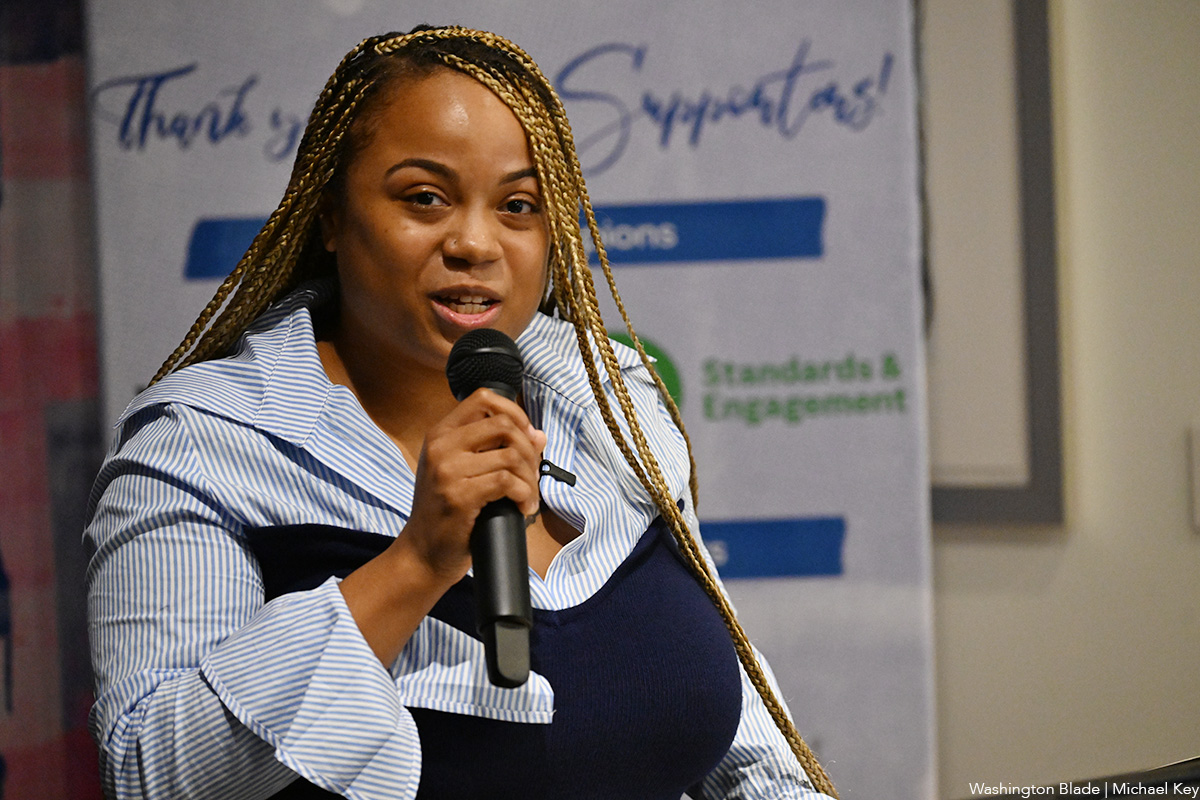
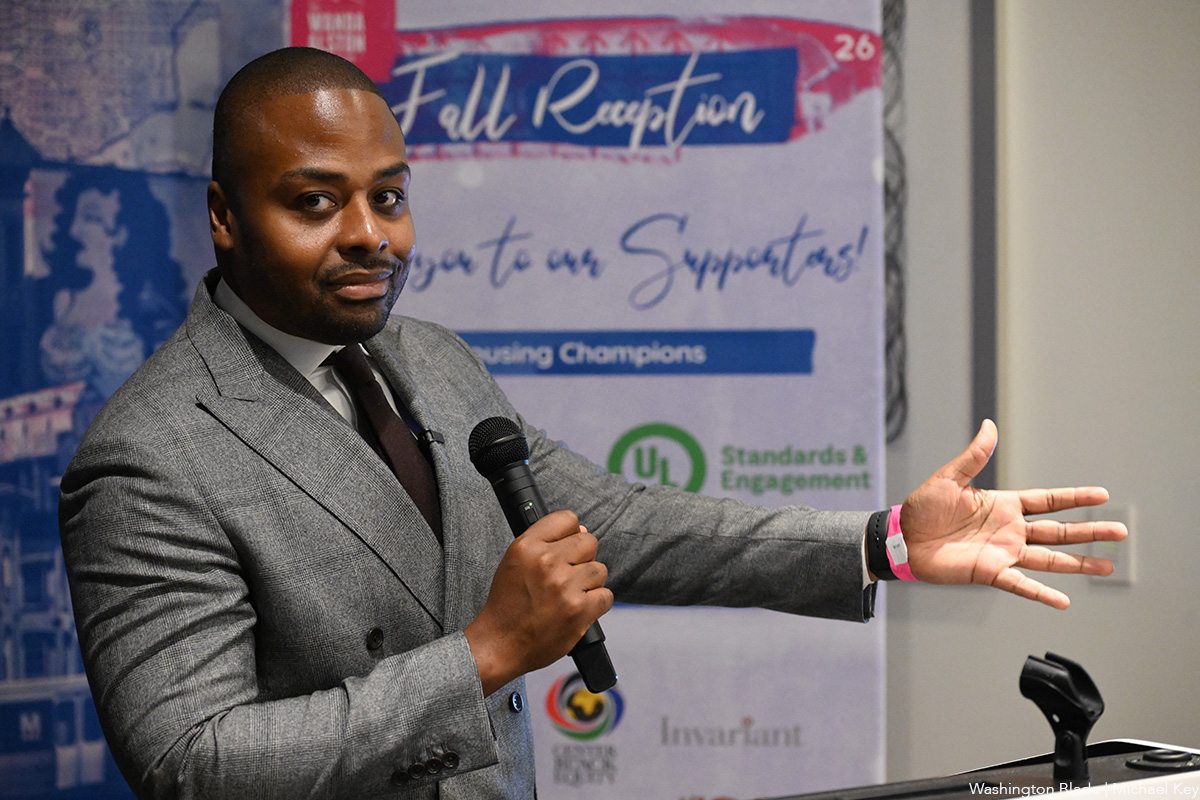
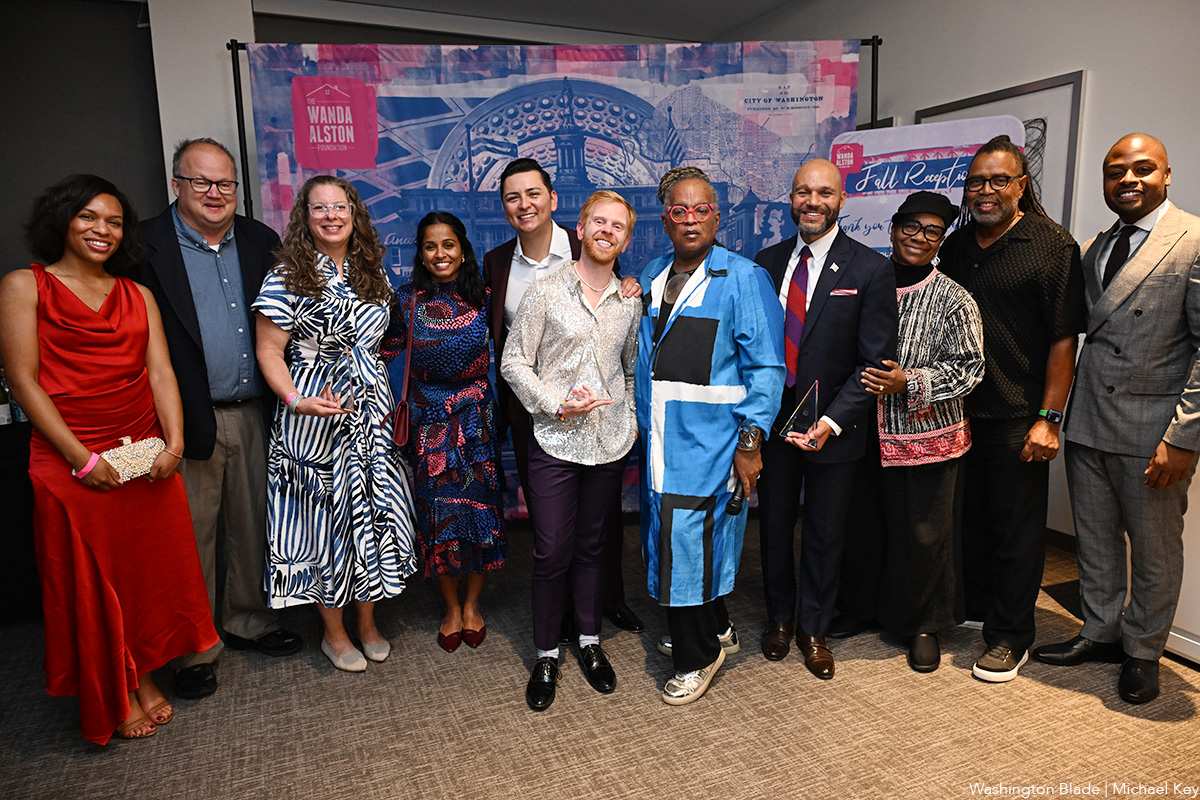
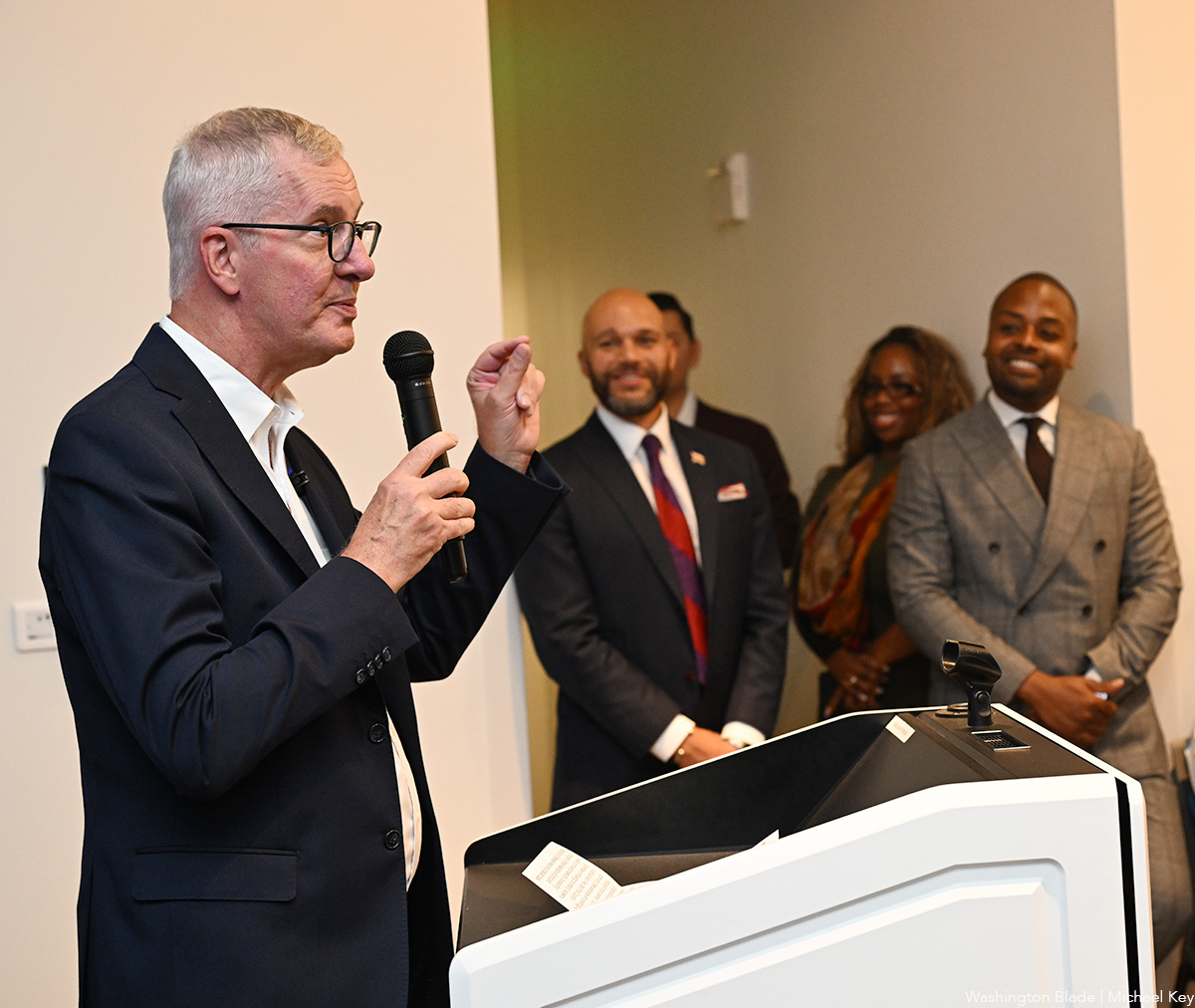
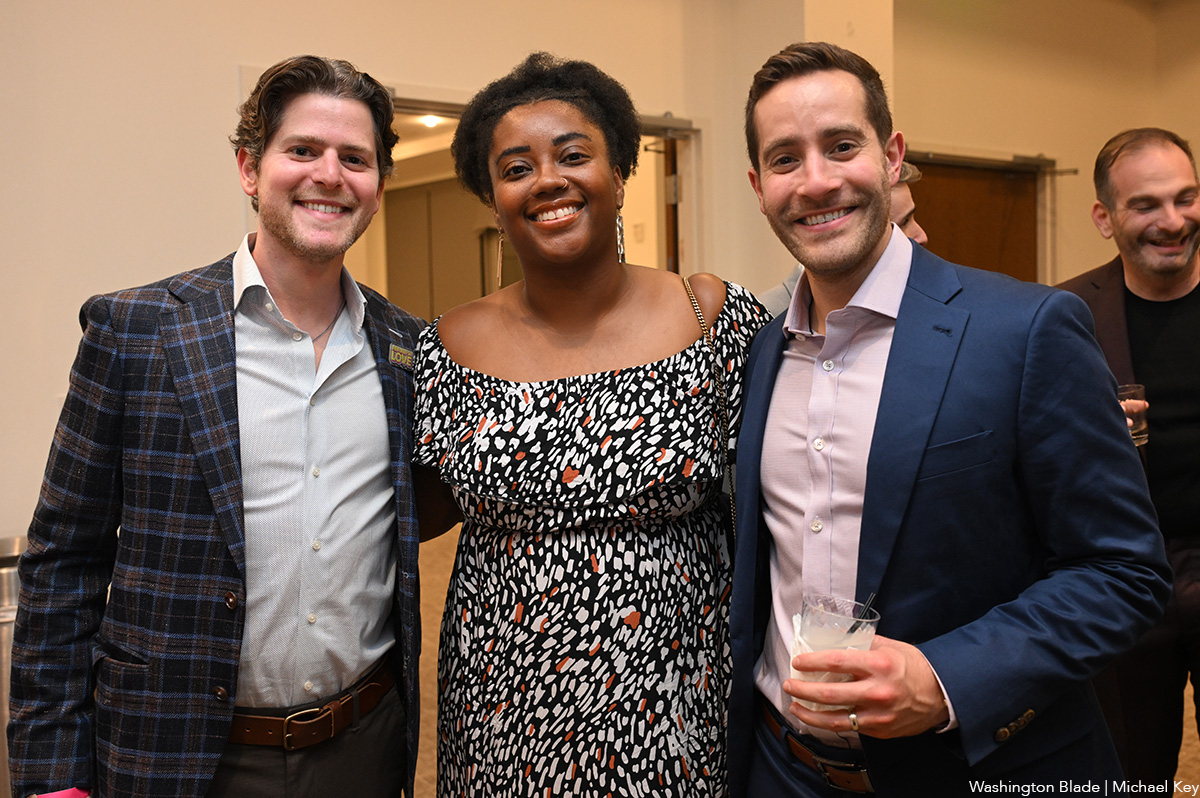
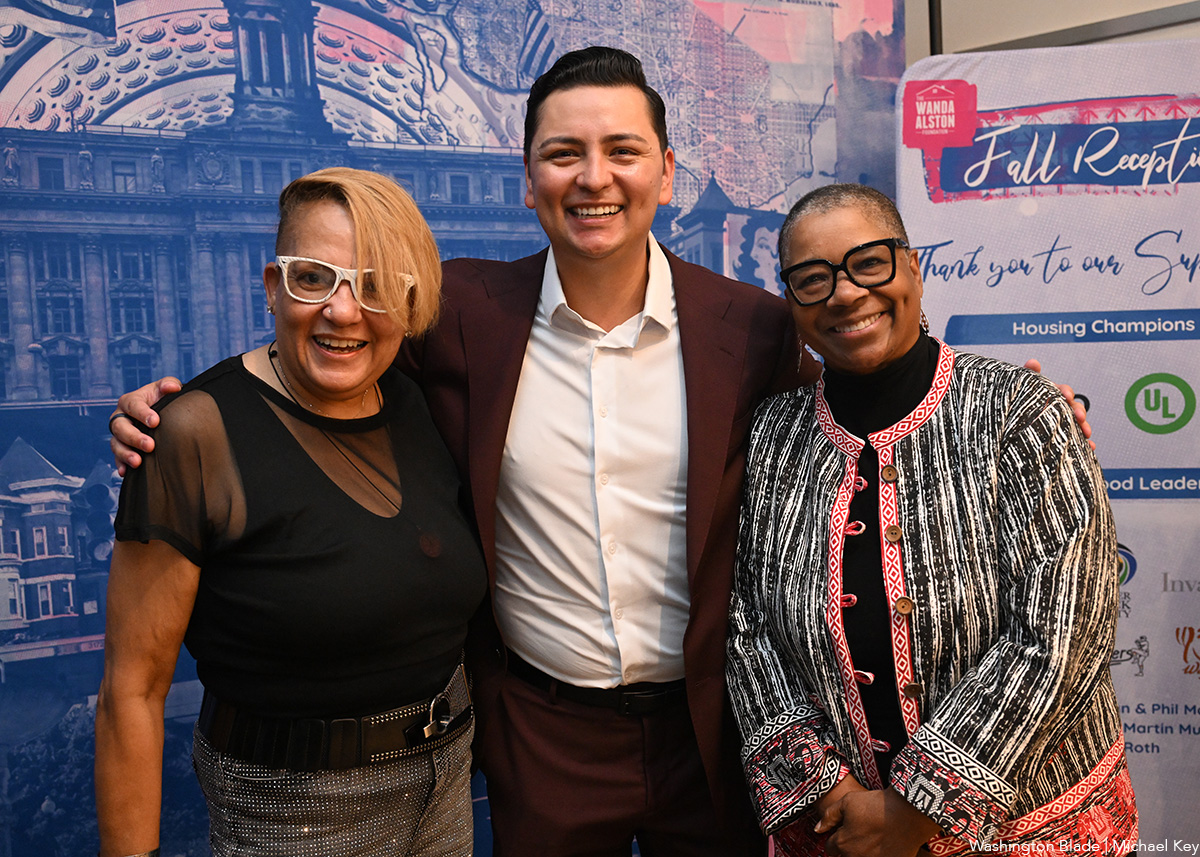
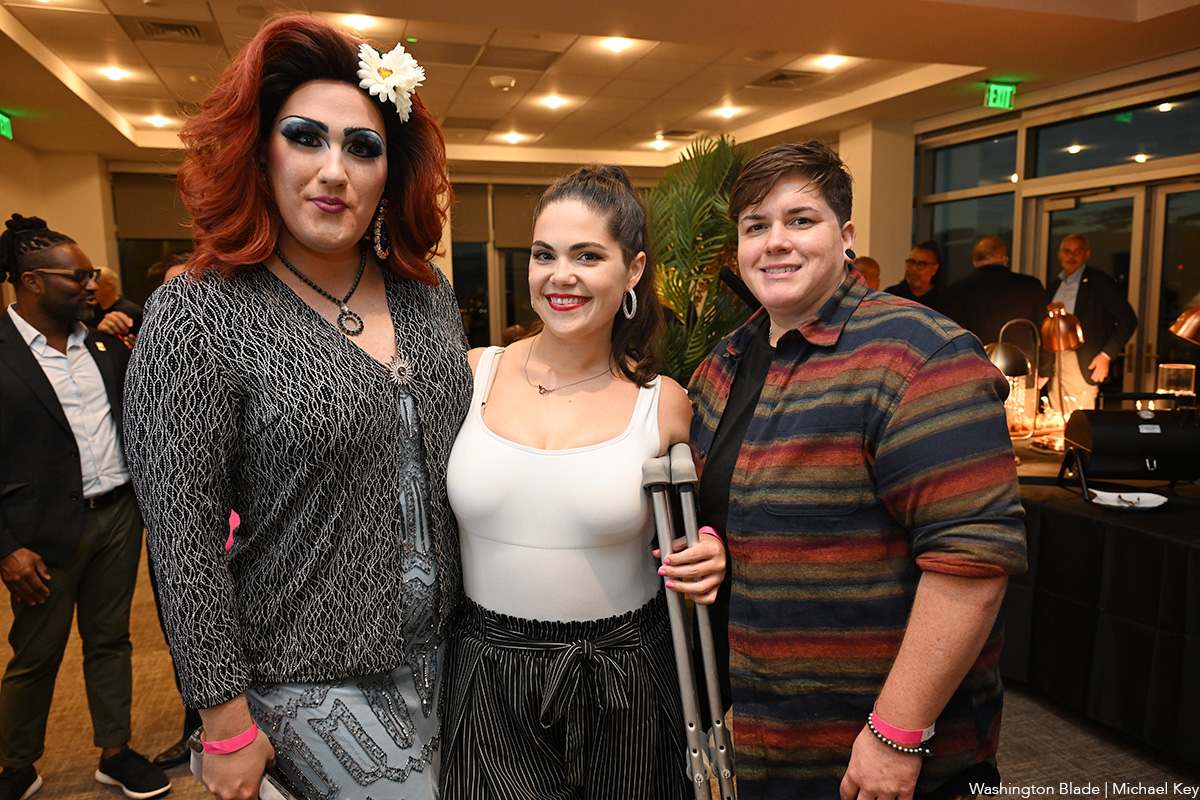
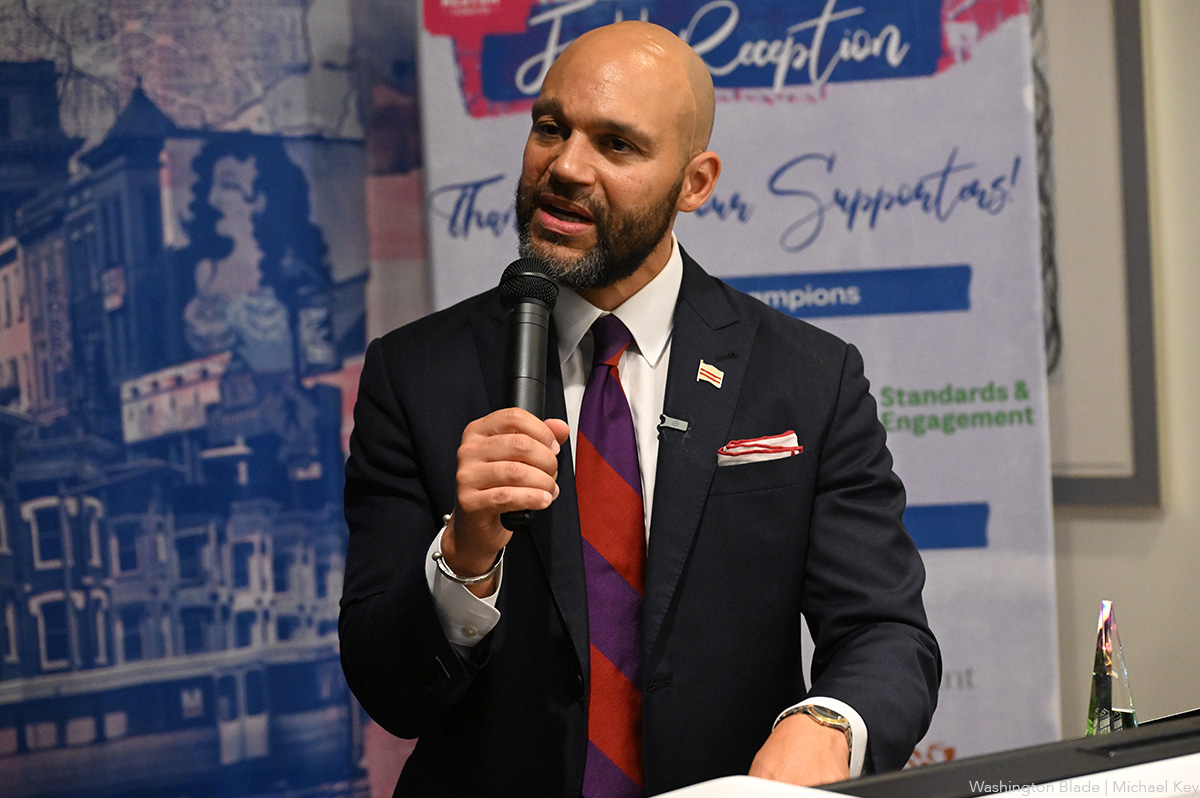
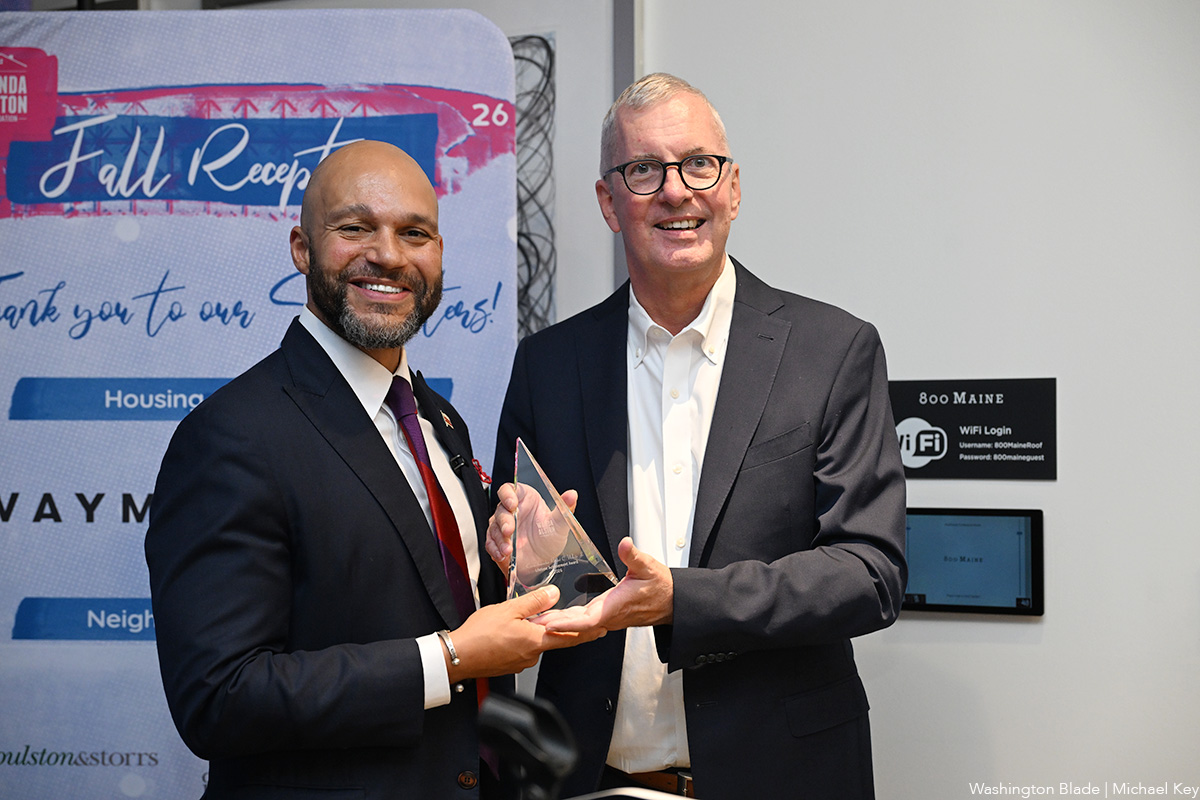
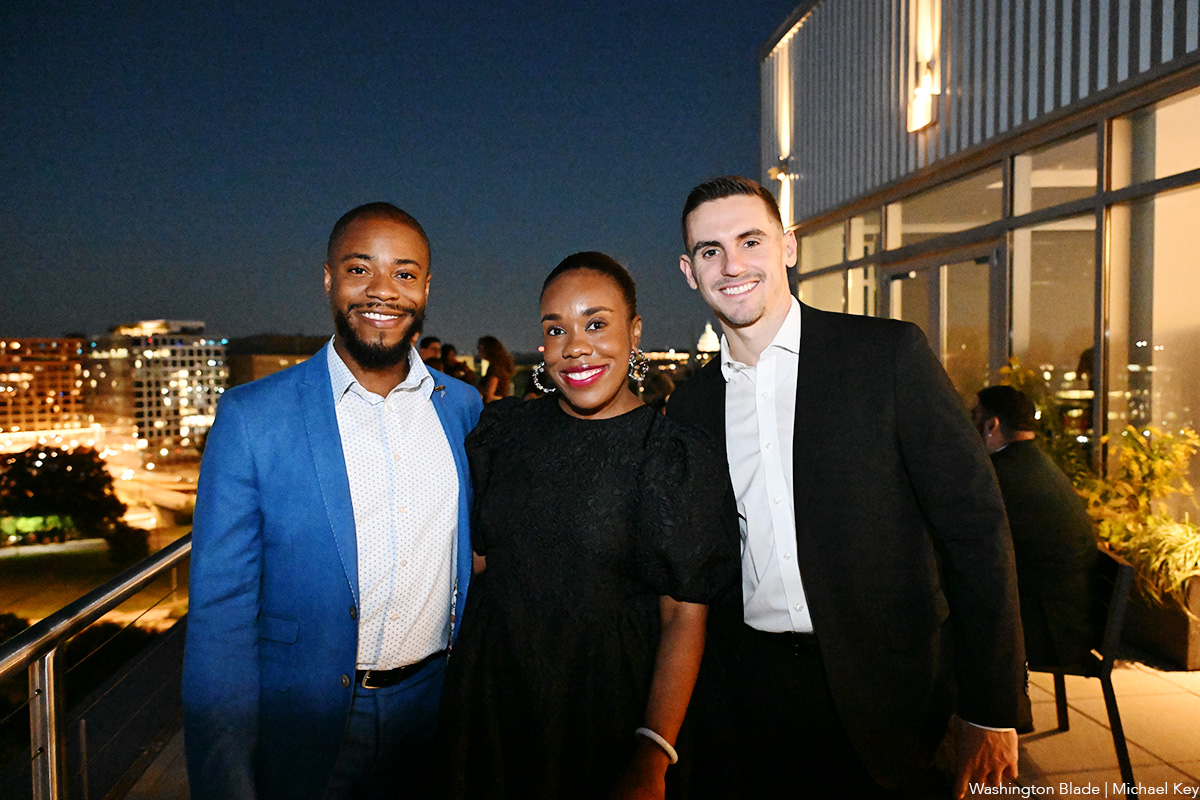
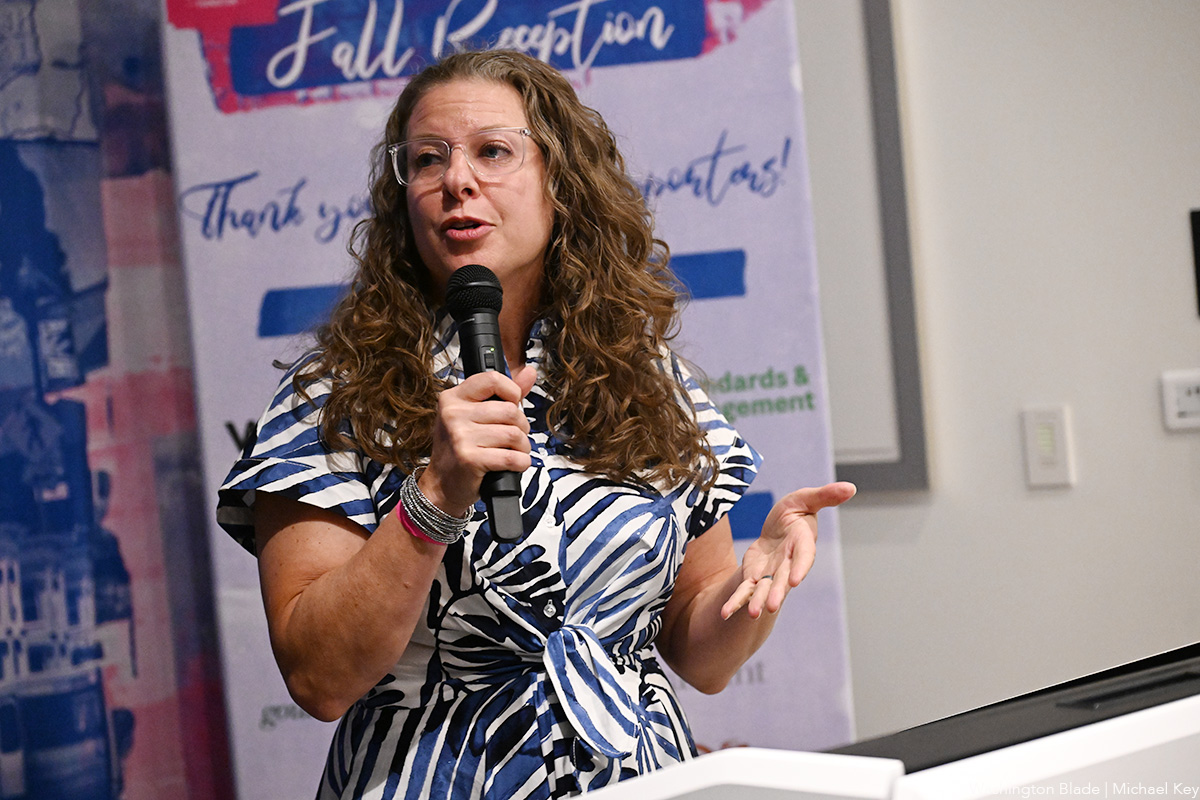
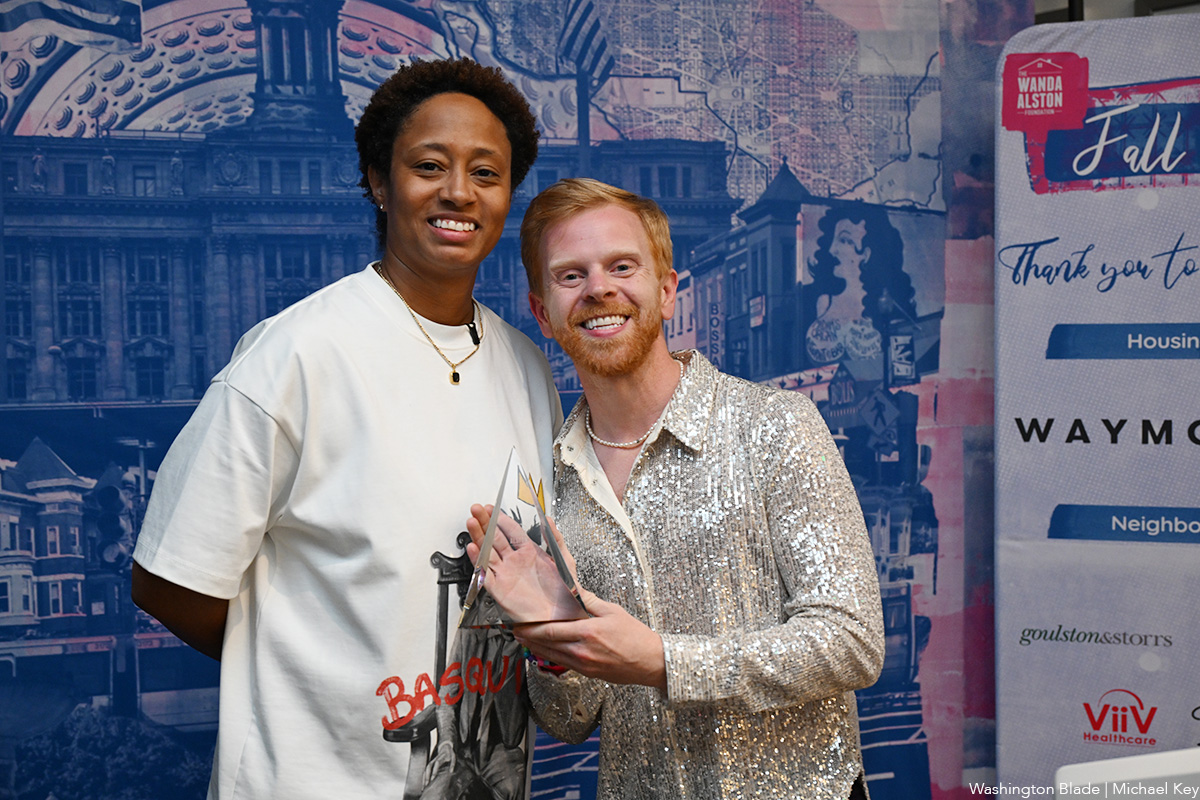
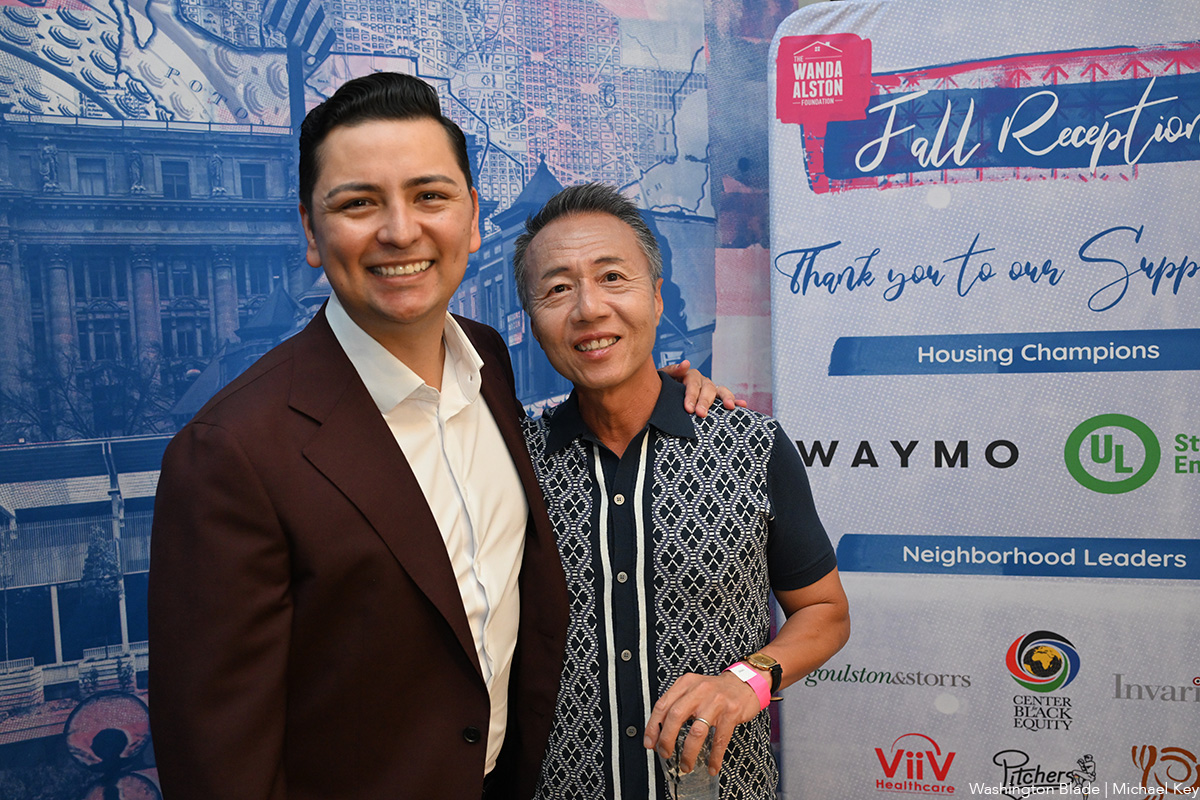
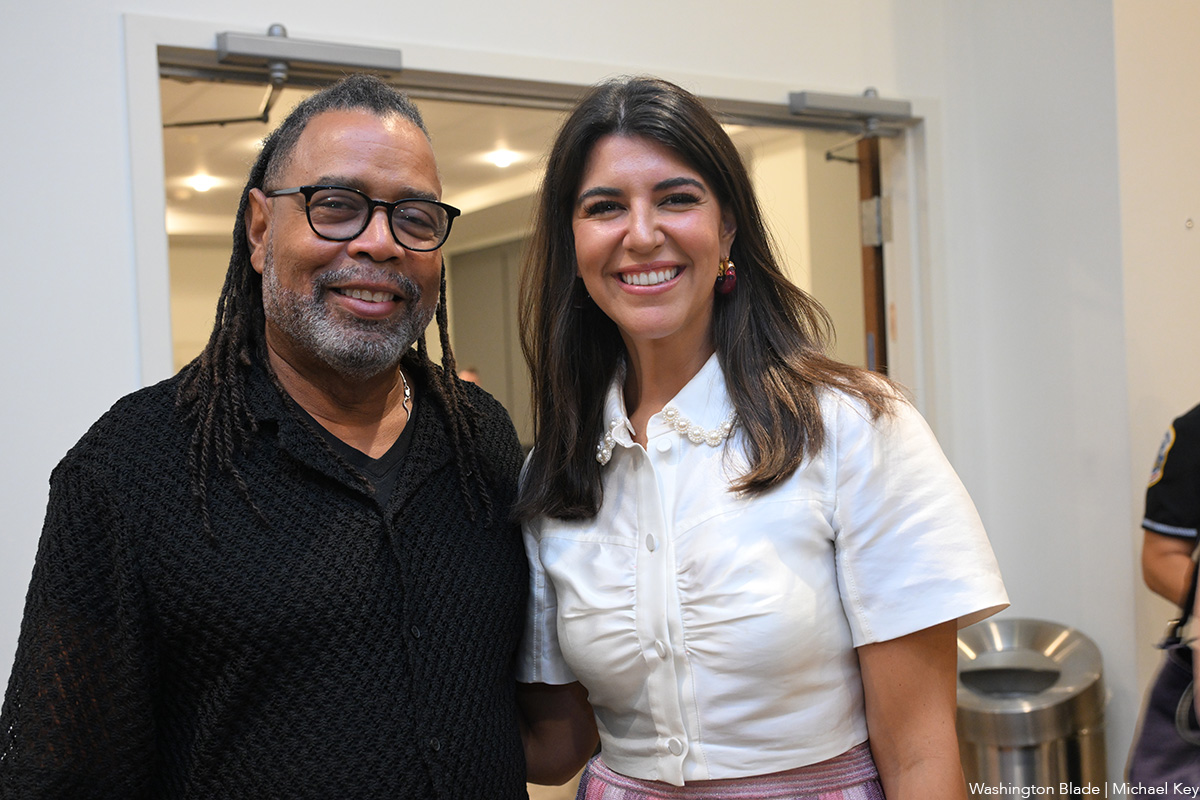
PHOTOS: Wanda Alston Foundation Fall Reception
LGBTQ youth services organization honors Robert White, Japer Bowles, Washington Capitals
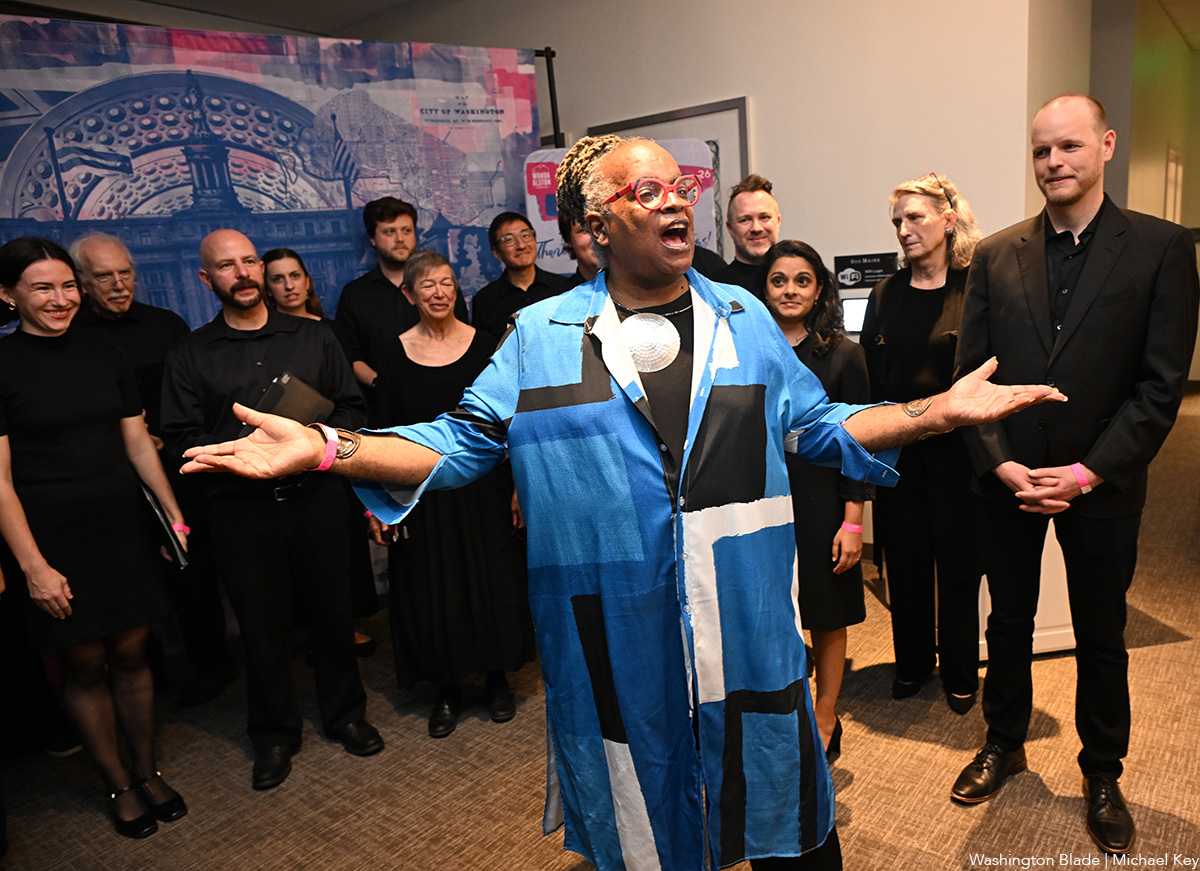
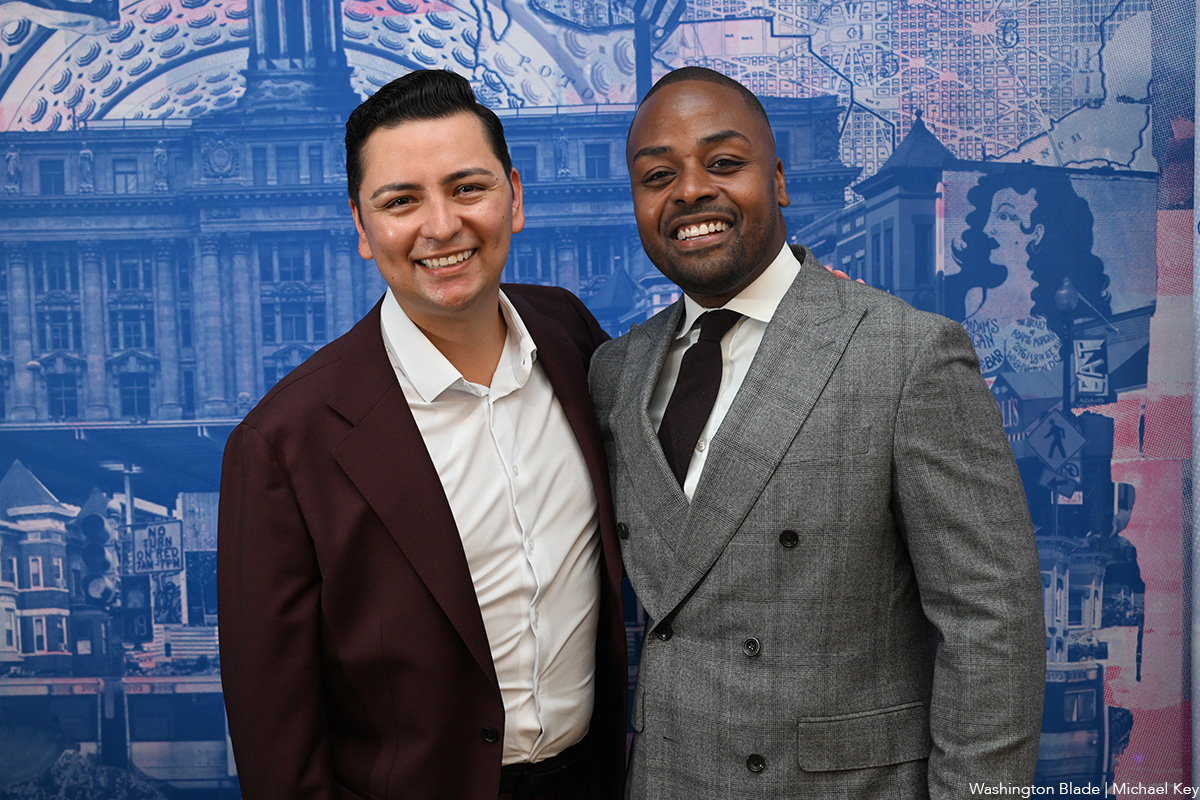
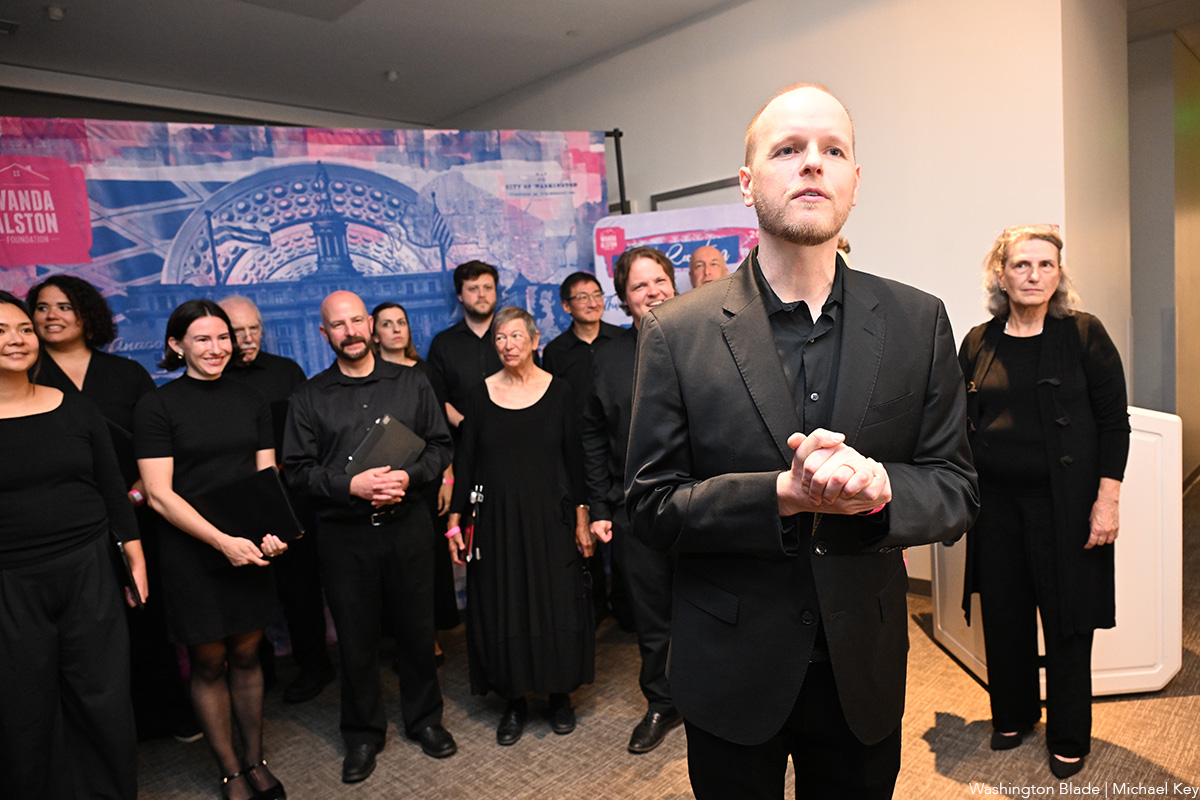
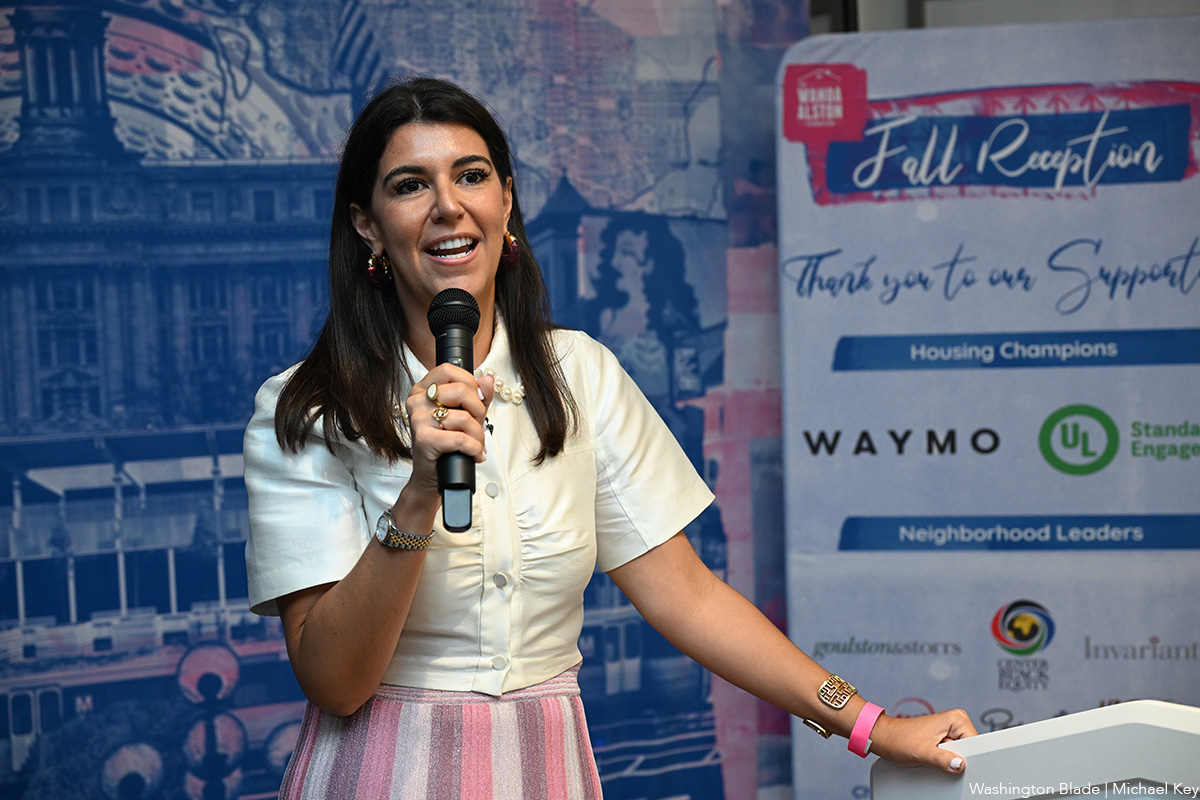
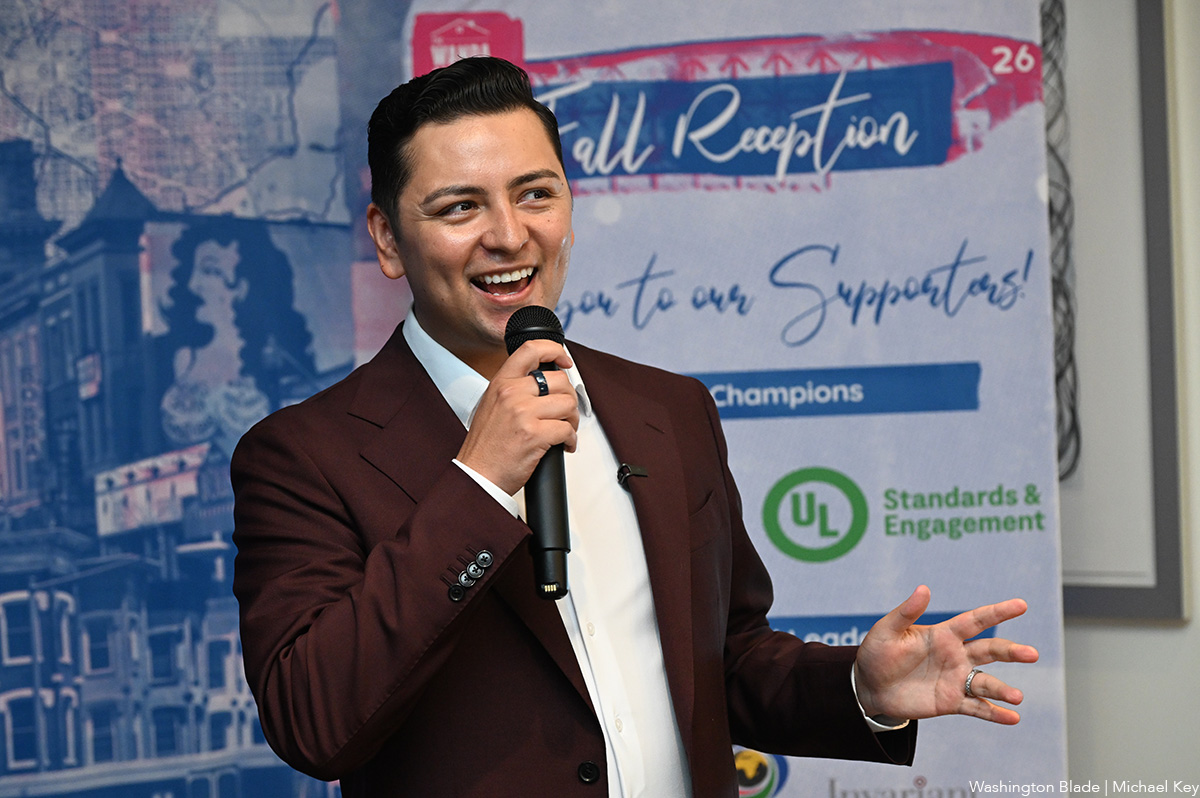
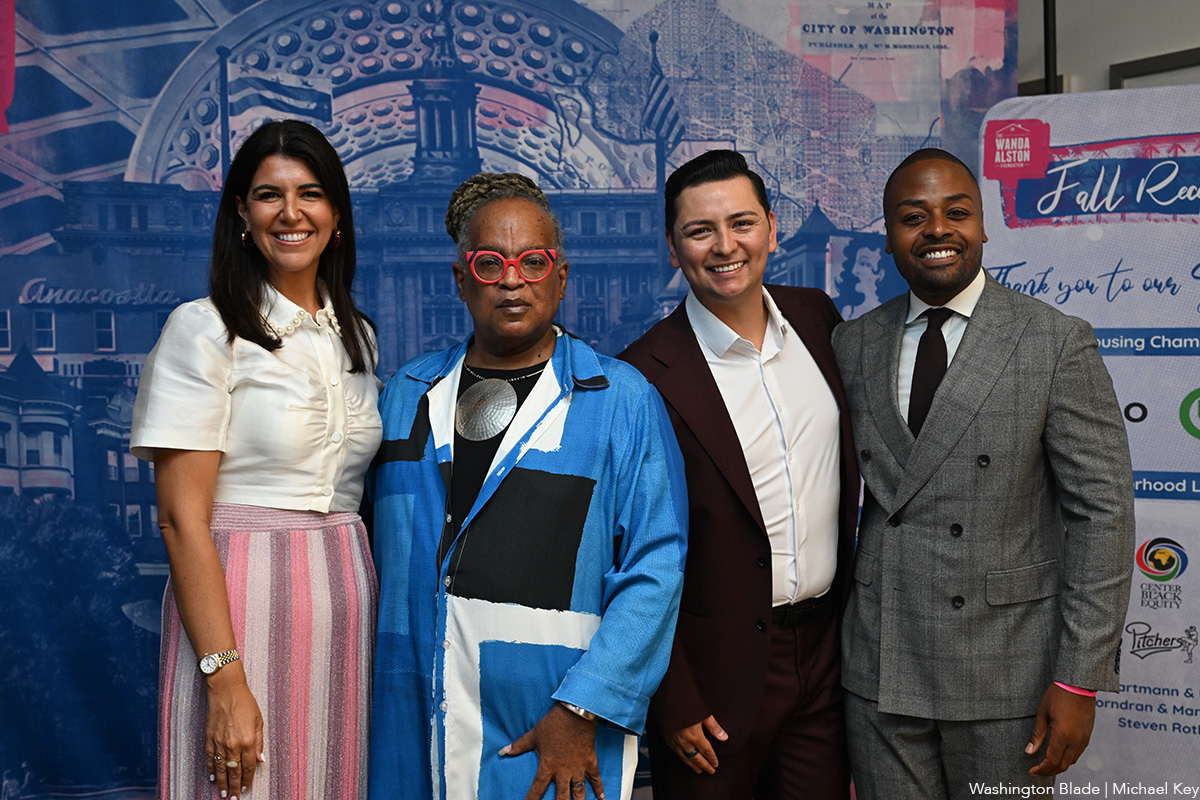
The Wanda Alston Foundation held its Fall Reception at the Penthouse Rooftop at The Wharf on Friday, Sept. 18. Honorees included D.C. Councilmember Robert White, Director of the Mayor’s Office of LGBTQ+ Affairs Japer Bowles, and the Washington Capitals. Rayceen Pendarvis served as the emcee and entertainment was provided by the Thomas Circle Singers.
(Washington Blade photos by Michael Key)
Books
Curl up with a good book this fall
New releases include mysteries, biographies, religion, and more
The fall books season offers lots of options so curl up and get ready to read.
FICTION
For the mystery fan who likes a sprinkle of thriller, look for “The Longest Death” by Kevin Jagernauth (Soho Crime, December). Richard Cobson hates his small town, he’s bored and desperate to get away. Stealing from his employer is the only thing that makes life bearable. That all changes when Marlon Montgomery comes to town and the two fall in love because if one guy can steal so easily, what can two do?
If you like graphic novels, try the “Tripping Over You” trilogy by Suzana Harcum and Owena White. Milo and Liam are finally able to be open about their relationship, no more hiding their love. They’re living together now, but can it last? “Tripping Over You Book 3” (First Second Books) is in stores in early November.
Also try “Diana: The Punk Singer Who Ripped Through Time” by Nate Powell (Abrams ComicArts, October). It’s about a young woman who’s trying desperately to escape her past, until a mysterious murder sidetracks her plans.
So you say you’re a romantic at heart? Then look for “Unspeakable Things: A Novel” by Elizabeth Hand (Little, Brown & Company, October). It’s a story set in the 1920s, when two young women arrive in the English Countryside to a dark and ancient manor. But, of course, nothing in a Gothic novel is easy, right? And you’ll love this tale.
NONFICTION
So this upcoming year is going to be one of exploration, right? Then look for “Free Love: Adventures in Marriage and Polyamory” by Michelle Tea (HarperOne, November). It’s a well-researched, personal, and interesting look at the lives of polyamorous couples and what it’s like to live what used to be called an “alternative” lifestyle.
If “fall” says “biography” to you, then look for “Showbiz! My Life as a Middle-Aged Man” by Murray Hill (Gallery Books, October). For decades, Hill has been making audiences laugh with his signature humor, but getting laughs hides his past all too well. He grew up in an abusive family and learning to hone his talents took some ingenuity. If you’re not a Hill fan yet, you will be, once you read this book.
For the reader who’s searching for a spiritual place, “Reading the Bible Through Queer Eyes: Good News for LGBTQ+ People from Genesis to Revelation” by podcasters Brian G. Murphy and Shannon T.L. Kearns (HarperOne, December) might help. Here, the authors look deeply at Scripture to find the queerness that’s there, proving to readers that the Word is not always what it seems.
Young readers may want to check out “Bitter Pill: Randy Shilts and the Dawn of the HIV/AIDS Epidemic” by Clement Xavier, illustrated by Heloise Cochois, foreword by Michael Lee (Abrams ComicArts, November). It’s a highly researched true story of activist Shilts, but also of Harvey Milk, and the earliest days of the AIDS crisis, when gay men needed a loud voice to advocate for them.
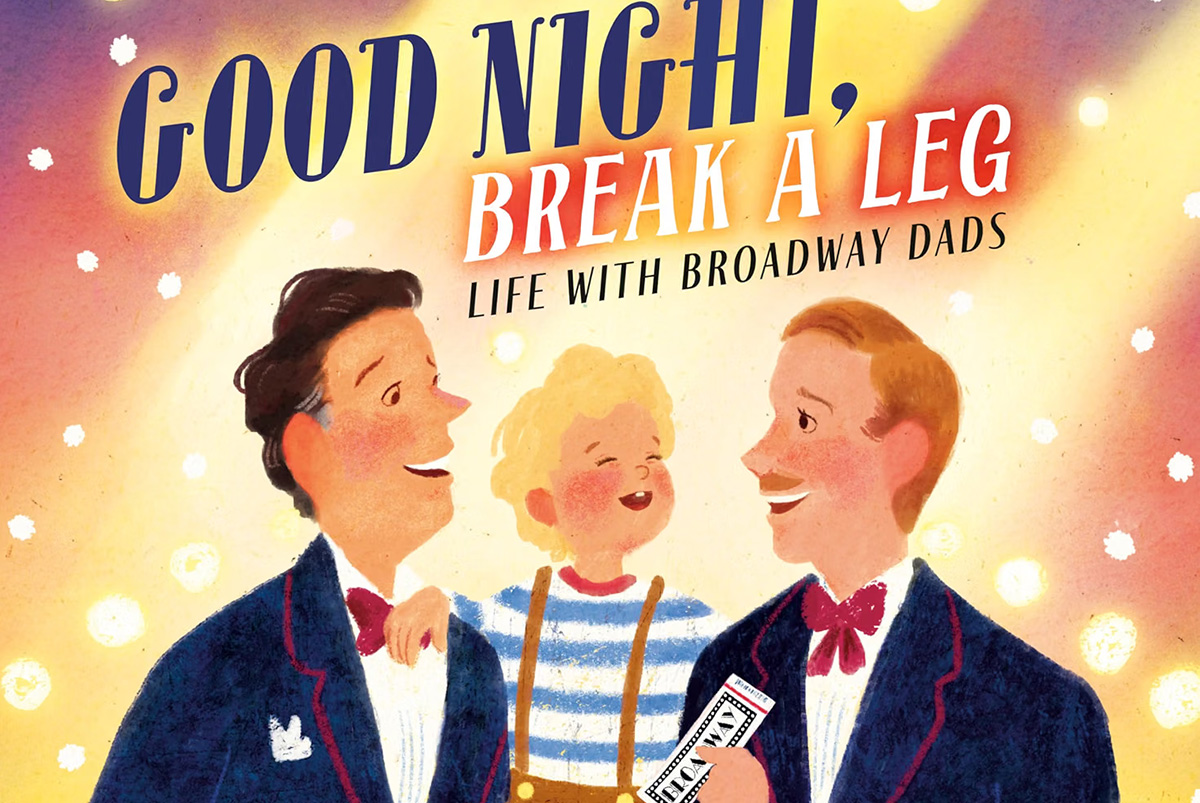
And finally, if you want a fun book for your kids or a child you love, look for “Good Night, Break a Leg: Life with Broadway Dads” by Bret Shuford, illustrated by Elena Hager (Penguin Workshop). What do parents do when they go to work? A little boy learns that his dads have very special jobs by day – and by night! It’s a cute book for kids, but a special tale for lovers of Broadway.
Be aware that publication dates change, titles change, books can be canceled, and your librarian or favorite bookseller can help you find what you need. Season’s readings!

PHOTOS: Walk and 5K to End HIV

PHOTOS: Wanda Alston Foundation Fall Reception

Moving presents a chance to ‘clean house’

EV ecstacy: BMW iX3, Rivian R2

Curl up with a good book this fall

Trump’s Cabinet: Dumb, dumber, dumbest, and evil

More than 150 people detained outside Istanbul courthouse

Gay man sues Delaware AG for not prosecuting partner in domestic violence case

D.C.’s fall theater season is already well underway

Gun reform is an LGBTQ rights issue
-

 Opinions5 days ago
Trump’s Cabinet: Dumb, dumber, dumbest, and evil
-
Turkey5 days ago
More than 150 people detained outside Istanbul courthouse
-
Delaware5 days ago
Gay man sues Delaware AG for not prosecuting partner in domestic violence case
-
Theater5 days ago
D.C.’s fall theater season is already well underway