Arts & Entertainment
Big Apple romance
Gay actress Twyford makes directorial debut in lesbian-themed dramedy

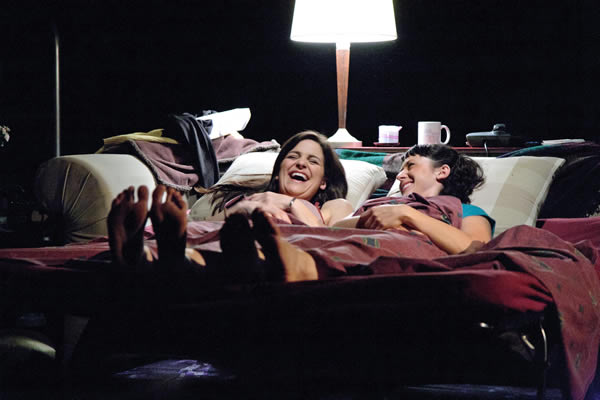
Rachel Zampelli as Callie (left) and Alyssa Wilmoth as Sara in No Rules’ production of ‘Stop Kiss.’ (Photo by C. Stanley Photography; courtesy No Rules)
In playwright Diana Son’s “Stop Kiss,” New York City is a dangerous thing that demands respect or else. After 10 years in Manhattan, jaded Callie understands this, but her new friend Sara, a recently arrived Midwesterner who teaches third grade in the Bronx, doesn’t quite get it, and despite numerous warnings — disregard loud neighbors, ignore catcalls, avoid panhandlers — nothing can alter her open and courageous approach to life.
Though slightly concerned by Sara’s lack of street smarts, Callie is mostly delighted with her refreshing forthrightness. Romantic impulses ensue. But despite a mutual attraction, the women (who up until this point have only dated men) are hesitant to act on their feelings. When they finally do, their first kiss is interrupted by extreme violence that almost ends their budding relationship altogether.
Sounds pretty grim, but actually there’s comedy in this drama. Staged by celebrated local actor Holly Twyford (who’s gay) in her directorial debut, No Rules Theatre Company’s production evokes just the right balance of laughs and pain in what’s ultimately a sweet story about love and commitment. At a recent performance, the sizable lesbian portion of the audience seemed particularly pleased at seeing familiar parts of their lives effectively portrayed on stage. They laughed and groaned at the female characters’ clumsy romantic overtures and were audibly disturbed by the play’s gay bashing, a pivotal plot point which takes place off stage.
The action begins when traffic reporter Callie (the reliably good Rachel Zampelli) agrees to cat sit for a friend-of-a-friend named Sara played naturally by Alyssa Wilmoth. Though the women seem polar opposites — Callie is more interested in trendy restaurants than work and Sara is utterly devoted to her underserved students — they click. Still both deny their growing romantic feelings. Sara remains in touch with Peter (Jonathan Lee Taylor), the ex-boyfriend she left in St. Louis, and Callie periodically sleeps with George (Ro Boddie), a longtime sort-of boyfriend whom she may or may not one day marry. The lesbian couple’s getting together is long in coming. At some point, you’re ready to yell “C’mon, plant one on her already.”
The story unfolds non-chronologically, moving back and forth from Callie’s messy apartment to a stark hospital room. Because we know the ordeal that’s awaiting our heroines, it’s as if a dark cloud is gathering over what should be the carefree early days of falling in love.
Costume designer Frank Lobovitz ably assists in demonstrating the women’s differences: Sara is unmistakably a Gotham newbie in her blue wool car coat and synthetic print skirts, while Callie is experimenting with sophisticated looks in black with mixed results. The strong supporting cast includes Karin Rosnizeck, who plays both a soignée witness to the crime and a patient nurse, and Howard Wahlberg as a veteran New York detective.
The straight playwright covers all the coming out bases: Discomfort with revealing sexuality to friends and co-workers, problems with parents and potential in-laws, etc. The 1998 play might sound instructive if it weren’t for its thoughtfully written, intimate scenes. Twyford especially excels in staging the work’s quieter moments, particularly the softly lit scene in which Callie tenderly helps Sarah change from her hospital gown to street clothes. Only when Sara must choose whether to return to St. Louis or remain in New York does Callie truly bare her soul, uncharacteristically committing wholeheartedly.
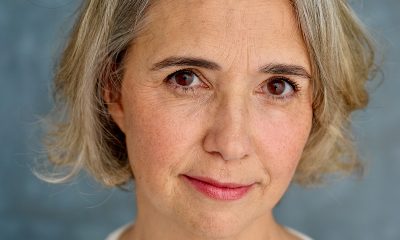

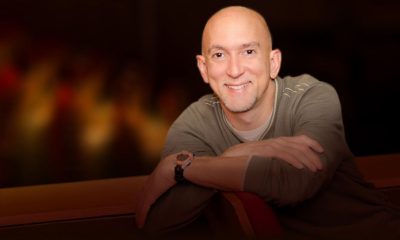

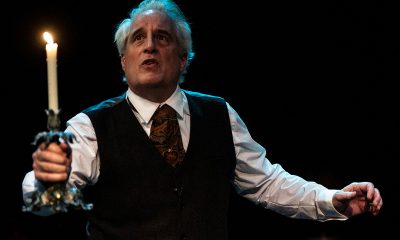


Anja Dick will host “Song Birds – Live Music Drag Cabaret” on Saturday, Aug. 15 at 9 p.m. at Shaw’s Tavern.
This is an all live singing drag hit sensation. The event will debut performances from Breast Midler and Harri Balls.
Tickets start at $17.85 and are available on Eventbrite.
Friday, August 14
Go Gay DC will host “First Friday LGBTQ+ Happy Hour” at 7 p.m. at Freddie’s Beach Bar and Restaurant.This is a chance to relax, make new friends, and enjoy happy hour specials at this classic retro venue. Attendance is free and more details are available on Eventbrite.
Women in their Twenties and Thirties will meet at 8 p.m. on Zoom. This is a social discussion group for queer women in the Washington, D.C. area. For more details, visit Facebook.
Saturday, August 15
Go Gay DC will host “LGBTQ+ Community Brunch” at 11 a.m. at Freddie’s Beach Bar & Restaurant. This fun weekly event brings the DMV area LGBTQ+ community, including allies, together for delicious food and conversation. Attendance is free and more details are available on Eventbrite.
LGBTQ People of Color will be at 7 p.m. on Zoom. This peer support group is an outlet for LGBTQ people of color to come together and talk about anything affecting them in a space that strives to be safe and judgement free. There will be all sorts of activities like watching movies, poetry events, storytelling, and just hanging out with others. For more details, visit thedccenter.org/poc or facebook.com/centerpoc.
Sunday, August 16
“Nellie’s DC Drag Brunch” will be at 12 p.m. at Nellie’s Sports Bar. Come get served like a queen by a queen. Join Sapphire Blue, Deja Diamond and their team of amazing drag performers for the most fun you’ll have all weekend. Tickets are $58.51 and are available on Eventbrite.
Monday, August 17
“Center Aging: Monday Coffee Klatch” will be at 10 a.m. on Zoom. This is a social hour for older LGBTQ+ adults. Guests are encouraged to bring a beverage of choice. For more information, contact Adam ([email protected]).
Tuesday, August 18
“Self-Defense Class with Avi Rome” will be at 12:30 p.m. Rome is a proud member of the LGBTQ+ community and a full-time Martial Arts instructor with 25 years of teaching experience. He holds a 5th Degree Black Belt in Jhoon Rhee Tae Kwon Do and is the director of the studio’s Adaptive Tae Kwon Do program for students with special needs. He has also run numerous self-defense workshops for various groups and situations. For more details, visit the center’s website.
Center Bi+ Roundtable will be at 7 p.m. on Zoom. This is an opportunity for people to gather in order to discuss issues related to bisexuality or as Bi individuals in a private setting.Visit Facebook or Meetup for more information.
Wednesday, August 19
Job Club will be at 6 p.m. on Zoom upon request. This is a weekly job support program to help job entrants and seekers, including the long-term unemployed, improve self-confidence, motivation, resilience and productivity for effective job searches and networking — allowing participants to move away from being merely “applicants” toward being “candidates.” For more information, email [email protected] or visit thedccenter.org/careers.
The DC LGBTQ+ Community Center will host “Movement for Healing” at 3 p.m. This trauma- and yoga therapy–informed class is designed to help guests gently reconnect with their body and their breath. Through mindful movement, somatic awareness, and grounding practices, guests will explore how to release tension, increase mobility, and cultivate a deeper sense of safety and ease within. For more details, visit the DC Center’s website.
Thursday, August 20
The DC LGBTQ+ Community Center’s Fresh Produce Program will be held all day at the Center. People will be informed on Wednesday at 5 p.m. if they are picked to receive a produce box. No proof of residency or income is required. For more information, email [email protected] or call 202-682-2245.
Virtual Yoga Class will be at 7 p.m. on Zoom. This free weekly class is a combination of yoga, breath work and meditation that allows LGBTQ+ community members to continue their healing journey with somatic and mindfulness practices. For more details, visit the DC Center’s website.
a&e features
Jason DePuy on coping with homophobia in ‘Big Brother’ house
First drag queen contestant on CBS show fought to stay positive
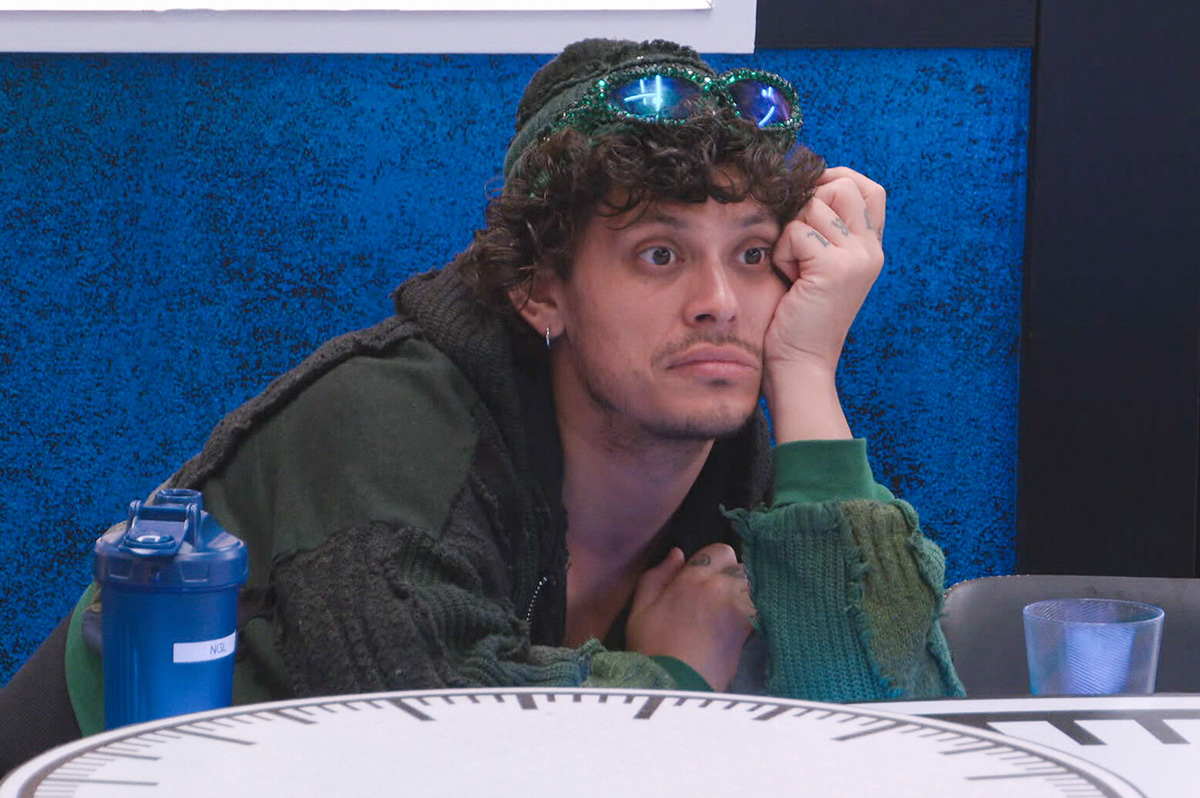
One week after Jason DePuy (known as Salina EsTitties on “RuPaul’s Drag Race”) was bullied and eventually evicted from CBS’s “Big Brother” house, the queer drag performer is still emotionally processing his feelings.
During his 24 days in the reality TV competition, DePuy often had a rough time, with fellow cast member Kamuela “Kamu” Kirk making homophobic comments and feeling isolated.
In a conversation with Head of Household Rick Devens, Kirk left viewers upset when he said, “Bro, miss me with the drag stuff. Miss me. I’m still an MMA guy, and I have an image to uphold.”
Former “Big Brother” contestant Frankie Grande called his words ‘homophobic’ and ‘gross.’ Another comment, where Kirk said he wanted to end DePuy’s career, also received strong backlash online.
Now that he is out of the house, DePuy has been shocked and deeply touched by the love from “Big Brother” fans and former contestants. We chatted with DePuy for this Blade exclusive.
“To know that my community was rallying for me outside the house was the most wonderful thing. Seeing how much people were just wanting to shower me with love was incredible. Even my friends, I went to say hi and give them a hug, and they’re like, ‘Uh, uh, come here.’ They had to hold me and let me know America was feeling for me in a way that I had no idea.”
He added: “To see that reality was just overwhelming, and I couldn’t ask for more.”
Known as a messy player in the house, DePuy often had to fight to stay positive and stand up for himself.
“No one was coming to my rescue. In real life, it’s easy to block people, but in the house, I didn’t have that luxury, so I had to find it within myself to learn how to speak up for myself in a way that wasn’t nasty or biting. I didn’t attack anyone personally, which is what I was the most proud of.”
DePuy acknowledged he has had a history of putting his foot in his mouth when it came to certain “Drag Race”moments, being in the public eye, and making a fool of himself. “I’ve learned my lessons; to see how I handled myself in the ‘Big Brother’ house was amazing.”
While DePuy has been sober for 14 and a half years and has a strong spiritual foundation, in the Big Brother house, he often felt like he couldn’t communicate what he was feeling.
“As a queer person, a person of color, a drag queen, I have to be very careful about how I move. I don’t have the luxury or privilege to just act a certain way or say a certain thing. I have to be very careful; I’m representing me. But who I am is a Latino, a person of recovery, a drag queen, a queer person in the community. I know that there’s a lot of pressure that comes with that. I felt it was safer for me to sit there and just breathe than try to do anything crazy.”
He continued: “I couldn’t speak to the personal attack that was happening in the house, because in my mind I was like, ‘no, this is a game, and I have to play it, put that aside.’”
Not only can viewers watch the episodes, but they can also watch the live feeds of what’s happening. Seeing the fans’ social media posts from people who had watched the episodes and the live feeds also contributed to DePuy realizing that his feelings of discomfort were valid.
“To know that I wasn’t delusional in those moments, that others could see what was happening, has been a lot to take in. Fans and friends let me know the comments made went beyond the game…I’m like, ‘Oh, so my instincts were correct.”
One of the most poignant moments on the live feeds occurred when DePuy was crying, alone in his room, and said how he missed his gay community.
“I really missed my friends. I missed my queer community. We’re so colorful. We’re so loud. We’re so vibrant. We speak off the cuff, and we’re very truthful and honest with how we speak, and it’s fun. We have fun lingo.”
DePuy had to censor his expressions in the house. “Because I can say one thing, but it can mean something different to straight people than it does with my queer brothers and sisters. So, there was a sense of code-switching that I had to do. I had to even put aside some of my queerness in a way sometimes to fit in.”
DePuy was thrilled to be the very first drag queen to ever be cast on the show.
“I’m honored to have been chosen. There’s a million drag queens out there, and to know that I was a contender to come in the house and not even be in drag was like a wow for me. I’m over here in Hollywood, running around these streets with a wig and heels just to make a dollar to survive, and I have to rely on drag to do that. And then to be offered this opportunity and be given the privilege to say, ‘hey, you don’t have to put on the wig for you to be valuable here,’ is just insane to me.”
Prior to his shows, DePuy has been hustling for 15 years, flipping burgers and doing drag at night.
“That has been my life these past since I was 17. So it’s been a long journey; the opportunity to do this out of drag is a very big blessing. I’m honored and grateful to be the representation of my community.”
If you missed Jason on “Big Brother: Unlocked,” the episode can be seen on CBS.com. He will be back on the show for the finale.

Live music drag cabaret set for Shaw’s Tavern

Calendar: August 14-20

Comings & Goings

Beloved pastor, AIDS activist Rainey Cheeks dies at 74
Supreme Court ruled Boy Scouts could exclude James Dale. Now he says that same rule protects LGBTQ scouts from Trump

Don’t miss summer productions at Clear Space in Rehoboth Beach

Todd Blanche’s record on LGBTQ issues comes under scrutiny as he takes over DOJ

2 former NBA players launch cheap anti-trans stunt to exploit WNBA rules

HISTORIC: Susan Stewart elected Rehoboth’s first out mayor

Same-sex couples challenges India income tax law
-

 Theater5 days ago
Don’t miss summer productions at Clear Space in Rehoboth Beach
-
Federal Government4 days ago
Todd Blanche’s record on LGBTQ issues comes under scrutiny as he takes over DOJ
-
Sports4 days ago
2 former NBA players launch cheap anti-trans stunt to exploit WNBA rules
-
Rehoboth Beach4 days ago
HISTORIC: Susan Stewart elected Rehoboth’s first out mayor