Arts & Entertainment
Faith in flux
Serio-comic ‘Calvary’ is finely played murder mystery
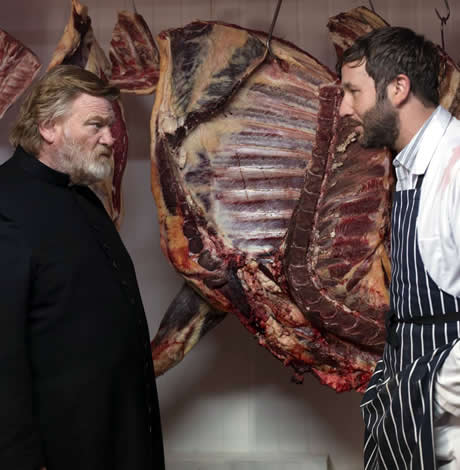
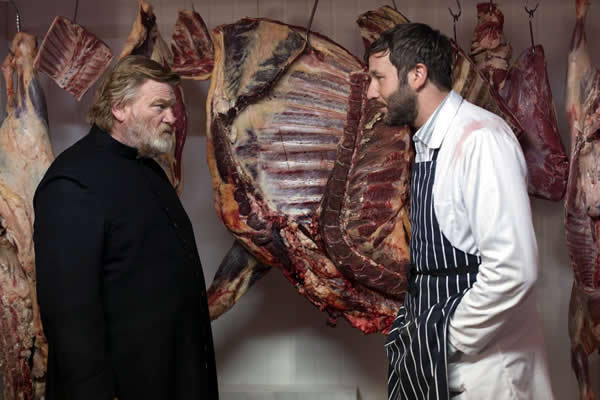
Brendan Gleeson, left, and Chris O’Dowd in ‘Calvary.’ (Photo courtesy Fox Searchlight)
“Calvary” opens with a bombshell.
“I first tasted semen when I was 7 years old,” is the rather shocking opening line of this fine new film by Irish writer and director John Michael McDonagh, a darkly comic existential murder mystery that delves into the riddles of faith, sexuality, revenge and ultimately forgiveness. It opens today (Friday) at the AFI Silver Theatre in Silver Spring and continues its run at the Angelika Film Center Mosaic and the Landmark E Street and Bethesda Row Cinemas.
The line is spoken to Father James (the magnificent Brendan Gleeson) in the confessional. An unseen male parishioner reveals that he was raped repeatedly by a priest (now dead) when he was a child. He also reveals that he has developed a monstrous plan for vengeance. “I’m going to kill you, Father,” the man announces calmly. “There’s no point in killing a bad priest. I’m going to kill you because you’re innocent.”
He gives Father James until the following Sunday to settle his affairs. In the week he has left, the priest tends to his tattered flock and family while stoically facing escalating acts of resentment and violence against him. The tiny Irish village on the coast of County Sligo is full of hidden secrets and desires and the townspeople slowly turn against Father James despite (or possibly because of) his innate goodness.
The movie is anchored by Gleeson’s powerful performance. The barrel-chested actor (perhaps best known to American audiences as “Mad Dog” Moody in the Harry Potter movies) is a commanding screen presence whether he’s quietly listening to his troubled parishioners or striding across a windy beach. His craggy face is incredibly expressive; his subtle responses to the horrific revelations of child abuse and the terrifying threat against his own life during the opening scene in the confessional are a master class in cinematic acting.
He is given strong back-up from a solid supporting cast, each character providing a fresh set of challenges for the overwhelmed cleric. His troubled daughter Fiona (played by rising British star Kelly Reilly) arrives for a visit with her wrists wrapped in bandages from a botched suicide attempt. (She ruefully observes that she should have sliced down instead of across.)
Her arrival forces the priest to address his conflicting roles as Father and father, especially Fiona’s feelings of abandonment from when Father James entered the priesthood following the death of his wife. As the two slowly explore and tentatively begin to rebuild their relationship, he visits his other parishioners, who are also now suspects in his impending murder.
They include the troubled triangle of Jack, Veronica and Simon. Veronica is the bored unfaithful wife of Jack, the local butcher, played by Chris O’Dowd (known for his breakout role in the comedy “Bridesmaids” and his Tony-nominated performance opposite James Franco in “Of Mice and Men”). Her latest lover is the African mechanic Simon Asamoah. The tangled trio sneer at Father James while still reaching out to him for guidance and attention.
There’s also the decadent banker Michel Fitzgerald, who tries to buy the respect of the priest; cynical surgeon Frank Harte, who debates the existence of God with Father James; lovelorn Milo; and disgruntled pub owner Brendan Lynch, who remembers Father James’ drinking days all too clearly. Finally, there’s Father James’ chilling prison meeting with local serial killer Freddie Joyce (played by Gleeson’s real-life son, Domhnall) who is unrepentant for his brutal crimes.
Father James turns to other authority figures for help with his crisis, but to no avail. He dismisses his fellow priest Father Leary as a man with the soul of an accountant. His oily superior Bishop Montgomery declares that Father James can break the seal of the confessional, but offers no further help. The corrupt Detective Inspector Gerry Stanton rails against the sexual immorality of others, but hides his relationship with rent boy “Good Time Leo,” another victim of clerical abuse who has adopted a Brooklyn accent and other affected mannerisms from American mobster movies.
Finally, Father James befriends two visitors to the village who welcome the kindly advances of the compassionate priest. Teresa Robert is a French woman who meets Father James when he administers last rites to her husband who has been killed in a car crash. She engages the priest in a moving conversation about faith and death. Gerald Ryan (played by American character actor M. Emmet Walsh) is an elderly expatriate American author who worries that he will not finish his final novel before his death.
Despite a few missteps (some awkward shifts in tone and some self-indulgent cinematic tricks), McDonagh deftly weaves these stories together as Father James travels inexorably to his meeting with the man who has threatened to murder him. Each of the characters is part of a complex tapestry that brings together the specific impact of the clerical abuse scandal and the collapse of the Irish economy with the universal themes of forgiveness, mortality, guilt, sexuality and the countless casual cruelties human inflict on each other, consciously and unconsciously. Calvary is a thoughtful and provocative film that tackles challenging issues with compassion and searing wit.

Photos
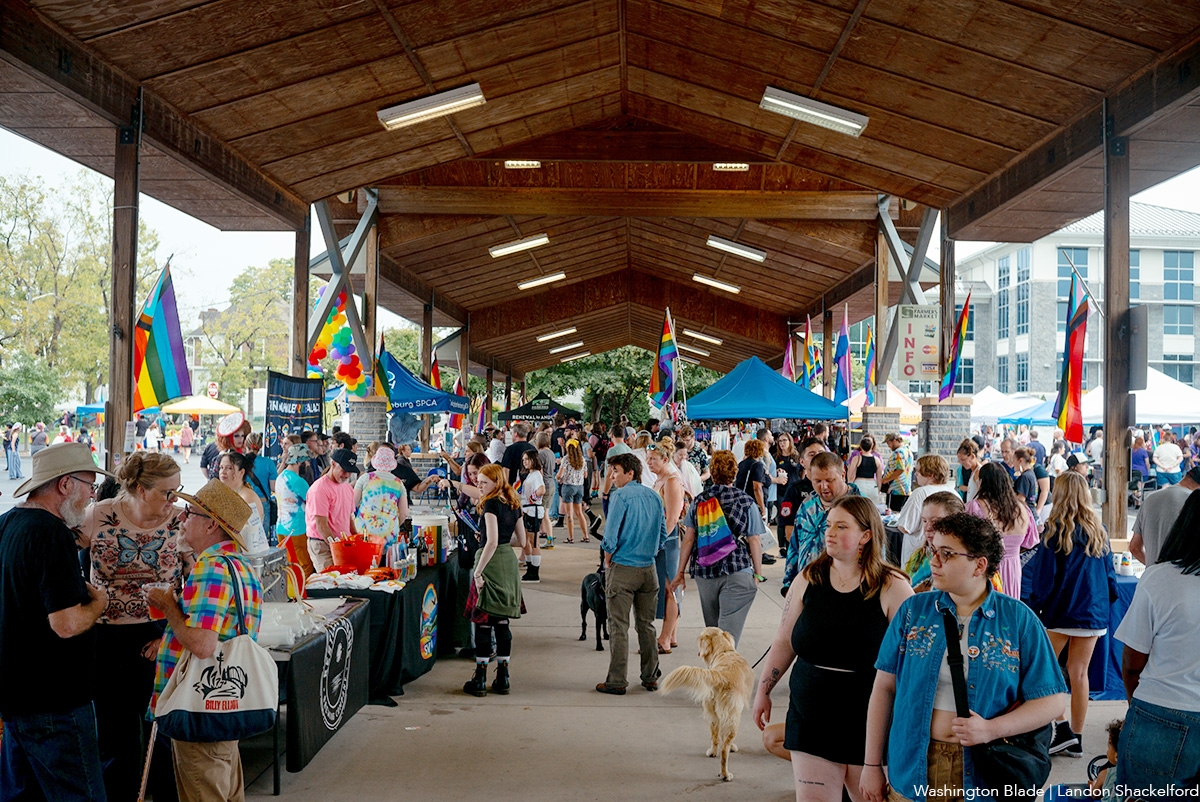
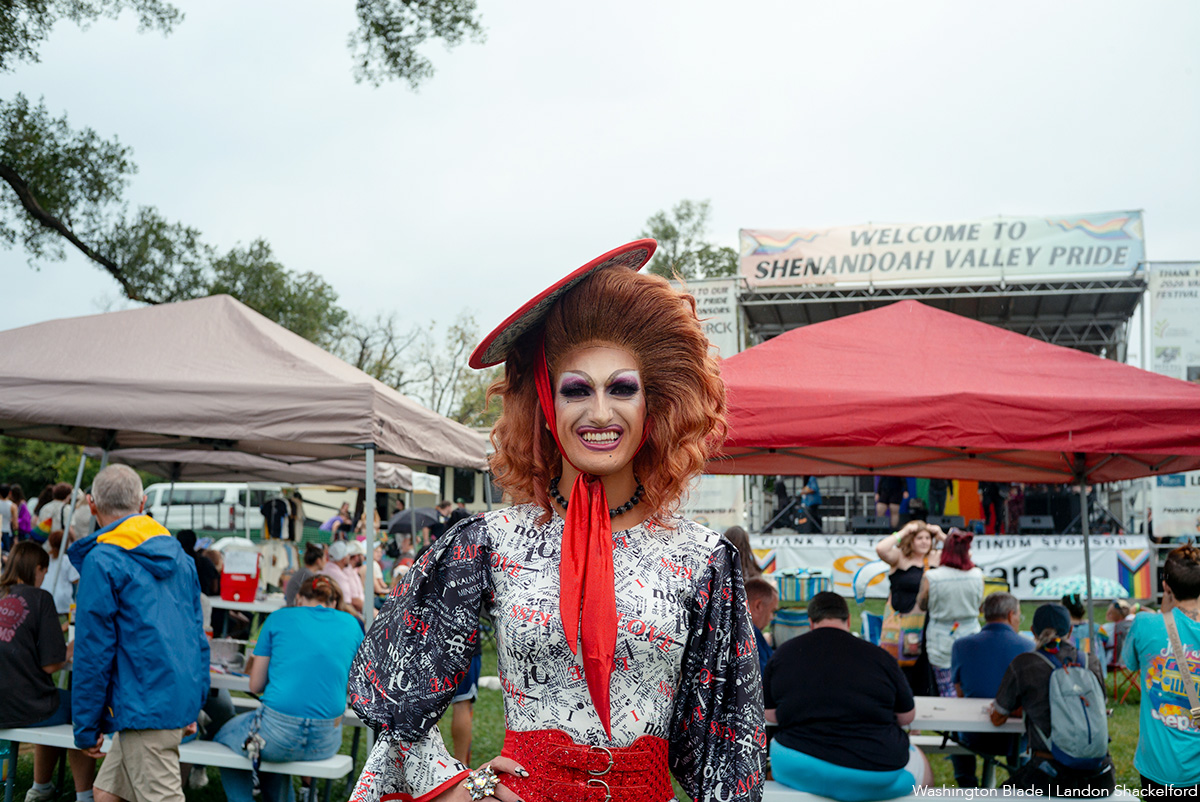
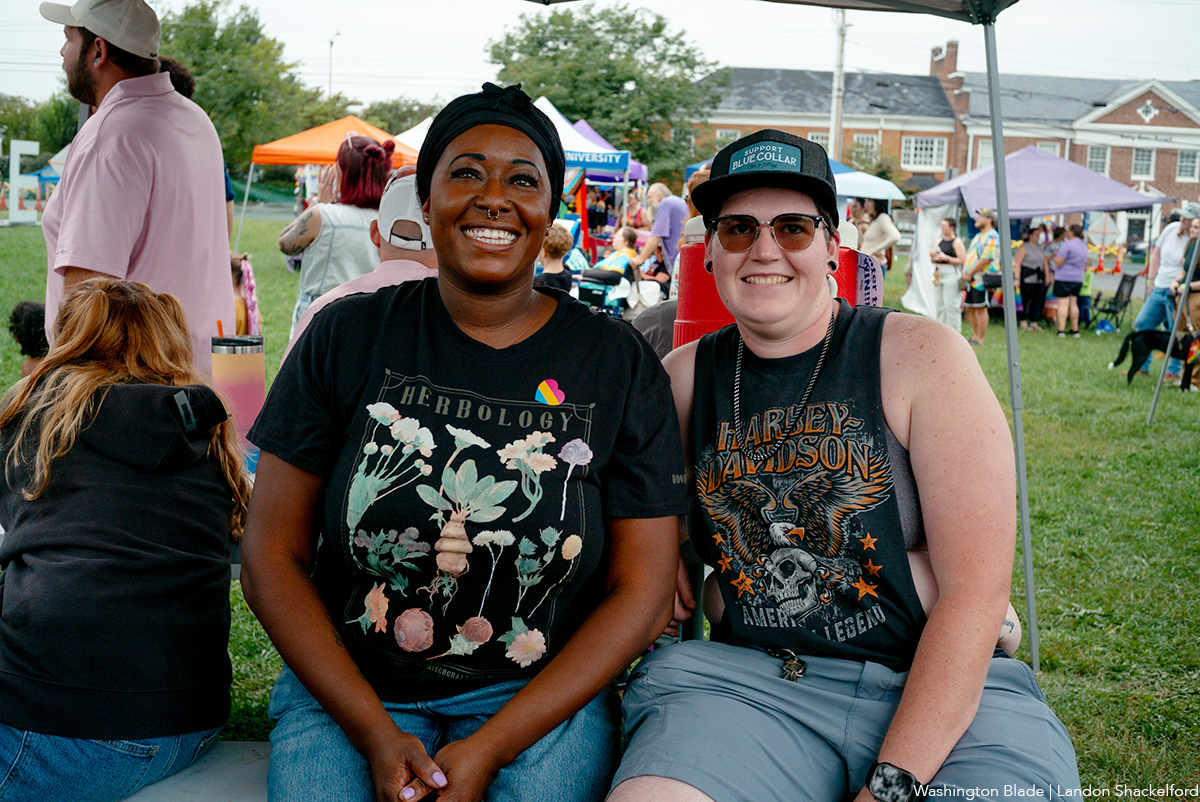
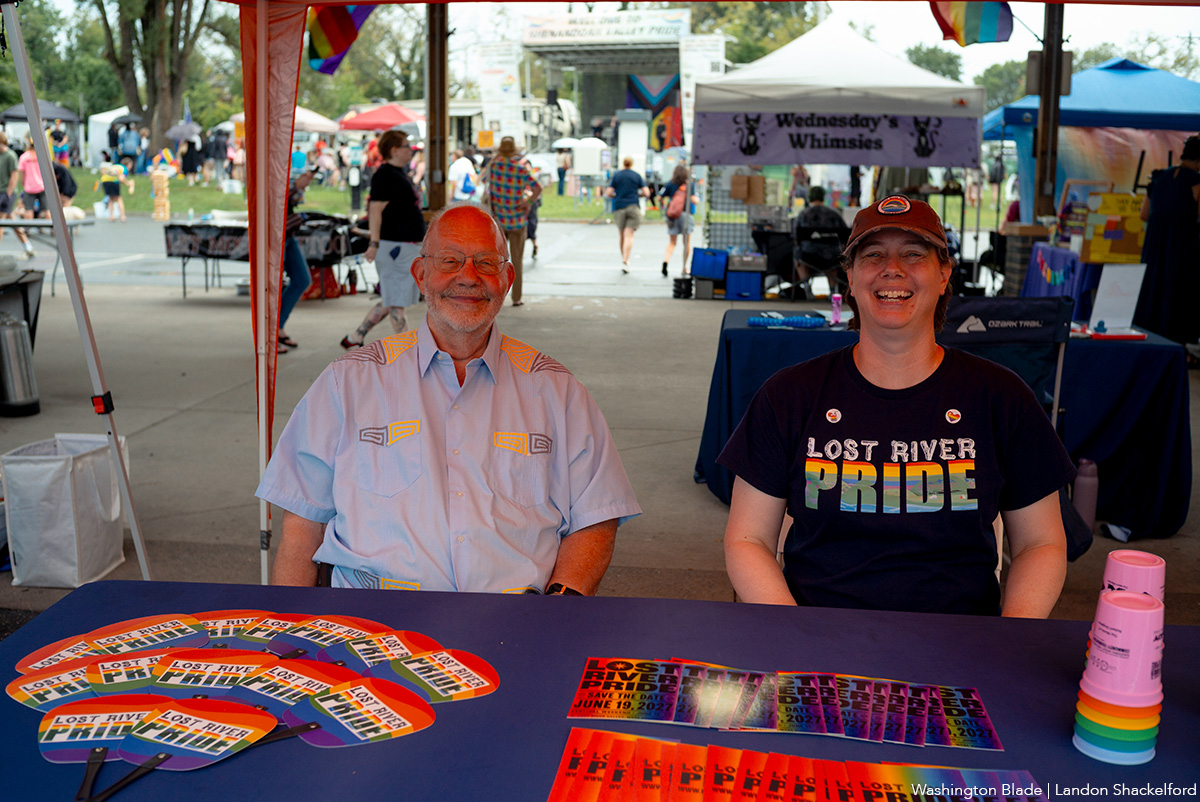
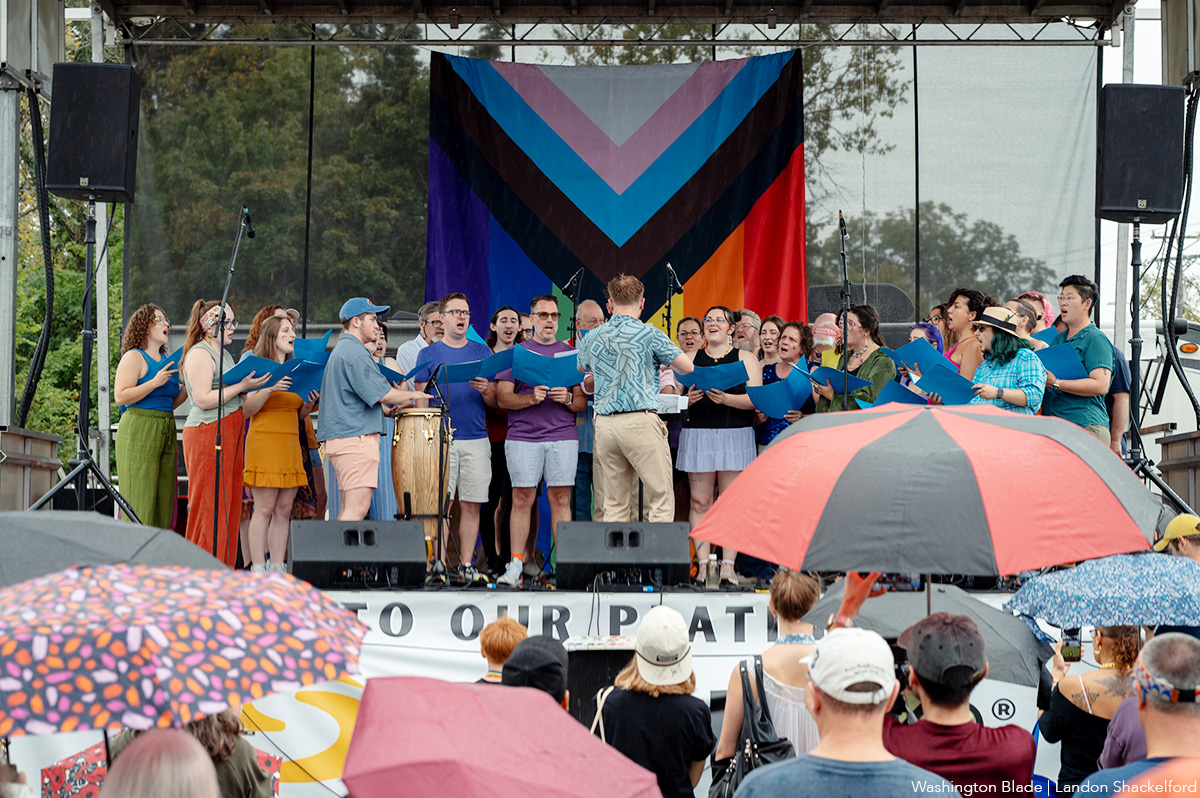
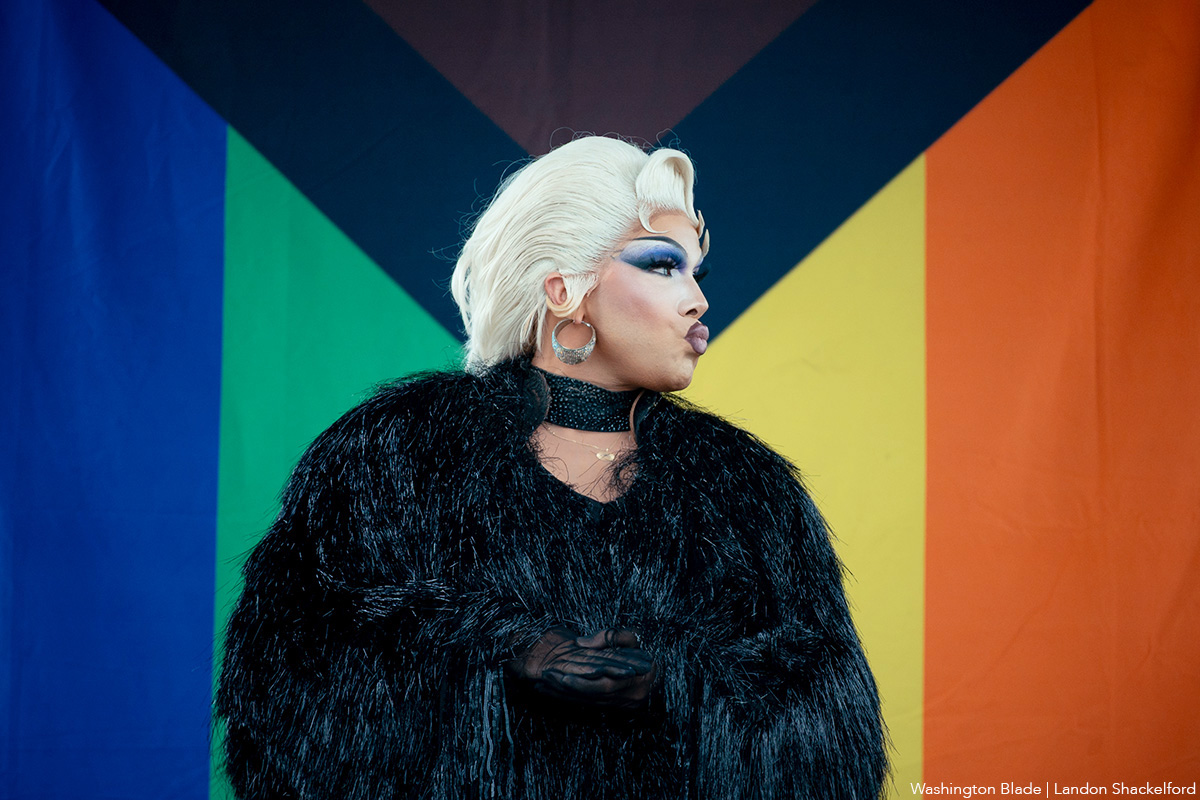
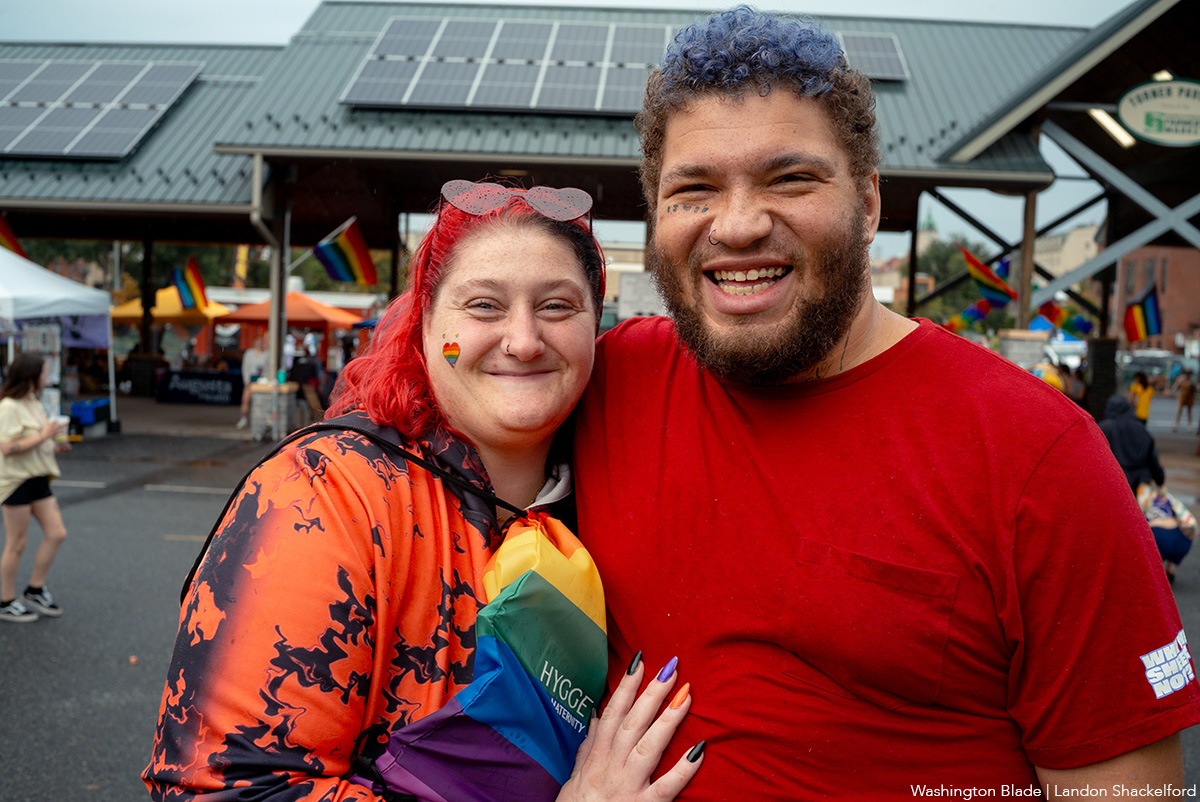
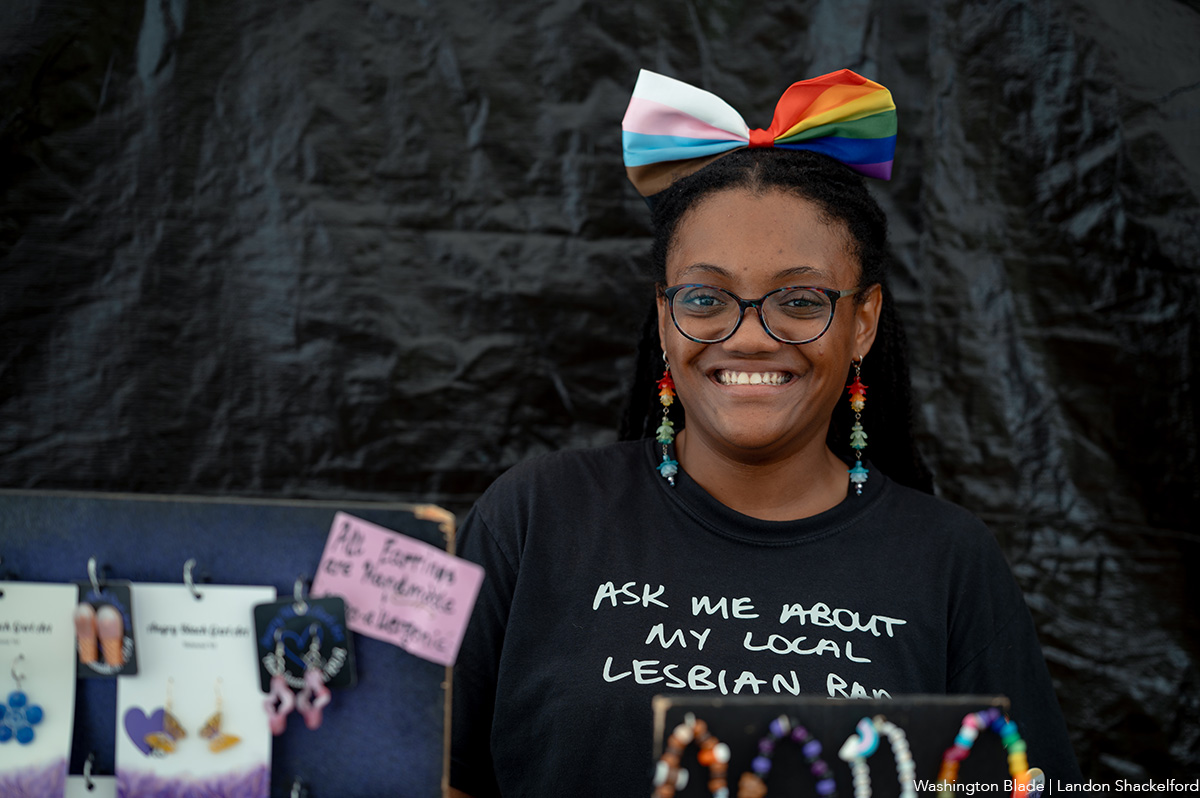
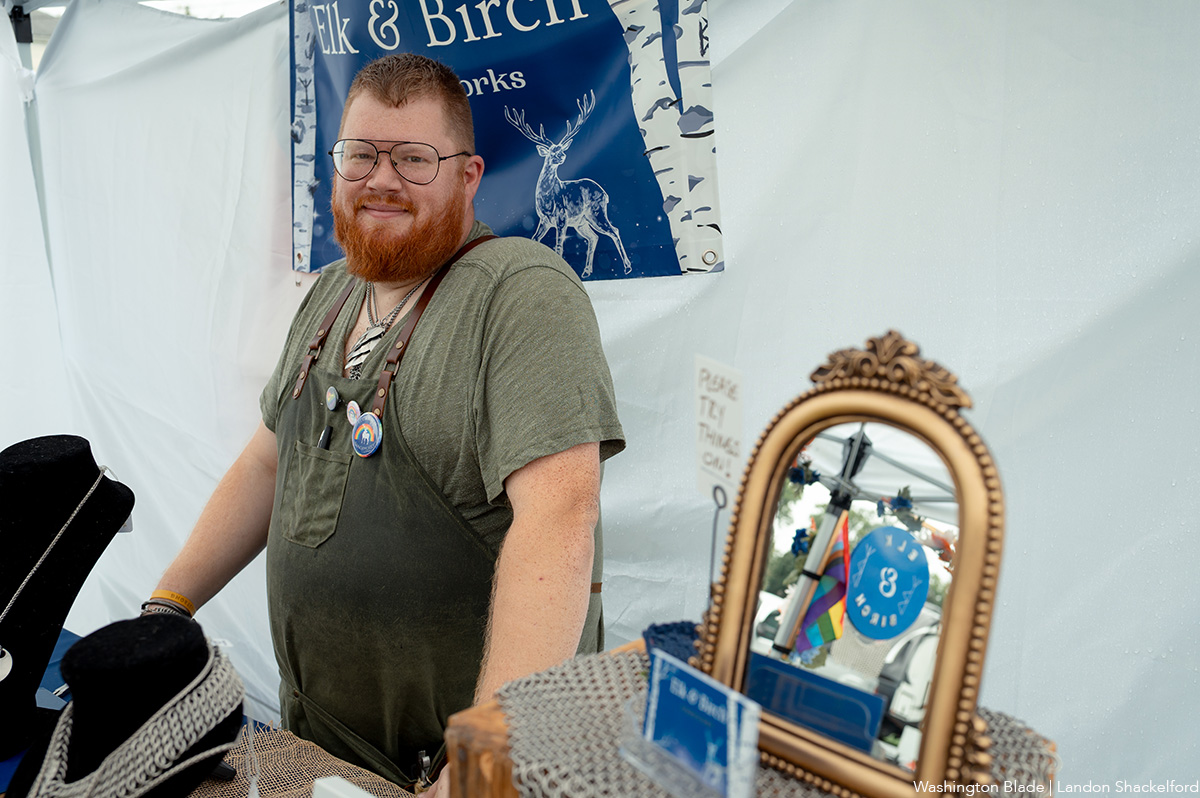
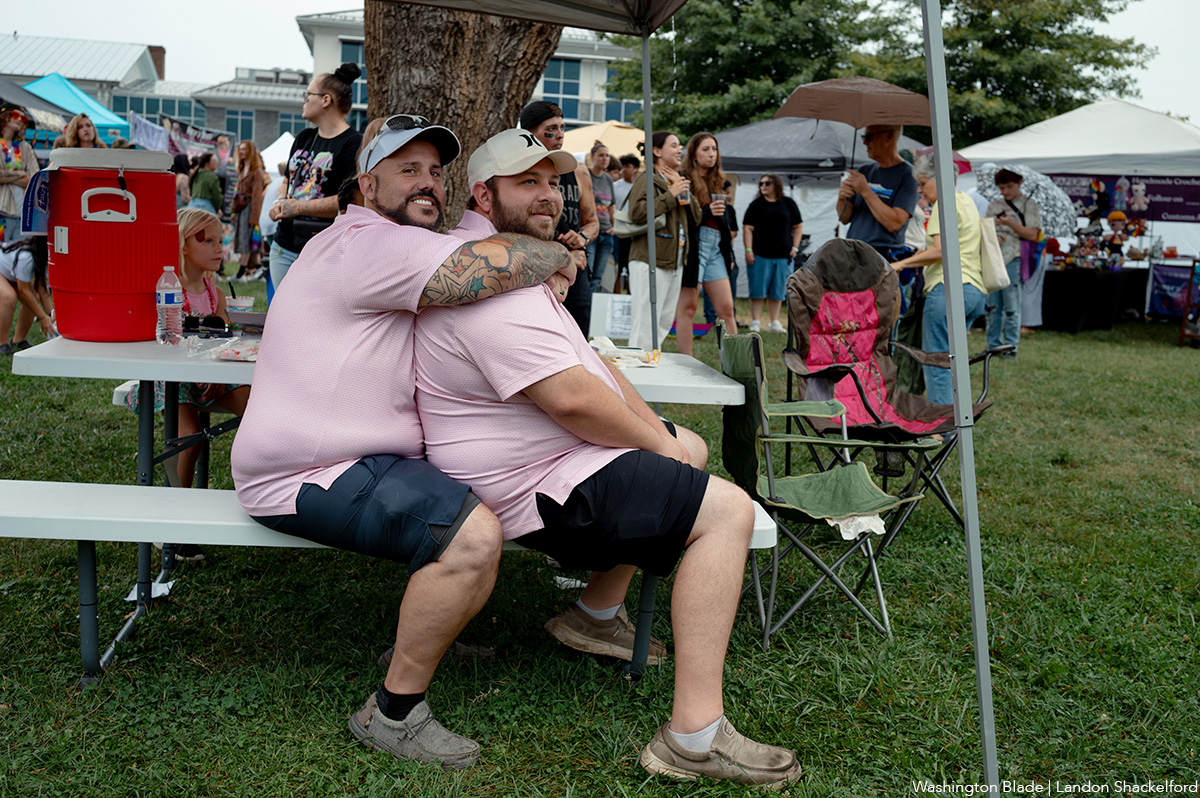
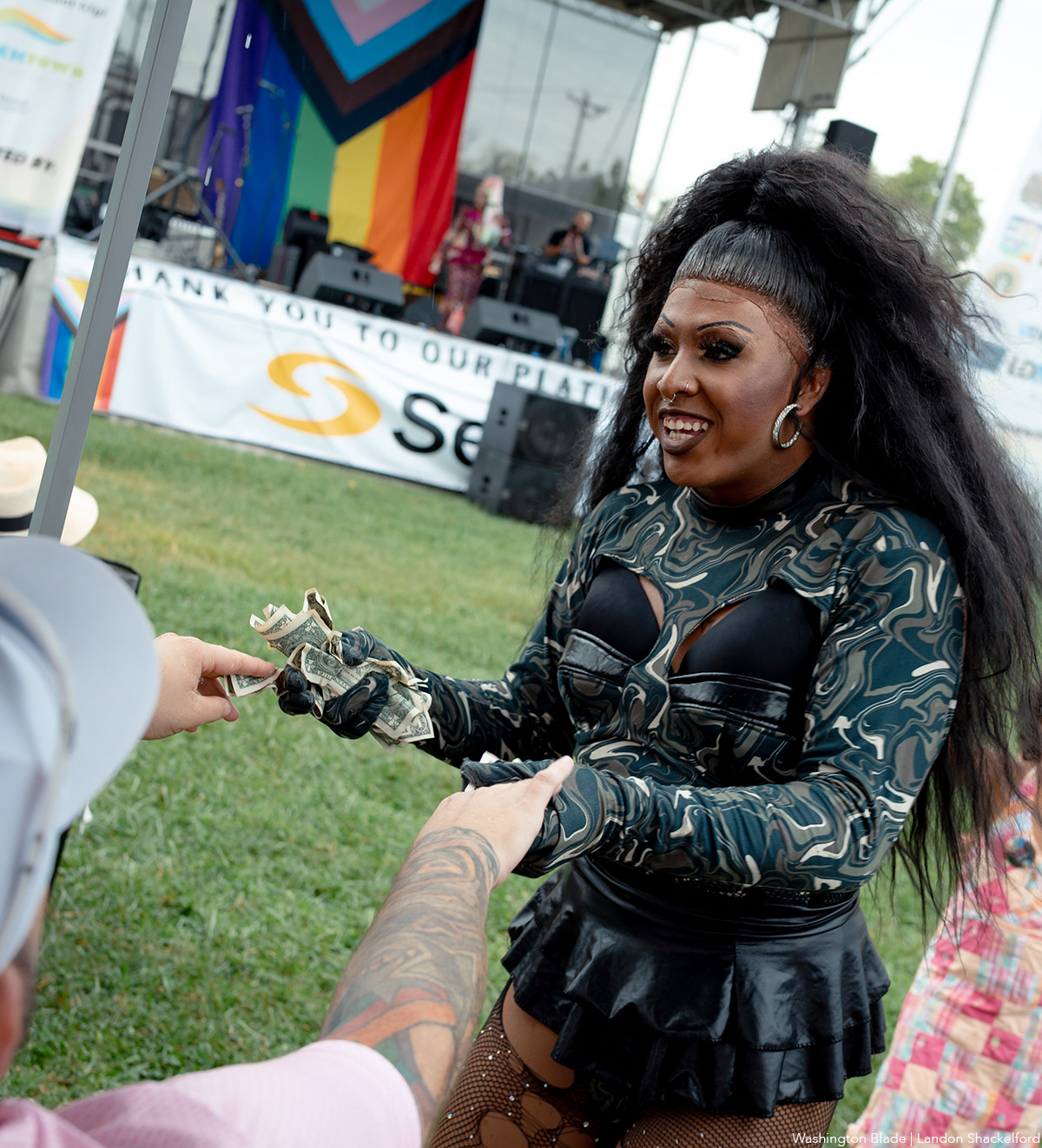
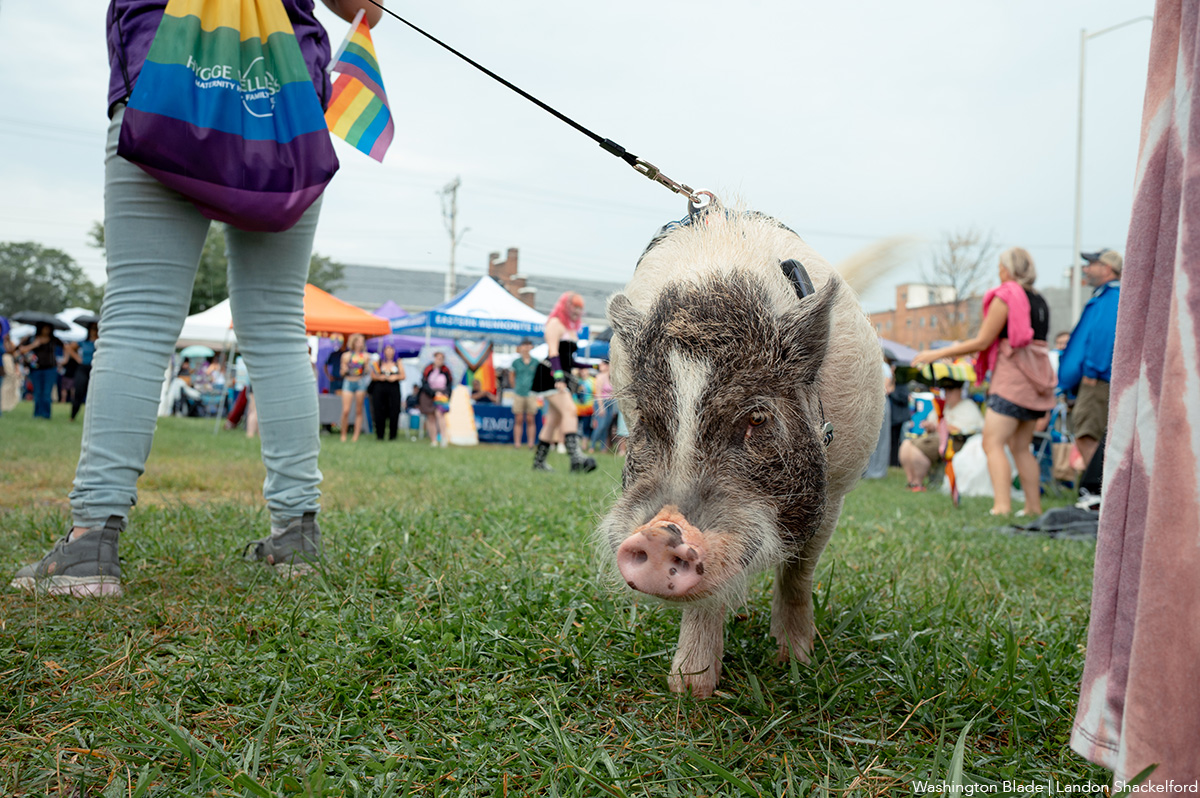
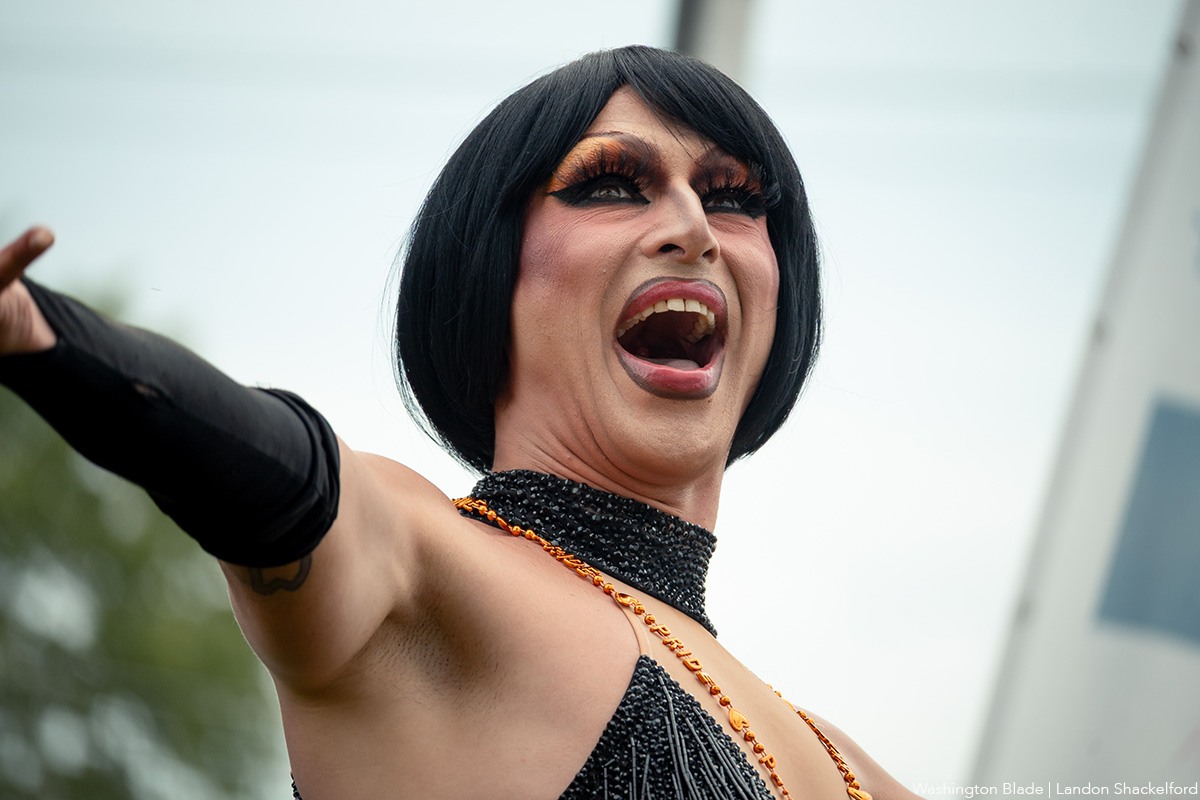
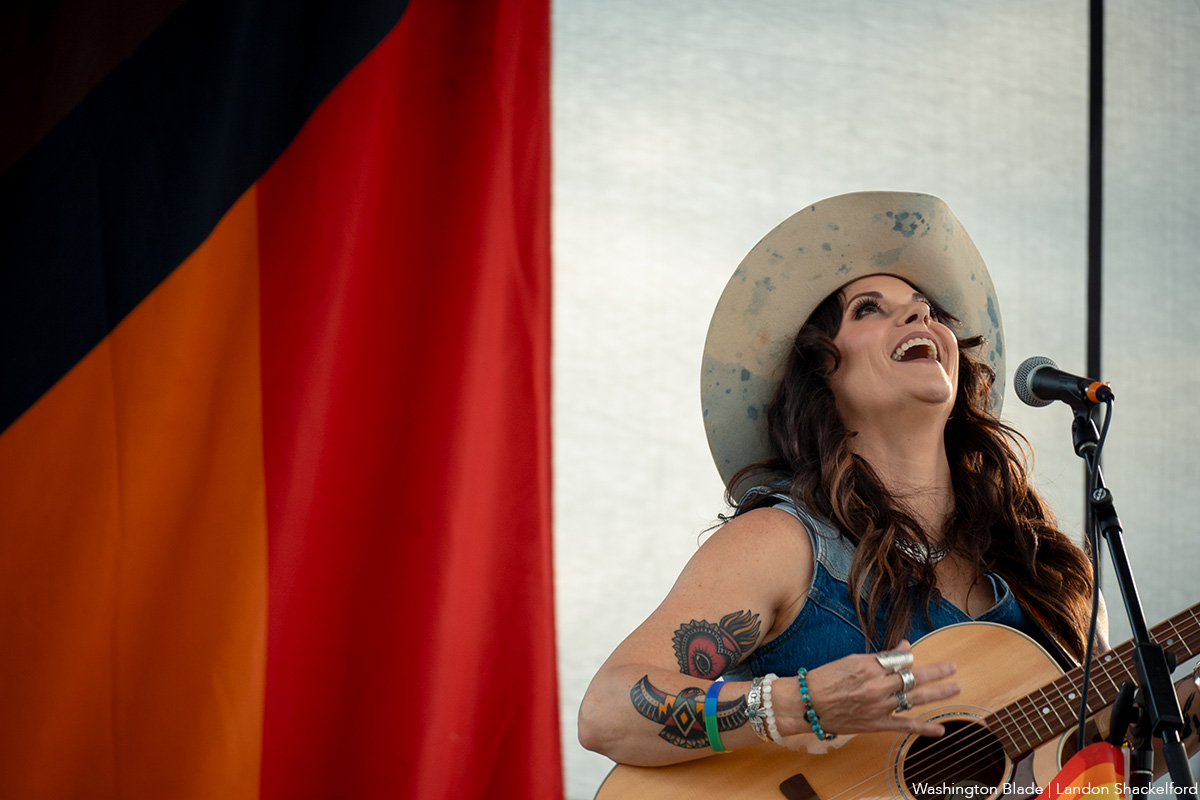
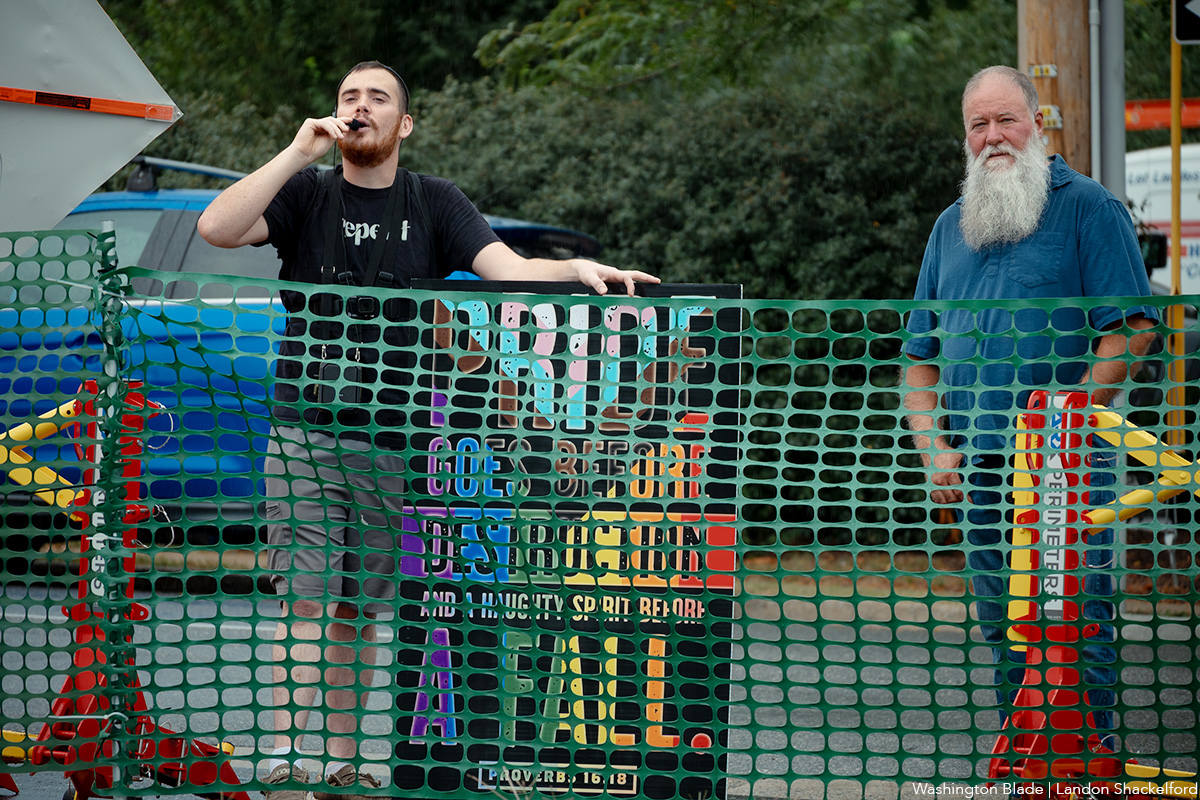
PHOTOS: Shenandoah Valley Pride
LGBTQ celebration held at Turner Pavilion in Harrisonburg, Va.
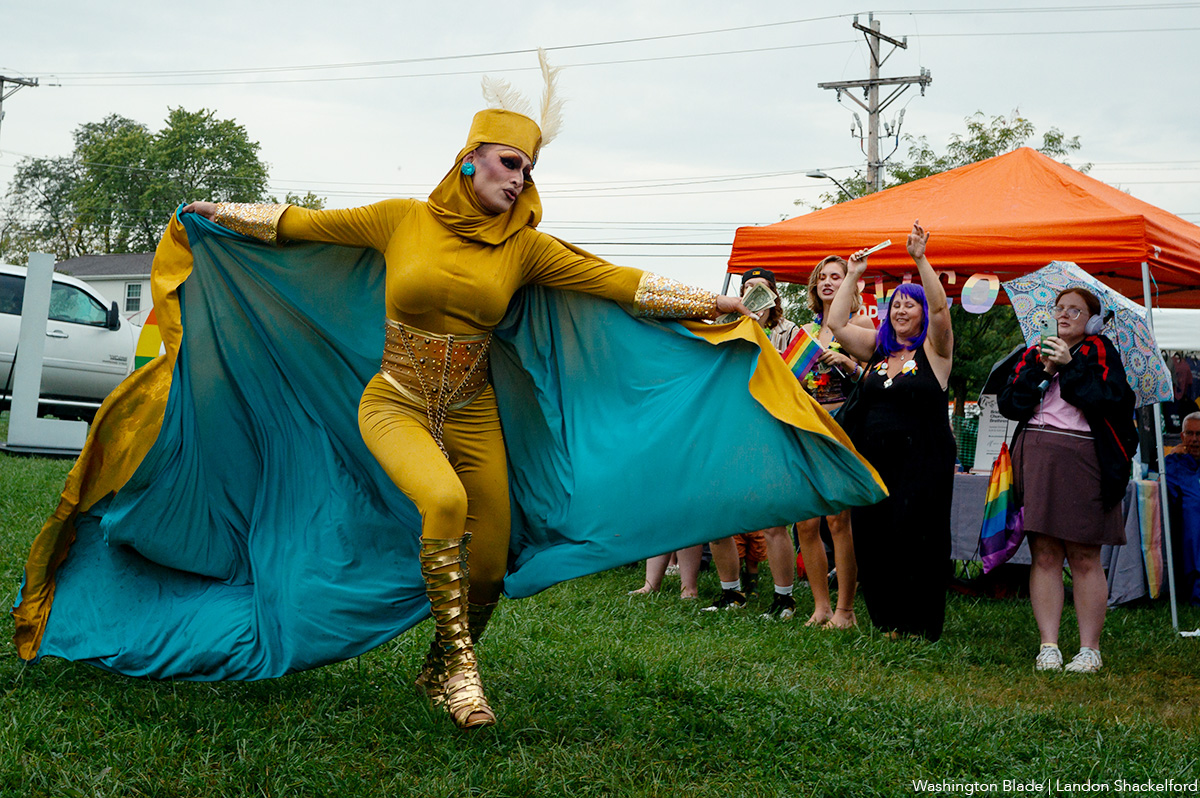
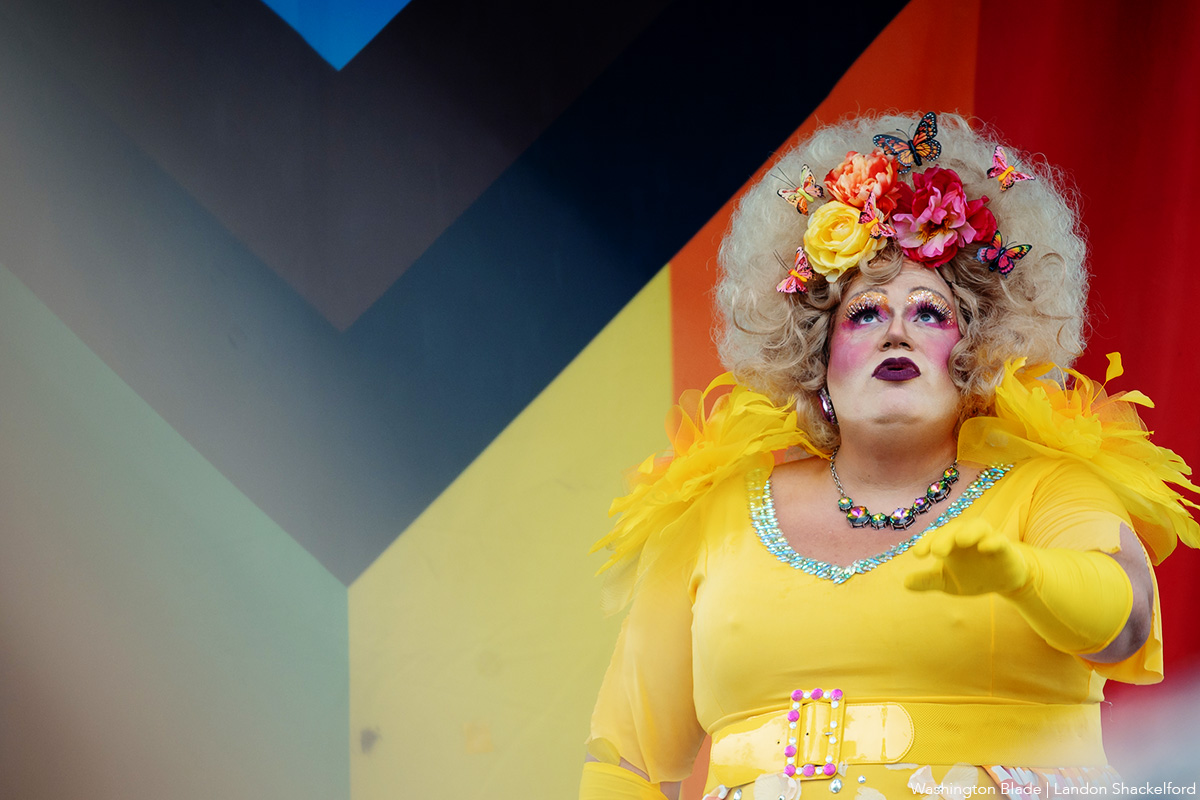
The 2026 Shenandoah Valley Pride Festival was held at Turner Pavilion in Harrisonburg, Va. on Sunday, Sept. 20.
(Washington Blade photos by Landon Shackelford)
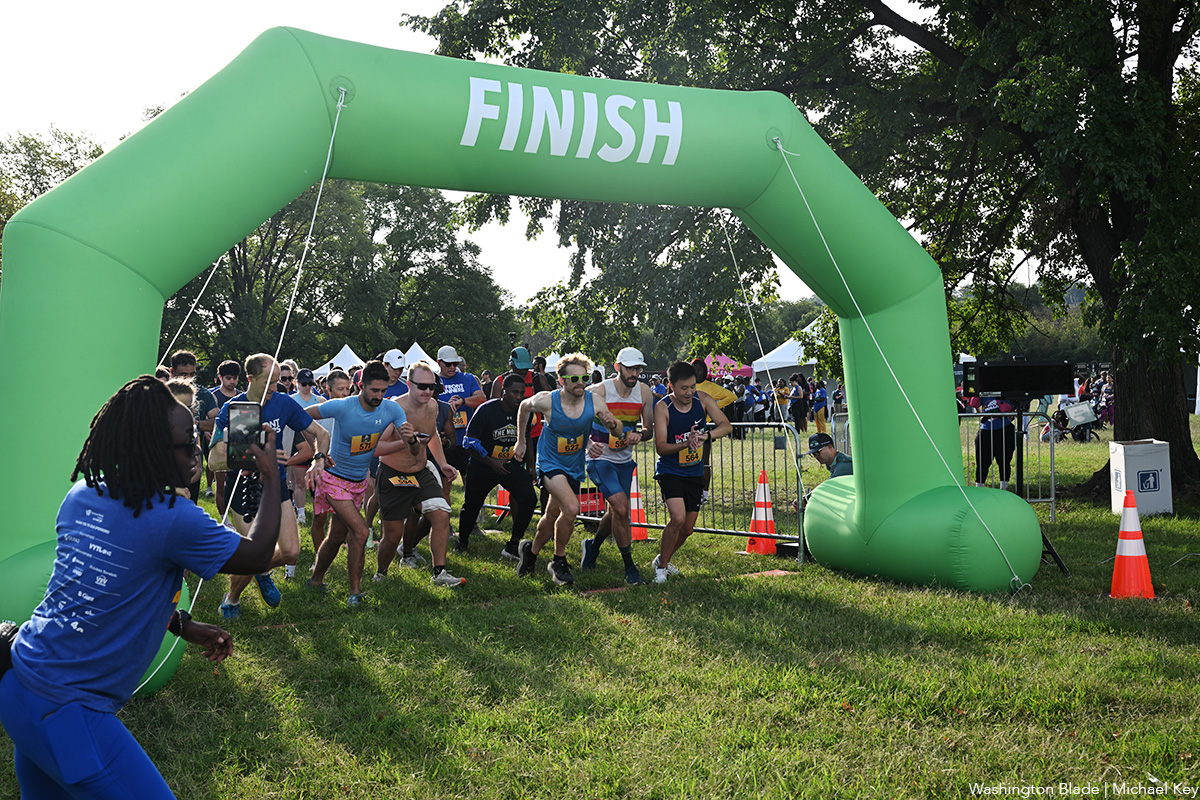
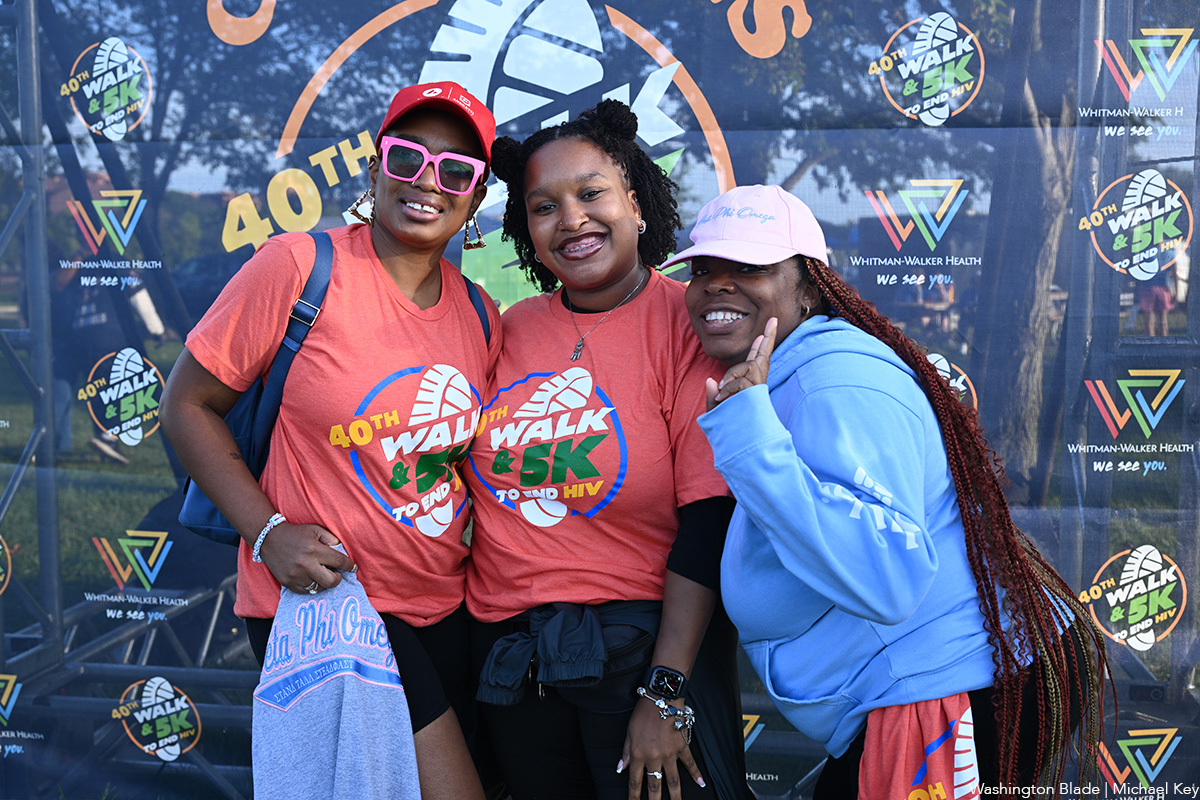
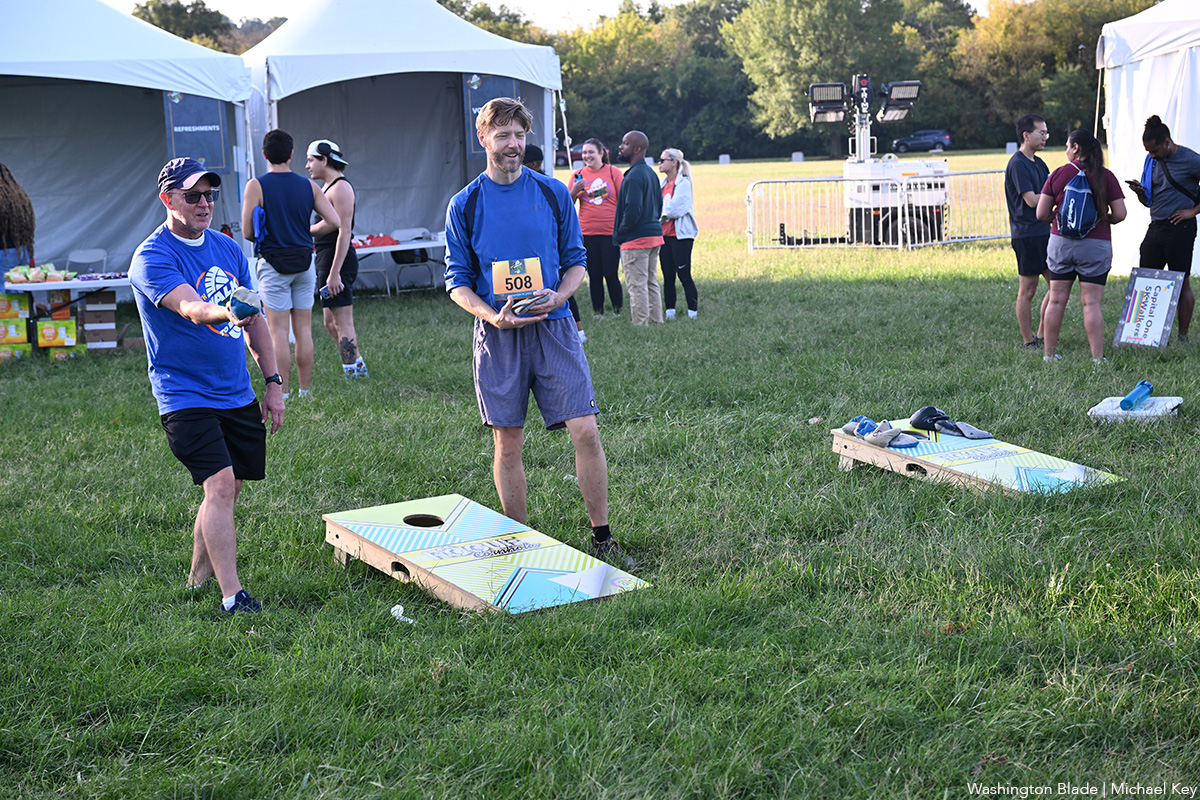
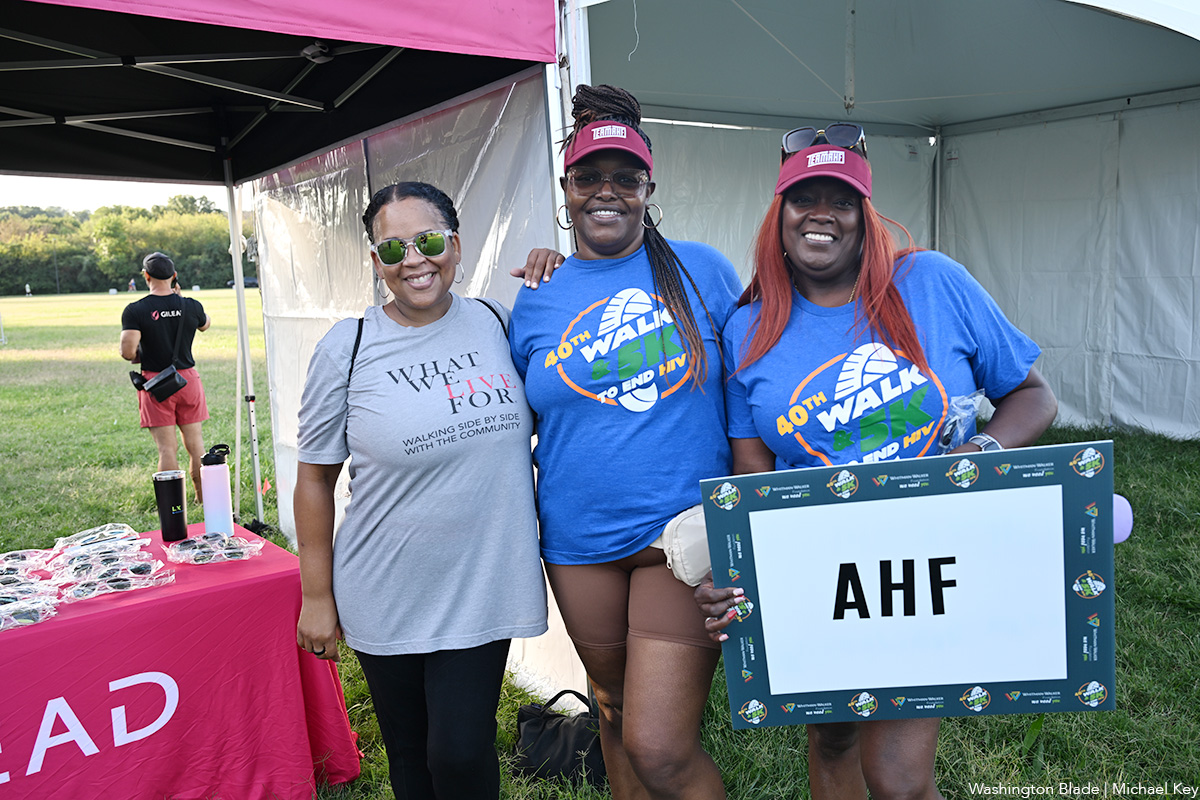
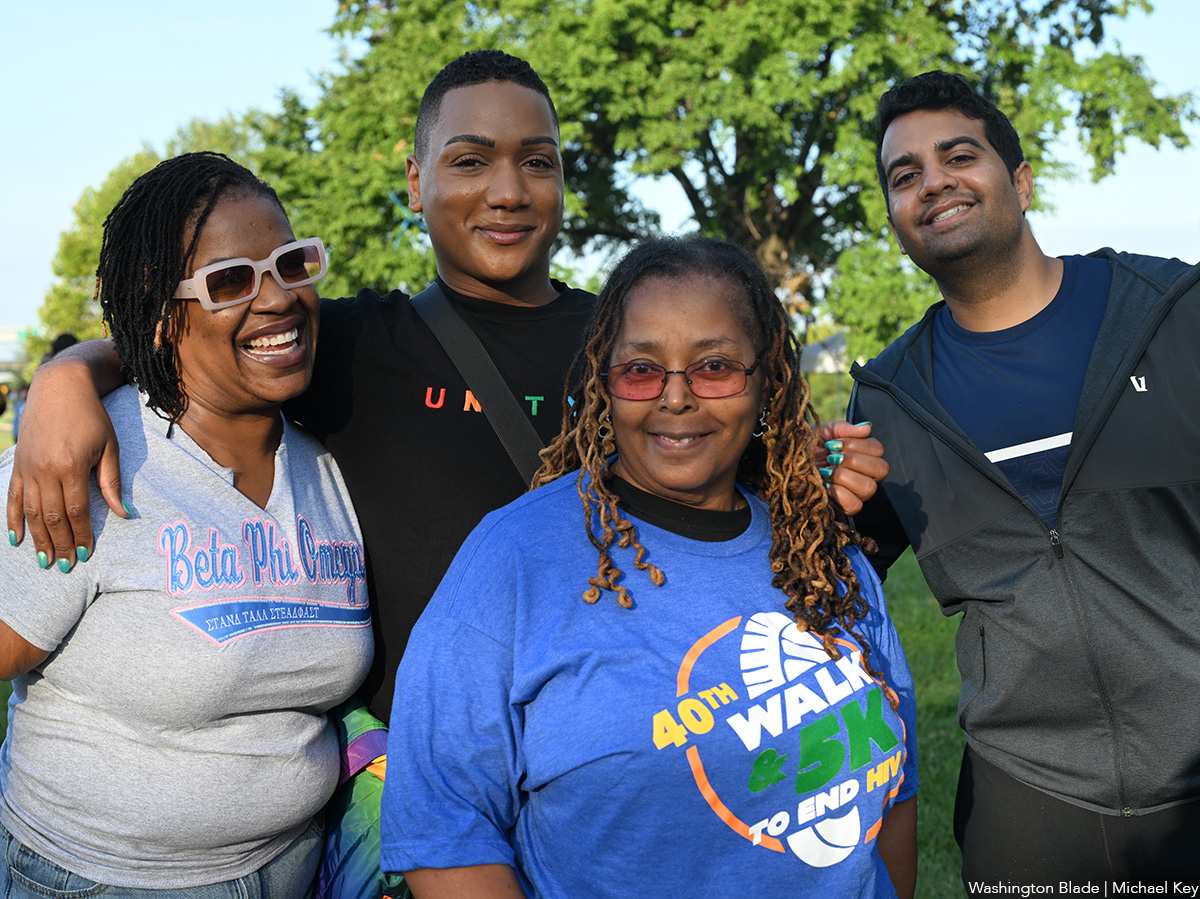
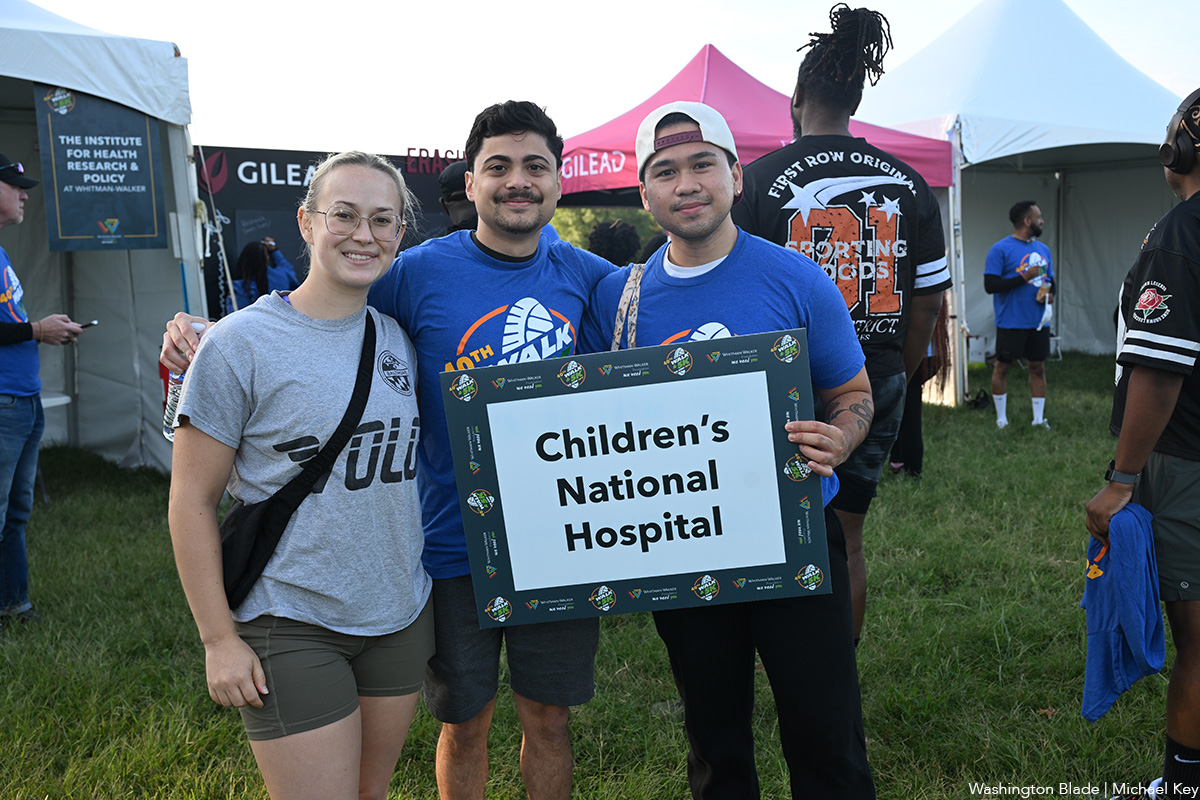
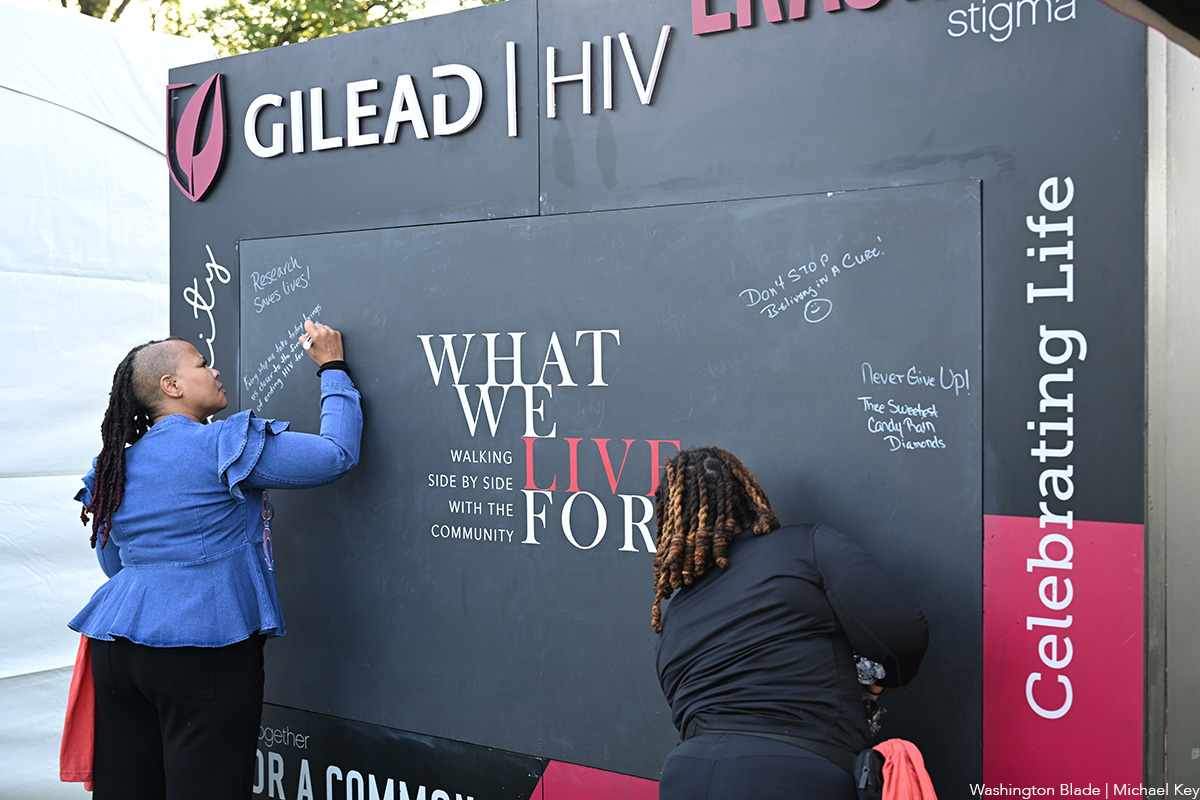
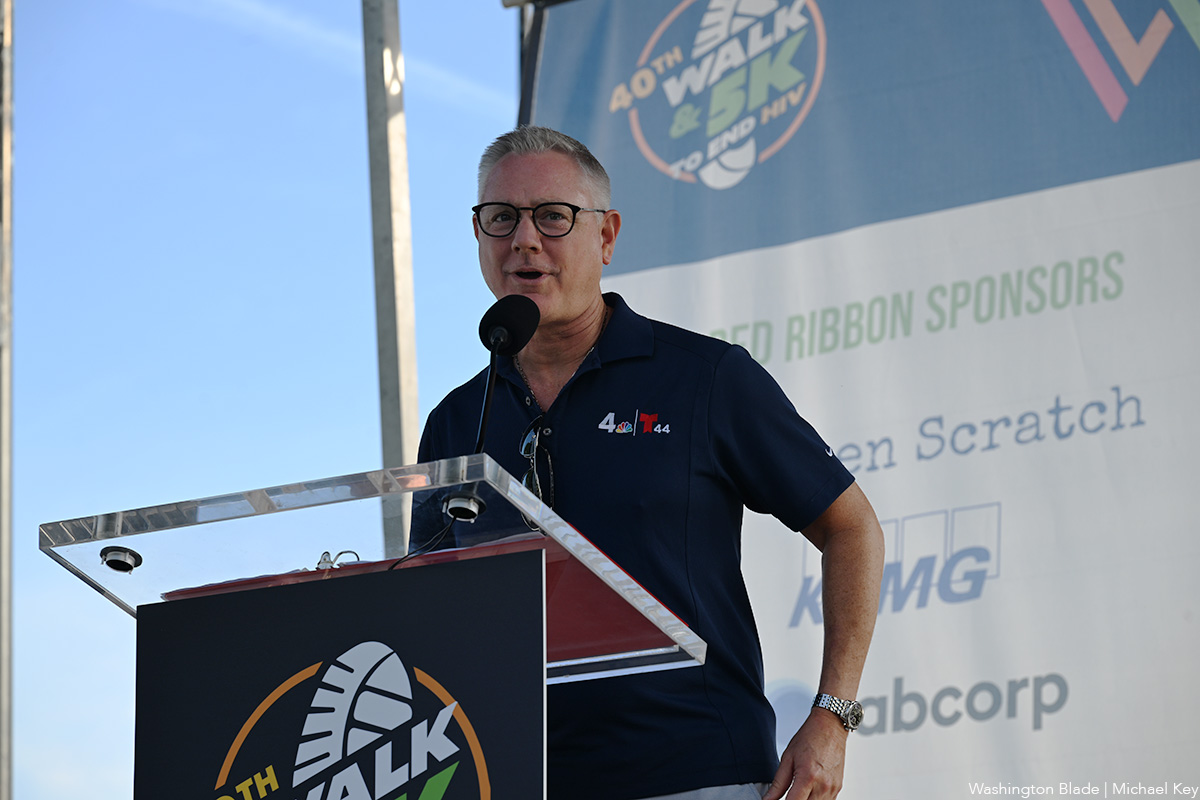
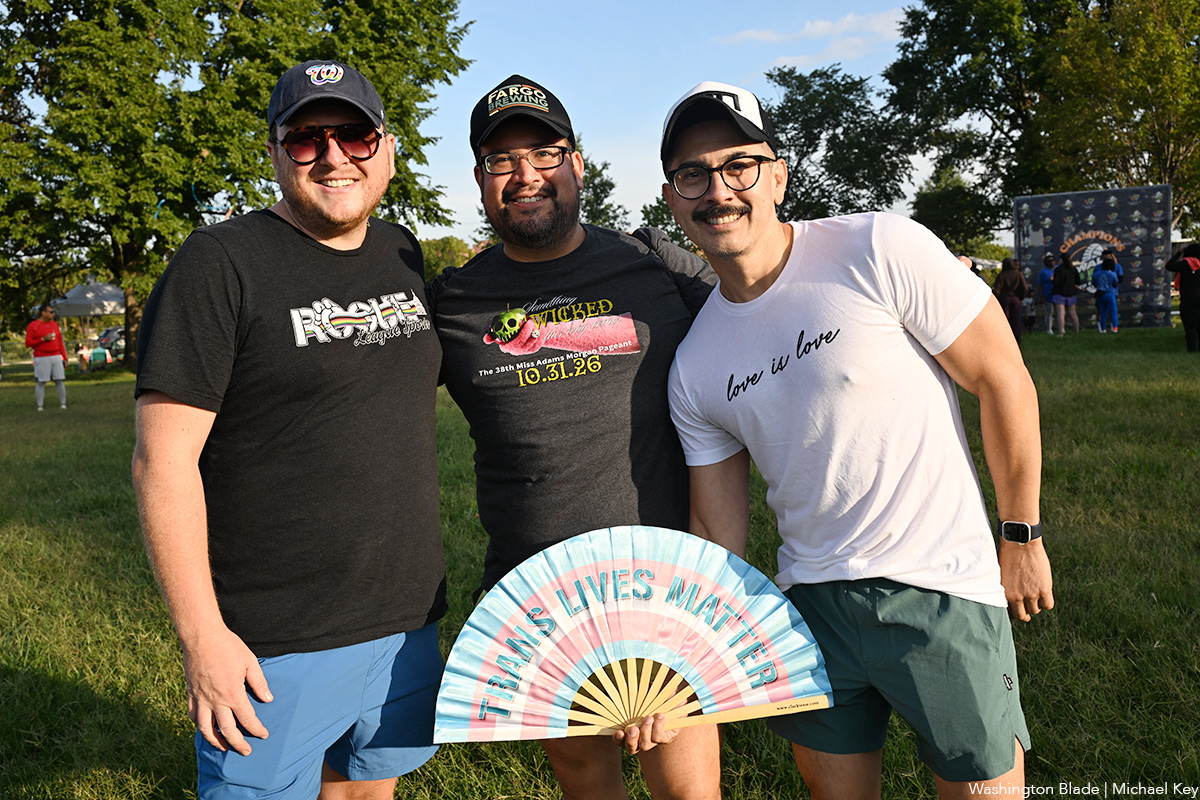
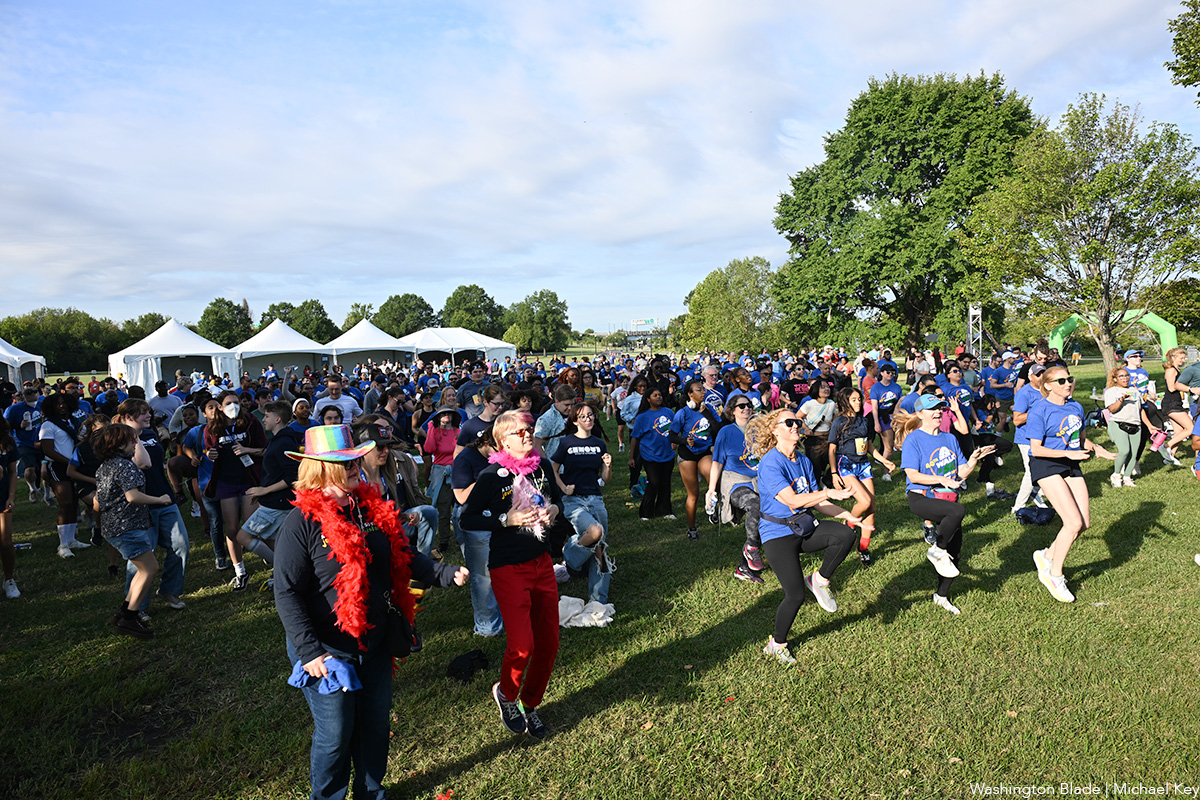
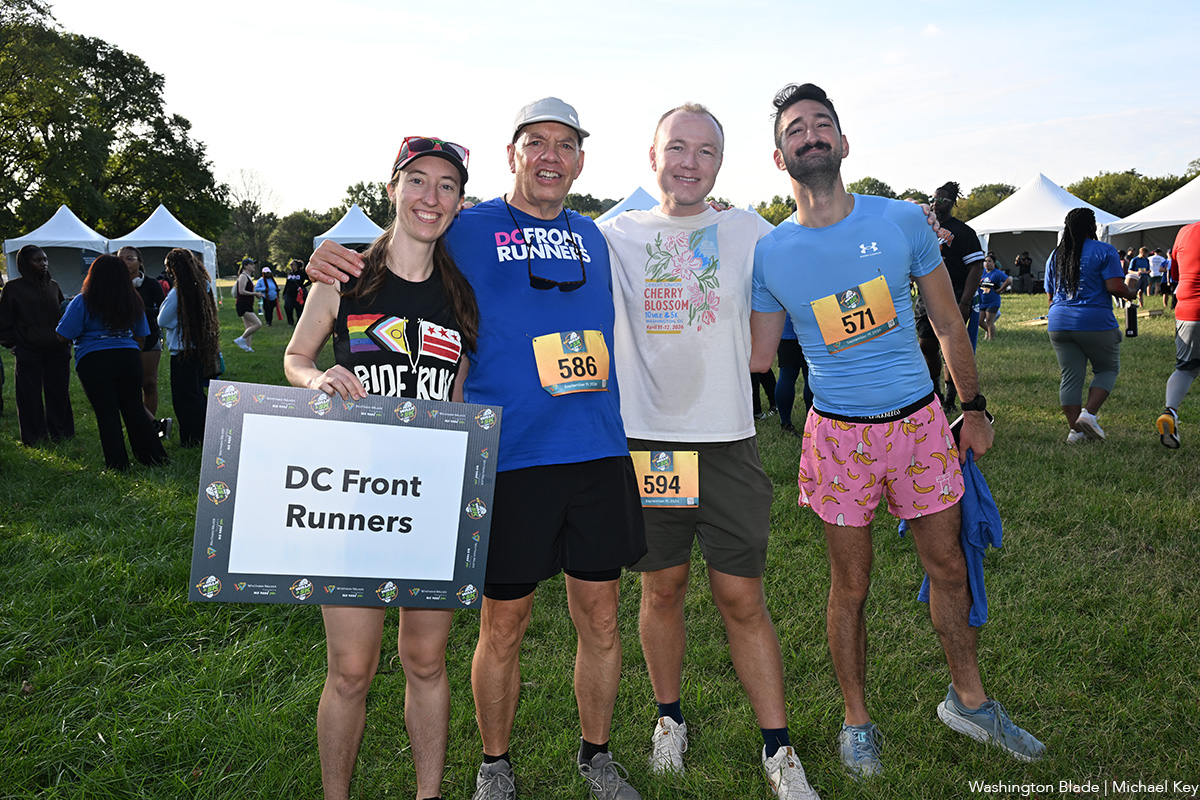
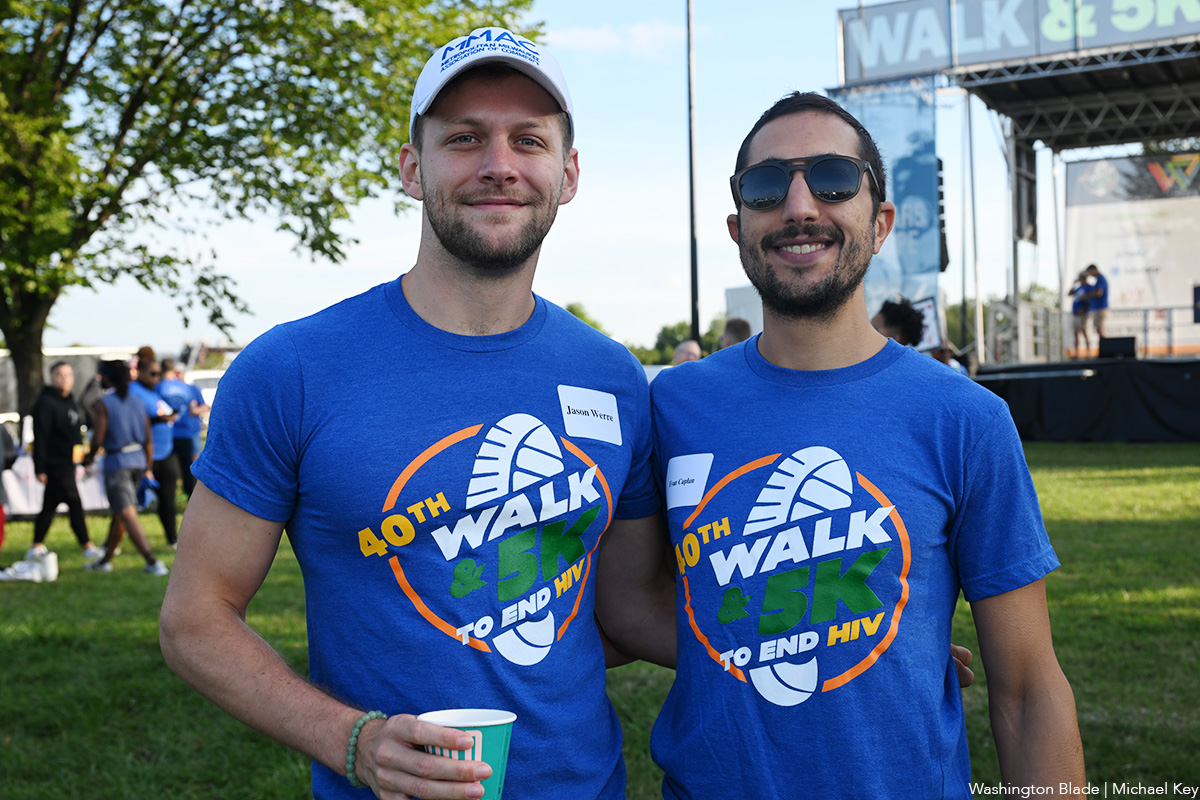
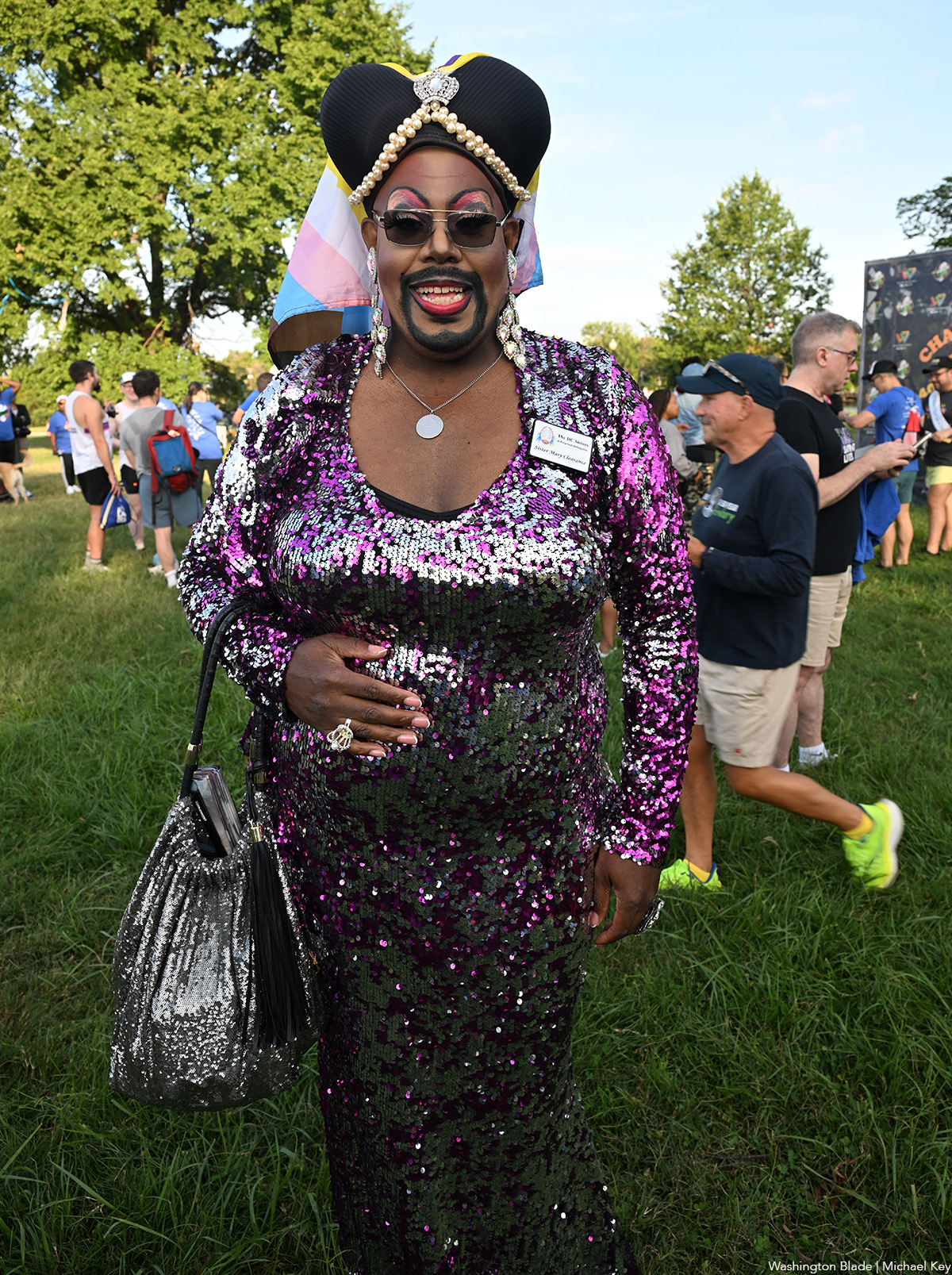
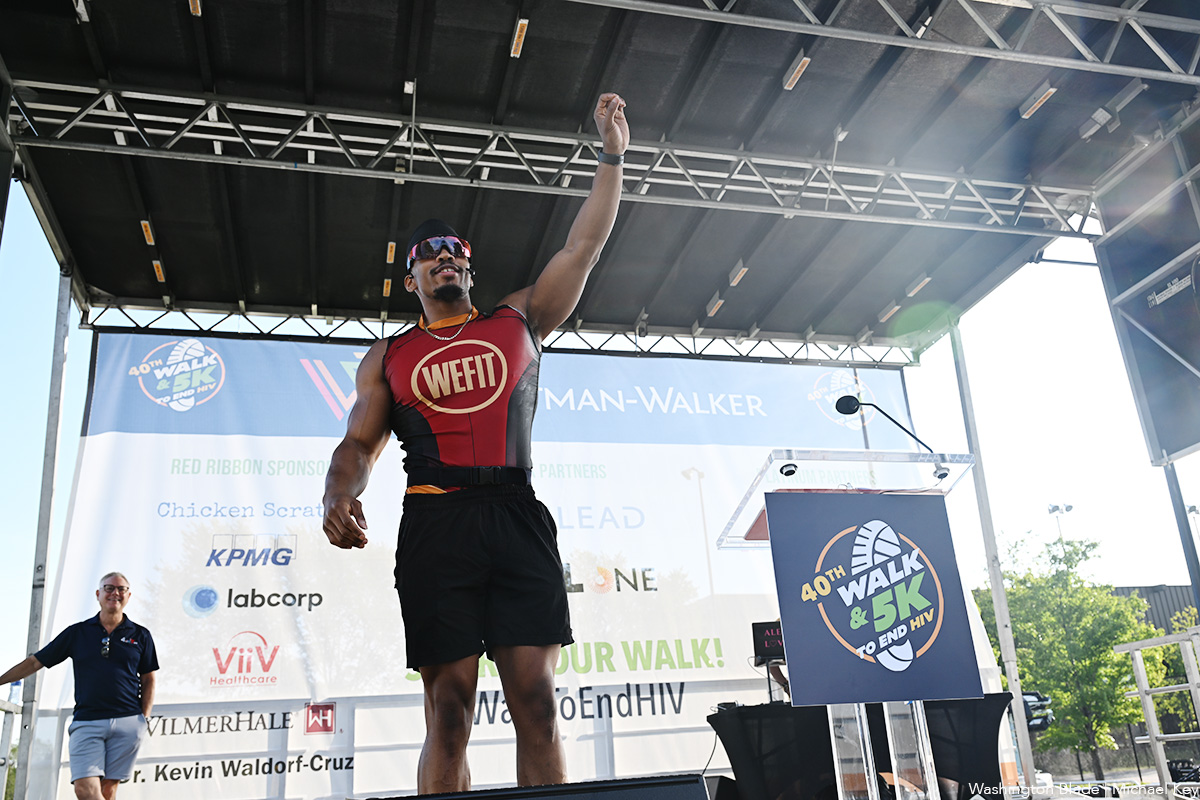
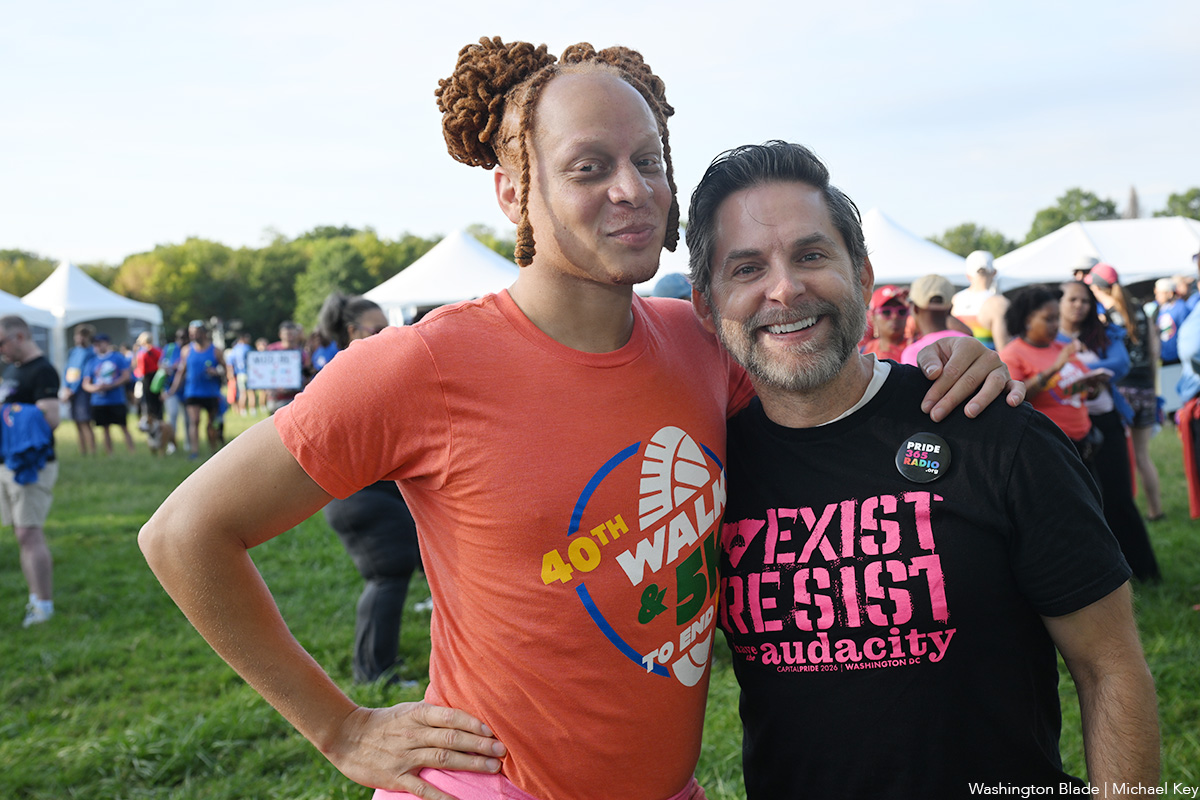
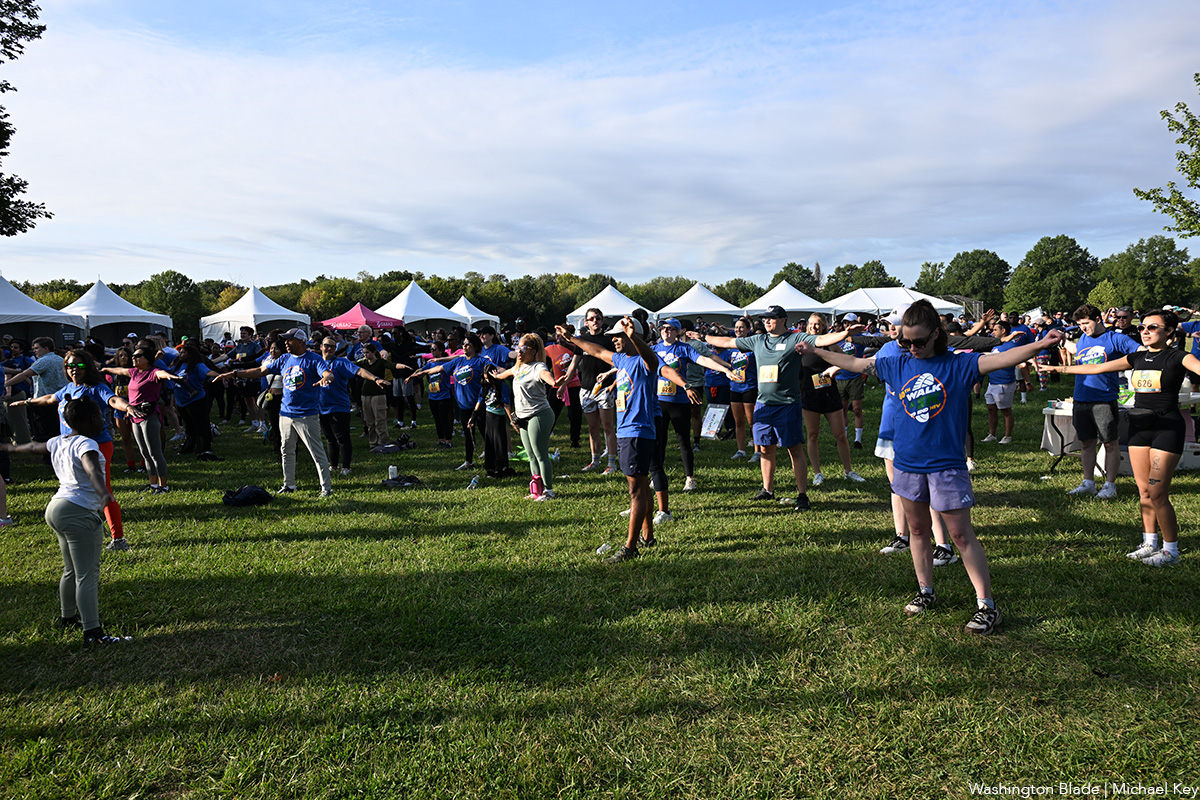
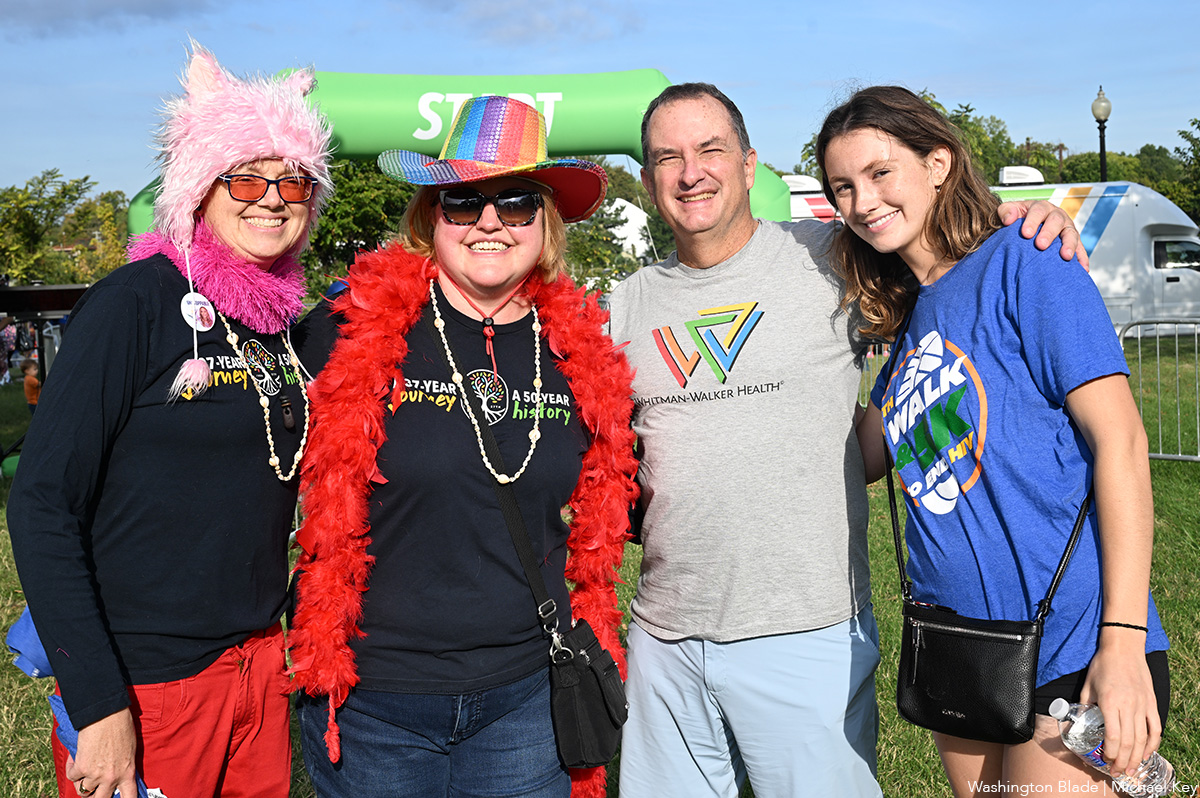
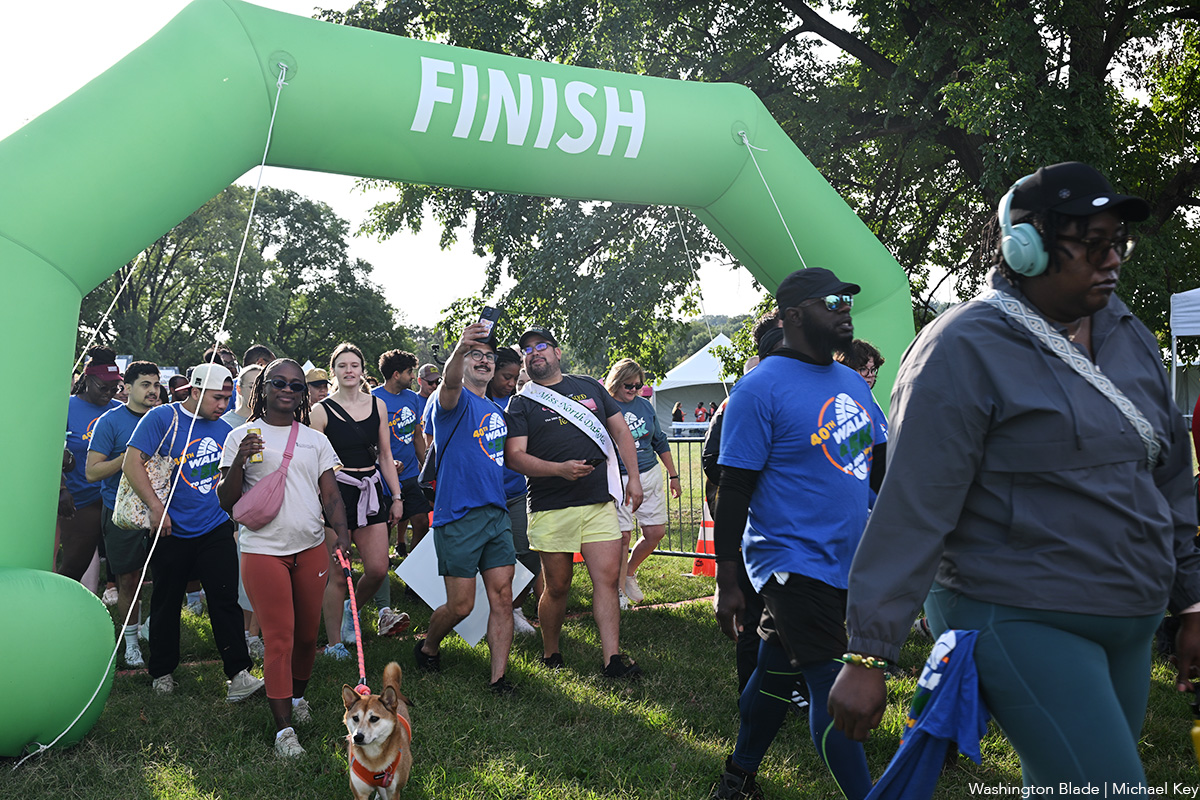
Whitman-Walker Health held the 40th annual Walk and 5K to End HIV at Anacostia Park on Saturday, Sept. 19.
(Washington Blade photos by Michael Key)


Photos
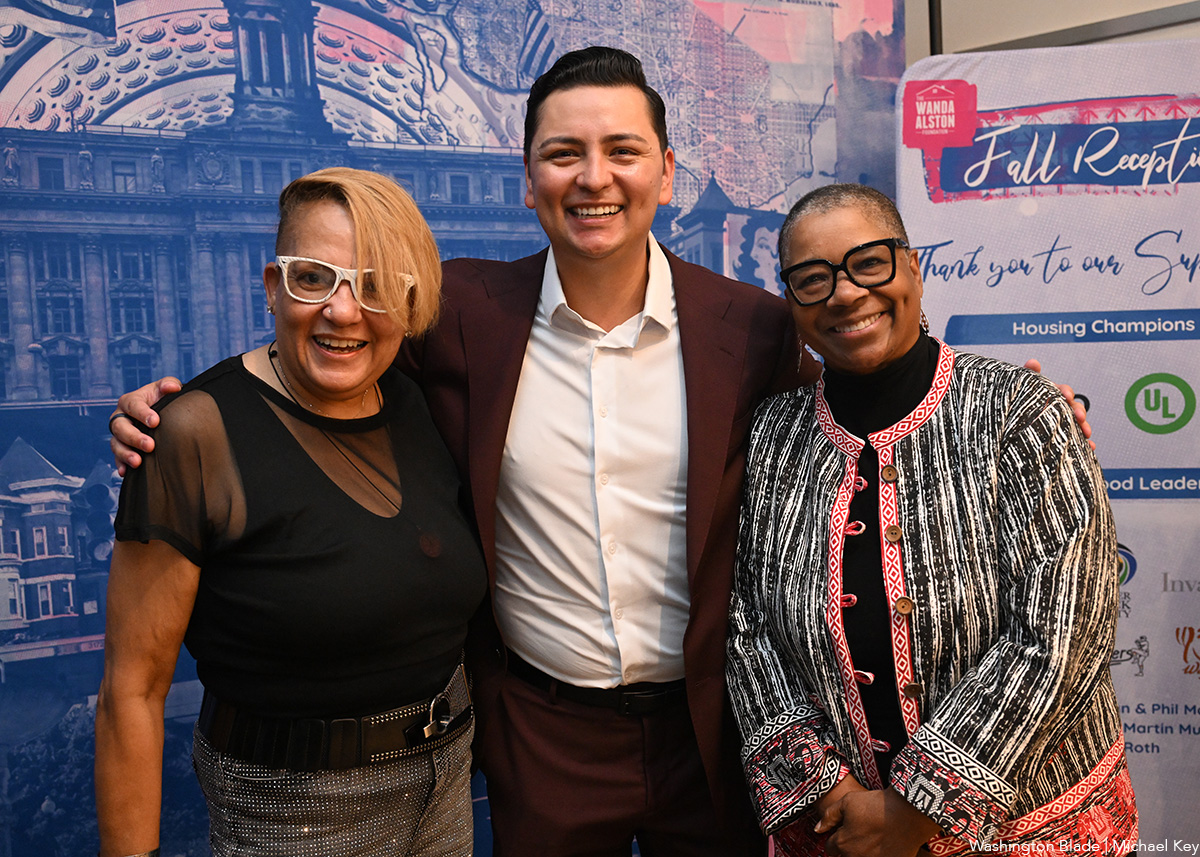
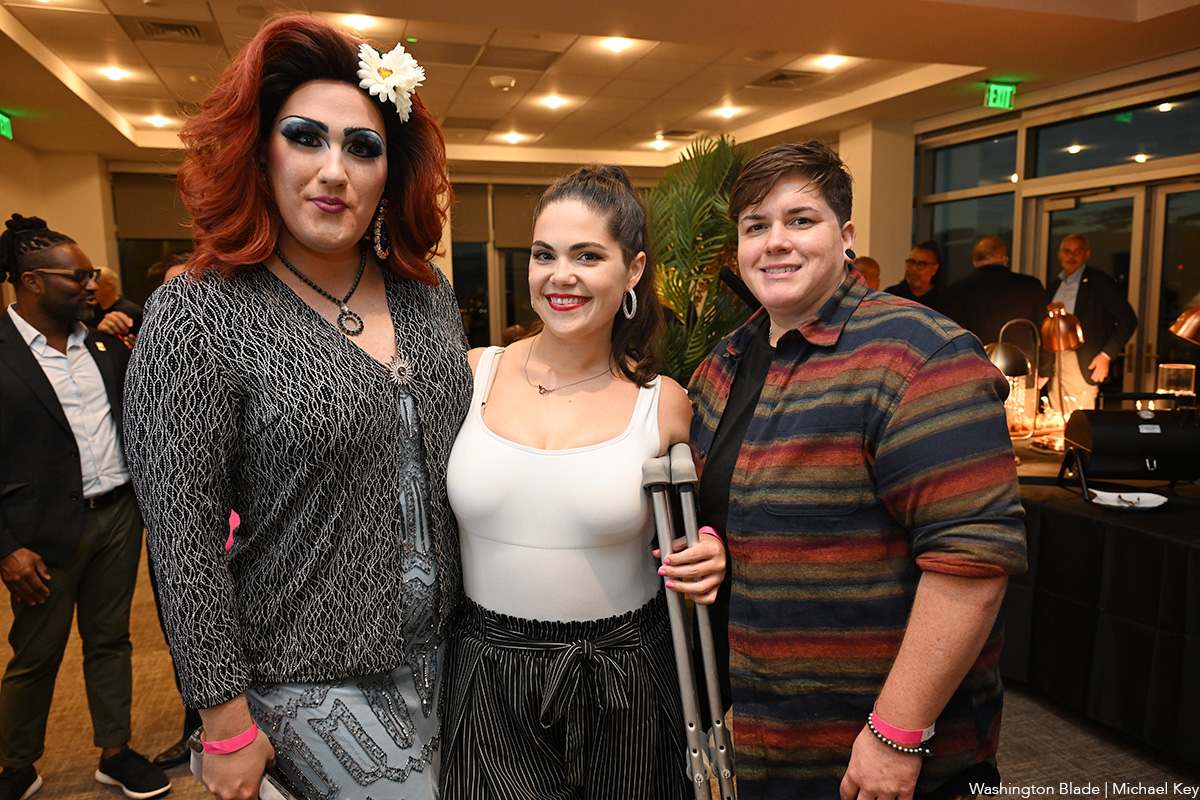
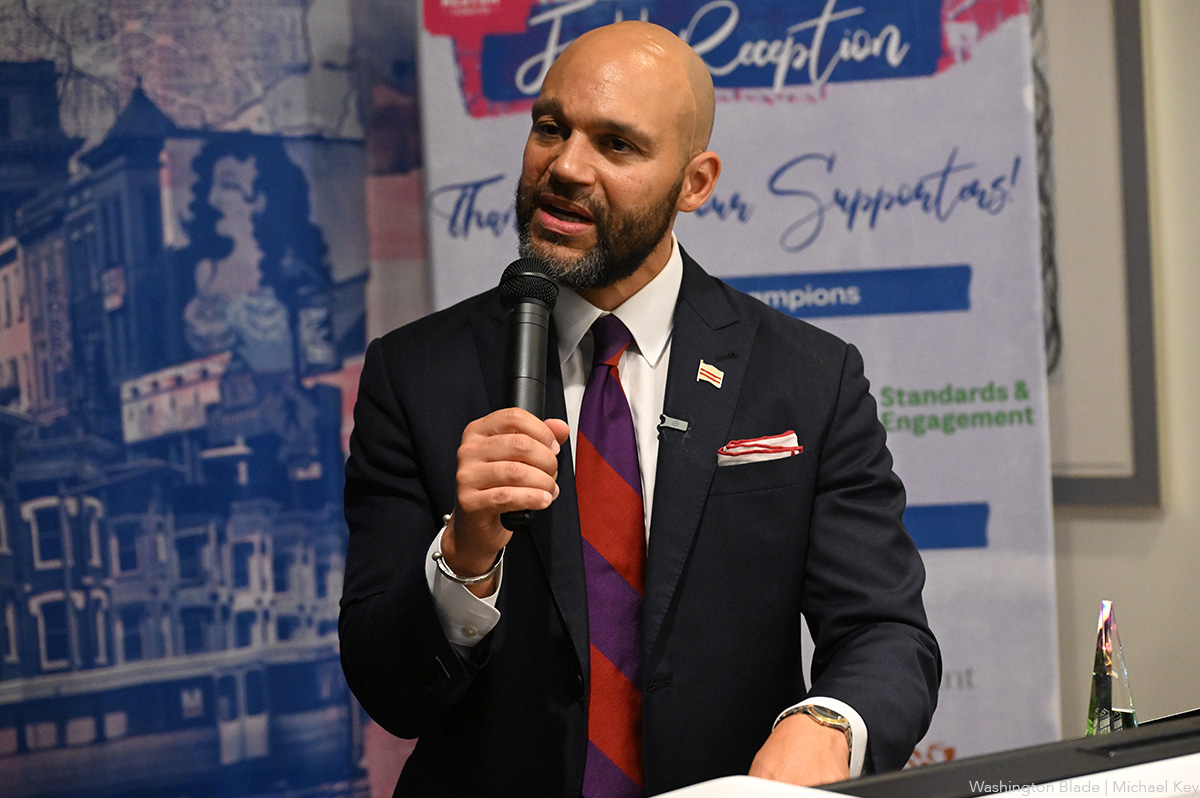
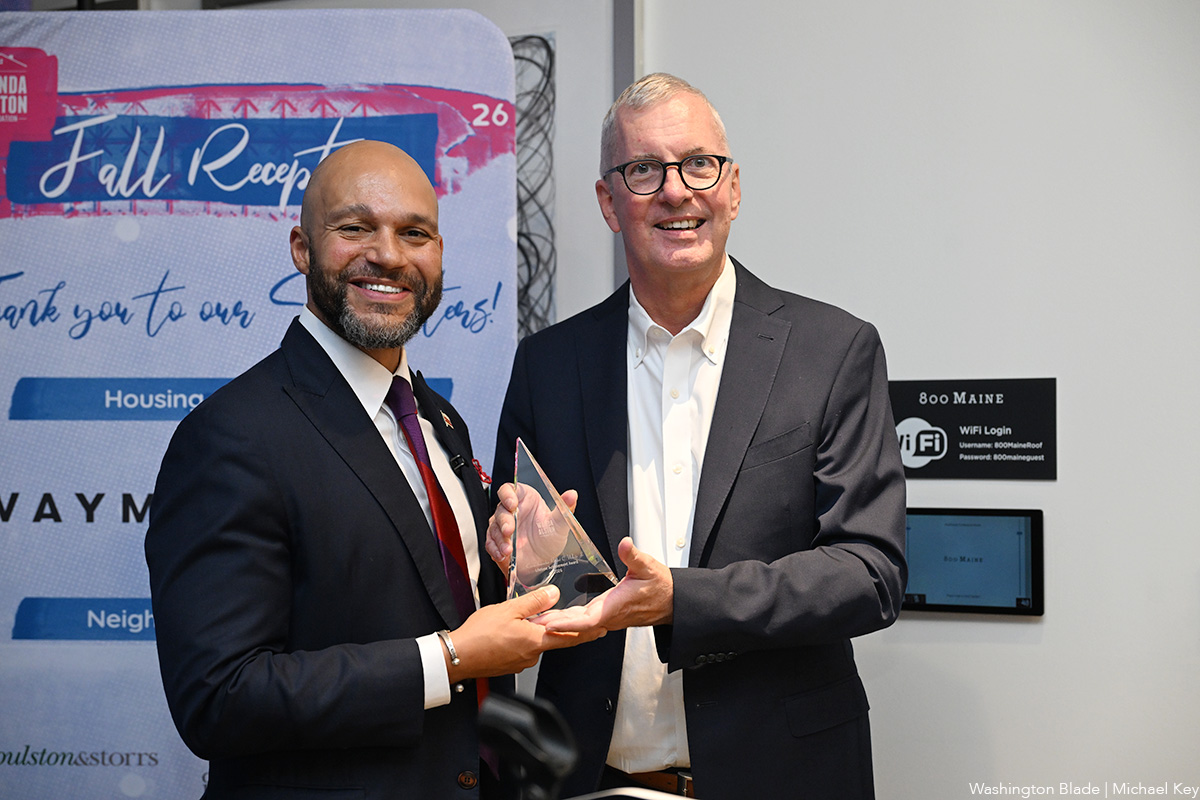
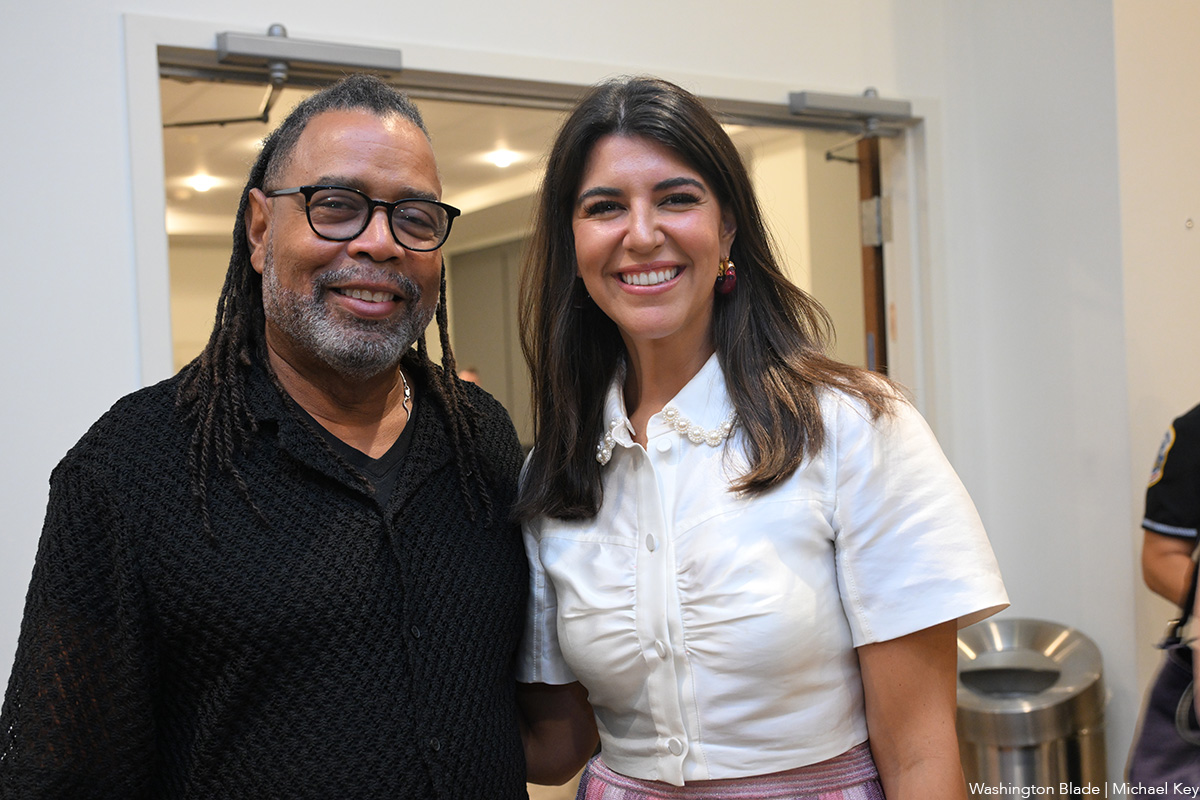
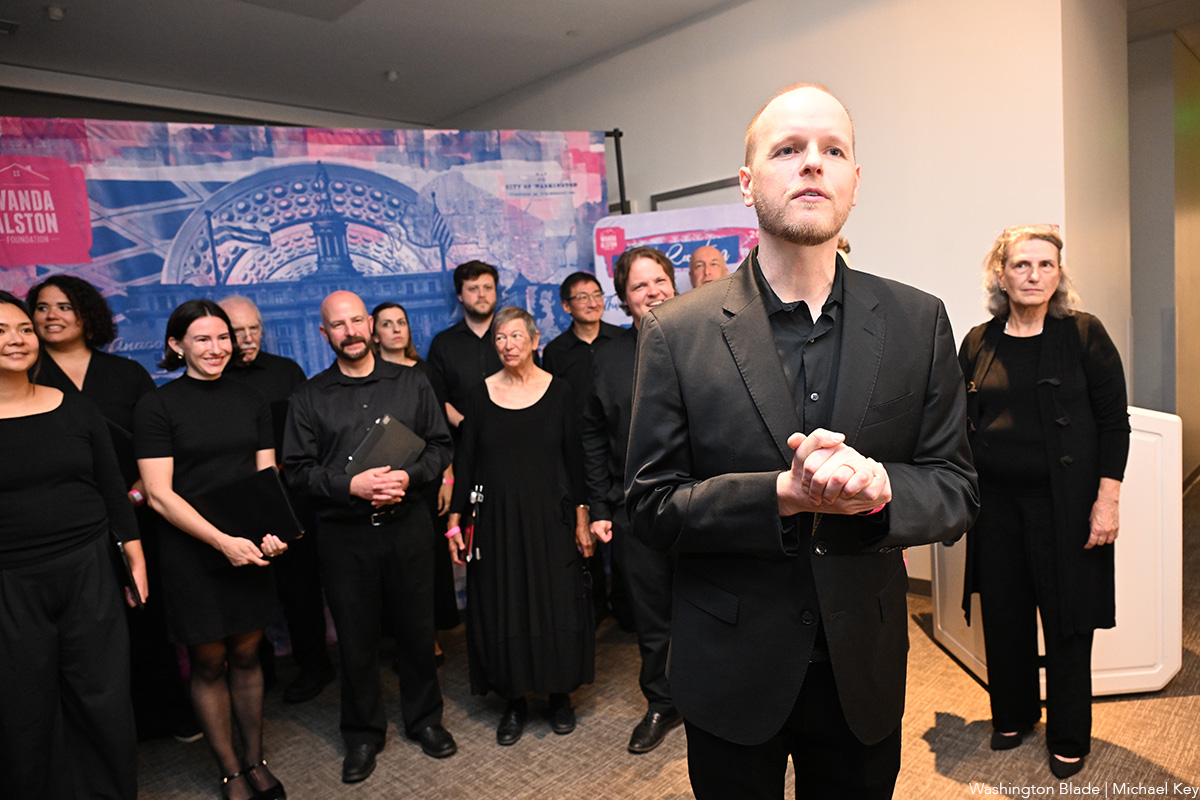
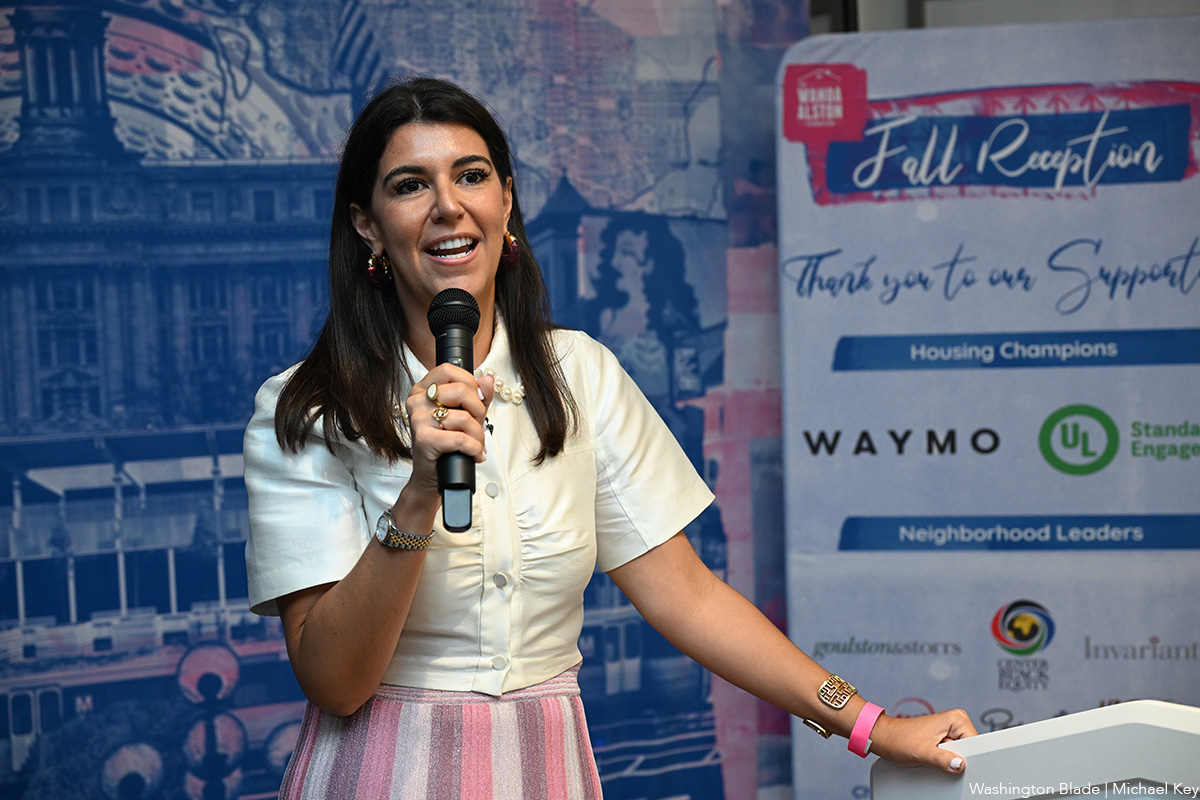
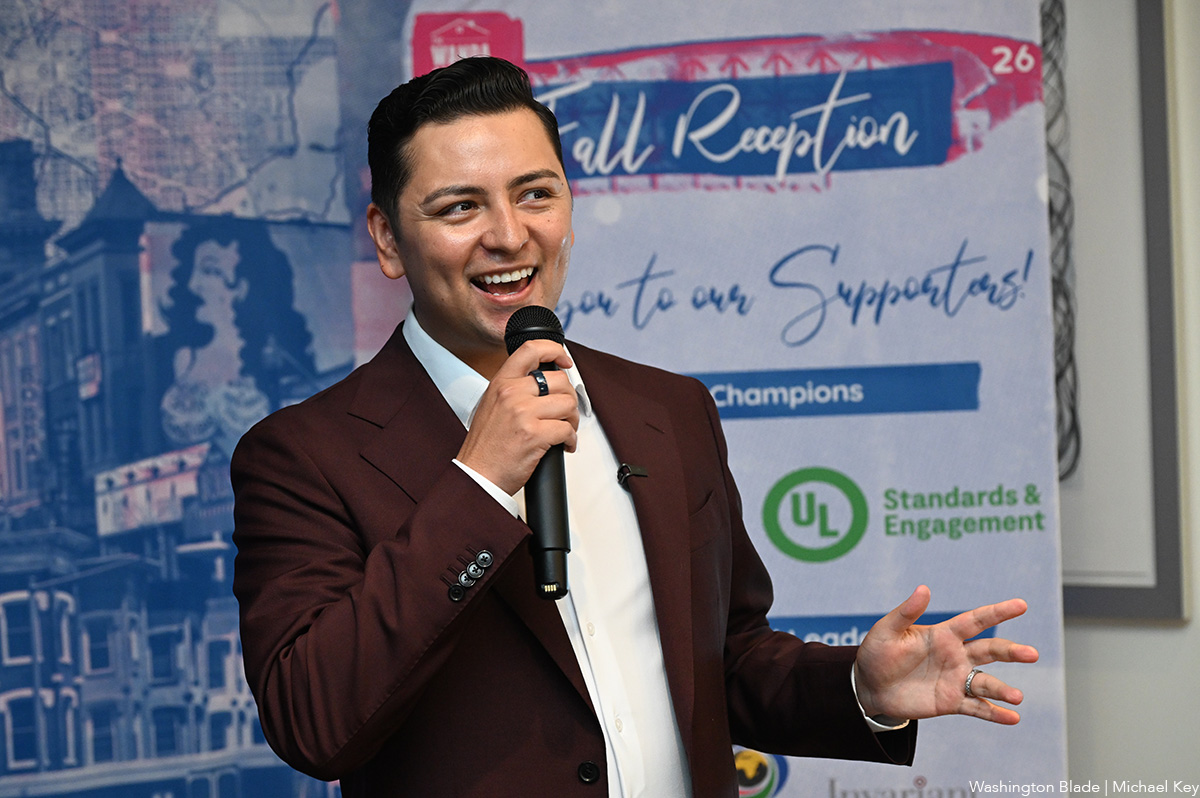
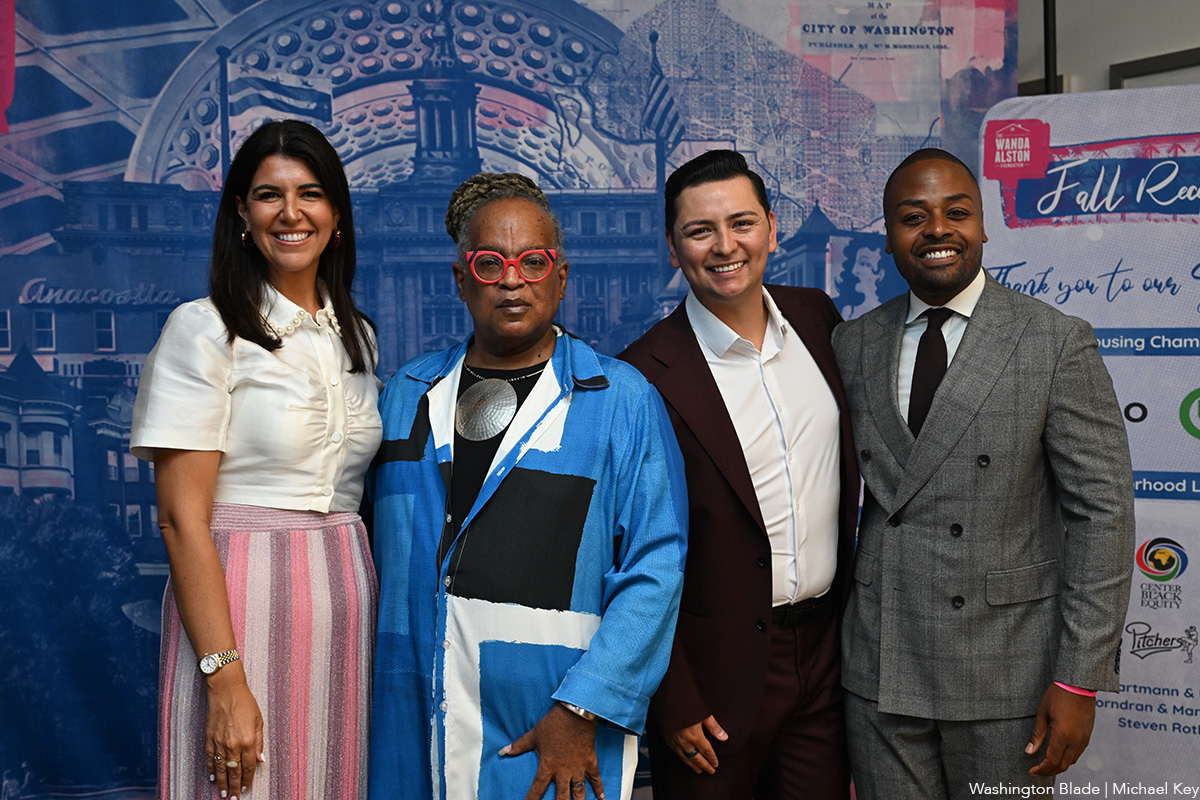
PHOTOS: Wanda Alston Foundation Fall Reception
LGBTQ youth services organization honors Robert White, Japer Bowles, Washington Capitals
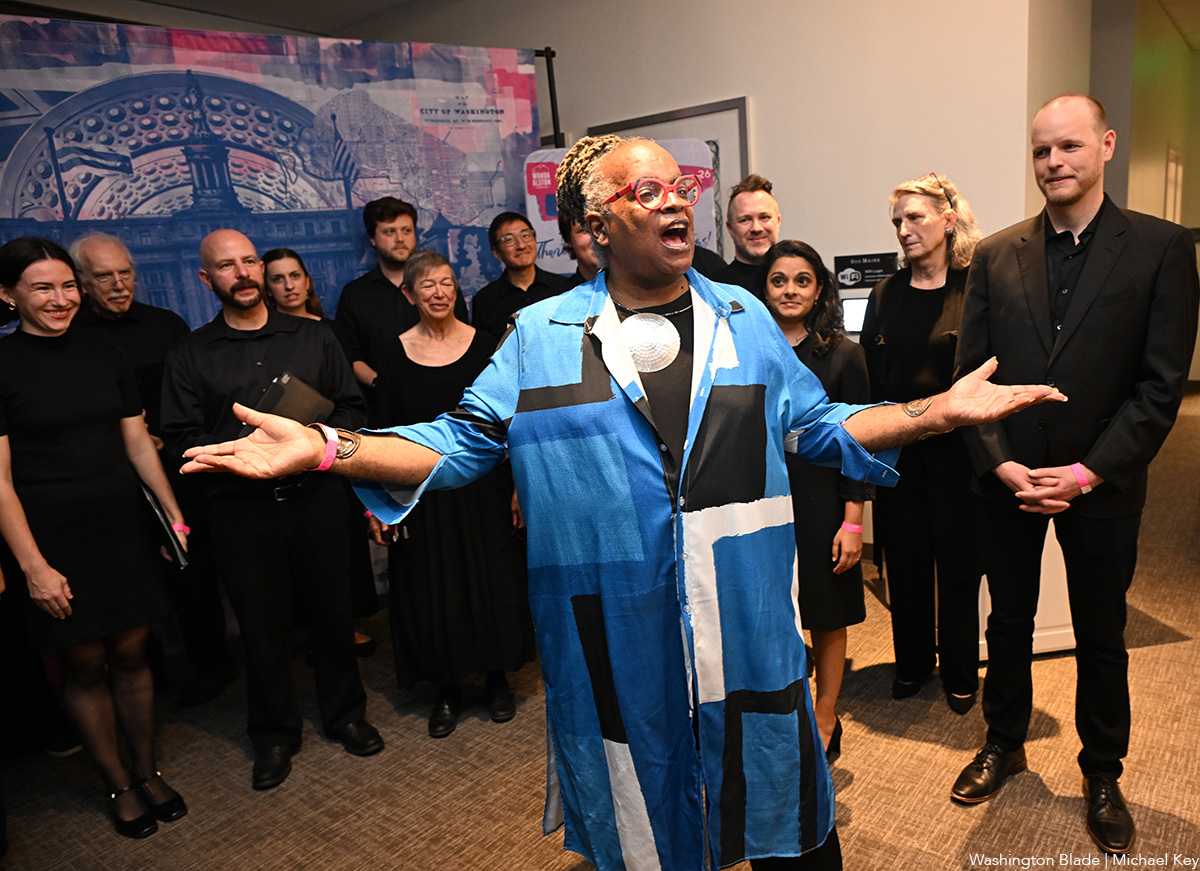
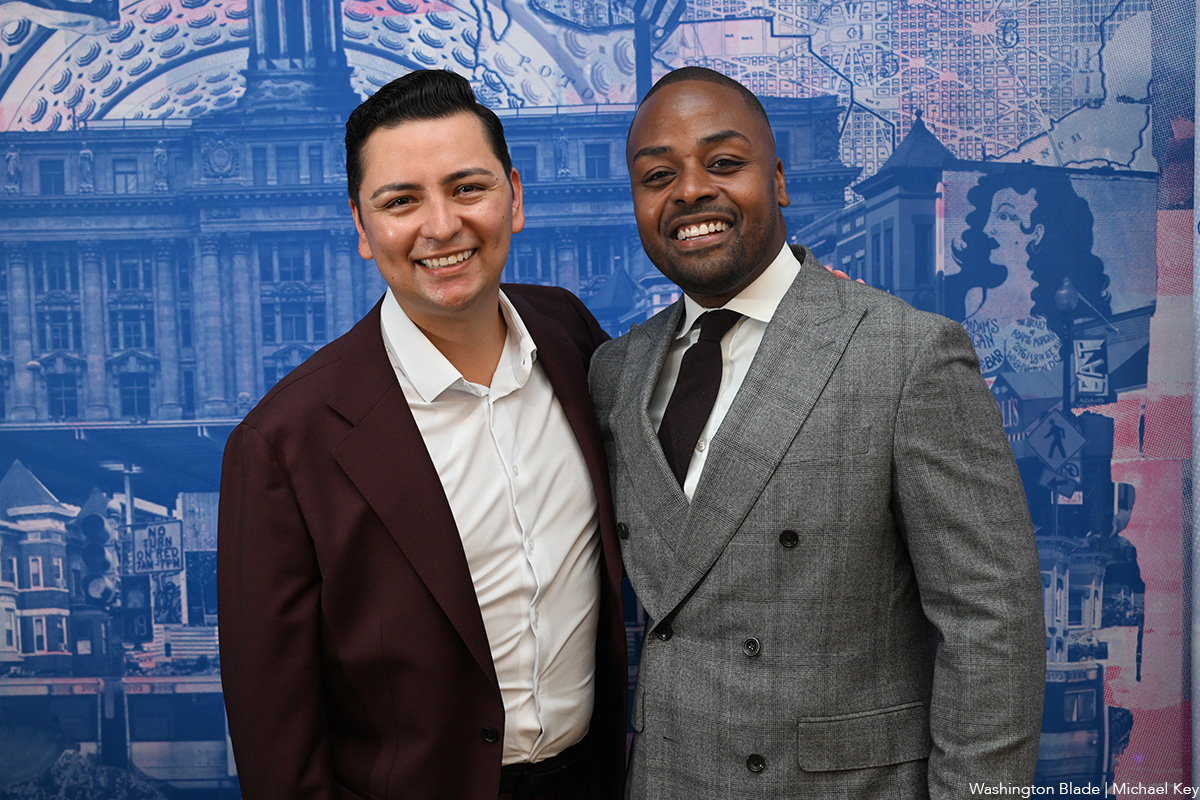
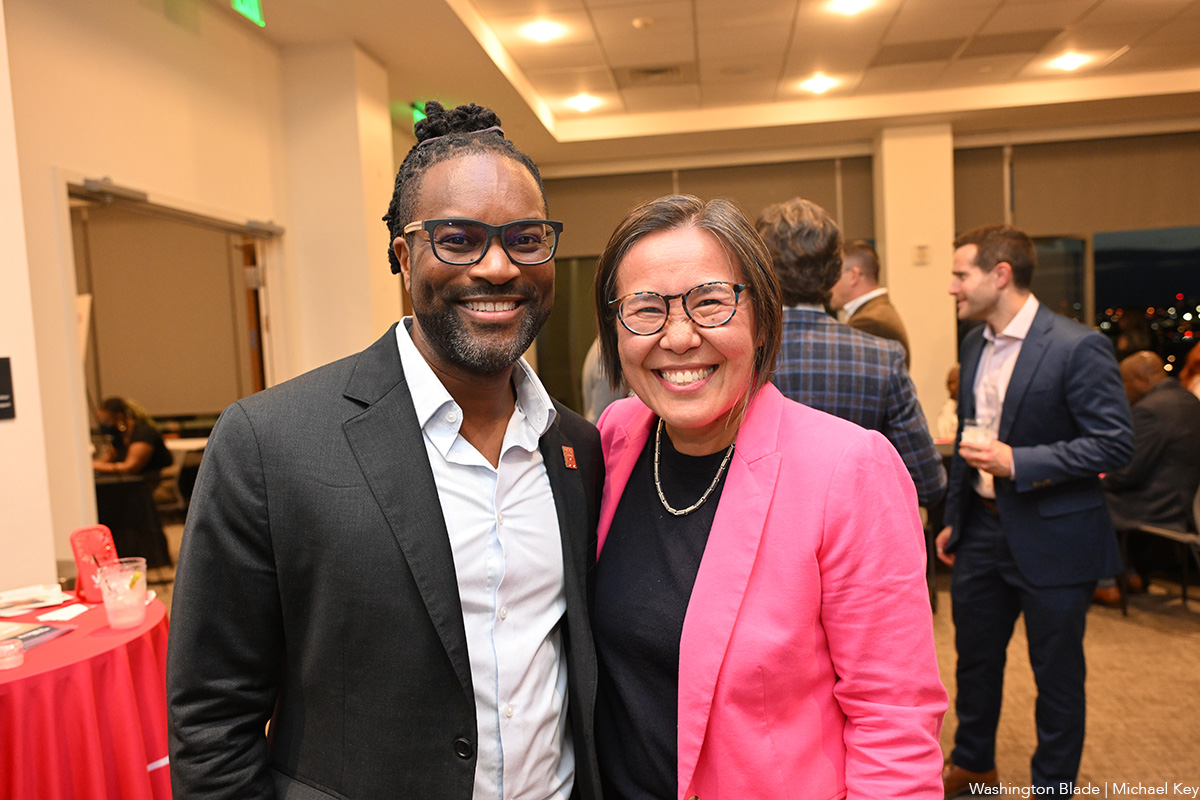
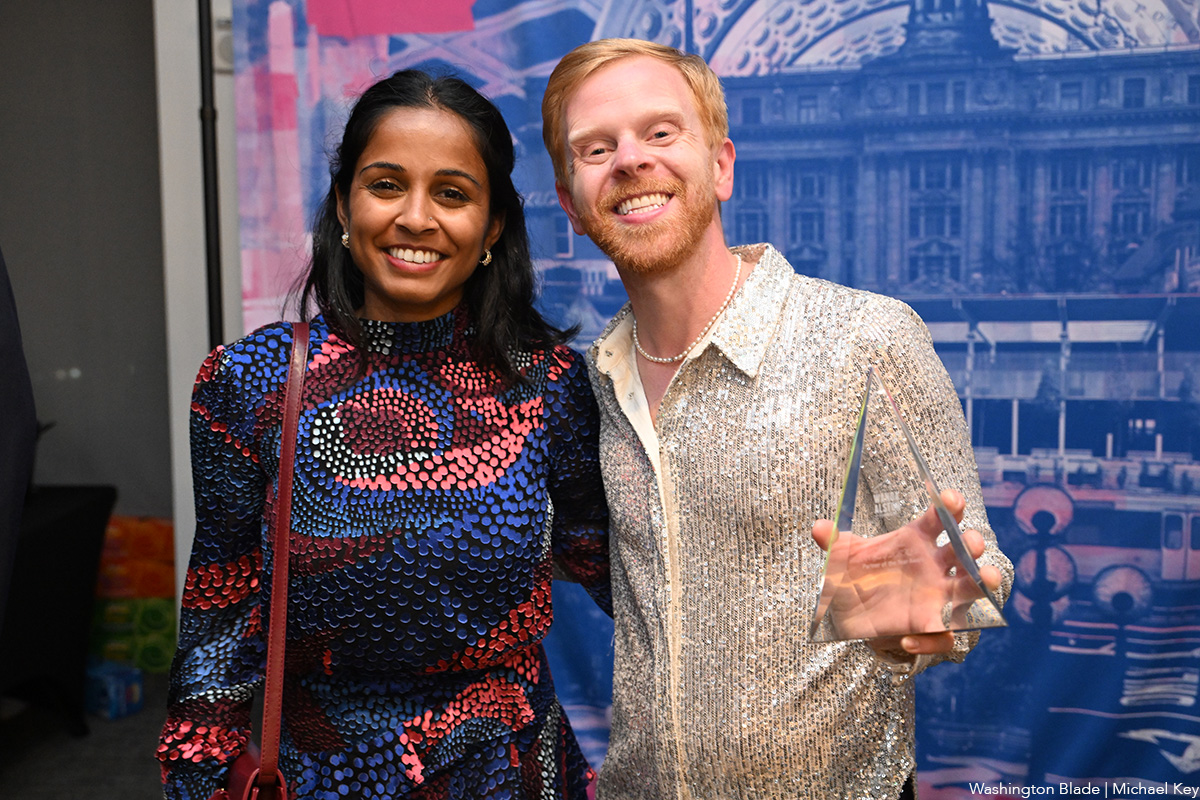
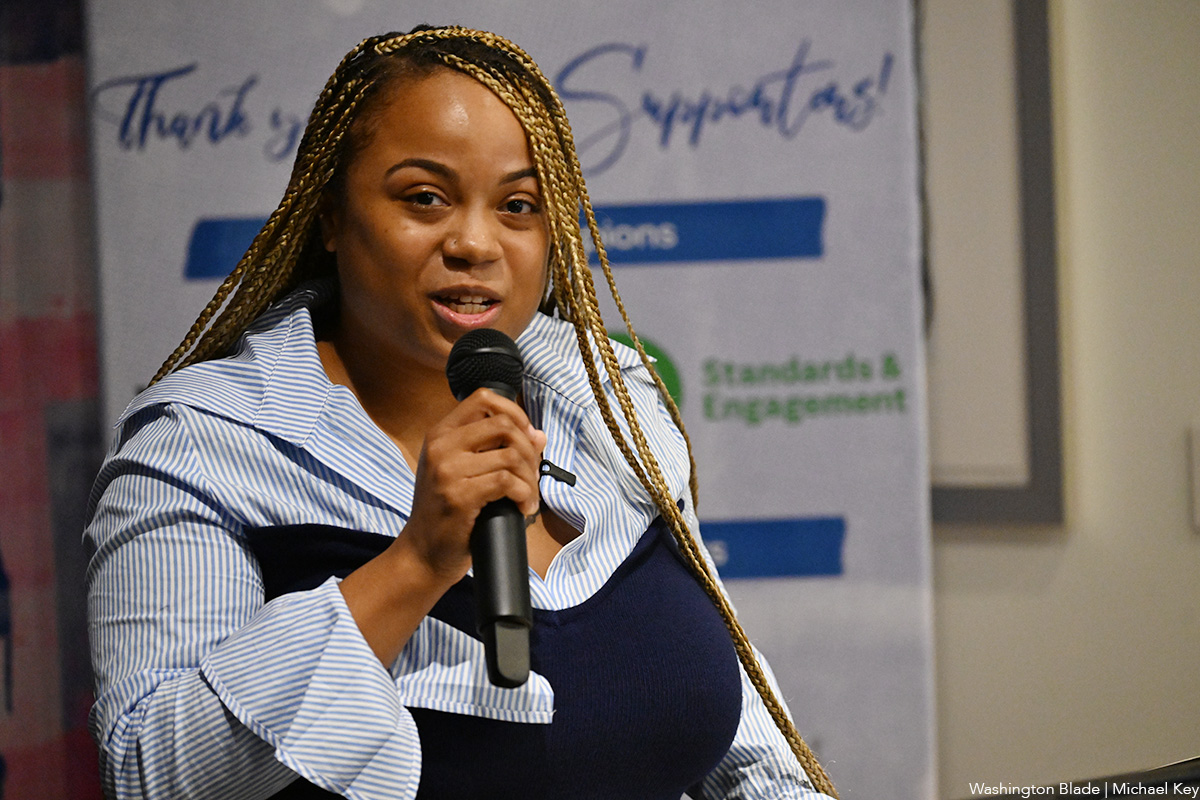
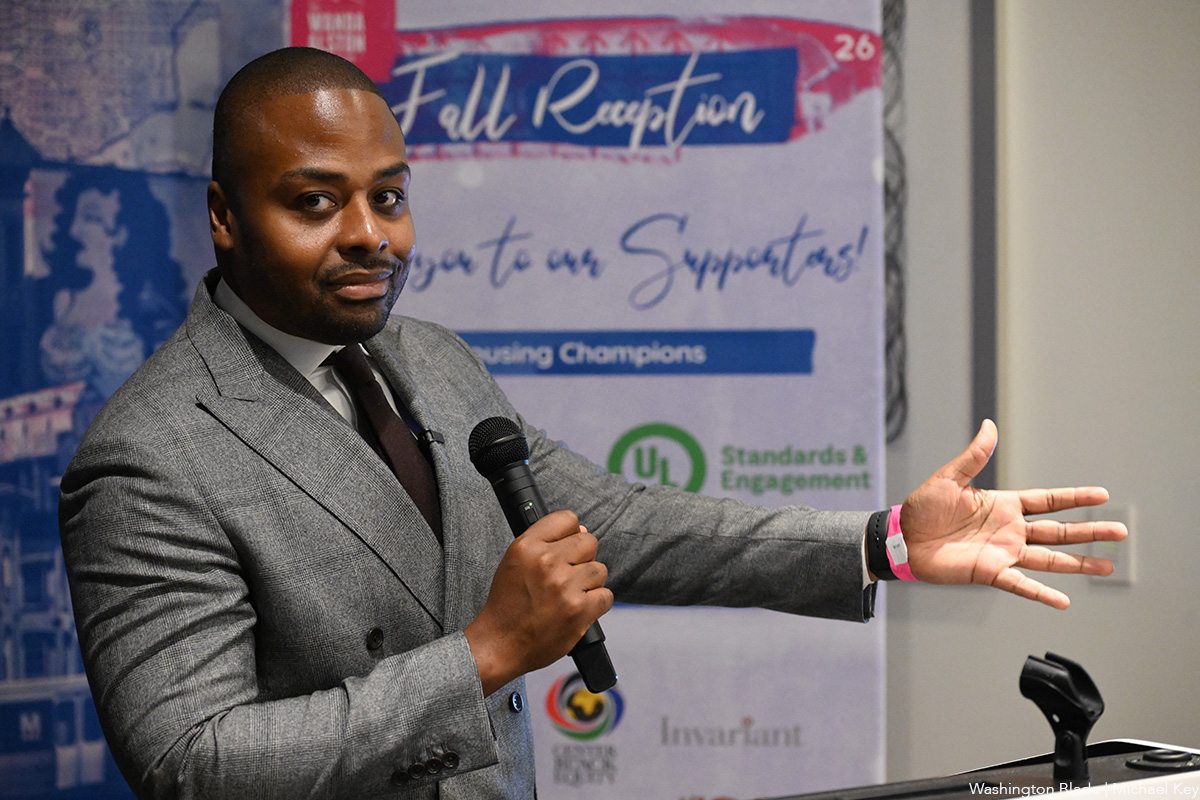
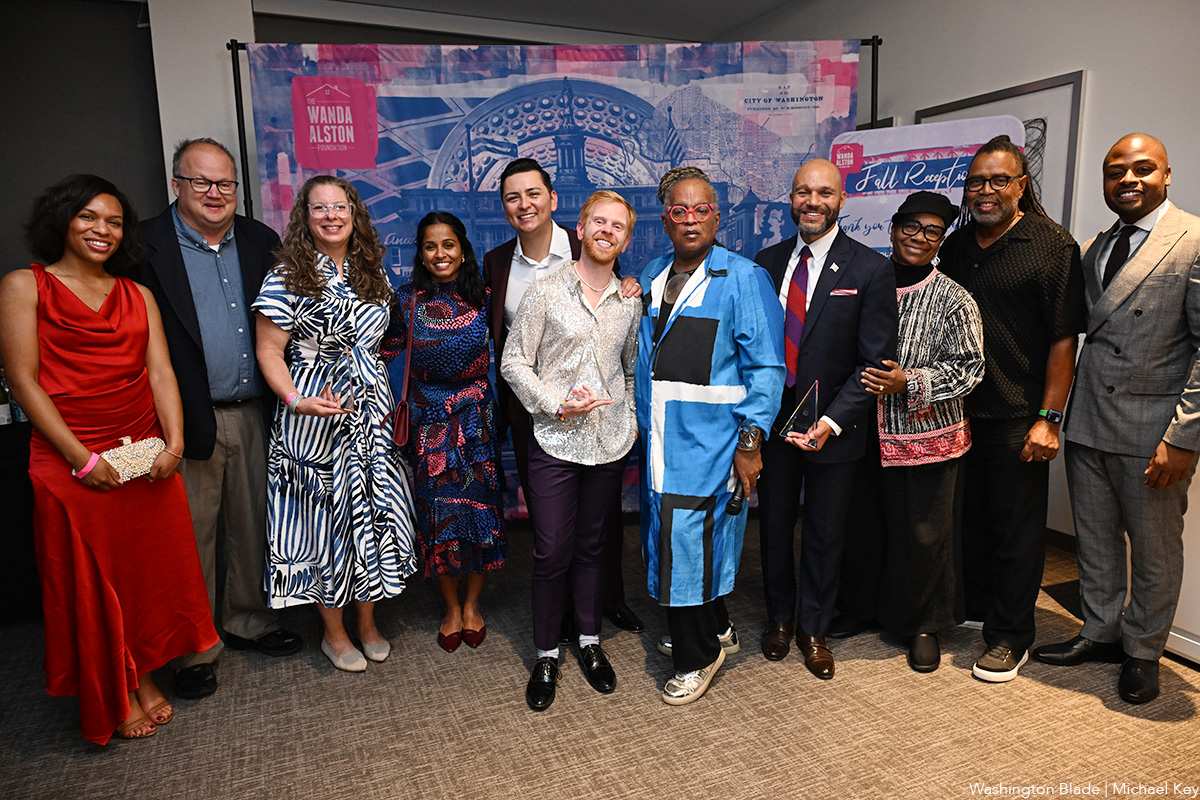
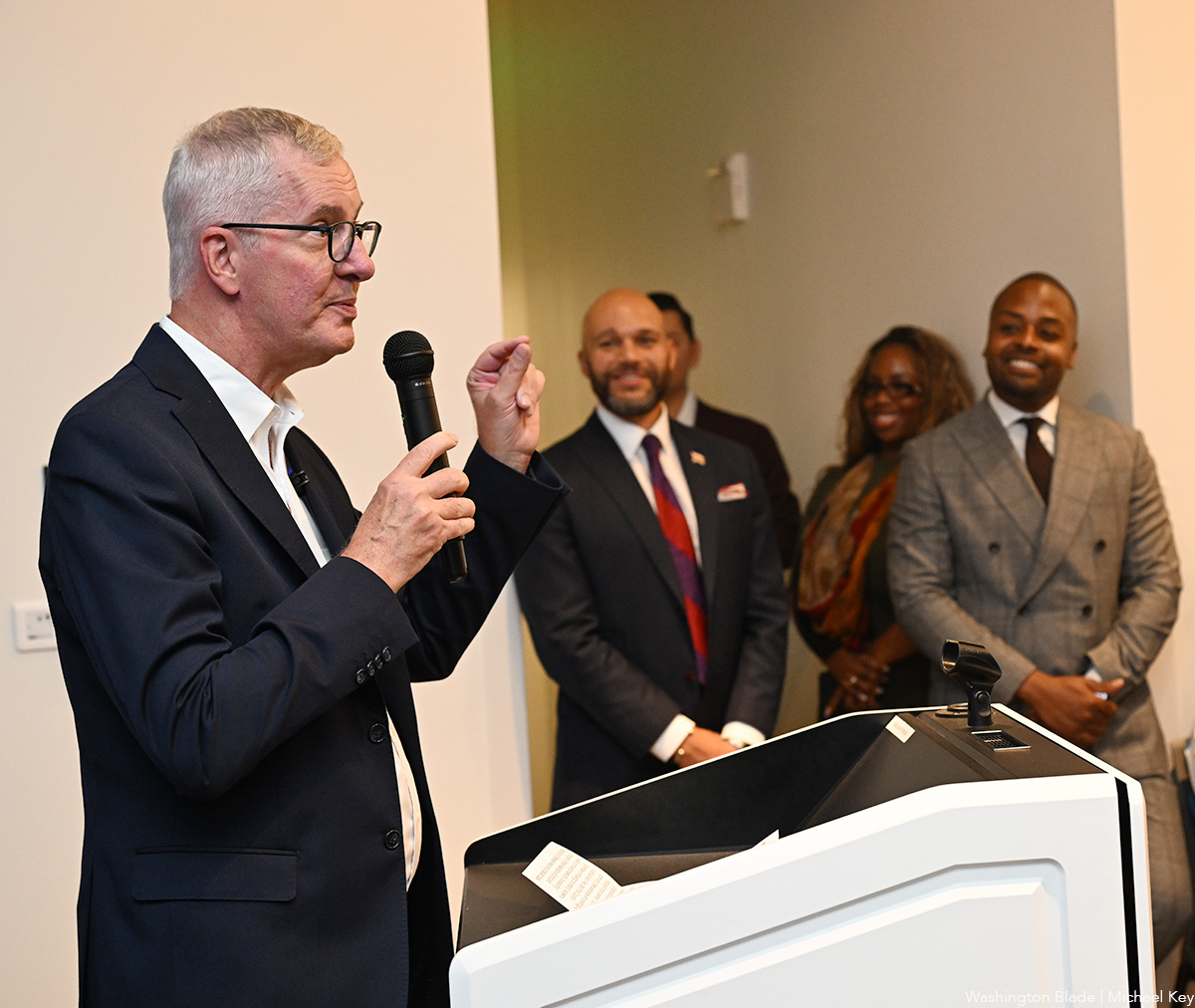
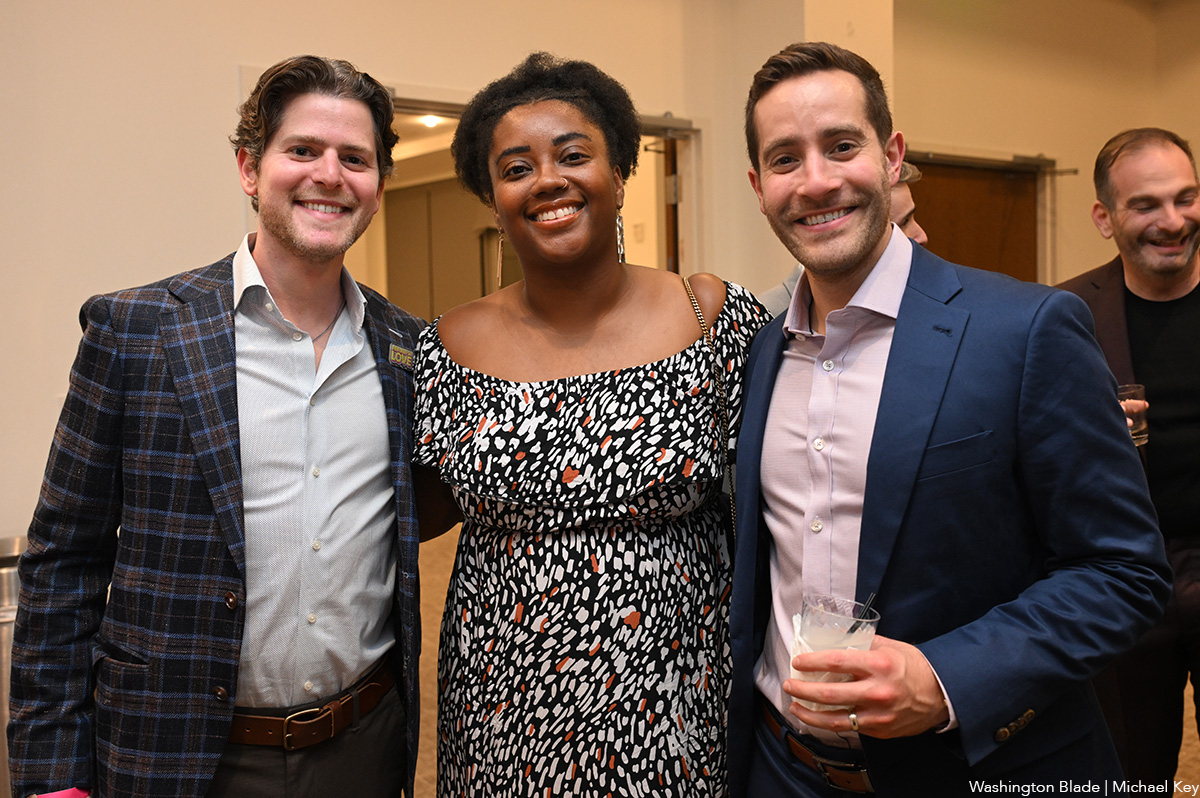
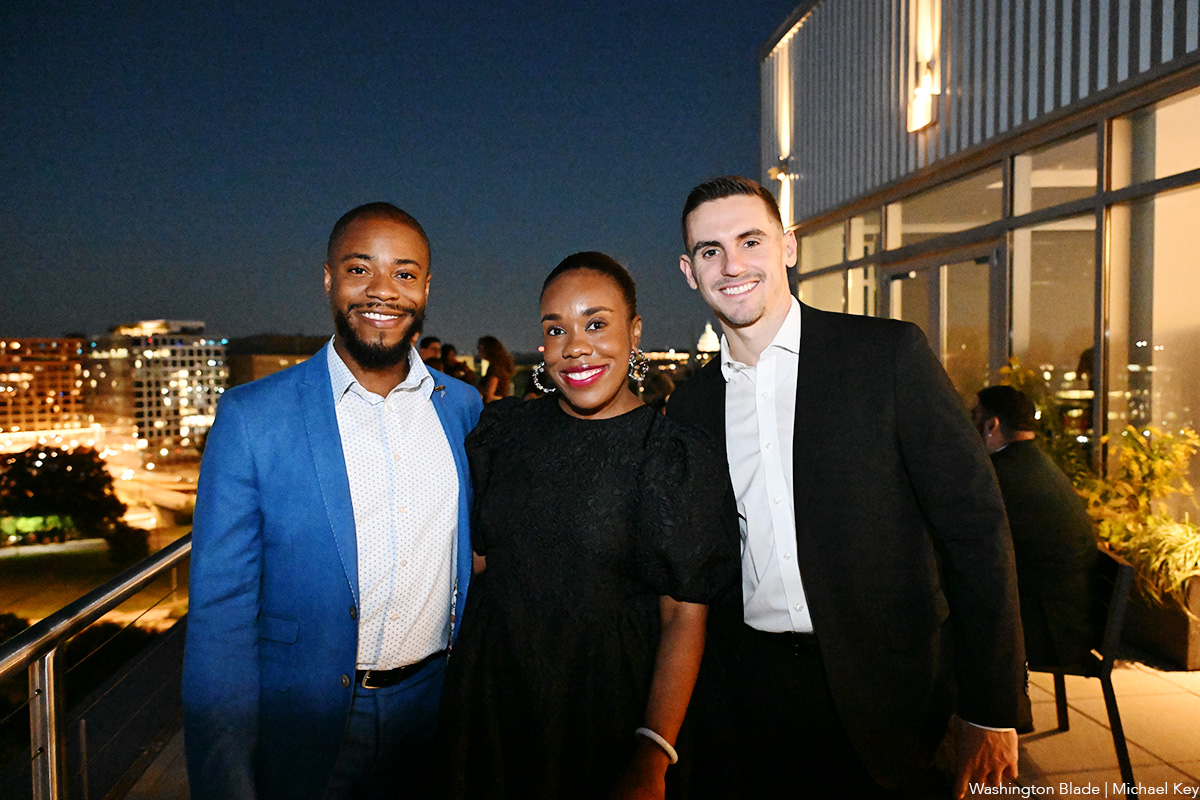
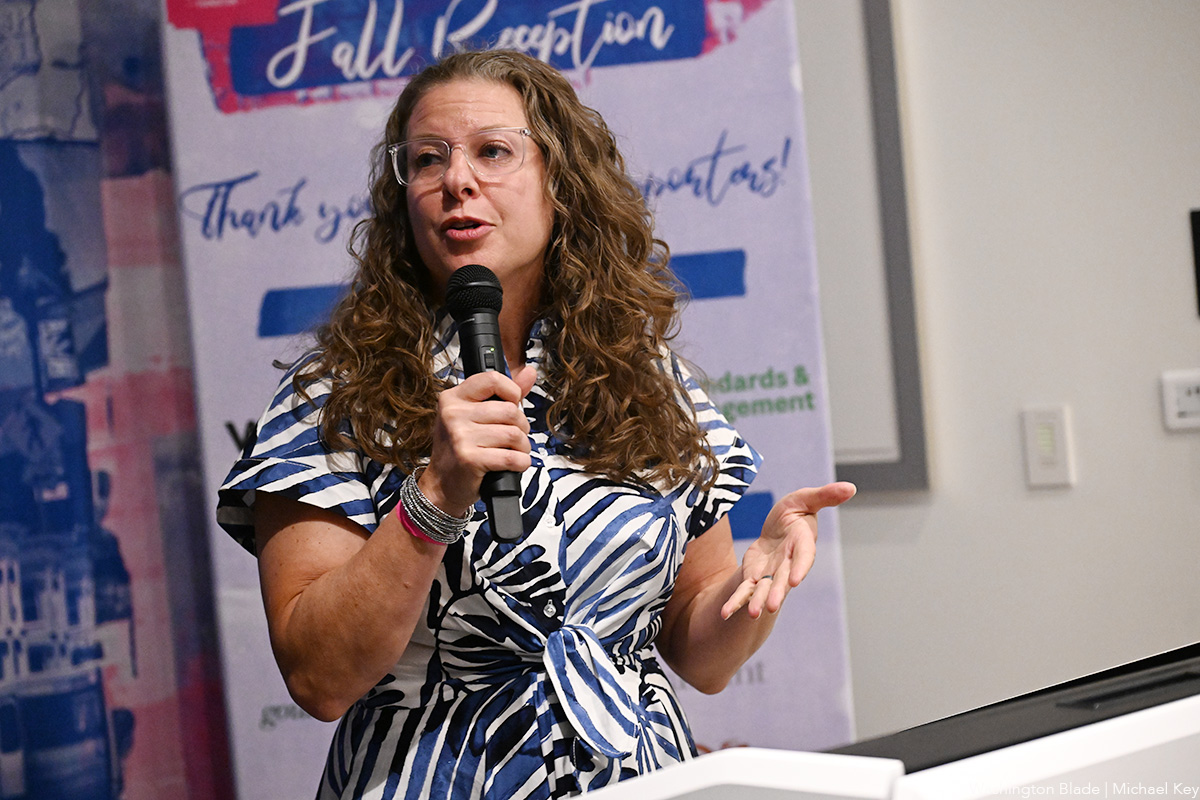
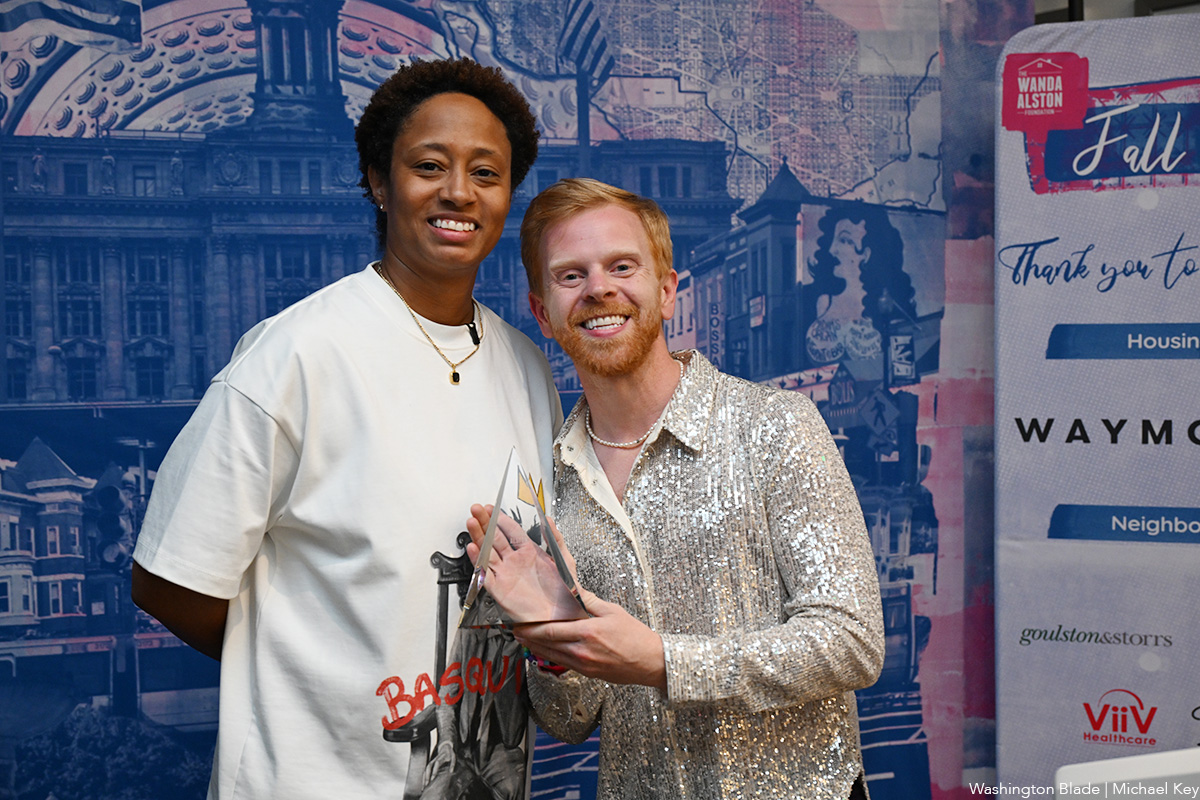
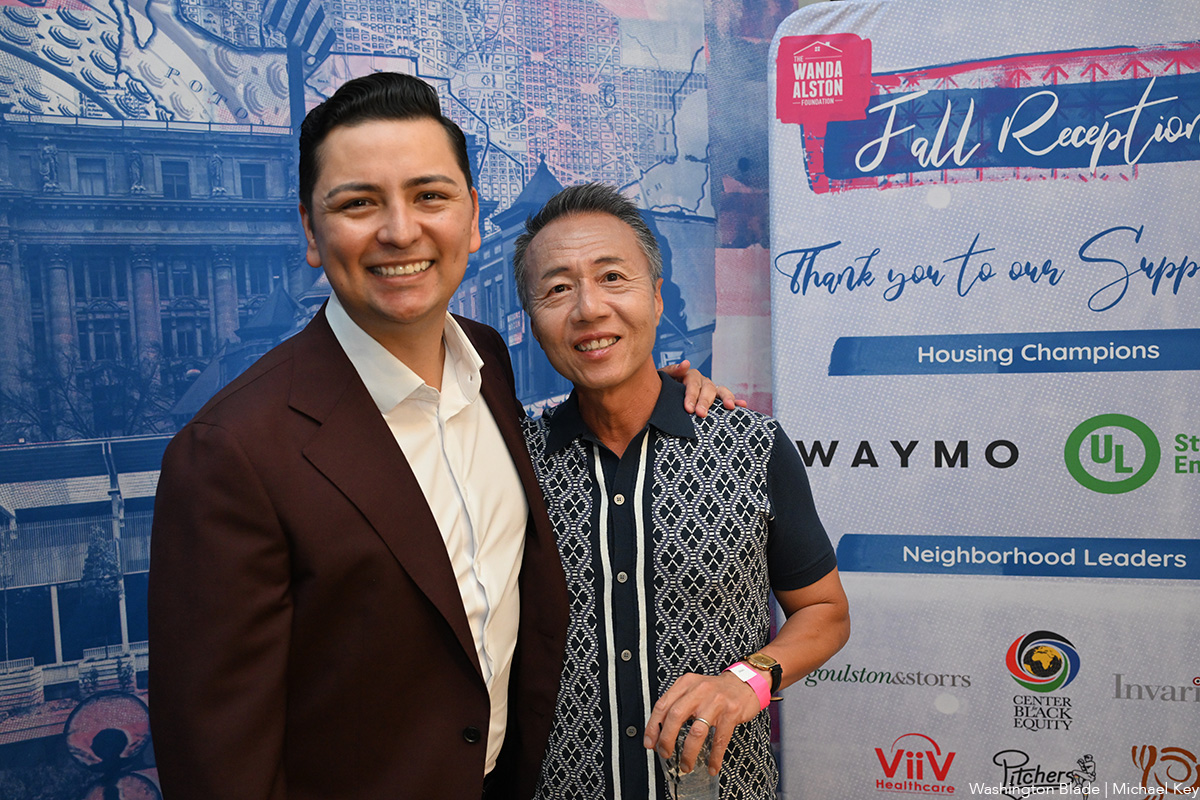
The Wanda Alston Foundation held its Fall Reception at the Penthouse Rooftop at The Wharf on Friday, Sept. 18. Honorees included D.C. Councilmember Robert White, Director of the Mayor’s Office of LGBTQ+ Affairs Japer Bowles, and the Washington Capitals. Rayceen Pendarvis served as the emcee and entertainment was provided by the Thomas Circle Singers.
(Washington Blade photos by Michael Key)

White House press pool pushes back after Trump bars three outlets

PHOTOS: Shenandoah Valley Pride

Long-time DignityUSA executive director announces retirement

PHOTOS: Walk and 5K to End HIV

PHOTOS: Wanda Alston Foundation Fall Reception

Gun reform is an LGBTQ rights issue

All the queer things to watch this fall

Parties, dinners, concerts and more on tap for fall nightlife

Jeremy Moss looks to bring LGBTQ advocacy from Lansing to Capitol Hill