Arts & Entertainment
Galleries: The art of the matter
D.C. galleries — and one in New York — have bounty of queer and D.C.-themed shows planned
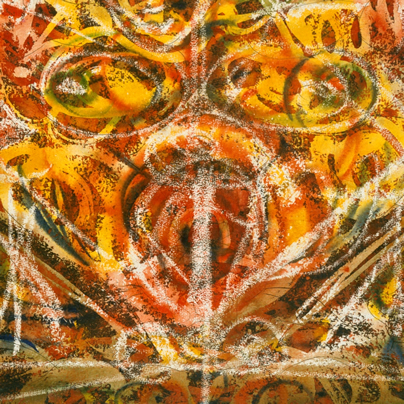
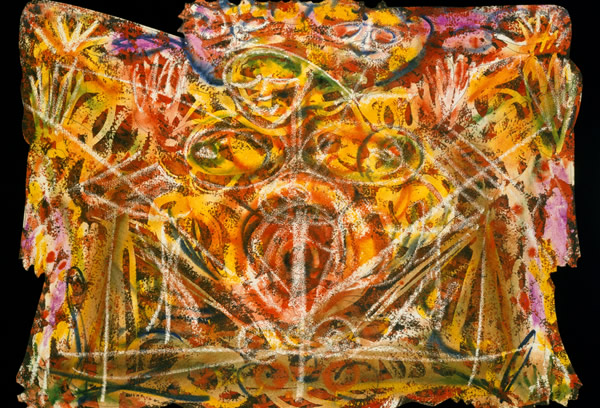
‘The Helpful Angels,’ a work by late gay artist Alfonso Ossorio on display now at the Phillips Collection. (Image courtesy Phillips)
The Phillips Collection (1600 21st St., N.W.) exhibits “Angels, Demons and Savages,” a showcase of work by Jackson Pollock, Jean Dubuffet and the openly gay Alfonso Ossorio. In their time, Ossorio was friends with both Pollock and Dubuffet, and the showcase, featuring 55 pieces by the three men, connects the three artists in a celebration of key postwar art. The exhibit is already open and runs through March 12. Admission is $12 for adults, $10 for students and seniors, and free for members and children. For more information, visit phillipscollection.org.
Yes, it’s in the Big Apple, but worth checking out if you’re up that way — the Leslie-Lohman Museum of Gay and Lesbian Art (26 Wooster St., New York) presents two simultaneous exhibitions showcasing queer history.
“Rare & Raw” combines illustrations, photographs, video and more exploring themes of queer history. The exhibit pairs works of older artists and younger counterparts to highlight how different generations address the same issues.
“Making History, Making Art: the Work of Jonathan Ned Katz” explores the artistic career of a late-emerging artist, renowned historian of queer history Jonathan Ned Katz. The exhibit shows shifting political landscapes transformed how sexual difference is represented. Both exhibits are currently running through March 31. Admission is free. For more information, visit leslielohman.org.
Hemphill’s Carroll Square Gallery (975 F Street) is featuring “Currents,” an exhibit showcasing four emerging talents in the Mid-Atlantic region. One artist in the group, openly gay Mexican-American René Treviño, attempts to retell history from an underrepresented perspective. His work challenges social norms and explores his need to find his place in the world. The exhibit runs until April 25. Admission is free.
For more information, visit hemphillfinearts.com
Touchstone Gallery (901 New York Ave., N.W.) has two exhibitions running through the month of March.
“Icons” by Steve Alderton features paintings influenced by the styles of Byzantine icons. He focuses on seemingly insignificant traits, such as an eye’s focus or the slight hint of a smile, to subtly hint at a subject’s complex persona.
“It’s Greek to Me” is a modern reinterpretation of Greek mythology. Narcissus, clad only in white briefs, ogles his reflection in a chrome toaster in his kitchen. Europa is a cowgirl at a rodeo. Prometheus sports a farmer tan. The artist, Timothy Johnson, will complete the collection with one final piece he will paint in person on Saturdays and Sundays throughout March.
For more information on these exhibits, visit touchstonegallery.com.
Corcoran Gallery of Art (500 17th St., N.W.) is featuring several exhibitions over the next few months.
On display until April 21 is “Shooting Stars: Publicity Stills from Early Hollywood and Portraits by Andy Warhol.” It features promotional photos of early Hollywood stars, such as Rudolph Valentino and Mary Pickford, alongside Warhol’s photos of figures such as Sen. Ted Kennedy and his Factory “superstars,” like Jackie Curtis.
“Pump Me Up: D.C. Subculture of the 1980s” explores the D.C. underground of the ‘80s, focusing on graffiti, go-go music and the punk and hardcore scenes. Some items showcased include day-glo concert posters, stage clothes, newspaper clippings, video loops, and more. The exhibition runs through April 7.
“How Is the World? Recent Acquisitions of Contemporary Photography” brings together work by several photographers, each with wide-ranging issues of the world addressed in their art. It runs from March 9-May 26.
“David Levinthal: War Games” features photographs of staged tableaux depicting war using toys. Some scenes depicted include images of the American Indian Wars, World War II, and contemporary wars in Iraq and Afghanistan. The exhibition runs from May 11-Sept 1.
Admission is $10 for adults, $8 for seniors and students, and free for children 12 and younger. For more information on these exhibitions, visit corcoran.org.
Zenith Gallery is celebrating its 35th year with several exhibits.
“Is that President Obama at the Washington D.C. Economic Partnership?” is an inauguration art show ending Monday (act fast!). The exhibit features local artists celebrating the uniqueness of Washington, including iconic symbols and architecture of the city. It is held at 1495 S St., N.W.
“The Best of All Worlds … Traditional and Modern Art” showcases paintings and sculptures that embrace the beauty of the D.C. region with depictions of natural and man-made creations. The exhibit is being held at 1111 Pennsylvania Ave., N.W. until April 27.
“Trees-The World’s Greatest Cooperators” highlights the crucial relationship between humans and trees. The pieces celebrate one of the most enduring resources on earth and respect the majesty of trees around the world and in D.C., including the Cherry Blossoms. The exhibit runs from March 17-June 1 at 1429 Iris St., N.W.
For more information, visit zenithgallery.com.
Studio Gallery (2108 R St., N.W.) presents two exhibits: a solo show with Angelika Wamsler’s “soulprint” and a duo show with “Hanna’s Table” by Chris Chernow and “Found Art” by Amy B. Davis. Both exhibitions run until March 23.
For more information, visit studiogallerydc.com.


Photos
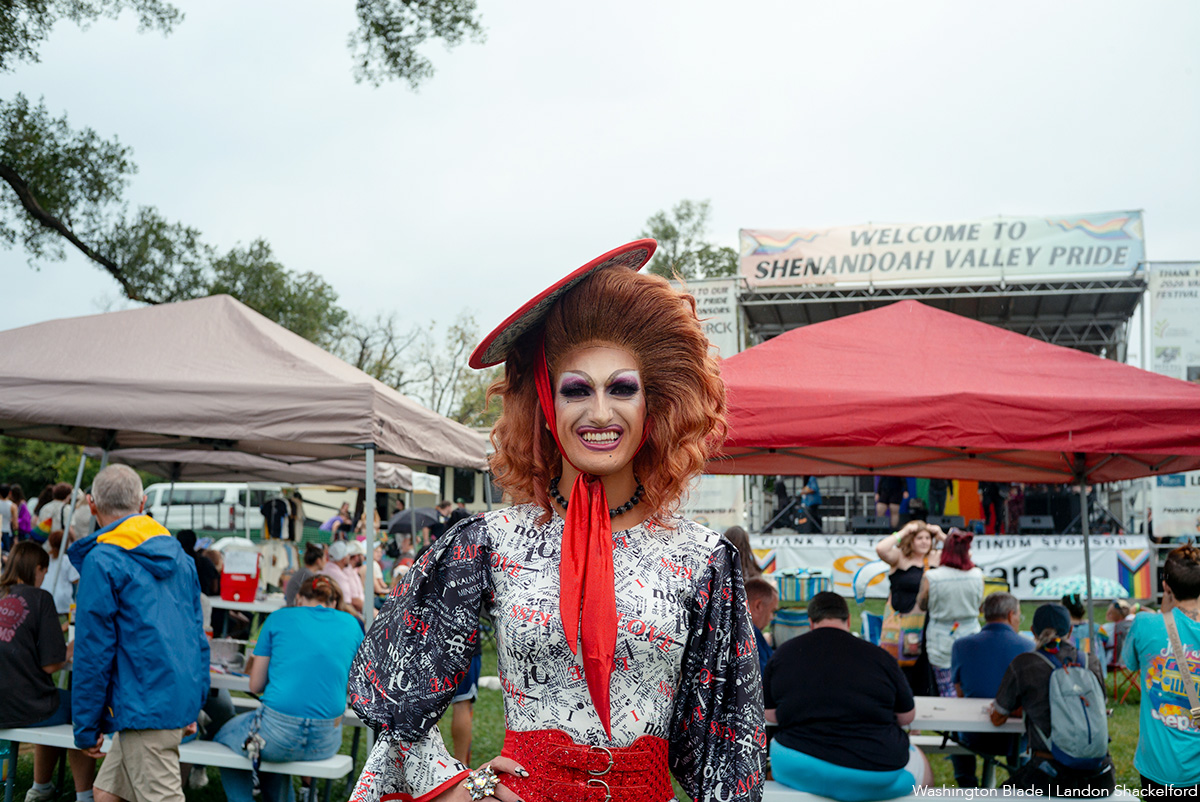
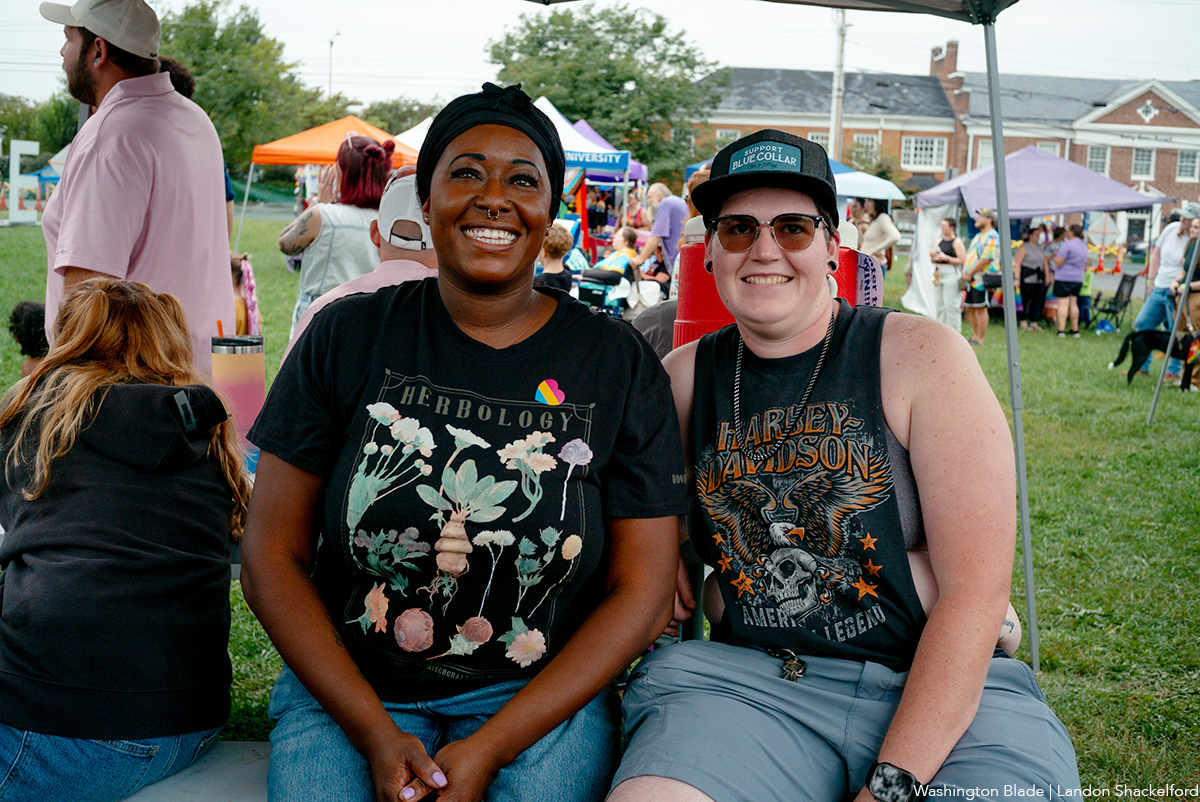
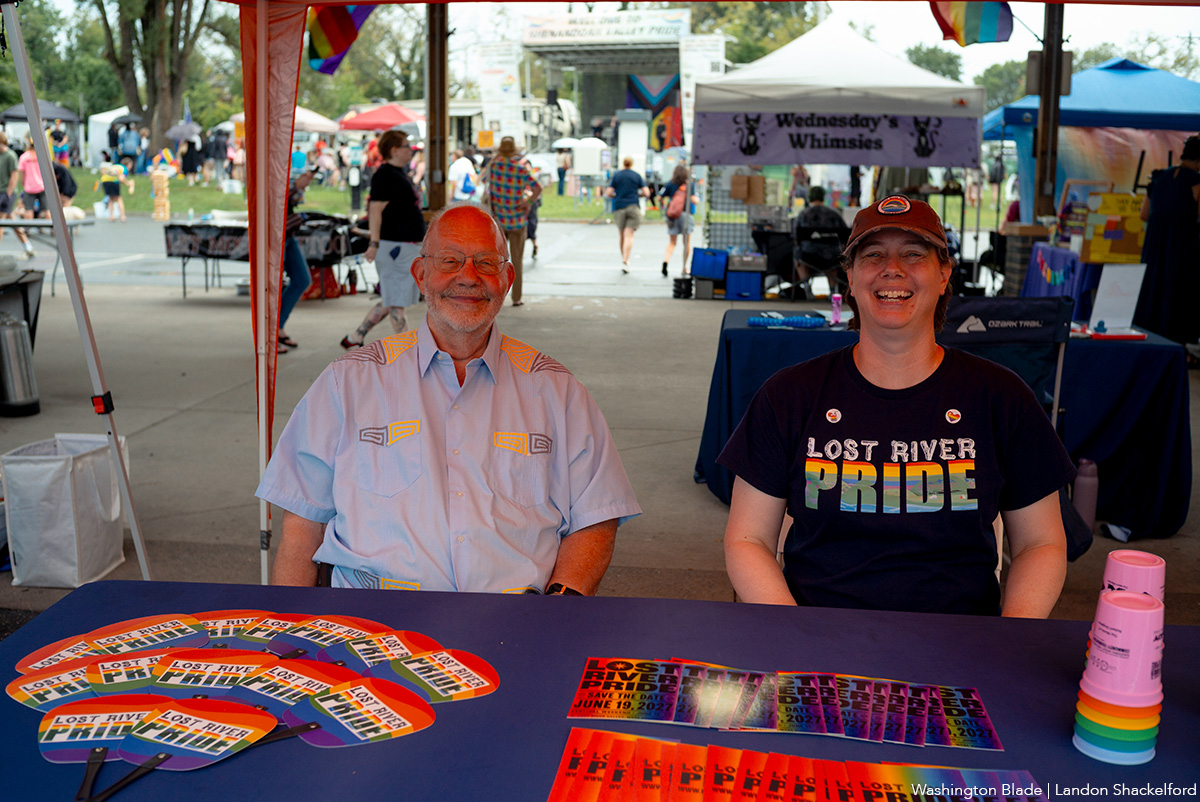
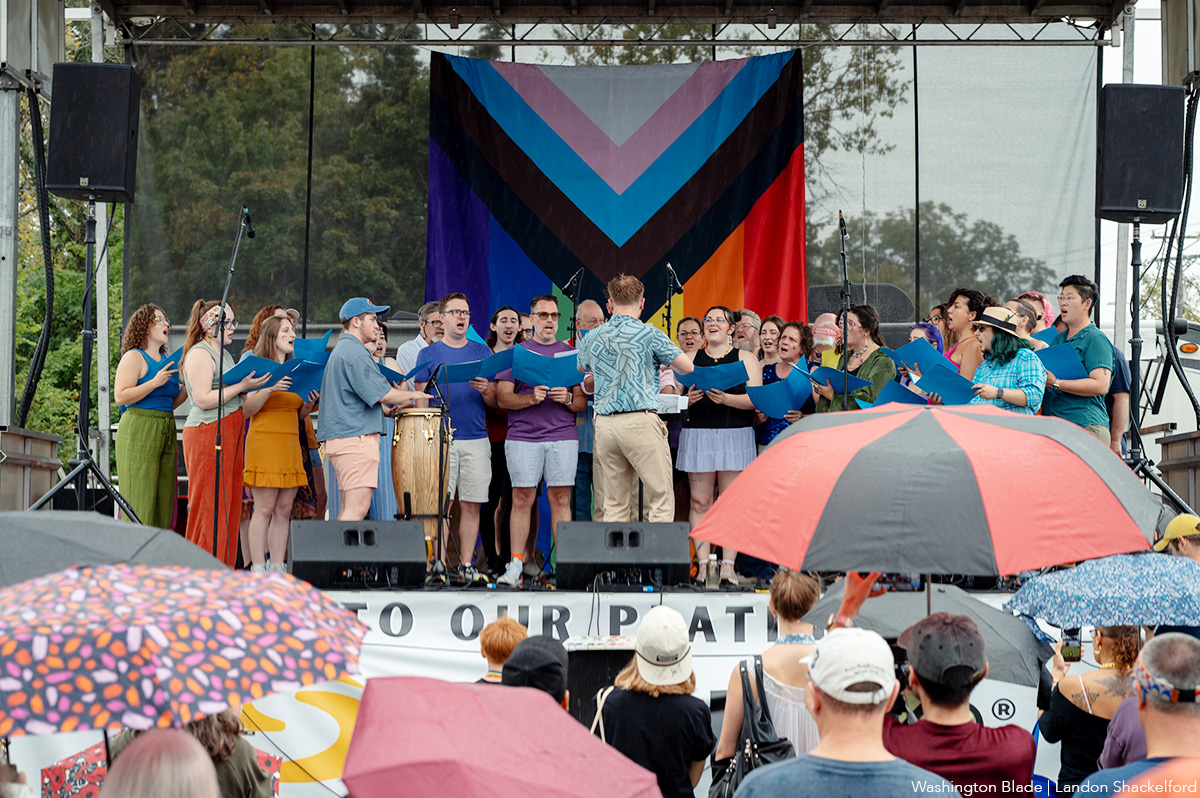
PHOTOS: Shenandoah Valley Pride
LGBTQ celebration held at Turner Pavilion in Harrisonburg, Va.
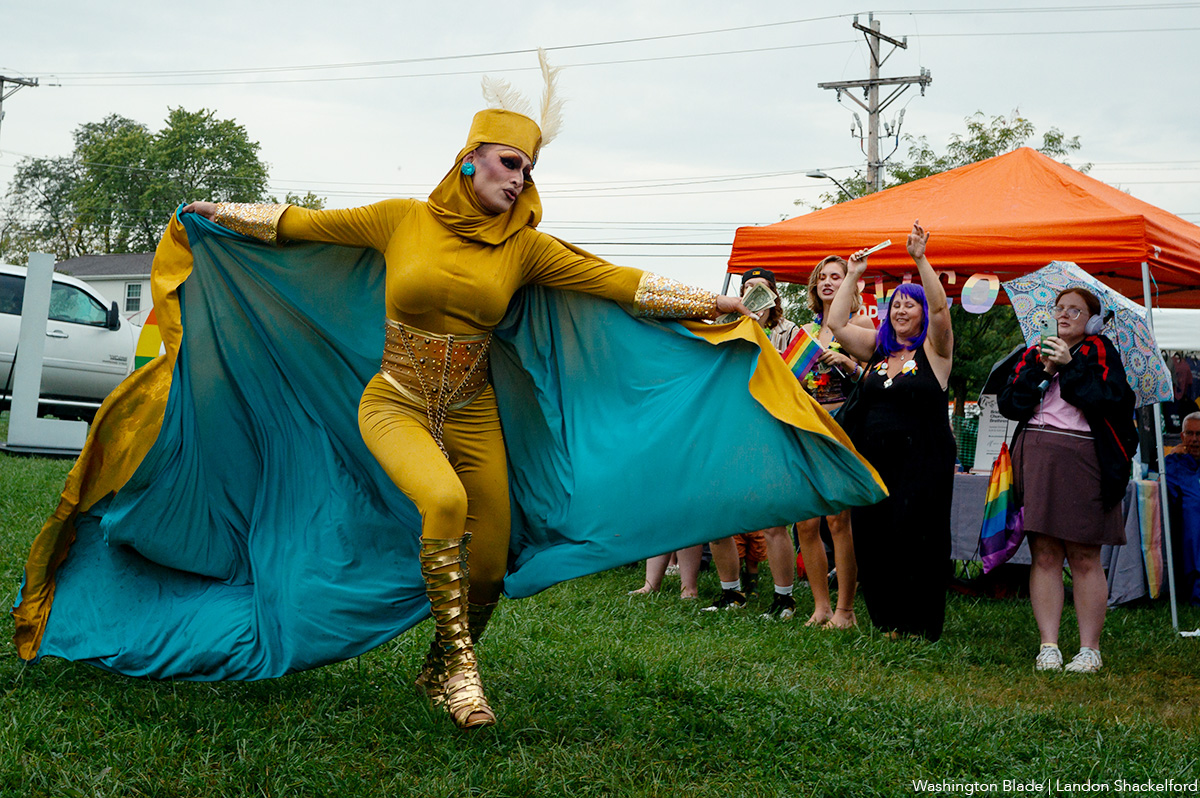
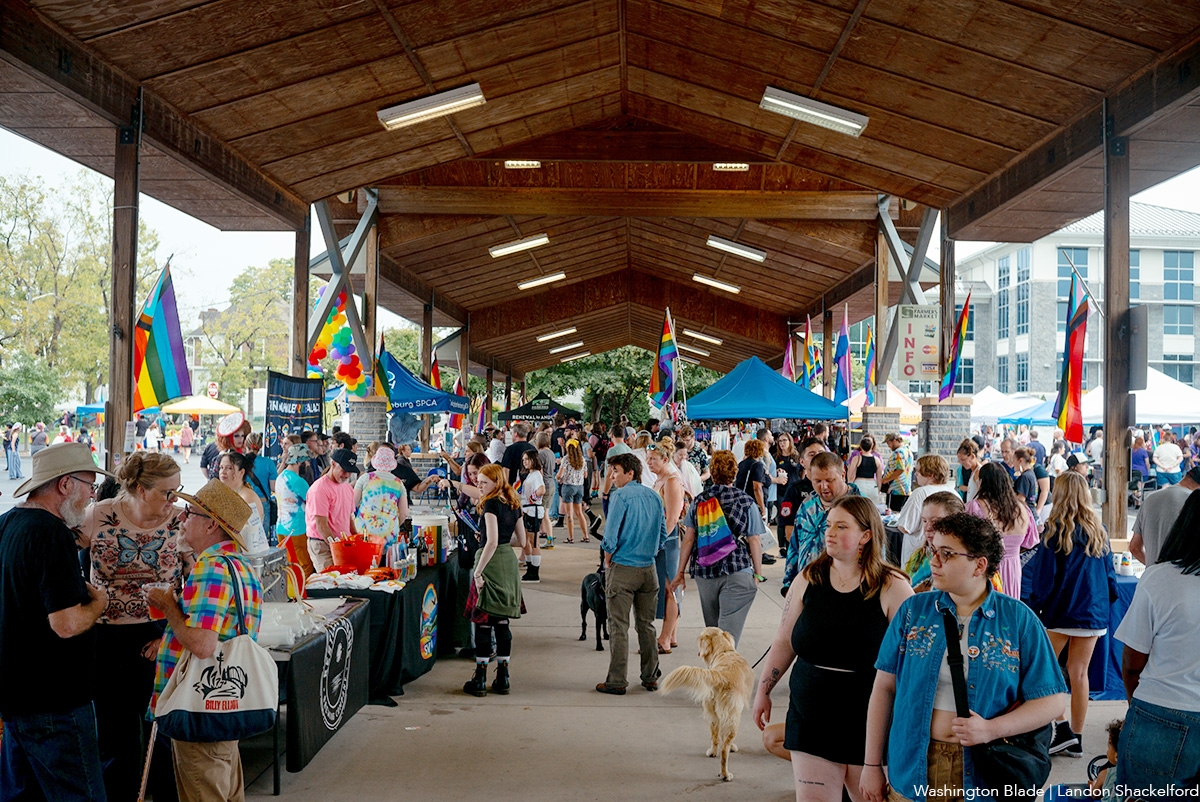
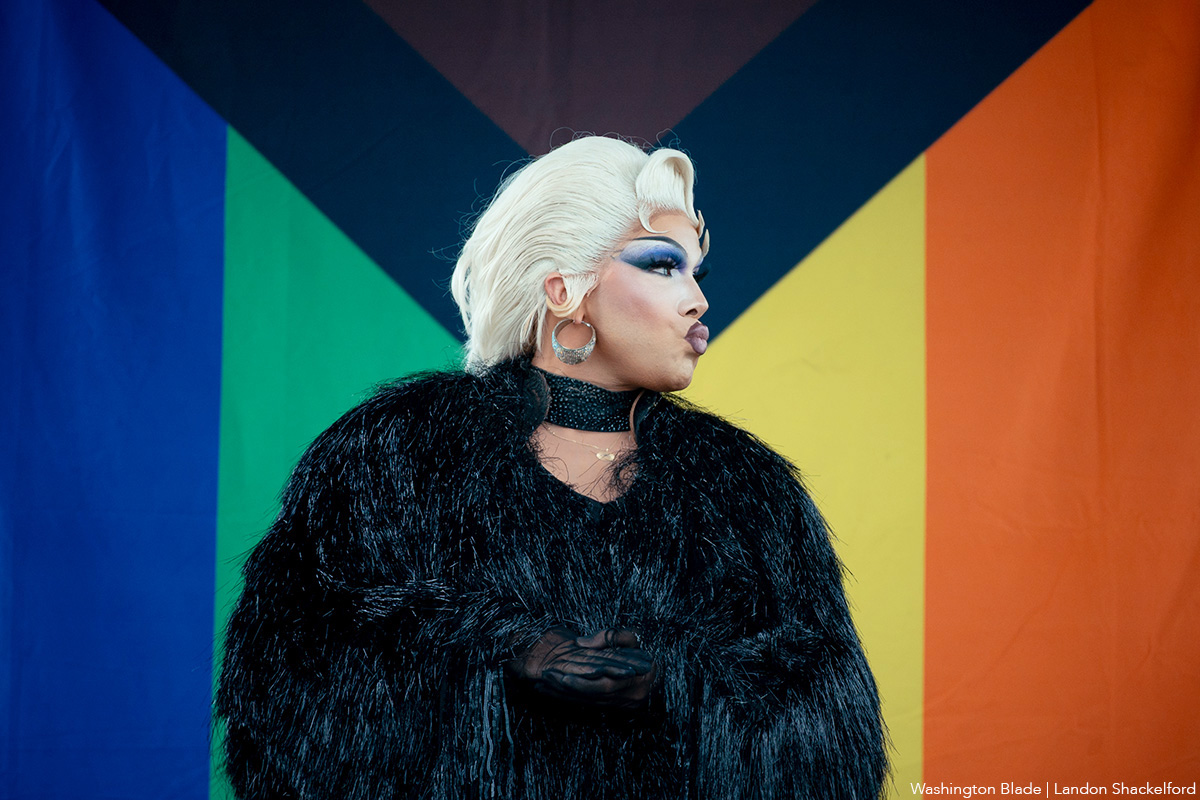
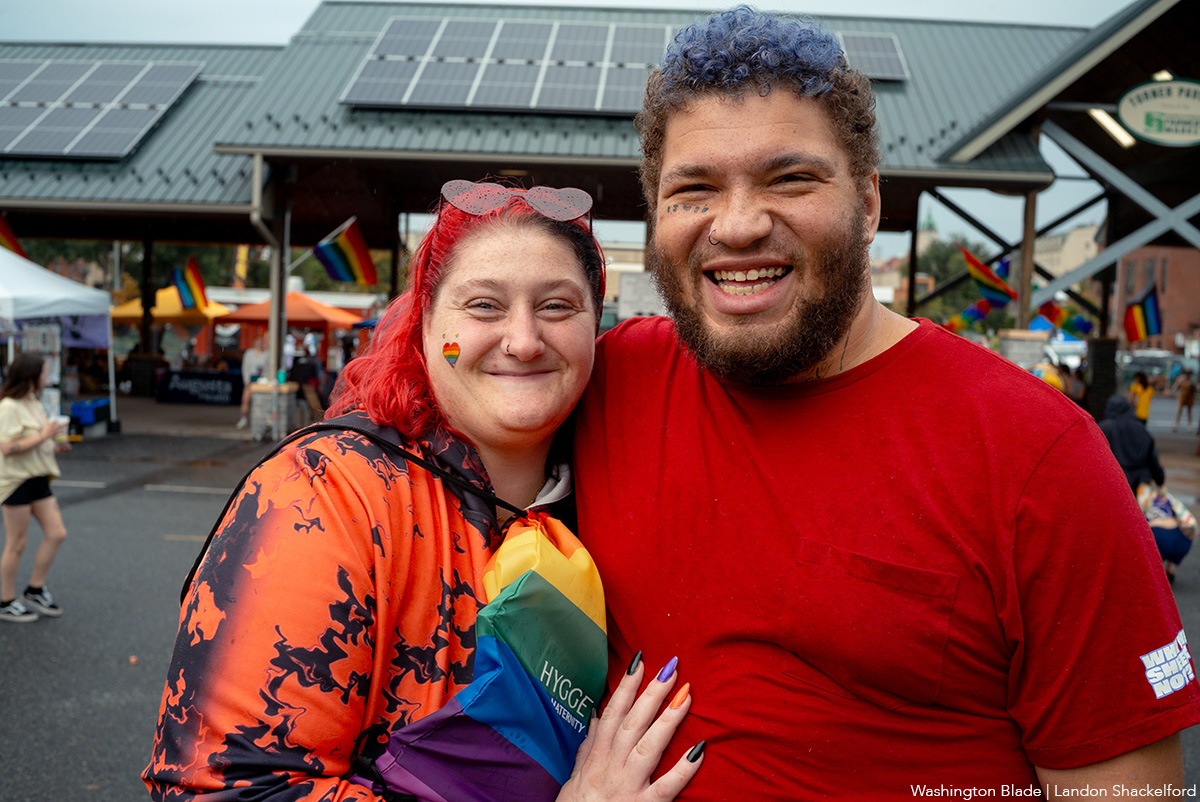
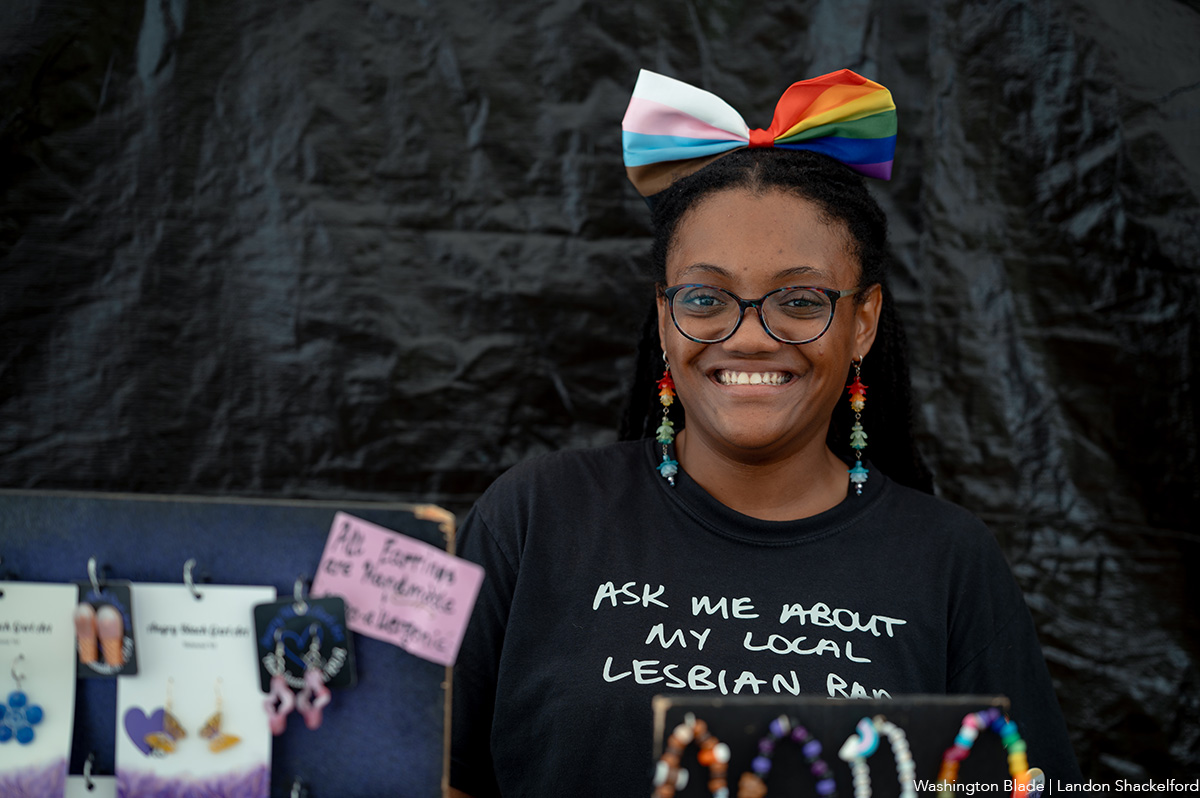
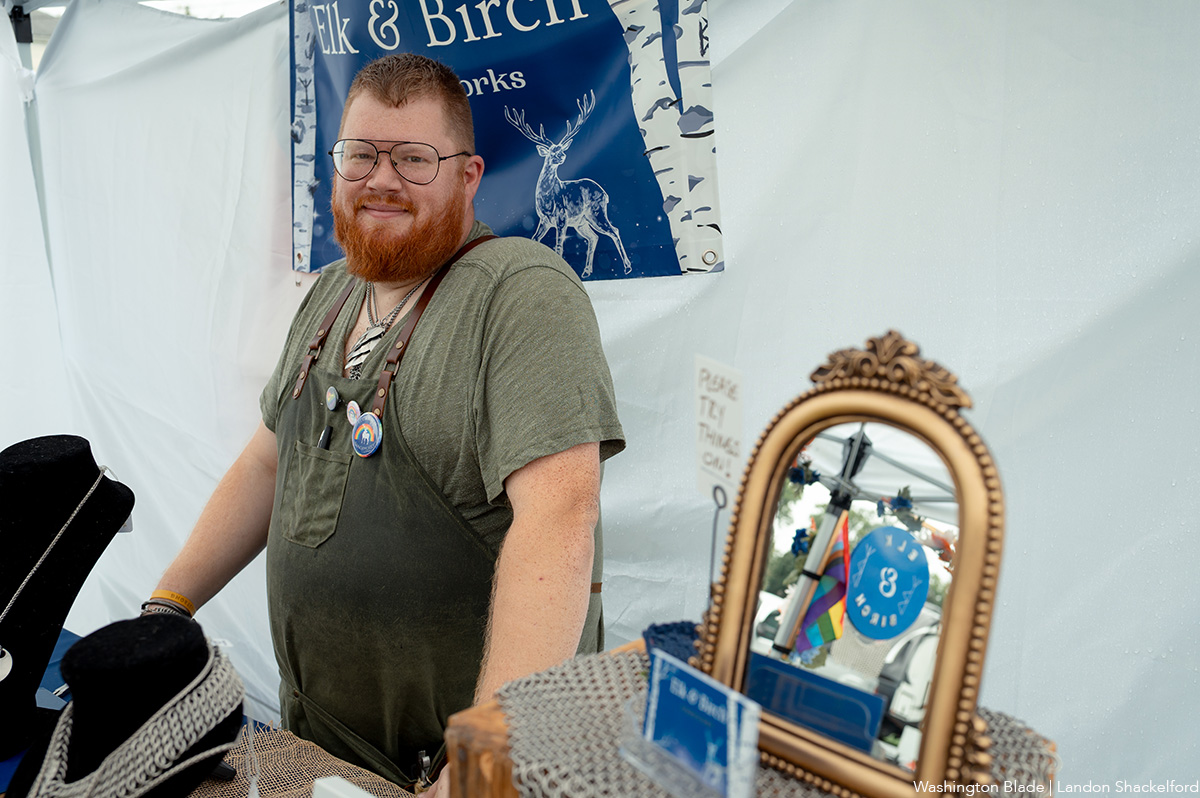
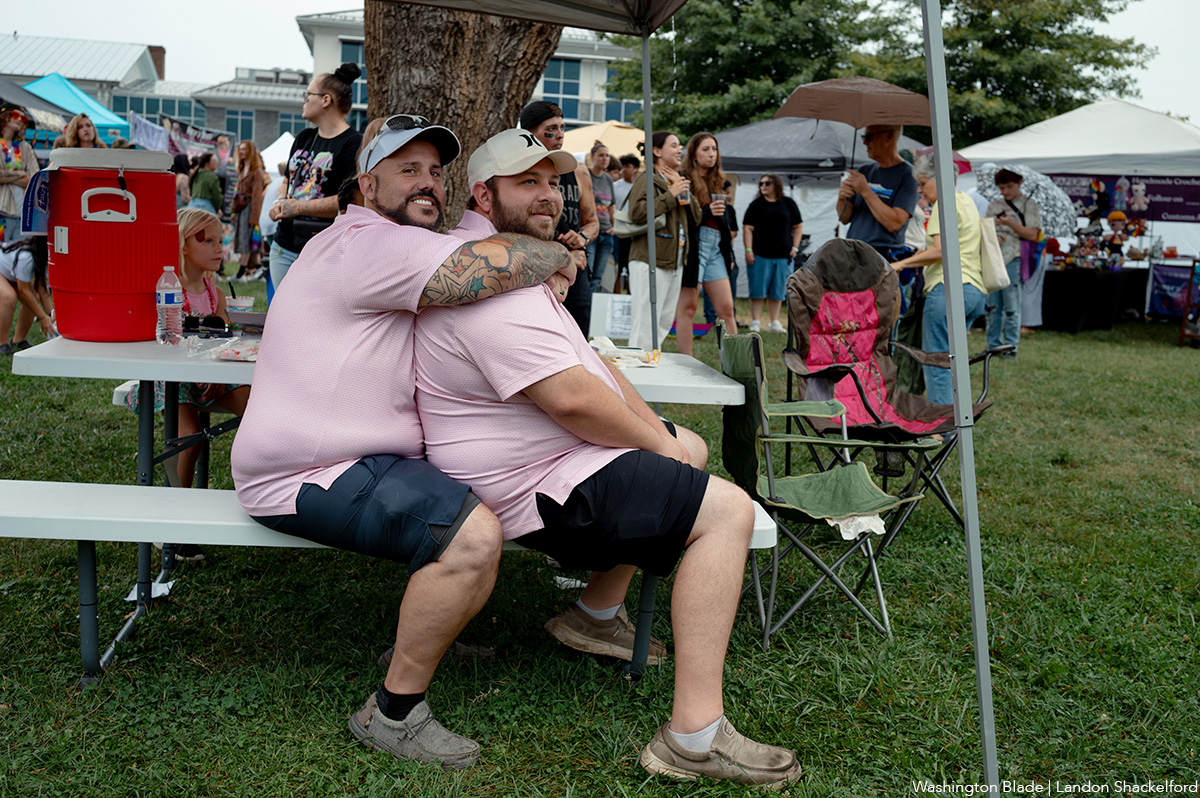
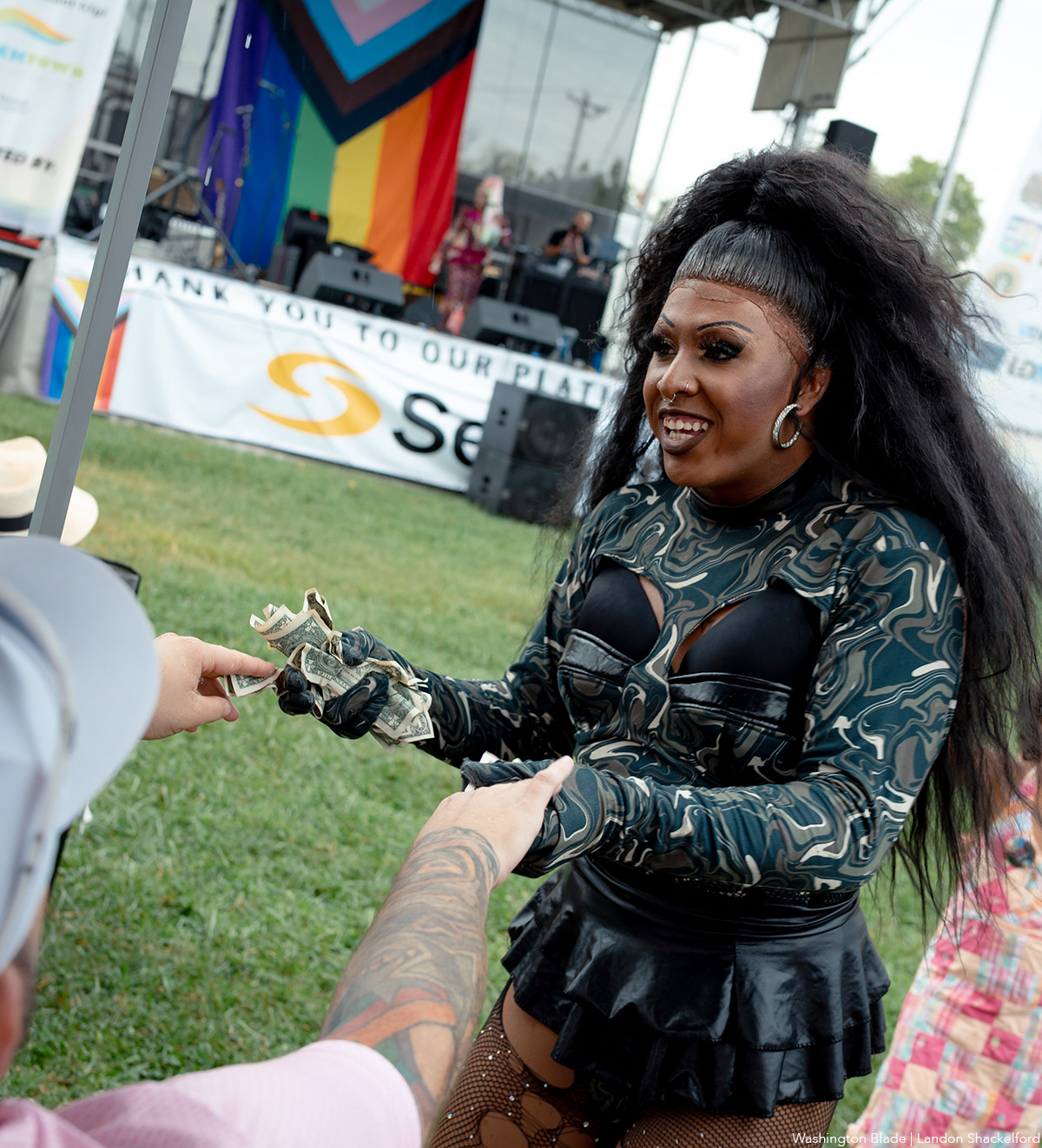
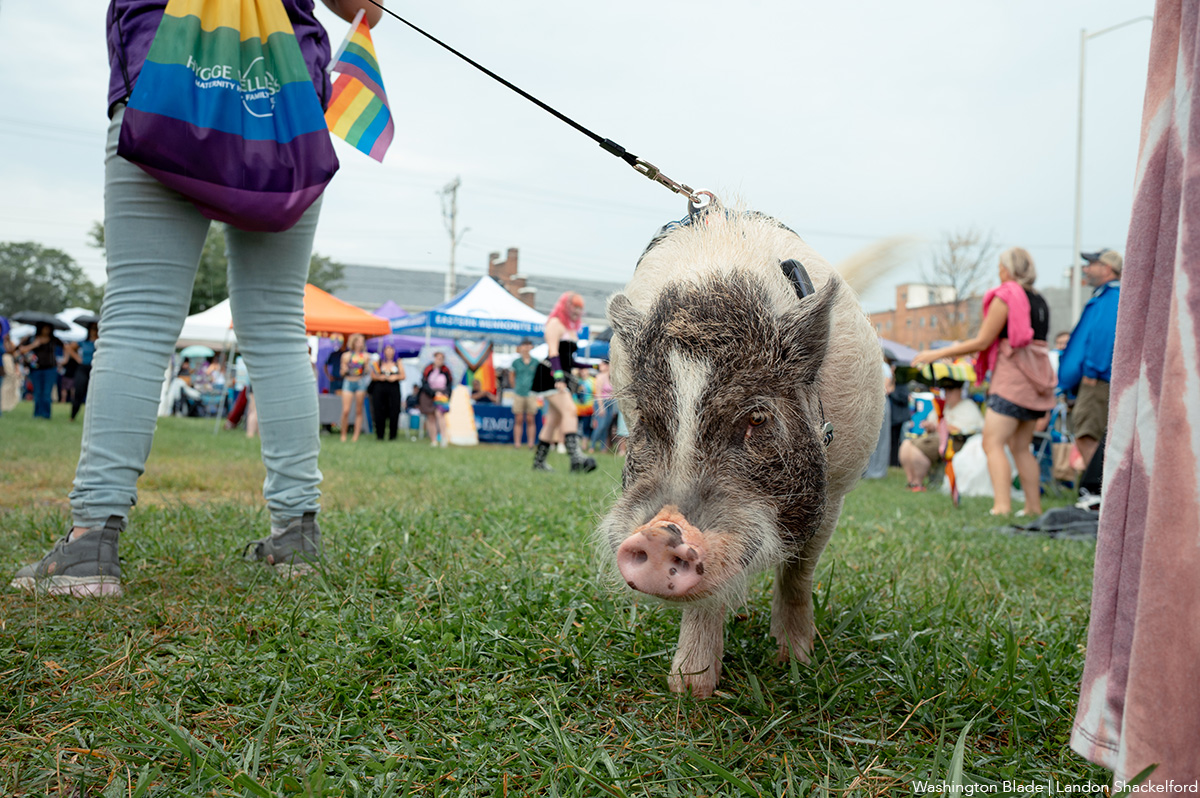
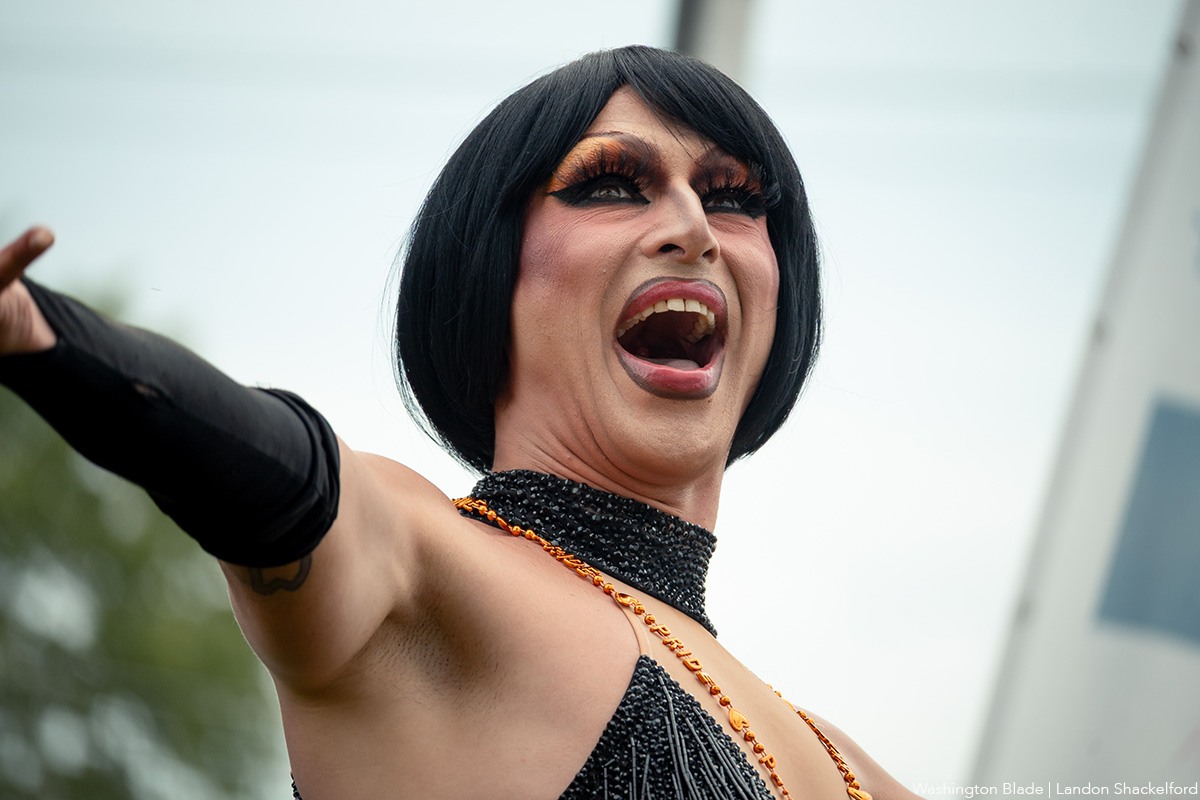
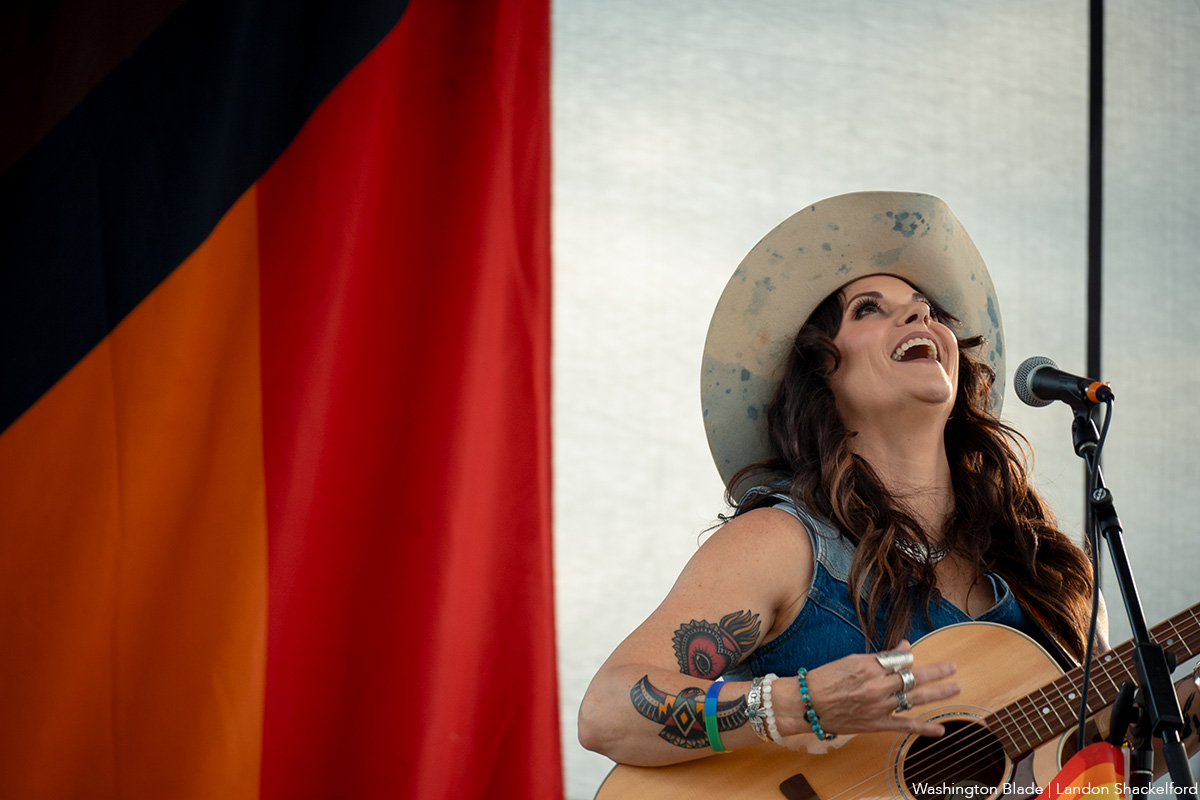
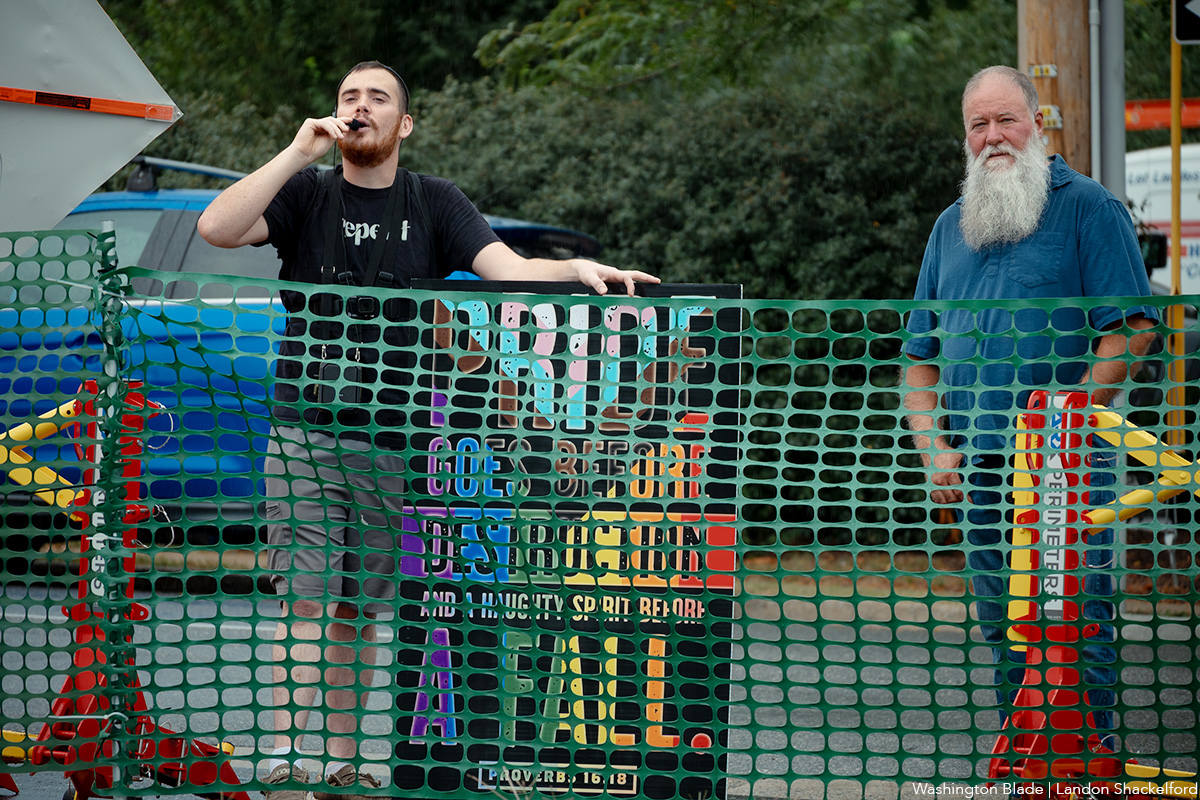
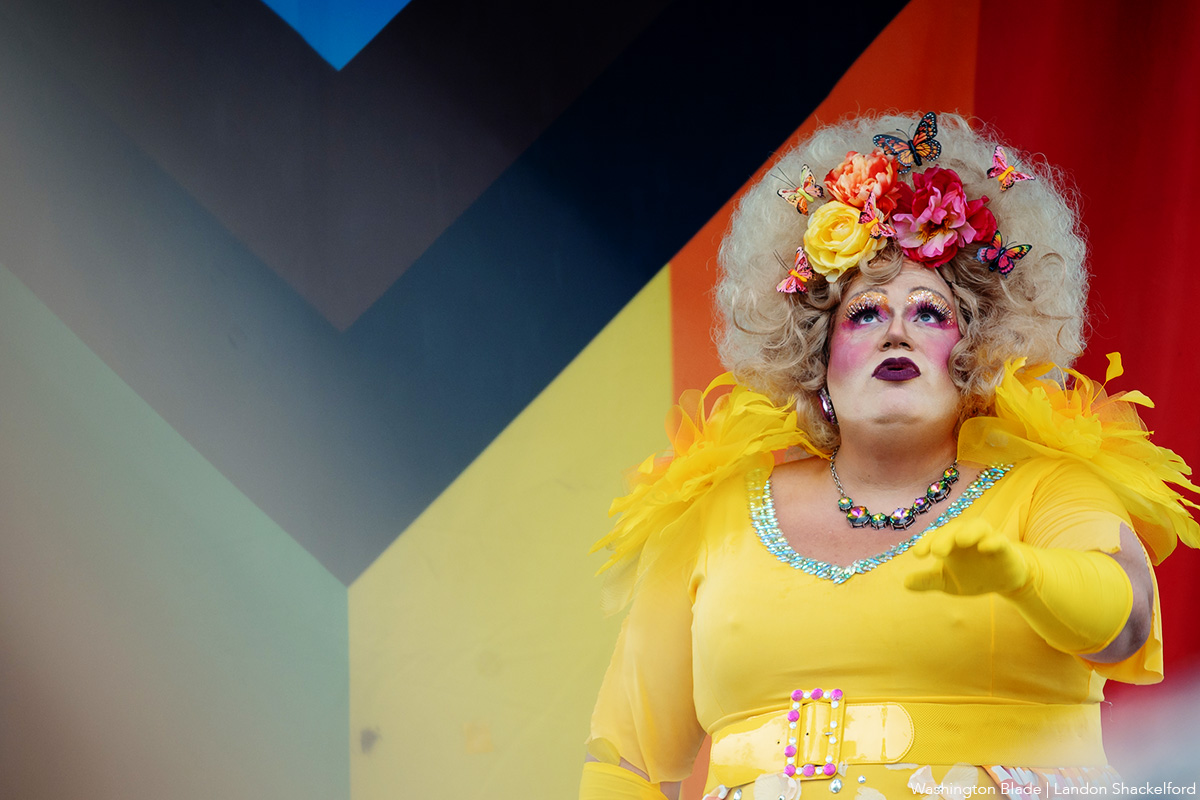
The 2026 Shenandoah Valley Pride Festival was held at Turner Pavilion in Harrisonburg, Va. on Sunday, Sept. 20.
(Washington Blade photos by Landon Shackelford)
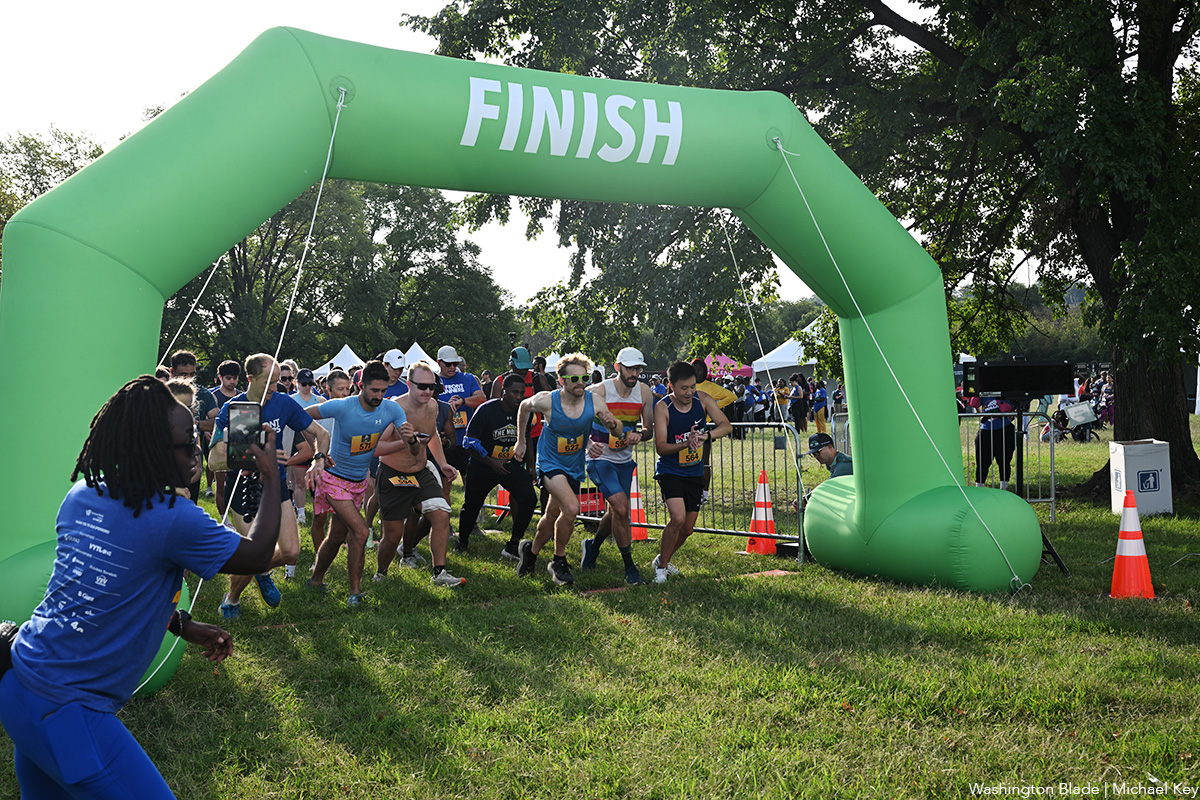
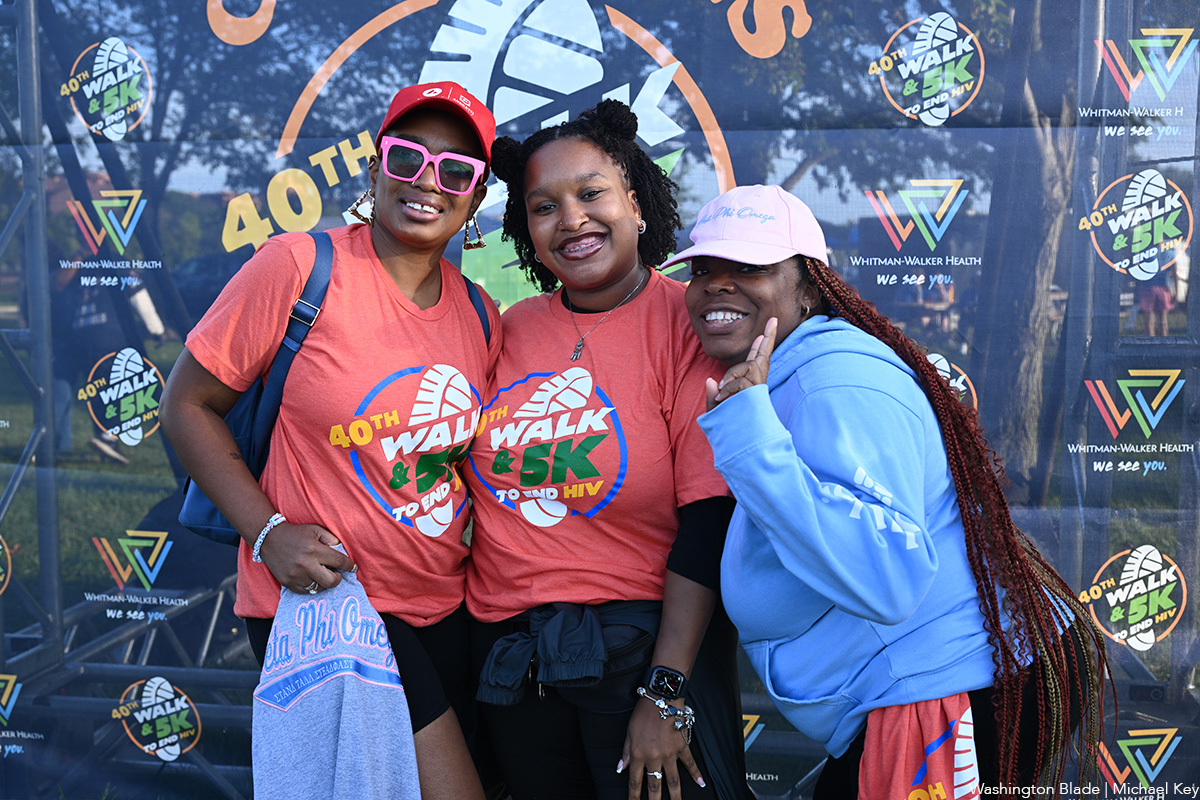
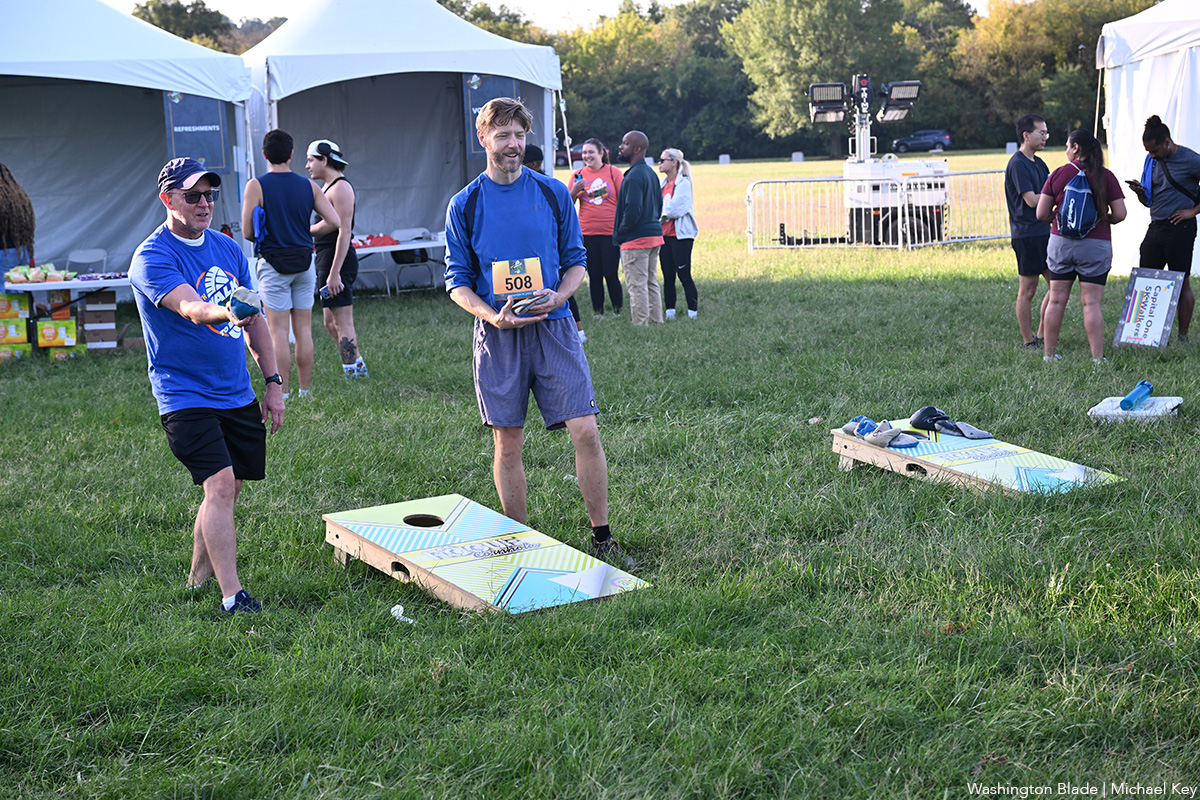
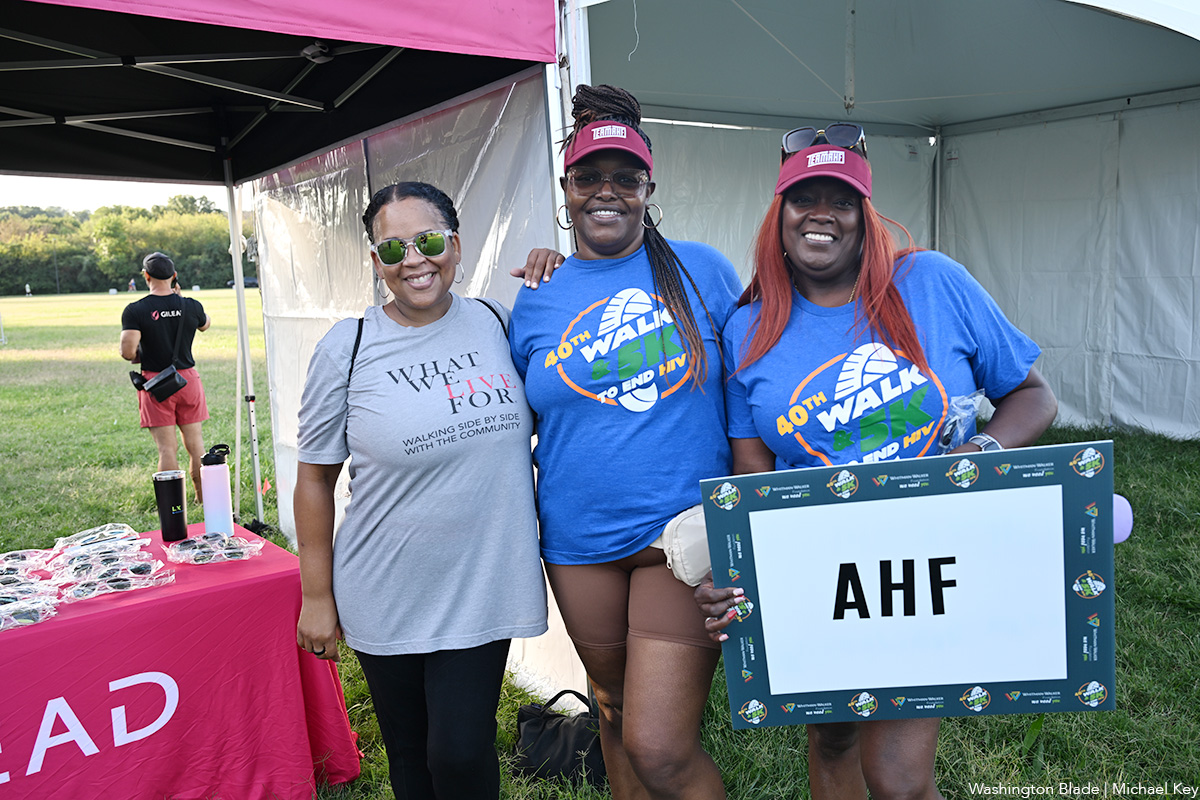
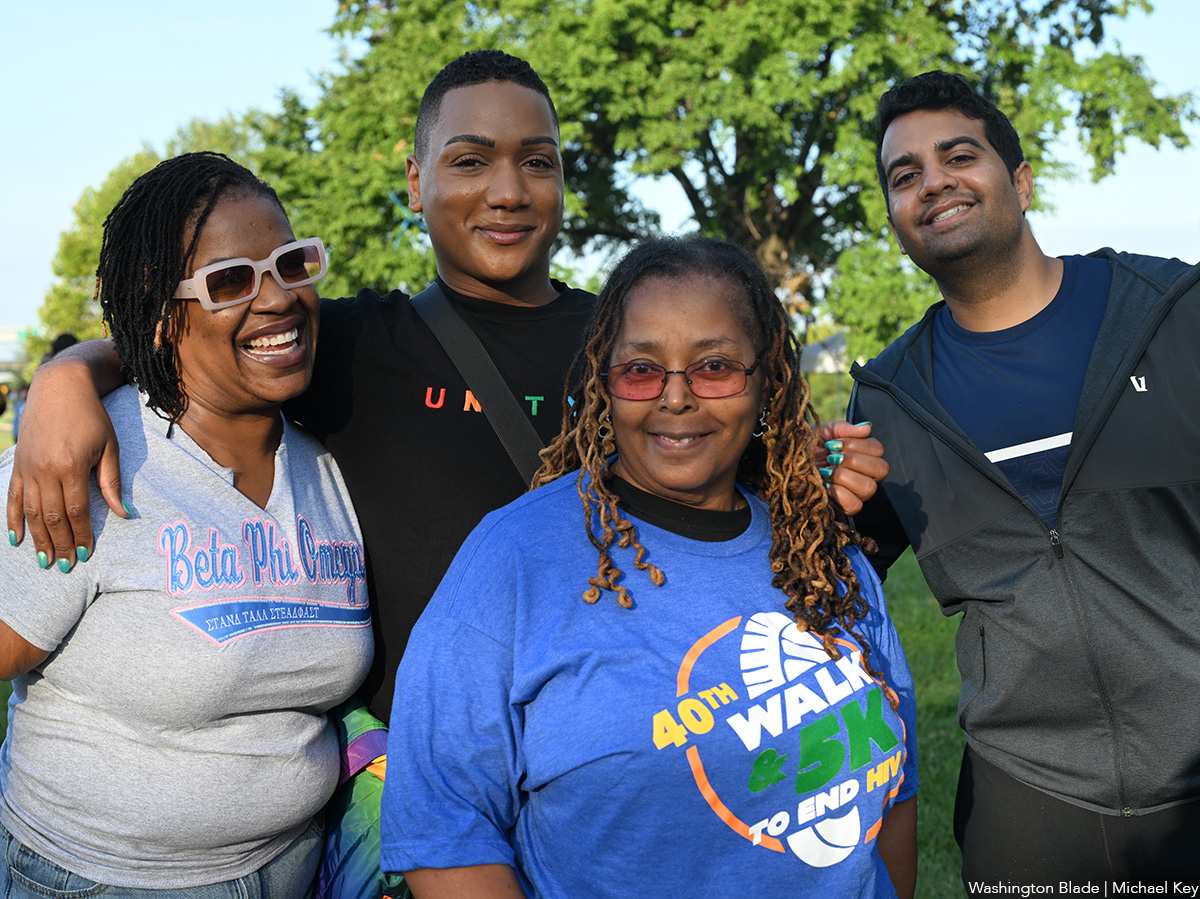
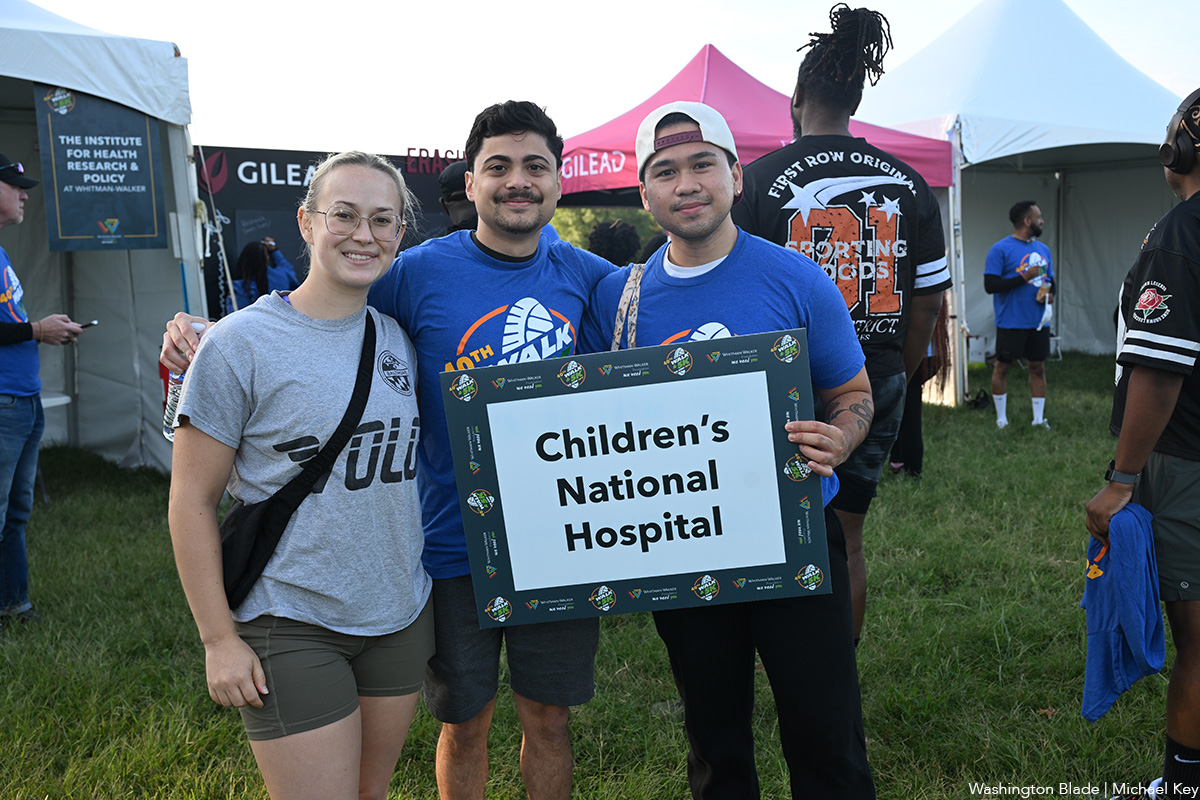
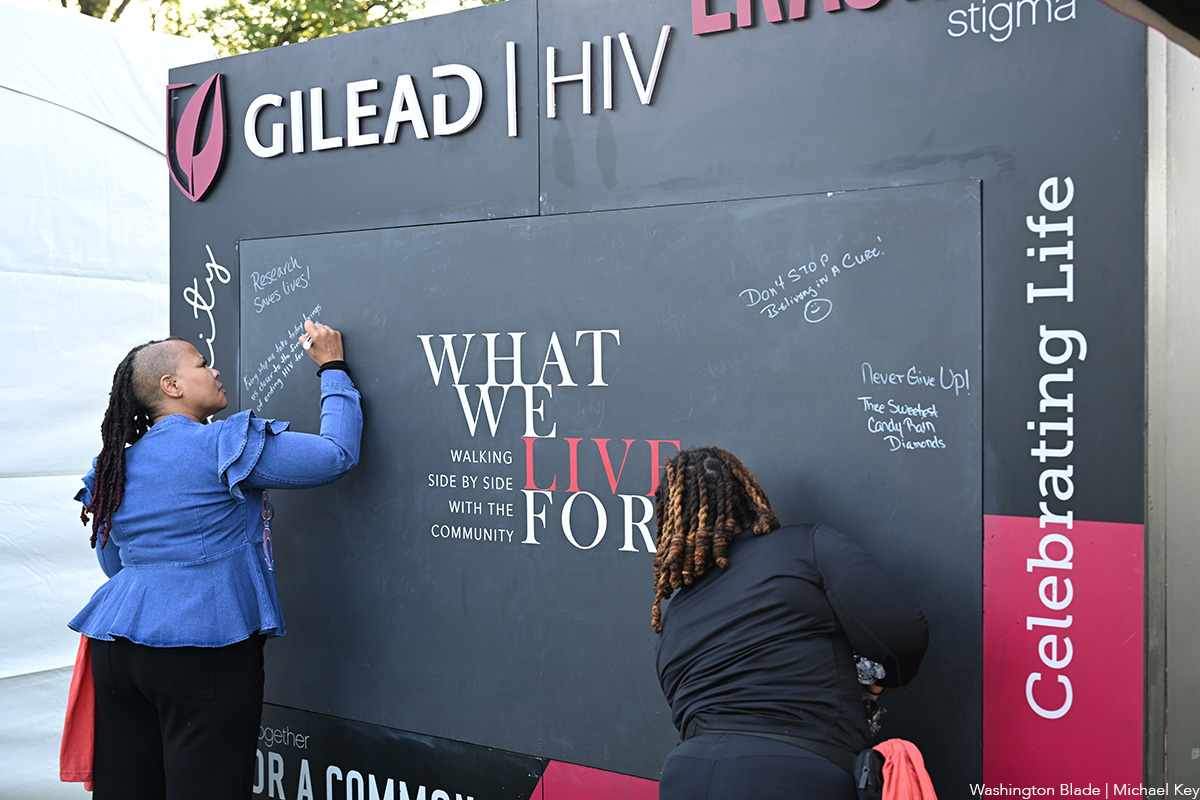
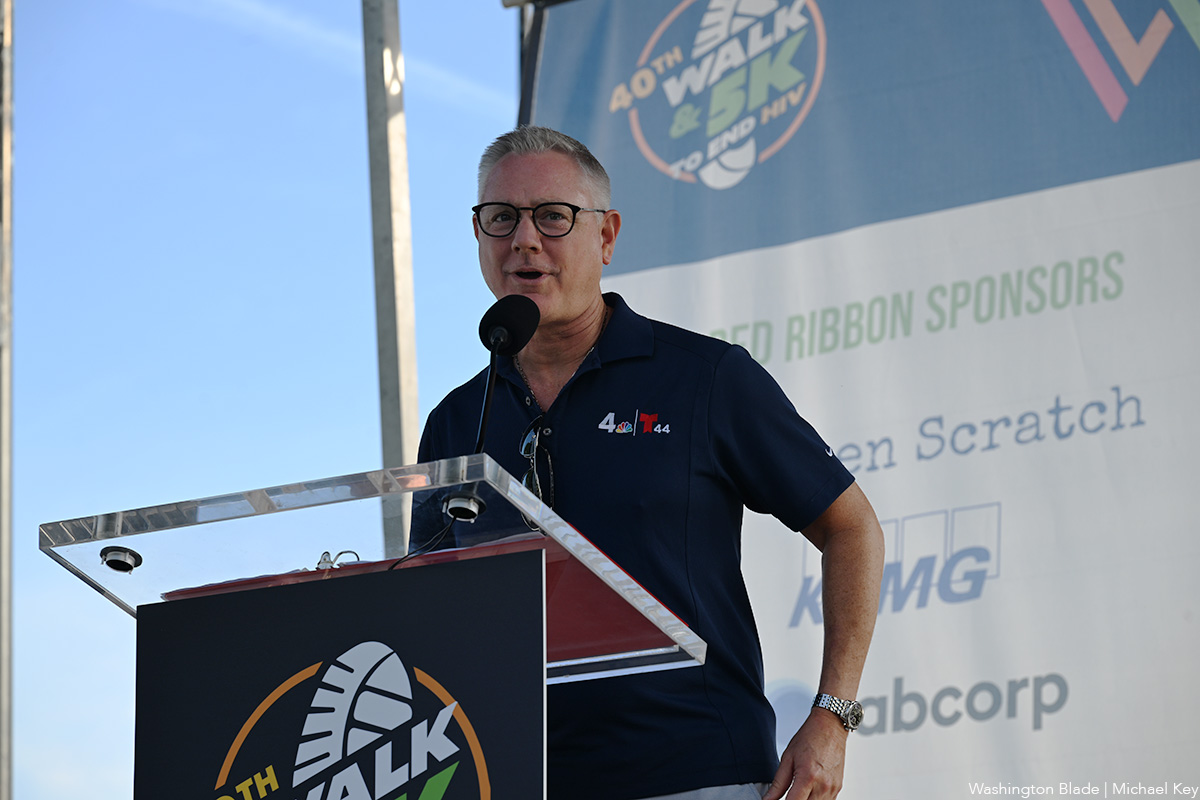
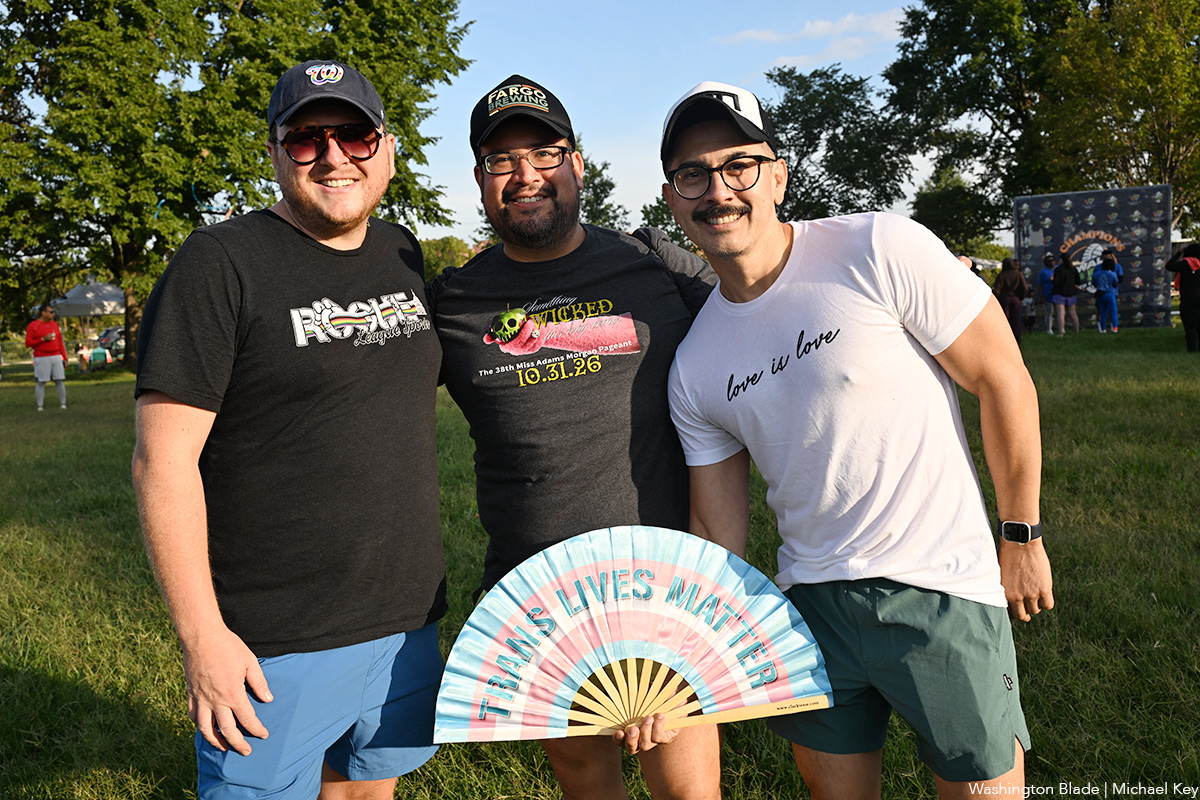
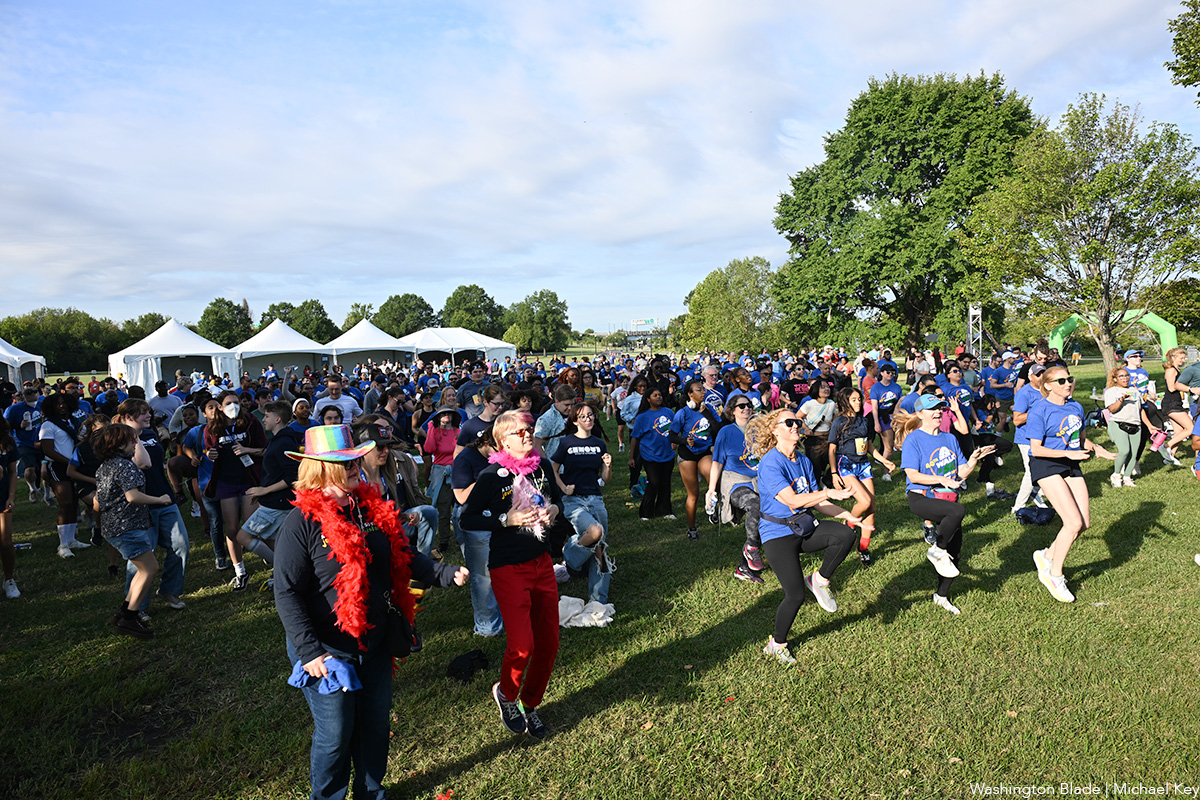
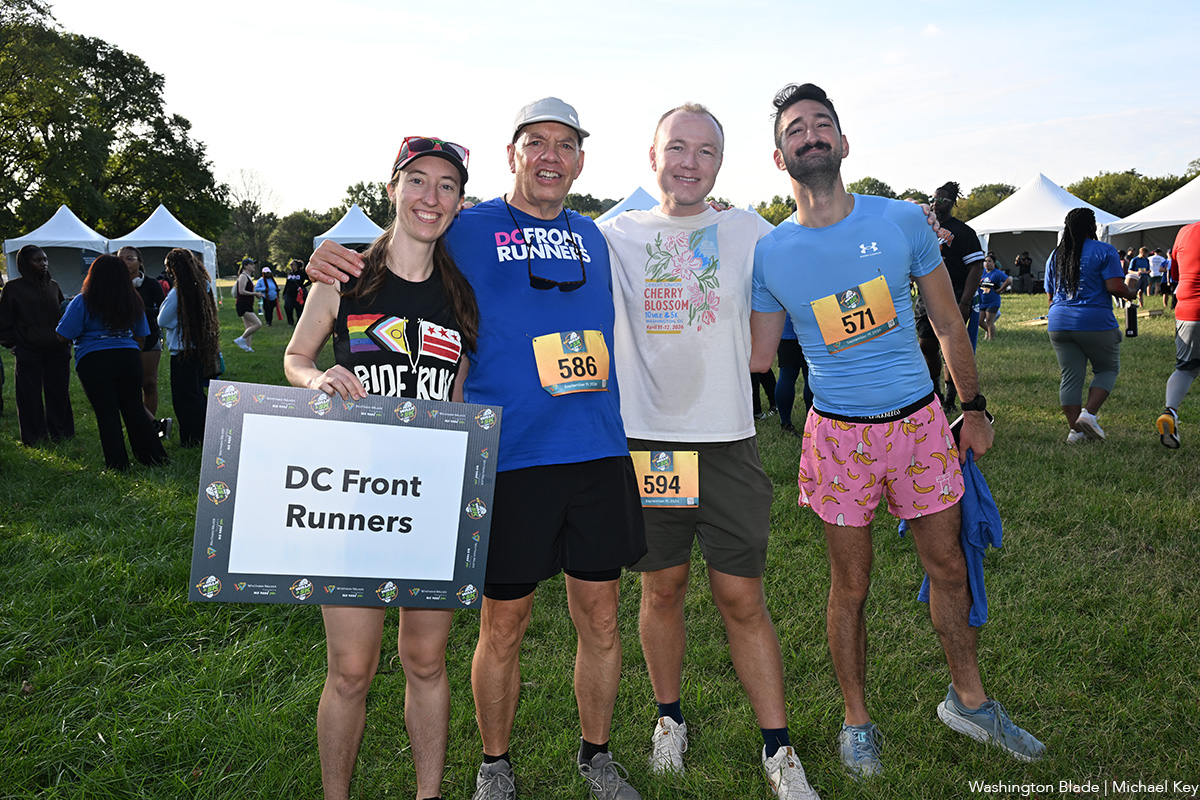
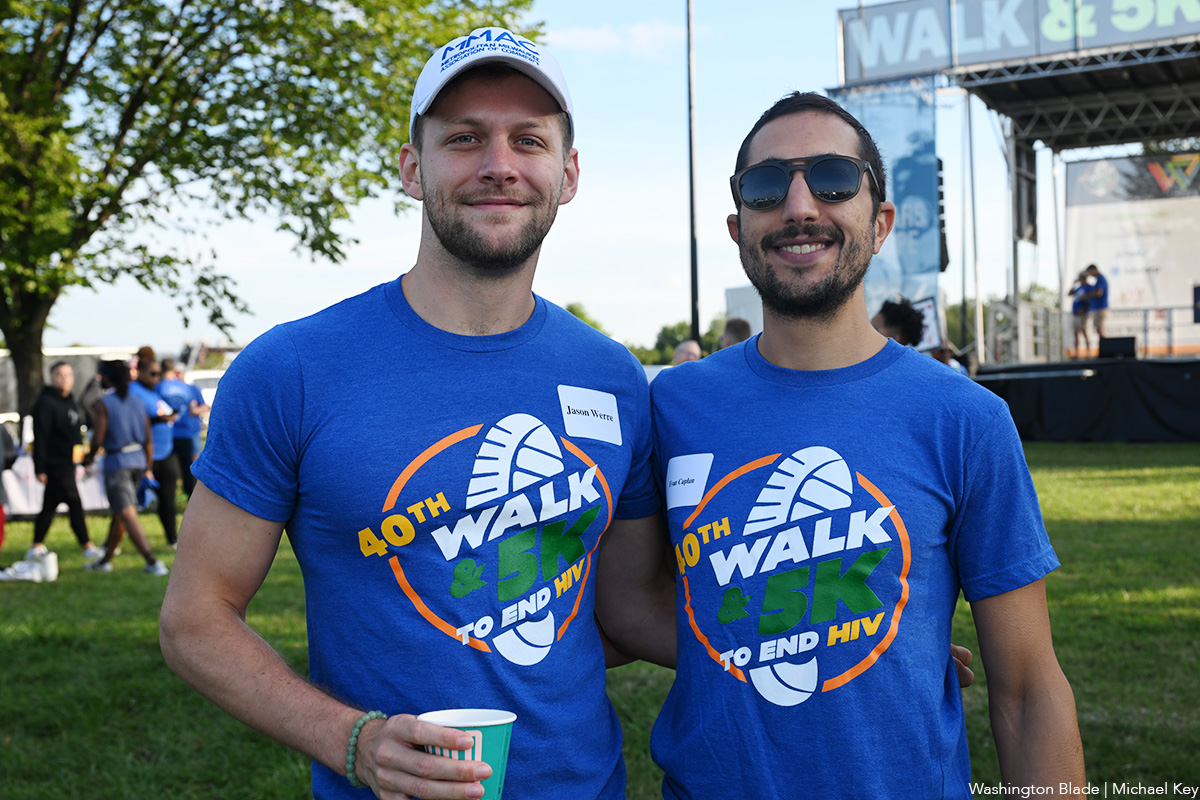
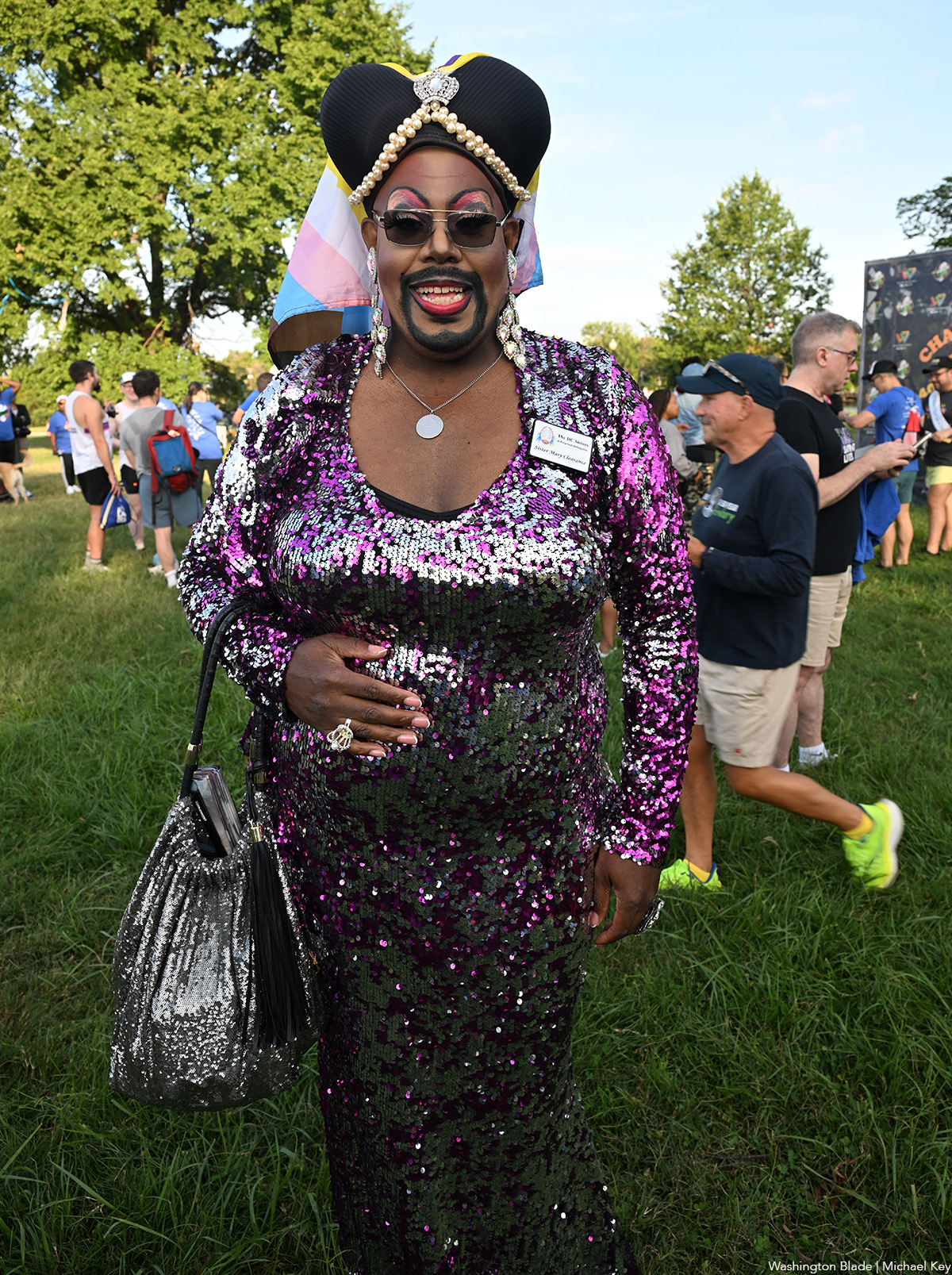
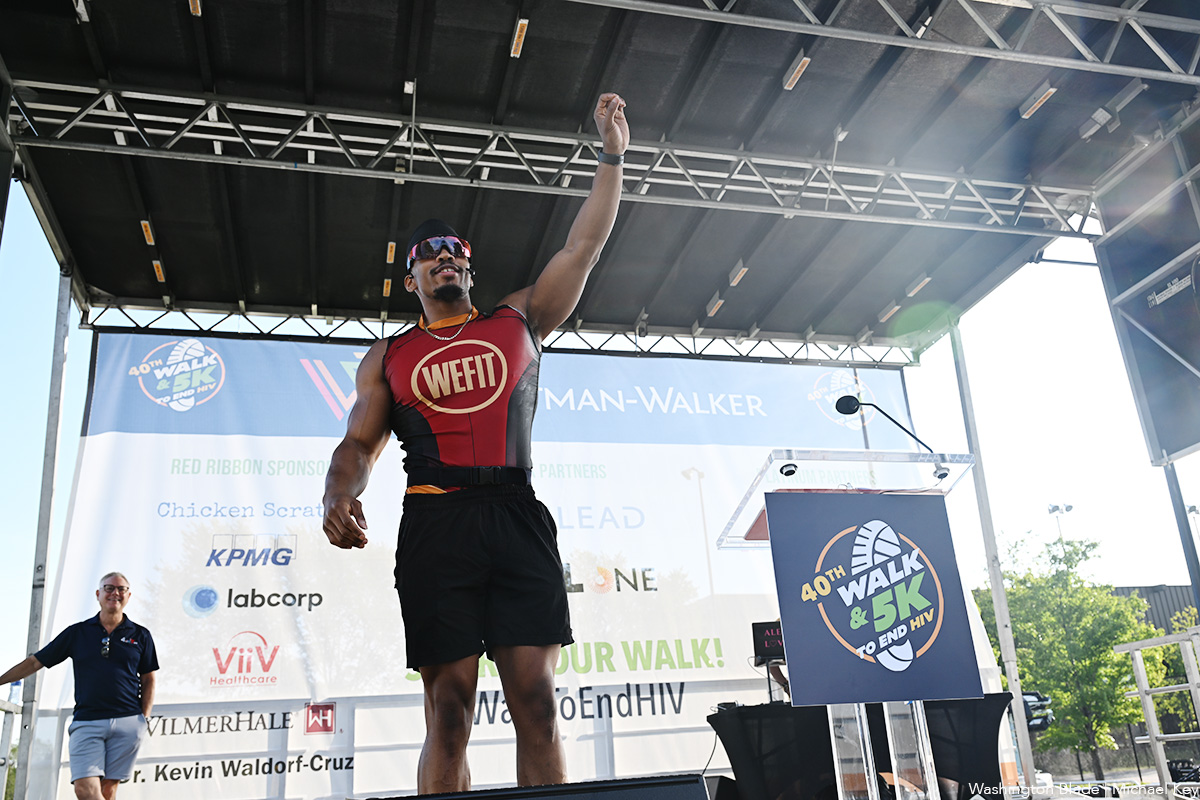
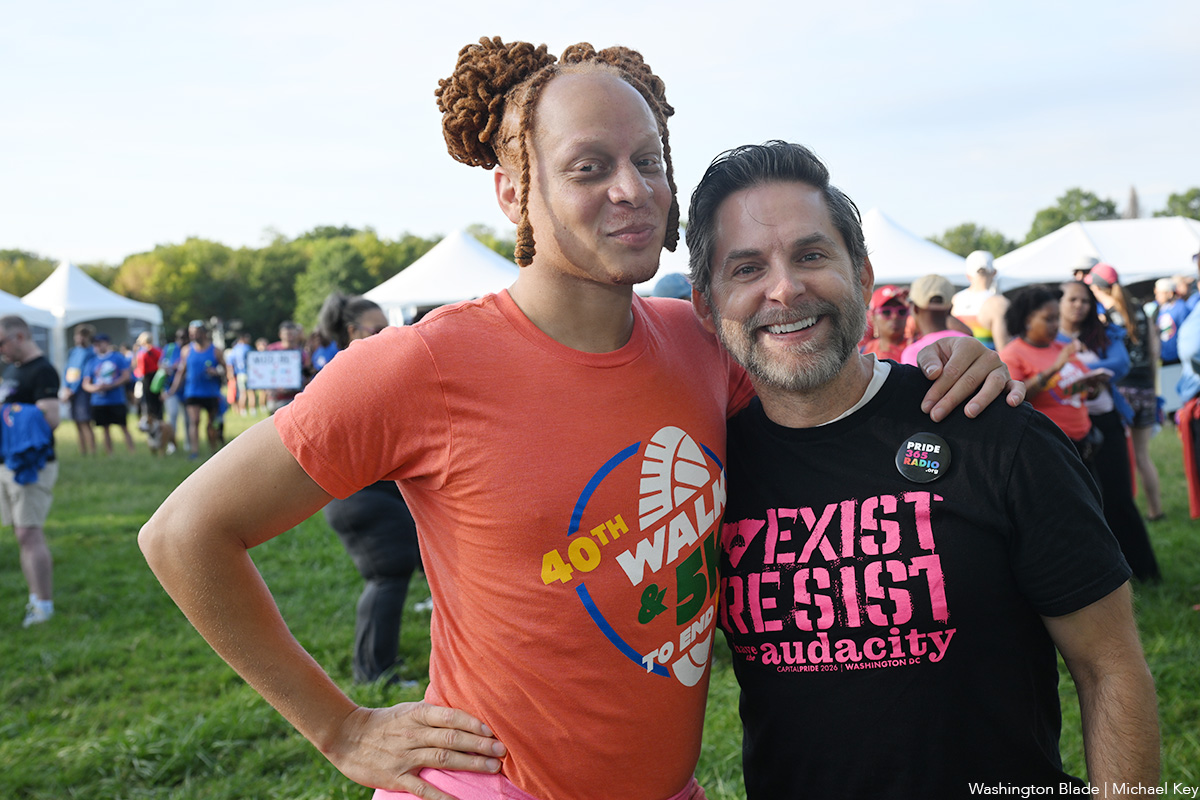
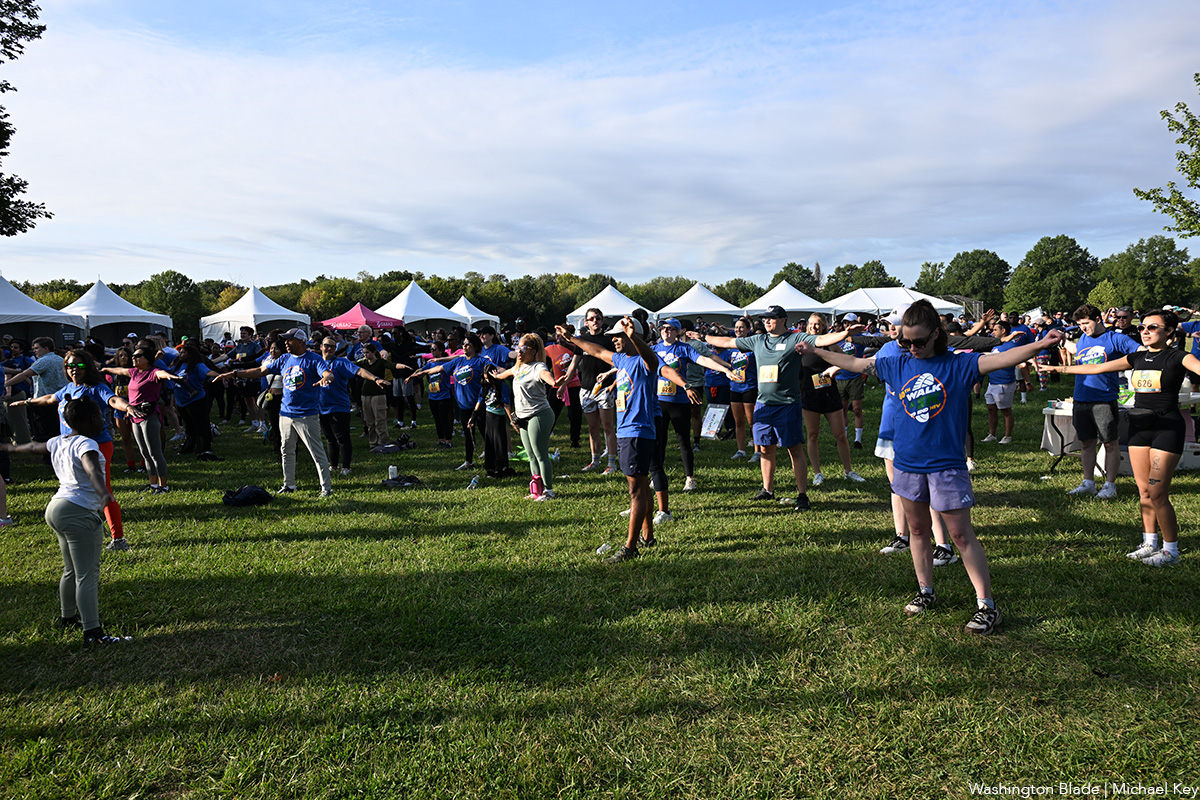
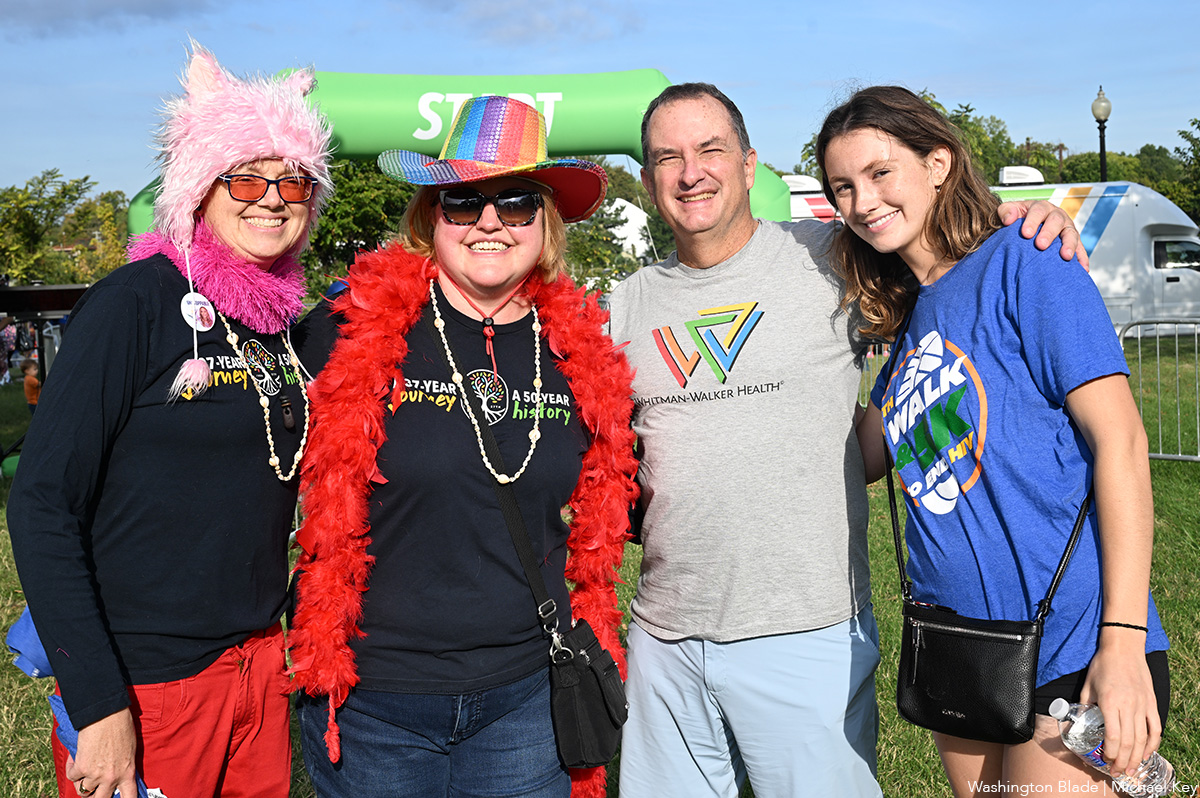
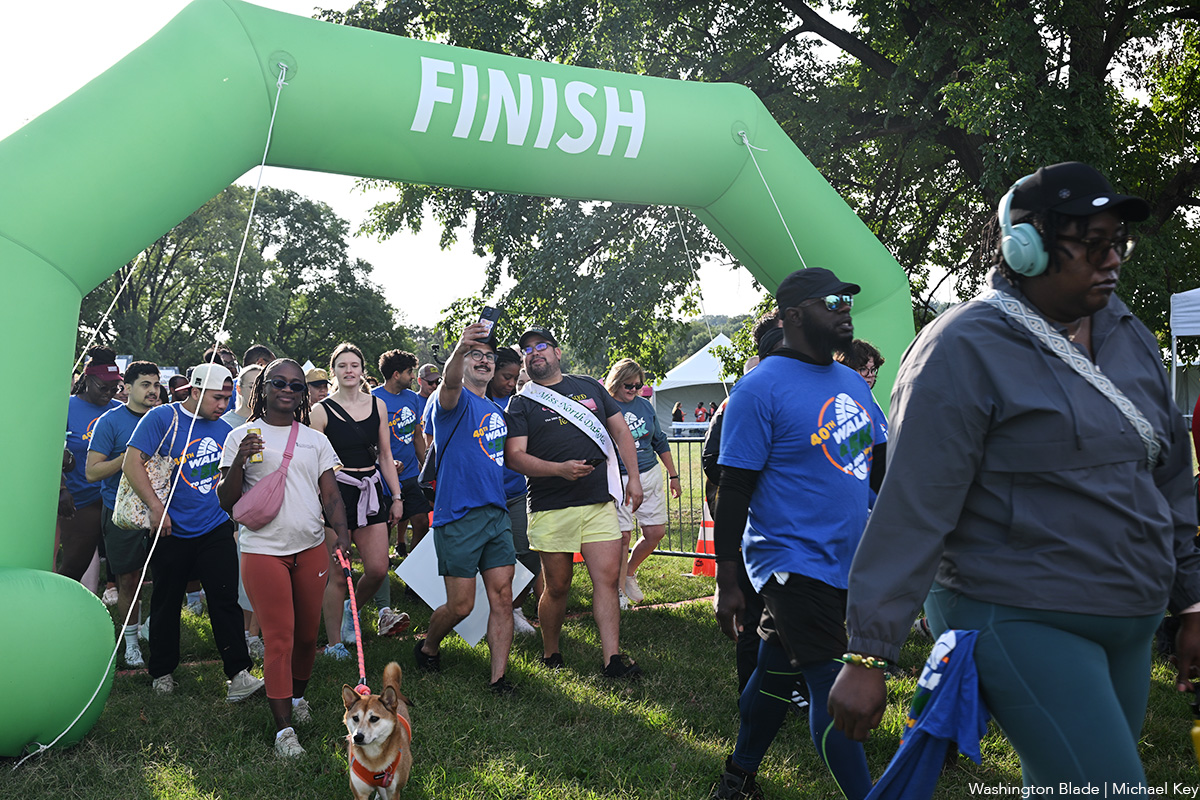
Whitman-Walker Health held the 40th annual Walk and 5K to End HIV at Anacostia Park on Saturday, Sept. 19.
(Washington Blade photos by Michael Key)


Photos
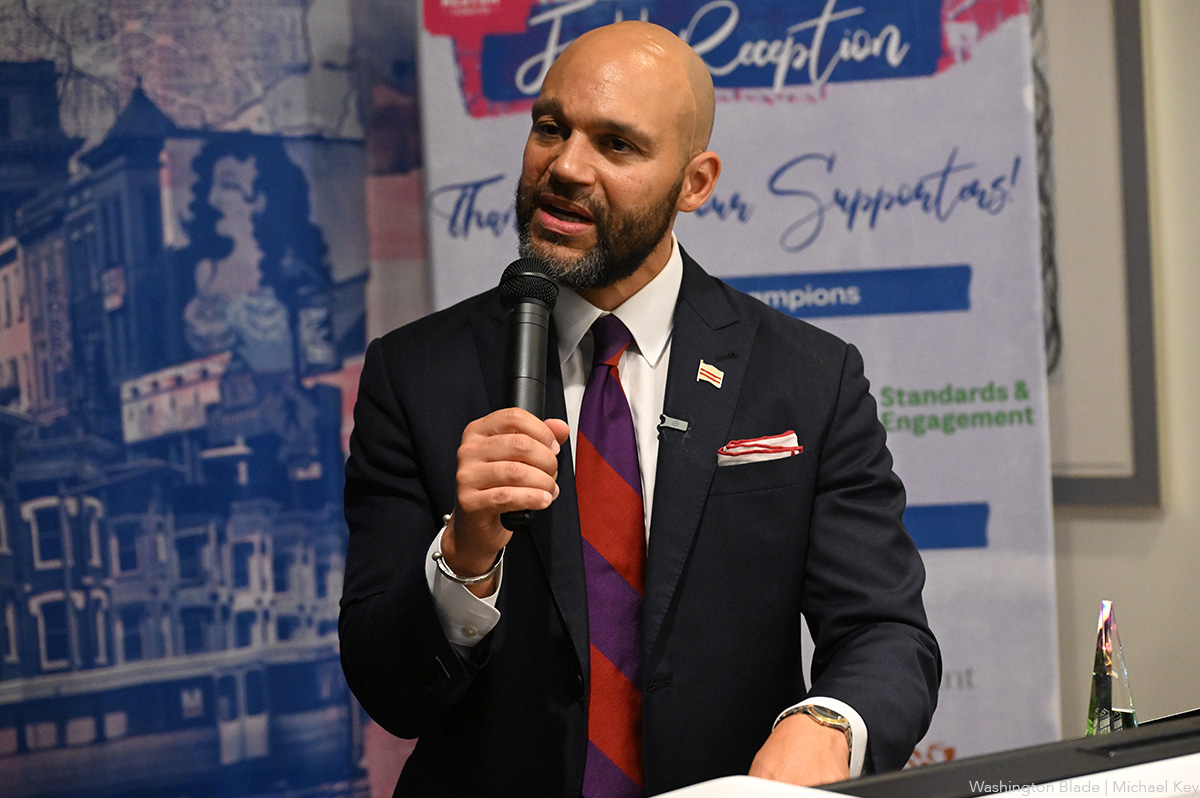
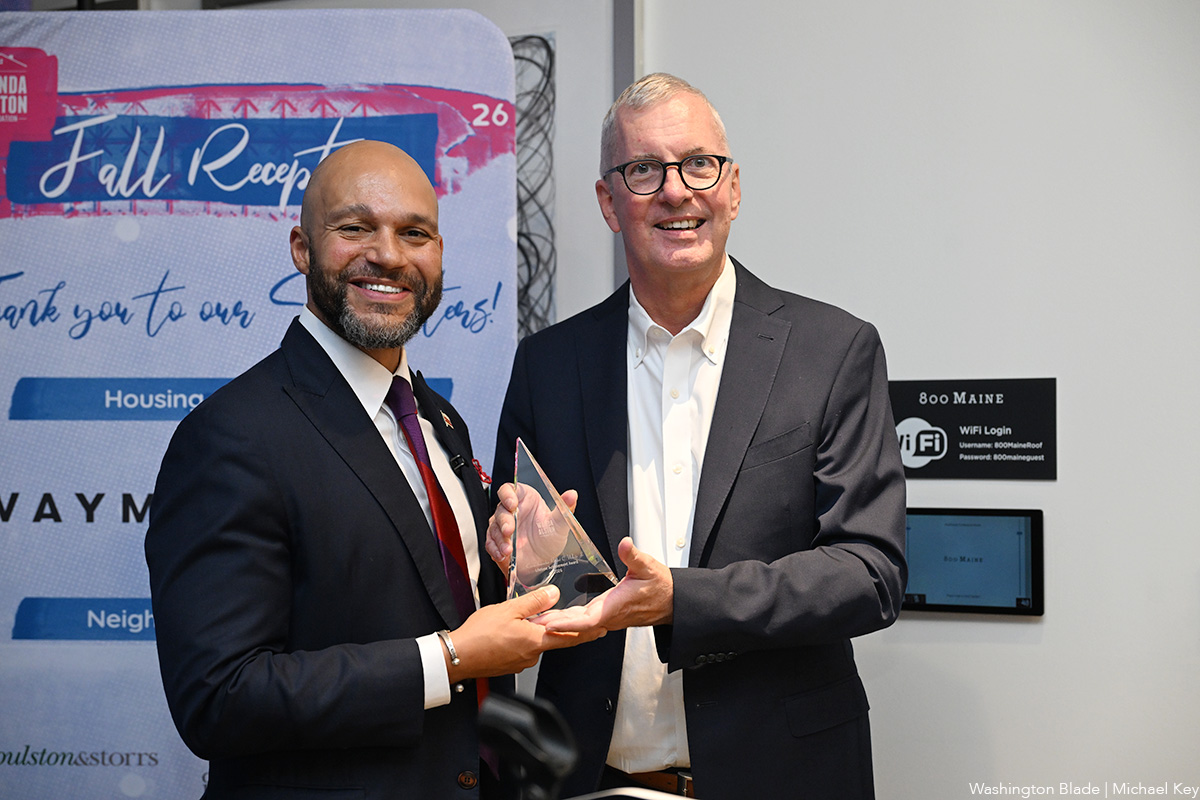
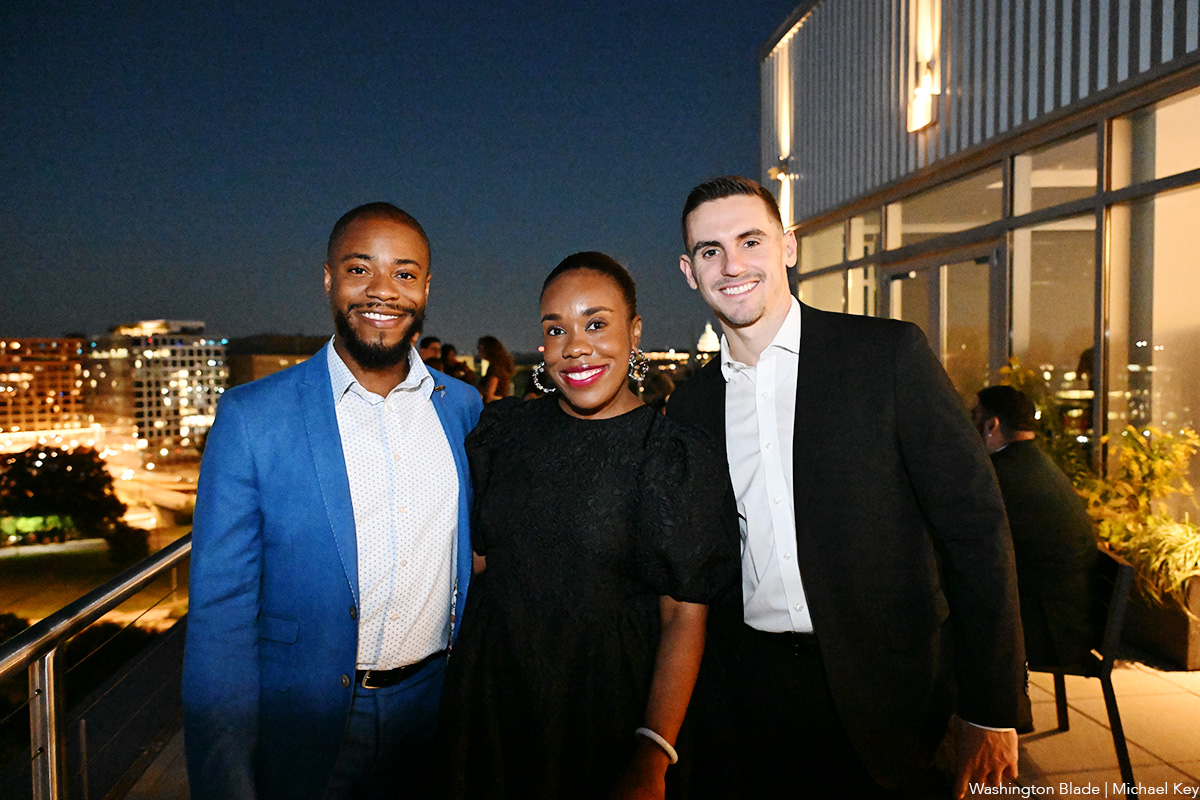
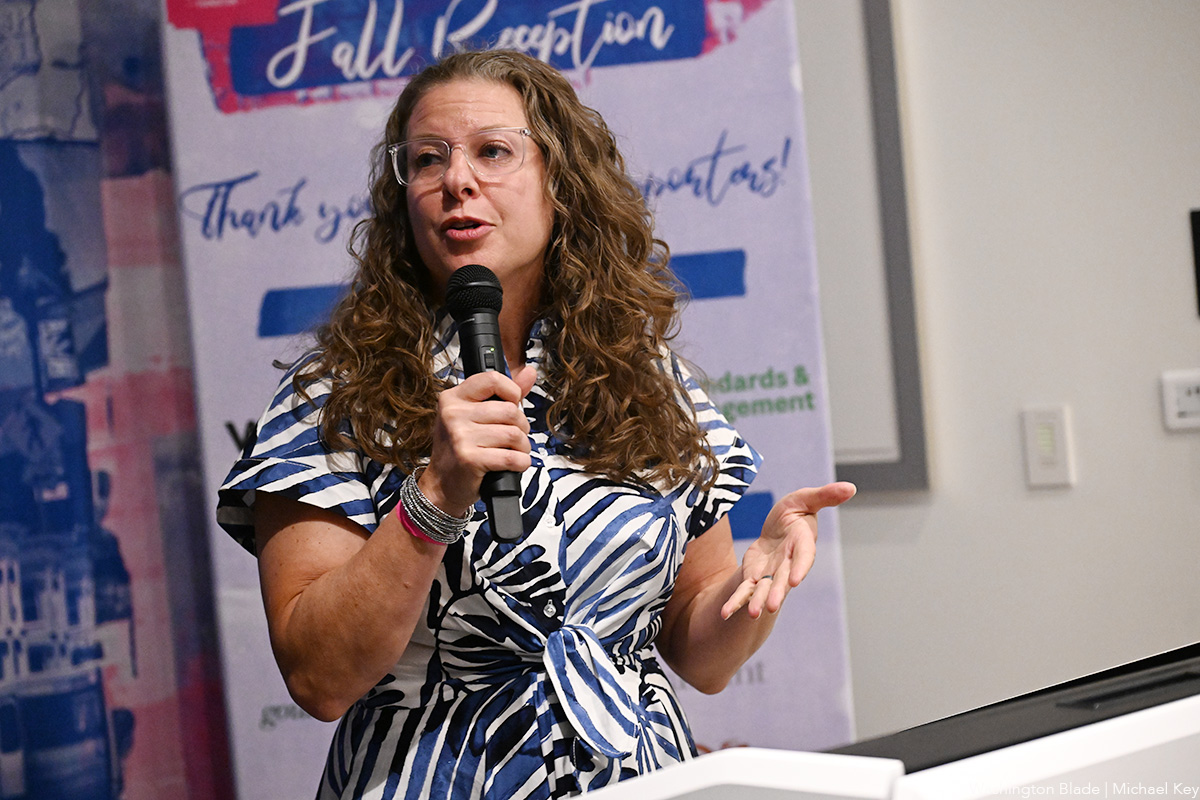
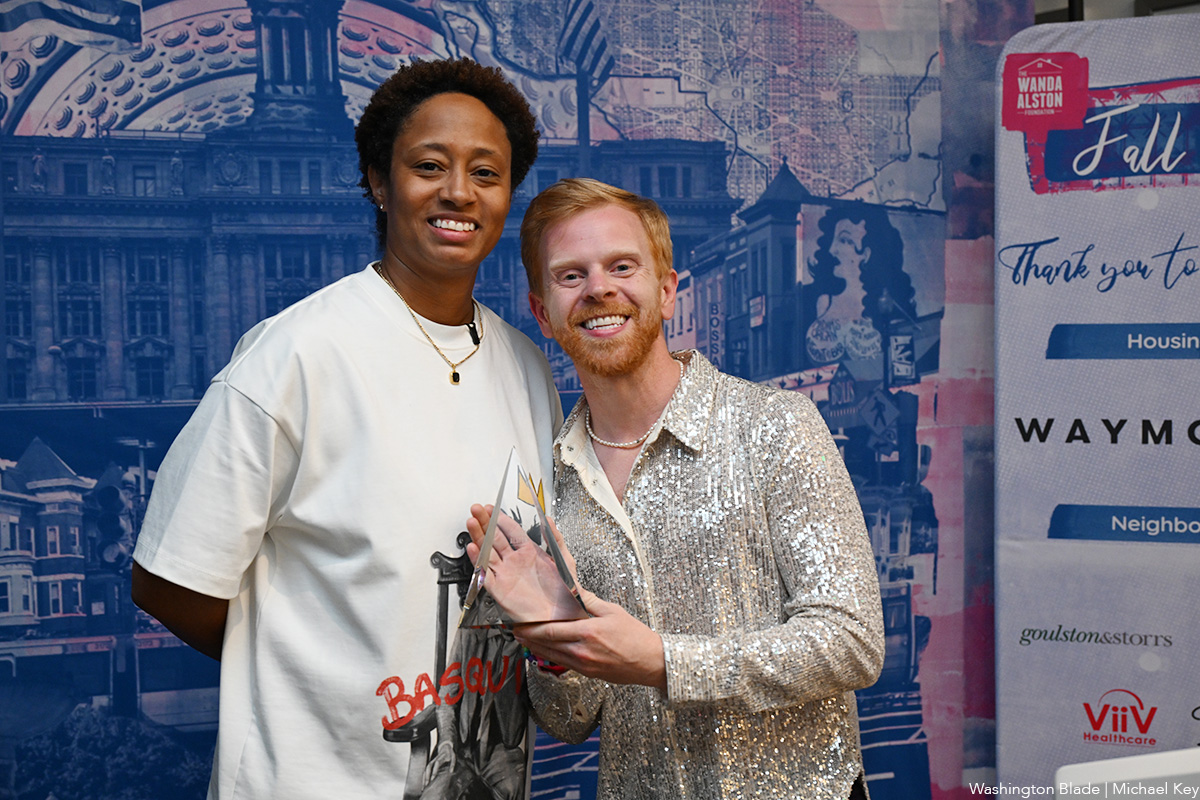
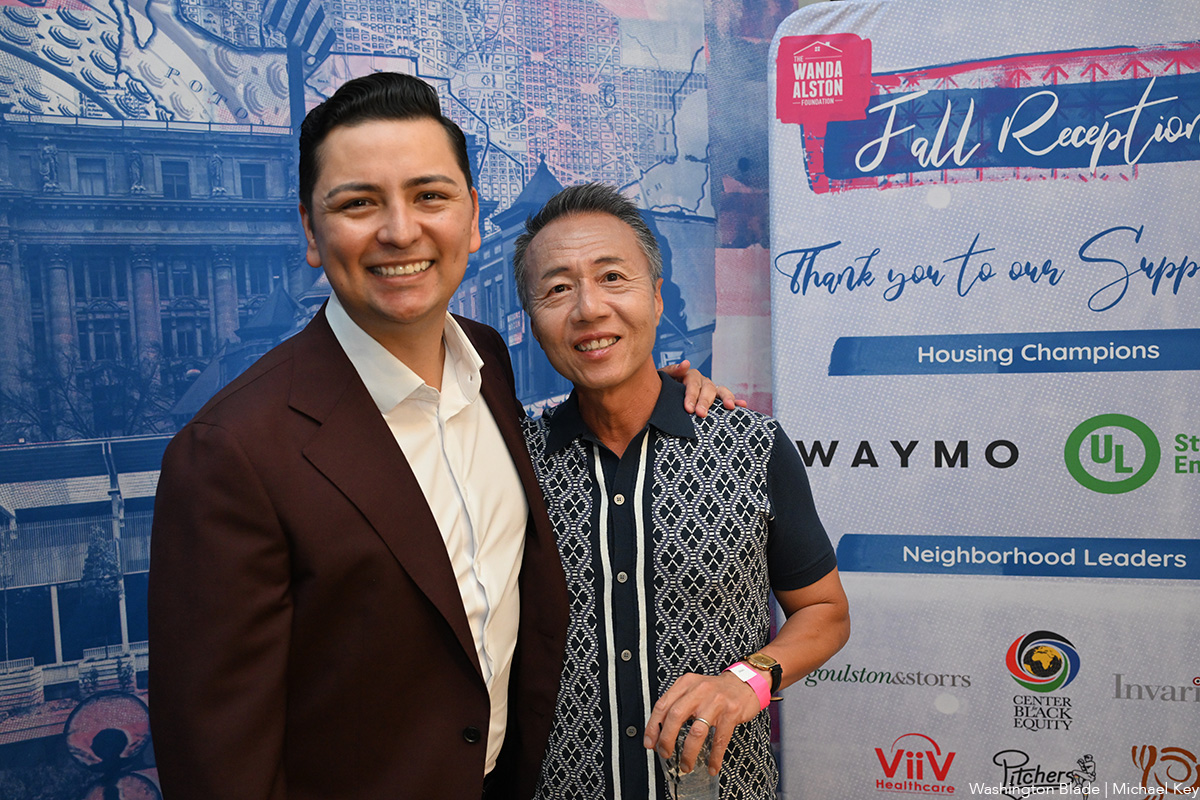
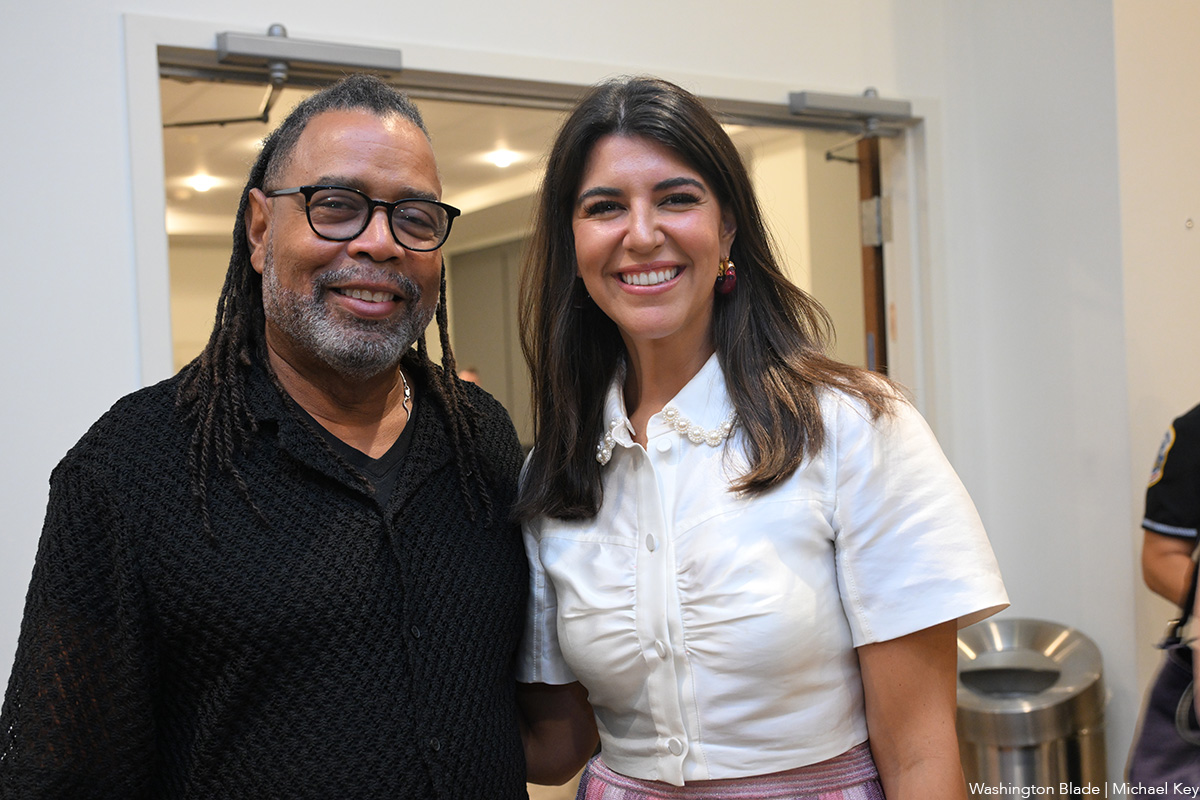
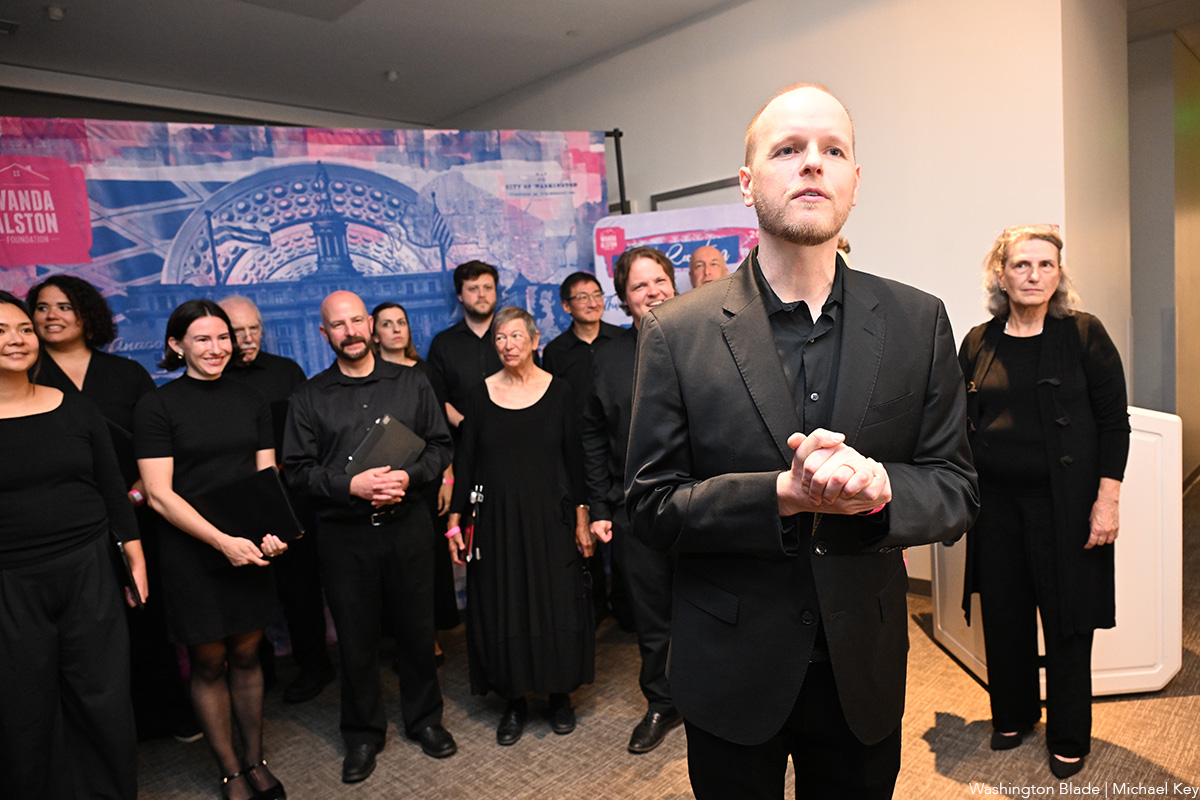
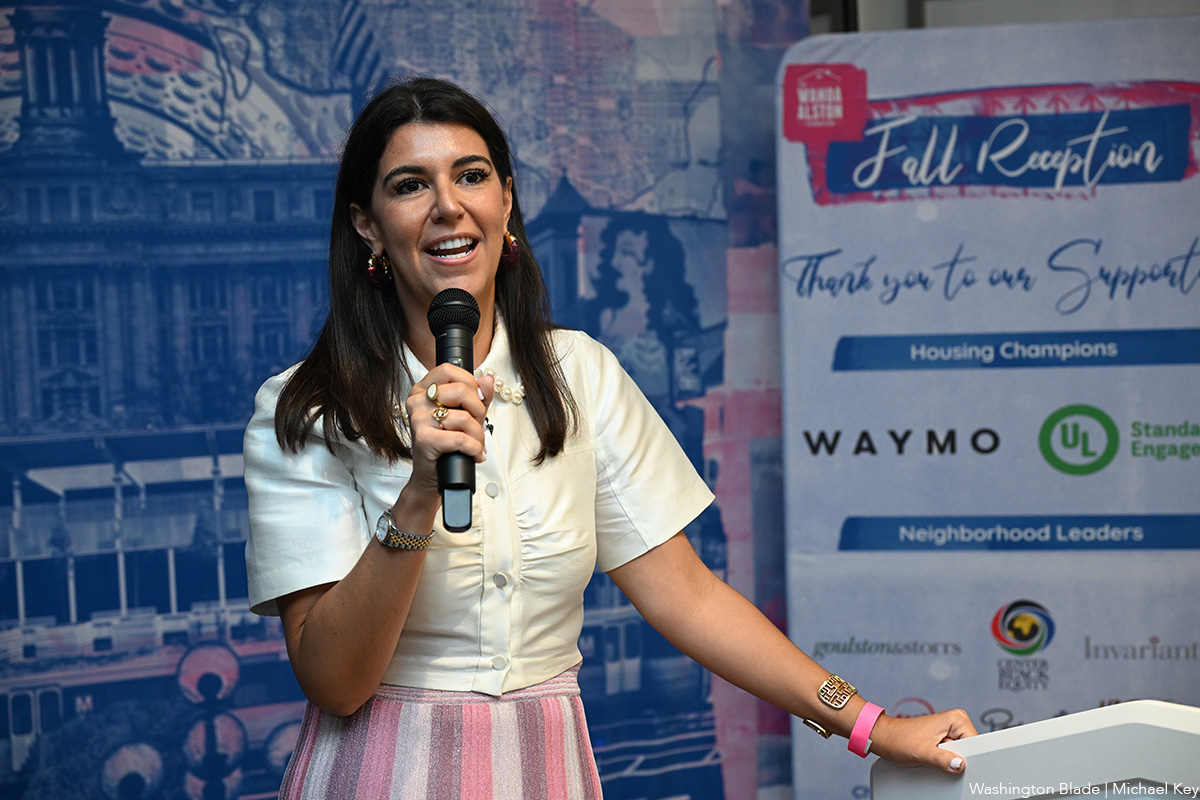
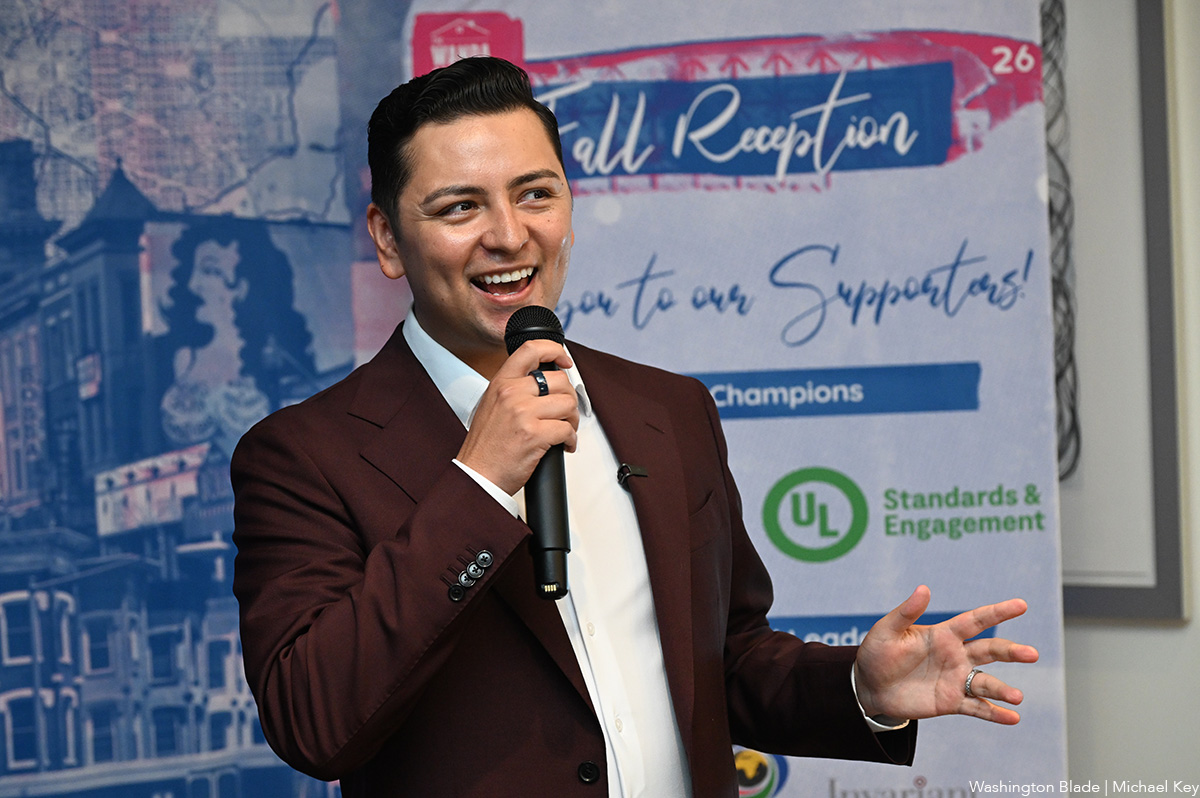
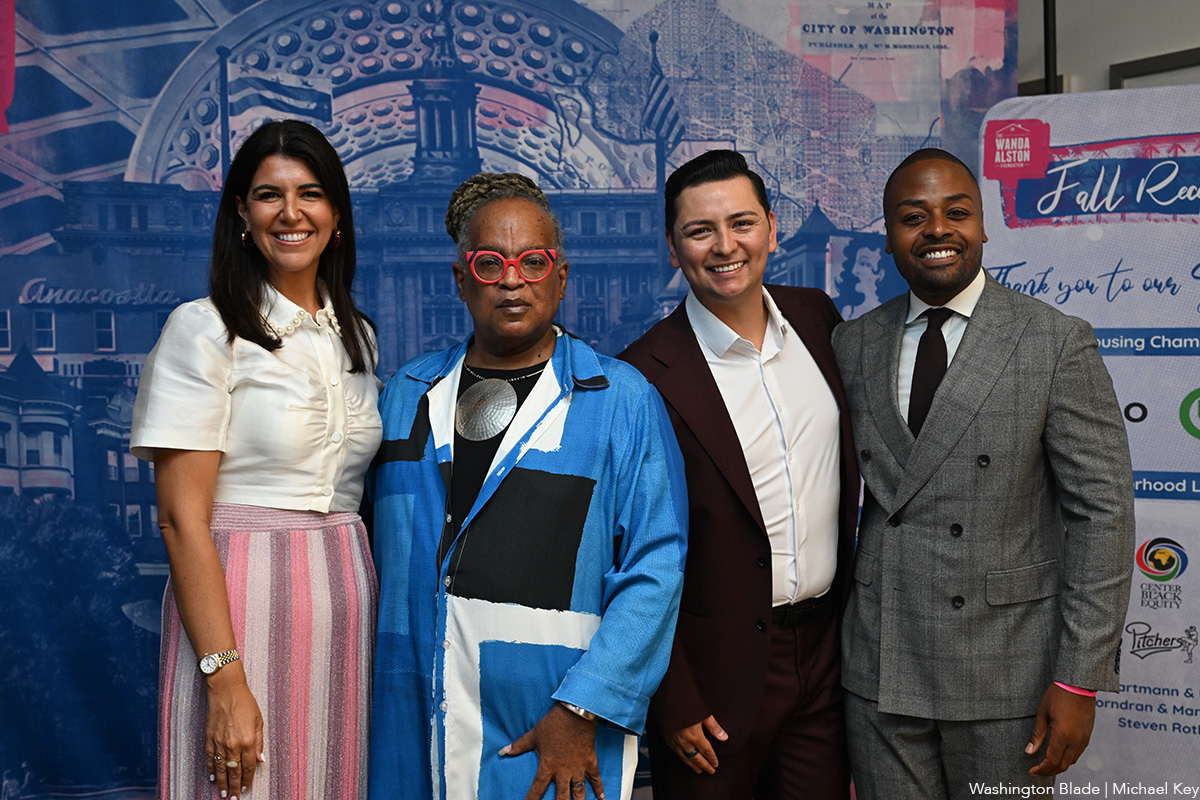
PHOTOS: Wanda Alston Foundation Fall Reception
LGBTQ youth services organization honors Robert White, Japer Bowles, Washington Capitals
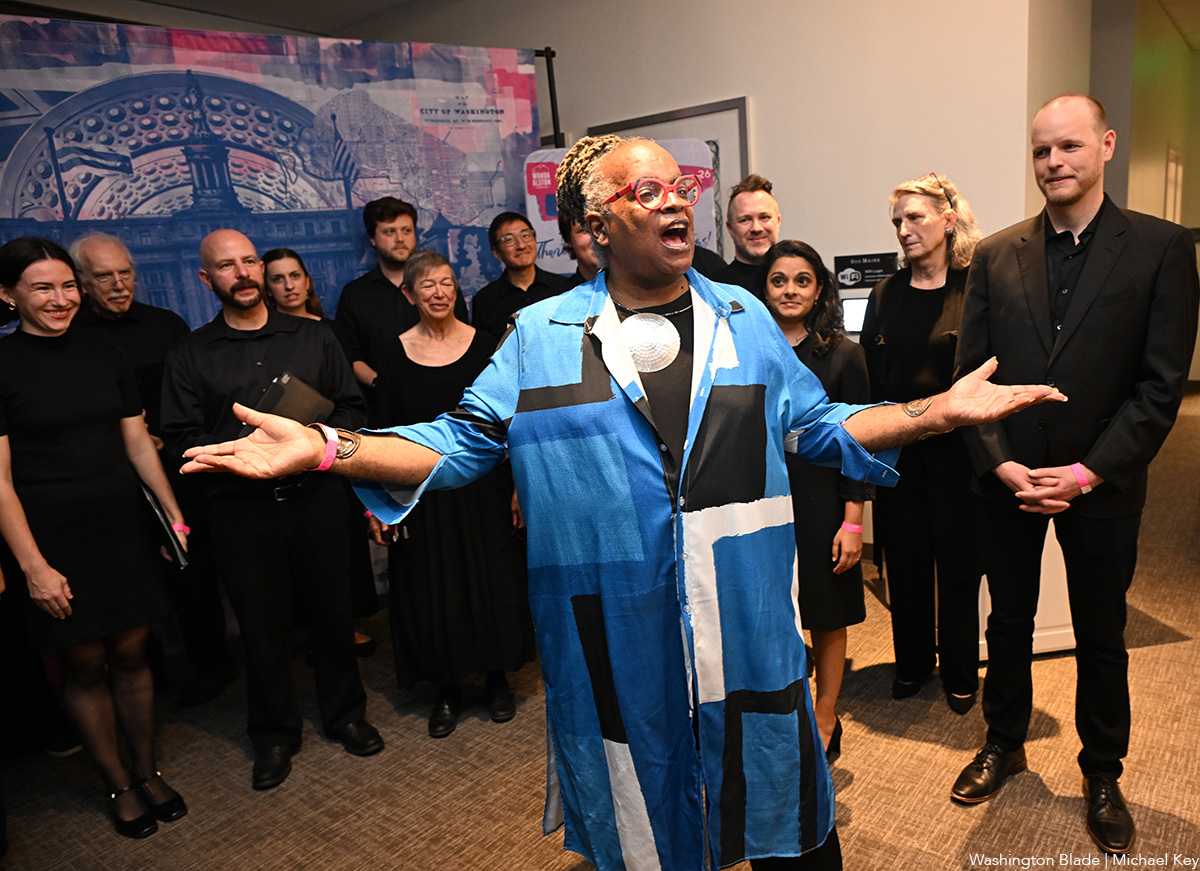
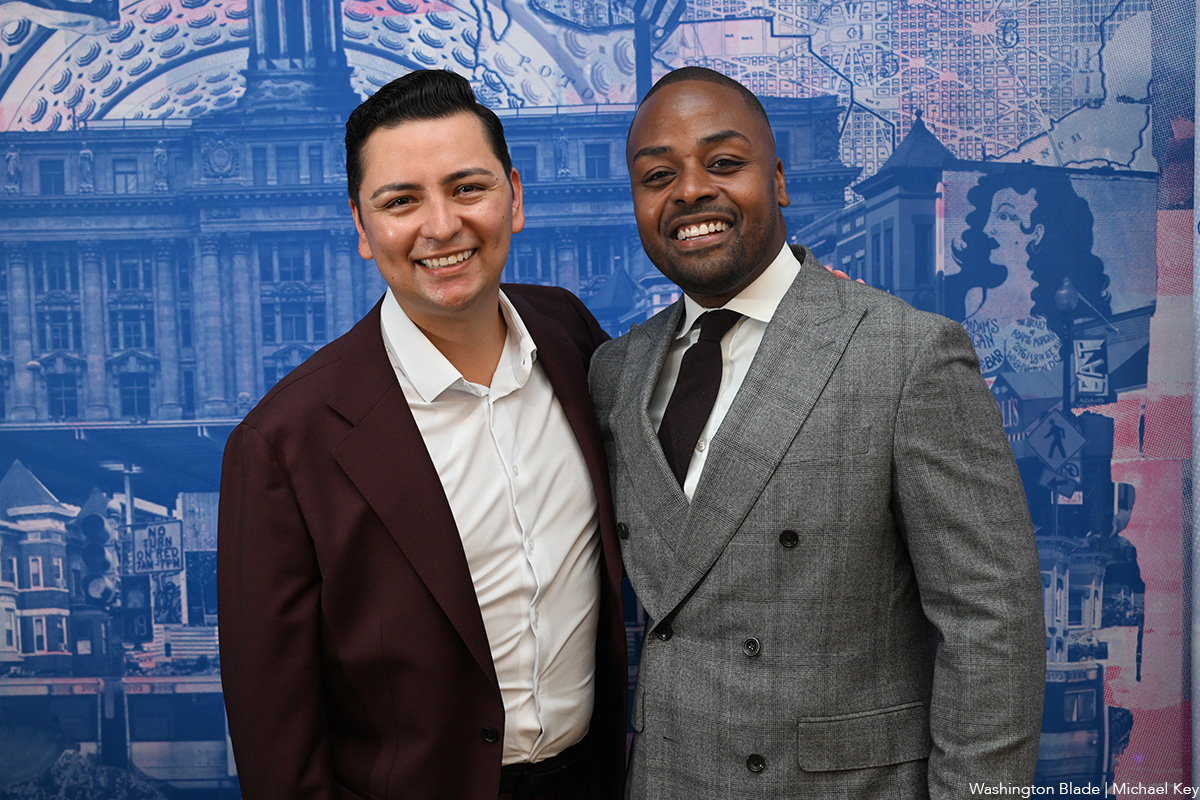
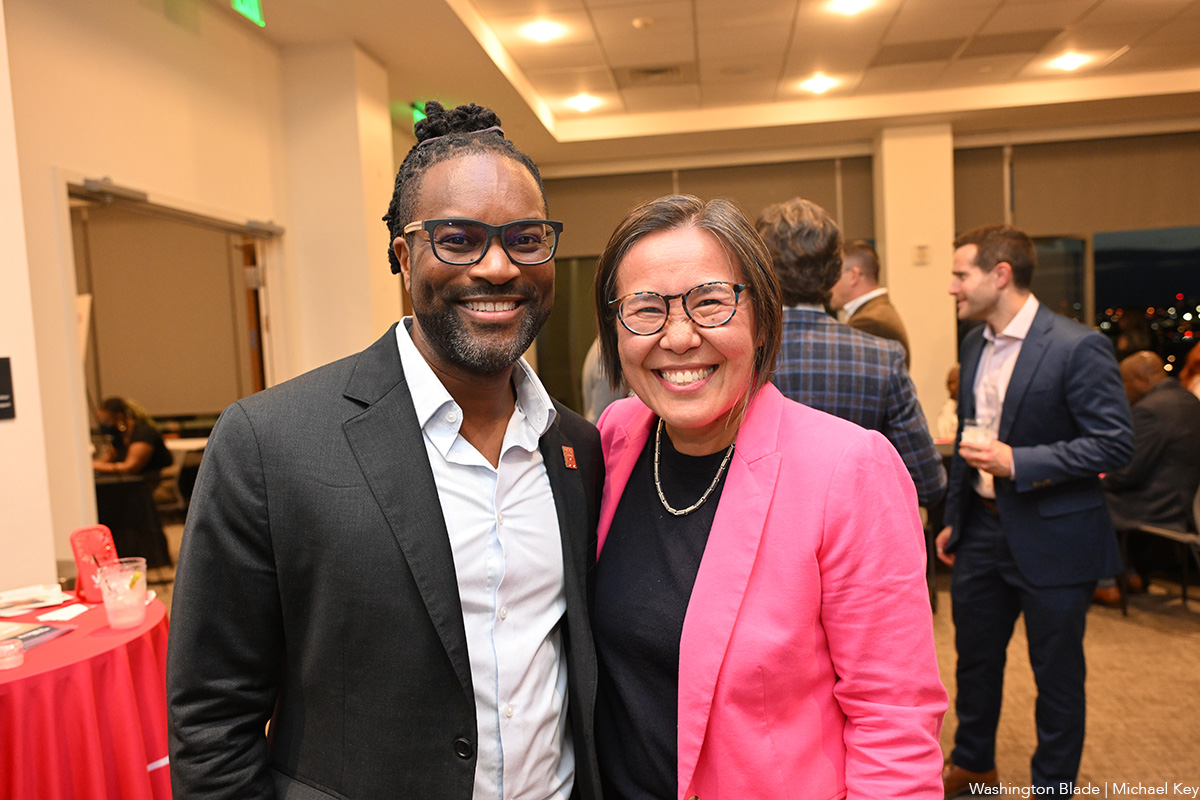
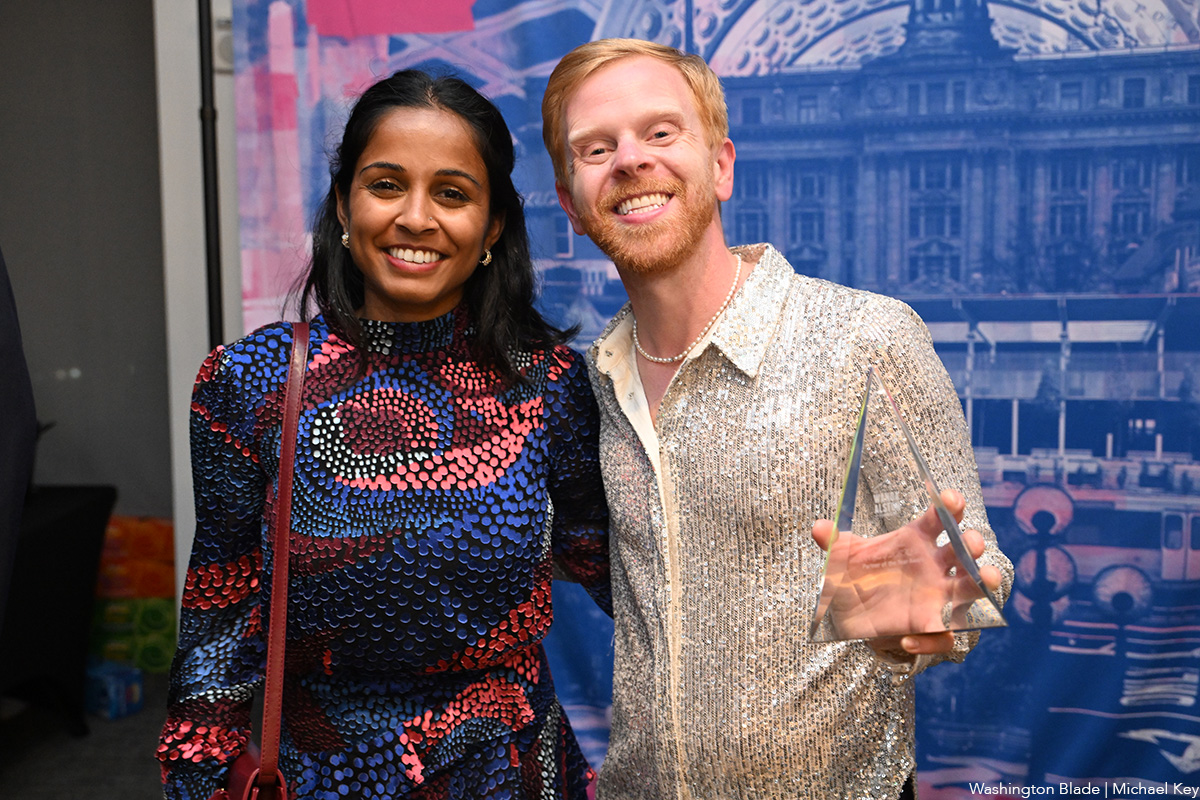
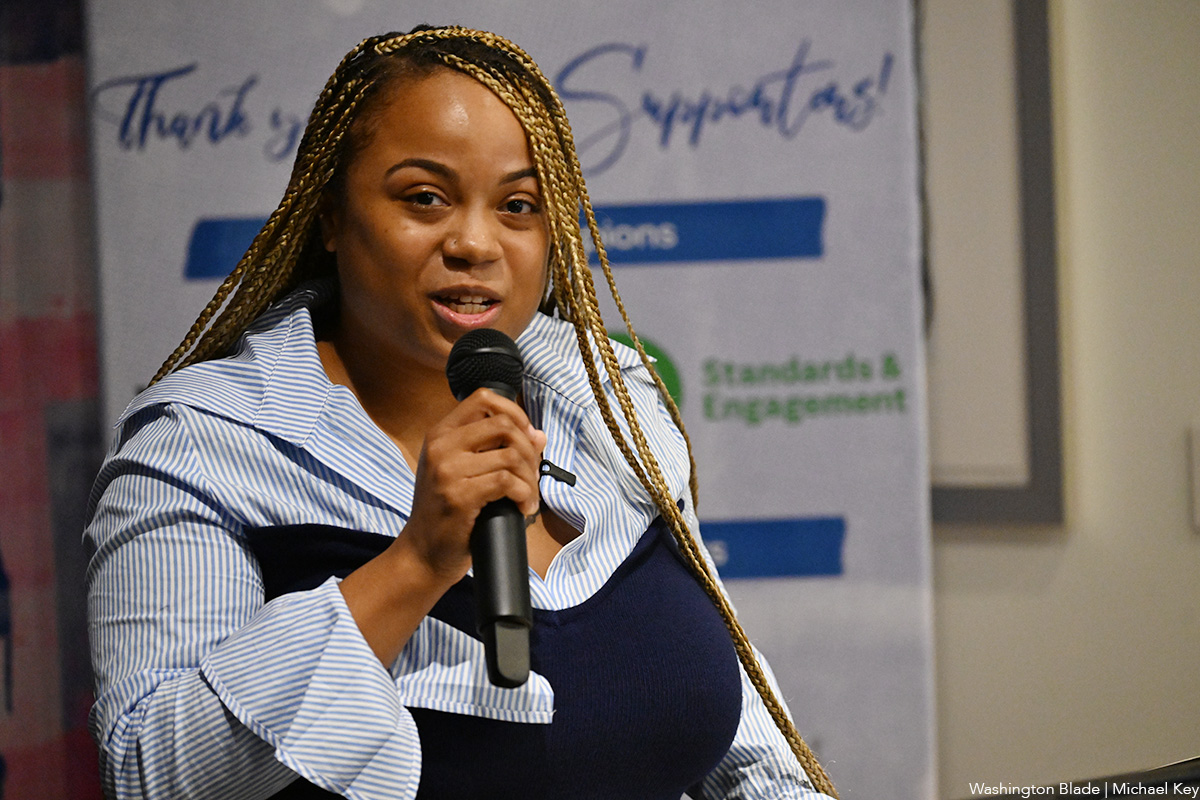
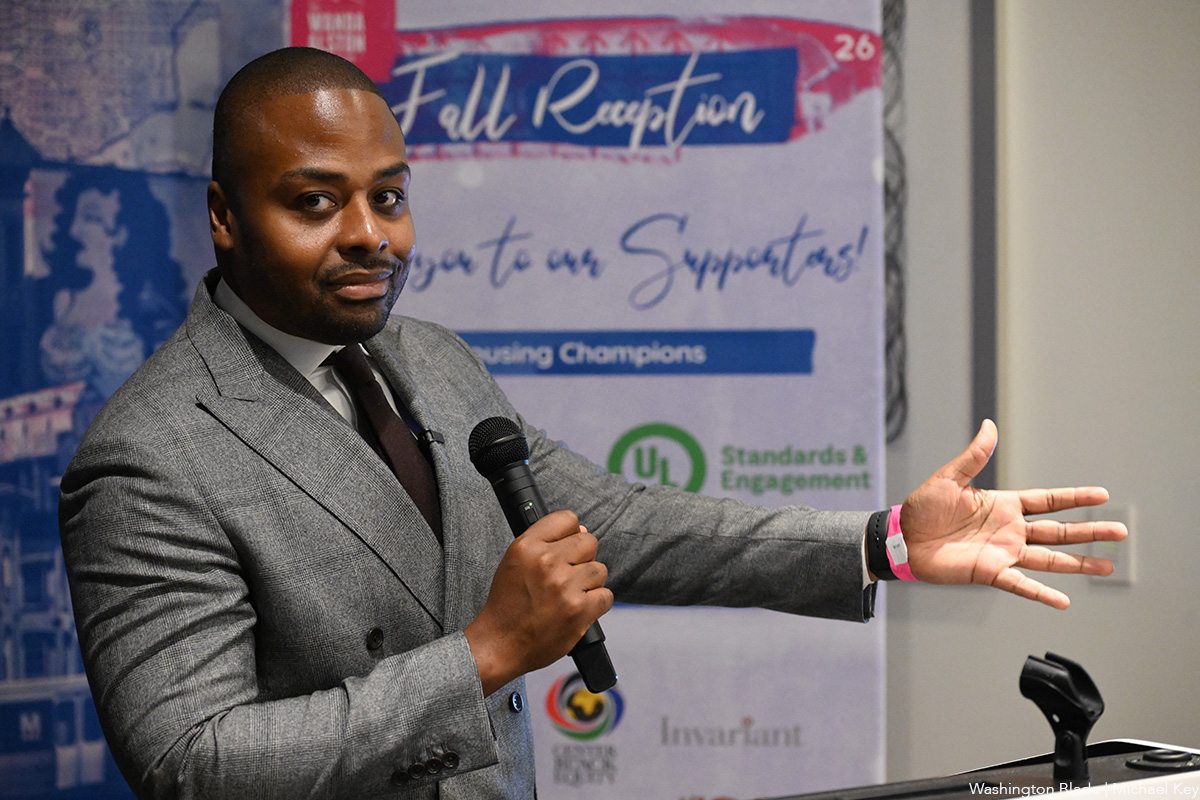
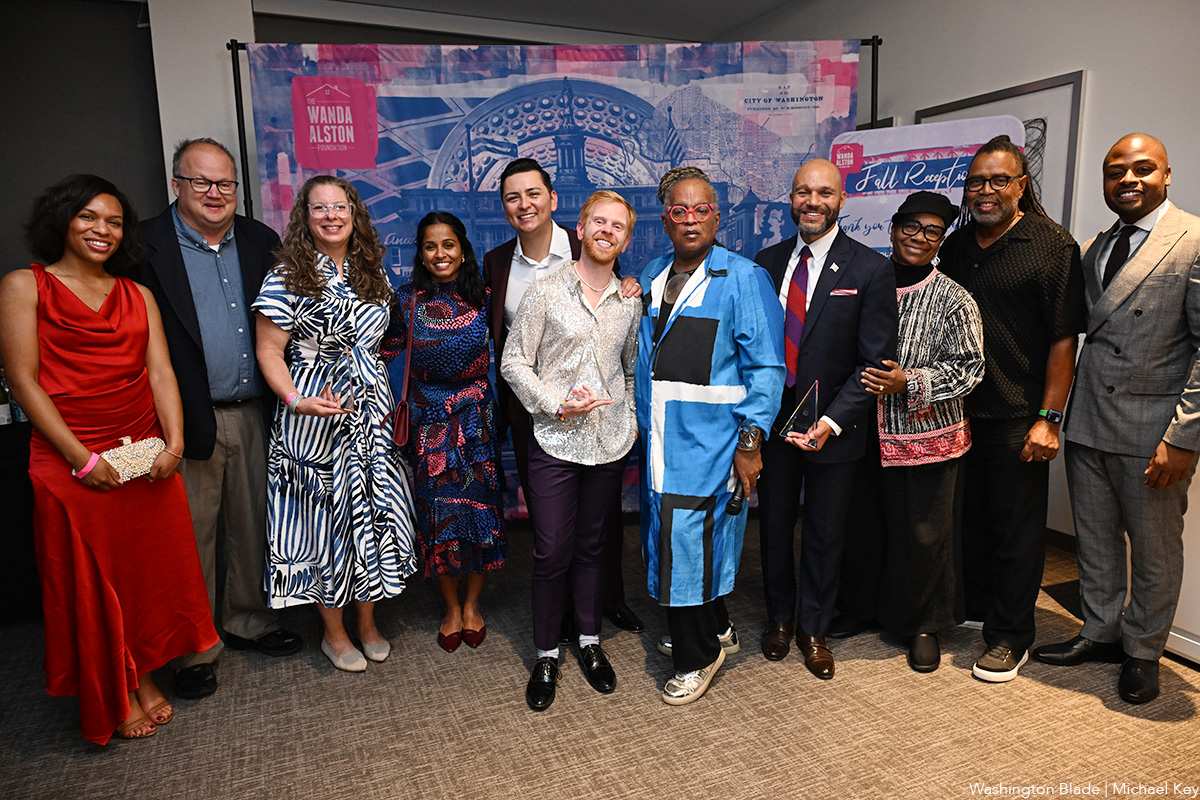
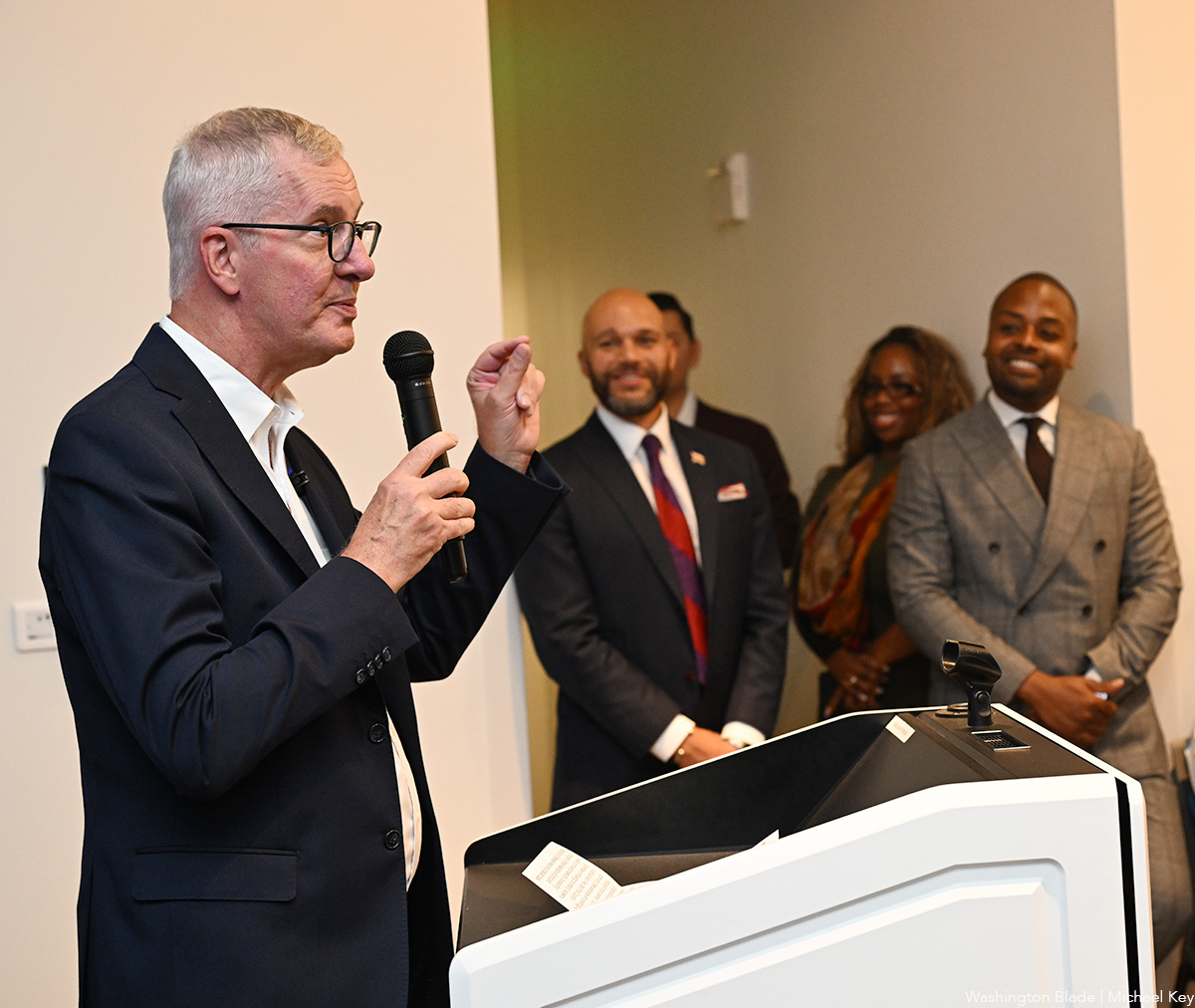
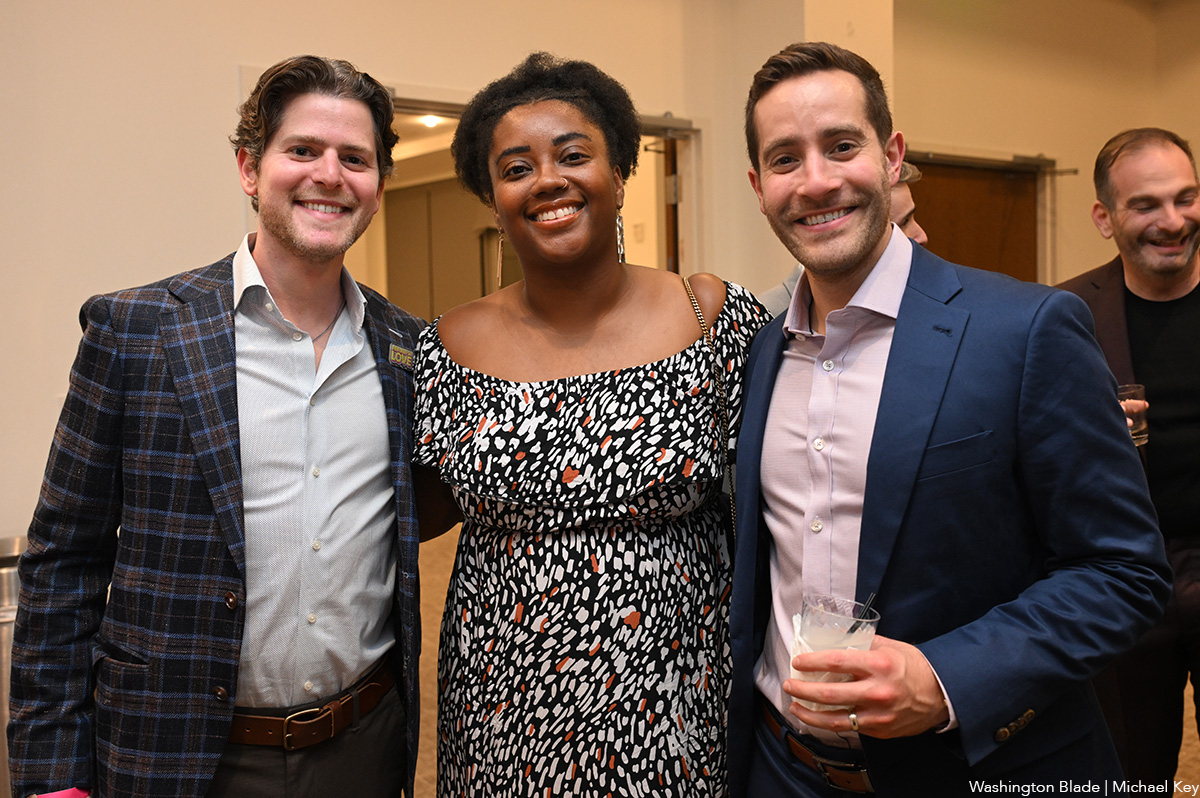
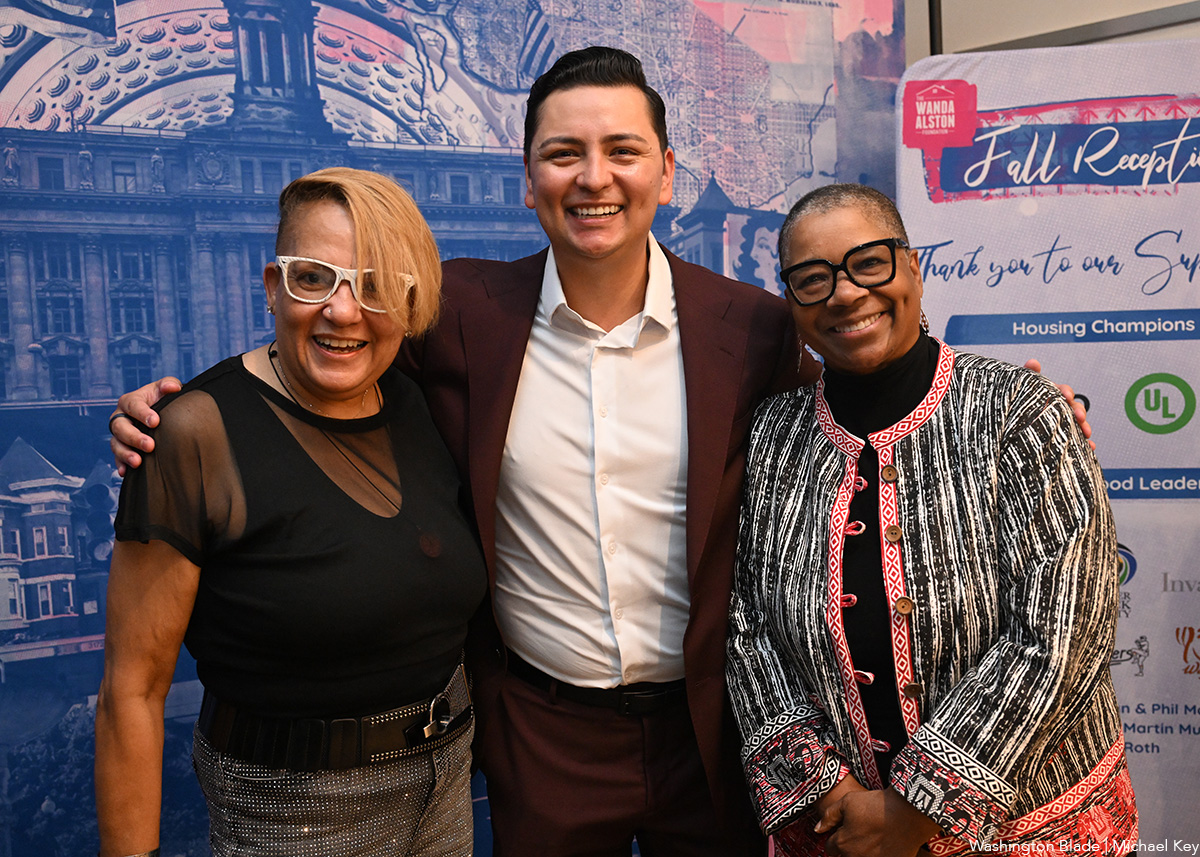
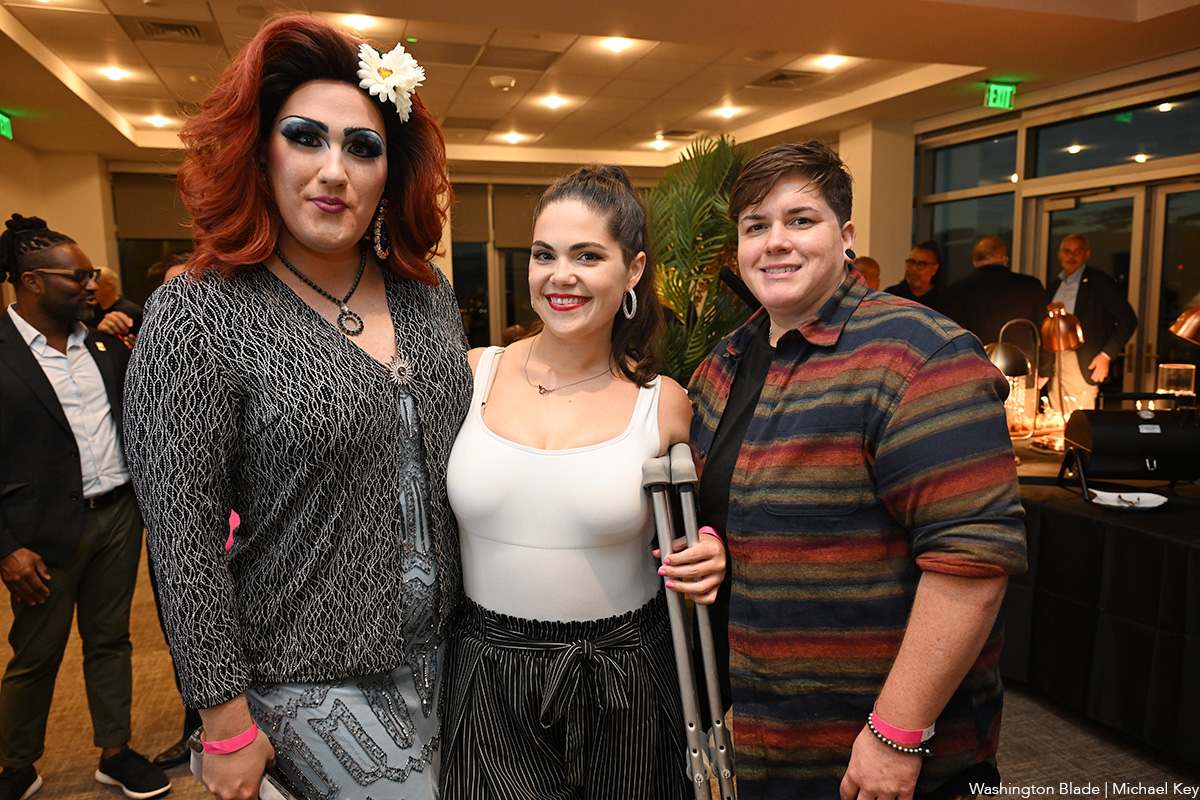
The Wanda Alston Foundation held its Fall Reception at the Penthouse Rooftop at The Wharf on Friday, Sept. 18. Honorees included D.C. Councilmember Robert White, Director of the Mayor’s Office of LGBTQ+ Affairs Japer Bowles, and the Washington Capitals. Rayceen Pendarvis served as the emcee and entertainment was provided by the Thomas Circle Singers.
(Washington Blade photos by Michael Key)

White House press pool pushes back after Trump bars three outlets

PHOTOS: Shenandoah Valley Pride

Long-time DignityUSA executive director announces retirement

PHOTOS: Walk and 5K to End HIV

PHOTOS: Wanda Alston Foundation Fall Reception

Gun reform is an LGBTQ rights issue

All the queer things to watch this fall

Parties, dinners, concerts and more on tap for fall nightlife

Jeremy Moss looks to bring LGBTQ advocacy from Lansing to Capitol Hill