Arts & Entertainment
Law of the land
Same-sex couples plan mass wedding at Baltimore Pride
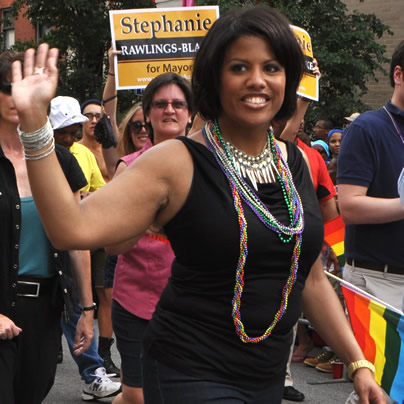
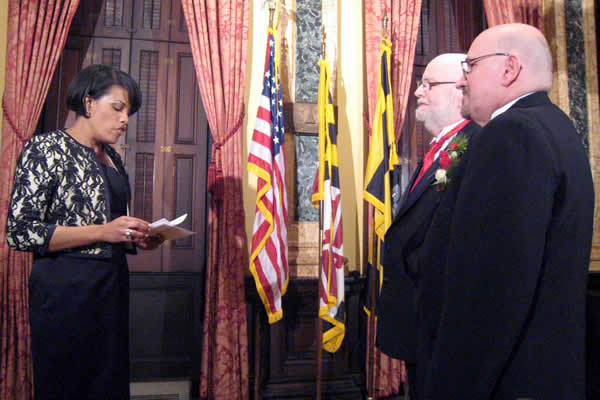
Baltimore Mayor Stephanie Rawlings-Blake will join several LGBT clergy at WeDo Baltimore Sunday for a mass wedding celebrating gay marriage. (Photo courtesy of Baltimore mayor’s office)
The idea of getting married at a public festival like Baltimore Pride may seem daunting and lacking in intimacy for a lot of couples, but for Carrietta Heirs, it’s an important option to provide the LGBT community after years of struggling for marriage equality in Maryland.
“It’s the way we’re validating what we’ve always known — that we have this right,” Heirs says of WeDo Baltimore, a mass LGBT wedding ceremony new to Baltimore Pride that she has organized. “We’ve finally earned this right, so the public should know.”
WeDo Baltimore will host about a dozen LGBT couples during the Baltimore Pride Festival on Sunday in lakeside Druid Hill Park (2600 Madison Ave., Baltimore) to celebrate the passage of marriage rights for same-sex couples in Maryland. Baltimore Mayor Stephanie Rawlings-Blake will lead the event and address the crowd. Rev. Meredith Moise, Father E. Skip Koritzer, Elder Harris Thomas and Rev. Dorothy Harris are among the local faith leaders who will officiate.
Heirs says WeDo Baltimore will be an integral part of Baltimore Pride in the coming years and is not just a one-time event.
“I think for the next couple years it very well may be. This is the month to celebrate,” Heirs says. “I think that this is historical. Today it’s gonna be a hell of a big deal, but in five years from now, I’d like it to be ‘Oh, it’s another wedding.’”
In addition to managing the event, Heirs will marry her partner of nearly 13 years, Tonya Cooke.
“We had a commitment ceremony in 2010. We said that when it became legal we would do it. We didn’t realize it would happen so soon. It really means a lot,” Heirs says. “I’m also so excited for the other couples who are finally able to get married.”
The ceremony will include couples that cannot get married in their own states, some traveling from as far away as Atlanta to share their vows. Heirs is especially touched that a couple that has been together for 50 years will tie the knot at WeDo.
“It was very powerful to find that couple who’s going to be celebrating over 50 years. It gives you chills to think about it. It’s amazing,” Heirs says. “It is so significant for people who have been together over 50 years to be able to stand up and say, ‘Love is love,’ no matter what.”
Baltimore Black Pride Inc., Strapped Up Baltimore, the Gay and Lesbian Community Center of Baltimore, Unity Fellowship Church of Baltimore, SEIU Eastern Regions National Lavender Caucus, Alpha Eta Omega Sorority and the Alpha Alpha DMV Chapter of Beta Phi Omega Sorority are sponsoring the event.
The Baltimore Pride Festival, which includes WeDo Baltimore, will be held from noon-5 p.m. This year’s performers are duo J Pope and Funk Friday, Septimius and Unity. In addition to WeDo, there will also be a “Family Zone” with activities for children to enjoy. For more information on WeDo Baltimore and Baltimore Pride, visit baltimorepride.org.



Online Culture
Clavicular charged in alleged rape of teenage influencer
Online personality’s real name is Braden Peters
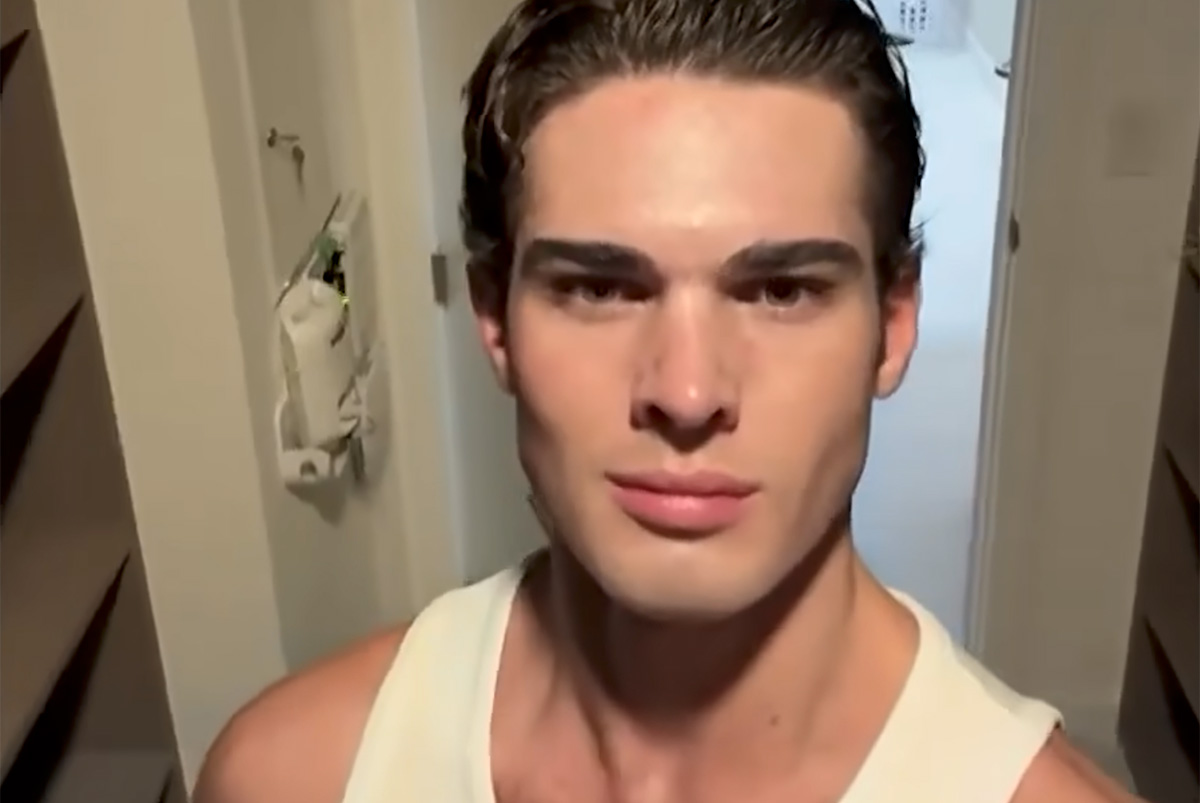
Online personality Clavicular, whose real name is Braden Peters, has been accused of rape.
According to NBC, Aleksandra Vasilevna Mendoza, an 18-year-old influencer known online as Alorah or Alorah Ziva, accused Peters of sexual assault, and the case is making its way through the court system.
The alleged incident occurred on May 23, 2025, when Mendoza was 17.
According to a criminal complaint from the Chatham (Mass.) Police Department, Peters called her an Uber to his family’s home. Once there, he allegedly got her drunk on vodka while they livestreamed on Twitch and then raped her. His mother and grandmother were allegedly in the house.
The documents allege Clavicular committed rape, drugging a person for sexual intercourse, and procuring and providing liquor to a person under 21.
According to court documents acquired by NPR, Mendoza began communicating with Peters on Instagram, where he paid her to appear on his livestreams to help her “make her name known on social media.”
According to those documents, Peters arranged for the minor to come to Cape Cod home to participate in a videostream for his 437,000 followers on Kick, 1.2 million followers on TikTok, and more than 1 million followers on Instagram.
At his home, Peters allegedly instructed Mendoza to say she was 18 on his videostream and to claim the alcohol on camera was water instead of vodka. Mendoza said she felt peer-pressured to drink the spirit and that she became noticeably intoxicated after a couple of drinks.
The allegations go on to state that after stopping the stream, Peters and Mendoza kissed on a couch and then had sex in his bed without her consent. Mendoza said she did not receive a sexual assault forensic exam after the incident. NPR does not name alleged victims of sexual assault.
The charges come months after Mendoza sued Peters in Miami, accusing him of sexual battery in connection with the events of May 2025. The civil lawsuit also separately alleges that he injected her face with a non-FDA-approved fat-dissolving substance during a November livestream in Florida.
Peters is known for his “looksmaxxing” concept of vanity, which is at the core of his online presence. The “looksmaxxing” culture he has helped cultivate combines elements of incel culture and heterosexuality, with the stated goal of attracting the opposite sex. He has gone as far as to say he has undergone “bonesmashing,” or hitting his own face with a hammer; taken anabolic steroids to more rapidly grow muscle; and used crystal meth as an appetite suppressant.
At the same time, looksmaxxing has been described as having elements of homoeroticism, with “looksmaxxers” appearing more concerned with impressing other men than women. Peters has multiple times pointed to openly gay actor Matt Bomer as the gold standard for male facial aesthetics.
Peters’s arraignment is scheduled for Oct. 14.
Photos
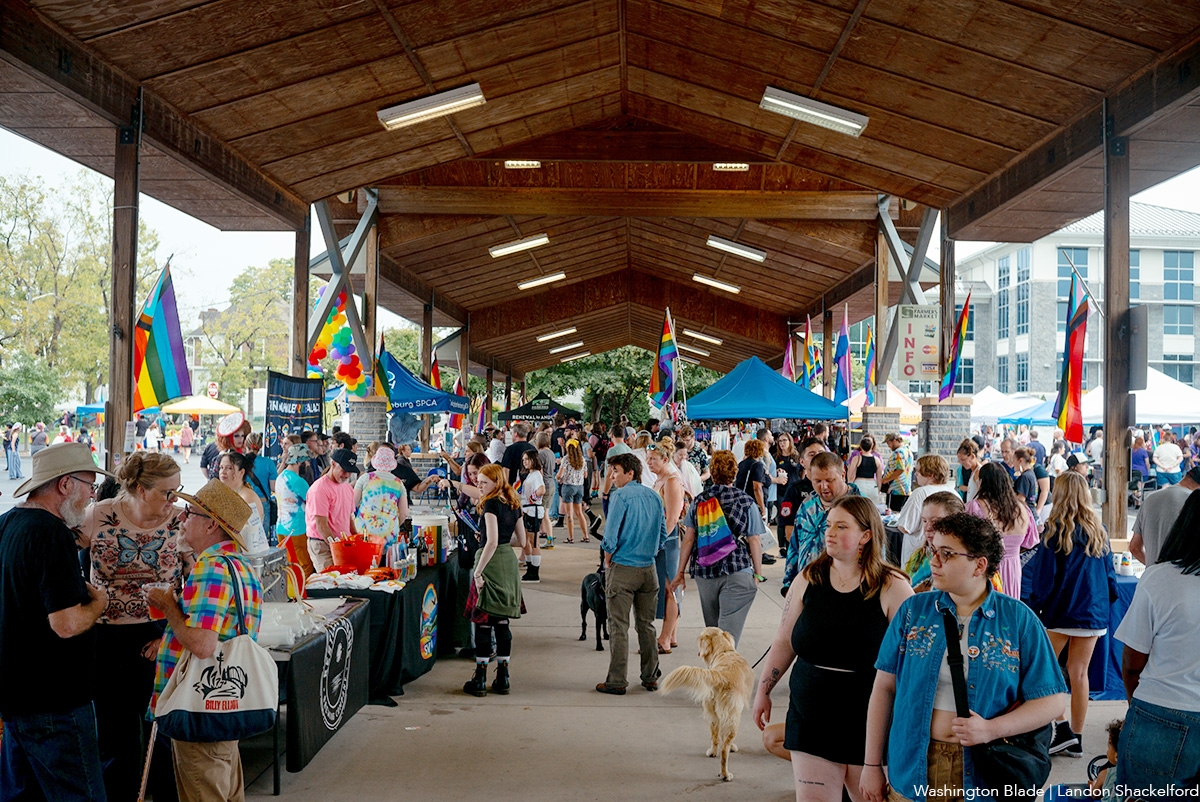
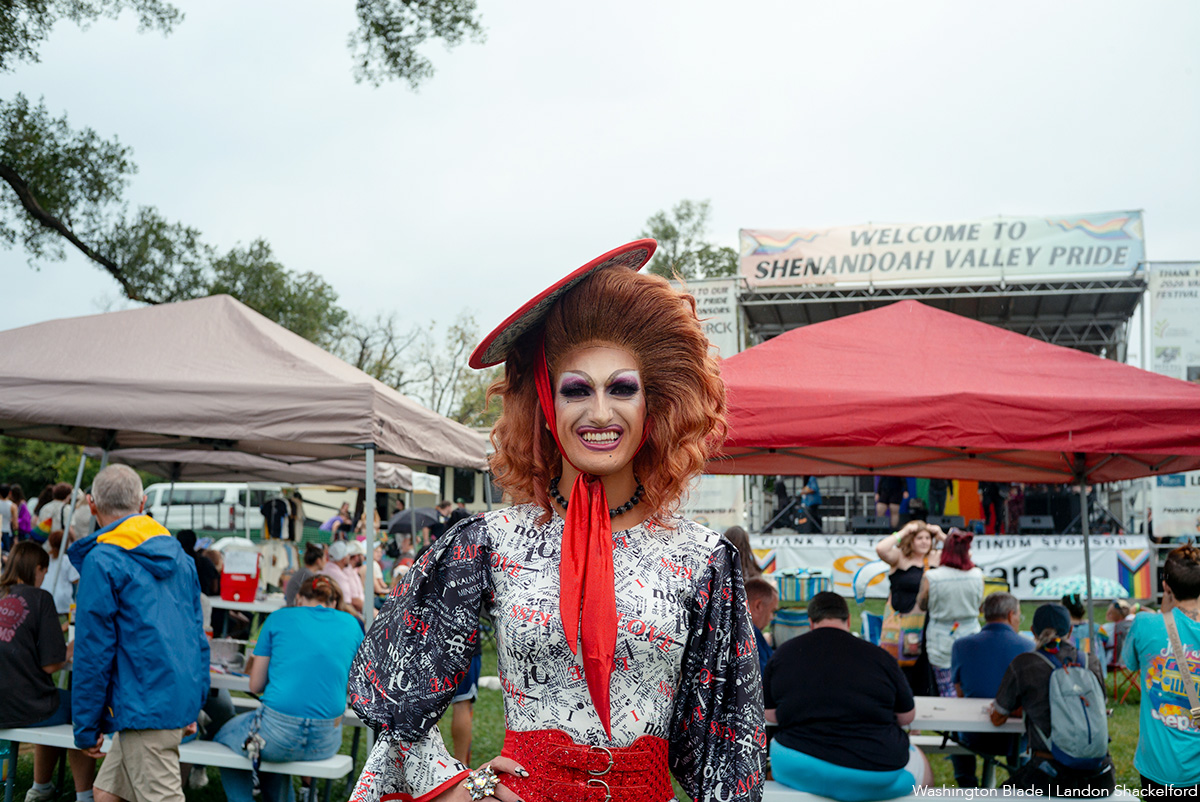
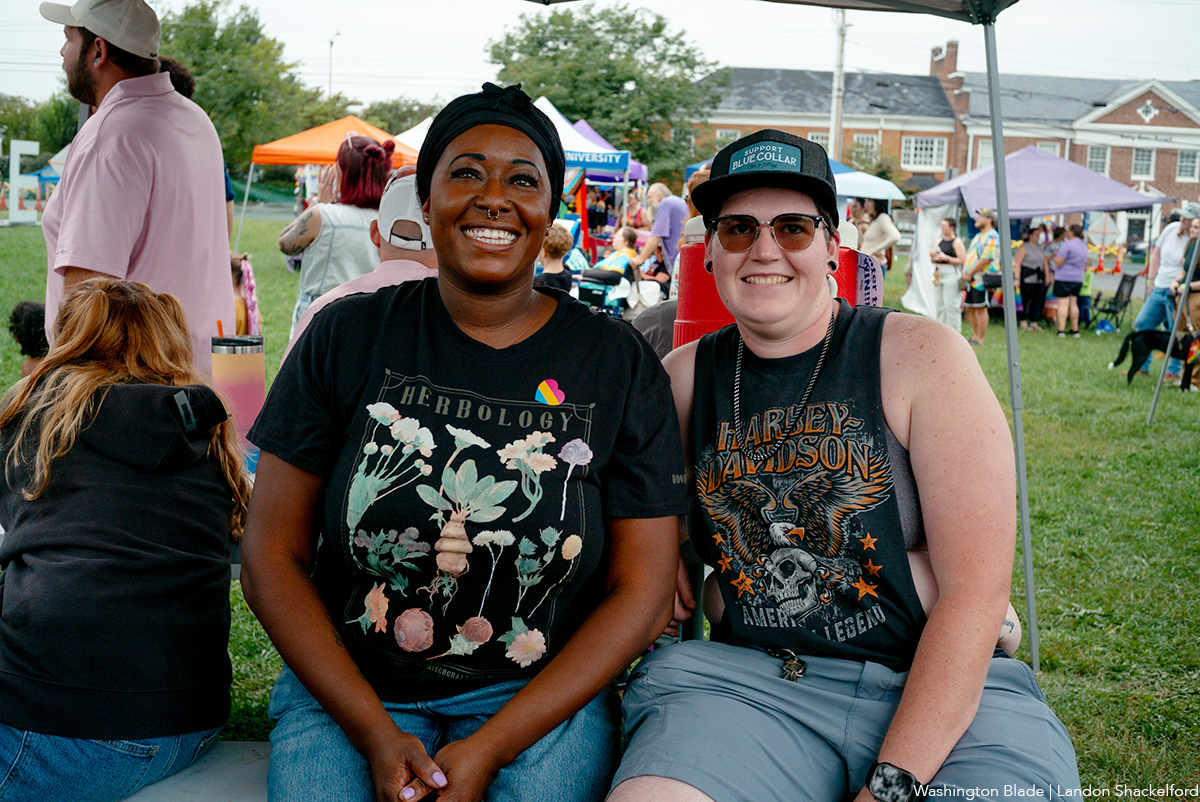
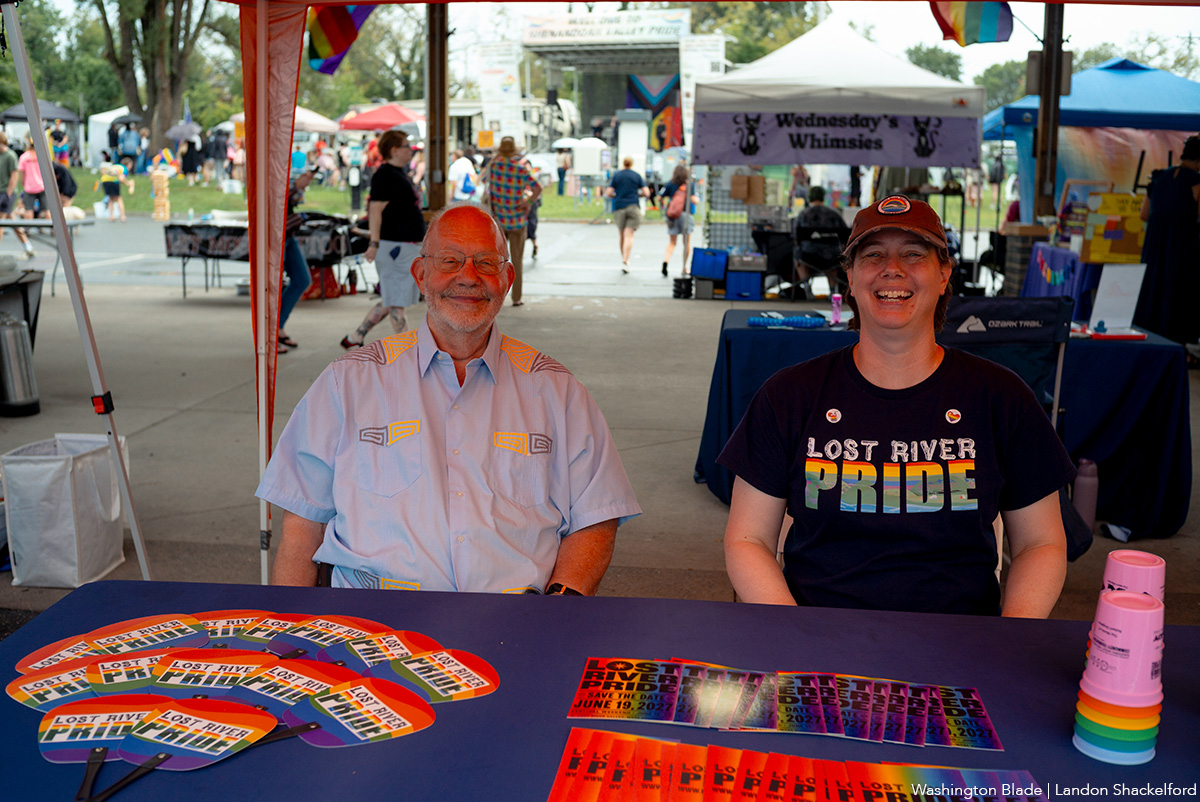
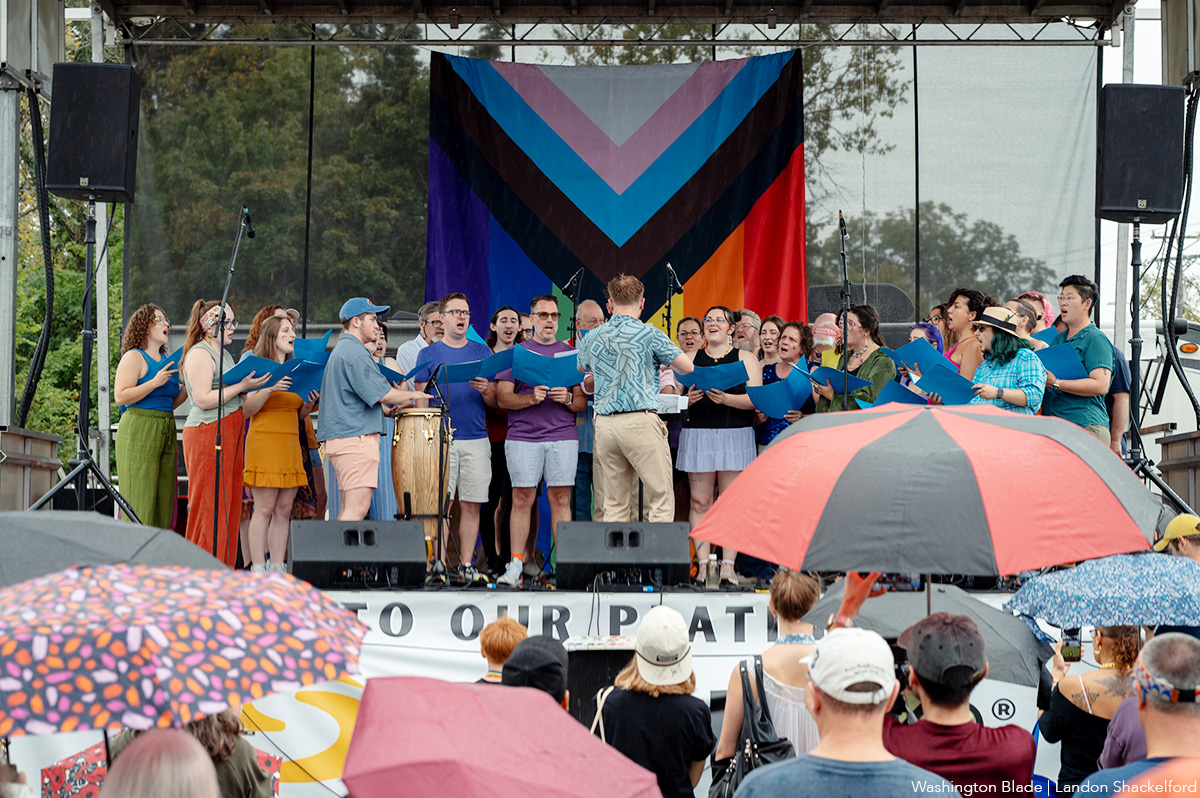
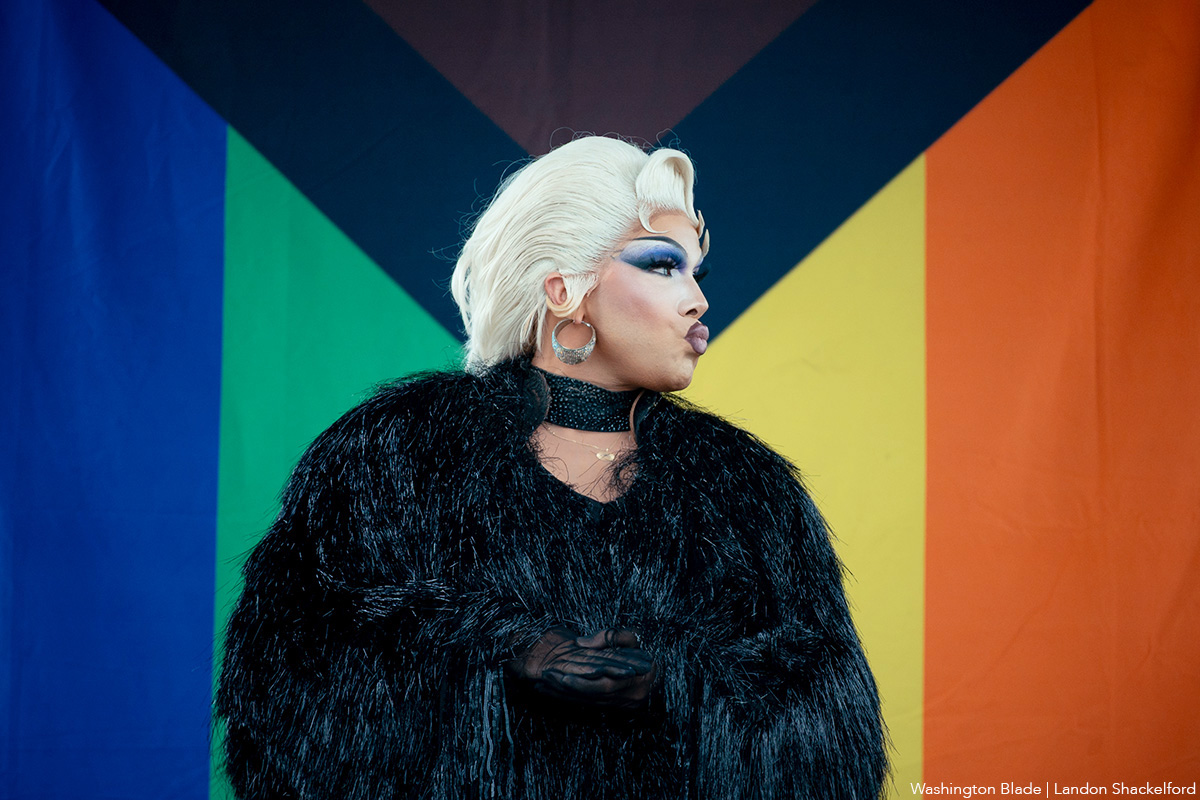
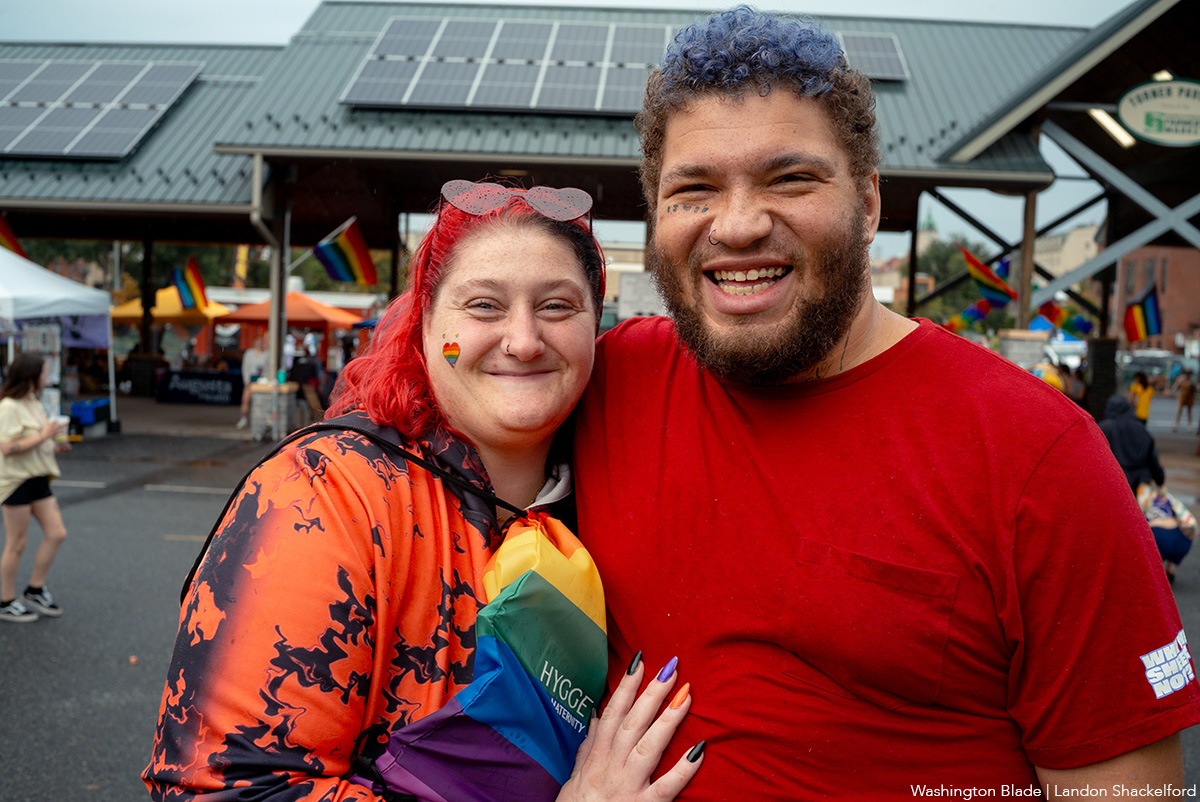
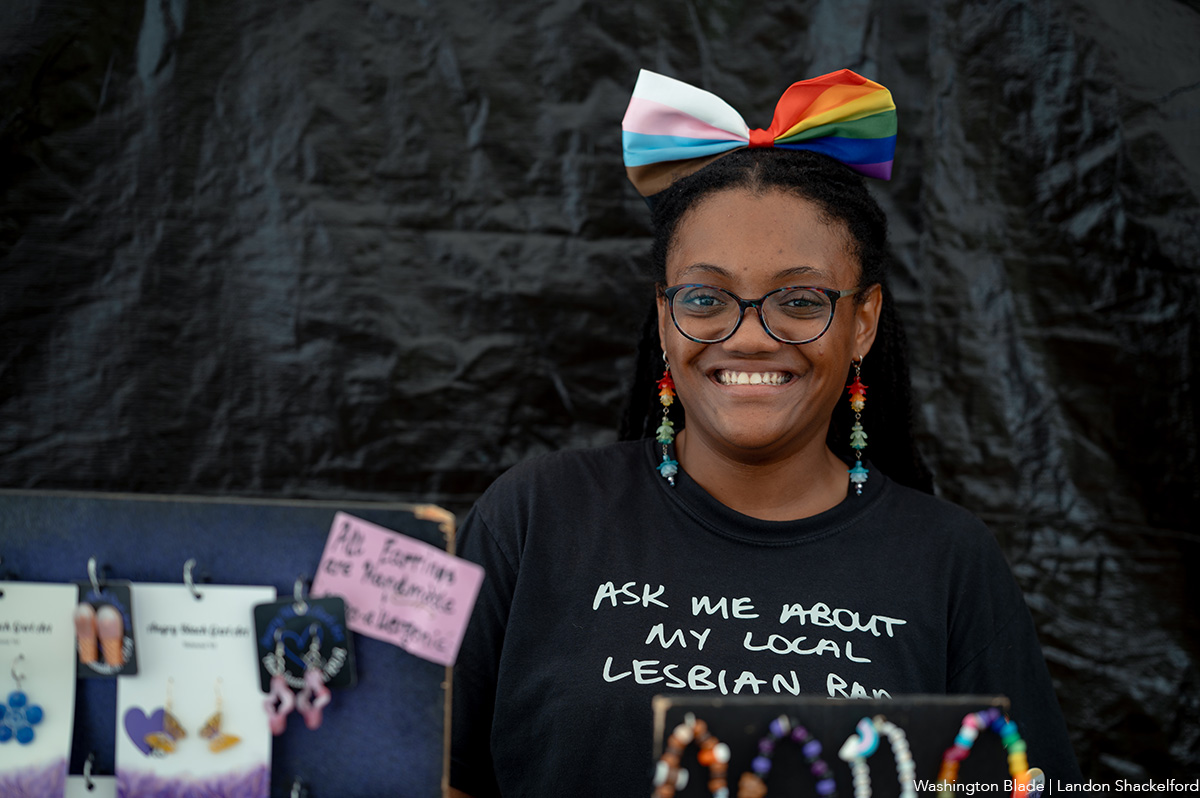
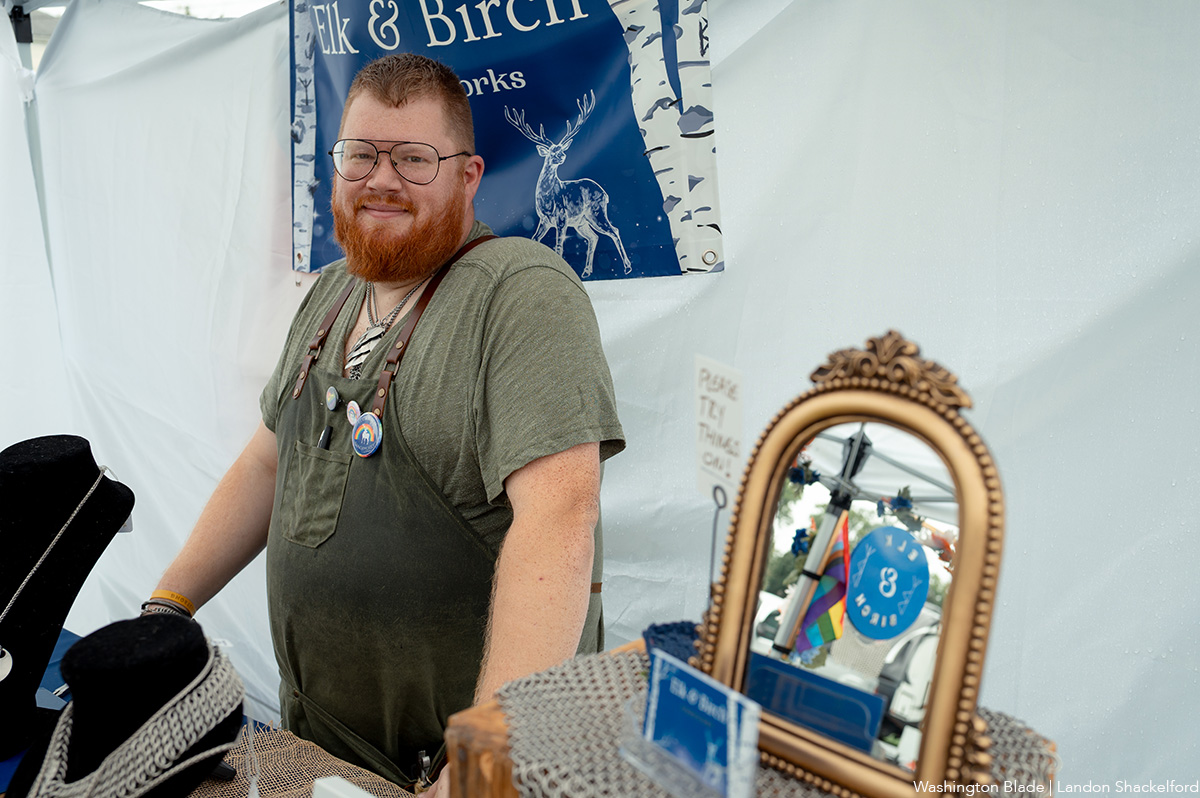
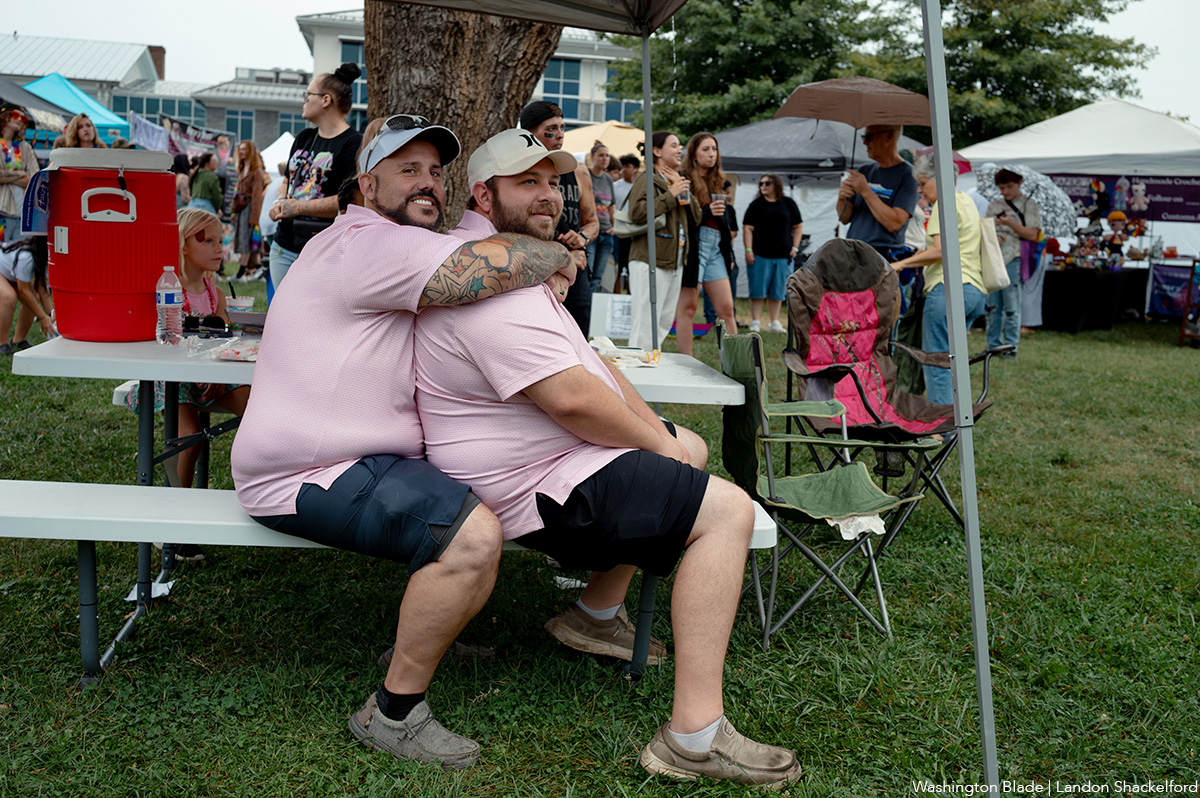
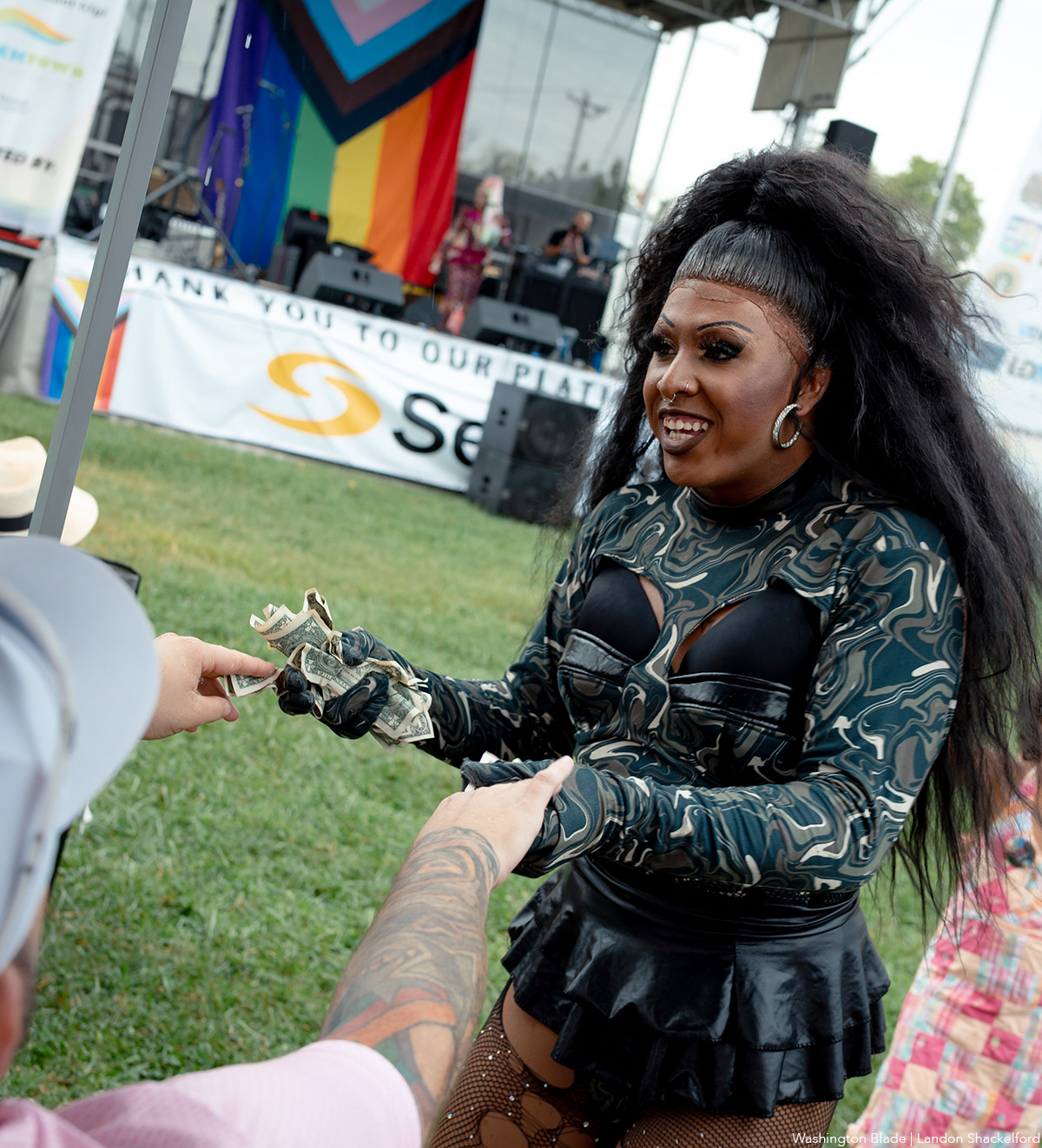
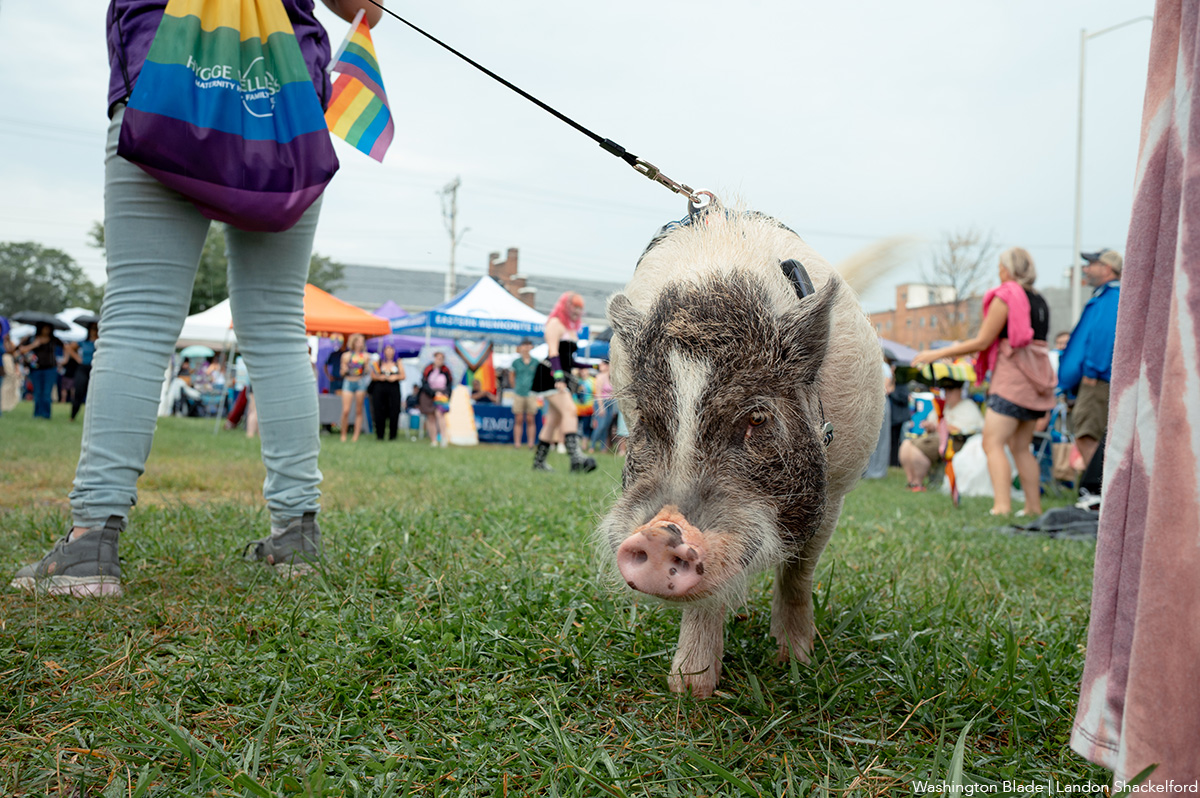
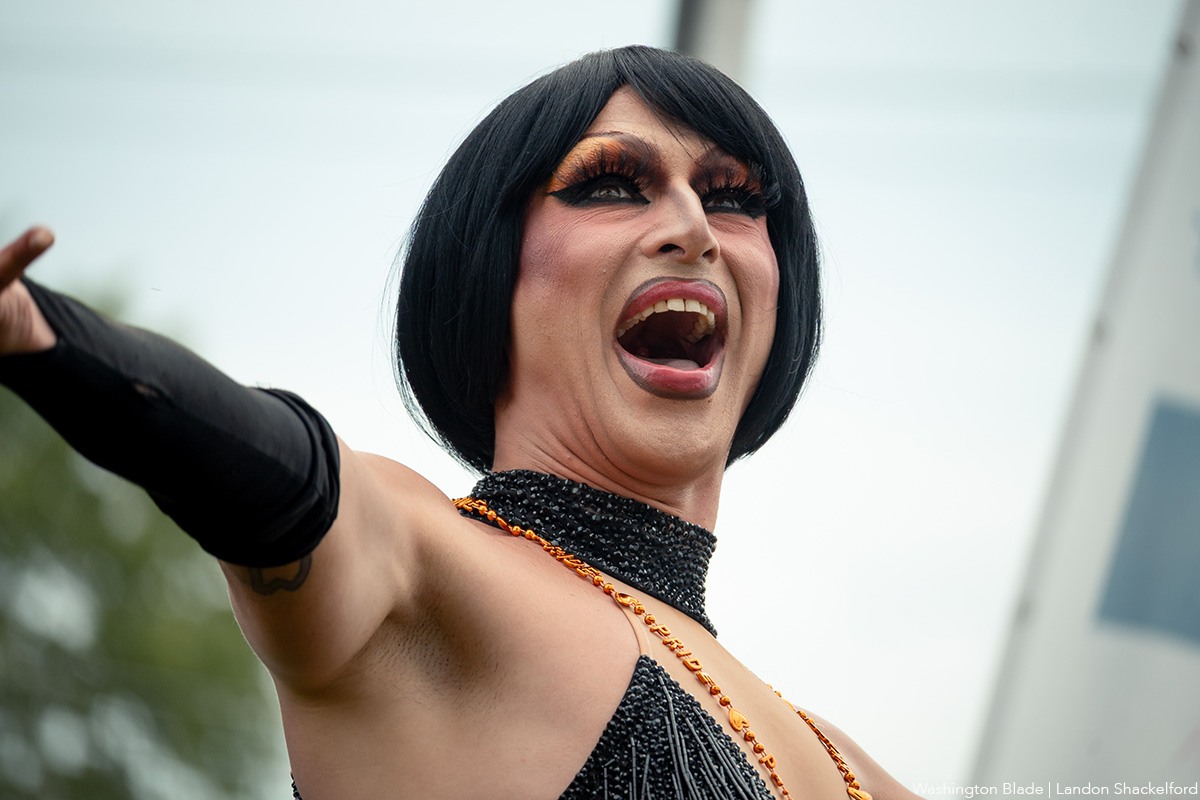
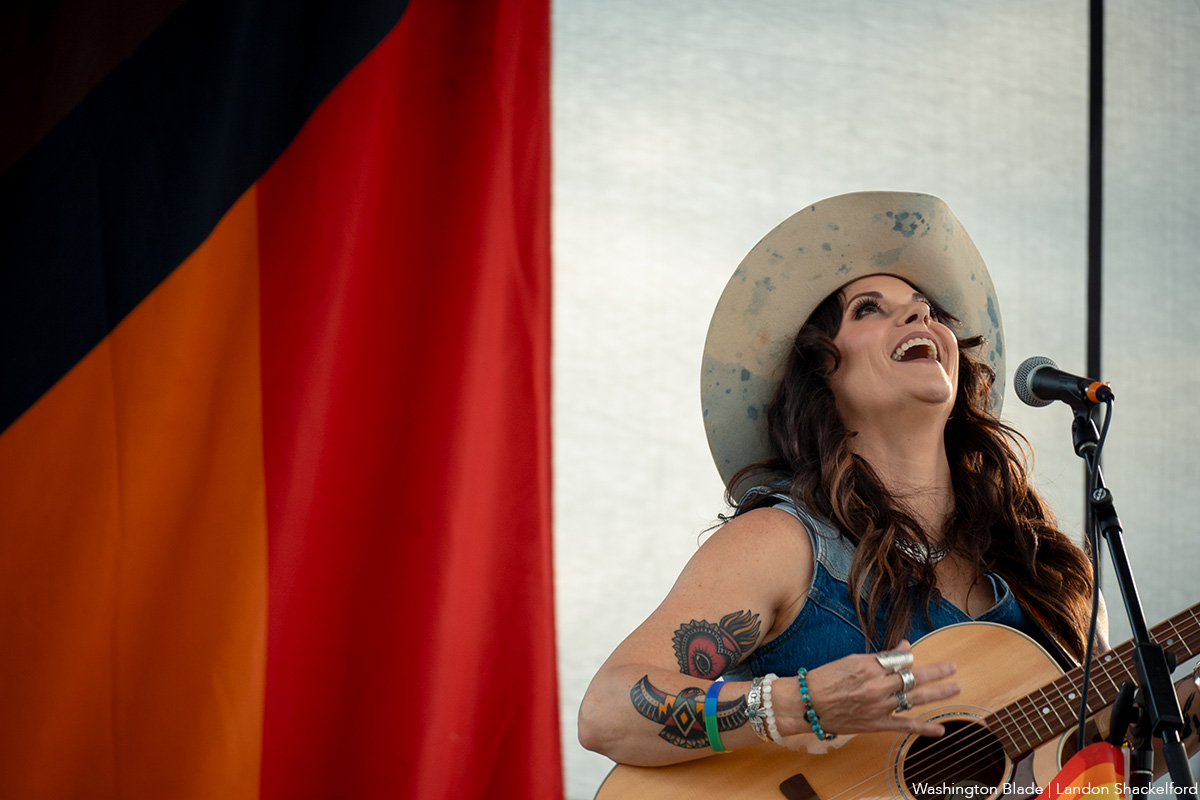
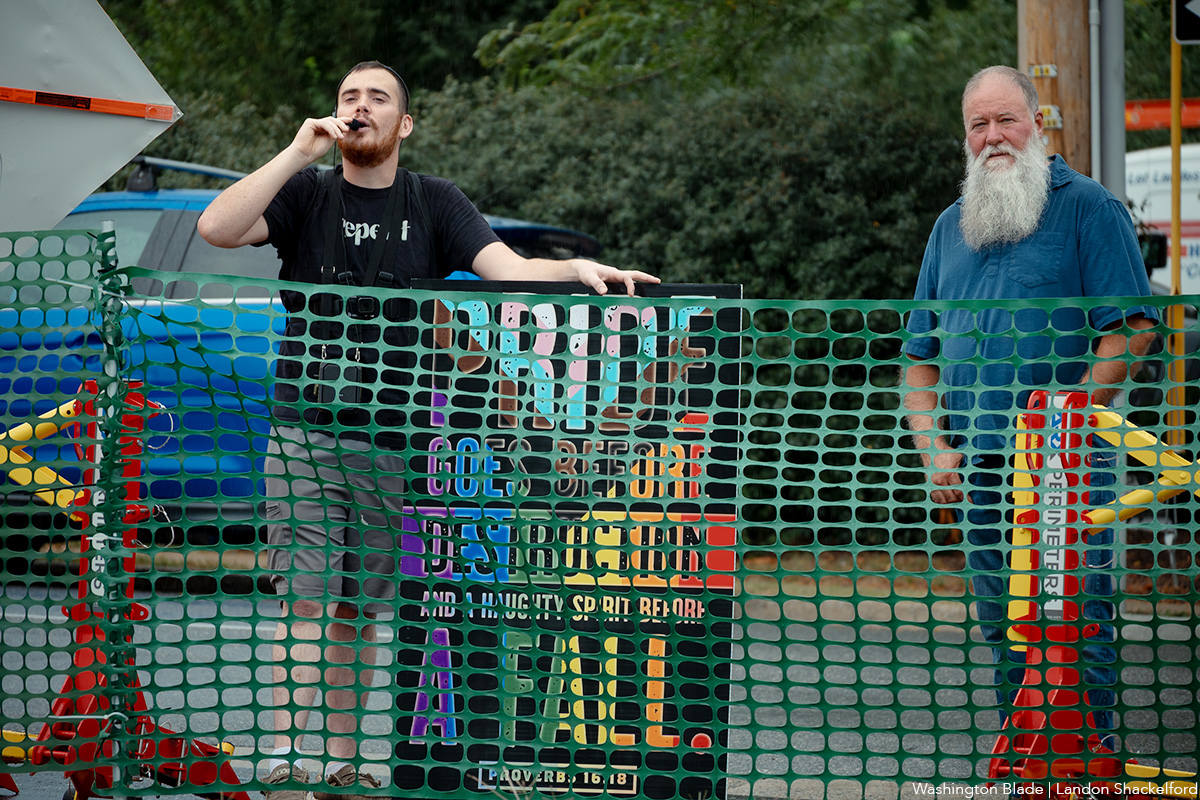
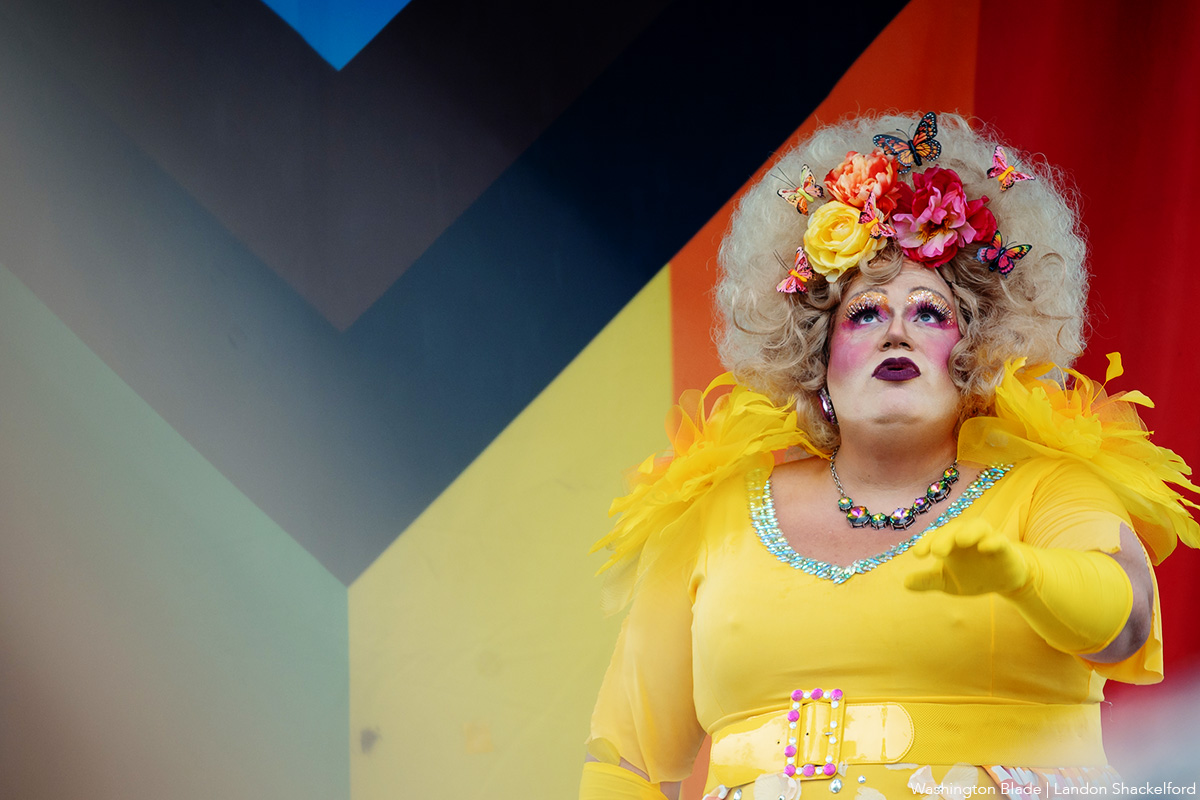
PHOTOS: Shenandoah Valley Pride
LGBTQ celebration held at Turner Pavilion in Harrisonburg, Va.
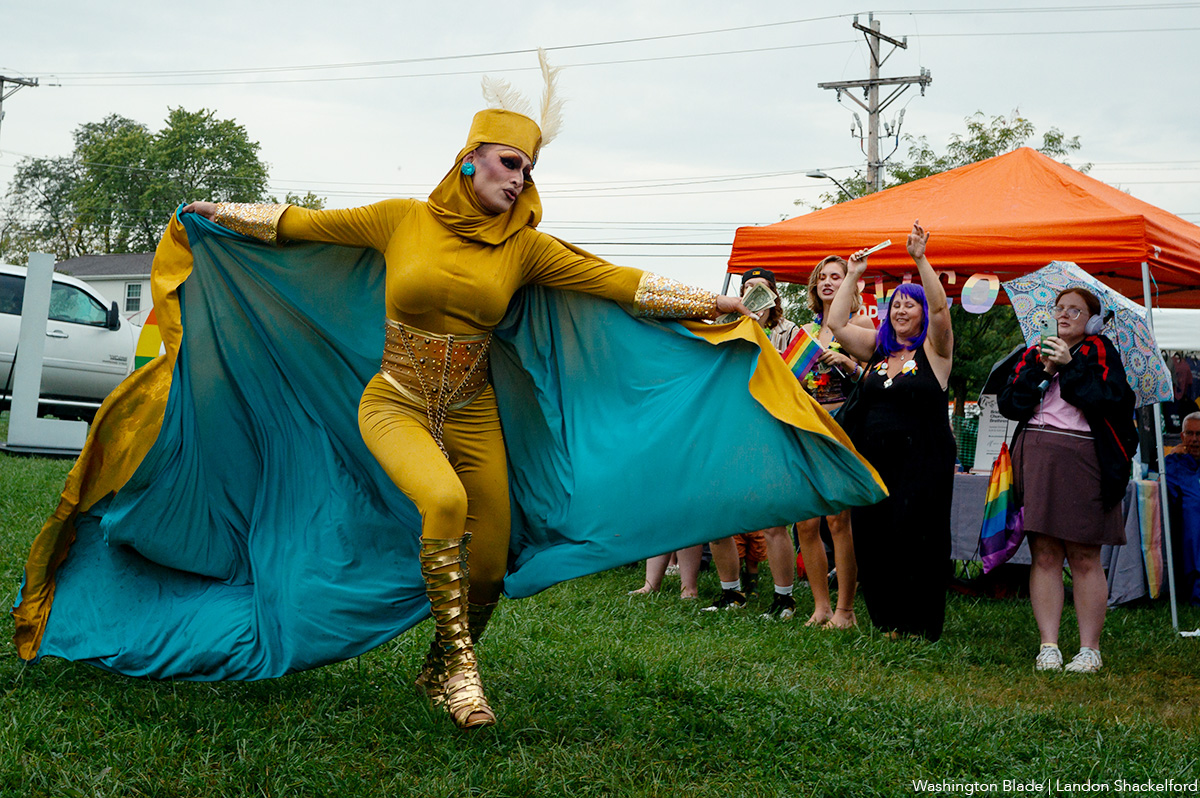
The 2026 Shenandoah Valley Pride Festival was held at Turner Pavilion in Harrisonburg, Va. on Sunday, Sept. 20.
(Washington Blade photos by Landon Shackelford)
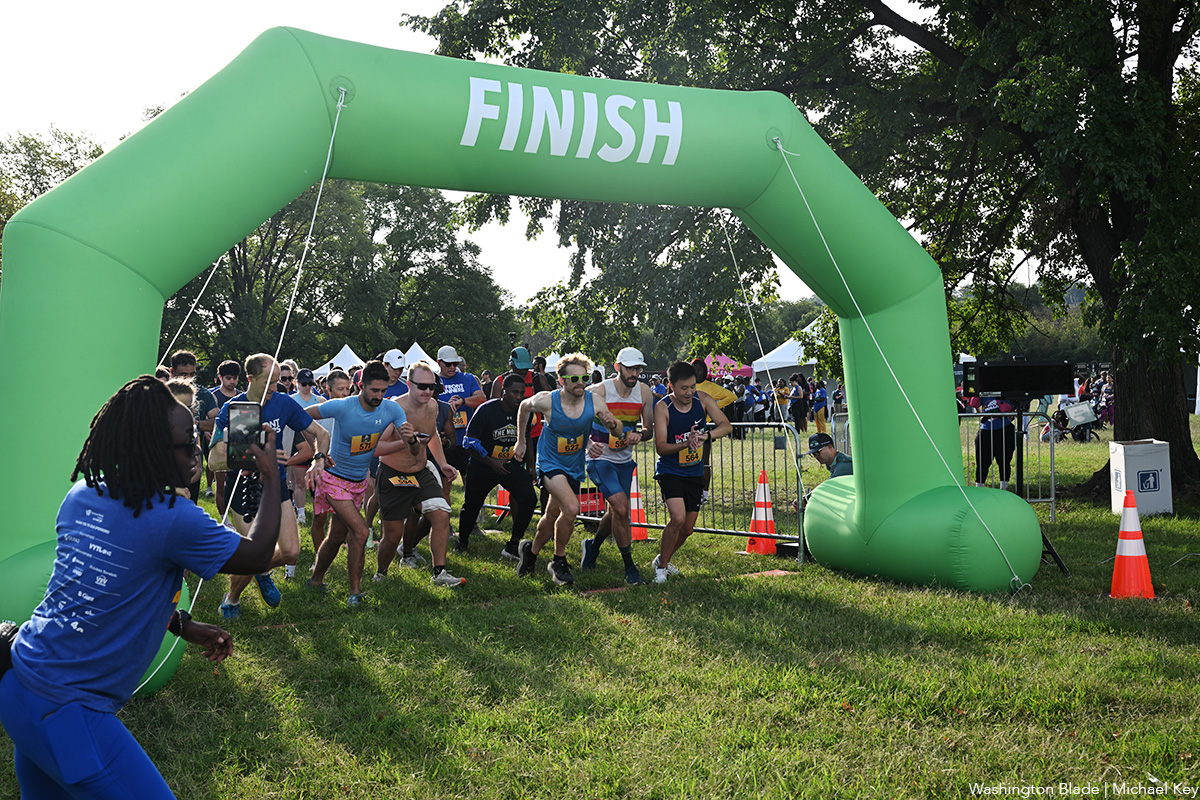
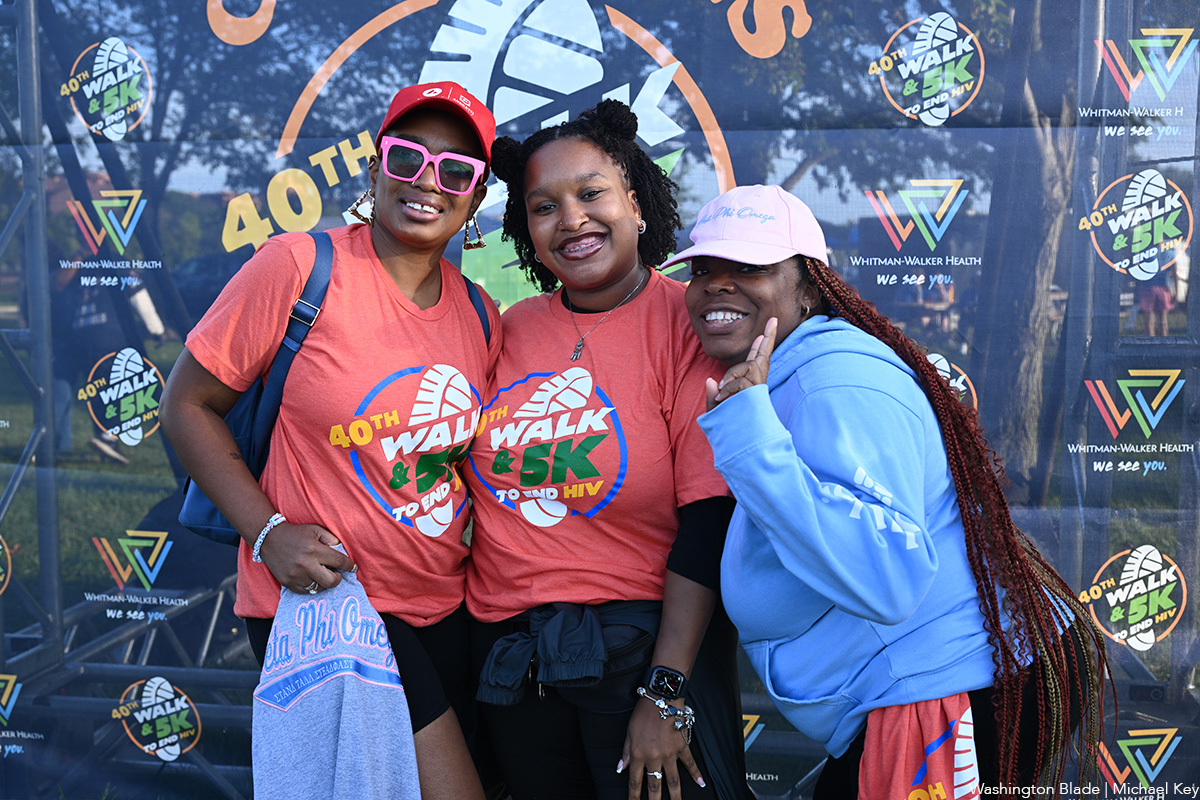
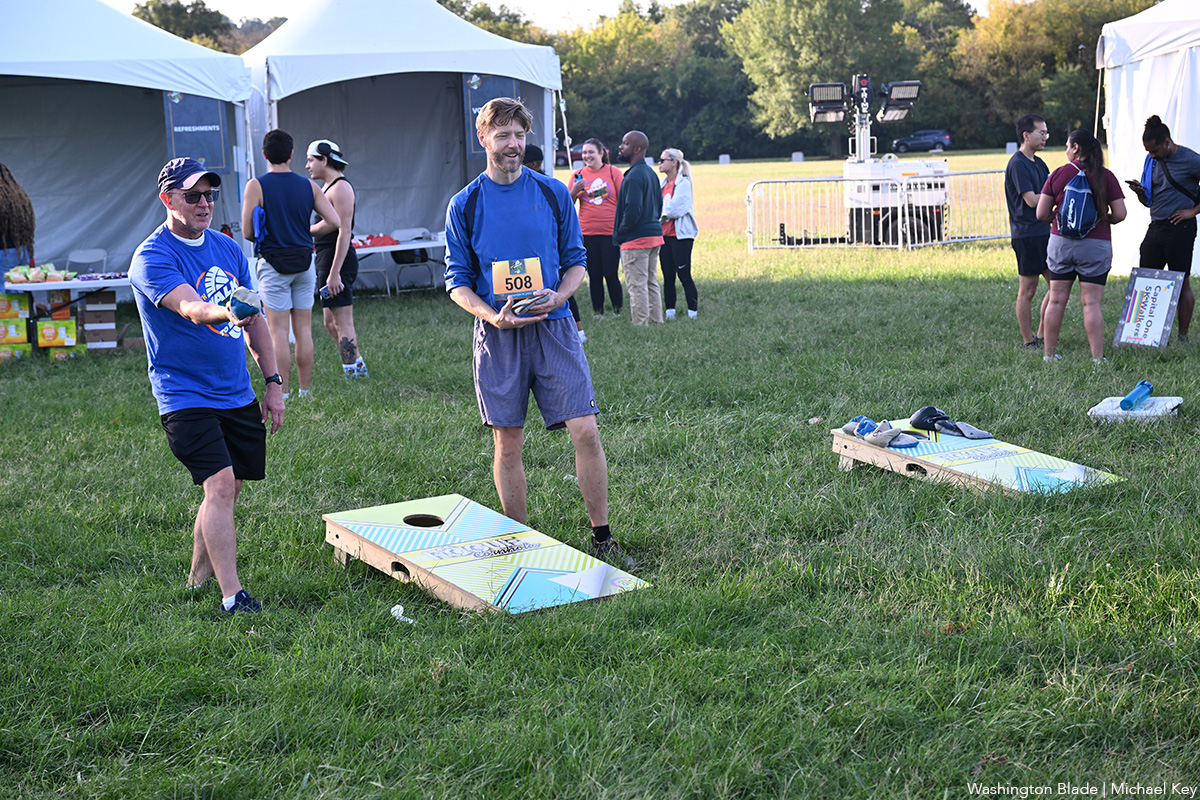
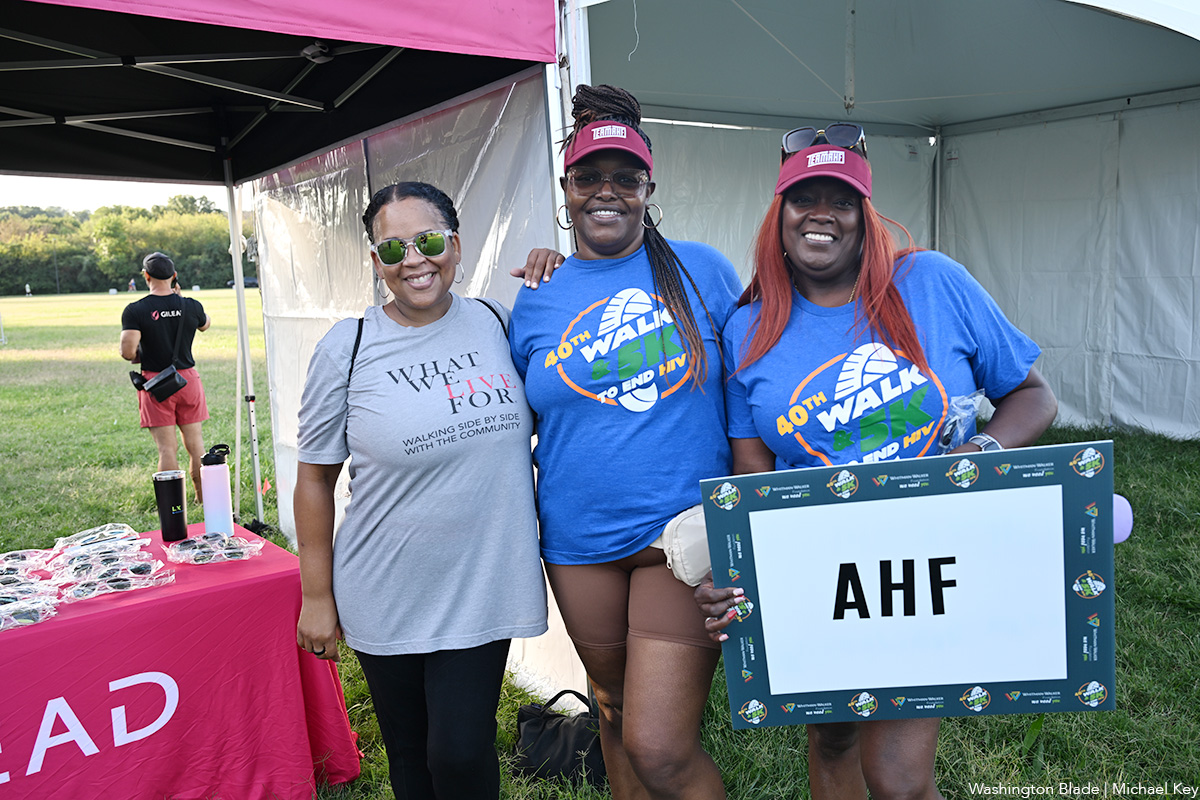
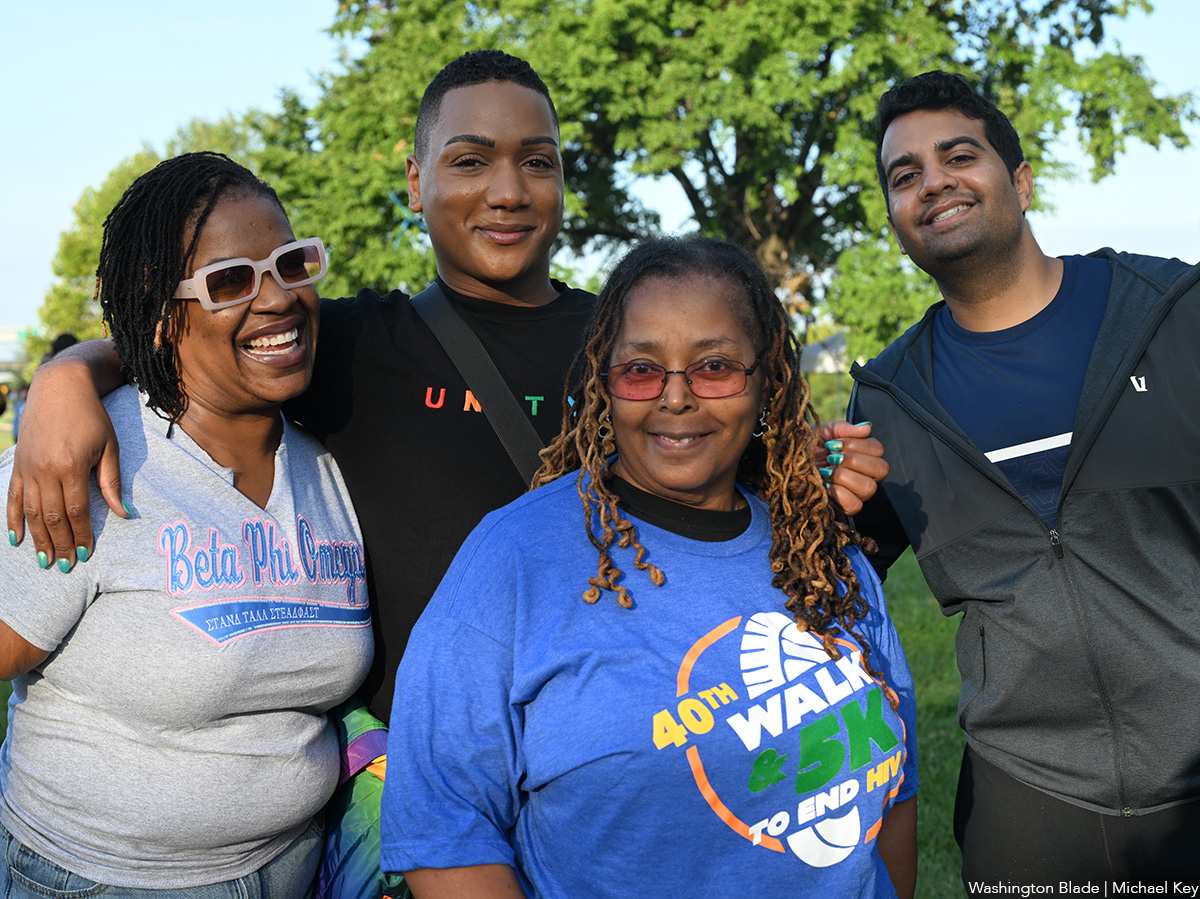
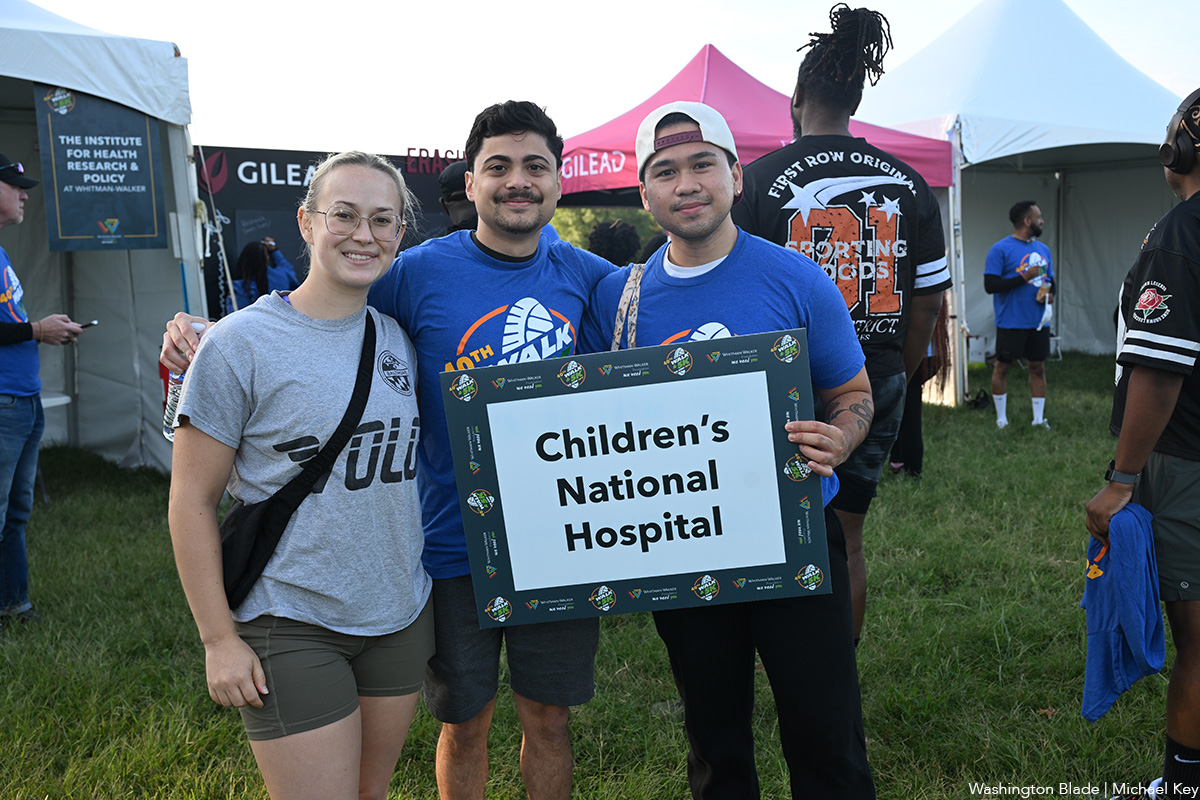
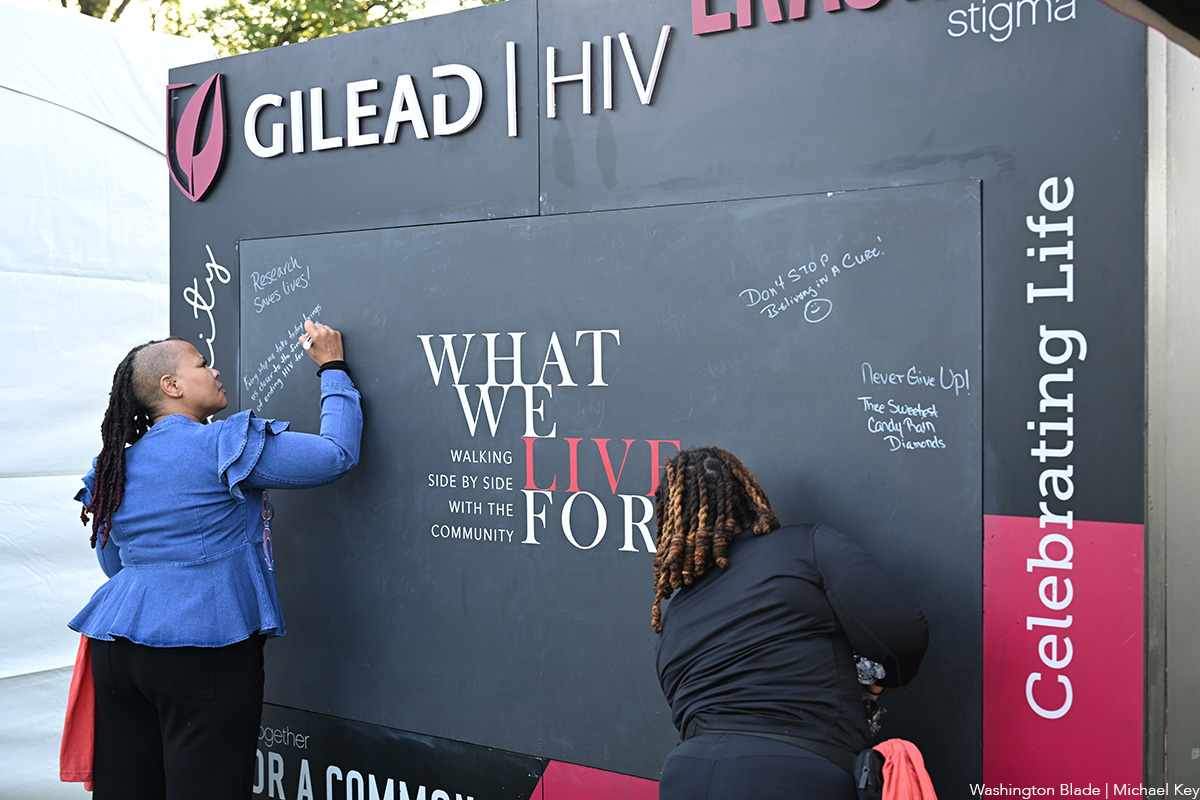
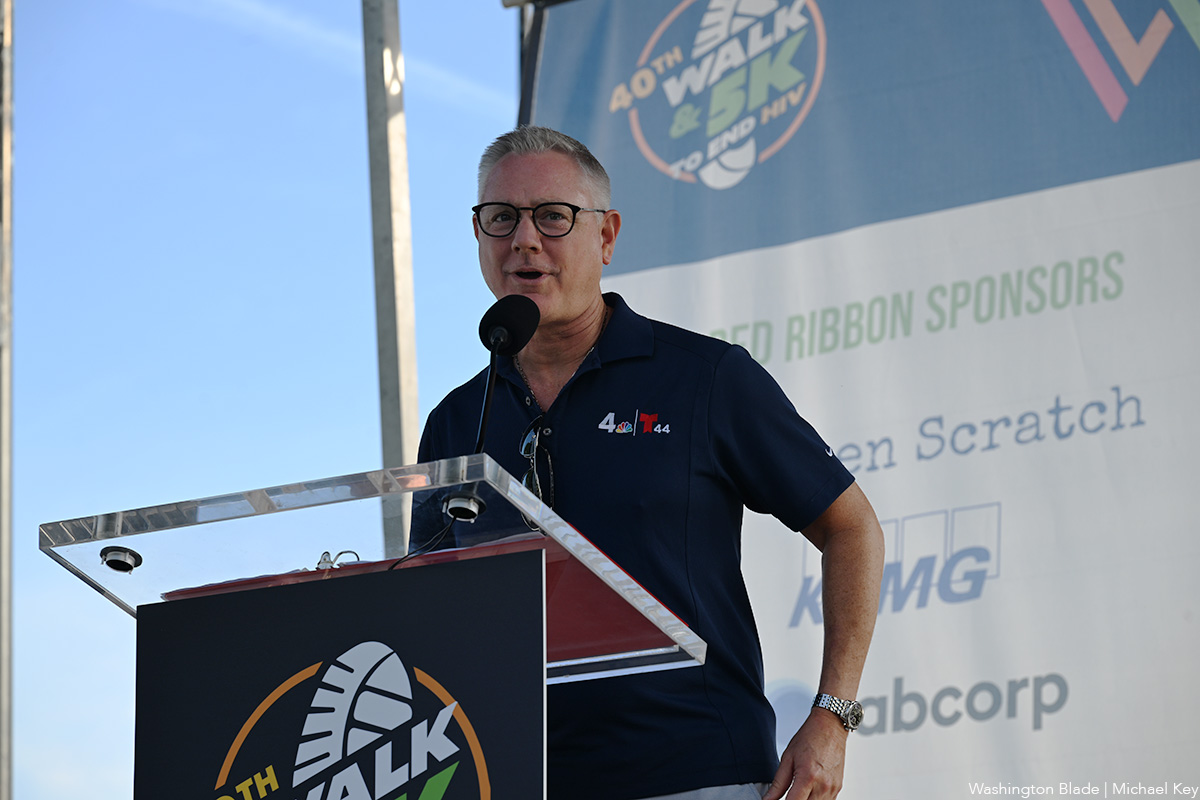
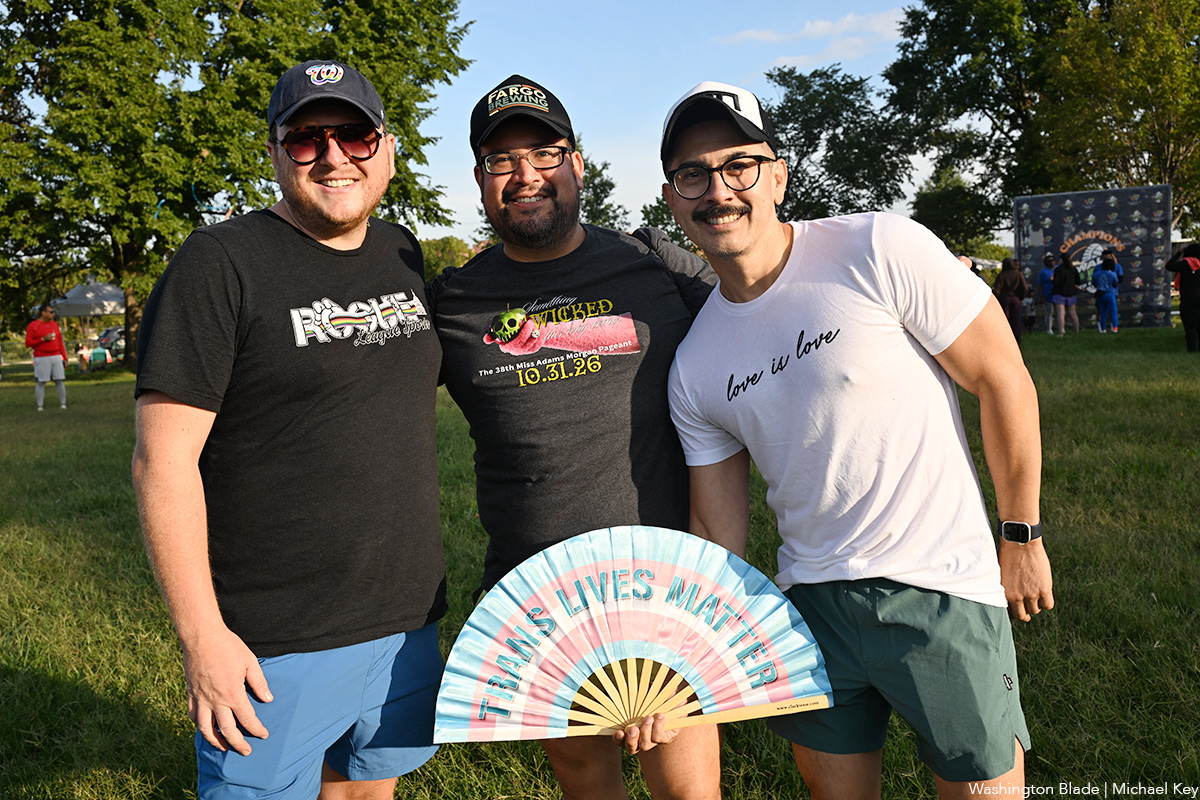
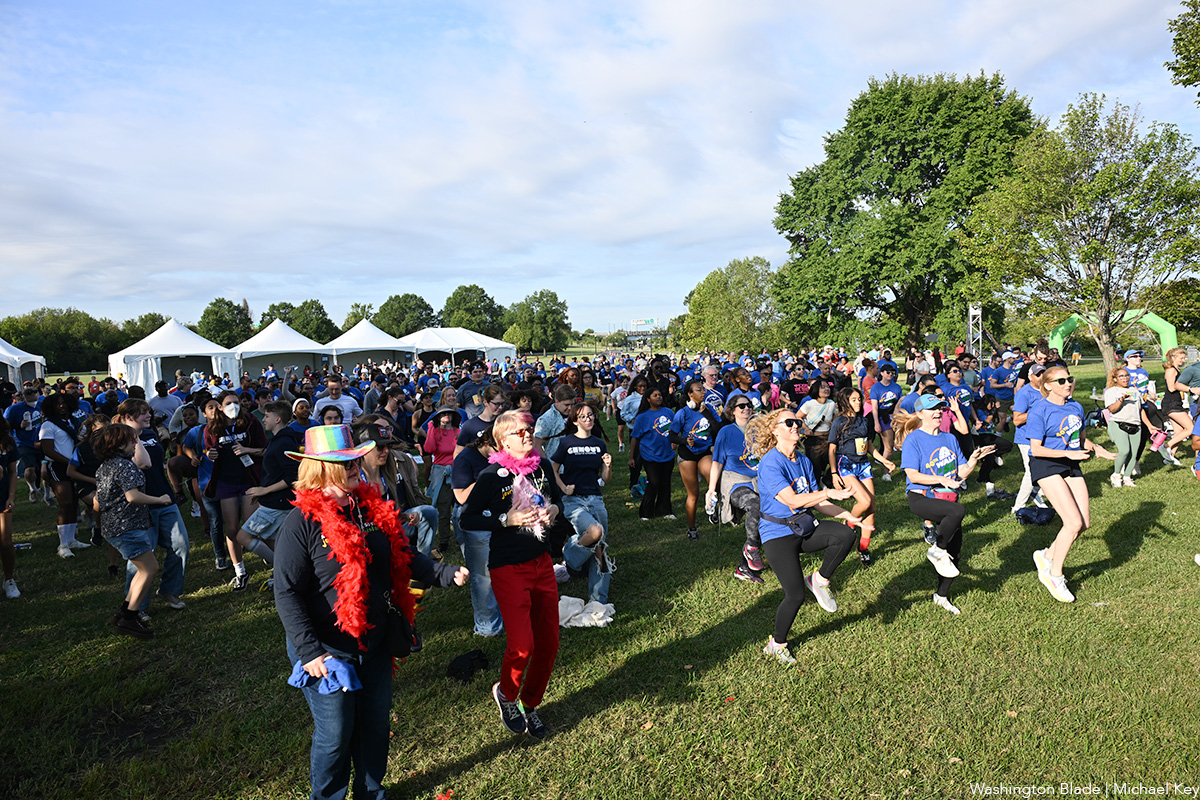
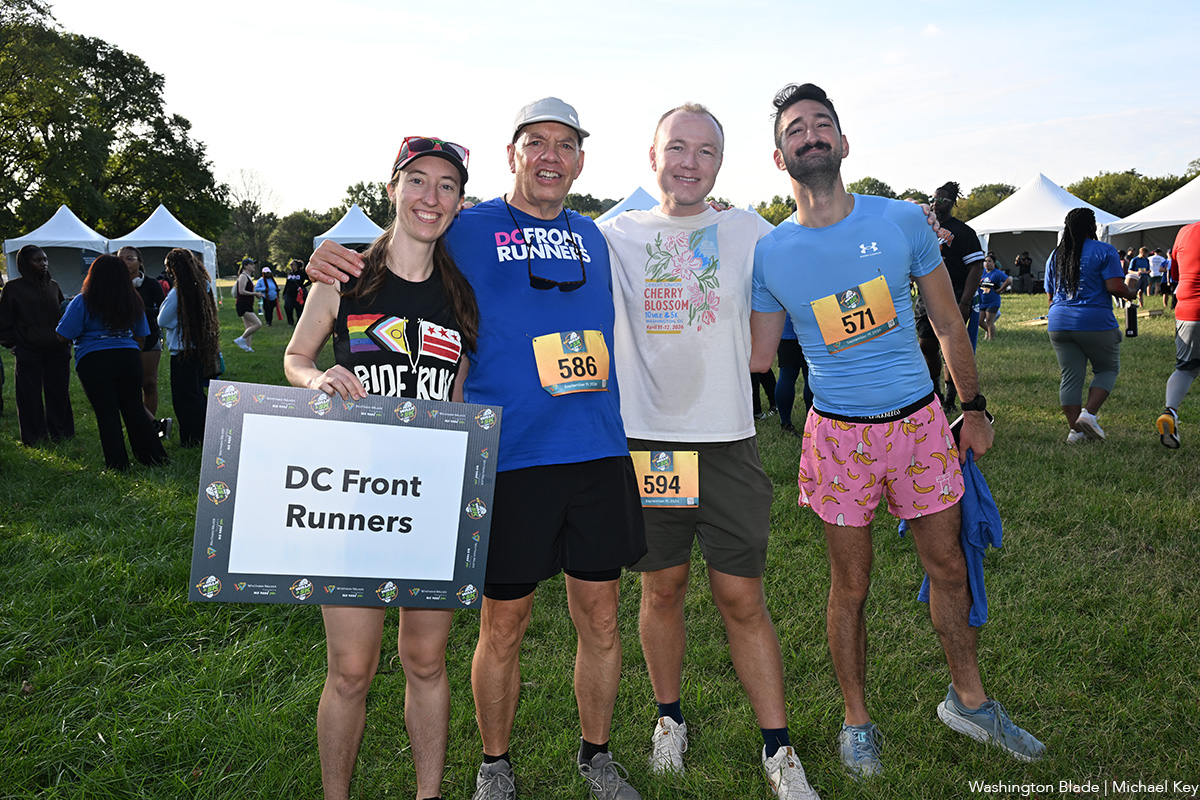
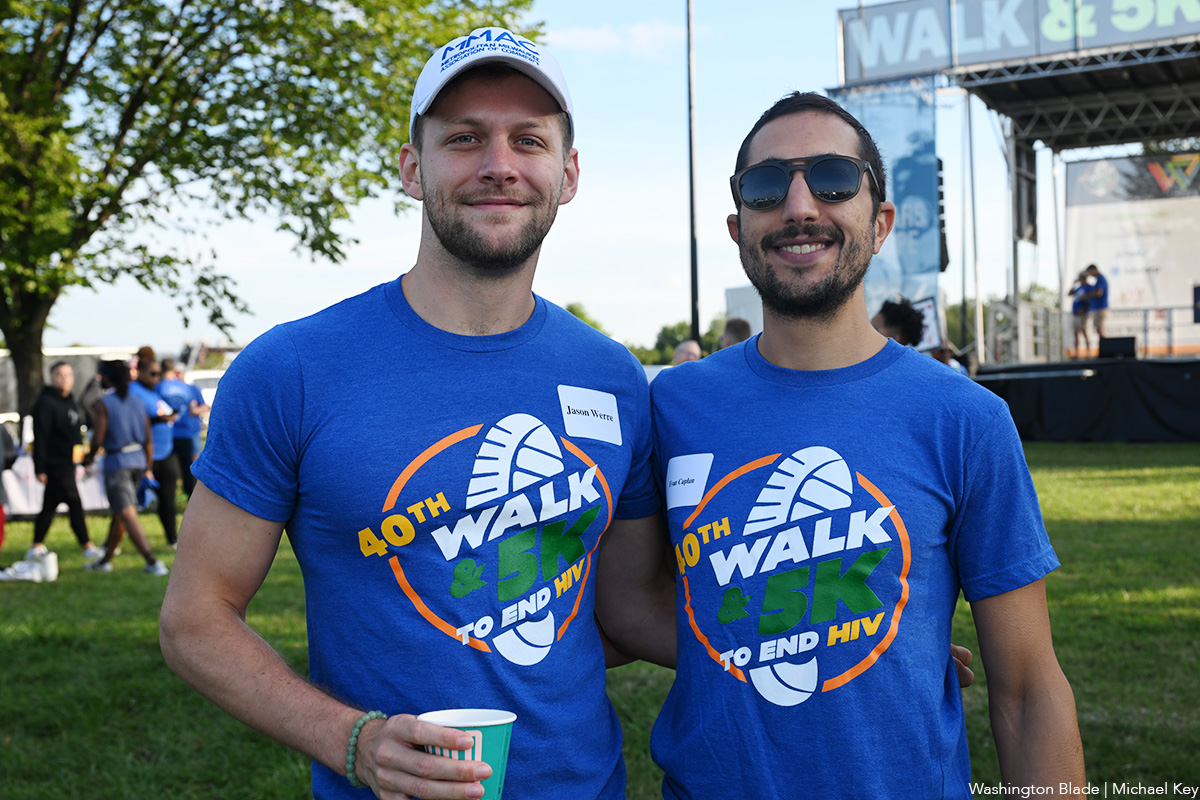
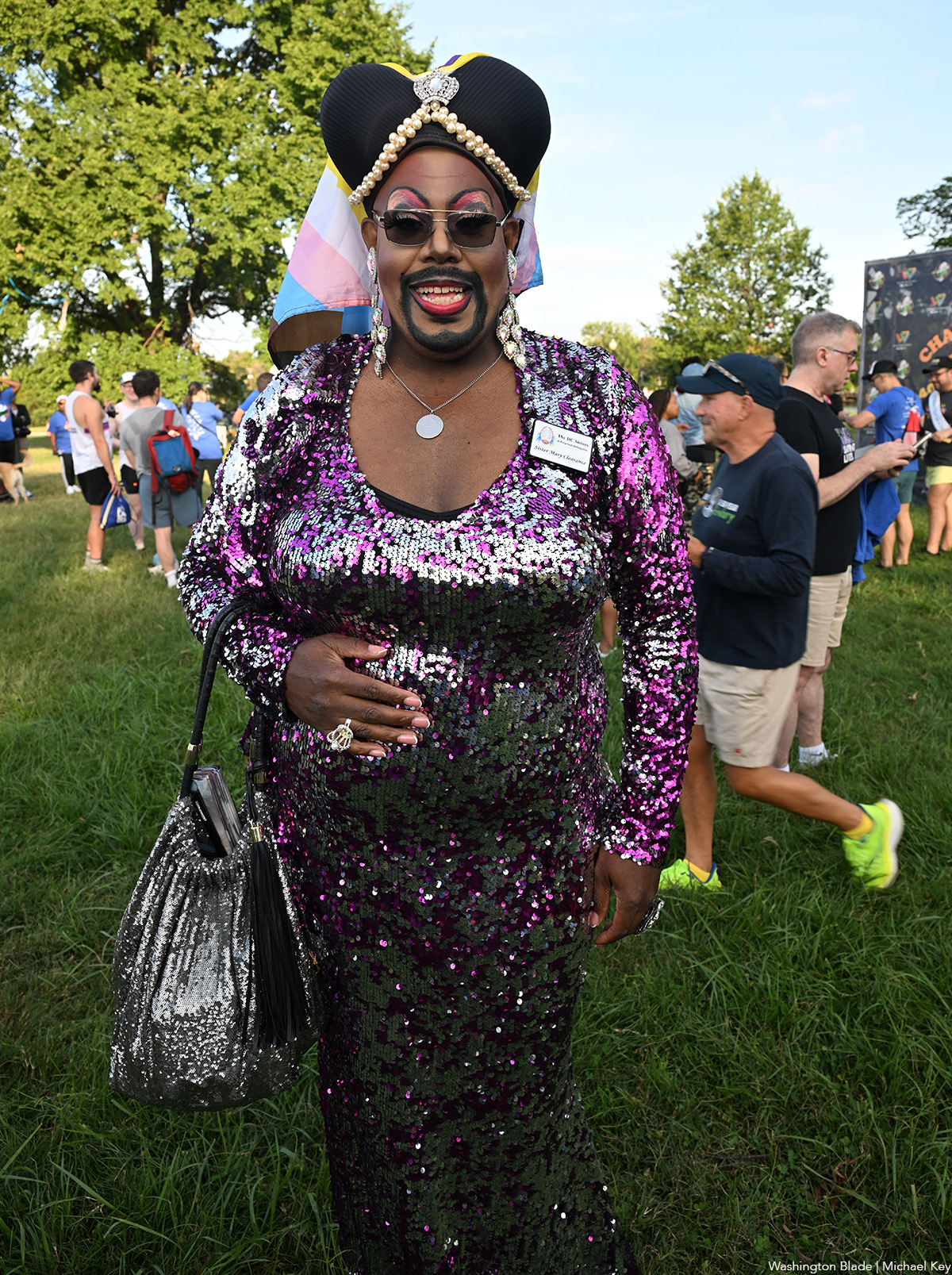
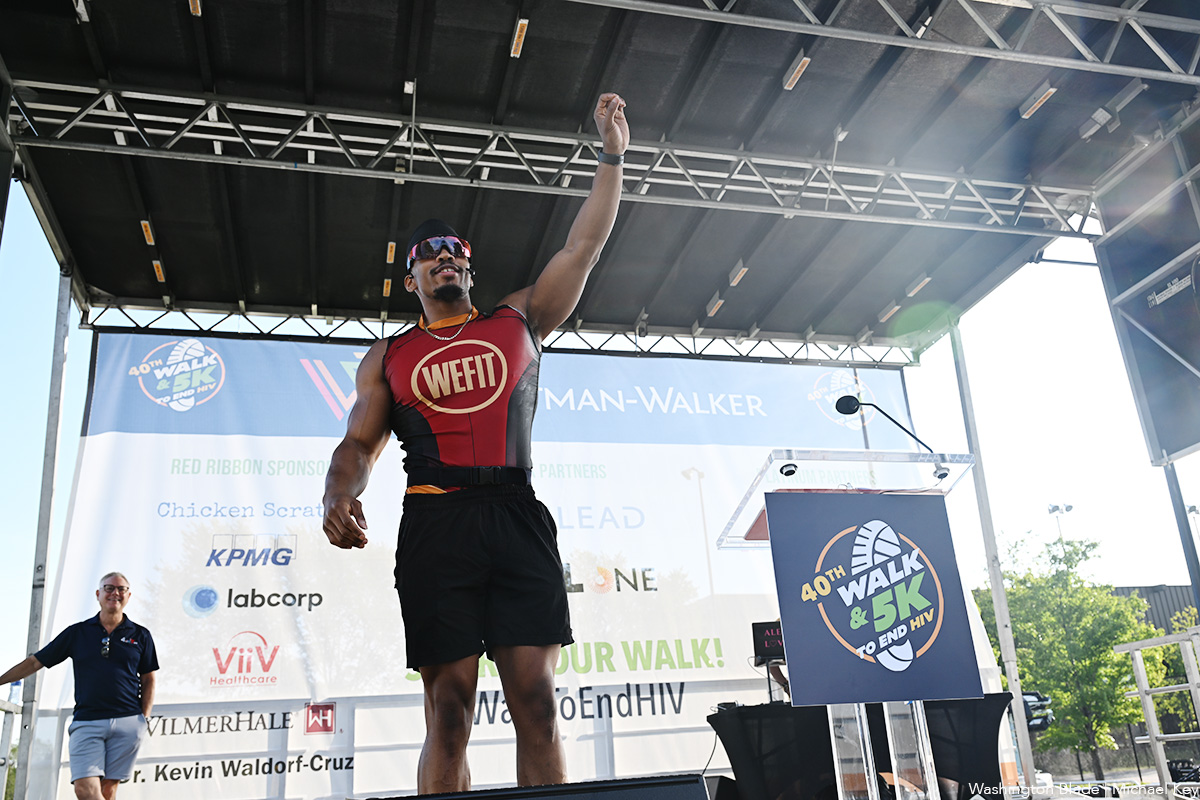
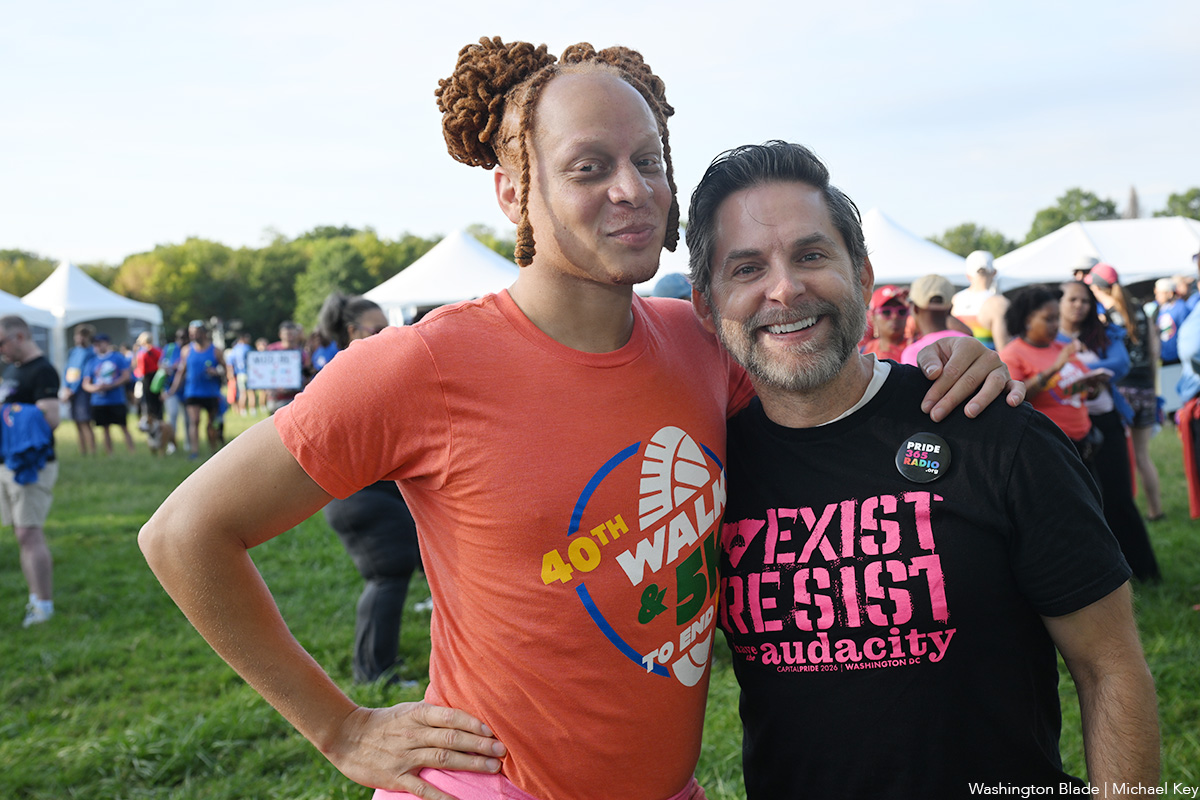
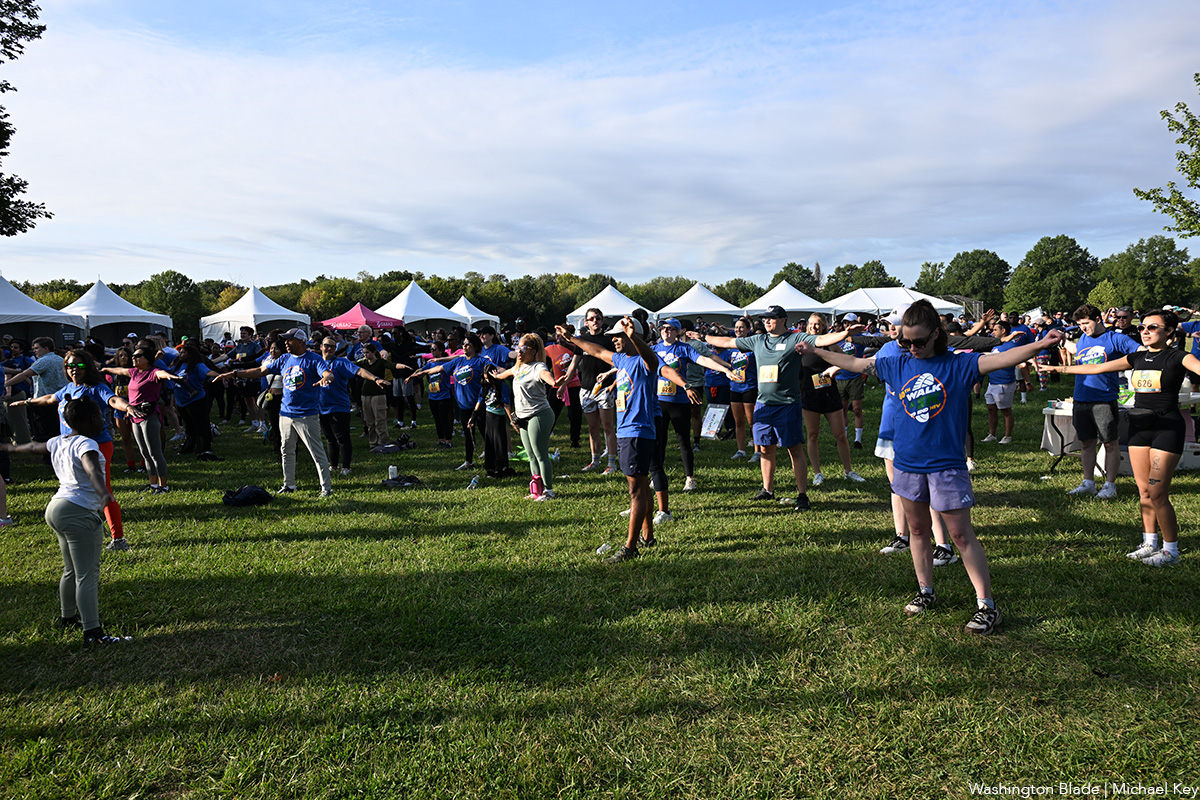
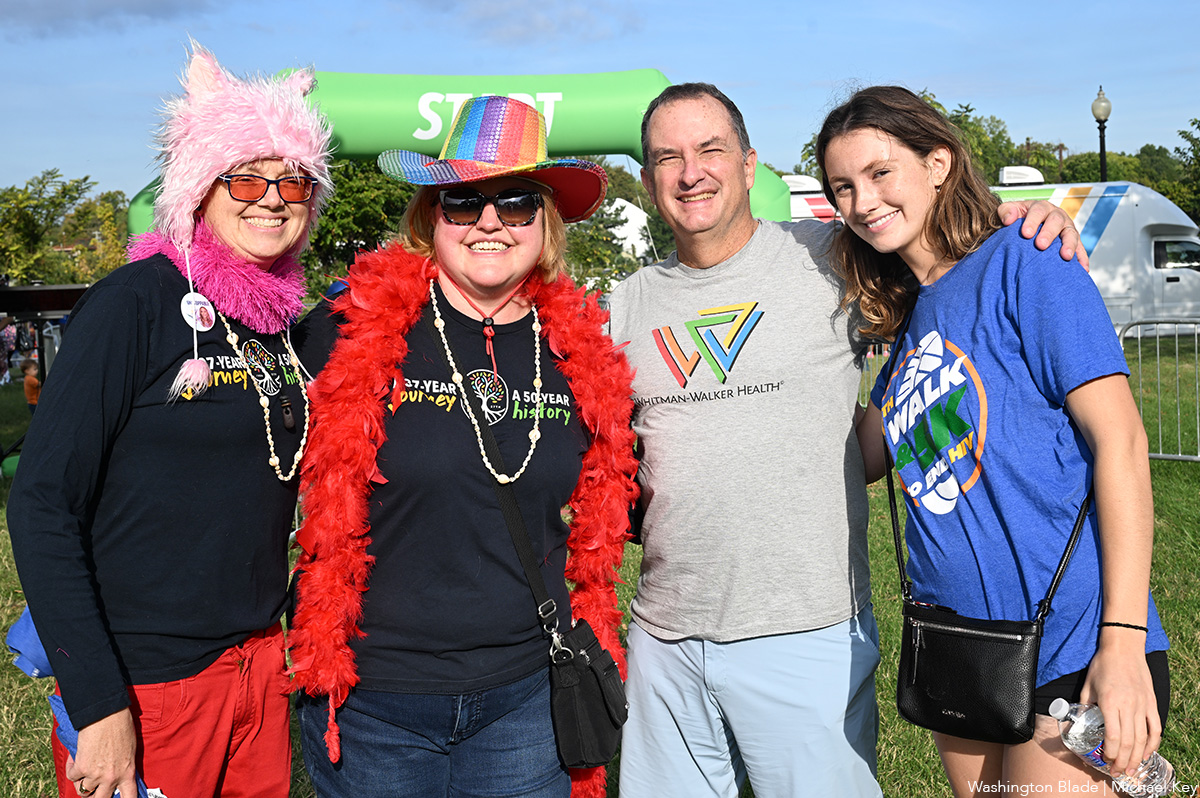
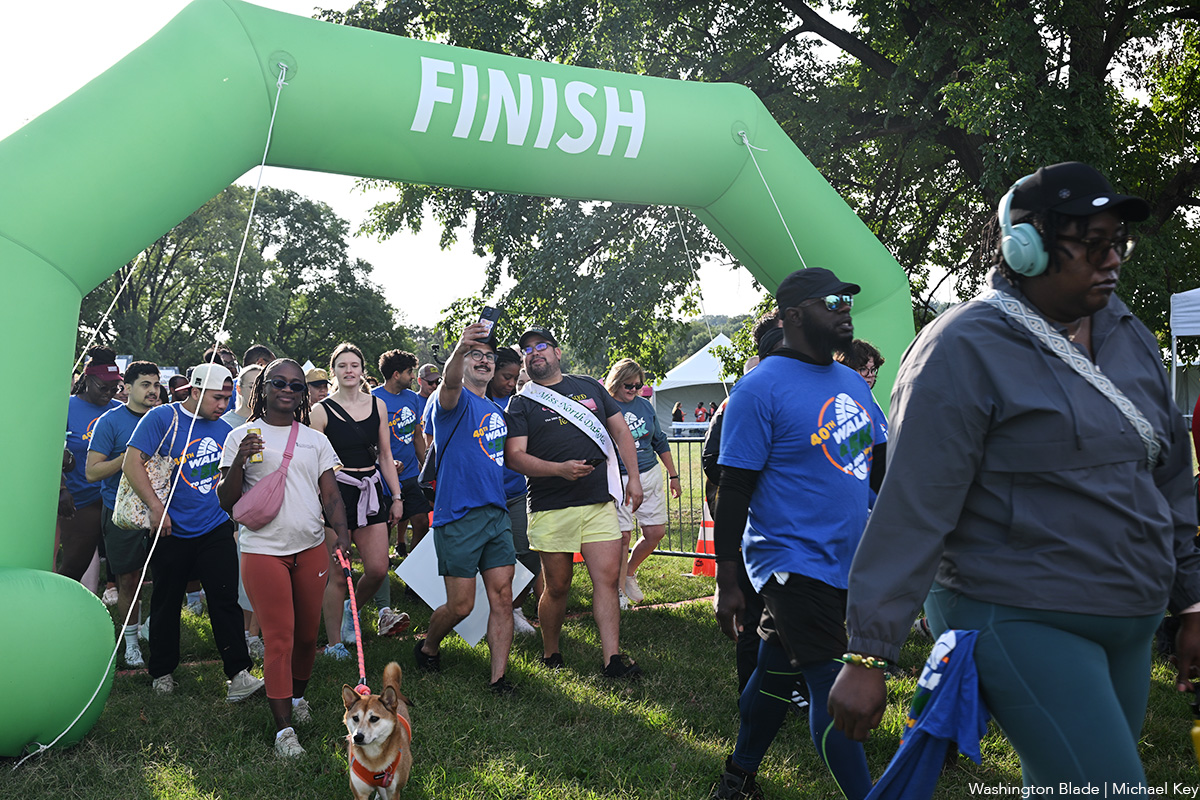
Whitman-Walker Health held the 40th annual Walk and 5K to End HIV at Anacostia Park on Saturday, Sept. 19.
(Washington Blade photos by Michael Key)



Caso Karlina: Una sentencia histórica contra las terapias de «conversión»

Washington Blade responds to concerns over White House pool duties

Young people should know history of the fight for human rights

Dutch prime minister visits Stonewall Inn

Clavicular charged in alleged rape of teenage influencer

Over 2,000 turn out for Hands Around the Kennedy Center protest

PHOTOS: Wanda Alston Foundation Fall Reception

PHOTOS: Walk and 5K to End HIV

What LGBTQ veterans are building after ‘Don’t Ask, Don’t Tell’