Virginia
New Va. guidelines stipulates parental input on transgender kids
State Department of Education released them on Friday
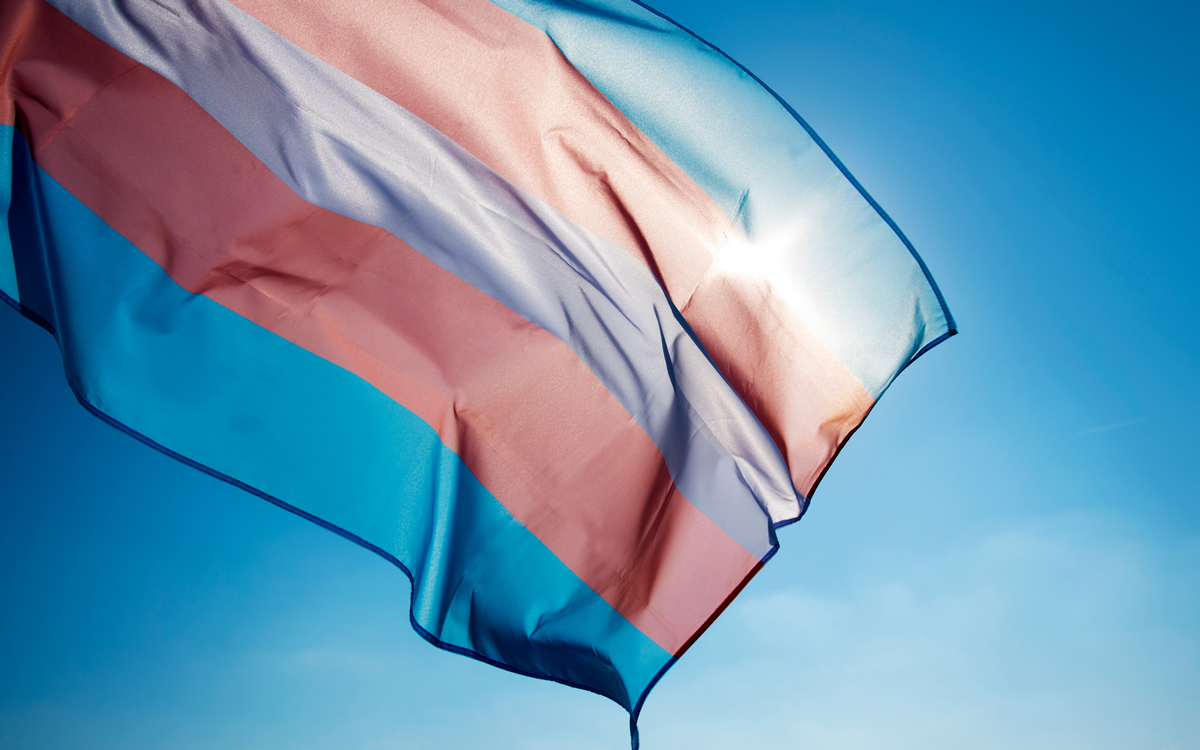
Virginia’s Department of Education released its new guidelines Friday that require school administrators, faculty and staff receive written permission from parents regarding embracing or recognizing a transgender student’s gender identity.
With the release, the Department of Education’s Model Policies for the Treatment of Transgender Students in Virginia’s Public Schools (the “2021 Model Policies,”) adopted on March 4, 2021, was effectively repealed and replaced. The emphasis in Friday’s document was centered on “parental rights.” The new set of guidelines also took aim at the 2021 guidance noting:
“The 2021 Model Policies promoted a specific viewpoint aimed at achieving cultural and
social transformation in schools. The 2021 Model Policies also disregarded the rights of parents and ignored other legal and constitutional principles that significantly impact how schools educate students, including transgender students. With the publication of these 2022 Model Policies on the Privacy, Dignity, and Respect for All Students and Parents in Virginia’s Public Schools (the “2022 Model Policies,”) the department hereby withdraws the 2021 Model Policies, which shall have no further force and effect.”
The language reflects a campaign promise by Republican Gov. Glenn Youngkin to respect parental rights in public education. LGBTQ advocates however, expressed alarm over the section reading:
“The phrase ‘transgender student’ shall mean a public school student whose parent has requested in writing, due to their child’s persistent and sincere belief that his or her gender differs with his or her sex, that their child be so identified while at school,” the guidelines read.
“Parents are in the best position to work with their children … to determine (a) what names, nicknames, and/or pronouns, if any, shall be used for their child by teachers and school staff while their child is at school, (b) whether their child engages in any counseling or social transition at school that encourages a gender that differs from their child’s sex, or (c) whether their child expresses a gender that differs with their child’s sex while at school,” the policy continues.”
A trans activist who has children enrolled in the Fairfax County School District, the state’s largest school system and who asked to not be identified, told the Washington Blade that in effect, a trans youth who is not openly out to family effectively would be forcibly outed which would cause serious harm in most cases.
The other aspect the activist noted that the guidelines effectively require school staff and faculty to misgender trans students.
[School Division] personnel shall refer to each student using only (i) the name that appears in the student’s official record, or (ii) if the student prefers, using any nickname commonly associated with the name that appears in the student’s official record.
[School Division] personnel shall refer to each student using only the pronouns appropriate to the sex appearing in the student’s official record – that is, male pronouns for a student whose legal sex is male, and female pronouns for a student whose legal sex is female.
Notwithstanding the provisions of paragraphs (2) and (3) of this section, [School Division] personnel shall refer to a student by a name other than one in the student’s official record, or by pronouns other than those appropriate to the sex appearing in the student’s official record, only if an eligible student or a student’s parent has instructed [School Division] in writing that such other name or other pronouns be used because of the student’s persistent and sincere
belief that the student’s gender differs from his or her sex.
Any written instruction from a parent or eligible student under paragraph (4) of this section shall be memorialized in the student’s official record and subject to the same retention, disclosure, and confidentiality requirements as the official record itself. The legal name and sex of a student shall not be changed, even upon the written instruction of a parent or eligible student.
Youngkin’s critics continue to accuse him of waging war on the LGBTQ community, focused especially on trans youth.
At the beginning of September at a rally in Annandale; Youngkin called for schools to out trans and gender nonconforming students to their parents and guardians, prompting a rebuke from GLSEN.
GLSEN Executive Director Melanie Willingham-Jaggers condemned the governor’s comments in an exclusive emailed statement to the Blade, writing: “It’s devastating to see politically motivated attempts to break trust between students and educators and to force educators to violate students’ privacy by outing them to guardians.”
They added, “This kind of hostile school climate puts trans youth at greater risk of harassment, mental health challenges or discrimination. Transgender and nonbinary students need respect and autonomy, not additional scrutiny and policing of their gender identity in school.”g
“What’s their name? What pronoun will they use? How are they going to express their gender? This is a decision that bureaucrats in Fairfax County believe that they should be able to make without telling parents,” Youngkin said.
Protecting students’ privacy is a core element of “A Guide for Transgender and Gender Nonconforming Students,” published by GLSEN and the American Civil Liberties Union.
Equality Virginia on Thursday announced it will track whether school boards have implemented the Virginia Department of Education’s guidelines for trans and nonbinary students.
Equality Virginia Executive Director Narissa S. Rahaman in a press release notes “almost half of Virginia’s K-12 students attend schools in divisions that have fully adopted VDOE’s model policies for the treatment of transgender students” since their issuance in 2020.
“These policies, developed in accordance with evidence-based best practices, give teachers and administrators critical tools to create safe, inclusive and learning environments for all students,” said Rahaman. “School boards in every corner of our commonwealth have a unique and urgent opportunity to protect transgender students by adopting the model policies.”
Equality Virginia in its press release further noted the School Board Policy and Meeting Tracker will “provide parents, advocates and students information on local school board meetings, potential agenda items and opportunity for public comment, and whether the school district has adopted” the guidelines.
The other issue within the new set of guidelines the activist told the Blade, is that the language almost nullifies the 4th U.S. Circuit Court of Appeals in the case of then-high school student Gavin Grimm who fought against his school policy on use of school restrooms and changing rooms.
The 4th Circuit found that the Gloucester County School District’s policies that prohibited students from using bathrooms and locker rooms that did not correspond with their “biological gender” and denied them transcripts that correspond to their gender identity was unconstitutional.
The U.S. Supreme Court in June 2021 declined to hear the case upholding the 4th Circuit ruling.
Additionally reporting by Christopher Kane and Michael K. Lavers




Virginia
Virginia Anti-Violence Project struggles to fill federal funding gaps
Group has lost 54 percent of funding since 2020
A loss of federal funding has threatened to adversely impact the Virginia Anti-Violence Project’s work in the state.
The group’s mission is to assist LGBTQ and BIPOC (Black, Indigenous and people of color) victims of domestic, sexual, interpersonal, and state violence with direct support, education, and advocacy. The VAVP seeks to build a future where LGBTQ and BIPOC individuals can live freely without a sense for worry about violence.
“Virginia Anti-Violence Project helps to close the distance between services existing and LGBTQIA+ survivors actually being able to reach safety, stable housing, and support that they can trust,” VAVP Executive Director Ebony Clark told the Washington Blade on Tuesday. “Our mission is to provide direct services and advocacy to LGBTQ+ survivors across Virginia.”
Clark said obtaining state and federal funds has become increasingly difficult.
“One of the reasons that we can talk about is politics and how you know queer diverse, queer communities are targets when it comes to politics, and so that may be a reason why the funding is decreasing in in very niche areas, but overall, state funding, federal funding has been lost or significantly reduced when it comes to culturally specific marginalized populations,” Clark said. “The bigger picture is that funding that was purposed for diversity, equity, inclusion, marginalized populations, or you know culturally competent programming, those funds have been strategically reduced or eliminated on state and federal levels overall.”
Even more so with the current Trump-Vance administration.
Data shows federal funding for one “major federal victim-services funding stream in” Virginia has dropped 54 percent over the last six years: from $25.1 million in fiscal year 2020 to $11.6 million in fiscal year 2026.
Clark noted some federal funding has been denied due to VAVP’s DEI policies — it has had to “water down” their language. These cuts have forced VAVP to limit housing and economic support, which has resulted in fewer resources for its clients.
The organization has set up a goal for receiving between $250,000-$300,000 a year that would allow it to operate — and focus on client housing.
“Housing is fundamental to safety,” Clark told the Blade. “If you know leaving violence puts someone on the street or forces them back to the person harming them, that means the crisis isn’t over. So there needs to be other prevention strategies and reactive strategies in place to be able to prevent further violence from folks.”
VAVP has set up a link for anyone who is interested in making a donation. It is here.
The VAVP website is also accepting donations.
Virginia
Winsome Earle-Sears ‘Life and Marriage Tour’ to include Northern Va. stops
Voters to consider marriage equality, reproductive rights referenda in November
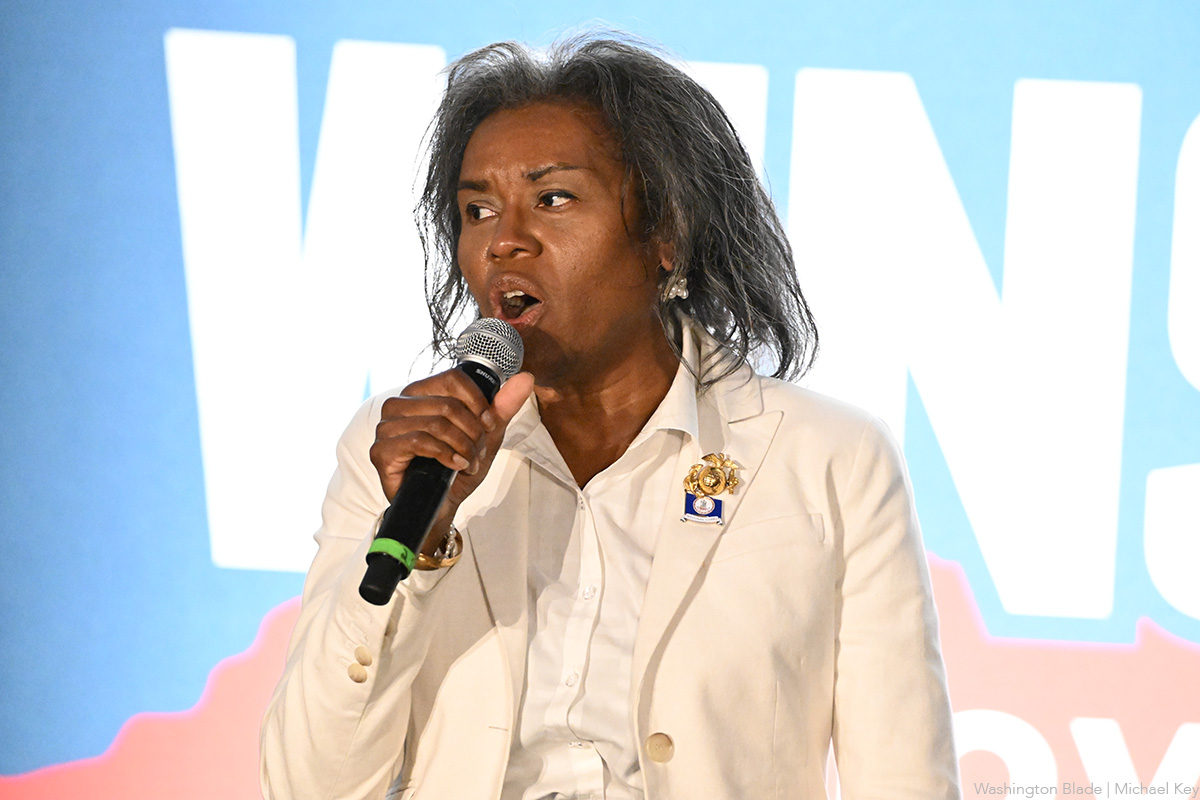
Former Virginia Lt. Gov. Winsome Earle-Sears has announced her campaign against efforts to enshrine marriage equality and reproductive rights in the state constitution will make several stops in Northern Virginia.
Her “Life and Marriage Tour” will include stops in Manassas, Winchester, and Harrisonburg. Earle-Sears said the “Life and Marriage Tour” will also travel to Virginia Beach, Lynchburg, Roanoke, Charlottesville, and other cities across Virginia “throughout September and October.”
The announcement did not include specific dates.
“Virginia, you’ve been asking where the Life and Marriage Tour is headed — here’s a look at our current tour locations,” she said on X on Tuesday. “We’ll be traveling across the commonwealth throughout September and October, and we’re still building the journey.”
Current Gov. Abigail Spanberger, a Democrat, last November defeated Earle-Sears, a Republican, in the race to succeed Republican Glenn Youngkin.
Voters in 2006 approved the Marshall-Newman Amendment, which defined marriage in Virginia as between a man and a woman.
Same-sex couples have been able to legally marry in Virginia since 2014. Youngkin a decade later signed a bill that codified marriage equality in state law.
Two successive legislatures must approve a proposed constitutional amendment before it can go to the ballot.
Spanberger signed bills that finalized the marriage equality and reproductive rights referenda’s language.
The referenda will take place on Nov. 3.
Virginia
Doug Ollivant to face Eugene Vindman in Va. 7th Congressional District
Republican defeated challengers in Tuesday’s primary
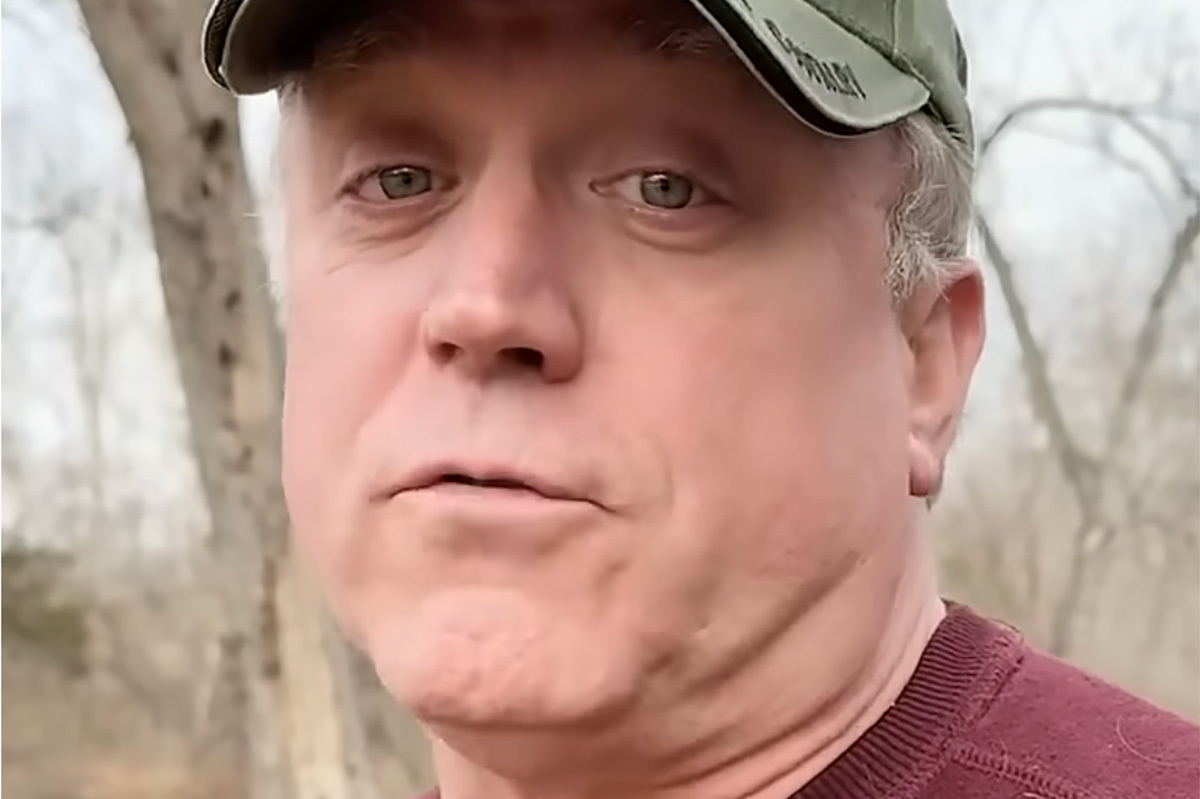
Republican Doug Ollivant will face off against incumbent U.S. Rep. Eugene Vindman (D-Va.) in Virginia’s 7th Congressional District.
Ollivant defeated his Republican opponents in Tuesday’s primary. Vindman ran unopposed.
Vindman in 2024 ran to succeed then-Congresswoman Abigail Spanberger in the U.S. House of Representatives after she ran for governor. Spanberger succeeded Republican Gov. Glenn Youngkin in 2025.
U.S. Sen. Mark Warner (D-Va.) on Tuesday easily won his primary. All other Democratic incumbent members of Congress from Northern Virginia also won their respective primaries.

PHOTOS: Walk and 5K to End HIV

PHOTOS: Wanda Alston Foundation Fall Reception

Moving presents a chance to ‘clean house’

EV ecstacy: BMW iX3, Rivian R2

Curl up with a good book this fall

Trump’s Cabinet: Dumb, dumber, dumbest, and evil

More than 150 people detained outside Istanbul courthouse

Virginia Anti-Violence Project struggles to fill federal funding gaps

Gay man sues Delaware AG for not prosecuting partner in domestic violence case

D.C.’s fall theater season is already well underway
-

 Opinions4 days ago
Trump’s Cabinet: Dumb, dumber, dumbest, and evil
-
Turkey4 days ago
More than 150 people detained outside Istanbul courthouse
-
Virginia5 days ago
Virginia Anti-Violence Project struggles to fill federal funding gaps
-
Delaware5 days ago
Gay man sues Delaware AG for not prosecuting partner in domestic violence case