World
Out in the World: LGBTQ news from Europe and Asia
The UK’s general election will take place on July 4
UNITED KINGDOM
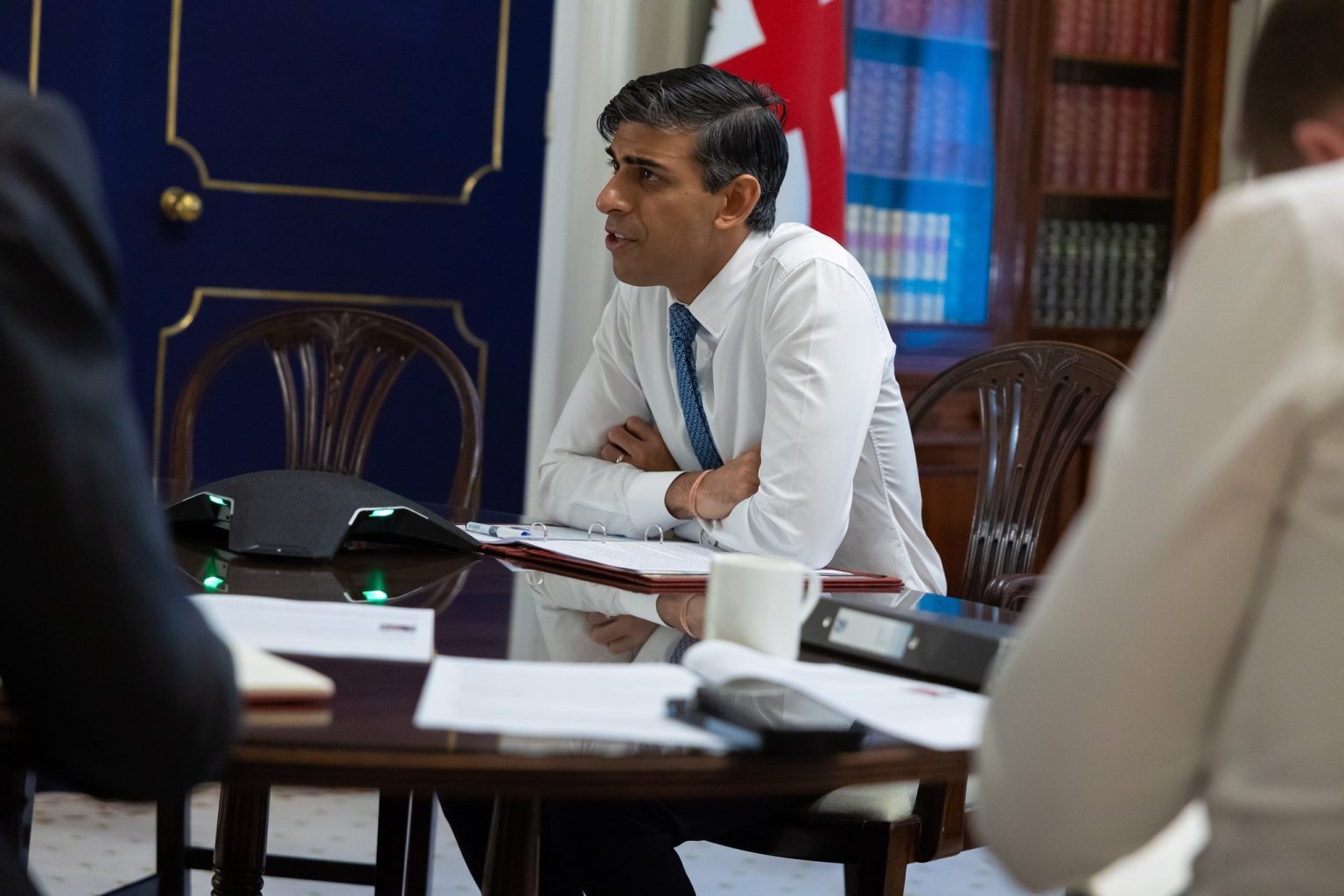
British Prime Minister Rishi Sunak called a long-anticipated election this week, sending UK voters to the polls July 4 and potentially spelling the end of 13 tumultuous years of Conservative Party rule in the UK.
Polls have long indicated that the UK Tories are deeply unpopular, putting them more than twenty points behind the left-leaning UK Labour Party, who are favored to win the election with a sweeping majority.
The last several years of UK politics under a succession of Tory prime ministers — five since 2011 — have been rocky, as the government has tried to manage pulling the UK out of the EU, a growing migrant crisis, and a succession of worsening domestic issues, not least of which has been the government’s handling of LGBTQ and particularly transgender issues.
The Tories have failed to bring in a long-promised conversion therapy ban, amid a growing moral panic around the existence of trans people, driven as much by British celebrities like JK Rowling as by a Tory caucus that’s grown increasingly hostile to LGBTQ issues over its time in power.
In fact, it was Tory Prime Minister David Cameron who introduced same-sex marriage legislation for England and Wales in 2013 — although it only passed parliament with the support of Labour, as the issue split the Conservatives.
Just a few years later, Tory politicians would be racing to declare themselves opposed to even recognizing the existence of trans people. The government has shelved a long-promised conversion therapy ban, and vetoed a law passed by the Scottish government that would have allowed trans people to self-determine their legal gender, as is the emerging norm in many countries.
The UK has even slipped from first to 15th place on ILGA-Europe’s ranking of European countries’ legislated LGBTQ rights during this time.
The Labour Party has not yet released a specific party manifesto as it relates to LGBTQ issues. However, leader Keir Starmer has pledged to introduce a “no loopholes” trans-inclusive ban on conversion therapy and has discussed reforming the UK’s gender recognition system to make it easier for trans people to update their legal gender — although the party no longer supports self-identification.
Starmer’s more recent statements on trans issues have caused concern for some activists. He recently came out in support of the findings of the National Health Service’s Cass Review on gender care for minors, which recommended a more cautious approach to prescribing care for trans youth.
He also recently voiced support for bans on trans women participating in women’s sports or accessing women’s medical centers, and for regulations requiring schools to out trans children to their parents.
“It’s[a] betrayal, a Judas move by Keir Starmer,” trans journalist India Willoughby told PinkNews. They have thrown us under the bus purely because they don’t have the stomach to fight.”
Sunak was required to call the election by the end of the year, but calling it early has put some of the opposition parties in a tight situation — most have not yet recruited a full slate of candidates to stand in all 650 electoral districts or drafted a complete party manifesto.
GERMANY
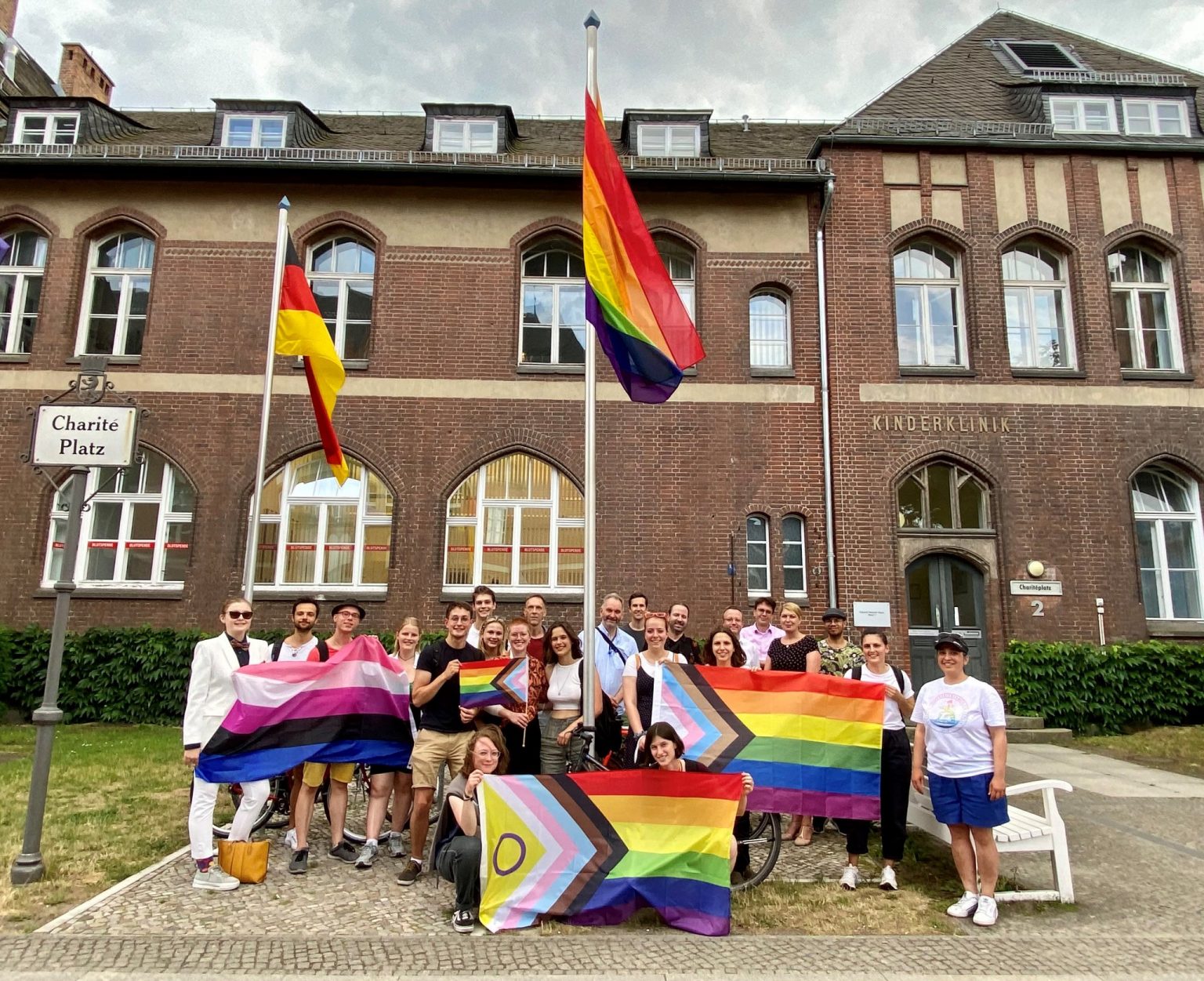
The Lesbian and Gay Association in Germany has launched a new campaign to amend Germany’s Basic Law to ban discrimination based on sexual orientation or identity.
The German Basic Law was enacted 75 years ago, in the shadow of World War II and was intended to protect freedoms from the evils that had been inflicted by the Nazi regime. Accordingly, Article 3.1 declares that “all persons shall be equal before the law,” while Article 3.3 expands that to list specific criteria that cannot be used to discriminate between individuals.
“No person shall be favored or disfavored because of sex, parentage, race, language, homeland and origin, faith or religious or political opinions. No person shall be disfavored because of disability,” the article says.
LSVD says that the exclusion of sexual orientation and gender identity from that list exposes queer people to discrimination. As an example, they point to Paragraph 175 of the Criminal Code, a Nazi-era law that criminalized same-sex intimacy that remained on the books until 1994.
“In 1949, homosexuals and bisexuals were the only group of victims of the National Socialists who were deliberately not included in Article 3.3. This is because men who loved people of the same sex were also subjected to the often life-destroying persecution under Paragraph 175 of the Criminal Code in democratic post-war Germany,” LSVD says in a press release.
In recent years, the Federal Constitutional Court has begun to read LGBTQ rights into the Basic Law, ruling that “sex” includes “gender identity” and that “sexual orientation” is akin to the other traits listed in Article 3.3. But LSVD says that without explicit inclusion in the Basic Law, discrimination has persisted.
“Many people from the queer community say that they experience discrimination by the police and authorities,” LSVD’s statement says. “Because the Basic Law also applies to state bodies, the extension of Article 3.3 could finally make discrimination against LGBTIQ* by state bodies and their employees legally punishable. Anyone who is not explicitly mentioned there runs the risk of being ignored in political and social reality.”
The LSVD says there are already plenty of examples of constitutions that protect LGBTQ+ rights, including in the German states of Berlin, Brandenberg, Bremen, Saarland, Saxony-Anhalt, and Thuringia, as well as the Charter of Fundamental Rights of the European Union.
LGBTQ activists in Germany have become particularly concerned to secure their rights as the far-right Alternative for Germany party has climbed in the polls and could become part of a future government.
“Making our constitution storm-proof is more urgent than ever. If right-wing extremists in Germany return to a position of power in future elections, we LGBTIQ* people face gradual disenfranchisement, social marginalization and, with it, a massive increase in hate violence and state discrimination,” LSVD says. “Without explicit protection against discrimination in the constitution, we would be largely defenseless against an authoritarian or post-fascist government such as those we are currently experiencing in Hungary or Italy.”
To pass into law, the constitutional amendment would require a 2/3 majority vote in both houses of the German parliament. While the current government has expressed support for the amendment, it would need the support of the Christian Democrats to reach the required majority.
SWITZERLAND
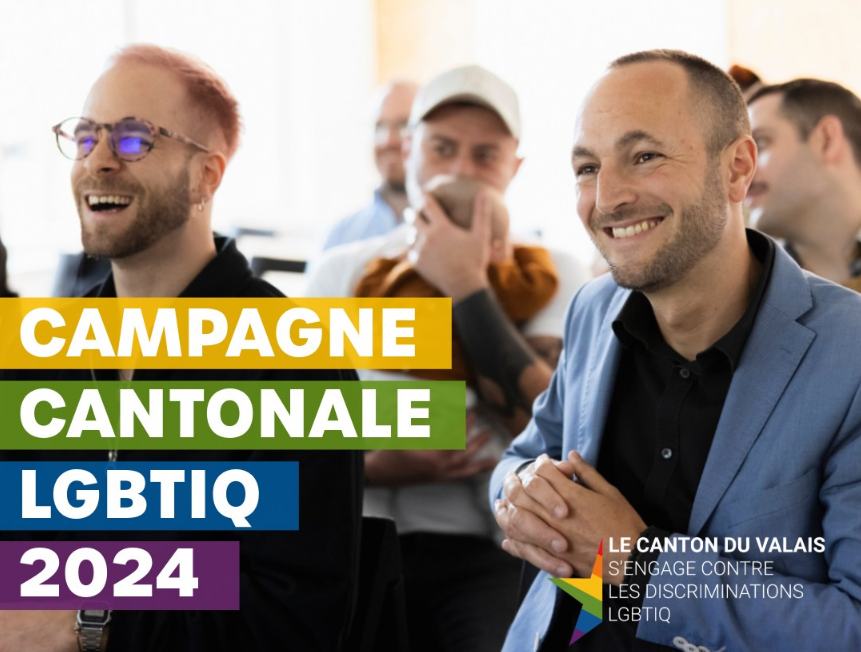
The Swiss canton of Valais passed a law banning conversion therapy by a vote of 106-21 in the cantonal parliament on May 16.
The discredited practice, which seeks to change a person’s sexual orientation or gender identity by exposing them to aversion methods that have been called torture by experts, has also been banned in the canton of Neuchatel since 2023.
The conversion therapy ban was included in a new Health Act that was supported by all parties in the Valais parliament except for the right-wing Swiss People’s Party.
“We are sending out a clear signal that these conversion therapies are unacceptable and have no place in Valais,” says Matthias Reynard, head of the Valais Department of Health.
A nationwide ban on conversion therapy has been under consideration by the federal parliament for several years. The lower house passed a resolution calling for a ban in December 2022, but the motion has stalled in the upper house.
Last month, the federal parliament voted to wait for the government to present its own conversion therapy bill, rather than push ahead with bills that had been submitted by two cantons to ban the practice.
But Switzerland’s cantons aren’t waiting for federal lawmakers. Local bills to ban conversion therapy are also under consideration in the cantons of Geneva, Zurich, Bern, and Vaud.
“Conversion therapy affects a significant part of our community. The latest figures from the Swiss LGBTIQ panel show that 9.5 percent of people who belong to a sexual minority and 15.5 percent of people who belong to a gender minority are affected,” Sandro Niederer, managing director of TGNS, told the news site Mannschaft. “The psychological consequences of such practices are undisputed — the ban is a positive signal for all LGBTIQ people!”
Many of Switzerland’s European neighbors already ban the practice. France, Germany, Belgium, Spain, Malta, Greece, Iceland, Norway, and Cyprus all ban conversion therapy, while neighboring Austria has had a ban under consideration for several years.
ALBANIA
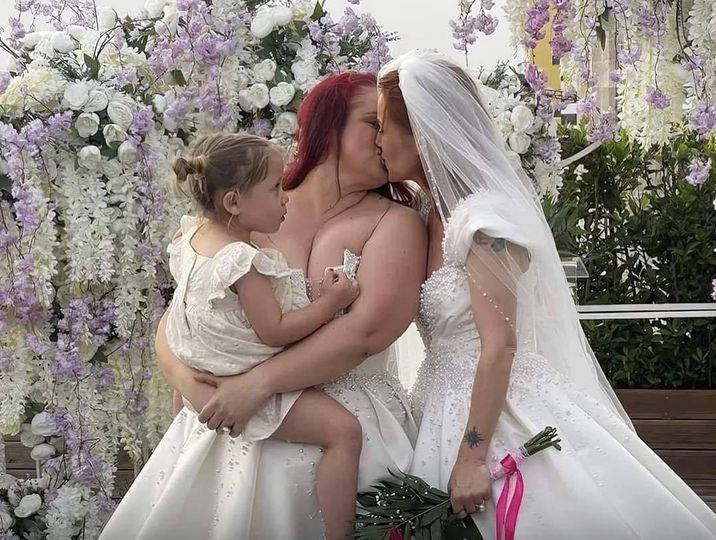
A lesbian couple held a symbolic wedding ceremony at on the roof of city hall overlooking the heart of the Albanian capital city of Tirana on May 19 in a protest against the country’s lack of legal recognition for same-sex couples.
The couple, Alba Ahmetaj and Edlira Mara, applied for a legal marriage at the municipal office on May 17, asserting their right under Article 53 of the Albanian constitution, which states that “everyone has the right to marry and have a family.” However, the current Family Code restricts marriage to opposite-sex couples only.
Mara posted on her Facebook account that the restriction violates the constitution.
“Our request for a declaration of marriage symbolizes the first link in a long and difficult, but above all just, struggle. We are determined to follow the legal path and respect the procedures and institutions of our country, challenging the discriminatory content of the Family Code, to seek the recognition of our right to marry, equally with every other couple in Albania,” she wrote.
The ceremony has caused outrage in Albanian society. The couple have reported receiving death threats for appearing in public both before and after their public wedding.
Mara and Ahmetaj wanted to hold a religious ceremony but could not a find a religious official willing to bless the union in Albania. Instead, they flew in two priests from the U.K. to perform the ceremony.
The Albanian Catholic Church criticized the ceremony and distanced itself from the priests involved.
“Even though he appears as a Catholic clergyman, [he] has no connection with the Catholic Church and represents nothing of us,” Mark Pashkia, a spokesperson for the church, told Balkan Insight.
The couple involved in the suit are also raising twin daughters born through IVF three years ago. They have struggled to legally register the girls as their daughters because Albanian law only recognizes opposite-sex parents. They were forced to register Mara as the girls’ single mother, meaning Ahmetaj would have no rights over the girls if Mara dies or becomes seriously ill.
They sued the government for the right to be recognized as equal parents, but lost at the High Court. The couple are appealing the decision, and say they will fight all the way to the European Court of Human Rights if they have to.
Local LGBTQ activists have filed cases against the government seeking same-sex relationship recognition, but the cases have not progressed in local courts.
Years ago, the government had floated the idea of legalizing same-sex marriage, but the proposal was scrapped amid pushback from religious leaders in the Muslim-majority country.
In neighboring Kosovo, which is also an Albanian-speaking country, Prime Minister Albin Kurti has pledged to reintroduce a new draft Civil Code that would legalize civil unions and open the door to same-sex marriage, but he has faced pushback from Muslim lawmakers in his own party, who voted down the draft code in 2022.
Neighboring Greece legalized same-sex marriage earlier this year.
SOUTH KOREA
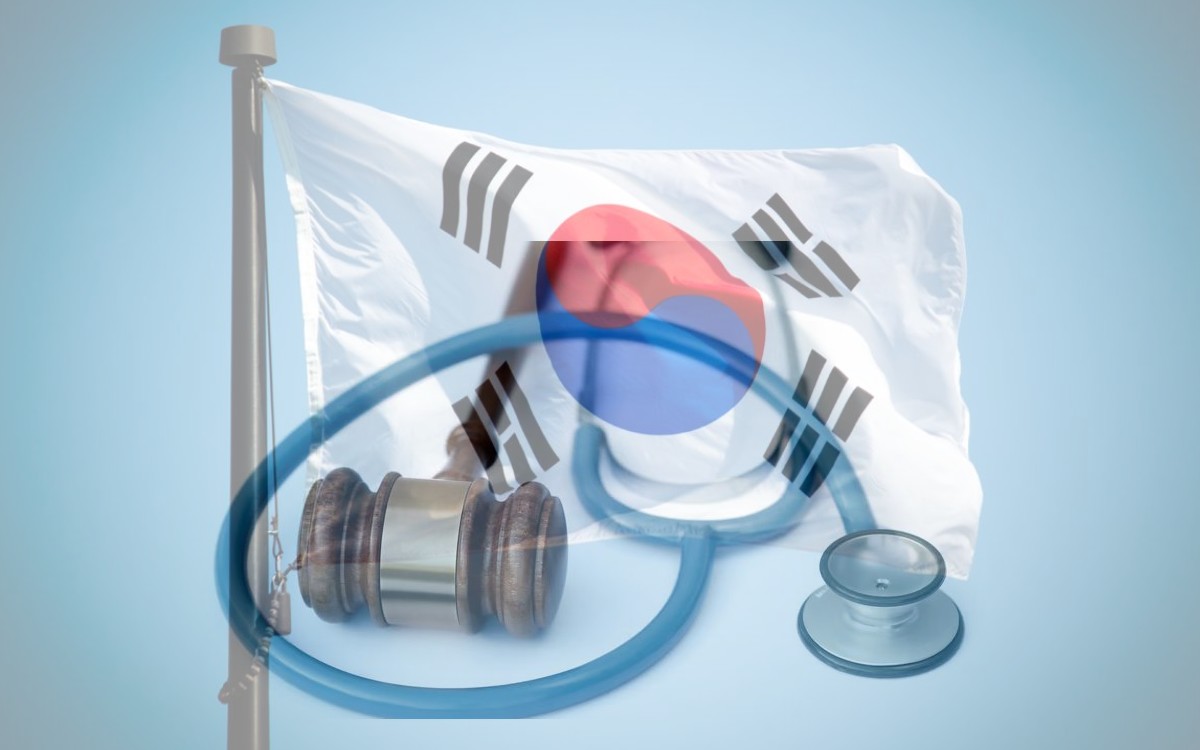
(Human Rights Watch) South Korea’s National Health Insurance Service should extend benefits to same-sex partners, Human Rights Watch said in an amicus brief filed before the country’s Supreme Court on May 16, 2024. The agency extends dependent benefits to heterosexual couples who are deemed to be in a de facto marriage, but has refused to extend those benefits to same-sex couples in a similar position.
The Supreme Court is currently considering whether the agency has impermissibly discriminated against a same-sex couple that was refused dependent benefits. In 2023, the Seoul High Court ruled in favor of the couple, concluding that the refusal to extend benefits constituted discrimination based on sexual orientation. The health agency appealed to the Supreme Court.
“The Seoul High Court correctly observed that the health agency’s refusal to recognize same-sex couples is discrimination,” said Lina Yoon, senior Korea researcher at Human Rights Watch. “We hope the Supreme Court will affirm the principle that nobody should be denied benefits solely because of their sexual orientation.”
The couple who brought the case had held a symbolic wedding ceremony in 2019, and one of the men registered his partner with the National Health Insurance Service as his spouse in 2020. The agency later revoked the partner’s dependent benefits following media attention to its effective recognition of a same-sex couple.
Human Rights Watch’s brief examines international and regional precedents for state recognition of same-sex partnerships, the status of lesbian, gay, bisexual, and transgender (LGBT) rights in South Korea, and the growing recognition of same-sex partnerships elsewhere in Asia.
South Korea has not created any framework for recognizing and supporting same-sex couples. The absence of any legal framework or protections for same-sex partners leaves LGBT people with few avenues to protect their relationships with partners and children, to safeguard their shared finances and property, and to access state benefits designed to support couples and families.
The government’s failure to recognize same-sex partnerships falls short of its human rights obligations, Human Rights Watch said. The Office of the United Nations High Commissioner for Human Rights has concluded that UN member states “have a positive obligation to provide legal recognition to couples, regardless of sexual orientation, gender identity and sex characteristics, as well as to their children,” and to extend those benefits offered to heterosexual couples without discrimination.
Among regional human rights bodies, the Inter-American Court of Human Rights has said that states must extend the right to marry to same-sex couples, while the European Court of Human Rights has said that states must create some form of legal recognition and protection for same-sex relationships.
As Human Rights Watch and others have noted, South Korea also lacks comprehensive protections from discrimination on the basis of sexual orientation and gender identity. Despite strong public support for a comprehensive anti-discrimination law, lawmakers have repeatedly failed to enact basic protections that would prohibit discrimination in employment, education, and other areas.
In failing to protect LGBT rights, South Korea is out of step with trends elsewhere in the region. In 2019, Taiwan became the first jurisdiction in Asia to extend the right to marry to same-sex couples, and Australia and New Zealand have subsequently recognized the right to marry as well.
Courts in Japan and Thailand have expressed concern about the lack of partnership recognition in those contexts, and Nepal’s supreme court has extended interim recognition of the right to marry while it considers a marriage equality case.
A growing number of states in the region also prohibit discrimination on the basis of sexual orientation. Australia, Fiji, Macao, the Marshall Islands, Micronesia, Mongolia, New Zealand, Thailand, and Tuvalu have prohibited sexual orientation discrimination in employment and other fields.
“South Korea’s lawmakers have failed to provide basic protection for same-sex couples by dragging their feet on nondiscrimination and partnership bills,” Yoon said. “South Korea’s courts now have the chance to uphold the state’s human rights obligations by ensuring that the state does not discriminate in the material benefits it does offer to committed couples.”





Afghanistan
ICC unseals arrest warrants for Taliban officials accused of persecuting LGBTQ people, women
‘For LGBTIQ+ people, this matters enormously’
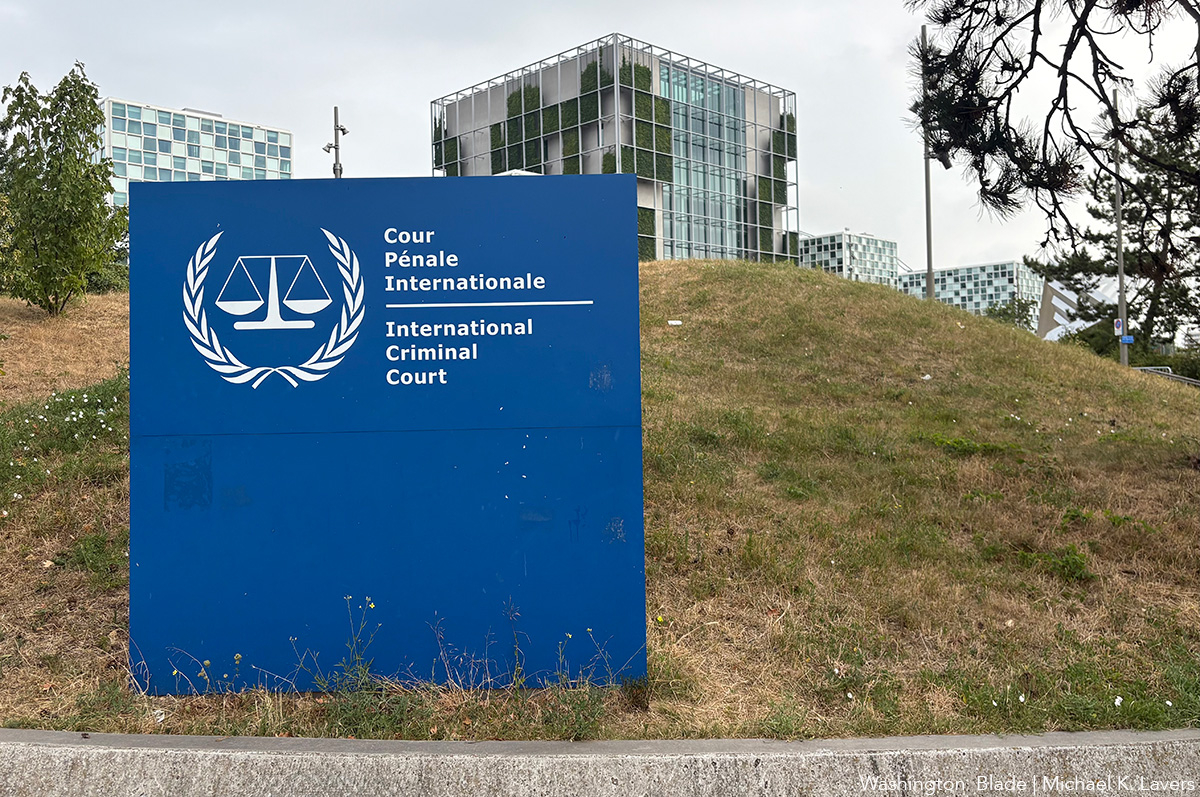
The International Criminal Court this week unsealed arrest warrants for four Taliban officials in Afghanistan accused of targeting LGBTQ people, women, and others who defy the group’s strict gender norms.
The warrants the ICC unsealed on Oct. 5 are for Hibatullah Akhundzada, the Taliban’s supreme leader, and Chief Justice Abdul Hakim Haqqani. The ICC also unsealed warrants for Education Minister Habibullah Agda and Higher Education Minister Neda Mohammad Nadim.
The ICC last year announced warrants for Akhundzada and Haqqani, as the Washington Blade previously reported.
“In the warrants of arrest, the (Pre-Trial) Chamber (II), in line with current developments in international law, found that the definition of ‘gender’ in the Rome Statute necessitates an interpretation that goes beyond a purely biological conception of sex,” reads the ICC’s Oct. 5 announcement. “It considered that it requires acknowledging the socially constructed roles, behaviors, expectations, and hierarchies traditionally associated with individuals on the basis of their sex. The Chamber considered that these societal constructs, commonly referred to as ‘gender norms,’ form part of the contextual lens through which acts amounting to gender-based persecution under article 7(1)(h) must be assessed.”
“It found that there are reasonable grounds to believe that the four suspects are criminally responsible for having ordered, induced or solicited the crime against humanity of persecution, under article 7(1)(h) of the Rome Statute, on gender grounds against girls, women, and other persons non-conforming with the Taliban’s policy on gender, gender identity or expression; and on political grounds against persons perceived as ‘allies of girls and women,’” it adds. “These crimes are believed to have been committed on the territory of Afghanistan since the Taliban seized power on Aug. 15, 2021, and have continued until at least Jan. 20, 2025.”
The Rome Statute established the ICC, which is in the Dutch city of The Hague, in 2002 after 60 countries ratified it.
The U.S. is among the countries that do not recognize the ICC. Secretary of State Marco Rubio on Friday announced U.S. sanctions against the ICC, which he described as a “rogue court.”
Then-ICC Chief Prosecutor Karim Khan in January 2025 announced a request for warrants against Taliban officials over their treatment of women and other groups since they regained control of Afghanistan in 2021. It marked the first time the ICC specifically named LGBTQ people as victims in a gender persecution case before it.
A report that Outright International released in 2023 notes Taliban officials have systematically targeted LGBTQ people — especially gay men and transgender women.
Taliban officials have subjected them to physical and sexual assault as well as arbitrary detention. The Outright International report also notes Taliban authorities have carried out public floggings for alleged same-sex sexual relations, and have collected intelligence on LGBTQ activists and community members.
Artemis Akbary, executive director of the Afghanistan LGBTIQ Organization, on Oct. 5 described the additional arrest warrants as “huge.”
“For LGBTIQ+ people, this matters enormously,” he said. “It strengthens the understanding that gender persecution can also capture persecution based on non-conformity with imposed gender roles, identities, and expressions.”
“This is an important development for accountability in Afghanistan, and potentially far beyond it,” added Akbary.
Central America
Alianza para la Inclusión fortalece la defensa de derechos LGBTQ en Centroamérica
Se implementa el proyecto en Guatemala, El Salvador y Honduras
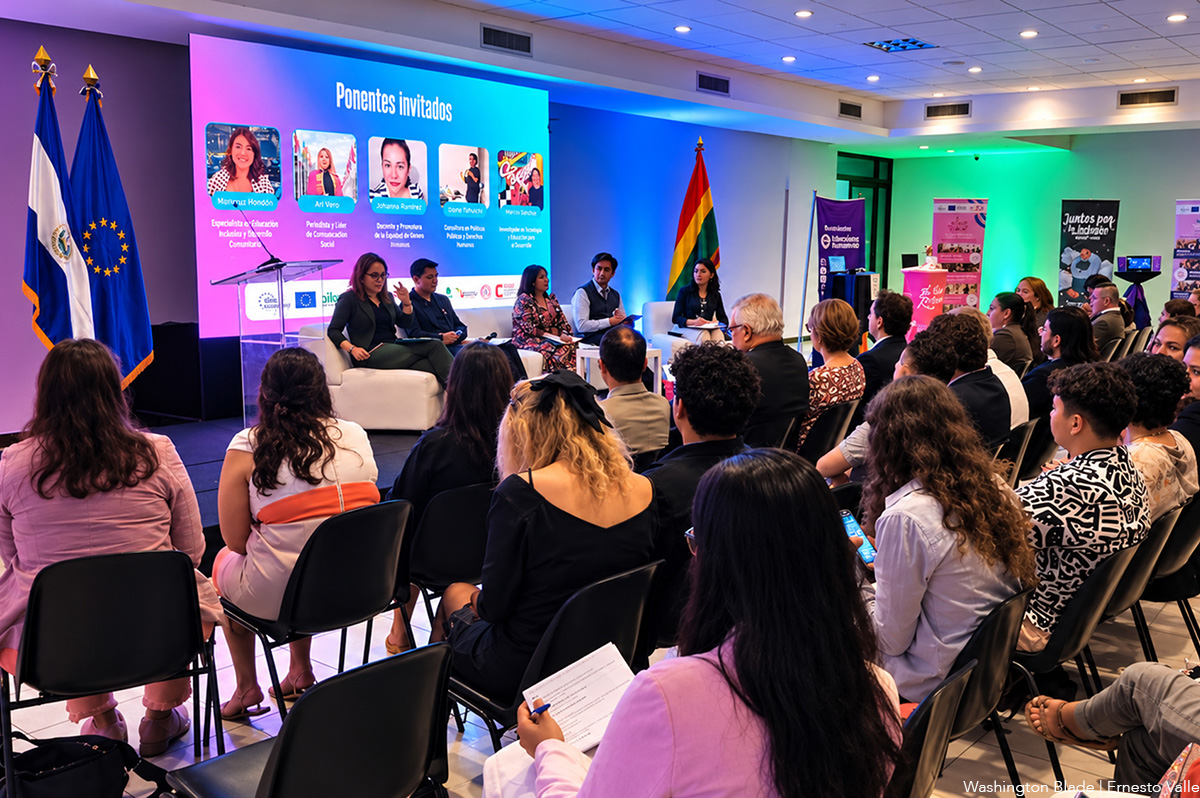
Promover, proteger y defender los derechos humanos de las personas LGBTQ en Centroamérica es el propósito del proyecto “Alianza para la Inclusión: hacia la promoción de derechos LGBTIQ+ en Centroamérica”, una iniciativa subvencionada por la Unión Europea, Global Gateway, Oikos Cooperação e Desenvolvimento y Camões — Instituto da Cooperação e da Língua, que articula esfuerzos en Guatemala, El Salvador y Honduras.
El proyecto, cuya implementación se desarrolla entre 2025 y 2028, busca fortalecer a organizaciones, liderazgos comunitarios y redes regionales frente a contextos marcados por la discriminación, la violencia y la reducción del espacio cívico.
A través de procesos de formación, atención integral, protección, fortalecimiento organizativo, incidencia y articulación regional, la iniciativa procura generar condiciones más seguras y dignas para que las personas LGBTQ puedan ejercer plenamente sus derechos.
Formación y fortalecimiento de liderazgos
Durante los primeros 18 meses de ejecución, el proyecto ha desarrollado acciones de formación y acompañamiento, otorgado subvenciones a colectivos comunitarios, impulsado estrategias de seguridad integral y respaldado procesos regionales de articulación e incidencia.
Uno de los resultados reportados es la participación de 489 personas LGBTQ de Guatemala, El Salvador y Honduras en procesos formativos relacionados con la desnaturalización de la violencia, organización e incidencia. Asimismo, 41 personas líderes LGBTQ de El Salvador y Guatemala fortalecieron sus capacidades para la formulación de proyectos.
Para Pedro Campos, coordinador de Oikos — Cooperação e Desenvolvimento en El Salvador, estos procesos tienen una dimensión que trasciende lo técnico.
“Desde hoy estamos cada día más convencidas y convencidos de que la gestión de proyectos más que técnica o administrativa es esencialmente humana. Nunca debemos olvidar que la persona en toda su diversidad es el centro de nuestro quehacer. Y si un día la empatía y el amor nos abandonan, habremos perdido la esencia de nuestro trabajo”.
La formación también ha significado una oportunidad para fortalecer liderazgos comunitarios. Josh Hernández, persona no binaria y codirectore de Espacios Seguros El Salvador, destaca el impacto que tuvo su participación.
“Esta experiencia me ha fortalecido como activista y como parte de una organización comunitaria, y me ha permitido ampliar mi visión y soñar con nuevas actividades que contribuyan a construir una cultura de paz en nuestra sociedad salvadoreña”, comenta Hernández.
Atención integral para personas LGBTQ en situación de vulnerabilidad
En El Salvador, uno de los componentes del proyecto se ha enfocado en brindar atención integral a personas que enfrentan situaciones de violencia, discriminación o vulnerabilidad.
A través de COMCAVIS TRANS, el proyecto permitió atender a 128 personas, mediante servicios psicosociales, legales y de resguardo temporal en su albergue.
La atención incluyó orientación para activar mecanismos de denuncia y medidas de protección, además de contención emocional, manejo de crisis y acompañamiento para la estabilización de condiciones básicas.
La experiencia también se ha extendido a Honduras. Loren López, directora ejecutiva de la Asociación de Mujeres Lesbianas y Bisexuales LITOS, resaltó el valor de generar espacios seguros para mujeres lesbianas, bisexuales y personas LTBQ (lesbianas, trans, bisexuales y queer).
“Me quedo con la satisfacción de haber contribuido a crear espacios donde una mujer LTBQ+ pueda sentirse segura, escuchada y reconocida, sin tener que esconder quién es. Esta experiencia fortaleció a LITOS y nos dejó nuevas herramientas y posibilidades para seguir trabajando por los derechos y la eliminación de la discriminación”, agrega López.
La seguridad integral como herramienta de protección
En contextos donde quienes defienden derechos pueden enfrentar diferentes tipos de riesgos, el proyecto ha incorporado la seguridad integral como un componente fundamental.
Durante 2026, 140 personas LGBTQ pertenecientes a seis organizaciones participaron en procesos de formación sobre seguridad integral, abordando dimensiones físicas, digitales y emocionales.
Como resultado, seis organizaciones elaboraron y consolidaron sus propios planes de seguridad integral, incorporando medidas de prevención y respuesta ante riesgos físicos y digitales, con especial énfasis en la protección de información sensible, el uso seguro de plataformas digitales y la gestión de incidentes en entornos virtuales.
Incidencia para transformar políticas y garantizar derechos
La iniciativa también ha acompañado procesos de incidencia y litigio estratégico en Guatemala.
La Asociación LAMBDA, junto con la Comisión Presidencial por la Paz y los Derechos Humanos (COPADEH), acompañó una consulta nacional con personas LGBTQ para contribuir a la elaboración de una Estrategia Nacional para las personas LGBTQ, cuyo proceso se encontraba en elaboración y cuya aprobación se esperaba para finales de 2026.
Asimismo, en julio de 2026 fue presentada ante la Corte Constitucional de Guatemala una acción de inconstitucionalidad como parte de una estrategia nacional de litigio estratégico orientada a la aprobación del matrimonio igualitario. Al cierre de la actualización de resultados de este año, el proceso permanecía pendiente de resolución.
El acompañamiento jurídico también ha permitido apoyar procesos individuales relacionados con el reconocimiento de la identidad.
Uno de estos casos es el de Paula Escobar, mujer trans guatemalteca acompañada por LAMBDA en el proceso de cambio de nombre en sus documentos de identidad.
“Ha sido el paso más grande de mi vida, pues me libró de momentos incómodos y de dar explicaciones para ser reconocida como la mujer que soy”.
De acuerdo con el testimonio, la organización se encargó de la gestión legal y aproximadamente seis meses después obtuvo una respuesta favorable.
Redes regionales para ampliar el alcance de la defensa de derechos
La articulación regional constituye otro de los componentes del proyecto. La iniciativa ha apoyado a redes latinoamericanas que buscan fortalecer y posicionar el trabajo de organizaciones LGBTQ.
Entre ellas se encuentra la Alianza Centroamericana y del Caribe de Hombres Trans, que articula organizaciones y personas transmasculinas de Guatemala, El Salvador, Honduras, Costa Rica y Panamá.
Durante su primer año, ALICAHT desarrolló su Plan Estratégico y Reglamento Interno 2025-2030, además de su identidad gráfica y sitio web.
Otro proceso regional respaldado fue el III Congreso Regional de CORPORA en Libertad, realizado en Guatemala en diciembre de 2025. El encuentro reunió esfuerzos orientados a fortalecer la defensa, promoción y garantía de los derechos humanos de las personas LGBTQ privadas y exprivadas de libertad en América Latina y el Caribe.
El espacio permitió fortalecer la articulación regional y compartir experiencias y estrategias frente a los desafíos que enfrentan las personas LGBTQ dentro y fuera de los sistemas penitenciarios.
Ari Vera, fundadora de CORPORA, ha destacado la importancia del trabajo en red como una herramienta para generar transformaciones y fortalecer las capacidades colectivas.
Inclusión más allá de las palabras
Durante el Foro “El Impacto de Incluir”, uno de los planteamientos centrales fue que la inclusión requiere transformaciones concretas y no únicamente el uso de conceptos o siglas.
Jason García, técnico PMA de Monitoreo, Evaluación y Aprendizaje para Oikos El Salvador, señaló una de las barreras que persisten en los proyectos. “Una de las barreras en los proyectos es que son binarios y no se reconocen las otras identidades”.
Desde esta perspectiva, un proyecto inclusivo no se limita a utilizar la palabra inclusión o incorporar las siglas LGBTQ, sino que requiere revisar prácticas, metodologías, mecanismos de participación y formas de reconocer la diversidad.
Como parte de este proceso también se preparó una guía práctica que sistematiza instrumentos y mecanismos del Sistema Internacional de Derechos Humanos, destacando su importancia histórica en la ampliación y protección de derechos.
La compilación fue presentada en la X Conferencia de la Red ILGA LAC y en el 18º Encuentro de la Red Centroamericana de Intercambio Académico en Derechos Internacionales, realizado en la Universidad de El Salvador.
Cooperación centrada en las personas
Los resultados alcanzados durante los primeros 18 meses reflejan una estrategia que combina formación, atención directa, protección, fortalecimiento institucional, incidencia y construcción de redes.
Para la Unión Europea, colocar a las personas en el centro constituye un elemento fundamental de la cooperación. Duccio Bandini, embajador de la Unión Europea en El Salvador, expresó “Desde la Unión Europea seguiremos apostando para una cooperación que pone en el centro a las personas. Porque el verdadero impacto de influir se mide en vidas transformadas, en derechos conquistados y en sociedades que celebran con orgullo su diversidad”.
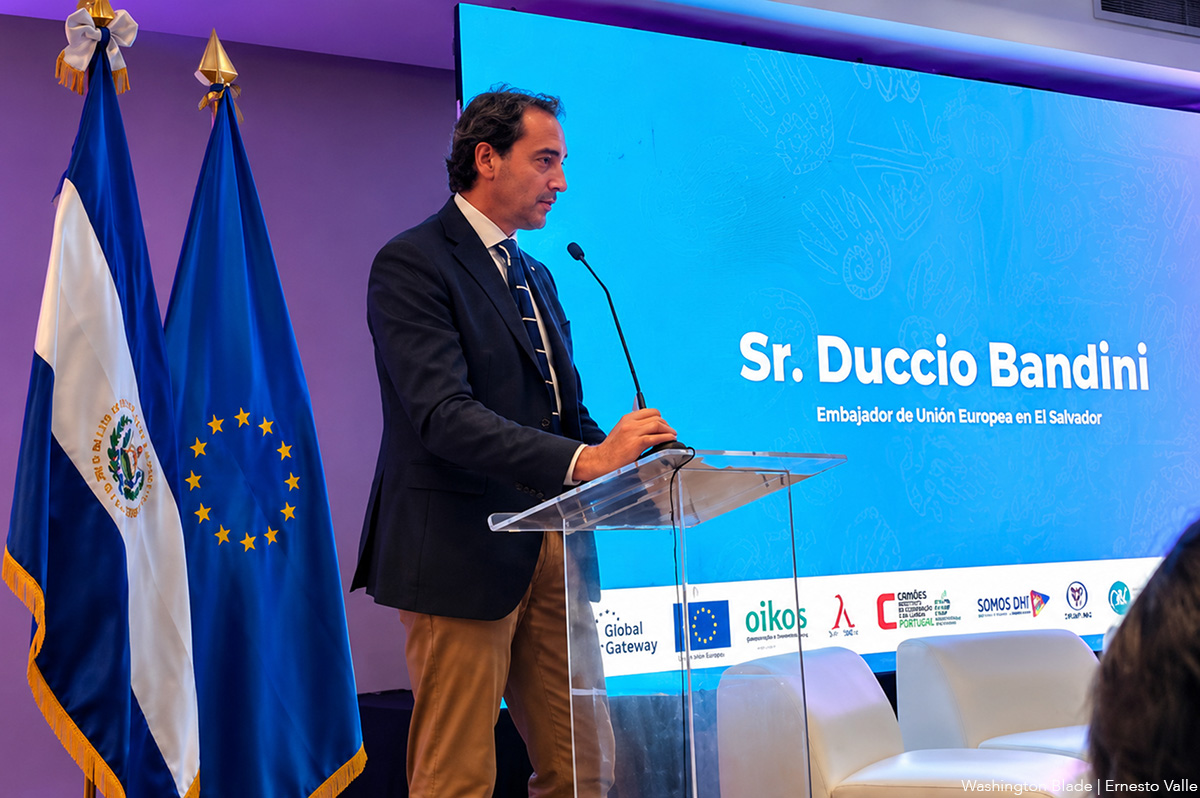
Con una implementación prevista hasta 2028, la Alianza para la Inclusión continúa articulando organizaciones nacionales y redes latinoamericanas para fortalecer capacidades y generar herramientas que permitan a las personas y organizaciones LGBTQ enfrentar los desafíos de sus contextos y avanzar en la promoción, protección y defensa de los derechos humanos.
Más allá de las cifras y los productos alcanzados, el proyecto coloca en el centro una premisa: la inclusión se construye cuando las personas pueden participar, organizarse, defender sus derechos y vivir su identidad con dignidad y seguridad.
Brazil
Transgender woman elected to Brazilian Chamber of Deputies
Thabatta Pimenta is first trans person from northeast Brazil elected to Congress

SÃO PAULO — Voters in Brazil’s Rio Grande do Norte state on Sunday elected a transgender woman to the country’s Chamber of Deputies.
Natal Municipal Councilwoman Thabatta Pimenta, who is a member of the Green Party, won with 92,743 votes. She is the first trans woman from northeast Brazil elected to the country’s Congress.
Pimenta became emotional when she was speaking to her supporters after she won. Her brother Ryan, who has cerebral palsy, was by her side.
“This victory belongs to the people of Rio Grande do Norte,” she said. “It is a victory built from the ground up … the people themselves rose up, and you saw the result: today they elected the first female travesti federal deputy from northeast Brazil.”
Pimenta will join Erika Hilton, a travesti member of the leftist Socialism and Liberty (PSOL) party who was a sex worker before her election to the São Paulo Municipal Council, and Duda Salabert, a trans woman and fellow PSOL member from Minas Gerais state, in the Chamber of Deputies.
Hilton on Sunday won re-election with 1,596,472 votes, the most any female member of Congress has received in Brazilian history. Dudabert also won re-election with 215,192 votes.
“Thank you Minas Gerais,” said Dudabert on social media after she won re-election.
❤️ REELEITA!!! Obrigada Minas Gerais! Com muito trabalho, aumentamos nossa votação! Muito orgulho em ser, pela segunda eleição consecutiva, a terceira candidatura mais votada de Minas Gerais para o cargo de deputada federal. E mostramos novamente que é possível fazer uma campanha “lixo zero”- sem imprimir santinhos, bandeiras ou adesivos. Muito feliz! Obrigada Minas ! Obrigada Brasil
— Duda Salabert 5️⃣0️⃣5️⃣0️⃣ (@DudaSalabert) October 5, 2026
Five openly bisexual Chamber of Deputies candidates also won their races on Sunday.
• Guilherme Cortez, a PSOL member in São Paulo state
• Dandara Tonatzin, a member of President Luiz Inácio Lula da Silva’s Workers’ Party in Minas Gerais
• Anielle Franco, a Workers’ Party member in Rio de Janeiro state
• Maria Marighella, a Workers’ Party member in Bahia state
• Giovana Mondardo, a Brazilian Communist Party member in Santa Catalina state
Fabio Félix, a gay PSOL member of the Chamber of Deputies who represents the Federal District in which Brasília, the country’s capital, is located won re-election with 224,224 votes. Rick Azevedo, a gay PSOL member from Rio de Janeiro state, won his Chamber of Deputies race.
Daiana Santos, a lesbian Brazilian Communist Party member who represents Rio Grande do Sul state in the Chamber of Deputies, won re-election with 114,315 votes.
Two lesbian women won their Chamber of Deputies campaigns.
• Rosa Amorin, a Workers’ Party member from Pernambuco state
• Bella Gonçalves, a Workers’ Party member from Minas Gerais who is a member of the Belo Horizonte Municipal Council
Samanda de Lula, a lesbian Workers’ Party member, will represent Rio Grande do Norte in the Brazilian Senate.
Rio de Janeiro Municipal Councilwoman Mônica Benício, who is a PSOL member, came up short in her bid for the Senate. Her then-partner, Rio de Janeiro Municipal Councilwoman Marielle Franco, and her driver, Anderson Gomes, were assassinated on March 14, 2018.
Fabiano Contarato, a gay senator from Espíritu Santo who is a member of the Workers’ Party, also lost his re-election bid.
“I receive the election results with respect and serenity,” he said on social media. “The popular will is sovereign, and democracy must always be respected.”
Jean Wyllys is a gay former member of the Chamber of Deputies who previously represented Rio de Janeiro state. He resigned in 2019 and fled Brazil after he received death threats. Wyllys this year ran to represent São Paulo state in the Chamber of Deputies, but he did not win his race.
VoteLGBT, an organization that seeks to increase LGBTQ representation in Brazilian politics, noted 529 openly LGBTQ candidates ran in the election. The group on Sunday more than 30 of them won their races across the country.
Natasha Ferreira, a Workers’ Party member, became the first travesti elected to public office in Rio Grande do Sul when she won a seat in the state’s Legislative Assembly. Voters in other states across the country also elected more than 20 LGBTQ candidates to their respective Legislative Assemblies.
• Keka Bagno, a bisexual PSOL member, was elected to the Federal District Legislative Chamber
• Açucena, a lesbian Workers’ Party member, was elected to the Espíritu Santo Legislative Assembly
• Fabricio Rosa, a gay Workers’ Party member, was elected to the Goiás Legislative Assembly
• Iza Lourença, a bisexual PSOL member, was elected to the Minas Gerais Legislative Assembly
• Tiago Botelho, a gay Workers’ Party member, was elected to the Minas Gerais Legislative Assembly
• Flávio Brasileiro, a gay Workers’ Party member, was elected to the Paraíba Legislative Assembly
• Dani Balbi, a trans Brazilian Communist Party member, was elected to the Rio de Janeiro Legislative Assembly
• Verônica Lima, a lesbian Workers’ Party member, was elected to the Rio de Janeiro Legislative Assembly
• Dani Monteiro, a bisexual PSOL member, was elected to the Rio de Janeiro Legislative Assembly
• Jean Volpato, a gay Workers’ Party member, was elected to the Santa Catarina Legislative Assembly
• Linda Brasil, a trans PSOL member, was elected to the Sergipe Legislative Assembly
• Sofia Favero, a trans PSOL member, was elected to the São Paulo Legislative Assembly
• Paula Nunes dos Santos, a bisexual PSOL member, was elected to the São Paulo Legislative Assembly
• Ediane Maria, a bisexual PSOL member, was elected to the São Paulo Legislative Assembly
• Monica das Pretas, a bisexual PSOL member, was elected to the São Paulo Legislative Assembly
• Duda Hidalgo, a bisexual Workers’ Party member, was elected to the São Paulo Legislative Assembly
• Rodrigo Mar, a bisexual Workers’ Party member, was elected to the São Paulo Legislative Assembly
• Thainara Faria, a bisexual Workers’ Party member, was elected to the São Paulo Legislative Assembly
• Keit Lima, a bisexual PSOL member, was elected to the São Paulo Legislative Assembly
Lula and Sen. Flávio Bolsonaro, whose father is former President Jair Bolsonaro, will face off in the presidential election’s second round on Oct. 25.

Center for Black Equity honors leaders, activists at BE. Gala

In ‘The Lost Brontë,’ a complicated lie can lead to danger

CAMP Rehoboth Block Party returns Oct. 18

Essential queer horror classics for Halloween

Solidarity beyond the parade: the actual cost of Pride

Trump uses anti-trans slur against Democratic Senate candidate

U.S. int’l trade negotiator, consultant James Bedore dies at 82

Calif. GOP gubernatorial candidate ad ‘disgusting attempt to exploit lesbian intimacy’

Campaign urges Virginia High School League to reverse stance on trans athletes

Trump, Netanyahu, and Putin are all war criminals
-

 2026 Midterm Elections5 days ago
Trump uses anti-trans slur against Democratic Senate candidate
-
Obituary4 days ago
U.S. int’l trade negotiator, consultant James Bedore dies at 82
-
California4 days ago
Calif. GOP gubernatorial candidate ad ‘disgusting attempt to exploit lesbian intimacy’
-
Virginia4 days ago
Campaign urges Virginia High School League to reverse stance on trans athletes