Colombia
Donde el arte se vuelve hogar
Red Popular Trans es una plataforma comunitaria en Medellín
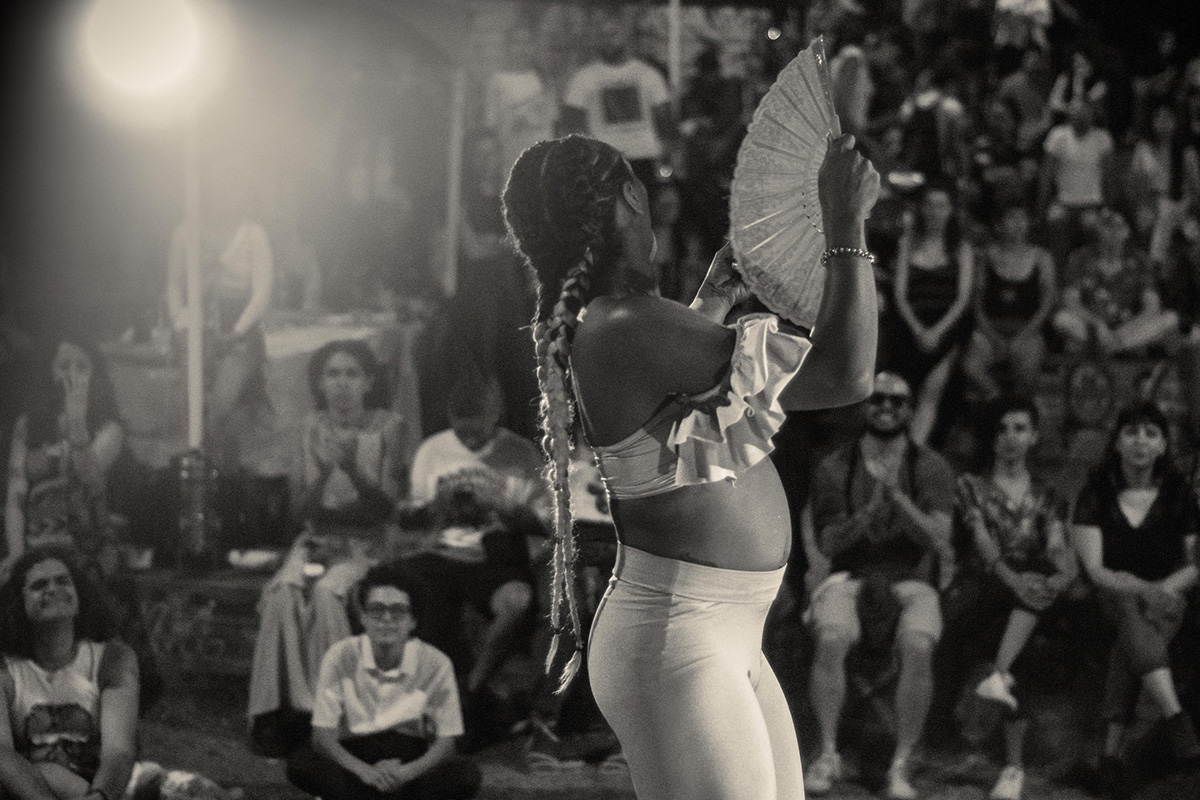
En el corazón de Medellín hay una red que late con fuerza propia. No aparece en los grandes titulares, pero su presencia se percibe en el sonido de un tambor que marca el ritmo de un ensayo, en las manos que se manchan de colores para pintar un mural, en el aire tibio que entra por las ventanas abiertas y se mezcla con el eco de una risa, en los abrazos que cierran una jornada. Es la Red Popular Trans, una plataforma comunitaria que ha hecho del arte, la naturaleza, las espiritualidades y la organización social una herramienta de vida para cientos de personas trans, no binaries y cuir, un lugar donde la creatividad fluye como el agua, se expande como el viento y se enraíza como un árbol que crece en suelo fértil.
Allí, los sueños se tejen en colectivo y las puertas que antes parecían cerradas se abren para dejar pasar la luz. De ese trabajo nació el Festival Interdisciplinar de Artes Trans – Travar las Artes, organizado junto a la colectiva Pajarapintadanza y fundado con el impulso y liderazgo de Ale Álvarez, quien fue una de sus creadoras y principal representante durante los primeros cuatro años. Este festival no es un evento para la foto, es el primer festival de arte trans en Colombia dirigido por personas trans y para personas trans, un hecho histórico que ha marcado un antes y un después en la cultura del país.
No es un simple espacio de exhibición: es un laboratorio vivo de resistencia y cuidado donde la danza, el teatro, la música, la poesía y las artes visuales dialogan con la tierra, el cuerpo y la voz, devolviéndoles su poder y transformándolos en acto político y en celebración de la vida. Travar las Artes ha demostrado que la cultura también puede ser una trinchera de libertad, y que es posible resignificar tradiciones para abrir nuevos caminos. Basta recordar la reinterpretación del bullerengue, una danza tradicional colombiana, llevada a escena desde una mirada queer y desafiante. Poner a una travesti a bailar bullerengue no fue un simple acto estético, sino un gesto político que desafió estructuras hegemónicas y abrió posibilidades de representación que antes parecían impensables.
En este espacio no hay protagonistas únicos. Cada historia es un cauce que alimenta un mismo río: la joven que encontró en la danza un lenguaje para hablar de su identidad sin miedo, el actor que convirtió su transición en una obra de teatro que recorre barrios y escuelas, la cantante que lleva su voz a escenarios comunitarios porque sabe que allí también se construye país. Entre esas historias, una brilla con especial fuerza: la de Ale.
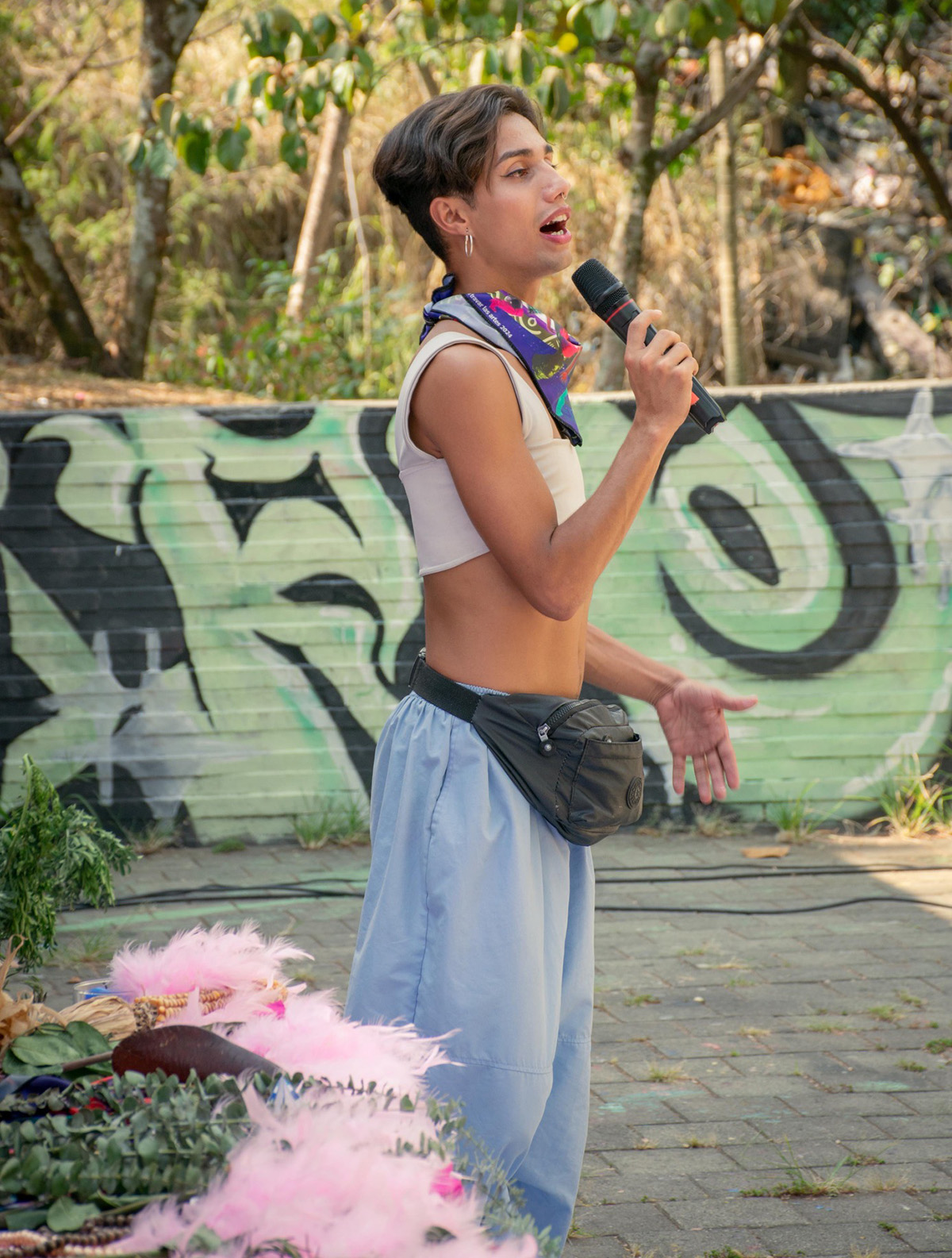
Ale llegó a la Red Popular Trans buscando un lugar seguro donde pudiera ser sin explicaciones ni condiciones. Lo encontró, y encontró también un espejo en el arte, una forma de reconocerse. Lo que empezó como curiosidad por la danza se volvió vocación y raíz. Hoy es licenciada en Danza, graduada con honores, y ha regresado a los mismos espacios que la vieron crecer para guiar a otres que, como ella, buscan un camino. En cada taller que facilita, Ale recuerda que antes de ser profesional fue una persona que necesitaba escuchar: “Aquí eres bienvenide”.
Esa frase resume la esencia de lo que aquí ocurre. La Red Popular Trans no solo impulsa el festival: organiza talleres permanentes, acompaña procesos de salud y bienestar, conecta artistas con oportunidades y teje redes de apoyo que se sostienen incluso fuera del escenario. Pajarapintadanza ha puesto el cuerpo, el movimiento y el espíritu al servicio de la pedagogía queer y decolonial, demostrando que el arte puede sanar, movilizar y transformar.
En estas redes, cada logro individual es una victoria colectiva. Cuando une bailarín trans pisa un escenario, cuando une pintore no binarie exhibe su obra, cuando une poeta cuir recita frente a su comunidad, toda la red respira con orgullo. El arte que nace aquí no es lujo, es necesidad; no solo inspira, sino que salva. Es viento que acaricia, raíz que sostiene, agua que fluye y fuego que enciende. El trabajo comunitario, constante y apasionado, convierte historias marcadas por el dolor en relatos de resiliencia y esperanza. Ale, la Red Popular Trans, Pajarapintadanza y Travar las Artes son prueba viva de ello, recordándonos que mientras haya cuerpos que bailen, voces que se alcen y manos que creen, siempre habrá un lugar para empezar de nuevo, y a veces, sin darnos cuenta, ese lugar se convierte en hogar.



Colombia
Abelardo de la Espriella elected Colombia’s next president
Far-right lawyer has pledged to end ‘gender ideology’ in the country
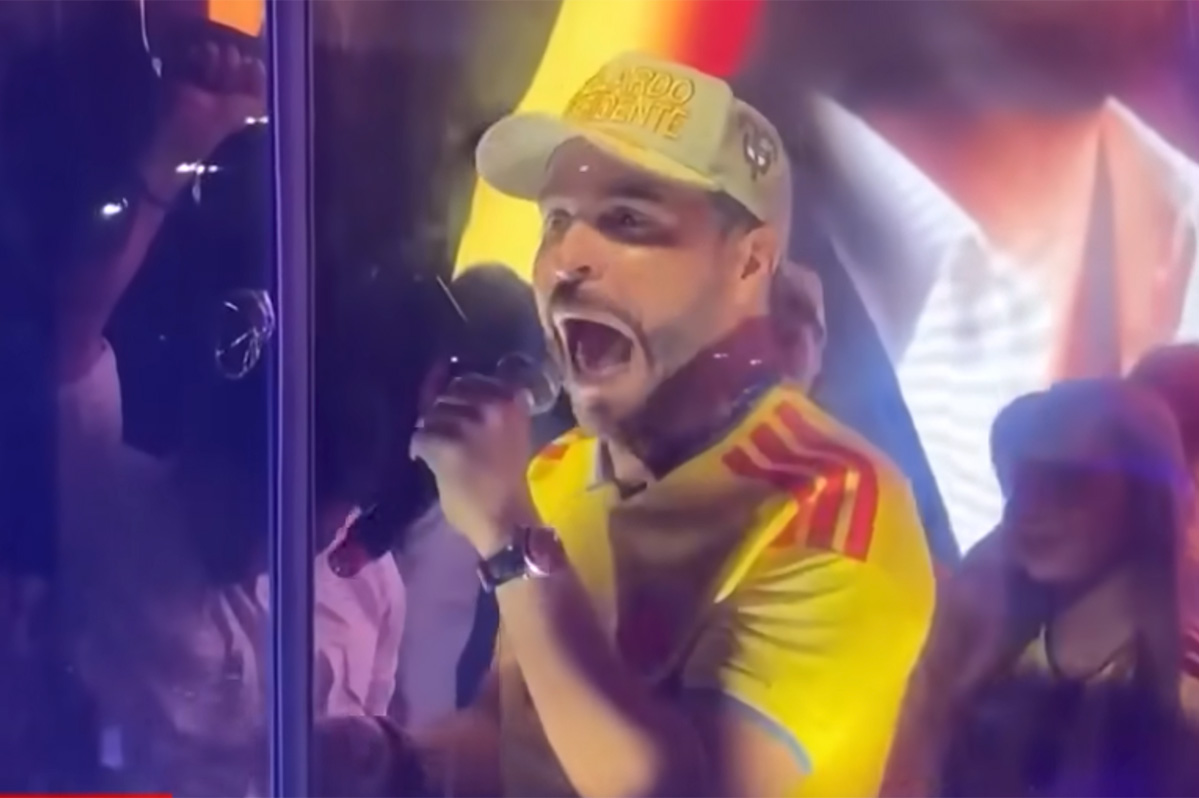
Abelardo de la Espriella on Sunday narrowly defeated Iván Cepeda in the second round of Colombia’s presidential election.
De la Espriella, a far-right lawyer who has praised U.S. President Donald Trump and Salvadoran President Nayib Bukele, beat Sen. Iván Cepeda, a member of outgoing President Gustavo Petro’s Historic Pact party, by a 49.7-48.7 percent margin. De la Espriella will take office on Aug. 7.
Secretary of State Marco Rubio on Sunday spoke with De la Espriella, who has pledged to end so-called “gender ideology” in Colombia, and congratulated him on his victory.
“This result reflects the will of the Colombian people and their commitment to democracy,” said State Department spokesperson Tommy Piggott in a statement. “The Trump administration looks forward to working closely with his incoming administration to advance our bilateral and regional security cooperation, end illegal immigration to the United States, and strengthen the economic ties between our two countries. Through our close bilateral cooperation, and under the leadership of President-elect De la Espriella, Colombia’s best days are ahead.”
The election’s first round took place on June 1.
Former Bogotá Mayor Claudia López, a centrist who ran as an independent, finished fifth. She would have become Colombia’s first female and first lesbian president if she had won the election.
De la Espriella and Cepeda faced off in the runoff because neither received a majority of votes in the first round.
Colombia
Claudia López comes up short in Colombian presidential election
Former Bogotá mayor would have been country’s first lesbian head of government
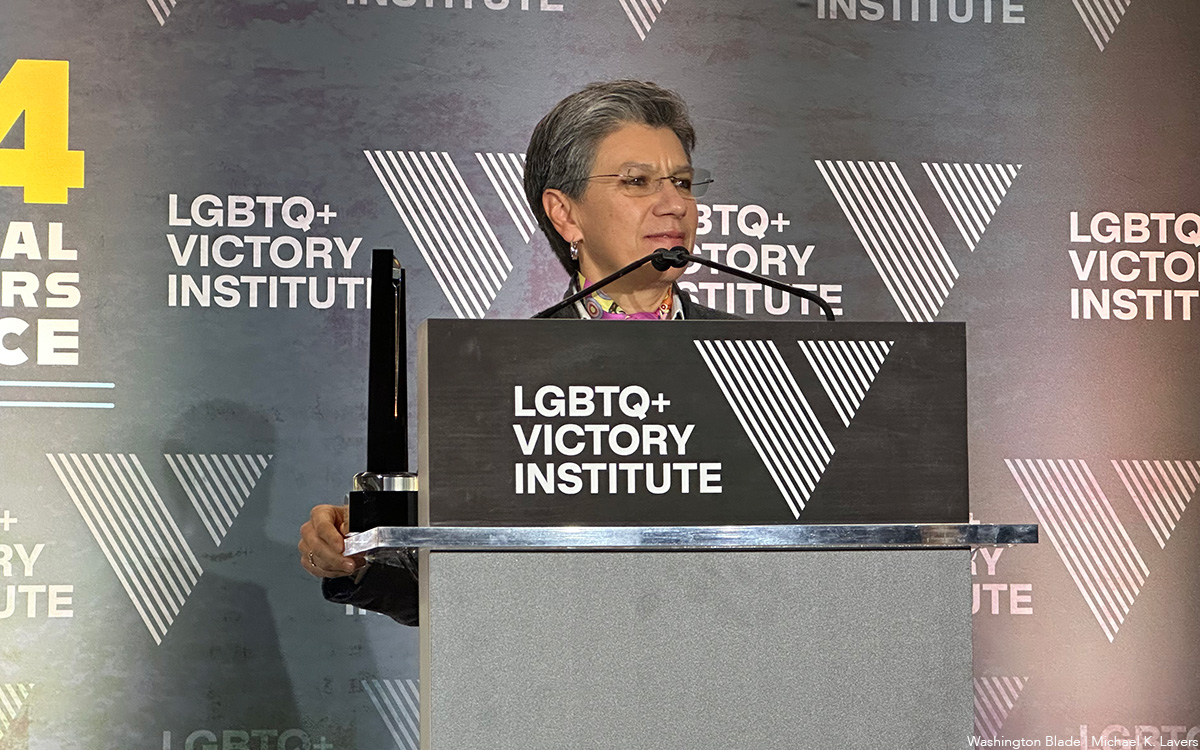
Former Bogotá Mayor Claudia López on Sunday finished fifth in the first round of Colombia’s presidential election.
López, a centrist who ran as an independent, received 225,517 votes. This figure is .95 percent of the total votes cast.
López was the Colombian capital’s mayor from 2020-2023. She was a member of the Colombian Senate from 2014-2018. López, whose wife is outgoing Colombian Sen. Angélica Lozano, would have become the country’s first female and first lesbian president if she would have won the election.
The LGBTQ+ Victory Institute honored López in D.C. in 2024.
“We need to listen to each other again, we need to have a coffee with each other again, we need to touch each other’s skin,” she told the Washington Blade during an interview. She hadn’t yet declared her candidacy, and did not specifically discuss her plans to run.
Runoff to take place June 21
Abrelardo de la Espriella, a far-right lawyer who has praised U.S. President Donald Trump and Salvadoran President Nayib Bukele, on Sunday finished first with 43.74 percent of the vote. Senator Iván Cepeda, a member of outgoing President Gustavo Petro’s Historic Pact party, came in second with 40.9 percent of the vote.
Neither men received a majority of votes. A runoff between them will take place on June 21.
Colombia
Claudia López wins primary in Colombian presidential race
Former Bogotá mayor’s wife lost reelection bid on Sunday
Former Bogotá Mayor Claudia López on Sunday won her primary in the race to succeed Colombian President Gustavo Petro.
López, a centrist who is running as an independent, defeated Leonardo Huerta in the “Consulta de las Soluciones” primary.
López was the Colombian capital’s mayor from 2020-2023. She was a member of the Colombian Senate from 2014-2018.
López is running to succeed Petro, the country’s first leftist president who cannot seek a second consecutive term under Colombia’s constitution. Other presidential candidates who won their respective parties’ primaries on Sunday include Sen. Iván Cepeda, a member of Petro’s Historic Pact party, and Sen. Paloma Valencia of the conservative Democratic Center, the country’s main opposition party that former President Álvaro Uribe leads.
Juan Daniel Oviedo, who finished second in the Democratic Center’s primary, is openly gay.
The first-round of Colombia’s presidential election will take place on May 31.
Polls indicate López is trailing Cepeda and Valencia, who are considered the two frontrunners.
A second round will take place is no candidate receives at least 50 percent of the vote on May 31. López would become Colombia’s first female and first lesbian president if she wins the election.
López’s wife loses Senate seat
Colombia’s congressional elections also took place on Sunday.
Former Congressman Mauricio Toro, a member of the center-left Green Alliance party, in 2018 became the first openly gay man elected to Colombian Congress when he won a seat in the House of Representatives.
He lost his reelection bid in 2022. Voters on Sunday elected Toro for a second term.
Congresswoman María del Mar Pizarro, a bisexual Historic Pact member, won re-election.
Caribe Afirmativo, a Colombian LGBTQ and intersex rights group, notes only two of the 33 openly LGBTQ congressional candidates won their respective races. Among those who lost is Sen. Angélica Lozano, a bisexual woman who in 2018 became the first openly LGBTQ person elected to the Colombian Senate.
Lozano is married to López.
Lozano in a message posted to her Instagram page expressed “heartfelt gratitude to everyone for their support and love.”
“I will end my work in Congress on a high note by ensuring (the) child support and service contractor protection bills will become a reality in June,” she said.

Log Cabin Republicans remove transgender rights from mission

Not all trans people are the same

Queer team brings girl power to fully baked ‘The Wrong Girls’

Democrat Maureen ‘Mo’ Madden takes on longtime GOP stronghold in Delaware’s 38th

Comings & Goings

‘Maddie’s Secret’ defies campy expectations

PHOTOS: Nellie’s Drag Brunch

Remembering Barbara ‘Boo’ Price, a pioneering force in women’s music

Russian LGBTQ rights group to shut down