Colombia
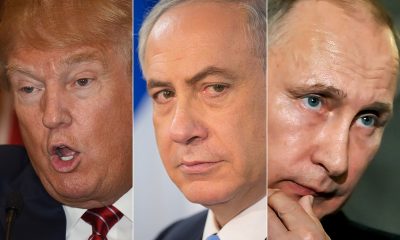
Colombians protest against Trump after he threatened country’s president
Tens of thousands protested the US president in Bogotá
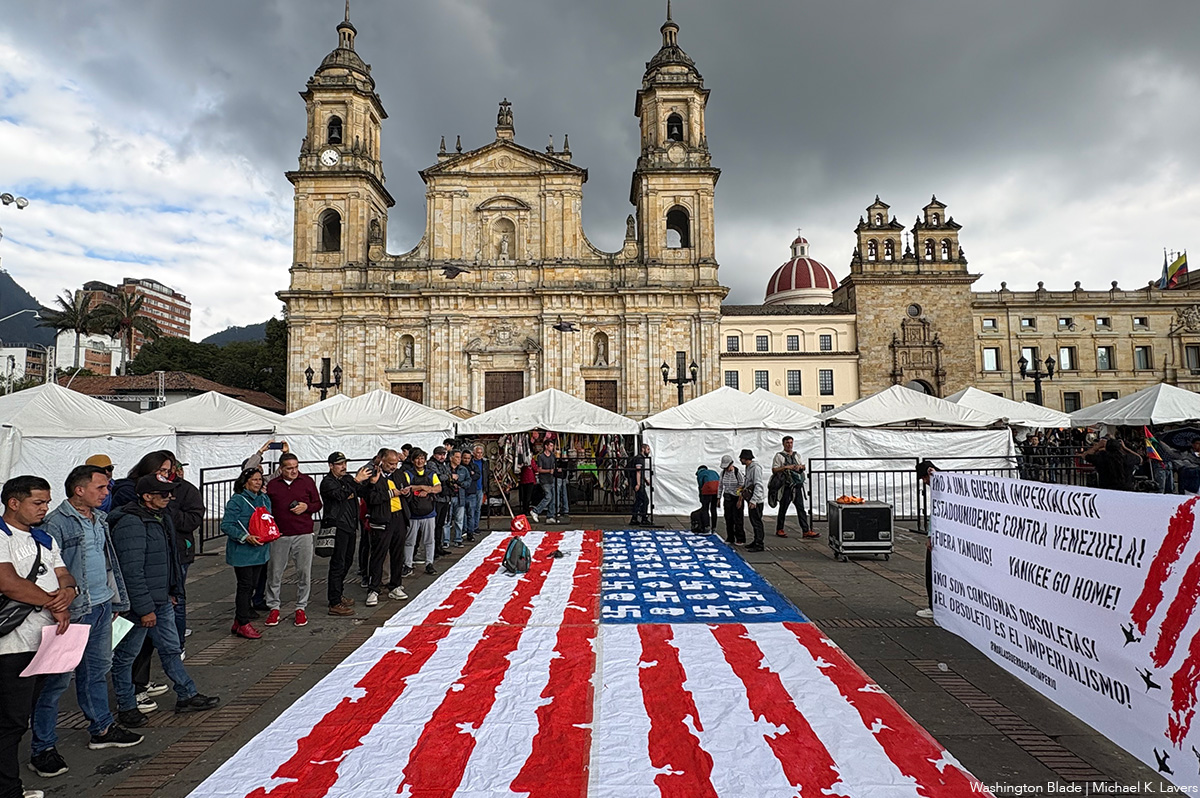
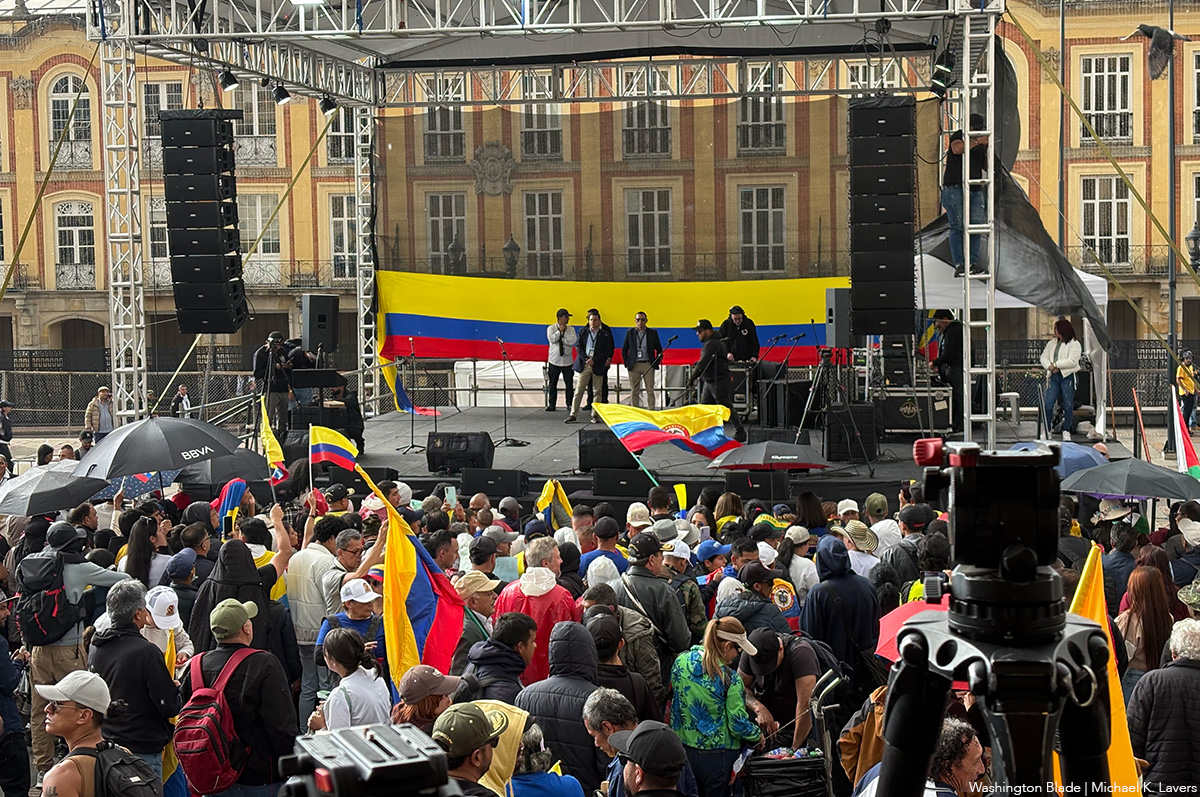
BOGOTÁ, Colombia — Tens of thousands of people on Wednesday gathered in the Colombian capital to protest against President Donald Trump after he threatened Colombian President Gustavo Petro.
The protesters who gathered in Plaza Bolívar in Bogotá held signs that read, among other things, “Yankees go home” and “Petro is not alone.” Petro is among those who spoke.
The Bogotá protest took place four days after American forces seized now former Venezuelan President Nicolás Maduro and his wife, Cilia Flores, at their home in Caracas, the Venezuelan capital, during an overnight operation.
The Venezuelan National Assembly on Sunday swore in Delcy Rodríguez, who was Maduro’s vice president, as the country’s acting president. Maduro and Flores on Monday pleaded not guilty to federal drug charges in New York.
Trump on Sunday suggested the U.S. will target Petro, a former Bogotá mayor and senator who was once a member of the M-19 guerrilla movement that disbanded in the 1990s. Claudia López, a former senator who would become the country’s first female and first lesbian president if she wins Colombia’s presidential election that will take place later this year, is among those who criticized Trump’s comments.
The Bogotá protest is among hundreds against Trump that took place across Colombia on Wednesday.
Petro on Wednesday night said he and Trump spoke on the phone. Trump in a Truth Social post confirmed he and his Colombian counterpart had spoken.
“It was a great honor to speak with the president of Colombia, Gustavo Petro, who called to explain the situation of drugs and other disagreements that we have had,” wrote Trump. “I appreciated his call and tone, and look forward to meeting him in the near future. Arrangements are being made between Secretary of State Marco Rubio and the foreign minister of Colombia. The meeting will take place in the White House in Washington, D.C.”



Colombia
Colombia withdraws from Equal Rights Coalition
International LGBTQ group ‘not a priority’ for country’s new government
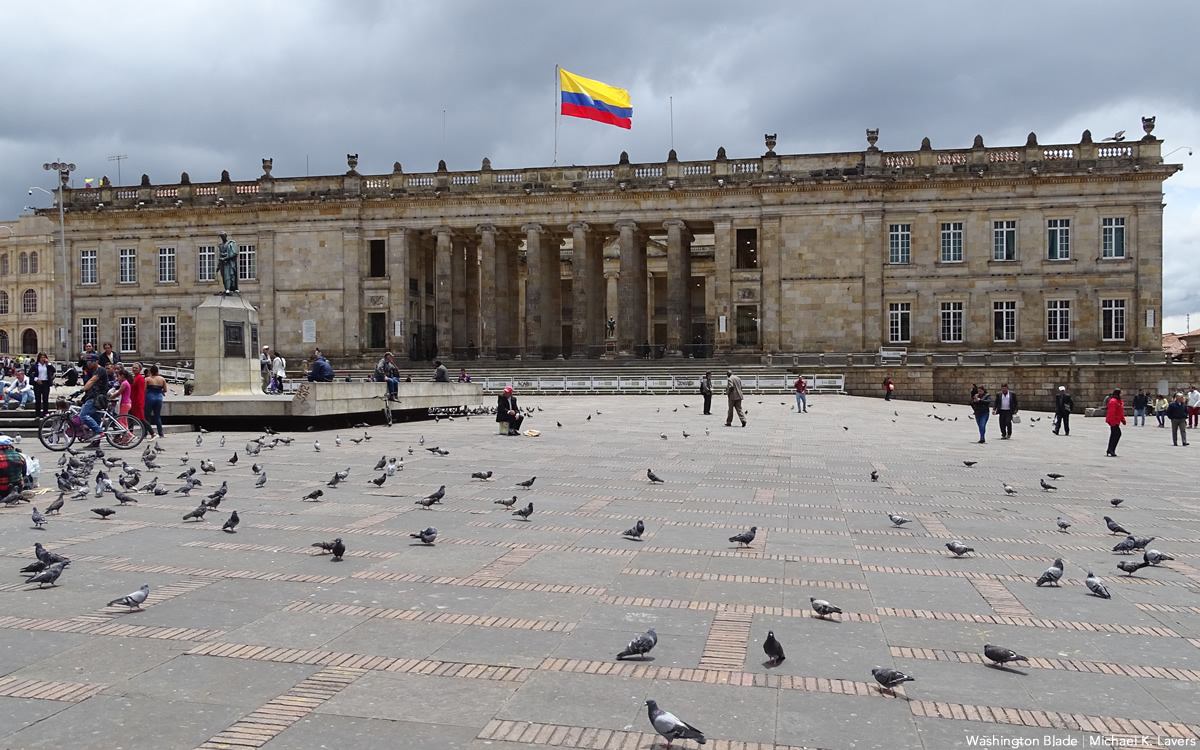
Colombia last week withdrew from a coalition of more than 40 countries that pledges to champion LGBTQ and intersex rights.
The Bogotá Post, an English-language news website in the Colombian capital, reported the country officially withdrew from the Equal Rights Coalition on Sept. 17.
The Equal Rights Coalition formed in 2016.
The group’s current members are Albania, Argentina, Australia, Austria, Belgium, Brazil, Canada, Cabo Verde, Chile, Costa Rica, Cyprus, the Czech Republic, Denmark, Ecuador, Estonia, Finland, France, Germany, Greece, Iceland, Ireland, Israel, Italy, Lithuania, Luxembourg, Malta, Mexico, Montenegro, Netherlands, New Zealand, North Macedonia, Norway, Portugal, Serbia, Slovenia, Spain, Sweden, Switzerland, Thailand, Ukraine, the U.K., and Uruguay. Civil society organizations from Colombia and dozens of other countries, including the U.S., work with the Equal Rights Coalition.
Colombia had co-chaired the group alongside Spain.
The decision to withdraw from the Equal Rights Coalition took place less than two months after far-right Colombian President Abelardo de la Espriella took office.
El Páis, a Spanish newspaper, reported Colombian Vice Minister for Consular and Migration Affairs Pedro Agustín Roa said the Equal Rights Coalition “is not a priority” for his government and the country’s participation in it was “something from a previous government.”
Caribe Afirmativo is a Colombian LGBTQ advocacy group that works with the Equal Rights Coalition. Wilson Castañeda, its director, criticized his country’s withdrawal from it.
Colombia
Abelardo de la Espriella elected Colombia’s next president
Far-right lawyer has pledged to end ‘gender ideology’ in the country
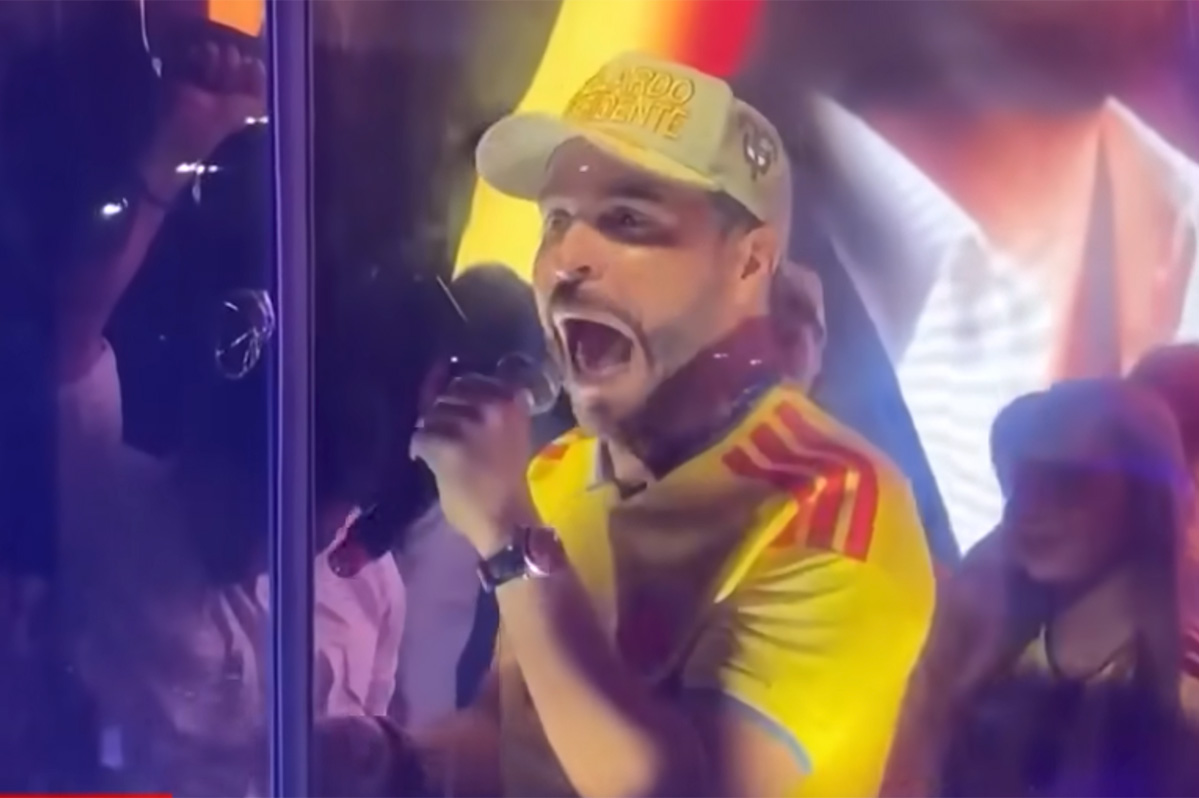
Abelardo de la Espriella on Sunday narrowly defeated Iván Cepeda in the second round of Colombia’s presidential election.
De la Espriella, a far-right lawyer who has praised U.S. President Donald Trump and Salvadoran President Nayib Bukele, beat Sen. Iván Cepeda, a member of outgoing President Gustavo Petro’s Historic Pact party, by a 49.7-48.7 percent margin. De la Espriella will take office on Aug. 7.
Secretary of State Marco Rubio on Sunday spoke with De la Espriella, who has pledged to end so-called “gender ideology” in Colombia, and congratulated him on his victory.
“This result reflects the will of the Colombian people and their commitment to democracy,” said State Department spokesperson Tommy Piggott in a statement. “The Trump administration looks forward to working closely with his incoming administration to advance our bilateral and regional security cooperation, end illegal immigration to the United States, and strengthen the economic ties between our two countries. Through our close bilateral cooperation, and under the leadership of President-elect De la Espriella, Colombia’s best days are ahead.”
The election’s first round took place on June 1.
Former Bogotá Mayor Claudia López, a centrist who ran as an independent, finished fifth. She would have become Colombia’s first female and first lesbian president if she had won the election.
De la Espriella and Cepeda faced off in the runoff because neither received a majority of votes in the first round.
Colombia
Claudia López comes up short in Colombian presidential election
Former Bogotá mayor would have been country’s first lesbian head of government
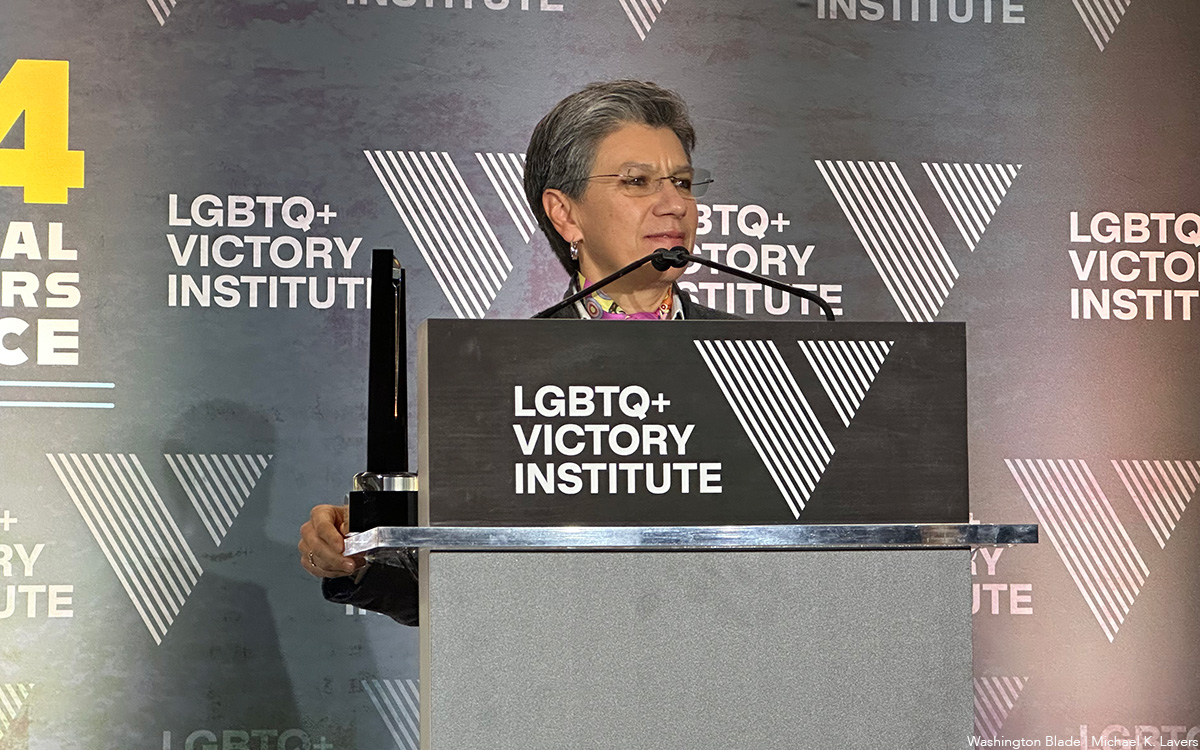
Former Bogotá Mayor Claudia López on Sunday finished fifth in the first round of Colombia’s presidential election.
López, a centrist who ran as an independent, received 225,517 votes. This figure is .95 percent of the total votes cast.
López was the Colombian capital’s mayor from 2020-2023. She was a member of the Colombian Senate from 2014-2018. López, whose wife is outgoing Colombian Sen. Angélica Lozano, would have become the country’s first female and first lesbian president if she would have won the election.
The LGBTQ+ Victory Institute honored López in D.C. in 2024.
“We need to listen to each other again, we need to have a coffee with each other again, we need to touch each other’s skin,” she told the Washington Blade during an interview. She hadn’t yet declared her candidacy, and did not specifically discuss her plans to run.
Runoff to take place June 21
Abrelardo de la Espriella, a far-right lawyer who has praised U.S. President Donald Trump and Salvadoran President Nayib Bukele, on Sunday finished first with 43.74 percent of the vote. Senator Iván Cepeda, a member of outgoing President Gustavo Petro’s Historic Pact party, came in second with 40.9 percent of the vote.
Neither men received a majority of votes. A runoff between them will take place on June 21.

Solidarity beyond the parade: the actual cost of Pride

Physician: addiction doesn’t always look the way you think it does

Calendar: October 9-15

ICC unseals arrest warrants for Taliban officials accused of persecuting LGBTQ people, women

Bet Mishpachah participates in D.C. Oct. 7 commemoration ceremony

Alianza para la Inclusión fortalece la defensa de derechos LGBTQ en Centroamérica

The facts about Victory Fund’s investigation and the path forward

In Ga., 2 trans candidates believe voters are ready for them

Bessent says Trump chose him for his qualifications, not his sexuality

10 years later, we still can’t shake Barry Jenkins’s ‘Moonlight’
-

 Central America4 days ago
Alianza para la Inclusión fortalece la defensa de derechos LGBTQ en Centroamérica
-
Opinions4 days ago
The facts about Victory Fund’s investigation and the path forward
-
Georgia4 days ago
In Ga., 2 trans candidates believe voters are ready for them
-
Federal Government4 days ago
Bessent says Trump chose him for his qualifications, not his sexuality