America 250
40 defining moments in LGBTQ pop culture history
From 19th century drag balls to ‘Heated Rivalry’ craze
Editor’s note: This is part of the “Queering America 250” LGBTQ history magazine published by the Washington Blade. The glossy magazine is free and available across the D.C. region during Pride.
You can find it here: Annie’s, As You Are, Bunker, Crush, DIK Bar, District Eagle, Green Lantern, Her Diner, Jane Jane, JR.’s, Icon, Kiki, Larry’s Lounge, Little Gay Pub, Nellie’s, Number Nine, Pitchers, Red Bear Brewing, Shakers, Sinners and Saints, Spark Social House, Fireplace, Thurst, Trade, Uproar, Whitman-Walker Health, Destination DC, Mayor’s Office of LGBTQ Affairs, DC Center, SMYAL, HRC, Bite the Fruit, 350 Bakery, Logan 14 Aveda Salon Spa, Vida Fitness U Street and Logan Circle, Freddie’s Beach Bar, Destination Tomorrow. The magazine is also available at D.C. and Northern Virginia libraries.
As America turns 250 this year, what better time to look back on the defining LGBTQ pop culture moments in our country’s history? Here are our picks for 40 of the top pop culture moments along with a few honorable mentions. In today’s volatile political climate, these selections are a reminder of the power that comes with fair representation in the films, shows, and music we consume every day. As with all such lists, these choices are subjective but offer a good overview of our community’s progress.
• “Moonlight” wins Best Picture — after the wrong movie is announced
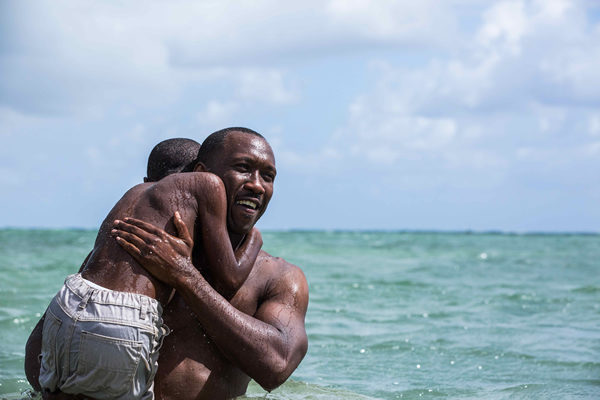
When Barry Jenkins’s acclaimed indie “Moonlight”won the 2017 Best Picture Oscar (in a famous fiasco in which “La La Land”was accidentally named the winner), it was a landmark moment for Black and queer cinema, and stories told on a personal, intimate scale. At just $1.5 million, the film reportedly had the lowest budget of any Best Picture winner in history.
• “Angels in America”premieres on Broadway and wins Pulitzer Prize
Tony Kushner’s “Angels in America: Millennium Approaches”premiered on Broadway in 1993, going on to win the Tony for Best Play alongside three other awards; the second part, “Perestroika,” opened in fall 1993 to similar acclaim. The show explored AIDS during the Reagan era and remains one of the most ambitious theater productions in Broadway history.
• Ellen comes out on TV

Although Ellen DeGeneres has unfortunately tainted her legacy after allegations of harassment on the set of “The Ellen DeGeneres Show,” she made LGBTQ history in 1997 after coming out as gay on her sitcom “Ellen,” and on the cover of Time magazine. In that famous “Ellen”episode, DeGeneres told Laura Dern, “Susan, I’m gay!”
• “All in the Family” makes history by featuring gay character in 1971
One of the most successful American sitcoms, “All in the Family,”made history by featuring a gay character in the Season 1 episode “Judging Books by Covers,” which debuted in 1971. The episode featured a character named Steve (Phil Carey) who explains that he is gay, much to the shock of the lead character Archie (Carroll O’Connor), one of Steve’s old football friends.
• “Roseanne”sparks outrage after airing “Don’t Ask, Don’t Tell”episode
In Season 6, “Roseanne”aired an episode that featured a same-sex kiss between Roseanne (played by Roseanne Barr) and Sharon (played by Mariel Hemingway), prompting outrage from ABC, the network airing the show. (Read more about this history through the Blade’s interview with “Roseanne”writer Stan Zimmerman.)
• “Dawson’s Creek” becomes first primetime show to feature gay kiss
In Season 3, “Dawson’s Creek”became the first primetime network show to include a gay kiss. The episode featured characters Jack (played by Kerr Smith) and Ethan (played by Adam Kaufman) sharing a passionate on-screen moment. The show’s creator, Greg Berlanti, is out and proud himself, and helped usher in a new era of LGBTQ representation on teen-centered shows.
• The smash hit that is “Heated Rivalry”

Talk about an unexpected hit. One of the more recent entries on this list, the Canadian show “Heated Rivalry,” was adapted from a novel by Rachel Reid and became an overnight sensation after releasing on Crave and HBO Max at the end of 2025. The show’s leads, Connor Storrie and Hudson Williams, instantly became stars to watch at every awards season event.
• “Schitt’s Creek”sweeps the Emmys for final season
“Schitt’s Creek”had gone unrecognized at the Emmys, but pulled off a clean sweep with nine wins for its sixth and final season. The moment was made all the more impactful since that season happened to finish airing during the pandemic — seeing Dan Levy, Eugene Levy, Catherine O’Hara and Annie Murphy all take home awards was a true feel-good moment for a show celebrating queer love.
• Pop divas penning queer anthems
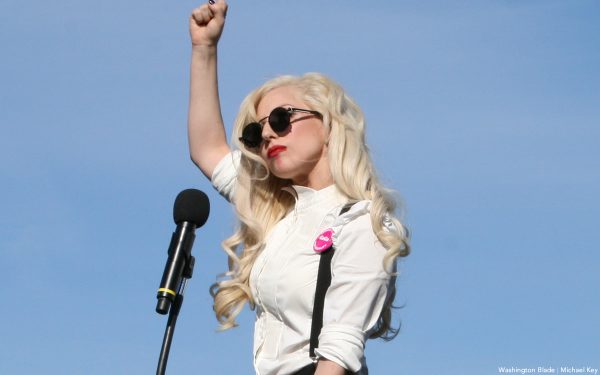
Many pop divas have paid tribute to their gay fans, everyone from Diana Ross to Taylor Swift. Lady Gaga’s “Born This Way” wasreleased in 2011 and debuted at #1 on the Billboard 200. Rolling Stone named it the most inspirational LGBT song of all time in 2023. In 1997-1998, two divas released iconic hit songs: Cher with “Believe” and Janet Jackson with “Together Again,” a No. 1 hit that paid joyful tribute to her friends who died of AIDS. More recently, Chappell Roan became one of the 21st century’s defining artists with the release of her solo album, “The Rise and Fall of a Midwest Princess,” in 2023. The album included multiple catchy hits, including the smash “Pink Pony Club.”
• “Will & Grace” starts airing
“Will & Grace”started airing in 1998 and brought a gay lawyer’s (played by Eric McCormack) romantic and personal journey into millions of households. The show ran on NBC for eight seasons and also starred Debra Messing, Sean Hayes, and queer icon Megan Mullally.
• Michaela Rodriguez wins Golden Globe for “Pose”
For her work as Blanca Evangelista in Ryan Murphy’s “Pose,” Michaela Rodriguez made history as the first trans person to win a Golden Globe. While the 2022 ceremony was private that year, Rodriguez took to Instagram to celebrate the gravity of the moment: “This is for the LGBTQAI, Black, Latina, Asian, the many multi beautiful colors of the rainbow around the freaking world. This not just for me, this is for y’all.”
• Alex Newell and J. Harrison Ghee make Tony Awards history
In 2023, Alex Newell and J. Harrison Ghee made Tony Awards history after becoming the first nonbinary actors to win competitive awards. Ghee won Lead Actor in a Musical for their performance in “Some Like it Hot,” while Newell won Featured Actor in a Musical for their work in “Shucked.”
• New Queer Cinema
In the ‘90s, notable filmmakers like Todd Haynes, Gregg Araki, and Tom Kalin were part of the blossoming New Queer Movement, coined by B. Ruby Rich in the Village Voice. These films challenged traditional norms and paved the way for a new manner of imagining queer bodies on camera.
• “Paris is Burning” debuts in 1990
In 1990, Jennie Livingston’s groundbreaking documentary “Paris is Burning”brought audiences right into New York City’s drag ball scene, featuring queens Dorian Corey, Pepper LaBeija, Willi Ninja, Octavia Saint Laurent and Venus Xtravaganza. The film would later inspire the creation of “Pose”and is considered one of the most essential queer documentaries ever made.
• “But I’m a Cheerleader” becomes a cult classic
The term “cult classic” gets overused now — “But I’m a Cheerleader”is a true example of one. Although the film was under appreciated by critics when it debuted in 1999, queer movie fans have since embraced its campy tone, which was ahead of its time. The cast included Natasha Lyonne, Clea DuVall, Melanie Lynskey and, of course, RuPaul.
• “Common Threads: Stories from the Quilt” wins documentary Oscar
In 1990, “Common Threads: Stories from the Quilt” won the Oscar for Best Documentary. Directed by Jeffrey Friedman and Rob Epstein, the film told the story of the NAMES Project AIDS Memorial Quilt and how it honored the lives lost to HIV/AIDS. The film even recently screened at the Academy Museum and continues to leave an impact.
• Caitlyn Jenner comes out as trans
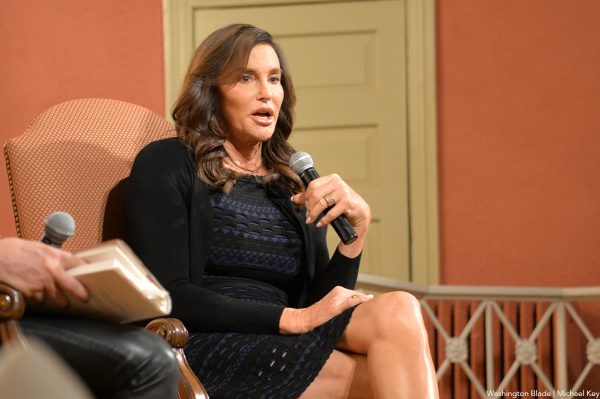
For those not in the LGBTQ community, Caitlyn Jenner was likely one of the first trans people they saw come out publicly. Jenner graced the cover of Vanity Fair after coming out in 2015, capturing the world’s attention, although the former Olympic gold medalist’s legacy has become more complicated in recent years after supporting bans on trans people in sports.
• James Ivory wins Oscar for writing “Call Me by Your Name”
At 89, James Ivory became the oldest Oscar winner in 2018 when he took home the Best Adapted Screenplay Oscar for penning “Call Me by Your Name,” the acclaimed adaptation of André Aciman’s novel that starred Timothée Chalamet and Armie Hammer. Ivory previously wrote the 1987 queer classic “Maurice.” It was a big night for “Call Me by Your Name”at the 2018 Oscars as, in addition to the film’s adapted screenplay win, Sufjan Stevens performed his nominated song “Mystery of Love”in a tender, heartbreaking performance. That year, the song was up against “Remember Me”from “Coco”(which won) and “This is Me” from “The Greatest Showman.”
• Jonathan Bailey makes history as People’s “Sexiest Man Alive”
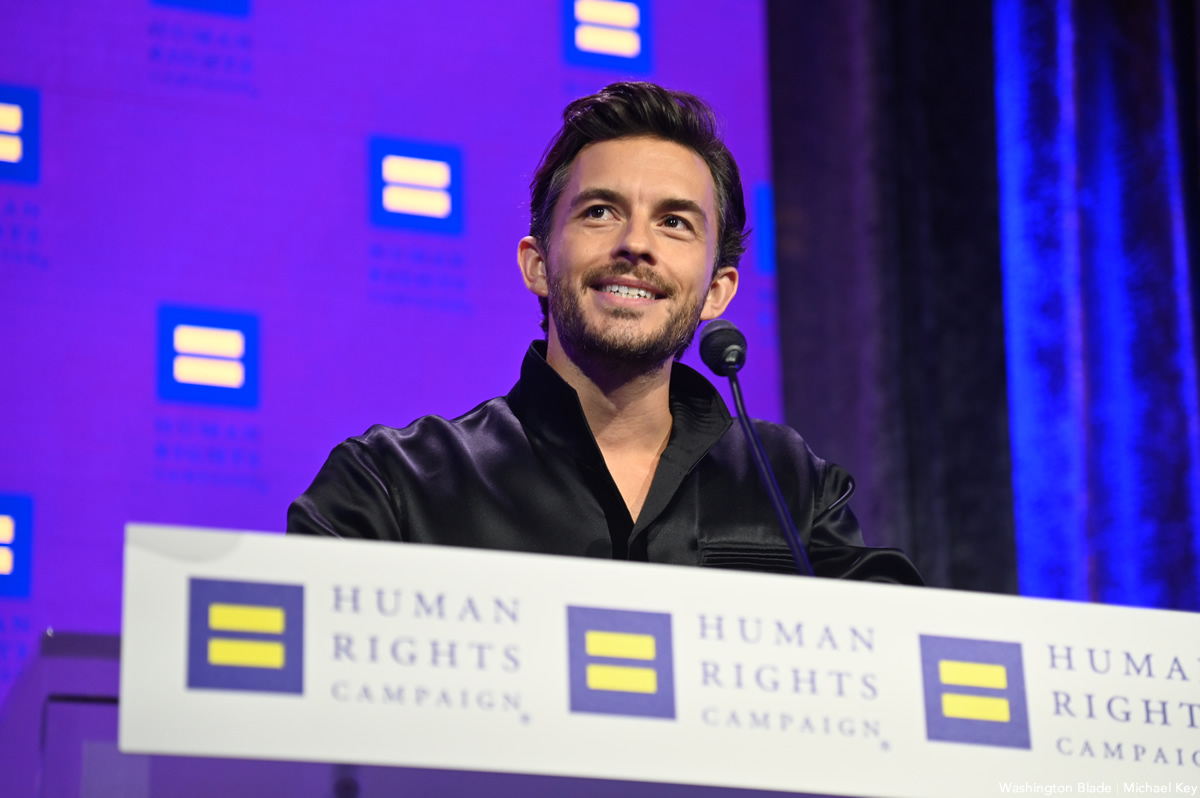
“Wicked”star Jonathan Bailey made history as the first openly gay man to be chosen as People’s “Sexiest Man Alive” in 2025. “There’s so many people that want to do brilliant stuff who feel like they can’t,” he told the magazine, “and I know the LGBT sector is under immense threat at the moment. So it’s been amazing to meet people who have the expertise and see potential that I could have only dreamed of.”
• RuPaul wins first Emmy for hosting “Drag Race”
RuPaul won his first Emmy in 2016 for hosting “RuPaul’s Drag Race,” and continued to dominate that category through 2023. The last two years, Alan Cumming has won the award for “The Traitors, representing a new era of reality TV. Upon winning the award in 2016, RuPaul said backstage, “I really didn’t expect this.”
• Lil Nas X comes out on last day of Pride 2019
Lil Nas X came out on the last day of 2019 Pride, although he humorously tweeted “deadass thought i made it obvious.” The announcement came at a peak in his career after releasing “Old Town Road.” In 2021, his hit single “MONTERO (Call Me By Your Name)” also made waves after the rap-country artist seduced the devil in the memorable music video.
• “Brokeback Mountain” almost completes awards season sweep
Ang Lee’s “Brokeback Mountain”was a landmark queer film and nearly swept the 2006 awards season, winning top awards at the Golden Globes, BAFTAs, Producers Guild and Directors Guild Awards. Despite famously losing Best Picture in a shocking upset to “Crash,” “Brokeback Mountain” is the film that has stood the test of time, and Heath Ledger and Jake Gyllenhaal’s performances remain heartbreaking. Some anonymous voting members of the Academy later told news outlets that they couldn’t vote for a “gay film” for Best Picture.
• Hitchcock’s ‘gay’ films
Iconic filmmaker Alfred Hitchcock made several films with gay subtext. Although audiences and critics may not have realized it at the time, modern audiences have rediscovered films like “Rope” and “Strangers on a Train” for their gay themes.
• Two of TV’s gay firsts in early ‘70s
The 1973 PBS show “An American Family” followed the Loud family, including eldest son Lance, who came out as gay to his family during the show’s run and, thus, became what is widely believed to be the first openly gay “character” on television, as well as the first gay character on an early example of reality television, as ABC reported. Meanwhile, the ABC sitcom “The Corner Bar” featured the first recurring gay character on TV in 1972.
• Netflix reboots “Queer Eye”for the modern era
In 2018, Netflix rebooted the popular Bravo show “Queer Eye for the Straight Guy”for a new generation of fans, bringing together Antoni Porowski, Bobby Berk (later replaced by Jeremiah Brent), Jonathan Van Ness, Karamo Brown and Tan France for weekly makeovers. The reboot was titled simply “Queer Eye” and its final season aired in January 2026.
• Billy Porter makes Emmys history with “Pose”nod

In addition to his iconic red carpet looks, Billy Porter is remembered for becoming the first openly gay Black man to be Emmy-nominated in the Lead Actor in a Drama Series category. He would go on to win this category in 2019, and was nominated the following two years.
• Sean Baker releases “Tangerine”in 2015
Ten years before winning four Oscars for “Anora,” Sean Baker released “Tangerine,” a low-budget film shot entirely on the iPhone 5S. The two trans stars were Mya Taylor and Kitana Kiki Rodriquez, who were new to acting; Baker cast the two after meeting them at the Los Angeles LGBTQ Center.
• “30 Something” depicts two men in bed
On Nov. 7, 1989, ABC hit show “30 Something” created a firestorm of controversy when it aired an episode featuring two male characters, Russell and Peter, in bed just after having sex. They did not touch on camera but the outrage led some advertisers to pull out of the episode and ABC did not rebroadcast it.
• Madonna brings vogueing into the mainstream
Pop icon Madonna has been a queer ally since the 1980s, standing up to everyone from the pope to the Boy Scouts. But she reached peak gay on 1990’s “Vogue,” which brought ballroom culture into the mainstream. Madonna later brought vogueing to the most unlikely place: the Super Bowl during her 2012 halftime performance. Her film “Truth or Dare” brought her mostly gay and out backup dancers to mainstream cineplexes across the world.
• Kim Petras wins a Grammy
In 2023, musician Kim Petras became the first openly trans person to win a Grammy.
• “LA Law” airs same-sex kiss
In 1991, hit show “LA Law” aired a kiss between two women — lesbian CJ Lamb (Amanda Donohoe) and lawyer Abby Perkins (Michele Greene). Advertiser boycotts ensued. The scene is blamed for a rise in shows airing “lesbian kiss episodes” to boost ratings.
• Elton John comes out
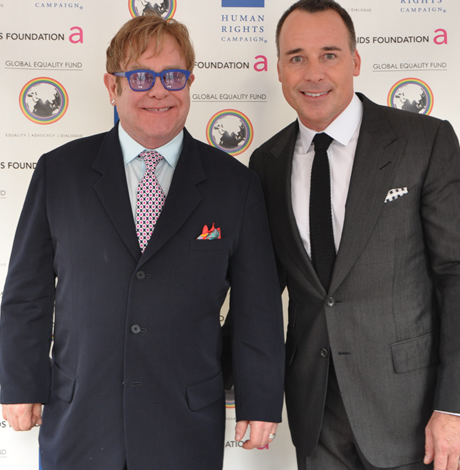
Elton John has been a ubiquitous presence in popular music since the 1970s. He came out as bisexual in a 1976 Rolling Stone interview and later as gay in 1992. He went on to marry his partner, David Furnish. Elton John is regarded as an iconic and leading figure in the LGBTQ movement, raising hundreds of millions of dollars for AIDS research via his Elton John AIDS Foundation.
• Laverne Cox makes history
Laverne Cox, breakout star of “Orange Is the New Black,” became the first transgender person ever to be featured on the front cover of Time magazine in 2014. She later made more history after becoming the first out trans person to score an Emmy nomination.
• The enduring popularity of camp
Gay audiences have always embraced camp and this list would be incomplete without acknowledging perhaps the four greatest camp classic films of all time: “The Wizard of Oz” (1939), “What Ever Happened to Baby Jane” (1962), “The Rocky Horror Picture Show” (1975), and “Mommie Dearest” (1981). “Oz” brought us Judy Garland and hence the expression “friend of Dorothy.” “Baby Jane” was, of course, best known for its pairing of feuding divas Joan Crawford and Bette Davis. Tim Curry’s portrayal of Frank-N-Furter in “Rocky” remains iconic 50 years later and was recently rebooted for Broadway with Luke Evans wearing the bustier. And Faye Dunaway’s career may not have recovered but her over-the-top performance in “Dearest” caused us all to reconsider wire hangers. (Honorable mentions: “Sunset Boulevard,” “All About Eve.”)
• Drag balls of the 19th century
Drag culture has its origins in ancient Greek theater, when women were barred from acting, forcing men to play female roles. The first documented drag balls in America were held in the 1860s in Harlem. William Dorsey Swann, a former slave, became the first known figure to use the term “queen of drag,” hosting balls in D.C. in the late 19th century.
• “Billy Elliot”nabs 10 Tony Awards
In 2009, it was “Billy Elliot”all night at the Tony Awards, taking home 10 trophies including for Best Musical and Best Actor (which David Alvarez, Trent Kowalik and Kiril Kulish shared). The musical was adapted from the 2000 film directed by Stephen Daldry, which itself was adapted from a 1999 play titled “Dancer” by Lee Hall.
• Androgynous pop stars challenge gender norms
Modern pop stars often flaunt gender norms but it wasn’t always safe to do so. Three stars who did it best were David Bowie, Boy George, and k.d. Lang. Bowie famously came out as bisexual and performed in androgynous costumes in the 1970s. Boy George’s breakout hit “Do You Really Want to Hurt Me” in 1982 upended audience expectations of a male pop singer. And Lang, who came out in 1992 as a lesbian, challenged norms, perhaps most memorably on the cover of Vanity Fair with Cindy Crawford in 1993.
• Newer queer-themed movies hit and miss at box office
Adapted from the 2015 book “Simon vs. the Homo Sapiens Agenda,” the 2018 film “Love, Simon”brought a young high schooler’s coming out story to the big screen. The film managed to gross $66.7 million worldwide on a $17 million budget, and led to the spin-off show “Love, Victor,” which ran for three seasons. In 2023, Casey McQuiston’s hit novel “Red, White & Royal Blue”was turned into an Amazon original movie starring Nicholas Galitzine, Taylor Zakhar Perez and Uma Thurman. The film received solid reviews and was the #1 movie on Prime Video’s platform upon release, drawing more subscribers to the platform. At the other end of the spectrum, “Bros” became the first R-rated gay romcom to be released by a major studio, Universal Pictures. While the film was not a box office hit, it helped pave the way for more studio films positioning openly queer actors as romcom material, and it made a huge splash when it premiered at the Toronto International Film Festival.
• Oscar’s biggest queer winners
John Schlesinger won Best Director for Midnight Cowboy in 1970. Sir John Gielgud is recognized as the first openly gay actor to win an Oscar for 1982’s “Arthur.” Howard Ashman won for Best Original Song (“Under the Sea” and “Beauty and the Beast”) in 1990 and 1992 respectively. Elton John won Best Original Song for “Can You Feel the Love Tonight” from “The Lion King” in 1995. Alan Ball won Best Original Screenplay for “American Beauty” in 2000. And Dustin Lance Black won Best Original Screenplay for “Milk” in 2009.
• Little Richard comes out, goes back in
Little Richard was a leading pioneer of rock ’n roll, bursting into national prominence with his 1955 hit song “Tutti Frutti.” “I’m not gay now but I was gay all my life,” he once told David Letterman. Richard acknowledged being gay but later said he wanted to “overcome it,” citing his religious beliefs.
Honorable mentions:
• Lisa Cholodenko and “The Kids Are All Right”
For “The Kids Are All Right,” Lisa Cholodenko became the first openly queer woman to direct a film to a Best Picture nomination at the Oscars. The film starred Julianne Moore and Annette Bening as a couple who have been together for 20 years, with a cast rounded out by Mark Ruffalo, Josh Hutcherson and Mia Wasikowska. The film is credited with helping shift popular opinion about gay marriage in a more positive direction.
• Jazz Jennings gets her own series “I Am Jazz”
For many households, Jazz Jennings, who came out as transgender at the age of five, was the youngest person they ever saw publicly discuss their transition on national television. In 2015, her own show, “I Am Jazz,” launched on TLC and ran for eight seasons.
• Elliot Page releases memoir “Pageboy”
After coming out in late 2020, “Juno”star Elliot Page detailed his transition in the memoir “Pageboy,” which was released by Flatiron Books in 2023. It would go on to win the 2023 Libby Book Award for Best Memoir and Autobiography.
• Will Byers makes it official on “Stranger Things” Season 5
Although the show had dropped some not-so subtle hints at Will Byers’s sexuality, the fifth and final season of “Strangers Things”made it official during Episode 7. “The truth is,” he said, “I am different. I just pretended like I wasn’t because I didn’t want to be.” Noah Schnapp, who played Byers, is gay himself, adding an extra touch of authenticity to the emotional scene.
• Bowen Yang and Matt Rogers launch Las Culturistas podcast
Bowen Yang and Matt Rogers have broken the internet numerous times with viral interviews from their Las Culturistas podcast, which launched in March 2016 and was recently renewed with iHeartMedia and the Big Money Players Podcast Network.





America 250
Washington Blade publishes ‘Queering America 250’
New magazine chronicles LGBTQ history and contributions to U.S. culture
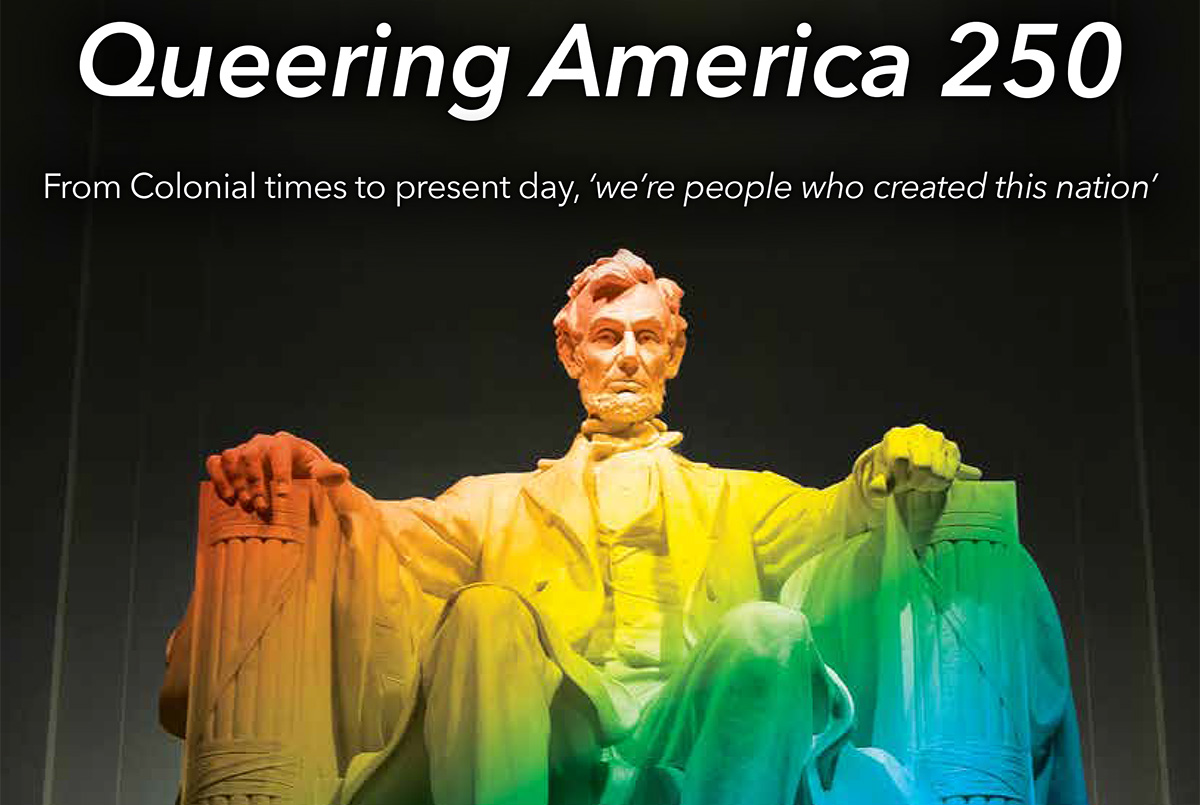
The Washington Blade this week published a new glossy magazine, titled “Queering America 250,” a look back at the many contributions that LGBTQ people have made to the founding of the country through the present day.
From Colonial times to modern pop culture, the magazine aims to remind readers of some of the many ways queer people have influenced American life.
“As the country commemorates 250 years, we wanted to do our part to ensure LGBTQ contributions to America were not ignored or forgotten,” said Blade Editor Kevin Naff. “As this administration seeks to erase queer identities, it’s more important than ever that we speak up and remind the world that we have always been here and always will be.”
The magazine is divided into chapters addressing queer life in Colonial times, the early 20th century, the late 20th century, and the 21st century. There’s a story about D.C.’s role in LGBTQ visibility; a top 40 moments in queer pop culture piece; and a series of opinion pieces and photo pages from the Blade’s historic archive.
The magazine is free and available across the D.C. region during Pride. It’s also available online.
You can find the magazine here: Annie’s, As You Are, Bunker, Crush, DIK Bar, District Eagle, Green Lantern, Her Diner, Jane Jane, JR.’s, Icon, Kiki, Larry’s Lounge, Little Gay Pub, Nellie’s, Number Nine, Pitchers, Red Bear Brewing, Shakers, Sinners and Saints, Spark Social House, Fireplace, Thurst, Trade, Uproar, Whitman-Walker Health, Destination DC, Mayor’s Office of LGBTQ Affairs, DC Center, SMYAL, HRC, Bite the Fruit, 350 Bakery, Logan 14 Aveda Salon Spa, Vida Fitness U Street and Logan Circle, Freddie’s Beach Bar, Destination Tomorrow. The magazine is also available at D.C. and Northern Virginia libraries.
America 250
As we celebrate 250 years of America, let’s remember our elders
It’s important to acknowledge history and honor pioneering community members
Editor’s note: This is part of the “Queering America 250” LGBTQ history magazine published by the Washington Blade. The glossy magazine is free and available across the D.C. region during Pride.
You can find it here: Annie’s, As You Are, Bunker, Crush, DIK Bar, District Eagle, Green Lantern, Her Diner, Jane Jane, JR.’s, Icon, Kiki, Larry’s Lounge, Little Gay Pub, Nellie’s, Number Nine, Pitchers, Red Bear Brewing, Shakers, Sinners and Saints, Spark Social House, Fireplace, Thurst, Trade, Uproar, Whitman-Walker Health, Destination DC, Mayor’s Office of LGBTQ Affairs, DC Center, SMYAL, HRC, Bite the Fruit, 350 Bakery, Logan 14 Aveda Salon Spa, Vida Fitness U Street and Logan Circle, Freddie’s Beach Bar, Destination Tomorrow. The magazine is also available at D.C. and Northern Virginia libraries.
The United States does not have a monarchy. I do not mean to comment on whether or not we live under tyranny or despotism, or if people live under modern serfdom; I mention that to explain, likely to the chagrin of our current president, U.S. citizens are not rewarded for their accomplishments by becoming a Knight or a Dame.
We do, however, like our awards, including trophies from academies and medals from the executive or legislature. The aforementioned current president likes awards so very much that the U.S. Congress and an international sports association created new awards just to appease him, and the recent winner of the Nobel Peace Prize gifted hers. These incidents will likely be rendered as footnotes in history because of the sheer volume of lunacy we are enduring under this regime of idiocracy.
In entertainment, a coveted status is that of EGOT: the winning combination of receiving an Emmy, Grammy, Oscar, and Tony. I assert that not all EGOTs are equal. Some Emmys and Tonys are received merely by financing productions. Oscars and Grammys have been won because of sympathy for personal tragedy, the nominated veteran performer is considered overdue for a win, or a deceased nominee posthumously wins, as a final sendoff.
Not all awards are created equal. Some are considered prestigious, while others are less notable. As far as awards bestowed upon local entertainers, the Nation’s Capital has very few of the former. Given what I know about their processes, many are decided upon by small groups of often unremarkable people or flawed online procedures. It is not a meritocracy. Ultimately, receiving awards is about who knows you and who likes you. Even more unfortunate is that bias and bigotry play at least as much a part as loyalty or nepotism.
Winners of the Nobel and Pulitzer Prizes receive money, which is something some advocacy groups have done, and I wish more would do. As an outside observer, I find that the local awards for D.C. theater, television, and restaurants seem to have the most cachet. Some other awards that have a precise focus or have only a select few annual honorees are commendable, but many of the rest seem haphazard and disorganized, if not corrupt or simply irrelevant.
While most local awards fail to impress me, be it the categories, the trophies, the ceremonies, or the recipients themselves, I still want people to be recognized, so I nominate them. I point out who is often left out, such as DJs, who not only help to curate nightlife and culture but also enable these organizations to have successful events, including their award ceremonies and receptions.
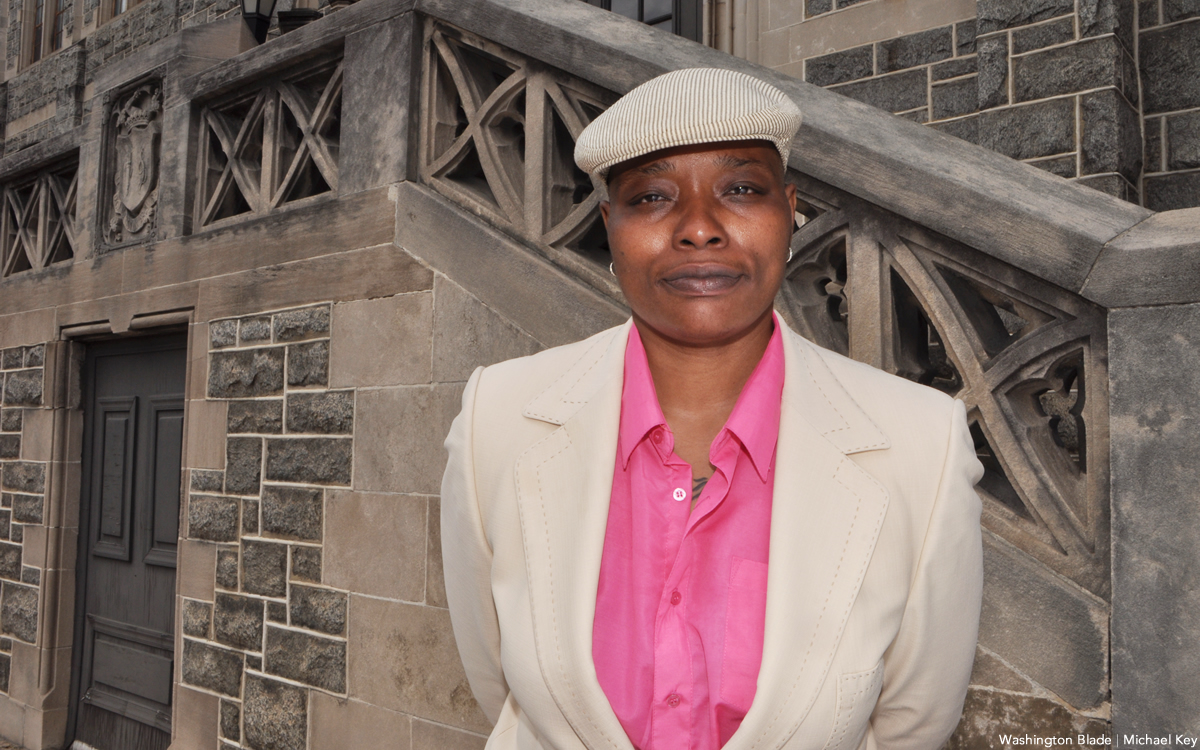
Over the years, in many an awards nomination process, I have done my best to advocate for people, especially elders, whom I consider unsung heroes or under appreciated trailblazers. My focus is primarily Black LGBTQ people who are local or who hail from the region.
Consistently unacknowledged by local awards are people who are from here and have since gone on to achieve national or international acclaim. Merely from the perspective of production and promotion, and especially prestige, this seems like a missed opportunity.
There are the Black LGBTQ performers who are commonly known to be from this area: Grammy-winning musician and former Duke Ellington student Meshell Ndegeocello, comedian and former NSA employee Wanda Sykes, blues legend and former Fredericksburg science teacher Gaye Adegbalola, and recording artist and former D.C. nightclub performer Kevin Aviance.
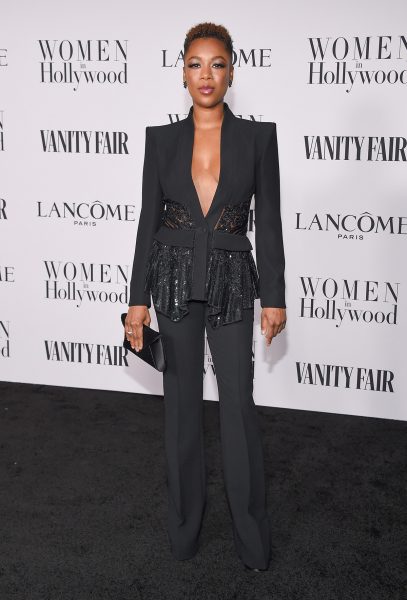
There are several accomplished Black LGBTQ actors from this area, including Emmy winner and Duke Ellington graduate Samira Wiley, Helen Hayes Award winner and Howard University graduate Roz White, Emmy winner and graduate of Greenbelt’s Roosevelt High Tramell Tillman, “Noah’s Arc” cast member and Hyattsville native Doug Spearman, “Angel” cast member and former Bladensburg resident J. August Richards, and former “America’s Next Top Model” contestant-turned-actor and Prince George’s County native Isis King. Pioneering transgender actor and singer Sandra Caldwell was born and raised in Washington, D.C.
I also think of people who deserve posthumous recognition, including DJ and music producer Vjuan Allure, poet and D.C. government employee Venus Thrash, and Tony Washington, lead singer of the Motown vocal quintet Dynamic Superiors.
There are others in the performing arts, as well as authors, playwrights, journalists, and content creators, whose notable achievements seem to be unacknowledged locally. It appears one can be revered in certain D.C. circles, but once success is achieved beyond that, that person likely never receives a homecoming. It is reminiscent of U.S.-born showgirl and singer (and later war hero) Josephine Baker, who found success in France, and elsewhere around the world, but is less revered in the nation of her birth.

As some people celebrate 250 years of the United States, I hope we will all think about how we acknowledge history and honor our community members, especially our elders. In my opinion, we can do better. I think there are many people whose accomplishments, big or small, in various arenas, are overlooked. Furthermore, just as I find the flag-waving jingoism that purports itself as patriotism distasteful, I also think that lackluster ceremonies and overpriced trinkets are not the best ways to acknowledge community advocates and activists who particularly need financial support.
At least the aforementioned performers have received national acclaim. While I have not yet been successful in getting any of them honored by local organizations, I was able to acknowledge them here. I give you all your proverbial flowers. Congratulations on your success, and know that some of us see you and are proud of your success.
Zar is the mononynous community advocate, speechwriter, songwriter, and event organizer who founded Team Rayceen Productions in 2014.
America 250
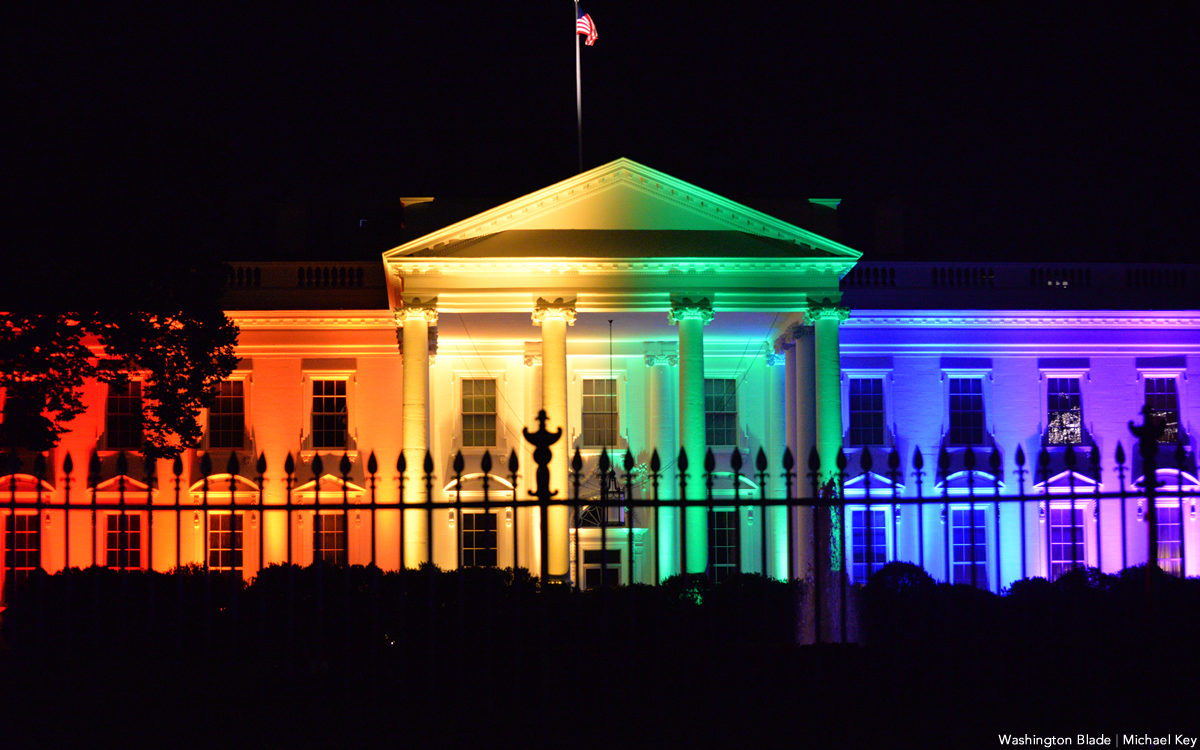
After years of progress, 21st century brings backlash, roll backs
Trump’s arrival demonstrates fragility of our equality wins
Editor’s note: This is part of the “Queering America 250” LGBTQ history magazine published by the Washington Blade. The glossy magazine is free and available across the D.C. region during Pride.
You can find it here: Annie’s, As You Are, Bunker, Crush, DIK Bar, District Eagle, Green Lantern, Her Diner, Jane Jane, JR.’s, Icon, Kiki, Larry’s Lounge, Little Gay Pub, Nellie’s, Number Nine, Pitchers, Red Bear Brewing, Shakers, Sinners and Saints, Spark Social House, Fireplace, Thurst, Trade, Uproar, Whitman-Walker Health, Destination DC, Mayor’s Office of LGBTQ Affairs, DC Center, SMYAL, HRC, Bite the Fruit, 350 Bakery, Logan 14 Aveda Salon Spa, Vida Fitness U Street and Logan Circle, Freddie’s Beach Bar, Destination Tomorrow. The magazine is also available at D.C. and Northern Virginia libraries.
Over the past 26 years, the fight for LGBTQ rights in the United States has unfolded in cycles of progress and backlash. Legal victories and cultural breakthroughs have expanded visibility and protections, building on momentum from decades of activism at the turn of the millennium. Despite the community’s best efforts, those gains have never been fully secure. Even landmark rulings like Obergefell v. Hodges have not ended the struggle. Today, as federal, state, and local leaders continue to introduce laws targeting LGBTQ people — particularly transgender Americans — the movement finds itself once again defending rights many once considered settled.
In 2000, Vermont became the first state in the country to recognize same-sex couples through civil unions following the Vermont Supreme Court decision in Baker v. State of Vermont. The ruling marked the first statewide legal recognition of LGBTQ relationships in the United States, even if it fell short of full marriage equality.
While progress toward protections for same-sex couples was being made in the “Green Mountain State,” rights for LGBTQ people in other parts of the country were being restricted the same year. In Mississippi, same-sex couples were banned from adopting children, underscoring how dramatically LGBTQ rights varied across the country — state by state, and often county by county.
Culturally, LGBTQ stories were becoming more visible. In late 2000, “Queer as Folk” premiered in the United States, featuring unapologetic gay storylines that explored addiction, relationships, sex, and life during the ongoing HIV/AIDS epidemic. While groundbreaking in its visibility, the series was also criticized for its lack of racial and gender diversity, reflecting the limitations of LGBTQ representation at the time.
The next major legal shift came in 2003, when the Supreme Court ruled in Lawrence v. Texas that sodomy laws were unconstitutional. The decision decriminalized same-sex intimacy between consenting adults nationwide and marked a turning point in the recognition of LGBTQ people under constitutional law, moving the country closer — at least legally — to treating private relationships with equal dignity.
Just a year later, in 2004, Massachusetts became the first state to legalize same-sex marriage, making it the first jurisdiction in the United States where marriage equality became law. That same year, however, the national political climate revealed deep resistance: more than a dozen states passed constitutional amendments banning same-sex marriage, embedding discrimination into state law through ballot initiatives.
The tension between cultural progress and political backlash intensified in 2006, when Arizona became the first state to reject a constitutional ban on same-sex marriage at the ballot box — an early sign that public opinion was beginning to shift, even as most states still moved in the opposite direction.
By 2008, California’s Proposition 8 overturned marriage equality in the nation’s most populous state, sparking widespread protests and legal challenges that would eventually reach the Supreme Court. That same year, the global financial crisis briefly overshadowed LGBTQ political momentum, but organizing continued at the state and local level.
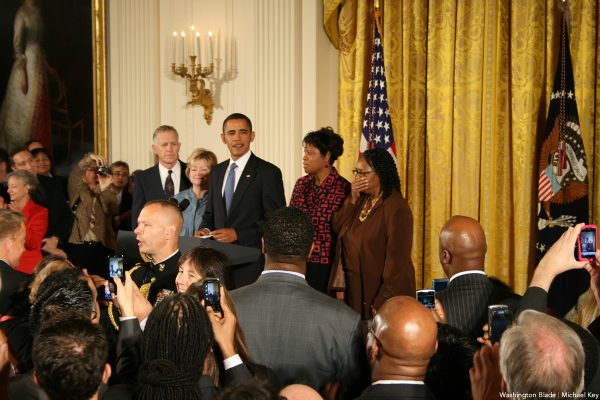
In 2009, Congress passed the Matthew Shepard and James Byrd Jr. Hate Crimes Prevention Act, expanding federal hate crime protections to include sexual orientation, gender identity, race, and religion. The law was named after Matthew Shepard, a gay man murdered in a 1998 hate crime, and James Byrd Jr., a Black man murdered in a racially motivated attack in Texas.
In 2010, President Barack Obama signed the Don’t Ask, Don’t Tell Repeal Act into law, ending the ban on openly gay and lesbian service members in the U.S. military. The repeal took effect in 2011, marking a major milestone in LGBTQ inclusion in federal institutions.
In 2012, the FDA approved Truvada as the first medication used for pre-exposure prophylaxis (PrEP), a breakthrough that transformed HIV prevention. For the first time, HIV transmission became medically preventable through daily medication. Over the following years, advances in antiretroviral therapy dramatically improved life expectancy for people living with HIV, turning what was once a fatal diagnosis into a manageable chronic condition when treated properly.

Also in 2012, voters in several states — including Maine, Maryland, and Washington —approved same-sex marriage at the ballot box for the first time, signaling growing public support for marriage equality.
In 2013, the Supreme Court ruled in United States v. Windsor that key parts of the Defense of Marriage Act (DOMA) were unconstitutional, requiring federal recognition of legally performed same-sex marriages. This decision accelerated the spread of marriage equality litigation across the country.
By 2014, federal courts had struck down same-sex marriage bans in multiple states, creating a legal patchwork that increasingly pointed toward nationwide recognition.
In 2015, the Supreme Court issued its landmark decision in Obergefell v. Hodges, legalizing same-sex marriage nationwide. The ruling marked the culmination of decades of activism and legal advocacy, establishing marriage equality as the law of the land.
Despite that victory, new challenges emerged almost immediately. In 2016, the Pulse nightclub shooting in Orlando became the deadliest mass shooting in U.S. history, killing 49 mostly LGBTQ people and injuring dozens more. That same year, North Carolina passed House Bill 2 (HB2), one of the earliest and most widely criticized “bathroom bills” targeting transgender individuals’ access to public facilities.
In 2017, President Donald Trump announced a ban on transgender individuals serving in the military, reversing Obama-era policy. The ban was implemented in 2019 after a series of legal challenges. At the same time, visibility for transgender people in politics and media continued to grow, with more openly trans candidates running and winning office.
In 2018, a record number of openly LGBTQ candidates were elected nationwide, reflecting a growing pipeline of political representation. That same year, increasing legal battles over transgender athletes and healthcare access began emerging in state legislatures.
In 2019, the FDA approved Descovy as another PrEP option, expanding HIV prevention tools and access for patients who could not take Truvada. That year also saw continued expansion of LGBTQ representation in media, with more trans and nonbinary characters appearing in mainstream television.
In 2020, the Supreme Court delivered another major civil rights ruling in Bostock v. Clayton County, holding that federal workplace discrimination protections under Title VII apply to LGBTQ employees. The decision marked a significant expansion of federal legal protections, as the Court declined to revisit marriage equality, leaving Obergefell intact.
The early 2020s brought rapid shifts in federal policy. In 2021, the Biden administration reversed the transgender military ban and expanded federal protections for LGBTQ Americans in housing, healthcare, and education. That same year, the FDA approved Apretude, the first long-acting injectable form of PrEP, marking another major advancement in HIV prevention.
In 2022, Congress passed the Respect for Marriage Act, which required federal recognition of same-sex and interracial marriages even if Obergefell were ever overturned. But that same year, Florida enacted its “Don’t Say Gay” law, restricting classroom instruction on sexual orientation and gender identity in early grades and sparking similar legislative efforts in other states.
By 2023, state legislatures across the country introduced a record number of bills targeting LGBTQ people, particularly transgender youth. These measures included bans on gender-affirming care, restrictions on school participation in sports, and regulations on drag performances. At the same time, several states passed “shield laws” protecting access to gender-affirming care and abortion-related healthcare, deepening a growing legal and cultural divide between states.
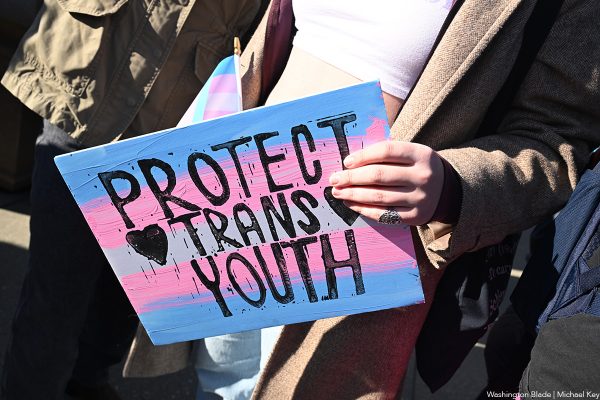
In 2024, LGBTQ rights once again became a defining issue in national politics. Debates over transgender healthcare, youth protections, and curriculum policies increasingly shaped state and federal elections. As the political landscape intensified, former President Donald Trump and allied lawmakers continued to campaign on rolling back LGBTQ protections, particularly those affecting transgender Americans.
As the country moves further into the 2020s, the central reality of the past 26 years remains unchanged: LGBTQ Americans have achieved historic legal and cultural victories, but those gains have never been permanent. Progress has consistently been met with resistance, reversal attempts, and renewed political conflict. The result is a civil rights movement that, even after landmark victories like Obergefell v. Hodges continues to fight for protections that remain vulnerable to the shifting tides of American politics.

Alianza para la Inclusión fortalece la defensa de derechos LGBTQ en Centroamérica

The facts about Victory Fund’s investigation and the path forward

In Ga., 2 trans candidates believe voters are ready for them

Bowser, Office of LGBTQ Affairs announce LGBTQ+ History Month events

PHOTOS: Winchester Pride

LGBTQ community must vote in big numbers

Victory Fund board investigates former staffers’ allegations against CEO Evan Low

The right to be an ordinary transgender man

Ryan Murphy’s ‘Monster’ vilifies the lesbian

To school to homeschool to school again
-

 Opinions5 days ago
LGBTQ community must vote in big numbers
-
LGBTQ Non-Profit Organizations5 days ago
Victory Fund board investigates former staffers’ allegations against CEO Evan Low
-
Opinions5 days ago
The right to be an ordinary transgender man
-
a&e features5 days ago
Ryan Murphy’s ‘Monster’ vilifies the lesbian