Capitol Hill SE
House located in Historic District. Recently fully renovated. Two bedrooms/2 baths plus den & bonus light filled attic. Main level with 2 working fireplaces, original 1862 wood floors, modern upgraded fully equipped kitchen and rear patio w/half bath. Attention paid to details. Walking distance to Eastern Market or Potomac Ave Metro. Call your agent or Owner/realtor to view. 1600 sq. ft. A gem!!

Theater
Ford’s ‘First Look’ festival showcases three new productions
A chance to enjoy historical dramas for free before they’re completed

The Ford’s Theatre Legacy Commissions: A First Look – 2026
Jan. 16 & 17
Ford’s Theatre
511 Tenth St., N.W.
FREE
Fords.org
When Ford’s Theatre debuted its new plays festival, “A First Look,” in 2023, it was unclear whether people would come for the staged readings.
“Before the pandemic if you announced the reading of a play, 12 people might show up,” says José Carrasquillo, director of artistic programming at Ford’s Theatre. “Since then, we’ve experienced comparatively massive turnout. Maybe because it’s cheap, or because of the very newness of the works.”
This year’s fourth edition showcases readings of three pieces currently in varied stages of development. The free, two-day festival offers audiences a chance to encounter historical dramas long before they’re completed and fully produced. None are finished, nor have they been read publicly. And befitting the venue’s provenance, the works are steeped in history.
The festival kicks off with “Springs” by playwright Jeanne Sakata and directed by Jessica Kubzansky. Commissioned by The Ford’s Theatre Legacy Commissions, it’s the both epic and personal story of Sakata’s Japanese American family including her grandfather’s experience in an internment camp.
“Sakata’s immigrant grandfather was an exceptionally skilled farmer who helped to stave off starvation in the camp. Still, he never gave up on the idea that he belonged in America. It’s very much a story of today,” says Carrasquillo.
Unlike “Springs,” the festival’s two other works weren’t commissioned by Ford’s. But they both fit the history brief and likely will benefit from the exposure and workshopping.
“Providence Spring,” by California based playwright Richard Helesen and directed by Holly Twyford, portrays Clara Barton (played by local favorite Erin Weaver) as a hero beyond the Red Cross whose then-radical initiatives included cataloguing the Civil War dead, many pulled from mass graves.
Directed by Reginald L. Douglas, “Young John Lewis: Prodigy of Protest” explores a slice from the life of the legendary civil rights activist and longtime congressman. With book and lyrics by Psalmayene 24 and music by Kokayi this collaboratively staged reading between Ford’s and Mosaic Theater is slated to premiere fully produced at Mosaic as a 90-minute musical in the spring of 2026.
“When I was hired at Ford’s in 2018, we began discussing hiring writers who do historical drama,” says Carrasquillo. “Our intention was resolute, but we didn’t do it right away. It took getting through the pandemic to revisit the idea.”
At the same time, the racial reckoning spurred Ford’s to hire playwrights of color to tell stories that had previously been forgotten or ignored.
For Carrasquillo, who is gay, the impulse to commission was crystalized when he saw the film “Hidden Figures,” a true story about “three brilliant African-American women — at NASA during the Space Race, overcoming racial and gender discrimination to make crucial contributions to America’s spaceflight success.” He says, “the film floored me. How many stories like this are there that we don’t know about?”
One of the festival’s happiest experiences, he adds, was the commission of playwright Chess Jakobs’s “The American Five” and its subsequent success. It’s the story of Martin Luther King Jr. and his inner circle, including Bayard Rustin (MLK’s brilliant, unsung gay adviser) leading up to the 1963 March on Washington. The play later premiered fully produced in Ford’s 2025 season.
Increasingly, the readings at Ford’s have become popular with both artists and audiences.
At Ford’s, Carrasquillo wears many hats. In addition to selecting plays and organizing workshops, he serves as an in-house dramaturg for some of the nascent works. But he’s not alone. Also helming the festival are senior artistic advisor Sheldon Epps, and The Ford’s Theatre Legacy Commissions advisor Sydné Mahone.
Because the plays are in development, comments from directors, dramaturgs, and the audience are considered and may become part of the playwrights’ rewrites and changes. If and when the play resurfaces fully produced, audience members might find their suggestion in the completed work.
Is this year’s festival queer influenced? Yes, both by those involved and the topics explored.
Carrasquillo explains, “While Sakata’s “Springs” is primarily about immigration, its message is relevant to the queer community. Civil rights are being taken away from us. We need this playwright’s story to know what has happened and what can happen to any of us.
“Many of Ford’s legacy commissions underscore the importance of civil rights in our country and that’s important to all of us. Queer and not queer.”
Bars & Parties
Mid-Atlantic Leather kicks off this week
Parties, contests, vendor expo and more planned for annual gathering

The Mid-Atlantic Leather Weekend will begin on Thursday, Jan 15.
This is an annual three-day event in Washington, D.C., for the leather, kink, and LGBTQ+ communities, featuring parties, vendors, and contests.
There will be an opening night event hosted the evening of Thursday, Jan. 15. Full package and three-day pass pickup will take place at 5:30 p.m. at Hyatt Capitol B. There will also be “Kinetic Dance Party” at 10 p.m. at District Eagle.
For more details, visit MAL’s website.
Real Estate
Stress-free lease renewals during winter months
A season when very few tenants typically move
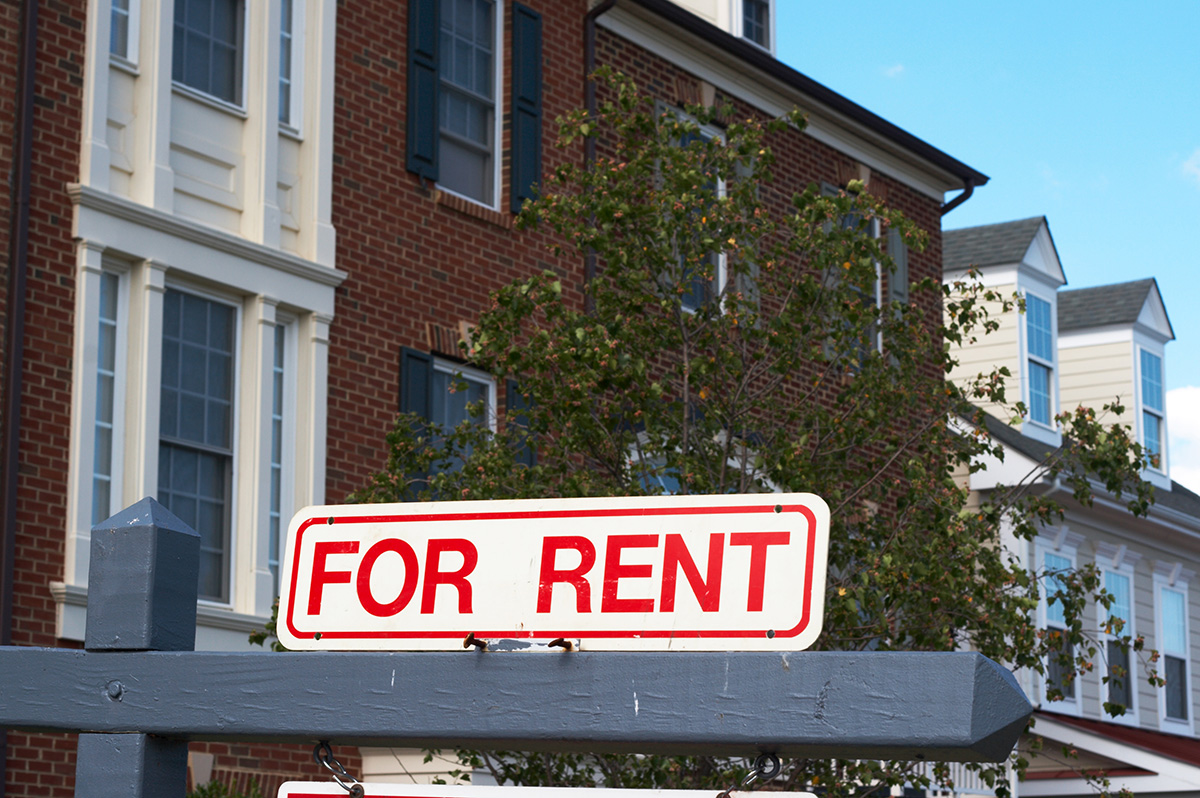
January has a way of waking everyone up. After weeks of holiday noise, travel, family visits, and a general blur of activity, the new year arrives with its usual mix of resolutions, optimism, and responsibility. People start looking at their calendars again. To-do lists reappear. And tucked away in there is something many tenants didn’t give much thought to in December, their lease renewal.
Renewals in winter matter more than most people realize. It is a season when very few tenants typically move. The weather is unpredictable, schedules are tight, and most people are trying to regain their footing after the holidays. Because of this, renewal conversations tend to be more productive and more grounded.
Many landlords think of spring and summer as the heart of leasing season, and while that’s certainly when moves are most common, winter renewals hold their own kind of importance. A well-timed renewal does more than keep a unit occupied. It provides predictability for the year ahead, strengthens relationships, and reduces the costly turnover that smaller landlords want to avoid.
In my experience, tenants who might hesitate during another time of year are often relieved to secure housing before the pressures of spring and summer begin. Uncertainty is one of the prime causes of unnecessary turnover. If tenants don’t hear from their landlord, they often start browsing listings “just in case,” or asking friends about other options. Once that door is opened, it can be hard to close. Initiating the renewal process early helps anchor tenants before doubts start creeping in.
Tenants often make clearer decisions in January than they would in November or December. During the holidays, people are distracted and stretched thin; emails are skimmed, not absorbed; and anything involving planning often gets deferred until “after the new year.” When tenants return home in January, they have a better sense of their plans, their budget, and their needs for the coming months. This makes it a much easier moment to start or restart a renewal conversation.
The practical reality is that most tenants don’t want to move in the winter. Who wants to haul furniture across icy sidewalks or deal with last-minute moving delays due to storms? Beyond the weather, January is a time when people are reorganizing finances, filing paperwork, and settling into routines. The thought of a major transition simply doesn’t fit. Landlords can use this natural reluctance to create a smoother, more collaborative renewal process.
One thing I’ve learned over the years is that clarity is a landlord’s best tool. Tenants don’t need lengthy explanations, legal jargon, or complicated attachments. They simply want to know:
- Are the terms changing?
- If so, how?
- What does their timeline look like?
- Would the landlord consider another set of terms?
A concise, well-laid-out renewal offer does two things. First, it demonstrates transparency, which builds trust. Second, it keeps the conversation focused and productive. When tenants understand exactly what’s being proposed, there is less back-and-forth, fewer misunderstandings, and a quicker path to a signed agreement.
Tenants are more receptive when they feel they’re being treated fairly and openly. If there’s a rent adjustment, a brief explanation helps tenants see the reasoning behind it, such as increased operating costs, significant maintenance completed during their stay or alignment with the market.
Lease renewals are moments of connection. The best landlord-tenant relationships are built over time through small exchanges, transparency, and mutual respect. Renewal season offers an opportunity to reinforce that.
A simple acknowledgement of the tenant’s care for the home or their timely payments can set a positive tone. Even a short note of appreciation signals that you see them not as a lease term, but as a partner in maintaining the property. These gestures cost very little but create a sense of goodwill that carries through maintenance requests, policy reminders, and everyday communication.
Many landlords underestimate how much tenants value being treated as individuals rather than account numbers. A thoughtful, personal touch during the renewal process can make a tenant feel recognizednand more inclined to stay.
Renewals aren’t only about securing another term lease.They’re also a natural moment to check in on the overall health of the property and the tenant’s experience. J anuary provides a quiet space to step back and ask:
• Are there maintenance concerns the tenant hasn’t mentioned yet or that have not been fully resolved?
• Is the property due for upgrades or any preventative work?
• Are there responsibilities or expectations worth revisiting?
These conversations don’t need to be long or formal, but they help prevent the small issues of one year from becoming the larger problems of the next. A tenant who feels heard is more likely to take good care of the home, communicate proactively, and renew again in future years.
While landlords must maintain structure and protect their assets, a bit of flexibility can go a long way during the renewal process. Tenants are often rebalancing budgets after holiday spending. Offering digital signatures, Having brief calls to clarify terms, being flexible, or a few extra days to make a decision can ease stress without compromising the landlord’s position.
Flexibility is about recognizing human realities. Most tenants appreciate being treated with patience and professionalism, and often reward that consideration with prompt decisions and smoother communication. There are many reasons why a full year renewal may not coincide with their plans. Being able to work out mutually agreeable renewal terms makes the solution a win for both parties.
For landlords, especially smaller ones, stability is the foundation of successful property investing. A vacant unit, even briefly, costs more than most people realize. There are marketing expenses, cleaning, repairs, lost rent, and the unpredictable timeline of finding the right new tenant. By contrast, securing a renewal with an existing reliable tenant protects cash flow, reduces risk, and creates predictability in planning.
January renewals, when handled well, deliver this stability right at the beginning of the year. They give landlords a clear roadmap for budgeting, maintenance scheduling, and forecasting. They also give tenants the security of knowing exactly where they stand, which reduces stress on both sides.
A lease renewal may seem like a small moment in the life of a property, but in practice, it shapes the experience of the year ahead. When the process is organized, honest, and respectful, it sets a tone that carries through every interaction until the next renewal date.
January is a time to consider leaning into this approach. The pace is slower, the mindset is clearer, and both landlord and tenant are ready to step into the year with more intention. A renewal handled thoughtfully now paves the way for a smoother, quieter, more predictable twelve months, something every landlord and every tenant can appreciate.
Scott Bloom is owner and senior property manager at Columbia Property Management.

Ford’s ‘First Look’ festival showcases three new productions

Mid-Atlantic Leather kicks off this week

Stress-free lease renewals during winter months

PHOTOS: ‘ICE Out For Good’

Feminist fiction fans will love ‘Bog Queen’

Gay Venezuelan man who fled to Colombia uncertain about homeland’s future

2026 Most Eligible LGBTQ Singles nominations

Kennedy Center renaming triggers backlash

New interim D.C. police chief played lead role in security for WorldPride

Colombians protest against Trump after he threatened country’s president
-

 Colombia5 days ago
Gay Venezuelan man who fled to Colombia uncertain about homeland’s future
-
Arts & Entertainment5 days ago
2026 Most Eligible LGBTQ Singles nominations
-
District of Columbia4 days ago
Kennedy Center renaming triggers backlash
-
District of Columbia5 days ago
New interim D.C. police chief played lead role in security for WorldPride