Arts & Entertainment
‘Billy’ the kid
Hit-and-miss Elton John-scored musical has soaring moments, spirit

‘Billy Elliot the Musical’
Through Jan. 15
The Kennedy Center
$25-$150
202-467-4600
kennedy-centre.org

Lex Ishimoto as Billy (flying) with Maximilien A. Baud playing the character as an adult in ‘Billy Elliot the Musical,’ on the boards now at the Kennedy Center. (Photo by Michael Brosilow; courtesy the Kennedy Center)
When promoting “Billy Elliot the Musical,” Sir Elton John routinely explains his attachment to the show’s title character.
During a presentation of the film version (on which the musical is based) at Cannes in 2000, the gay superstar recognized aspects of his own life reflected on the screen. Like Billy, a small town boy who follows his dream to dance ballet despite his miner father’s initial misgivings, John’s passion for rock n’ roll was met with equal reservations by his own father.
John so loved the film that he agreed to write the music for the stage adaptation. Directed by Stephen Daldry, the show was a hit when it premiered in London’s West End in 2005 and triumphed on Broadway three years later, earning a truckload of awards along the way. And now a national tour of “Billy” has come to the Kennedy Center Opera House where it will remain through mid-January.
Set in northern England during the bleak UK miners’ strike of 1984-‘85, the action begins when 11-year-old Billy (Lex Ishimoto) ditches after-school boxing lessons for an all girls’ ballet class where he discovers his talent and passion for dance. Billy keeps coming back and even after his family’s remonstrations he continues attending in secret.
Billy’s ballsy ballet teacher Mrs. Wilkinson (the terrific Leah Hocking), a chain smoker in hot pink leg warmers, recognizes her sole male student’s ability and believes in his future. She also sees the writing on the wall: their small mining town is dying and dancing is Billy’s only ticket out.
Librettist and lyricist Lee Hall has pretty much stacked the odds against dance crazy Billy: His loving mother is dead; his father (Rich Hebert) and older brother Tony (Cullen R. Titmas), also a miner, are disdainful of the arts, specifically one that requires boys to wear tights (though Billy typically dances in gym shorts). Luckily, the boy finds some respite in his dotty grandmother (Cynthia Darlow), as well as the occasional visit from his dead mother’s sad sack apparition (identifiable by particularly bland street clothes and bad Princess Diana wig) who occasionally wanders on stage, says or sings a few kind words, then makes a hasty exit.
There’s also Billy’s loyal friend Michael (Ben Cook) — a self-described “poof” — who likes to dress up in his mother’s clothes. After persuading Billy to don a skirt too, their private little drag show explodes into “Expressing Yourself,” a glittery production number with the two boys tapping their hearts out in silver heels backed by a collection of 10-foot dancing dresses.
Despite Elton John’s ardor for the source material, this score is not his most memorable work. But what is unforgettable about the show is Billy’s dancing (thrillingly choreographed by Peter Darling). He unrealistically transforms from awkward novice to the prince of pirouettes in a matter of weeks, but who’s counting? Ishimoto (who performed on press night and shares the demanding role with four other young dancers) sings and acts OK, but he dances phenomenally: Whether back flipping off a table and tap/jump roping in “Born to Boogie” or leading the show’s huge cast in “Company Celebration,” a spirited dancing curtain call, he’s virtually flawless. The second acts’ gorgeous, dreamy Swan Lake sequence pairs Billy with his older self (beautifully danced by Maximilien A. Baud) and he literally soars high above the stage.
At more than three hours, it’s a long evening. Hall’s book is peppered with F-bombs and groan-worthy, cornball humor. Sometimes the show strains to connect the ongoing strike with dance. Case in point: a well-choreographed but improbable number (“Solidarity”) involving miners, cops and pubescent ballerinas dancing together in the same small space.
In the end, Billy’s family and the community get behind the young dancer. Prime Minister Margaret Thatcher (represented here in monstrous effigy at the miners’ Christmas party) has broken the union, destroying their way of life. It’s time to make way for new dreams.
Though hardly perfect, this “Billy Elliot the Musical” has a lot of glitz, grit and heart going for it.






Photos
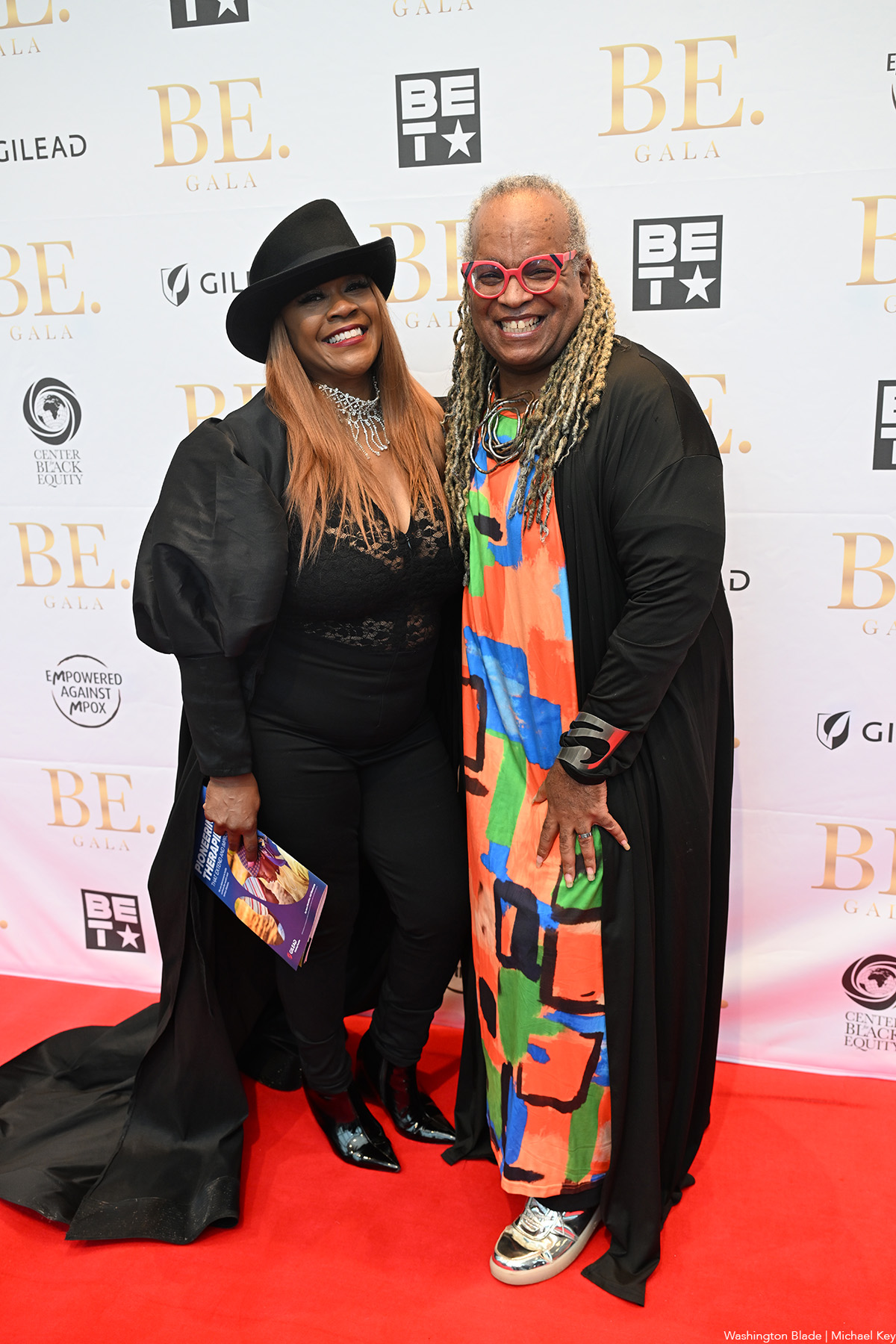
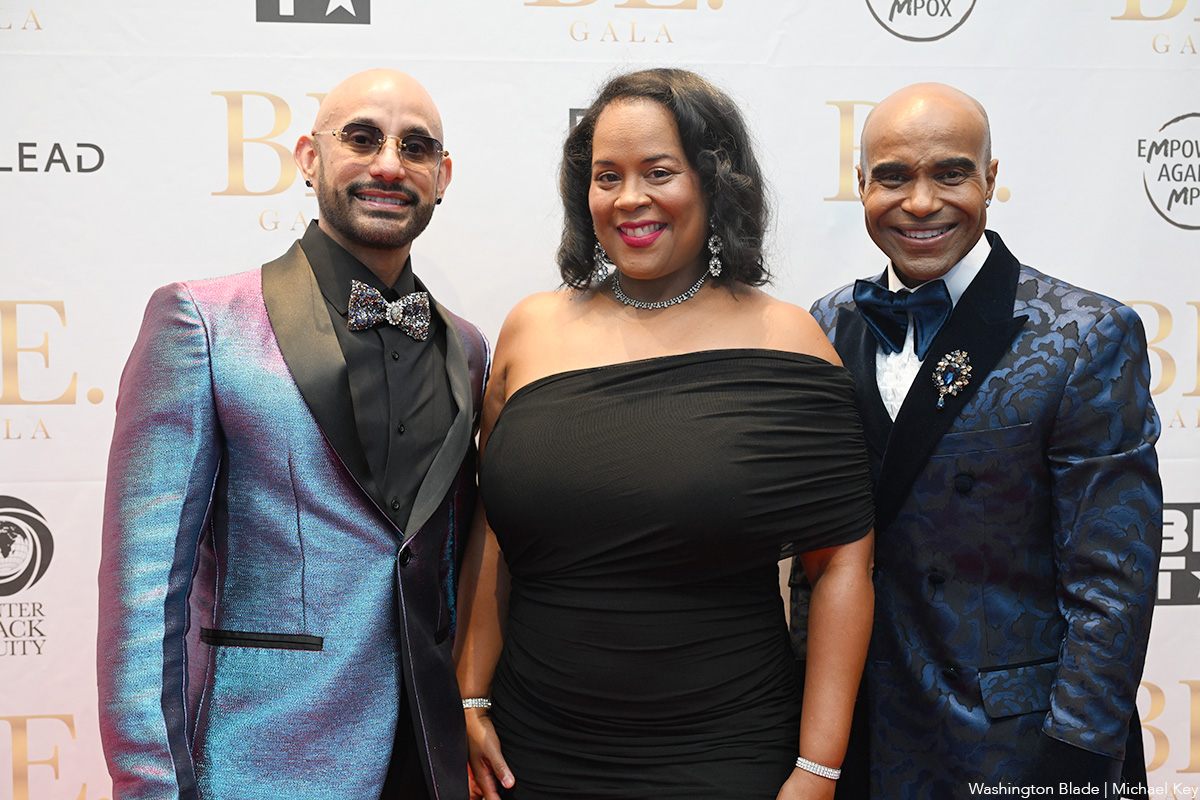
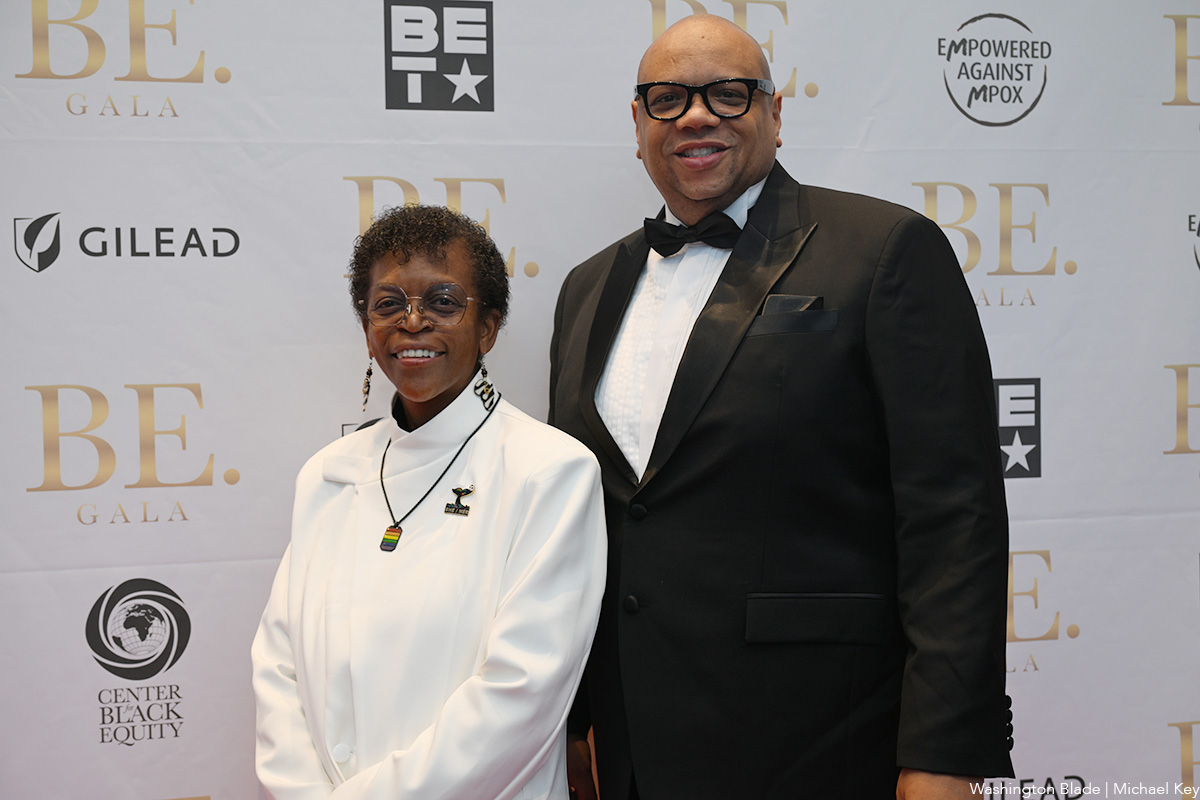
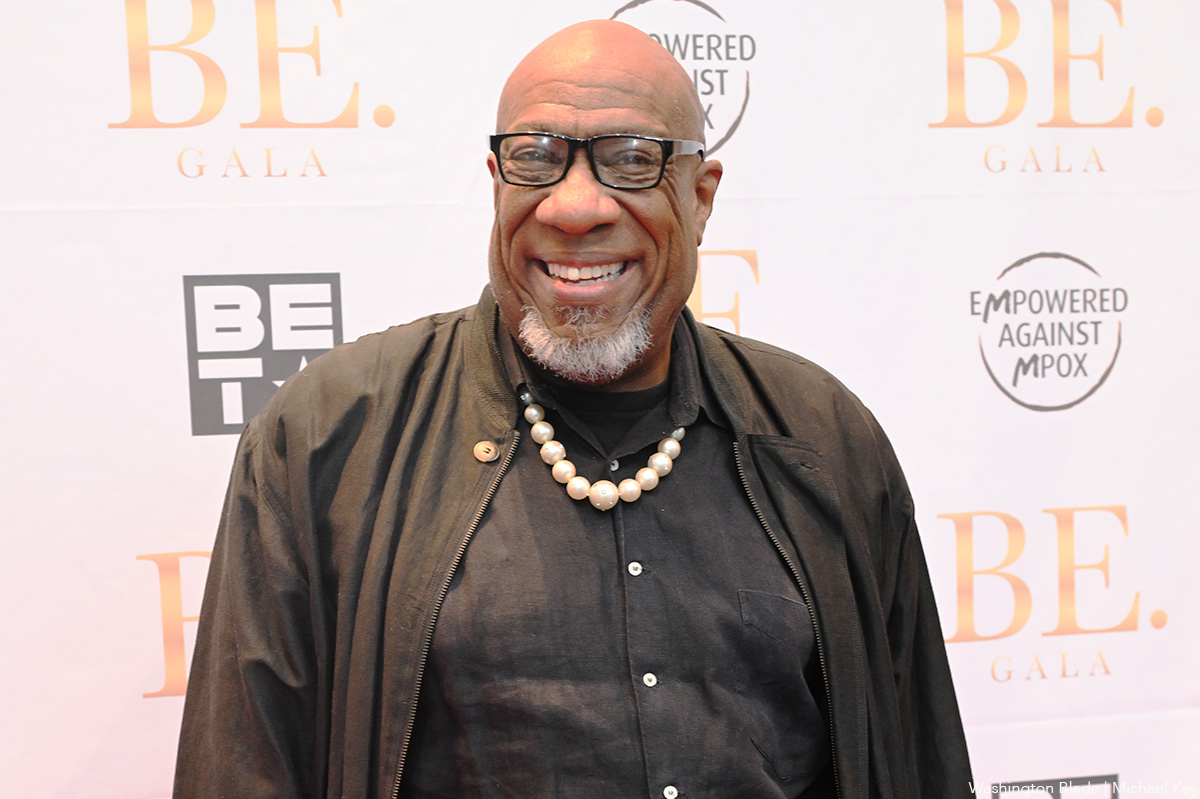
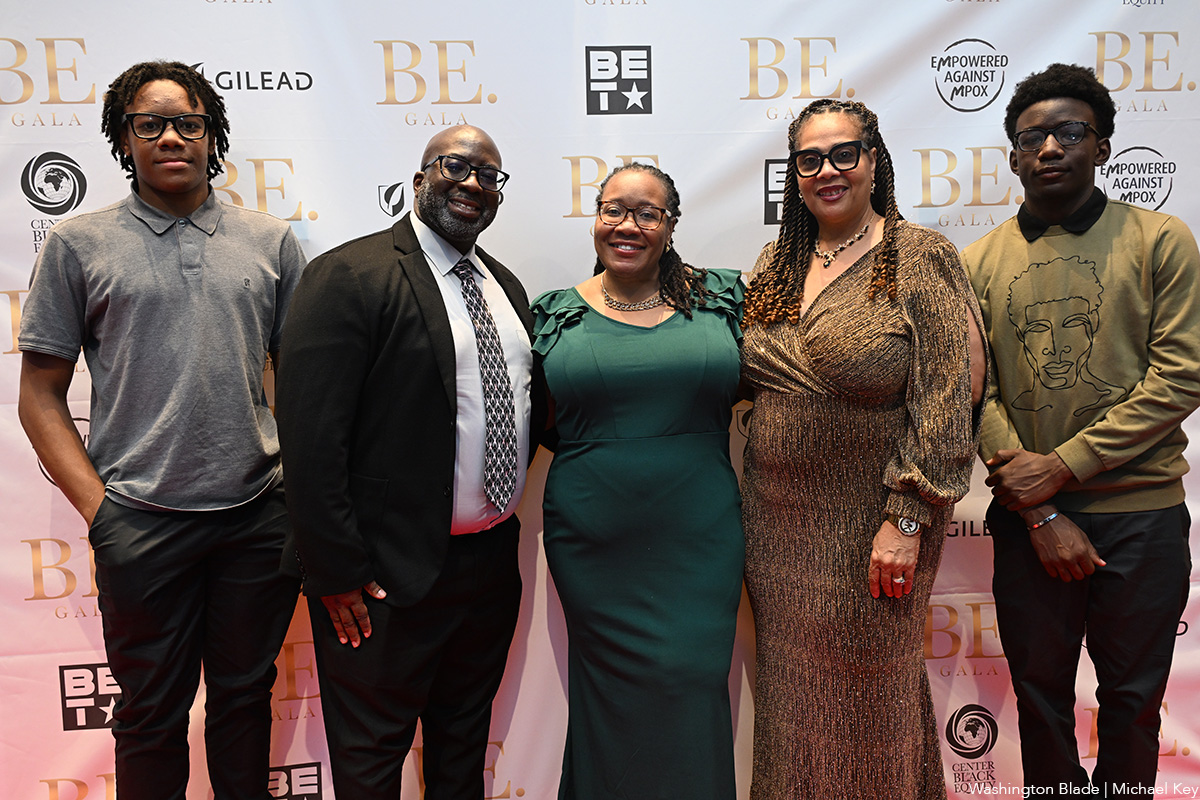
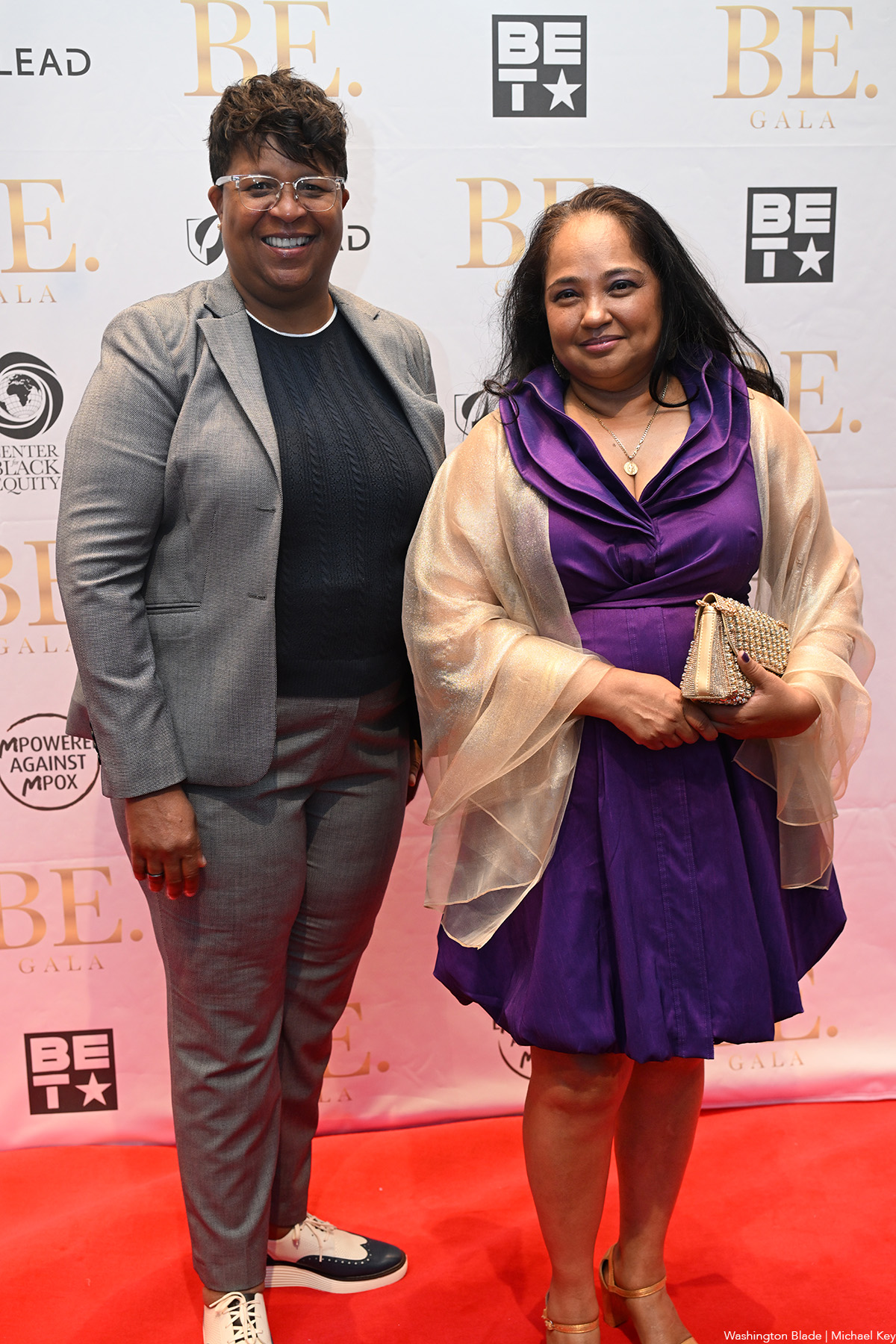
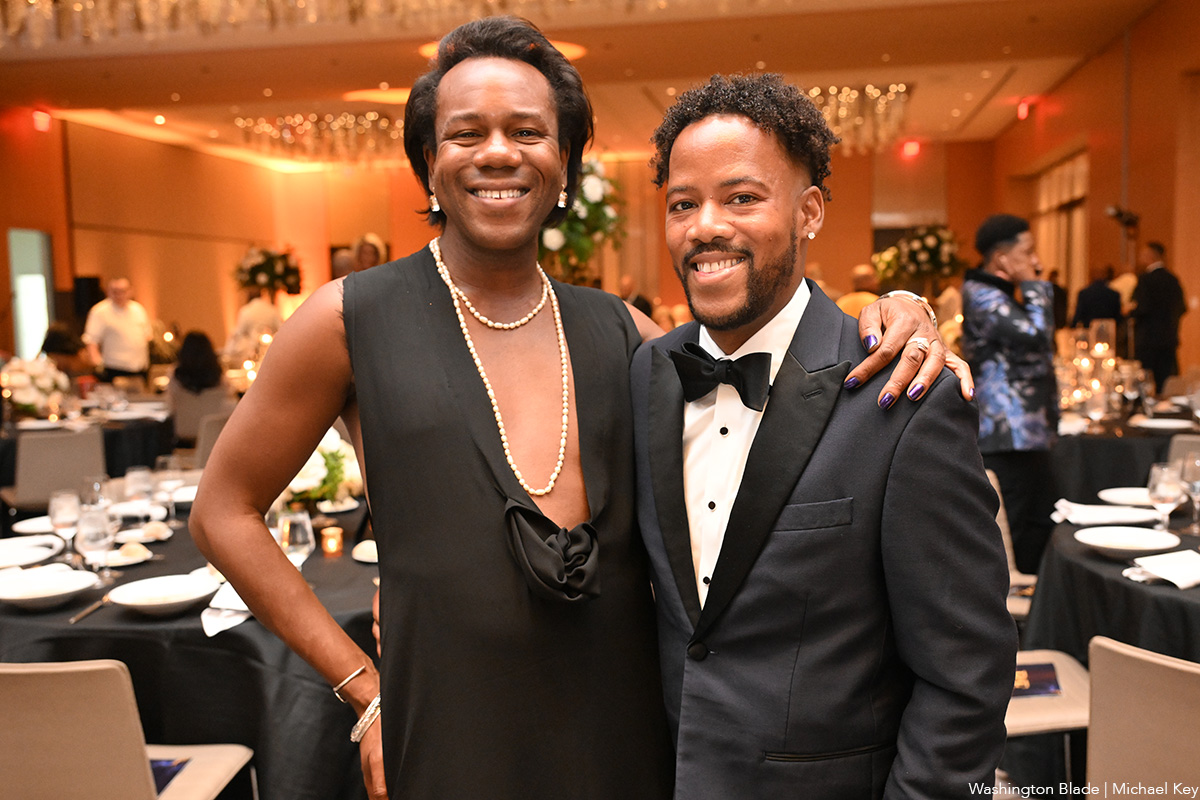
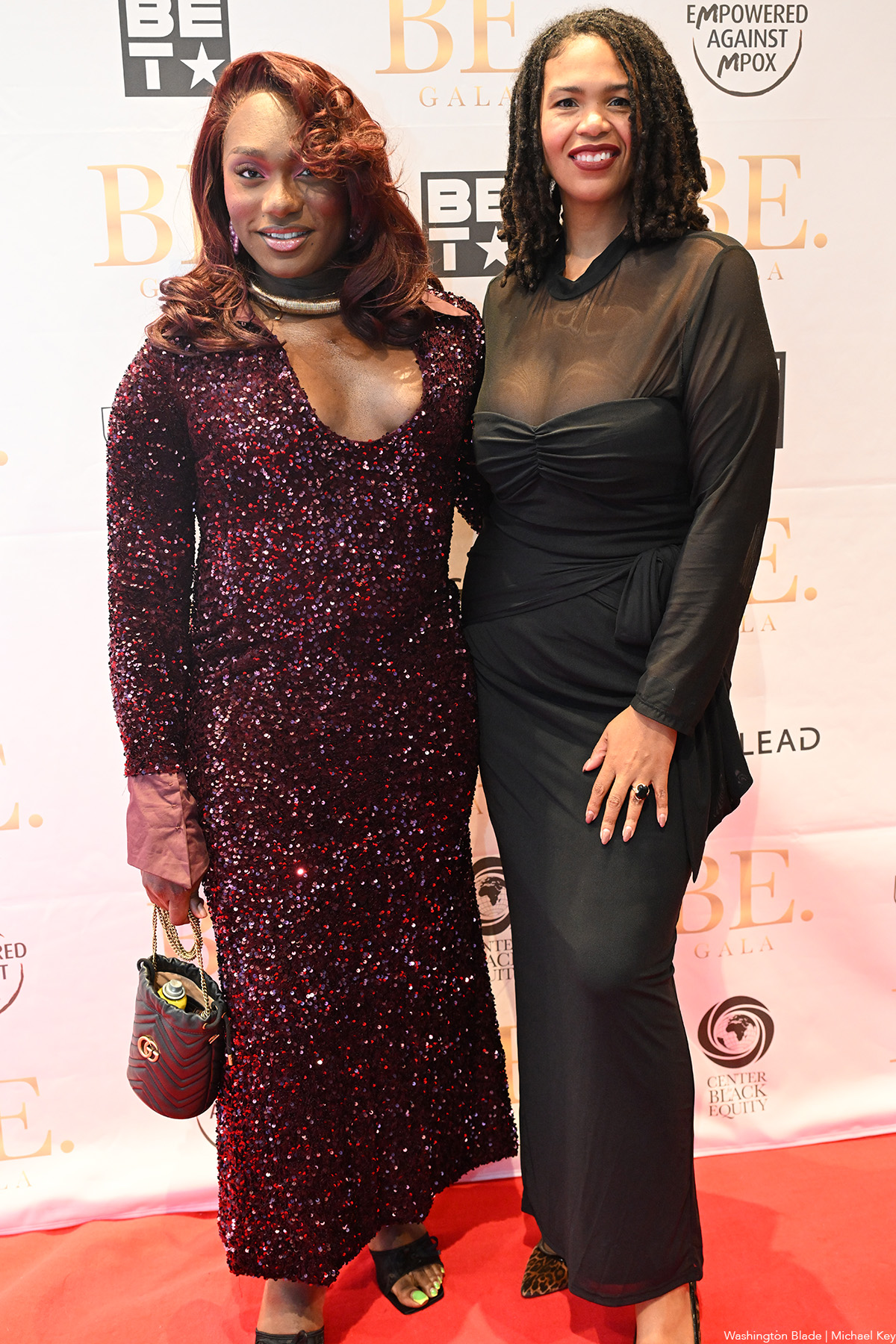
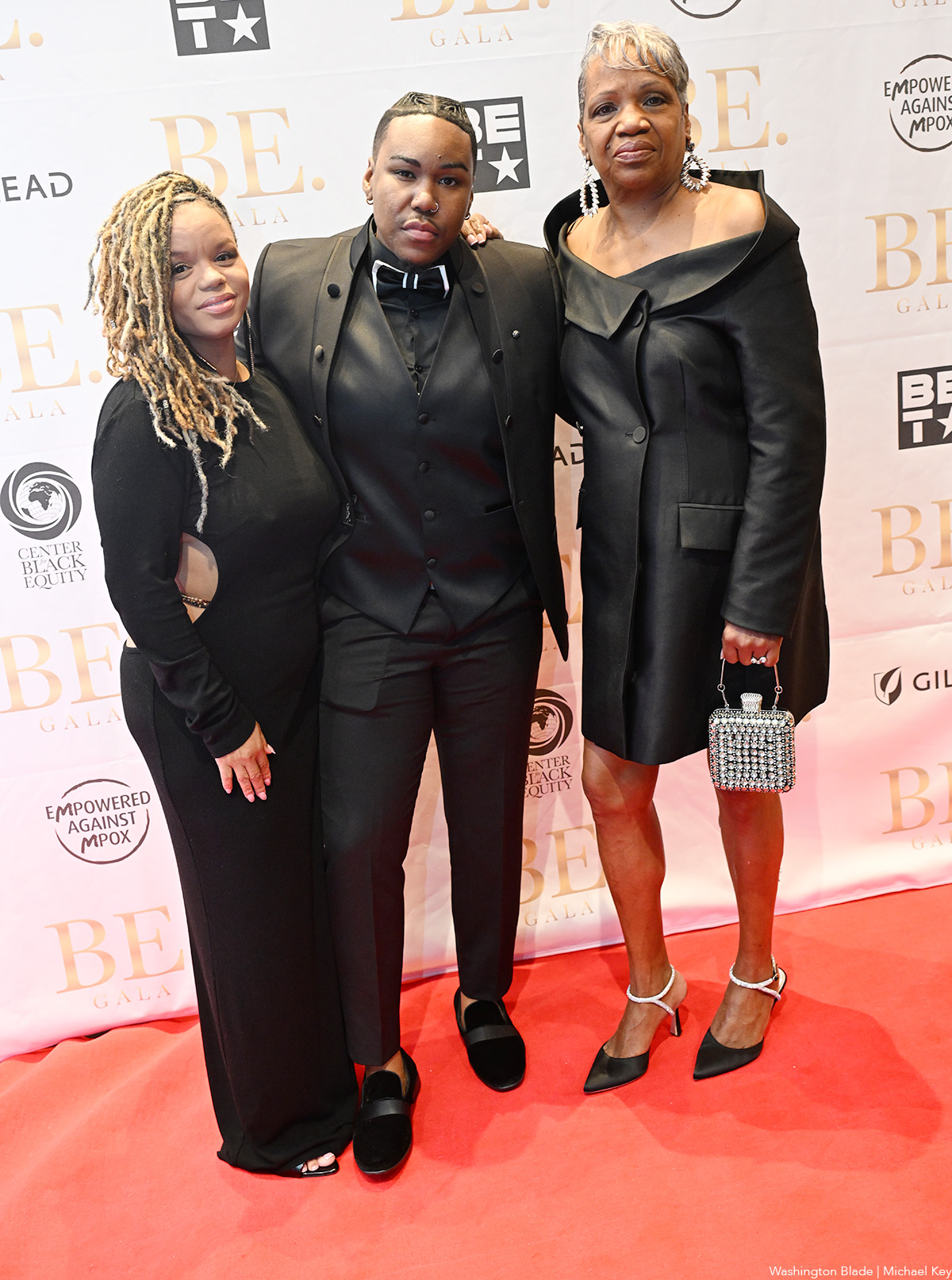
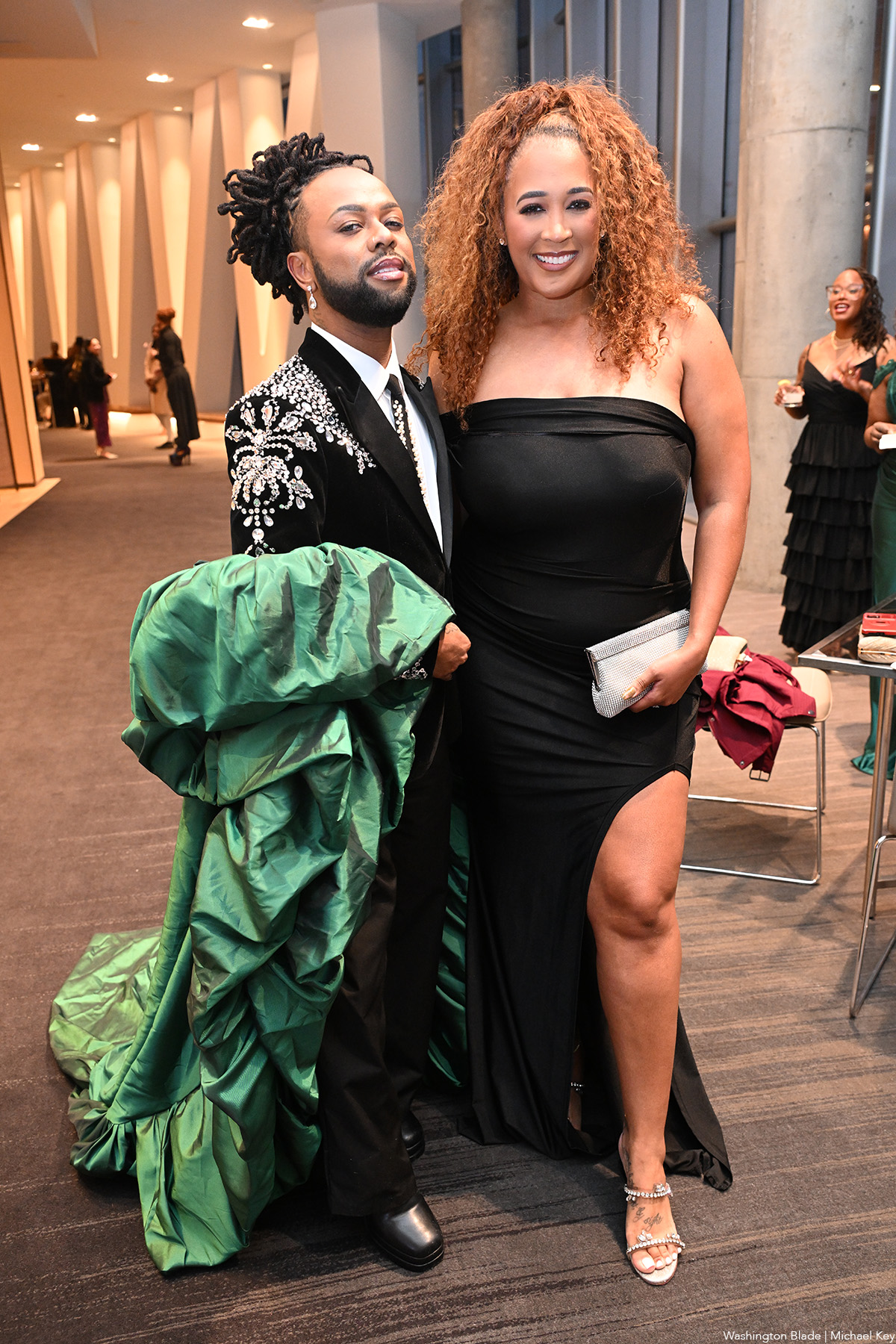
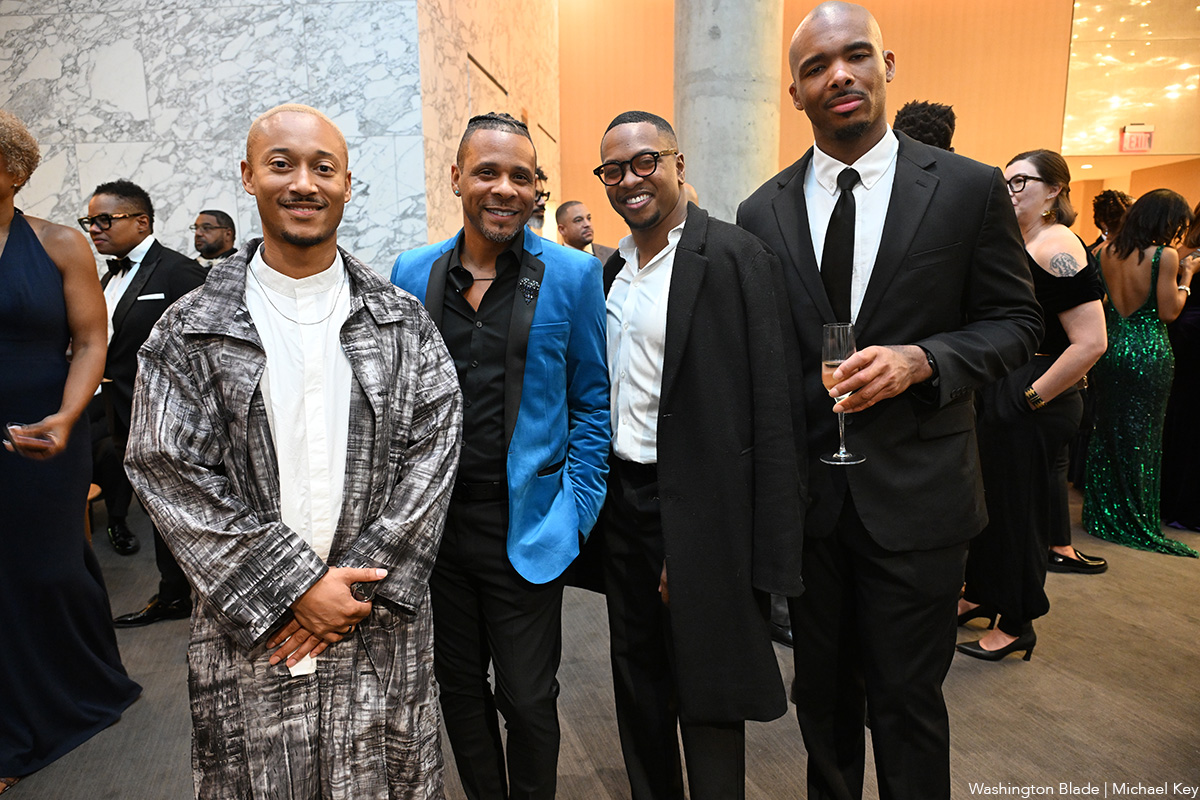
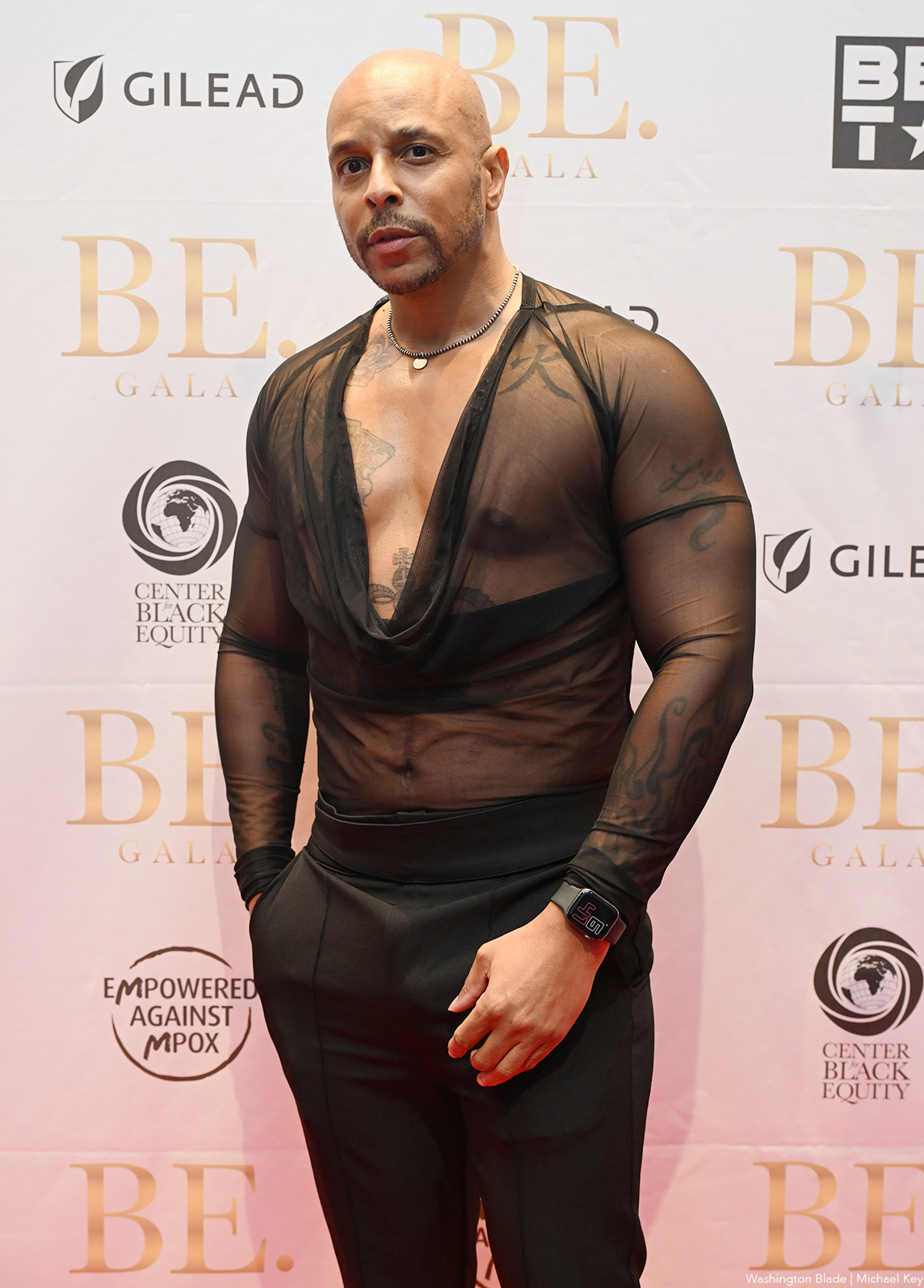
Center for Black Equity honors leaders, activists at BE. Gala
Miyake-Mugler, Oakes co-host annual awards ceremony

The Center for Black Equity held its annual BE. Gala at Conrad Washington, D.C. on Saturday, Oct. 5. Lolita Leopard Miyake-Mugler and Anthony Oakes co-hosted the awards ceremony.
Honorees included journalist and producer Justin Stewart; nonprofit leader Nikki Alexander; HIV advocate Marlene McNeese; the nonprofit organization FreeLux Project; actress Monroe Alise; public health advocate Tori Cooper; Manassas Park Vice Mayor Darryl G. Moore; Rev. Dr. Carmarion D. Anderson; Bishop Steven Sawyer; government relations professional Courtney Snowden; Senior Deputy Director of HAHSTA at D.C. Health, Clover Barnes; and Texas state Rep. Venton C. Jones.
The event was sponsored by Gilead.
(Washington Blade photos by Michael Key)


















Books
In ‘The Lost Brontë,’ a complicated lie can lead to danger
New book features sweetly romantic girl-meets-girl twist
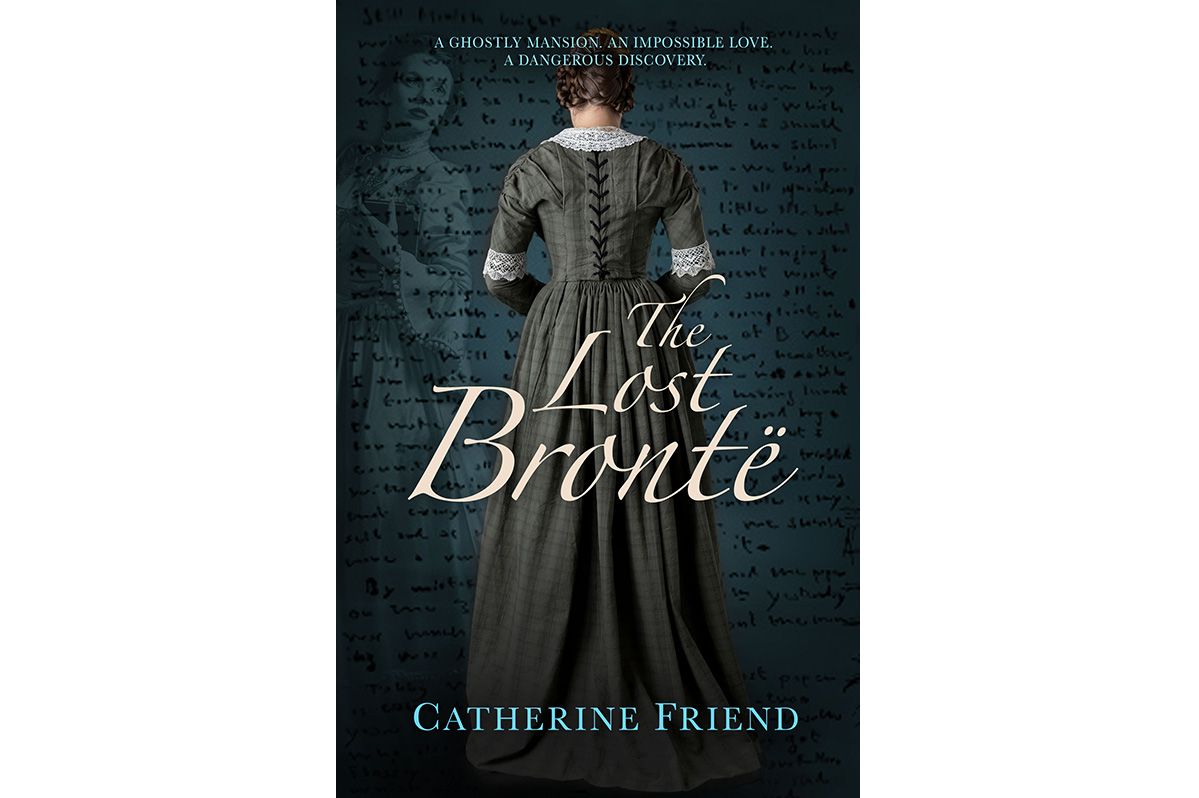
‘The Lost Brontë’
By Catherine Friend
c.2026, Bywater Books
$22.95/335 pages
Mom always said to tell the truth.
One lie leads to another and another and you have to remember them all until pretty soon, you’re caught. Fibs are hard, mistruths are messy, even little white social lies can destroy trust. Worst of all, as in the new novel, “The Lost Brontë” by Catherine Friend, a complicated lie can lead to danger.

Though Lilianne Loxley was very young when she lost her parents, she understood that her uncle didn’t really want her. As time passed, though, Lily made herself useful to Uncle, writing and signing letters for him and she became a good companion, helping him with his collection of Brontë memorabilia. Uncle was a keen enthusiast.
She had no idea that his obsession was out of control and he was deeply in arrears. The day Lily learned of his debt was the day she learned that he’d agreed to send her to his debtor’s home to work off the money owed.
It was so sudden. One minute, Lily was at Loxley House, happy and loved by Uncle’s staff … and five hours later, she was at Crag Thorn Manor, home of Lord Bexton, who informed her that she’d be working on his ledgers – work that seemed routine, but Lily tackled it.
Uncle always did say she was headstrong.
But would headstrong be enough to survive, when she was restricted from most of the Manor, when she was forced to dine with Brexton and his slimy friend, or – the worst! – when Brexton told Lily that her next task was to forge a letter from Emily Brontë? And then an entire manuscript?
Lily struggled to do what was right. She had to get Uncle out of debt but this last order horrified her. Did she dare refuse Brexton’s orders and commit a crime? It was unthinkable!
The only brightness in the whole situation was Wren, the ladies’ maid assigned to Lily’s room. Wren was adorable with freckles and the sweetest smile. But with everything else happening at Crag Thorn Manner, could Lily act upon her feelings?
This time of year, you may come to crave dark, spooky stories, and “The Last Brontë” fits those needs perfectly with its Gothic deliciousness. Think: Daphne du Maurier-type, stormy-night squirms with a dangerously chaste, sweetly romantic girl-meets-girl twist for fun.
If it’s been awhile since you’ve read a Gothic novel, you’re in for a nice reminder of why you love them here. You can almost tick off the must-haves: a novel like this is nothing without a foreboding stone manor with damp walls; stone steps to a dank basement; a mysterious portrait; and a nearby bog, and author Catherine Friend gives readers every one of them. You’d be disappointed if there was no ghost, wouldn’t you? Ha. You can practically feel the cold blow through the attic, right? Yeah, it’s that kind of book.
If you’re a fan of the Brontës, you’ll like this novel. If you love Gothic mysteries or Victorian romances, ditto. “The Lost Brontë” is good, no lie.
The Blade may receive commissions from qualifying purchases made via this post.
Out & About
CAMP Rehoboth Block Party returns Oct. 18
Expect performances, vendors and more at annual celebration

CAMP Rehoboth will host its annual Block Party celebration on Sunday, Oct.18 at 11 a.m. on the second block of Baltimore Avenue in downtown Rehoboth Beach.
CAMP Rehoboth invites all community members to join in the festivities and to expect magnificent performances and dozens of vendors, including artists, craftspeople, non-profits, businesses, and more.
The event started in 2015 in celebration of CAMP Rehoboth’s 25th anniversary. This year, attendees can expect to shop sea glass art, pottery, jewelry, Pride merch, body care, clothing, and learn more about local non-profit causes and businesses.
Attendance is free. For more details, visit CAMP Rehoboth’s website.

Center for Black Equity honors leaders, activists at BE. Gala

In ‘The Lost Brontë,’ a complicated lie can lead to danger

CAMP Rehoboth Block Party returns Oct. 18

Essential queer horror classics for Halloween

Solidarity beyond the parade: the actual cost of Pride

10 years later, we still can’t shake Barry Jenkins’s ‘Moonlight’

‘Some Like It Hot’ a wild ride at renovated Bernard Family Theatre

D.C.’s LGBTQ homeless facilities face possible hit from Trump funding cuts

Trump uses anti-trans slur against Democratic Senate candidate

U.S. int’l trade negotiator, consultant James Bedore dies at 82
-

 Movies5 days ago
10 years later, we still can’t shake Barry Jenkins’s ‘Moonlight’
-
Theater5 days ago
‘Some Like It Hot’ a wild ride at renovated Bernard Family Theatre
-
District of Columbia5 days ago
D.C.’s LGBTQ homeless facilities face possible hit from Trump funding cuts
-
2026 Midterm Elections5 days ago
Trump uses anti-trans slur against Democratic Senate candidate