World
Zimbabwe president: Arrest gays who don’t conceive children
Robert Mugabe made comments during July 5 rally in country’s capital
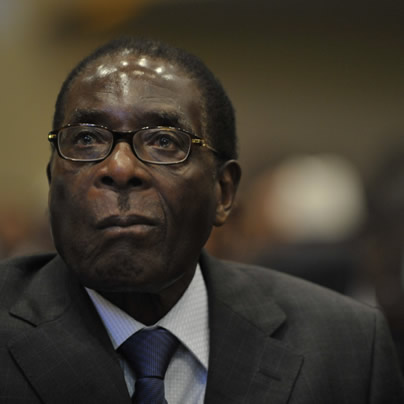
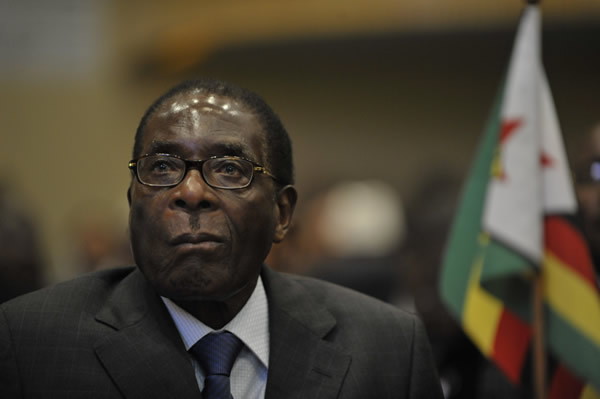
Zimbabwe President Robert Mugabe. (Photo public domain)
Zimbabwean President Robert Mugabe on July 5 said authorities should arrest gays and lesbians who don’t conceive children.
“I should like to shut them-up in some room and see if they get pregnant; if they don’t then it’s jail because they have claimed they can have children,” the tabloid New Zimbabwe quoted Mugabe as saying during a rally in Harare, the country’s capital, at which he unveiled the platform of his party, ZANU-PF, ahead of the African nation’s July 31 elections. “So, to that kind of rot, we say no, no, no, no!”
The tabloid further reported that Mugabe criticized the Anglican Church for blessing same-sex marriages.
The Zimbabwean Broadcasting Corporation noted Mugabe also blasted President Obama’s support of nuptials for gays and lesbians.
“Obama said he wished that we in Africa accepted gay marriages,” Mugabe said. “Parents, tell your children that we are against gay marriage.”
Mugabe, whom Zimbabweans elected president in 1987 after he had served as the country’s first post-independence prime minister from 1980, has previously used homophobic rhetoric against gays and lesbians.
He described gay men and lesbians who participated in the annual International Book Festival in Harare in 1995 as “dogs and pigs.” LGBTQ Nation reported Mugabe said during a speech he gave a Roman Catholic-run teacher’s college in the city of Masvingo in southeastern Zimbabwe last month that gays and lesbians “should rot in jail” as he suggested the country’s anti-homosexuality laws are too lenient.
The State Department last August criticized the Zimbabwean government’s crackdown on LGBT rights activists after police arrested more than 40 members of Gays and Lesbians of Zimbabwe (GALZ) inside the advocacy group’s Harare office. GALZ members, who routinely face harassment and even death threats, said authorities confiscated computers and pamphlets from the same office a few days earlier.
New Zimbabwe also reported that Mugabe during his Harare speech on July 5 referenced former President Canaan Banana, who in 1998 received a 10 year prison sentence after his conviction on charges sodomy, attempted sodomy and indecent assault against his former male employees.
Mugabe’s comments came less than two weeks after Obama applauded the U.S. Supreme Court ruling that found a portion of the Defense of Marriage Act unconstitutional in response to a question he received during a press conference with Senegalese President Macky Sall in Dakar, Senegal.
Obama also reaffirmed his opposition to the criminalization of homosexuality.
“When it comes to how the state treats people, how the law treats people, I believe that everybody has to be treated equally,” he said. “I don’t believe in discrimination of any sort. That’s my personal view.”
Amnesty International noted in a report it released on June 24 — two days before Obama left for his week-long trip to Africa that also included visits to South Africa and Tanzania — that 38 African countries continue to criminalize consensual same-sex conduct.
A senior administration official on Monday declined to comment, saying the White House would not “dignify Mugabe’s comments with a response.”
The Zimbabwean embassy in D.C. did not return the Washington Blade’s request for comment.
A GALZ member with whom the Blade spoke earlier this year in the nation’s capital said ZANU-PF is going to “use the issue of homosexuality as one of their campaign tools” ahead of the July 31 elections.
GALZ Chair Samba Chesterfield urged Mugabe to “desist from making such hate filled statements that impact on the lives of LGBT people” during an interview with LGBTQ Nation.
“Mugabe needs to deal with issues such as unemployment, impunity, access to clean water and corruption in government, rather than such rhetoric that does not do much to win over a despondent electorate,” Chesterfield told the website.



France
Prominent French activist attacked outside Paris bar
Pierre Picavet hospitalized with internal bleeding, head injury

French prosecutors say a man shouted anti-gay slurs at a prominent activist before he attacked him in Paris on Saturday.
Media reports indicate Pierre Picavet, a police officer who is the president of FLAG!, a group within the French Justice and Interior Ministries that defends LGBTQ rights, was attacked as he left a bar in Paris’s Marais neighborhood.
The Marais since the 1980s has been center of the French capital’s LGBTQ community.
France 24 reported Picavet’s assailant struck him with a bottle. The attack left Picavet hospitalized with internal bleeding, a head wound, and other injuries.
“When I get better, when my wounds have healed, I will continue the fight,” Picavet told Radio France on Monday. “I am particularly shocked, but it tells me that there is still work to do.”
Paris Mayor Emmanuel Grégoire is among those who condemned the attack.
STOP Homophobia (STOP homophobie), a French group that fights against anti-LGBTQ violence, on its social media pages published a picture of Picavet in the hospital.
“As a long-standing partner of FLAG!, STOP Homophobia wishes to express its solidarity with Pierre Picavet, his loved ones, and the entire association,” said the group. “STOP Homophobia condemns this assault in the strongest possible terms and reiterates that anti-LGBT violence remains a reality — even in spaces where everyone should be able to move freely and live out their sexual orientation or gender identity without fear of attack.”
STOP Homophobia also praised a bystander who came to Picavet’s aid after the attack, and the first responders and law enforcement personnel who responded.
“STOP Homophobia extends its full support to Pierre, his family, his loved ones, and the entire FLAG! team, and wishes him a full recovery,” said the group.
Reports indicate the assailant, who was born in 2006, was scheduled to appear in a Paris court on Monday at 1:30 p.m. local time.
Poland
Poland begins to legally recognize same-sex marriages from other countries
‘This is an important milestone, but it should not be the final destination’
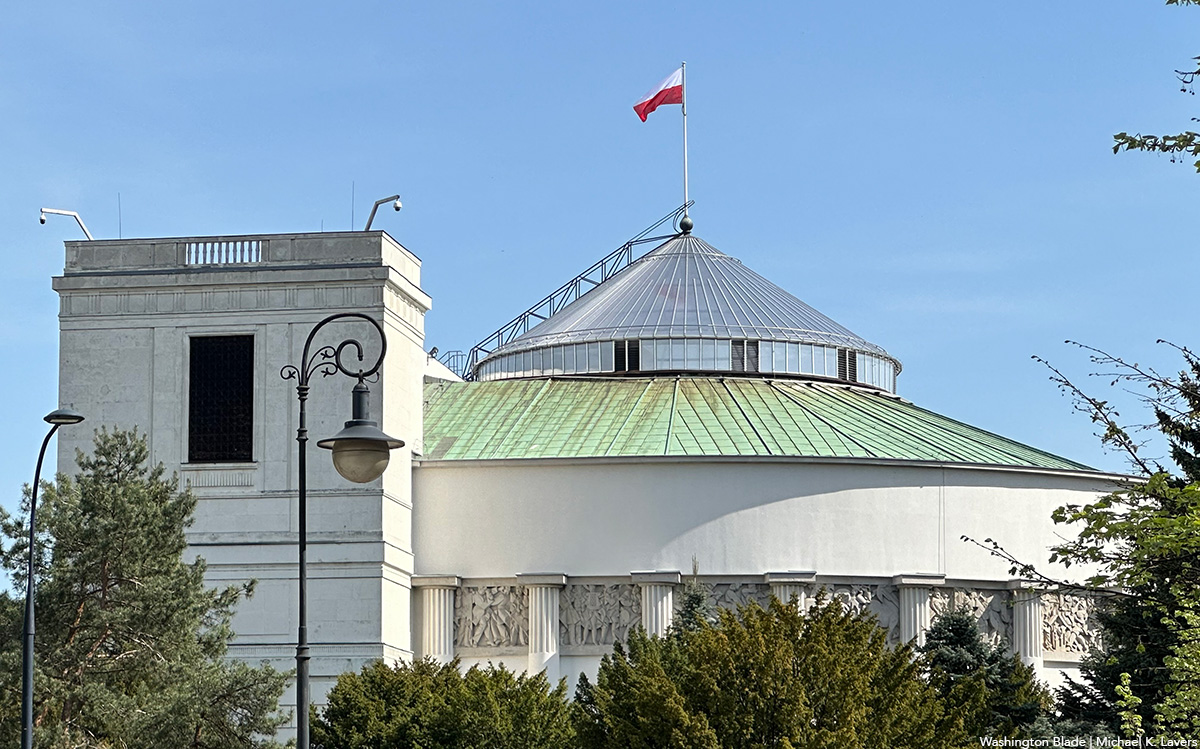
Poland has begun to recognize same-sex marriages legally performed outside the country.
TVP World, the country’s public broadcaster, reported civil registry offices began to “transcribe same-sex marriages legally” conducted outside of Poland on Aug. 22.
The EU Court of Justice in Luxembourg last November ruled in favor of a same-sex couple who challenged Poland’s refusal to recognize their German marriage. Poland’s Supreme Administrative Court in March reaffirmed the decision.
The couple, who lives in Poland, brought their case to Polish courts in 2019. The Supreme Administrative Court referred it to the EU Court of Justice.
The Polish government in May announced it will recognize same-sex marriages legally performed in other EU countries. Polish President Karol Nawrocki on July 17 vetoed bills that would have extended rights to same-sex couples.
Poland’s Constitutional Tribunal a few days later rejected the recognition of same-sex marriages legally performed in other EU countries. The Love Does Not Exclude Association, a Polish marriage equality advocacy group, in an Aug. 26 press release notes the ruling “does not prevent implementation of these new regulations” because the Constitutional Tribunal is “largely discredited” and the government considers it “to be improperly constituted.”
“This is an important milestone, but it should not be the final destination,” said Maja Heban of the Love Does Not Exclude Association. “No couple should have to cross a border to marry. Our goal is allowing loving, committed couples to marry in Poland in the first place. The law now increasingly recognizes these marriages once couples return to Poland in areas such as healthcare and social security, but significant gaps remain, mainly lack of recognition of same-sex parents which directly impacts security of their children.”
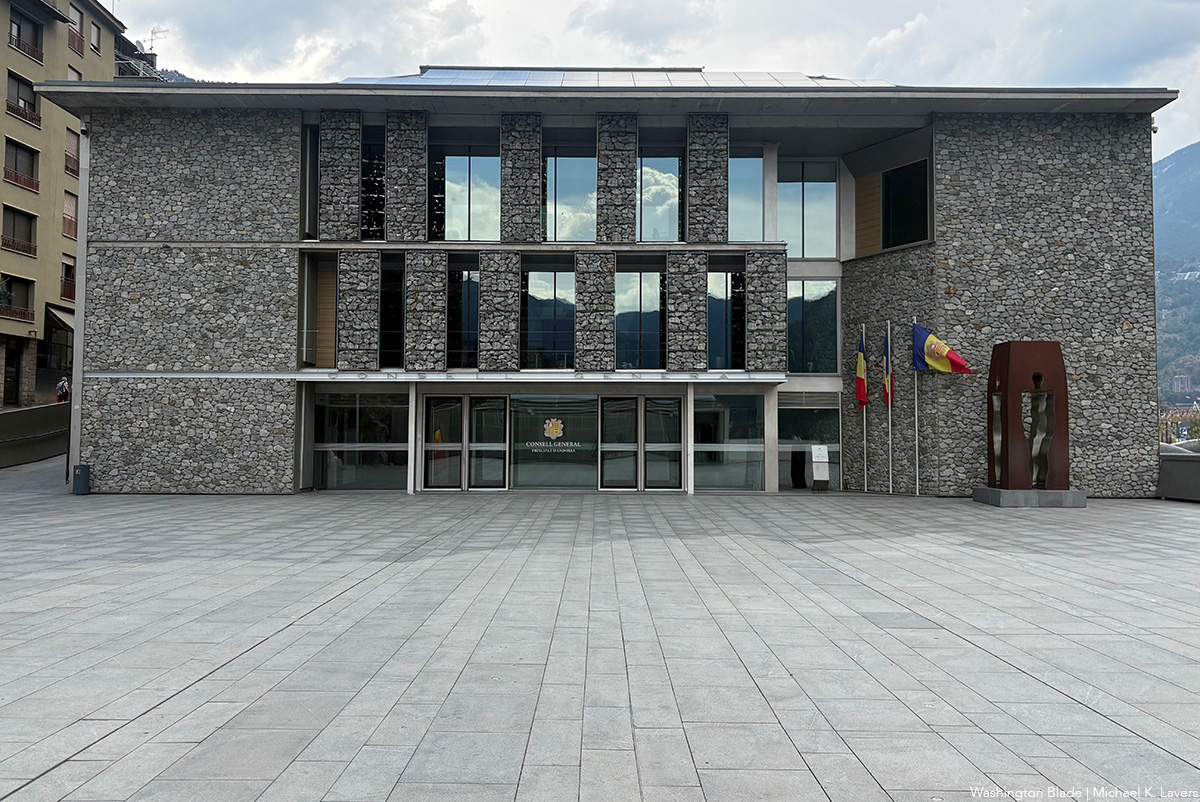
Germany, Belgium, France, Ireland, Spain, and Portugal are among the EU countries in which same-sex couples can legally marry. Andorra, whose prime minister, Xaviet Espot Zamora, is openly gay, and Switzerland are among the other European nations that have extended marriage rights to same-sex couples.
The Netherlands in 2001 became the first country in the world to extend marriage rights to same-sex couples. Activists who participated in this year’s World Pride that took place in Amsterdam earlier this summer marked this milestone.

Honduras
Realidad LGBTQ en Honduras: fuga o muerte
Observatorio KAI+: 35 asesinatos anti-LGBTQ en 2026
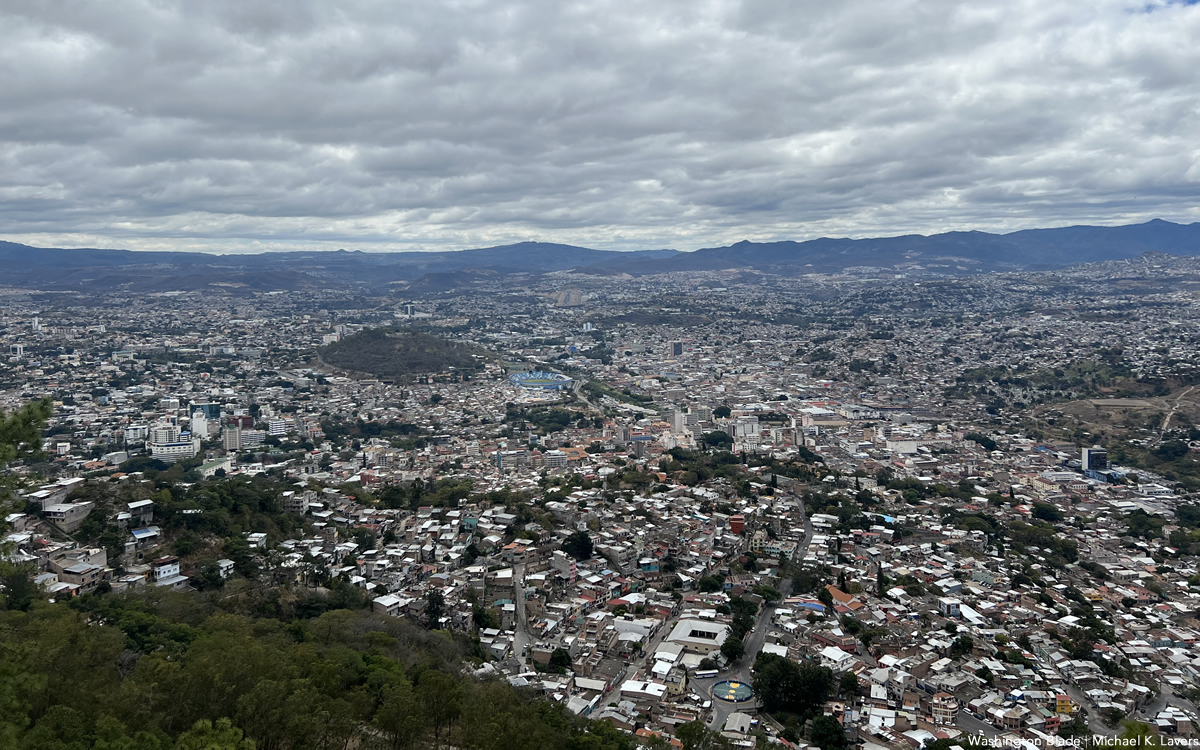
TEGUCIGALPA, Honduras — Las cifras encienden todas las alarmas: 35 muertes violentas de personas LGBTQ, 195 casos de violencia generalizada y 11 personas asistidas para refugiarse en el extranjero. Las mujeres trans encabezan las víctimas mortales con 11 casos, seguidas de los hombres gay con 10.
Esa es la realidad de las poblaciones sexualmente diversas que pinta el boletín número 14 del Observatorio de Violencia hacia las Personas LGBTI+ de Honduras KAI+, correspondiente al período de enero al 8 de agosto de 2026.
Según el informe, los departamentos con mayor concentración de asesinatos son Francisco Morazán (12), Cortés (5) y Comayagua (4). Sin embargo, el dato más revelador de la impunidad es que los 35 casos permanecen en etapa de investigación preliminar, con apenas dos capturas reportadas.
«No queremos vivir con miedo»: defensores
Lucía Barrientos, de la Asociación Ixchel, resume el sentimiento colectivo. «Hoy las personas LGBTI en Honduras vivimos en estado de alerta. Muertes que, al hacer un análisis, tienen una conmoción de que muchas personas de nuestra población han sido torturadas, que han sido crímenes de odio», señala.
Barrientos subraya que en el país no hay una ley que tipifique el crimen de odio, lo que deja a la población en un limbo legal y expuesta a la violencia sin protección efectiva.
Entretanto, Jennifer Córdoba, de la Colectiva de Mujeres Trans Muñecas de Arcoíris, lamenta que las autoridades no estén haciendo nada para defender los derechos humanos.
«Ver ese tipo de violencias en el país que se incrementan, ver que las autoridades de nuestro país no están haciendo nada para la defensa de los derechos humanos, no crear una política pública que respete los derechos humanos de la población LGTBI», afirma Córdoba.
Violencia generalizada y discriminación sistemática
Los 195 casos de violencia generalizada incluyen amenazas (19), maltrato familiar (25), abuso de autoridad (14), discriminación por orientación sexual o identidad de género (14), lesiones (10) y agresiones sexuales. Las mujeres trans son nuevamente las más afectadas, con 32 casos registrados.
Dany Montesinos, de la Asociación LGBTI Kukulcán, advierte: «Esta es una violencia general, estructurada. No tenemos un patrón determinado. La alerta que estamos poniendo es que, en comparación con otros años, esto está siendo más creciente».
Un elemento crítico señalado por el boletín es que casi el 70 por ciento de los casos de violencia generalizada (137 de 195) carecen de categorización desagregada sobre la orientación sexual o identidad de género de la víctima, lo que evidencia la ausencia de protocolos adecuados por parte de las instituciones estatales y una invisibilización sistemática.
Migración forzada, huir para vivir
Entre los hallazgos más dolorosos está la asistencia a 11 personas LGBTQ que han buscado refugio en el extranjero. Ocho se han ido a Estados Unidos, dos a España y una al Reino Unido. Los motivos incluyen amenazas, discriminación, abuso de autoridad, agresiones sexuales y físicas.
Como señala un testimonio: «Tuvieron que irse, se vieron obligadas a huir por amenazas, por la discriminación, por el abuso de autoridad y agresiones sexuales. Estos datos nos muestran que la migración de las personas LGBTI no responde únicamente a razones económicas, sino a la necesidad urgente de proteger su vida y sus derechos».
Recomendaciones ante un Estado ausente
El boletín concluye con un llamado urgente al Estado hondureño. Exige fortalecer las investigaciones de muertes violentas e implementar políticas públicas de protección integral. Además, capacitar a funcionarios en diversidad sexual y derechos humanos y garantizar que los casos avancen más allá de la etapa preliminar.
Barrientos lo resume con claridad. «Exigimos al Estado respuestas inmediatas, justicia y protección real para nuestra población. No queremos retroceder, no queremos volver atrás, no queremos vivir con miedo, no queremos salir a la calle y saber que no puedo expresar mi amor hacia mi pareja o hacia otra persona porque puedo amar y ser muerta».
El Observatorio KAI+ recuerda que detrás de cada cifra hay seres humanos: madres, padres, hijos, hermanos y familias que dependen de ellos. La indiferencia institucional, advierten, no puede seguir siendo una puerta abierta a la impunidad.

PHOTOS: Miss Gay Old Bay

SUNFESTIVAL takes center stage as Rehoboth Beach closes out summer

Anne Arundel schools now need parent permission to call trans students by preferred names
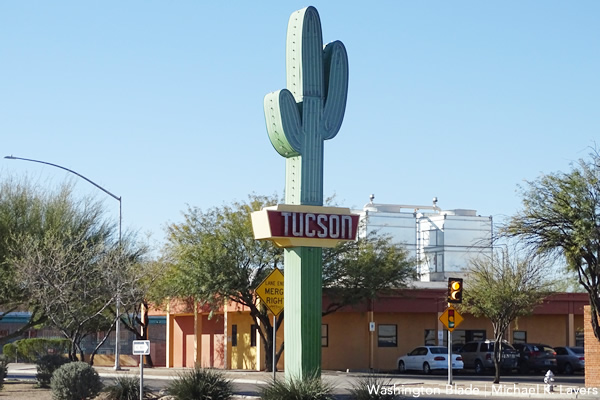
Shooting outside gay bar in Ariz. leaves three dead

‘People don’t see me. They see a trend’

Trans, nonbinary Americans find refuge in the Netherlands

San Francisco, long a queer safe haven, remains competitive for homebuyers

Calendar: August 28-September 3

‘Teenage Sex and Death’ has never been more entertaining

Actor Tim Curry dies at 80
-

 Netherlands5 days ago
Trans, nonbinary Americans find refuge in the Netherlands
-
California4 days ago
San Francisco, long a queer safe haven, remains competitive for homebuyers
-
Calendar5 days ago
Calendar: August 28-September 3
-
Movies5 days ago
‘Teenage Sex and Death’ has never been more entertaining