National
Boehner convenes bipartisan panel to defend DOMA
Group can instruct House General Counsel to take legal action

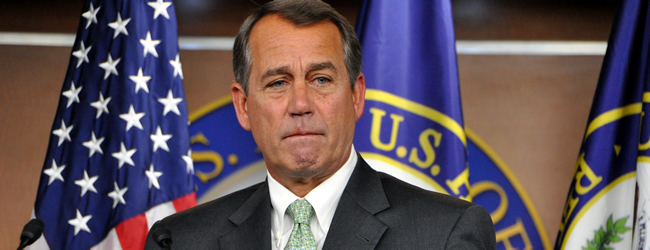
U.S. House Speaker John Boehner (Blade photo by Michael Key).
U.S. House Speaker John Boehner announced on Friday that he’s convening a meeting of a bi-partisan group of lawmakers to determine the best way forward for Congress to defend the Defense of Marriage Act in court.
“I will convene a meeting of the Bipartisan Legal Advisory Group for the purpose of initiating action by the House to defend this law of the United States, which was enacted by a bipartisan vote in Congress and signed by President Bill Clinton,” Boehner said in a statement.
The five-member group consists of the House speaker, the majority leader, the majority whip, the minority leader and the minority whip. According to the speaker’s office, the advisory group under House rules can instruct the non-partisan office House General Counsel to take legal action on behalf of the House.
Boehner’s office didn’t immediately respond to a request to comment on when the panel would meet or what possible outcomes of the meeting would be.
Last week, U.S. Attorney General Eric Holder announced that the Obama administration would no longer defend DOMA in court and sent a letter to Congress informing lawmakers of the Justice Department’s decision. The move left the decision on whether to continue defense DOMA in court to Congress.
Litigation filed against the statute in the Second Circuit — where there’s no precedent for laws related to sexual orientation — allowed the administration to conclude the DOMA is unconstitutional and to call on the court to examine the law with heightened scrutiny.
In the statement, Boehner also took a dig at the Obama administration for changing its position on the constitutionality of DOMA when Americans want the government to focus on deficit reduction and job creation.
“It is regrettable that the Obama Administration has opened this divisive issue at a time when Americans want their leaders to focus on jobs and the challenges facing our economy,” Boehner said. “The constitutionality of this law should be determined by the courts — not by the president unilaterally — and this action by the House will ensure the matter is addressed in a manner consistent with our Constitution.”
A White House spokesperson didn’t respond to a request to comment on Boehner’s plans or his statement. Administration officials have said the new lawsuits filed against DOMA in the Second Circuit — Pedersen v. U.S. Office of Personnel Management and Windsor v. United States — forced the president’s hand to re-evaluate the constitutionality of the statute.
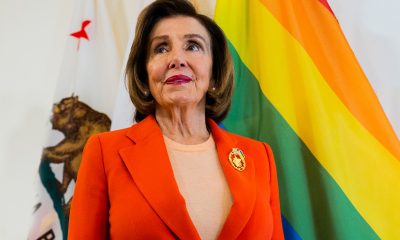
House Minority Leader Nancy Pelosi (D-Calif.) said DOMA has long raised consitutional questions — noting her vote against the measure on the House floor in 1996 — and said she opposes the Boehner’s effort “to put the House in the position of defending this indefensible statute.”
“Aside from standing up for a discriminatory law and failing to focus on jobs and the economy, this action places Republicans squarely on the wrong side of history and progress,” Pelosi said.
Pelosi added Boehner’s decision burdens the staff and monetary resources of the Office of the General Counsel and “will cost the House hundreds of thousands of taxpayer dollars.”
R. Clarke Cooper, executive director of National Log Cabin Republicans, said Boehner should remain focused on economic issues facing the country and avoid “the bait” of defending DOMA in court.
“Americans sent Republicans to Congress to address our challenging economy, and thus far, under Speaker Boehner’s leadership our party has kept its eye on the ball, cutting spending and beginning to confront the deficit,” Cooper said. “Now is not the time to fall for the president’s ploy to distract Republicans with divisive social issues like the Defense of Marriage Act.”
Cooper said Log Cabin believes that DOMA is an unconstitutional intrusion on states’ rights and a violation of individual liberty, but also agrees with Speaker Boehner that the constitutionality of this statute should be determined by the courts and not by the president unilaterally.
“The speaker’s decision to retain counsel through an administrative action ensures that the House floor can keep its focus on spending cuts and not be bogged down with unnecessary distractions,” Cooper said.
Meanwhile, Joe Solmonese, president of the Human Rights Campaign, chided Boehner for taking on the role of defending DOMA’s constitutionality in court.
“House Republican leadership has now shown they’re more interested in scoring cheap political points on the backs of same-sex couples than tackling real problems,” Solmonese said. “As families across the country continue to struggle, the House Republican leadership’s prescription is to keep families they don’t like from accessing needed protections.”
Maggie Gallagher, chair of the National Organization for Marriage, which opposes same-sex marriage, said her organization will shortly release a statement on Boehner’s decision, but in the interim said she can say she’s “pleased and grateful.”




National
Queen Jean is Tony’s first transgender winner
Designer/activist wins for work on ‘Cats: The Jellicle Ball’
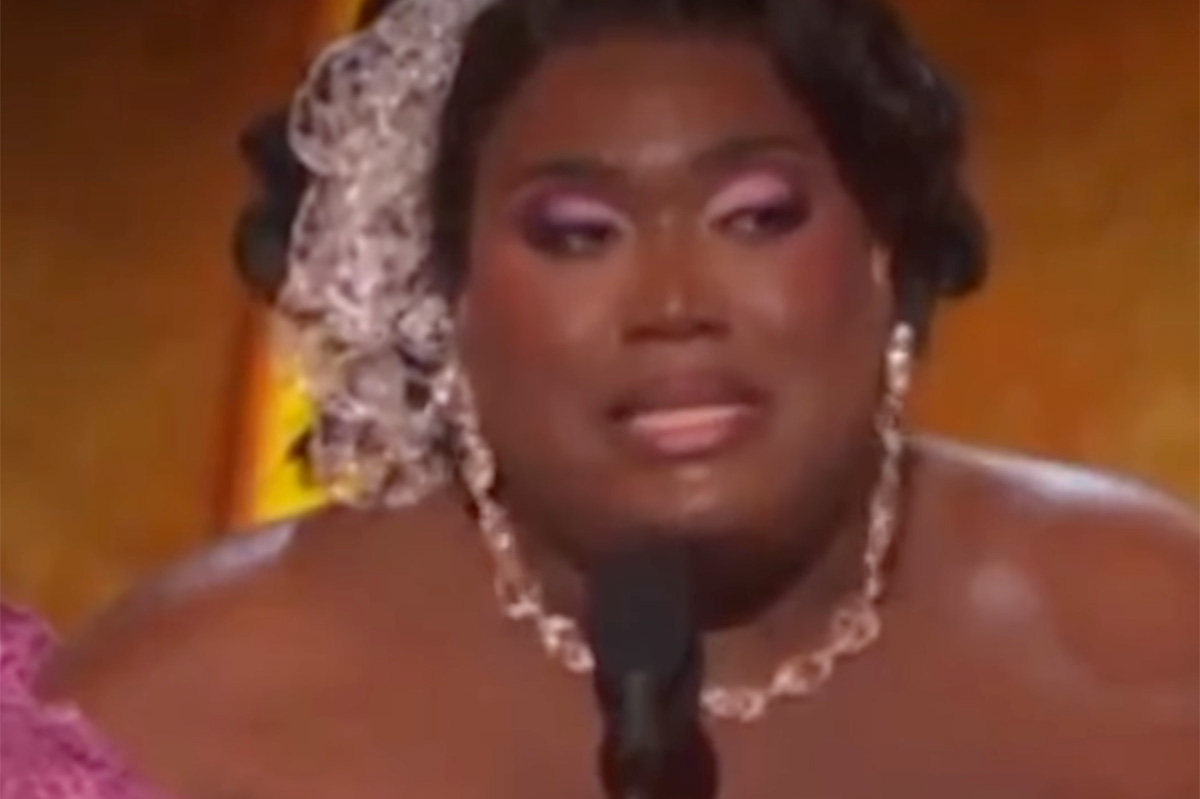
It was a historic night at the 79th annual Tony Awards on Sunday as Queen Jean won the award for Best Costume Design of a Musical, making her the first out transgender person to win a Tony.
“This experience has been monumental. We are here for the legacy of queer people, trans people,” she said. “We are taking up space in ways we have to take up space. We have to shift the paradigm. So I just want to say, thank you all so much for this incredible honor. The world right now is deeply, deeply combating so many ailments, and we know as a society that when we come together, we can make real, permanent change.”
She won the award for her work on “Cats: The Jellicle Ball” and was also nominated for best costume design of a play for “Liberation.”
In addition to her stage work, Queen Jean is the founder of Black Trans Liberation, an organization that supports trans and gender-nonconforming people in New York City.
National
Madonna turns Times Square into massive dance floor
Pop icon celebrates Pride month with surprise performance
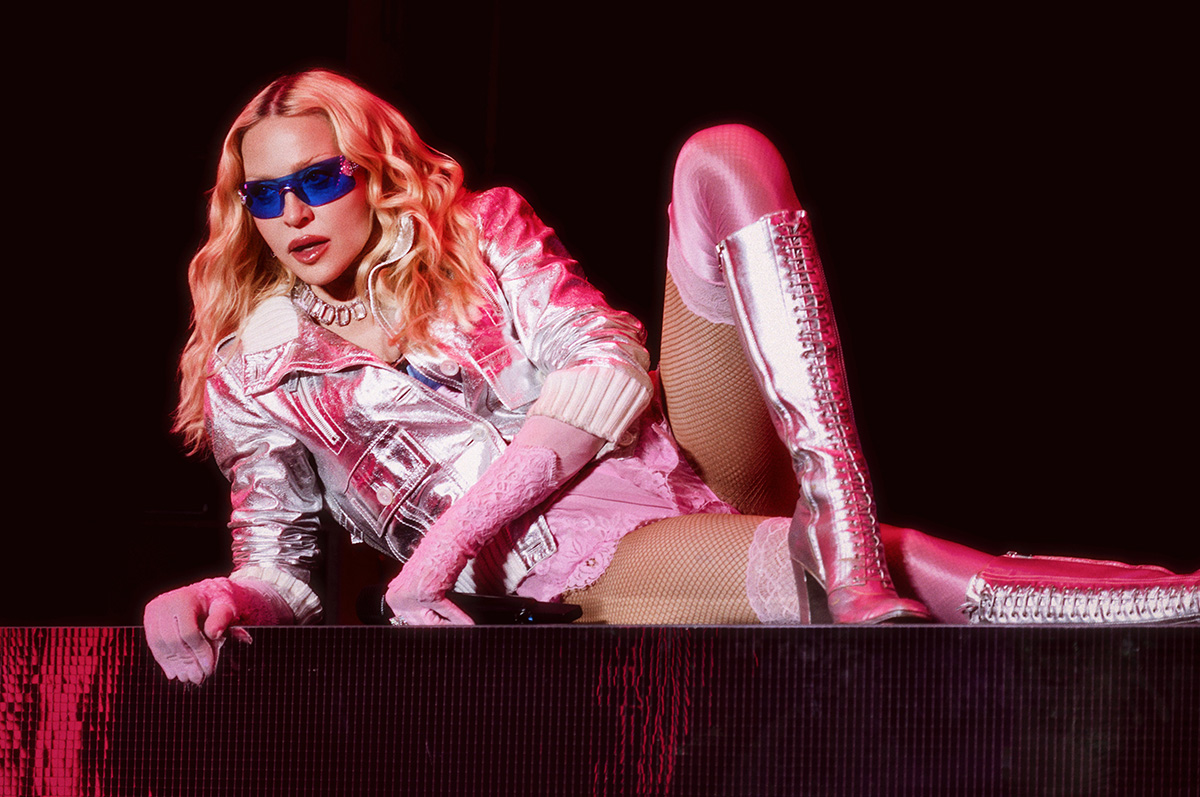
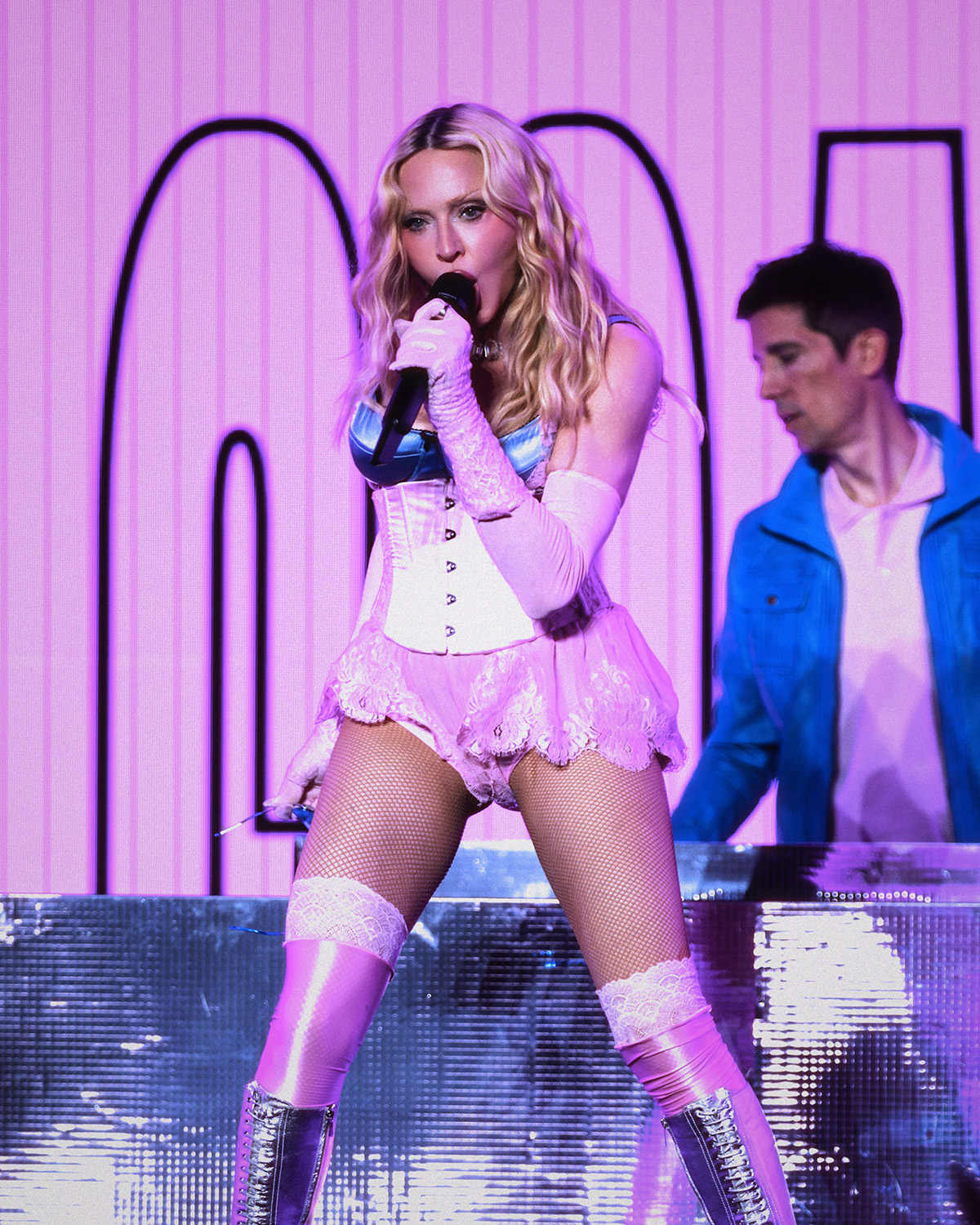
Pop icon Madonna celebrated Pride month with a pop-up performance in New York City’s Times Square on Thursday to the delight of 50,000 fans.
She performed for about 15 minutes high above street level, including several songs from her new album “Confessions II” due on July 3, along with a trio of songs from the first “Confessions on a Dance Floor.”
In addition to the brand new “Love Sensation,” she performed “I Feel So Free” and “Bring Your Love,” plus “Hung Up,” “Get Together” and “I Love New York.” She wished the crowd a happy Pride season; the event was shared with audiences through Grindr’s first-ever livestream.

National
Gallup finds LGBTQ support among Americans is dropping
Marriage equality support lowest since 2016
Gallup, one of the leading organizations in public opinion polling, has found that LGBTQ support among Americans is dropping.
The poll, whose data was collected using Gallup’s annual Values and Beliefs survey, was conducted in May and was published on Wednesday. The data was collected through telephone interviews from a sample of more than 1,000 adults living in all 50 states and D.C. using random digit dialing.
It highlights declining attitudes surrounding LGBTQ issues in multiple areas — from support for same-sex marriage to views on gender identity and the morality of one’s sexuality.
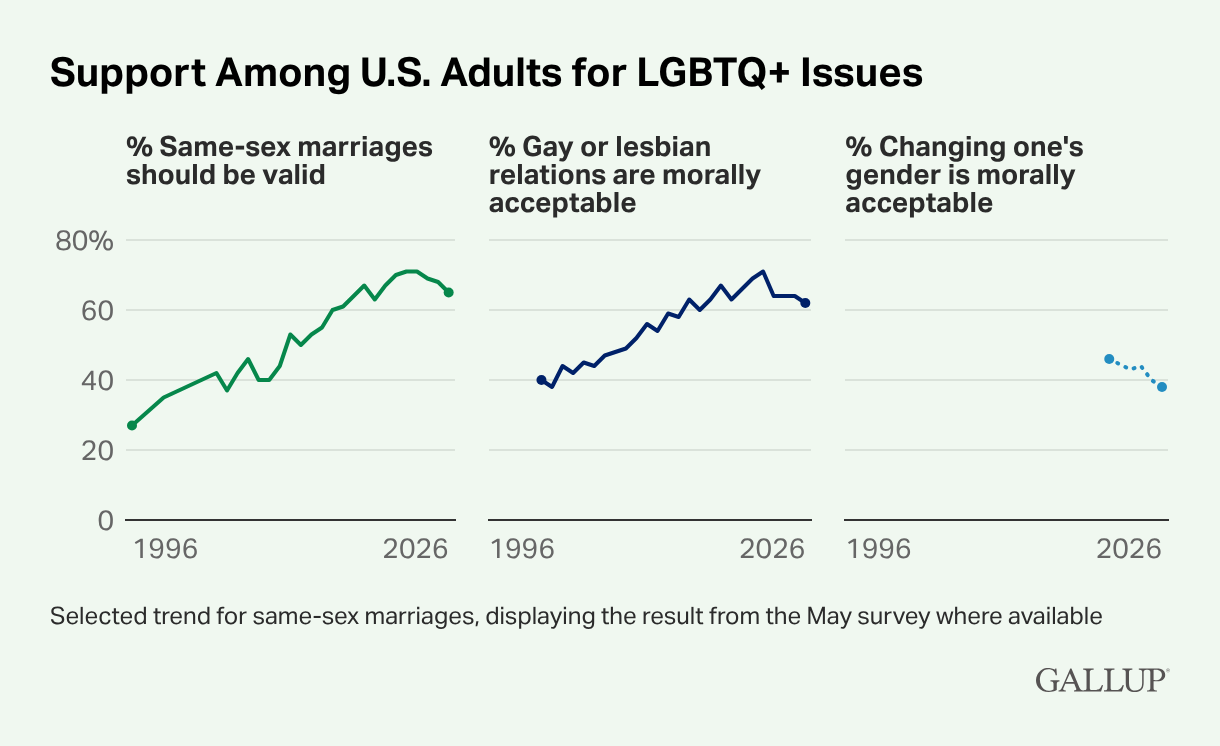
One of the most striking findings was that support for marriage equality fell six points from its 2022-2023 high.
The survey also found that 62 percent of Americans view gay and lesbian relations as morally acceptable, the lowest level since 2016 just after same-sex marriage was legalized nationwide by the U.S. Supreme Court.
One newer question on the poll found that the perceived morality of changing one’s gender has dropped eight points since 2021, indicating the American public is less supportive of transgender people.
The data attributes much of the decline to shifting Republican views alongside the party itself. Conservative leaders have pushed back against diversity, equity, and inclusion programs that were intended to foster greater acceptance of LGBTQ people and other historically disadvantaged groups.
President Donald Trump has been a guiding force behind waves of anti-LGBTQ sentiment, particularly when it comes to trans rights. The president has enacted multiple executive orders, including Executive Order 14168, “Defending Women from Gender Ideology Extremism and Restoring Biological Truth to the Federal Government,” which mandates that gender be defined by one’s sex assigned at birth. He also signed Executive Order 14183, “Prioritizing Military Excellence and Readiness,” which barred qualified trans applicants from joining the military and led to the removal of trans service members already serving in the armed forces.
Additionally, he signed Executive Order 14201, “Keeping Men Out of Women’s Sports,” which prohibits trans female athletes from participating on women’s and girls’ sports teams.
In February, Gallup found that an estimated 9 percent of Americans identified as part of the LGBTQ community in some form.
The organization also found that 23 percent of adults under age 30 identify as LGBTQ, compared with 10 percent of those ages 30 to 49 and 3 percent or less among those ages 50 and older.

Blade editor inducted into D.C. Society of Professional Journalists Hall of Fame

Pride in a new world order

McDuffie on LGBTQ support and standing up to Trump

PHOTOS: Fairfax City Pride