Arts & Entertainment
Queery: Steven Wilson
The Oasis Dance Company founder/director answers 20 gay questions
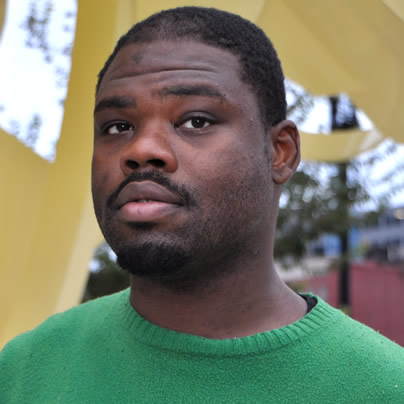
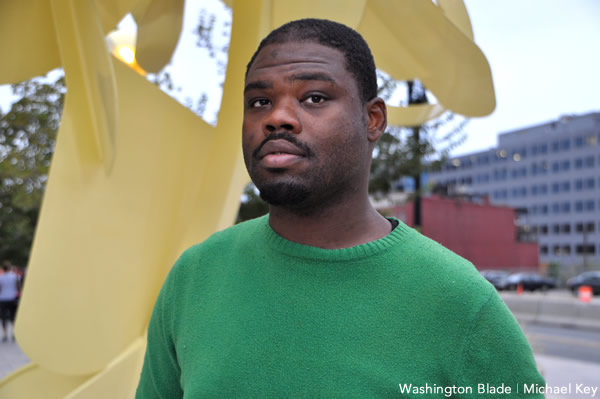
Steven Wilson (Washington Blade photo by Michael Key)
When Steven Wilson moved to Washington in 2008 because his husband, Brandon Wilson, got a job in the area, the 28-year-old dancer and choreographer decided to re-launch his Oasis Dance Company here.
It’s evolved since then — this weekend’s event “The Affair: Bow Ties & Pumps,” a benefit for Transgender Health Empowerment and the Wanda Alston House for homeless LGBT youth, is the launch of his expanded vision which will be known as the Oasis Dance Collective. It will continue to encompass his adult company for 18-25-year-olds (there are 13 dancers in the troupe) but a youth contingent is also launching along with a series that will find well-known choreographers coming to D.C. to offer master classes (the group is online at oasisdanceco.com). Wilson re-launched the group with co-founder Jami Shackles.
Sunday night’s event, to be held at THEARC Theater (1901 Mississippi Ave., S.E.), is designed as a dance tribute to several local public figures, both LGBT and allies, who are making a difference in the D.C. area. Similar to the Kennedy Center Honors, Wilson is overseeing mini-tributes to each of this year’s honorees: Revs. Dennis and Christine Wiley, pastors of LGBT-welcoming Covenant Baptist United Church of Christ; comedian Sampson McCormick; youth advocate Kenya Hutton, Abdur-Rahim Briggs, president of Al Sura; drag performer Shi-Queeta Lee; The Center’s David Mariner; and Rev. Aaron Wade, pastor of Community Church of Washington.
“Imagine Victoria’s Secret meets the Grammys meets ‘So You Think You Can Dance,’” Wilson says. “It will be so many different things and highly entertaining.”
Red carpet starts at 6:30 p.m. The performance is at 7:30. General admission is $30; VIP admission is $50. Tickets will be available at the door or can be purchased in advance at thearcdc.org. Proceeds go to the Alston House and THE. Details are at oasisdanceco.com/events.
Wilson works by day in Annandale, Va., as a clinical research assistant at Clinical Alliance for Research Education in Infectious Diseases (CARE-ID) and lives in Fairfax, though all his Oasis work is in Washington. The Norwich, Conn., native enjoys dancing, writing and hiking in his free time. He and Wilson have two dogs, Joi and PJ.
How long have you been out and who was the hardest person to tell?
I have been out since my sophomore year of college in 2004 and my father was the hardest person to tell.
Who’s your LGBT hero?
Alvin Ailey
What’s Washington’s best nightspot, past or present?
Town
Describe your dream wedding.
With all family in attendance on the coast of Spain.
What non-LGBT issue are you most passionate about?
Education
What historical outcome would you change?
The transfer of HIV/AIDS from primates to humans.
What’s been the most memorable pop culture moment of your lifetime?
My first concert was a Janet concert (the “Velvet Rope Tour”) and it just kind of solidified everything I wanted to do in life. A lot of my friends were really into Michael Jackson, but I didn’t really grow up on Mike. I grew up way more on Janet.
On what do you insist?
Faith
What was your last Facebook post or Tweet?
“The Affair Sunday, September 23, 2012”
If your life were a book, what would the title be?
“Pieces of a Dream”
If science discovered a way to change sexual orientation, what would you do?
Nothing. I am proud of who I am and wish everyone else the same — just be you.
What do you believe in beyond the physical world?
Heaven
What’s your advice for LGBT movement leaders?
Stay connected, make sure the messaging remains relevant and focus on legal issues more than emotional ones. A person may not agree with me, but I want to ensure that they cannot legally hinder my happiness.
What would you walk across hot coals for?
My family
What LGBT stereotype annoys you most?
That gay equates to be a feminine male or butch female.
What’s your favorite LGBT movie?
I don’t have one. “Center Stage,” but that not really gay.
What’s the most overrated social custom?
Shaking hands
What trophy or prize do you most covet?
My ultimate goal is to win a Tony Award for choreography.
What do you wish you’d known at 18?
The only person who must buy into your vision is you!
Why Washington?
It is the nuclei of America.



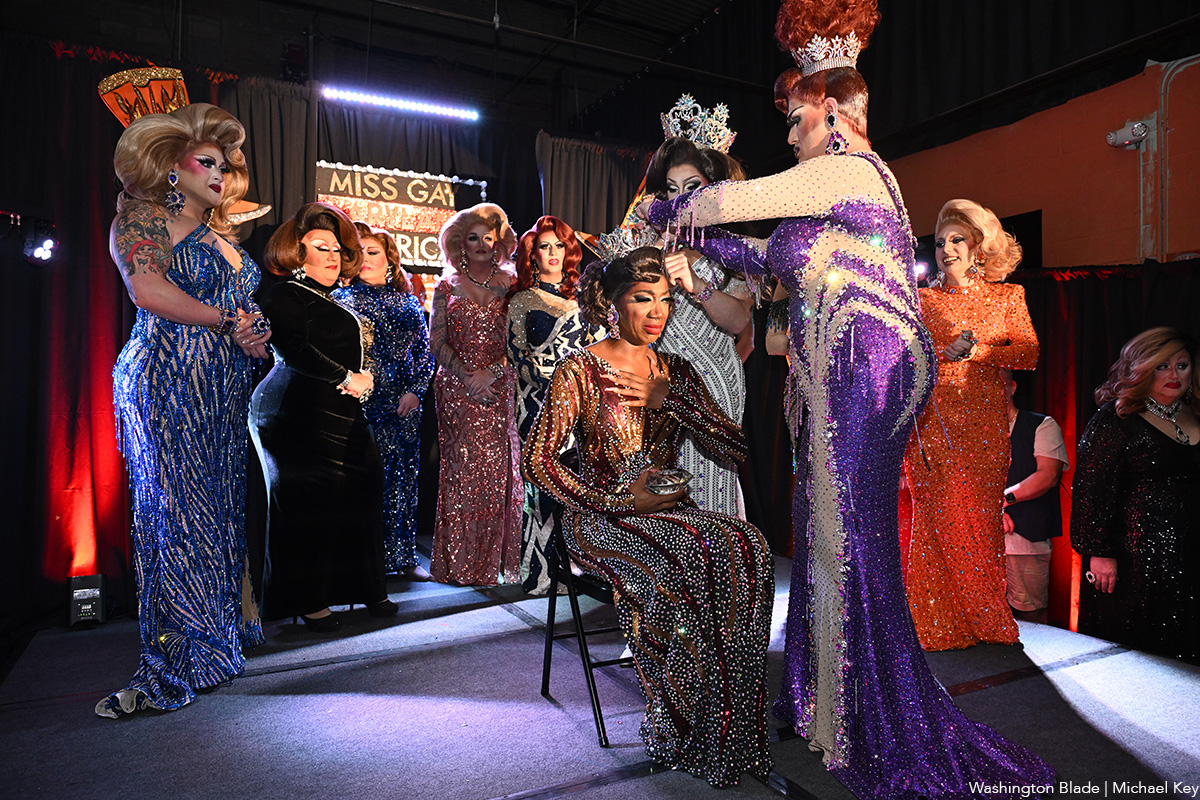
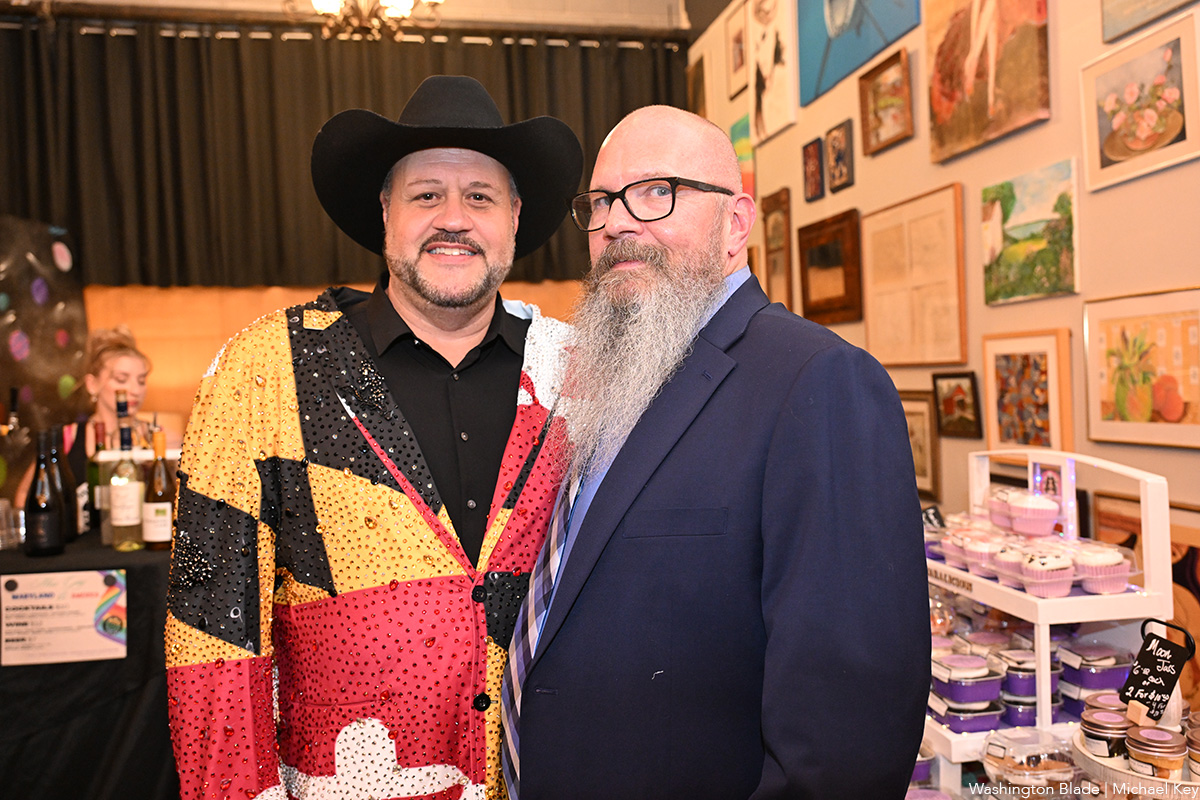
The 2026 Miss Gay Maryland America pageant was held at Hub City Brewery in Hagerstown, Md. on Saturday, Oct. 10. Jalah Nicole was crowned the winner, and Maria Posa was named first alternate. Both competitors qualify for the Miss Gay America pageant in Atlanta in January.
(Washington Blade photos by Michael Key)


Arts & Entertainment
Horror genre has evolved into space to explore queer identity
Forbidden love among topics explored

Spooky season is here, making it a fantastic time to talk about queerness and horror. More precisely, it’s a chance to explore how the horror genre emerged and transformed our perspective on queer identity.
Horror is far more political than most people realize.
Personally, if sci-fi was the genre that helped me understand what it feels like to be different, it was horror that truly allowed me to explore queer relationships and queer rage.
Let’s dive into how horror as a book genre has evolved — moving from portraying queer and transgender identities as monstrous threats to becoming a space where queer people can process our own fears, rage, sexuality, and trauma: from the deeply queer undercurrents of vampire fiction to the liberating “monstrosity” of trans rage.
The ‘monstrosity’ of transness
It’s 2026, so let’s begin with the elephant in the room — or rather, the biggest conservative scapegoat in our community (thanks for actual political monsters). But trigger warning: trauma crawls to the surface like a monster breaking through.
Imagine two scenes:
Fifteen-year-old me, a trans teenager who didn’t yet know they were trans, was reading Thomas Harris’s “The Silence of the Lambs” (1988) for the first time (yes, for me it was first the book, then the movie.) I “encountered” Buffalo Bill, a serial killer who used human skin to make a female costume because he wanted to be a woman. How did I feel? Cringed out, humiliated, and even more determined to hide. And I wasn’t yet permitted myself to think that I’m trans, but I felt terrible without knowing why. It was one more message from mass culture: if you think you belong to a gender different from the one assigned to you at birth, you are a “psycho.” The intersection of ableism and transphobia is striking in stories like this. People with mental illnesses, who in real life are much more often victims than aggressors, are portrayed as dangerous to society, while transness is presented as a mental illness.
Now imagine an adult me, a couple of years after coming out as trans, reading Andrew Joseph White’s young adult horror novel “Hell Follows with Us” (2022). It portrayed actual monsters and a trans boy, Benji, turned into a monster by his cultist family. I felt joy and sympathy for Benji, who stood up against the apocalyptic cult that destroyed humanity, despite his parents raising him to destroy what was left of the human race. His trans rage and rebellion felt justified, and the main character never felt like a pathetic freak.
This is the main difference between classical portrayals of trans people in horror and the changes made by trans authors and creators reclaiming the genre.
When Harris wrote “The Silence of the Lambs” and Jonathan Demme directed the movie (1991), the story made it clear that Buffalo Bill was not a “real” trans person and that real trans people were harmless. But this raises an important question: how can we decide who is a “real” trans person and who isn’t if someone’s gender identity differs from the one assigned to them at birth? The trope of an aggressive, perverse person who “wants to be a woman” has existed throughout modern fiction, with the “Psycho” (1960) movie being another famous example, that stigmatizes cross-dressing and gender non-conformity and, by association, trans women.
Aggressive trans characters and trans characters in serial-killer fiction have every right to exist. White’s young adult horror novel “You’re No Better” (2026), which is coming out this October, features a trans autistic boy trying to prove that he is nothing like his famous serial-killer father. There is also the transgender novel “Manhunt” (2022), featuring two trans women, Beth and Fran, who survive by hunting men transformed into monsters.
Honestly, I’m currently querying a vampire novel with a trans teenager who runs from his transphobic MAGA family and has literally become a monster, so it would be hypocritical of me to object to controversial or monstrous trans characters. They can be violent — but not because they are trans. They can be driven to become monsters by society, but not because of their supposed “perversion.”
Trans horror written by trans and trans-friendly authors can help process rage and alienation. Many trans horror authors reclaim the label of “monstrosity” without turning their characters into caricatures, perverted villains, or pathetic creatures, as often happened in more classical, cis-hetero normative horror.
Queer romance and forbidden love
For me, “The Vampire Chronicles” by Anne Rice was my first introduction to non-judgmental, queer-centered fiction as a teenager. As Rice famously observed, all her vampires are bisexual, and it was remarkably brave to publish books in the 1970s and 1980s where queer families, desire, and drama were simply part of the plot without any silly sensationalism. The 1994 film adaptation of “Interview with the Vampire” was the movie through which many people I knew who weren’t into queer stories first saw these dynamics onscreen. And the new AMC’s “Interview with the Vampire” (2022-current) TV series is, in my opinion, one of the best representations of messy queer relationships between traumatized people, addressing family trauma and the intersection of race and queerness. I recommend it even more than “reality-based” shows such as “Heated Rivalry” or “Queer as Folk.”
Gothic literature has always had a queer undercurrent. From Lord Byron’s homoerotic image of the undead to the lesbian desire of “Carmilla” and the obsessive relationships surrounding “Dracula” (book published in 1897), vampires have long been associated with forbidden desire, sexuality, and relationships outside social norms. “Carmilla,” published in 1872 by Joseph Sheridan Le Fanu, still resonates with the lesbian community today. “Carmilla” is unapologetically queer, declaring romantic passion for the human woman Laura without hiding her desires. Of course, “Carmilla” is literally a monster — but how else could an author write a forbidden queer love story in 1872?
New retellings of “Dracula” and “Carmilla” have become even more increasingly queer. Kat Dunn’s “The Hungerstone” (2025) is a sapphic story about feminine agency and the relationship between Carmilla and Lenore, a bisexual British woman in Industrial-era Sheffield, framed around sapphic emancipation and forbidden love. “Dracula” has also inspired plenty of retellings, most notably S. T. Gibson’s “A Dowry of Blood” (2021) — an explicitly polyamorous, bisexual retelling told from the perspective of one of his brides. It explores abuse and the importance of breaking codependency in queer relationships — a topic underrepresented in more “serious” fiction.
Vampires have also become a cross-cultural way to speak about queerness. For example, Dawn Chen’s “A Vampire in Beijing” that will be published in 2027, offers a sapphic story about the modern Chinese queer community and its unique struggles.
Together against the monsters
Another major trope in queer horror is queer people, especially queer youth, fighting monsters together. Those monsters may be supernatural, as in “The Dark We Know” (2024) by Wen-Yi Lee or “This Raging Sea” (2025) by De Elizabeth, where groups of bisexual, queer kids fight side-by-side with an old evil. Ultimately, these external threats represent a conservative society, oppressive stereotypes, and real-world mental health struggles.
Although horror historically mostly exploited queerness for sensationalism — harming real-world queer people in the process — today it has transformed into one of the most effective spaces to explore queer identity and trauma in our own language.
Photos
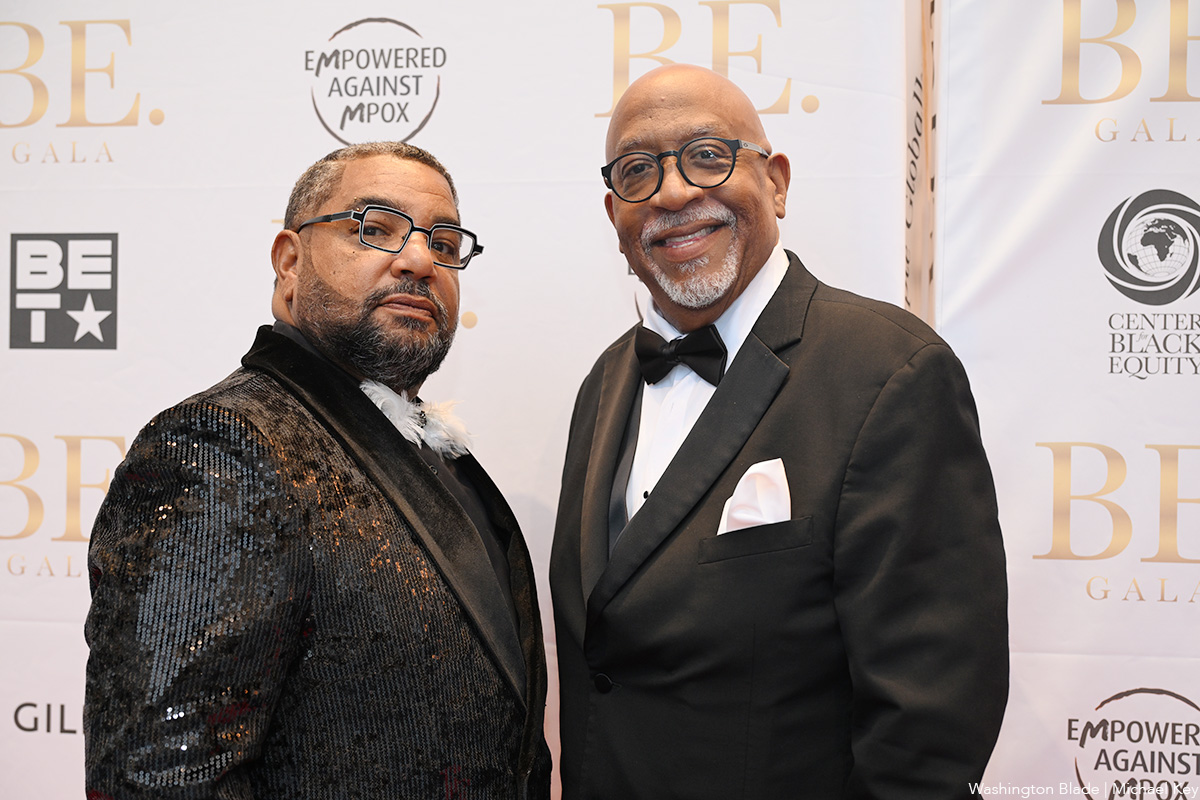
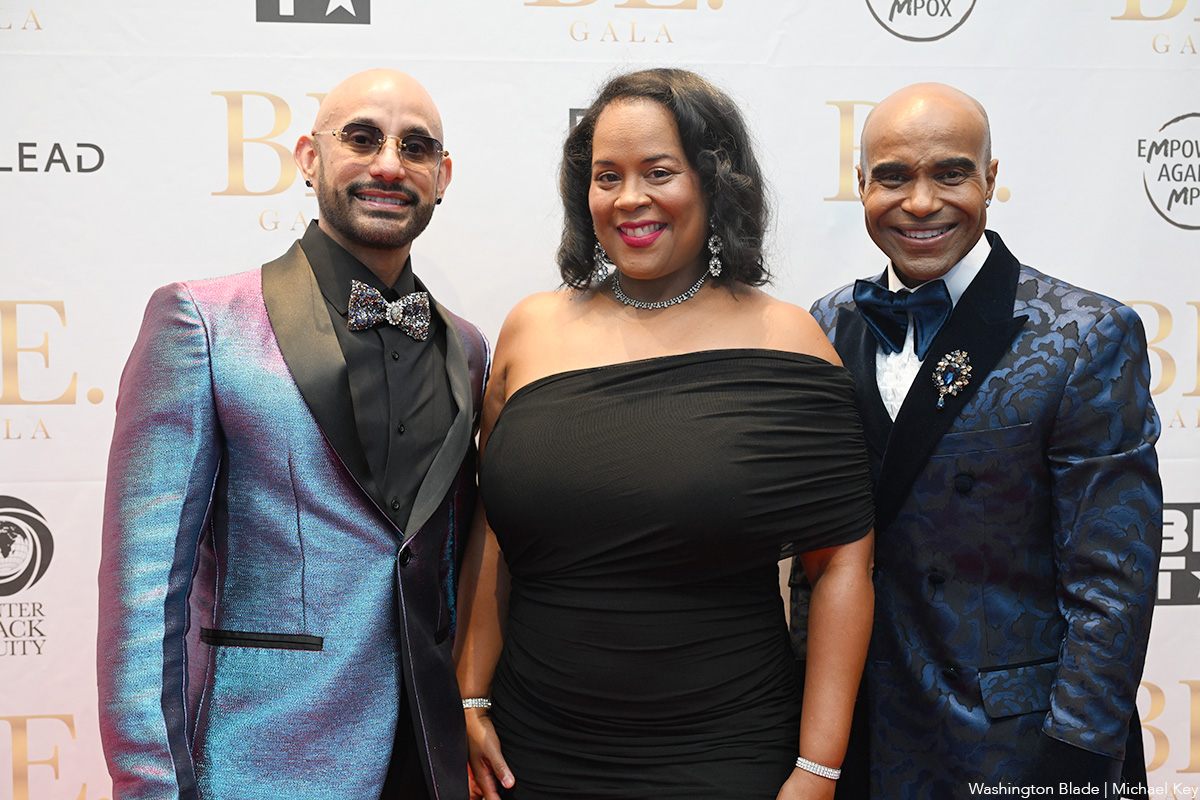
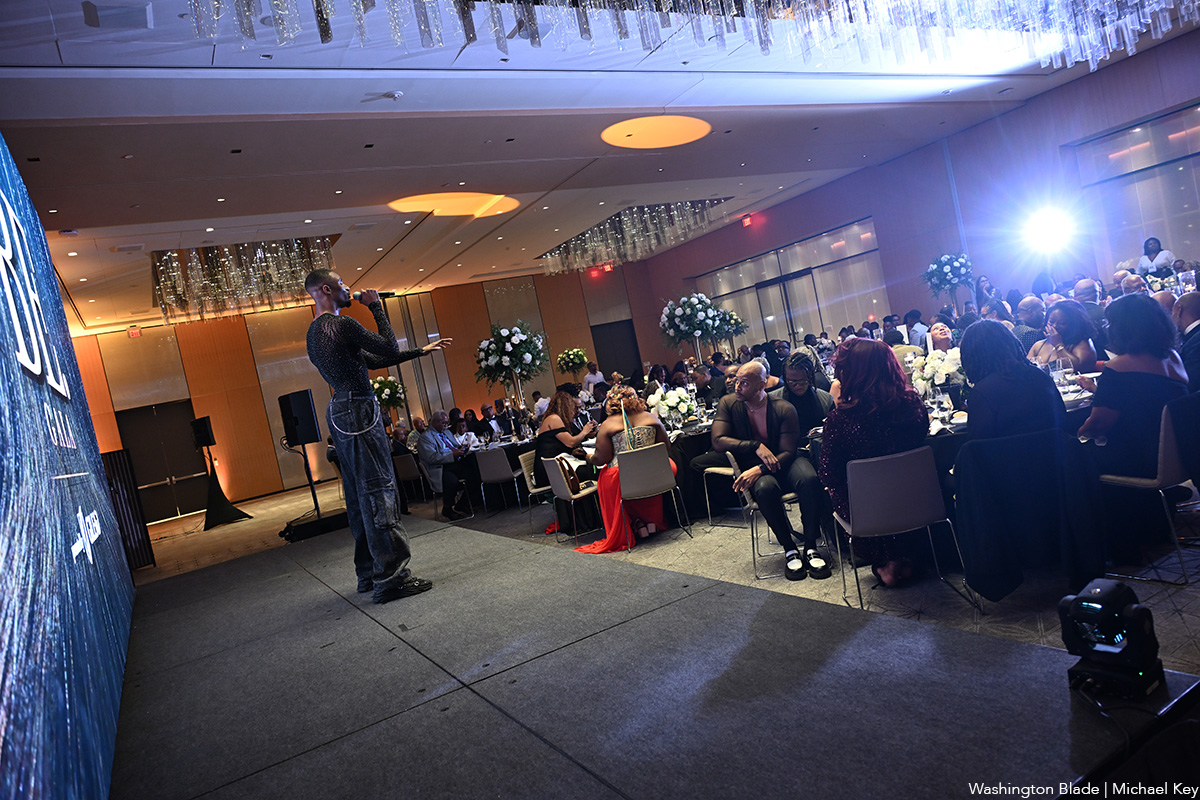
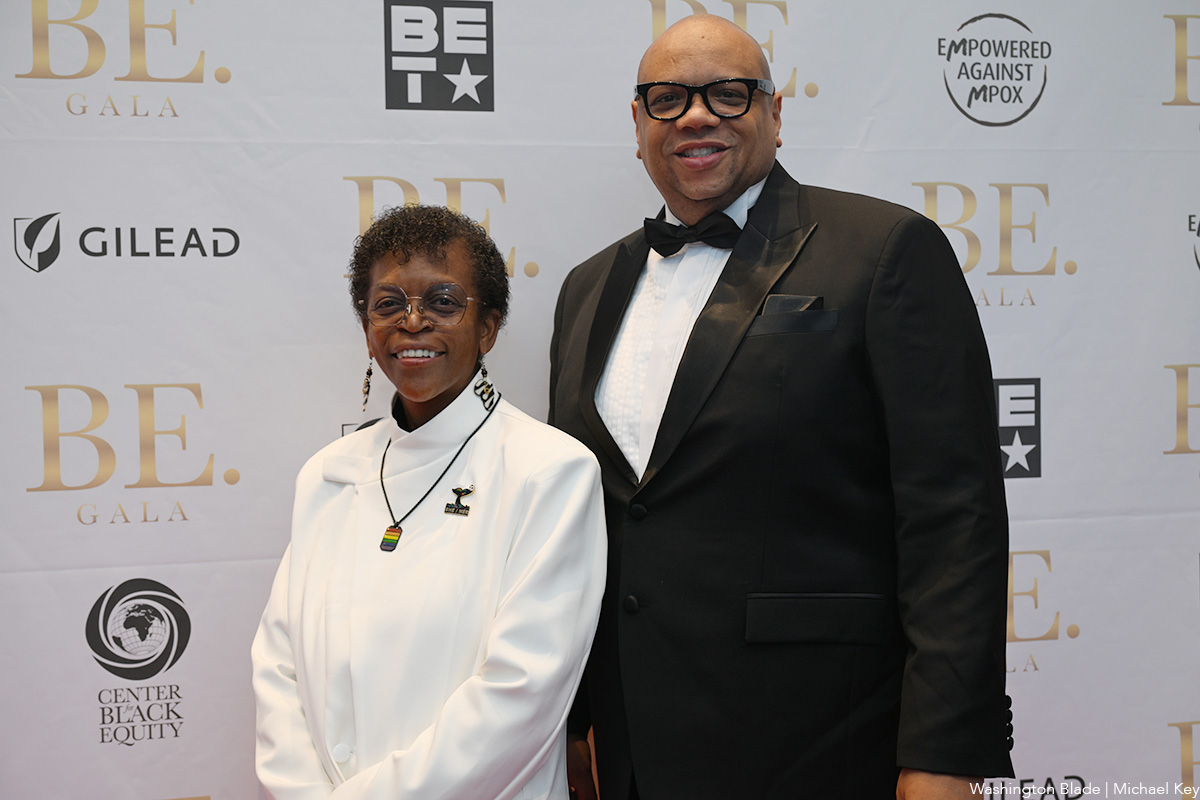
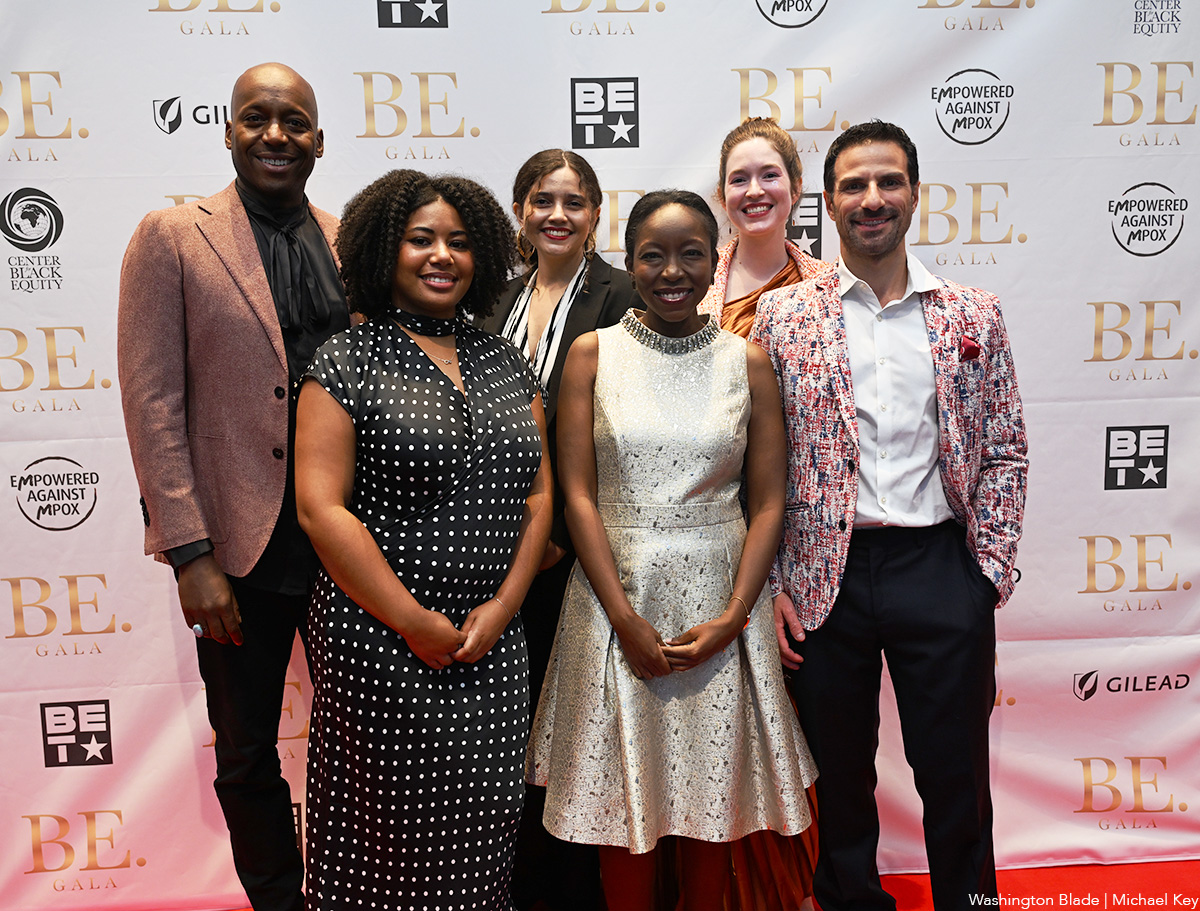
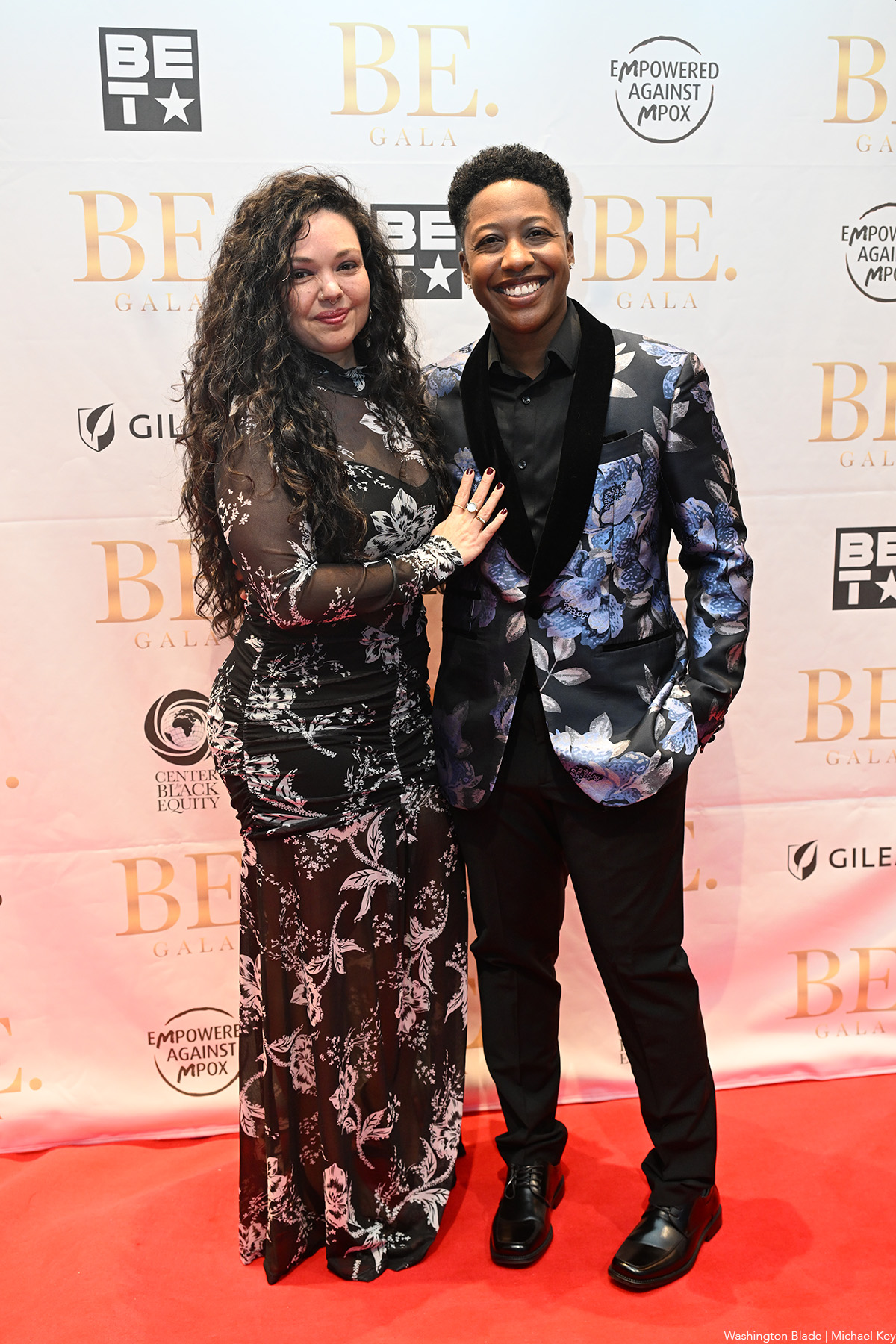
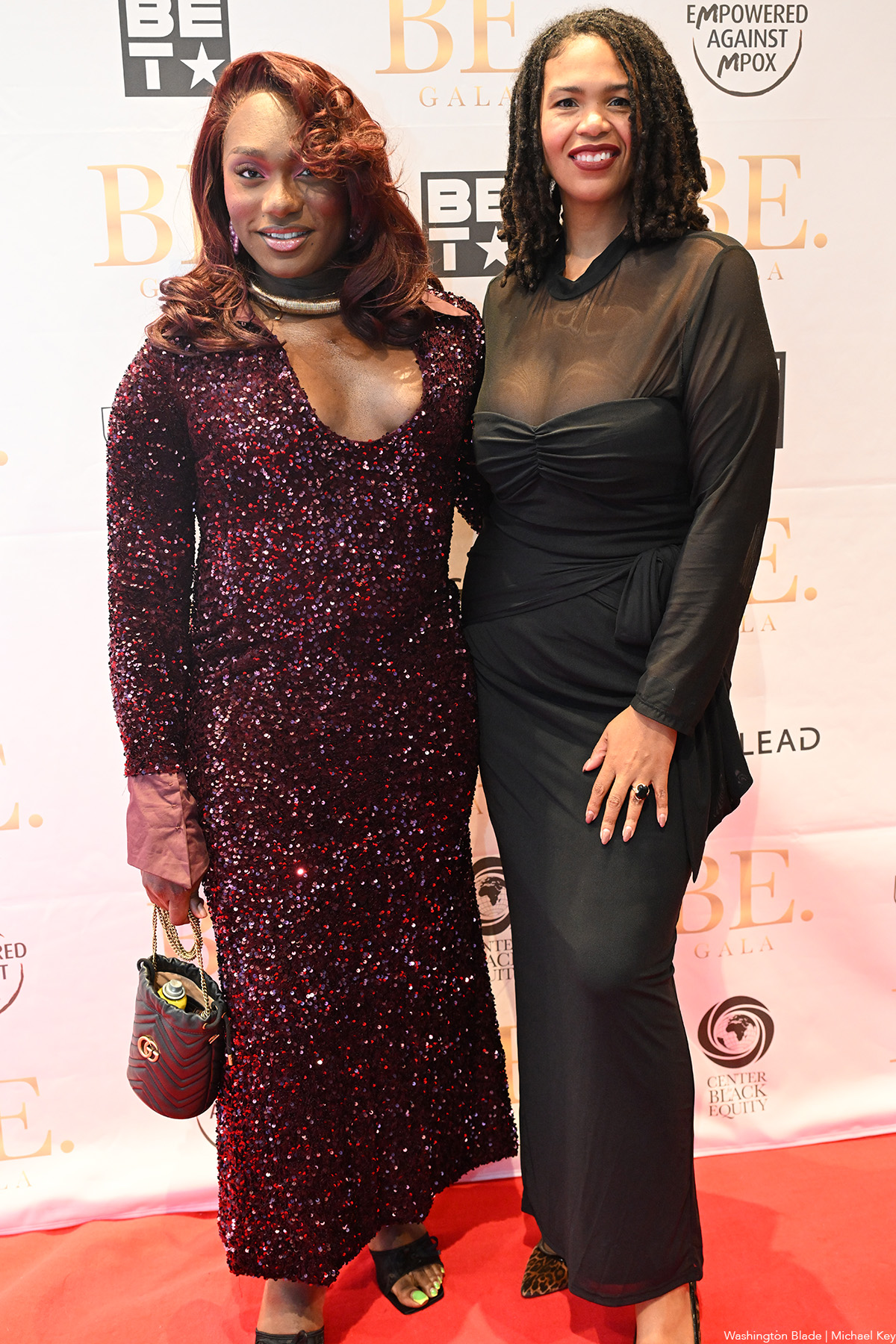
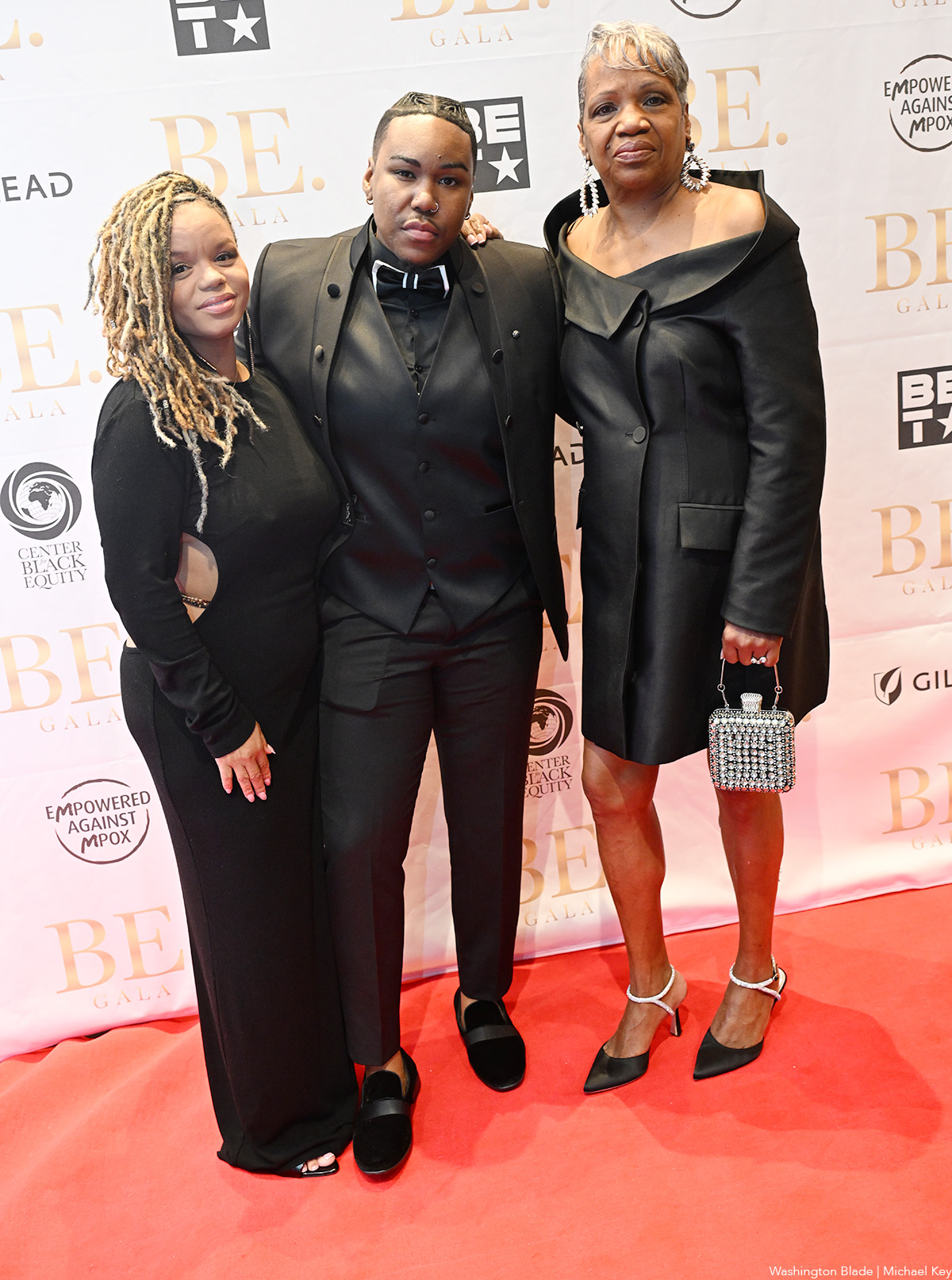
Center for Black Equity honors leaders, activists at BE. Gala
Miyake-Mugler, Oakes co-host annual awards ceremony
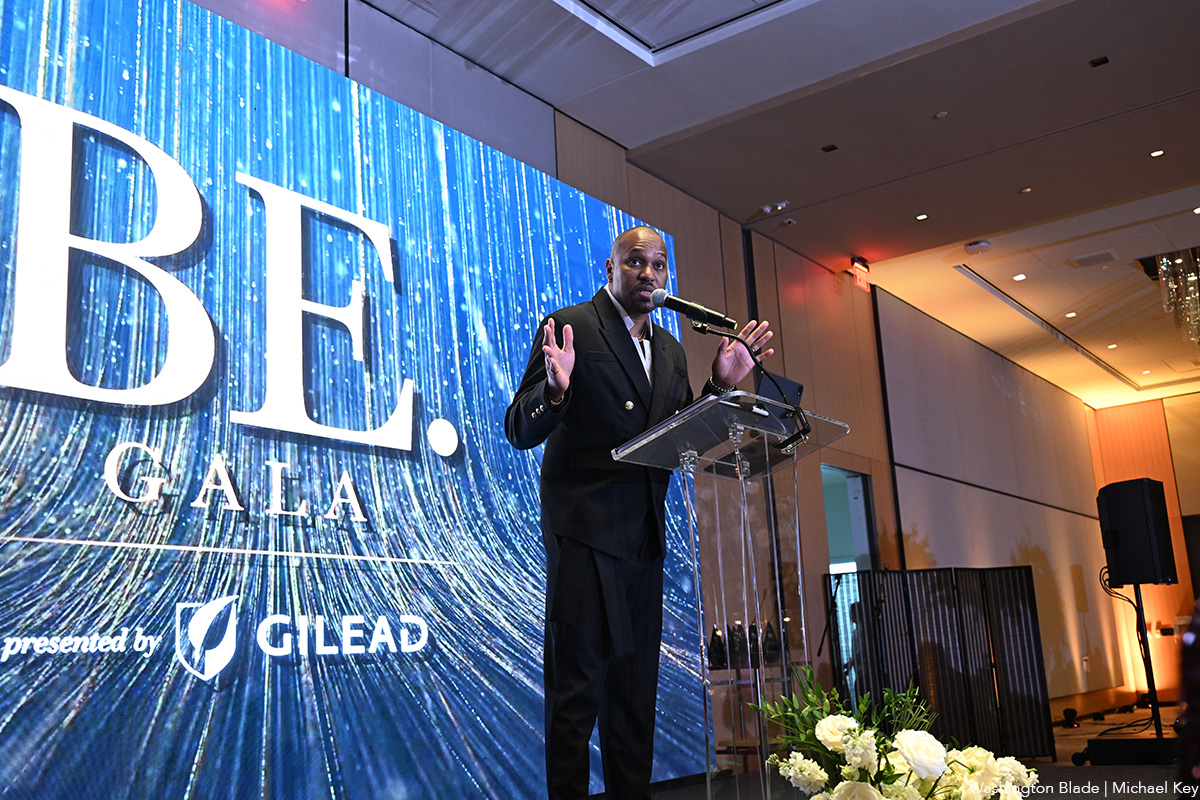
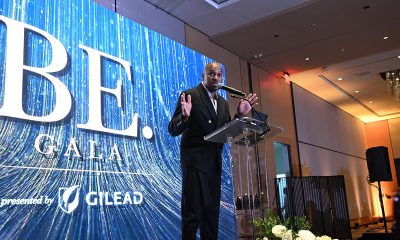
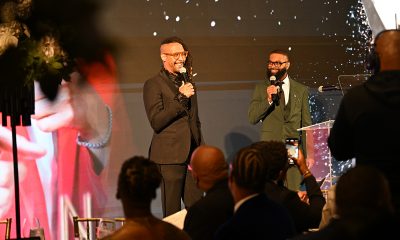
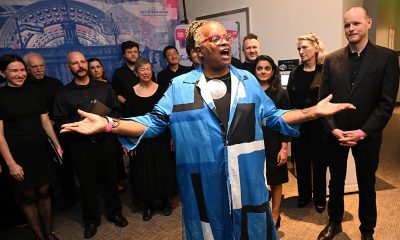
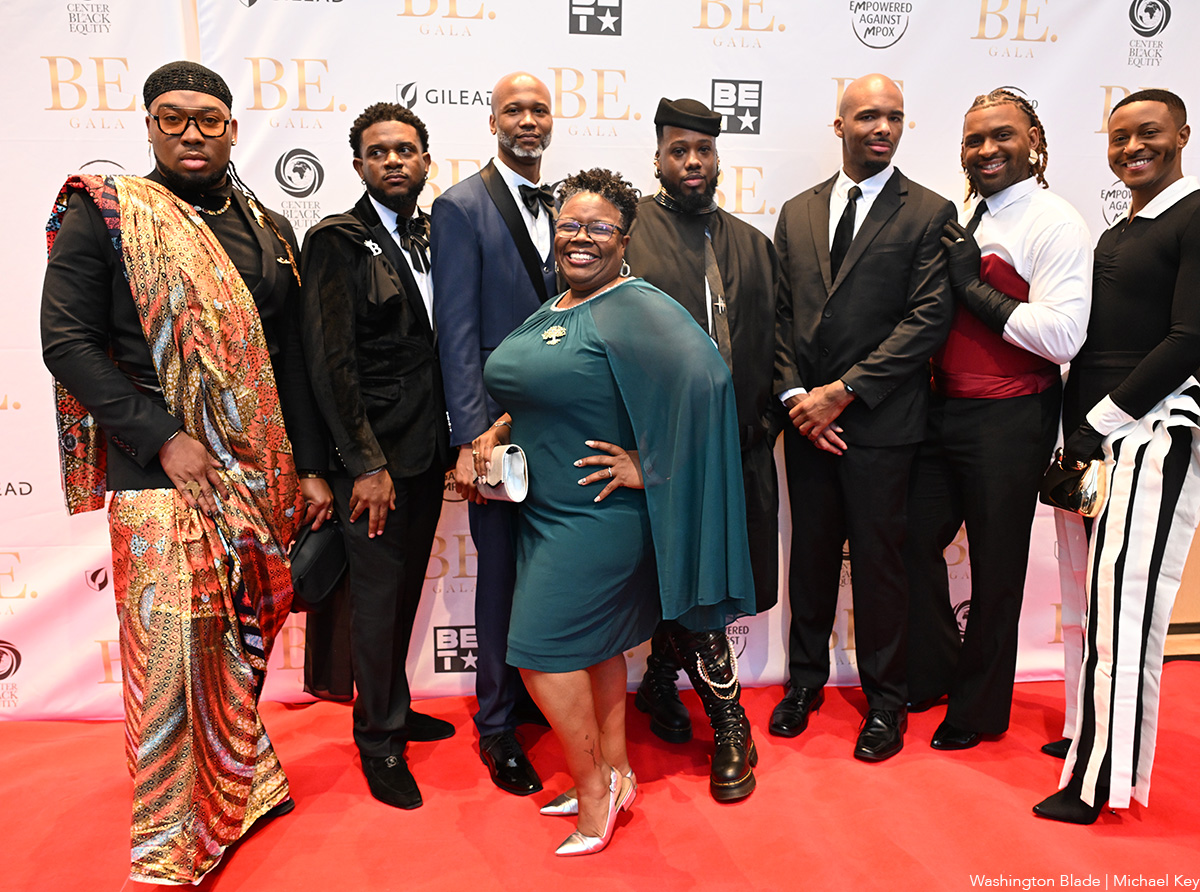
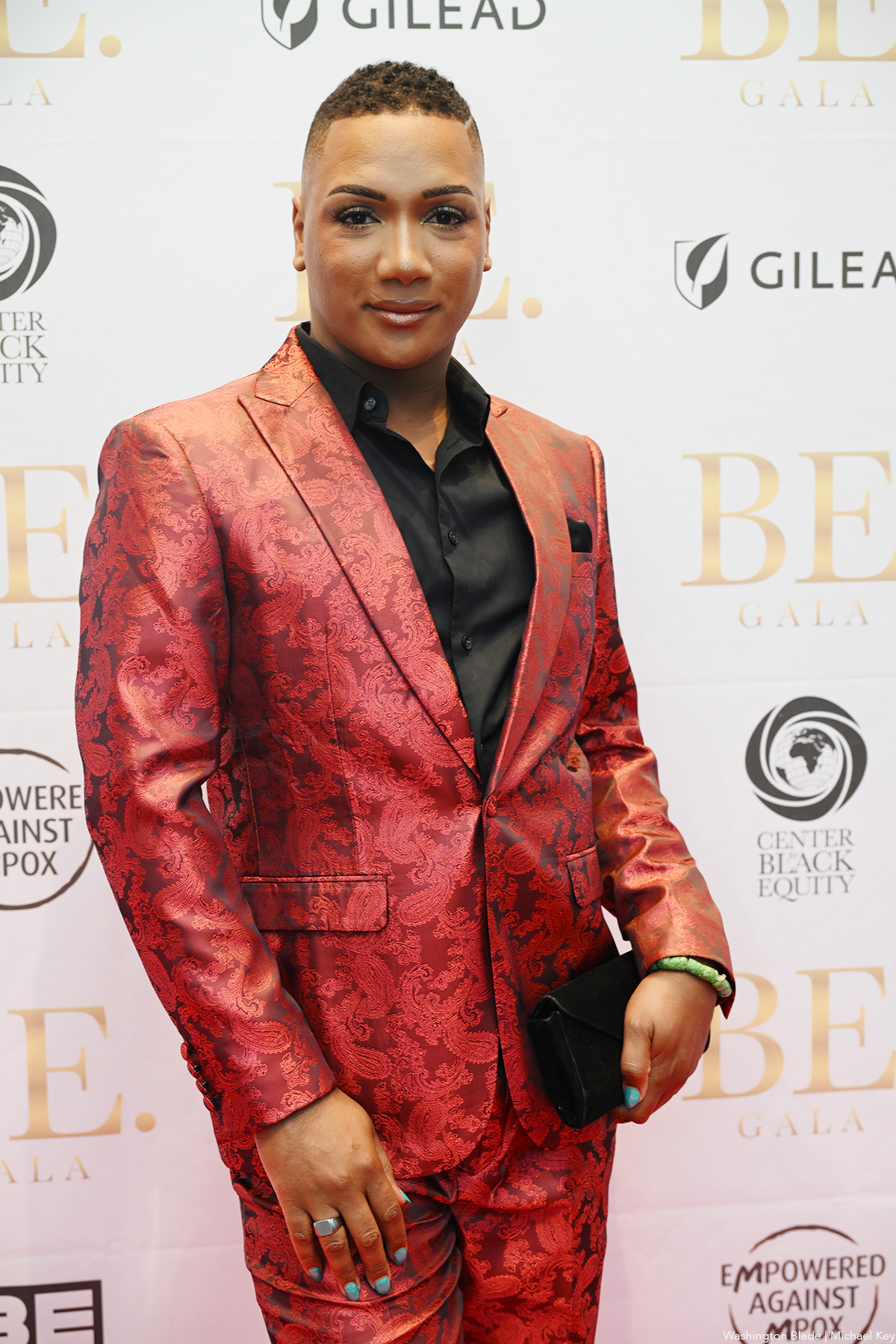
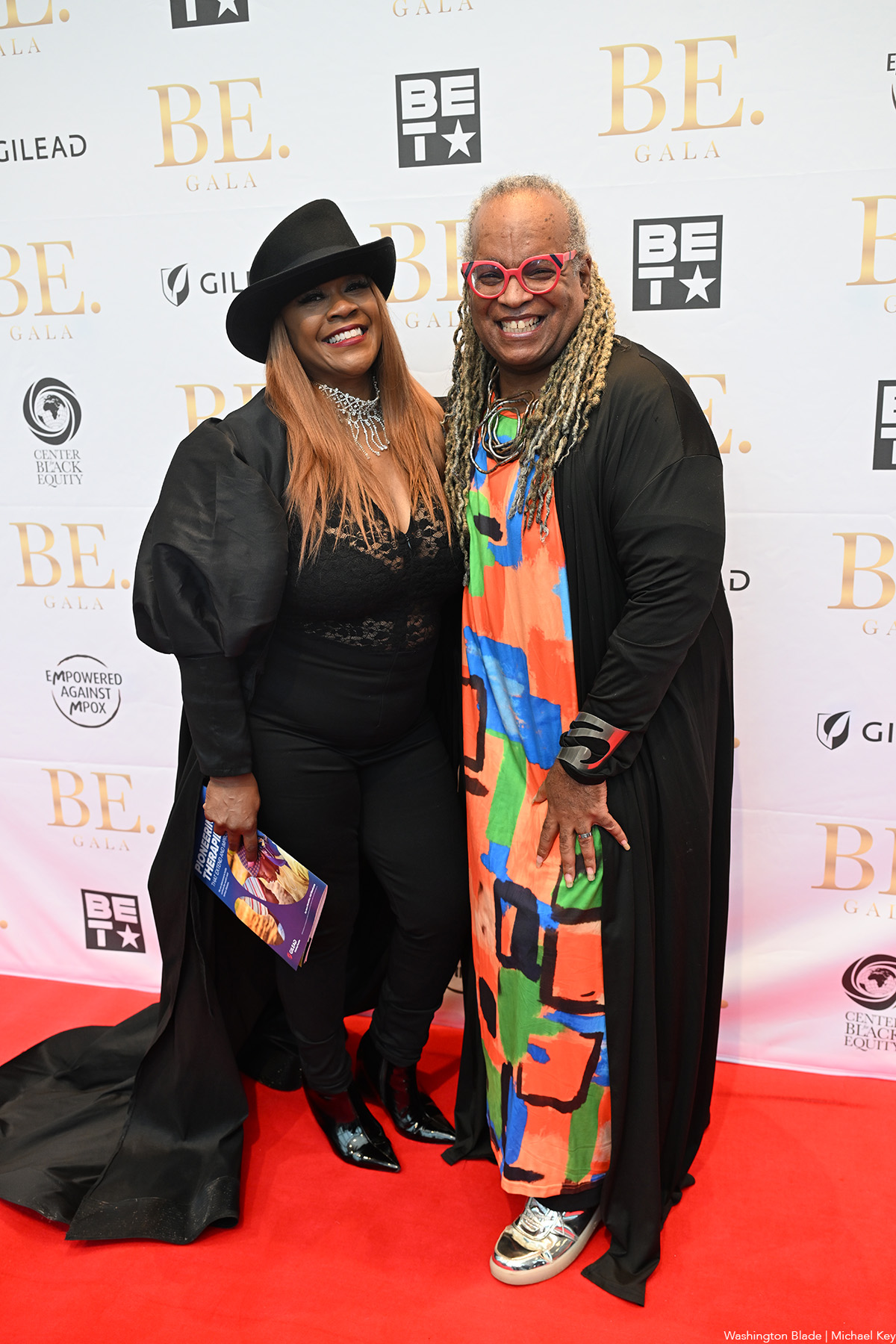
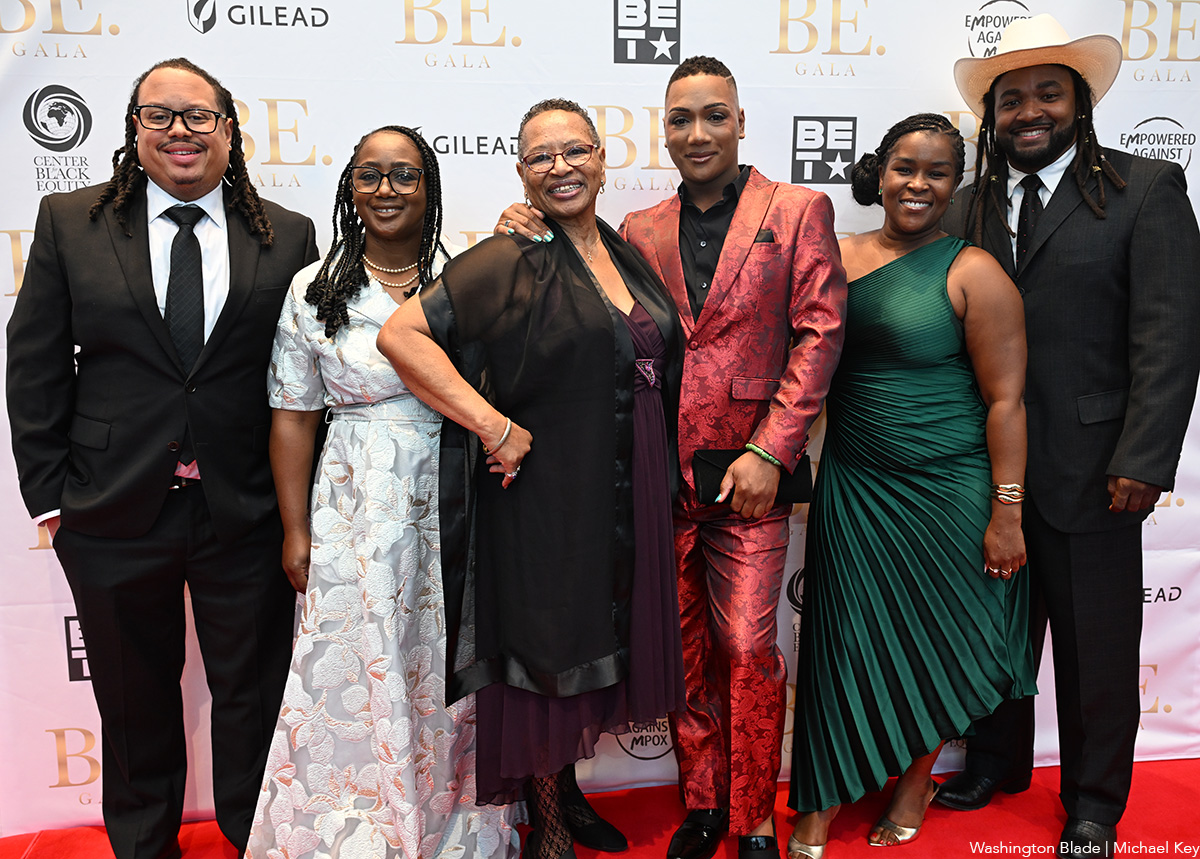
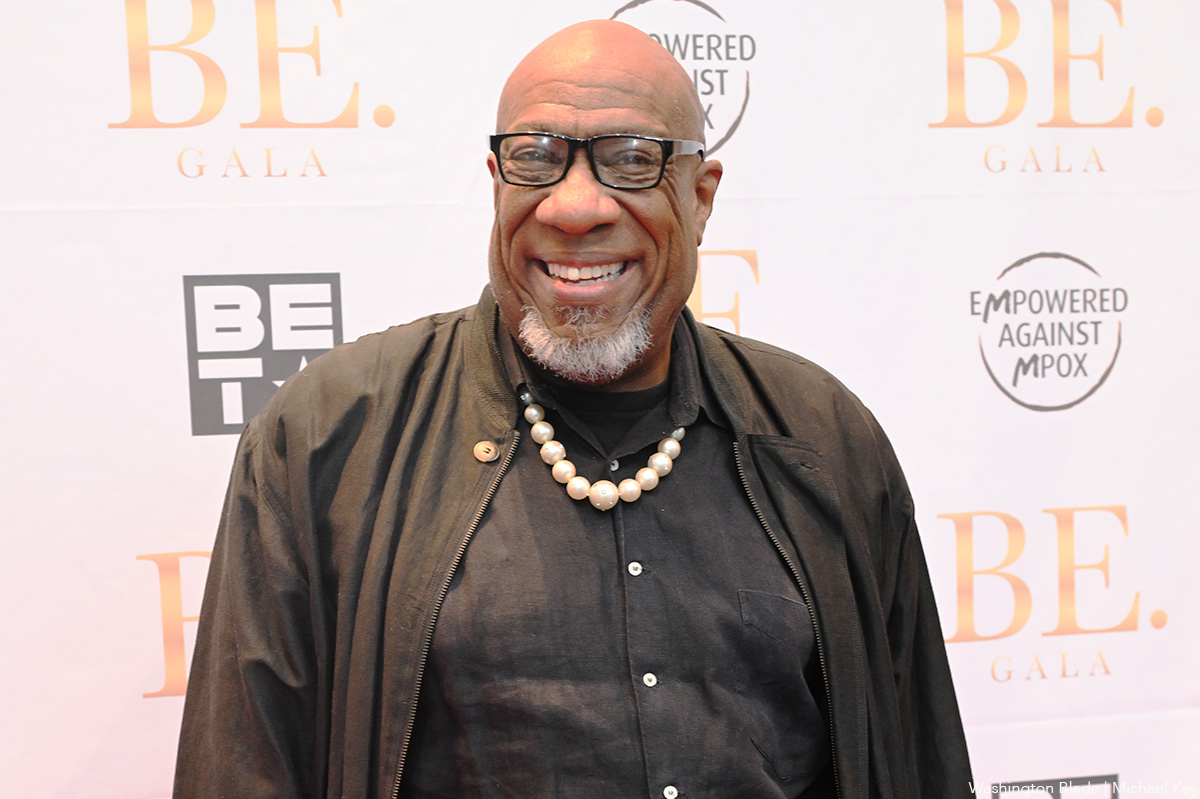
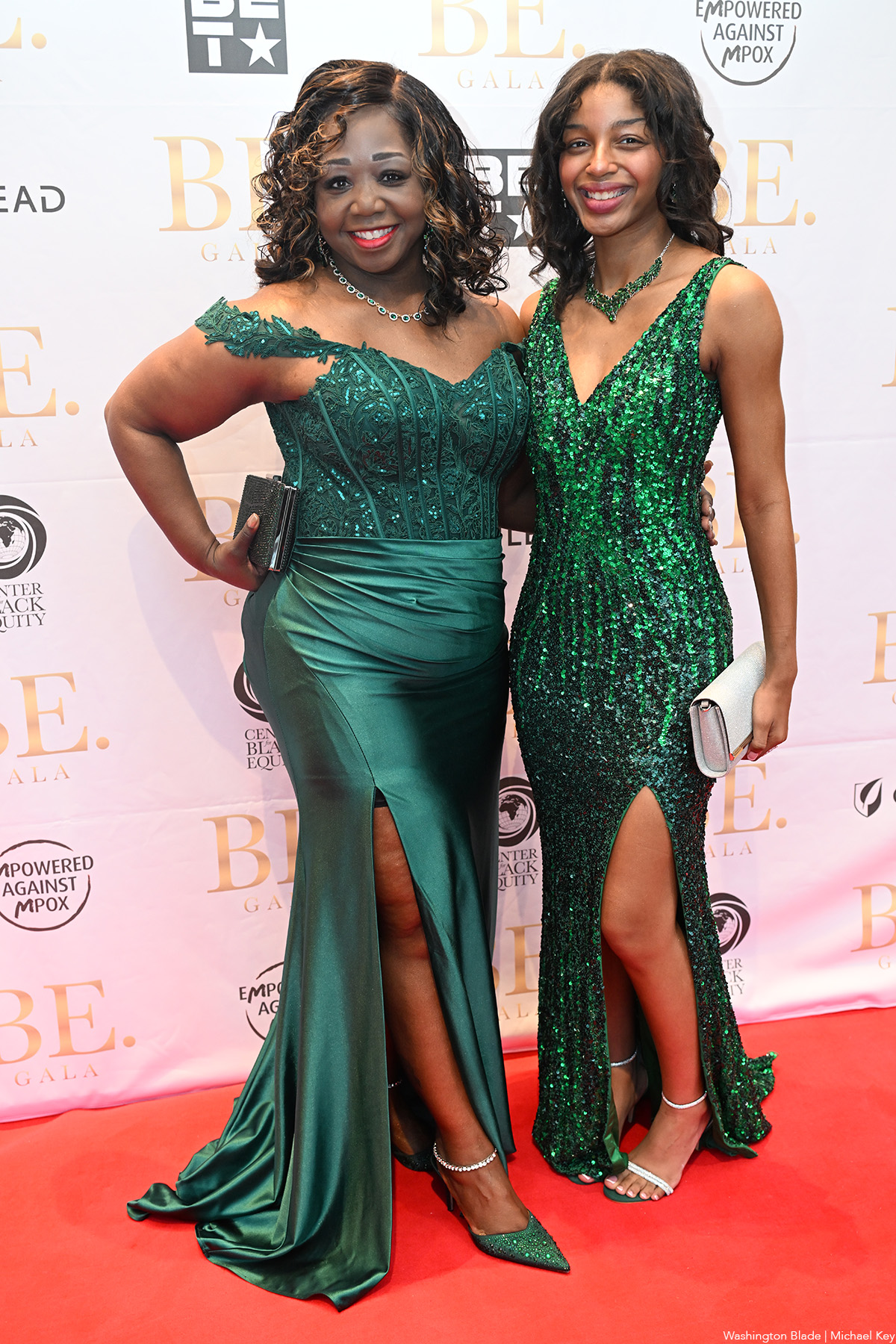
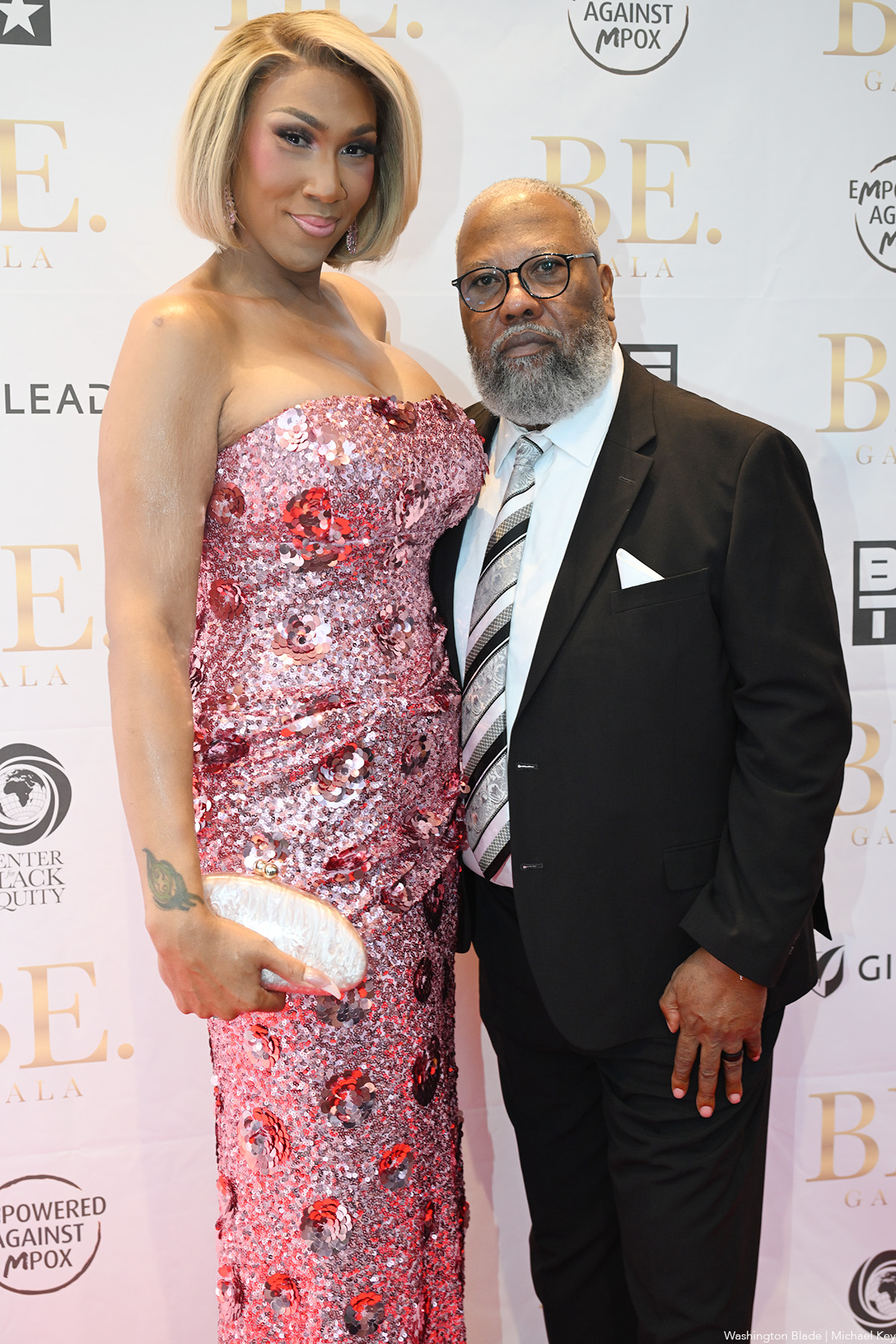
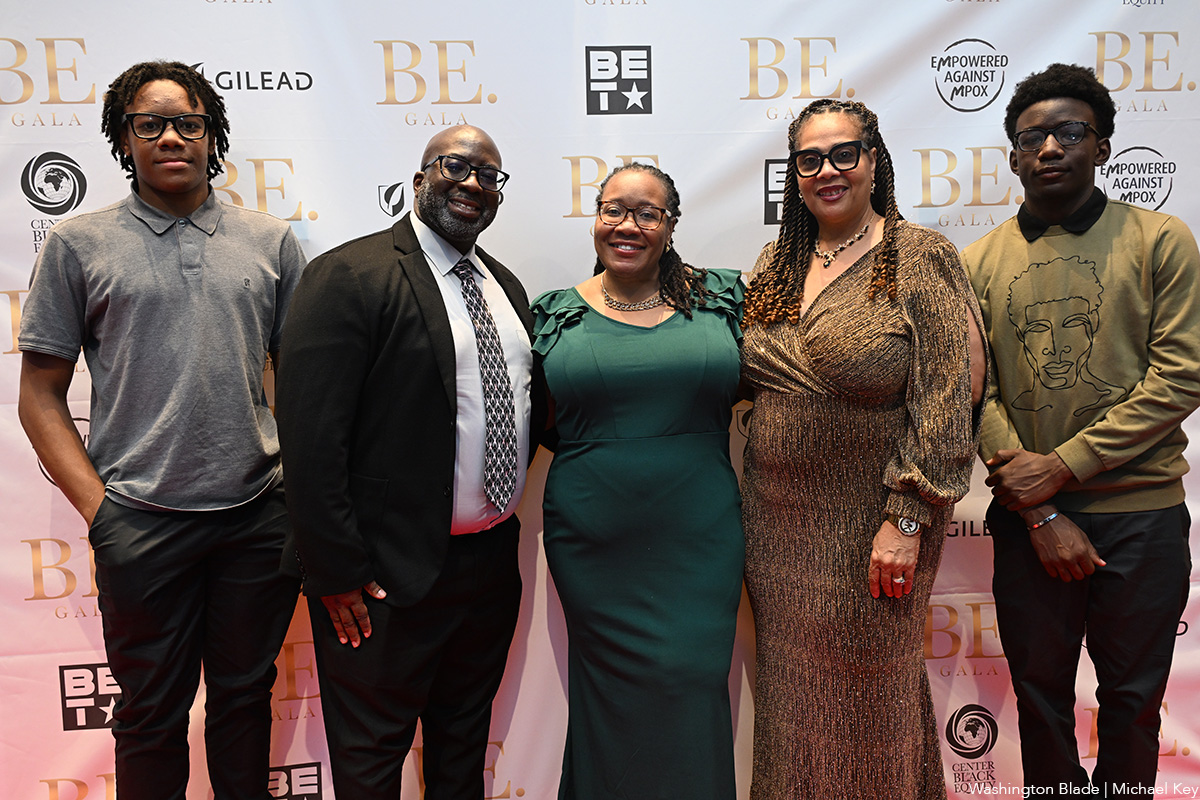
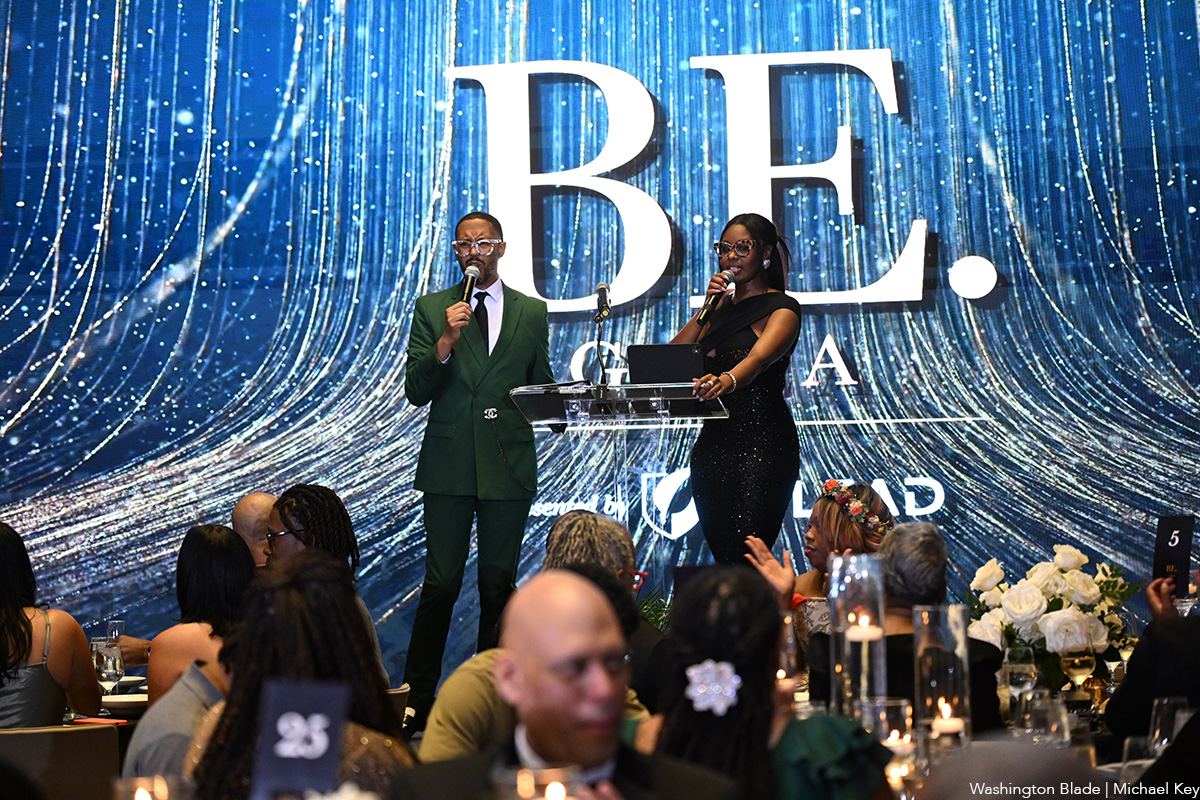
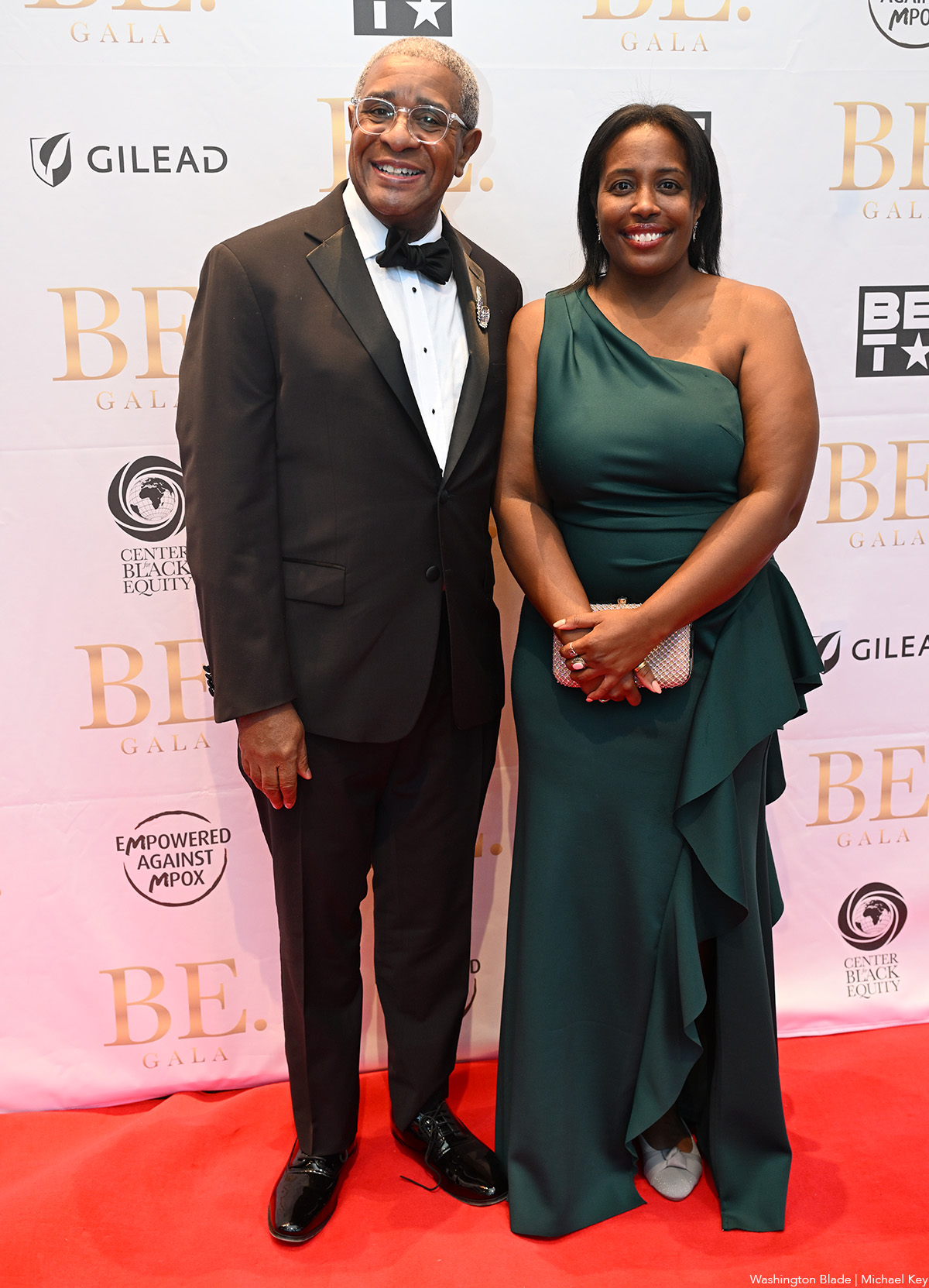
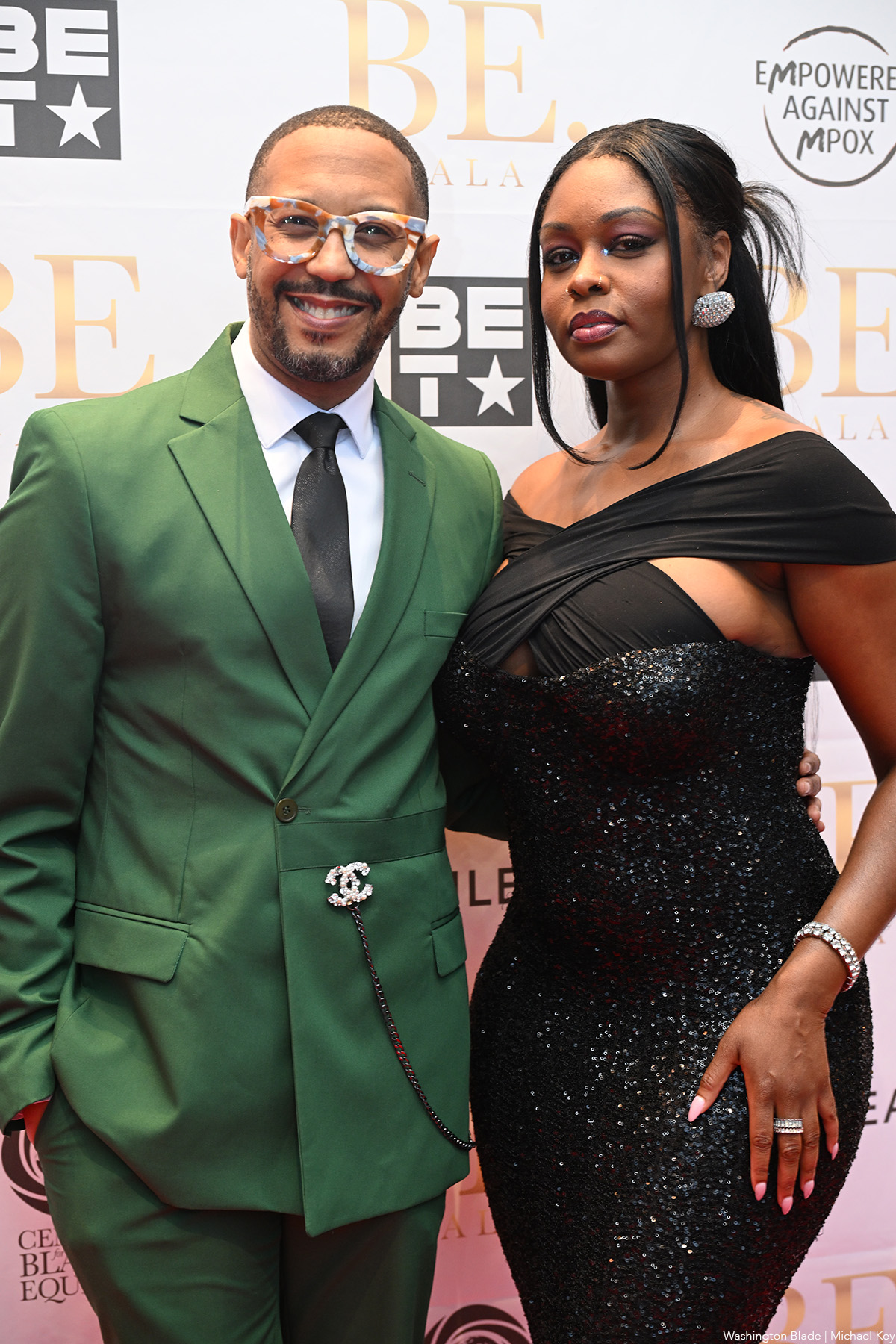
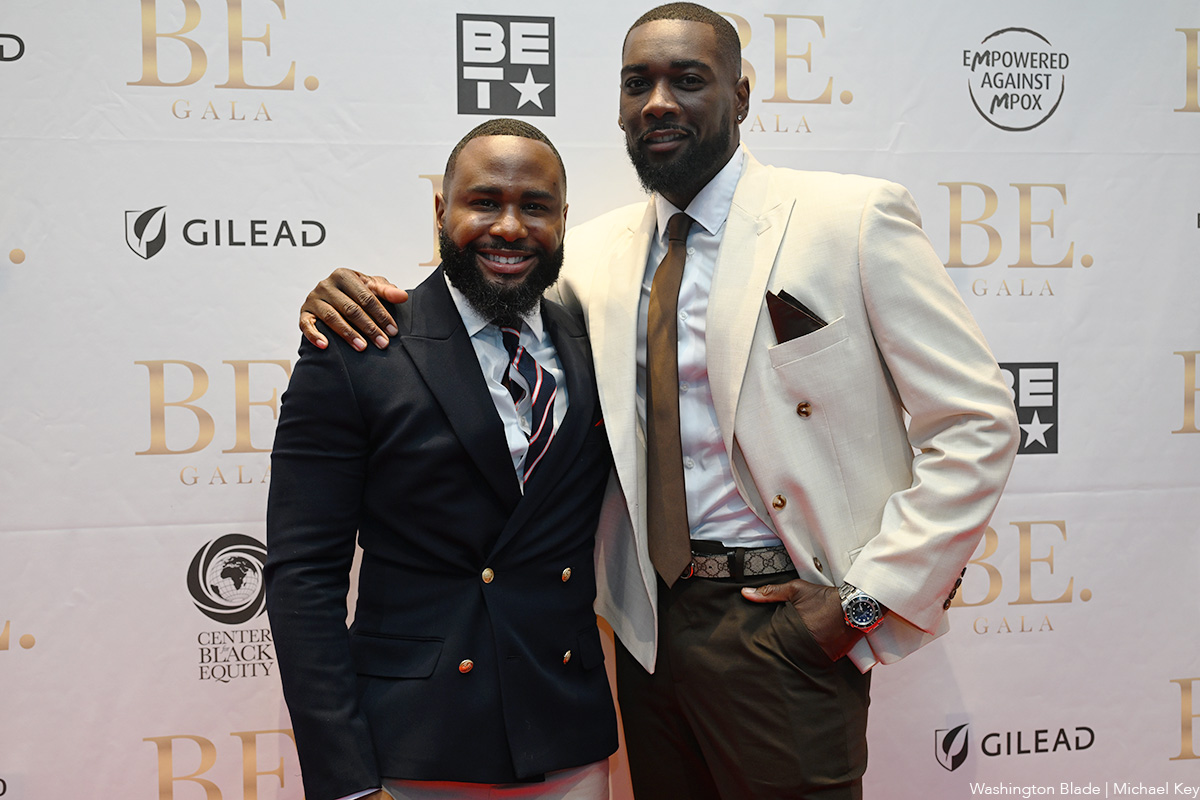
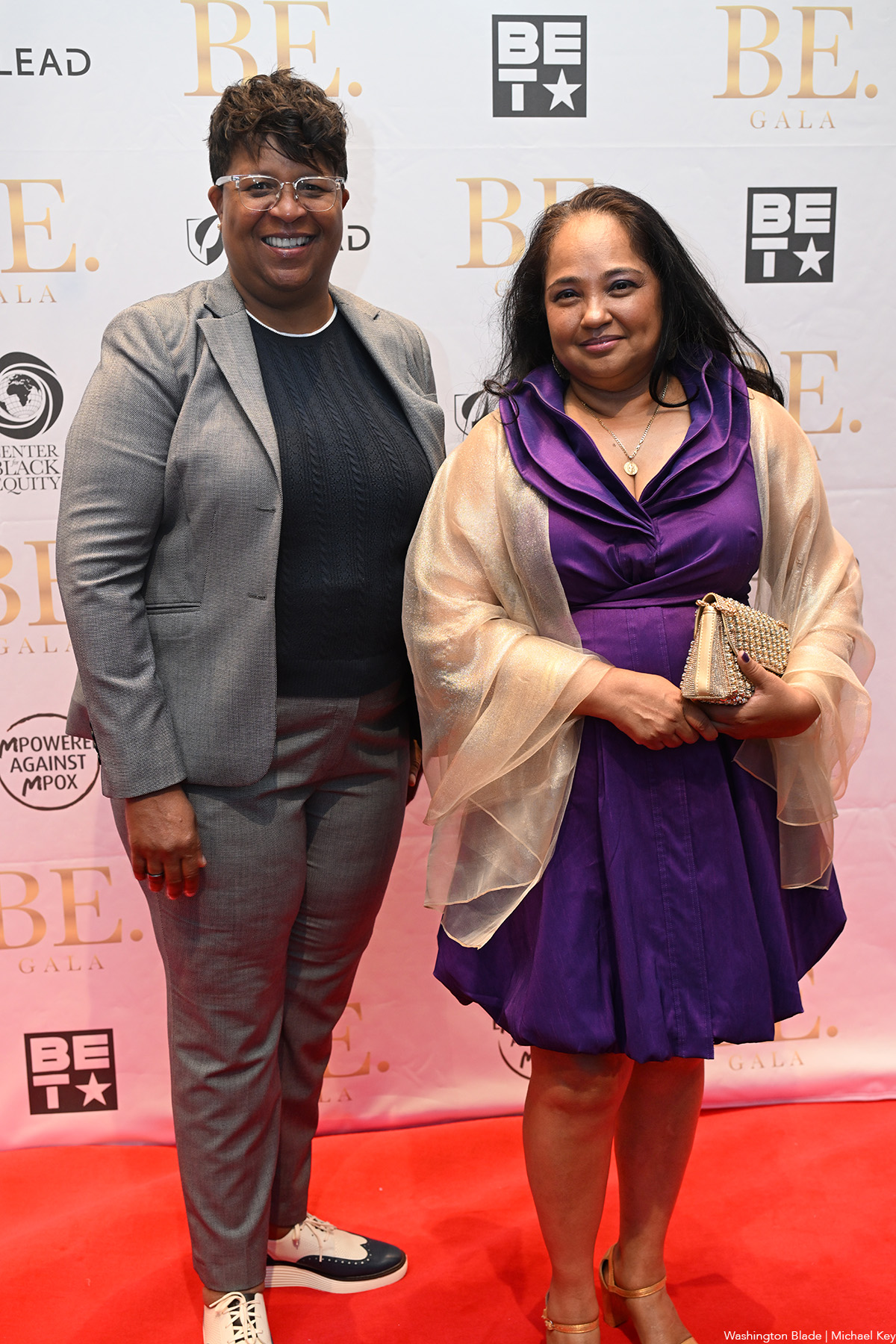
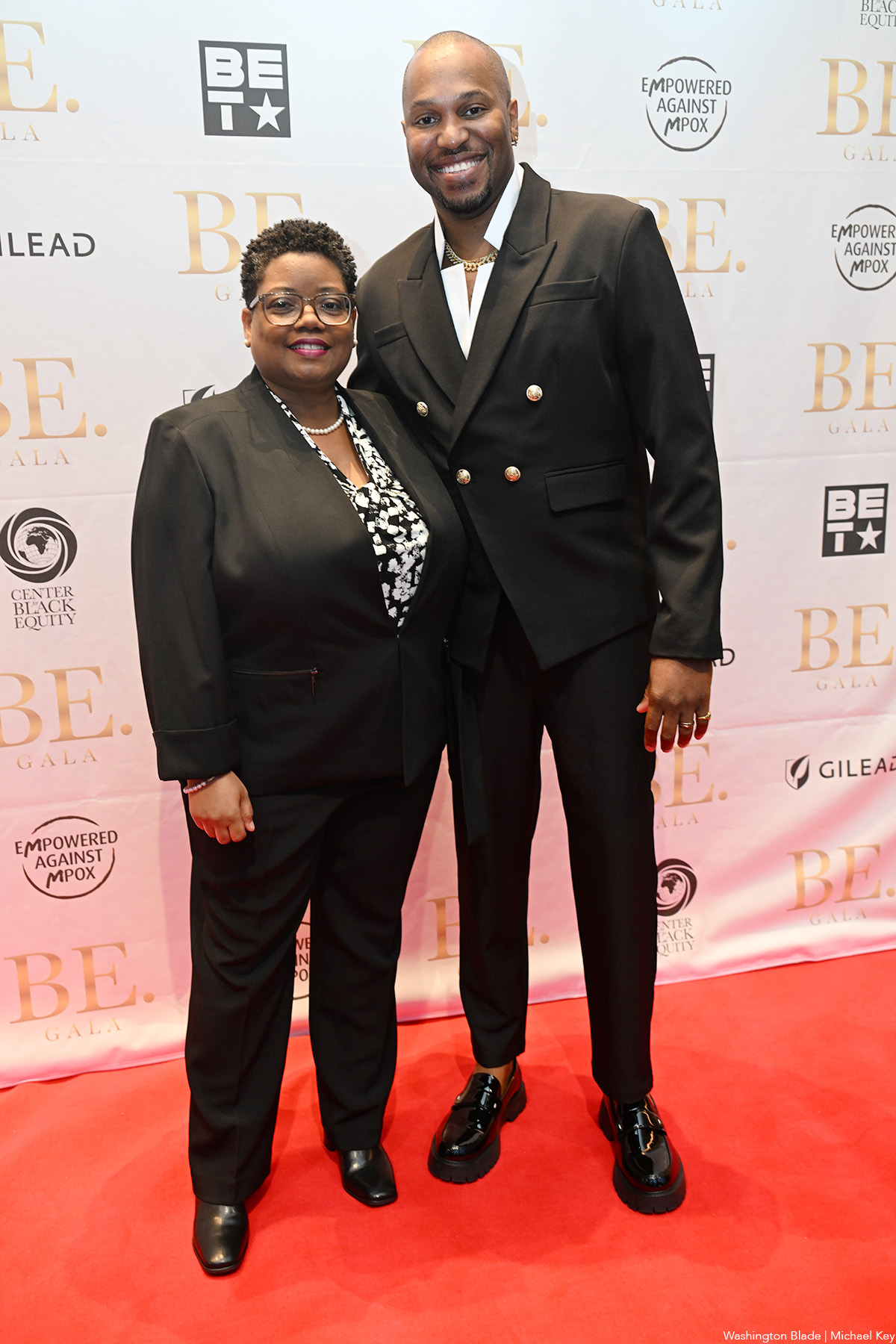
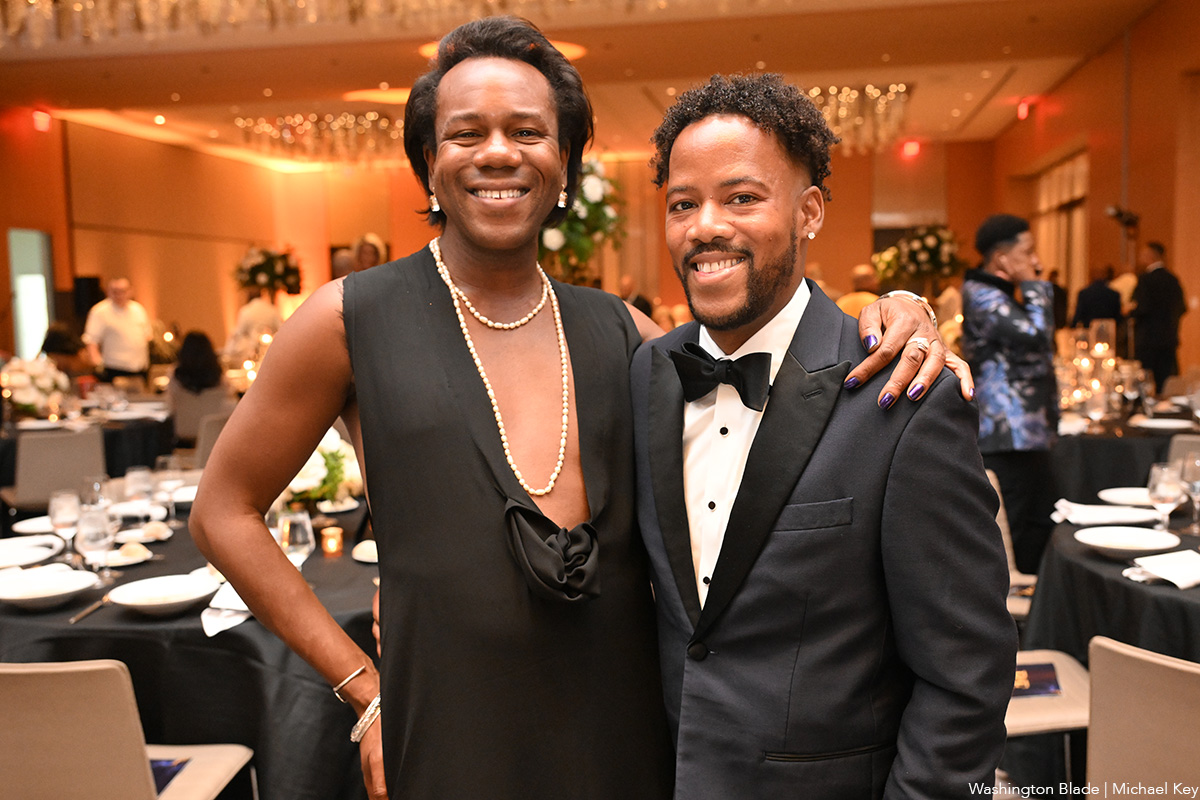
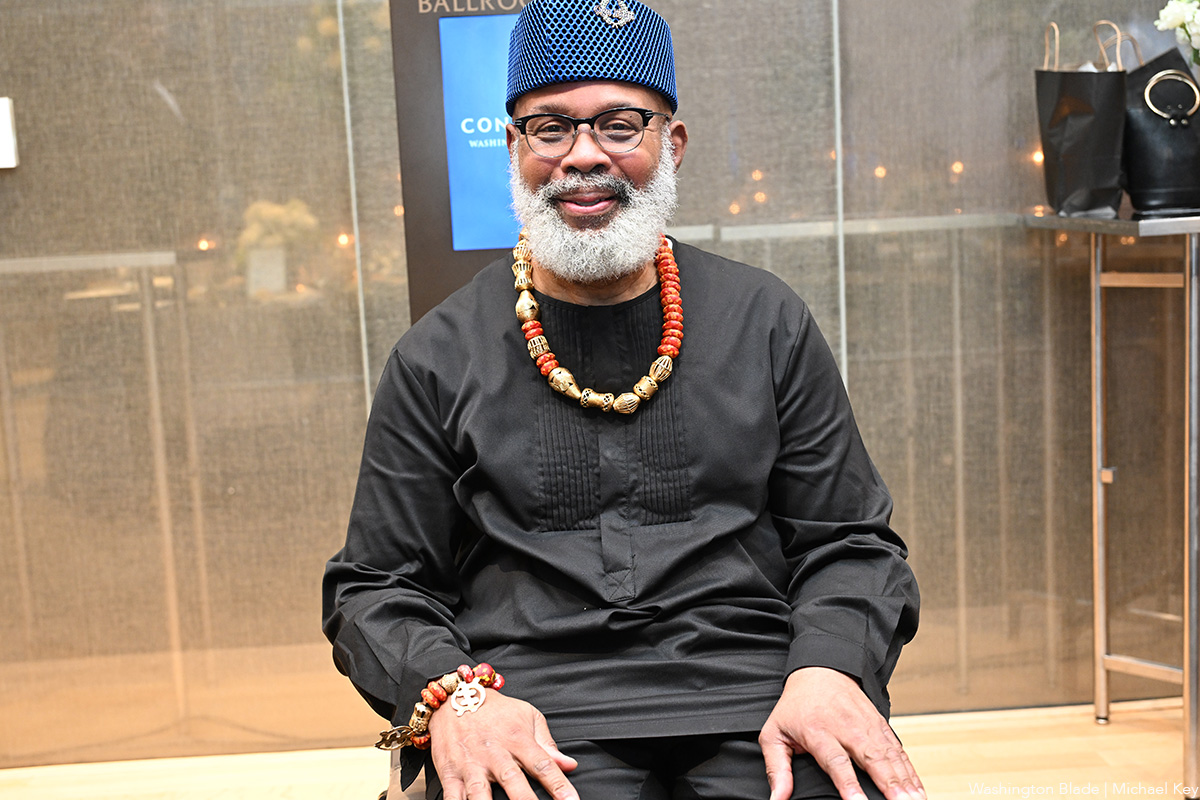
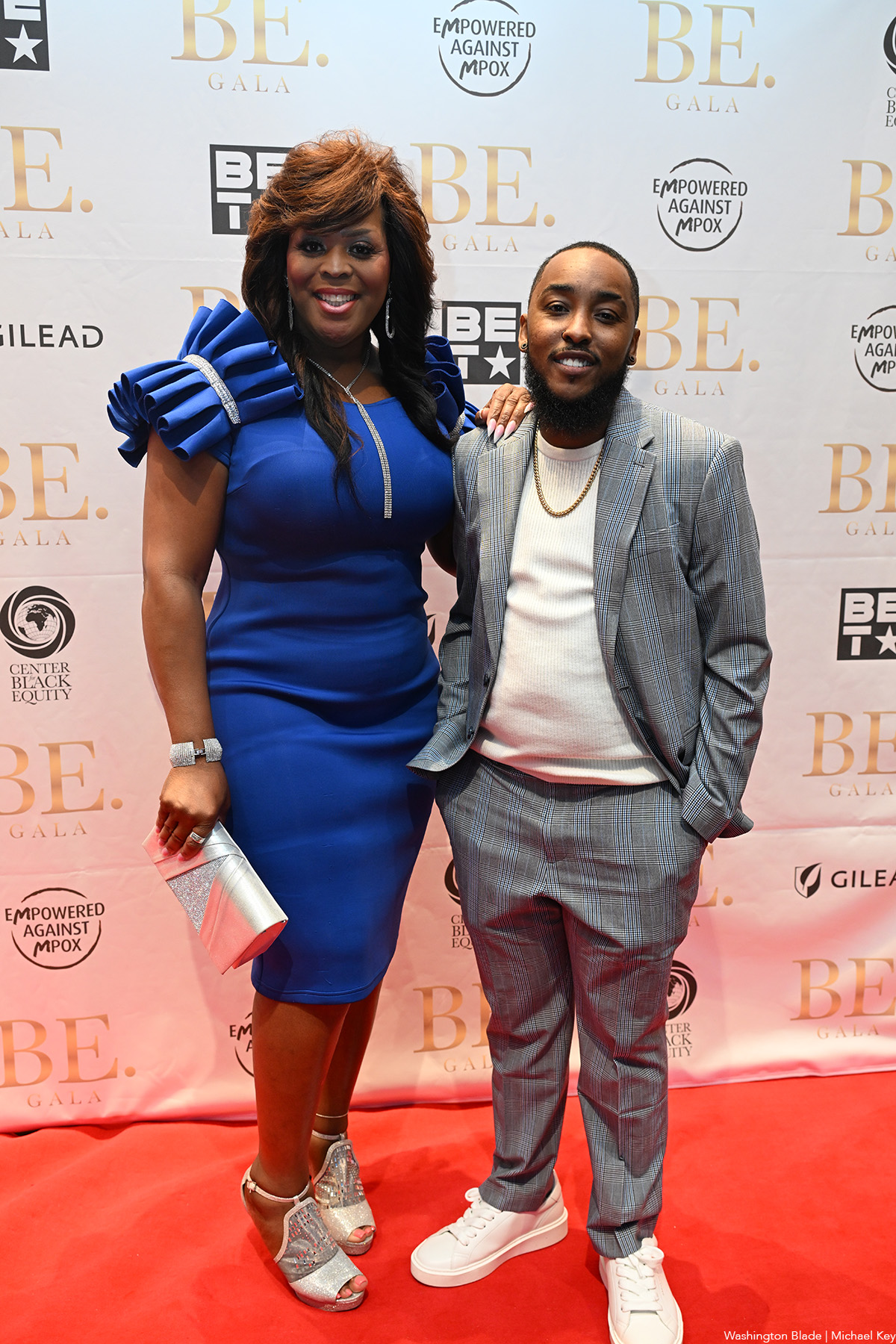
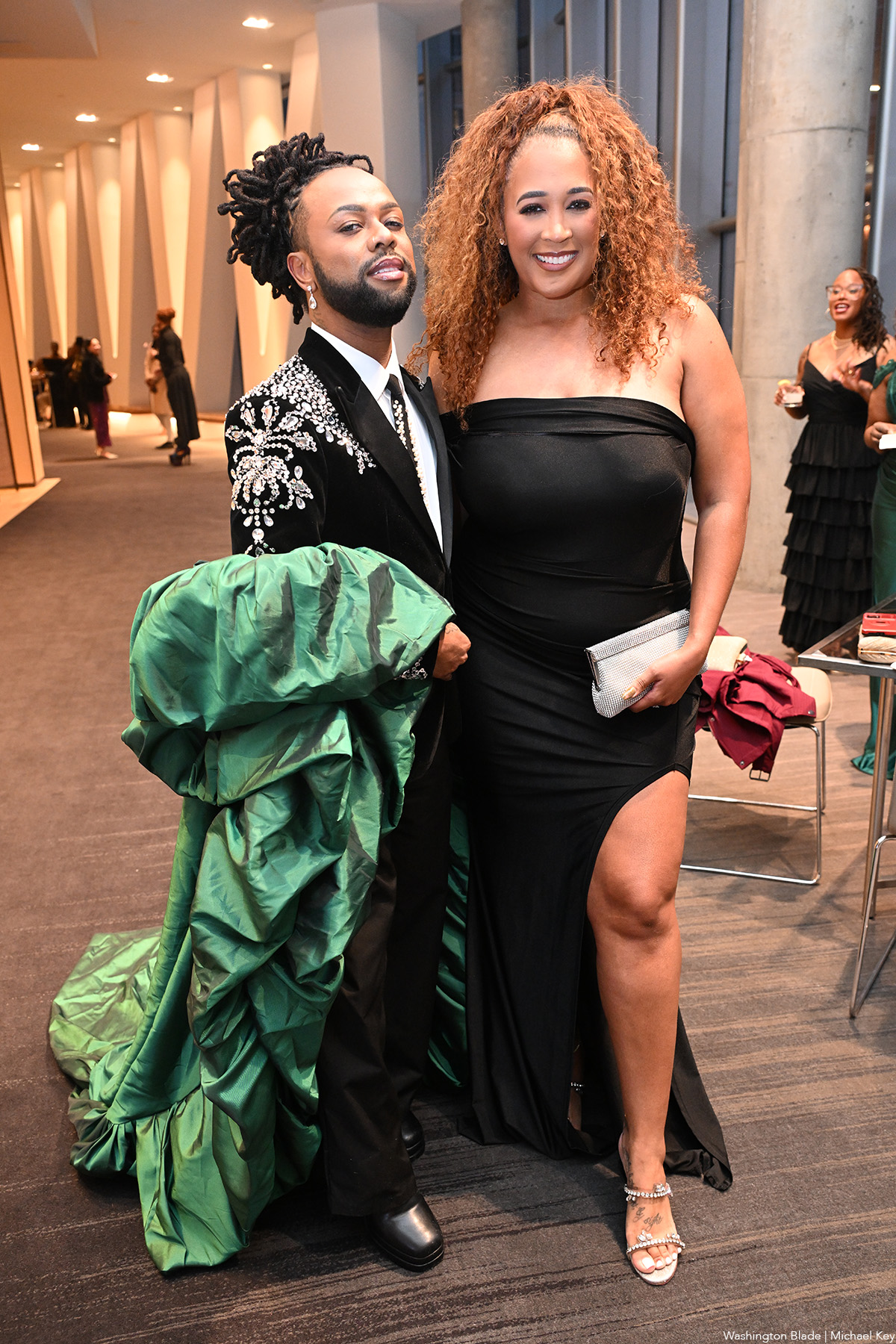
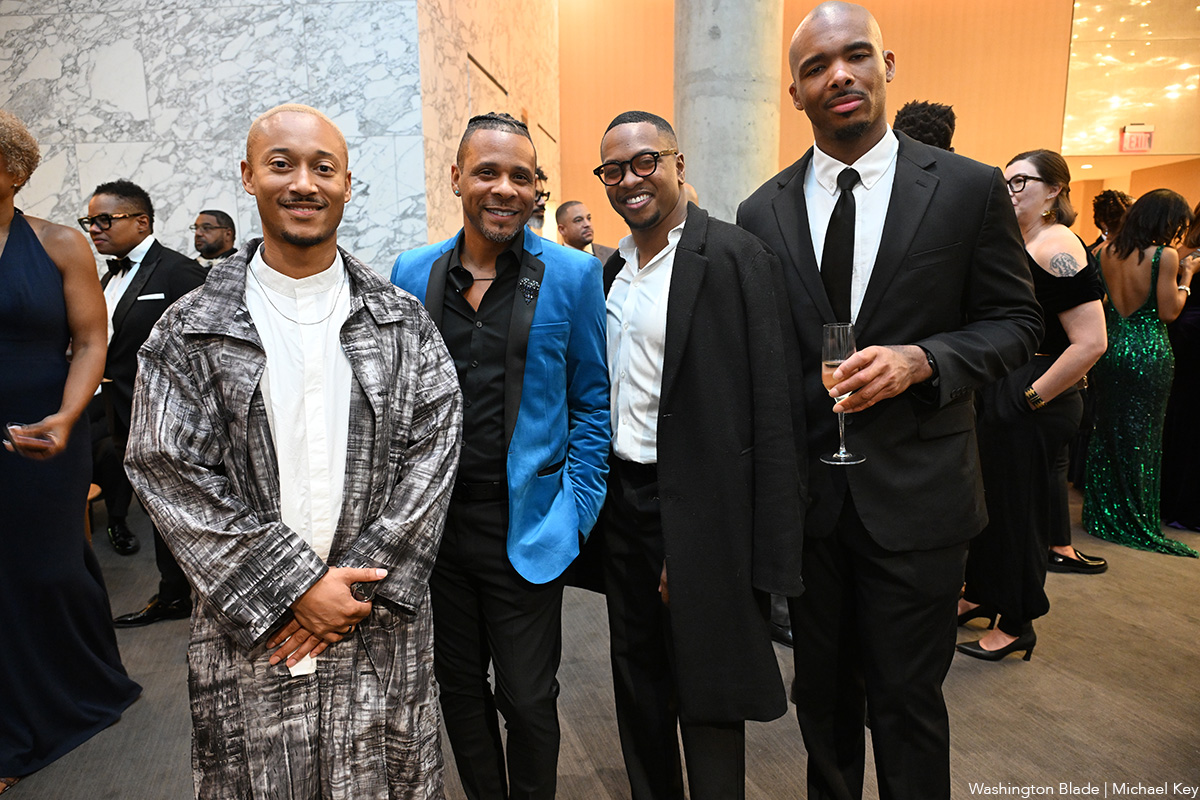
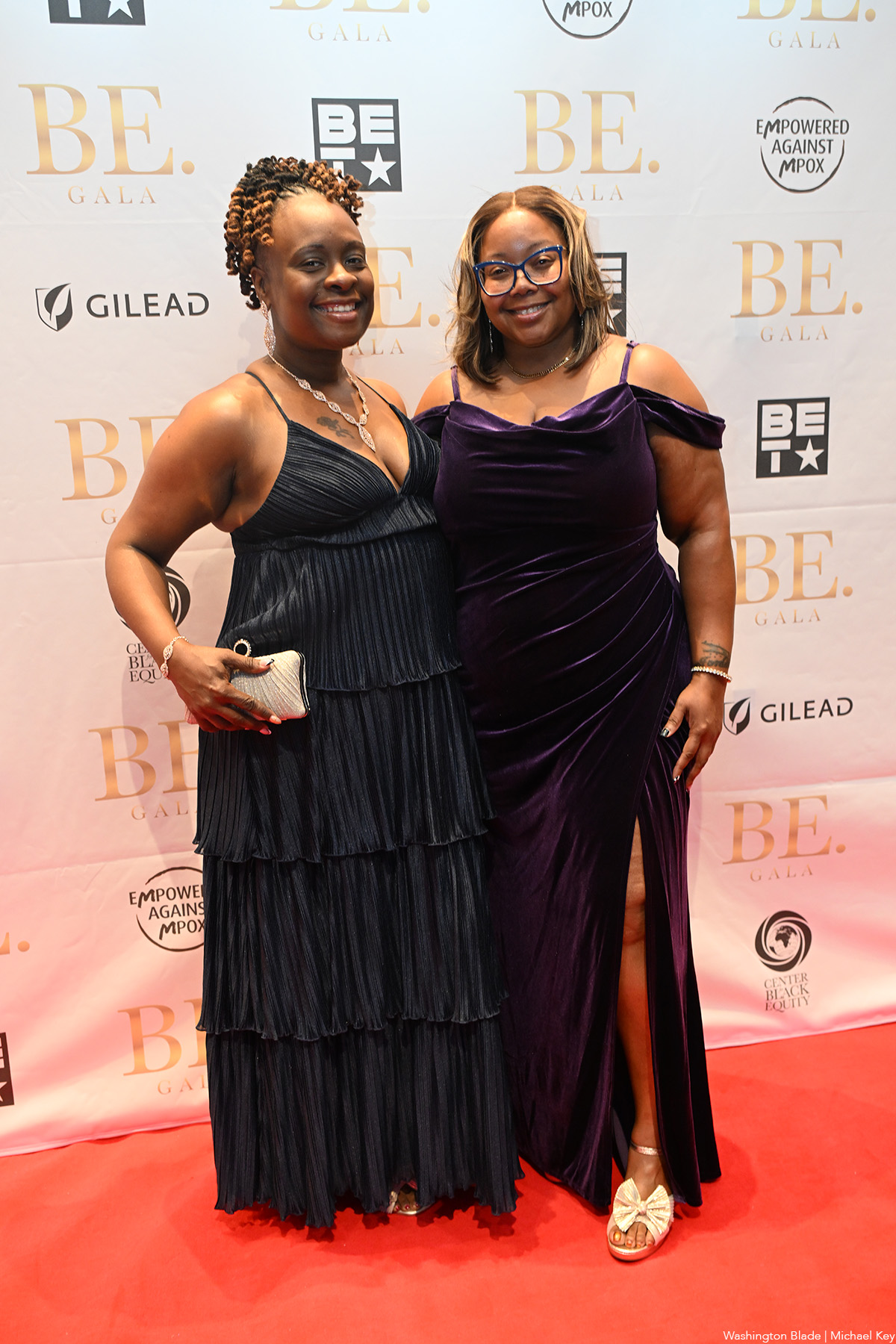
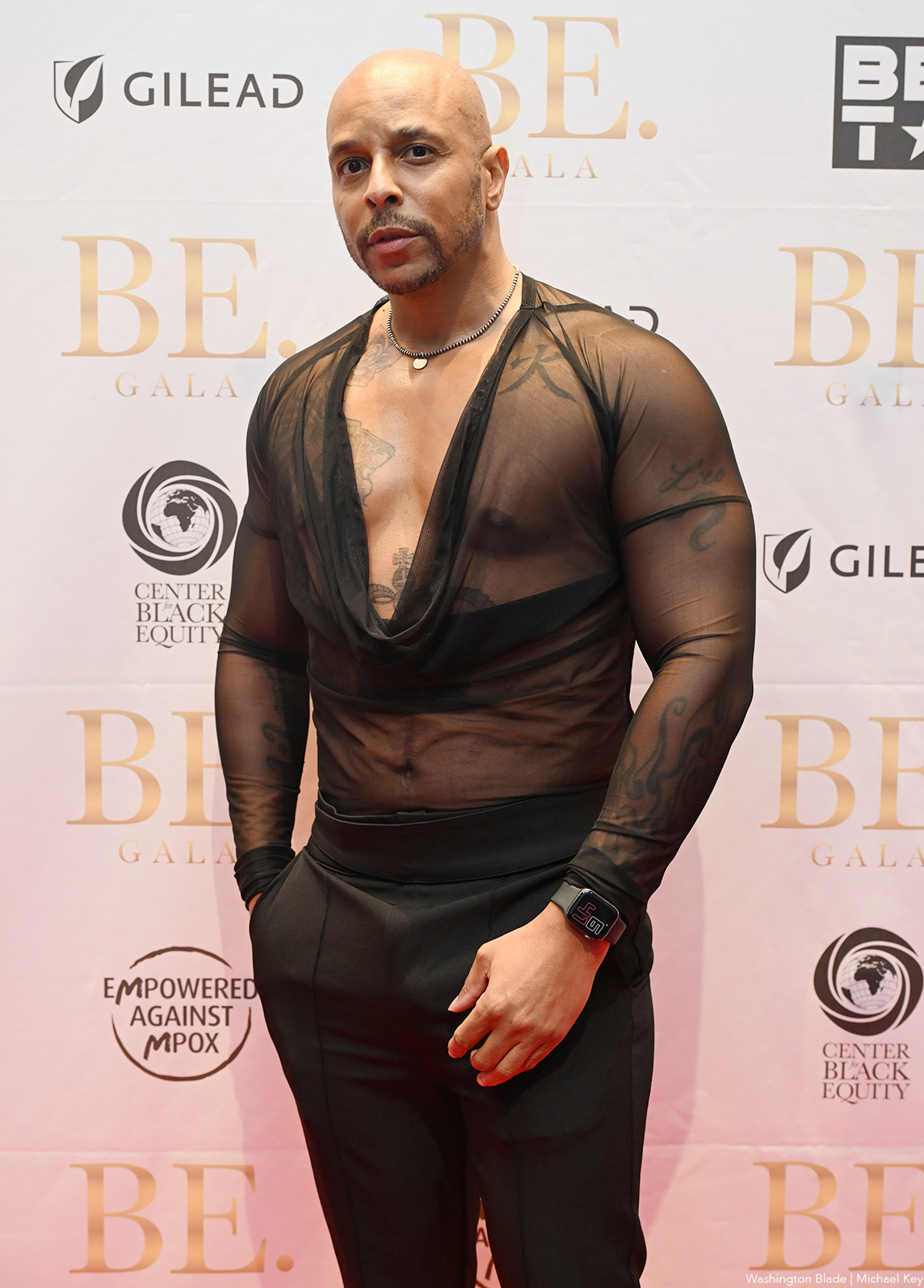
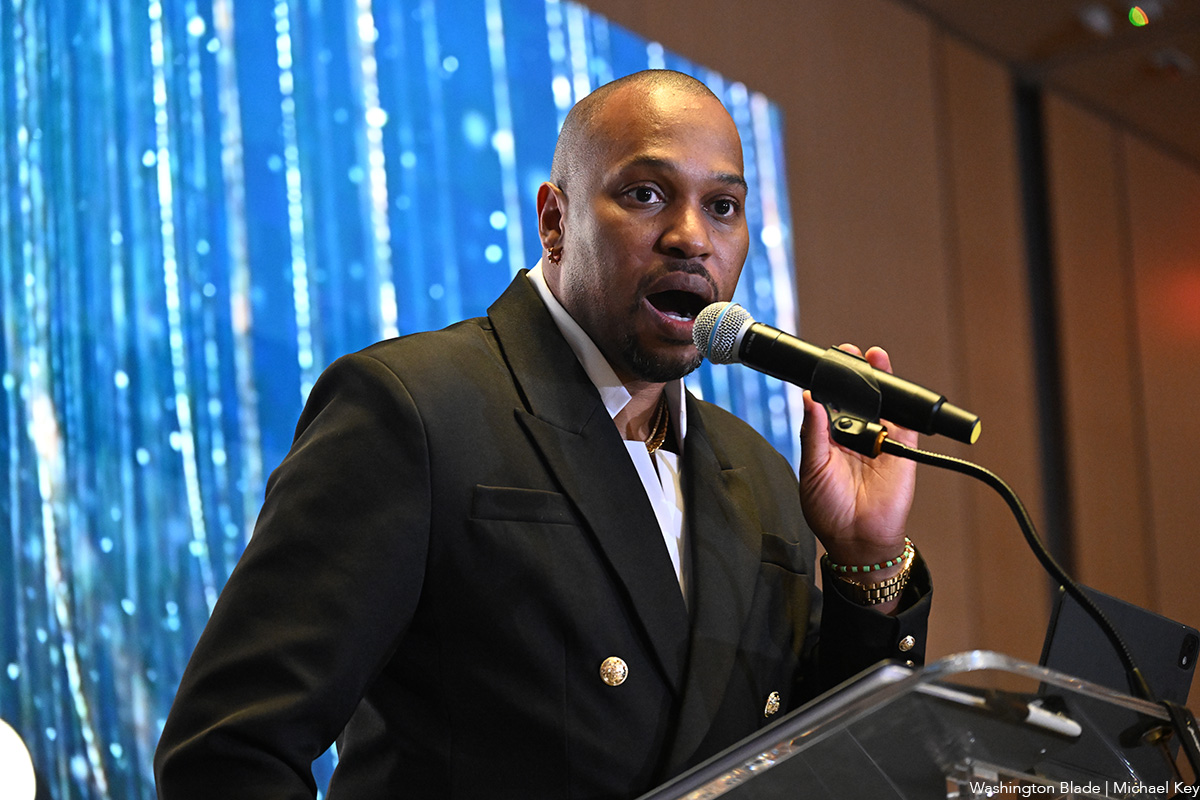
The Center for Black Equity held its annual BE. Gala at Conrad Washington, D.C. on Saturday, Oct. 5. Lolita Leopard Miyake-Mugler and Anthony Oakes co-hosted the awards ceremony.
Honorees included journalist and producer Justin Stewart; nonprofit leader Nikki Alexander; HIV advocate Marlene McNeese; the nonprofit organization FreeLux Project; actress Monroe Alise; public health advocate Tori Cooper; Manassas Park Vice Mayor Darryl G. Moore; Rev. Dr. Carmarion D. Anderson; Bishop Steven Sawyer; government relations professional Courtney Snowden; Senior Deputy Director of HAHSTA at D.C. Health, Clover Barnes; and Texas state Rep. Venton C. Jones.
The event was presented by Gilead.
(Washington Blade photos by Michael Key)

PHOTOS: Miss Gay Maryland America

Ahead of the midterms, Meta has paid at least 29 anti-LGBTQ accounts for their posts

Acclaimed U.S. Justice Dept. attorney William Corcoran dies at 83

JD Vance suggests James Talarico is gay during Texas rally

Hungarian lawmakers approve bill to remove anti-LGBTQ provisions from ‘child protection’ law

Physician: addiction doesn’t always look the way you think it does

Solidarity beyond the parade: the actual cost of Pride

Essential queer horror classics for Halloween

Center for Black Equity honors leaders, activists at BE. Gala

In ‘The Lost Brontë,’ a complicated lie can lead to danger
-

 District of Columbia5 days ago
Physician: addiction doesn’t always look the way you think it does
-
Opinions4 days ago
Solidarity beyond the parade: the actual cost of Pride
-
Movies4 days ago
Essential queer horror classics for Halloween
-
Photos3 days ago
Center for Black Equity honors leaders, activists at BE. Gala